


1024 XPENG Tech Day; Jiyue 01 Officially Launches; Lynk & Co Smart Cockpit OS Upgrade | E Week Highlights
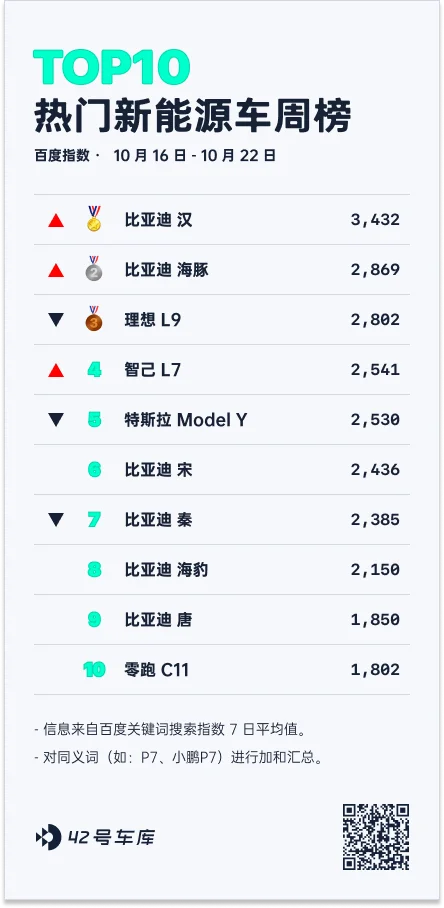
01Weekly Index
02Weekly News
1024 XPENG Technology Day
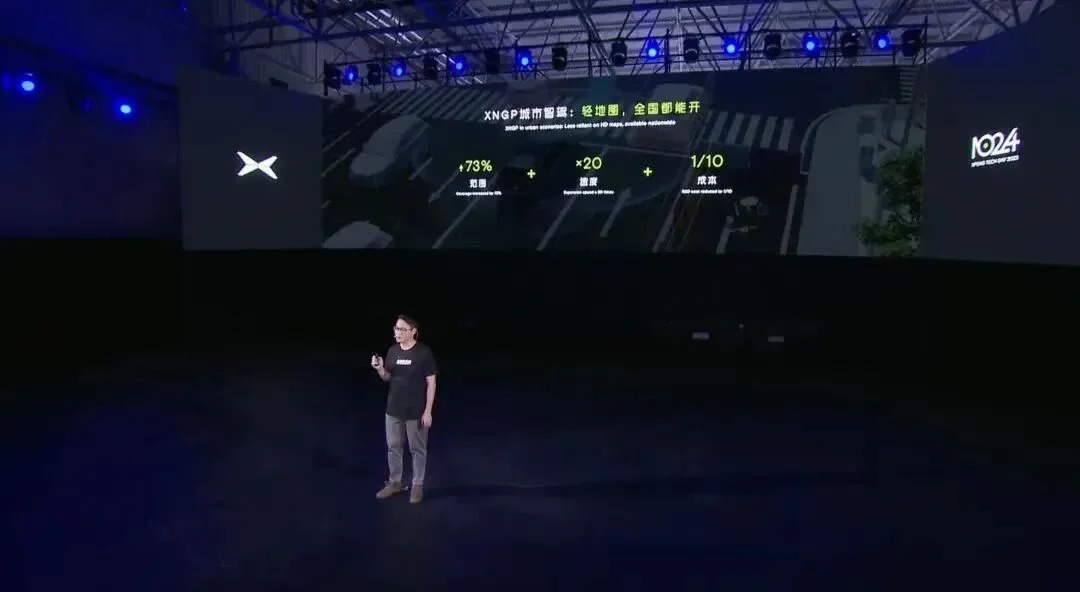
At the event, key information regarding XPENG XNGP technology centered on three points: broader coverage, faster city expansion, and lower costs.
XNGP now covers 73% of China's road network. Dependence on high-definition maps has decreased significantly; the speed of opening new cities is 20 times faster than during the HD map era, and costs have dropped to one-tenth of the previous level. During this process, XPENG will use shadow mode to accelerate city expansion, collecting features, training scenarios, and deploying functions in the cloud. XPENG's AI chauffeur mode will be available nationwide without city restrictions, usable after a single learning session, with learned routes continuously iterating in the cloud. Li Liyun summarized this as 'drivable nationwide, effective throughout.'
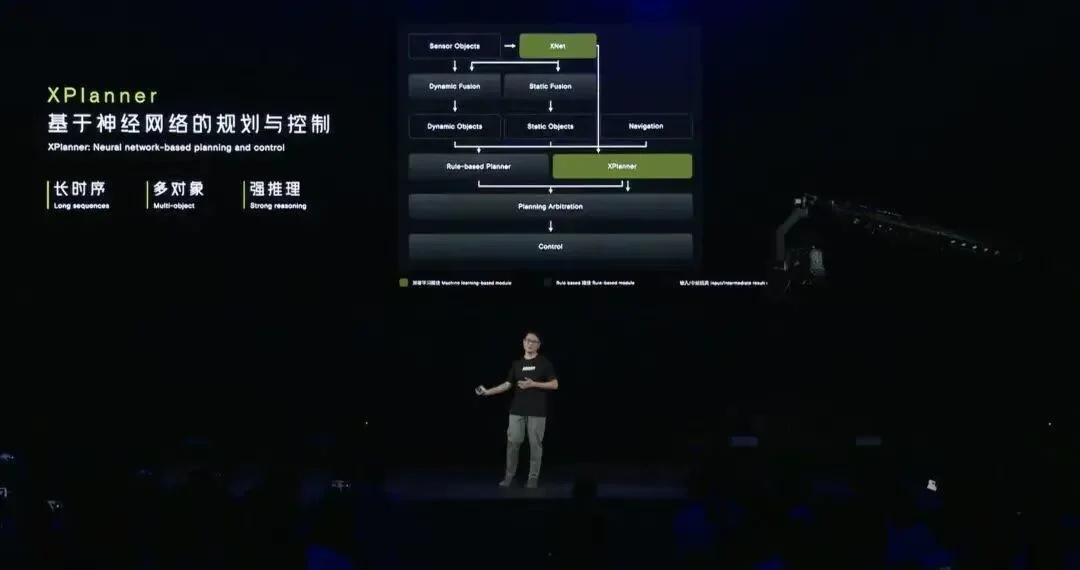
XPENG then presented its ultimate architecture for all-scenario autonomous driving, XBrain. The core components are the spatial-awareness XNet 2.0 perception architecture and the neural-network-based planning and control XPlanner.
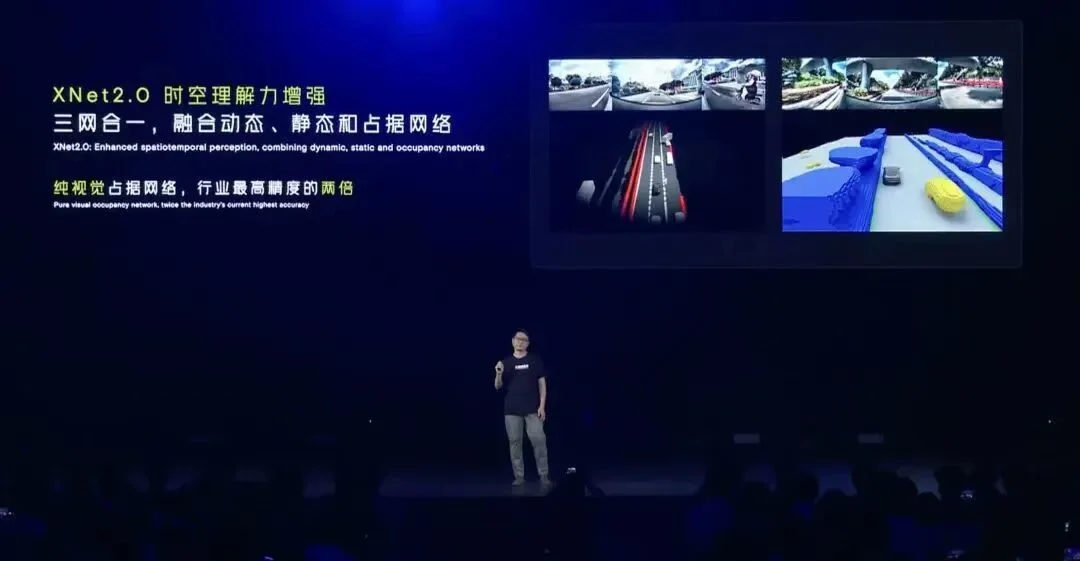
Regarding XNet 2.0, XPENG introduced the concept of 'three-network integration.' The new architecture fuses dynamic BEV networks with static BEV networks. This improvement significantly enhances the system's ability to infer missing information, allowing it to better handle scenarios with object occlusion, unclear features, or poor lighting conditions where objective perception data is missing or unstable. This is crucial for reducing reliance on high-definition maps.
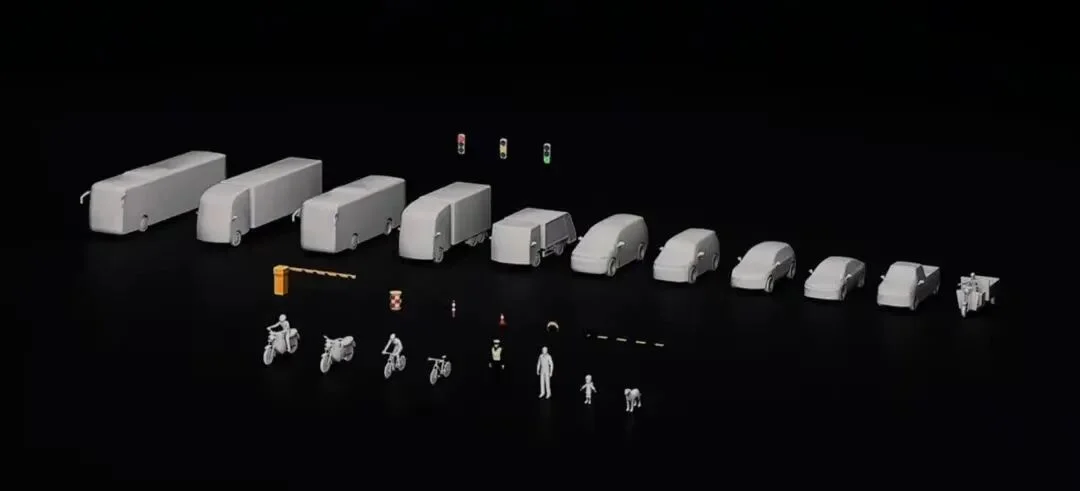
The types of features identifiable in XNet have expanded to 11 categories, including animals, children, two-wheeled vehicles with or without riders, parking lot barriers, and others.
The third network is the visual occupancy network, which enables pure-vision perception of 3D environmental entities. This forms the basis for the system's detour and obstacle-avoidance capabilities. XPENG stated that the accuracy of XNet 2.0's pure-vision occupancy network has reached twice the highest precision currently achieved in the industry.
Another key evolution is the enhanced understanding capability of XNet 2.0, which now incorporates text recognition. This gives the system the potential to interpret road signs across various cities, meaning scenarios such as variable lanes will no longer hinder expansion into new markets.
As the planning and control brain, XPlanner is also a critical component of the system. After accumulating experience with rule-based algorithms for urban intelligent driving across different cities, XPENG’s planning and control logic is gradually shifting toward model- and data-driven approaches.
XPlanner not only possesses minute-level long-horizon planning capabilities but also makes composite considerations based on its own status and the traffic environment, resulting in better game-theoretic performance. Based on our practical testing experience, this capability manifests in specific scenarios as better timing selection and improved ability to execute cut-ins and prevent being cut in.
Quick Review:
Starting with the P7i, XPENG drastically reduced its new car SKUs, adopting more intuitive naming conventions. The company has stopped releasing entry-level models designed solely to lower prices or premium versions intended merely to highlight brand status. The facelifted G6 and G9 delivered extreme pricing in one step, while accelerating the pace to achieve launch-to-test-drive and launch-to-delivery timelines.
In terms of product development, XPENG is increasingly addressing user expectations: reducing the use of piano-black plastic, standardizing seat ventilation, and prioritizing practical features like space and seat comfort. Deeper systemic optimizations, such as channel reforms and anti-corruption measures within the supply chain, are not detailed here.
All these changes ultimately enhance XPENG's competitiveness in vehicle-related areas, gradually establishing a clear role for its intelligent driving systems. This transformation gives XPENG the confidence and resolve to fully commit to intelligent driving at its 1024 Technology Day event this year.
Jiyue 01 Officially Launches
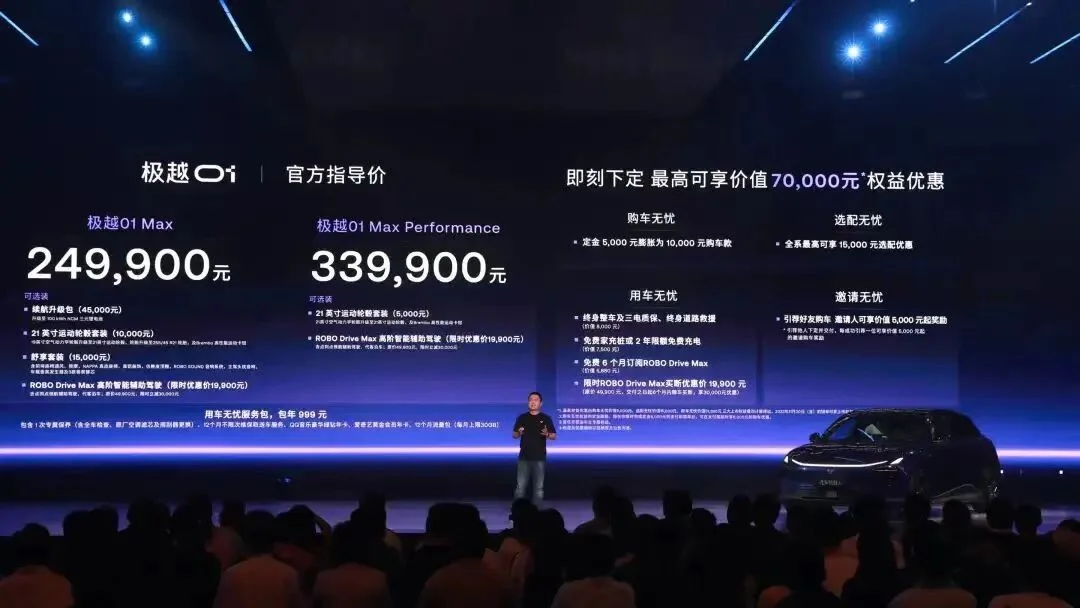
On October 27, the Jiyue 01, the first vehicle jointly developed by Baidu and Geely, officially launched. The Jiyue 01 is available in two trims:
Jiyue 01 Max: Priced at RMB 249,900. It features a single motor paired with a 71.4 kWh lithium iron phosphate battery, offering a CLTC range of 550 km.
Jiyue 01 Max Performance: Priced at RMB 339,900. It features dual motors paired with a 100 kWh ternary lithium battery, offering a CLTC range of 660 km.
Additionally, the single-motor model can be equipped with a 100 kWh battery as an option for RMB 45,000, raising the price to RMB 294,900 and extending the CLTC range to 720 km.
The predecessor to the Jiyue 01, the ROBO-01 concept car, featured two LiDAR units from its inception. However, when Jiyue recently demonstrated its urban navigation-assisted driving capabilities, it specifically highlighted a 'pure vision' approach, confirming that LiDAR was ultimately removed. Nevertheless, the Jiyue 01 retains five millimeter-wave radars for driver assistance, along with 12 ultrasonic radars dedicated to parking functions.
At the event, Jiyue named this advanced driver-assistance system "ROBO Drive Max." ROBO Drive Max is an optional package for the Jiyue 01, available via a monthly subscription of RMB 980 or a one-time purchase price of RMB 49,900 bundled with the vehicle.
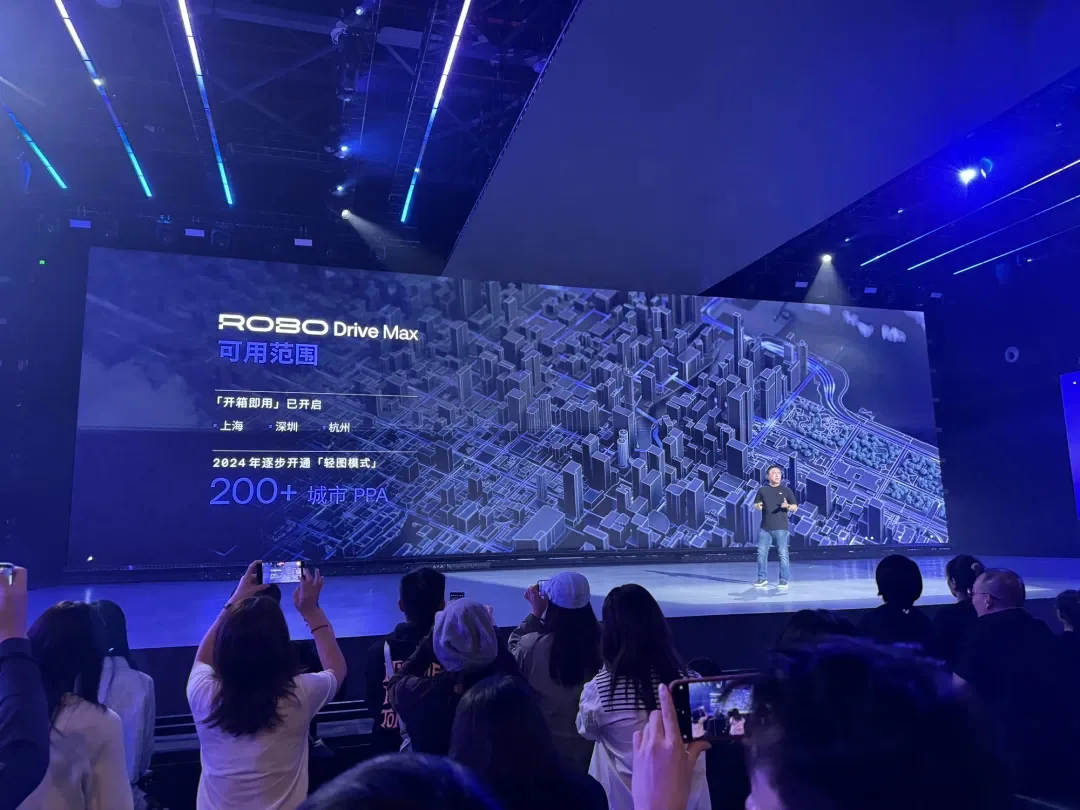
One of the main features of ROBO Drive Max is Point-to-Point Pilot Assist (PPA), which provides navigation-based assisted driving across multiple scenarios including highways and urban areas. Additionally, the Jiyue 01 supports voice control for vehicle operation and parking from outside the car. This year, ROBO Drive Max will open up city-level advanced intelligent driving functions to all users in three cities: Shanghai, Shenzhen, and Hangzhou, while PPA will be available on 90% of national expressways and elevated roads, described by the official as "ready to use out of the box." In 2024, PPA will gradually expand to cover more than 200 cities nationwide.
Vehicles without the optional package or subscription come standard with ROBO Drive, which includes lane keeping assist, automatic parking assist, collision warning, and lane departure warning, along with voice-controlled assistance functions.
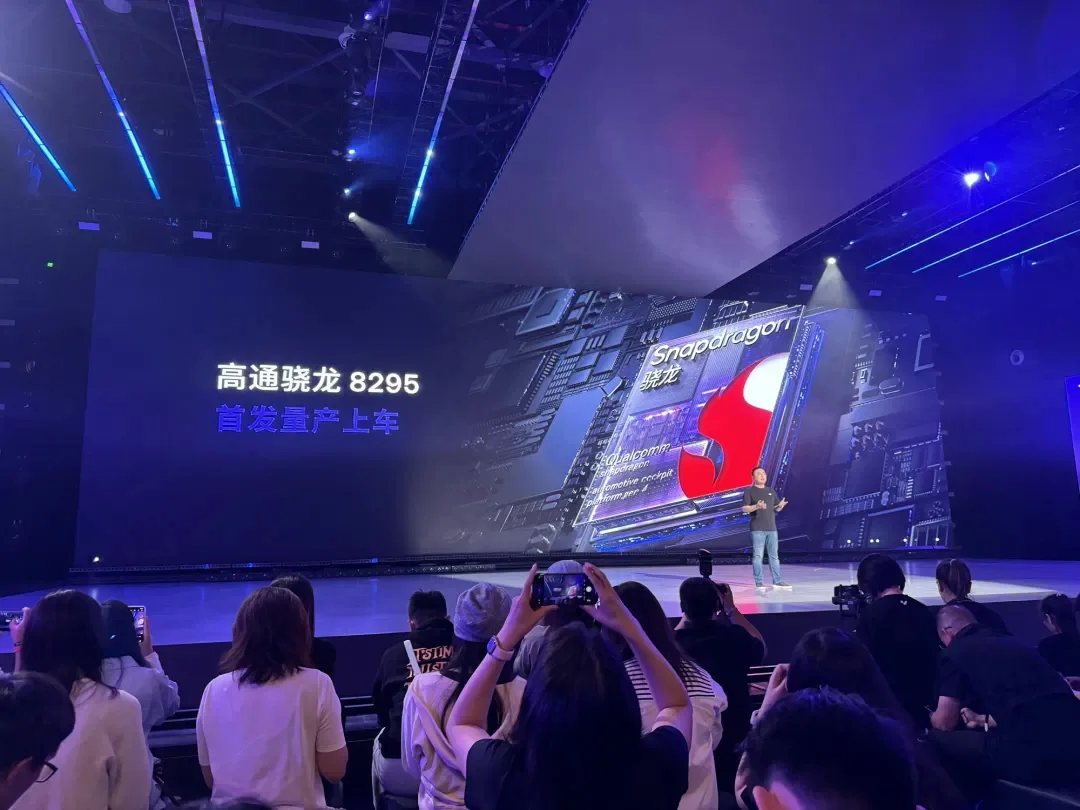
Furthermore, the Jiyue 01 is equipped with the Gaotong 8295 smart cockpit chip. The performance of the 8295 is roughly equivalent to Gaotong's laptop-grade Snapdragon 8cx Gen 2 processor, offering stronger capabilities than the contemporaneous Snapdragon 888. This chip also marks a significant shift in automotive chips, advancing the manufacturing process from 7 nm to 5 nm.
The 8295 used in the Jiyue 01 differs slightly by activating an additional "hidden" AI unit, effectively doubling the advertised AI performance from 30 TOPS to 60 TOPS. This computing power surpasses many dedicated driver-assistance chips; compared to the previous-generation 8155, the 8295 offers more than seven times the AI computing capability.
Returning to the vehicle itself, the Jiyue 01 features a distinctive screen measuring 35.6 inches diagonally with a horizontal resolution of 6K, delivering excellent clarity. The user interface is divided into three sections: the left side displays speed and instrument cluster information, the center shows the app home page, and the right side provides passenger services. The UI adapts to different usage scenarios, such as centering driver-assistance perception data or switching to full-screen gaming mode.
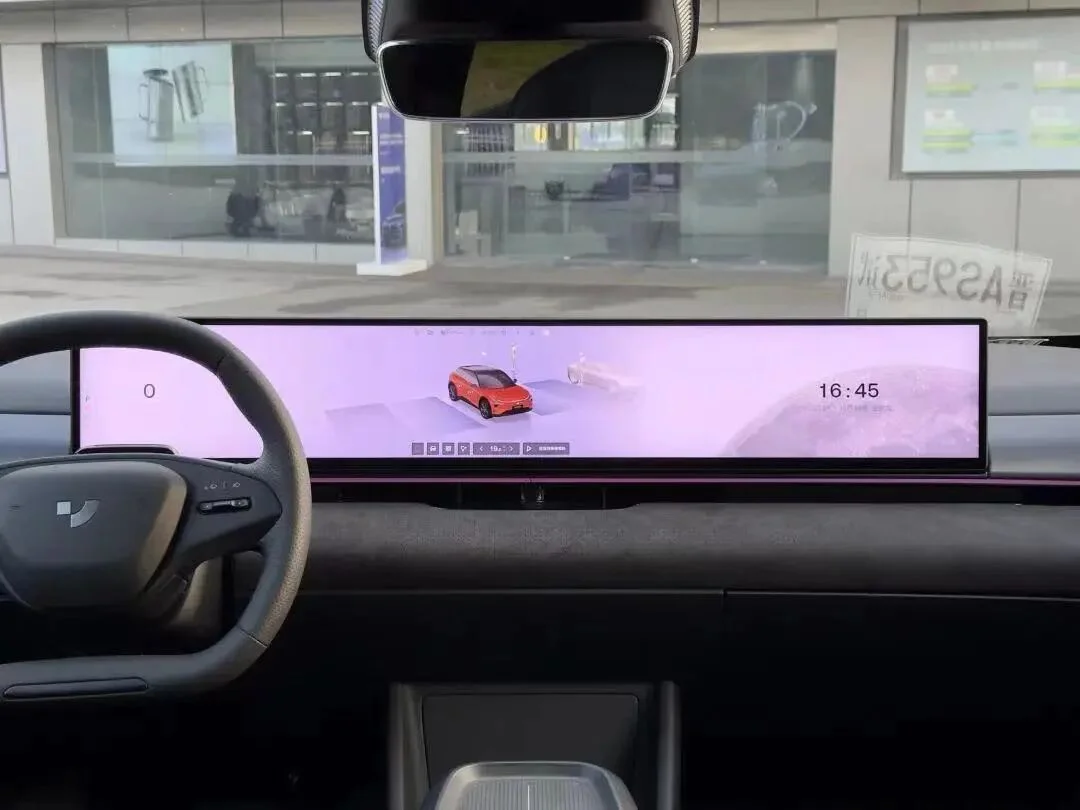
At the same time, its voice functionality is quite robust. The Jiyue 01's voice assistant, SIMO, supports full-domain offline voice processing, handling all tasks locally. The primary benefit is speed: official data states that end-side voice recognition takes 500 ms, with an end-to-end voice response time of under 700 ms. Another advantage is that the voice assistant can still communicate normally even without a network connection.
Commentary:
As the first vehicle jointly developed by Baidu and Geely, the path to the Jiyue 01's launch was indeed challenging. Since its inception, doubts regarding Baidu's autonomous driving capabilities, manufacturing qualifications, and brand viability have persisted without pause. However, when Jiyue Automobile CEO Xia Yiping declared at tonight's launch event that 'the benchmark product for the intelligent automotive era has arrived,' the audience erupted in cheers and applause, indicating high expectations for the Jiyue 01.
Urban navigation-assisted driving without LiDAR, and being among the first to adopt the Gaotong 8295 cockpit chip, the Jiyue 01 is indeed sufficiently leading in terms of intelligence. From a performance perspective, it also has a high degree of usability. However, a car is not just about intelligence; for example, the Jiyue 01 failed to catch up with the 800 V high-voltage platforms that have been rolling into mass production this year.
Lynk & Co Intelligent Cockpit Operating System Upgrade
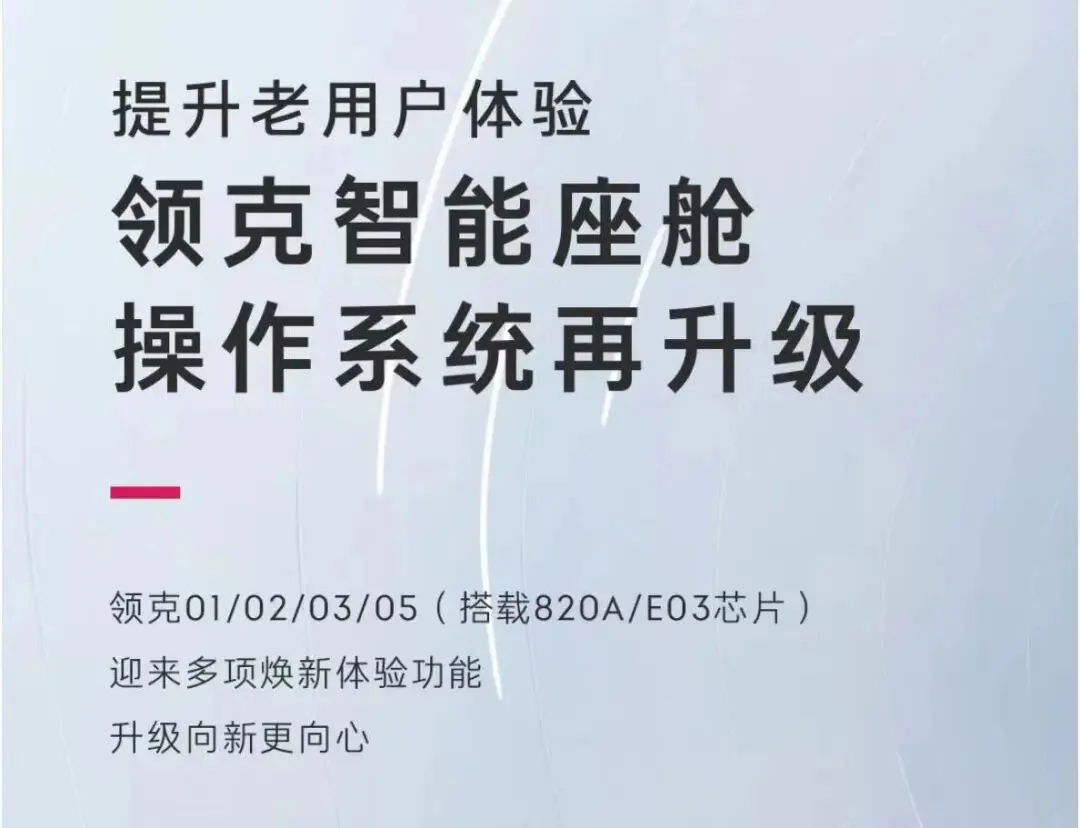
This update applies to the following models: Lynk & Co 01, 02, 03, and 05 (equipped with 820A/E03 chips). The update covers three main areas:
Interaction upgrades
Added a 'swipe' gesture for interaction, aligning more closely with the habits of using smartphones;
Added customizable taskbar features;
Updated system themes, including four options: Classic, Deep, Subversive, and Self;
Multimedia updates
The Lynk & Co system audio software has been replaced with 'Tencent Aiqutings', which includes Tencent QQ Music and WeChat Reading functions;
Compatible with over 20 sound effects, with interoperability between multimedia QQ Music accounts.
Navigation updates
Optimized route planning strategies to provide a better navigation experience;
The new version of Amap maps offers a wider selection of voice packs;
The new "Congestion Chatroom" feature allows owners to share traffic conditions on congested road segments within the chatroom.
Notably, the Lynk & Co smart cockpit operating system upgrade will be pushed to the Lynk & Co 01/02/03 (E03 chip) models, while the Lynk & Co 01/05 (820A chip) models only support in-store upgrades.
Quick Review:
Upgrades and updates for older infotainment systems have always been a major concern. Lynk & Co has offered two solutions simultaneously: partial feature upgrades via OTA and full-feature upgrades at physical service centers, which demonstrates considerable sincerity.
Zeekr 001 FR officially launched, priced at RMB 769,000
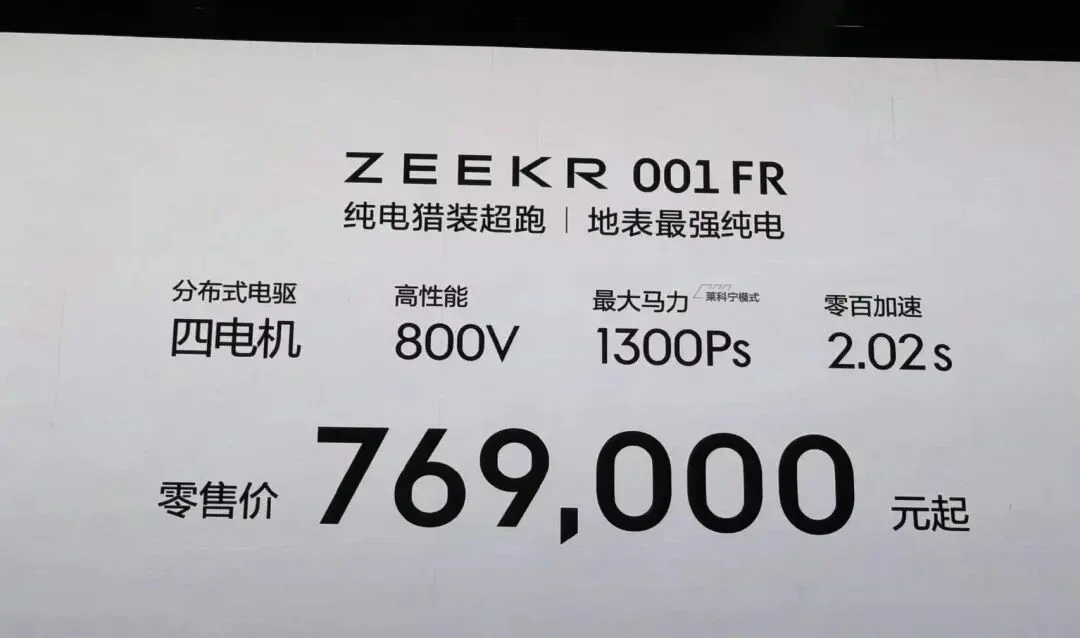
On October 27, the Zeekr 001 FR went on sale for RMB 769,000.
At the powertrain level, the Zeekr 001 FR’s zero-to-100 km/h acceleration time has improved from 2.07 seconds to 2.02 seconds, with peak horsepower increasing from 1,265 to 1,300 hp. The vehicle also achieves a 0–200 km/h sprint in 6.29 seconds. Beyond these performance figures, the new model features several notable highlights:
An overclocking mode that boosts output power by 10%;
The world’s first mass-produced silicon carbide (SiC) 800 V system available for delivery;
The global debut of the mass-produced Qilin battery, supporting a maximum charging rate of 4C;
Electric motors capable of speeds up to 20,620 rpm;
A carbon-fiber roof, the largest of its kind globally, weighing just 6.5 kg.
Quick Take:
The launch of the Zeekr 001 FR showcased Zeekr's technological achievements. The new car has also been well-received for its performance and handling, reinforcing the brand's performance credentials—a feat more impressive than its sales figures alone.
BYD Han Receives OTA Upgrade
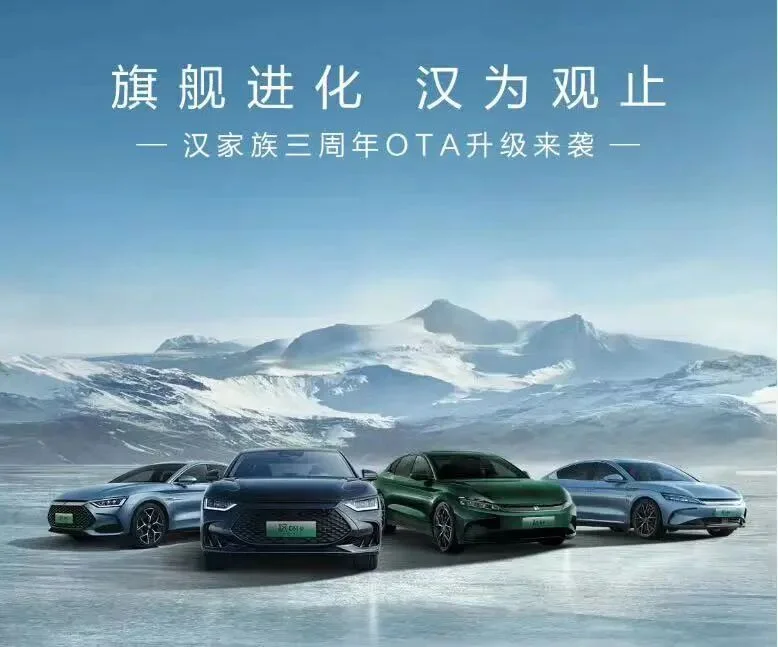
This OTA update for the BYD Han covers two main areas: "Driving Dynamics Enhancement" and "Intelligent Evolution."
Driving Dynamics Enhancement
The DiSus-C intelligent damping body control system adjusts suspension damping to increase stiffness during rapid acceleration/deceleration and high-speed cornering, suppressing body roll and pitch to improve handling stability. On bumpy roads, it reduces stiffness to enhance vibration filtering, improving ride comfort.
The iTAC intelligent torque control system prevents slipping on wet or gravel surfaces by intelligently distributing front and rear drive torque in real time. It also optimizes electric four-wheel drive to help the vehicle navigate complex road conditions.
Notably, five models within the BYD Han family support the DiSus-C upgrade: the Han EV Champion Edition 610km Four-Wheel Drive Flagship, Han EV Champion Edition 715km Flagship (with optional DiSus-C), Han EV Genesis Edition 610km Four-Wheel Drive Premium, Han EV Qianshan Cui Limited Edition, and the Han DM-p.
Intelligent Evolution
Smart voice features include upgrades such as dual-zone continuous dialogue, intelligent split-screen, voice shortcut assistance, and the ability to use smart voice commands while viewing vehicle camera feeds.
The system now supports a rest mode and a screen-wiping mode.
New features include a phone-forget reminder, UWB digital key support, and privacy management tools.
Quick Review:
For owners, the content of this OTA update is noticeable in daily driving and offers practical value. The BYD Han family of vehicles has taken another step forward in driving control and intelligent technology.
Written by: Ameng Edited by: Ameng