


We Uncovered the Underlying Logic Behind WEY's Changes from User Feedback
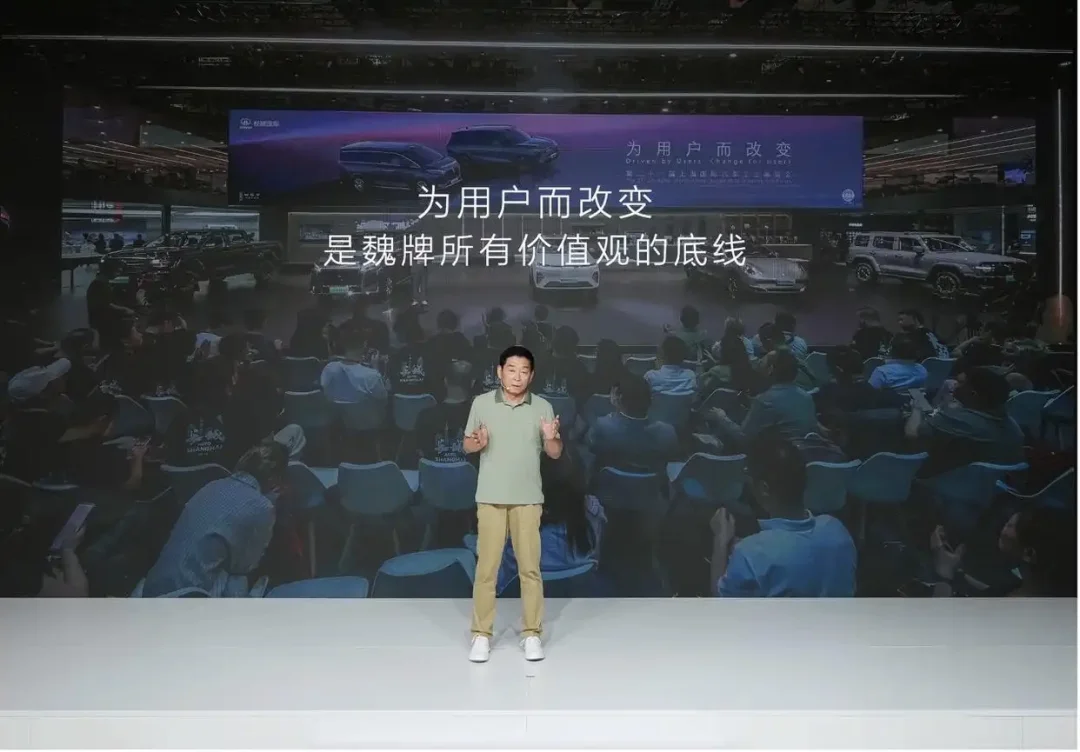
At the Shanghai Auto Show in April, WEY officially introduced its brand value proposition: "Changing for Users."
"Changing for Users" may sound like a superficial attempt by a brand to bridge the gap with customers, but whether it truly resonates depends on what is actually being changed and for whom.
In this rapidly evolving market, users no longer settle for vehicles that merely boast impressive specifications; they seek to be understood and responded to.
We posed a question to our users: In your real-world driving experience, what matters most to you?
42HOW Auto launched a survey in its official community featuring 10 topics related to driving security, covering areas from driver assistance and passive safety to service experiences. A total of 1,106 people participated, generating 221 comments.
Details written in the comment sections and repeatedly emphasized pain points—such as takeover logic in driver assistance, body materials, and service mechanisms—outline the characteristics of a vehicle that inspires confidence.
So, has WEY truly achieved "Changing for Users"?
We tried to find answers item by item, starting from the ten issues that users care about most. Not by listening to what they say, but by seeing how they actually respond.
01ADAS: 'Don't Startle Me'
A minor misjudgment or a sudden emergency brake is enough to break the tacit understanding and trust between the system and the driver. For many users, assisted driving does not bring freedom of the hands, but rather heightened tension.
We launched four topics on ADAS safety in the 42HOW Auto community, which received participation from 453 people and 84 user comments. Based on the voting and comments, users care less about how many features are packed into the system and more about whether the entire system can give them sufficient confidence.
Alerts Must Be Accurate; Transitions Must Be Stable
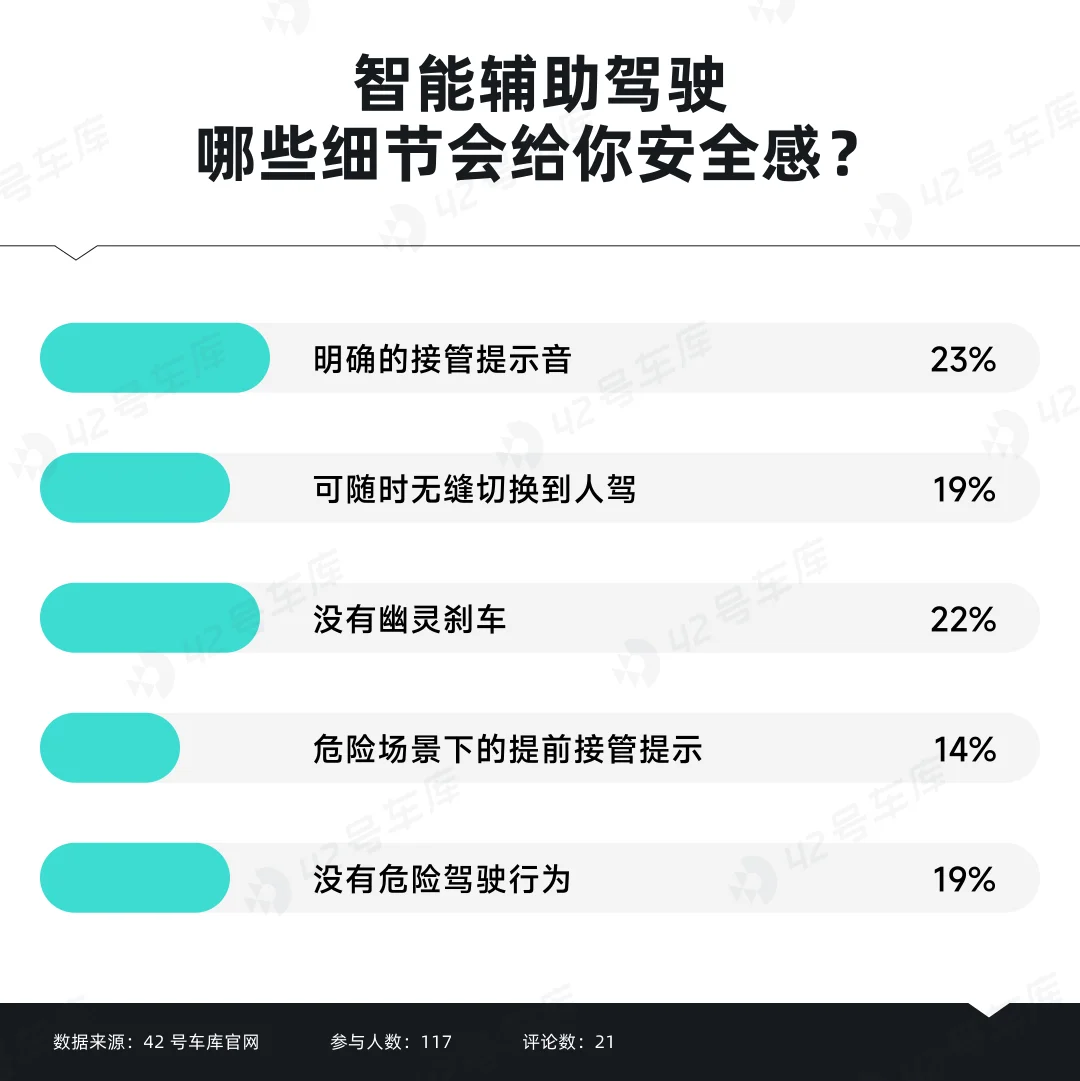
In the survey asking, 'Which details make you feel safe with assisted driving?', the highest proportion of respondents (23%) chose 'clear takeover prompts', while 14% chose 'early takeover prompts in dangerous scenarios'. This clearly shows users' concerns regarding the takeover process. Many users stated that what they fear is not the system disengaging, but doing so without warning or simply disappearing.
Netizen 'Dan Rushui de Weixiao' stated: 'The takeover prompt is important. It prevents drivers from being startled when the vehicle unexpectedly takes over control. Having an early audio warning would be much better.'
WEY's approach involves multi-channel, progressive alerts and advocates "human-machine co-driving." When Urban NOA is enabled during assisted driving, if the driver deems it necessary to take over—whether by pressing the accelerator or brake pedal, or turning the steering wheel—they can seamlessly switch to manual control at any time.
"Human-machine co-driving" fully preserves the user's control, ensuring the system assists rather than takes over. As netizen "Carter Throttle to the Floor" noted, seamless takeover capability is essential: "For instance, in scenarios where you're unsure whether the machine can handle it, being able to seamlessly intervene is crucial. I don't want intelligent driver assistance fighting me for the steering wheel."
Braking with Precision and Stability
The "phantom braking" issue, which is frequently criticized in driver assistance systems, has also been repeatedly mentioned in community comments. The proportion of users who stated that "not having phantom braking gives me a sense of security" is 22%. Users indicated that when following vehicles on highways, if the system frequently applies brakes despite there being no obstacles ahead, it not only startles them but also increases the risk of rear-end collisions. Their plea is: "Don't suddenly slam on the brakes while everything is going smoothly..."
In response, the all-new refreshed WEY Lanshan and the all-new Gaoshan both come standard with 128-line LiDAR for real-time perception of road conditions. If a collision risk is detected, the AEB system first alerts the driver to brake using sound and light warnings. If the driver does not take action to avoid the collision, the system then automatically applies braking to prevent it. Additionally, the system features RCW (Rear Collision Warning). Once the system determines that a risk exists ahead, it switches to different warning levels accordingly. It not only displays visual prompts on the dashcam but also synchronously issues audio reminders to urge the driver to react promptly, such as by accelerating, changing lanes, or avoiding the hazard.
Meanwhile, WEY has also enhanced its ability to avoid dangerous driving behaviors. For example, when the system detects that a lane change is too aggressive in speed or amplitude, it will actively correct or provide a warning.
Capabilities Have Boundaries; Prompts Must Be Precise
In this community survey, another frequently mentioned anxiety point is: the system fails to deliver but doesn't say so. Many users stated that under unknown operating conditions, "it says it can do it, I thought it could do it, but actually it can't" is the greatest source of uncertainty.
Netizen "sky Xiaotian": If the system is unavailable, tell me clearly that it's not available; don't keep it running after issuing a reminder.
Netizen "Liu Peng 2024" says that a sense of security comes from "certainty." Competence is one aspect, but more importantly, if you truly can't do something, please tell me in advance. This is like assigning tasks to your assistants or subordinates. It's the same when asking your partner at home to do chores or asking children to help with something. We all hope that regardless of whether the job is done well or poorly, you don't try to force it and end up letting us down when you clearly know you can't handle it.
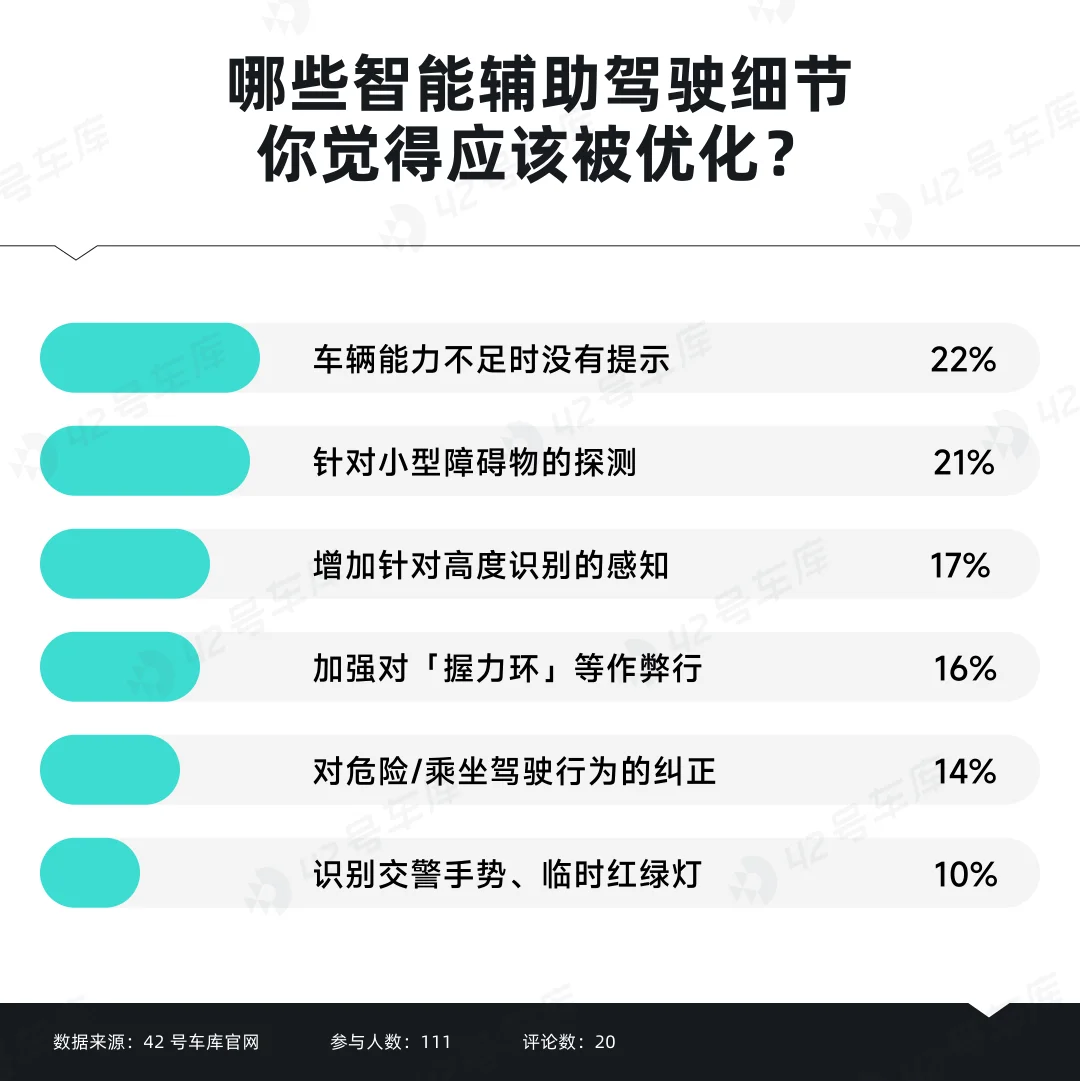
The survey results show that when asked "Which ADAS details do you think should be optimized?" 21% of users selected "No prompt when vehicle capability is insufficient."
In response, WEY has strengthened the system's "self-awareness":
When capabilities are insufficient, the system proactively displays a pop-up prompt—for example, if visual recognition fails or on unsupported road segments, it clearly informs the driver to "take manual control";
Small obstacle detection and height perception upgrades, such as identifying easily overlooked obstacles like traffic cones, curbs, and manhole covers;
OTA updates are continuously expanding the recognition scope, with ongoing efforts to adapt to special scenarios such as traffic police hand signals, tidal lanes, and temporary traffic lights.
Additionally, in response to industry controversies regarding drivers using hand-grip rings to cheat the driver assistance system, WEY has launched a 'multimodal human-machine recognition' strategy. This approach employs dual verification through driving behavior and visual recognition to combat 'fake takeover' operations, thereby enhancing the credibility of the overall safety closed loop.
"True assistance is thinking one step ahead for me"
Beyond the system's own logic, this survey included a discussion on 'what distracts you while driving.' The results showed that sudden phone calls, passengers talking over navigation audio, and interference from content played on the passenger screen are all real issues.
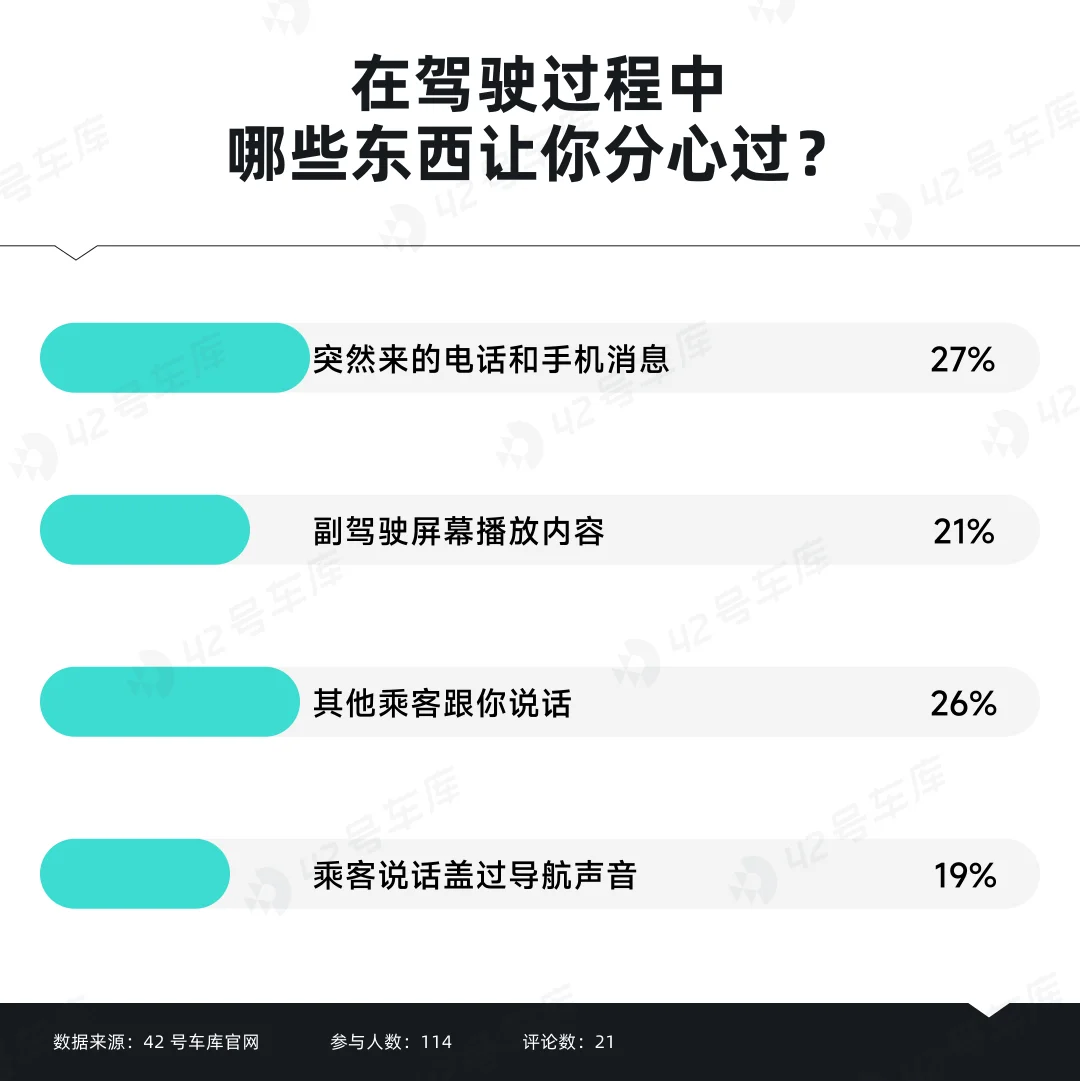
User 'sik' stated: 'Noise from children in the back seat has a noticeable impact.' A user named 'Deyun Society's Eldest Disciple,' who selected 'content played on the passenger screen,' complained: 'It's all because the TV is too good to watch.'
User 'Danru Shui de Weixiao' analyzed why content on the passenger screen distracts the driver: 'The passenger screen is usually within the driver's peripheral vision. The constantly changing video images, vibrant colors, and possible dynamic effects can unconsciously attract the driver's gaze. This causes the driver's eyes to leave the road ahead. During this time, the vehicle may have traveled a certain distance. If an obstacle, pedestrian, or other sudden situation appears ahead, the driver may not be able to react in time.'
To address this, WEY does not emphasize 'the more screens, the flashier' in its smart cockpit design. Instead, on the newly refreshed Lanshan and the all-new Gaoshan, it achieves intelligent identification of navigation priority through the fusion processing of multi-source information. The voice assistant also actively adjusts the volume allocation of various information based on user-set priorities, thereby reducing the risk of drivers missing important alerts due to divided attention.
In the question 'Which driver assistance safety features do you care about most?' the top five choices were highway assist, city assist, and AEB (Automatic Emergency Braking). More than 10% of users also selected emergency lane change assist and automatic pull-over parking after driver unconsciousness.
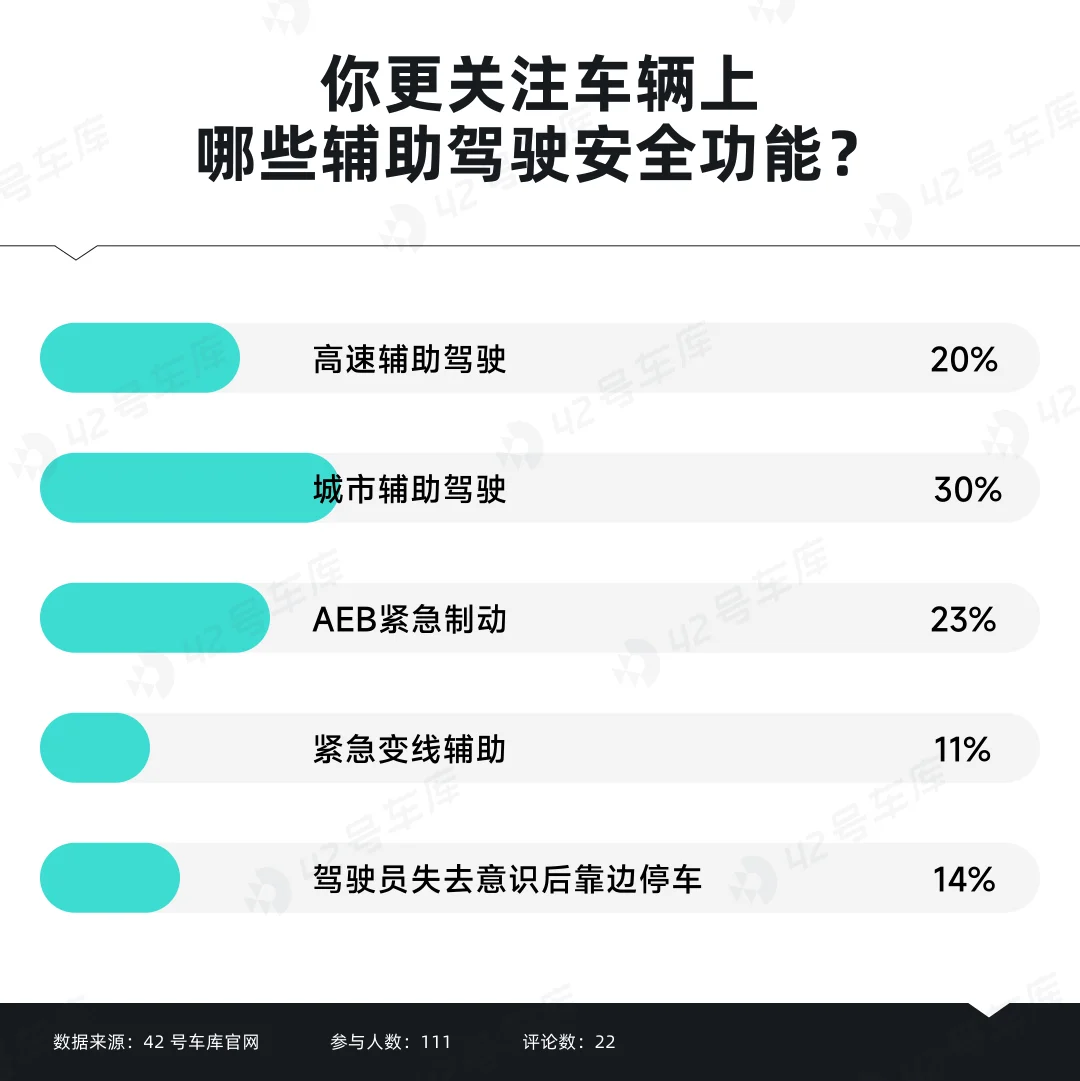
These core functions are all covered by WEY’s intelligent driver assistance system. Highway and urban NOA (Navigation on Autopilot) features have been mass-produced and rolled out nationwide, while AEB (Automatic Emergency Braking) and ESA (Emergency Steering Assist) support dynamic driving conditions. With the OTA 3.3 update, the system will add parking-to-parking capabilities. WEY has also equipped its new Gaoshan model with a 'Driver Sudden Condition Recognition System' that automatically slows down and pulls over if the driver loses consciousness.
Wei Jianjun once said, 'Without safety, there is no talk of intelligent driving.' In the realm of driver assistance, beyond basic feature configurations, users care more about whether the technology can genuinely mitigate risks and reduce their burden. WEY does not simply pile up features; instead, it clarifies every detail so drivers can use them with confidence and yield control promptly when needed.
02Do Not Compromise on Structural Safety
A sense of security is never an afterthought of technology; rather, it is the subconscious trust users place in a vehicle to protect them at critical moments.
We posted four topics related to vehicle structural safety in our community, receiving 443 participations and 89 comments. The most discussed points in the comments were 'whether it holds up in critical moments' and 'whether there is an escape route in real emergencies.'
We roughly categorized user concerns into three dimensions: structural strength, occupant protection, and response to extreme scenarios. Addressing these frequently mentioned concerns, we found corresponding solutions within WEY’s product strategy.
Adequate Structural Rigidity Is the Bottom Line for Safety
In the poll asking "Which configurations or features make you feel this car is safe," 'High proportion of high-strength steel' received the highest number of votes, accounting for 23%. Users generally believe that if the vehicle frame itself cannot withstand collisions, algorithms are merely a patch. As netizen 'Yu Yue Ri Ban' stated: 'Hardware safety is more reliable than software safety.'
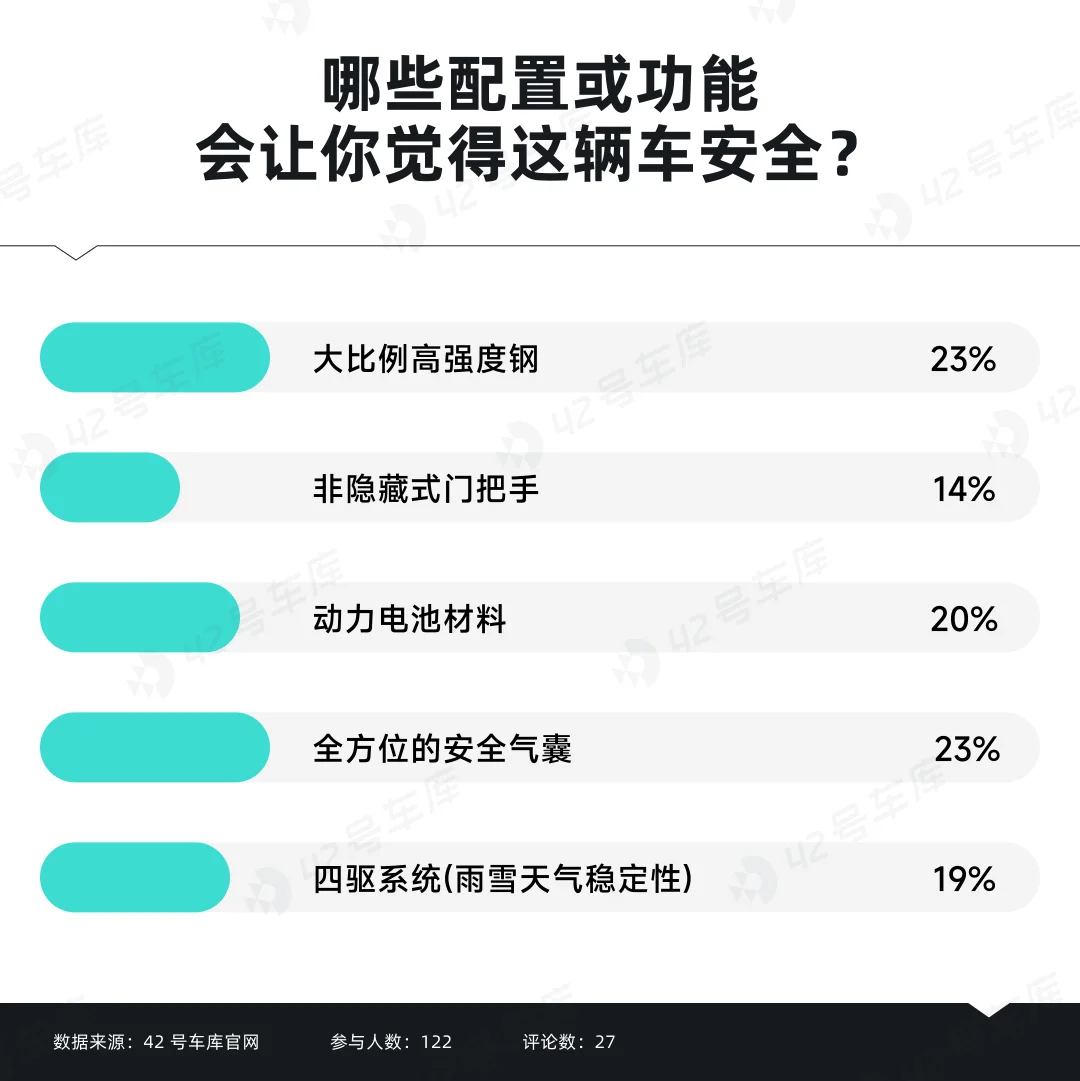
From the user's perspective, body structure is the baseline for a sense of security—this is also where WEY focuses its efforts in material selection. In terms of body materials, main models such as the all-new Blue Mountain Refreshed Edition and the all-new Gaoshan feature a high-strength steel content of 81% in their bodies. The all-new Blue Mountain Refreshed Edition uses 2,000 MPa one-piece hot-formed steel in the B-pillar and other critical anti-collision areas, enhancing resistance to side impacts.
'The biggest hidden danger of electric vehicles is the power battery, as fires caused by batteries after collisions are all too common. Therefore, power battery materials are of paramount importance.' Netizen 'Dan Ru Shui De Wei Xiao' commented. Users who prioritized power battery safety accounted for 20%, with netizen 'Jason Driving XPENG in Chad' stating: 'Battery safety is true safety.'
The survey results clearly show that battery safety has become one of the key factors users consider when purchasing a vehicle. This vigilance regarding battery safety is precisely where WEY invests heavily in product development. For example, the battery pack of the WEY Blue Mountain Refreshed Edition employs an aluminum alloy frame with a crush resistance three times higher than the national standard, capable of withstanding 30 tons of pressure. The outer protection of the battery includes a chassis guard with four horizontal and eight vertical beams, along with a battery frame featuring two longitudinal and five transverse beams, jointly creating a six-longitudinal, thirteen-layer outer protection for the cells. The battery bottom utilizes a six-layer internal and external protection design, systematically strengthening material strength, structural layout, and energy absorption mechanisms.
Another detail is that many users expressed concern about 'stability during a blowout.' Survey results showed that 36% of users reported having experienced a tire blowout. Some users also noted in the comments that although they had not suffered a blowout, their tires had been punctured by nails.
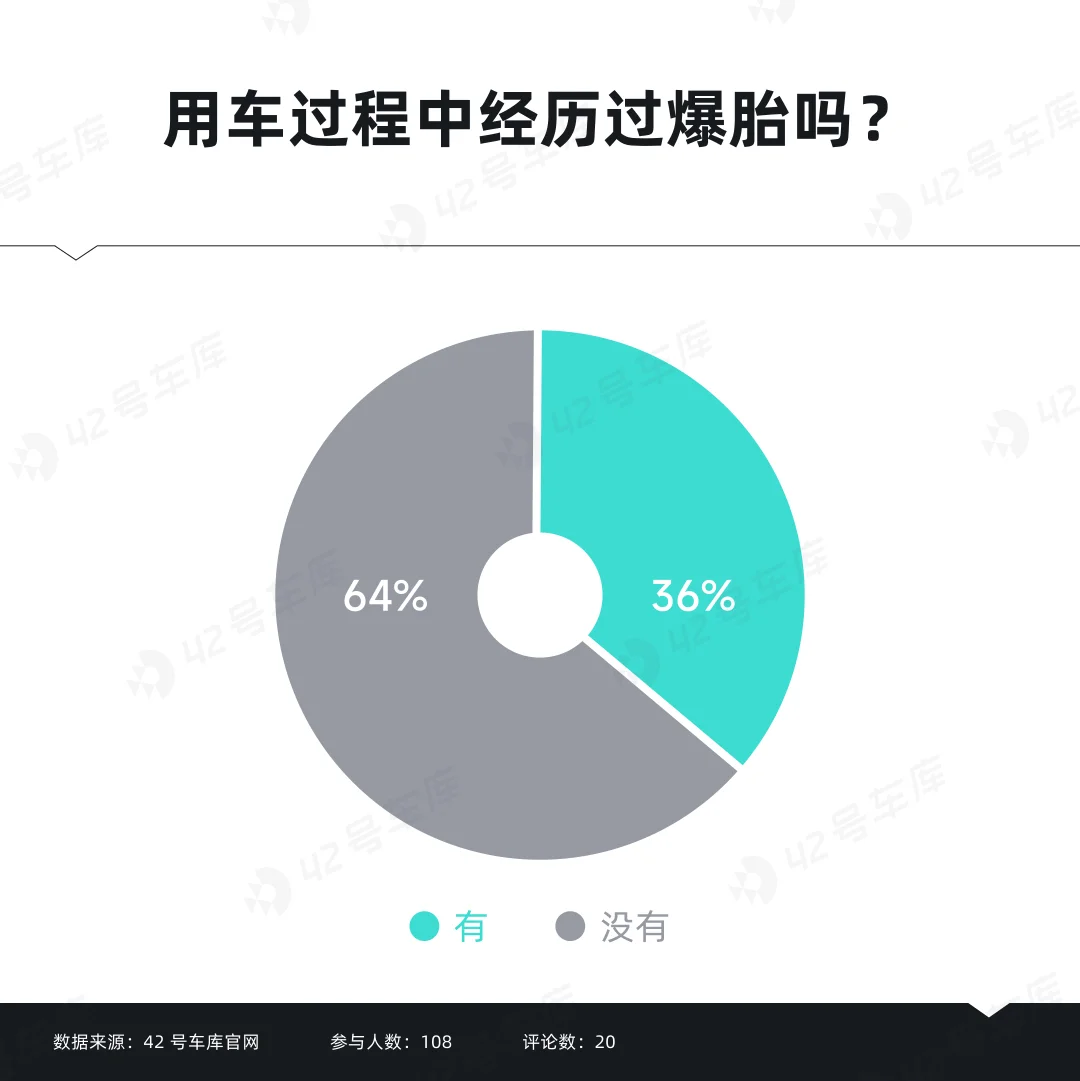
Under extreme conditions such as rain, snow, gravel roads, and tire blowouts, the four-wheel-drive system and chassis response directly affect driving safety. Particularly for users who frequently undertake long-distance travel or drive on non-urban road conditions, the stability of power output is often more important than acceleration speed.
One strategy WEY employs to enhance driving stability is standardizing all-wheel drive across its entire lineup. At the WEY brand renewal press conference in May, Wei Jianjun stated, 'In the past, some worried that hybrid vehicles might save fuel but lack power, while four-wheel drive consumes more fuel. However, we have broken these prejudices with Hi4. By standardizing AWD across the board, we have achieved extreme levels of both range on a single tank from Beijing to Shanghai and stability on slippery surfaces.'
Comprehensive Airbags Define All-Around Protection
Whether airbags are comprehensive and deploy quickly is the most basic requirement users have for passive safety this year. In a survey asking which features or configurations make users feel a car is safe, 23% selected 'comprehensive airbag coverage,' a proportion equal to that of 'high-strength steel.'
Multiple users commented that the safety protection for rear-row or third-row passengers should not be overlooked. Netizen 'Carter Floor It' said, 'The extra-long side curtain airbags in previous WEY models left a deep impression on me. This is essential for large-space vehicles because you can only ensure 50% probability of safety by being careful, but sometimes other cars hit you. Therefore, such passive safety configurations are very important.'
These discussions reflect a long-overlooked issue: in many models, the safety protection for rear and even third-row passengers is incomplete, with inadequate airbag coverage or delayed deployment, leading to highly uneven injury distribution in accidents. Especially as MPVs and six- or seven-seat SUVs become increasingly common, the ability to protect all occupants has become a baseline for safety assessment for more and more users.
WEY clearly noticed this shift. On the newly refreshed Lanshan model, WEY designed a 2.7-meter side curtain airbag that fully wraps from the A-pillar to the D-pillar. On the new Gaoshan model, WEY adopted a side curtain airbag with six-second pressure retention. By improving weaving processes and reducing seams to enhance pressure retention capability, they provide longer protection time for occupants, thereby reducing the probability of secondary injuries.
Safety Risks Hide in the Most Overlooked Areas
In an era where hidden door handles are becoming increasingly popular, the anxiety of being unable to open doors after a power failure has become a new concern for this generation of users. While 'non-hidden door handles' emerged as a top choice, comments sections repeatedly raised concerns about hidden door handles. Netizen 'Symbol' said, 'During rescue operations, others won't know how to open your hidden handle. Only non-hidden handles eliminate the need for explanation.'
WEY opted to retain mechanical door handles rather than relying entirely on electronic mechanisms, ensuring that physical egress remains possible in the event of power loss, wading through water, or system failure. In an era defined by intelligent connectivity, this approach stands out as particularly valuable—convenience should not come at the expense of safety.
Additionally, 49% of respondents indicated that they had never received training on driver assistance systems. This highlights that beyond vehicle capability, brands must also consider whether users are prepared to handle extreme situations. WEY is advancing more granular delivery training and safety demonstration protocols, aiming to ensure owners not only possess a safer vehicle but can also drive it with greater confidence.
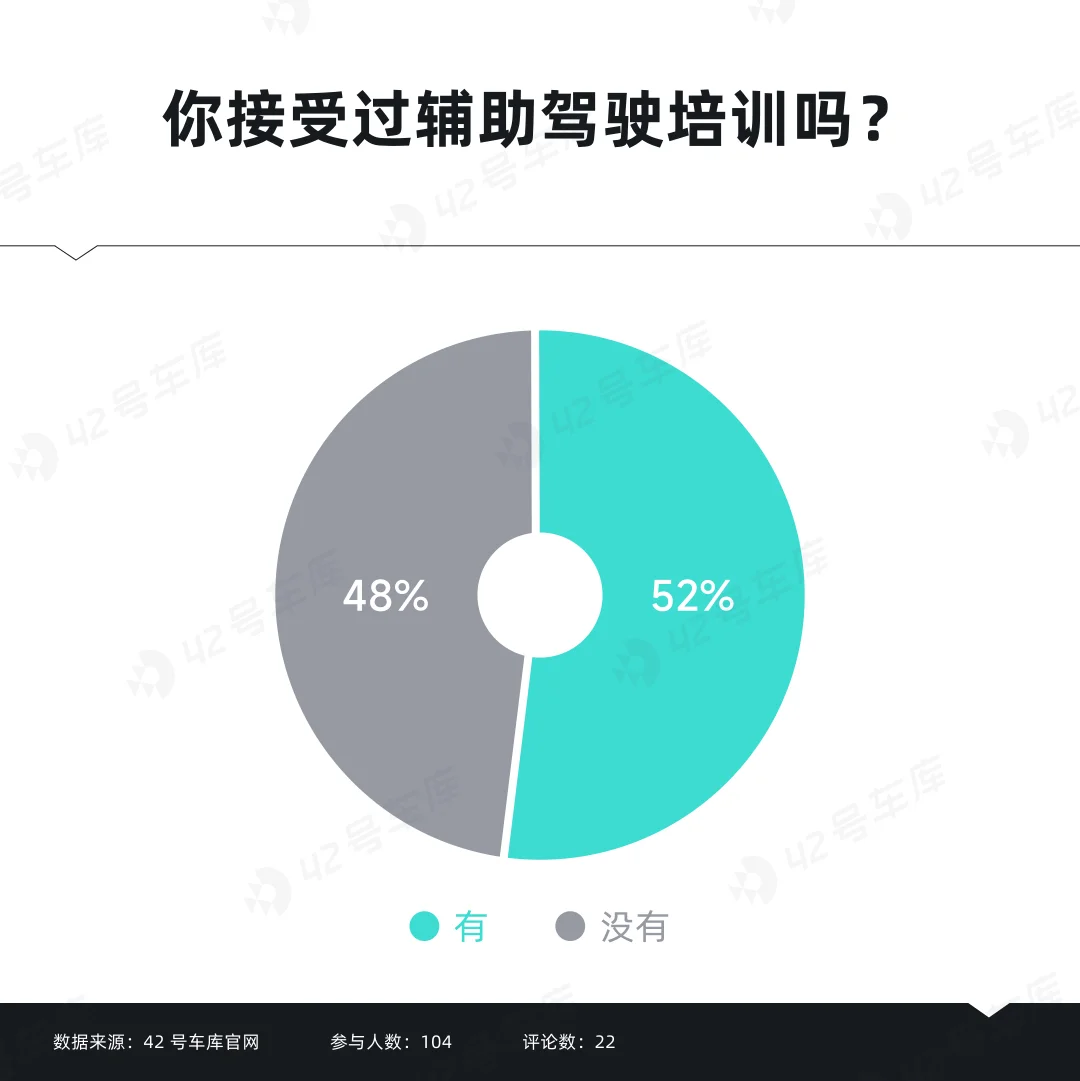
Netizen 'Liu Peng 2024' commented that watching short videos does not constitute proper training: 'In 2022, highway assist was already usable. My biggest concerns back then were unexpected system disengagements and braking incidents on expressways. Fortunately, having studied automotive design and worked as an engineer for several years, I was able to quickly adapt to and understand the system’s capabilities without formal training.'
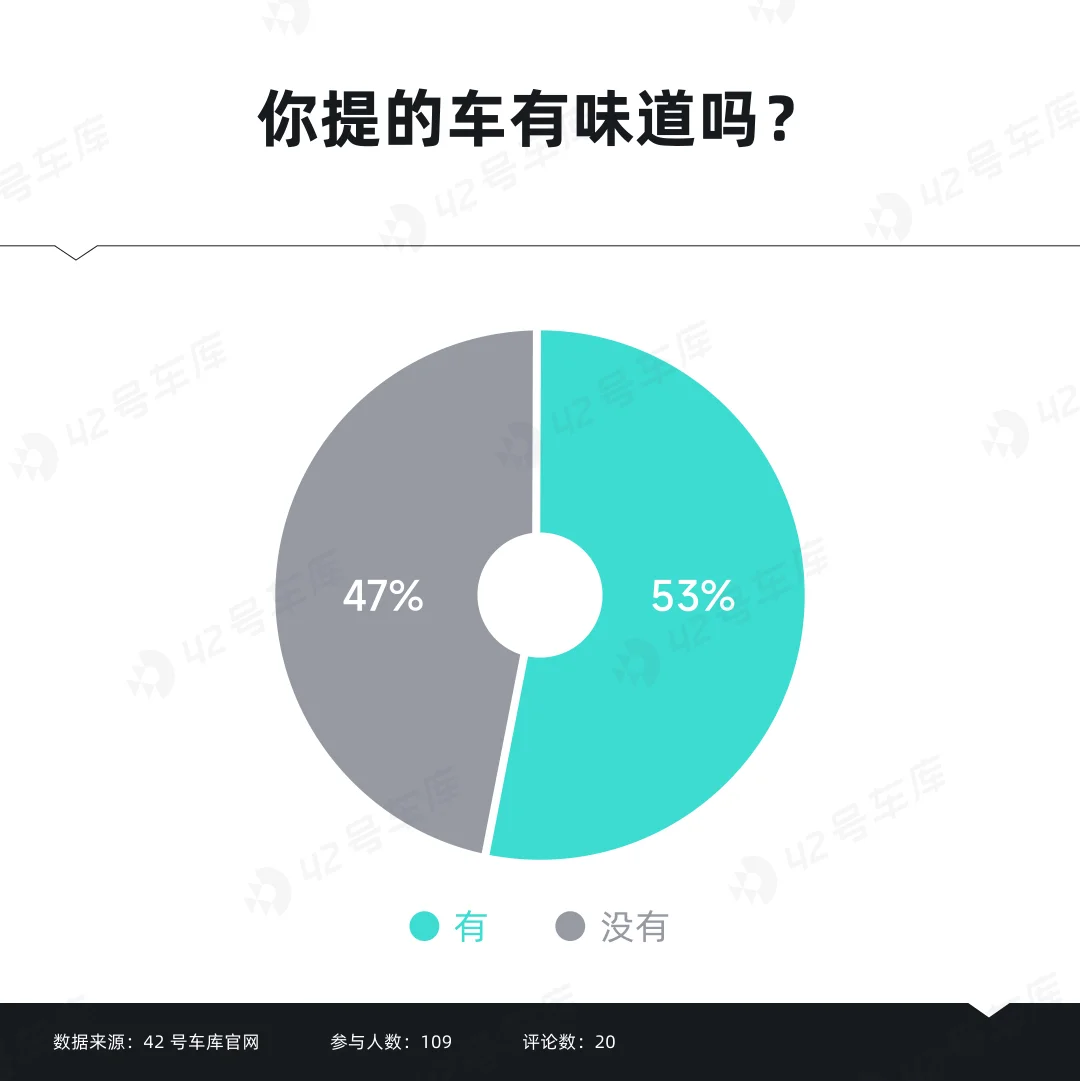
The poll question regarding whether newly purchased vehicles had an odor may seem unrelated to safety, yet it reveals user concern for cabin air quality. A car often serves as a space where people spend hours daily; for households with elderly members, children, or pregnant women, sensitivity to invisible pollutants such as formaldehyde and total volatile organic compounds (TVOC) is particularly acute.
Survey results showed that 54% of users reported an odor in their new vehicles. Netizen 'Chongchong' noted that certain models from another brand had such a strong smell that even someone who does not typically suffer from motion sickness would feel nauseous upon entering.
Addressing these concerns, WEY has selected eco-friendly materials. The all-new Gaoshan model has achieved dual certification for 'zero formaldehyde' and a five-star rating in the C-GCAP assessment. Additionally, the all-new Gaoshan is equipped with a remote UV sterilization system, allowing users to sanitize the cabin before and after trips.
These air quality safeguards not only enhance daily driving comfort but also provide extra protection for pregnant women, infants, and sensitive groups—representing a broader, more practical interpretation of "safety" in modern life.
03Service Experience: No Half-Measures
If advanced driver assistance and structural safety constitute product strength, then service experience determines whether a brand truly puts users at the center. The key to building long-term trust lies in whether users can understand the vehicle, use it intuitively, and receive rapid responses when issues arise.
We launched two survey topics within our community focused on "service security," collecting participation from 210 individuals and 48 comments. User feedback indicates that their concerns about service center on three points: whether sales staff genuinely understand the vehicles, whether test drives are authentic, and whether after-sales mechanisms are reliable.
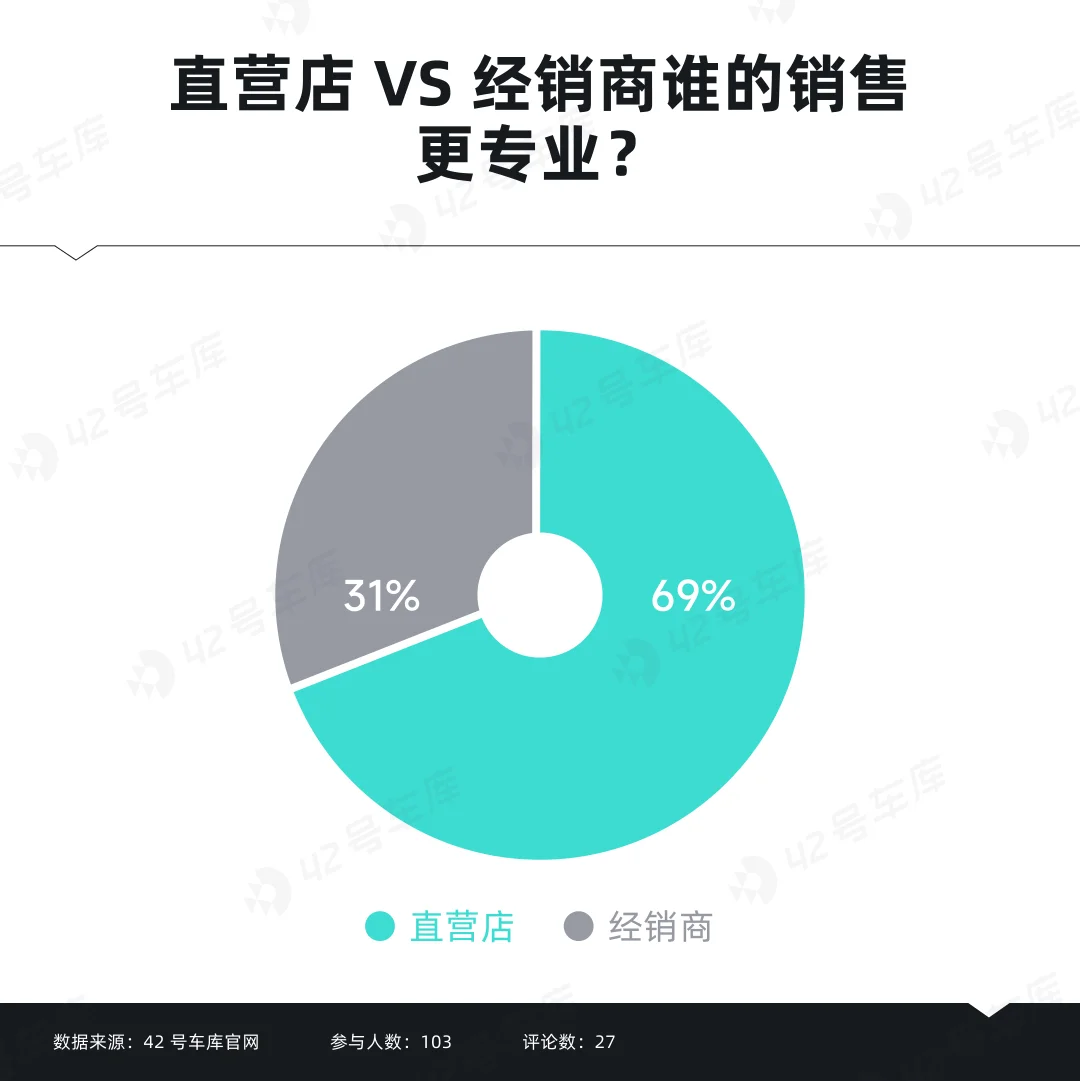
In the topic "Direct Stores vs. Dealerships: Who Has More Professional Sales Staff?", users clearly favored direct-store sales, with 70% choosing direct stores. Netizens evaluated direct stores as having "fewer hidden tricks; even if prices are slightly higher, at least you feel secure." They noted that direct stores are managed directly by the brand manufacturer, featuring unified pricing strategies that reduce markup by intermediate dealers. This allows consumers to purchase vehicles at more transparent prices. With service processes and standards set uniformly by the brand, there is a more professional and standardized system—from initial consultation to after-sales maintenance—ensuring consumer experience.
Netizen "Happy Little Pony" stated: "My salesperson is also an owner. Beyond introducing the car, he answers questions about vehicle usage. When I asked highly detailed questions, such as the difference in charging times between our superchargers and external chargers, or estimated charging frequency based on my commute route, he provided clear answers. Such professionalism gives me a sense of security. Knowing they are owners aligns our understanding; if difficult problems arise, they can use their own cars as reference points to explain solutions clearly."
This is the direction WEY is currently advancing: transforming sales staff into product experience officers. WEY has established 430 user delivery centers nationwide, and its sales team has fully shifted to a direct-operated model. Guided by "user experience first" as the core OKR, performance evaluations now include metrics for professionalism and response speed.
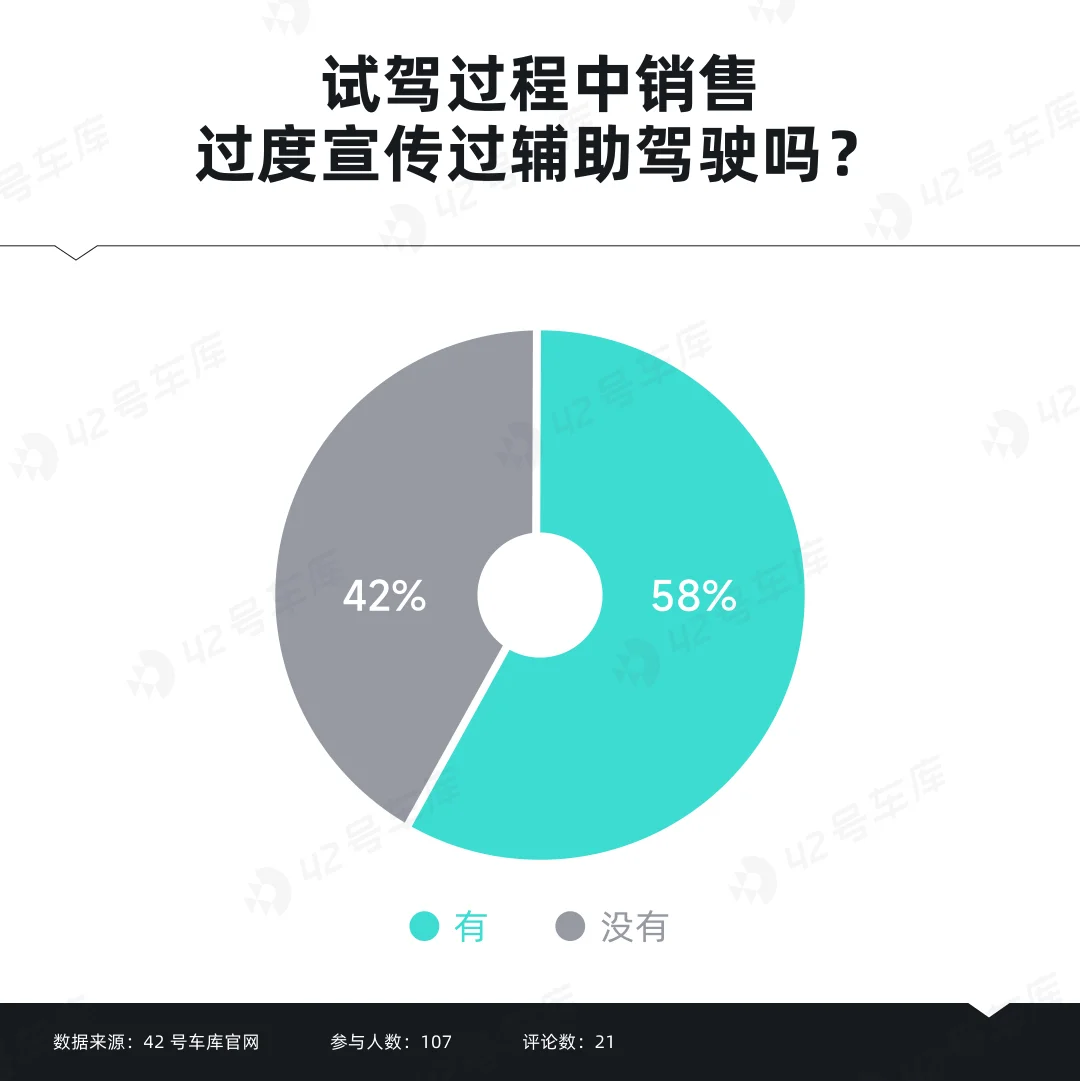
Another issue frequently raised is whether sales staff clearly explain the boundaries of driver assistance capabilities during test drives; 58% of users reported encountering salespeople who overhyped these features.
One user noted, 'It is difficult for sales staff to clarify in a short time which situations require driver intervention and which do not. The same applies to automatic parking: dealership parking spots are usually easy to navigate, so safety warnings and alerts should be strengthened—they are currently insufficient.'
WEY has prepared for this: current test drive routes now cover more than 200 complex parking and lane-change scenarios. Sales staff are required to explicitly explain which functions apply to specific scenarios and when driver intervention is necessary. This approach demonstrates responsibility toward the product and basic respect for user confidence.
The final high-frequency pain point in service experience is the efficiency of after-sales feedback mechanisms. Many brands face criticism for being unreachable when issues arise or for ignoring user reports, which hampers resolution efficiency and erodes user trust.
To address this, WEY has established a digital direct-link mechanism. Through its app and user communities, customers can report problems directly, creating a closed-loop response chain from user → service center → product team.
In terms of geographic coverage, WEY has also built a western service support line—establishing 30 escort stations along the Qinghai-Tibet Highway, Sichuan-Tibet Highway, and Qinghai-Gansu loop to cover service blind spots in remote areas. Rescue points are located every 200 kilometers, with the furthest outlet no more than 350 kilometers away. Additionally, WEY commits to arriving at urban main roads within two hours, reaching remote areas within six hours, replacing tires within 40 minutes, and swapping batteries within two hours. This ensures that users receive consistent service quality regardless of whether they are in cities or mountainous regions.
Product experience extends beyond design into every post-delivery service interaction. From sales professionalism and clear test-drive explanations to effective after-sales response, these factors are key indicators users rely on to judge the reliability of a manufacturer's sales process. WEY is striving to make these processes more transparent and controllable, thereby reducing uncertainty for users during actual operation.
04Conclusion
The phrase "changing for the user" is not new in the automotive industry. What truly matters is whether there are tangible responses behind it and details that can withstand repeated verification by users.
Based on our survey of ten questions and WEY's various changes, WEY has indeed taken significant actions to address users' core demand for safety:
Driver assistance systems have become more controllable, striving to provide certainty; passive safety measures have been strengthened to address previous shortcomings; and service processes now place greater emphasis on response efficiency and user experience. However, whether each change genuinely delivers a sense of security to users still requires validation over time and across more real-world scenarios.
For users, even the most advanced technology may fall short compared to the tangible sense of safety and peace of mind felt while sitting in the car. This dialogue about change is not only a commitment from WEY to its users but could also mark the beginning of the industry paying closer attention to "users' genuine needs." As safety performance becomes a central factor in purchasing decisions, WEY's exploration may offer valuable insights for other brands. The story continues.
Written by: Dayong Edited by: James