


42HOW Auto Survey: Prospective Zhijie R7 Buyers Favor Long Range and Huawei Tech
In early December 2024, we conducted a questionnaire survey targeting prospective and intent buyers of the Zhijie R7. The following are the core findings from this research.
Respondent Group: Communities of 42HOW Auto’s Zhijie R7 and competing models
Valid Questionnaires: 100
01Buyer Profile
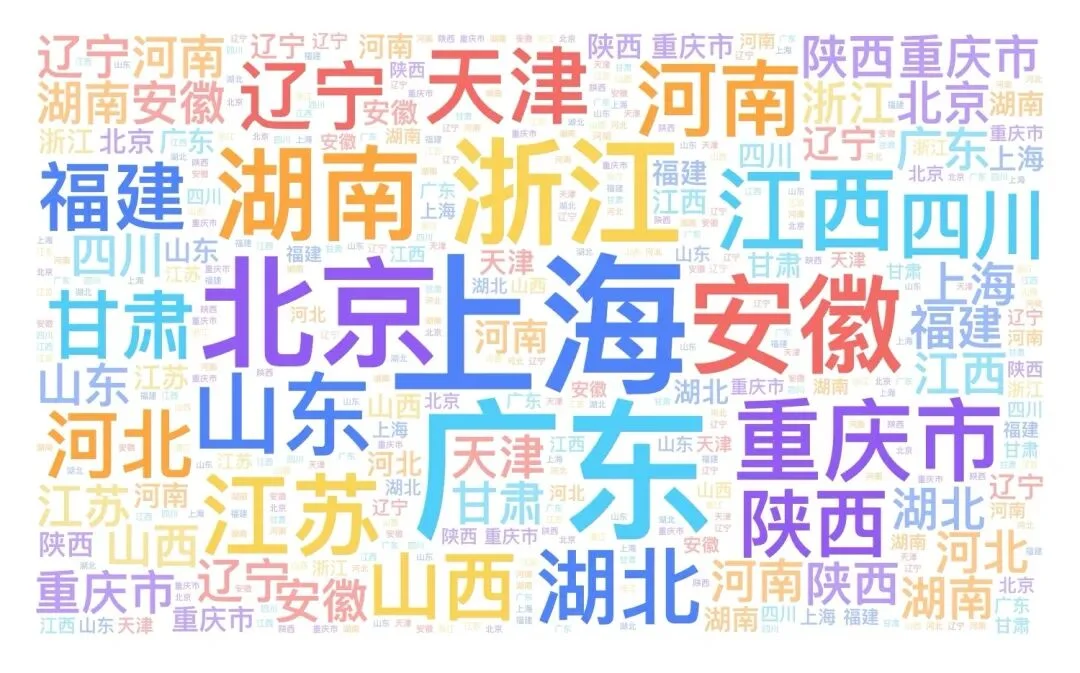
The survey results show that Zhijie R7 respondents are widely distributed across cities of all tiers. However, users from first-tier cities (Beijing, Shanghai, Guangzhou) are relatively numerous. This indicates that as a bellwether for the new energy vehicle market, first-tier city users have a higher acceptance of new brands and technologies, making them a key market for emerging brands like the Zhijie R7 to break into.
Regarding education level, the vast majority of respondents hold at least an associate degree or bachelor’s degree. This suggests that the overall Zhijie R7 demographic is well-educated, with a higher willingness to accept new things, technologies, and consumption models, and a greater readiness to try and experience intelligent automotive products. This aligns with the Zhijie R7’s main selling points of “intelligence” and “technology”.
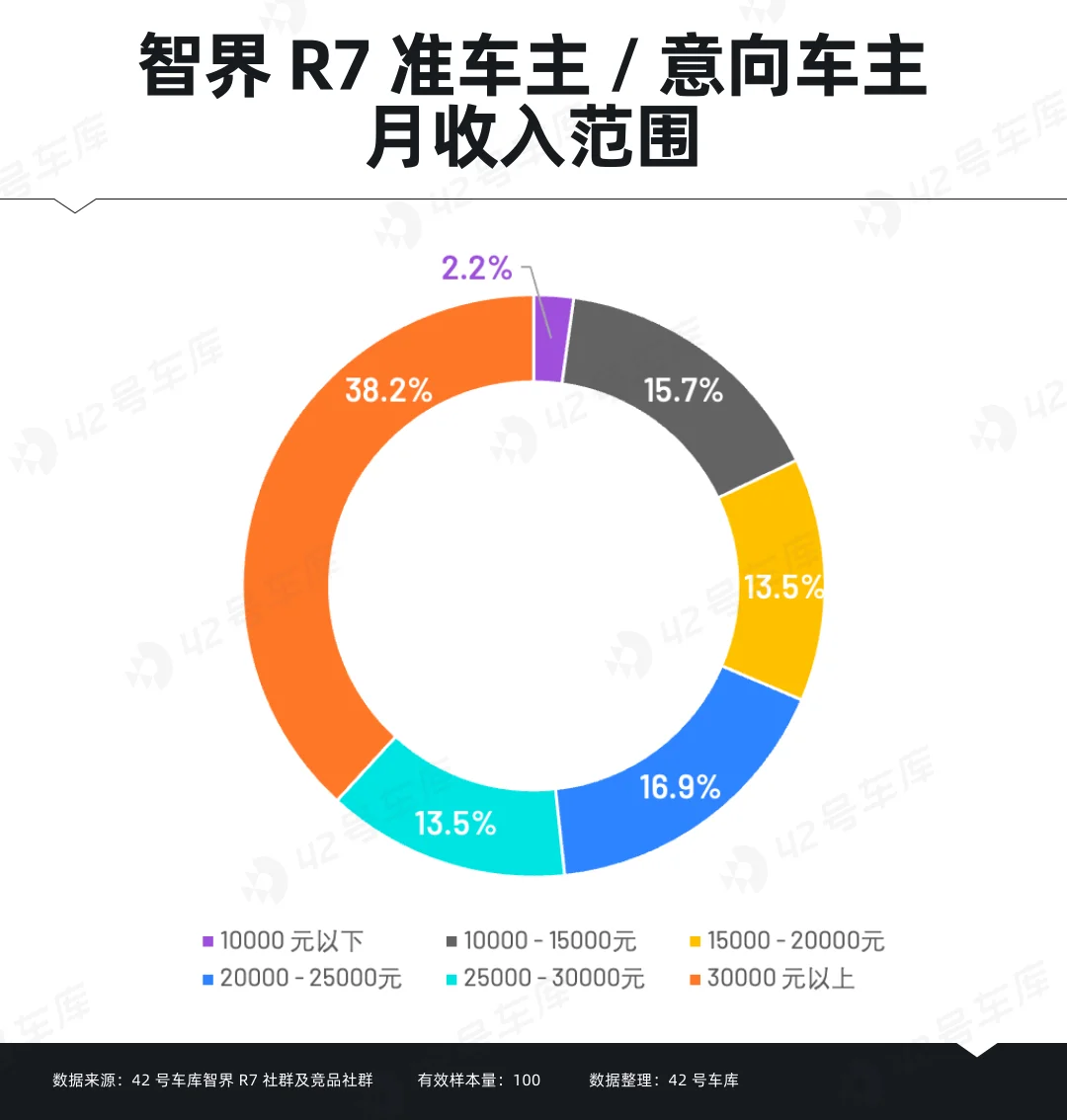
The survey results indicate that 38.2% of respondents have a monthly income exceeding RMB 30,000, while the proportion of users with incomes between RMB 20,000 and RMB 25,000 is also relatively high. This suggests they possess stronger purchasing power and are more willing to pay for high-quality products and services.
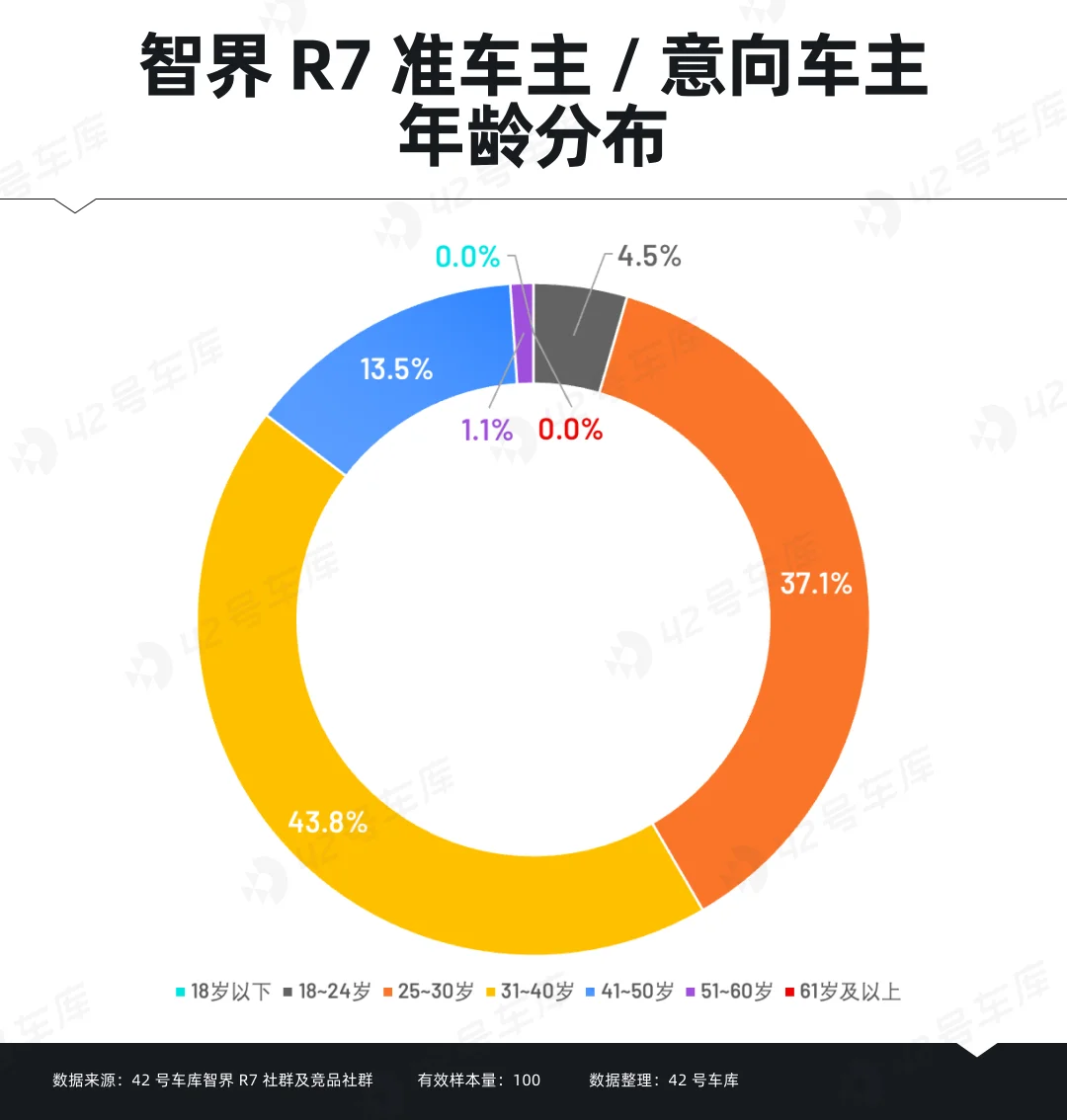
Among the respondents, the 31–40 age group accounts for the highest share at 43.8%, followed by the 25–30 age group at 37.1%. Together, these two segments make up more than 80% of the sample, forming the absolute core of the target user base for the Zhijie R7.
From a market perspective:
Users aged 31–40:
Most users in this age group are in the rising or stable phase of their careers and have accumulated a certain economic foundation. They place greater emphasis on quality of life and have higher expectations regarding vehicle quality, brand, and service. They typically choose high-quality, personalized products that reflect their taste and social status, and are willing to pay a premium for the brand and experience.
Users aged 25–30:
Users in this age group are younger and more energetic, with a strong curiosity for new things. They are more open to new products, brands, and consumption models, making them an active force in the consumer market. Typically, they choose products that feature fashionable designs, advanced technology, and high cost-performance ratios, while placing emphasis on personalized expression.
This survey reveals that the target user group for the Zhijie R7 is predominantly young, with a core demographic of middle-aged and young adults who pursue a quality lifestyle. This indicates that the product positioning and brand image of the Zhijie R7 align closely with the needs of this younger consumer segment, reflecting innovation in product power to create intelligent, personalized products that meet young users' aesthetics and needs.
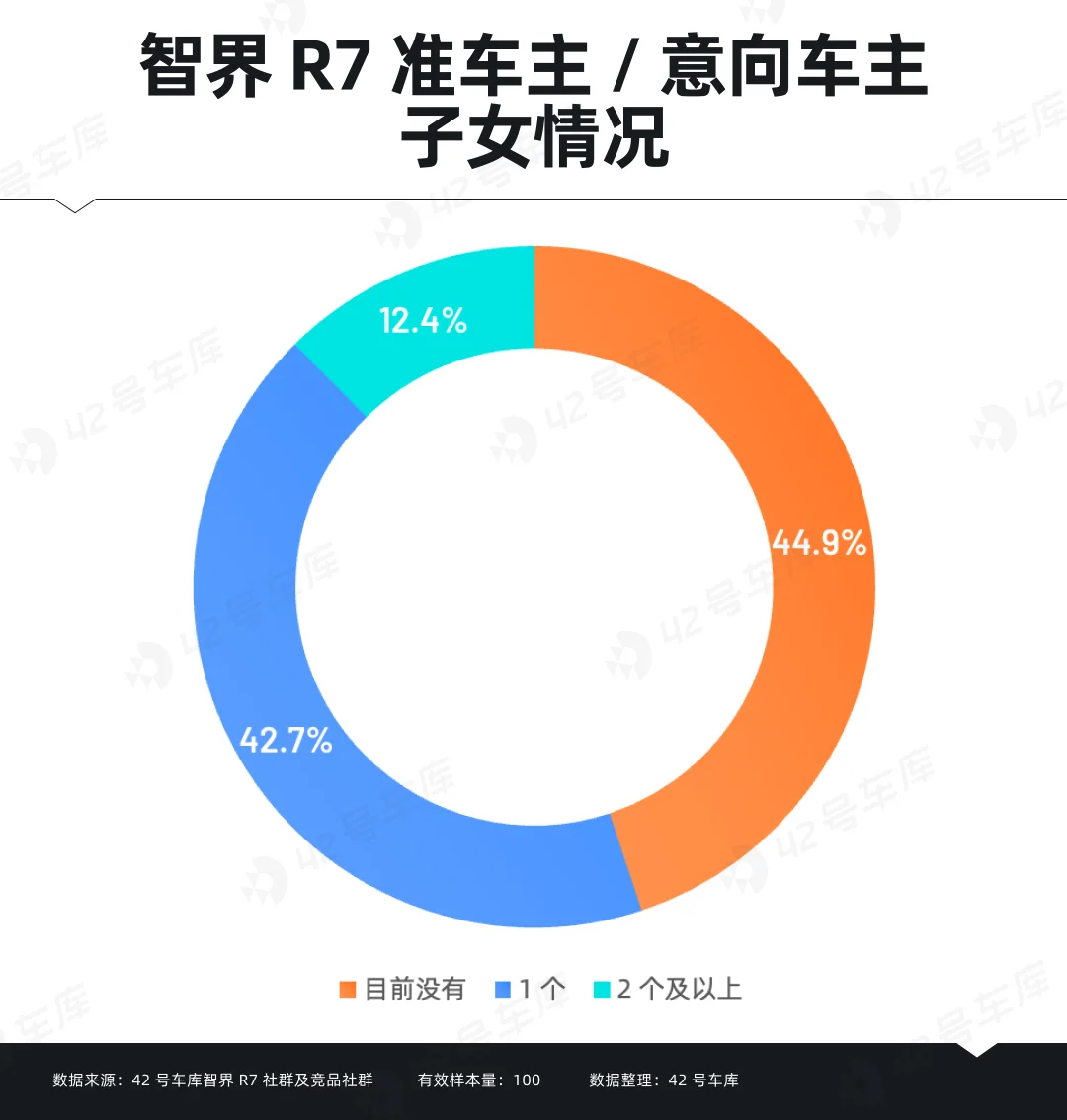
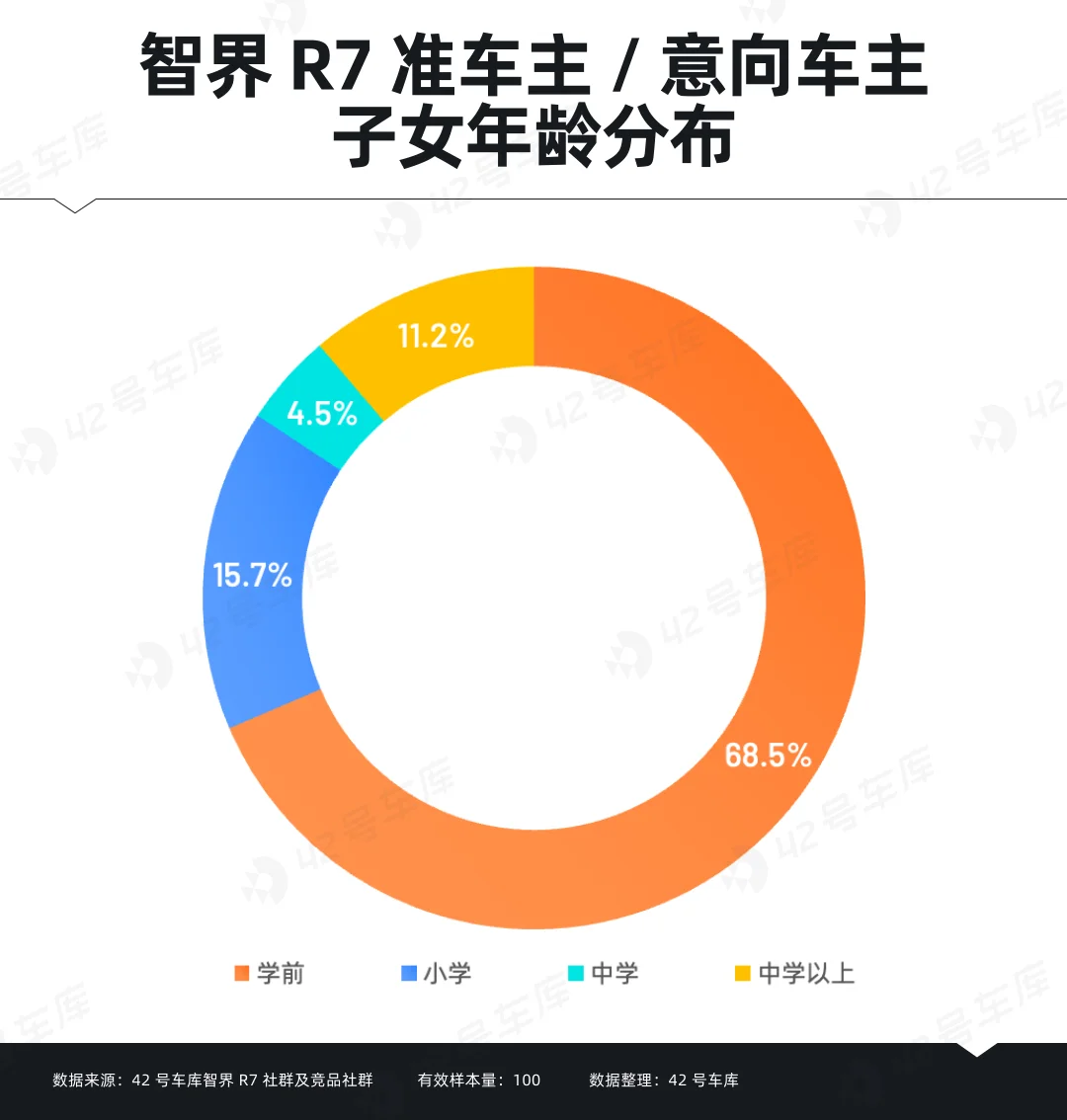
According to the survey, 44.9% of respondents have no children, and 42.7% have only one child. Among families with a single child, 68.5% have children in the preschool stage (0–6 years old). These figures show that the target audience for the Zhijie R7 consists primarily of young families who are either childless or have only one young child.
02Car Purchase and Ownership Status
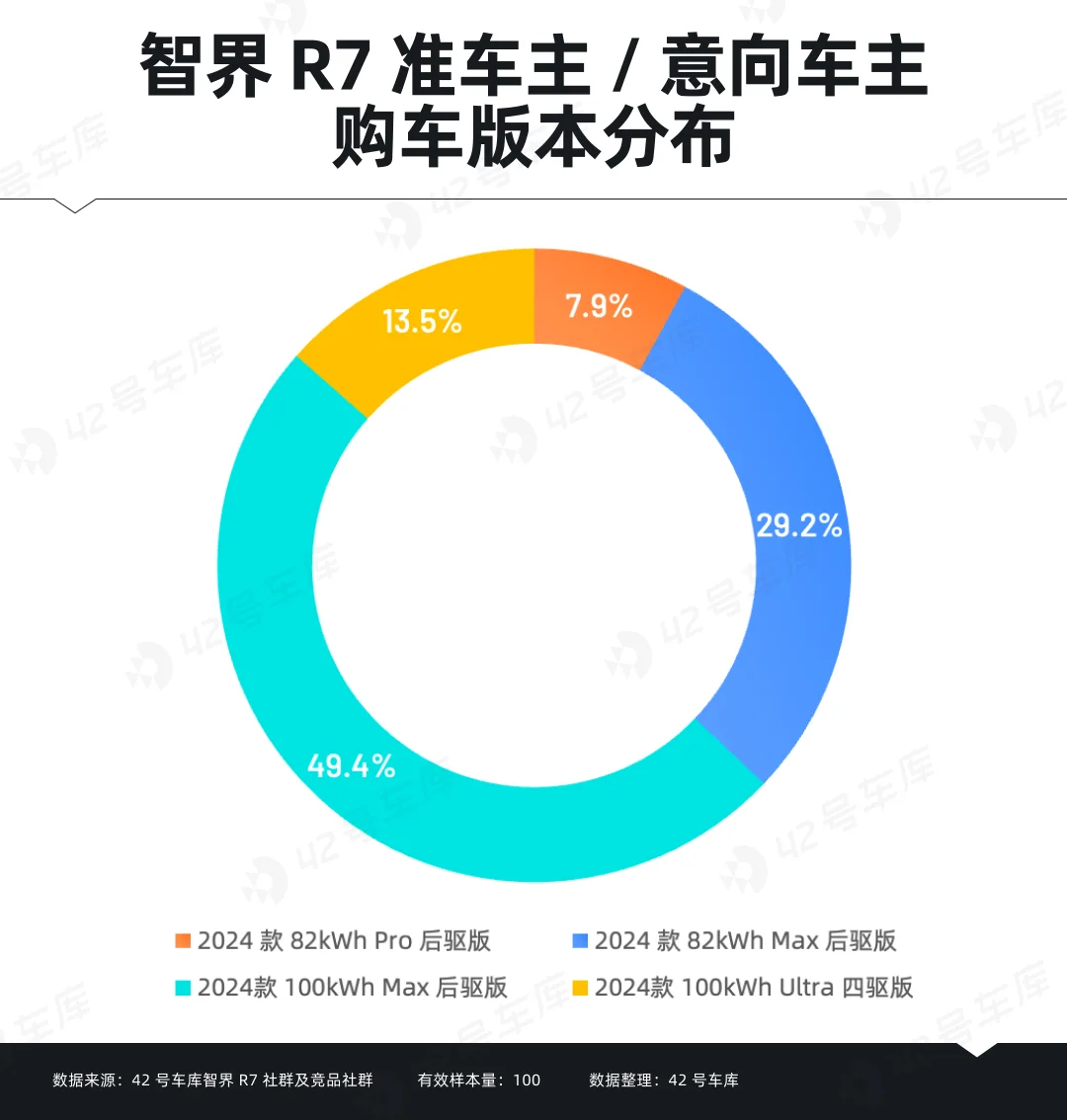
The survey shows that 49.4% of respondents chose the Max Rear-Wheel Drive version equipped with a 100kWh battery, which offers a CLTC pure electric range of 802km. Meanwhile, 29.2% opted for the Max Rear-Wheel Drive version with an 82kWh battery, providing a CLTC range of 667km. Given the price difference of only RMB 20,000 between the two options, significantly more users selected the long-range 100kWh variant.
Even as charging infrastructure becomes increasingly convenient and 800V fast-charging technology gains wider adoption, users continue to place high importance on the driving range of electric vehicles. For potential buyers of Zhijie R7, a mid-to-large luxury SUV, a longer range translates to greater travel flexibility, a more convenient ownership experience, and reinforces the vehicle's premium positioning.
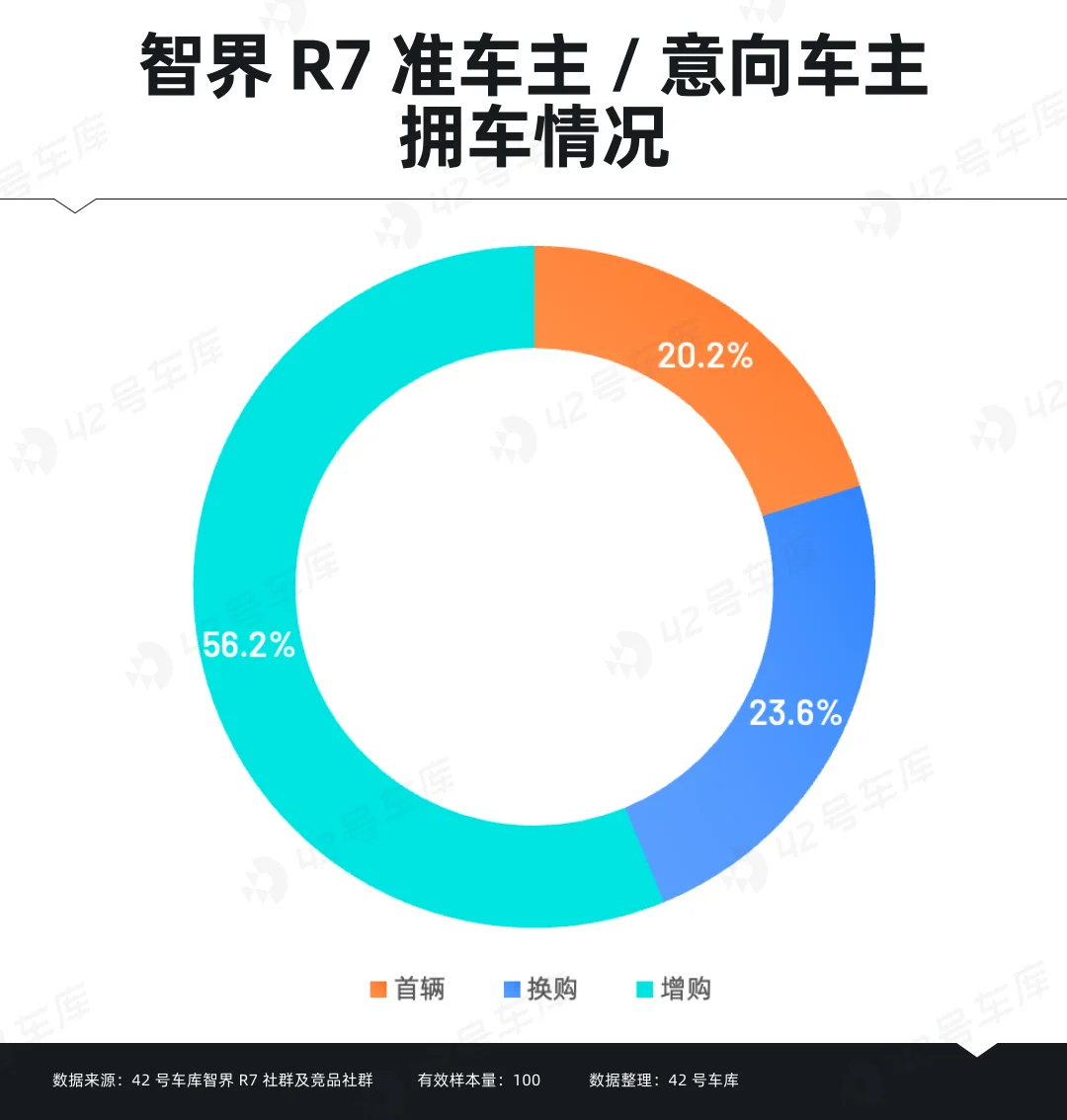
Survey data reveals that 56.2% of respondents indicated this would be an additional purchase for their household, while 23.6% planned to trade in their current vehicle. First-time buyers accounted for only 20.2%. This indicates that additional-purchase customers have become the absolute core of Zhijie R7’s target audience.
This proportion significantly exceeds the current market average, reflecting a broader shift in China’s automotive sector—particularly the new energy vehicle (NEV) market—from first-time purchases toward additional or replacement purchases. As acceptance of NEVs grows, more households are turning to the electrified segment when selecting a second car. Zhijie R7’s strengths in exterior design, autonomous driving capabilities, smart cockpit features, and the endorsement of Huawei align precisely with the expectations of these additional-purchase consumers, driving their final decision to choose Zhijie R7.
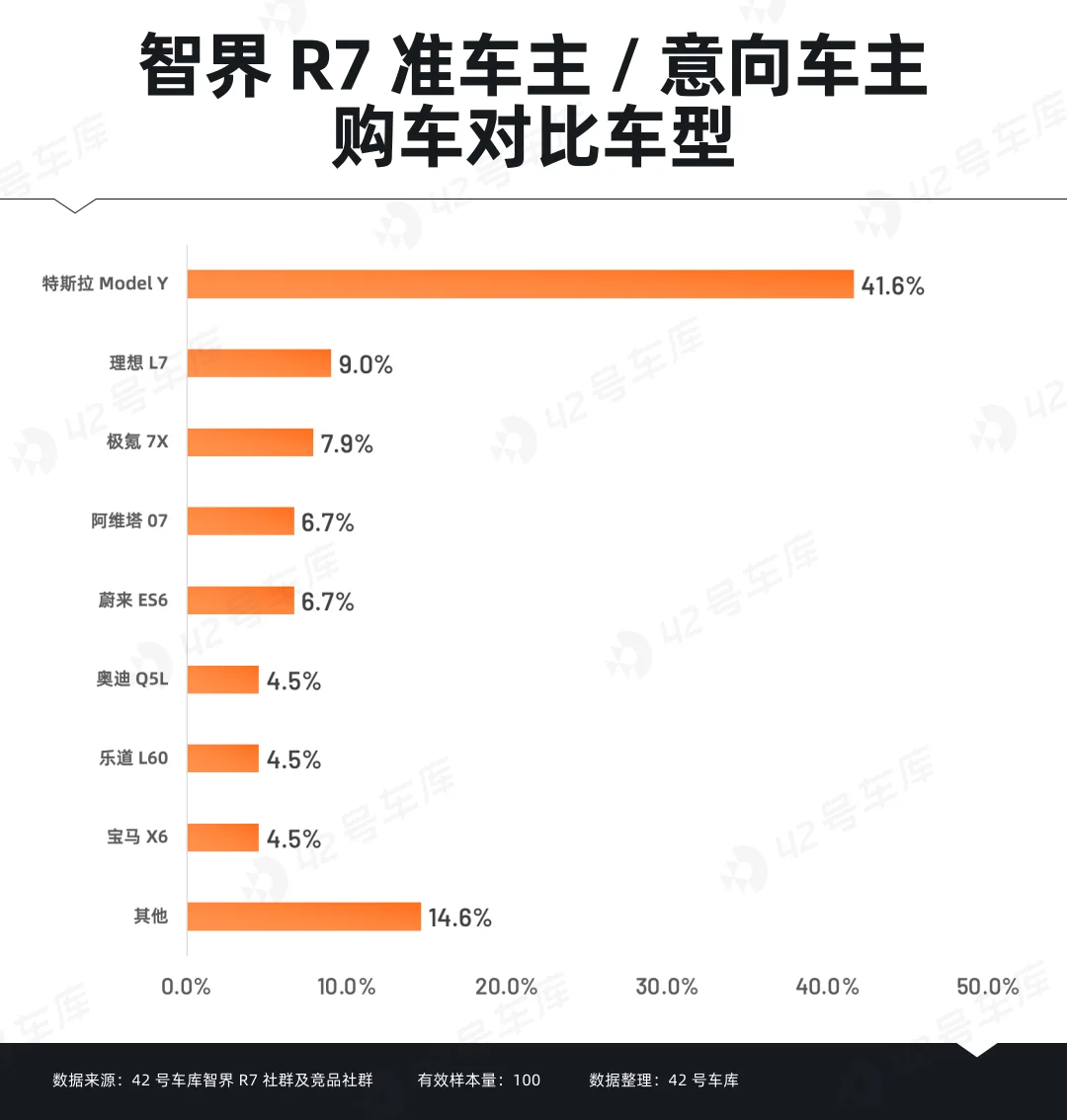
The survey results show that among users who ordered Zhijie R7, 41.6% had previously compared it with Tesla Model Y, 9.0% with Li L7, and 7.9% with Zeekr 7X. Meanwhile, 4.5% each had compared it with traditional luxury models Audi Q5L and BMW X6. These figures highlight several key insights:
Direct Competition with Model Y:
The high comparison rate of 41.6% suggests that Zhijie R7 and Tesla Model Y share significant similarities in product positioning and target demographics, establishing them as direct competitors. As the benchmark in the pure-electric SUV segment, Model Y represents the most formidable threat to Zhijie R7, underscoring the latter’s strategic ambitions. Consequently, Zhijie R7 must continuously enhance its product strength, brand equity, and marketing effectiveness to win greater favor over Model Y.
Competition with Other New Energy Brands:
In addition to the Model Y, the Li L7 and Zeekr 7X also appeared on respondents' comparison lists, accounting for a notable share. This indicates that the Zhijie R7 faces not only cross-segment competition from the Model Y but also homogenized competition from other domestic new-energy brands, particularly models that similarly emphasize intelligence and luxury.
Declining Appeal of Internal Combustion Engine Vehicles:
By contrast, the user proportion for traditional luxury-brand ICE vehicles such as the Audi Q5L and BMW X6 is lower. This further confirms that, amid the current new-energy wave, buyers are prioritizing new-energy models when purchasing cars, and the appeal of traditional ICE vehicles to the target user group of the Zhijie R7 is declining. It also shows that ICE vehicles and new-energy vehicles have become two distinct tracks.
In summary, the comparative data for Zhijie R7 users clearly outlines its competitive landscape: it faces direct competition from strong rivals like the Tesla Model Y, challenges from other domestic new-energy brands, and the need to continuously enhance its product strength to meet increasingly diverse consumer demands. Those who ultimately chose the Zhijie R7 did so because its product strength—particularly in intelligent features—outperformed rivals such as the Model Y.
03Purchase Decision
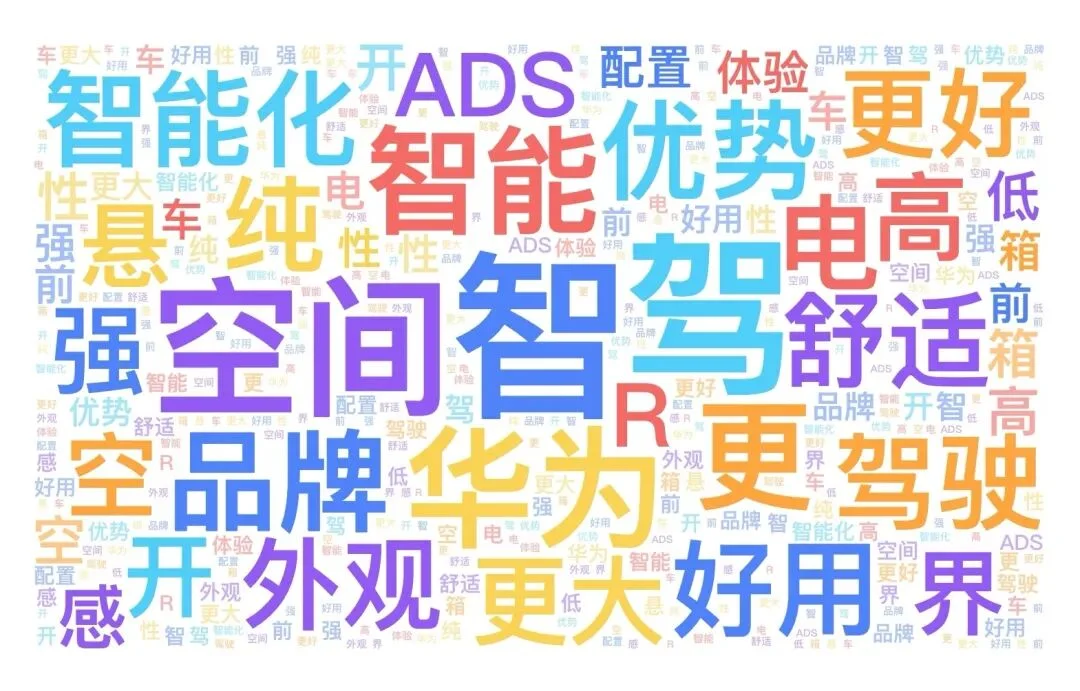
Survey results show that when asked why they chose the Zhijie R7, 'Huawei' emerged as the most frequently mentioned keyword among respondents.
The survey demonstrates that Huawei’s strong brand appeal and deep technological accumulation have successfully extended to the Zhijie brand, becoming a key competitive advantage. For consumers, Huawei is no longer just a name associated with a telecommunications giant; it has become a symbol of quality and technology, representing innovation, reliability, and leadership.
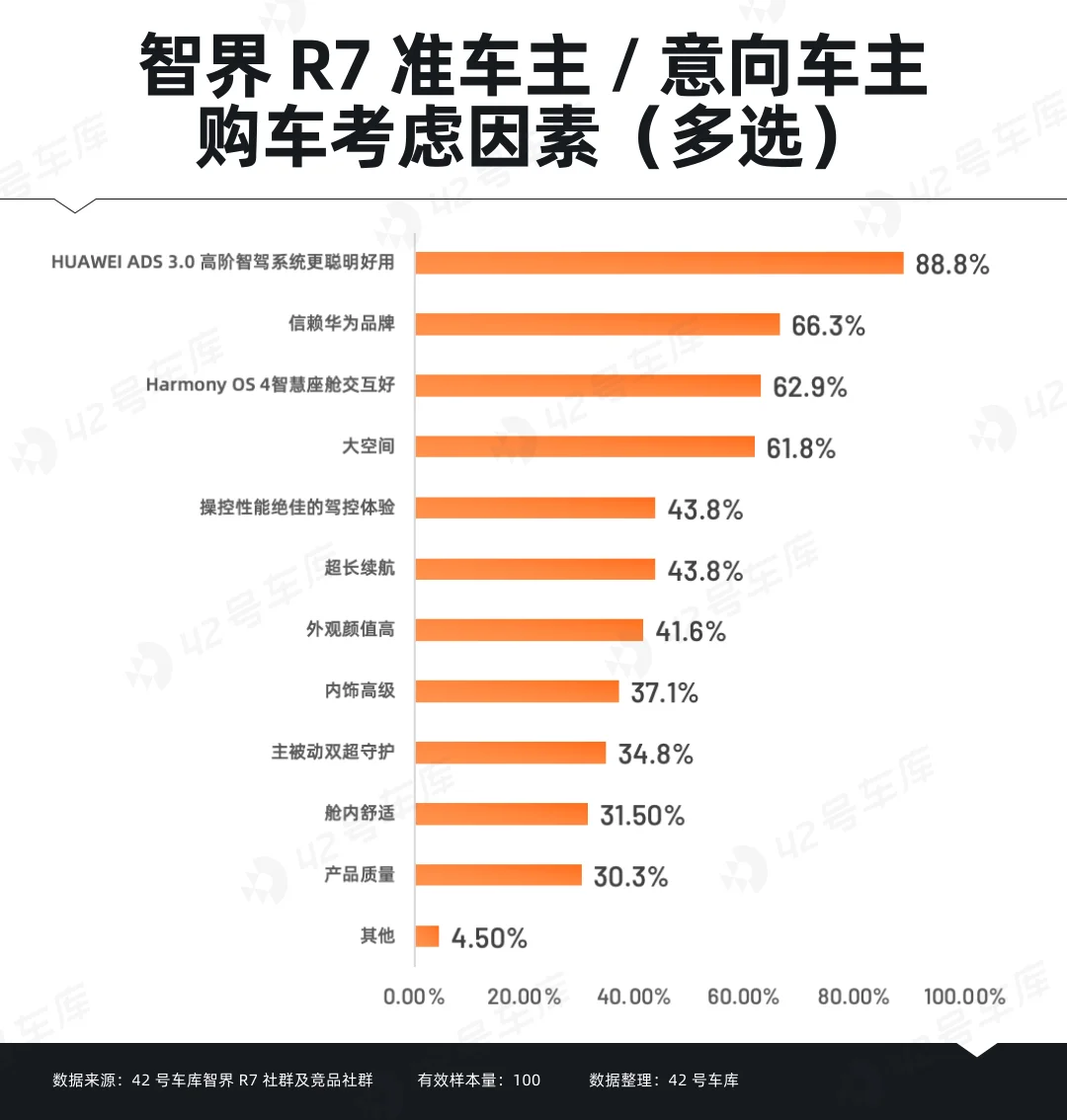
Survey results indicate that respondents generally believe the Zhijie R7 outperforms the Tesla Model Y and Li L7 across three critical metrics: autonomous driving, smart cockpit, and chassis performance.
This outcome suggests that the Zhijie R7 has successfully surpassed its competitors in core product strength, particularly in intelligence, including autonomous driving and the smart cockpit, leaving a profound impression on users. For a relatively young automotive brand, this is a highly positive signal. It also reflects the Zhijie R7’s differentiated competition strategy of 'asymmetric competition with focused breakthroughs' implemented from the design phase. By prioritizing investment in intelligent technologies, the brand rapidly built its competitive edge. In comparisons with the Model Y, the Zhijie R7 further clarified its strengths.
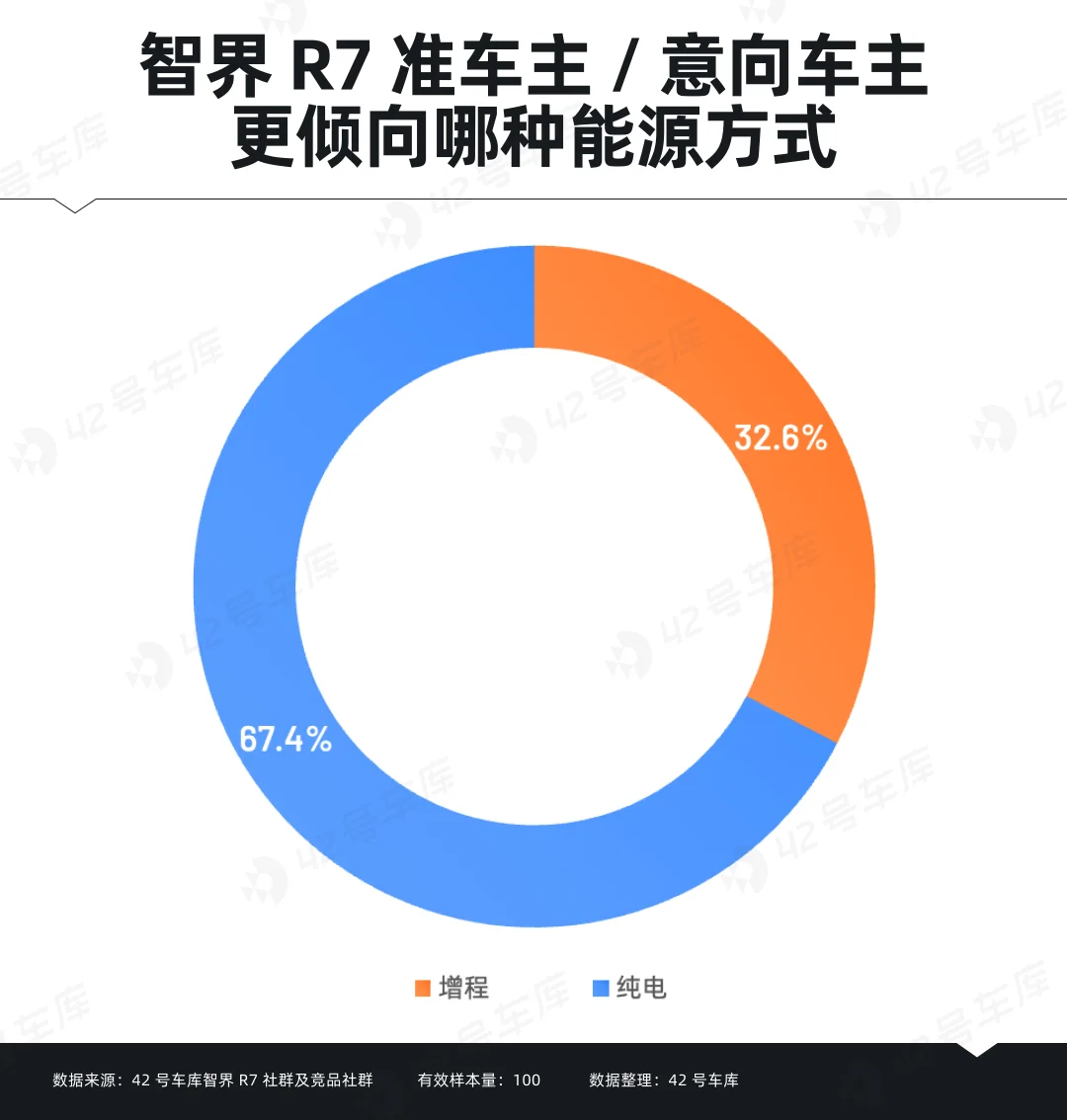
The survey shows that even if the Zhijie R7 were to launch an extended-range electric vehicle (EREV) version, 67.4% of respondents would still prefer the pure electric variant, while only 32.6% would choose the EREV model.
This result indicates that although more than one-third of users expressed interest in the EREV option, the pure electric version remains the preferred mainstream choice among the Zhijie R7’s target audience. This reflects an important trend in the current high-end new energy vehicle market: as range and charging efficiency improve significantly, pure electric vehicles are increasingly accepted by users due to their superior driving experience, lower operating costs, and eco-friendly philosophy, becoming the market mainstream. Meanwhile, EREV models are primarily positioned for customers with long-distance travel needs and limited charging conditions.
04Brand and Product Perception
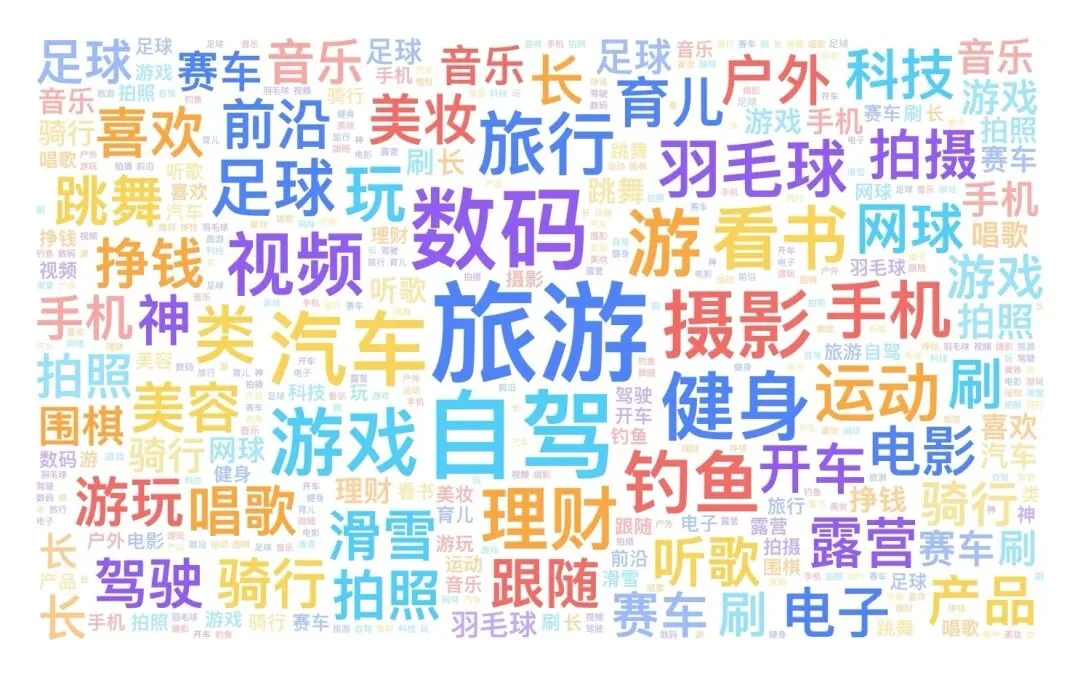
Survey results show that among the free associations respondents made with the Zhijie brand, "smart," "premium," and "technology" were the most frequently mentioned keywords. This indicates that although the Zhijie brand is young, it has successfully established a clear brand image among its target user group, tightly binding itself to these core elements that represent the future development trends of automobiles.
To some extent, it can be said that Zhijie has initially completed brand image construction and market education through the R7 product, successfully firing the first shot in the high-end smart electric vehicle market.
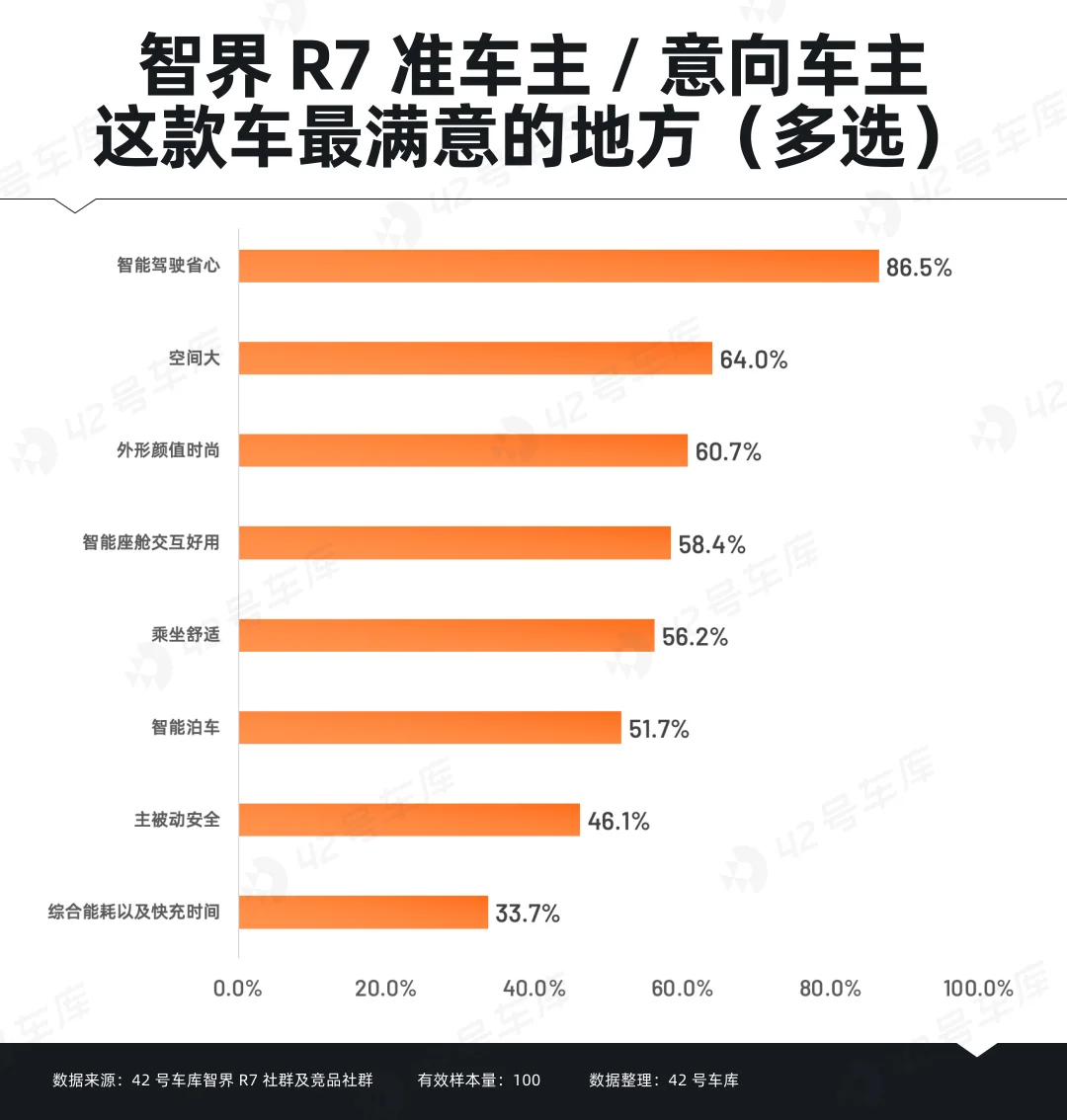
Survey results indicate that the aspects respondents are most satisfied with regarding the Zhijie R7 focus on three areas: the worry-free experience of autonomous driving, spacious interior space, and stylish exterior design. These three points precisely address the mainstream demands of the current smart electric SUV market:
Worry-free autonomous driving:
With the continuous development of automotive intelligence technology and increasing user expectations for driving experiences, intelligent driving assistance functions are becoming an important consideration when purchasing a car. Especially in congested urban traffic conditions, intelligent driving systems that free drivers' hands and enhance driving safety have become a "must-have" in users' minds. The Zhijie R7's intelligent driving system clearly excels in this regard, providing users with a "worry-free" experience. This not only improves user satisfaction but also becomes one of the core competitive advantages distinguishing the Zhijie R7 from competitors, as Huawei's years of technological accumulation have been translated into tangible experiences perceived by users.
Large space:
For a mid-to-large SUV, interior space is one of the most critical practical metrics for users. In the Chinese market, consumers generally have higher expectations for vehicle space. The Zhijie R7 clearly excels in this regard; both its passenger and storage spaces fully meet user needs, aligning with the expectations of its target audience—particularly families. With the gradual relaxation of multi-child policies, space performance can even become a decisive factor in family car purchases.
Stylish exterior design:
In an era where "looks are everything," automotive exterior design has become a significant factor influencing purchasing decisions, serving as a way for younger users to express their individuality and aesthetic taste. The Zhijie R7's stylish exterior design has undoubtedly captured users' attention, earning it considerable goodwill. This indicates that the Zhijie R7 has successfully crafted a product image that resonates with its target audience's aesthetics, connecting with younger consumers while demonstrating Zhijie's precise grasp of its target group's aesthetic needs.
It can be said that the Zhijie R7's outstanding performance in three key areas—autonomous driving, space, and exterior design—precisely aligns with the mainstream demands of the current smart electric SUV market, laying a solid foundation for its strong reputation among users and helping it stand out in a competitive market.
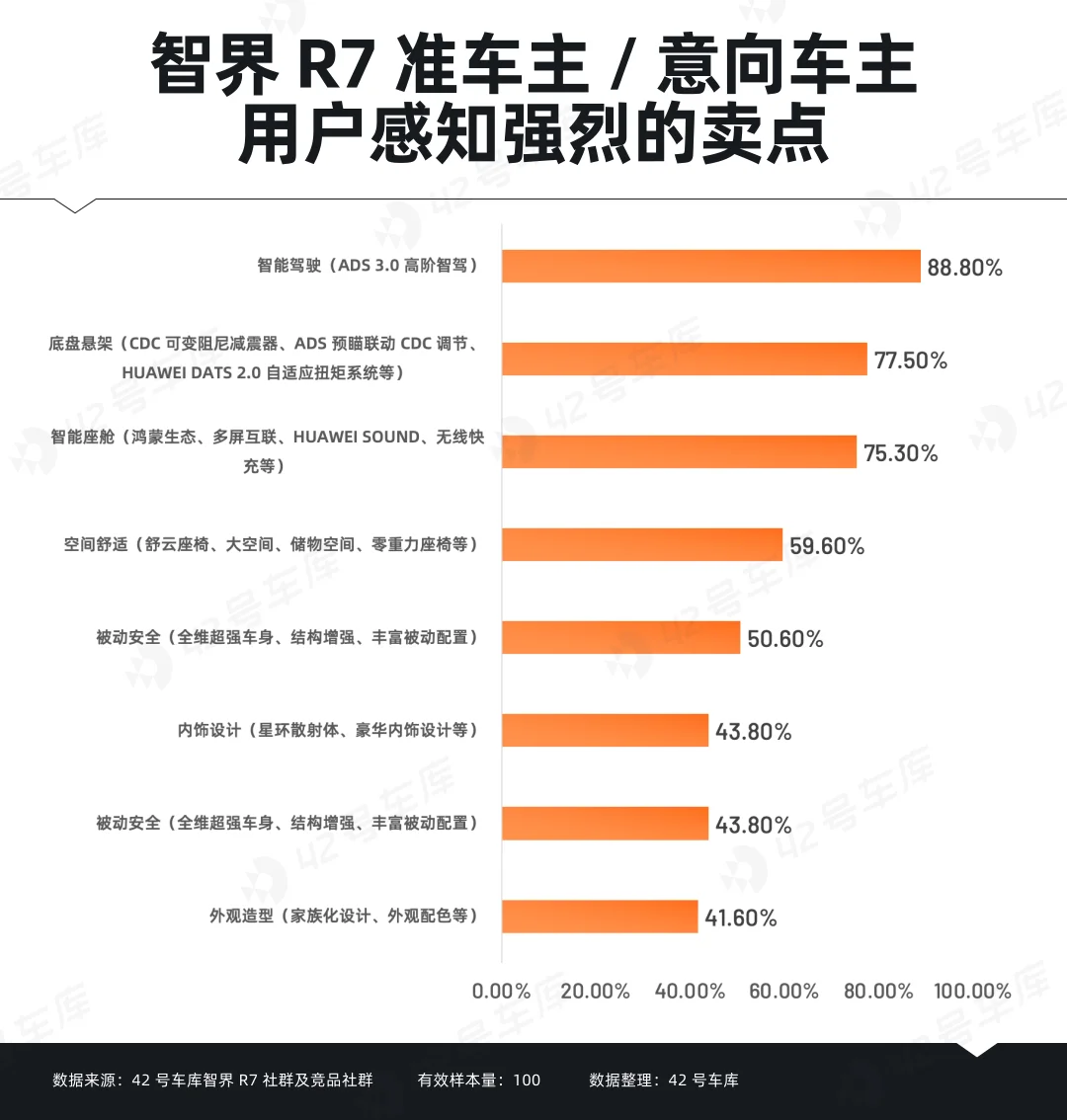
The survey results confirm shifts in market trends: autonomous driving, chassis suspension, and smart cockpits have a major impact on purchasing decisions. In the era of smart electric vehicles, the level of intelligence and driving experience have become core considerations for consumers, surpassing traditional factors such as price, brand, and fuel consumption that dominated the internal combustion engine era.
Consumers no longer view cars merely as transportation tools from point A to point B; they place greater emphasis on intelligence, interactive experiences, and the improvement in quality of life they bring. The demand for automobiles is shifting from simple transport to smart mobile spaces, with users hoping cars will act like smartphones, bridging the digital and physical worlds to provide more convenient, comfortable, and personalized travel experiences. The Zhijie R7, equipped with Huawei's HarmonyOS smart cockpit and ADS advanced driver assistance system, perfectly fits this market trend.
05Summary
This survey clearly depicts the target user group for the Zhijie R7: young, highly educated, and high-income urbanites who are enthusiastic about technology and pursue personalized, high-quality lifestyles.
In comparisons with competitors—particularly the Tesla Model Y—the Zhijie R7 has gained favor for its superior smart cockpit, advanced driver assistance systems, more comfortable chassis and suspension, and spacious interior. Its extensive comfort features, such as a zero-gravity front passenger seat, an ice-and-warm mini-fridge, and rear privacy glass, further demonstrate a deep understanding of user needs.
The Huawei HarmonyOS smart cockpit and ADS intelligent driving system constitute the Zhijie R7’s core differentiating advantages. Through capabilities like continuous dialogue and dialect recognition, along with automated lane changes, overtaking, and autonomous U-turns on city roads, the Zhijie R7 delivers a smarter experience that surpasses the Tesla Model Y.
Looking ahead, the Zhijie R7 must continue to strengthen its intelligent capabilities while enhancing product quality and service to meet users’ growing, diverse demands. With technological empowerment from Huawei and manufacturing strength from Chery, the Zhijie R7 is poised to break through in the fiercely competitive smart luxury SUV market, emerging as a dark horse in the segment.
Produced by the 42HOW Auto User Research Team
If you are interested in our research, please contact us via email at lufeng@42how.com.