


Tesla Uses Cybertruck China Tour to Counter Rising Domestic EV Competition
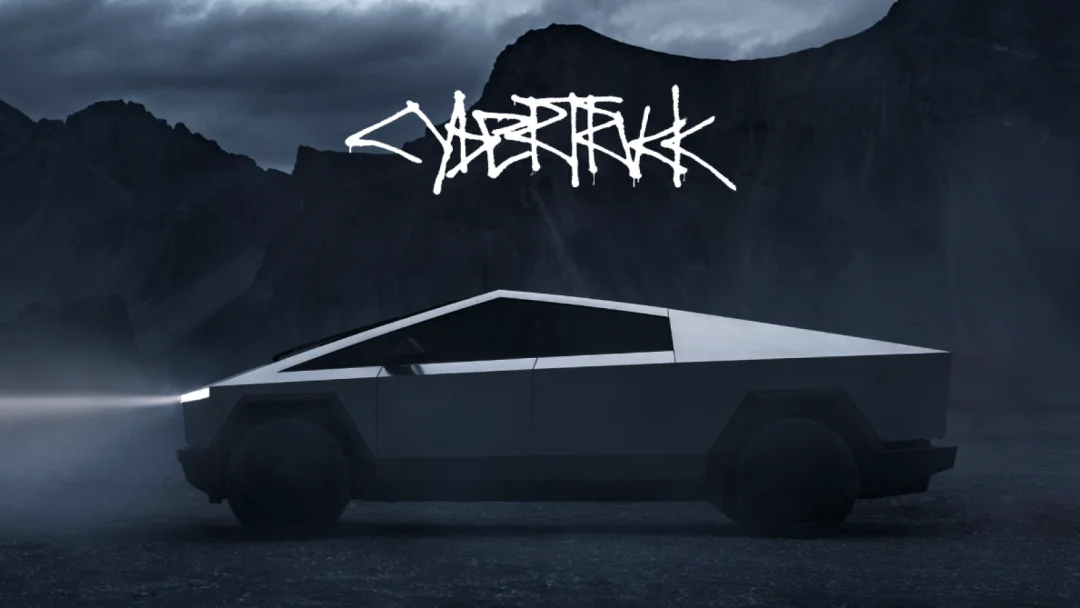
For Tesla, a reality that is unfolding and intensifying is the steady erosion of its top-tier popularity in China by domestic new energy vehicle brands.
On our Weibo account, even as follower counts and loyal fan numbers continue to rise, engagement and readership for Tesla-related posts have fallen significantly behind previous levels, including posts about Tesla’s financial reports.
Part of this can be attributed to the fact that while Tesla remains at the center of public debate in China’s new energy vehicle market, it is now primarily discussed through comparisons with competitors and proactive analysis by industry figures. Tesla is no longer a novel brand, nor does it frequently generate explosive, cross-sector events.
Although being compared and discussed serves as free advertising for Tesla, such attention is relatively minor and cannot sustain long-term momentum.
In stark contrast, domestic new energy brands are achieving frequent breakthroughs in areas such as driving range, charging speed, highway NOA, urban NOA, and smart cockpits.
Meanwhile, fierce competition among these brands—sometimes subtle, sometimes overt—keeps shifting the spotlight, steadily drawing users’ scattered attention back toward domestic brands.
However, Cybertruck’s recent tour exhibition in China has finally allowed Tesla to create another explosive, cross-sector event.
01The China Car-Selling Envoy
Is the Cybertruck’s arrival in China merely a tour for show and spectacle? No. Its core mission is simple: to sell cars.
The Cybertruck was born with a golden spoon, a new automotive species that received Tesla’s most imaginative design and top-tier manufacturing craftsmanship.
Since its debut in 2019, the Cybertruck has drawn global attention. Despite early setbacks like cracked glass during demonstrations and years-long delays in mass production deliveries, consumer enthusiasm and demand have remained undiminished. This includes many Chinese users.
Elon Musk has been watching all of this closely.
In mid-January, Elon Musk replied on X that while it would be difficult for the Cybertruck to be legally driven on Chinese roads, he could bring it to China for display. Unlike the repeatedly delayed Full Self-Driving (FSD) feature, Elon Musk did not just make empty promises this time; he acted immediately.
On January 24, the Cybertruck launched its first live broadcast in China under the identity of a 'Cyber Off-Road Vehicle.' On January 28, it began its initial tour across eight cities in China.
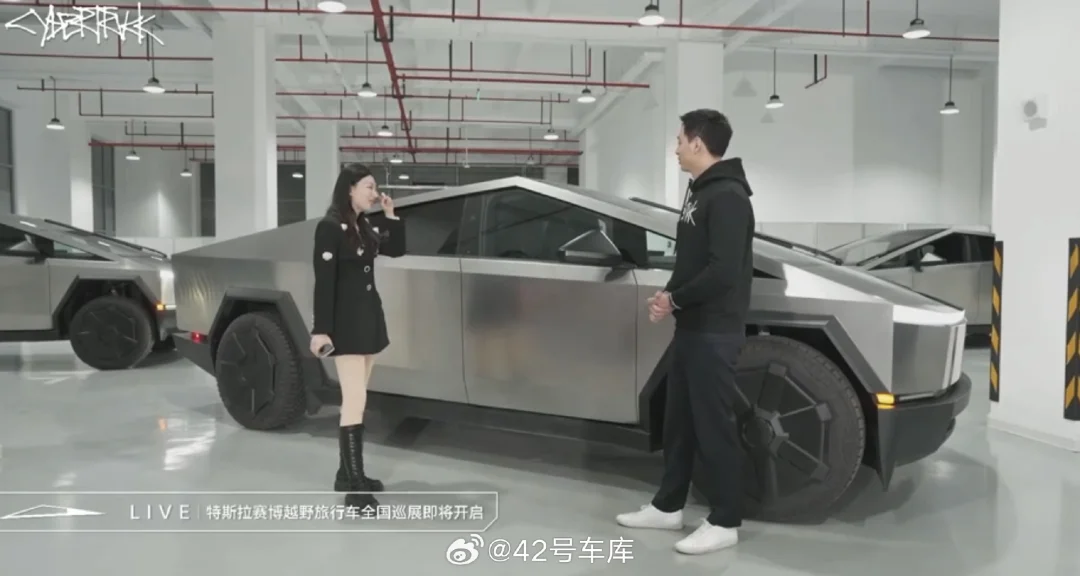
Although the Cybertruck is not yet available for sale in China, its live-streamed appearances and tour exhibitions have acted like a New Year mascot, delivering short-term, tangible gains for Tesla.
Did you catch the Cybertruck livestream on January 24? That day featured three separate broadcasts. The hosts, joined by three Tesla representatives, detailed the Cybertruck’s product strengths while heavily promoting the S3XY lineup. They also guided viewers to leave contact information in the chat by signing up for the Cybertruck tour exhibition.
In the subsequent tour stops, the Cybertruck served as a highly anticipated star attraction, drawing significant buzz for Tesla.
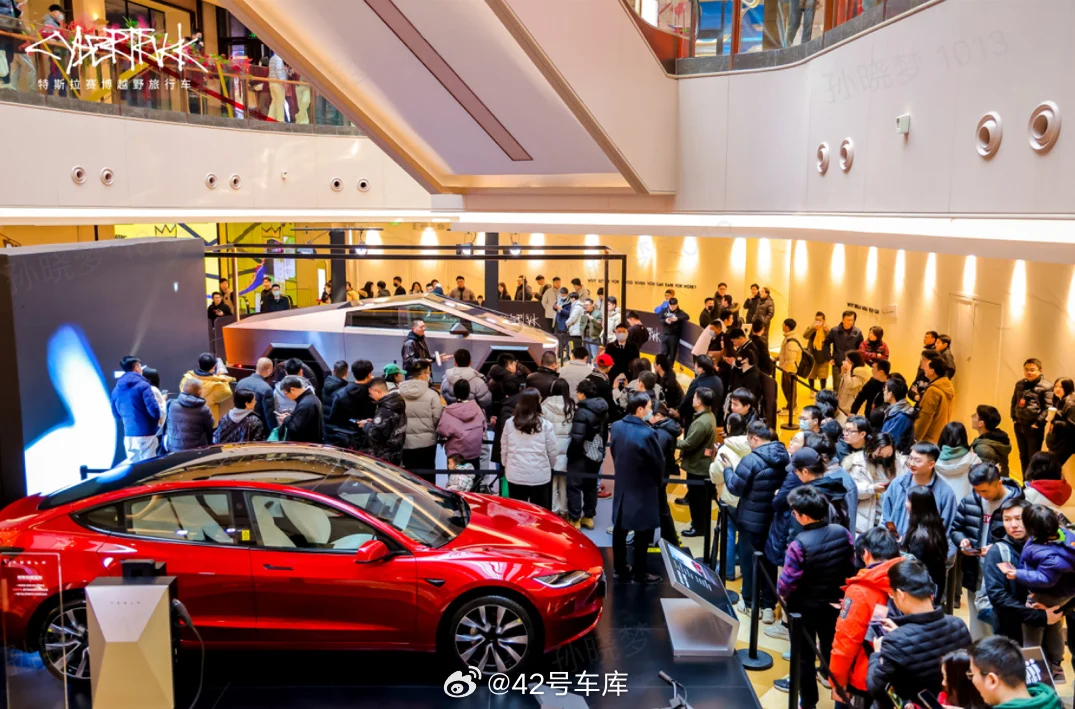
Take the Shanghai Xingye Taikoo Hui event as an example: long lines formed for entry tickets, and another queue stretched out for those waiting to take photos. Spotlights and camera flashes illuminated the scene, while people speaking Mandarin, local dialects, and foreign languages gathered upstairs and downstairs, watching with curiosity.
Meanwhile, the nearby Tesla store was equally crowded with people participating in lucky draws and viewing vehicles, creating a lively atmosphere. Even if some visitors were unfamiliar with Tesla, witnessing such scenes likely left them with a positive first impression.
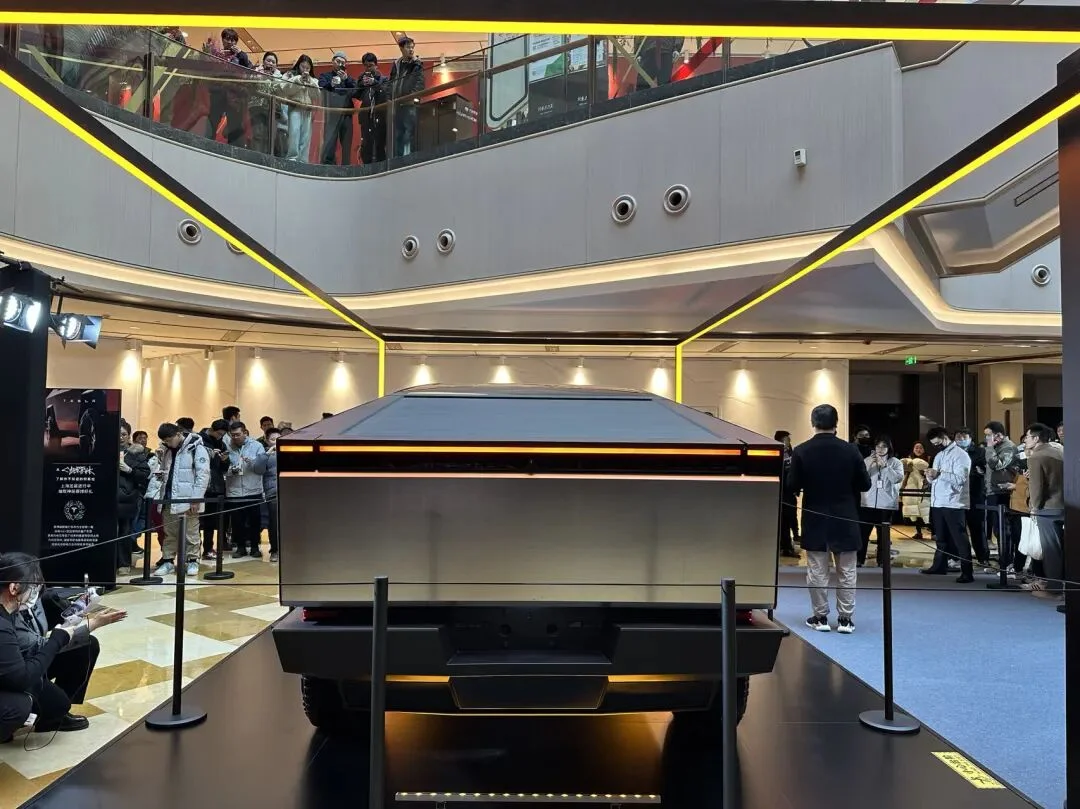
Through the Cybertruck, Tesla has thus captured substantial online and offline traffic, generating rich and high-quality sales leads. At the same time, it has used this new angle to highlight Tesla’s brand identity—possessing cutting-edge technology, leading manufacturing processes, and a bold, action-oriented culture—fostering greater brand affinity among more people.
As for how many additional Cybertrucks Tesla China will actually sell thanks to this transatlantic journey, it all depends on whether Tesla China’s sales capabilities can effectively convert the traffic surge generated by the Cybertruck into actual purchases.
02Market Heat: Running on Fumes
Without the Cybertruck, Tesla’s continuous market heat in China is essentially running on fumes.
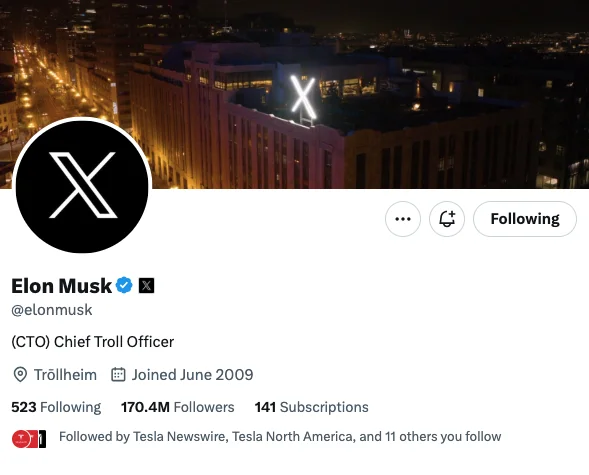
On one hand, although Elon Musk enjoys widespread recognition, his primary arena for public discourse remains X, the platform he controls. Since Elon Musk rarely engages in direct communication with Chinese users, he struggles to exert a direct influence on them.
In contrast, domestic brands are much closer to their customers. Leaders of new energy startups such as Richard Yu, Lei Jun, and Xiang Li often command immediate attention on Weibo, China’s dominant social media platform. They can hear Chinese consumers’ voices more directly and frequently interact with them personally.
Compared to Elon Musk, the leaders of independent new-energy brands maintain a closer emotional connection with their users.
Furthermore, these domestic brands do not rely solely on their CEOs being influential figures on Weibo; their executives also speak up frequently on the platform, allowing the company to receive direct feedback on specific business operations. When necessary, CEOs and executives can coordinate their messaging on Weibo to generate significant momentum in public opinion, similar to how NIO’s executives collectively voiced support prior to the launch of the ET9.
So, no matter how strong Elon Musk’s personal influence may be in stirring up the winds of public opinion, over time it is unlikely to withstand the steady, intimate persuasion that independent Chinese new-energy brands are directing toward domestic consumers.
On the other hand, Tesla is now a brand in its early twenties, relatively mature. Over the past two decades, Tesla has driven a new revolution in automotive manufacturing through integrated die-casting, ignited a global storm of electrification, and made autonomous driving more accepted and needed than ever before, directly triggering a transformation in China’s auto market akin to 'a world turned upside down.'
However, precisely because Tesla’s past achievements have been so monumental, user expectations for the company have been pushed higher and higher. If Tesla’s next moves lack revolutionary impact or profound influence, they will struggle to deliver the same sense of novelty and shock that characterized its earlier innovations.
To continue producing changes that are truly revolutionary and far-reaching, Tesla must keep increasing investment and relentlessly push itself forward. In this process, R&D costs will rise, yet there is no guarantee when breakthroughs will materialize—FSD serves as a vivid example.
Meanwhile, relatively young independent Chinese new-energy brands are in a period of rapid growth. Take autonomous driving as an example: over the past two years alone, these brands first competed on sensor configurations and chip computing power, then advanced highway NOA (Navigate on Autopilot) capabilities, and are now engaged in a fierce battle to expand urban NOA into city streets, charging ahead with determination.
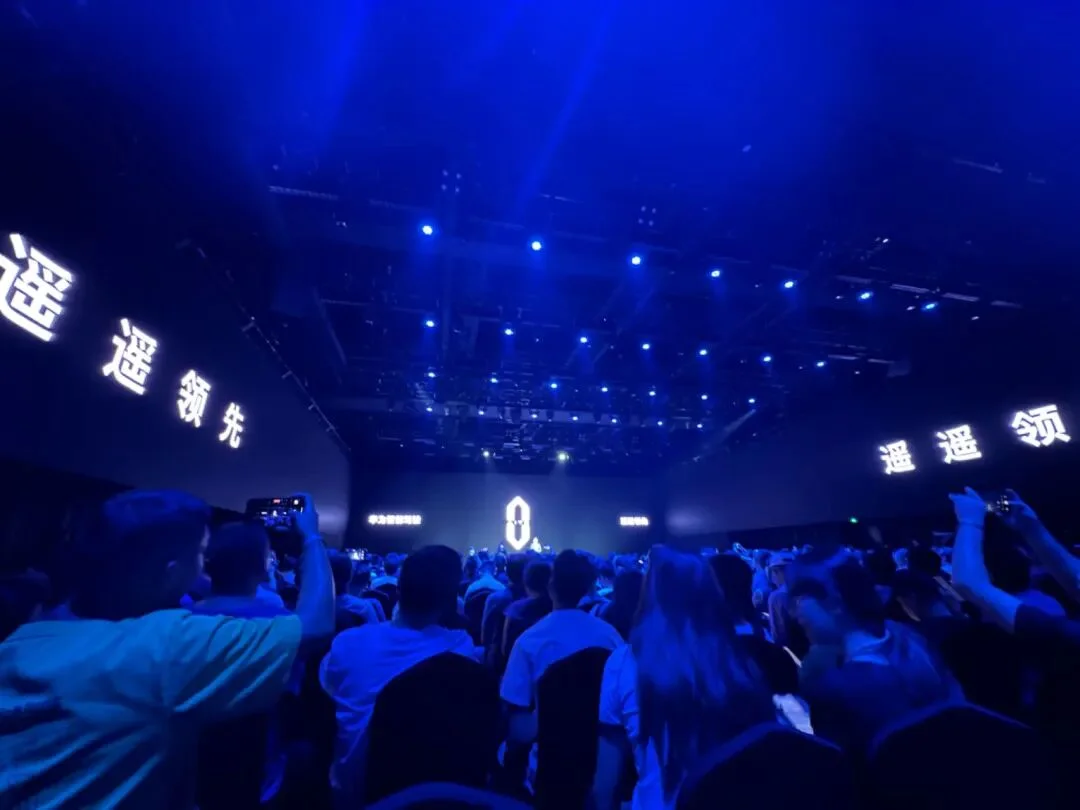
Beyond autonomous driving, independent Chinese brands are also rolling out dense updates across smart cockpits, battery-motor-electronic control systems, chassis handling, and exterior design. User attention is finite, and naturally gravitates toward whichever side appears more dynamic and active.
It is precisely during this phase of intense innovation that Chinese brands have demonstrated remarkable ambition and increasingly robust product strength in the new-energy sector. As China’s overall economic and technological ascent continues, domestic consumers are no longer blindly devoted to foreign brands as they once were; emotionally, they are leaning closer to homegrown names, and in actual purchasing decisions, they are increasingly favoring them.
Tesla, however, finds itself in a completely different situation. Currently, the core pillars supporting Tesla's market presence are its brand and product strength. Yet, as noted above, while Tesla's brand momentum has slowed, domestic new energy vehicle brands have grown rapidly.
In terms of products, although Tesla’s manufacturing capabilities and battery, electric motor, and electronic control systems remain industry-leading, the value it delivers to users in autonomous driving and cabin experience does not match that of Chinese brands.
As Chinese brands continue their relentless competition, it remains uncertain whether Tesla’s brand and product strength can sustain its high level of popularity in the Chinese market over the long term.
Of course, the changes Tesla brings may simply be fewer in number and lower in frequency, but they are not absent. At present, there are three events that could potentially generate explosive heat and breakthrough influence for Tesla:
Cybertruck meets Chinese laws and regulations, entering the Chinese market as a cyber off-road vehicle;
FSD enters the domestic market with an appropriate price and application capabilities adapted to China’s unique driving environment;
The launch of all-new products based on the next-generation platform, without incremental updates, offering significant improvements over the current S3XY lineup.
It is important to emphasize that although Tesla’s market traffic relies on past achievements, these foundations are substantial enough. The Model Y, launched as early as 2019, still became the sales champion of the Chinese automotive market in 2023 despite facing domestic new energy products that iterate almost annually. Sales volume itself generates traffic.
03Conclusion
The Cybertruck tour has once again pushed Tesla’s popularity to a new peak. Regardless of whether the Cybertruck can be launched in China, it has already brought significant short-term benefits to Tesla and injected vitality into both Tesla and the broader new energy vehicle (NEV) market during January, a traditionally slow month for auto sales.
However, as the Cybertruck hype subsides, Tesla faces a challenge: with no advertising spend and its CEO based across the ocean, how can it sustain long-term, positive brand momentum amid fierce competition from domestic NEV brands?
In this regard, a fact favorable to domestic NEV brands is that Tesla’s breakthrough moments always come after periods of silence. This waiting period provides an opportunity for domestic NEV brands to accelerate their pace and build brand momentum.
Thus, even a powerhouse like Tesla must tread carefully in today’s Chinese NEV market; over time, it may need to make tangible changes to its marketing strategy.
Written by: Isaiah Edited by: 308