


Chery’s Smart-Driving Plan to Reach 1 Million Vehicles Next Year: What Is the Confidence Behind It?
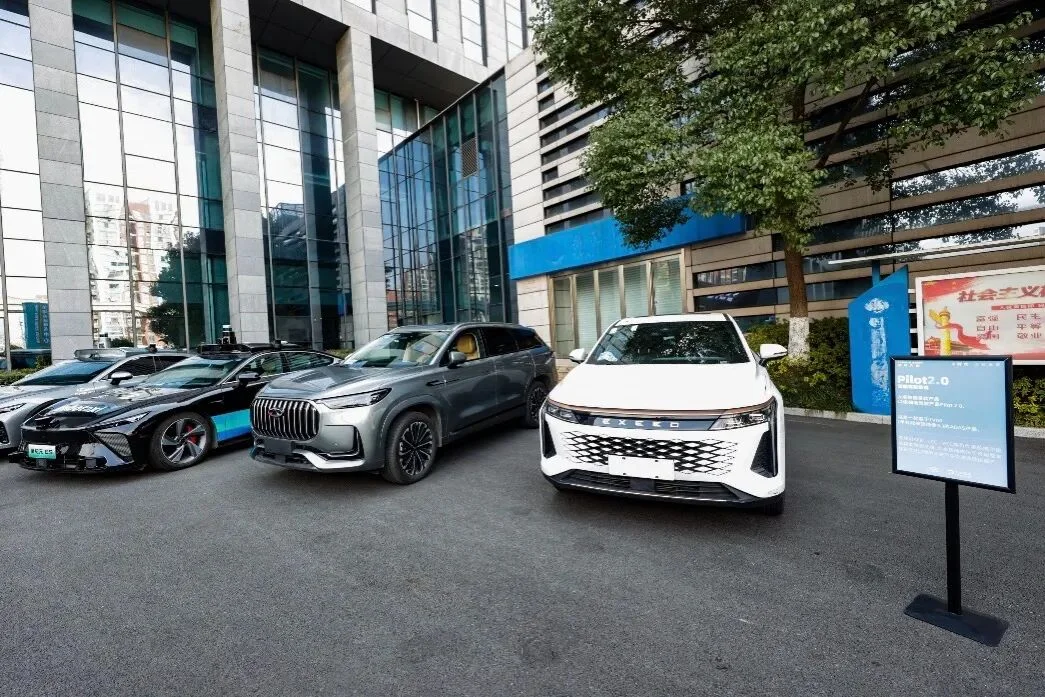
Chery has accelerated its push into intelligent driving through Dazhuozhineng.
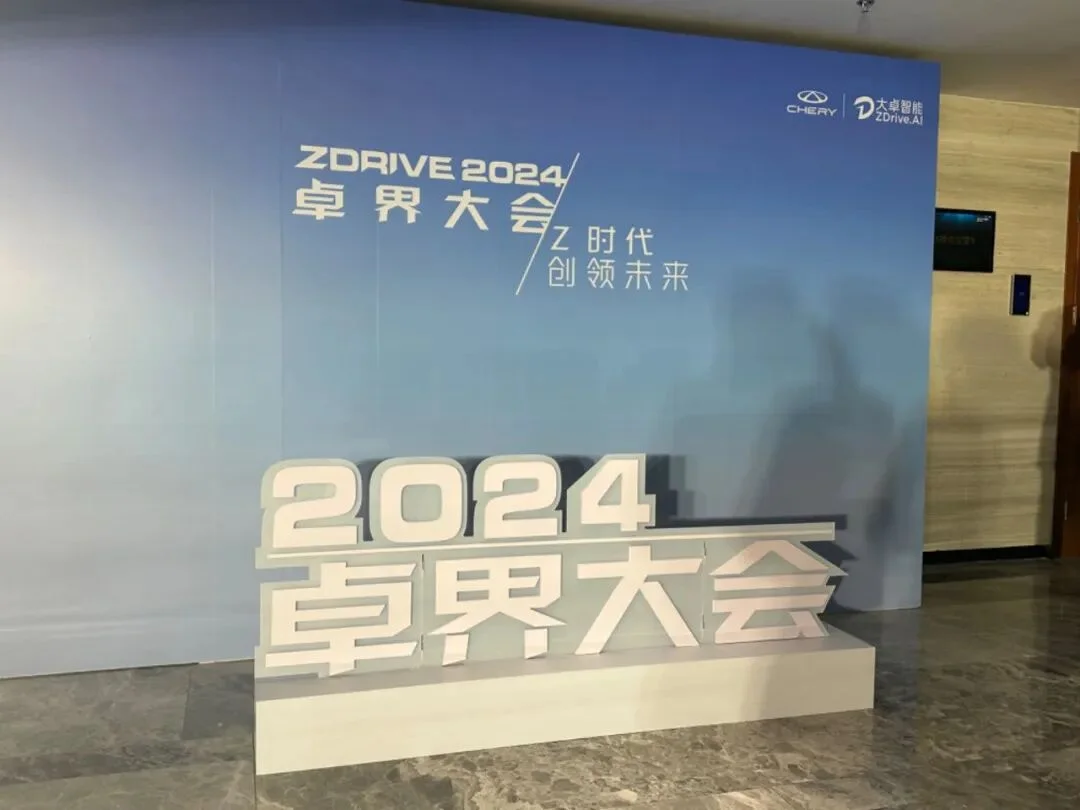
On January 16, 2024, as a key part of Chery Group’s intelligent driving division, Dazhuozhineng held its first-ever ecosystem day at China Vision Valley in Wuhu, Anhui. The event outlined the strategic vision, product roadmap, and commercial logic for both Chery Group and Dazhuozhineng in the field of intelligent driving.
At the same time, Chery Group is building an ecological innovation alliance around Dazhuozhineng’s development. Representatives from leading companies in chips, mapping and positioning, and software—all key players in the intelligent driving sector—participated in this initiative.
Notably, against the backdrop of Chery Group’s annual sales volume reaching millions of units, “extreme cost-effectiveness” has become a core label for Dazhuozhineng’s deployment of intelligent driving technologies.
City NOA to arrive next year; large-scale deployment is the priority
From the perspective of the broader intelligent driving industry, Dazhuozhineng is actually a latecomer; however, its pace of advancement is not slow.
Dazhuozhineng was founded on February 1, 2023, and is headquartered in Wuhu, Anhui Province, the same city where Chery Group is based. From its inception, it has been positioned as a key strategic layout for Chery Group in the autonomous driving sector, with the goal of creating a mass-production autonomous driving solution capable of reaching millions of vehicles.
To this end, Chery Group recruited Dr. Gu Junli, who previously led intelligent driving operations at companies such as Tesla and XPENG, to serve as CEO of Dazhuozhineng.
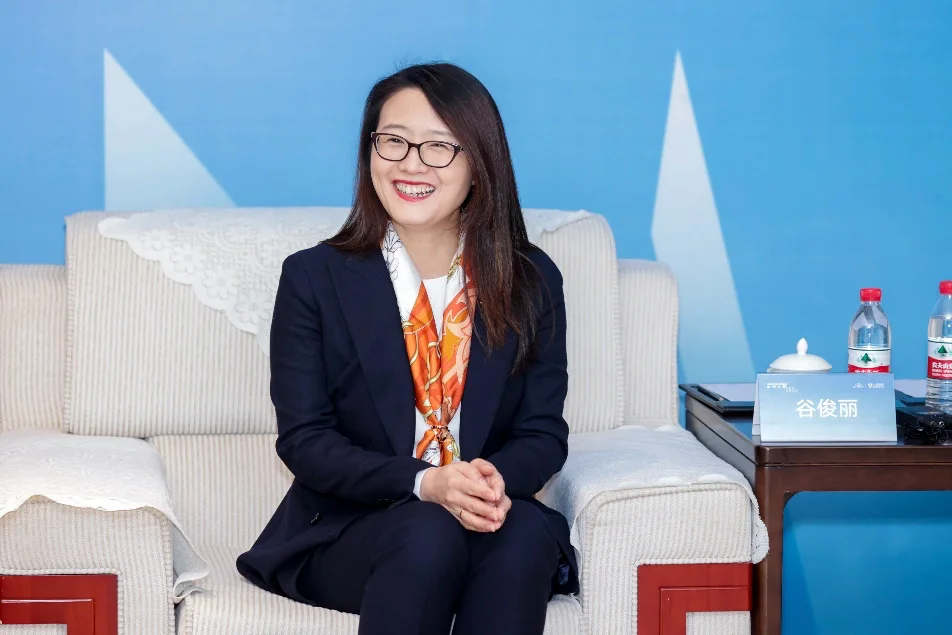
42HOW Auto learned that over the nearly year since its establishment, Dazhuozhineng has continuously expanded its workforce and established R&D centers in Wuhu, Shanghai, and Shenzhen. It currently boasts an intelligent driving team of more than 500 people. In terms of implementation, Dazhuozhineng’s first vehicle model equipped with standard ADAS achieved mass production by late September 2023.
During this ecosystem day event, Dazhuozhineng showcased its first L2-level driver assistance product, Pilot 2.0. Based on a 1VnR sensor configuration, it delivers core assistance functions including Automatic Emergency Braking (AEB), Lane Centering Control (LCC), and Adaptive Cruise Control (ACC). The system will continue to evolve. Dazhuozhineng stated that this product line will leverage Chery Group’s complete vehicle portfolio to achieve rapid, large-scale mass production of L2 driver assistance systems.
Additionally, leveraging Chery’s commercial vehicle strategy, Dazhuozhineng has developed a separate L4-level Robotaxi product line known as the Drive series.
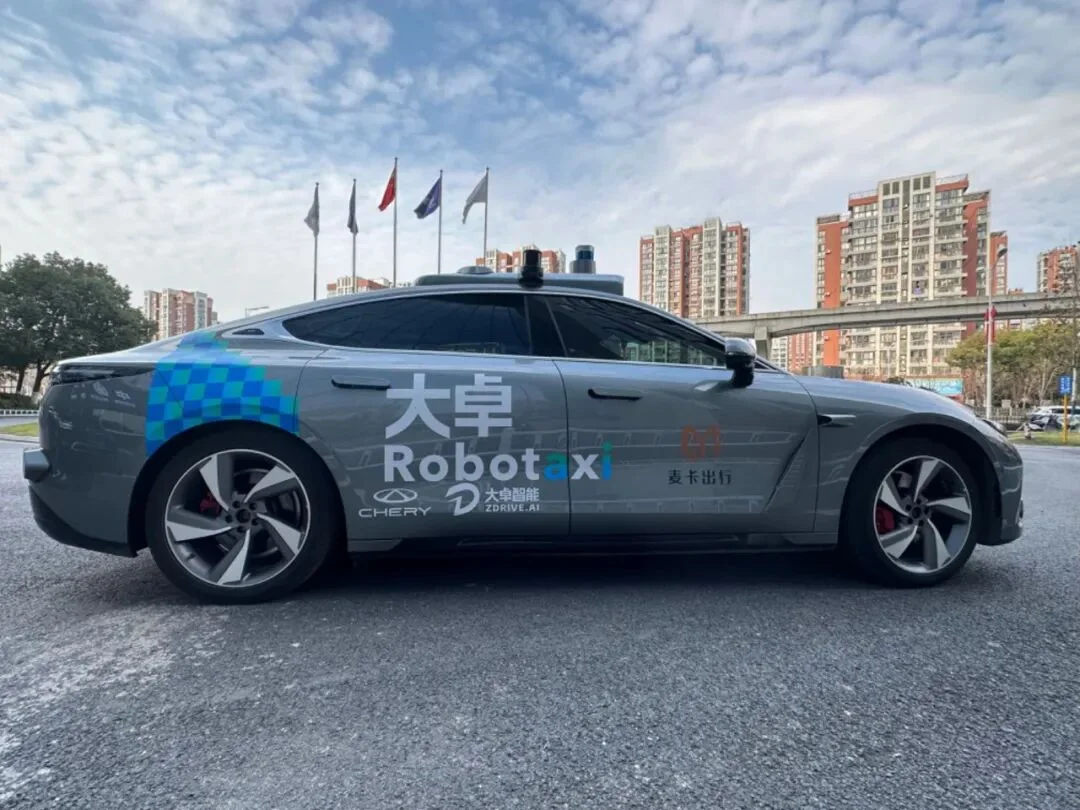
At the event, we observed that this Robotaxi line is integrated into a modified Xingtuxingjiyuan ES model. The vehicle is equipped with seven 2-megapixel cameras, six millimeter-wave radars, and five mechanical LiDAR units. It utilizes a domain controller developed around high-compute chips and integrates high-definition maps with RTK outdoor high-precision positioning technology. The system will connect to the third-party ride-hailing dispatch platform Maikachuxing, offering passengers urban autonomous shuttle services booked via mobile apps from point A to point B.
To this, Gu Junli, CEO of Dazhuozhineng, stated that the Drive product line is expected to deploy 10,000 unmanned commercial vehicles in 2026.
From the perspective of large-scale mass production and deployment, however, high-level L2 autonomous driving assistance remains Dazhuozhineng’s primary focus for near-term implementation.
Dazhuozhineng CEO Gu Junli told us that, in terms of product rhythm, in the second quarter of 2024, Dazhuozhineng will launch its independently mass-produced Pilot 3.0 product, which will support L2+, namely the highway NOA function; by the first quarter of 2025, the independently mass-produced Pilot 4.0 product will be released, which will support L2++ level city NOA.
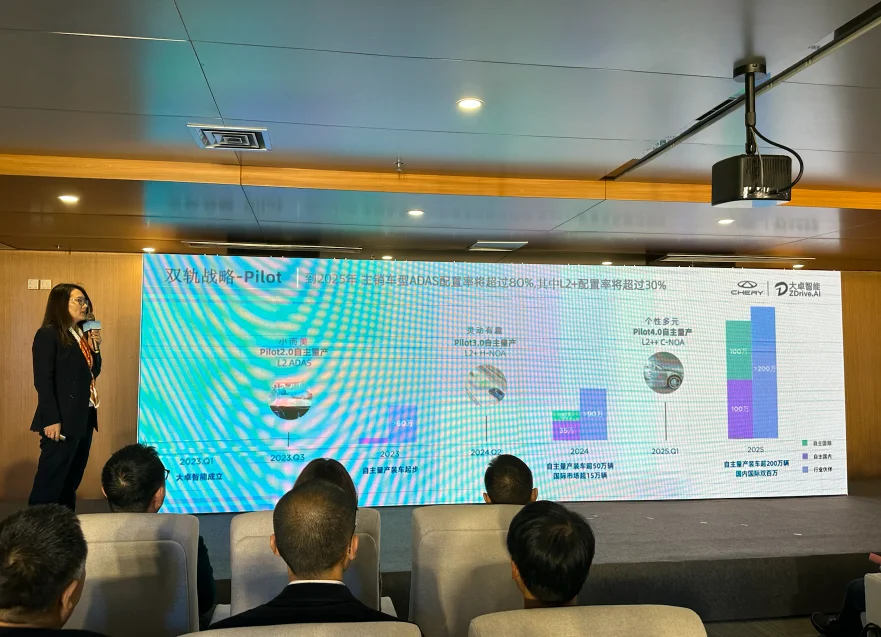
From a market deployment perspective, Dazhuozhineng equipped thousands of vehicles with its L2 products in 2023. In 2024, the number of mass-produced vehicles using Dazhuozhineng solutions is projected to reach between 300,000 and 500,000 units. By 2025, the target is 'double million,' meaning one million units domestically and one million internationally.
Additionally, Gu Junli noted that leveraging Chery Group’s international presence across more than 80 countries, Dazhuozhineng is an inherently global team serving an inherently global market. The company aims to rapidly expand its international deployment footprint over the next two years.
Cost Control Is Key, Not Burning Cash
For Dazhuozhineng, relying on Chery Group for rapid mass production and deployment is a natural advantage. However, achieving this scale without excessive cash burn remains a critical challenge the company must address.
At the event, Gu Junli stated that Dazhuozhineng, as one of the five major technology pillars of Yaoguang 2025, has positioned itself from the outset as an autonomous driving solution provider and integrated platform. Chery Group Chairman Yin Tongyue also made it clear that Dazhuozhineng is not a money-burning company and does not engage in money-burning ventures.
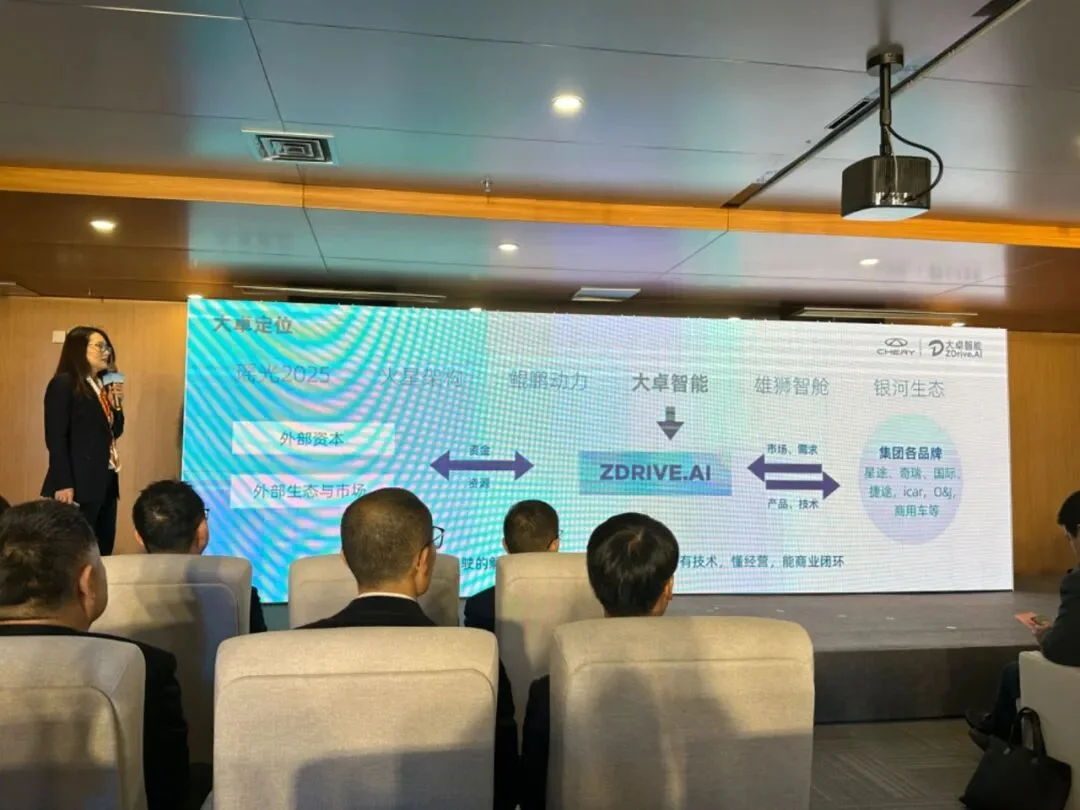
Gu Junli emphasized that Dazhuozhineng must approach its work with a business mindset, turning technology into priced products while knowing what to pursue and what to leave behind. Consequently, when building its team, the company prioritized individuals who understand both technology and commercial viability, including the establishment of a closed-loop business model.
How, then, will Dazhuozhineng balance technology and cost during the rollout of its intelligent driving solutions?
Dazhuozhineng explained that urban NOA (Navigation on Autopilot) remains a technological luxury, with LiDAR and high-definition maps serving essentially as "crutches" for China's complex driving scenarios. Therefore, Dazhuozhineng emphasizes a vision-centric approach within its technical stack, prioritizing cost-effective visual solutions. Specifically, initial deployments will focus on map-assisted systems, with plans to gradually reduce reliance on high-definition maps over time.
Notably, Dazhuozhineng explicitly confirmed during the interview that BEV+Transformer will be the algorithmic framework adopted in its technical stack.
However, the company also stressed that user experience is paramount and forms the basis for premium pricing. Dazhuozhineng aims to lead autonomous driving toward Generation Z, focusing on growth, personalization, experiential quality, and self-pleasing features.
On the other hand, given Chery's large scale, the company seeks to maximize the penetration rate of intelligent driving. By collecting and processing vast amounts of data, Dazhuozhineng integrates industry ecosystems, explores data sharing and paid usage models, and thereby spreads out costs.
Additionally, Gu Junli told us in an interview that Dazhuozhineng now employs a product-line mechanism. This means that investment levels for each product line, including the amount to be invested over the next three years, are tied to business performance, market conditions, and pricing strategies. Therefore, Gu Junli emphasized that this approach is driven by product-line management principles rather than pure technology push.
She also stated that Dazhuozhineng’s investment in product development cannot match that of new-energy vehicle startups or Huawei. Its positioning is to invest only one-third of the R&D costs typically seen among new forces, while targeting both passenger and commercial vehicles. Only through this strategy can it achieve profitability and sustain long-term operations.
Beyond cost reduction, compared to other players in the industry such as new-energy vehicle startups, Dazhuozhineng’s rollout pace for highway NOA (Navigate on Autopilot) and city NOA has indeed been slower, which naturally raises some doubts.
In response, Dazhuozhineng acknowledged that the company was established relatively late, meaning its system development and operational testing phases have taken considerable time. Consequently, its progress has not been particularly fast.
At the same time, Dazhuozhineng pointed out that although it lacks first-mover advantage, it can leverage a late-mover advantage to avoid pitfalls encountered by earlier competitors, thereby reducing detours. Additionally, autonomous driving requires massive amounts of data to drive iteration. Backed by Chery’s sales volume—for example, Chery’s monthly sales may equal the annual sales of certain new forces—Dazhuozhineng can acquire substantial data to accelerate iterative improvements.
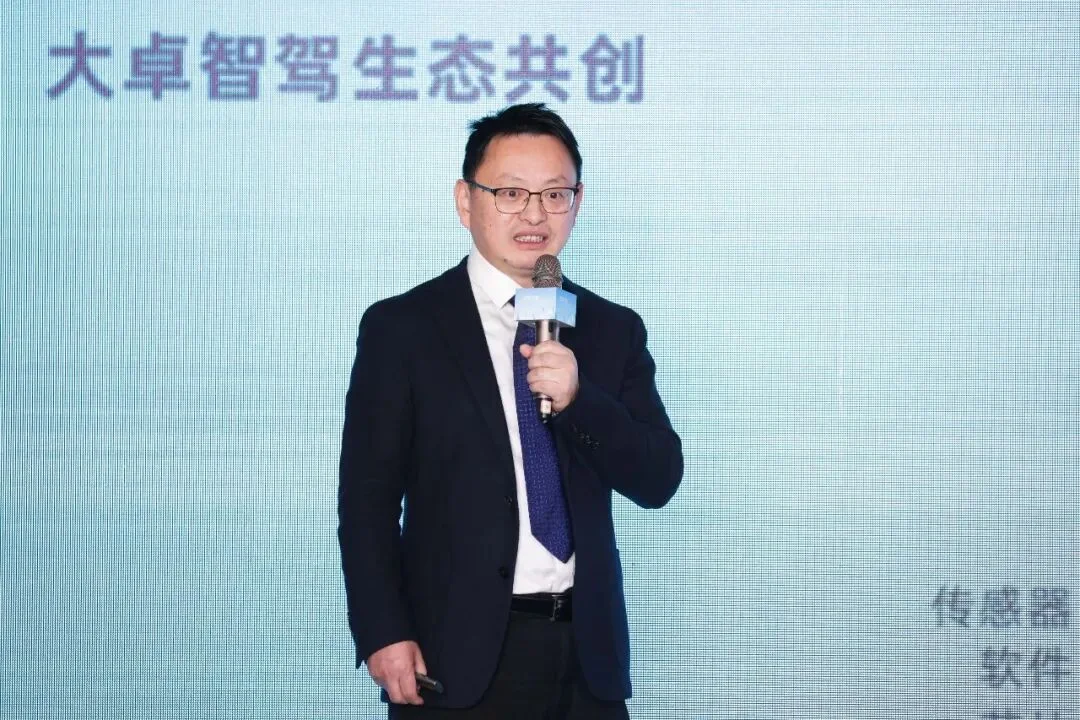
Thus, Gao Jiabing, Deputy General Manager of Dazhuozhineng, explicitly stated in an interview: "I may start slowly, but I run fast; that is my advantage."
Market Is King: Learning from Tesla and Huawei
As the intelligent driving industry matures, technological exploration continues, but achieving a viable commercial loop that balances R&D investment with deployment returns has become a critical challenge for all players, including new energy vehicle startups.
During this event, Gu Junli shared her perspective on the ongoing price war in the intelligent driving sector.
She noted that current price wars rely heavily on stacking computing power and perception hardware, yet no one is making money. Looking back over the past decade, Tesla is the only autonomous driving company globally that has truly profited. It achieved profitability by advancing its software capabilities while simultaneously executing vertical integration and extreme system simplification, resulting in healthy gross margins for both hardware and software. The core strategy lies in hardware simplification and vertical integration.
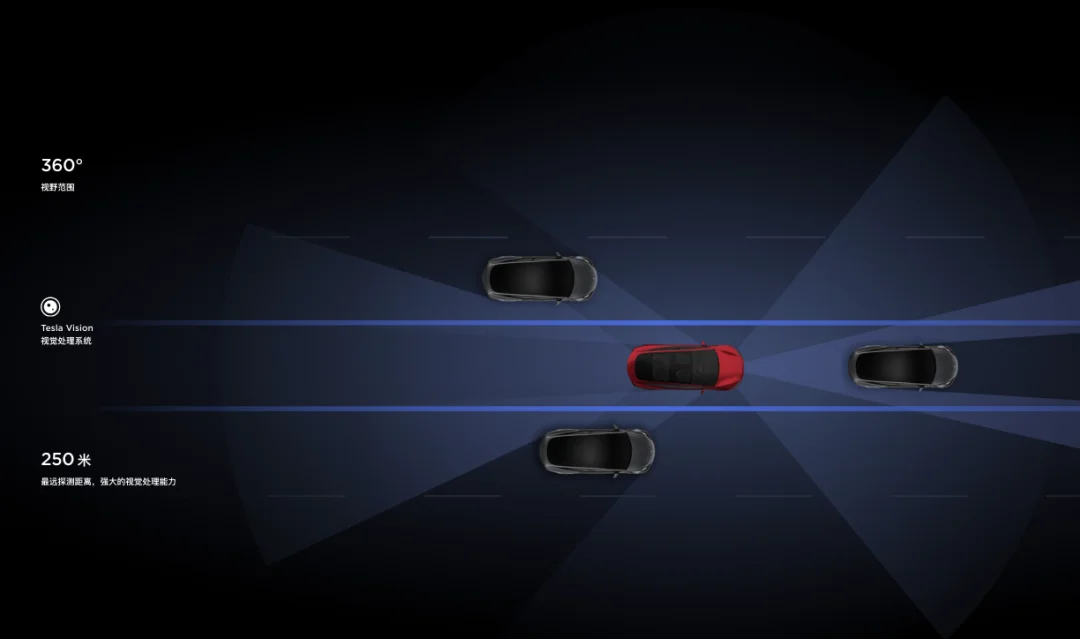
Therefore, she argued that vehicle product planning should use autonomous driving software to define the car, driving hardware simplification and vertical integration to foster business models based on software and big data. Only then can the industry secure a future.
She emphasized: 'Technology used to be king; now the market is king. Ultimately, it will always come down to a closed commercial loop.'
Regarding Chery's specific operational approach, Gu Junli stated that Chery's strong business-oriented mindset provides Dazhuozhineng with a distinct advantage.
She explained that she experienced a phase where technology development was well-funded but lacked business acumen. At that time, there was only year-end budgeting, without considering the industrial ecosystem of technology, product costs, R&D expenses, user willingness to pay, or the final commercial loop—issues common among many autonomous driving software companies. However, upon reaching the deployment stage, the reality of automotive commerce proved harsh: 'You suddenly find yourself flat on the ground.'
So, Gu Junli emphasized that at Dazhuozhineng, there has been a clear emphasis on business thinking from the very beginning, and she herself aims to become a "scientist-entrepreneur," which represents valuable accumulation.
Based on this "scientist-entrepreneur" role, Gu Junli noted that we are currently in an era of tight capital. Market-and-technology team combinations like Dazhuozhineng have advantages in financing. Furthermore, Dazhuozhineng is supported by its parent group to develop gradually through external capital, and it is currently in a funding stage.
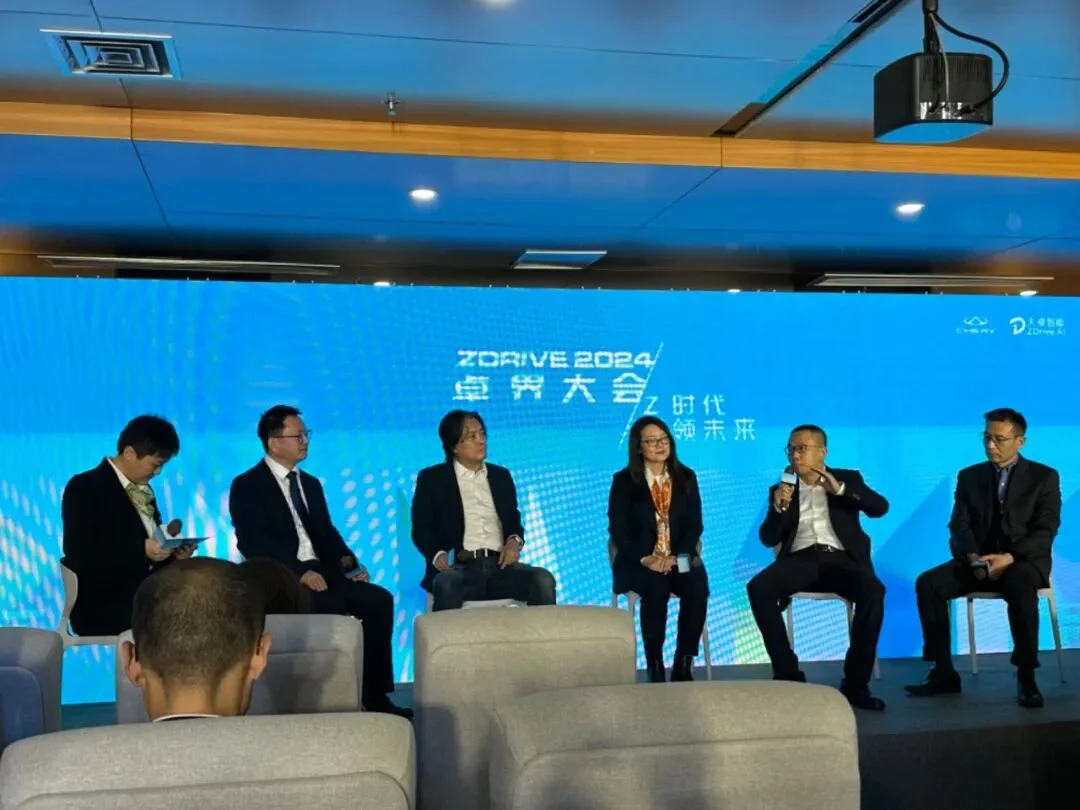
Notably, standing at this new stage of development, Gu Junli stressed that joining Chery, a company with annual sales of one million vehicles, requires Dazhuozhineng to adopt methodologies for product development, project portfolio management, market analysis, and user acquisition operations. Therefore, Dazhuozhineng is comprehensively learning Huawei’s Integrated Product Development (IPD) process. This includes market research, customer analysis, pricing establishment, cost estimation, and human resource coordination for every product line. Clarifying these processes is essential to avoid industrial waste.
Finally, when discussing Dazhuozhineng’s judgment on the future development of autonomous driving technology, Gu Junli stated that end-to-end systems are definitely a trend. With a deeper understanding of scenario data, the industry will certainly be data-driven.
Regarding Dazhuozhineng’s next steps, she explained that its AI progress is divided into four generations. By around 2025, it will evolve toward end-to-end architectures. Currently, Dazhuozhineng is working on AI technology between 2.5D and 3D. After mass-producing mainstream 3D AI technology in 2024, it will enter end-to-end AI via urban pure vision in 2025, though this does not yet fall under the category of large models.
On how large models can assist the future development of automobiles, Gu Junli said: "Large models may ultimately solve not the problems of autonomous driving itself, but many personalized, novel applications, entertainment, and service issues that arise after autonomous driving is achieved. Because the computing power demands of large models dictate that they are cloud-based applications, not vehicle-mounted ones. We are also exploring some cloud-based applications pushed to vehicles, such as dialogue and recommendations. In the future, there will be location-based services, and we are even currently working on AI-assisted car sales."
She further emphasized: "Personally, I tend to believe that in the future, cars will serve as some form of assistant and companion. This need for companionship will emerge after autonomous driving. Autonomous driving first addresses the desire for technological sophistication and the need to alleviate boredom during long-distance driving. However, afterward, there will be many novel forms of entertainment, services, and consumption. Therefore, I believe large models will be one of the boosters, along with data and location-based services."
Written by: 308 Edited by: 308