


smart Jingling 5 Hao Launches; Zeekr MIX Pricing Revealed; XPENG Releases Tianji 5.4.0 Update
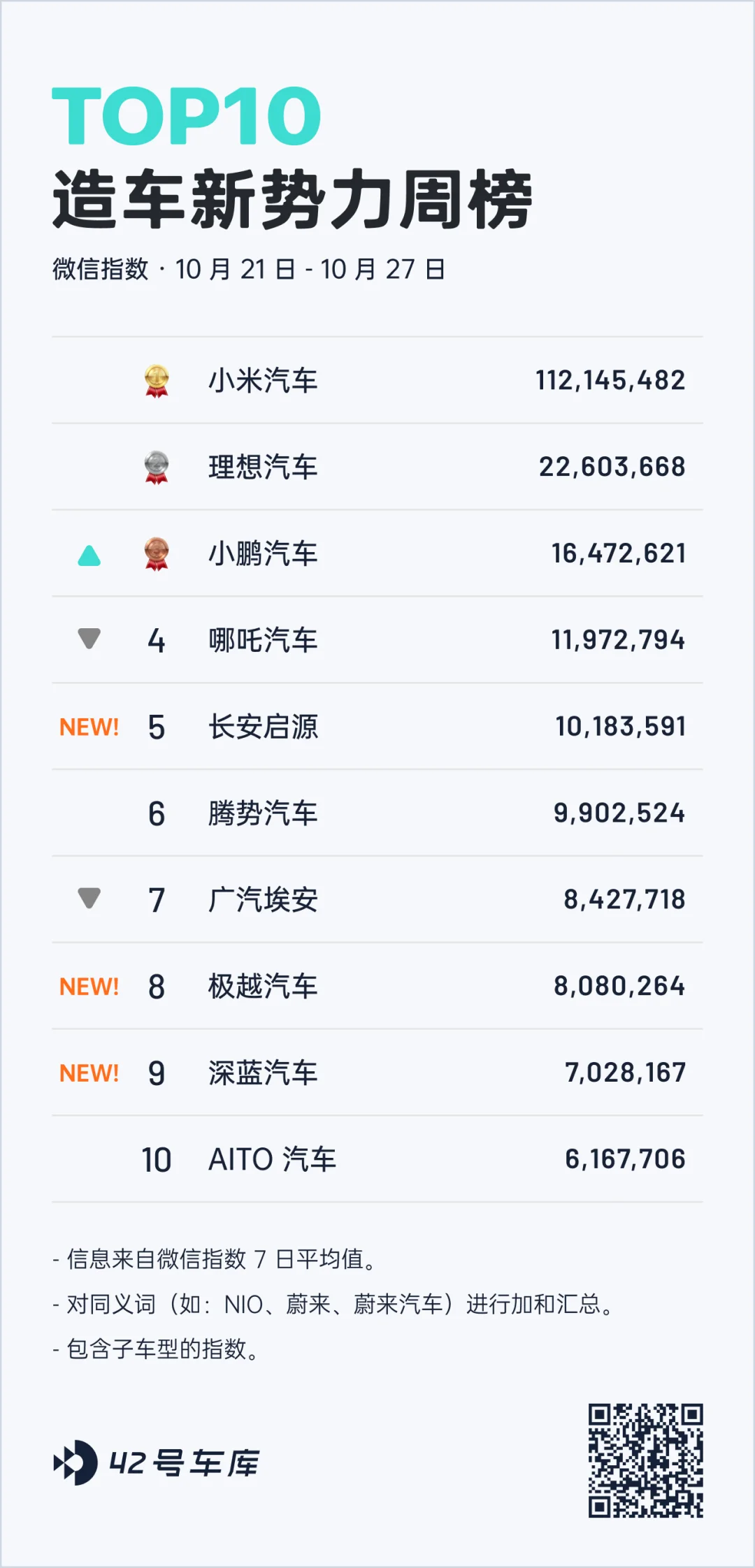
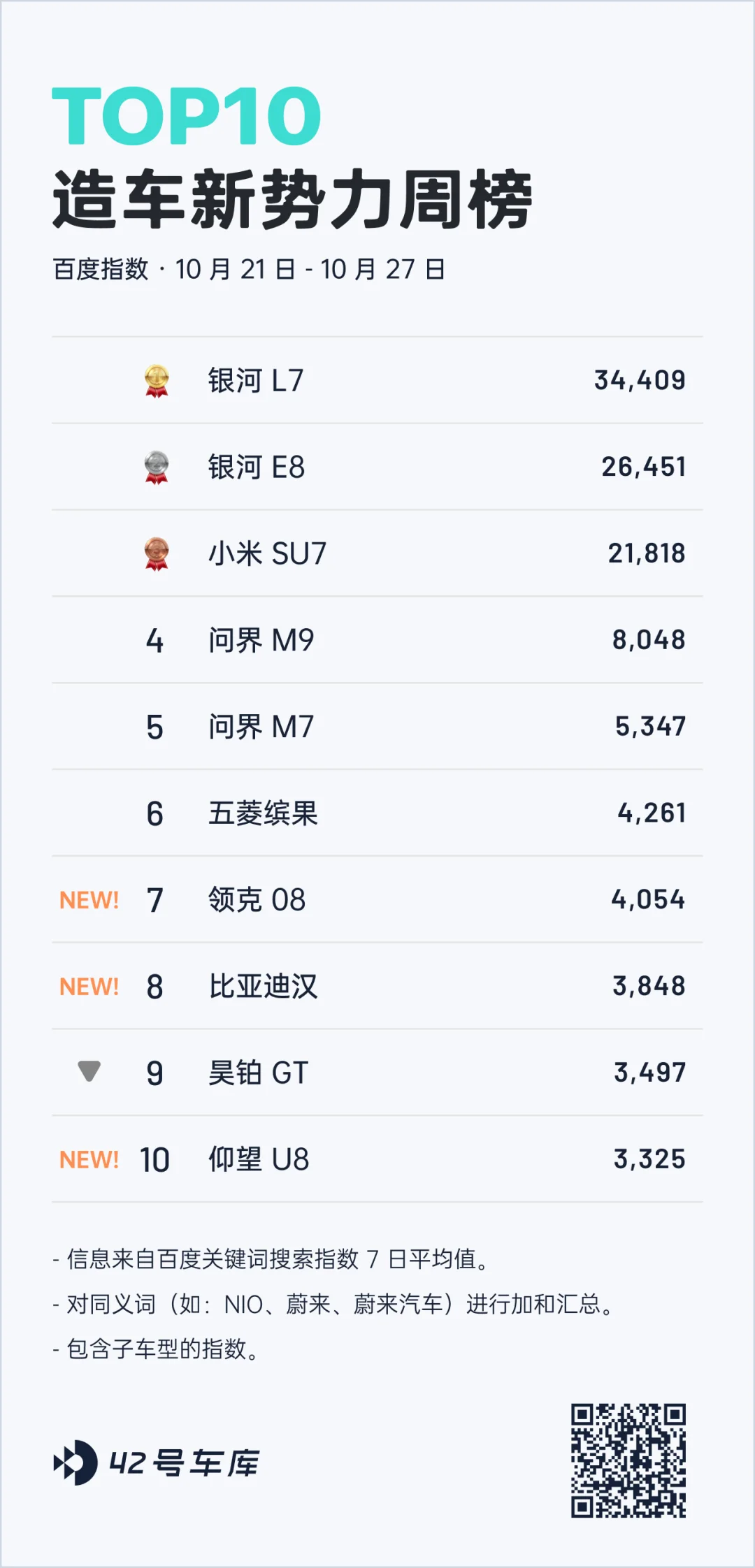
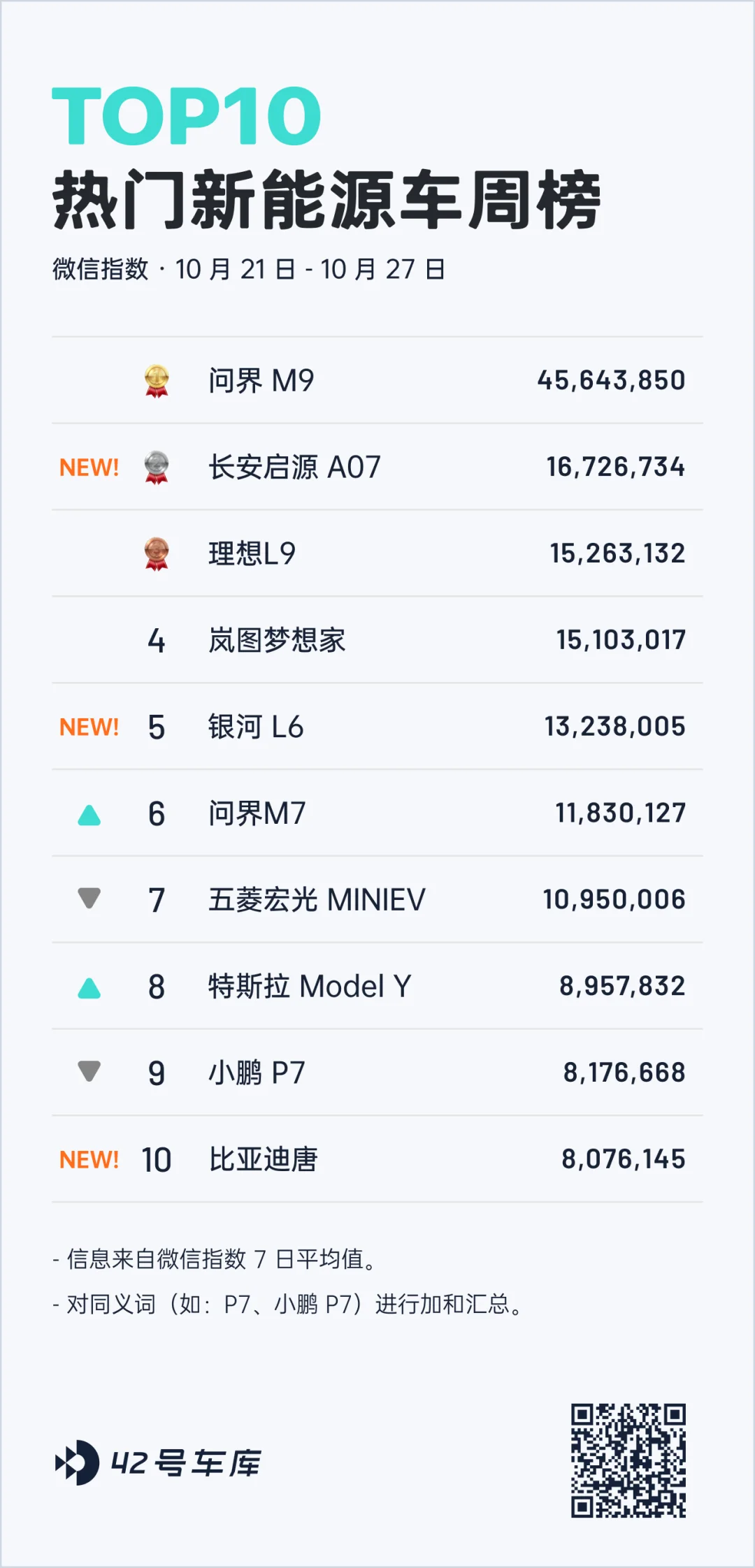
01Weekly Index
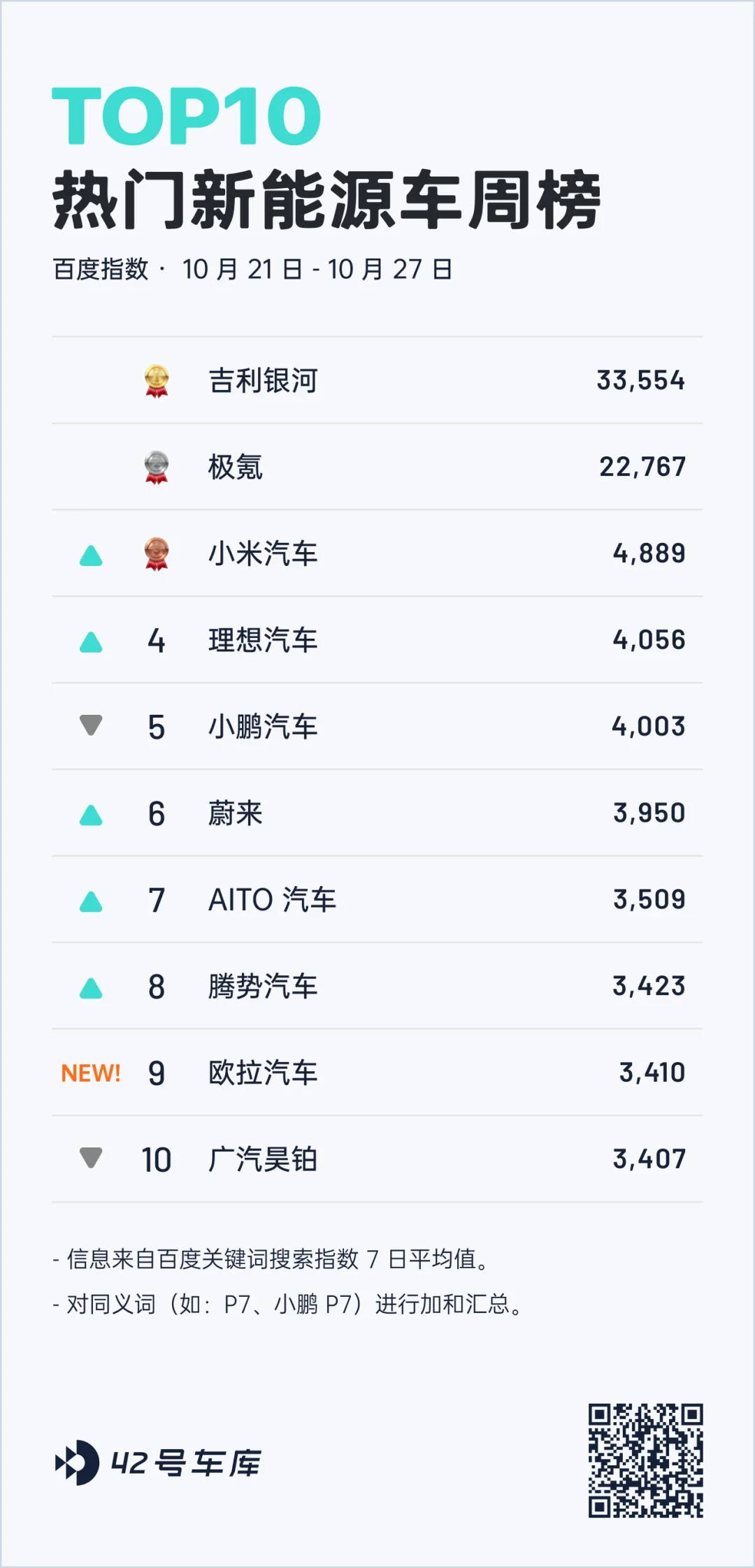
02Weekly Highlights
smart Jingling 5 Hao Officially Launched
On October 27, the smart Jingling 5 Hao was officially launched, available in four trim levels with a starting price of RMB 239,900. The breakdown is as follows:
The Long-Range Adventure Standard Edition is priced at RMB 239,900, with a limited-time final price of RMB 229,900.
The Long-Range Adventure Premium Edition is priced at RMB 269,900, with a limited-time final price of RMB 244,900. Compared to the Standard Edition, it adds Highway and Elevated Road Navigation, Memory Parking, a capacitive steering wheel, 20-inch wheels, and a heat pump air conditioning system. It also includes a limited offer of Senhaisaier audio systems and NAPPA leather seats.
The Extra-Long Range Adventure Premium Edition is priced at RMB 299,900, with a limited-time final price of RMB 264,900. This version features an increased battery capacity of 100 kWh and utilizes an 800V platform.
The Jungle Realm Limited Edition is priced at RMB 368,000, with no final price displayed. It features dual-motor all-wheel drive, 470 kW of power, a zero-to-hundred acceleration time of four point nine seconds, and high-end equipment such as air suspension.
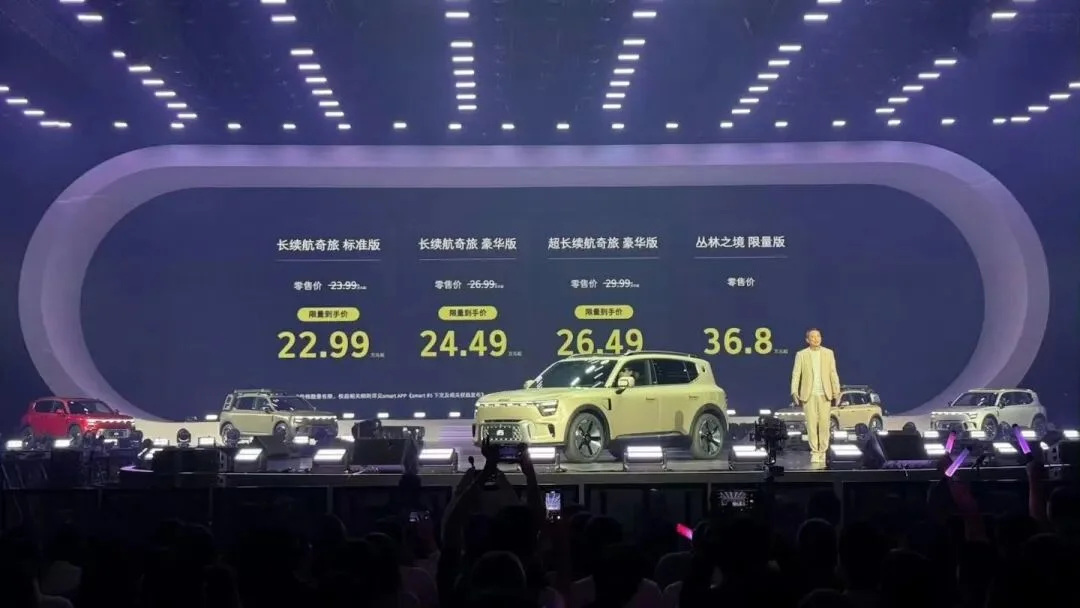
Additionally, Amber Brown and Quicksand Gold are available as optional colors at no extra cost for a limited period. Regarding the limited-time final prices for the Long-Range Adventure Standard, Long-Range Adventure Premium, and Extra-Long Range Adventure Premium editions, Yi Han, CEO of smart Zhongguoyingxiaogongsi, stated that the "limited" quantity for these final prices is 8,000 units.
Quick Review:
The launch of the smart Jingling 5 Hao marks the official sale of the largest vehicle in smart’s history. In terms of configuration, the smart Jingling 5 Hao aligns with mainstream market offerings, but smart also introduced considerable innovation, including the industry’s first laser projector, a zero-gravity front passenger seat equipped with an airbag cushion, and portable speakers. Moving forward, smart will develop vehicles to meet diverse user needs, ranging from compact to large models.
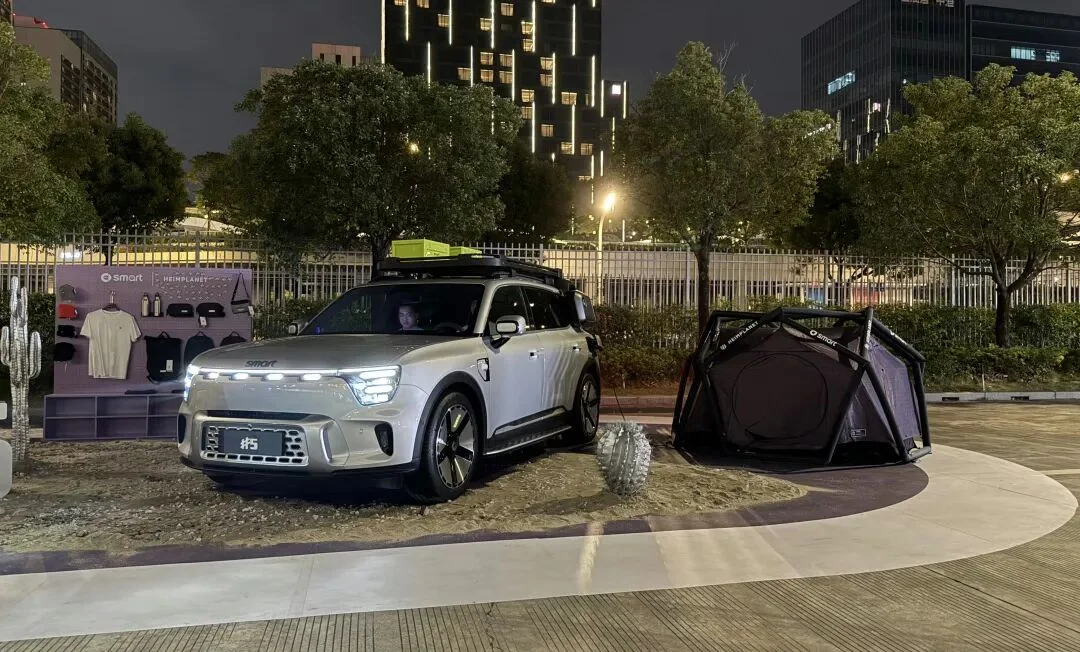
During the launch event, smart illuminated the Burj Khalifa. Following its launch in the UAE, the model is set to go on sale in Egypt, reflecting smart’s increasing focus on global product strategy. The company stated that historically, fuel-powered smart vehicles were sold in 46 countries; in the electric era, smart has already entered 32 countries and is poised to soon break this record. To date, smart has gained significant user recognition for both its product presentation and energy transition.
Zeekr MIX Pricing Announced
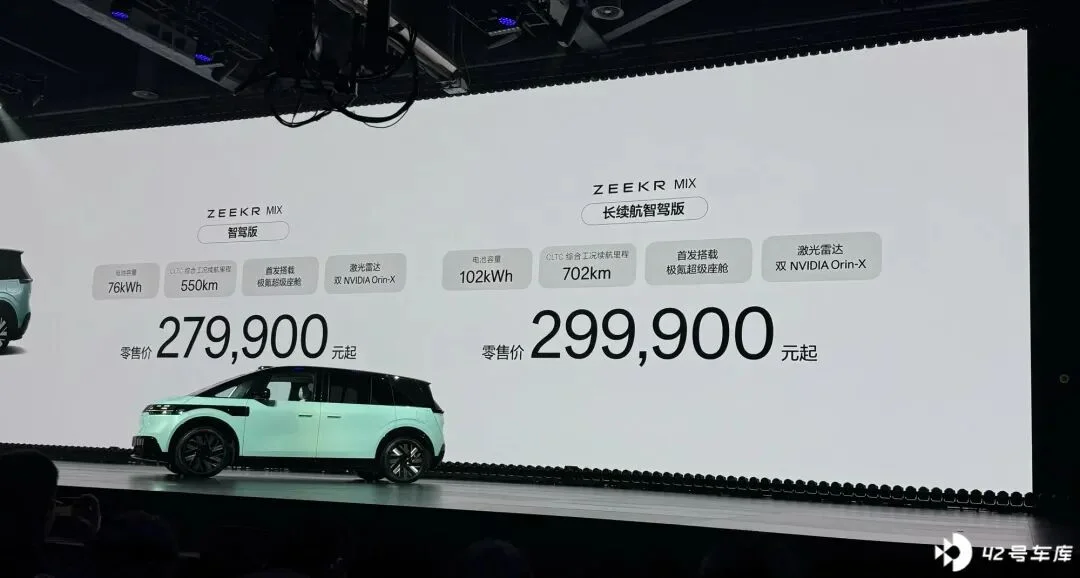
On October 23, Zeekr announced the pricing for the MIX at RMB 279,900, with no distinction between high and low trims. The MIX is available in only two versions, differing solely in battery capacity and charging capability; all other features are standard across the lineup.
Positioned as a mid-size MPV, the Zeekr MIX measures 4,688 mm in length, 1,995 mm in width, and 1,775 mm in height, with a wheelbase of 3,008 mm. Its four-wheel-at-the-corners layout achieves an interior cabin area of 6.3 square meters.
The Zeekr MIX features numerous creative design elements in its body and interior layout. Most notably, it employs a hidden B-pillar design and front seats that can rotate 270 degrees. The absence of B-pillars facilitates exceptionally convenient entry and exit, with an opening width of up to 1.48 meters. When the front seats are rotated to face rearward, the interior space resembles a living room.
Whether it is the four-wheel-at-four-corners layout, the hidden B-pillar design, or the front seats that can rotate backward, the Zeekr MIX has become a very interesting vehicle in an "boring" electric era, thereby attracting significant attention.
Additionally, the latest intelligent solutions from Zeekr, including the cockpit based on the 8295 chip and a 15.05-inch OLED central control screen, as well as the Haohan Intelligent Driving 2.0 featuring dual NVIDIA Orin chips with 508 TOPS of computing power, have been integrated into the MIX, making even MPVs intelligent.
At the MIX launch event, Zeekr also announced the latest progress of Haohan Intelligent Driving 2.0. Cross-floor valet parking will begin phased rollout within three months, with full deployment next year. Mapless Urban NZP will start its phased rollout at the end of October. Furthermore, the City NZP's parking-to-parking feature will be rolled out in phases over the next three months, with nationwide full deployment scheduled for the second quarter of next year.
The Zeekr MIX is available in only two models, differing solely in battery capacity. The exterior swing-out electric doors and rotating seats, which best embody the MIX's personality, are standard equipment on both. Conghui An stated at the launch event that the R&D cost for the Zeekr MIX is 2.8 times that of a typical mid-to-large SUV, highlighting that creating an interesting car requires prioritizing investment.
Another quote from Conghui An: "Zeekr's innovation is not about outcompeting others, but about changing tomorrow's mobility." This perfectly illustrates how Zeekr aims to win hearts with innovative products in such a fiercely competitive automotive market.
Quick Review:
Refusing to build boring cars, Zeekr has presented a highly engaging product—the MIX—in today's electric era where product homogeneity is severe.
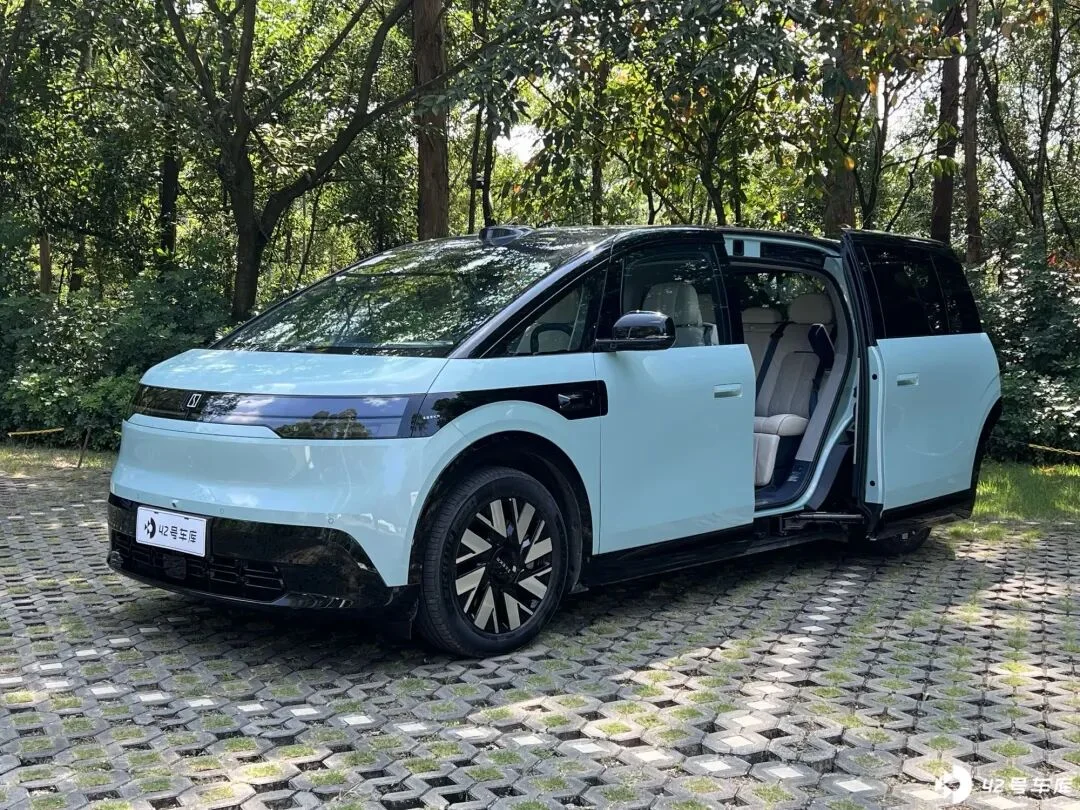
This vehicle fully meets users' demand for spacious interiors while offering innovative door-opening mechanisms and a flexible, versatile driving experience. The 'refrigerator, color TV, and large sofa' have become key benchmarks for evaluating the comfort of family cars. Zeekr has built upon this foundation with extensive innovations to create the MIX. This may represent the 2.0 version of that concept, aligning perfectly with the MIX's slogan: 'The Home of the Future.'
XPENG Releases Tianji 5.4.0 Version
On October 24, XPENG officially released version Tianji 5.4.0 at a technical sharing session, featuring updates to intelligent driving, chassis, cockpit, and connectivity.
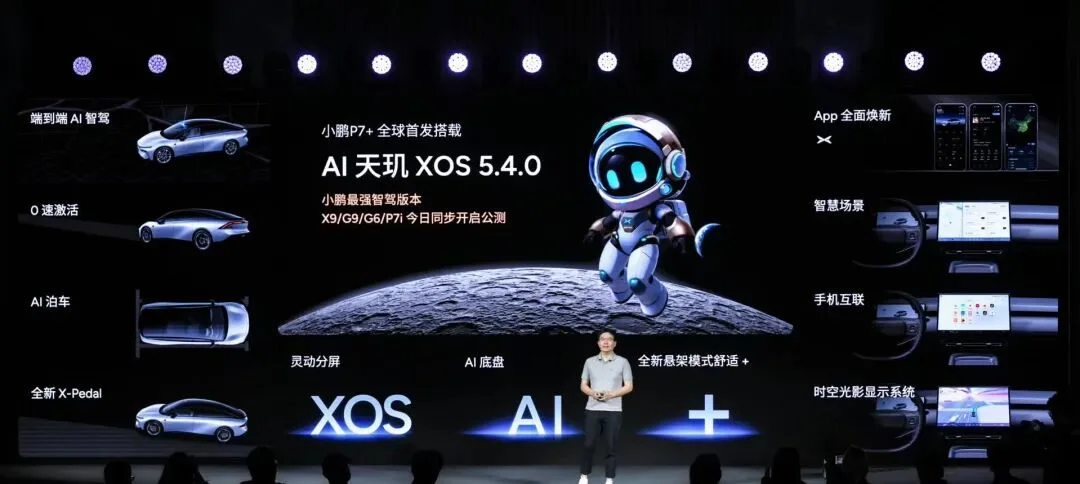
For the new XPENG P7+, AI Tianji 5.4.0 will make its debut on this model, while public beta testing for the X9, G9, G6, and P7i begins today, allowing existing owners to update to the latest system.
During test drives, the AI Tianji 5.4.0 system in the XPENG P7+ demonstrated several key upgrades:
The single-attempt parking success rate increases by 20%, enabling the system to handle narrow spaces and dead-end spots.
Urban intelligent driving can now be activated at any time when navigation is active, such as when pulling over or waiting at traffic lights, and even during lane changes. Adding waypoints or modifying the destination does not interrupt the drive.
XPENG's autonomous driving roadmap is currently in the second phase, utilizing a light-radar and light-map approach for door-to-door navigation. XPENG's cloud AI computing power will reach 10 EFlops next year, representing a 2.6-fold increase compared to this year. By Q3 2025, XPENG aims to achieve L3-like assisted driving, with fewer than one intervention per 100 kilometers. In 2026, it plans to enable scenarios where the vehicle drives autonomously at low speeds without a driver in the seat, which appears to constitute partial L4 capability.
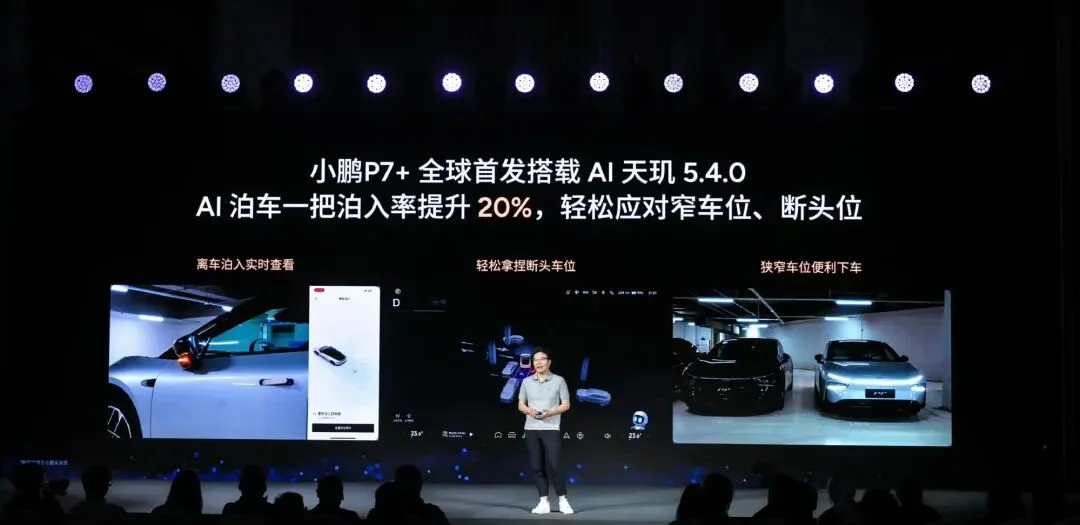
Regarding the cabin experience, the AI Tianji 5.4.0 system in the XPENG P7+ has also received upgrades:
On the vehicle's SR interface, weather conditions and lighting changes across different times can now be displayed dynamically, offering greater precision.
The vehicle control interface features an aurora theme, adding a distinctly futuristic aesthetic.
The split-screen function has been upgraded, allowing users to freely adjust the size of apps on the left and right sides.
Quick Review:
XPENG's longstanding strength lies in its intelligent technology performance. The current Chinese automotive market for intelligent systems is highly competitive, with various players vying for leadership at different milestones. XPENG's adoption of end-to-end architecture reflects a long-term strategic layout rather than a pursuit of short-term superiority. We will provide a detailed analysis of XPENG's capabilities in our upcoming autonomous driving tests.
Mazda EZ-6 Targets the RMB 150,000 Segment
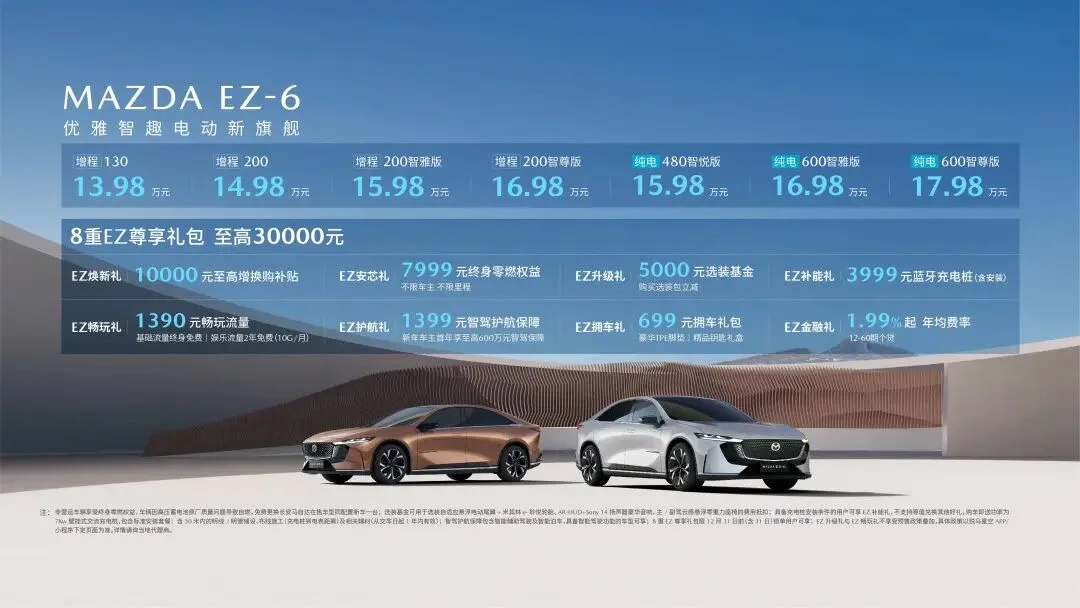
On October 26, Changan Mazda launched its B-segment electric vehicle, the Mazda EZ-6, in the Chinese market. The model is available with both pure-electric and extended-range powertrains across seven trim levels, with a starting price of RMB 139,800. The EZ-6 continues Mazda's "Kodo" design philosophy, featuring a "Wings of Light" front fascia. Its dimensions are 4,921 x 1,890 x 1,485 mm, with a wheelbase of 2,895 mm and a flat rear floor. Specific trims and prices include:
Extended Range 130: RMB 139,800;
Extended Range 200: RMB 149,800;
Extended Range 200 Zhiya Edition: RMB 159,800;
Extended Range 200 Zhizun Edition: RMB 169,800;
Pure Electric 480 Zhiyue Edition: RMB 159,800;
Pure Electric 600 Zhiya Edition: RMB 169,800;
Pure Electric 600 Zhi Zun Edition: RMB 179,800.
Quick Review:
Mazda leveraged Changan’s advantages in intelligent technology and new energy vehicles to launch the EZ-6. Consequently, convenience features have seen significant improvement compared to previous Mazda models.
The infotainment system is powered by a Qualcomm Snapdragon 8155 chip, supporting one-touch vehicle preparation, facial recognition for user accounts, four-zone voice interaction, continuous command recognition, and air gesture control. It also features a 50-inch AR-HUD, making its intelligent functions quite comprehensive.
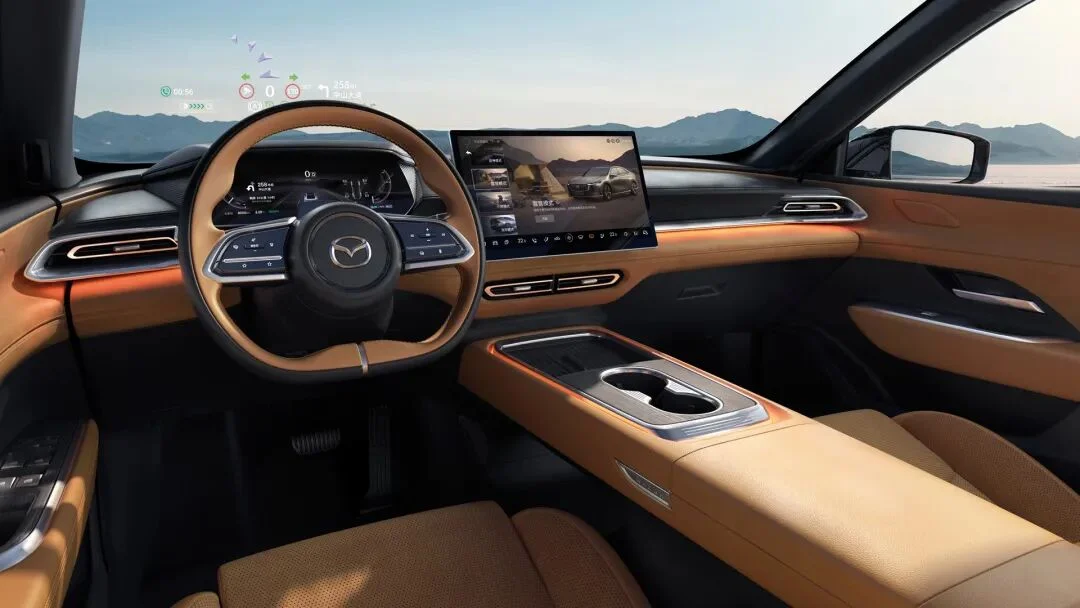
The vehicle uses a rear-mounted ED04 motor to ensure a 50:50 front-to-rear weight distribution. All trims come standard with 19-inch aluminum alloy wheels and Michelin tires. Intelligent driving features include AR-HUD holographic augmented display and L2.5-level driver assistance. In terms of safety, the Mazda EZ-6 has passed relevant safety tests, and battery safety has been verified.
Additionally, Changan Mazda has introduced purchase gift packages and financial support policies for this model. Launch benefits include up to RMB 10,000 in trade-in subsidies, lifetime zero-fuel rights worth RMB 7,999, and an RMB 5,000 option fund. What do you think? Does this new energy "Ma 6" have competitiveness?
Porsche Sets Fastest Lap Record at Shanghai International Circuit
On October 23, the Porsche Taycan Turbo GT set the first officially certified fastest lap record for a production car at the Shanghai International Circuit on a semi-wet track, with moderate rain falling during the session. The final lap time was 2 minutes and 11.28 seconds.
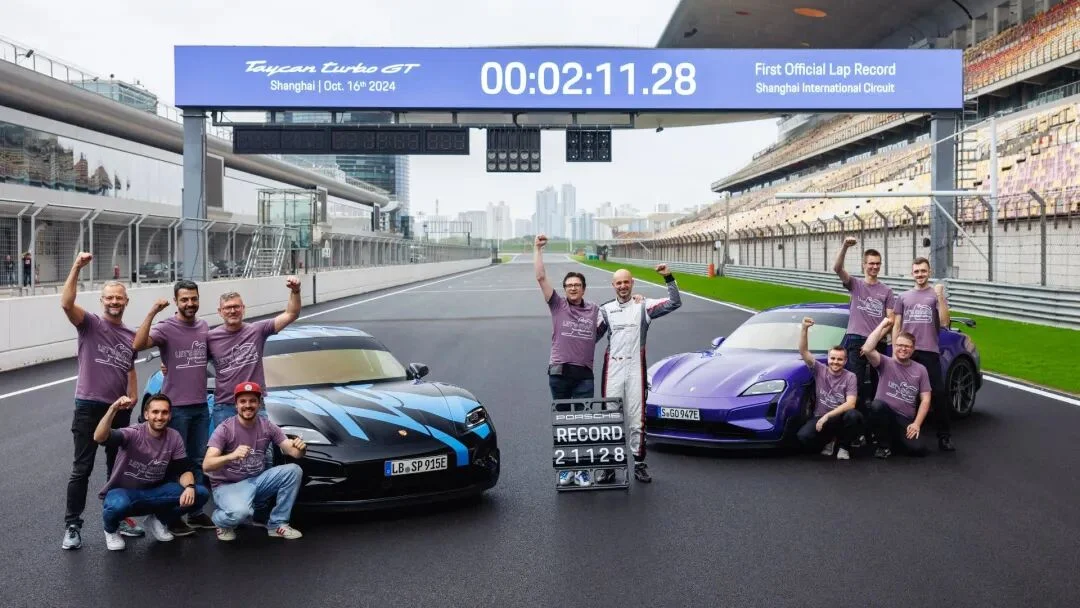
The Porsche Taycan Turbo GT used for this record attempt was a pure production model with no performance-related modifications; the tires remained stock, identical to those leaving the factory. The only addition to the vehicle was a roll cage to ensure safety during track driving.
The Taycan Turbo GT achieved an average lap time of 2 minutes and 20 seconds over 10 consecutive laps. At the end, the battery level was just 15%, covering a total distance of 54.5 km—twice the length of the Nürburgring Nordschleife. With this achievement, the Taycan Turbo GT has now secured the fastest lap records at top-tier international circuits across three continents.
Quick Review:
The Porsche Taycan Turbo GT, the most powerful variant released after the mid-cycle refresh, features a boost power of 760 kW, which can temporarily increase to 815 kW. Combined with its all-wheel-drive system, it achieves a measured zero-to-one hundred kilometers per hour acceleration time of two point two five seconds. The test vehicle was equipped with carbon-ceramic composite braking systems (PCCB), a nine hundred ampere pulse inverter on the rear axle, silicon carbide materials, and the Weissach Package.
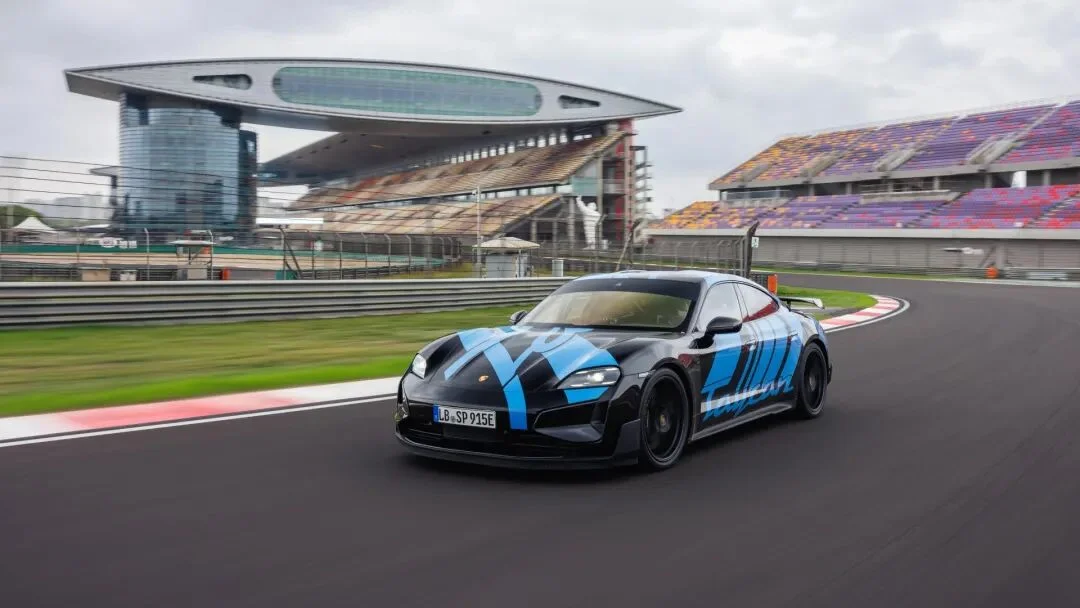
Before the Shanghai Auto Show, the Porsche Taycan Turbo GT had already set a new record for the fastest four-door car at the Nürburgring with a lap time of 7 minutes and 7.55 seconds. It also claimed the title of fastest electric vehicle at Laguna Seca, posting a lap time of 1 minute and 27.87 seconds. These achievements demonstrate that Porsche is not only a benchmark in the internal combustion sports car segment but has also secured its place in the new energy vehicle arena.
Written by: Jiang Xiaohei Edited by: Jiang Xiaohei