NIO ES9 Pre-Prices Start at RMB 420,000 for Battery-as-a-Service Version
NIO has long faced an unanswered question.
After a decade of technological accumulation, can it transform all that expertise into a genuine best-seller in its class?
The NIO ET9, released a year ago, is difficult to fault for any shortcomings. Its SkyOS operating system, self-developed chips, and steer-by-wire chassis are all results of NIO’s long-term independent R&D, placing them among the industry’s top tier. Yet the issue is direct: it feels more like a technological totem than a product that can generate substantial profits for NIO.
Six months after the ET9’s launch, the NIO ES8 stands as a vehicle validated by the market. Today, its space, design, and experience have proven its product strength; it is arguably one of the most stable products in NIO’s lineup. Although it has achieved recognized success, it has not yet proven the value of NIO’s full suite of proprietary technologies.
Thus, a subtle dynamic emerges: NIO possesses both top-tier technology and successful products with starting prices exceeding RMB 400,000, but these two attributes have never fully converged on a single model.
The starting price of the ES9 undoubtedly continues this trend of surprise. The subscription-electricity version of the ES9 has a pre-sale price starting at RMB 420,000, while the outright purchase version requires only RMB 528,000. For the Executive Signature Edition equipped with SkyRide Full Active Suspension, the prices are RMB 480,000 for the subscription option and RMB 588,000 for outright purchase.
Although final pricing is not yet official, it is clear that NIO has lowered the entry threshold for full active suspension systems to below RMB 500,000.
The message is clear, and if this strategy holds, the implications are significant: This could be NIO’s first comprehensive victory in both product and technology, spearheaded by the ES9.
01The Second Act of NIO's Flagship
How to Make the '9 Series' Look More Expensive Than a '9'
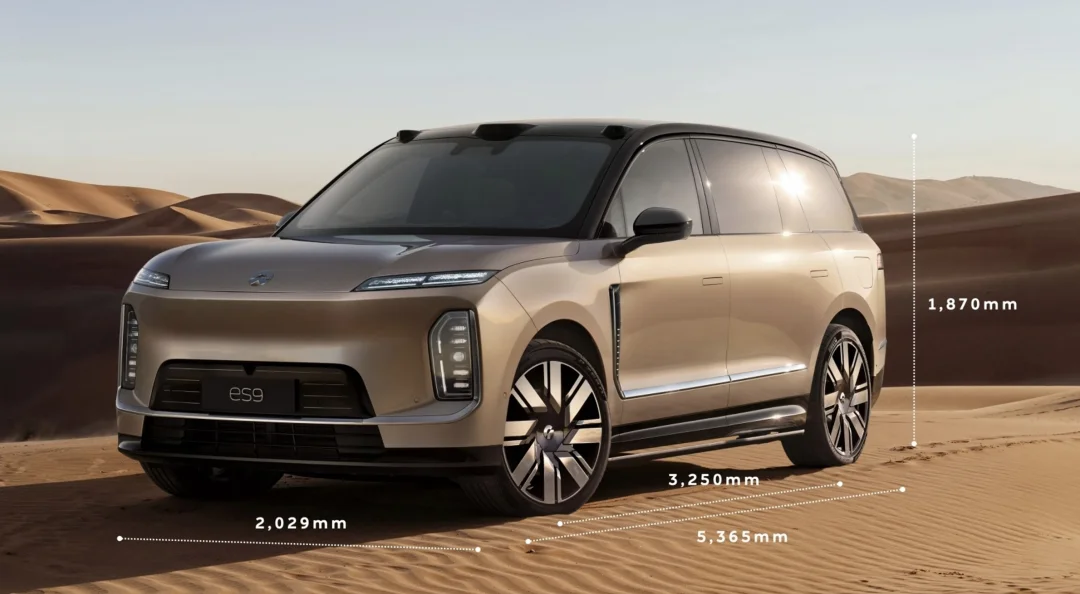
When people see a NIO vehicle for the first time, their initial conversation often centers on design. It has indeed changed, and noticeably so.
However, understanding this shift merely as a move from minimalism to complexity falls short. A more accurate description is that NIO hasn't abandoned its original aesthetic; instead, it has layered its own interpretation of Chinese luxury aesthetics on top of it.
Previous generations of NIO cars conveyed a sense of restraint. Lines were clean, proportions were disciplined, and many hardware components were naturally integrated into the overall form. They weren't deliberately hidden but rather kept from disrupting the vehicle's cohesive order.
Why the change? Because the target audience and the brand's mission have evolved. When you aim to win over customers who traditionally buy Mercedes-Benz GLS or Range Rover vehicles from established 'old money,' the previous low-key and understated style won't suffice. Users at this level require an appropriate degree of sophistication—a status symbol that is immediately recognizable.
So if the flagship ES9 is destined to carry sales targets, it must undergo changes.
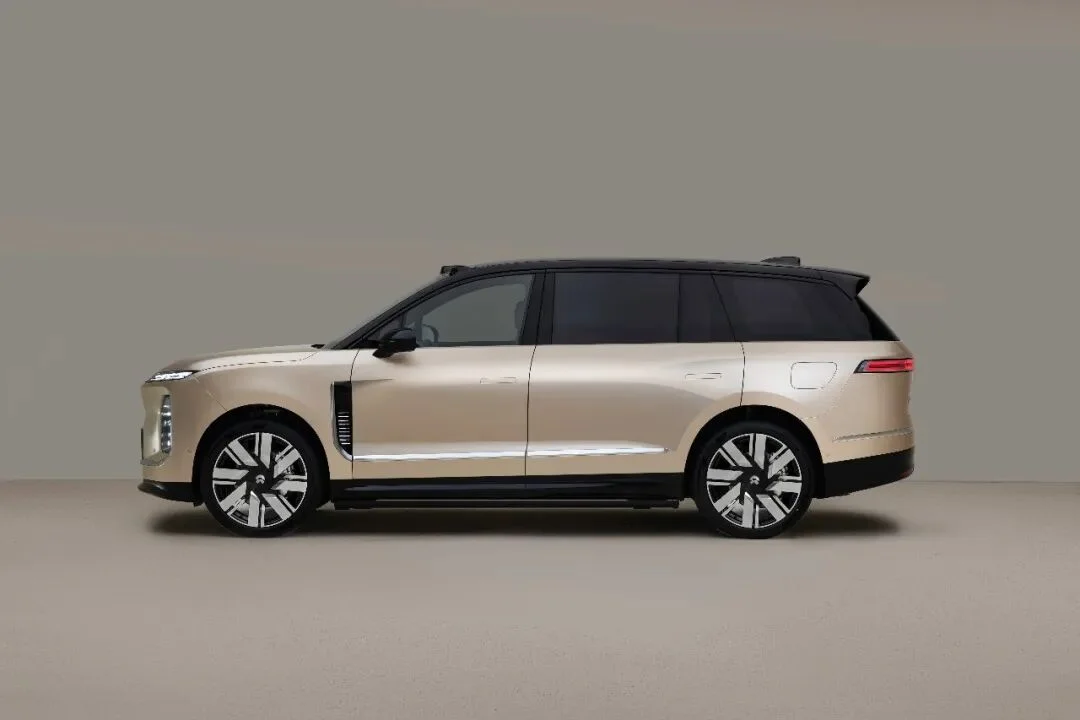
Thus, on the ES9, you see chrome strips of substantial size encircling the vehicle, forming a key exterior design element that emphasizes its physical presence.
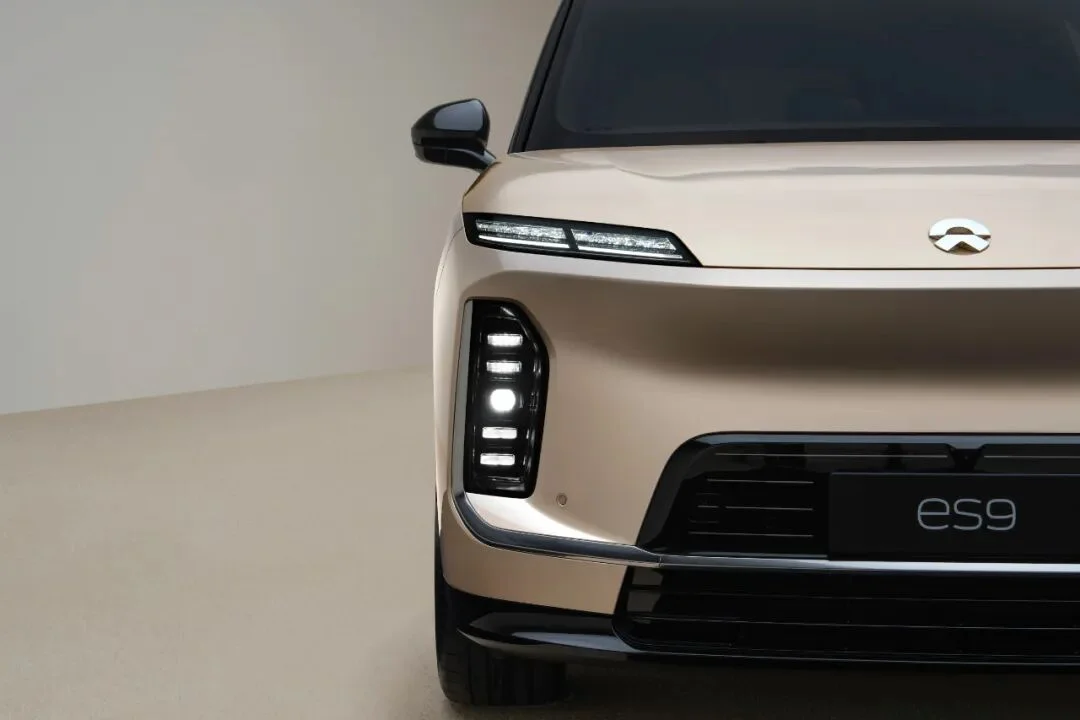
The headlights also differ significantly from those of the ET9, which belongs to the same 9-series lineup. The ES9’s daytime running lights have shifted from NIO’s traditional two-segment LED strips to a dual-layer design, with the upper layer utilizing K9-specification crystal cut into thousands of facets to create an extremely dazzling visual effect.
Perhaps one of the most decisive aspects of the ES9’s exterior is its front-end design. In conventional electric vehicles, designers typically avoid overly tall hoods to minimize the drag coefficient and its impact on energy consumption and range. However, for the ES9, NIO deliberately defied this aerodynamic convention, opting for a towering hood that significantly enhances the vehicle’s imposing presence—a somewhat rebellious approach in the EV segment.
The ES9’s front “Shark Nose” is designed to be one meter in height, and the front hood also exceeds one meter. Combined with the vertical arrangement of five headlight units and the slat design of the black grille area, the ES9’s front-end design gives it a powerful presence whether viewed from the front or the side.
The most interesting aspect of these changes lies not in the exterior elements themselves, but in hardware being treated as an integral part of the design.
The ES9 features a comprehensive perception system, including LiDAR and cameras. While these components could have been discreetly hidden, NIO chose not to conceal them this time.
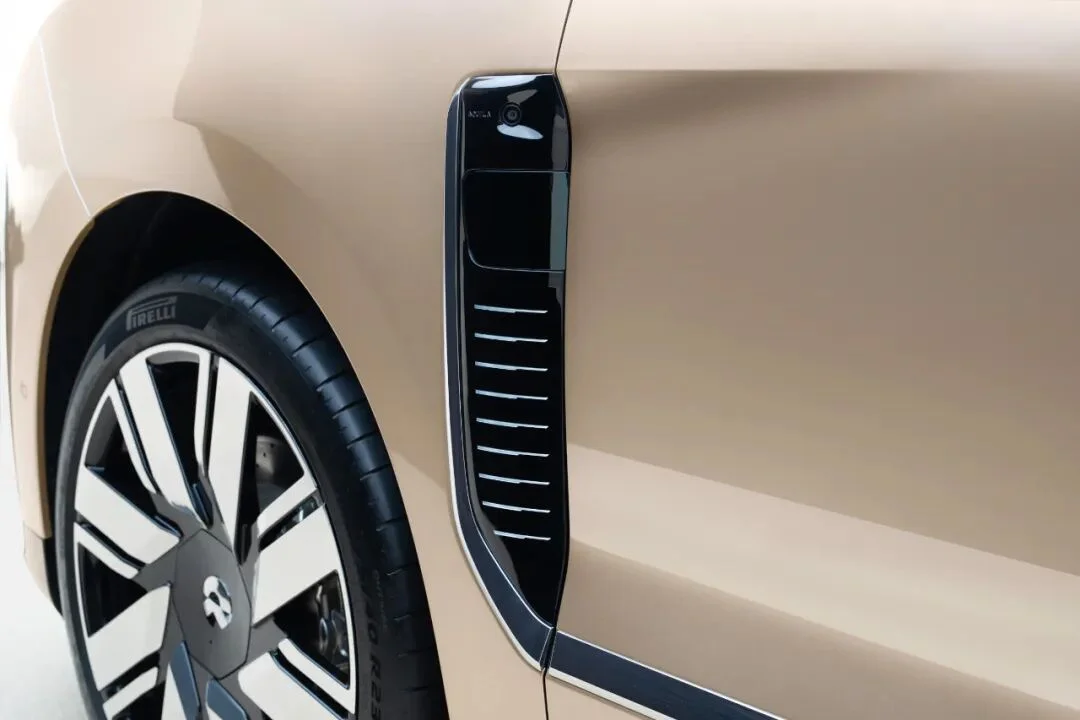
Notably, the design on the side fender, originally intended for LiDAR integration, now incorporates Jiuyao illuminated steps lighting elements in the ES9. This enhances the vehicle's premium feel while serving interactive functions for welcome sequences, charging status, and driver assistance.
The design philosophy on the ES9 has shifted from downplaying hardware to emphasizing aesthetics. In other words, technology on the ES9 is no longer just about capability; it actively contributes to building the car's aura.
This approach is evident in other areas as well.
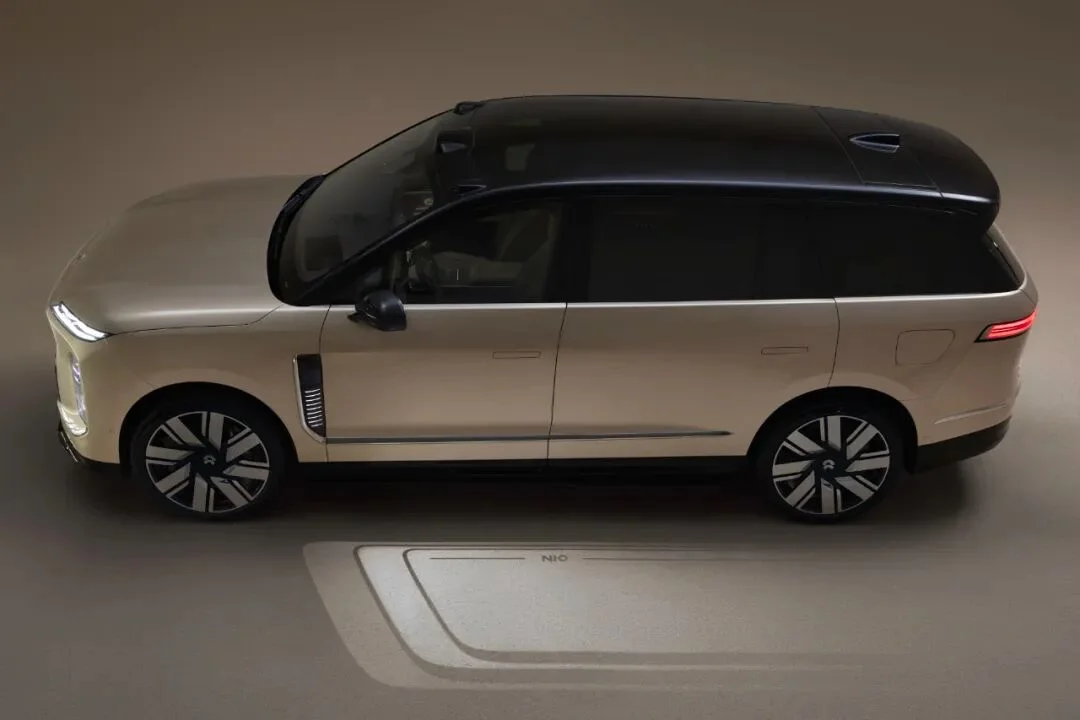
For instance, the exterior welcome puddle lights have evolved from the single geometric pattern seen on the ES8 to a multi-layered nested geometric design. Although significantly more complex than before, these designs are well-controlled on the ES9 to achieve a sense of high-end prestige.
The interior reflects a similar trend. Beyond inheriting the styling cues from the ET9 and ES8, the ES9’s cabin introduces special emphasis on specific details.
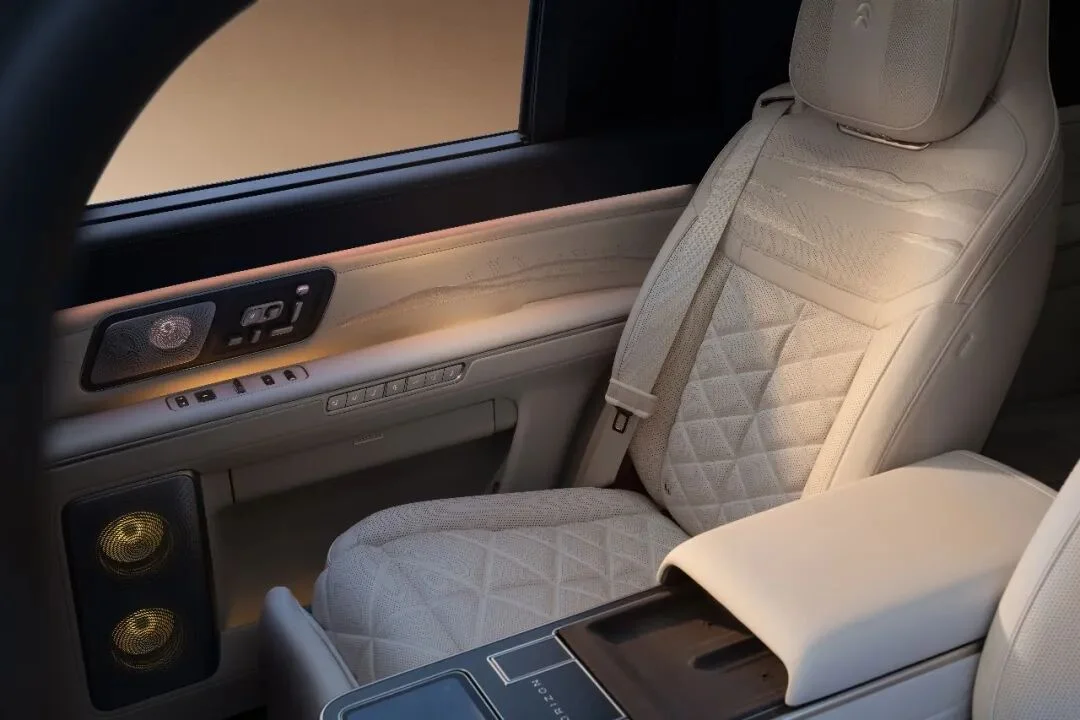
For instance, the bass unit in the door panel is more than just a speaker component; it is integrated with the ambient lighting and sound field into a single structure, resembling a floor-standing speaker typically found in a living room. The design avoids jarring styles or over-embellishment, ensuring it does not feel superfluous. Compared to other audio designs that incorporate lights, the ES9’s approach strikes a perfect balance.
Another example is the Jiangshan theme in the Horizon version. It is not merely a color change but unifies materials, interfaces, and embroidery elements within a cohesive narrative. Together with multiple detailed design elements throughout the vehicle, it forms NIO’s distinct philosophy of Chinese luxury.
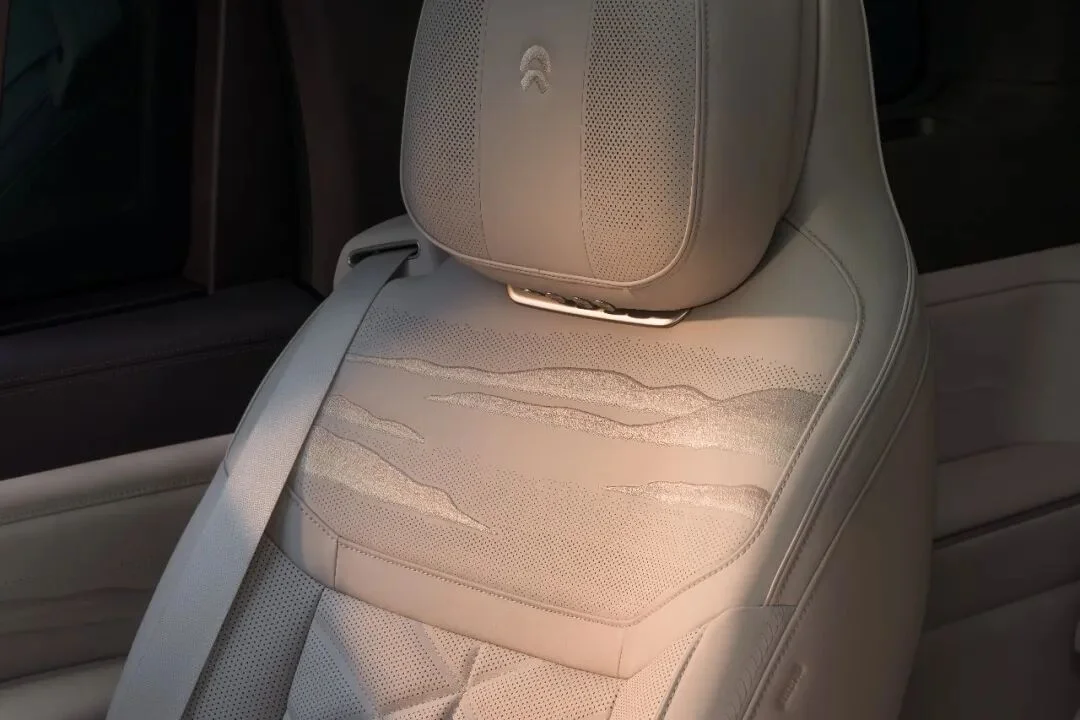
You will notice a typical NIO characteristic: the company prefers not to make isolated upgrades but rather integrates a group of features into a complete experience.
The design logic of the ES9 holds because it did not fundamentally change; rather, it built upon NIO’s previous design language, which was already established.
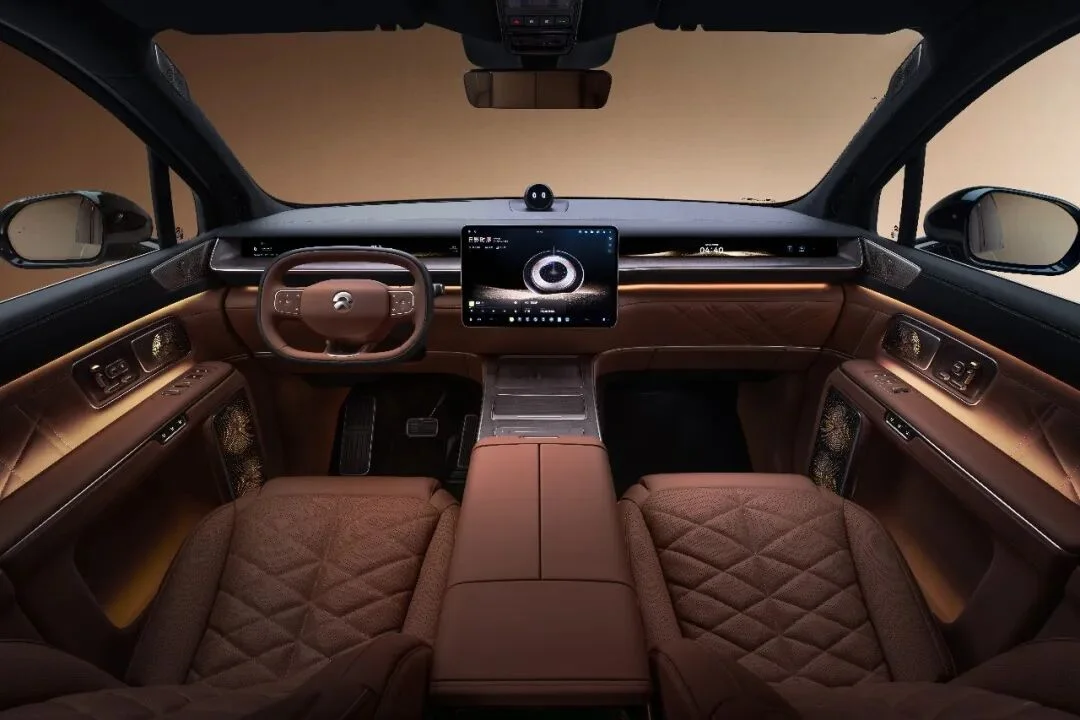
Although the ES8 demonstrated strong product capabilities, it had not yet achieved an overwhelming lead in its price segment. However, both exterior and interior details, along with material combinations, gave the ES8 a sense of premium quality that exceeded expectations for its class. In the high-end market, the ES8 delivered more than 90,000 units within a few months, proving that users are willing to pay for NIO’s design.
So the ES9 isn’t overturning the original logic; it’s adding to an aesthetic framework that has already been validated. The result is straightforward: its execution exceeds expectations by a significant margin.
The Least Concerning Aspect Is Spec Stacking
In traditional full-size luxury SUVs, interior space often doesn’t appear noticeably better than in smaller models. This is because those vehicles typically sacrifice overall cabin volume to accommodate their massive powertrains.
With electric vehicles, this narrative no longer requires much explanation.
Leveraging the inherent advantages of NIO’s third-generation 900 V pure-electric platform, the ES9 achieves a roominess ratio of 86.8% and an impressive interior headroom of 1.37 meters. Official spatial data compared to other SUVs is almost mundane; the more relevant benchmark is MPVs — and here, the ES9 outperforms most competitors.
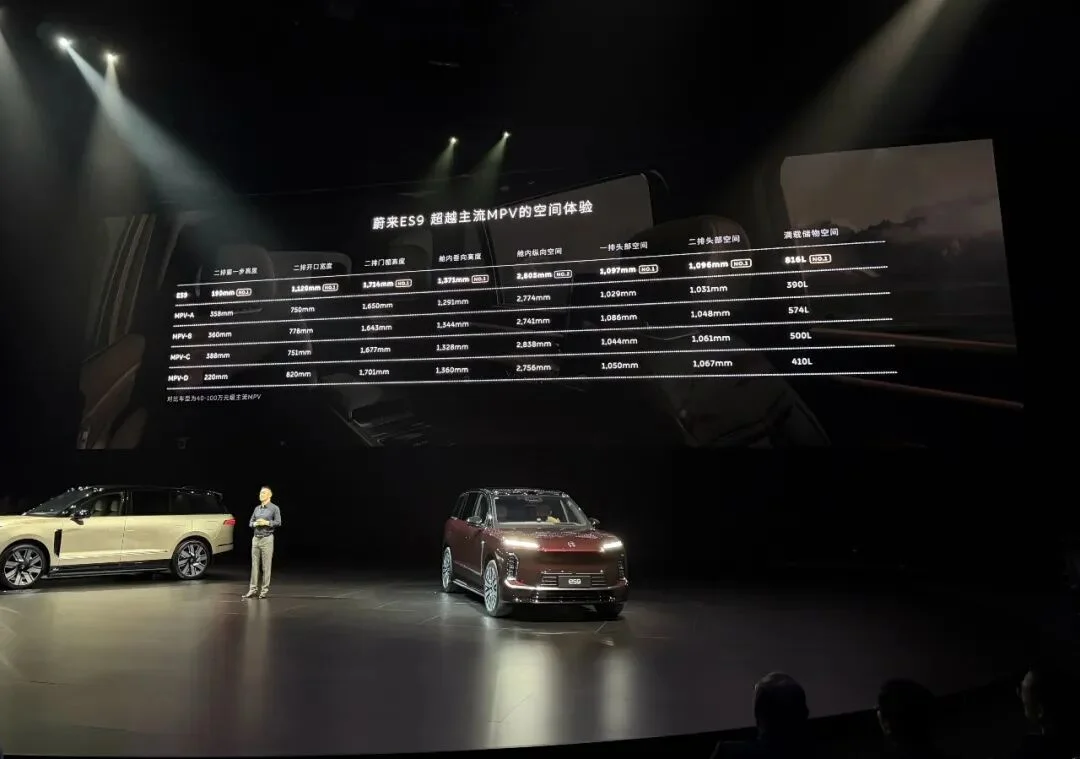
The front trunk (frunk) is another interesting detail. The ES9’s frunk consistently offers a capacity of 216 liters. To prioritize exterior styling, the design compromised on the opening height, which is lower than what might be expected for utility-focused vehicles. It also incorporates nearly every conceivable door-opening mechanism to enhance usability.
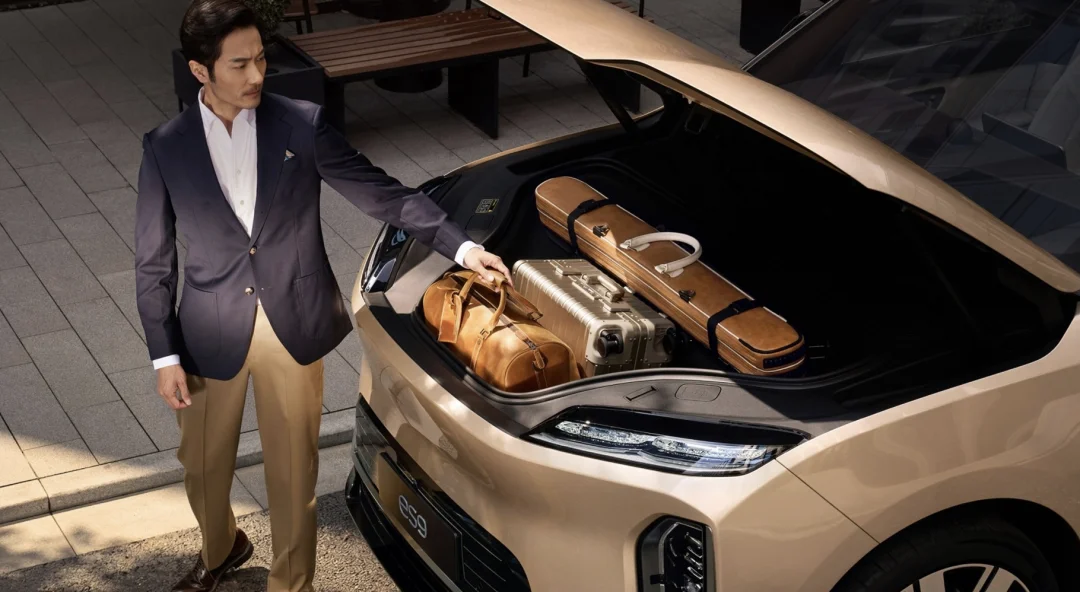
Compared with other products targeting the family market, where fridges are used to store grocery baskets, the ES9’s front trunk is neat and spacious, designed to securely hold golf clubs or high-end snowboards. In this price segment, this represents a physical-level mockery by the pure-electric architecture against fuel-powered executive flagships constrained by engine layout: what others cannot achieve, the ES9 has turned into a value-adding feature with a sense of class.
And the most crucial point is that this feature does not exist in the traditional brand models it benchmarks against.
Therefore, the ES9 focuses more on leveraging specific configurations to enhance perceived value, built upon its already ample space.
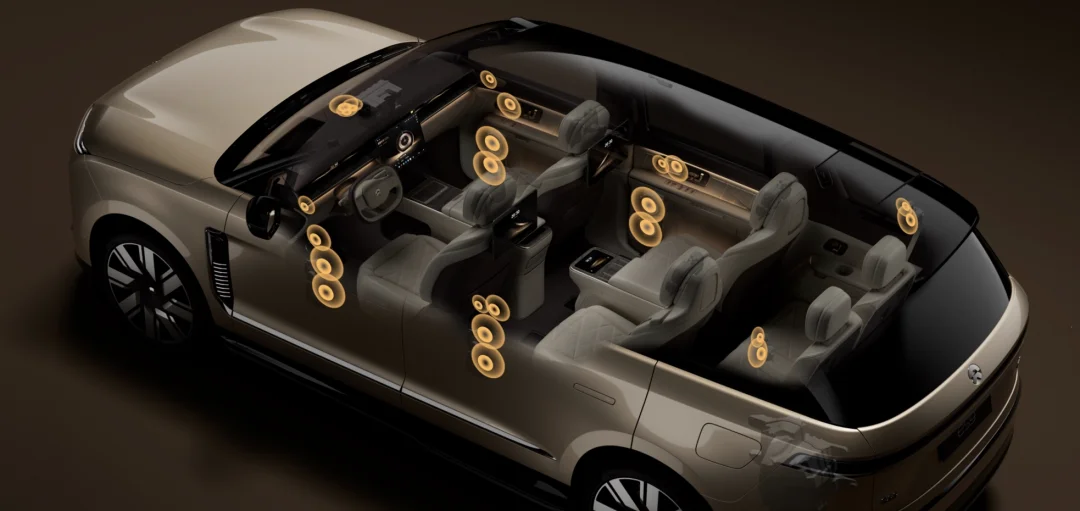
For example, regarding the audio system mentioned earlier, in addition to its distinctive design, the ES9 features a 9.2.4.8 channel layout with a total of forty-seven cabin speakers. It incorporates innovative materials such as aluminum diaphragms and diamond tweeters, along with dual-channel center units that deliver improved soundstages and listening experiences for every seating position. The diamond tweeters are standard equipment only on the Horizon trim among the three versions; the small text in the image also notes their value, indicating that just these few tweeter units alone are worth twelve thousand.
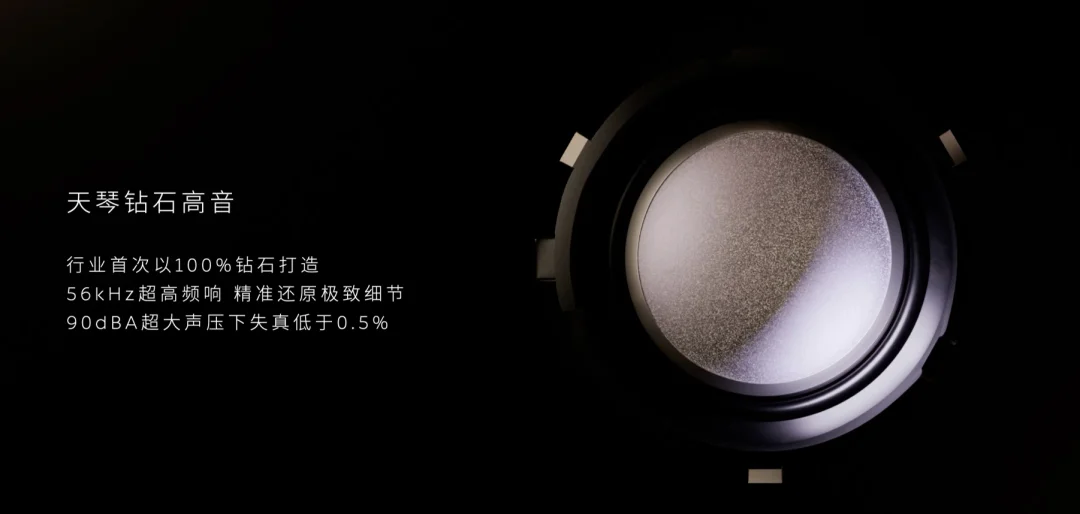
From materials to philosophy, this audio system has reached uncharted territory in the automotive industry.
Additionally, regarding privacy, the ES9 debuted a set of LC smart privacy dimming windows, offering an interesting user experience. By integrating electrochromic control divided into 11 zones within a single glass pane, it achieves privacy while further enhancing the user experience, even making it feel fresh and engaging for first-time users.
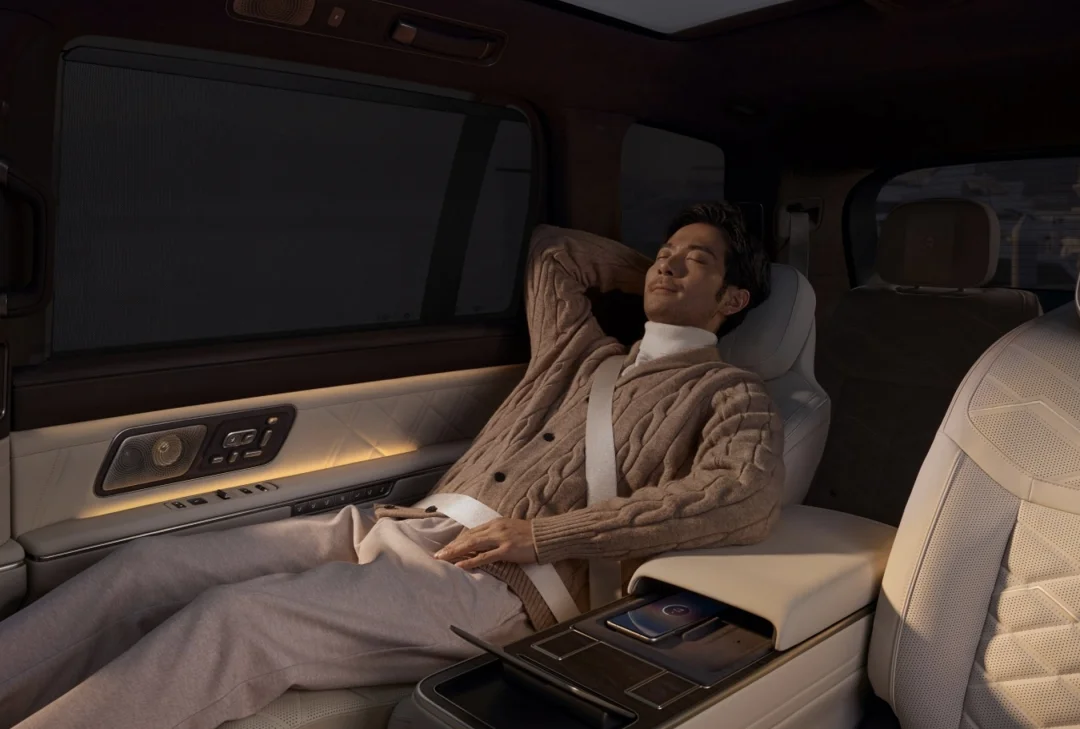
Explicit feature sets like these were already commonplace in the ET9 and ES8. The ES9 builds on nearly all of those capabilities and adds more, making it appear exceptionally value-driven despite a pre-sale price of RMB 528,000.
Both Flagship and Sub-Flagship
The underlying technologies—such as NIO’s self-developed SkyOS vehicle operating system, the Shenji chip, and the 900V battery-swap architecture—do not require detailed explanation. You have likely heard these names many times before.
On the ES9, almost every self-developed technology that NIO has promoted repeatedly over the past two years is available.
The only exception is the SkyRide Full Active Suspension, which gained viral fame from videos demonstrating its ability to traverse speed bumps while balancing a champagne tower. This system is not standard equipment on the base version of the ES9.
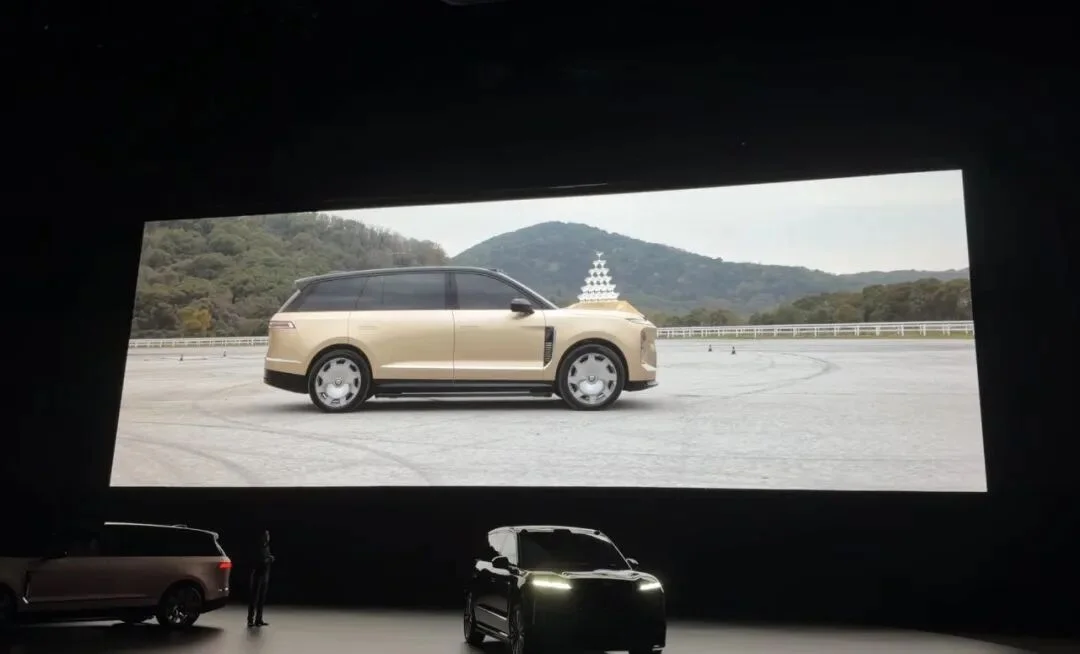
From a positioning perspective, the ES9 should include the SkyRide Full Active Suspension. The ES8 has already secured its position in the approximately RMB 400,000 segment with its five-meter-class, six- or seven-seat SUV market presence. To differentiate itself from the ES8, the ES9 must establish a distinct hierarchy, achieved through chassis configurations such as rear-wheel steering, full steer-by-wire, the SkyRide Full Active Suspension, and supporting software and hardware.
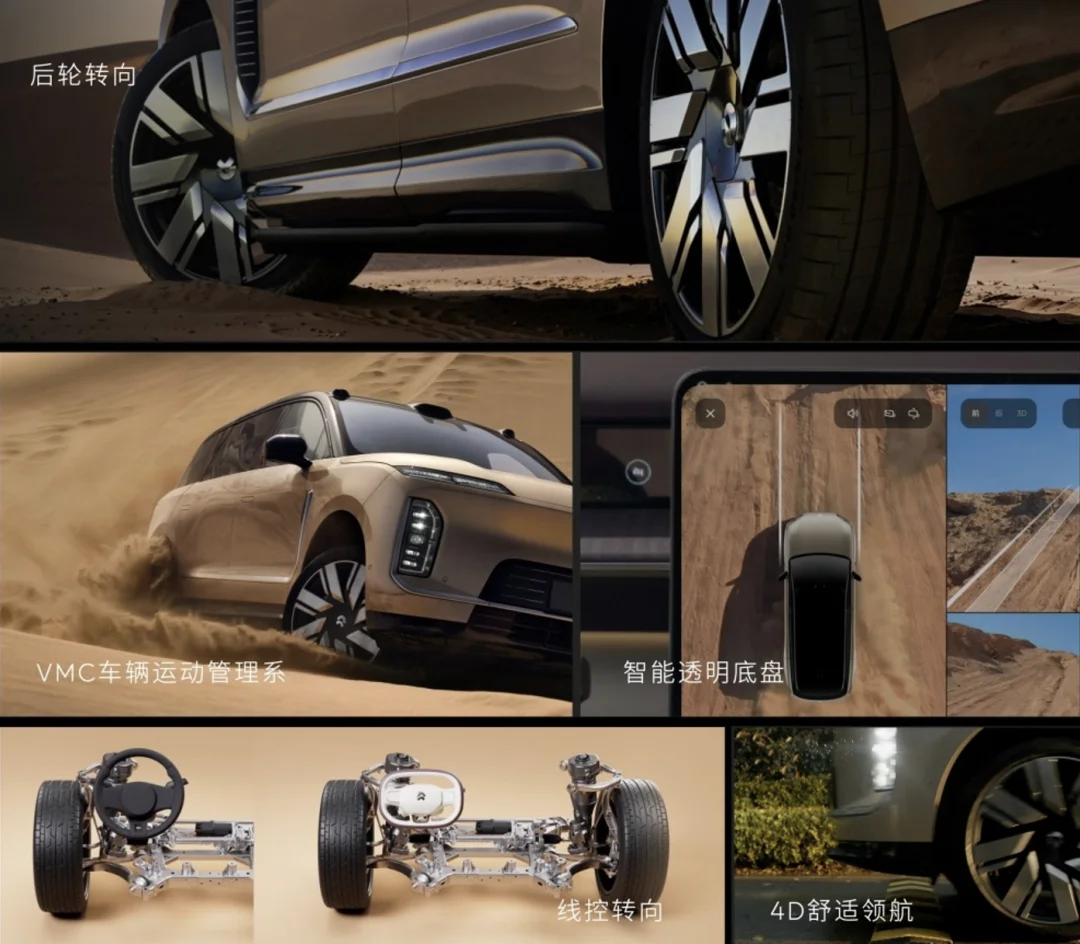
The reason ES9 isn’t offered as standard equipment like the ET9 is evident from its pricing strategy. By combining a base price, the Battery-as-a-Service (BaaS) model, and three trim levels, NIO has created a wide price range for the ES9, spanning approximately RMB 400,000 to RMB 600,000. This broad segment is simplified into just three SKUs, making it easy for buyers in this price bracket to understand and choose.
And beyond that, the value of the standard equipment on both the Executive Luxury and Signature trims of the ES9 remains unquestionable.
The ES9 also comprehensively equips standard safety features. High-strength body structure and multi-path load distribution design form the foundation; at a higher level, active safety capabilities are constituted by the integration of the driver assistance platform and chassis control systems. From identifying risks in advance to proactively avoiding them through steering, braking, and suspension, and finally relying on the body structure as a fallback in extreme situations.
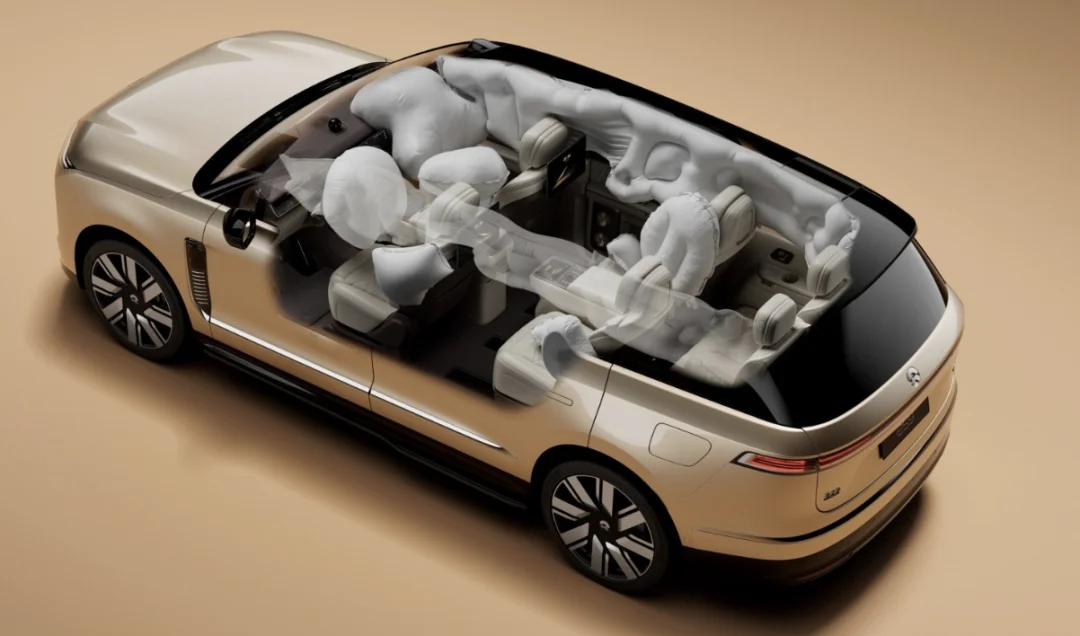
Even for the high-priority second row, it is standard-equipped with far-side airbags for the second row, as well as a series of designs that provide safety redundancy for zero-gravity seating, making the second-row safety factor exceed that of traditional flagship SUVs.
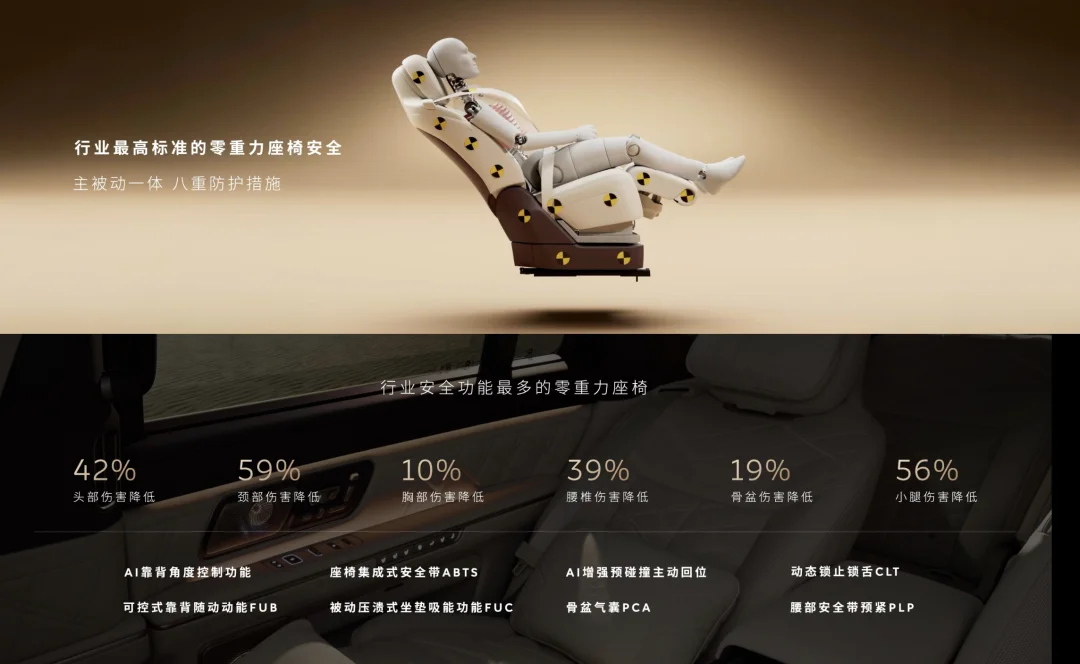
On the ES9, safety is no longer just a few lines on a specification sheet; it has become a continuously operating system capability.
A review of the NIO ES9’s configuration reveals that the base Executive Luxury trim already comes standard with most features. The Executive Signature Edition adds mainly the SkyRide Full Active Suspension and LC privacy windows; parked side by side, the two versions are hard to distinguish at a glance.
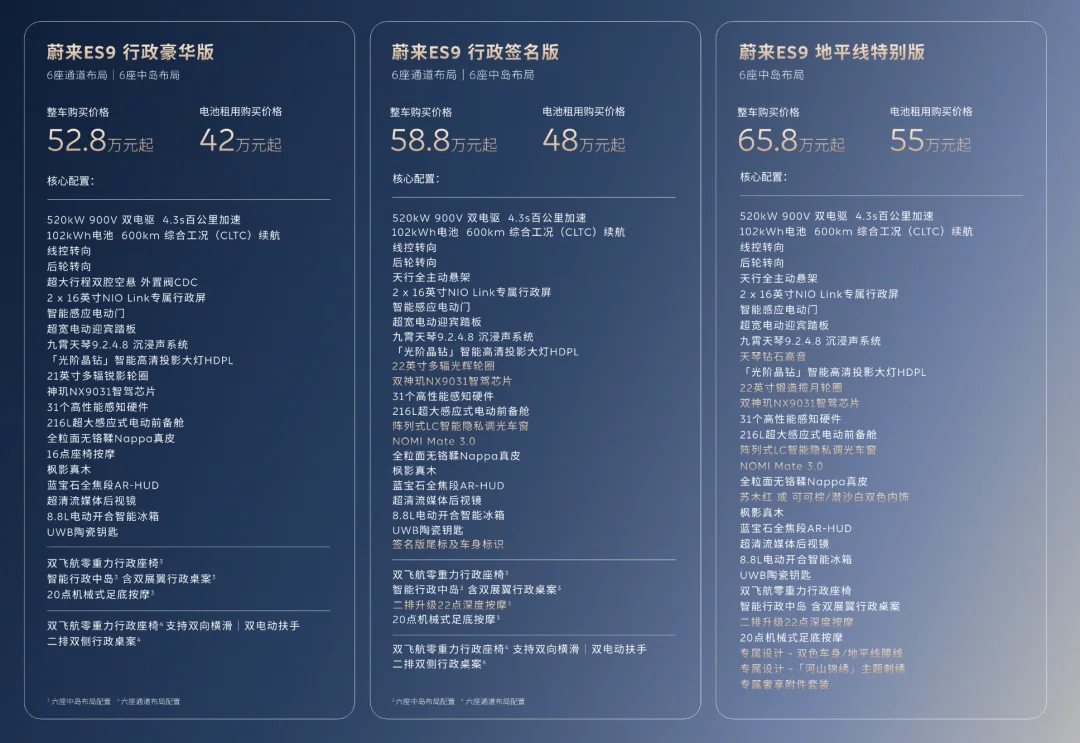
When the three trims are viewed separately, it becomes clear that not only the top two levels represent NIO’s flagship tier, but they also reach industry-leading standards in safety and equipment. Only when all three versions are compared together can one clearly identify them as NIO’s sub-flagship, flagship, and flagship special edition.
02Finally
Returning to the initial question: what has NIO been doing all these years by developing chips, operating systems, and steer-by-wire chassis?
Many assume NIO is merely building cars, but in reality, NIO is establishing its own standards. On the ES9, we finally see the complete closed loop of this vast system.
NIO’s moat has never been a single technical parameter, but rather a capability system: possessing underlying technology, the ability to translate that technology into user experience, and an extremely powerful and stable aesthetic control that extends from individual points to the broader picture.
The ES9 marks the first full-scale presentation of this system.
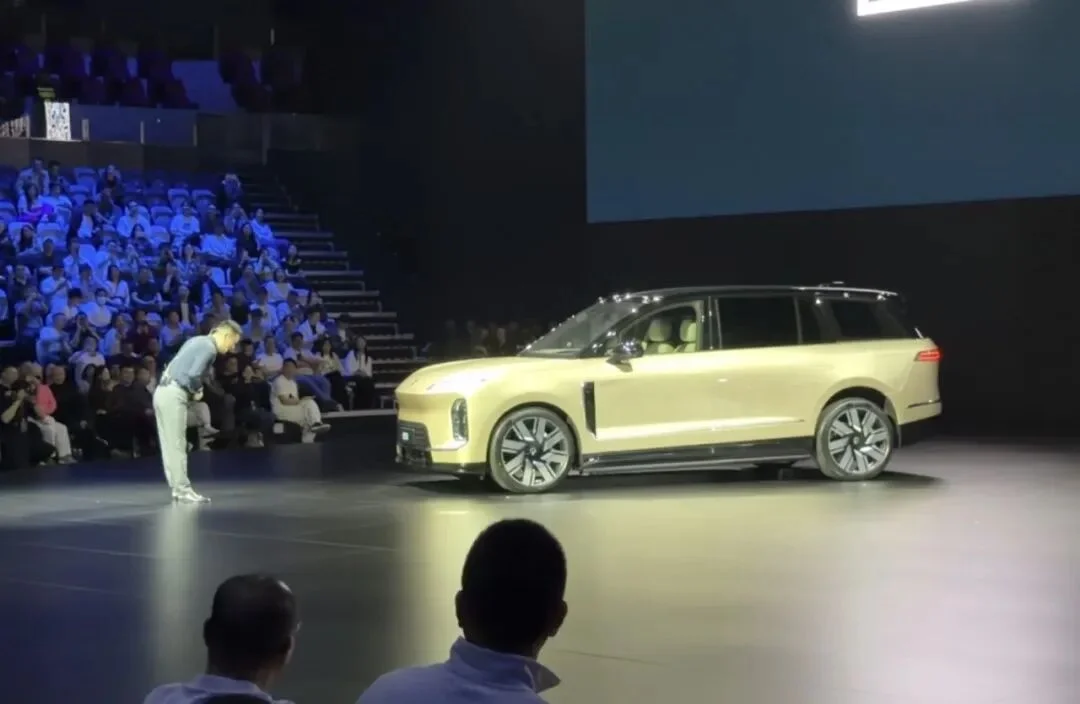
The ES9’s uniqueness lies in NIO’s attempt to capture all full-size SUV buyers with budgets of RMB 400,000–600,000 using a single model. Due to price overlap with the ES8, NIO now covers the entire range from RMB 300,000 to over RMB 600,000 across its two large SUVs. If the ONVO L90 is included, the coverage extends from RMB 200,000 to RMB 600,000—a pricing strategy so precise that even Huang Shangjun would bow in respect.
However, convincing users to pay an additional RMB 100,000 compared to the ES8 remains a challenge. Whether this move succeeds will only be revealed by future order numbers.
Written by: Yisong | Edited by: Yisong