Geely, Great Wall Flex Muscles; NVIDIA Unveils Major Tech at CES 2026
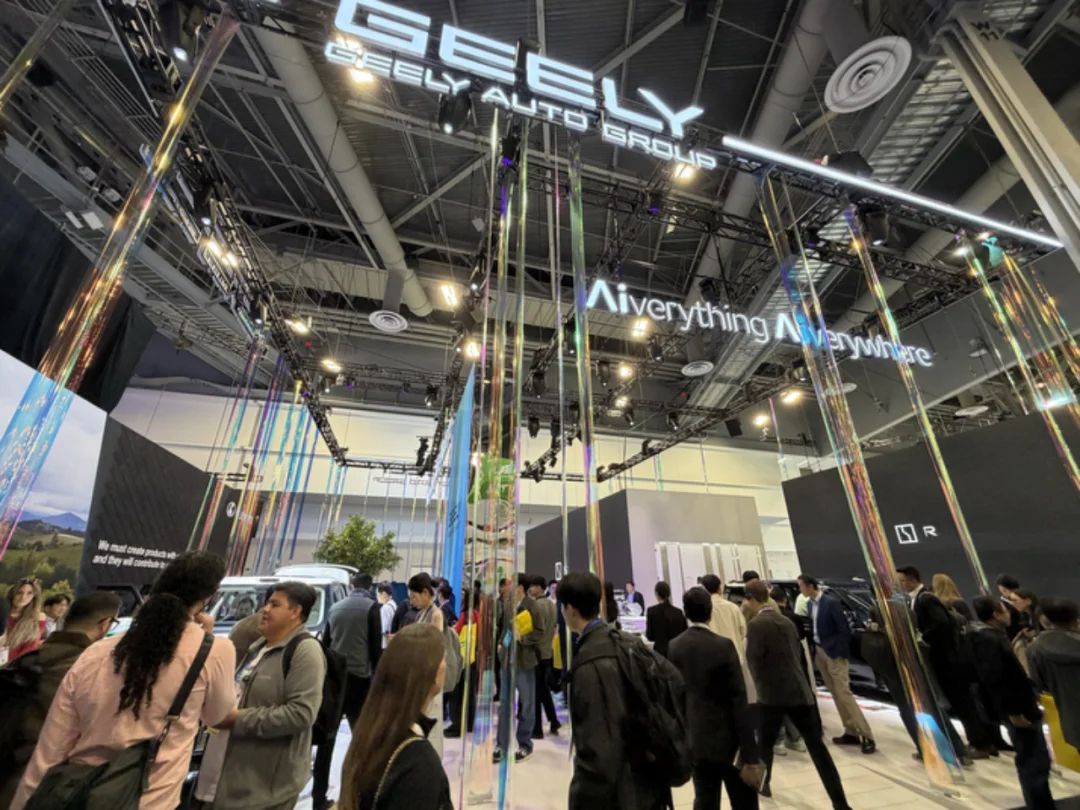
On January 6 local time, the world’s largest consumer electronics show, CES (Consumer Electronics Show), opened in Las Vegas, Nevada.
As a long-recognized barometer of the tech industry, CES has gradually evolved into a key showcase for the automotive sector.
On the first day of the event, 42HOW Auto was on-site to provide firsthand observations and insights on technological and product shifts within the automotive industry.
The theme of this year’s exhibition is "Defining the Physical Boundaries of AI," with automakers and supply chain companies unveiling their latest innovations.
Dreame, a cross-industry newcomer to carmaking, presented a supercar concept; the AFEELA Prototype 2026, a collaboration between Sony and Honda, integrated enhanced perception and entertainment ecosystems into its cabin; Great Wall Motor announced the name of its new multi-powertrain platform, Guiyuan; Geely showcased Full-Domain AI 2.0 and the WAM World Behavior Model; while Qualcomm and Black Sesame Technologies addressed how to integrate increasingly complex vehicles from the perspectives of chips and computing architecture...
At this year’s show, the role of automobiles resembled that of a technology carrier, bearing powertrains, intelligent architectures, chip solutions, autonomous driving platforms, and other elements that will determine the form of future products.
01When Carmaking Becomes a Cross-Industry Experiment
If you look only at the automotive exhibits at this year's CES, it is easy to fall into a misconception: what is on display here is no longer just traditional new cars, but phased answers from different industries to the question of "what else a car can become."
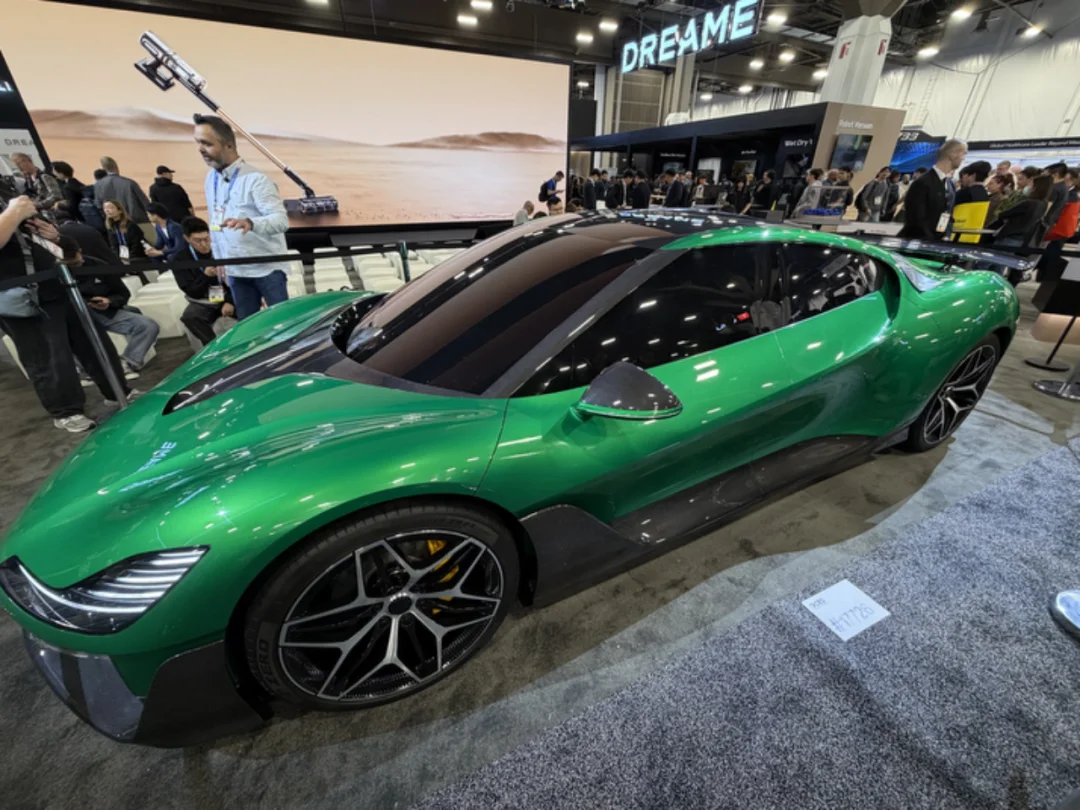
Dreame’s booth was one of the most prominent and largest in the Central Hall at CES 2026. The Nebula NEXT 01 concept car drew considerable attention from attendees. Unlike conventional two-door supercars, the Nebula NEXT 01 adopts a four-door configuration, resembling early models such as the Aston Martin Rapide and the Koenigsegg Gemera.
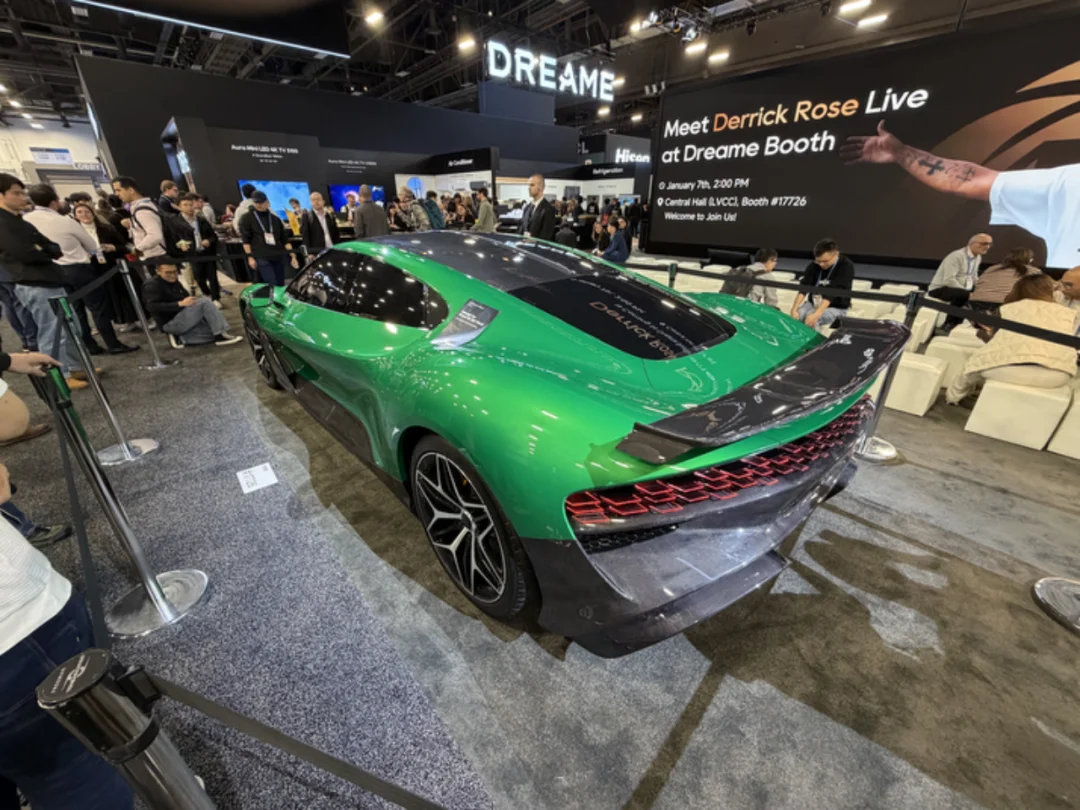
However, the windows of the Nebula NEXT 01 concept car are currently tinted black and sealed shut, making it impossible to see the interior condition or the number of seats. On the exterior body panels of the Nebula NEXT 01 concept car, a very large proportion of carbon components can be seen, but judging by the craftsmanship of the body panels, this on-site concept car is still in a very early stage.
On August 28 last year, Dreame Technology officially announced its entry into the new energy vehicle sector. Only four months have passed since then. The company presented this exhibition as a concentrated showcase of phased results from its "Starlight Project." Whether subsequent progress will proceed smoothly remains to be verified through concrete product launches, R&D capabilities, and timeline execution.
From the perspective of the concept car itself, the Nebula NEXT 01 is clearly a new energy supercar designed to serve performance and efficiency. Its front end employs complex intake and airflow structures to balance heat dissipation and energy efficiency. The side lines facilitate active aerodynamic flow, prioritizing stability over mere stylistic tension. The rear incorporates active aerodynamic components integrated with crash structures to balance performance, safety, and design.
Another cross-industry newcomer comes from Sony Honda Mobility (SHM), a joint venture between Sony and Honda. At CES 2026, the company showcased products at two different stages: on one hand, the pre-production version of the AFEELA 1, which is set for delivery in the United States; on the other, the AFEELA Prototype 2026, a concept SUV positioned at an earlier development stage.
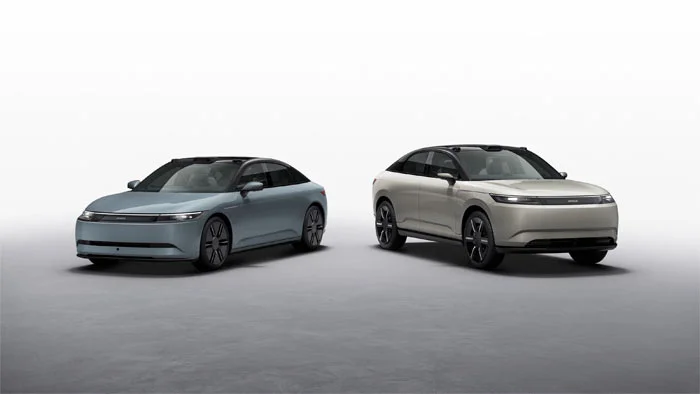
Yasuhide Mizuno, CEO of Sony Honda Mobility, announced that the Afeela 1 is expected to begin deliveries in the Japanese market in the first half of 2027, with a starting price of USD 89,900 (approximately RMB 630,000). Would you buy a Honda for RMB 630,000?
Compared to Dreame's redefinition of its product line, AFEELA has taken a route of technology integration, combining Sony's sensing, computing power, and content capabilities with Honda's vehicle manufacturing system.
Prototype 2026 is not particularly aggressive in its styling, with a focus on the cabin experience. Sony aims to transplant its years of accumulated sensing, imaging, entertainment, and AI technologies into the car as a technological platform: a multi-sensor fusion driver assistance system, large model-based voice interaction, and a cabin experience built around an entertainment ecosystem. For example, AFEELA 1 natively supports remote access from PS5; users can directly remotely access and control their home PS4 or PS5 consoles via the AFEELA vehicle infotainment system (IVI).
02The "Invisible" Technology That Is Changing Cars
Automakers in China undergoing intelligent transformation showcased their flagship models at CES. Great Wall Motor presented the WEY Gaoshan 9, the new Lanshan Intelligent Advanced Edition featuring VLA for the first time, the all-new Tank 500 Hi4-T SUV, and a motorcycle powered by a V8 engine.
Geely showcased the Zeekr 9X, Zeekr 009 Guanghui (Collector's Edition), and Geely Galaxy M9. The Robosense booth, located right next to the Geely exhibit, displayed a Lynk & Co 900. Beyond the CES venue, Geely Group also drove the Lynk & Co 900, Zeekr 9X, and Galaxy M9 on the streets of Las Vegas for public tours, drawing significant attention.
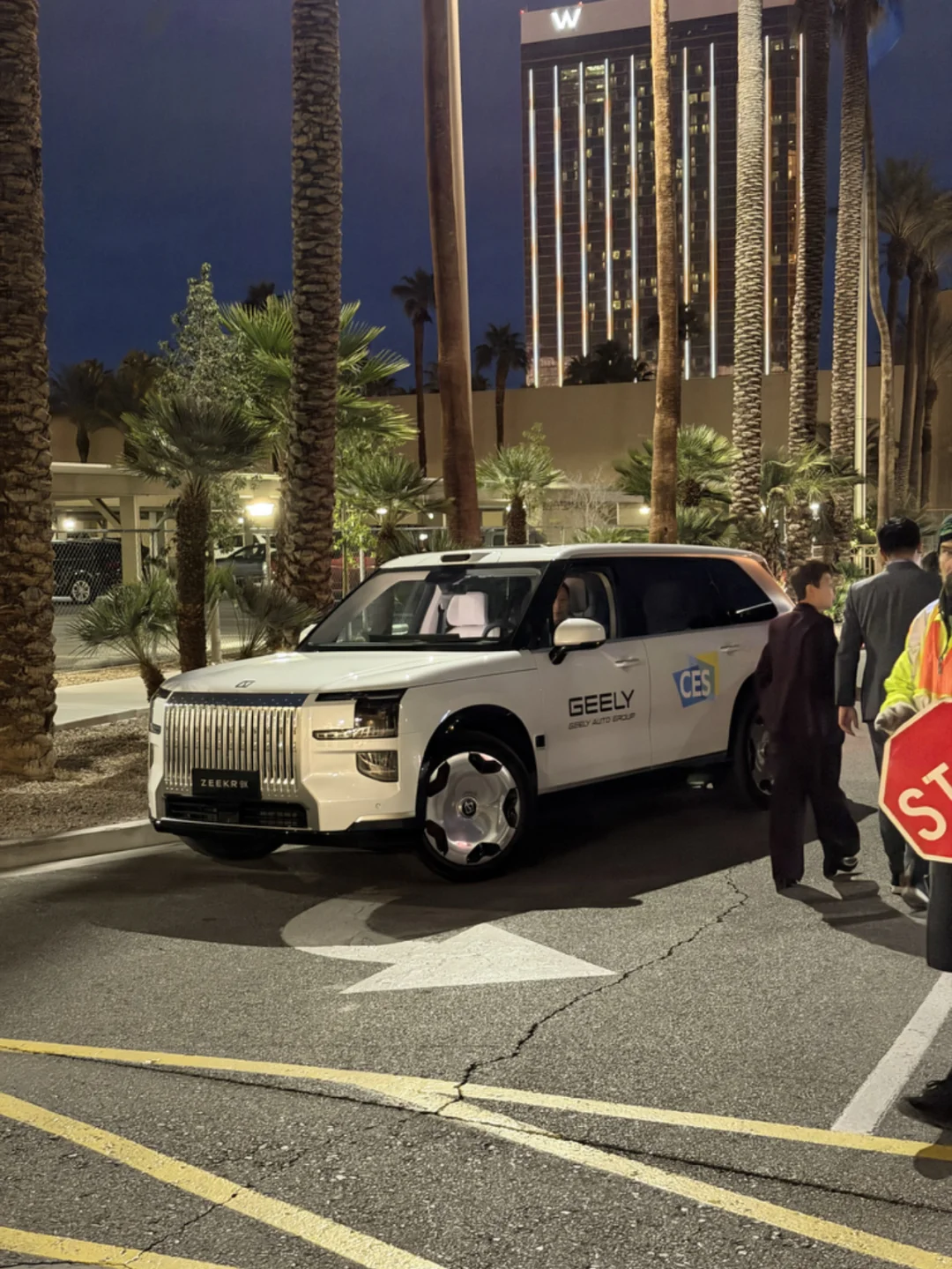
If automotive highlights at CES in recent years focused more on screens, interfaces, or individual feature innovations, this year’s shift is stark: manufacturers are turning their attention to foundational technologies.
Preparing Foundational Technologies for Globalization
Although CES 2026 is a global exhibition and Great Wall Motor presented entirely in English, the few Chinese characters displayed at its booth were particularly notable. These read “Hi4 Four-Wheel Drive Paying Tribute to Dujiangyan.” The system intelligently allocates power across different driving conditions and vehicle models to balance comfort, performance, and energy efficiency, while also showcasing Chinese culture.
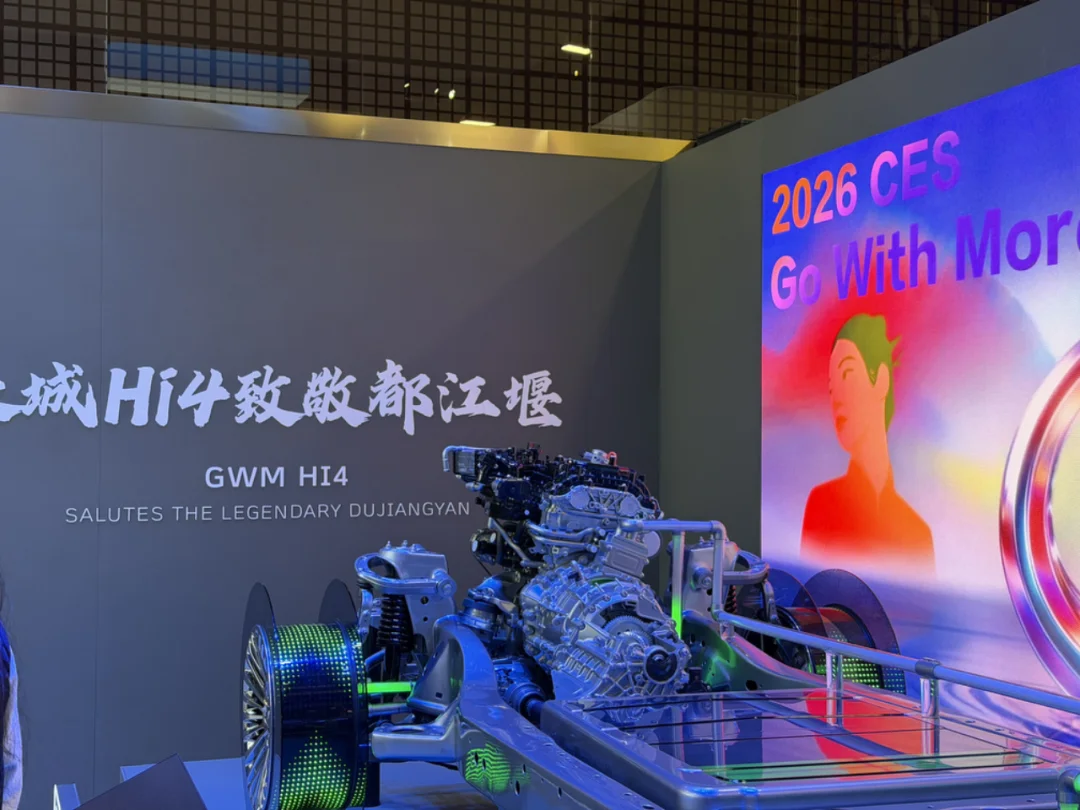
A key move by Great Wall Motor at CES was announcing the name of its multi-powertrain platform: Guiyuan. This platform natively supports gasoline, diesel, battery electric, hybrid, plug-in hybrid, and hydrogen fuel cell powertrains. It covers multiple vehicle categories including SUVs and MPVs, aiming to adapt to different regions, energy structures, and usage scenarios under a single technical foundation.
Around the Guiyuan platform, Great Wall Motor showcased stage-specific achievements across various powertrain paths at the event, including the Hi4 intelligent electric hybrid four-wheel-drive system, the Hi4-Z solution designed for versatile off-road scenarios, and self-developed V8 engines, semi-solid-state batteries, and hydrogen fuel cell engines.
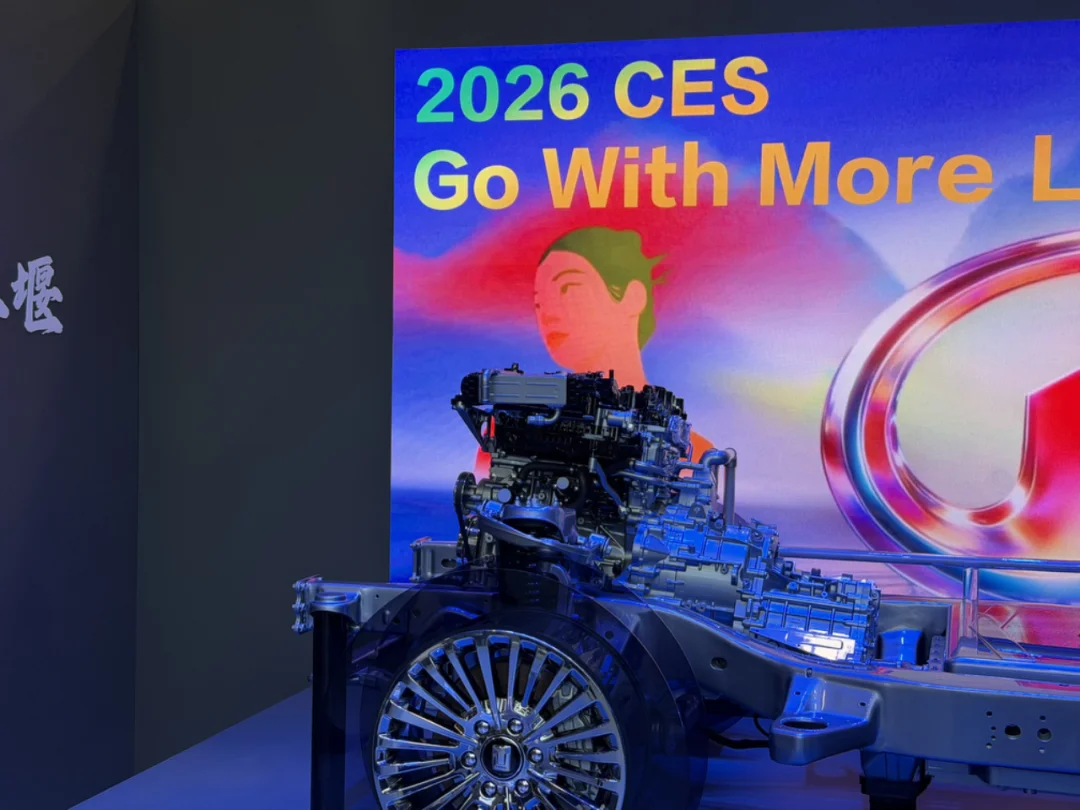
The compatibility of multiple powertrains lays better groundwork for globalization. At this event, Great Wall Motor made its stance clearer: as long as the global market remains fragmented, it will persist with a strategy where multiple powertrains coexist for the long term.
For these two domestic automakers, bringing their flagship models to CES was not about repeating product pitches, but rather using specific vehicles to showcase their ongoing advancements in intelligent systems and energy management within a global context.
BMW has long been a focal point at CES. Since its global debut in September 2025, the new-generation BMW iX3 has received a positive reception in Europe. The vehicle is scheduled for its global premiere in the first half of 2026 and will go on sale in the second half of that year.
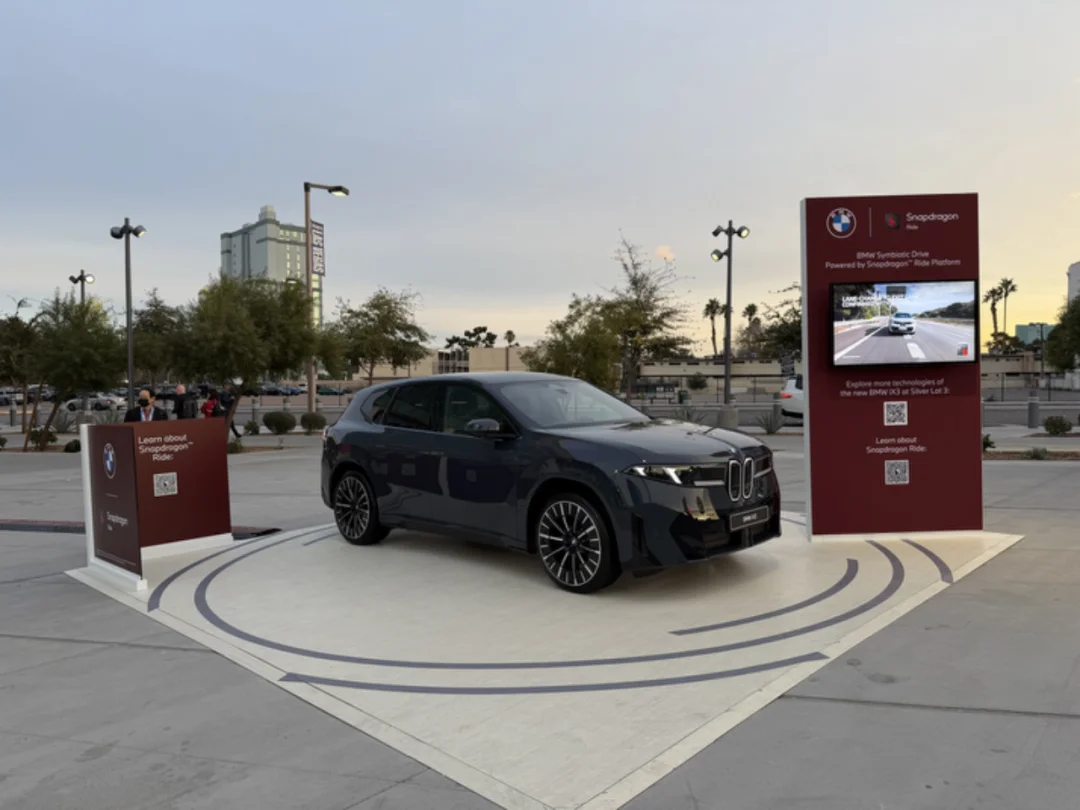
BMW’s approach at this year’s CES has shifted from simply showcasing vehicles to highlighting underlying technologies, closely aligning with the event’s AI theme. The company is integrating AI into real-world driving scenarios, such as being the first to integrate a large language model (LLM) into a mass-produced car. Through the BMW Horizon panoramic display, navigation, entertainment, and vehicle controls are seamlessly fused. These innovative technologies, featured on the iX3, will be expanded to 40 new or upgraded models starting in 2026.
According to official statements, the Chinese version of the iX3 will feature a proprietary BMW Operating System X, equipped with a 17.9-inch central touchscreen and a head-up display (HUD). It will also incorporate a custom LLM technology co-developed with Alibaba and introduce an AI agent into the cabin.
VLA Becomes a Consensus
Compared to the divergence in powertrain strategies, changes in the direction of intelligence are more concentrated. Advanced driver assistance systems (ADAS) are gradually converging from early, diverse technical experiments onto fewer technological paths. Betting on Vision-Language-Action (VLA) architectures has become a consensus among exhibitors including Great Wall Motors, Geely, and Qualcomm.
The core theme of CES 2026 is AI, so Great Wall seized the opportunity at CES 2026 to publicly unveil its VLA technical architecture to the world. This is why the WAY 07 (the 2026 WEY Lanshan in China) was placed right at the center of the entire exhibition booth.
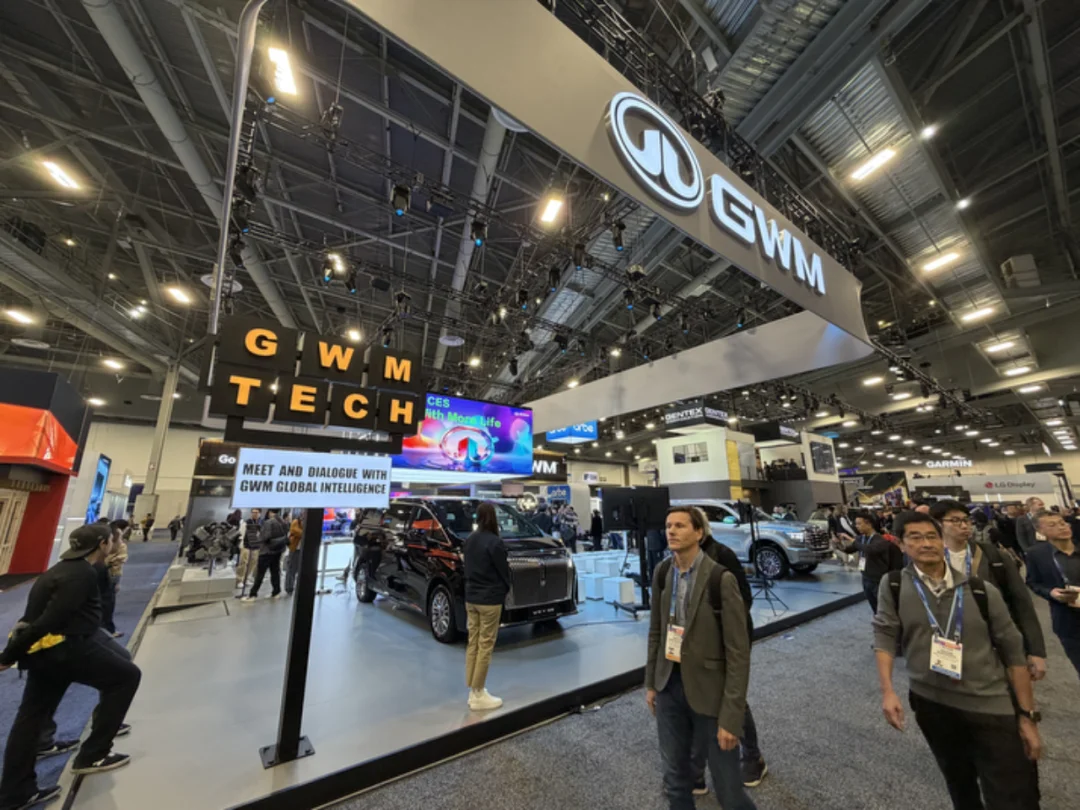
Great Wall Motor CTO Wu Huixiao revealed that starting in 2026, the VLA large model will be gradually integrated into more mass-produced vehicles, with advanced driver assistance capabilities trickling down to mid-range models. Meanwhile, Great Wall Motor plans to begin overseas adaptation of intelligent driver assistance and smart cockpit features in 2026 to prepare for subsequent global market launches.
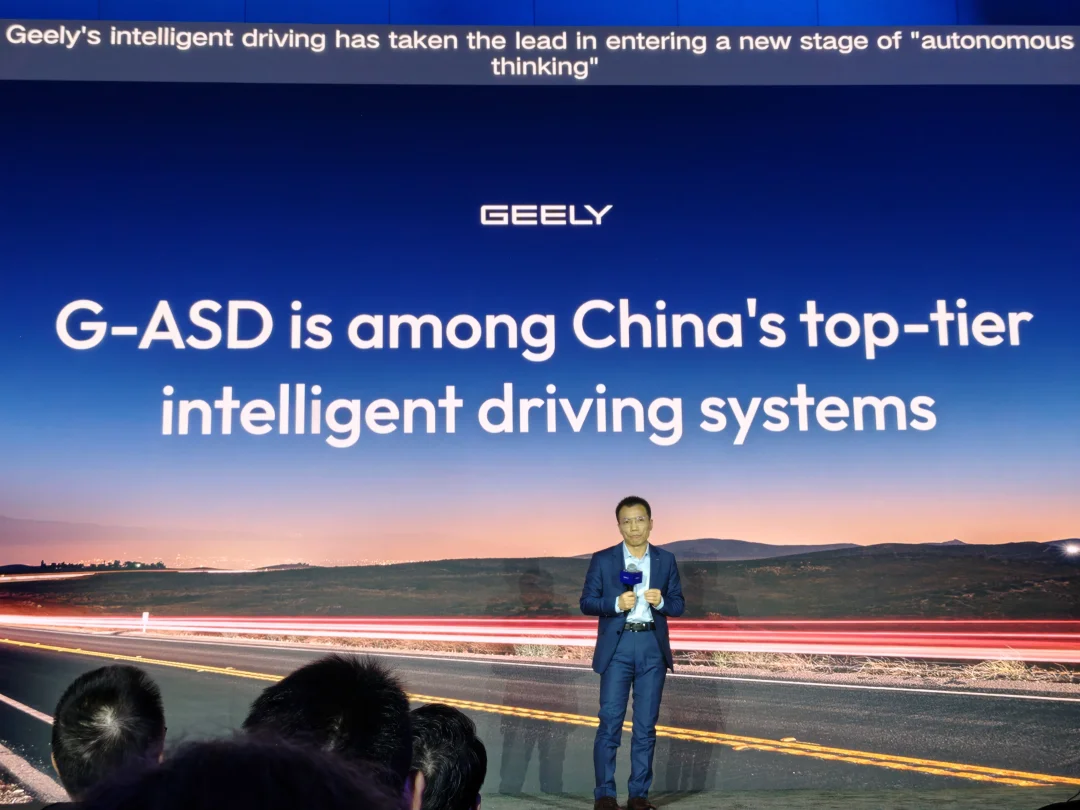
Geely has been a CES exhibitor for three consecutive years, with this year’s focus on Full-Domain AI 2.0 and the announcement of the new English brand name for its Qianli Haohan Driver Assistance System: G-ASD (Geely Afari Smart Driving). The Geely Group booth at CES 2026 featured a large interactive area showcasing its flagship G-ASD H9 system, primarily demonstrating three scenarios: Safer, Easy to Park, and Easy to Park. The core characteristics of Geely G-ASD are embedded in the letter 'S', representing Smart, Self-thinking, and Safety—endowing the system with intelligence, autonomous reasoning, and safety.
Compared to last year’s Domain-wide AI, this year’s upgrade focuses not on adding functions but on changes to the underlying logic.
Geely’s introduction of WAM (World Action Model) under Full-Domain AI 2.0 can be understood as a combination of VLA and World Models. WAM introduces three core changes: first, it integrates visual, acoustic, and tactile information; second, it unifies domain-wide behaviors; and third, it incorporates Volvo’s safety data.
Geely’s WAM establishes a unified worldview for the vehicle: by feeding perception data such as vision, sound, and touch into a single model combined with a world model, the system deduces and corrects behaviors, enabling the vehicle to understand the rationale behind its decisions.
For example, if a child is sleeping in the rear seat, the vehicle perceives passenger information inside and environmental data outside, adjusting the driver assistance experience, chassis comfort control, and cabin settings such as music and air conditioning accordingly.
At CES 2026, Geely stated that, subject to regulatory approval, it will roll out high-speed L3 and low-speed L4 capabilities for G-ASD this year. Additional features include traffic police hand signal recognition and underwater escape protocols. This year, Geely’s driver assistance systems will advance toward greater autonomous reasoning capabilities.
As these capabilities are realized, the role of chips and computing platforms becomes increasingly critical.
Qualcomm carved out a dedicated exhibition area at CES to showcase automotive technologies, covering chassis, cockpit, and driver assistance. The displayed Snapdragon Digital Chassis solution shifts focus from performance specifications to an integrated hardware approach for cabin and driving functions. By processing both cockpit and ADAS tasks on a single SoC, the system reduces data fragmentation, enabling more natural information synergy across domains. This architecture is particularly important for cost control and scalable deployment, making it well-suited for mid-range and mainstream vehicle models.
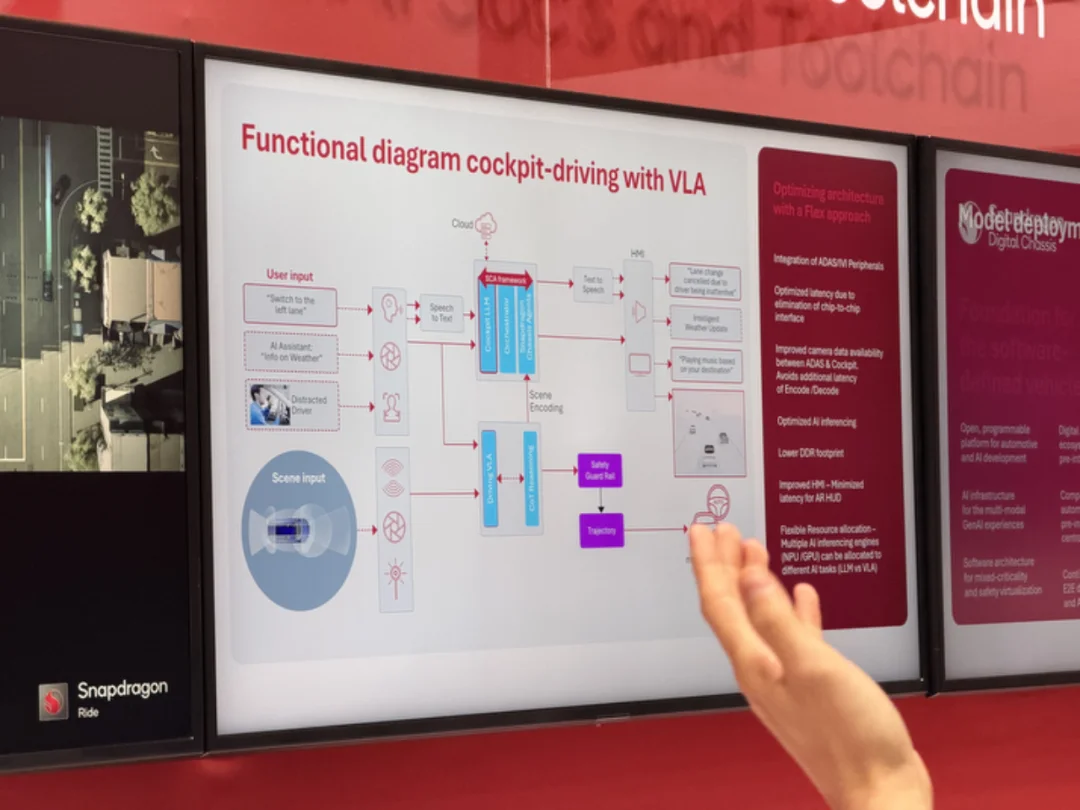
In the realm of driver assistance, Qualcomm demonstrated an L2+ hands-off solution set to be mass-produced in the new BMW iX3, alongside a demo of VLA technology-equipped vehicles. The hands-off solution will debut in Germany first, with support for L2+ hands-off driving planned in 16 countries subsequently. While the technical path differs from that used in China, this approach offers an experience better suited to European and American markets.
Also focusing on cross-domain integration, Black Sesame Technologies presented two relatively clear product roadmaps at CES: the Huashan Series, which focuses on driver assistance, and the Wudang Series, which targets cross-domain computing.
For instance, the showcased Huashan A2000 uses concentrated computing power design and algorithmic synergy to enable efficient operation of visual understanding, language understanding, and action decision-making on a single chip. It supports next-generation ADAS capabilities such as VLM and VLA while simultaneously accommodating AI applications on the cockpit side. For users, this means ADAS and in-car interaction no longer operate in silos, resulting in faster response times and a more cohesive experience.
The Wudang Series takes a more foundational architectural position. Making its overseas debut, the Wudang C1296 is a production-ready integrated cabin-driving solution where a single chip covers multiple functional domains, including instrument clusters, cockpits, and driver assistance. From an industry perspective, the significance of such solutions lies in providing automakers with a simpler, more centralized, and highly scalable electronic and electrical architecture path. This reduces hardware stacking and system fragmentation, leaving room for future software upgrades and functional integration.
Overall, the automotive innovations showcased at this year’s CES have shifted focus away from single new features. More manufacturers are centering their efforts on underlying capabilities that are less visible but critical for determining performance ceilings. The automobile is evolving into a technical system requiring long-term refinement and continuous iteration, rather than a product where features are simply added one by one. This may be one of the most significant signals from this year’s CES.
03Autonomous Driving Steps Out of the Laboratory
At CES 2026, discussions on autonomous driving have moved beyond comparing algorithm precision, computing power scale, or sensor counts. The focus has clearly shifted to a more practical question: when these technologies hit the road, what will it take for ordinary people to feel comfortable riding in a vehicle without a driver?
At this exhibition, manufacturers such as NVIDIA and Uber publicly unveiled technical solutions and deployment plans for L4 autonomous driving.
NVIDIA unveiled its new autonomous driving technology platform, Alpamayo. Jensen Huang described it as: the world’s first autonomous driving AI capable of thinking and reasoning. The system is scheduled to enter U.S. roads later this year, with its debut application in the Mercedes-Benz CLA model.
The Alpamayo series employs an end-to-end training approach, integrating VLA reasoning models to inject human-like cognitive abilities into assisted driving decisions, primarily targeting L4 autonomous driving. The first-generation Alpamayo model utilizes a 10-billion-parameter architecture.
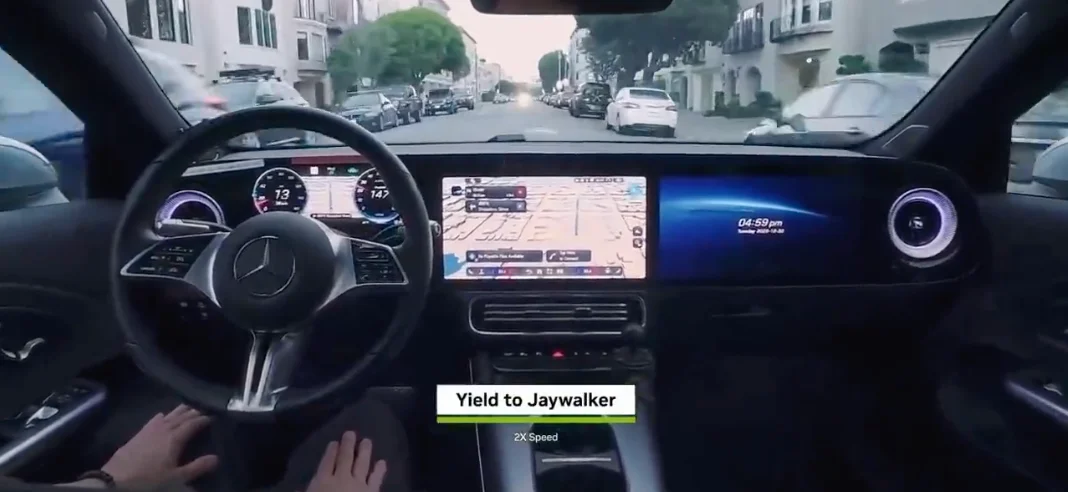
This technical solution aims to enhance the transparency, safety, and robustness of autonomous driving systems, as well as their performance in complex real-world traffic conditions, while providing support for the development of higher levels of autonomous driving.
Li Auto, XPENG, NIO, Huawei, Horizon Robotics, and Momenta have all completed the development or even deployment of similar models. However, NVIDIA is the first manufacturer to open-source such a cloud-based model.
During the keynote address at CES 2026, Jensen Huang stated, 'The ChatGPT moment for physical AI has arrived, and autonomous ride-hailing will be one of the first industries to benefit.'
At the CES show floor, Uber partnered with Lucid and Nuro to showcase a Robotaxi solution. This vehicle is based on the Lucid Gravity SUV, features an autonomous driving system provided by Nuro, and includes mobility services and in-cabin interaction design designed by Uber.
From the exterior, it does not deliberately emphasize a futuristic look, but every detail revolves around the autonomous driving experience. Next-generation sensors are integrated into the body and the roof's Halo structure, enabling 360-degree environmental perception. The LED lights on the Halo can also display passengers' initials, helping them quickly identify the vehicle when waiting curbside.
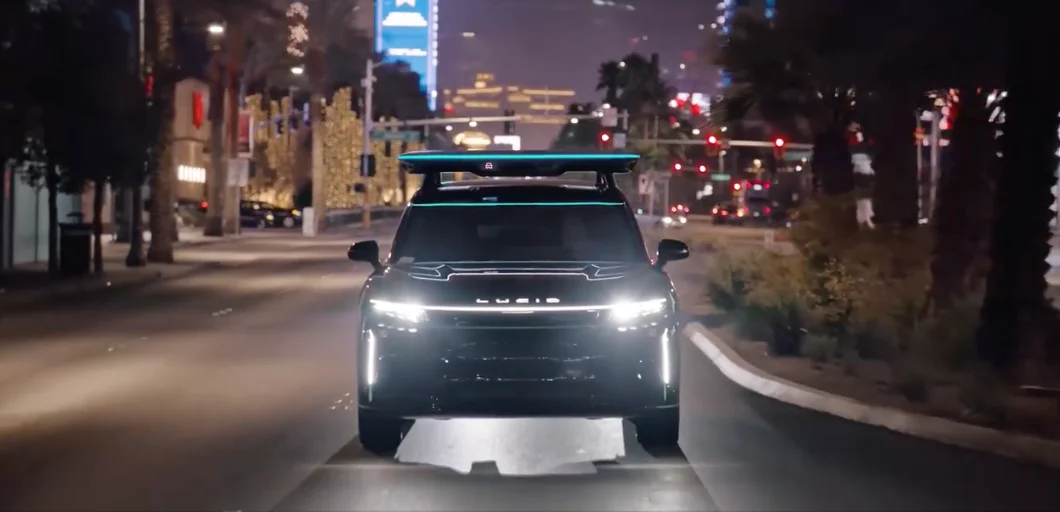
With no driver present, passengers can control the air conditioning, seat heating, and music via independent screens. They can also contact human support with one touch or request that the vehicle pull over temporarily. More importantly, the screen displays the vehicle's real-time perception of the environment and its planned route, letting passengers know what the car is thinking and what it plans to do next.
This Robotaxi has currently begun road testing in the San Francisco Bay Area under the supervision of safety drivers. It will gradually transition to fully driverless operation. According to plan, the related service is expected to go online later this year, and the mass-produced models will be manufactured at Lucid's factory in Arizona.
After three years of testing and refinement, the new generation of Robotaxis developed through the partnership between Waymo and Zeekr was also unveiled at CES. Built by Zeekr, this model—previously known as the Zeekr RT—will officially be renamed Ojai. The vehicle debuted during last year's CES, where its core hardware configuration was announced: 13 cameras, 4 LiDAR units, and 6 radar sensors.
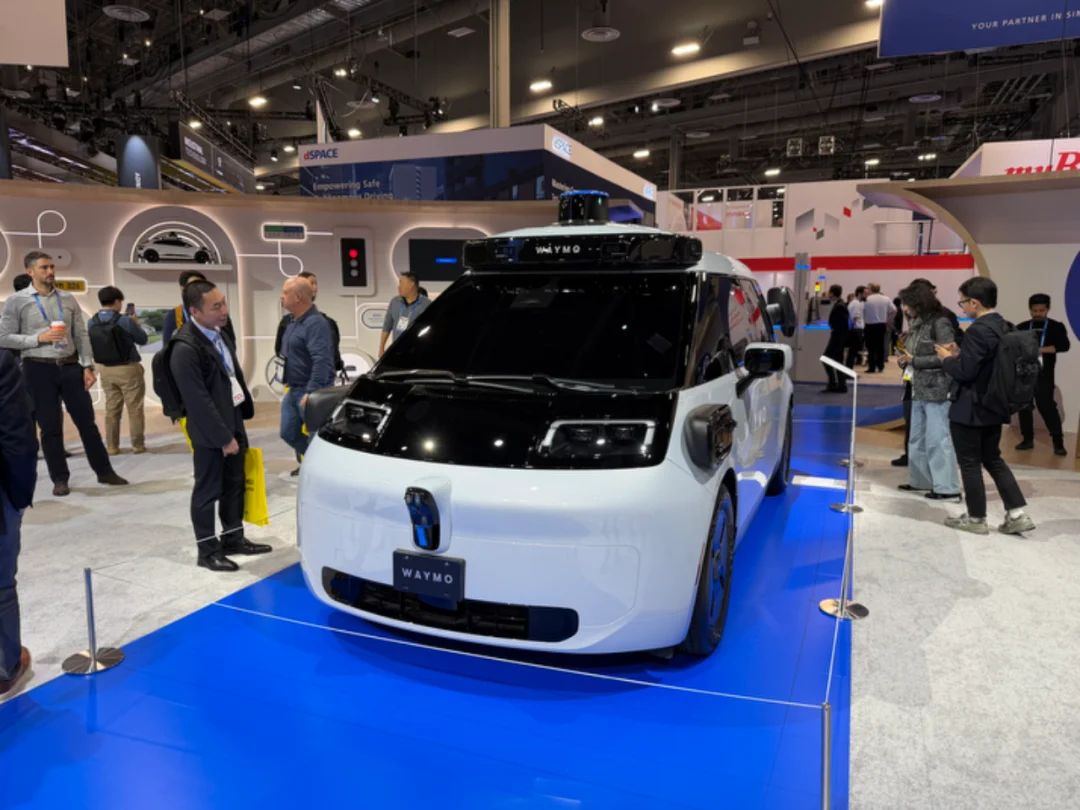
From NVIDIA’s layout of autonomous driving platforms to companies like Uber bringing driverless vehicles onto city streets, a clear shift is evident: autonomous driving is rapidly entering a phase that must confront real users, real traffic conditions, and real business models.
Looking back at all automotive-related exhibits at CES 2026, it is difficult to summarize the core change of this event with any single piece of cutting-edge technology. Whether cross-industry companies are testing the boundaries of car manufacturing, traditional automakers are restructuring their powertrain and intelligent foundations, or chip and autonomous driving firms are driving architectural transformation, the discussion has moved beyond individual new features. Instead, the focus is on how cars, as complex systems, should be constructed and evolved in the long term.
In this process, CES showcased participants following different paths and paces, each reflecting their own understanding of the future automobile. These directions may not all converge on the same endpoint, but it is certain that the industry is moving away from a stage driven by point innovations toward a cycle that relies more heavily on long-term investment.
Written by: Da Yong, Jiang Xiaohei Edited by: James