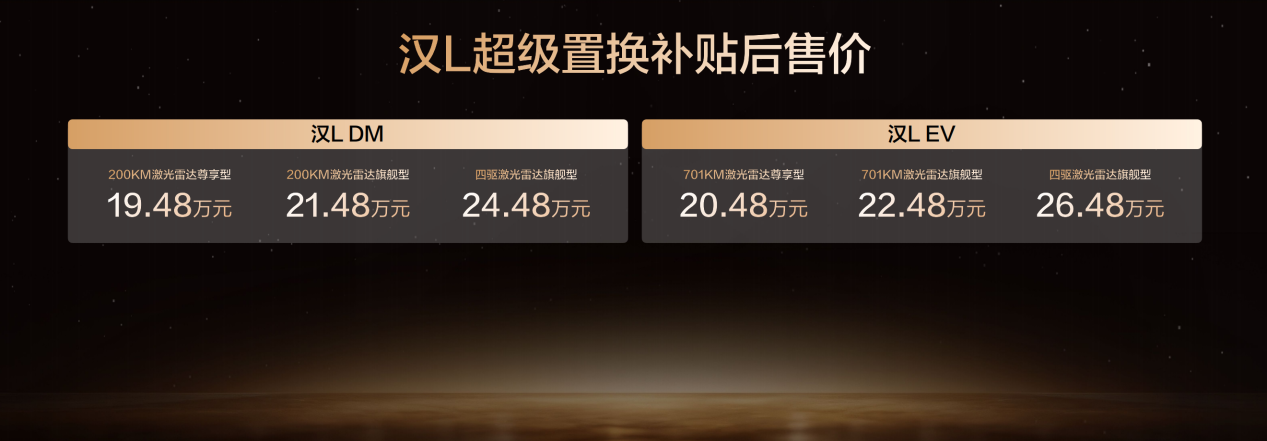
On November 21, BYD unveiled its flagship sedan, the Han L, introducing the Han L EV and Han L DM versions. The post-subsidy prices for the three Han L EV models range from 204,800 to 264,800 yuan, while the three Han L DM models range from 194,800 to 244,800 yuan.
The Han L EV is equipped with the Super e Platform as standard across the entire lineup, featuring the world’s first mass-produced passenger car-wide kilovolt high-voltage architecture. This architecture supports a peak charging power of up to 1000kW, allowing the vehicle to replenish 400 kilometers of range in just 5 minutes. In terms of power performance, the Han L EV boasts a single motor power of up to 580kW, with the four-wheel drive version reaching a total of 1,102 horsepower, accelerating from 0 to 100 km/h in just 2.7 seconds and reaching a top speed of 305 km/h.
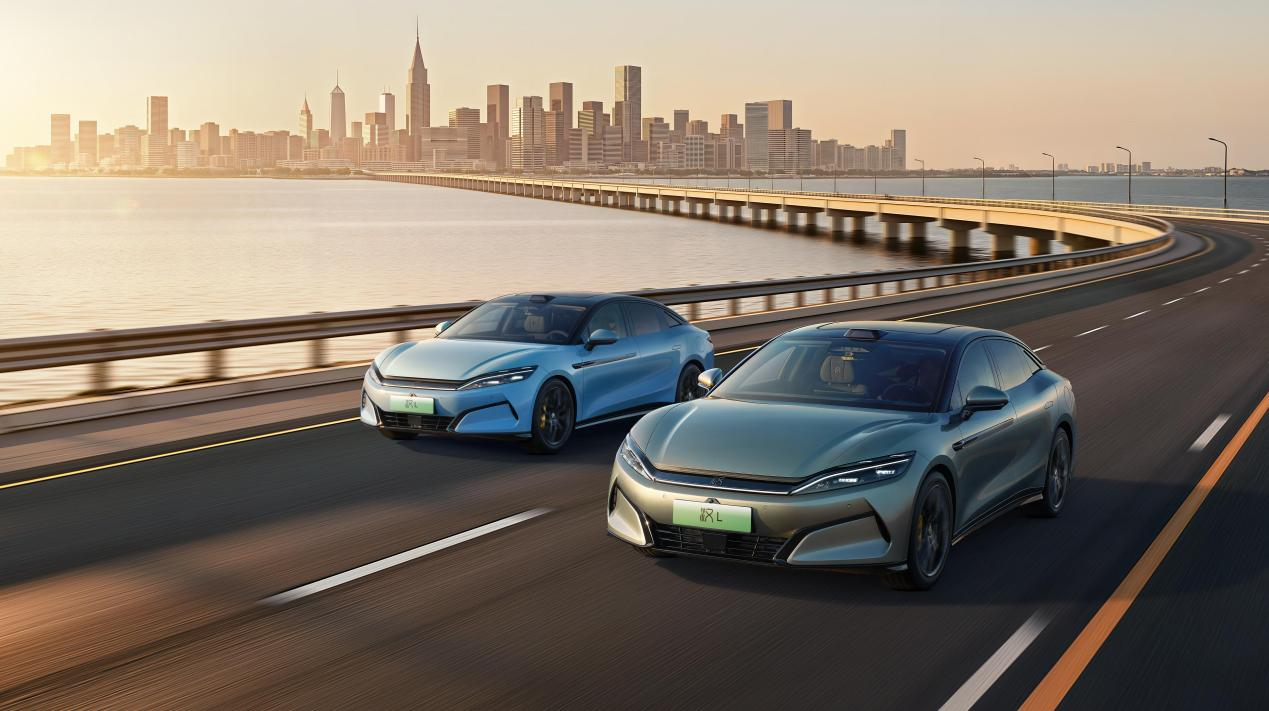
The hybrid version, Han L DM, is equipped with the fifth-generation DM technology, offering two modes: DM-p King Hybrid and DM-i Super Hybrid. The Han L DM accelerates from 0 to 100 km/h in as little as 3.9 seconds, boasts the lowest fuel consumption of just 3.9L/100km when the battery is depleted, and offers a pure electric range of 200 kilometers, with a comprehensive range of 1,400 kilometers.
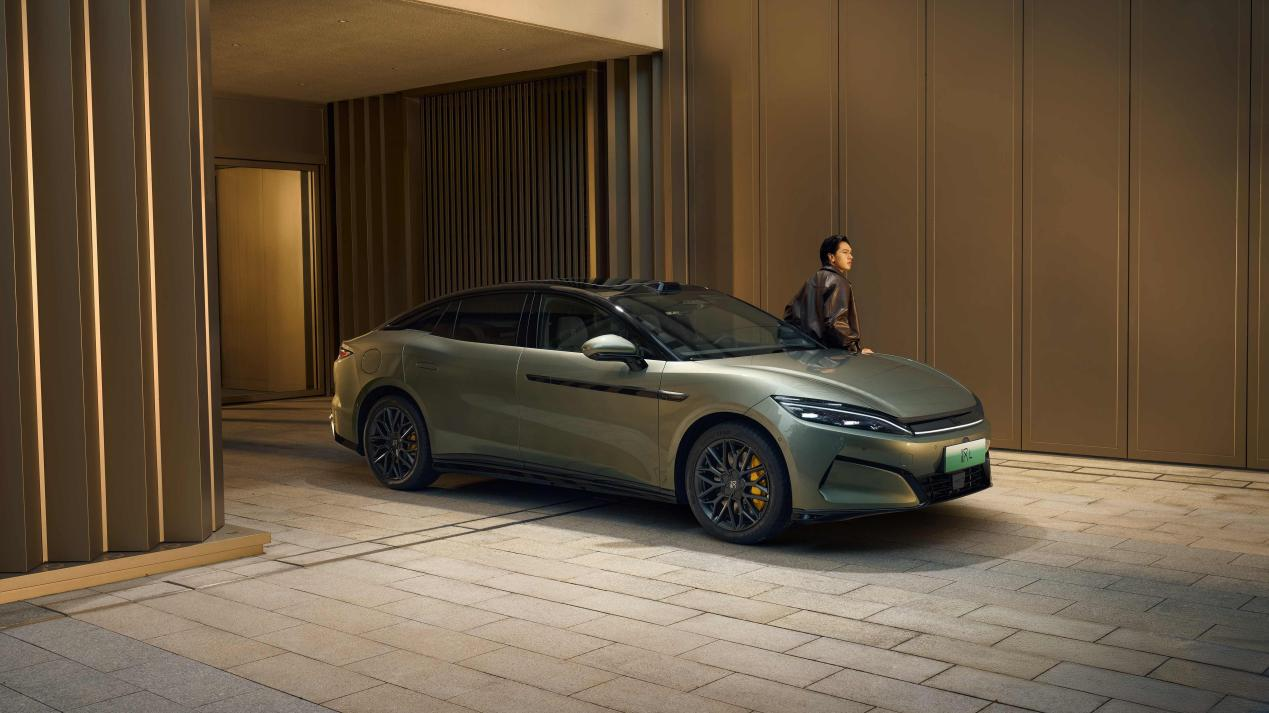
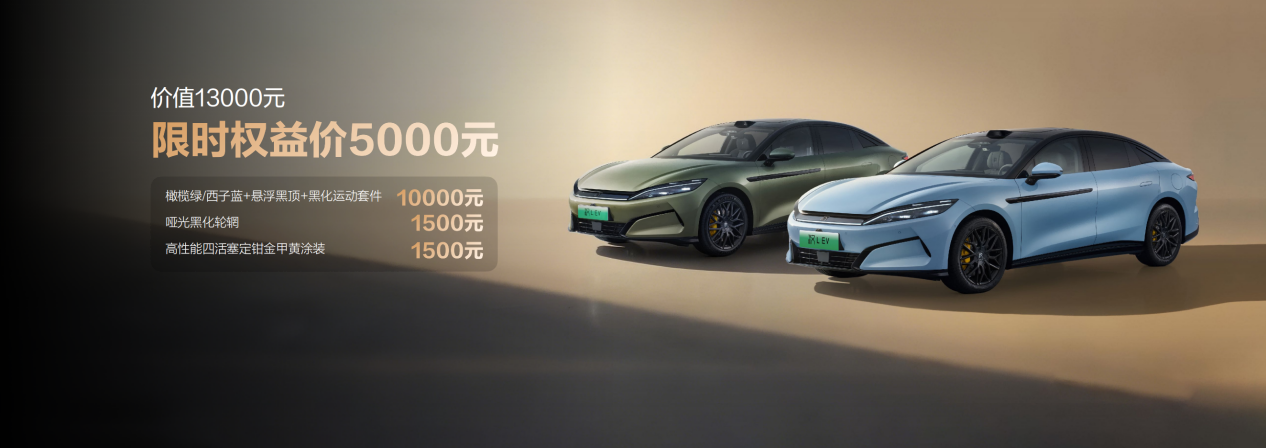
In terms of design, the Han L features Loong Face aesthetics, offering new color options of Olive Green and Xizi Blue. Olive Green utilizes low saturation, high-reflective metallic paint, while Xizi Blue applies BASF pearlescent coated aluminum powder. Additionally, the Han L offers a blacked-out sports kit for personalized users.
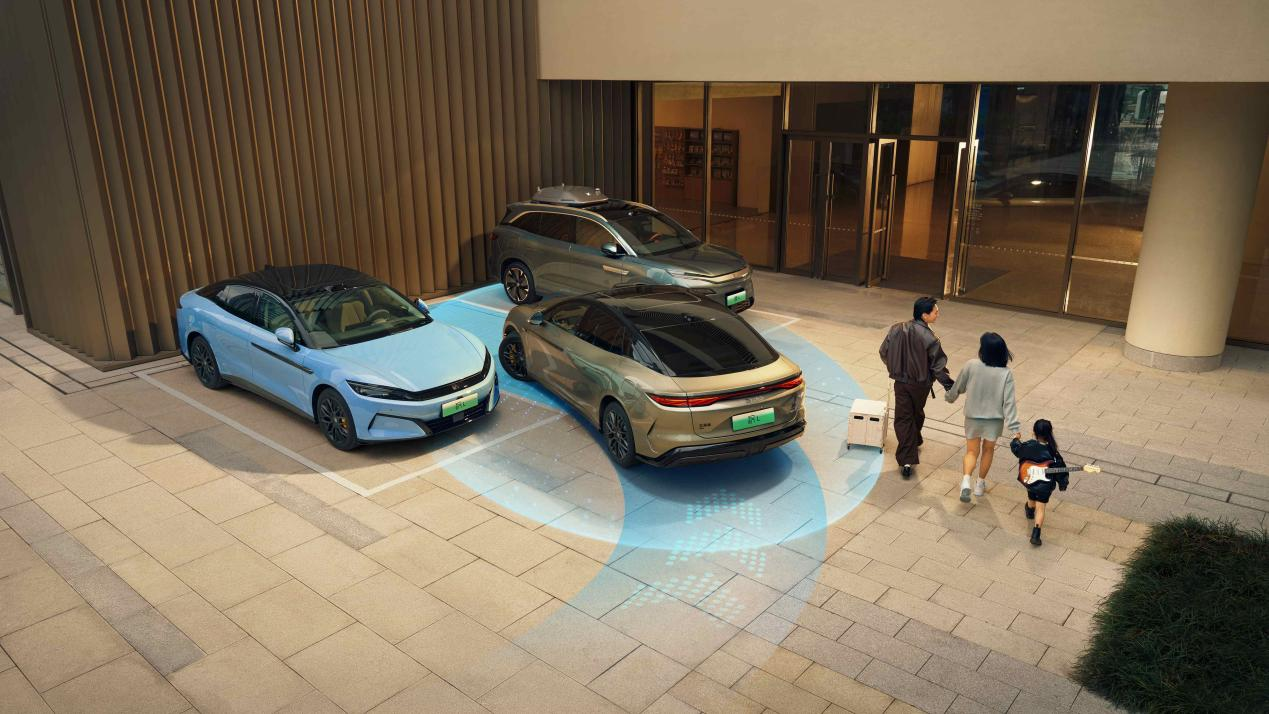
In smart technology, the Han L’s intelligent cockpit and driver assistance system have undergone comprehensive OTA upgrades. The entire lineup comes standard with the advanced version of the intelligent cockpit – DiLink 150, featuring a new UI with deep and shallow fusion design that automatically adjusts its tone according to ambient light. For driver assistance, the Han L is equipped with the DiPilot 300 – Laser Edition, which unlocks “park to park” navigation assistance.
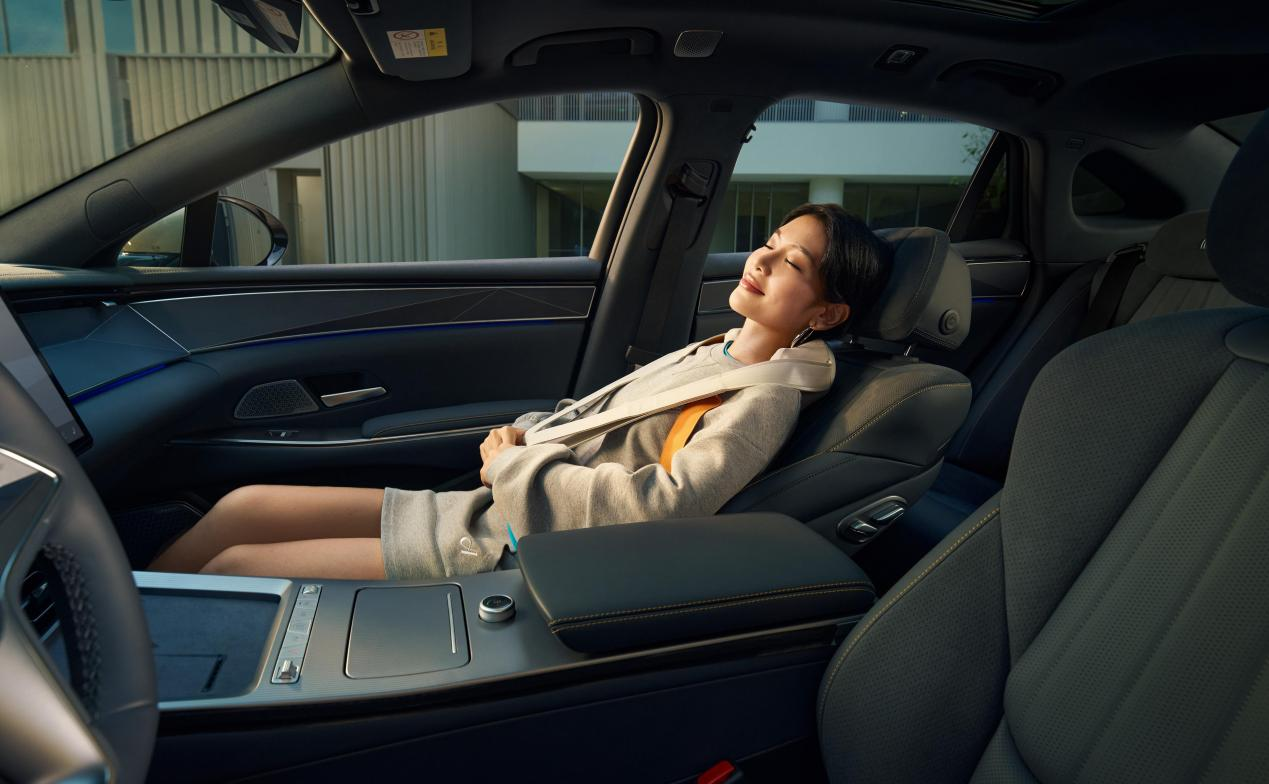 BYD, through collaboration with its partners, has developed an intelligent ecosystem that connects “People × Car × Home.” Users can check vehicle status and remotely control in-car devices via a smart screen at home; in the car, they can control home appliances through voice commands. Additionally, BYD has introduced a range of peripheral ecosystem products, such as smart child safety seats, smart pet safety seats, and smart eye masks.

This article is a translation by AI of a Chinese report from 42HOW. If you have any questions about it, please email bd@42how.com.