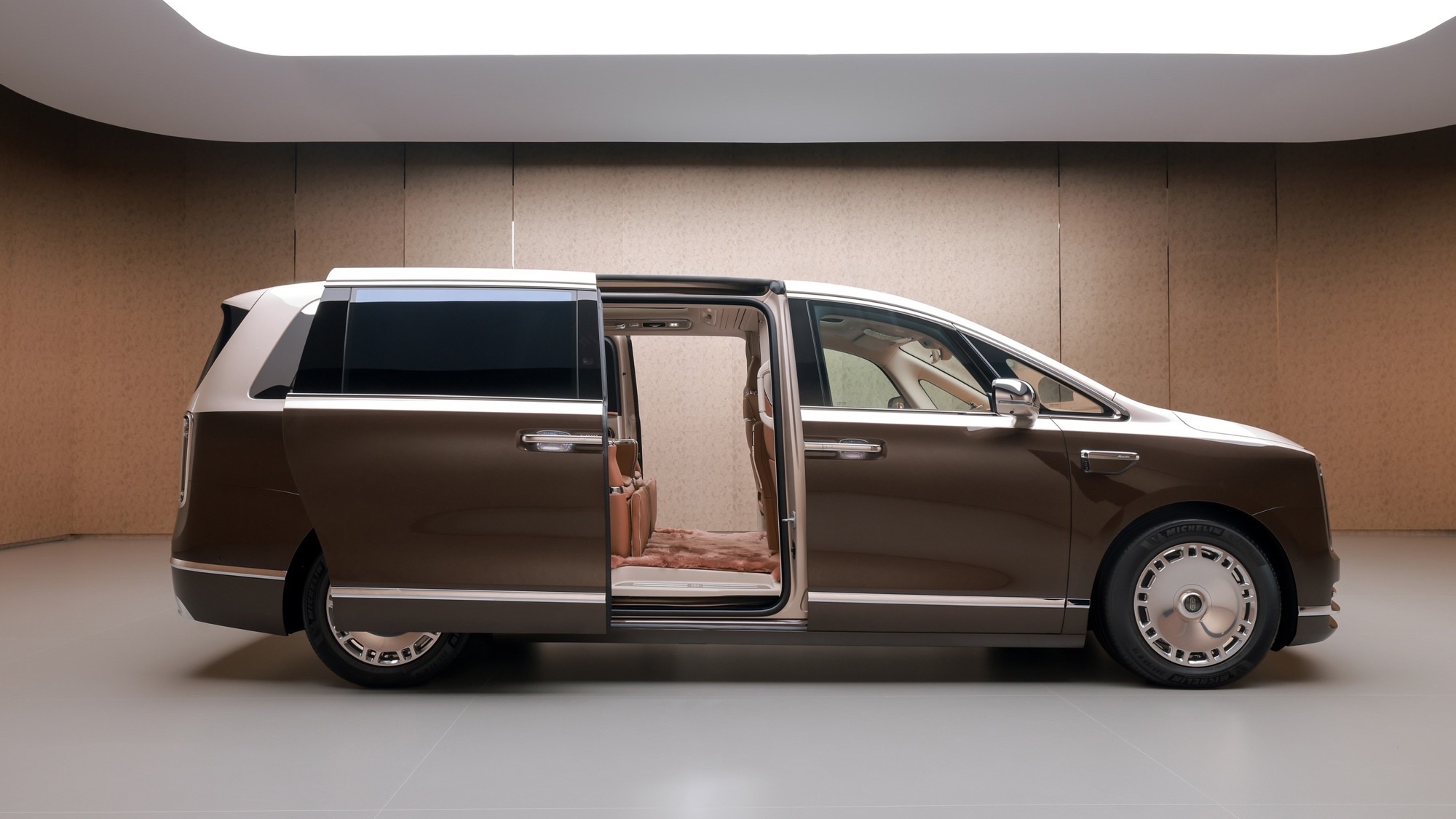
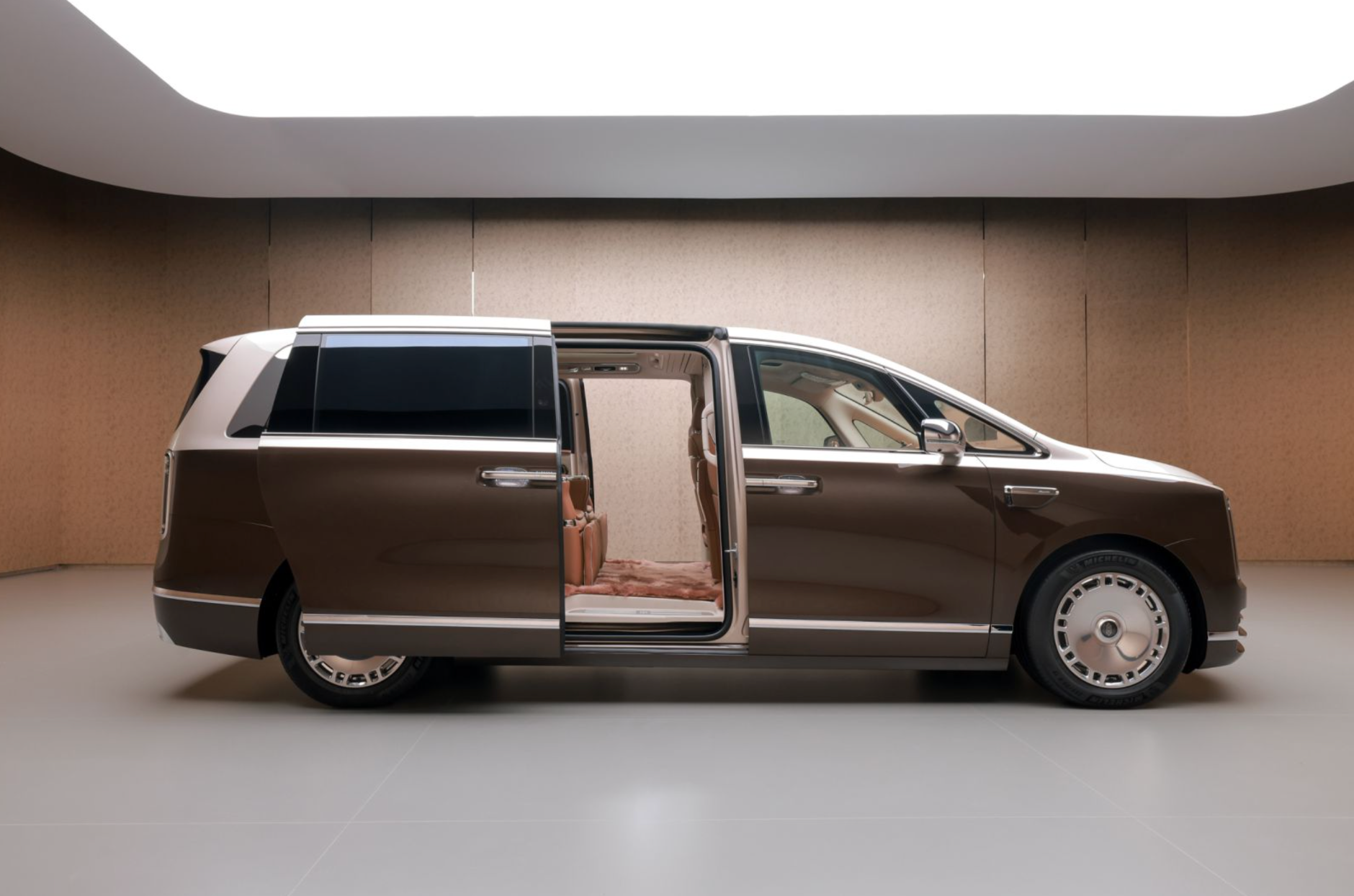
On the afternoon of August 5, the MPV models of the Hongmeng Zhixing Zunjie brand were officially launched, offering two models. The slightly smaller model, Zunjie V680, offers one variant priced at 648,000 CNY; the larger model, V800, has three variants starting at 766,000 CNY.
Among these four variants, the 65 kWh 6C supercharging battery, 1.5T range extender, 12° rear-wheel steering, and 6-laser LiDAR-assisted driving system (Qiankun Intelligent Driving ADS 5) are all standard.
The price difference between Zunjie V680 and V800 can buy an AITO M8, with the difference mainly in chassis hardware and luxury configurations. Specifically:
- Zunjie V680 Deluxe Edition starts from 648,000 CNY, with a pure electric CLTC range of 340 km. Active suspension and steer-by-wire can be optionally packaged for 80,000 CNY.
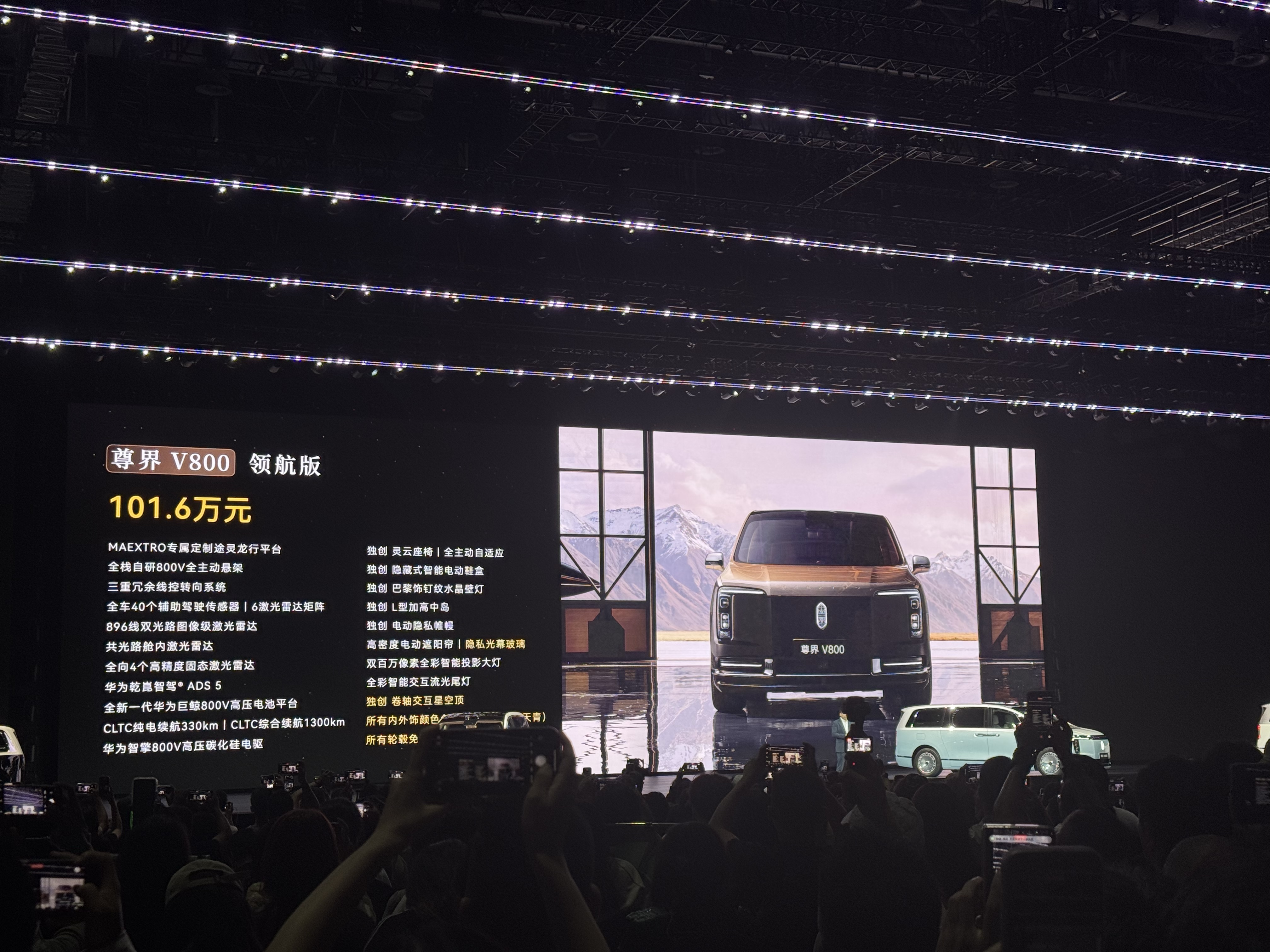
- V800 Deluxe Edition is priced at 766,000 CNY, with a car length increased by 175 mm and wheelbase increased by 140 mm. The rear has a 41.6-inch projection screen and upgraded third-row seat comfort configurations. Additional features include an electronic shoe box and fingerprint-password storage box.
- V800 Executive Edition is priced at 866,000 CNY, featuring standard 800V full active suspension + steer-by-wire. It adds dual-megapixel full-color intelligent projection headlights, full-color intelligent interactive flow tail lights.
- V800 Navigation Edition is priced at 1,016,000 CNY, adding second and third-row privacy light curtain glass and a roll-interactive starry sky ceiling. Only this version allows a 150,000 CNY option for the Yunshui Tianqing interior and exterior package.
In terms of benefits, placing an order entitles you to an ADS advanced function package subsidy of up to 21,000 CNY (actual payment of 12,000 CNY after subsidy), a 4,000 CNY hassle-free assisted driving service, a 40,000 CNY discount on the final payment for trade-ins, and a premium set of car accessories.
Within an hour of launch, orders for Zunjie V800 and V680 reached 2,115 units. Given the starting price of 650,000 CNY, these figures seem quite impressive?
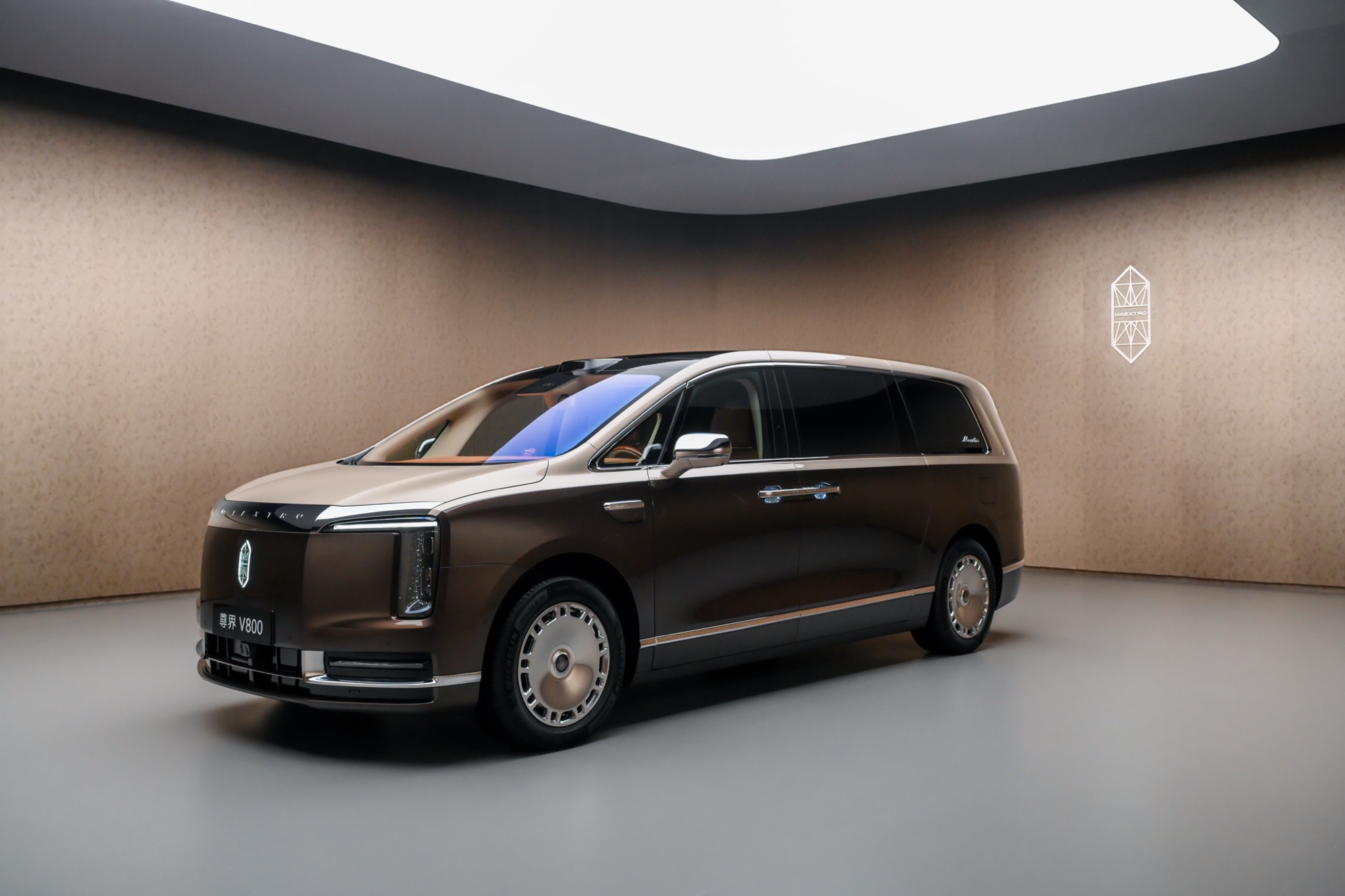
MPVs are typically function-oriented products, small in volume but distinctly tiered. Before the wave of new energy vehicles, SGMW dominated the 100,000 CNY utility vehicle market, Buick GL8 ruled business receptions, and Toyota Alphard and Lexus LM occupied the top of the pyramid — those familiar faces always topped the sales charts.
For a new brand to break into the MPV market, there is little room for trial and error. A successful launch can secure a foothold, while a dull entry will likely become forgotten, with little chance of a marketing comeback.In recent years, the emerging forces have flocked to release MPVs, collectively pushing towards the high-end market. Everyone is fiercely adding features within the 500,000 yuan range, driving competitive pricing. VOYAH Dreamer has had a good year, selling 31,940 units in the first half, slightly ahead of DENZA D9 (28,226 units), with mainstream versions priced between 350,000 – 400,000 yuan; ZEEKR 009 maintains stable monthly sales of over 1,000 units, with major transaction prices at 450,000 – 500,000 yuan; LI MEGA, targeting family-oriented MPV usage, now sells several hundred units monthly.
Configurations across brands are increasingly similar, and profits are thinning. But beyond the 600,000 yuan line? There are only a few four-seat versions offering a fleeting sampling experience, without much presence.
It seems the other side of the line is a different world, where the Toyota Alphard and Lexus LM can still demand a premium, firmly holding the “hybrid vehicle” flag. In this world, Chinese brands were once absent, but now AITO has arrived.
AITO’s foray into ultra-luxury MPVs partly draws confidence from the S800, which has led luxury car sales for ten consecutive months, with an average transaction price exceeding 900,000 yuan, proving Huawei’s appeal in the ultra-luxury market.
However, this year, HarmonyOS Smart Mobility has faced significant pressure. LEAPMOTOR leveraged the B series to bring the 800V high-voltage platform and LiDAR to the 100,000 yuan segment; AITO competes in the 200,000 – 300,000 yuan market against LI, Xpeng, and XiaoMi. It can be said that Huawei lacks a significant “moat” in the mid-to-low price range. AITO, as the “upper limit” of the HarmonyOS Smart Mobility system, must sustain its upward trajectory. The S800 paved the way, and the V800 must broaden the path. However, it is worth noting that the domestic MPV retail sales in 2025 are projected to be 1.058 million, with MPVs over 500,000 yuan accounting for only 5%. High profits are real, but the fundamental market is small.
Why dare to sell at this price?
For ultra-luxury MPVs, what people most want to know is essentially “Why is it so expensive?” The first step in the ultra-luxury realm is to tell a story before adding features!
From the “color-changing” logo to “emoji-displaying” headlights, from the adaptation of six car paint colors and interior styles to the “Paris crystal wall lamps,” “scroll starry sky roof,” “private bar for tea and coffee,” and even “odor-neutralizing and sterilizing electric shoe boxes,” seeing Richard Yu on stage with high-intensity output for 80 minutes makes you realize how long the feature list of AITO V800 really is.
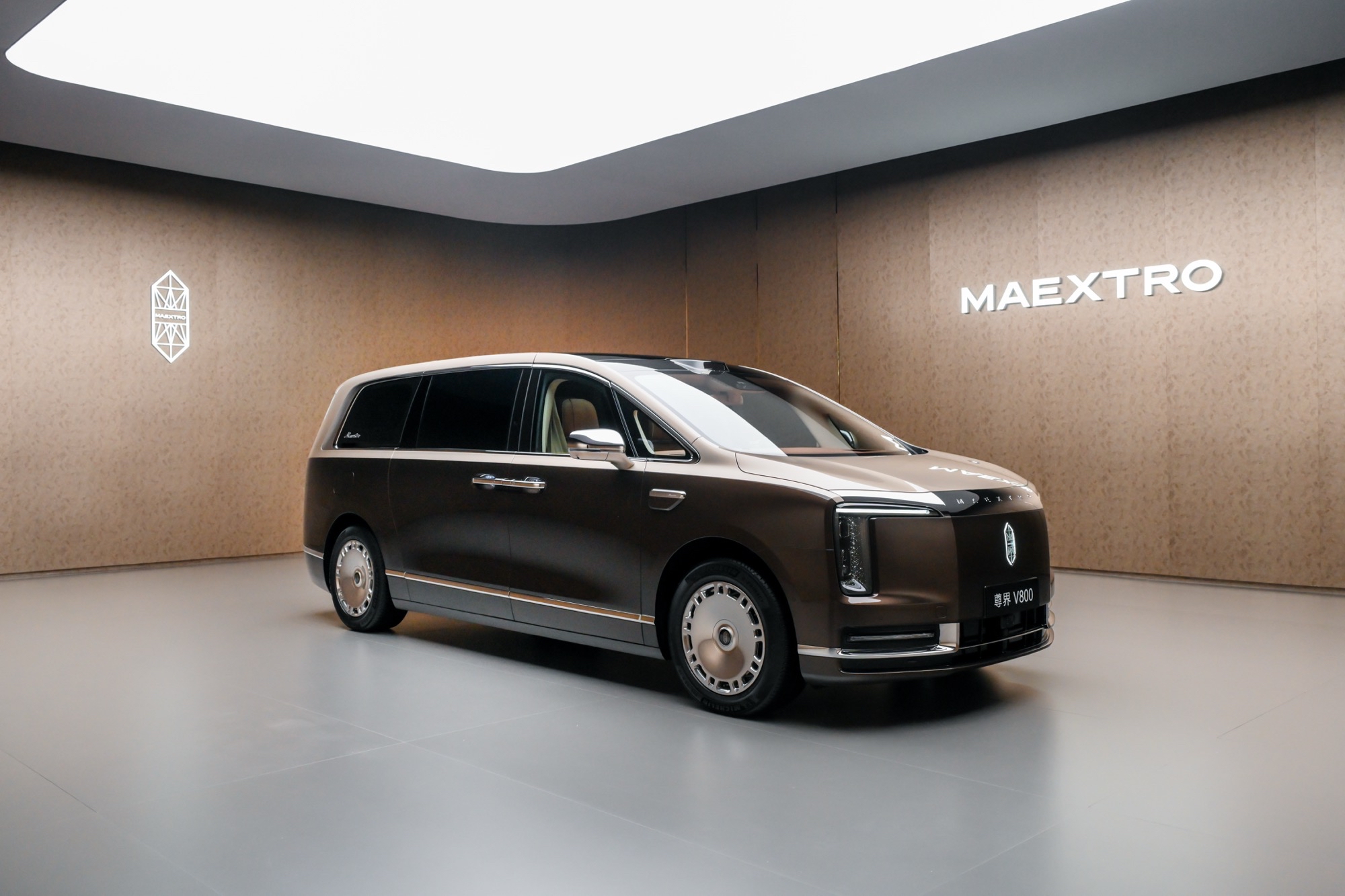
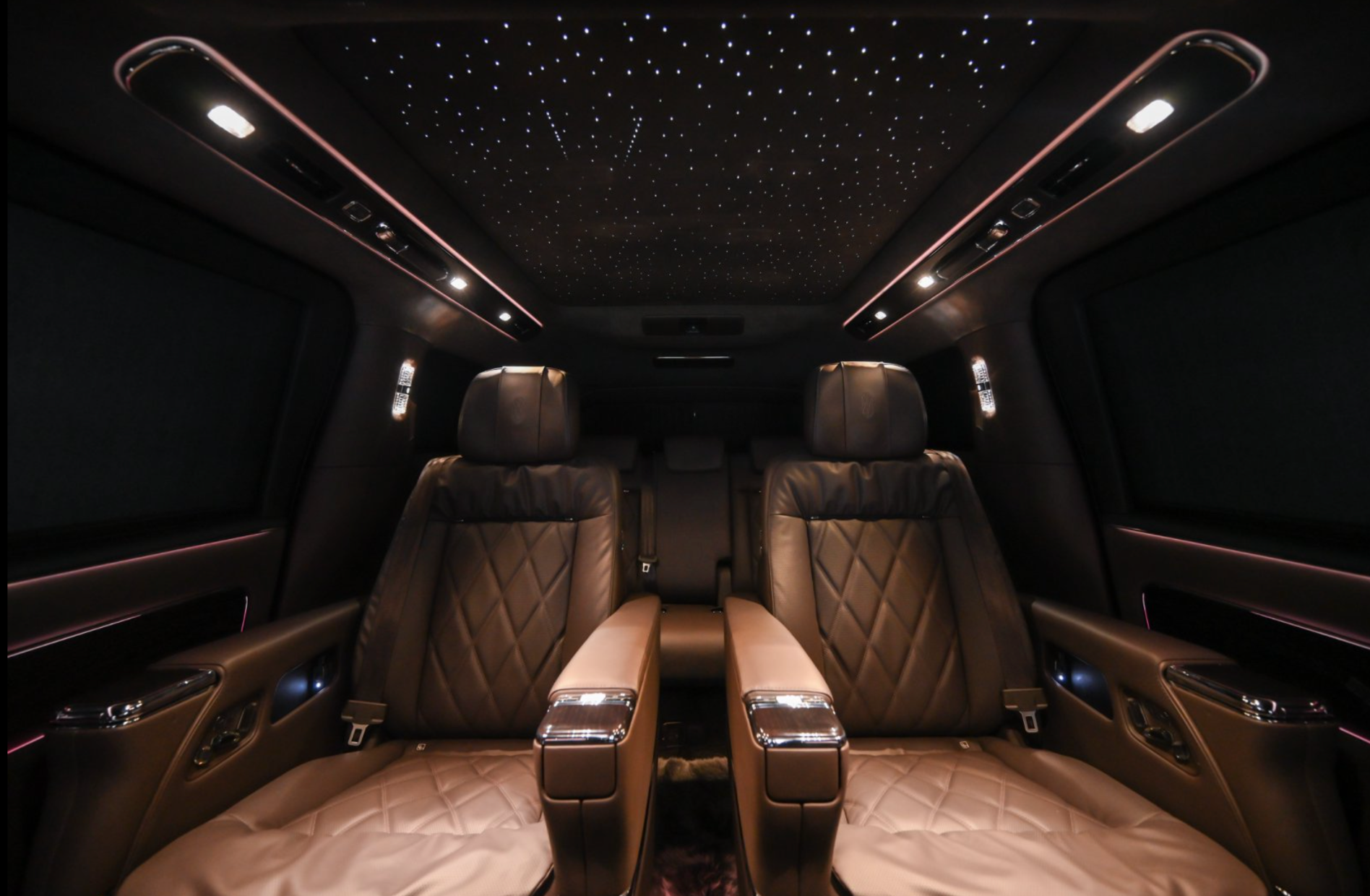
Perhaps for customer demographics at this price range, not every configuration needs to have a precise ROI. Imagine lying in the car, sipping coffee, watching a movie, with a shooting star streaking overhead, and suddenly feeling the money well spent. Emotional value itself is part of luxury, and perhaps the most core part.
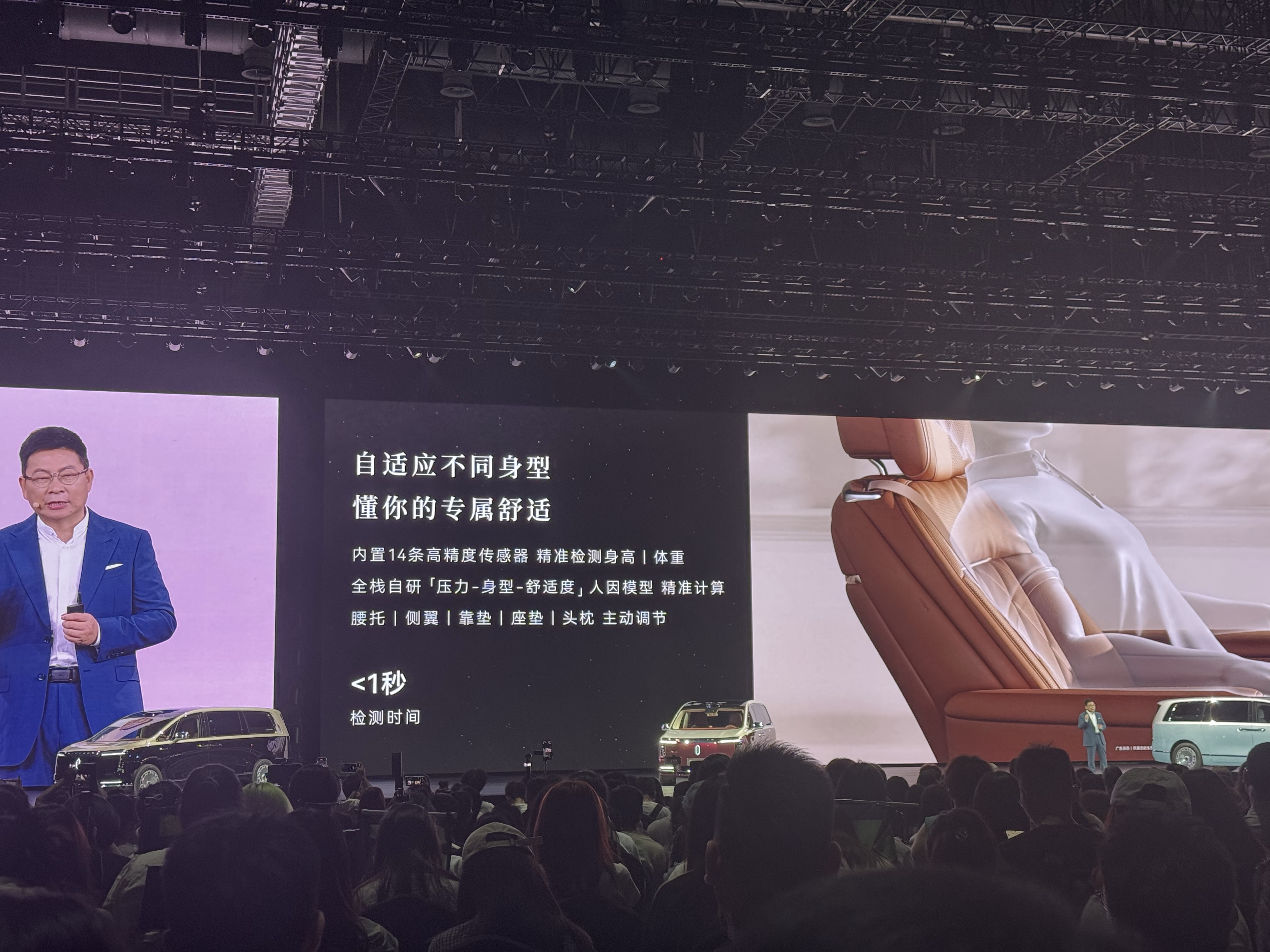
 However, there is one feature on the V800 I am quite eager to try: the Lingyun seats. Comprised of a 20-layer composite structure, they not only offer 20-point central air massage (claimed to enhance the massage intensity by 3.3 times, akin to a mechanical massage) but also come with 14 precision sensors that adjust to the optimal seating position within 1 second based on your height, weight, and even posture. It would be great if this data could be exported!
Is «Having What Others Don’t» Crucial?
Simply piling on features can be easily imitated by competitors and doesn’t justify the high pricing. The V800 reflects on ultra-luxury MPVs.
Firstly, there is a comprehensive privacy system. The core users of high-end MPVs, such as entrepreneurs, executives, and celebrities, place a high value on privacy. Perhaps Zunjie felt that dark glass + sun shades were not enough to reassure potential owners, leading to a complete solution with magnetic electric curtains, intelligent privacy glass, and physical sunshades. As Yu Chengdong stated, «You can’t see inside from outside with the lights on.». It is hoped that the owners of the Zunjie V800 can discuss matters worth more than the vehicle itself within its confines, quickly justifying the expense.
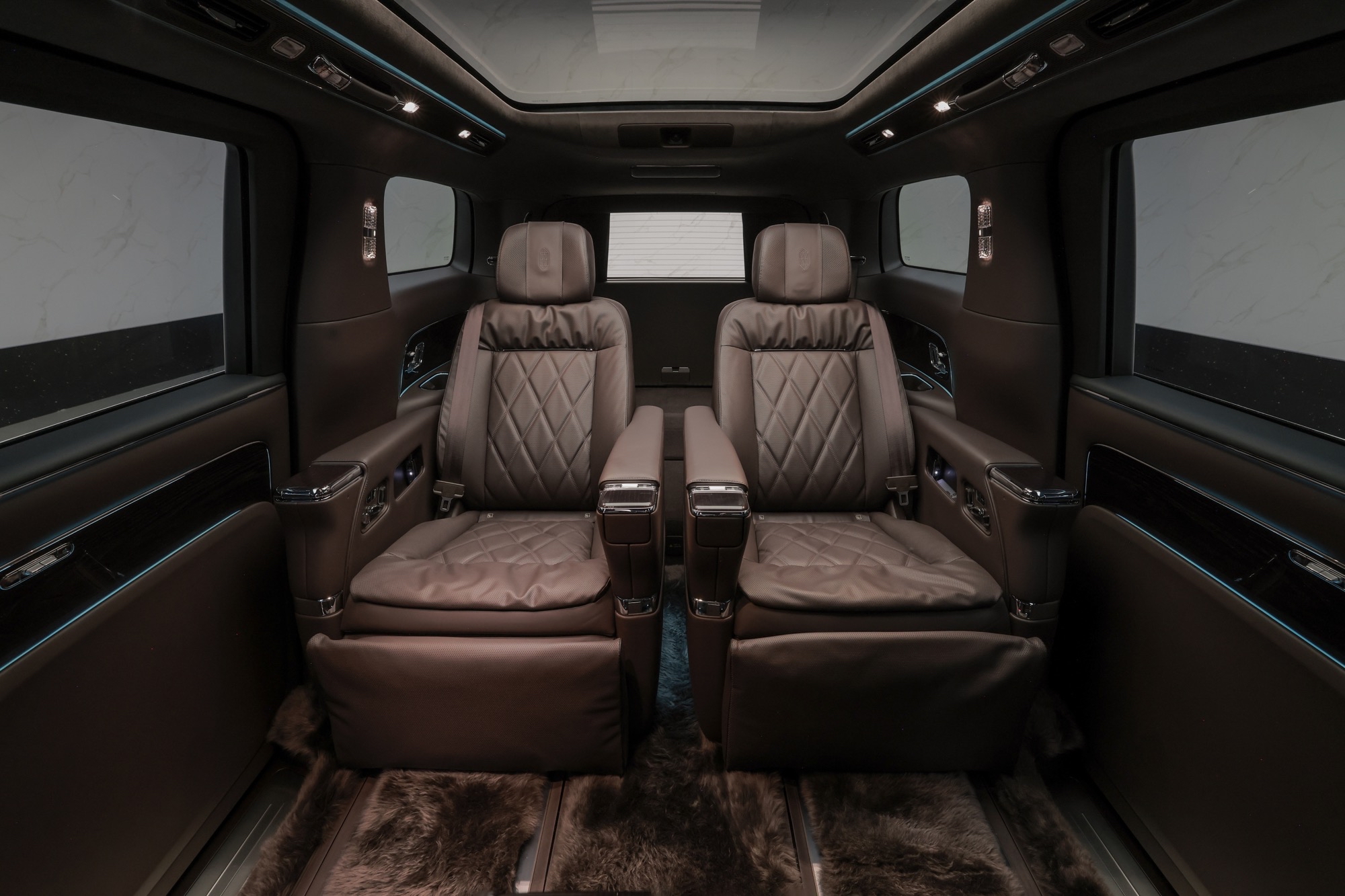
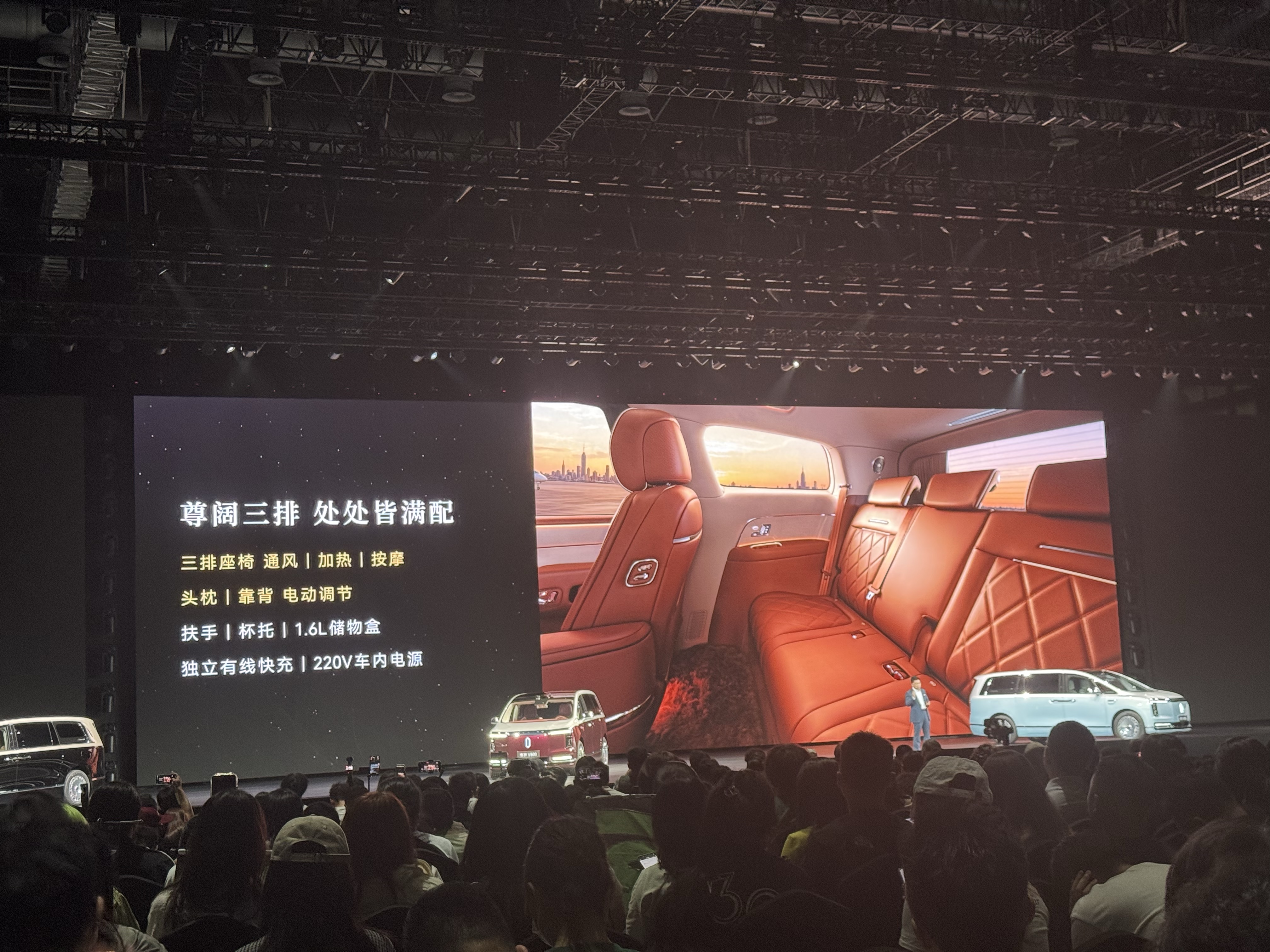
Secondly, the Zunjie V800 might be the MPV that «respects the third-row passengers» most in history, with seat heating, ventilation, and multi-point massage for what are traditionally considered «bag seats» or «attendant seats». Most high-end MPVs center on «first-class second row, compact third row.»
This is understandable as it is a commercial vehicle; «Who sits in the third row?» is a part of «workplace survival». At least the Zunjie V800 respects everyone in the vehicle now.
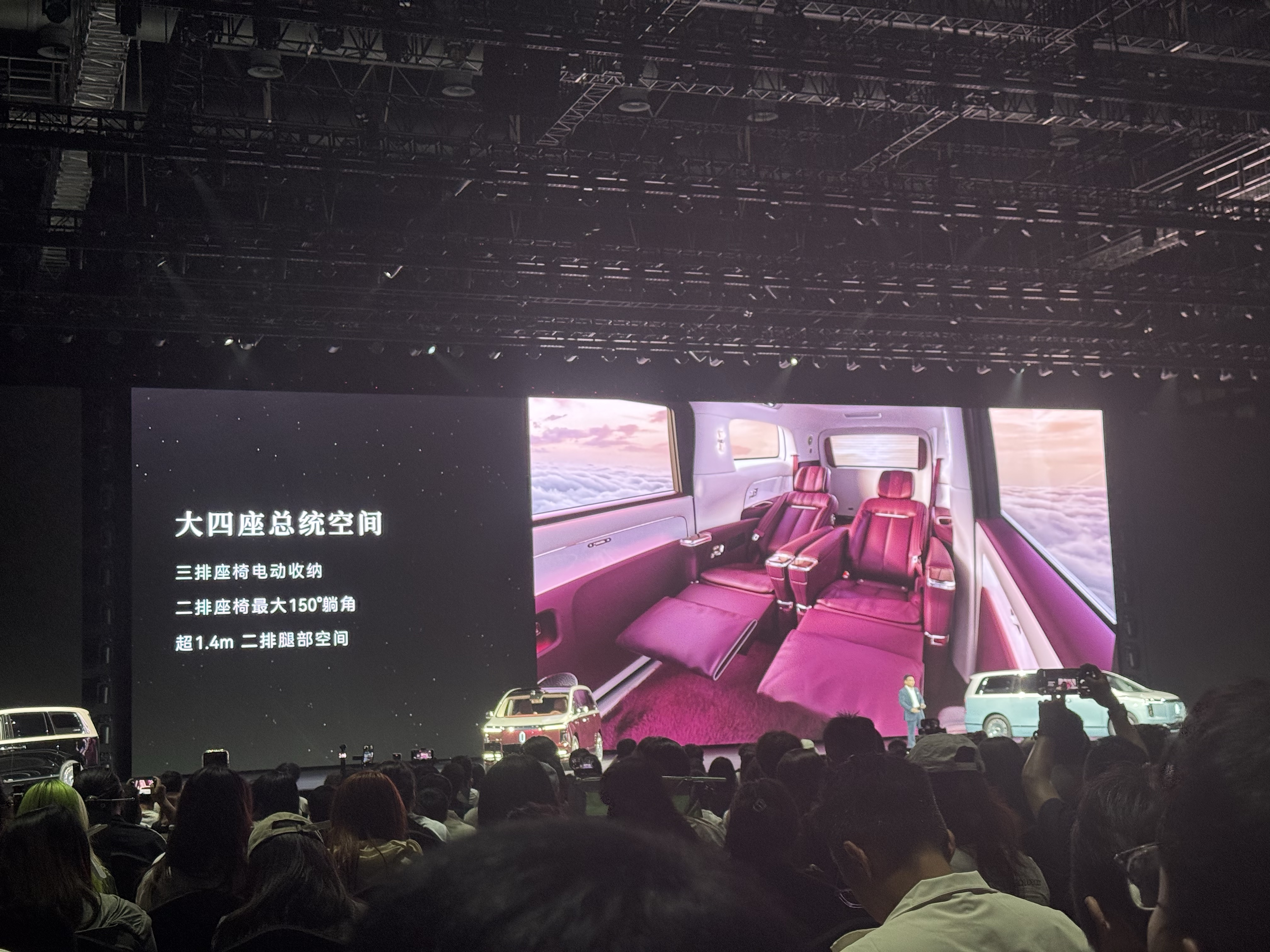
Several friends have inquired, «Will the Zunjie V800 have a four-seat version?», which is actually unnecessary. Although it is said «luxury is waste», the Zunjie V800 can electrically stow the third row and significantly move back the second row, forming a spacious four-seat layout with over 1.4 meters of legroom and a 150° recline, more practical than having a dedicated four-seat version.
Dividing Line in the Invisible
If configurations and space can be matched by competitors over time, the chassis and intelligent driving cannot be so easily replicated.
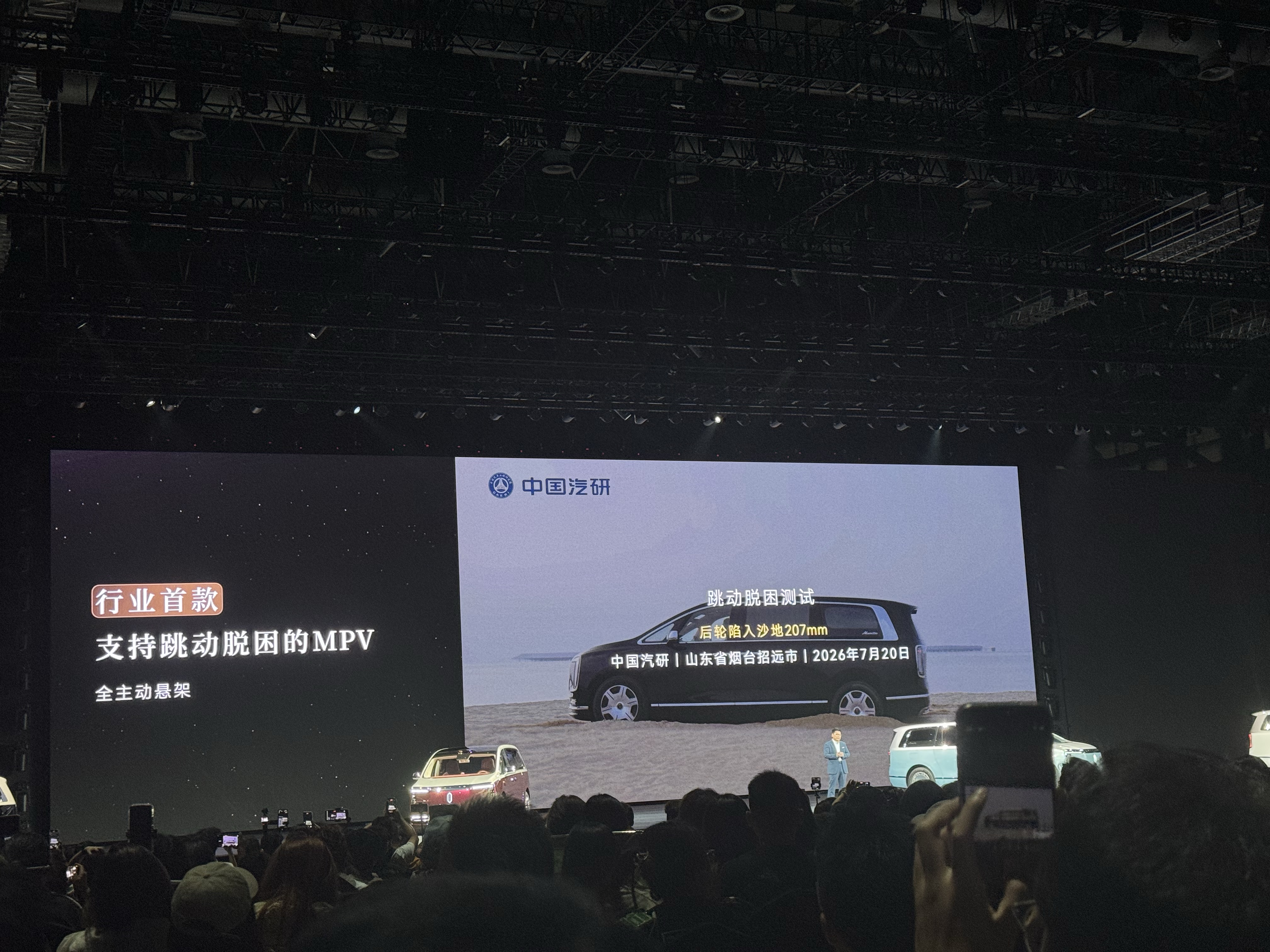
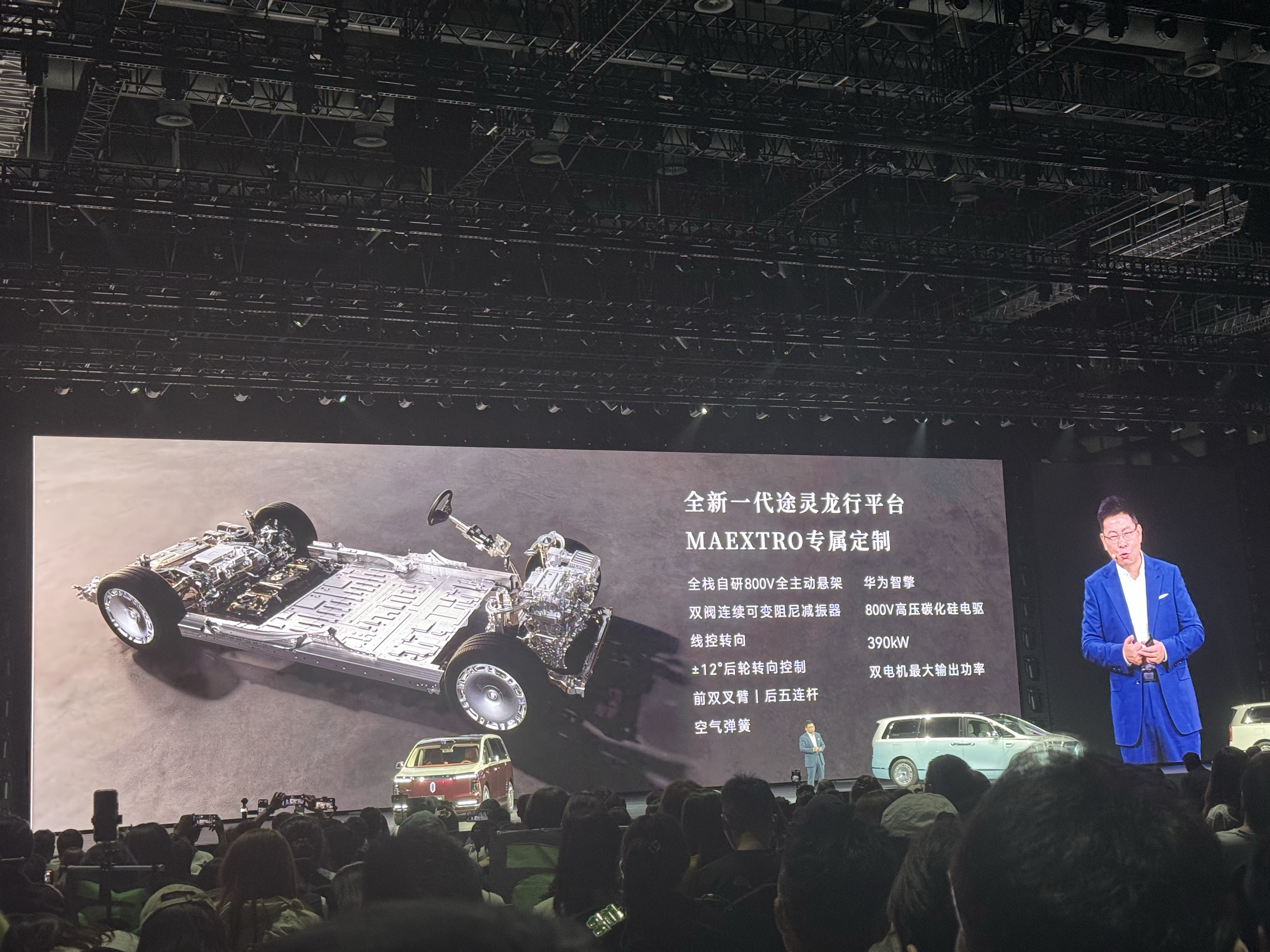 V800 features 800V fully active suspension and steer-by-wire, aiming to eliminate the “cumbersome feeling” of large vehicles. The event showcased real-world applications.
When stuck in sand, it can “jump out” by itself. If an obstacle is unavoidable by AES, it can instantly raise by 80mm to “rescue.”
Steer-by-wire + rear-wheel steering is crucial for the V800. With a turning radius of 5.4m, it’s comparable to an A0-class sedan.
Typically, MPVs are the most in need of excellent driver assistance systems because they generally cover longer distances per trip and encounter more freeway and elevated road conditions. The Zunjie V680 and V800 come standard with QianKun Intelligent Driving ADS 5, featuring six LiDARs (one each in front, left, right, and rear) and 40 sensors. Given the vehicle’s large size, redundancy is essential. However, I believe every Zunjie V800 is probably “equipped” with a skilled “veteran driver” in a white shirt and gloves.
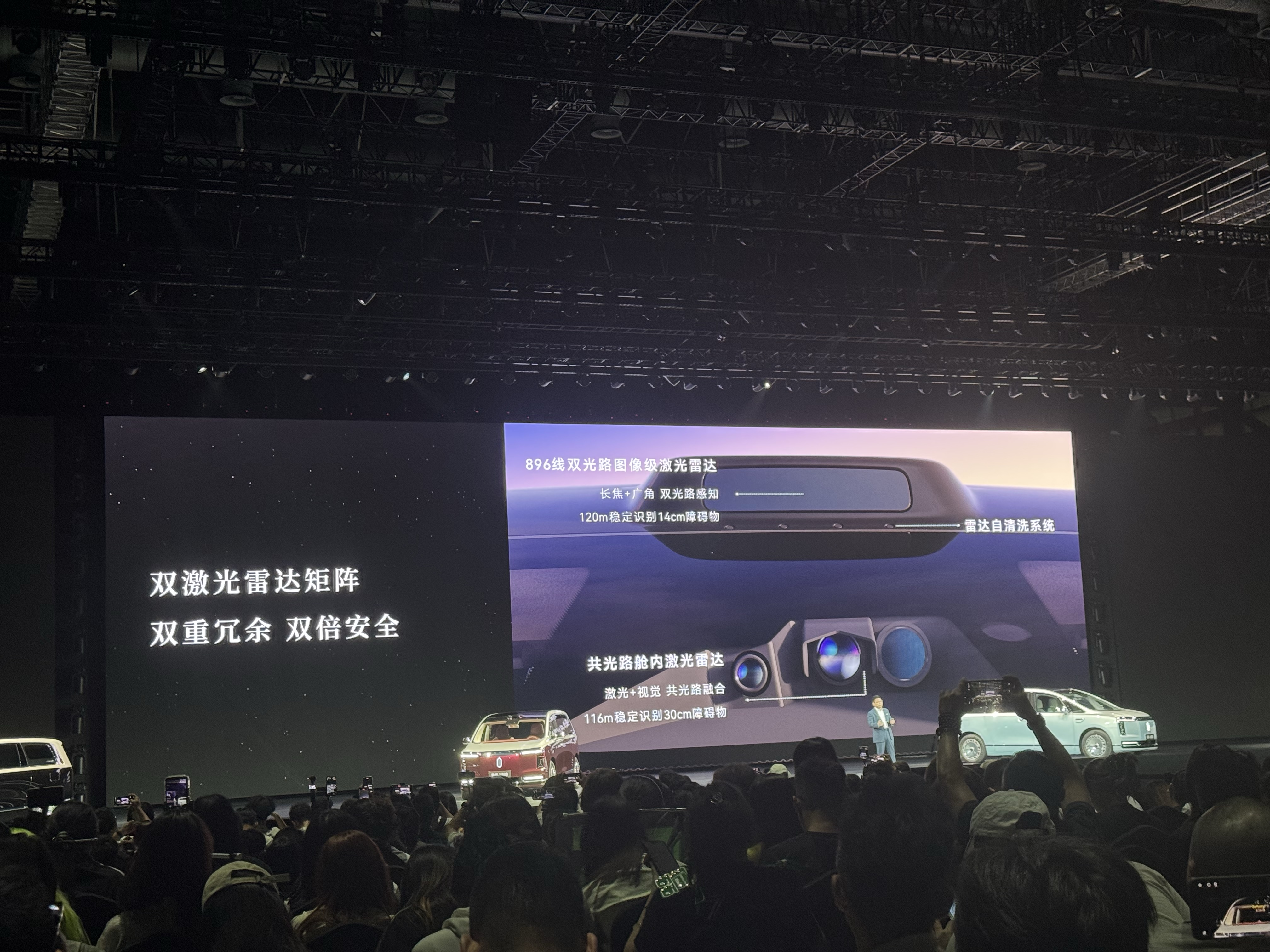
A question not addressed at the event—why use a 1.5 T range extender at this level and price?
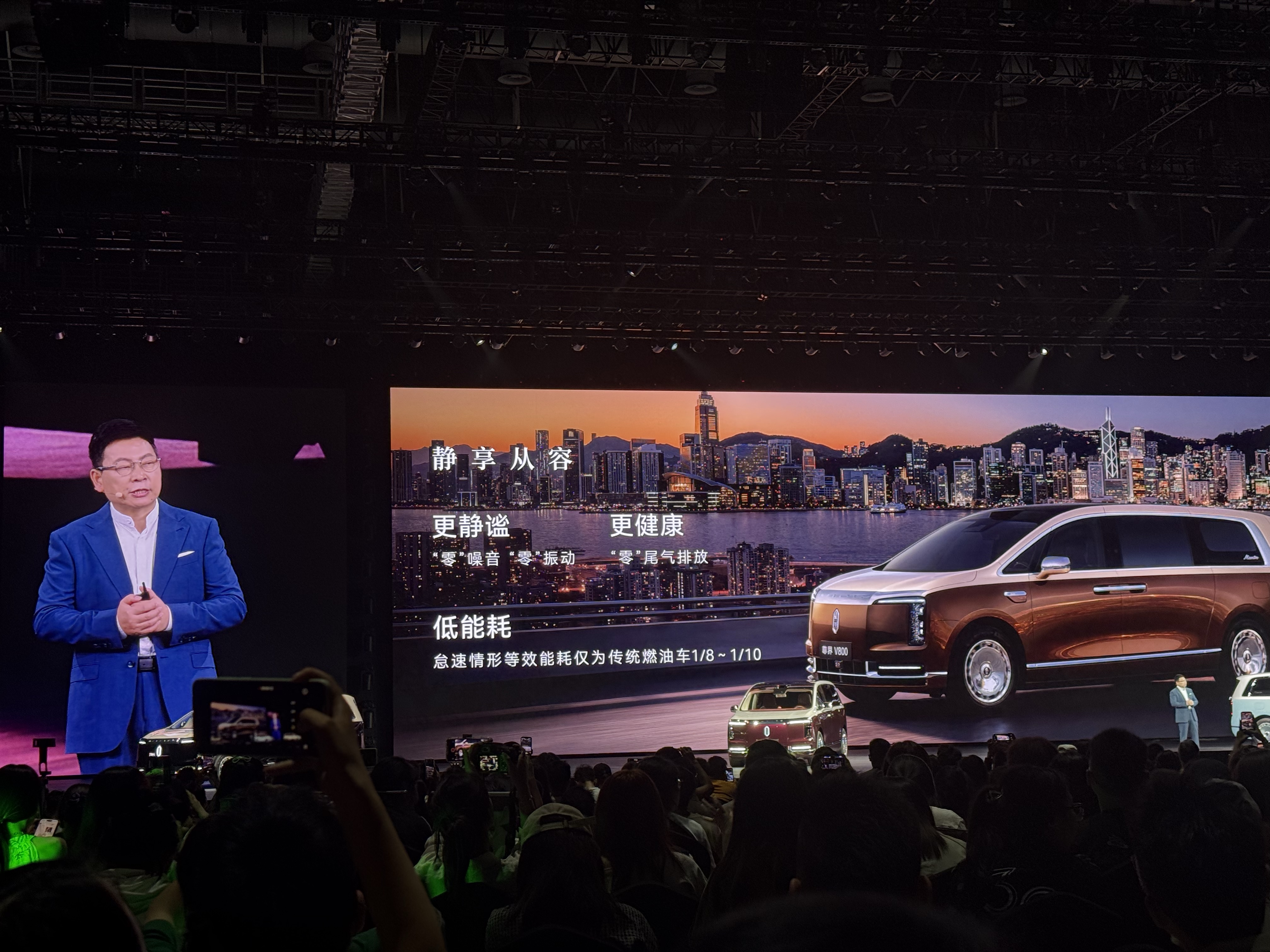
Behind this is a deeply ingrained mindset from fuel cars—engine displacement equals status. However, the 1.5 T range extender, being more efficient, lighter, and economical, serves perfectly as a “portable charger” without any downside except for status. When you’re seated in the second row of a Zunjie, do you really care about that status?
Ultra-luxury MPVs Never Rely on Features
Can strong product capability sell at a million-level price? Not necessarily. Take the Toyota Alphard as an example—a family MPV that sells for over 200,000 RMB in Japan becomes a “first-class cabin on land” with a hefty premium in China. How so?
Its success heavily relies on incidental “circle marketing.” Initially, Hong Kong and Taiwan celebrities used it as a nanny car, and after repeated exposure by paparazzi, “people riding an Alphard” gradually became an invisible status symbol. Employers noticed when clients arrived in an Alphard, their own GL8 seemed inferior. Thus, the “Alphard owner” phenomenon became viral.
Toyota gladly embraced this, strictly controlling quotas and dealer bundling sales, effectively passing on the premium to consumers. Surprisingly, the premium didn’t deter buyers but reinforced their motivation: the higher the threshold, the more exclusive the circle, and the stronger the owner’s sense of identity. With a three-year retention rate of over 80%, even the premium is acknowledged in the second-hand market, making buying an Alphard akin to a financial investment.
However, for the V800 to successfully navigate the path of “niche marketing,” it faces far greater challenges than the Alphard. What was the backdrop of success for the Alphard? Information asymmetry, scarce import quotas, concentrated star effect.
What does the V800 face now? A market characterized by highly transparent information, extremely rational consumers, and rapid competitive iteration. The 500k-level MPV market is fiercely competitive, making it challenging to persuade potential customers to opt for the pricier V800.
The S800 took 10 months to prove that DS can produce million-level sedans — but it also demonstrated that the capacity of the million-level market is limited, with sales often settling at a modest hundred units per month once the initial excitement fades. Today, the V800 has taken its first step, but the journey beyond the first step remains long.
This article is a translation by AI of a Chinese report from 42HOW. If you have any questions about it, please email bd@42how.com.