


What is the current status of SEV in 2022?
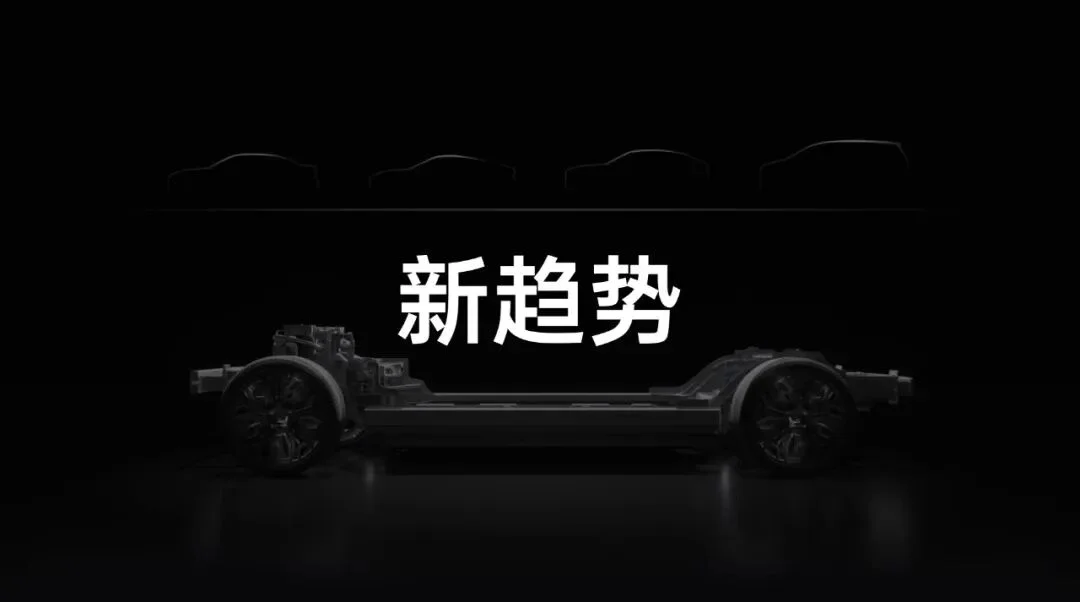
At some point, the sales of new energy vehicles (NEVs) became a topic of growing concern. As an industry practitioner, I noticed that friends asking about NEVs have increased significantly—from one per month in previous years to one per week now.
The expansion of the consumer base is merely the end-stage result within the NEV industry’s value chain. Tracing back upstream, the iteration and evolution of industrial and technological trends are the deep-sea shifts preceding the tsunami. Compared with the rapidly rising NEV penetration rate, the upgrade speed of China’s NEV sector may be even more surprising.
Looking back at 2020 NEV models, just two years later, the market’s top-tier bestsellers have undergone a complete reconstruction. In a car market once dominated by internal combustion engine vehicles, this transformation was unimaginable.
This shift cannot be attributed solely to new entrants working harder. A fundamental reason is that the product attributes of automobiles have changed. While people often refer to these products as 'new energy vehicles,' the category driving the industry’s acceleration is more accurately described as SEV—Smart Electric Vehicle.
To be honest, SEV is not a newly popularized concept. Its uniqueness lies in its lack of a rigidly defined boundary. You will find that both its definition and consumer expectations evolve with time, much like 'smartphones.' If you pulled out a smartphone from around 2010 today, many would not consider it a 'smartphone.'
Like smartphones, the evolution of SEVs has been extremely rapid.
Initially, we might have considered any EV with OTA capabilities as an SEV. Later, we might have required basic ADAS features and a domain-controlled EEA architecture. So, where do SEVs stand in terms of product technology and user expectations as of 2022?
01Faster Than Fast Charging
Before charging becomes as convenient as refueling, charging speed will remain an unavoidable topic for SEVs. Although many brands currently emphasize in their marketing that their products eliminate range anxiety, you only truly understand the importance of 'faster than fast' when you are sitting bored in your car waiting for the charge to complete.
Previously, SEVs might have focused on longer range, but now the focus has shifted to long range plus ultra-fast charging. Therefore, high-voltage charging, which delivers higher efficiency, will become a standard feature for next-generation SEVs.
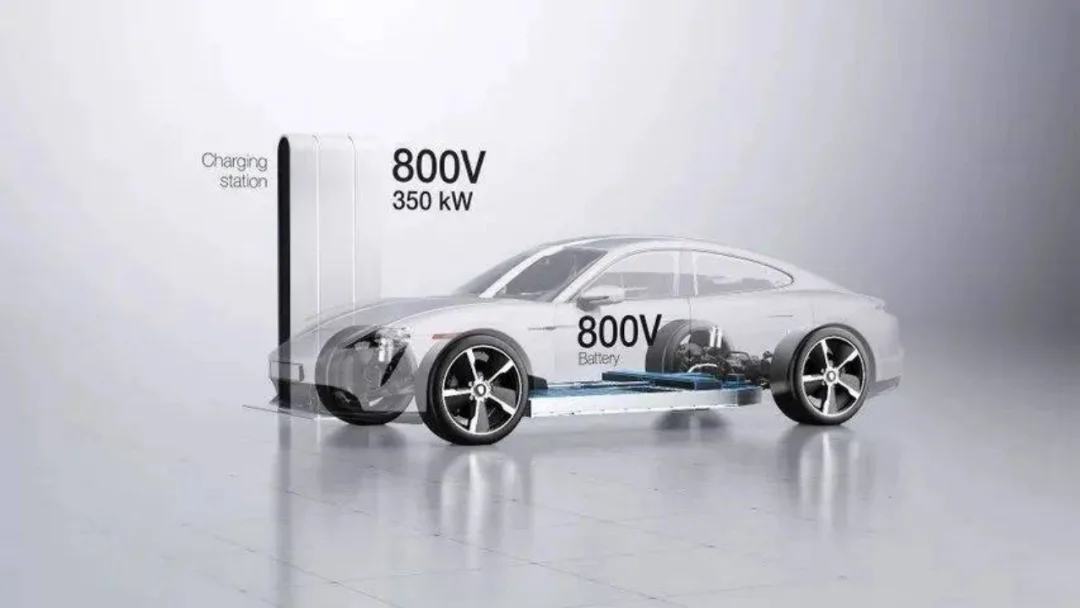
What is high-voltage charging? As we know, different components within a vehicle operate at different voltages. Low-voltage equipment is primarily 12V, including entertainment systems, ECUs, sensors, and so on. High-voltage equipment includes the charging system, drive system, and battery system. Currently, most electric vehicles on the market use a 400V standard for their high-voltage platforms.
The benefit of higher voltage is that for the same charging power, higher voltage results in lower current, further reducing heat generated by circuit operation and improving the overall thermal management efficiency of the vehicle.
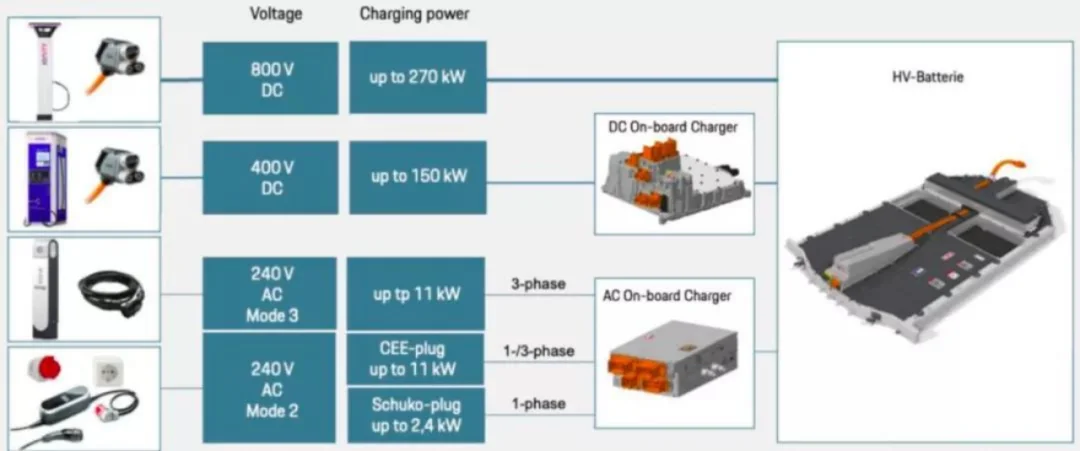
Consequently, most brands have made corresponding layouts for high-voltage charging, and some products have already been implemented. The Porsche Taycan is a representative example; however, the 800V high-voltage platform used by the Porsche Taycan is not perfect, as many high-voltage components still adhere to the 400V standard, such as the air conditioning compressor.
However, its greater significance lies in driving the electrification industry upgrade from 400V to 800V architectures. Products launching this year will be more mature in this regard. Take the AVATR 11, for example, which is set to officially launch on August 8. It supports a full-stack 750V high-voltage fast-charging system and is compatible with DC fast-charging stations offering voltages between 400V and 750V. This compatibility covers the vast majority of mainstream public fast-charging piles currently available while also preparing for the future popularization of high-voltage charging infrastructure.
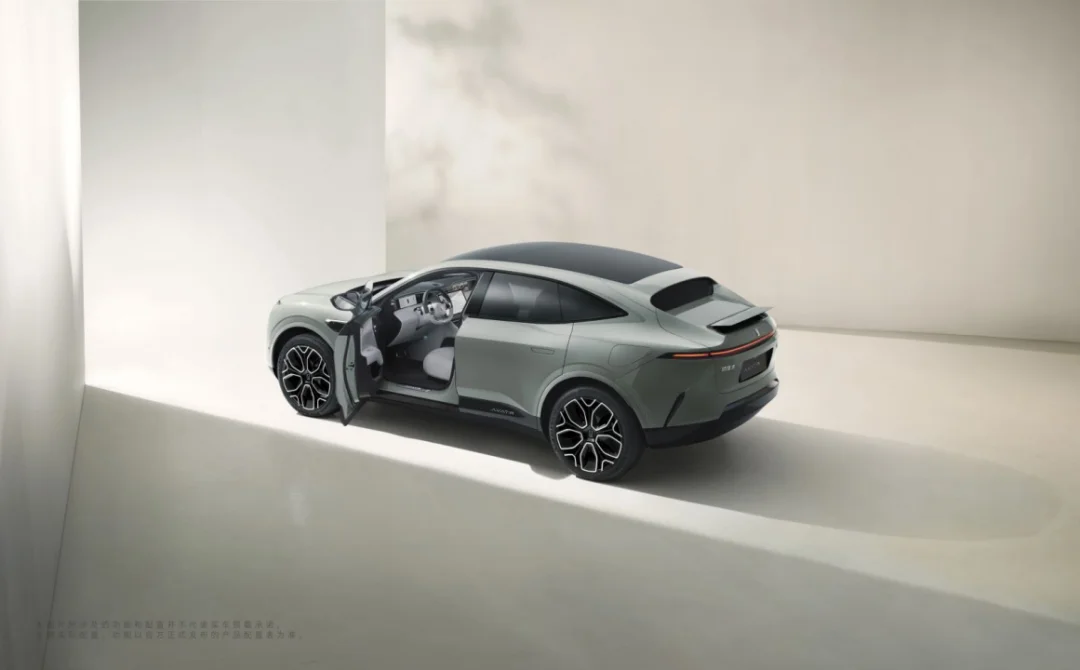
According to official AVATR promotional materials, vehicles equipped with a 90 kWh battery can add 200 kilometers of range in just 10 minutes of charging at a maximum power output of 240 kW. With this refueling speed, provided that charging station deployment keeps pace, it effectively eliminates range anxiety in urban scenarios.
02From Basic ADAS to Advanced ADAS
The distinction between SEVs and conventional electric vehicles lies primarily in their "Smart" capabilities. How is intelligence achieved? Consider human beings as an analogy: although humans are not the physically strongest creatures in nature, they sit at the top of the food chain due to their larger brain capacity.
One of the most fundamental conditions for an electric vehicle to achieve intelligence is sufficient computing power; the stronger the computing capability, the larger the "brain capacity."
Intelligent vehicles are equipped with a wide variety of sensors. These have evolved from low-resolution front-view cameras and ultrasonic radars to high-resolution surround-view cameras, millimeter-wave radars, and LiDARs. High-end intelligent electric vehicles feature stronger sensor specifications, generating data volumes several times greater than those of ordinary electric vehicles. Consequently, they require more powerful computing capabilities to process this data.
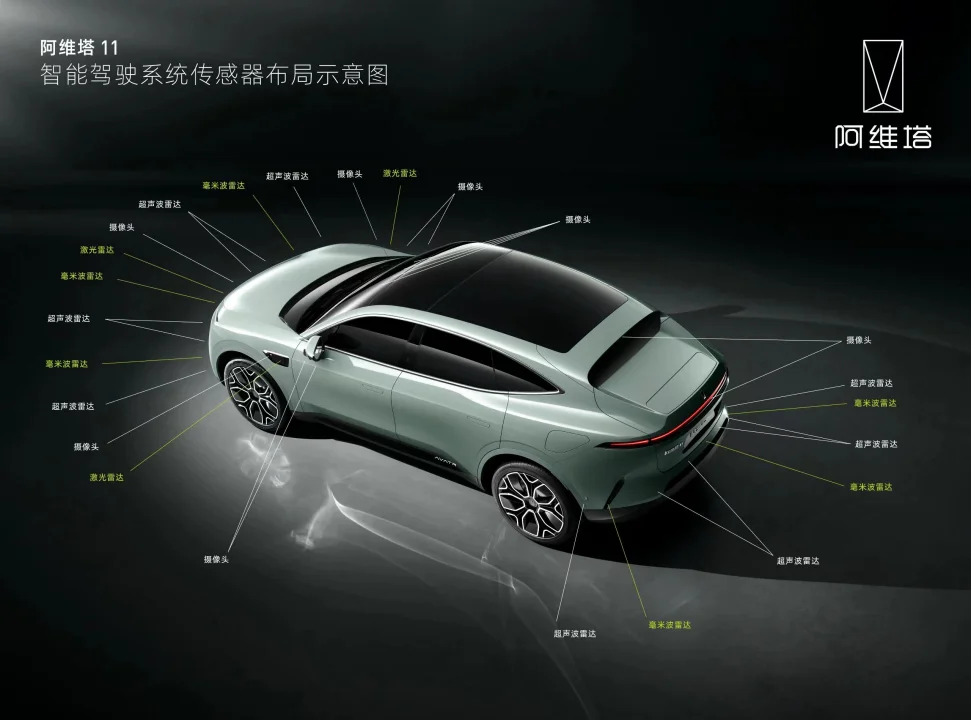
Currently, first-tier products on the market utilize computing power of approximately 400–500 TOPS for driving operations. Examples include the Huawei MDC810 computing platform in the AVATR 11 and the NVIDIA Orin X in the XPENG G9.
The area that best leverages this powerful computing capability is driver assistance. We can see that driver assistance has moved past the most difficult phase of going from zero to one. As the level of assistance increases, so does the required computing power. In the second half of 2022, competition among leading automakers in the driver assistance sector is likely to shift toward 'urban navigation-guided assisted driving.'
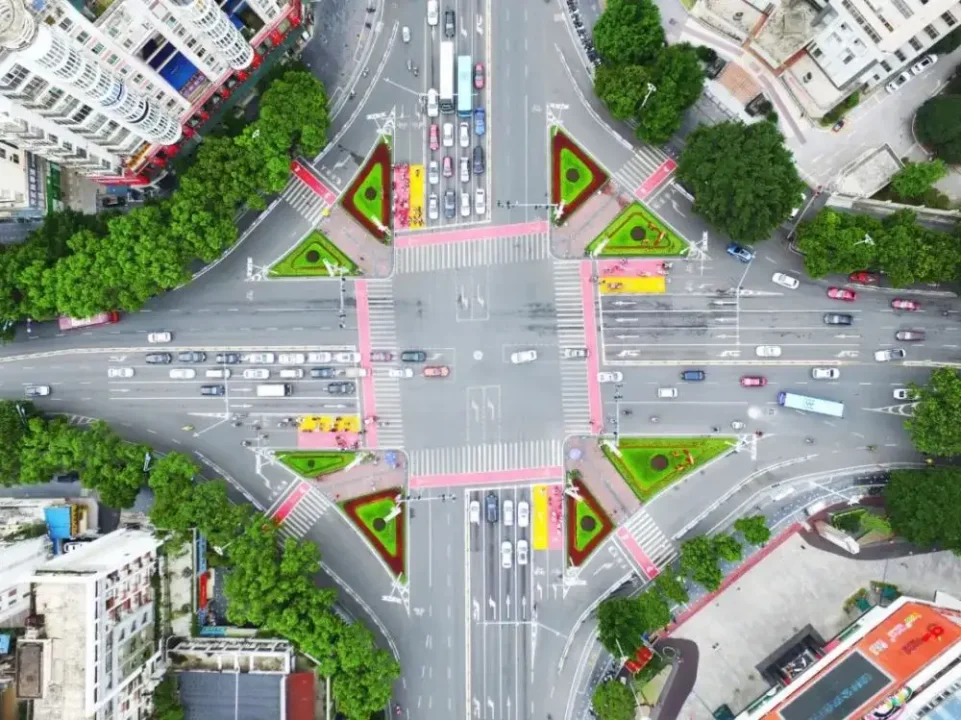
'Urban navigation-guided assisted driving' represents a major test for intelligent vehicle autonomy. It requires not only robust sensors and computing power but also tight integration among various in-vehicle components, while also demanding higher standards for cabin interaction.
Most impressions of 'urban navigation-guided assisted driving capabilities' likely stem from the viral Huawei urban assisted driving video that previously swept the internet. The stable and impressive performance of the Huawei assisted driving demo vehicle in that video was indeed quite shocking. The good news is that Huawei’s hardware system has begun mass production on two models.
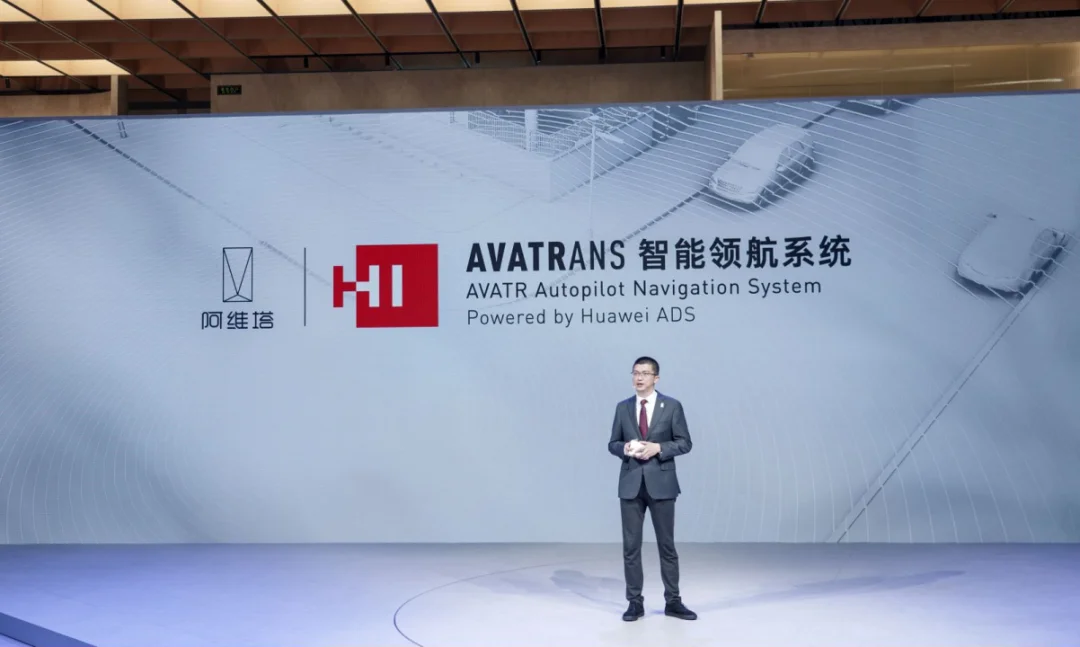
Among these, I am more optimistic about the AVATR 11. First, the special relationship between Huawei and AVATR is well known; they are deeply bound in vehicle hardware and software R&D. Huawei directly dispatched a team of over 1,000 intelligent driving engineers to work alongside AVATR’s engineers in Chongqing, which speaks volumes. I look forward to seeing whether the AVATR 11 will be the first to push an update enabling 'urban navigation-guided assisted driving' with Huawei's help.
032022 What Is the Definition of Intelligence?
Having powerful computing capability is only the first step in automotive intelligence. What kind of car can be called intelligent? Many people idealize smart cars, imagining them as omnipotent mobile spaces. Unfortunately, given current technological levels, such a definition is truly too distant.
However, when this goal is broken down into smaller targets, it becomes clear that so-called "intelligence" simply means the car's ability to provide appropriate responses to different needs. When the variety of scenarios a car can handle is large enough—covering 90% of daily use cases—users will perceive it as "intelligent." This reflects the principle that quantitative changes lead to qualitative shifts.
The ultimate way for consumers to gauge a car's intelligence is through its functions. In 2022, I believe the term 'experience' is more accurate. Integrating various functions organically can yield a 1+1>2 effect. The key to achieving this integration lies in the more advanced vehicle architecture behind it.
The vehicle architecture acts as the nervous system of a smart car. A superior architecture enables more efficient integration and scheduling of components, while also providing the capability to update ECU software via FOTA, allowing features and user experience to continuously evolve over time.

Let's look at the AVATR 11, which has the potential to be among the first to roll out "city navigation-guided autonomous driving." How does its underlying CHN Jishupingtai work? The CHN Jishupingtai adopts a six-layer architecture: mechanical layer, energy layer, electronic and electrical architecture layer, vehicle operating system layer, vehicle functional application layer, and cloud big data layer.
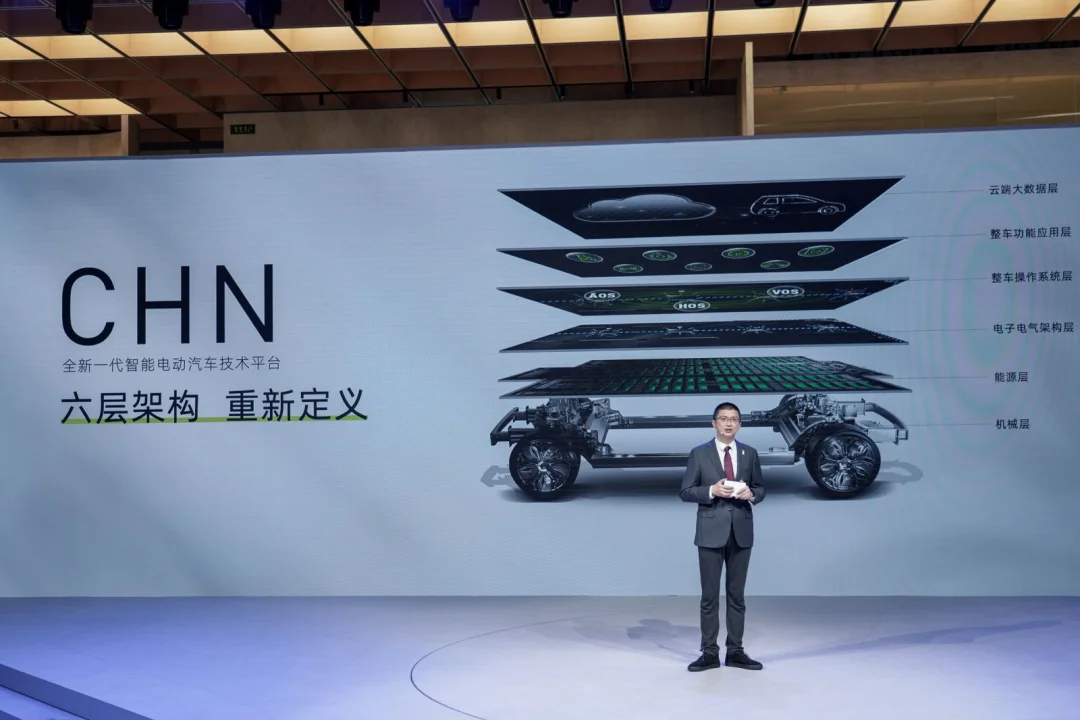
Deep decoupling of hardware and software allows different layers to operate independently while cooperating effectively. The benefits are obvious. First, in terms of hardware, the CHN Jishupingtai can cover wheelbases from 2800mm to 3100mm and adjust ground clearance, making it suitable for various vehicle types. It is compatible with both two-wheel drive and four-wheel drive modes. Under this architecture, the AVATR 11 achieves a maximum power output of 425kW.
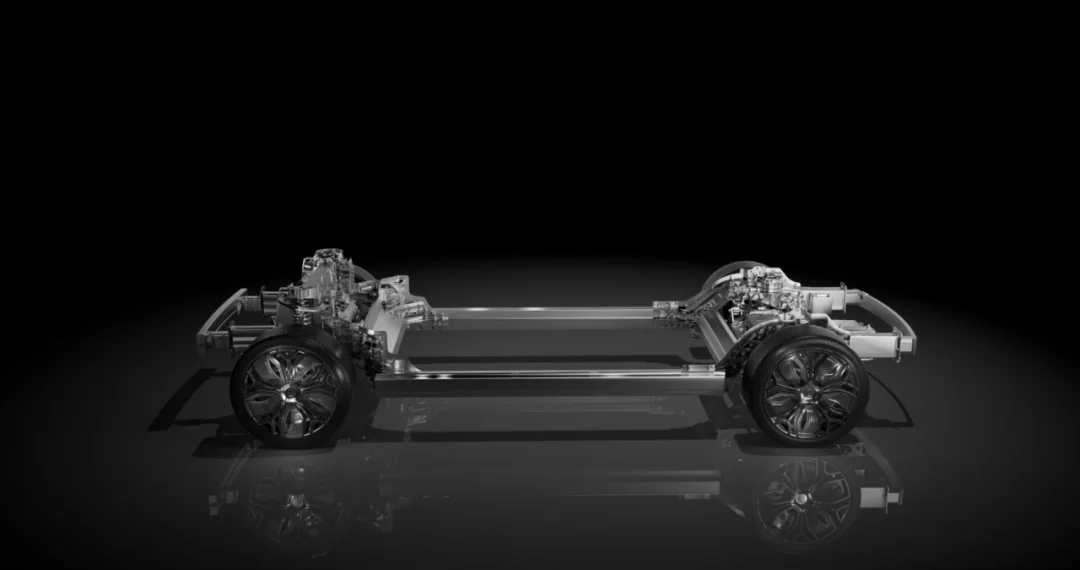
In terms of software, in addition to the driver assistance features we just mentioned, safety was also a key consideration during the design of the CHN Jishupingtai architecture. The platform is compatible with a domain controller fusion architecture; for example, the AVATR 11 utilizes domain controllers for its powertrain, intelligent driving, intelligent cockpit, and body domains. This layered signal communication ensures safety while improving response speed. Furthermore, the intelligent driving domain supports redundant communication to handle more extreme operating conditions.
04Summary
As you can see from the above, the upcoming SEV smart electric vehicles differ significantly from previous products in areas such as charging, ADAS, and architecture. All brands are independently moving toward similar directions, driven by changes in user needs and shifts in the supply chain.
Initially, we purchased electric vehicles to save a few hundred yuan on fuel costs, and later, to obtain a green new energy license plate. As the maturity of SEV products continues to improve, more new functions are being unleashed on architectures that are easier to develop, leading to an explosive growth period in the functionality of electric cars.
After weathering the storms, some features recognized by consumers have gradually become common trends. In the second half of 2022, most new selling points were seen as further enhancements of existing trends, such as the high-voltage charging and more advanced driver assistance systems mentioned earlier. Once this consensus becomes shared among all brands, the competition may shift to the speed of product mass production.
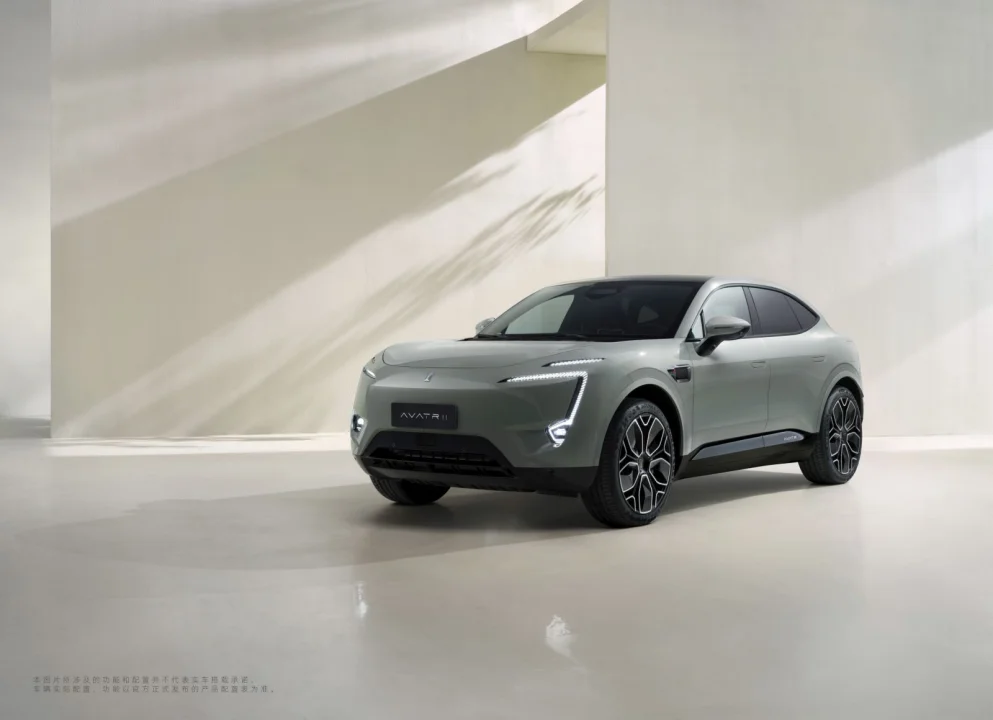
Chronologically, the test drive for the AVATR 11 is imminent, coming sooner than the XPENG G9 and Lutesi Eletre. As the first product from a brand-new brand, reaching this level of sophistication inevitably heightens expectations for its market performance. We can also gauge consumer recognition of these new SEV trends through this product, with the answers likely to be revealed at the press conference on August 8.
Written by: Kaixiang Edited by: Liu San