


Zeekr's 'Core Duties' and 'Beyond the Call'
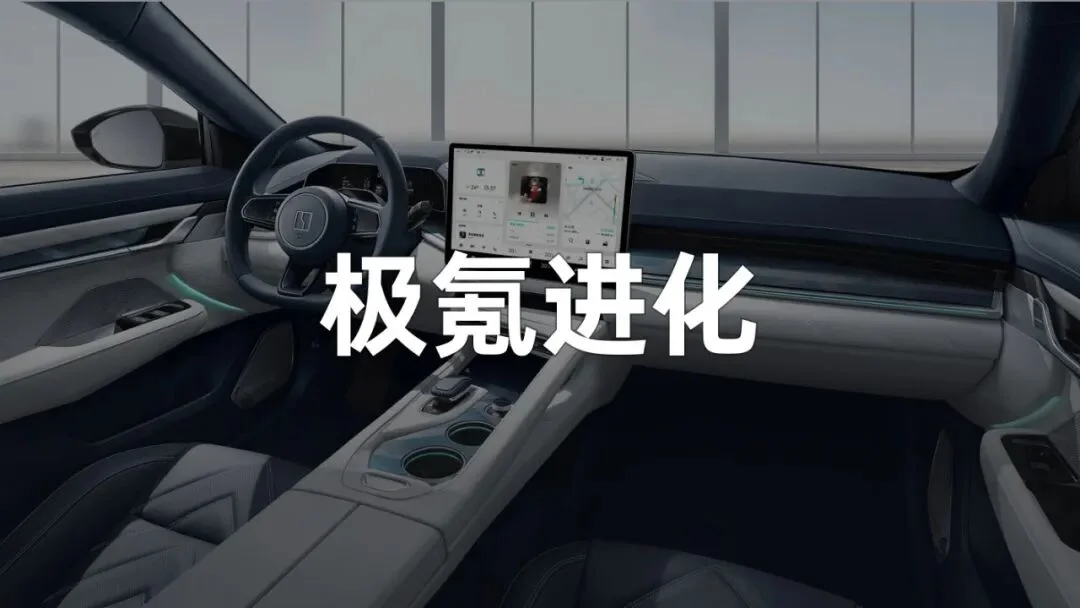
OTA, short for Over-the-Air Technology, originally referred to the remote management of devices via wireless networks. With the rise of the Internet of Things in recent years, it has come to signify system upgrades for smart devices.
Behind OTA capabilities lies a vehicle with an integrated electronic and electrical architecture at its core. In today’s market, OTA capability is considered a key indicator of whether a car is truly "smart."
Even when product performance is identical, more consumers are willing to pay up to 10% more for vehicles that support continuous OTA updates, as this ensures a more reliable experience throughout the ownership lifecycle.
However, in the competitive landscape of intelligent driving, some automakers have exploited OTA capabilities by delivering hardware or software with low completion levels initially, gradually enhancing features through later OTA updates. This practice has temporarily tarnished the reputation of OTA, turning it into a punchline for "smart cars."
I believe there is a consensus on one point: the new features brought by OTA are the key reason I am willing to pay extra. The continuous iteration and upgrade of the software system create new experiences with every update. If I had to choose a single word to describe this process, it would be "evolution."
Ten days ago in Hangzhou, the Zeekr 001 completed what was arguably the strongest evolution in the brand's history.
01Zeekr's 'Duties' and 'Extra Efforts'
Before this evolution, the evaluation of Zeekr 001 by everyone was surprisingly consistent: "everything below the brain is top-tier." Although it is a joke, it vividly indicates the pros and cons of Zeekr 001. The excellent and solid chassis strikes a good balance between sporty handling and comfortable quietness, and its elegant appearance and luxurious interior are ahead of the same class without any problem. The only remaining shortcoming that drags it down is the laggy infotainment system.
From the start of deliveries in late October last year until the announcement of the 8155 upgrade plan, less than nine months passed. During this period, any article or video discussing infotainment lag inevitably attracted ridicule directed at Zeekr. It became so prevalent that a friend who rarely follows the new energy vehicle sector blurted out when I mentioned Zeekr: "Isn't that the brand with the laggy infotainment?"
Let’s review the timeline to see what Zeekr accomplished during these nine months of heavy criticism:
On February 12, 2022, Zeekr rolled out a phased OTA update for ZEEKR OS 1.1.1, introducing 25 new features and optimizing the most criticized functions: automatic doors and seat memory.
On February 15, 2022, beta testers received an OTA update for ZEEKR OS 2.0 Beta, which included the ZAD driver assistance system.
On February 18, 2022, Zeekr hosted the first season of its "Live Face-to-Face" event in Shanghai to collect user feedback via live stream.
On March 23, 2022, Zeekr officially released the stable version of ZEEKR OS 2.0, adding five new features.
On March 25, 2022, Zeekr held the second season of its "Live Face-to-Face" event in Hangzhou to answer user questions via live stream.
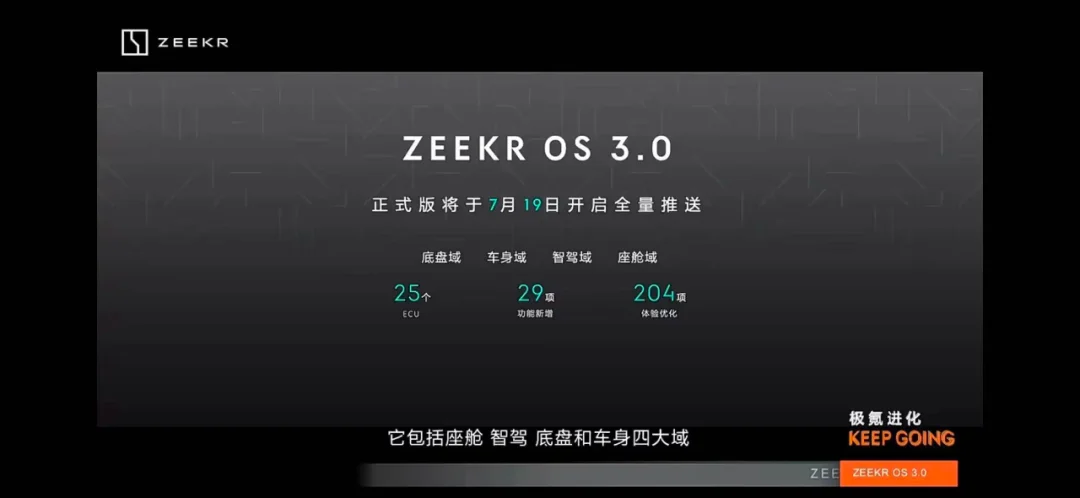
After more than three months of silence, Zeekr unveiled its major initiative: ZEEKR OS 3.0. By pairing the software update with a free upgrade to the Qualcomm Snapdragon 8155 cockpit chip, Zeekr addressed all skepticism in the most direct and effective way possible. This appears to be the optimal solution currently available to the company. What surprised me was that, beyond the standard over-the-air (OTA) software updates, Zeekr also executed a free hardware evolution.
02The 'Extra Mile': Enhancing Strengths
My initial thought was simple: the infotainment system had been Zeekr’s biggest weakness and the weakest link in the user experience for the Zeekr 001. Given how heavily the brand was criticized by users in the early stages, investing significant resources to replace hardware and upgrade the system seemed like an attempt to compensate existing owners and salvage its reputation. If this move, costing over RMB 300 million, could win back user approval, it would be a worthwhile transaction.
However, alongside the launch of ZEEKR OS 3.0, two chassis-related functional optimizations were also released: the 'Lightning Switch Intelligent All-Wheel Drive System' and the 'Intelligent Anti-Slip dTCS Distributed Traction Control System'.
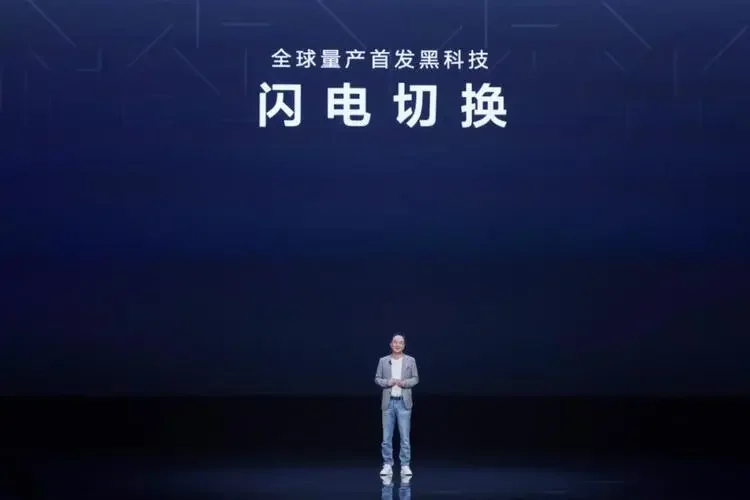
Like most viewers that evening, I did not feel particularly interested in these two new features; their names sounded rather ordinary at first glance. However, upon reviewing Zeekr’s update documentation today, I realized that the significance of these two features is no less impressive than the 8155 cockpit upgrade.
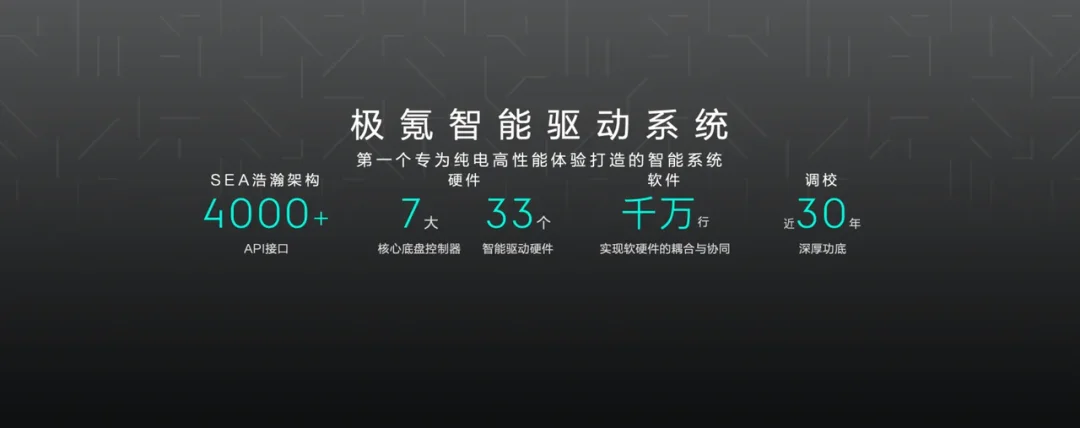
Lightning-Switch Intelligent All-Wheel-Drive System
The 'Lightning-Switch Intelligent All-Wheel-Drive System' is straightforward in concept: it enables the Zeekr 001 to seamlessly switch between three driving modes—permanent rear-wheel drive, on-demand all-wheel drive, and permanent all-wheel drive. However, achieving this effortless transition involves overcoming several technical challenges.
This setup poses no significant issue for vehicles using AC asynchronous motors. However, as automakers pursue maximum range efficiency, most have abandoned the higher-energy-consumption AC asynchronous motor in favor of the more efficient permanent magnet synchronous motor.
This shift introduces a new problem: because permanent magnet synchronous motors contain built-in permanent magnets, passive rotation of the stator when the motor is not actively working generates drag torque.
Since modern electric vehicles lack traditional transmissions with neutral gears, both motors in an AWD EV remain engaged whenever the vehicle is moving.
Consequently, simply deactivating one motor does not achieve true energy savings. This explains why the NIO ES6 Sport model, equipped with front and rear permanent magnet motors but lower total power, delivers less range than the Performance model, which uses a front permanent magnet and rear AC asynchronous motor configuration with higher overall power.
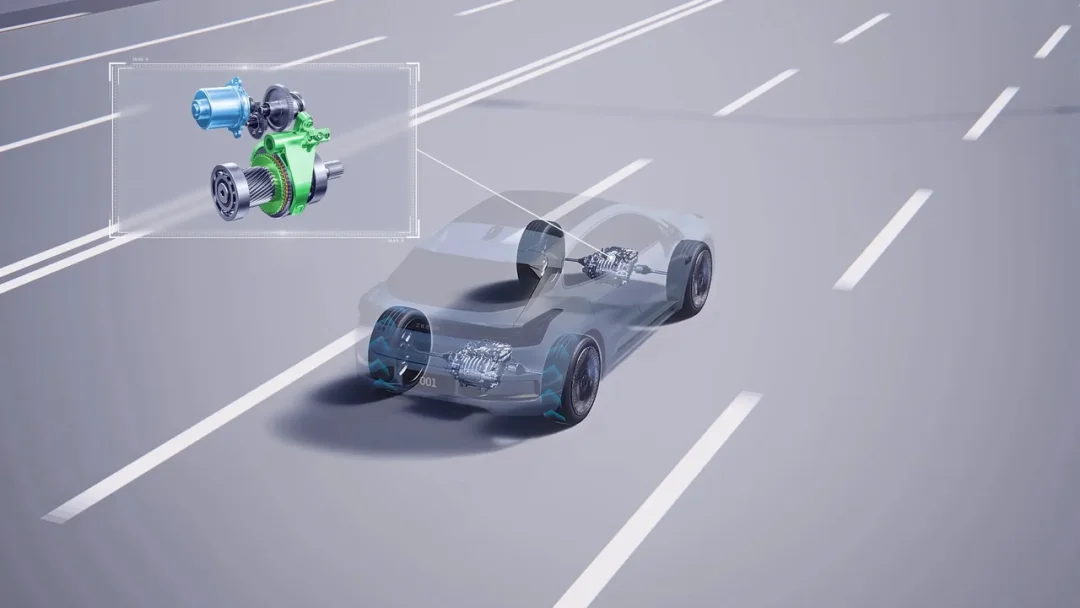
Therefore, to enable free switching between AWD and RWD while maintaining optimal energy efficiency in vehicles with dual permanent magnet synchronous motors, a mechanical device must be added to physically disconnect the front motor.
Zeekr Intelligent Technology Vehicle Director Ye Jinyu told me that adding a device to cut off power output from a single motor is not difficult. The challenge lies in making the ECU smarter at identifying the vehicle's driving state, more intelligently controlling whether to engage or disengage the device, and ensuring smooth transitions between rear-wheel drive and four-wheel drive across different speeds and motor RPMs.
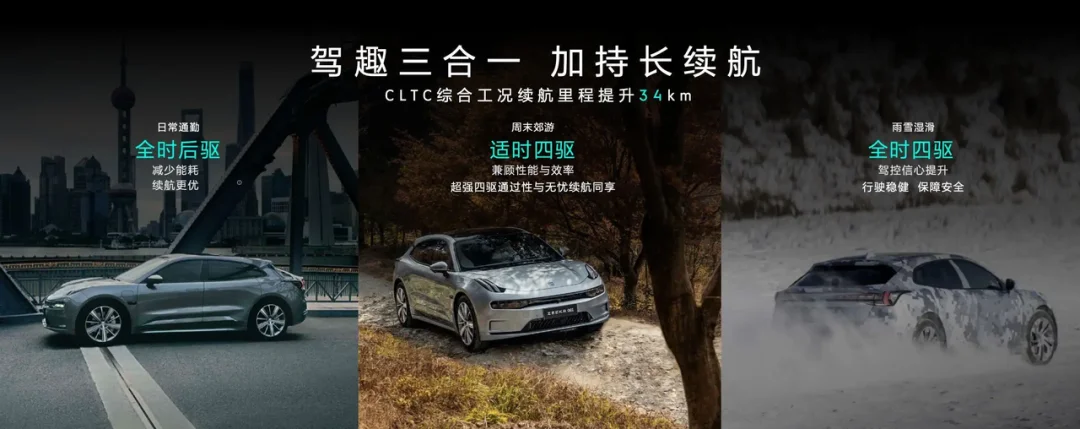
The benefits are obvious: selecting Eco mode switches to rear-wheel drive, reducing energy consumption and extending range; selecting Comfort mode allows the intelligent all-wheel-drive system to intervene based on road conditions—using a single motor for efficiency on flat roads, and switching to four-wheel drive within 0.4 seconds when encountering complex surfaces such as steep slopes, gravel, or dirt roads.
In adverse weather like rain or snow, where tire grip drops significantly, the full-time all-wheel drive matched with Sport, Snow, Sand, Off-Road, and Custom driving modes ensures more stable handling, reducing safety risks such as understeer, oversteer, or skidding.
Intelligent Anti-Slip dTCS Distributed Traction Control System
The intelligent anti-slip dTCS (Distributed Traction Control System) also helps mitigate wheel slippage. Compared to mainstream TCS systems, the key difference lies in the 'd'.
Standard TCS detects wheel slip, transmits the signal to the IPB and VCU to execute control logic, then sends commands to the MCU, which finally actuates the motor.
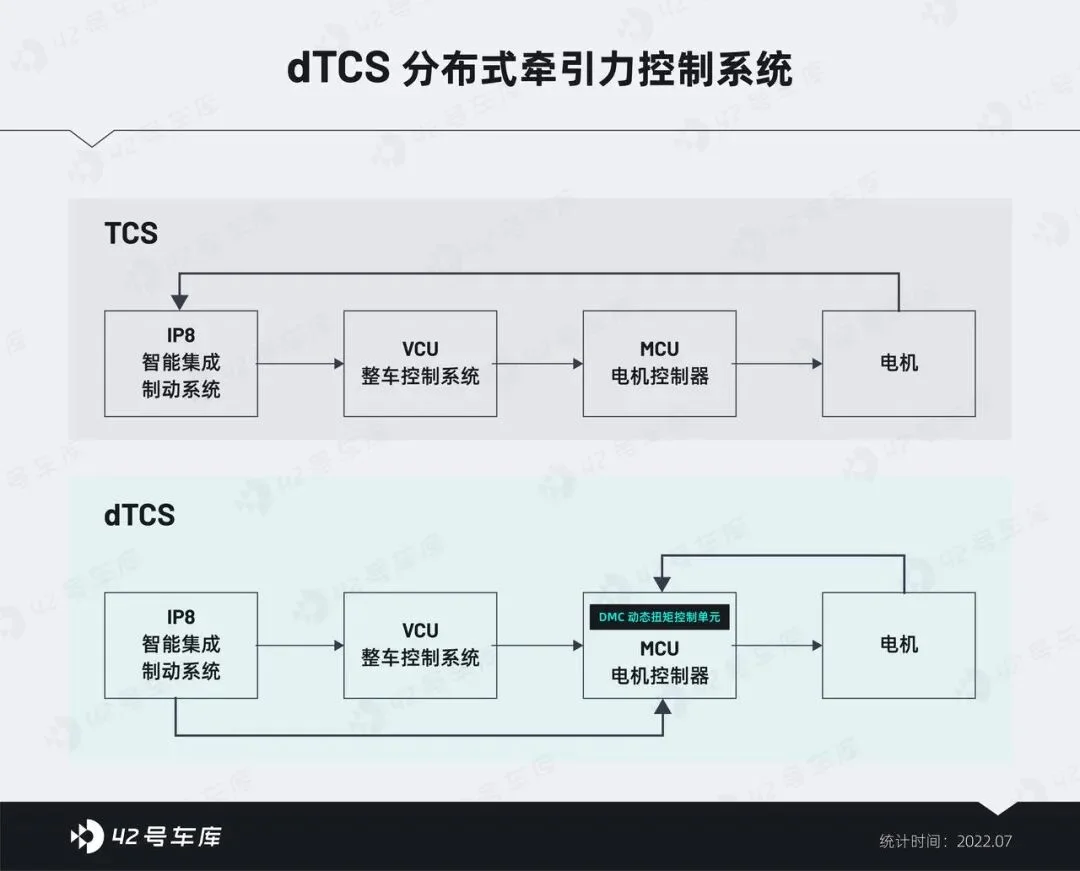
By simplifying the response loop of identification, transmission, decision-making, and re-transmission, dTCS allows slip signals to enter the DMC directly. The DMC makes control decisions and outputs them to the motor, achieving torque response in just 6 milliseconds—10 times faster than TCS.
The effect is particularly significant on low-adhesion surfaces. According to official Zeekr tests, the system increases the maximum controllable speed by 5–15 km/h when a Zeekr 001 takes extreme corners on an ice-and-snow ring with a diameter of 200–250 meters.
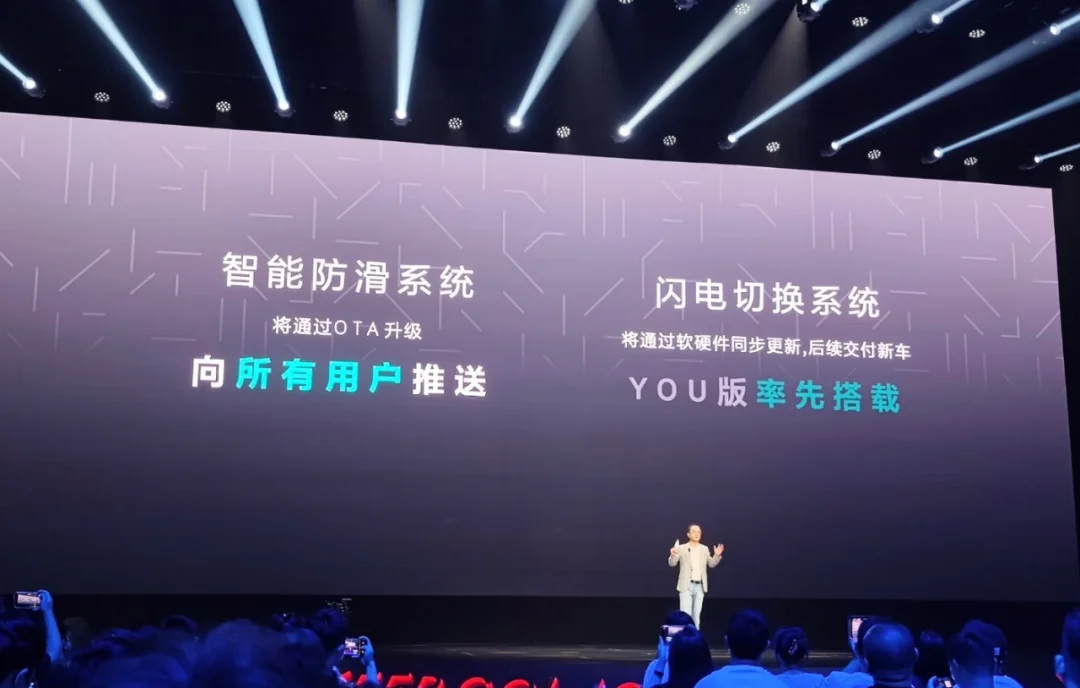
This feature can be pushed to existing dual-motor models via OTA. Thanks to the advantages of the SEA architecture, the entire system allows for free communication; hardware has already embedded the capability for mutual communication between various ECUs, making subsequent OTA updates possible.
03Why do this?
Before the opening of the 'Zeekr Evolution Night,' everyone was speculating about what updates Zeekr would announce that evening. Some guessed cockpit improvements, others guessed driver assistance upgrades or new models, but I saw no one predicting that Zeekr would upgrade the chassis performance of the Zeekr 001 that night.
It’s easy to explain: the Zeekr 001’s chassis is already class-leading, earning praise from both media and users. Theoretically, such an excellent chassis seems to have no need for further evolution. Even I didn’t expect the chassis to be one of the main highlights that night.
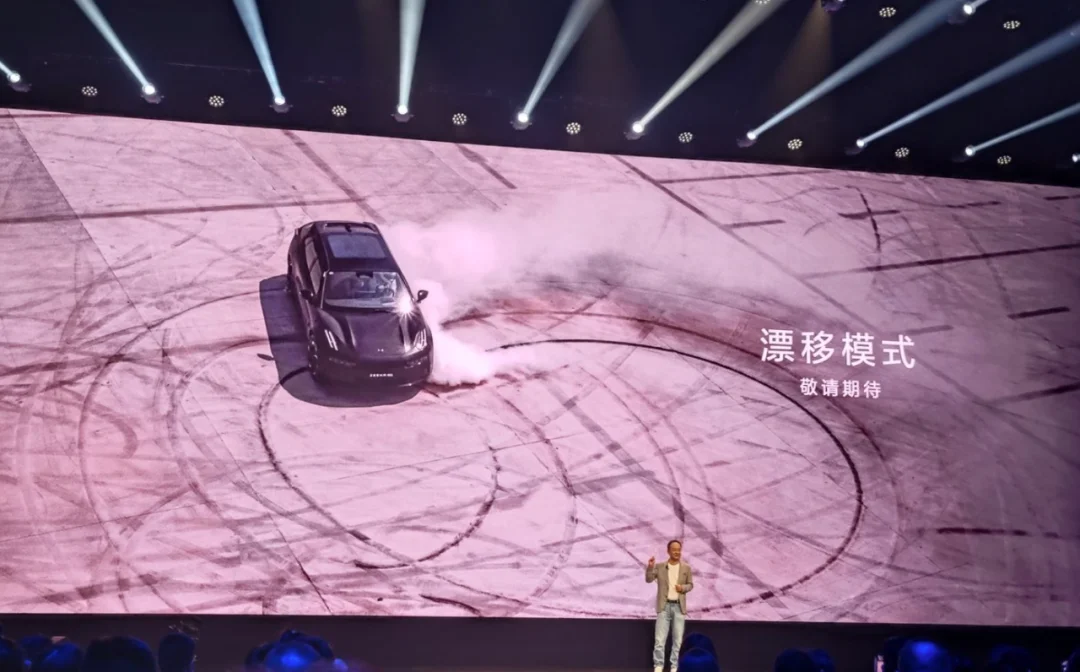
However, this was not entirely without warning. While writing this article, I browsed through Zeekr's past major and minor product launches and user events, uncovering some details. Some friends who have followed Zeekr for a longer time may recall that when the Zeekr 001 was first released, the official team promised to bring more fun features such as track mode and drift mode to the Zeekr 001 via OTA updates in the future.
During the recent 'Zeekr Evolution Night,' Zeekr stated that the drift mode is currently under development and testing. This feature aims to allow more Zeekr owners to experience the thrill of drifting in a safe environment.
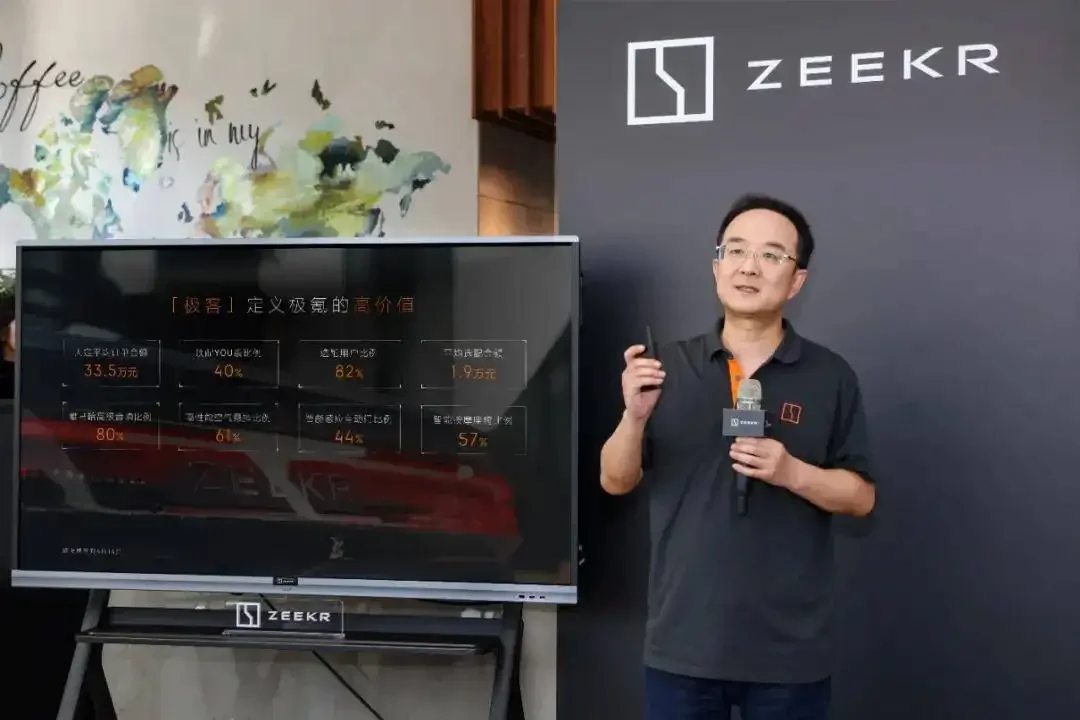
At this point, the logic seems clear, explaining why Zeekr chose to invest energy into strengthening its strengths and undertaking these 'extra' tasks even while urgently needing to optimize its infotainment system.
According to Conghui An, CEO of Zeekr Intelligent Technology, intelligent powertrains, smart cockpits, and intelligent driving are all critical dimensions of automotive evolution in Zeekr’s view. Zeekr does not favor one aspect over another but instead pursues comprehensive evolution through a 'trinity' approach.
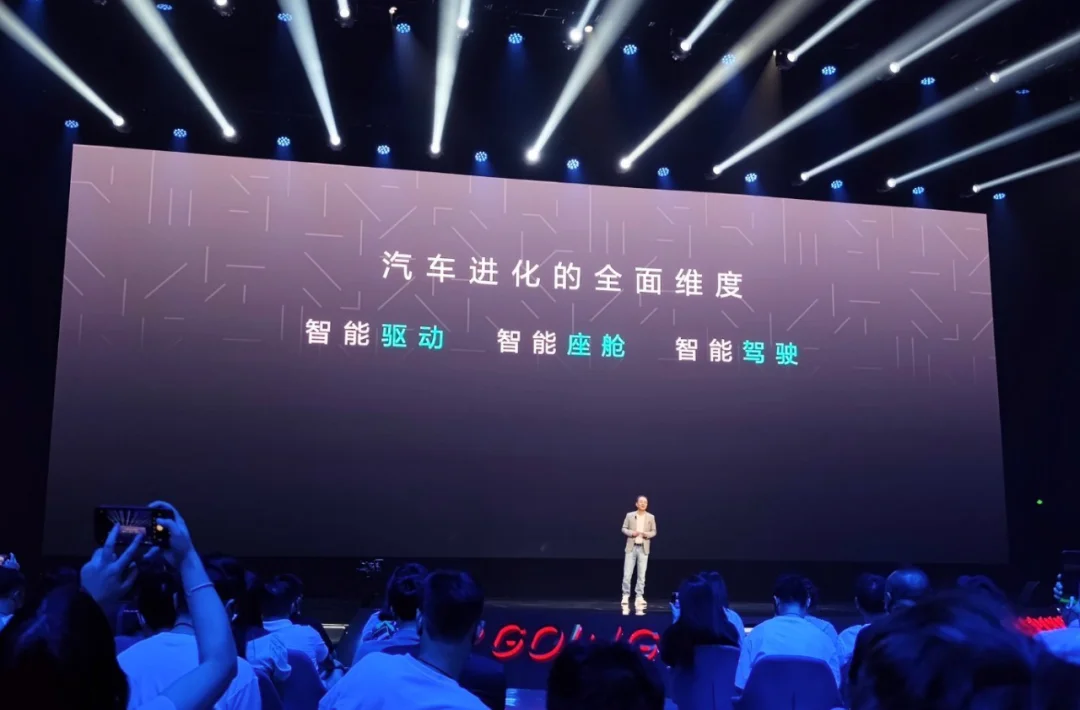
In simpler terms, Zeekr believes that whether it is chassis dynamics, the cockpit, or driver assistance systems, each should provide users with the optimal experience. Continuous evolution across these areas constitutes the 'core responsibilities' Zeekr deems necessary and is actively pursuing.
Let’s return to the opening discussion on OTA. Today, virtually all smart vehicles in the market emphasize their OTA capabilities. However, once purchased, consumers judge the quality of each OTA update with their own standards. Whether a manufacturer treats OTA as a sales gimmick or as a means to better serve users determines whether a smart vehicle can deliver a superior and longer-lasting ownership experience.
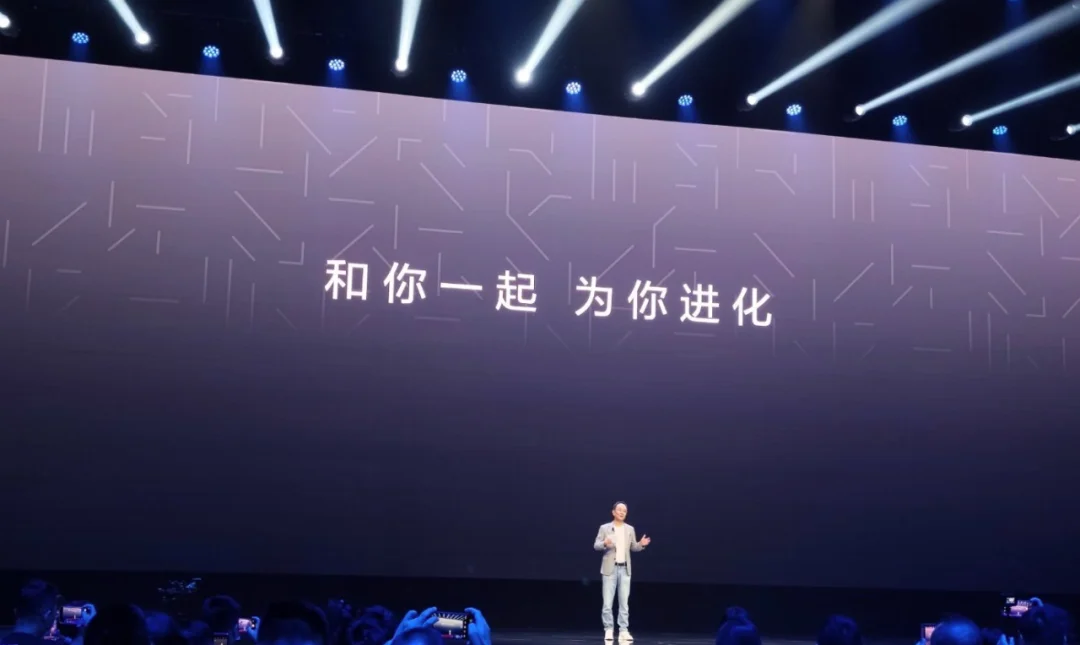
Beyond software, the evolution of hardware, services, and even vehicle models has long indicated that what lies behind OTA is far more than simply pushing an update package. It requires the entire automaker to maintain keen insight into users’ continuously evolving needs and rapidly translate those needs into functional implementations. In a traditional automotive organizational structure, this is nearly impossible. Need a feature added on short notice? Just wait in line.
Zeekr’s latest OTA scope and intensity surprised me, sparking further curiosity about what other surprises Zeekr will bring in the future.
Written by: Kaixiang Kyson Edited by: Liusan