


Stop the Internal Friction: I Actually Have to Learn from a Tire
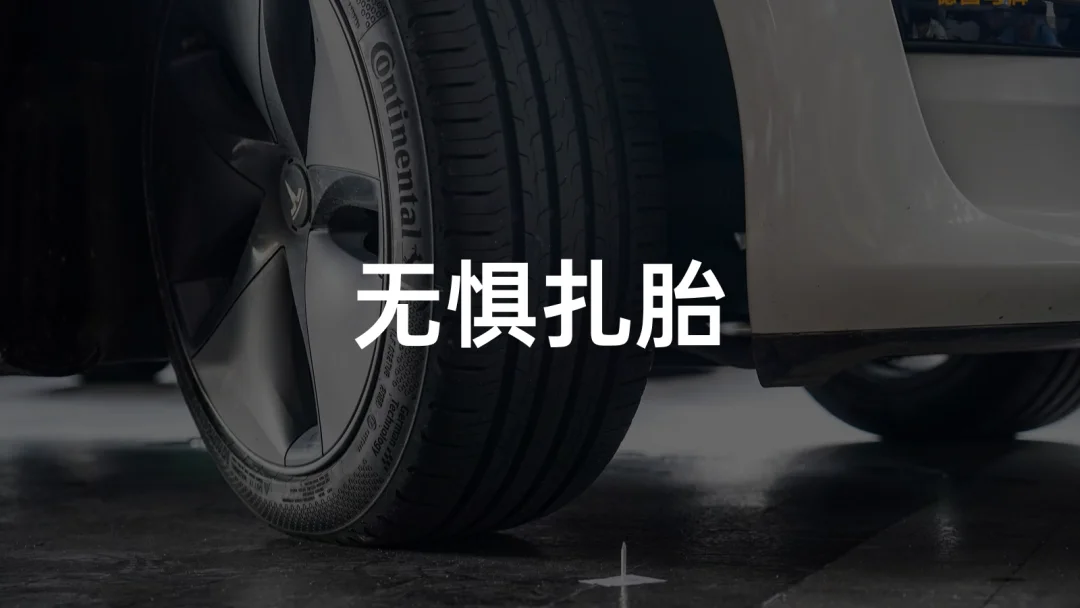
A friend who drives a Model 3 recently complained to me: his tires had reached the end of their service life, but he couldn’t find a suitable replacement. Tesla’s official after-sales service charges more than RMB 2,000 per tire, and the noise level is high; other EV-specific tires on the market prioritize low rolling resistance at the expense of handling, wasting the Model 3’s excellent chassis dynamics.
I deeply sympathize with his concerns about road noise. Our company has an imported Model 3, which suffers from poor assembly quality and average NVH control typical of early import models. The Michelin PS4 tires, chosen for their handling focus, also generate significant road noise. At that time, the Model 3 lacked double-glazed acoustic glass, making its high-speed noise suppression performance quite mediocre.
I had no immediate solution for his dilemma. I couldn’t think of any performance-balanced tire designed specifically for electric vehicles. It seemed you had to choose between grip and low rolling resistance.
Isn't it a coincidence? Just as the Jiangsu-Zhejiang-Shanghai region was engulfed by heatwaves in July, I received an invitation from Deguomapai. Unlike usual occasions, this time the star wasn’t a new car, but the eContact — a tire designed exclusively for electric vehicles by Deguomapai.
After the test drive, what surprised me most was how much it improved the Model 3’s noise suppression, without sacrificing other performance aspects for the sake of one strength. Even more surprisingly, the Deguomapai eContact addressed a major pain point for EV owners, taking a pioneering step in the EV tire industry.
What exactly was the experience like? What pain points did it solve? Don’t rush ahead; let’s take a look together.
01After Changing Tires, This Model 3 Is Truly Quiet
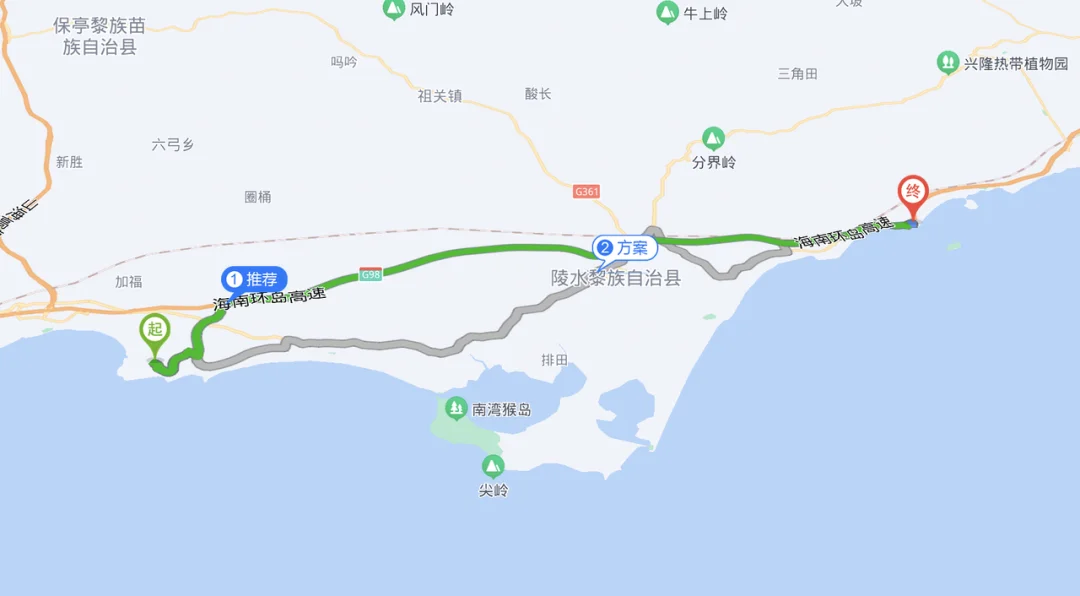
Coincidentally, the test model from Deguomapai this time also happened to be Model 3. The test drive route on the first day was the ring expressway of Hainan Island, starting from Tufu Bay and ending at the Fenjiezhou Island Scenic Area, with a total length of 48 km.
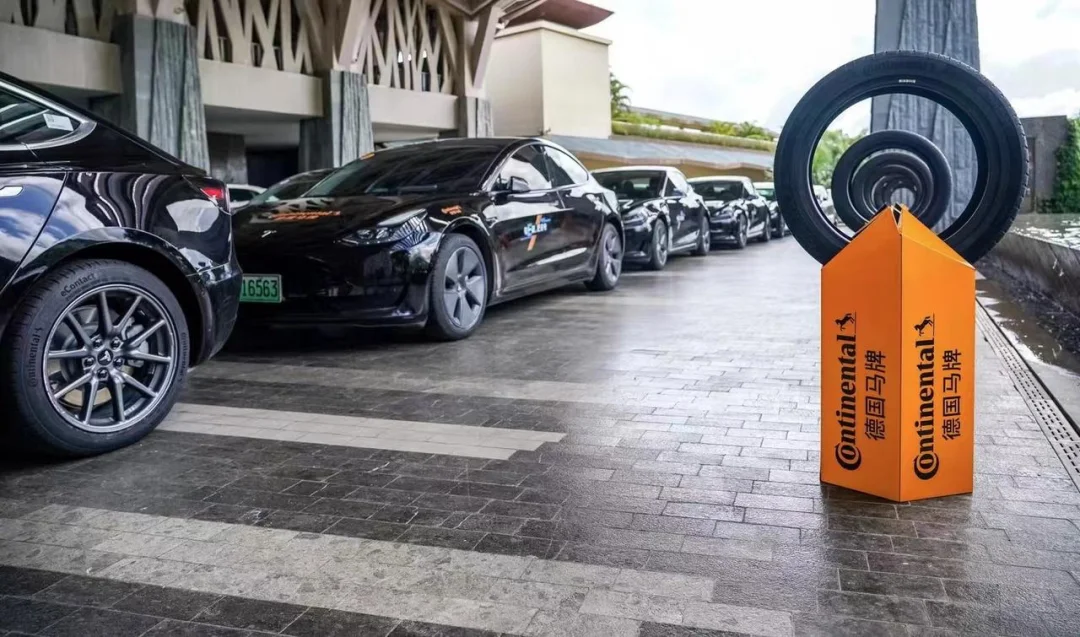
The recommended tire pressure for the Tesla Model 3 is relatively high, at 2.9 bar. However, upon getting in, I found that the test car’s tire pressures were all around 2.4–2.5 bar. In most cases, lower tire pressure increases the contact area between the tire and the road, which typically results in more noise. I nervously prepared to endure the familiar tire noise on the highway.
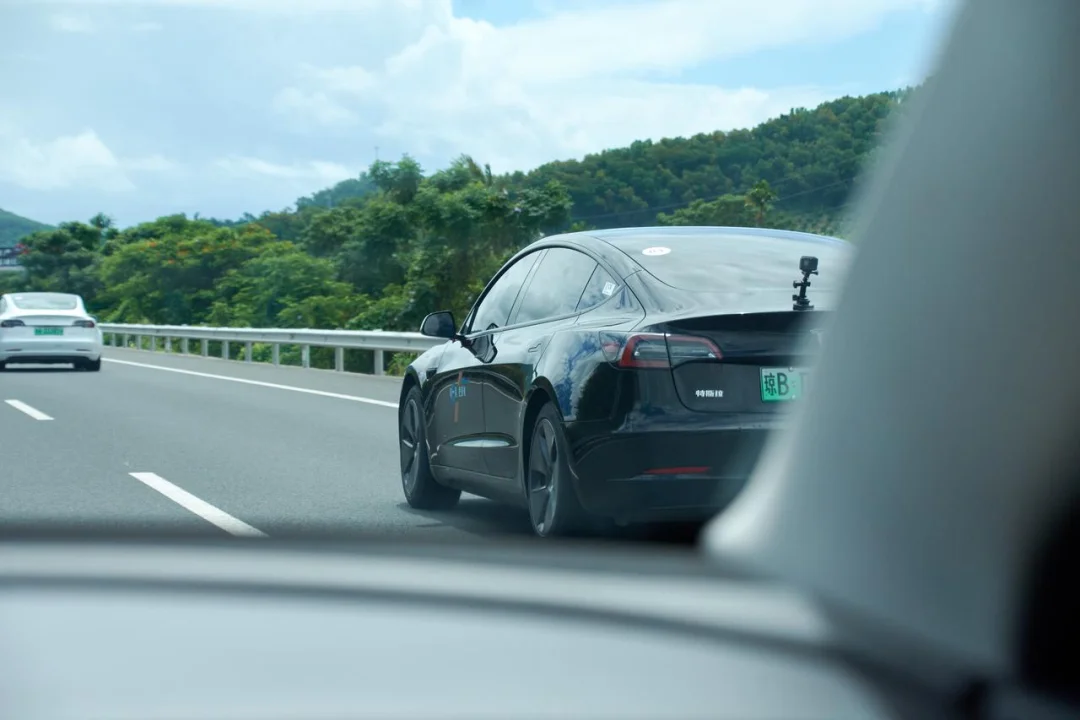
To my surprise, the noise from the German Continental eContact tires was much quieter than expected. Whether cruising at low-to-mid speeds of 40–80 km/h or at high speeds of 100–120 km/h, the tire noise transmitted through the chassis was barely noticeable. This wasn’t just my impression; after arriving at the destination, I discussed the experience with my companions, and everyone agreed that the German Continental eContact tires were quieter than the original PS4 tires.
According to the product manager for the German Continental eContact, the tread pattern features a fine-pitch design optimized through simulation. These patterns minimize rolling noise and vibration generated by friction against the road surface while ensuring grip, significantly improving the tire’s noise reduction performance.
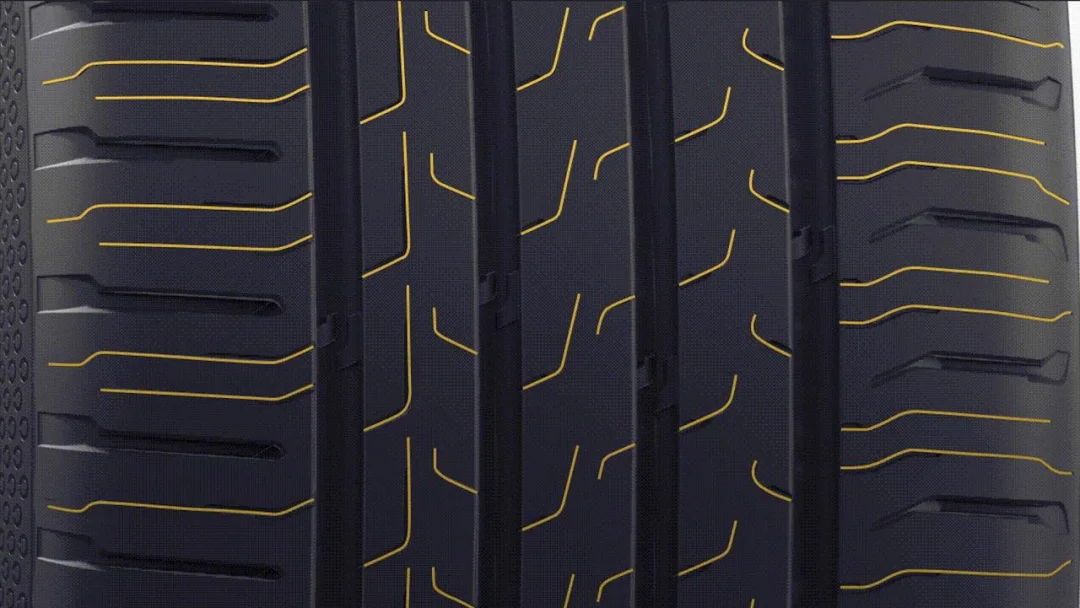
Beyond the optimized tread pattern, Continental engineers also designed "active noise cancellation." Inside the grooves of the Continental eContact tire, in addition to the wear-indicator bars, we can see small protrusions that are interrupted in the middle. As the tire rolls, these segmented active noise-cancellation protrusions effectively block the propagation path of sound waves within the circumferential grooves, further reducing tire noise.
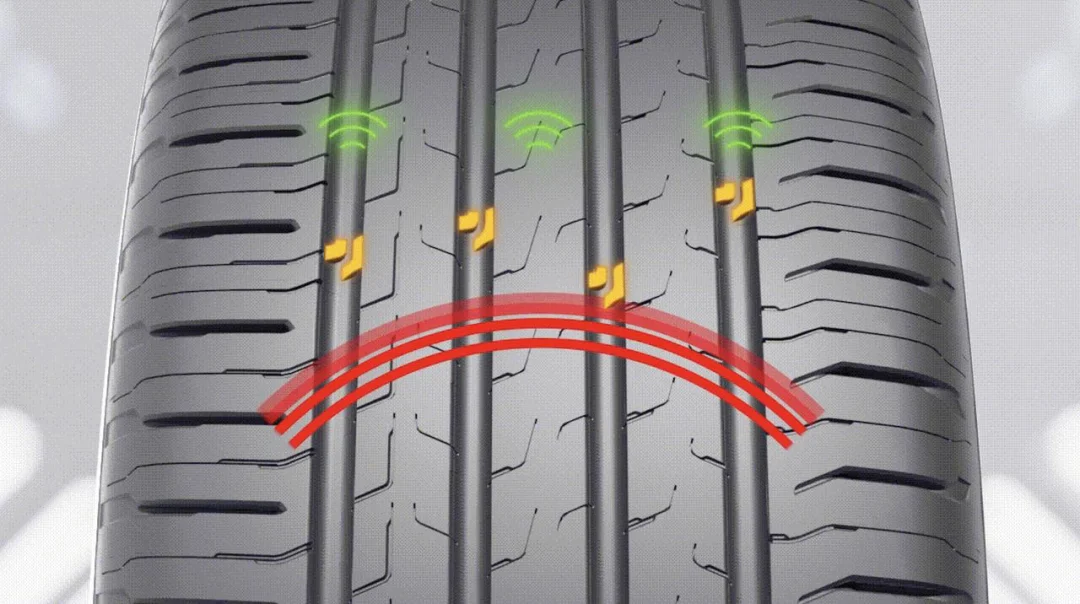
As is known, the original tires for the Tesla Model 3 are equipped with sound-absorbing foam on their inner walls. The Continental eContact, as a replacement tire, matches the original equipment by also featuring this foam. Continental calls this technology "ContiSilent". In addition, another patented technology from Continental makes a significant positive contribution to noise reduction through an indirect approach. Details about this technology will be revealed later; keep reading.
The weather in Hainan is highly variable. Over a short 48 km highway stretch, conditions repeatedly shifted between "heavy rain" and "bright sunshine." Drivers who frequently use highways should know that at higher speeds, driving over waterlogged surfaces can cause a sudden loss of grip if the tire's drainage capability is insufficient, leading to vehicle drift and swaying, which is extremely dangerous.
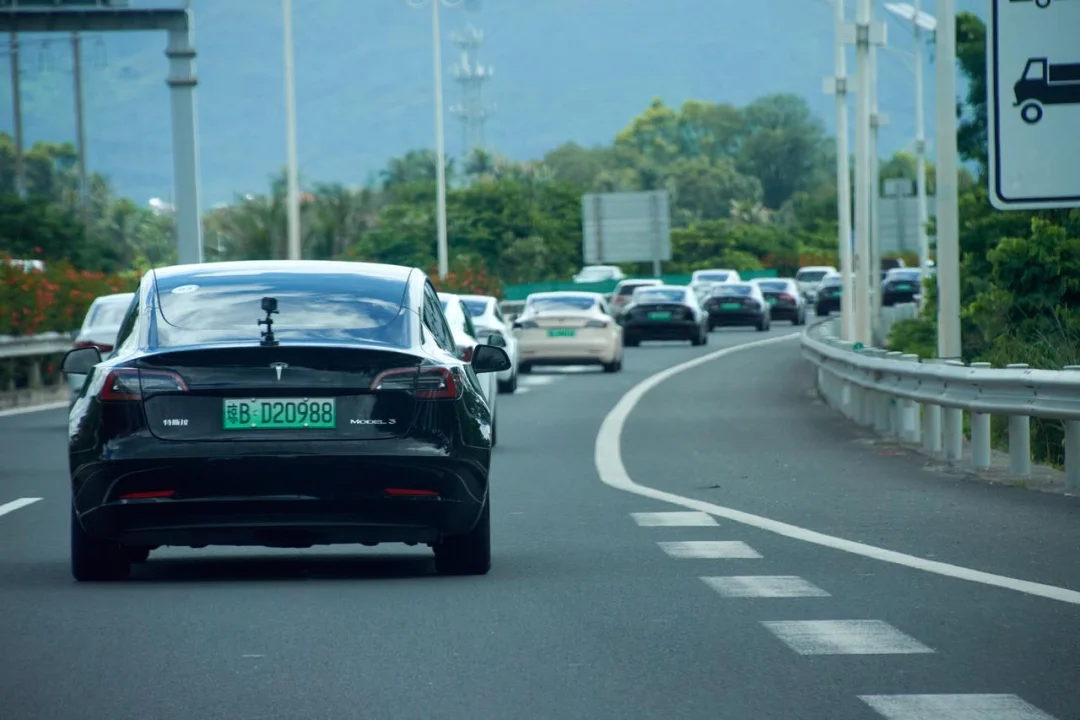
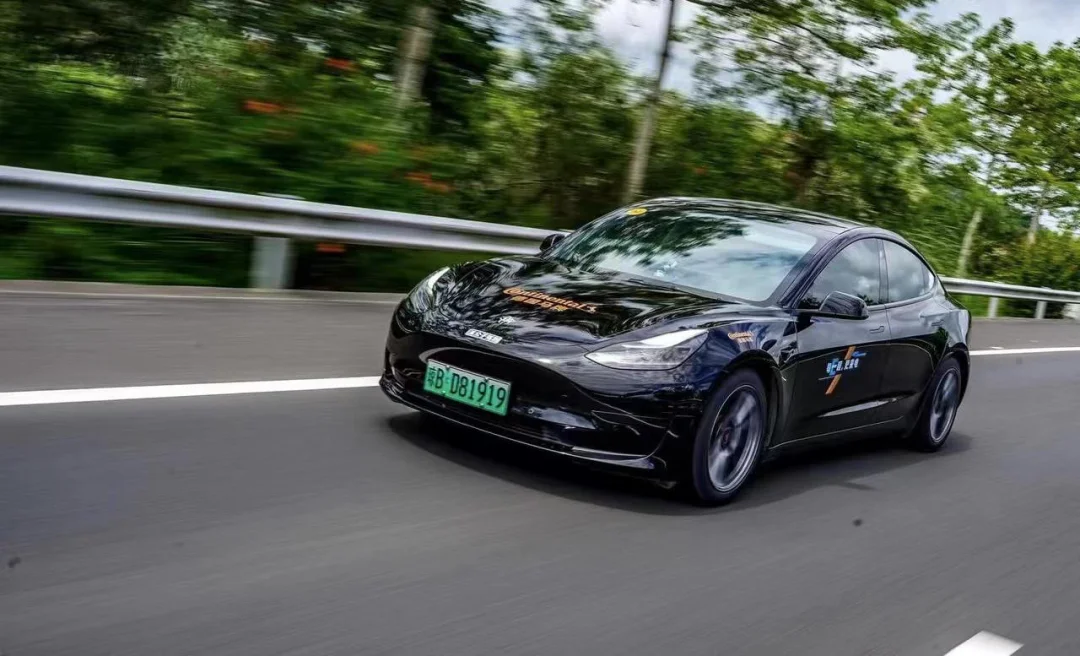
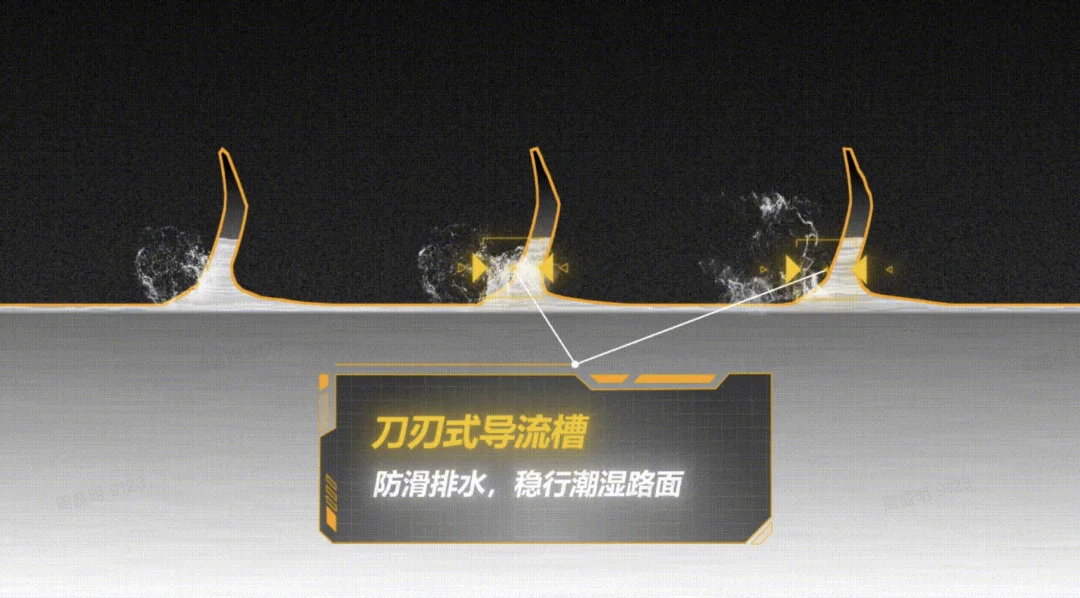
The shoulder of the Continental eContact tire features blade-shaped drainage channels that cut through the water film when driving through wet sections to prevent hydroplaning. Additionally, engineers designed wide drainage channels at the outer openings of the Continental eContact tire to quickly expel accumulated water from the tire.
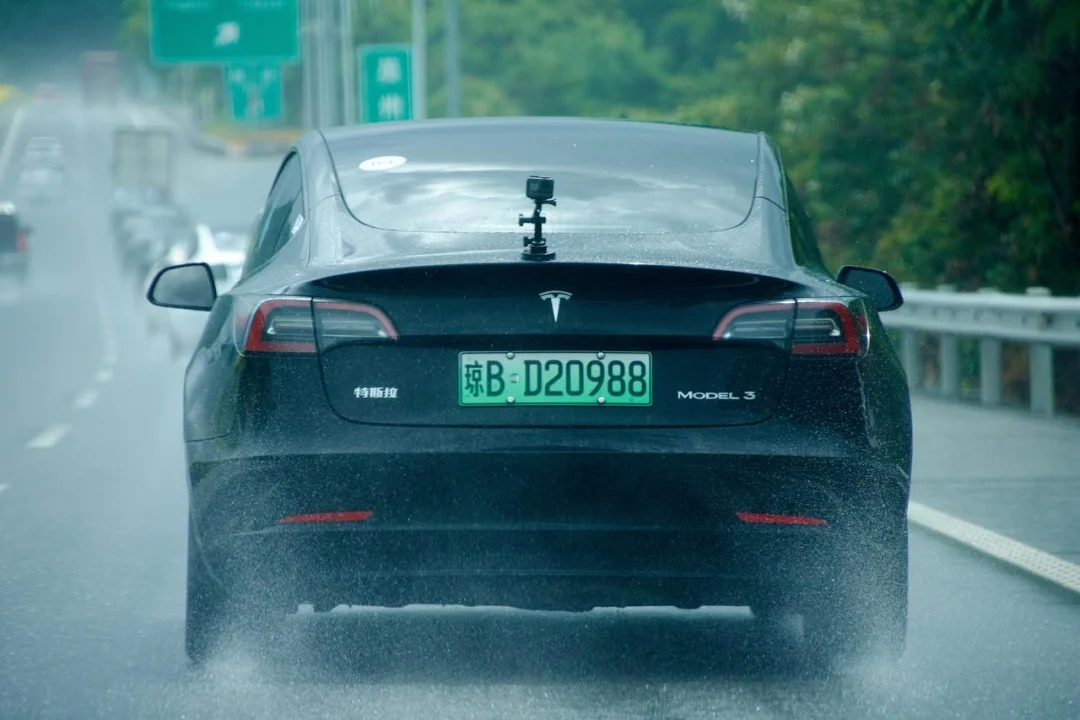
On the Hainan Ring Expressway, heavy rain once reduced visibility to less than 50 m. Under these conditions, our convoy drove at 80 km/h without feeling any loss of tire grip; when driving through small puddles, the vehicle body and steering showed no deviation or swaying.
We finally arrived at our destination. Behind us lay the intensely saturated green mountains and forests, dotted with small villages; beside us was a Model 3 cruising quietly; ahead of us lay Fenjiezhou Island, resembling a beauty reclining in the shimmering blue waves. This small, beautiful island serves as the climatic dividing line between northern and southern Hainan, the natural geographical boundary between southern and northern Qiongnan, and also the administrative border point between Lingshui County and Wanning City.


Having seen enough of Hainan's beautiful scenery, don't forget the hook I set earlier: what special technology is actually hidden in the Deguomapai eContact?
02Learning How to Stop Internal Friction from a Tire
A nail puncture causing a leak is a common occurrence, right? In the traditional gasoline vehicle era, if you knew how to use a socket wrench, you could typically change a spare tire in less than half an hour and continue your journey. But here’s the problem: according to statistics, more than 90% of new energy vehicles currently on sale in the Chinese market do not come equipped with spare tires. So, what should you do if an electric vehicle gets a flat tire?
NIO’s service solution is straightforward: staff remain on standby at all times. For other EV owners, however, the situation is far less simple. My colleague Xiaodingdang once encountered a nail puncture while driving a certain brand of electric SUV on a highway at 2 a.m. After a cumbersome and difficult registration process, the manufacturer finally dispatched assistance. But because it was late at night, poor Xiaodingdang waited by the roadside from 2 a.m. until 7 a.m.
You might think that’s the end of it? Due to the heavy curb weight of EVs, standard small car jacks included with vehicles simply cannot lift the body. In the end, after considerable effort, wheels were attached just enough to barely get the car onto a tow truck. As you can see, a tiny nail can cause such significant trouble, highlighting a hidden vulnerability and pain point in EVs.
EVs have precious interior space, making spare tires too bulky; meanwhile, small jacks cannot support EVs weighing over two tons. Consider this: if tires could self-repair minor punctures, wouldn’t that solve the problem?
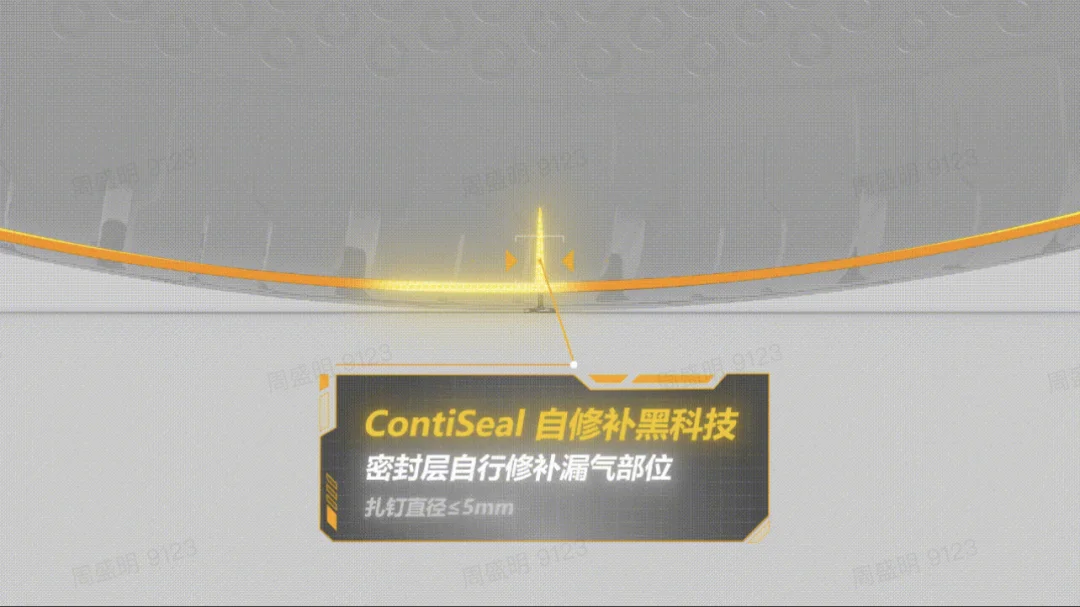
Continental introduced Contiseal self-sealing technology with its eContact tire for new energy vehicles. The principle is simple: Continental applies a thick layer of high-viscosity sealant to the inner liner of the tire. When a nail with a diameter of 5 mm or less penetrates the tire, the sealant flows into the puncture to plug the leak.
Self-sealing tires are not a new technological product, but they have always faced two issues:
At high temperatures, the flowability of the repair compound increases. The glue, originally evenly adhered to the inner wall of the tire, may clump together, causing dynamic imbalance to fail;
Virtually all self-sealing tires on the market force a choice between self-sealing capability and interior acoustic foam; you typically cannot have both.
Continental’s eContact tire resolves these two pain points simultaneously. Depending on the depth of collaboration with automakers, certain specifications of the Continental eContact feature both ContiSilent internal acoustic foam and ContiSeal self-sealing technology. Furthermore, Continental holds a proprietary patent for its sealing compound formula, ensuring repair capability throughout the tire’s ten-year service life.
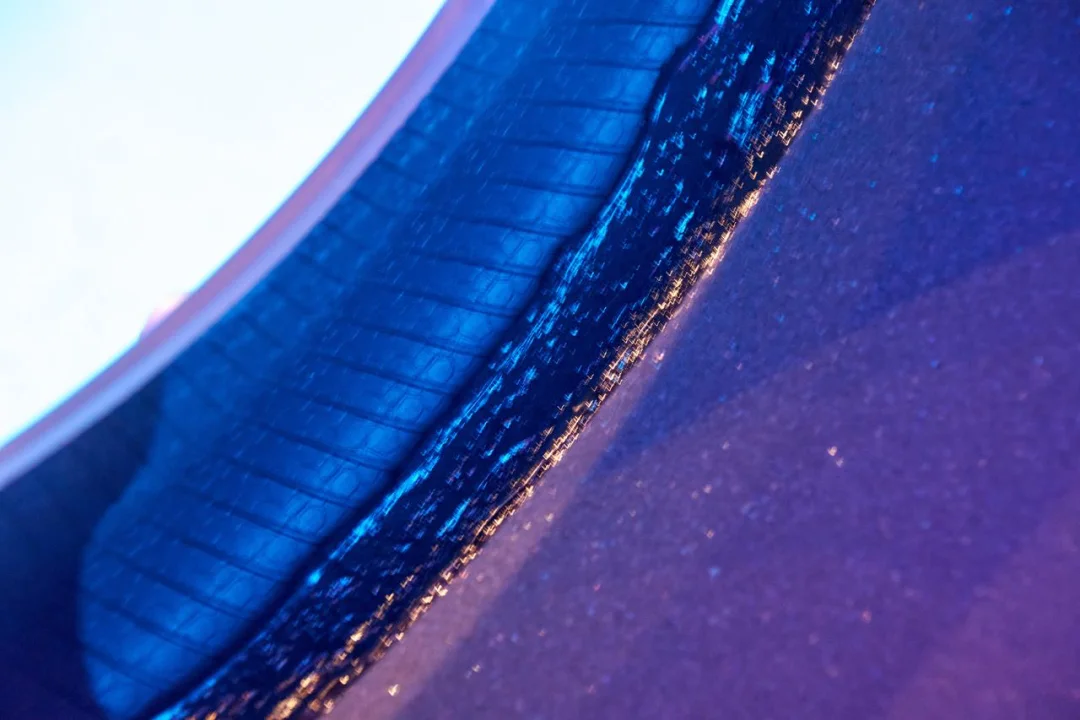
According to Continental’s research, 92% of tread puncture risks on roads come from sharp objects with a diameter of 5 mm or less, meaning ContiSeal technology is sufficient to handle most common puncture hazards. This sealing layer also reduces resonance generated during rolling, indirectly improving sound insulation.
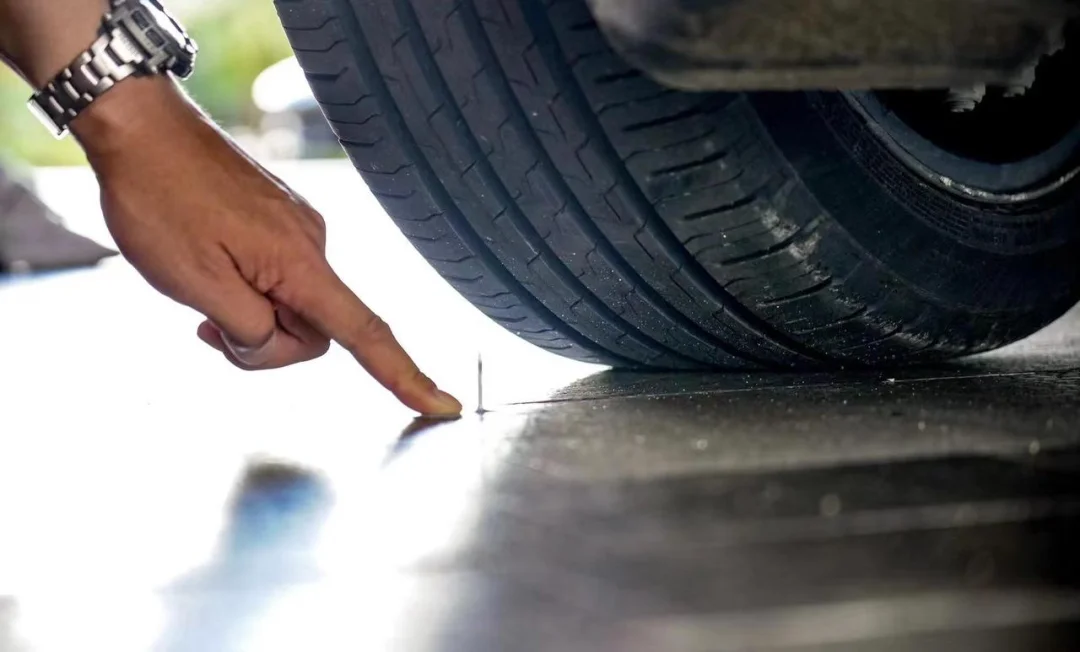
Beyond the technical specs, real-world performance matters. Continental conducted a straightforward test by driving two steel nails into the tires of a Tesla Model 3. Following two faint popping sounds, the sealing compound filled the gaps unseen. When water was poured over the puncture sites, no bubbles appeared, confirming an airtight seal.
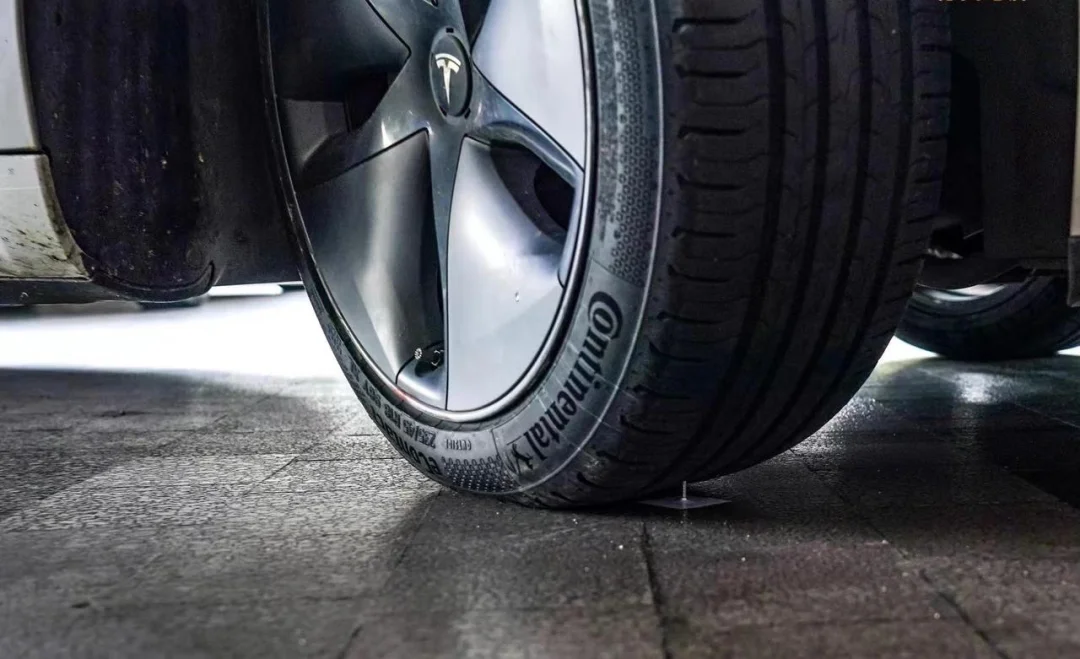
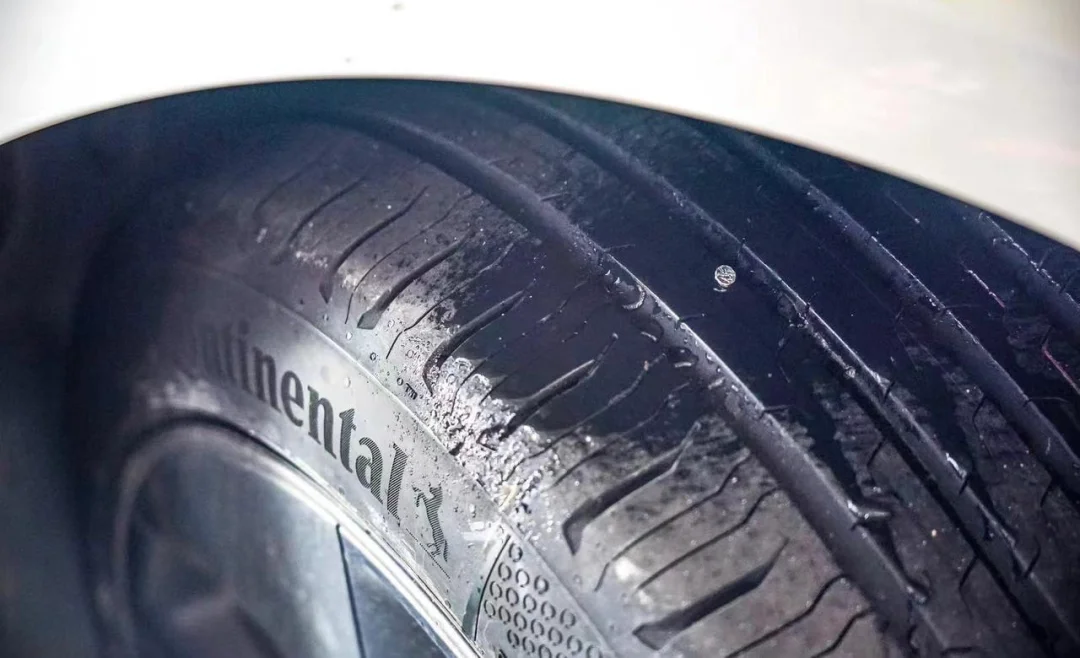
The result is promising, but will the self-sealing function remain effective if driven aggressively on mountain roads with the nails still embedded?
03Handling Without Compromising Range
We brought the Model 3, now sporting some battle scars, back to the mountain roads. This is the Hainan Xinglong National Forest Greenway. Although the distance is short—only 4 kilometers in total—these 4 kilometers contain more than a dozen sharp turns with significant elevation changes. The freshly rained-on road surface is covered with slippery mud and fallen leaves, posing a considerable test for tire handling and grip.
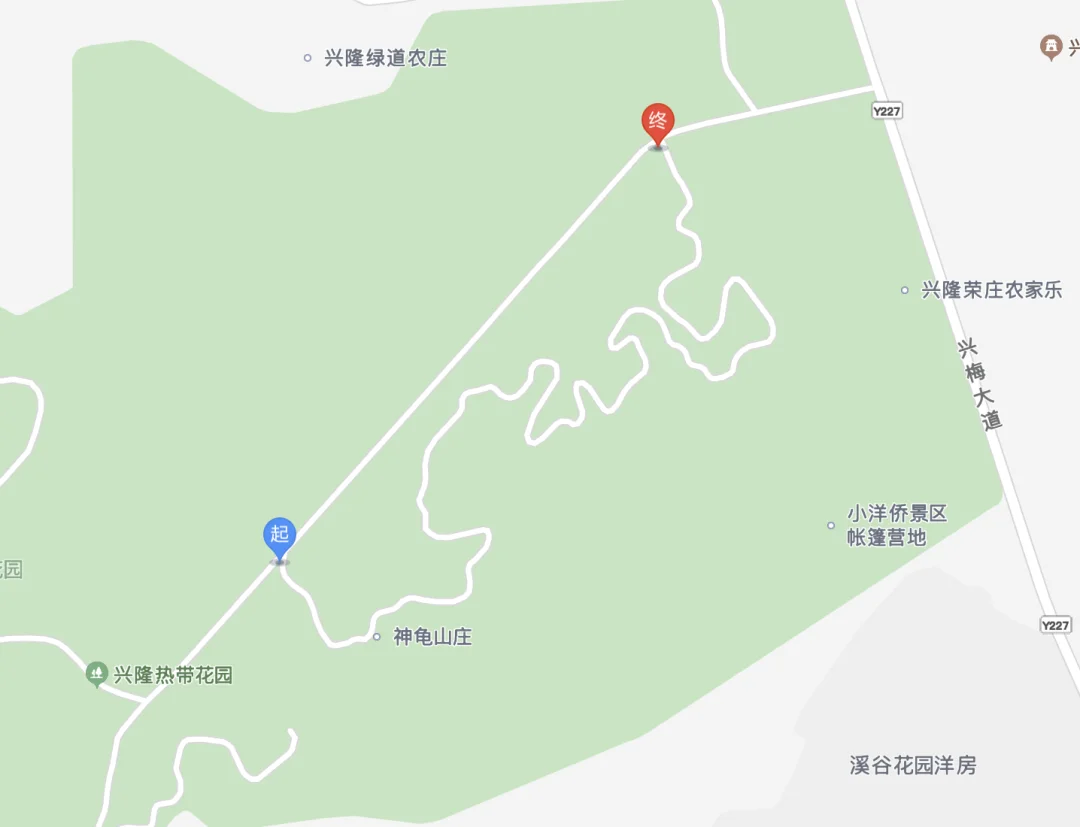
I slowed down and increased the distance from the car ahead. Once the convoy in front disappeared from sight, I gripped the steering wheel at the 3 and 9 o'clock positions and pressed the accelerator pedal deeply. Although the Model 3 has a high chassis limit, because I was unsure of the grip boundary of this tire, I only slowly accelerated to test it through the first few turns. [Note: The entire journey was driven within the speed limit.]
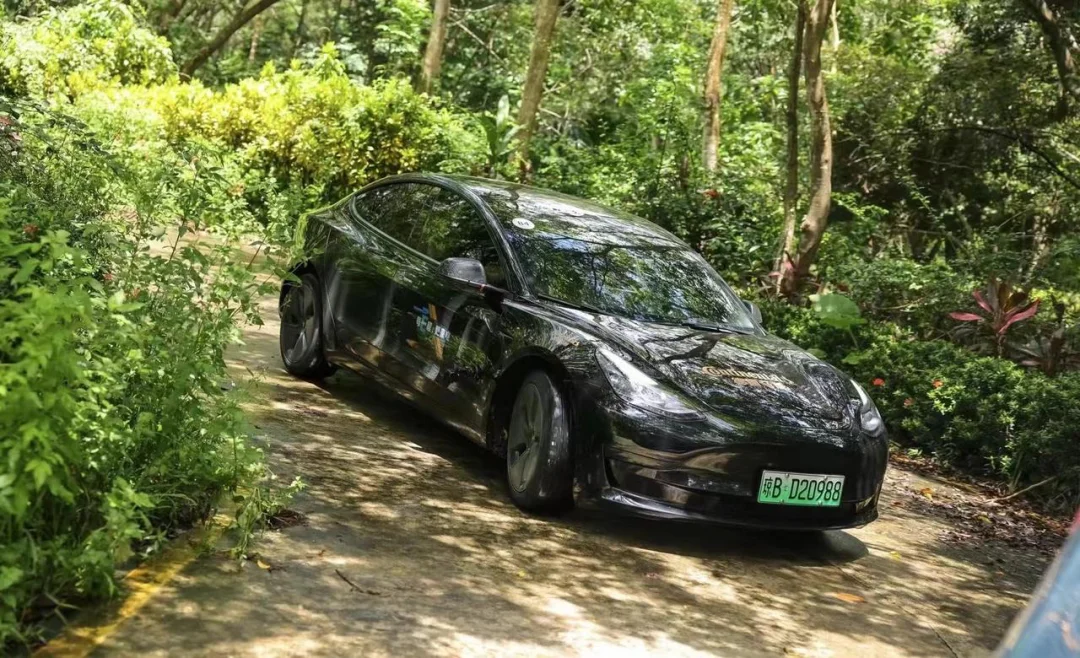
Although wet, rotting leaves were scattered everywhere on the ground, the eContact tires made no screeching noises in the corners and showed no signs of slipping. I boldly pressed the accelerator hard when exiting a turn, and the tires' grip completely held the rear-wheel-drive Model 3. The cornering support was also ample, without letting the chassis down.
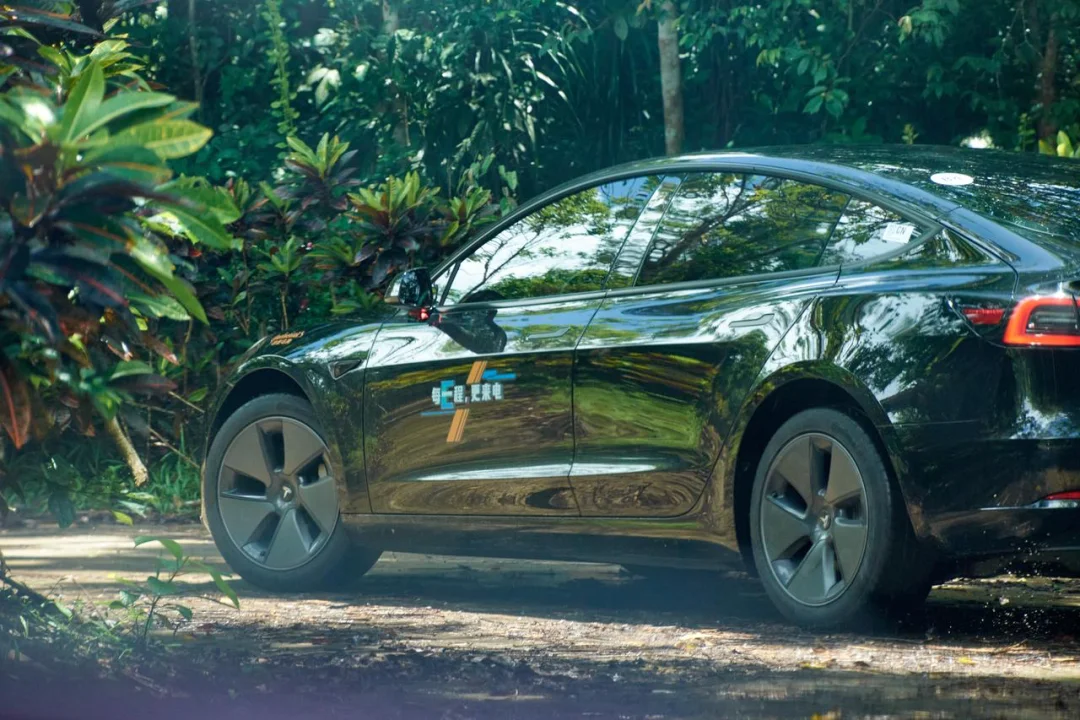
At the end of a straightaway, I braked to the floor. Under such violent treatment, the tires only just began to slip. The fact that German Continental eContact tires maintain good grip in wet conditions requires looking at from two perspectives.
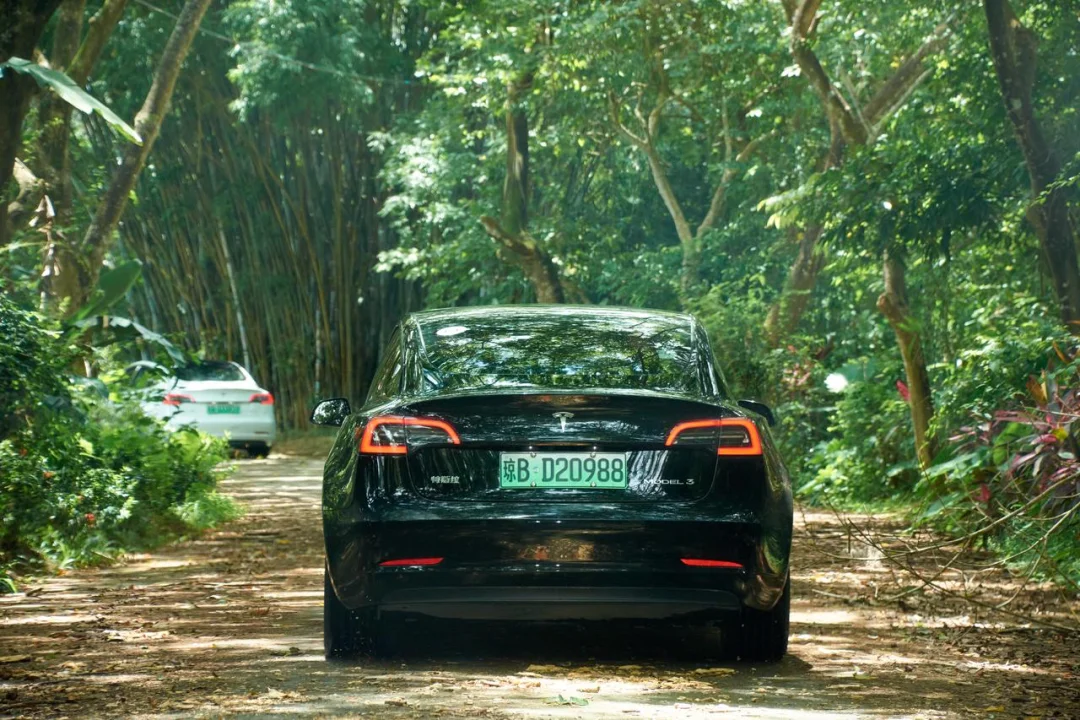
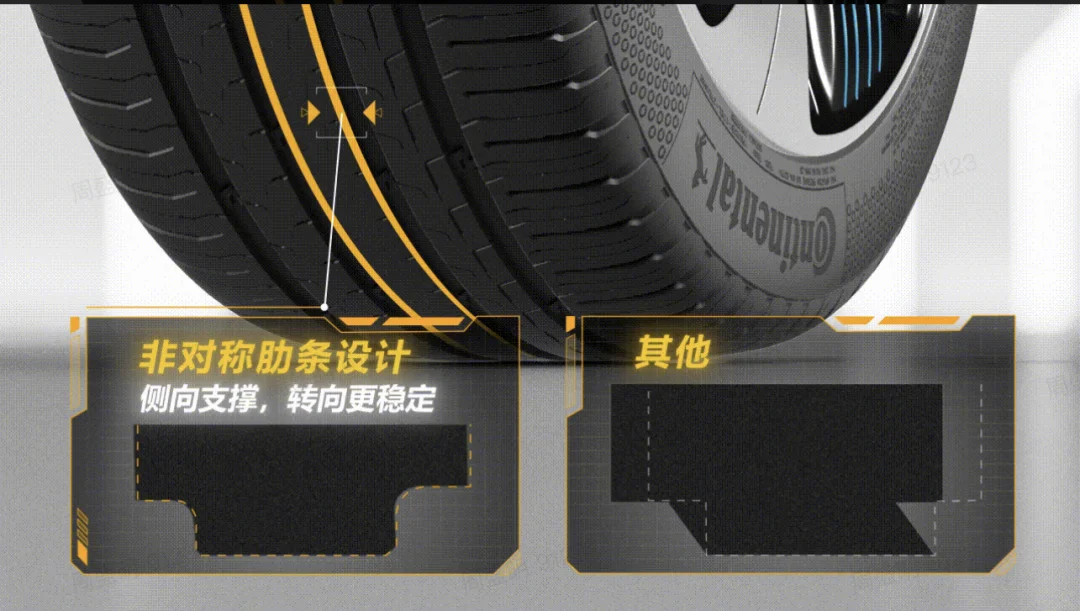
On the one hand, the shoulder blade-shaped drainage grooves and the wide drainage grooves with outer openings mentioned above can tear the water film and quickly discharge accumulated water to the outside of the tire; on the other hand, Continental has not forgotten its sports genes, bringing asymmetric ribs from sports tires to this new energy vehicle-specific tire.
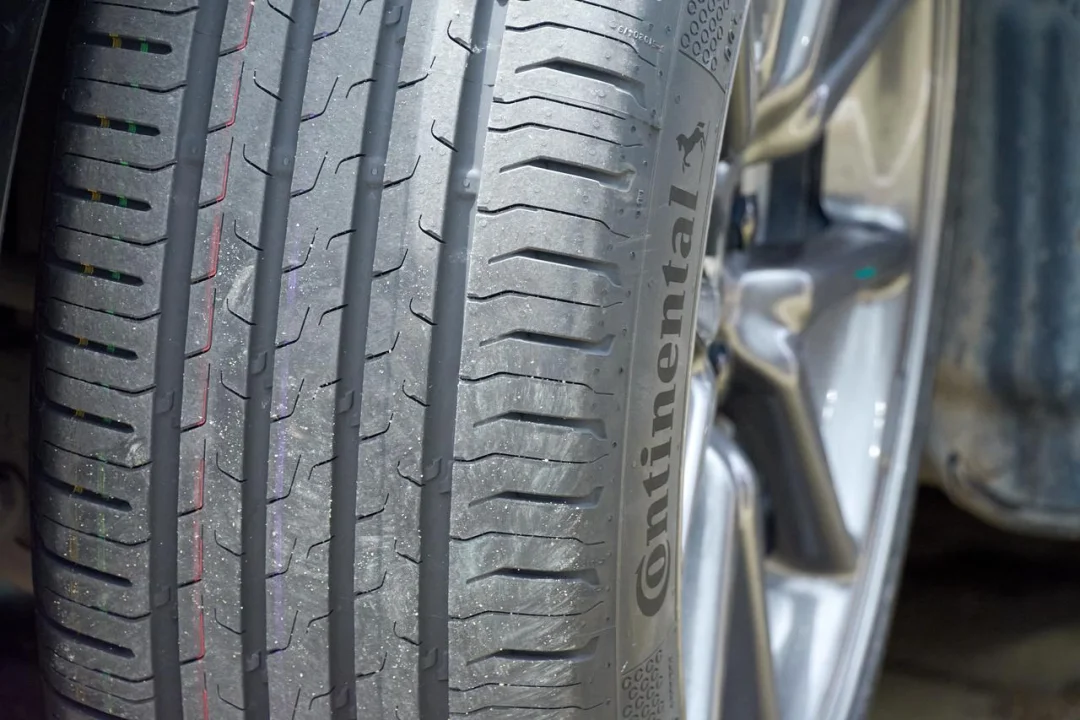
Since tires must resist lateral tearing forces when turning, symmetric ribs undergo significant left-right deformation in such scenarios, leading to a loss of grip. The asymmetric rib design allows the tire to maintain maximum contact area while resisting the strong frictional tearing forces from the ground during cornering.
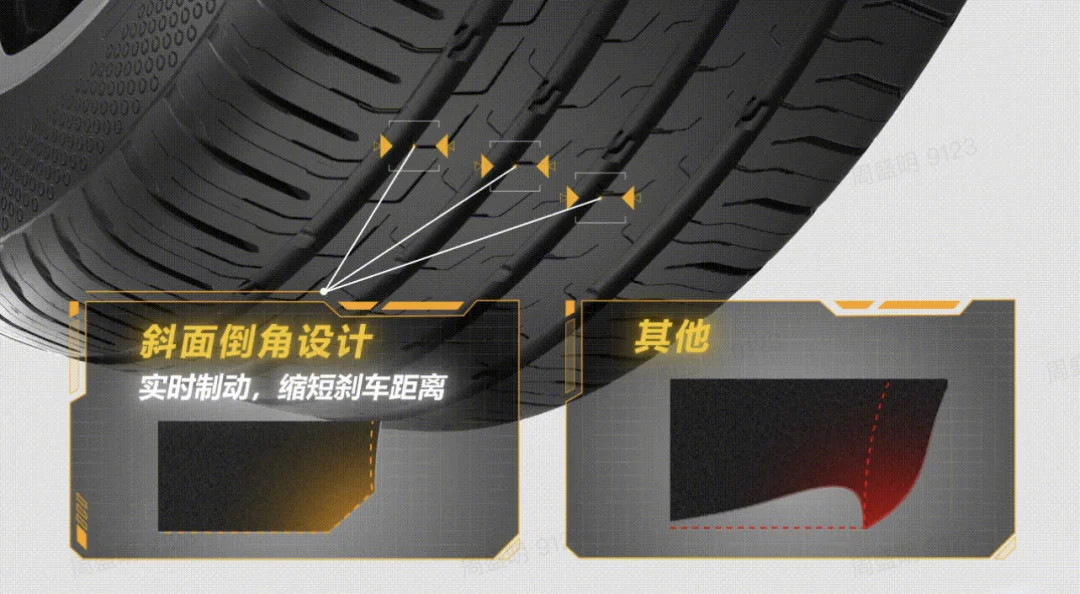
Additionally, engineers designed chamfered edges for the tread patterns. Using an eraser as an analogy, a right-angled eraser is prone to 'curling' or even tearing when rubbed with force. The chamfered edges ensure the tire's contact area while also significantly reducing abnormal wear on the tire itself.
As a new energy vehicle tire, the eContact had to be designed with range optimization in mind. We noticed that the surface of the eContact is covered with tiny dimples, which look remarkably similar to those on a golf ball.
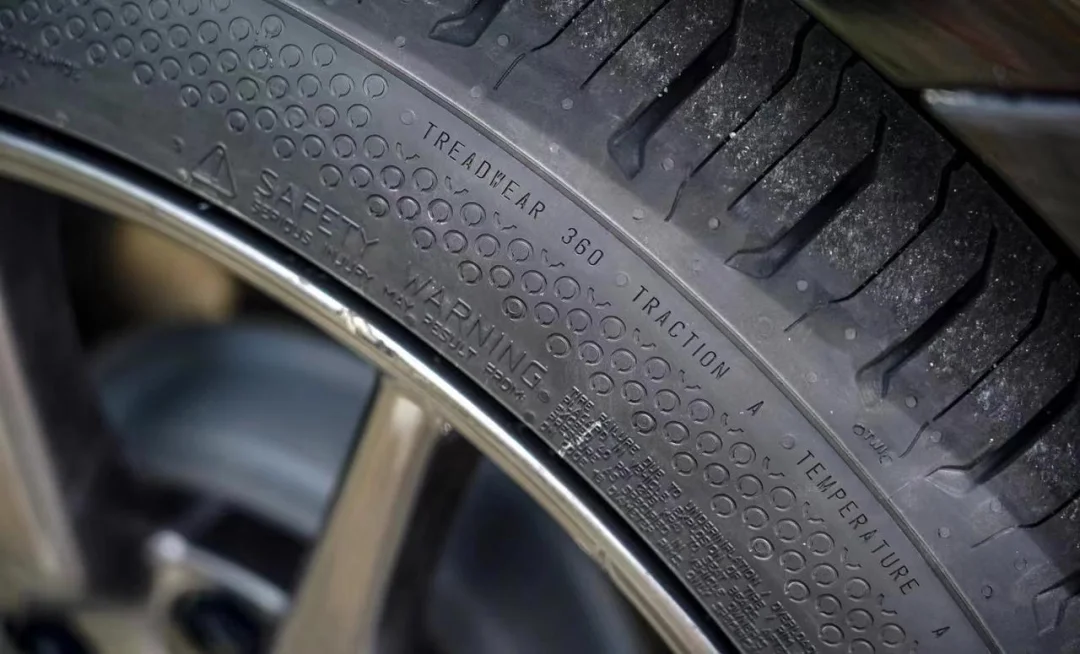
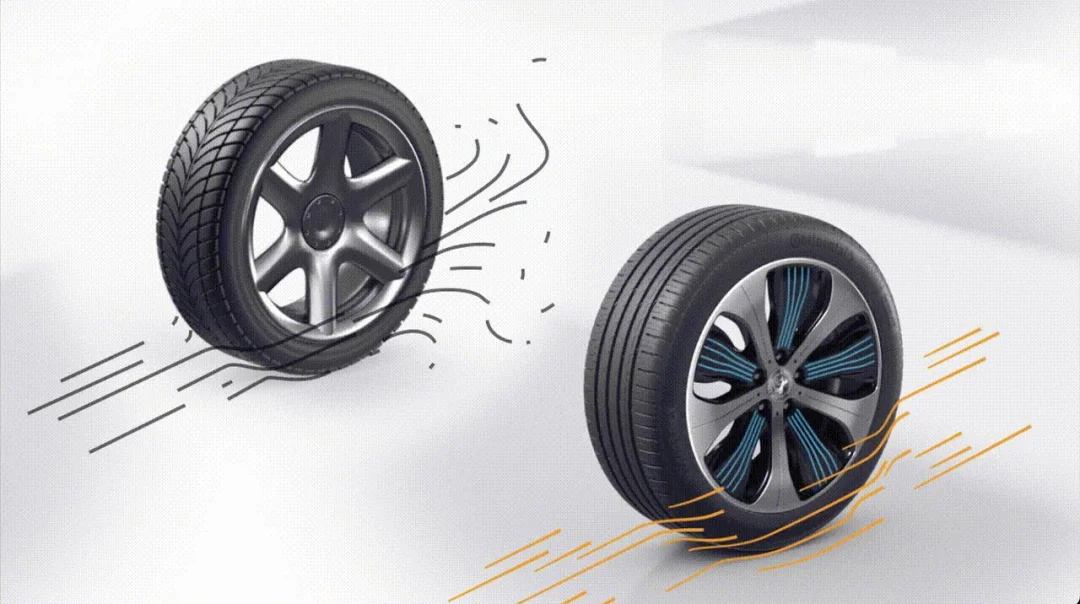
A golf ball with a rough, dimpled surface can fly five times farther than a smooth one, thanks to those tiny indentations. The dimples keep the boundary layer of air tightly attached to the ball’s surface, reducing the wake turbulence behind it and allowing the ball to travel faster and farther. Continental engineers drew inspiration from this phenomenon, designing similar concave patterns on the outer sidewall of their tires. This structure prevents incoming airflow from becoming turbulent, ensuring it flows smoothly along the tire's surface.
As today’s test drive draws to a close, I reviewed Tesla Model 3’s energy consumption over the past few days: 15.4 Wh/km across 200 km of driving. While Hainan’s weather is ideal for lithium-ion battery performance, our driving style was quite aggressive—consistently pushing toward speed limits with significant highway segments. This efficiency figure demonstrates that the eContact tire does not compromise range for new energy vehicles.
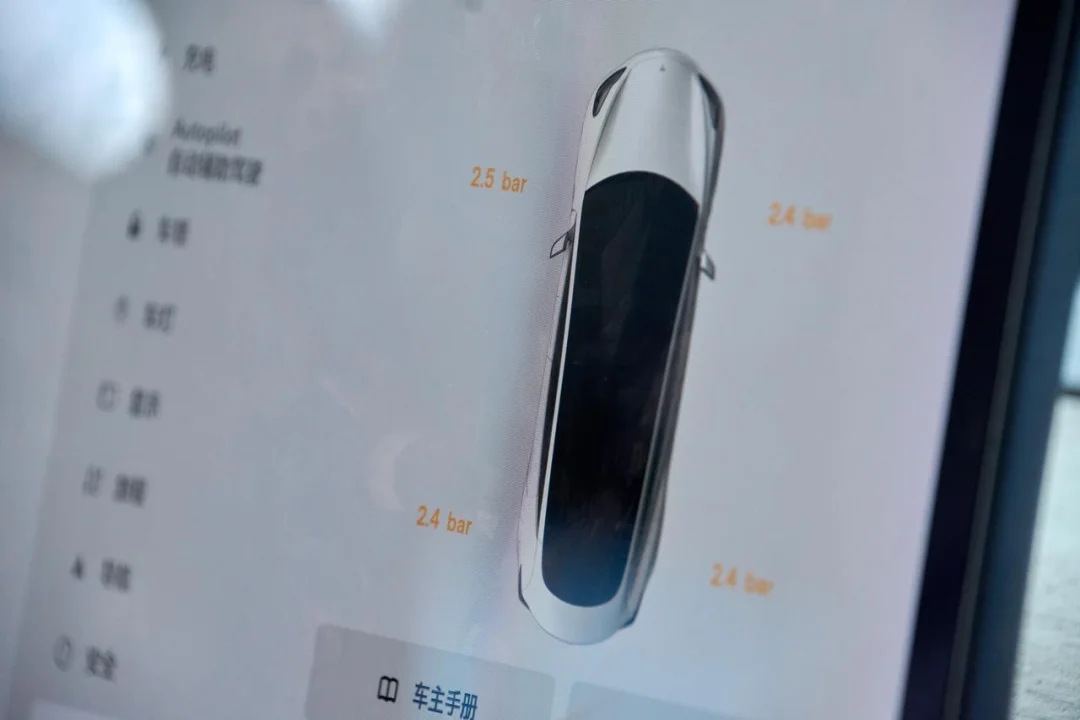
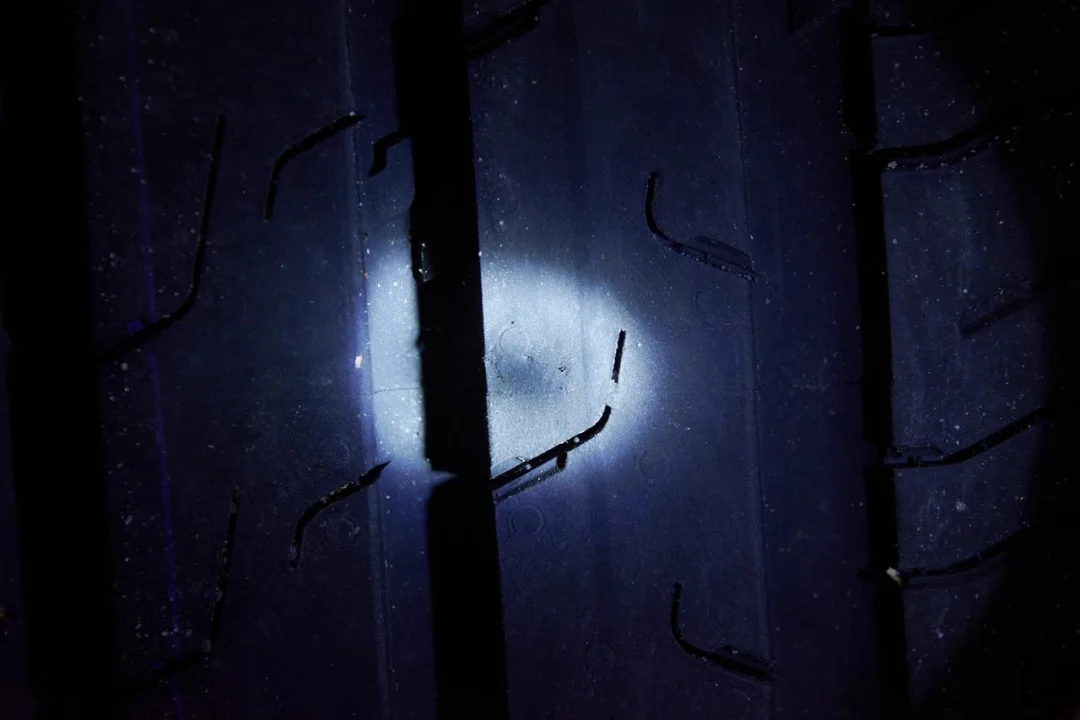
Back at the hotel, staff removed two nails that had been inserted into the tire earlier that morning. The dashboard still showed tire pressure at 2.4–2.5 bar. The self-sealing compound filled the puncture holes immediately; without a flashlight, you wouldn’t even spot the damage. This confirmed the eContact’s self-sealing capability.
04Final Thoughts
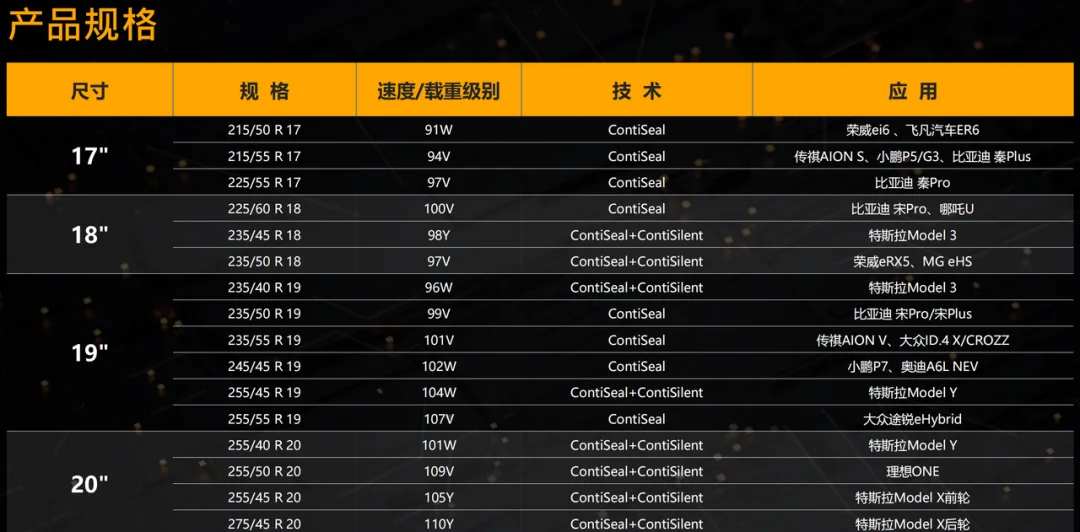
Currently, the Deguomapai mini-program lists only one specification for eContact: 235/55 R19, priced at RMB 1,199. The 18-inch model compatible with Model 3—the specification we tested—is expected to launch next month. Deguomapai plans to release one or two new specifications each month, with all models anticipated to be available by the second quarter of next year. See the image below for specific upcoming sizes and models.
As the sole vehicle component in contact with the ground, the importance of tires is self-evident. Although dedicated EV tires have not undergone the radical transformation seen between EVs and ICE vehicles, tire manufacturers must evolve to address key pain points for most electric cars, such as the lack of spare tires and the need to balance rolling resistance with handling.
Whoever solves these pain points first will capture incremental market share. Just look: the involution within the EV sector has spilled over into fierce competition among tire manufacturers.
Written by: Mingming Edited by: Reinhardt