


DEEPAL SL03 Pre-sale Prices Set; CATL Unveils Qilindianchi Battery; AVATR 11 CHN Platform Launched

01Weekly Index
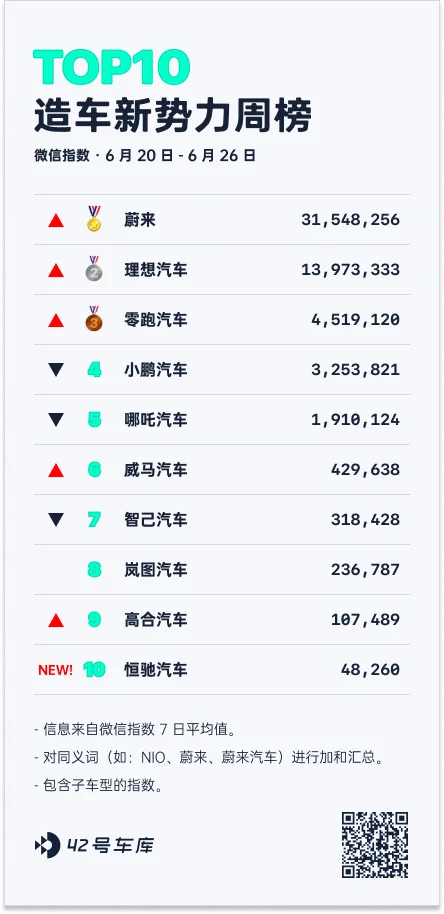
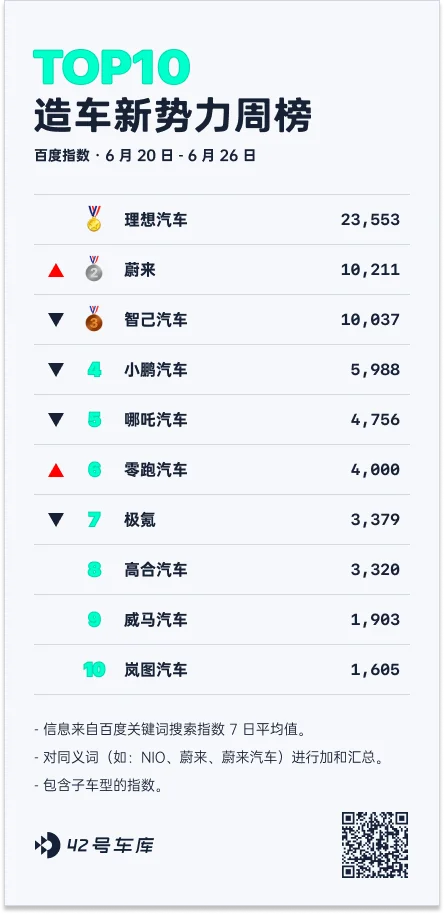
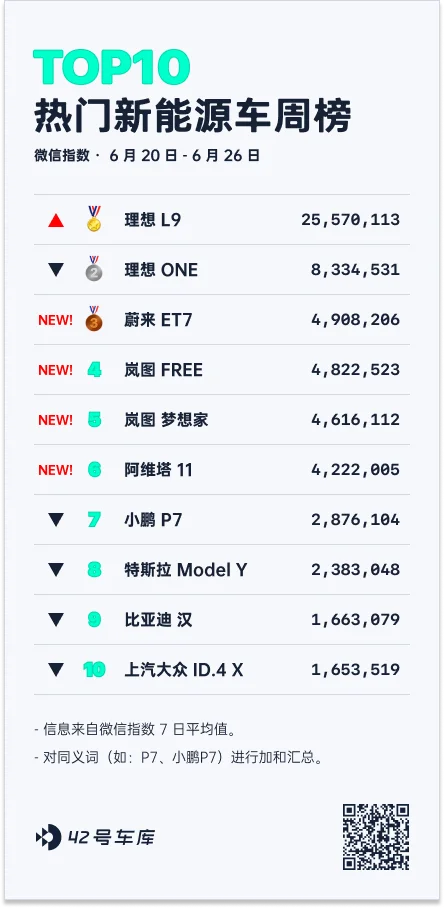

02Weekly Highlights
DEEPAL SL03 Pre-sale Prices Announced
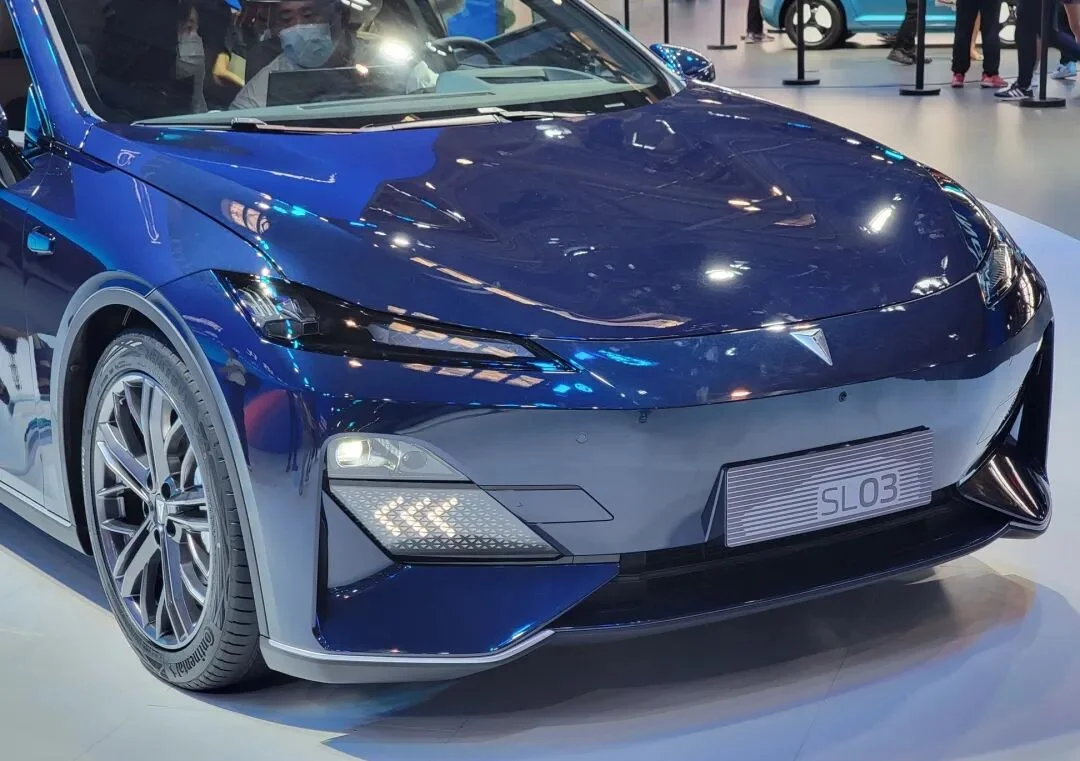
At the Chongqingchezhan held this week, the Changan DEEPAL SL03 officially announced a pre-sale price of RMB 179,800 to RMB 231,800. It is planned to officially launch before July 30 and promises to achieve mass delivery in August. Here is a brief review of the basic information on the DEEPAL SL03.
Dimensions: Length 4,820 mm, width 1,890 mm, height 1,480 mm; wheelbase 2,900 mm.
The pure electric version offers two power outputs: 160 kW and 190 kW, equipped with lithium iron phosphate batteries and ternary lithium batteries respectively, achieving a combined range of over 700 km.
The extended-range version delivers a combined range of over 1,200 km, including an electric-only range of more than 200 km and a fuel consumption of 4.5 L/100 km at low battery state.
The hydrogen fuel cell version achieves a combined range of over 700 km, with a hydrogen consumption as low as 0.65 kg/100 km and refueling capability in as little as 3 minutes.
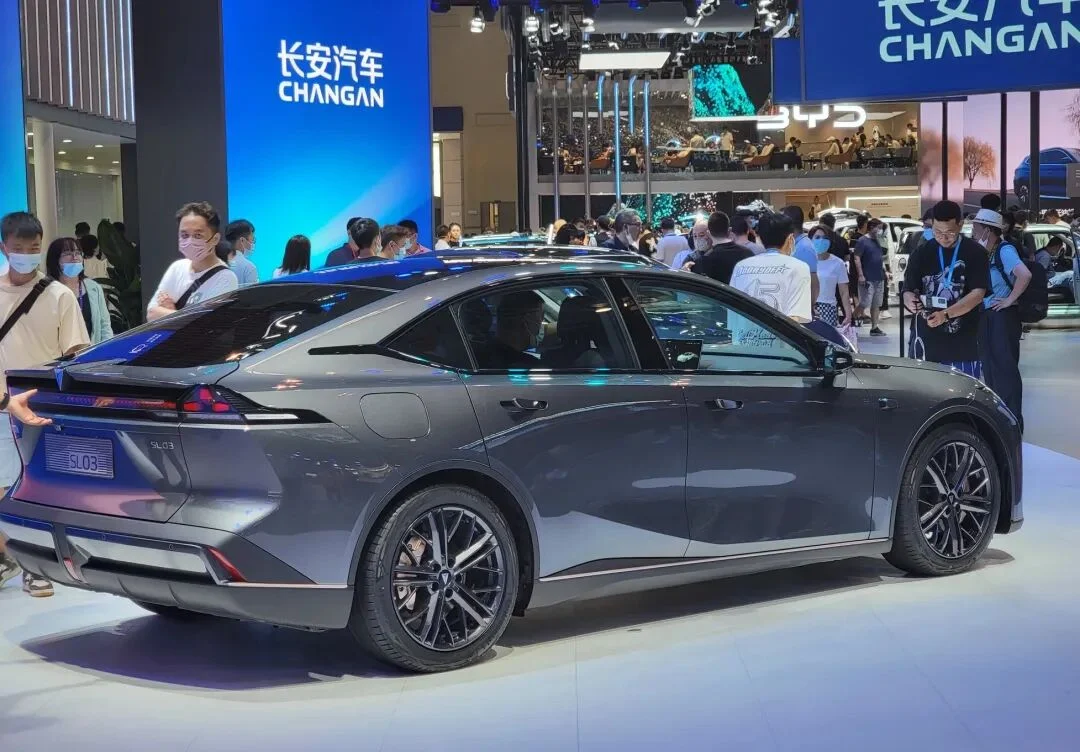
In terms of exterior design, the DEEPAL SL03 features a strong sporty style, incorporating frameless doors, an electric tailgate, 19-inch petal-style closed wheels, hidden door handles, and projection plus interactive light groups.
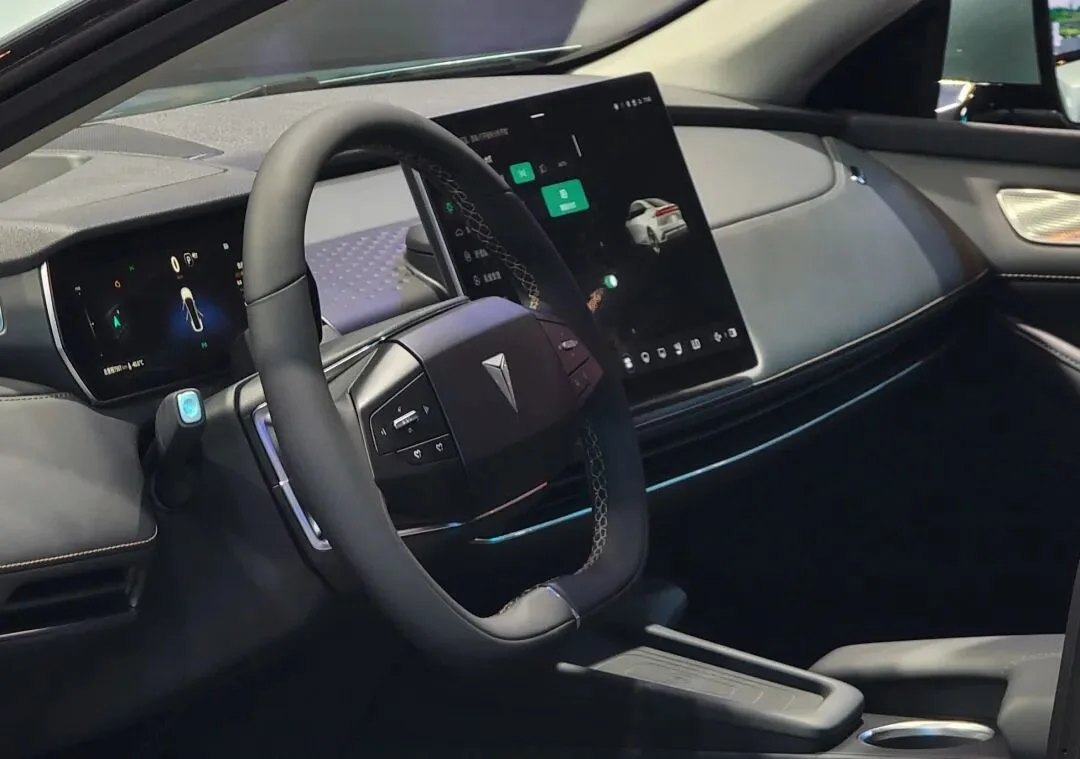
For the interior, the standout feature is a 14.6-inch sunflower screen, paired with a 10.25-inch instrument cluster and an AR-HUD. The system uses a Qualcomm Snapdragon 8155 chip and includes a 14-speaker SONY audio system, a rarity in this price segment.
Editor's Note:
The starting price of RMB 179,800 significantly exceeds our expectations, which had generally hovered around RMB 160,000. However, looking at the broader market, the DEEPAL SL03 remains a highly competitive model. It is unlikely that we will see a return to configurations like those of the Leapmotor C11 last year, which offered a fully loaded version with a 90 kWh battery for RMB 160,000.
CATL Qilindianchi Launches
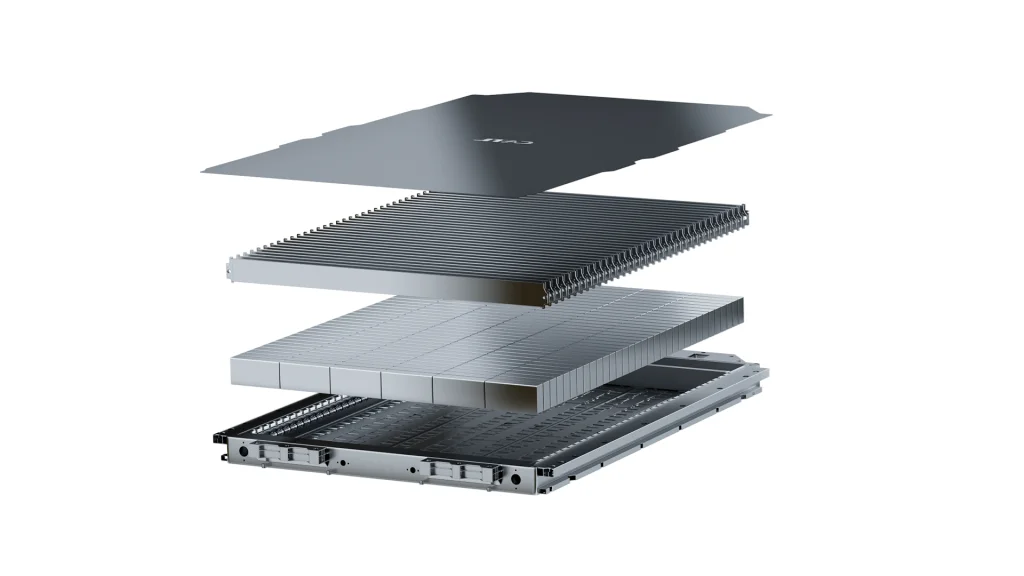
On June 23, CATL officially released its third-generation CTP technology, known as the Qilindianchi, through a video announcement.
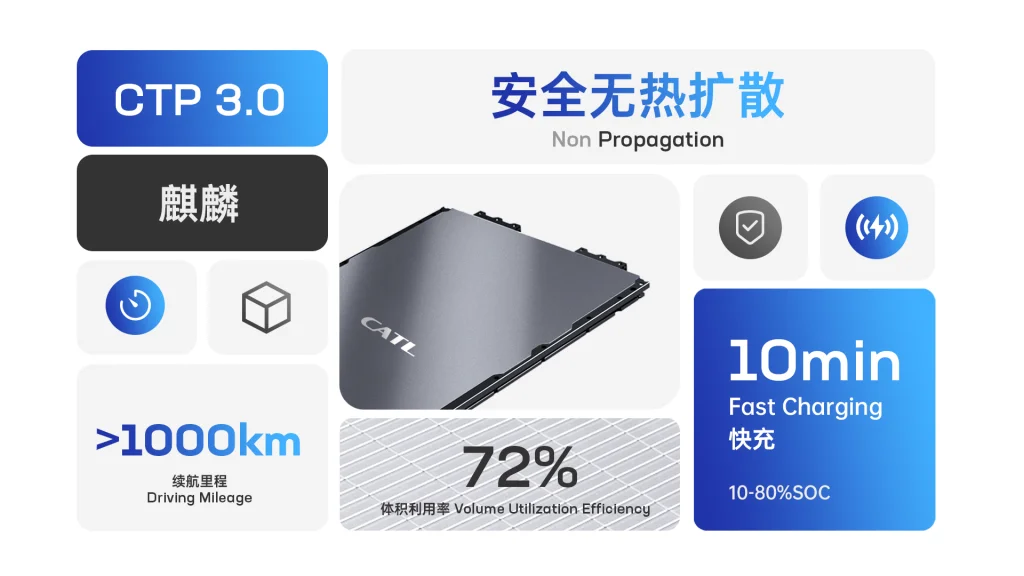
A brief summary of the highlights when combining CATL’s CTP 3.0 technology with the Qilindianchi includes the following:
Volume utilization exceeds 72%;
Ternary lithium battery energy density reaches 255 Wh/kg, while the LFP battery system energy density is increased to 160 Wh/kg;
The vehicle can achieve a range of 1,000 kilometers;
Under the same chemical system and equivalent battery pack size, the Qilindianchi pack’s capacity is 13% higher than that of a 4680 system.
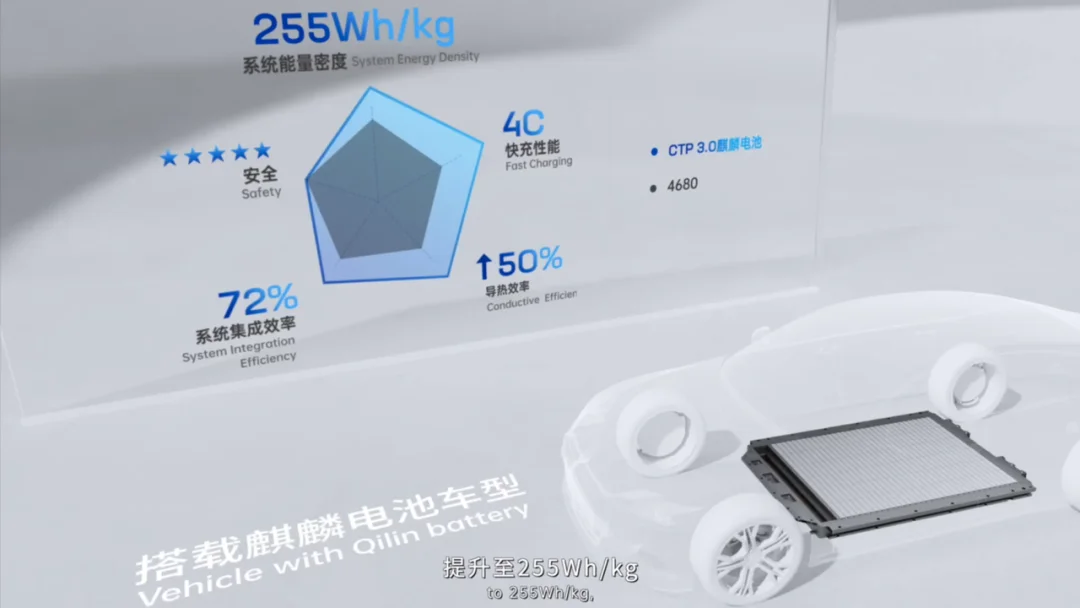
The primary method for achieving this performance improvement involves:
Integrating the transverse and longitudinal beams, water cooling plate, and thermal insulation pad into a single multi-functional elastic interlayer. This design uses low-expansion cells, maximizing their usage within limited space;
Placing the water cooling function between cells expands the heat exchange area by four times. It supports a 5-minute rapid thermal startup and 10-minute fast charging (SOC 10-80%);
Editor's Note:
The battery's specifications are indeed impressive: an energy density of 255 Wh/kg and a volumetric utilization rate of 72%. These figures suggest the potential for easy achievement of over 1,000 km of range, alongside 10-minute charging to 80% capacity. With such top-tier performance, the necessity of battery swapping seems diminished. However, mass production costs have not been disclosed, and the 4C fast-charging capability requires compatible charging infrastructure. Widespread adoption appears distant, making cost reduction the most significant challenge facing Qilindianchi.
AVATR 11 CHN Pingtai Launch
On June 25, the CHN electric vehicle technology platform, jointly developed by Changan, Huawei, and CATL, was launched. The platform features a six-layer architecture: mechanical layer, energy layer, electronic and electrical architecture layer, vehicle operating system layer, vehicle functional application layer, and cloud big data layer.

The CHN technical platform supports the development of vehicles with wheelbases up to 3,100 mm. It is scalable across various body styles, including sedans, SUVs, MPVs, and crossovers, and is compatible with both two-wheel-drive and four-wheel-drive configurations.
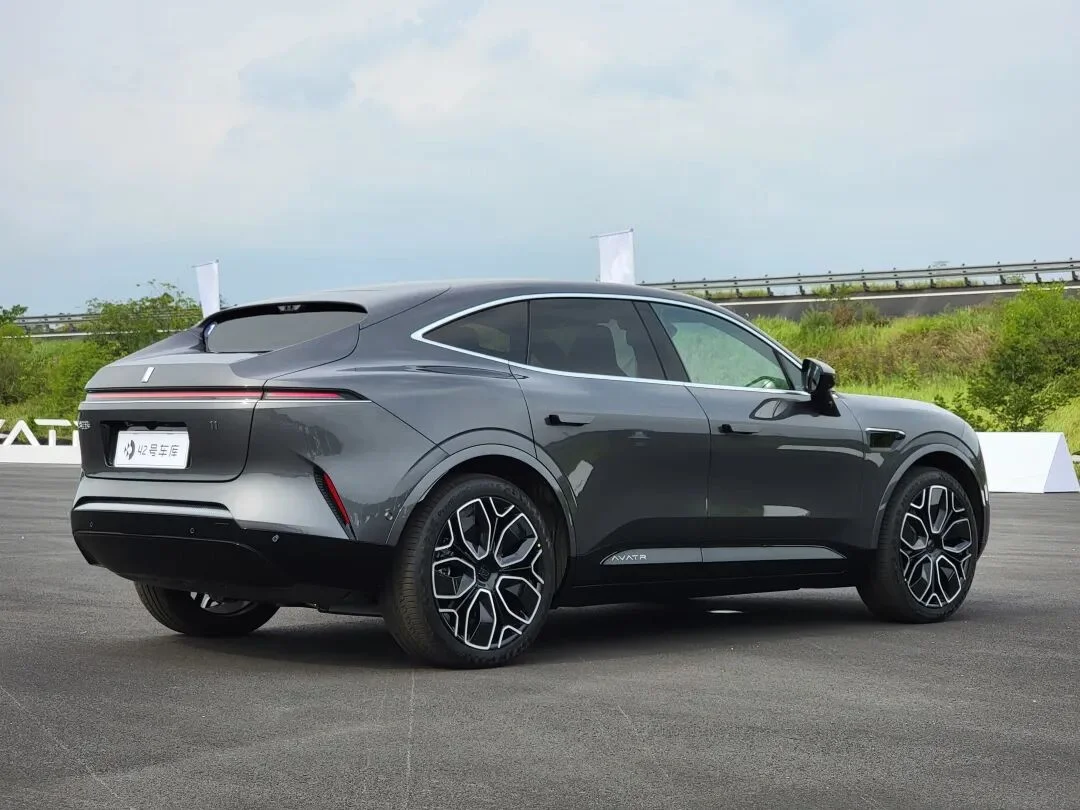
Meanwhile, the AVATR 11, built on the CHN Pingtai platform, has also announced its official launch on August 8, with deliveries to be realized within the year. The AVATR 11 is equipped with a CATL CTP ternary lithium battery pack, offering two CLTC range versions of 680 km and 555 km. Paired with a 750V high-voltage electrical platform, the AVATR 11 can achieve efficient energy replenishment, adding 200 km of range in as little as 10 minutes of charging.
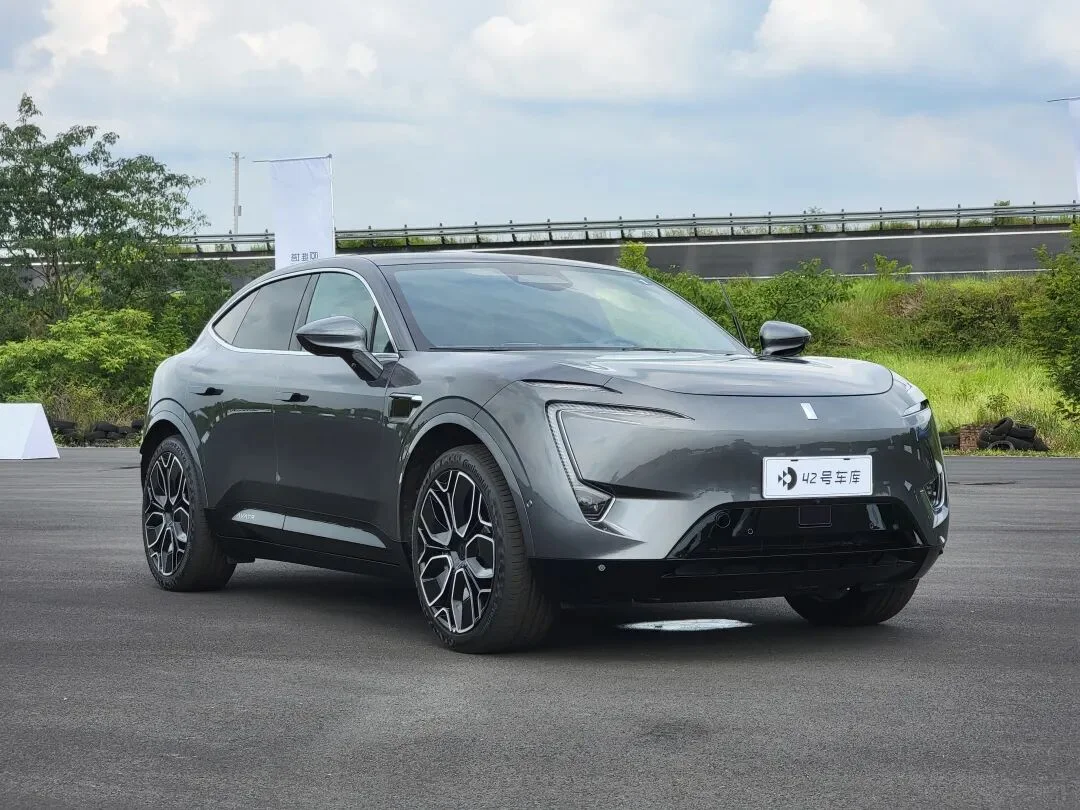
The AVATR 11 features a coupe-SUV design with frameless doors and accelerates from 0 to 100 km/h in just 3.98 seconds. Additionally, AVATR announced a comprehensive cooperation agreement with Huawei; the two parties will develop a series of intelligent vehicles based on CHN Pingtai, launching four new models by 2025.
Editor's Comment:
Based on the parameters released for the AVATR 11, its exterior design, battery range, performance, and interior materials make it a strong contender in the RMB 400,000 price segment. Staff at Chongqingchezhan indicated that the vehicle’s price is likely to fall between RMB 350,000 and RMB 450,000.
Although the three companies behind CHN Pingtai operate in different industries, they correspond precisely to the most critical aspects of an intelligent vehicle: manufacturing, intelligence, and the battery, electric motor, and electronic control systems. Whether this comprehensive strategic cooperation agreement enables Changan, Huawei, and CATL to achieve synergies greater than the sum of their parts (1+1+1>3) will soon be reflected in the sales performance of the AVATR eleven.
MG MULAN Real Car Debuts
On June 24, MG held a MULAN design appreciation event in Shanghai, where the real car was unveiled. The model’s primary color is 'Military Green,' which appears less vibrant in person than in promotional posters. The front fascia retains MG’s family design language, featuring a crease on the hood resembling an air intake.
The overall proportions do not look like a typical SUV. As Shao Jingfeng, Deputy Chief Designer at Shangqijituanchuangxinkaifazongyuan, put it, this is an XFV model, which can be simply understood as a crossover.
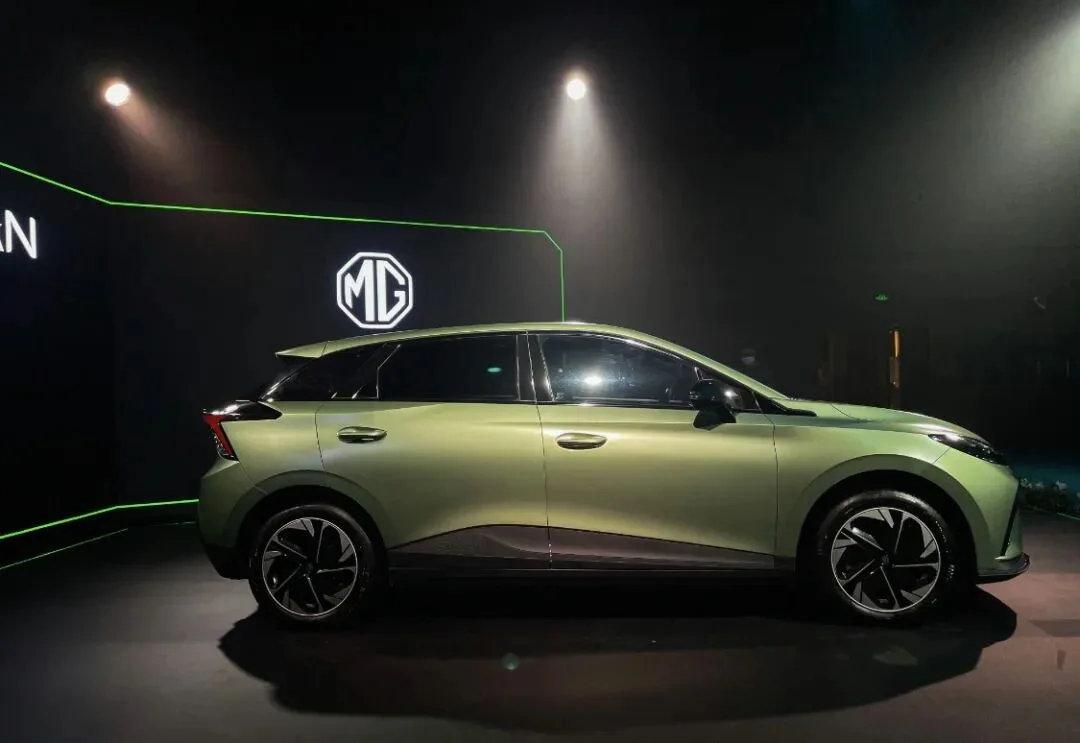
The rear design is the most exaggerated and complex. The upper section features a split, hollowed-out spoiler; the middle houses a horizontal through-type light bar embedded with the MG logo; and the lower part includes distinct elements to manage airflow. Particularly noteworthy is the prominent horizontal through-type light bar, which reveals careful detailing of the 'Swan' constellation when illuminated.
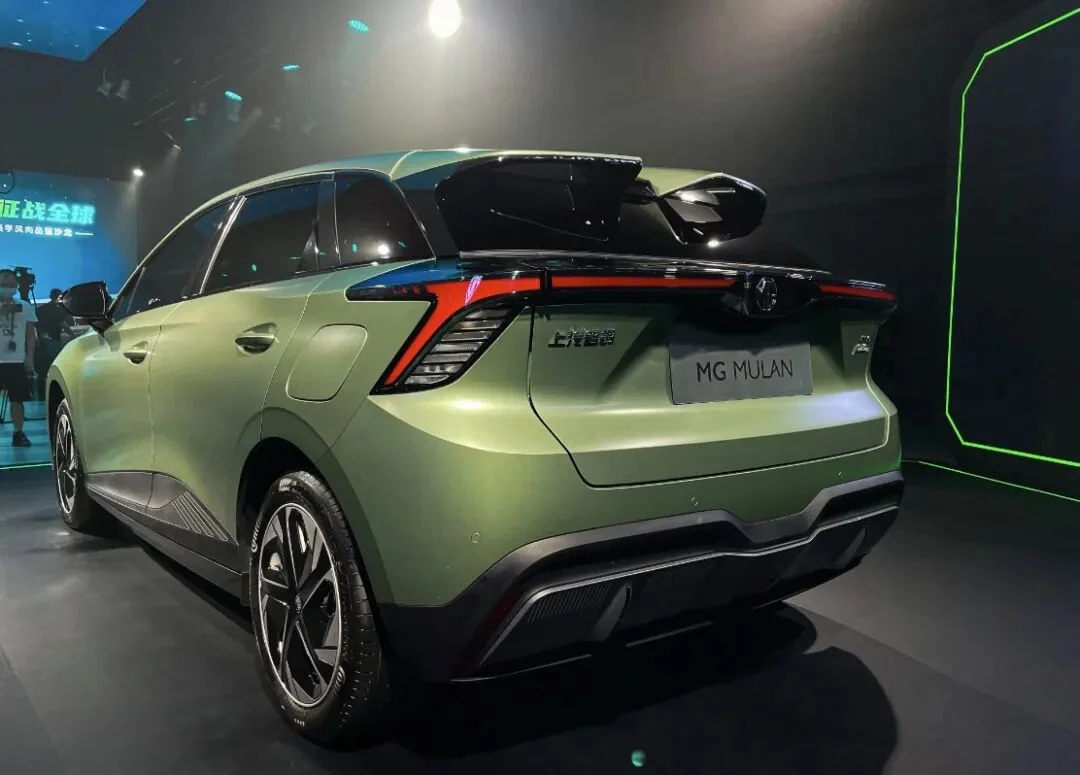
According to previous official introductions, the new car is built on SAIC's Starry Sky dedicated pure-electric architecture. In terms of dimensions, the vehicle measures 4,287/1,836/1,516 mm in length, width, and height, with a wheelbase of 2,705 mm. For power, the single-motor variant is equipped with a motor delivering a maximum output of 150 kW, while the dual-motor version accelerates from 0 to 100 km/h in just 3.8 seconds.
Quick Review:
Many may not know that MG has been the champion for overseas sales of a single Chinese brand for three consecutive years, selling in more than 80 countries and regions. The MULAN will also be a global electric vehicle, not just sold in the Chinese market. During this design appreciation event, officials stated that the new car will be priced below RMB 200,000. With its Magic Cube battery, CTP technology, 3.8-second zero-to-100 km/h acceleration, rear-wheel drive, and a body length of 4,287 mm, it seems to fit the European market's demand for agile small cars. Currently, the market for short-wheelbase performance EVs in China is almost blank. It appears that MULAN is truly well-prepared.
Tesla Shanghai Factory Expansion
On June 23, an internally leaked Tesla memo indicated that the company plans to suspend most production at its Shanghai Gigafactory during the first two weeks of July for on-site upgrades. Following these upgrades, the Shanghai factory is expected to reach a target output of 22,000 vehicles per week.

Editor's Comment:

Tesla’s original plan to achieve weekly production of 8,000 Model 3 and 14,000 Model Y units at its Shanghai facility in mid-May has been delayed. Second-quarter output may drop by more than one-third compared to the first quarter of this year, as pandemic-related production disruptions have proven more severe than Elon Musk had anticipated. While production declines, sales continue to surge, leading to extended delivery times for Tesla models. Expanding capacity at the Shanghai plant, a key export hub for Tesla, is therefore a logical move.
Written by: Mingming Edited by: Liusan