


XPENG, NIO, and Leapmotor Report June Deliveries; XPENG P5 Gets OTA; Volkswagen Unveils ID. AERO
01Weekly Index
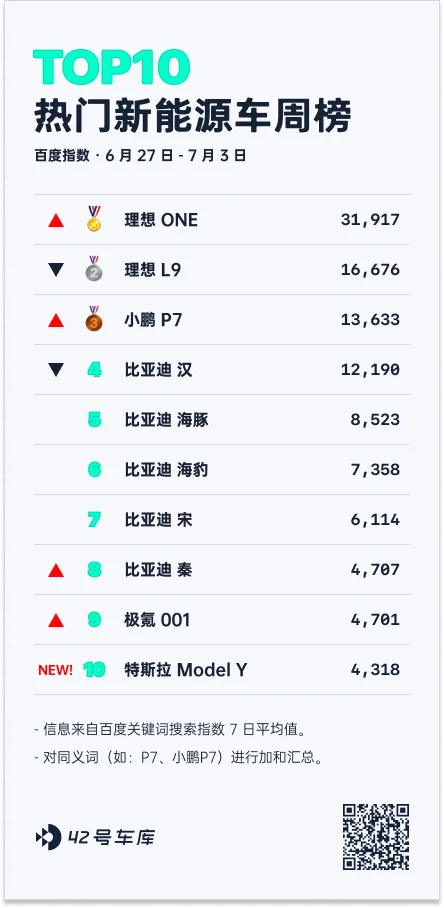
02Weekly Highlights
June Sales Figures Released
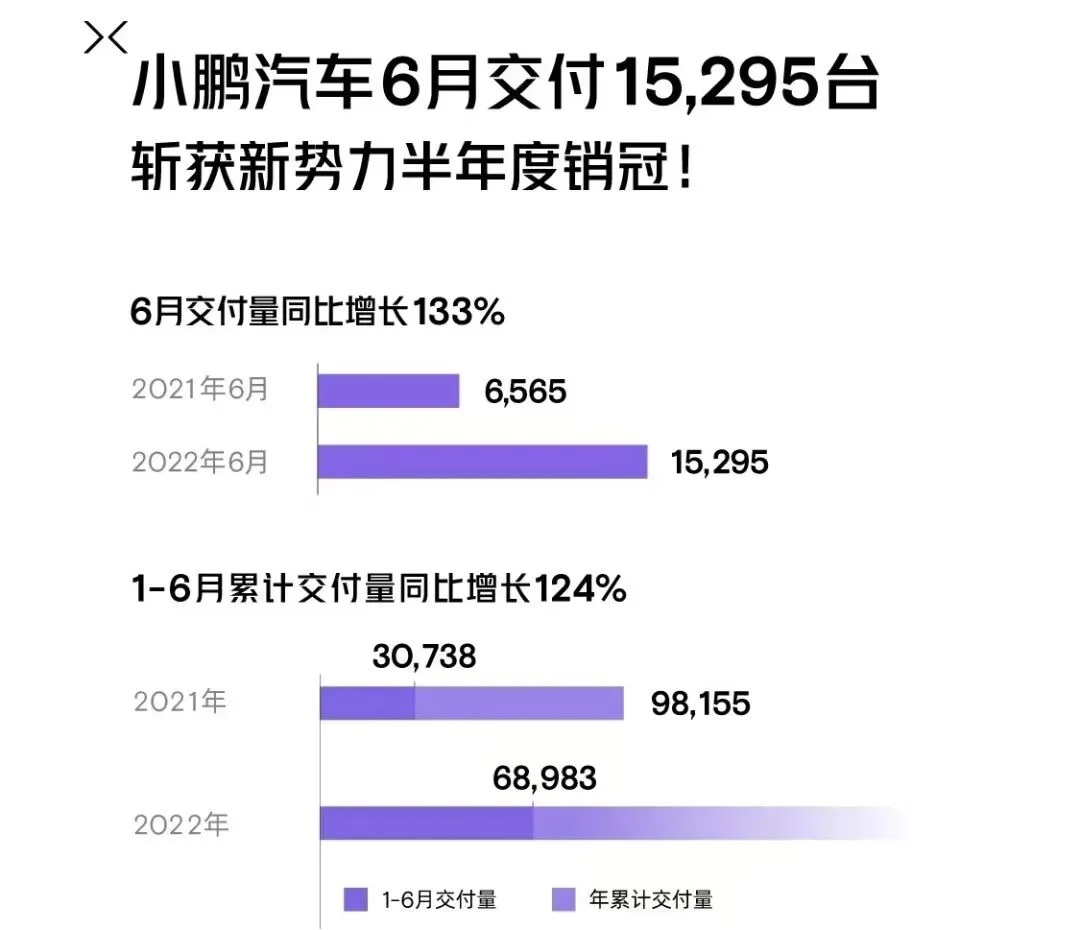
XPENG delivered 15,295 vehicles in June, bringing its first-half total to 68,983 units. Breakdown by model includes the P7 with 8,045 units, the P5 with 5,598 units, and the G3 with 1,652 units. XPENG’s cumulative deliveries for the first half of the year reached 68,983 units, which is 2.2 times the cumulative delivery volume during the same period last year.
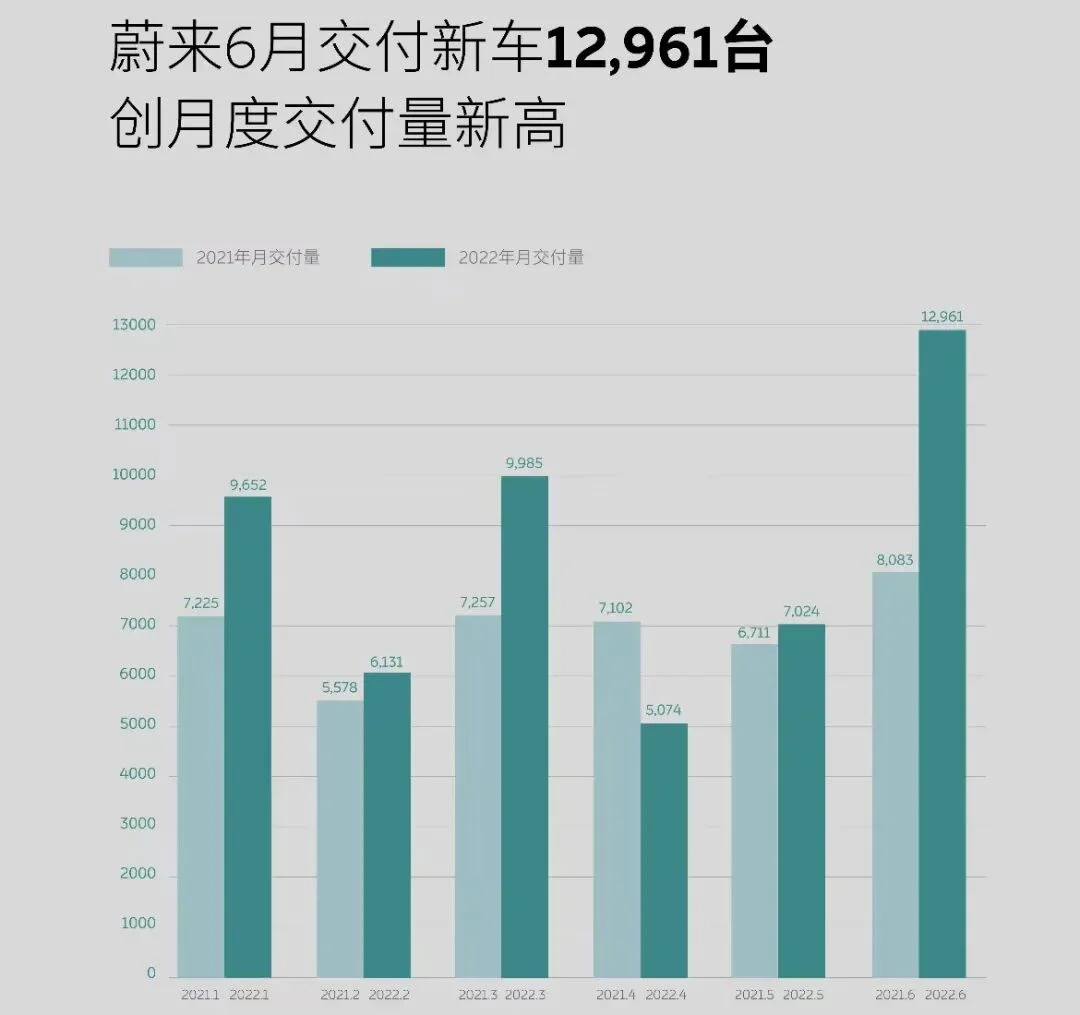
NIO delivered 12,961 vehicles in June, returning monthly deliveries to above the 10,000-unit mark. Model-specific figures include the ET7 with 4,349 units, the ES8 with 1,684 units, the ES6 with 5,100 units, and the EC6 with 1,828 units. The ET7 showed significant ramp-up in June deliveries, while ES6 volumes returned to previous levels.
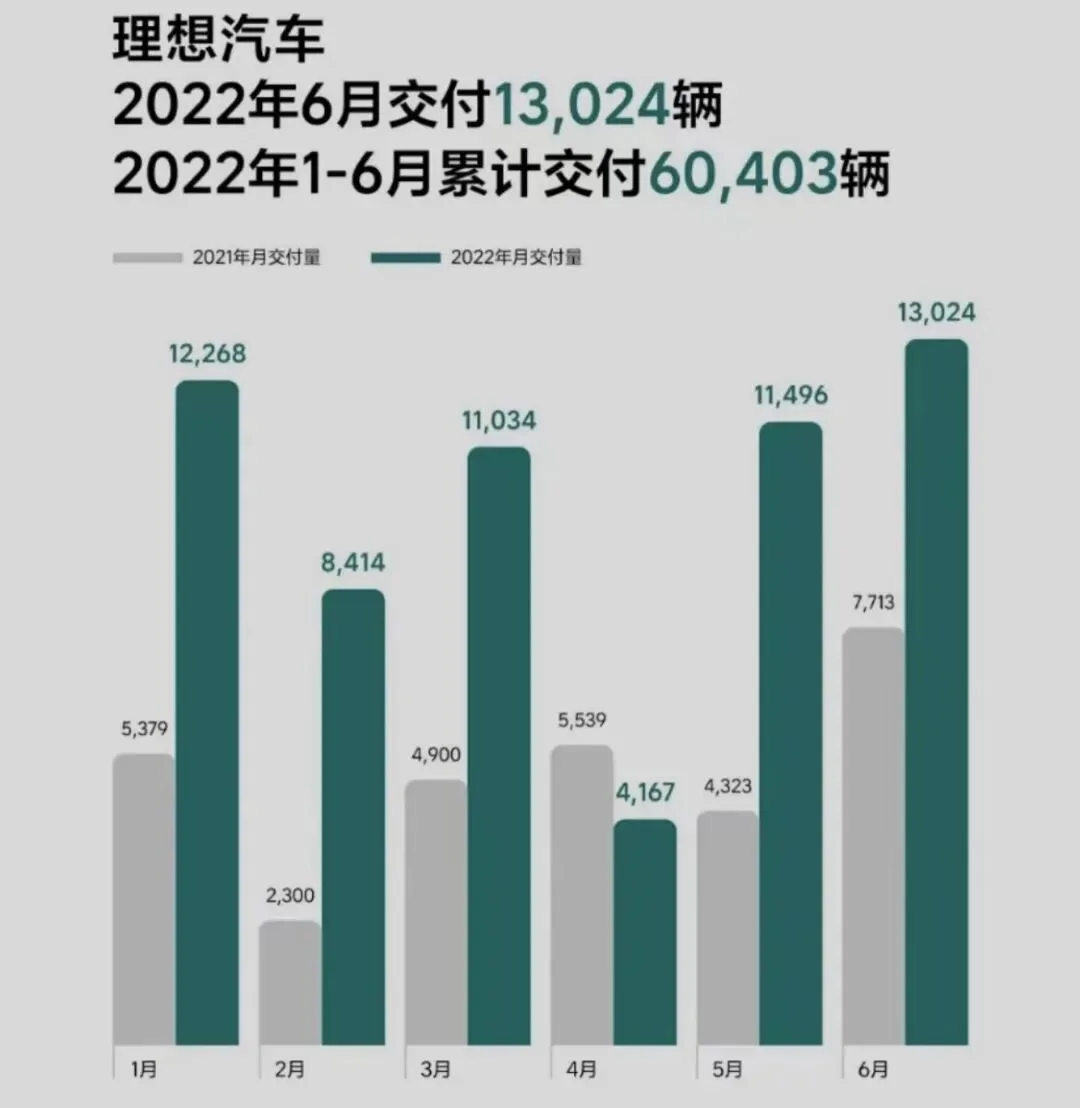
Lixiang delivered 13,024 vehicles in June, with a cumulative first-half total of 60,403 units, maintaining an average monthly delivery rate exceeding 10,000 units.
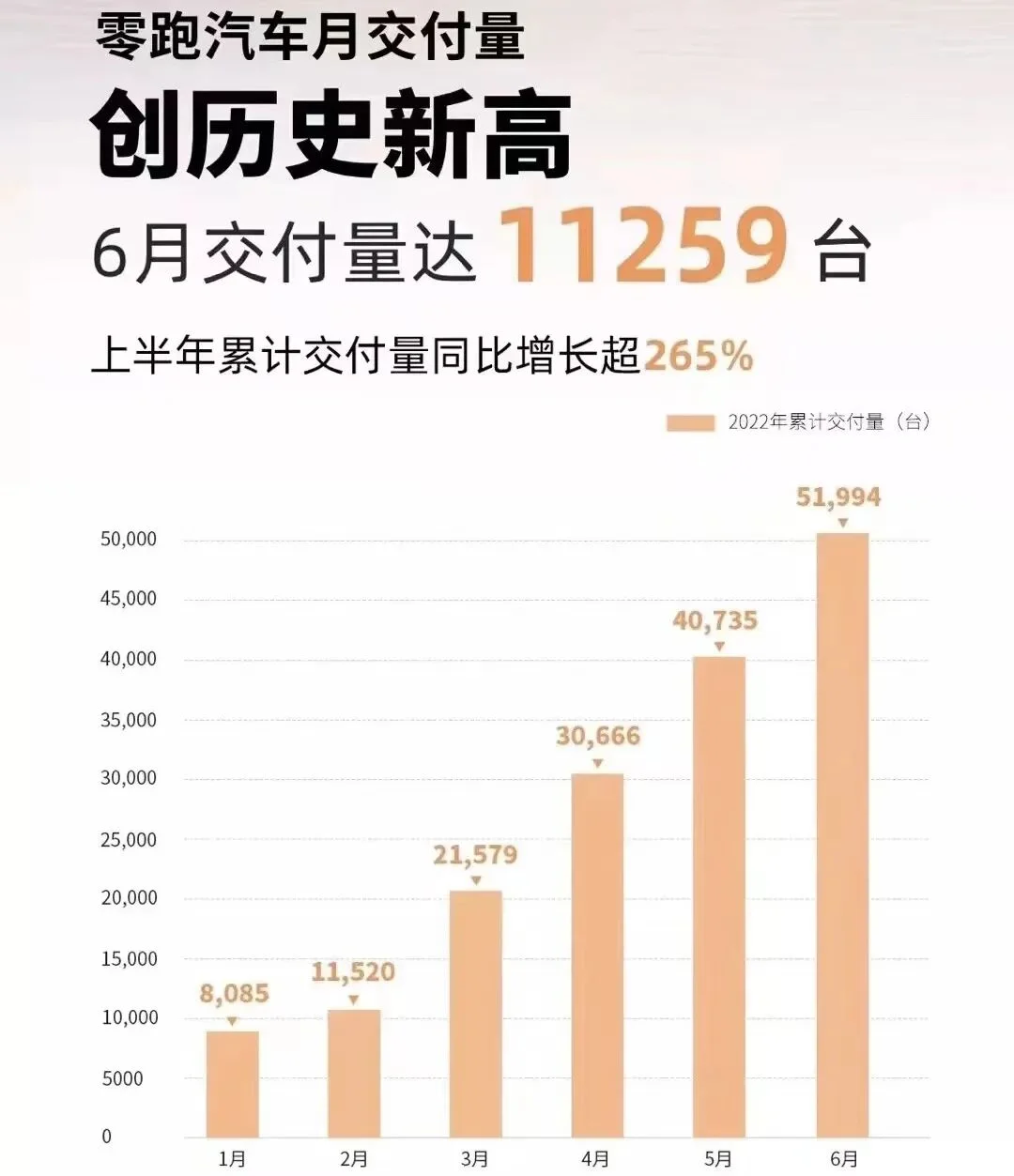
Leapmotor recorded 11,259 units in June, setting a new single-month sales record for the brand. For the first six months of 2022, Leapmotor cumulatively delivered 51,994 new vehicles, representing a year-on-year growth of 265%. Following the success of the Leapmotor C11 in elevating the brand, the Leapmotor C01 is also approaching launch. Leapmotor retains substantial future potential.
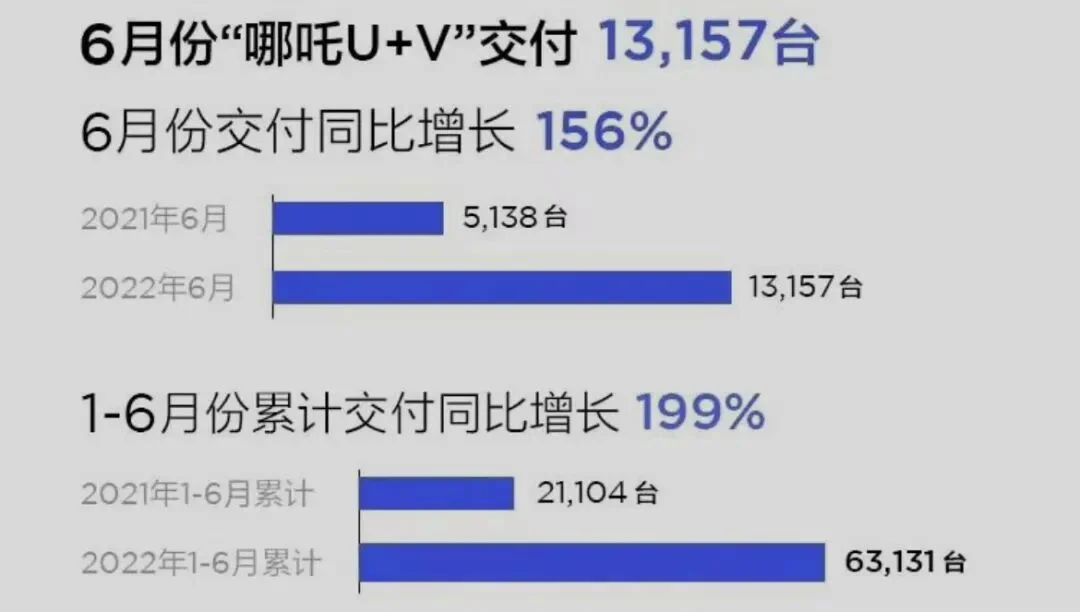
Nezha delivered 13,157 units in June, a year-over-year increase of 156%. This represents a significant improvement compared to the 11,009 units delivered in May. From January to June this year, Nezha has cumulatively delivered 63,131 units. The configuration and pricing for the Yaoshi Edition of the Nezha S will also be announced in July, marking the beginning of Nezha's upward breakthrough.
Commentary:
On the first day of July, new energy vehicle brands all released their June performance reports. Due to the epidemic in Shanghai in Q1 2022, various automakers and supply chains were affected to varying degrees, and delivery volumes across the board generally declined in the first quarter. With the official resumption of work and production across Shanghai in June, the restoration of normal living order, as well as the promotion of new energy vehicles to rural areas and government purchase subsidies, it can be seen from the June sales figures of several companies that the state of the new energy vehicle market has returned to pre-epidemic levels.
For the three top-tier new forces, all achieved monthly deliveries exceeding 10,000 units in June. In XPENG’s sales mix, the P7 remains the pillar, maintaining strong sales data despite rumors of an upcoming facelift or model change. Last month, XPENG Automotive surpassed the milestone of 200,000 total cumulative deliveries, with the P7 accounting for half of that volume.
NIO’s recent delivery lows are temporary. More meaningful data can be expected in Q3 when the product lineup is fully refreshed and production capacity increases further.
As for Lixiang, we will see whether it can challenge single-month deliveries of 20,000 units after the L9 begins deliveries in Q3, and assess the impact of the L9 on Li ONE delivery volumes.
XPENG P5 Xmart OS 3.2.0 Goes Live
On June 30, XPENG officially announced that it will push the Xmart OS 3.2.0 system update to the P5.
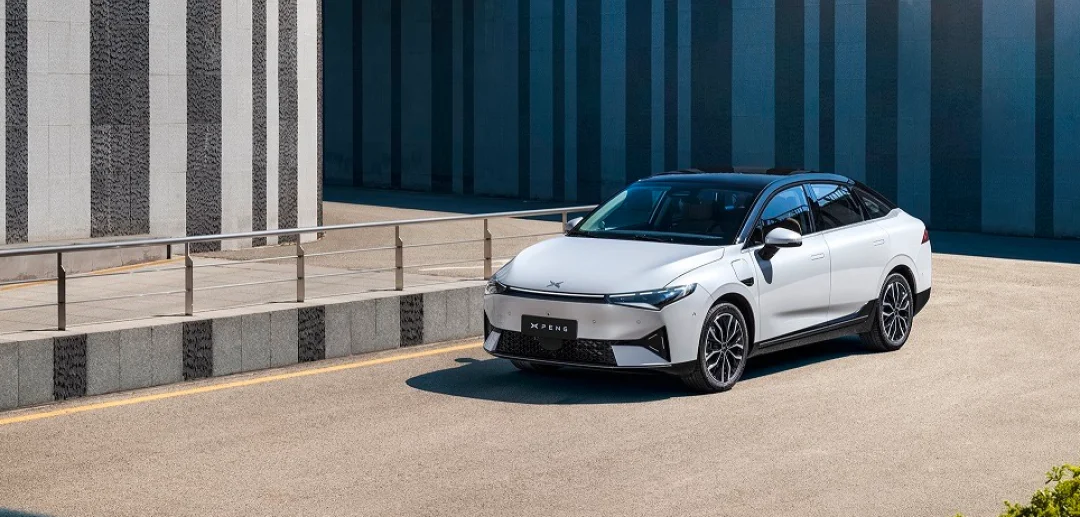
The main contents of this OTA include:
Addition of ACC Enhanced Adaptive Cruise Control
Addition of LCC Enhanced Lane Centering Control
Enhanced Highway NGP Intelligent Navigation Guided Pilot Drive
Optimization of VPA Enhanced Parking Memory Valet functionality
Memory valet cruise speed limit increased from 15 km/h to 20 km/h
Added mini-program scenario-based intelligent push service
Added single-bed mode
Added rear-seat left-behind reminder function
Added intelligent light dance feature
Quick Review:
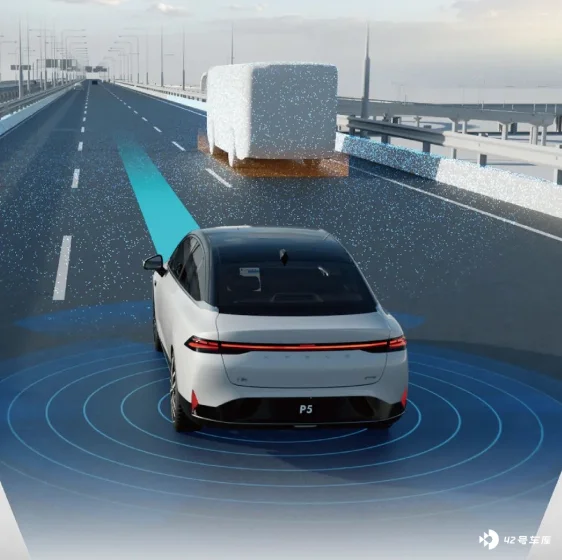
The most significant feature of this OTA update is that the XPilot basic driver assistance and NGP systems on the P5 now utilize LiDAR data. Previously, LiDAR was exclusively used for VPA scenarios, making this OTA another milestone in XPENG's journey toward fully self-developed driver assistance technology.
In NGP mode, XPENG P5's perception of large vehicles is enhanced due to the integration of LiDAR data, and it can also more accurately detect and avoid construction barriers.
Of course, the specific on-road performance still needs to be verified through real-world testing. We will also keep a close watch on the new version of XPiolt in the future, so stay tuned.
In parking scenarios, the speed limit for VPA memory parking has been increased from 15 km/h to 20 km/h. The current unpopularity of parking systems is largely due to their slow operation. This speed increase is made possible by the addition of LiDAR, which enhances the vehicle's perception capabilities. The ultimate development trend of automatic parking functions is to approach human driving as closely as possible; otherwise, they will not be accepted by users, and their value cannot be realized.
Additionally, there are intelligent scenario push services. For example, after a user purchases tickets on the Alipay mobile app via Taopiaopiao or Damaiwang, Xiao P will send a reminder one hour before the event starts. Users can then click or confirm via voice to navigate directly to the destination. The single-bed mode refers to a feature where, once activated, the front passenger seat automatically flattens, allowing for convenient rest when used with the single mattress included in the sleep kit.
Volkswagen ID.AERO Officially Released
On the evening of June 27, Volkswagen added another new member to its ID. family. The ID. AERO is the first pure electric mid-size car in the ID. family, still based on the MEB platform, with a WLTP range of up to 620 km. In terms of positioning, the ID. AERO may serve as the pure electric version of the Pasate and Maiteng, similar to the relationship between the ID.3 and the Gaoerfu.
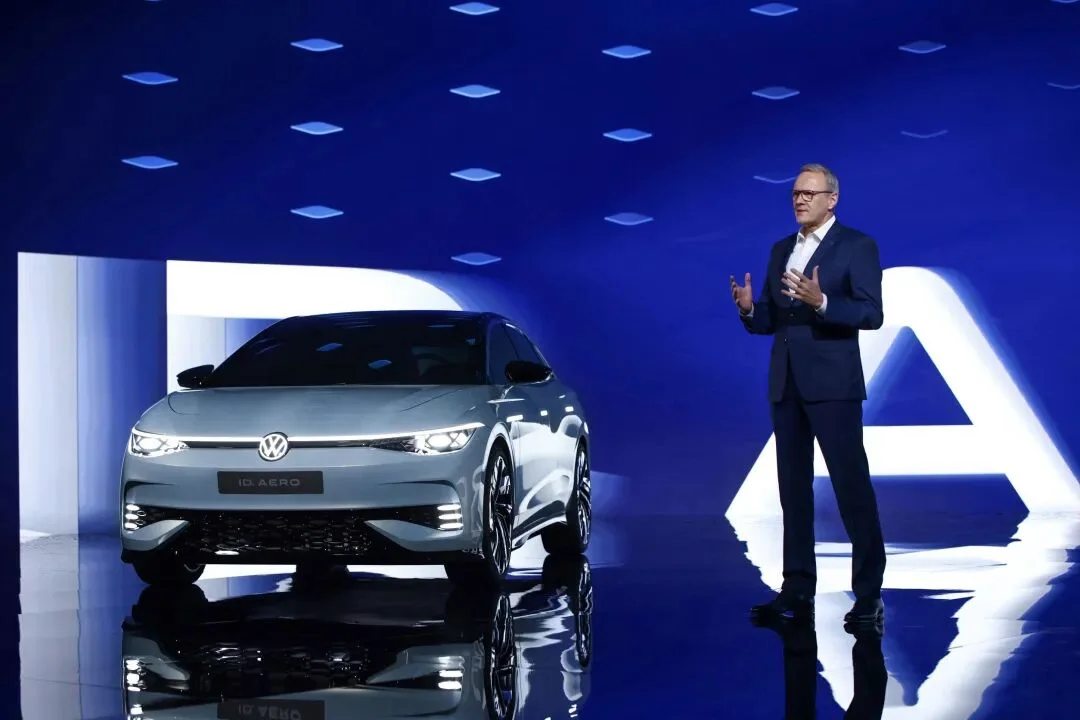
Recently, according to document No. 018703388 filed with the European Patent Office on May 17, 2022, it was revealed that Volkswagen's test models codenamed Aero and Aero B, namely the ID.Vizzion (sedan) and ID.Space Vizzion (wagon), may enter the market under the names ID.7 and ID.7 Tourer.
Quick Review:
Burdened by its "family design" heritage, Volkswagen’s electric vehicle styling, while more refined and tech-forward in detail, still lacks a fresh overall silhouette. The good news is that it remains instantly recognizable as a Volkswagen.
Despite the lack of novelty, Volkswagen’s design craftsmanship deserves praise. The body proportions and lines are smooth, avoiding any jarring or awkward elements, while the fastback shape contributes to an excellent drag coefficient of 0.228.
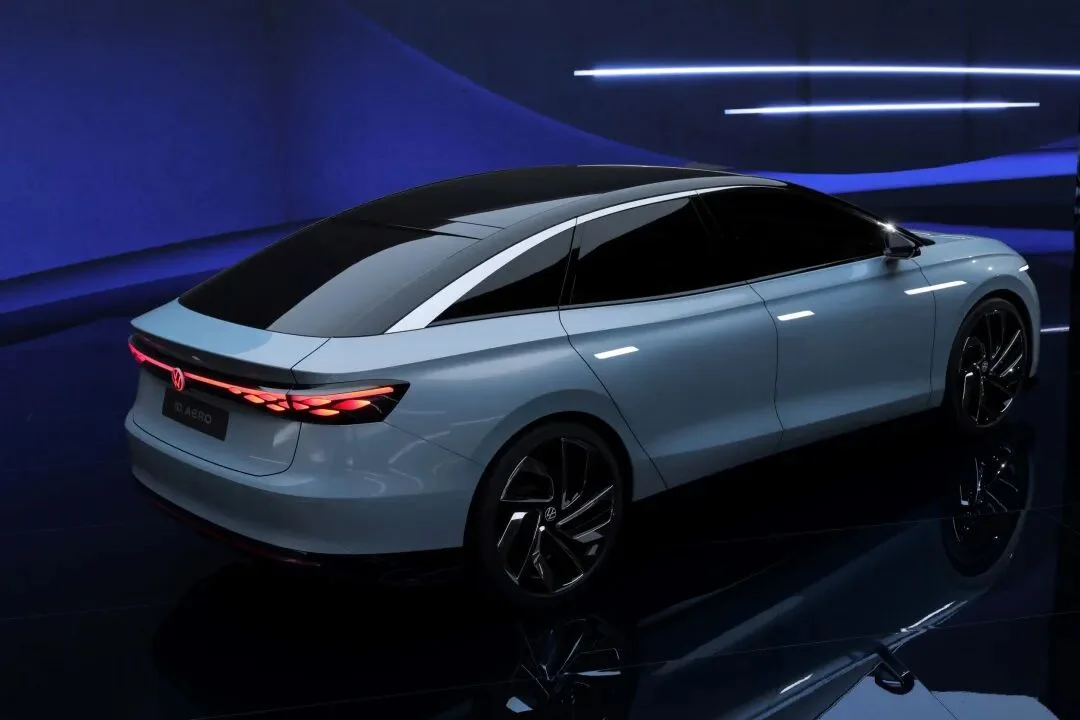
Based on previously released renderings and test drive images of the B9 Daipasate, we can determine that improvements will be made to the infotainment system and screen. This addresses a major pain point currently present in both the Volkswagen ID. series and the Volkswagen MQB EVO platform.
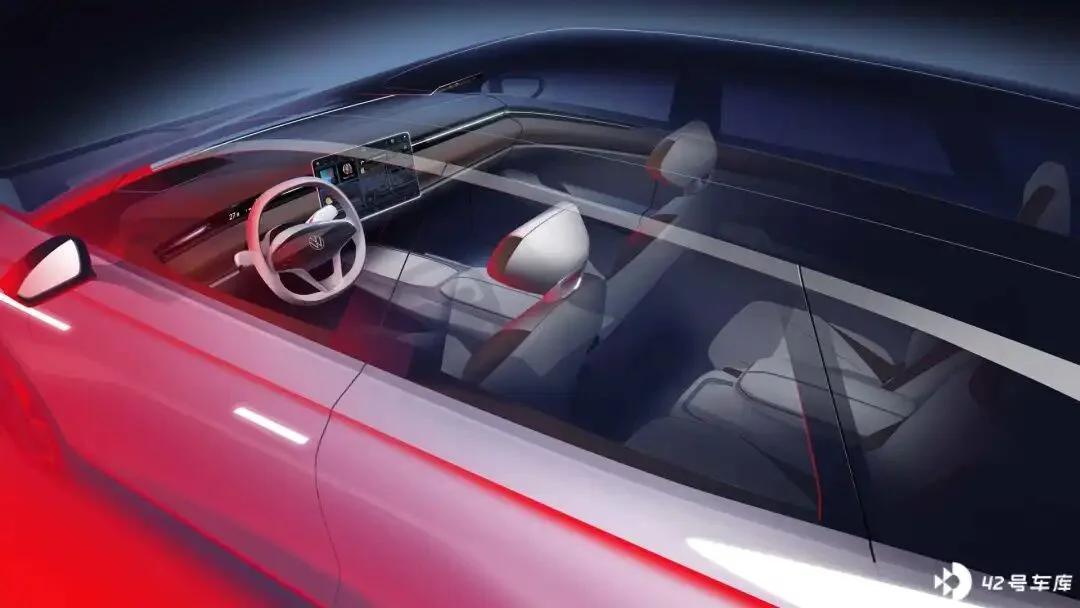
Within Volkswagen’s existing product lineup, the infotainment system has long been a source of criticism. Consequently, when Volkswagen announced its Accelerate plan in March 2021, it declared its intention to become a "software-driven mobility provider." On December 7 of that same year, the CEO of the Volkswagen Group assumed full responsibility for the software division, CARIAD.
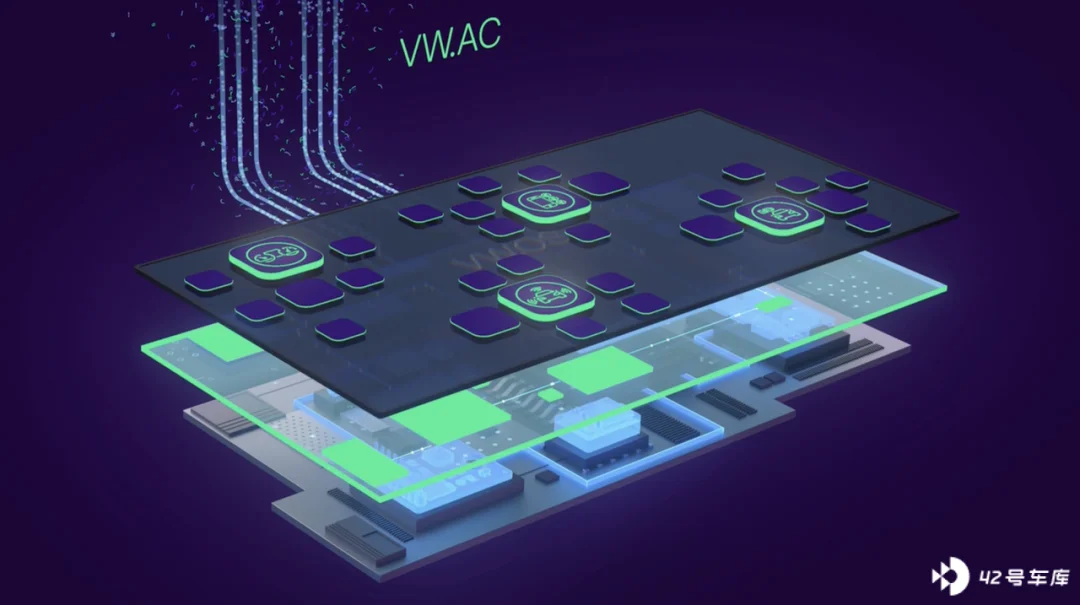
Earlier this year, at the end of April, Volkswagen held the "CARIAD China Strategy Launch Event" in China, demonstrating its resolve to address pain points in infotainment experience. It remains to be seen whether the Pasate B9 and ID.Vizzion, set to be released in the next two years, will successfully resolve existing criticisms.
Leapmotor Rolls Out Its 100,000th Vehicle
On June 28, 2022, Leapmotor celebrated the production of its 100,000th mass-produced vehicle. It took the company exactly three years to reach this milestone, starting from the rollout of its first mass-produced model, the S01, on June 28, 2019.
Initially, many were skeptical about Leapmotor’s prospects, predicting that the brand would cease operations within a year of launching the S01. Although the market response to the S01 was not particularly strong, the introduction of the T03 helped Leapmotor secure its position in the second tier of new energy vehicle startups.
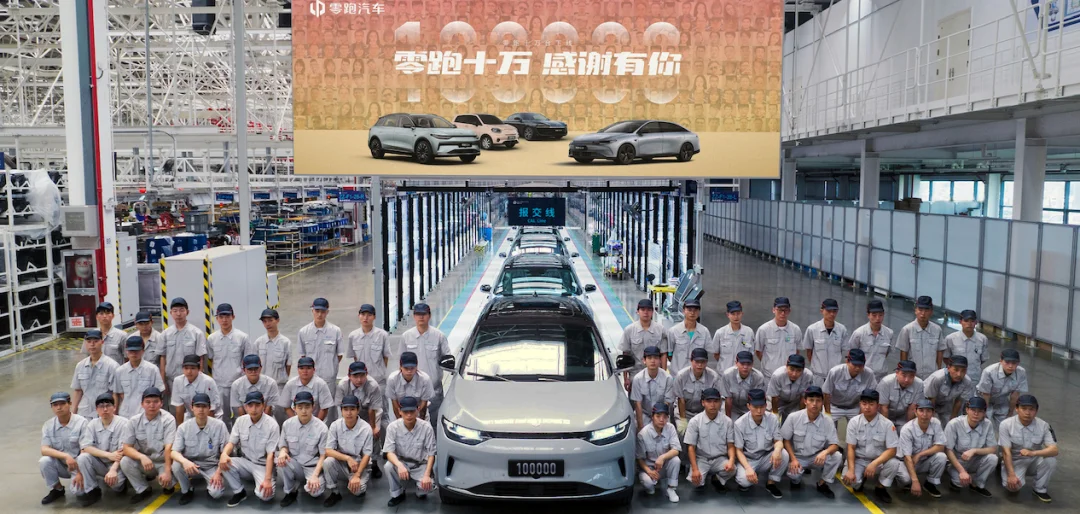
Following the success of the T03, Leapmotor continued to pursue a cost-effective strategy focused on affordable compact cars. In October 2021, the company launched the mid-size SUV C11, priced between RMB 150,000 and RMB 200,000, with the top trim featuring a 90 kWh battery. The C11 was designed to elevate Leapmotor’s brand image, moving away from perceptions of the company as merely a manufacturer of low-speed electric vehicles for the elderly.
At the same time that the C11 was submitted for approval by the Ministry of Industry and Information Technology (MIIT), manufacturing qualifications were transferred to Leapmotor’s Jinhuagongchang for self-production. The Jinhuagongchang facility covers an area of 551 mu. The base is planned to include workshops for the battery, electric motor, and electronic control systems, as well as four major workshops for core automotive components. Its flexible production lines enable co-line production of parts across three platforms and multiple models. The factory currently has a capacity of 50,000 units annually, and internal expansion plans aim to increase this to the planned capacity of 250,000 units.
Editor’s Comment:
The 100,000th vehicle rolled off the line at Jinhuagongchang was the performance version of the Leapmotor C11. Under Zhu Jiangming’s Leapmotor 2.0 strategy, the mid-to-large sedan C01 was also launched as scheduled and is set to begin deliveries in the third quarter of this year.
Clearly, Leapmotor has found confidence in its existing products and summarized its own approach: continuing to pursue a cost-effectiveness strategy. The C11’s price more than doubled from the T03’s starting point of RMB 80,000 to land between RMB 160,000 and RMB 200,000, yet it remains the mid-size SUV with the largest battery capacity available for purchase.
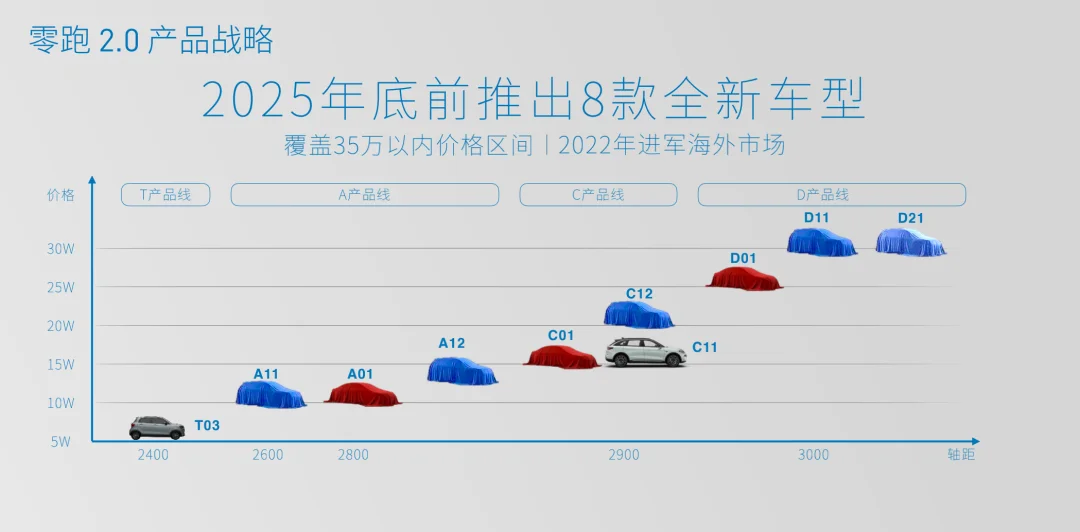
The C01 clearly follows this same method, allowing users to pay for a medium-sized offering while receiving a super-large one. Based on these products, the Leapmotor brand has achieved rapid upward breakthroughs, but the path beyond the RMB 300,000 mark is not easy. For Leapmotor, products can serve as stepping stones for brand elevation, but to walk well and steadily, the company must continue to strive.
Cooperation Deepens: Dipingxian Receives Strategic Investment from Yiqijituan
On June 27, Dipingxian officially announced that it had received strategic investment from Yiqijituan. Since 2020, Dipingxian has established strategic partnerships with Yiqinanjing and Yiqizhinengwangliankaifayuan. In May 2022, Dipingxian secured application for a new model project by Yiqihongqi, committing to collaborate with industry partners based on multiple Zhengcheng 5 chips to jointly help Yiqihongqi develop advanced autonomous driving solutions.
Since its establishment, Dipingxian has attracted strategic capital from numerous automakers including Shangqijituan, Guangqiziben, GWM, Dongfengzichan, and BYD, as well as from upstream and downstream supply chain enterprises such as Intel, SK, Hynix, CATL, Weiergufen, and Shunyuguangxue.
Commentary:
Dipingxian is the first technology company to complete front-loaded mass production of ADAS chips. Currently, Dipingxian is rapidly advancing the mass production and integration of Zhengcheng 5. To date, Zhengcheng 5 has secured design wins from mainstream automakers including BYD, Ziyoujia, and Yiqihongqi. Additionally, Dipingxian has established strategic partnerships with autonomous driving companies such as Qingzhouzhihang, Hongjingzhijia, and Juefeikeji.
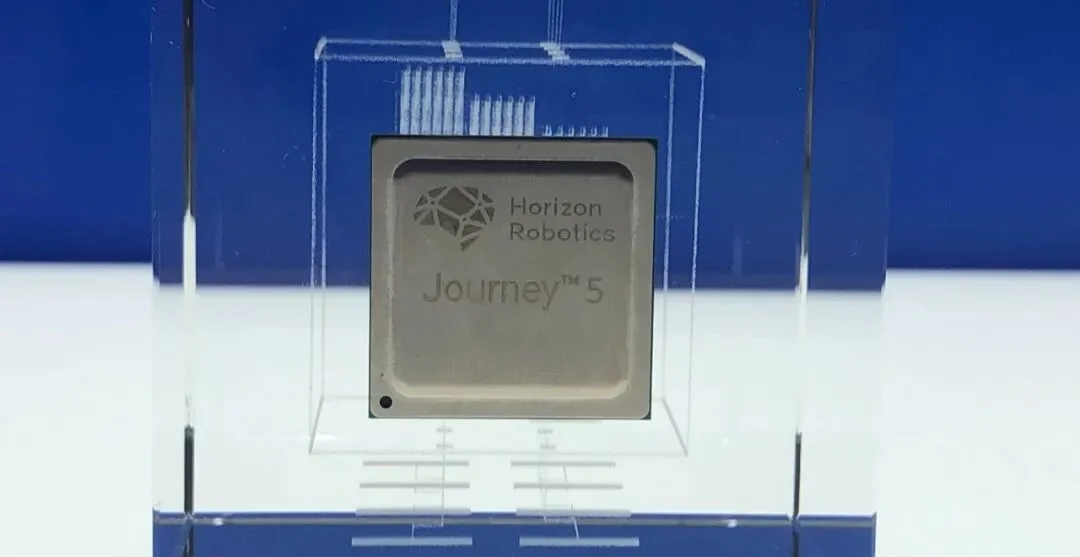
By the end of 2021, cumulative shipments of Dipingxian’s Zhengcheng chips had exceeded 1 million units. The company has signed front-loaded mass production design wins for more than 70 vehicle models with over 20 automakers, making it the Chinese automotive-grade AI chip enterprise with the largest volume in mass production.
Written by: Jiang Xiaohei Edited by: Liu Guangding