


Li L9 Details: Hesai LiDAR, Dolby Atmos Audio and 4D Seats

Li Auto released two batches of leaks today: one covering the L9's exterior (smart driving hardware) and another focusing on the L9's seats and audio system.
Bottom line: regardless of whether you liked or disliked the previous exterior leak, the highlights in the Li L9's seating and audio will have you seriously considering a purchase. This represents the absolute peak for this price segment.
We will now provide a detailed breakdown in the order of exterior, audio, and seats. Feel free to skip to the sections that interest you.
As always, let's start with the images:
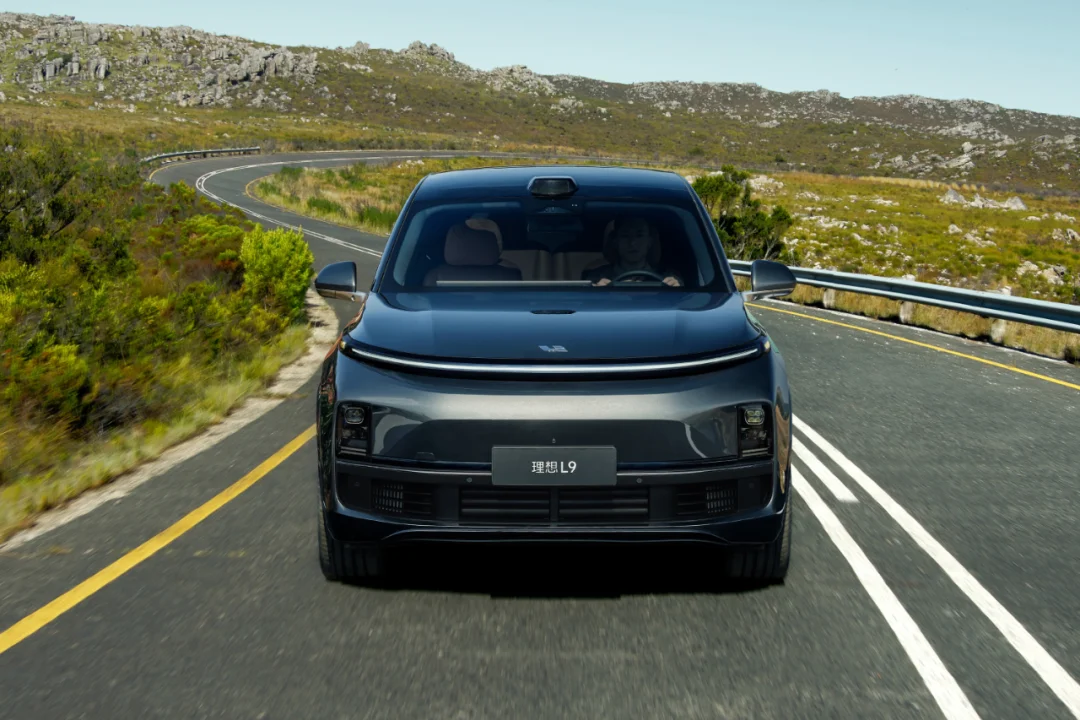
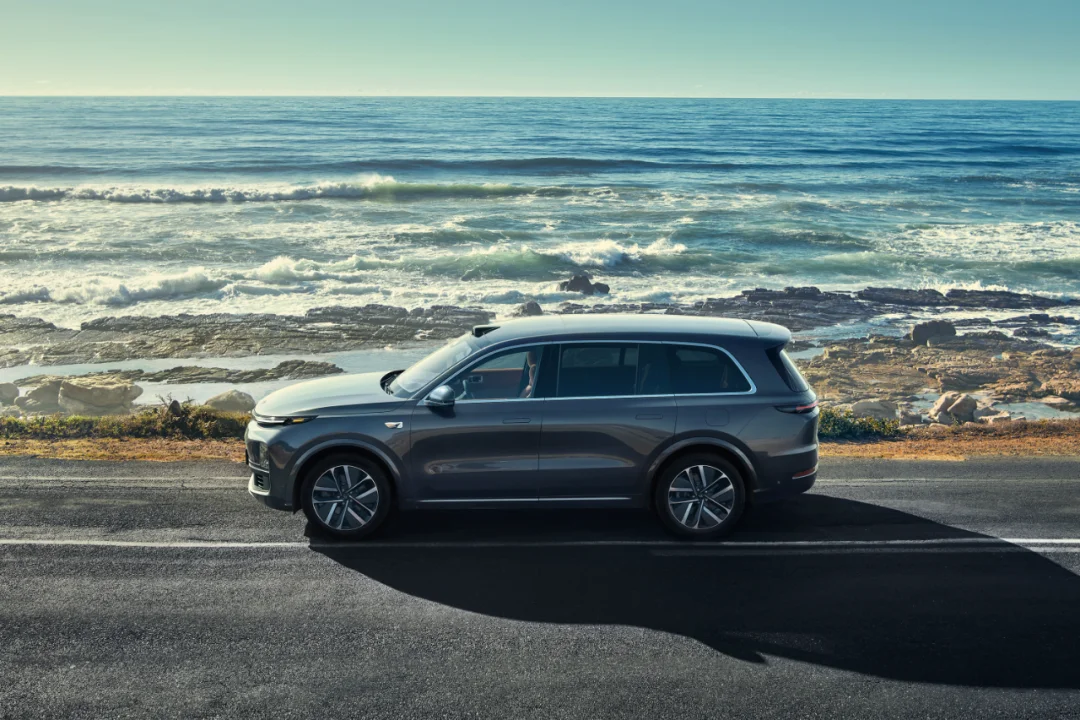
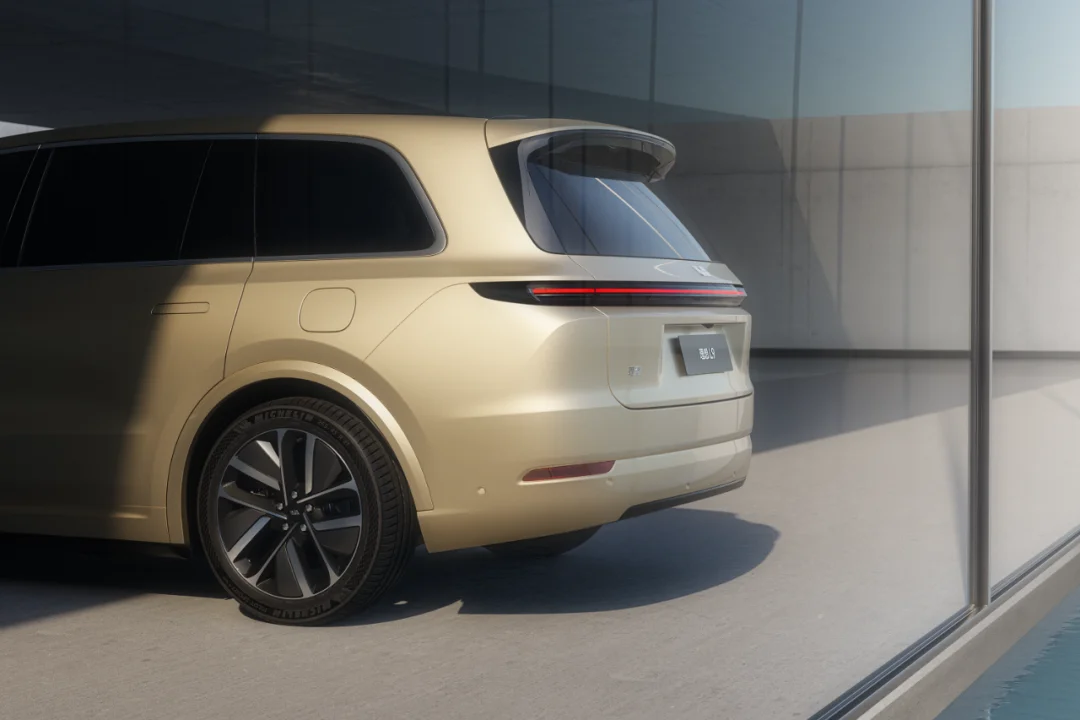
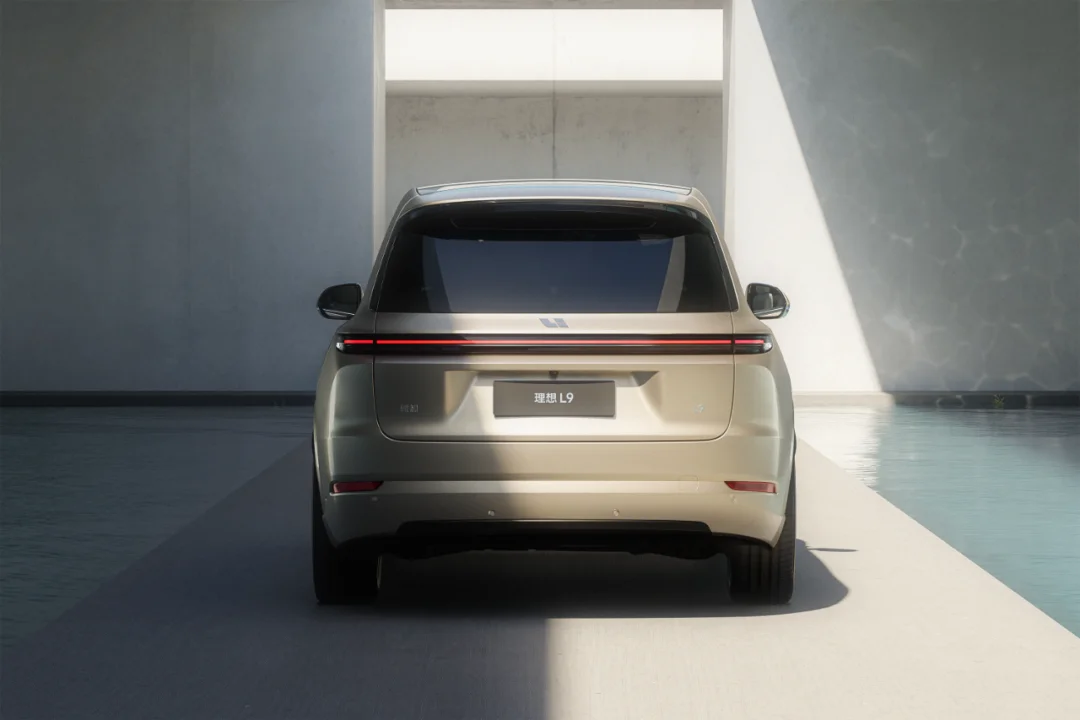


The accompanying copy reveals no new details, only the previously announced pre-sale price of RMB 450,000–500,000 and the launch timeline during the Beijing Auto Show. Li Auto once again emphasized that the L9 will be offered in multiple configurations.
01What Score Would You Give This Exterior?
We will not offer an opinion on whether this exterior design is appealing; we leave that judgment to the comments section.
The overall styling of the Li L9 carries over from the Li ONE. The most prominent feature on the exterior is the lidar unit mounted on the roof, which we will analyze in detail later.
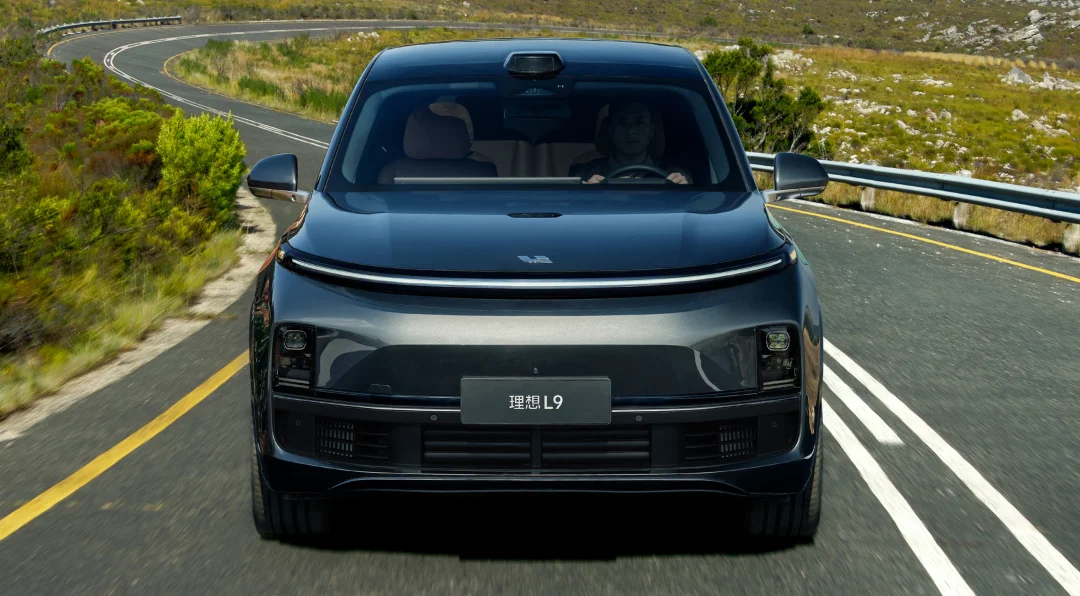
The front fascia of the Li L9 differs significantly from that of the current Li ONE. It retains the full-width star-ring headlights but replaces the large grille with a more "EV-like" closed-off front end.
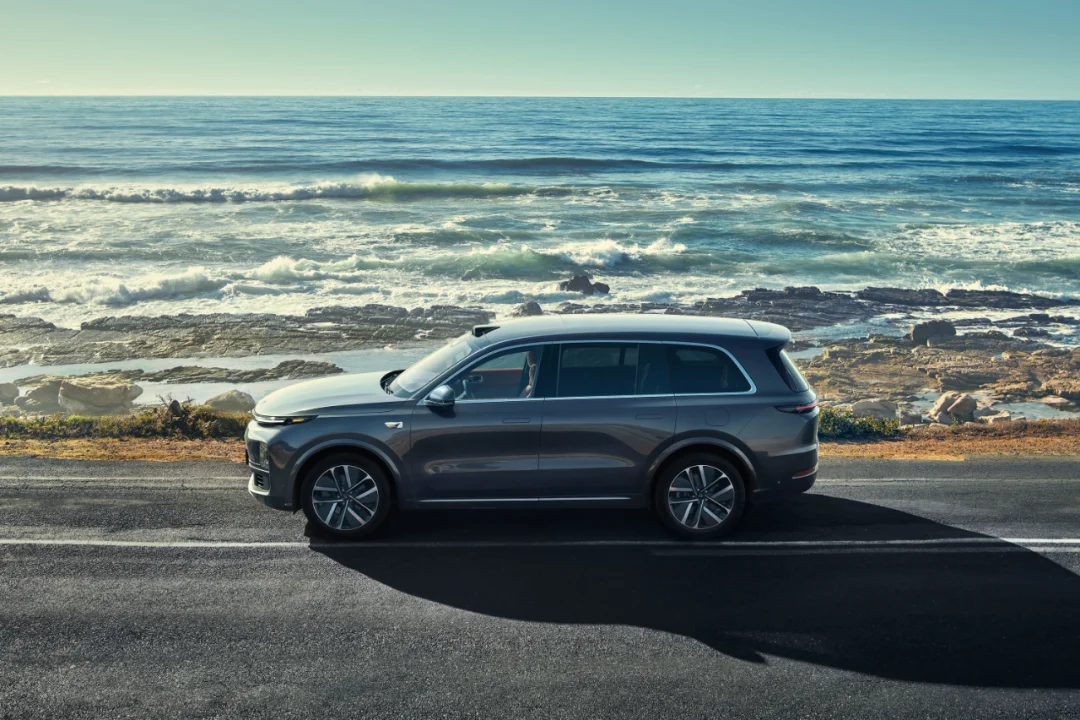
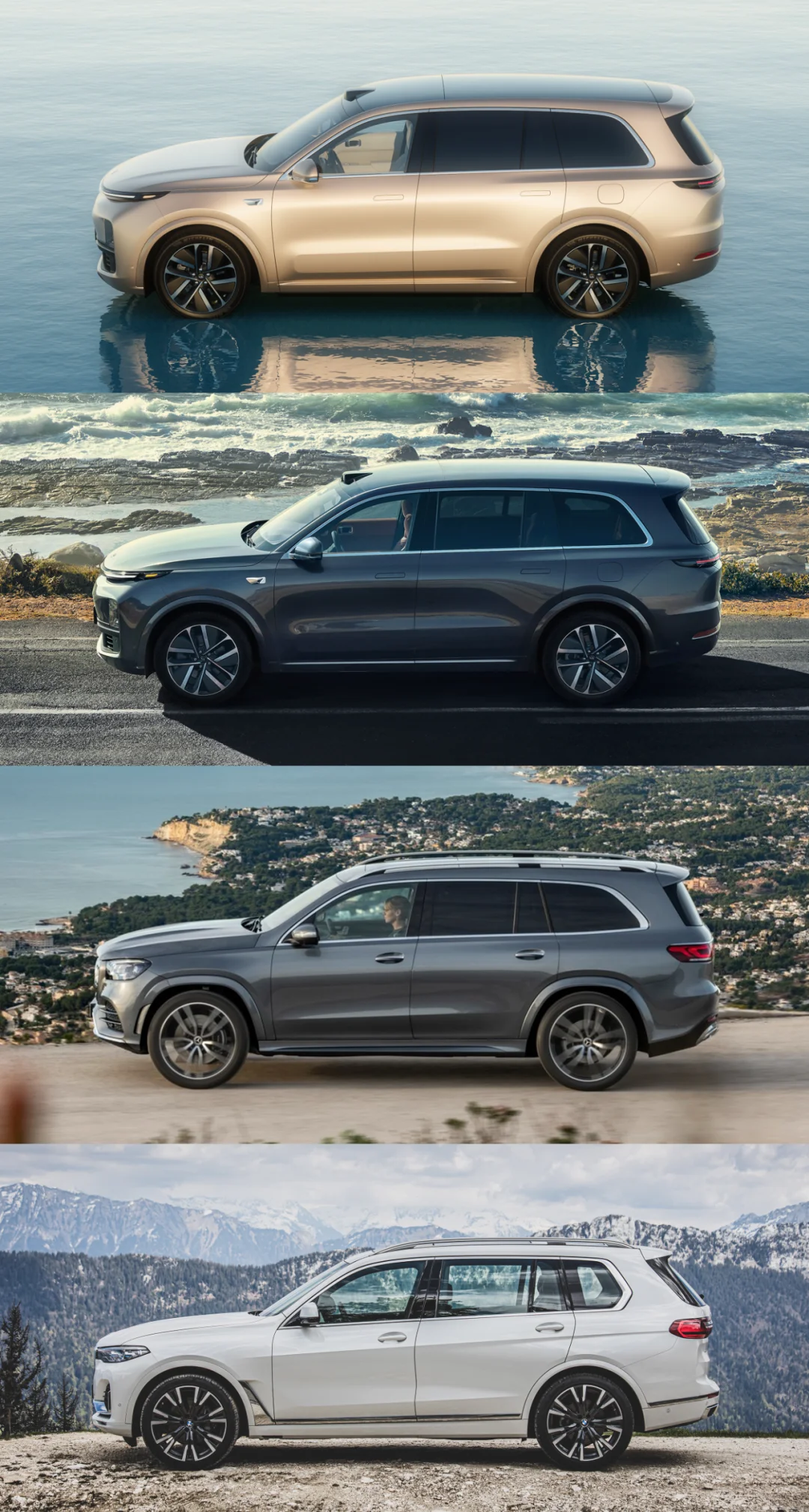
The side profile lines are highly consistent with the current Li ONE, but the longer rear doors are clearly visible due to the increased vehicle dimensions.
The rear design echoes the Li ONE and complements the star-ring headlights at the front. However, judging by the trunk lid lines, the Li L9 does not appear to adopt the highly anticipated split tailgate.
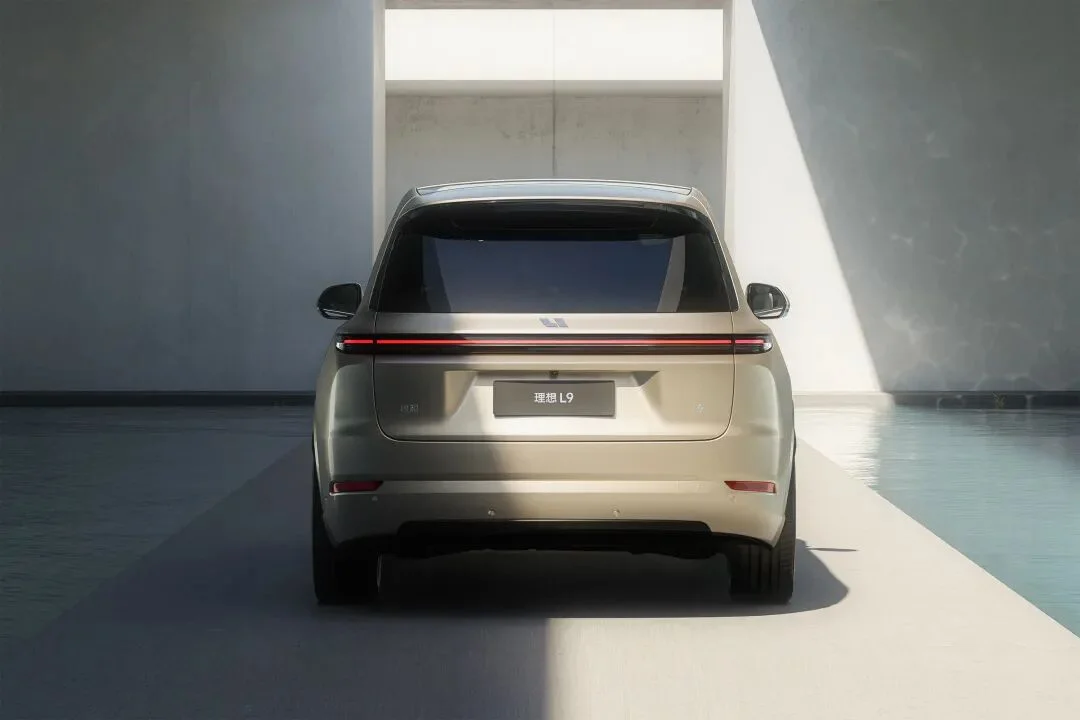
Having reviewed the overall bodywork, let us now examine the finer details.
About Exterior Paint
These four images reveal two paint color options for the Li L9.
The first resembles carbon black; we will not elaborate further on this shade.
The second is champagne gold, a color rarely used on full-size SUVs. Currently, only the Luhulansheng and Binlitianyue are known to offer it.
Full-size SUVs typically opt for dark paint finishes to appear less conspicuous. Dark colors can also create a visual effect of reducing the vehicle's apparent size while highlighting more details of the body lines.
Applying a gold finish to the Li L9 presents significant challenges. As there are no front-facing photos in these images, we look forward to seeing how the actual vehicle performs.
About Wheels
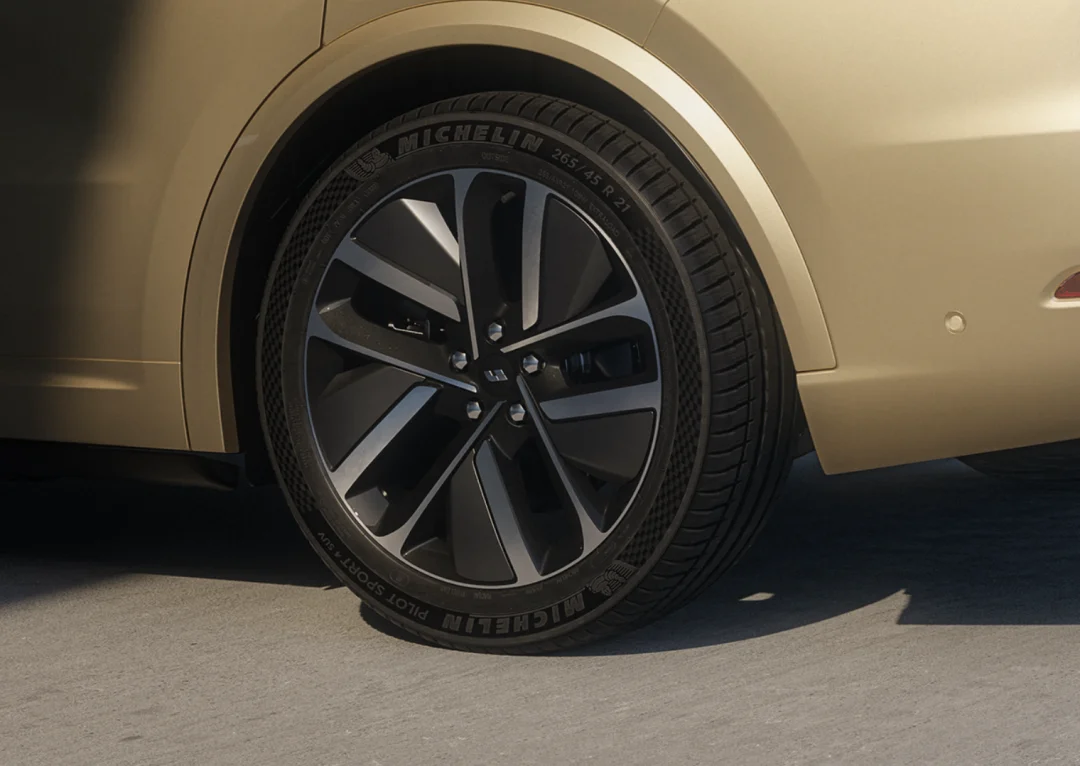
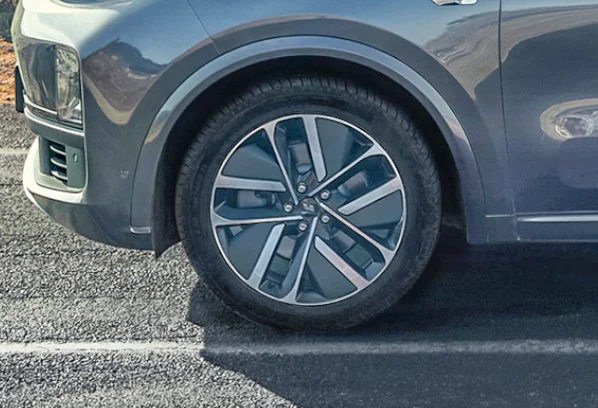
Regarding the wheels, it is evident that the Li L9 does not reuse the wheel design from the Li ONE; however, its style closely resembles the new option introduced for the 2021 Li ONE.
In terms of dimensions, the Li L9 features 265/45 R21 tires. We speculate that the entire Li lineup will offer only this single tire size, albeit with multiple wheel styles.
Additionally, the tires are Michelin Pilot Sport 4 SUV models.
About the Headlights
The Li L9 employs a split-headlight design: an upper full-width LED star-ring daytime running light spanning the front fascia, and a lower section housing the main high- and low-beam headlights.
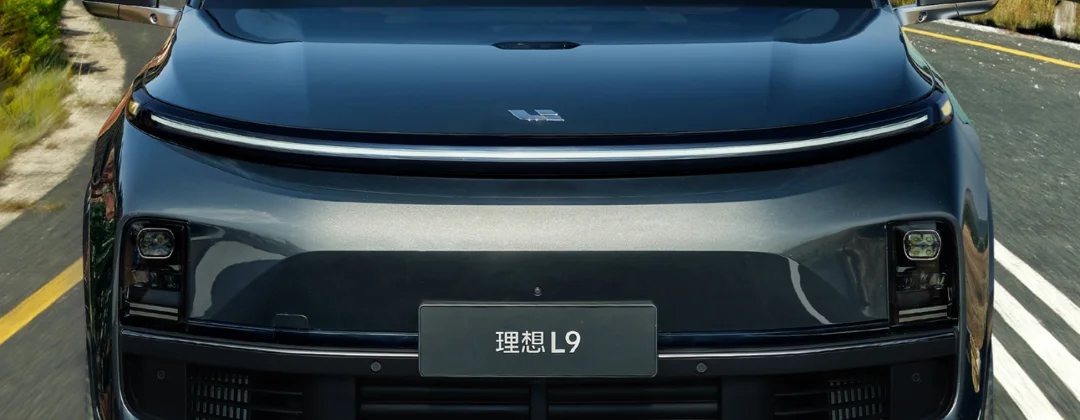
Unlike the new Li ONE, this continuous light strip is unbroken, without any gaps. This suggests excellent visual impact when illuminated at night, but also implies higher manufacturing costs.
The lower high-beam and low-beam headlights use LED light sources and include lenses. The Li ONE’s headlight brightness was widely criticized, so we hope for a breakthrough improvement in the Li L9.
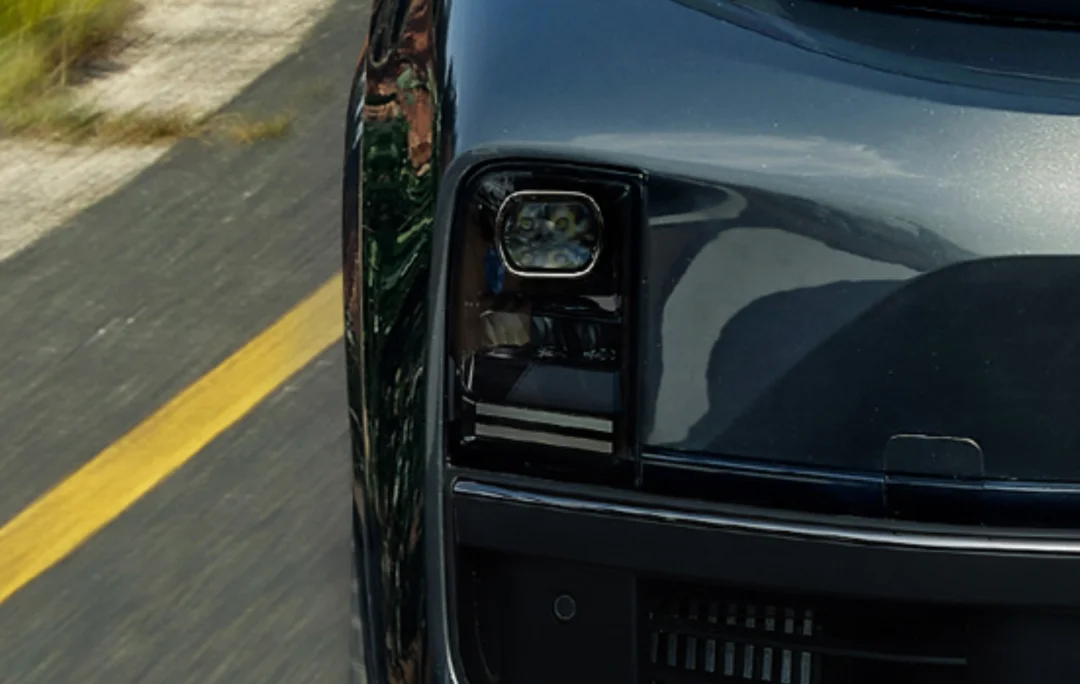
Other Details
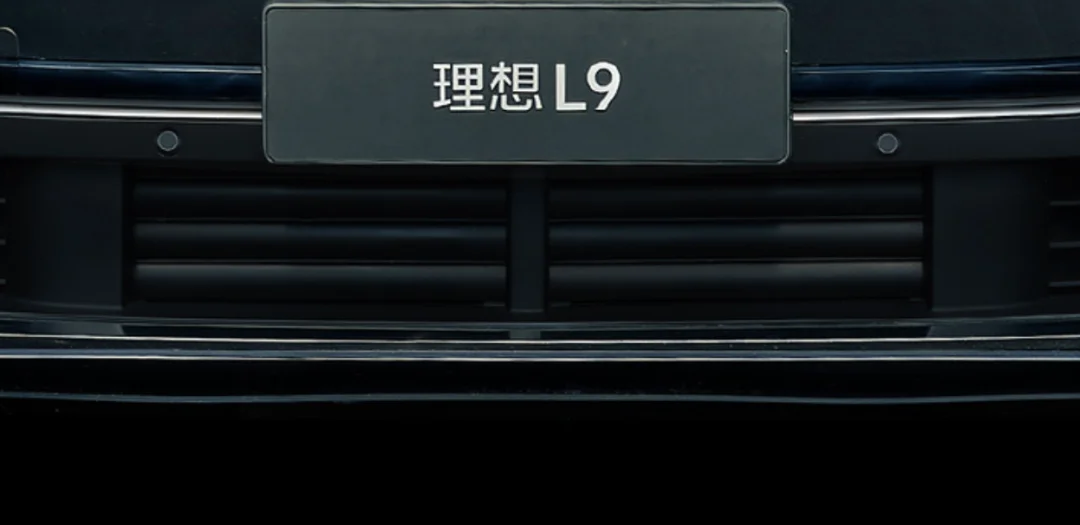
The lower front grille features an active grille shutter, a design already present on the Li ONE. This helps reduce aerodynamic drag and improves thermal efficiency in winter.
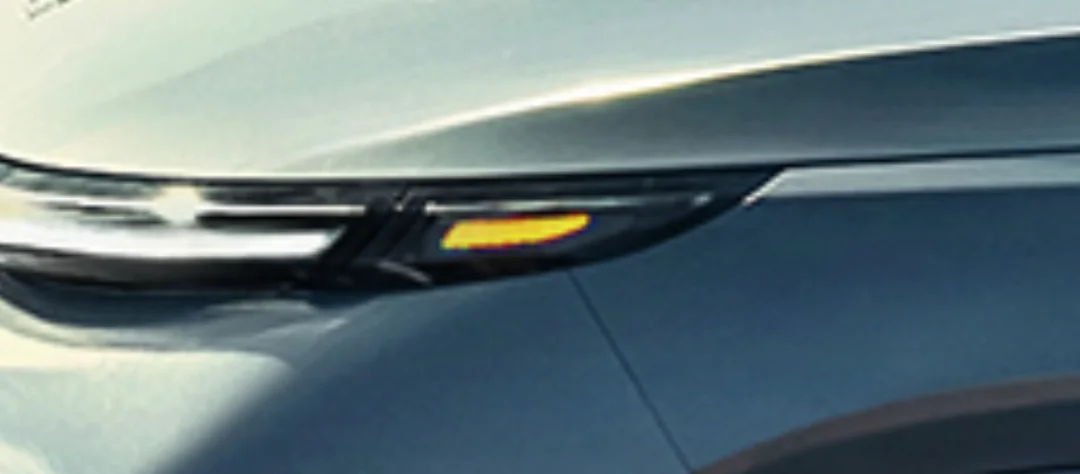
At the ends of the Li L9's halo light bar are two small yellow lights—a very rare design. We speculate there are two possibilities: one is to comply with U.S. regulations by adding amber side markers; the other is to reserve indicator lights for future advanced autonomous driving capabilities.
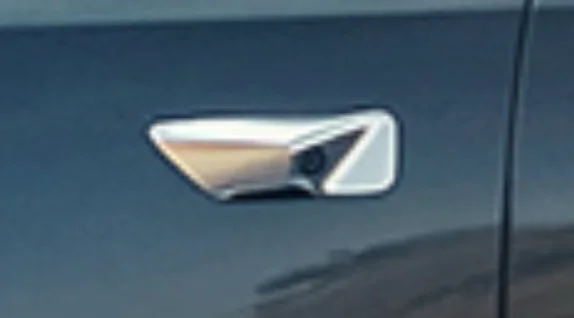
The camera trim panels on the vehicle's side are made of silver material, creating a contrasting color effect against the body paint.
The door handles feature a flush, hidden design.
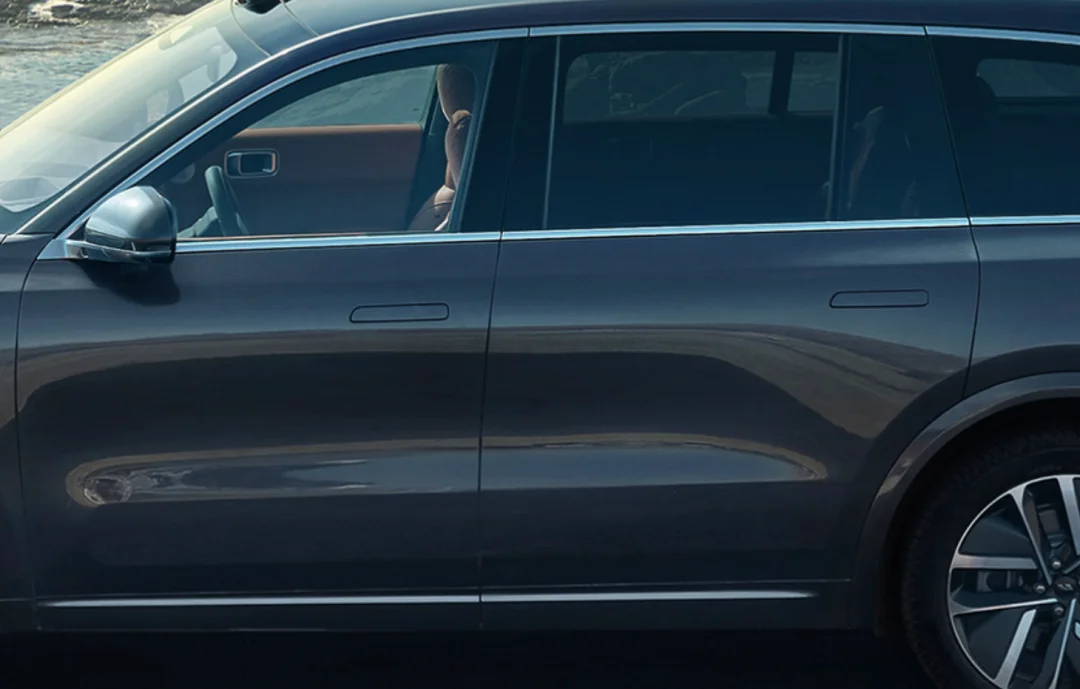
A LiDAR unit is mounted on the front of the roof. A dividing line above the B-pillar, combined with previously leaked interior images, suggests this is the boundary for the sunroof: the front section features a small, non-opening panoramic glass roof, while the rear extends into a large panoramic sunroof reaching the third row.
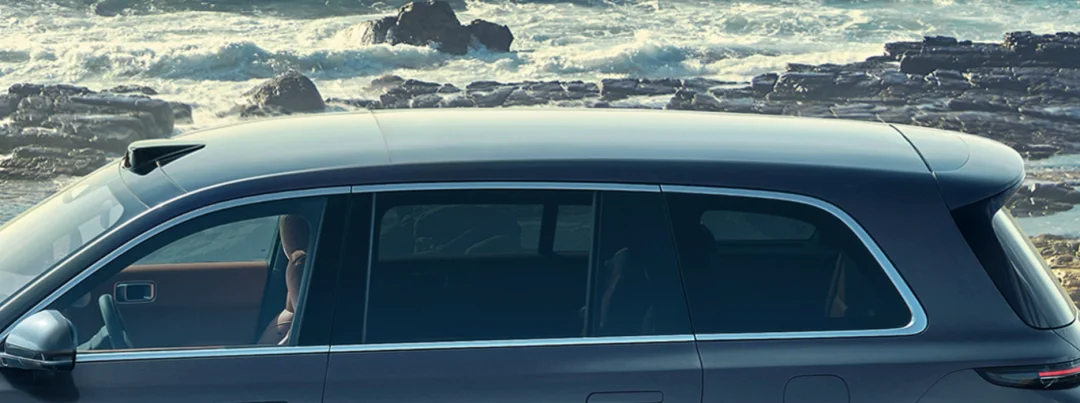
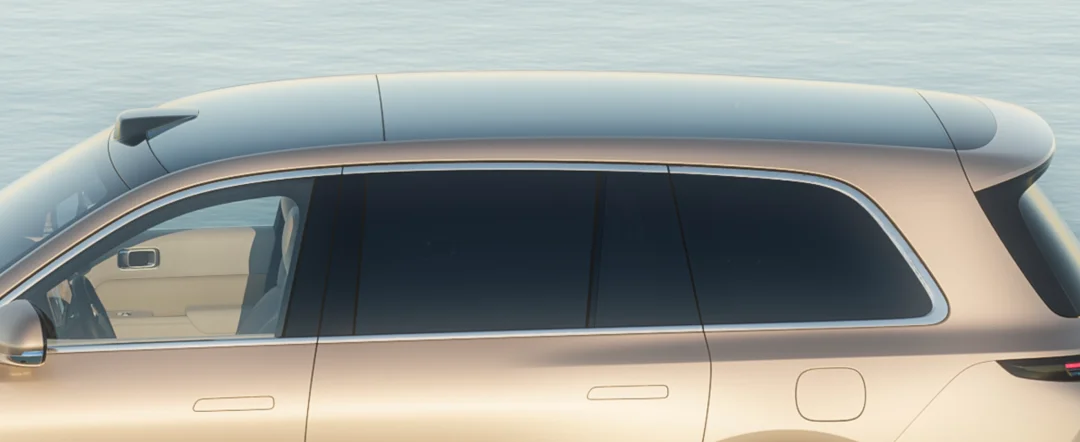
The Li L9 does not include roof rails.
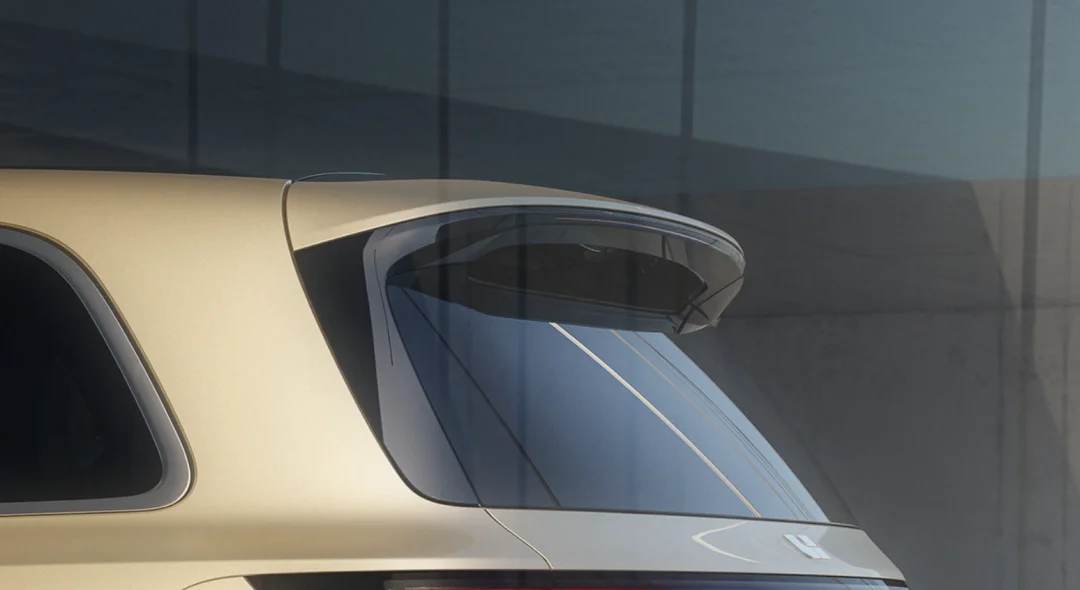
The Li L9’s prominent 'spoiler' likely houses not only a hidden rear wiper but also a significant number of positioning devices for its driver-assistance systems.
The brake calipers are floating-type, positioned ahead of the axle, similar to most vehicles using MacPherson struts; however, prior information indicates the Li L9 will feature a double-wishbone front suspension.
02About Intelligent Driving
Li Auto’s previously released prospectus revealed that the Li L9 will be equipped with hardware supporting Level 4 autonomous driving. Although only four images were released this time, they provide considerable insight into the vehicle's intelligent driving capabilities.
About LiDAR
Like NIO, Li Auto has mounted its LiDAR on the roof, offering three advantages:
Because the LiDAR is mounted higher, it offers better detection performance in both congested traffic and for distant objects.
Since the LiDAR is positioned on the roof rather than the bumper, it is less likely to be damaged in minor collisions, resulting in lower subsequent repair costs.
With the LiDAR located on the roof, the bumper design does not need to accommodate sensor placement, which can lead to better pedestrian safety crash test results.
There are also three disadvantages:
Although LiDAR manufacturers have made every effort to minimize the size of the units, the overall effect on the vehicle remains quite conspicuous. Moreover, compared to the NIO ET7, the Li L9’s exterior styling integration appears more rough.
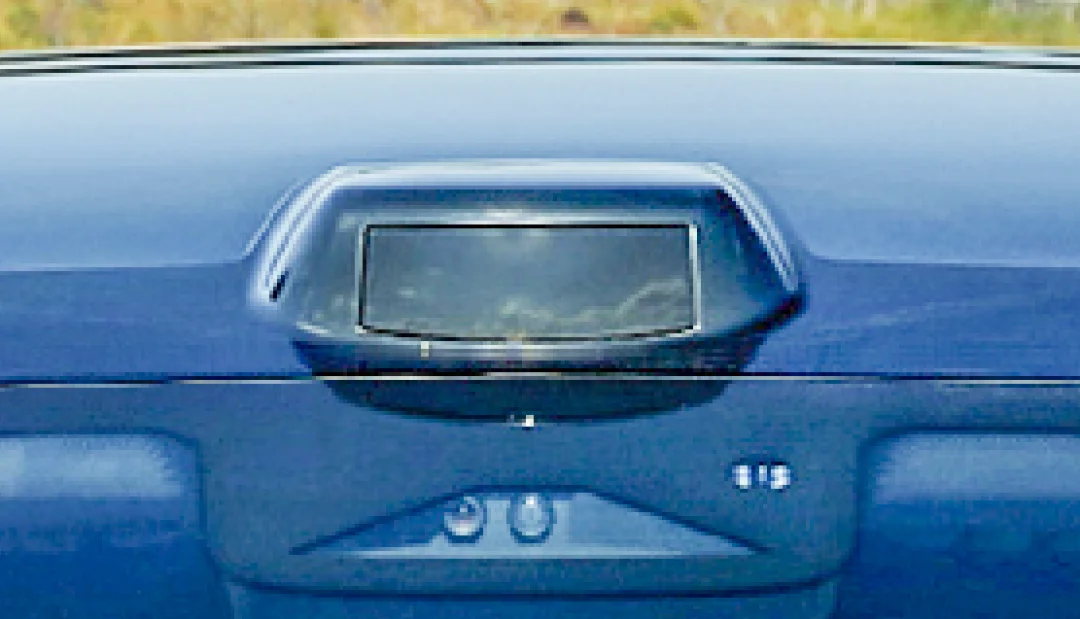
Because LiDARs generate large amounts of data during operation and require effective heat dissipation, they occupy significant space on the roof. We hope this does not excessively encroach on the cabin's headroom.
The roof protrusion will increase wind noise, placing greater demands on the Li L9’s aerodynamic drag coefficient and NVH (Noise, Vibration, and Harshness) performance.
Another detail: although the Li L9’s lidar is mounted on the roof, its highest point does not exceed the vehicle's overall height.
Regarding the lidar model, we understand it uses the Hesai AT128 semi-solid-state lidar. It features 128 laser lines, a wavelength of 905 nm, a maximum detection range of 200 meters at 10% reflectivity, and a field of view of 120° x 25.4°.
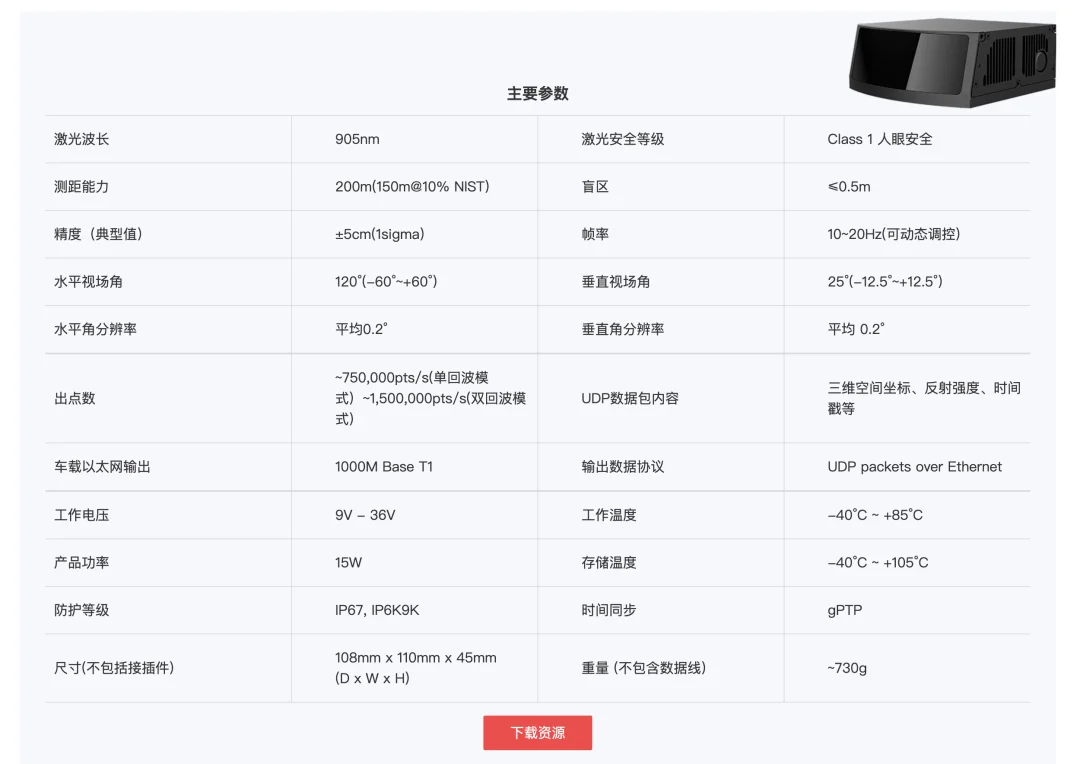
If you are interested, please comment with 'lidar explanation' below. We can produce a dedicated educational piece on these parameters. For now, we will not elaborate further. Overall, the performance is rated above average.
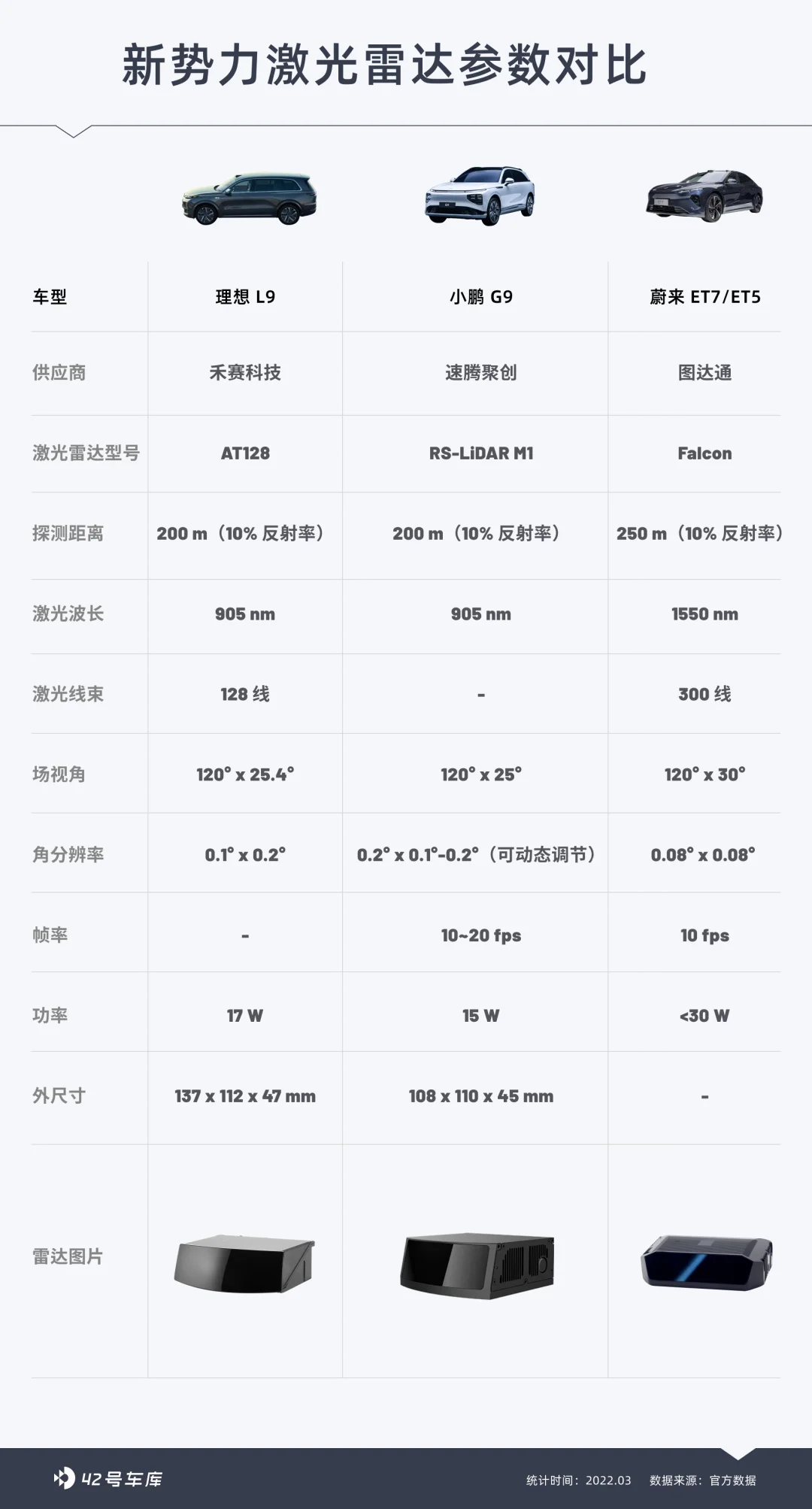
We have also gathered lidar specifications for the XPENG G9 and NIO ET7 for your reference.
About the Driver Assistance Cameras
These four images reveal that the Li L9 employs two front-facing cameras and four side-view cameras for intelligent driving, along with four surround-view cameras for parking.
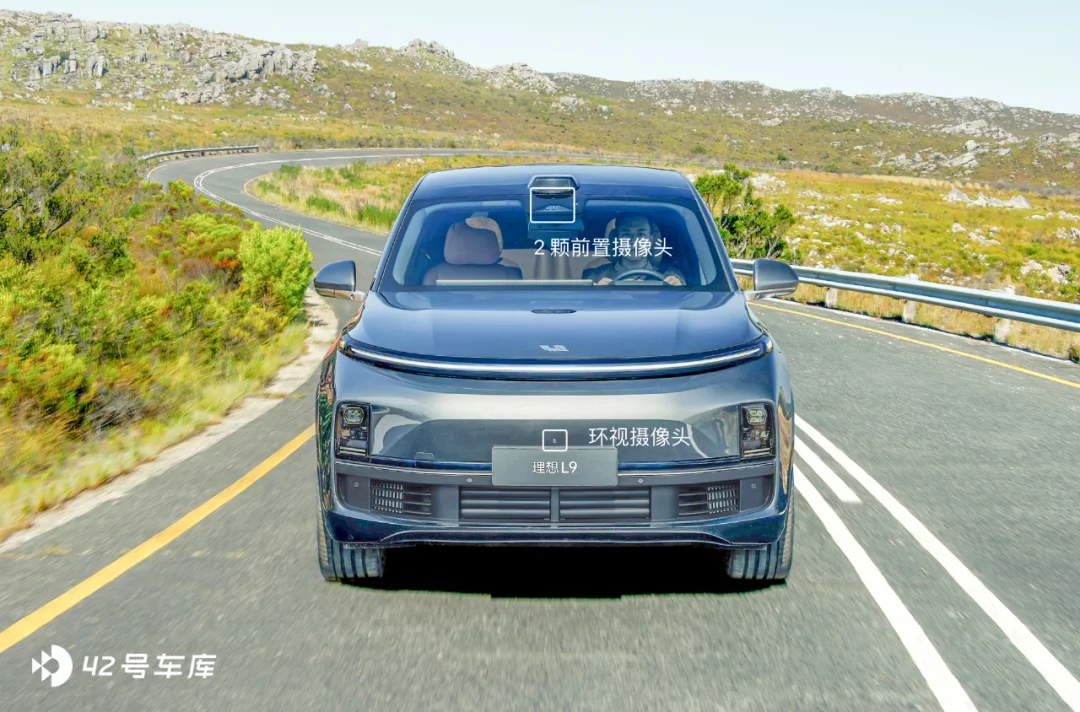

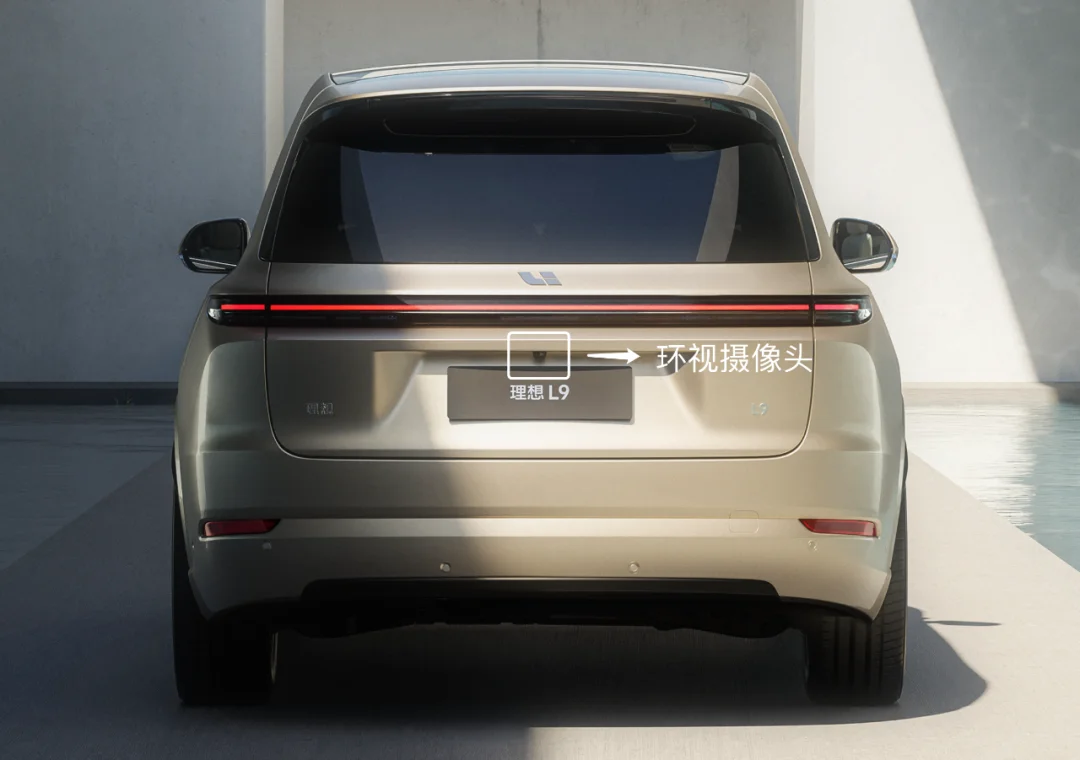
Since the six cameras we see cover only the front and left and right three sides, we guess there will be another camera for intelligent driving under the rear spoiler.
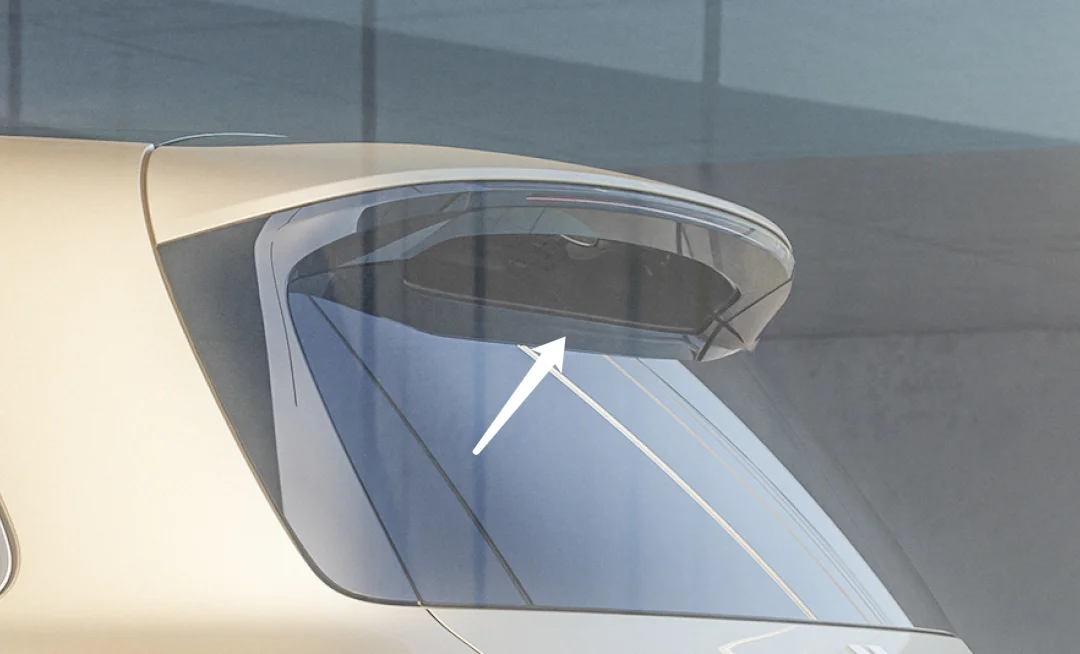
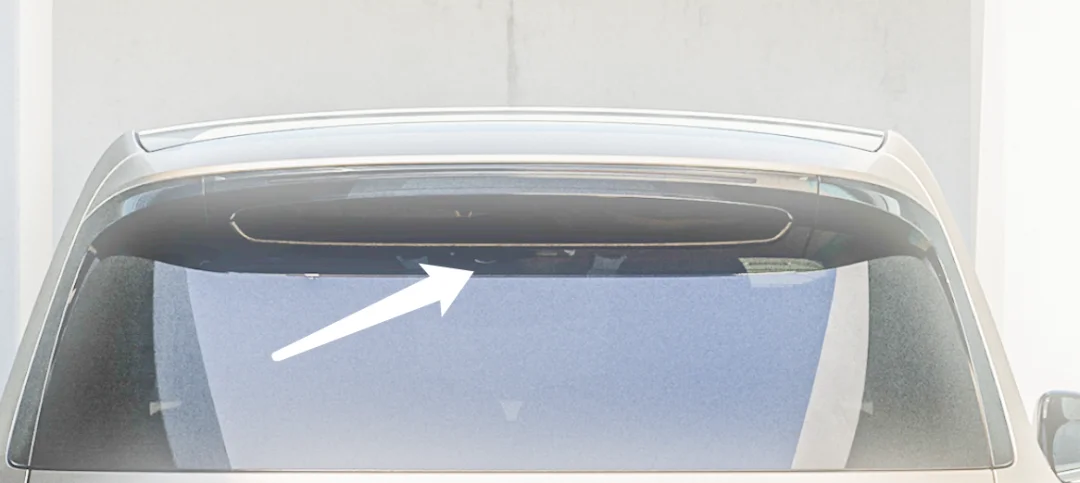
Thus, the Li L9 will be equipped with seven intelligent driving cameras and four surround-view parking cameras, totaling 13.
A notable detail is that the Li L9’s front-facing setup does not use the mainstream triple-camera configuration; instead, it employs two cameras.
To provide some context, early on, limited chip computing power meant most vehicles could only be equipped with monocular cameras. As computing power improved, some automakers adopted triple-camera setups, consisting of a primary medium-focal-length camera, a long-focal-length camera for long-distance detection, and a wide-angle camera for blind-spot monitoring.
However, as camera pixel counts have increased, more automakers are dropping the original medium-focal-length camera. They now use a combination of high-pixel wide-angle cameras and high-pixel long-focal-length cameras to replace the previous triple-camera configuration.
Additionally, the 2021 Li ONE already adopted an 800 W pixel camera, so we speculate that the Li L9’s intelligent driving cameras will also use higher-pixel, better-quality 800 W pixel cameras. As for parking, it might adopt 300 W pixel cameras like NIO.
0321 Speakers, 2160 W Power, and Dolby Atmos
Let’s first look at the specifications for this audio system:
21 speakers
Maximum amplifier output power: 2160 W
Adopting Dolby Atmos technology
7.3.4 Panoramic Sound Layout
Standard across the entire lineup
Like the NIO ET7, the Li L9 does not use a rebadged audio system. However, according to information from our suppliers, the L9's audio system is manufactured by Shangshengdianzi, which also provides OEM services for high-end audio brands such as B&O.
Twenty-one speakers is easy to understand: it means there are twenty-one sound-emitting units. In terms of quantity, this does not have an advantage over the NIO ET7 with twenty-three speakers or the Mercedes-Benz GLS 400 Maybach with twenty-six speakers, but in terms of power, the Li L9 reaches 2160 W.
The amplifier is responsible for amplifying sound signals into audible air vibrations. Higher power not only increases volume but also provides more energy reserves to ensure that rich details are faithfully reflected in the speaker's vibrations.
The 7.3.4 panoramic sound system consists of seven speaker groups forming a full-vehicle surround, three subwoofer units creating a bass matrix, and four ceiling-mounted speakers providing overhead immersion.

According to Li Auto's official introduction: "The flagship body of the Li L9 provides a larger acoustic cavity volume. The front dual 8-inch subwoofer design allows for deeper bass extension, and when combined with the high-power subwoofer matrix at the rear, it ensures that the bass is evenly distributed throughout the cabin. The vehicle features 21 speakers in total; the tweeters use aluminum diaphragms, the mid-range drivers use Kevlar materials, and the woofers use carbon fiber materials, representing the ceiling of standard car audio configurations."
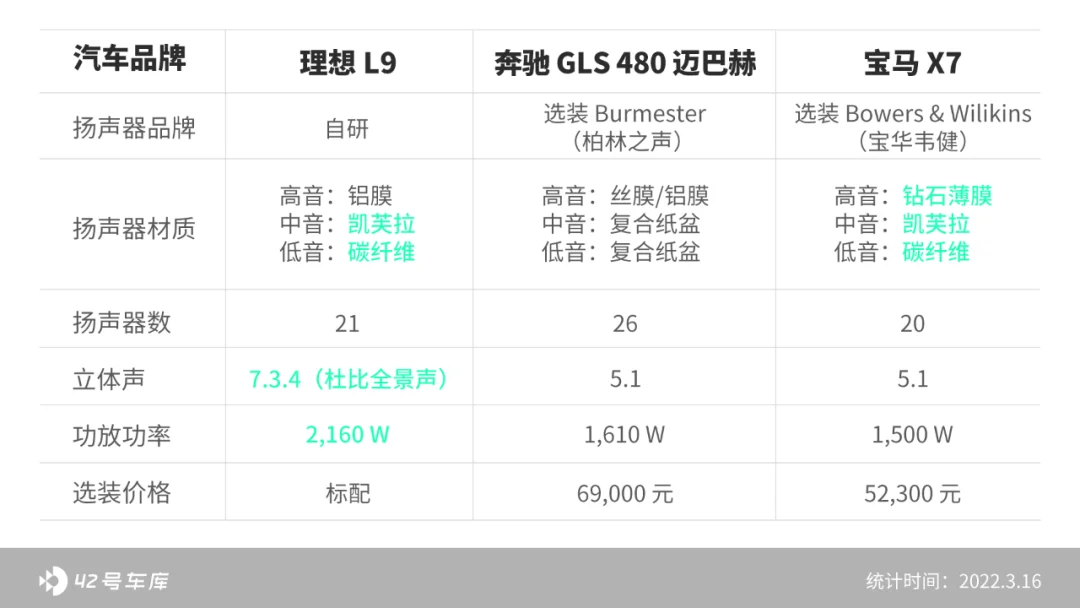
From a hardware perspective, this audio system has already reached its peak potential, but the actual performance also depends on software tuning and NVH (Noise, Vibration, and Harshness).
We understand that Li Auto's audio team consists of former Dirac China chief tuning engineers, a team that previously worked on Volvo's Bowers & Wilkins audio systems.
Regarding the materials and technology of the audio system, we are not experts, so we will not elaborate further here. We welcome professional enthusiasts to share their insights in the comments section.
It can be clearly stated that this top-tier audio system is standard across all trims of the Li L9.
In previous videos about the NIO ET7 and in the first wave of leak articles regarding Li Auto, I mentioned that audio would become a core focus for next-generation cabins.
From physical buttons to screens, the automotive cabin has undergone one round of evolution. However, before fully autonomous driving is realized, drivers cannot truly be freed from the act of driving. Therefore, listening is the only activity that can be performed simultaneously while driving. Consequently, enhancing the auditory experience is the core focus for cabin development by all automakers moving forward.
NIO’s ET7 has already elevated the auditory experience to a new level, and current information suggests that the Li L9 is following closely behind.
With the previously leaked details of a 15.7-inch OLED screen and VR technology, we can expect an exceptional audio-visual experience inside the L9.
46 Electric Seats with Heating
Turning to seating, here is the latest information:
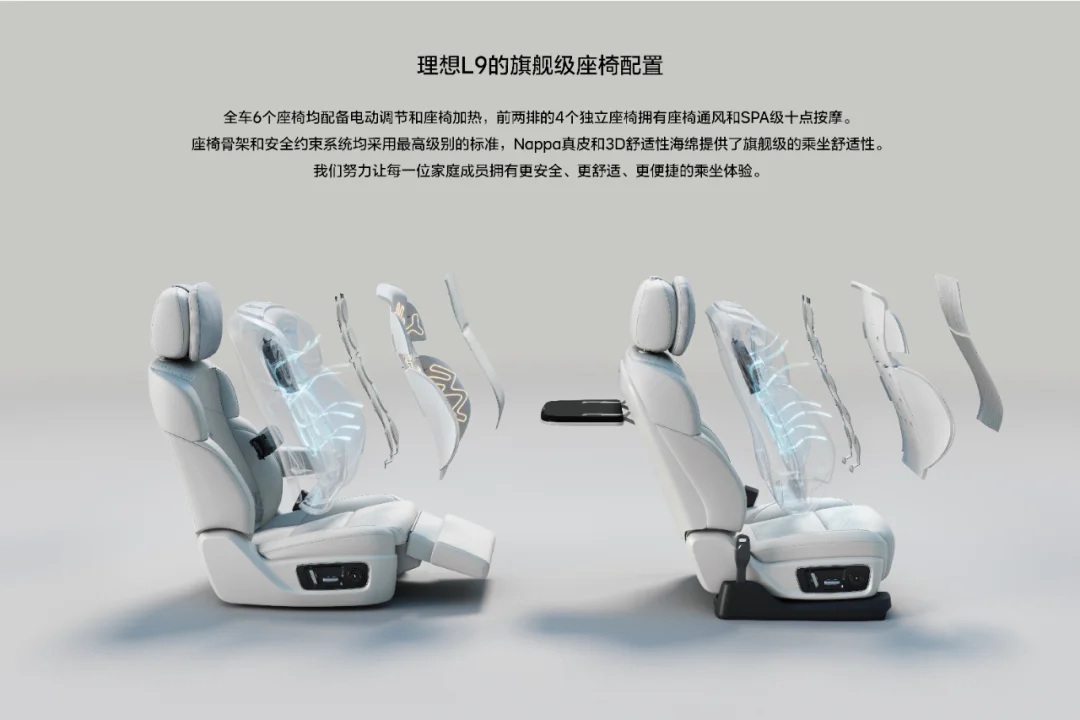
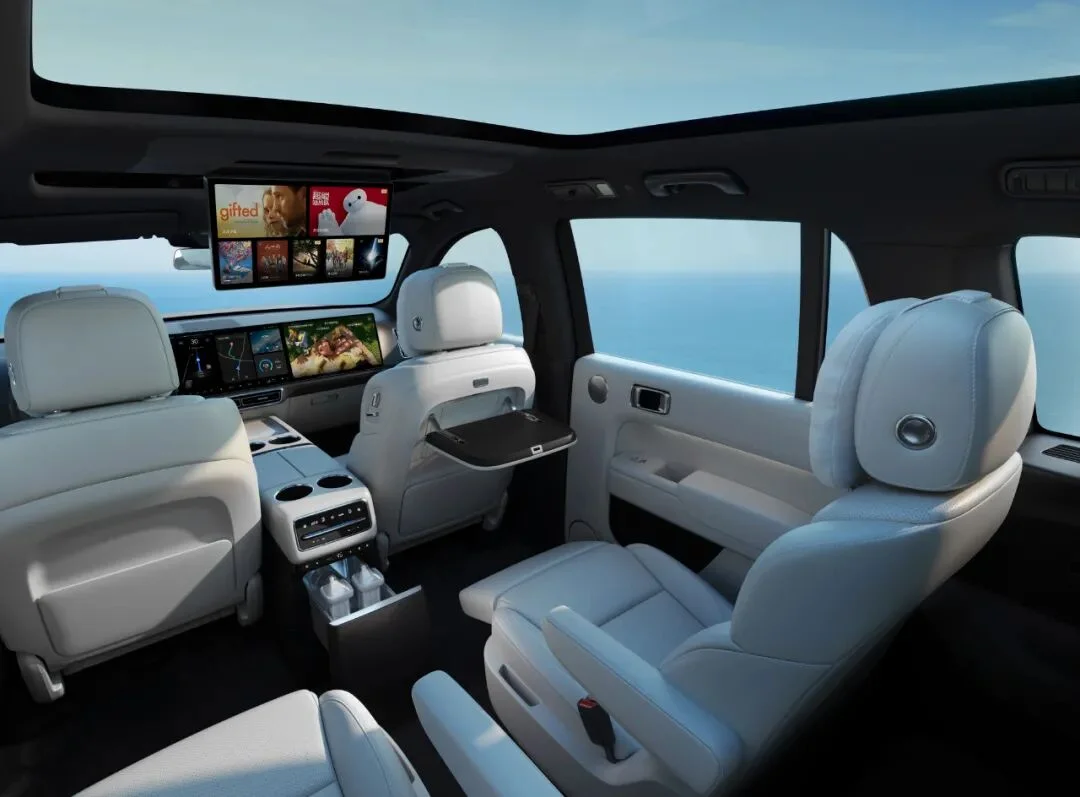
All six seats support electric adjustment
All six seats feature seat heating
Four seats offer seat ventilation
Four seats support 10-point massage
On the 2020 Li ONE, firm seats were a frequent complaint among owners. For the 2021 Li ONE, Li Auto replaced all seats across the lineup and added lumbar massage to four of the seats.
With the Li L9, Li Auto has equipped all six seats with power adjustment. For families who frequently travel with children or elderly passengers, having fully powered seats throughout the vehicle significantly enhances convenience. Moreover, all six seats support seat heating.
Additionally, the first and second-row seats support ventilation and massage. Unlike the pneumatic lumbar support in the current Li ONE, the Li L9 features a genuine 10-point massage system.
According to our understanding, Li's seat team has absorbed a large number of Fujiya's R&D personnel over the past year, so the actual results are worth looking forward to.
Additionally, there is another detail: the exploded view of the ideal second-row seat shows a vibration module for the lower back. We speculate that the Li L9's second row adopts a similar 4D seat to those found in Mercedes-Benz S-Class and BMW iX models.
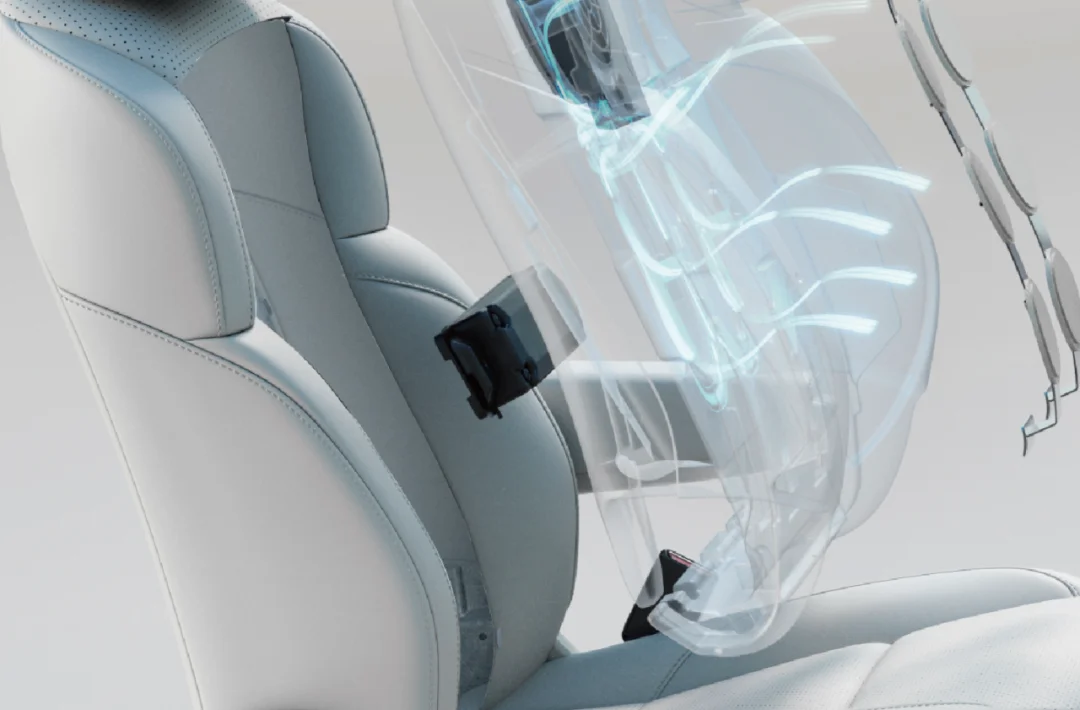
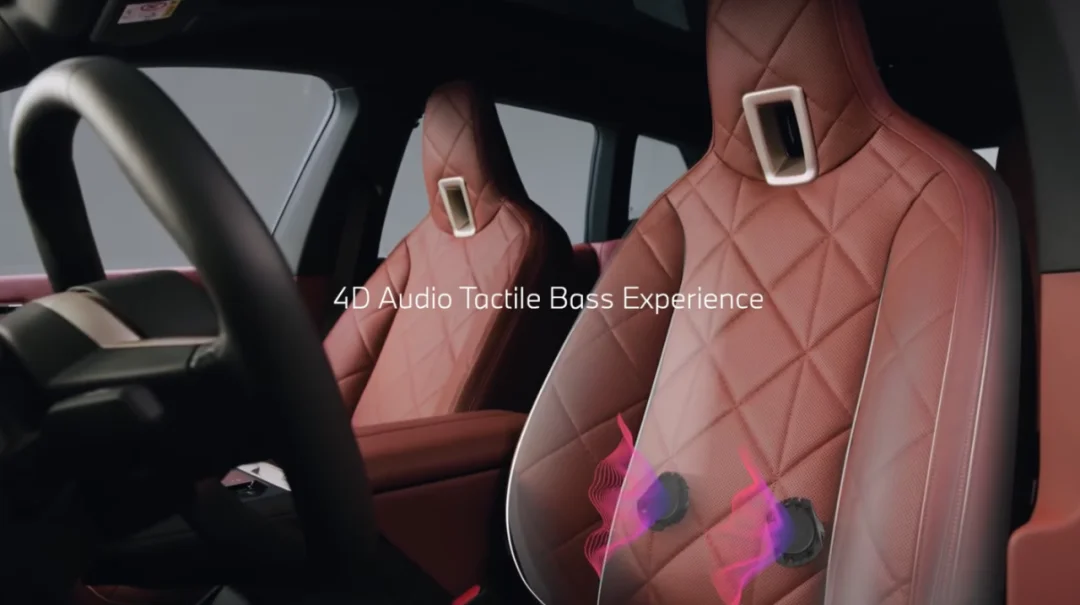
BMW iX 4D Seats It is a pity that Li Auto did not reveal the design, space of the third-row seats, and trunk space this time. This regret can only be resolved during the static experience.
The Secrets of 05TouchbBar
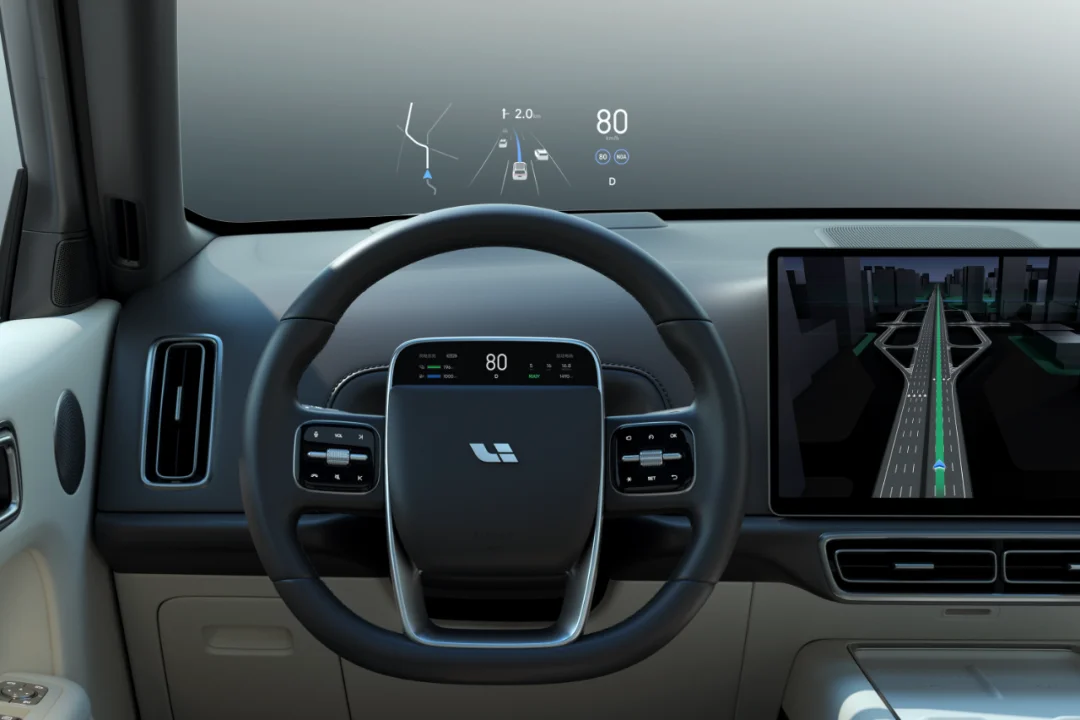
In addition to the two highlights mentioned above, Li Auto also released a photo of the driver's seat. The screen on the instrument cluster, which had been speculated by many to be a TouchBar, is officially named the "Safety Driving Interaction Screen," designed to display essential driving information in coordination with the HUD.
This screen uses Mini-LED technology, supports multi-touch input, and can display all driving-related information (including navigation and autonomous driving).
Thus, the central control screen of the Li L9 can display navigation or parking camera footage in full screen, enhancing the driving experience.
Based on the rendering, both clarity and texture look excellent. However, we are curious about how convenient it is to interact with this screen and how readable it remains in urban environments with many curves.
A few more details to add:
The steering wheel now features the 'Li' logo, which is a significant improvement in coordination compared to the previous reveal;
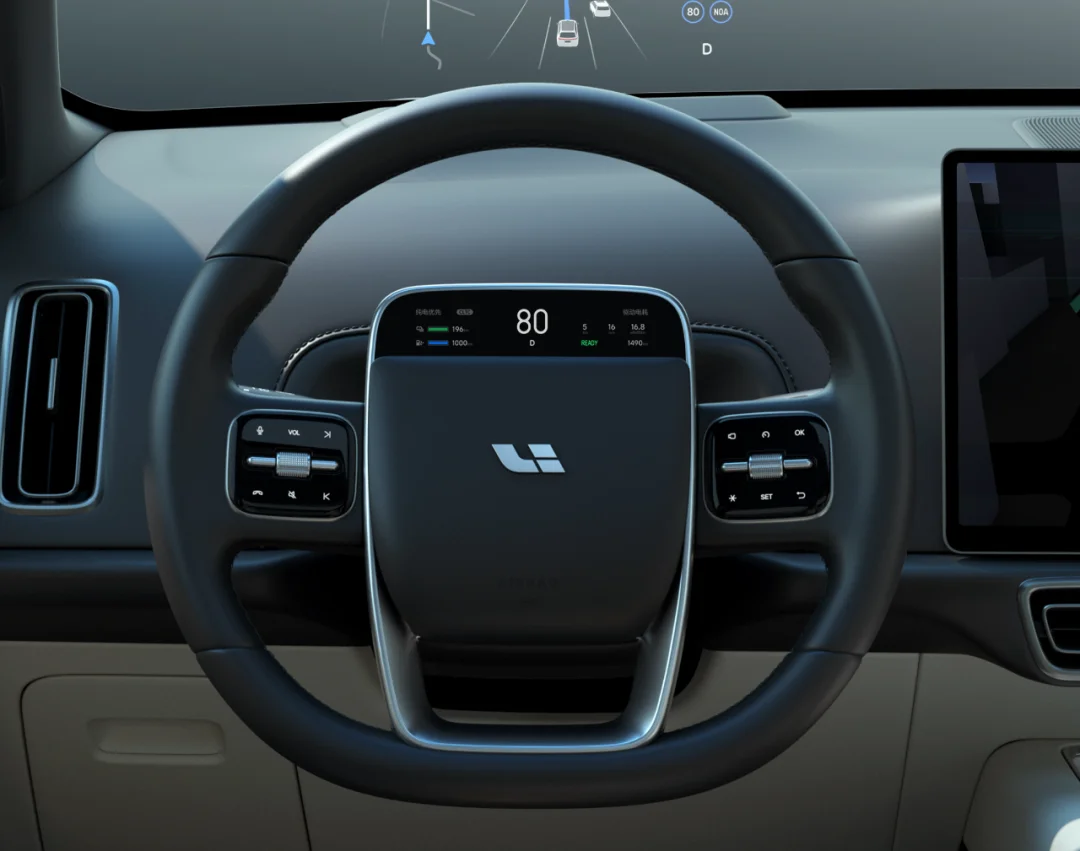
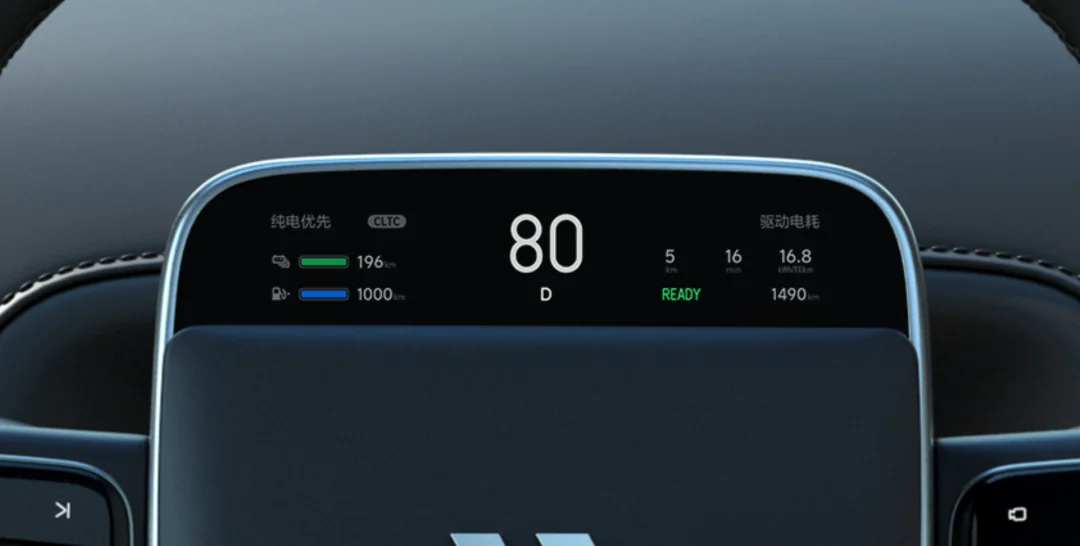
The small screen displays an energy consumption of 16.8 kWh per 100 km for the drive system;
The button layout on the steering wheel matches that of the 2021 Li ONE;
The steering wheel supports power adjustment;
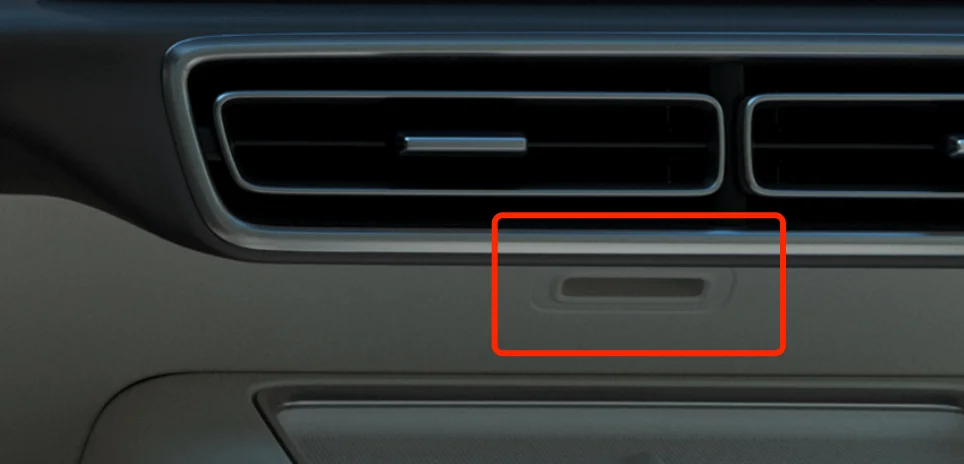
An aroma diffuser outlet appears to be located below the air conditioning vents.
06Summary
These are the details we observed on the Li L9's exterior, audio system, and seats. Whether this vehicle's design appeals to you is something we'd love to hear in the comments section. If there are any details we missed, please feel free to add them in the comments as well.
Written by: Liu San Edited by: Liu San