


Li Auto Reveals Li L9 Powertrain and Chassis Details: 5.3-Second Acceleration, 5.9-L/100km Fuel Consumption
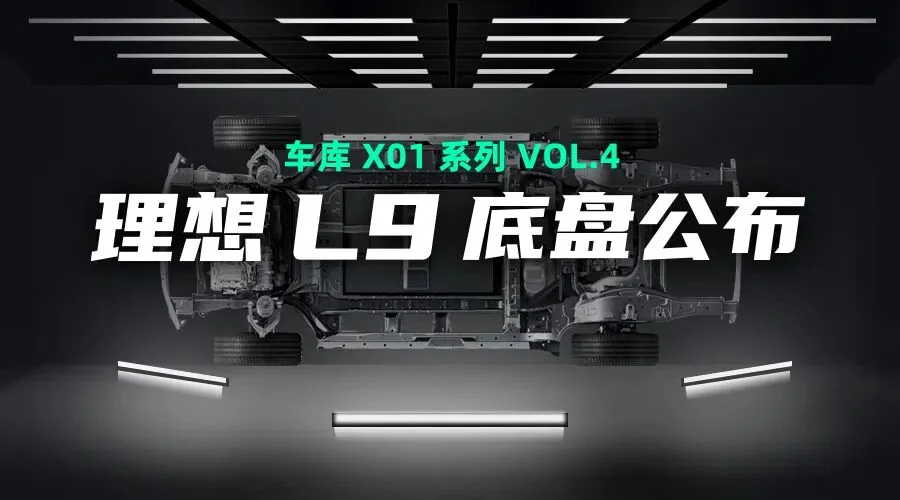
The third wave of official teasers for the Li L9 arrived on schedule today. This round covers three areas: a self-developed powertrain, a new chassis, and a self-developed controller.
Compared to the controversial exterior design revealed earlier, these three technical updates have received more unified feedback in our community groups. It is evident that the L9 has largely met expectations in these key areas.
We now provide a detailed interpretation of the official information.
01Stronger Performance, Lower Energy Consumption
In August last year, Li Auto and Xinchendongli established Sichuanlixiangxinchenkejiyouxiangongsi. Li Auto holds a 51% stake. According to official information, this joint venture will develop a new generation of range extenders for Li Auto’s full-size models.
For those unfamiliar with Xinchendongli, its parent company is jointly controlled by Huachenqiche and Wuliangyejituan. Xinchendongli’s past corporate clients include BMW Group, Huachenjituan, Dongfengqiche, Zhengzhourichan, Yiqijilin, Changfengliebao, Geely, and Jinlongqiche.
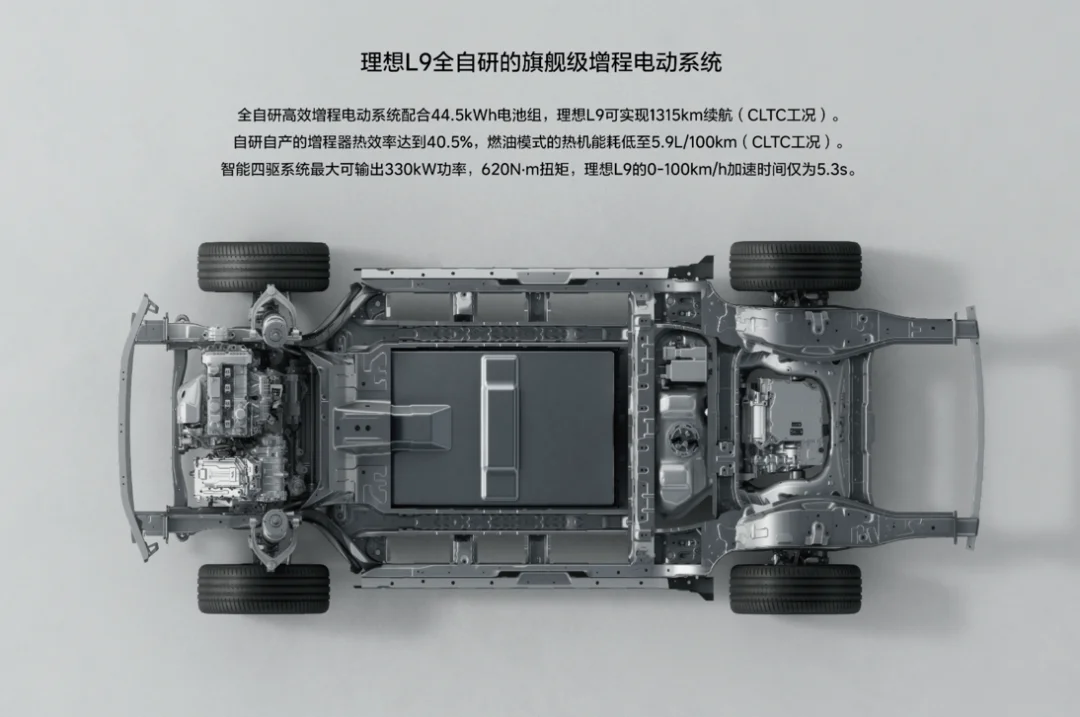
The new range extender developed by this joint venture also appeared in the powertrain information for the Li L9 released today by Li Auto. The new range extender achieves a maximum thermal efficiency of 40.5%, a significant improvement over the Dongan 1.2-liter turbocharged three-cylinder range extender used in the Li ONE. Furthermore, the image indicates that the Li L9’s range extender is a four-cylinder unit. With an additional cylinder, the theoretical low-speed vibration of the range extender should be better controlled.
The range extender is responsible solely for generating electricity; propulsion depends on the electric motors. The Li L9 employs a four-wheel-drive system consisting of two permanent magnet motors, one at the front and one at the rear. The combined maximum output power is 330 kW (approximately 449 horsepower), enabling a 0-100 km/h acceleration time of 5.3 seconds—a respectable figure for a full-size SUV.
However, the most noteworthy data point in the graphic is the fuel consumption. In fuel-only mode, the Li L9 consumes 5.9 liters per 100 kilometers. This figure warrants deeper analysis.
How is the 5.9 fuel consumption achieved?
We focus on this fuel consumption figure because, compared to the Li ONE, the Li L9 is larger and more powerful. Logically, energy consumption should increase, yet the Li L9 demonstrates lower consumption. This appears counterintuitive.
Since this result has been achieved, we can infer that the Li L9 must have implemented targeted optimizations in the key areas affecting the energy consumption of range-extended vehicles. We will now combine several pieces of information to systematically present our views.
External Factors: Drag Optimization
Starting with drag, there are three primary factors to consider: aerodynamic drag coefficient, tires, and vehicle weight.
First, let's talk about aerodynamic drag. The Li L9 in this instance adopts a closed front grille that gives it a more EV-like appearance, placing all heat dissipation and air intake at the lower half of the vehicle's front, and is equipped with a variable air intake grille. A second minor detail is that the Li L9 features hidden door handles. A third detail is that the Li L9's wheel design this time also leans towards a closed, low-drag configuration. Although it remains unknown exactly how much effect these details will bring, from these aforementioned details one can clearly feel that the Li L9's design this time has obviously taken aerodynamic drag reduction into consideration.
The second point is tires. The official exterior images for the Li L9 show it fitted with 265/45 R21 tires. Compared to the Li ONE, these are wider tires mounted on larger wheels—both factors generally work against energy efficiency. However, based on prior collaboration between Lixiangmiqilin, the L9 is likely to feature custom-compound low rolling-resistance tires.
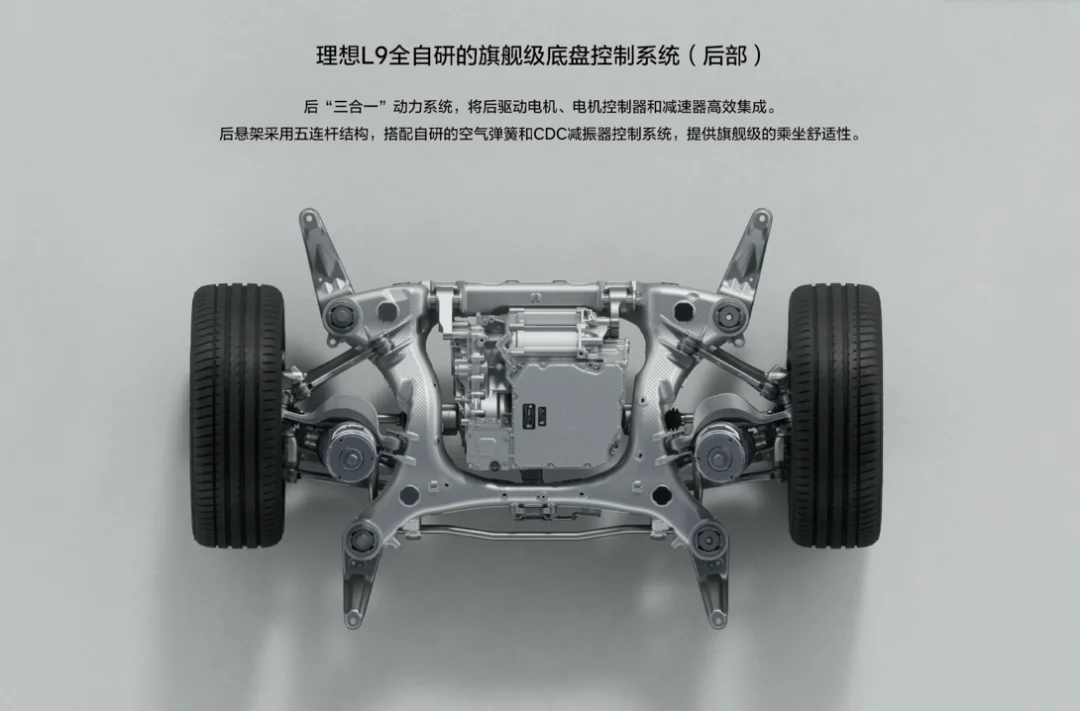
Third, vehicle weight. It is common knowledge that larger vehicles are heavier, and the L9, being larger than the Li ONE, would theoretically suffer in this regard. However, Li Auto appears to have invested significantly in lightweighting. Xiang Li stated that the L9 body utilizes extensive aluminum materials, and official chassis diagrams confirm an aluminum full-frame subframe.
These three points address how the L9 mitigates the negative energy impact of its increased size. This optimization primarily serves to "reduce the magnitude of energy consumption increase." Therefore, the key to improved energy efficiency lies in the "internal factors" of the powertrain system.
Internal Factors: Improving Energy Efficiency
The powertrain affects energy consumption through three main areas: the range extender, the battery, electric motor and electronic control systems, and the range-extender control strategy.
Regarding the range extender, as mentioned earlier, the new unit offers higher thermal efficiency—a straightforward improvement that requires little further elaboration.
In the three-electric systems, the combined power of L9’s dual motors increases from 245 kW in the current Li ONE to 330 kW. It is reported that the electric drive system for this L9 comes from a joint venture between Li Auto and Huichuan. Alongside the increase in power, the system also improves energy efficiency and integration, resulting in a smaller size and lower energy consumption.
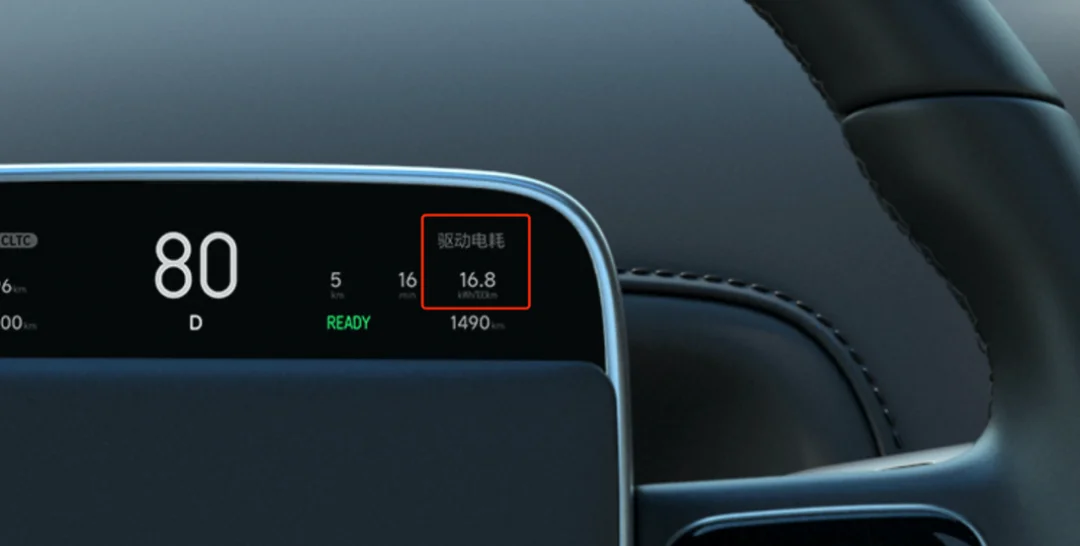
The L9 operating condition energy consumption hinted at in the official images In the garage's L9 interest group, an official representative from Li Auto stated that the L9 equipped with this electric drive system may even achieve better electricity consumption than the current Li ONE under pure electric mode.
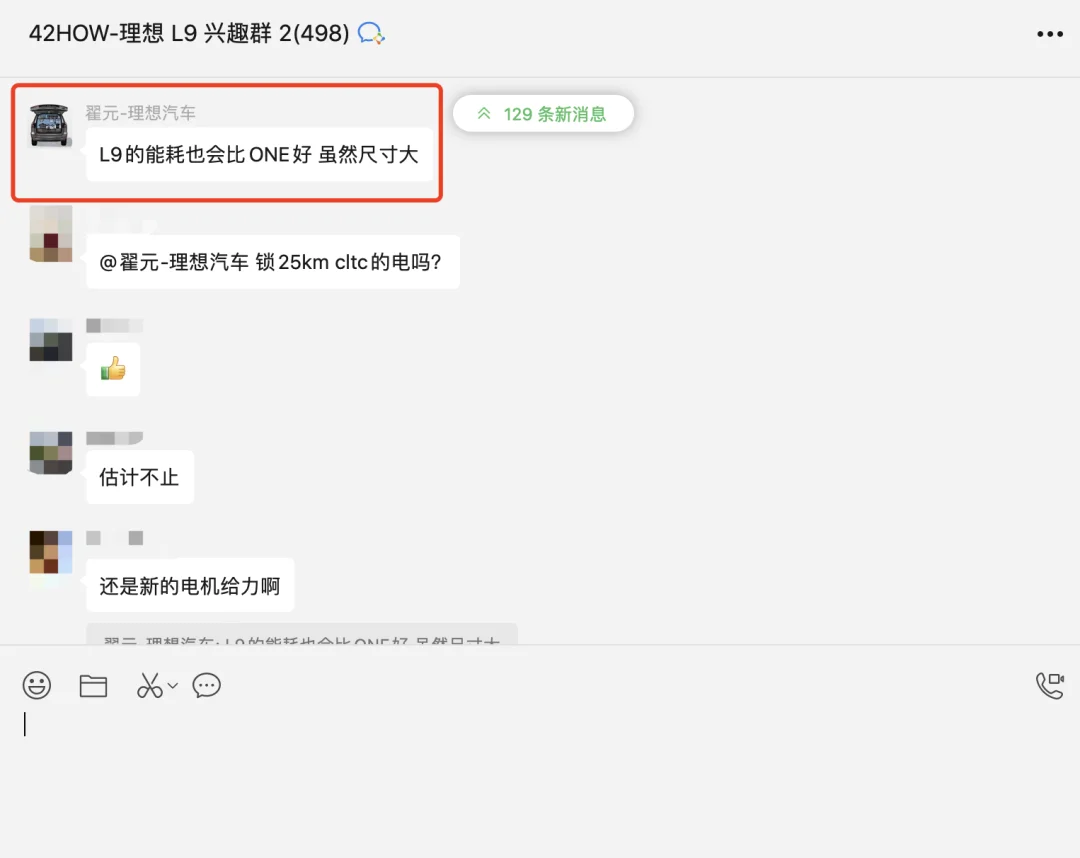
Paired with a slightly enlarged 44.5 kWh battery, L9 delivers a CLTC pure-electric range of 215 km. The company revealed that its actual pure-electric range will see a modest improvement over Li ONE.
Next comes the most distinctive improvement in Li L9’s range-extender system: the range-extender control strategy.
During the development of Li ONE, Li Auto’s range-extender R&D team accumulated valuable experience while also conducting some industry-leading exploratory attempts.
One key takeaway was refined control. For any specific power demand from the vehicle’s drive motor, two issues arise when the generator’s output does not match it exactly: if generation exceeds demand, excess energy flows into the battery; if generation falls short, energy is drawn from the battery. In both cases, routing energy through the battery before reaching the motor incurs more losses compared to direct supply from the range extender.
One key to improving energy efficiency in the development of the range-extender system is matching the generator's power output as closely as possible with the vehicle's required driving power.
For example, during early development, if the drive motor requires 50 kW of power, engineers calculate the necessary generation power for the range extender based on simulated loss rates; this might result in a target of 60 kW.
However, real-world power loss rates often deviate from simulations, leading to mismatches between generation and driving power at times—either over-generating or under-generating—which reduces system efficiency. Li Auto analyzed and verified optimal control strategies for different operating conditions using extensive real-world data, achieving more precise range-extender control and reducing energy 'secondary transmission.'
Additionally, Li Auto developed model-based predictive control, which relies heavily on software and algorithms and demands higher computational performance from the vehicle. A simple example involves external noise-canceling microphones that monitor ambient noise levels in real time; when outside noise is high, the system allows the range extender to operate at higher power without compromising the vehicle's overall NVH (Noise, Vibration, and Harshness), thereby improving battery-holding experience and energy efficiency in certain scenarios.
Consequently, driven by both internal and external factors—including vehicle lightweighting, aerodynamics, mechanical efficiency of the powertrain, and range-extender control strategies—the Li L9 achieves better energy efficiency than the Li ONE in terms of fuel consumption and electric energy consumption, despite its larger size, bigger battery, and stronger power.
02Chassis Upgrade & XCU
Poor chassis feel was one of the most common complaints among Li ONE owners. The original Li ONE featured a front MacPherson strut and rear multi-link suspension, which offered average vibration damping and noticeable residual oscillations when crossing large bumps.
The Li L9 significantly upgraded its chassis in this regard, adopting a front double-wishbone and rear five-link suspension structure, along with air springs and CDC (Continuously Damping Control) shock absorbers.
Suspension Is No Longer a Weak Point
According to previous leaks, the air spring supplier for this model is Weibake, and the CDC (Continuously Damping Control) shock absorber supplier is Caiaifu. Li Auto has developed its own suspension control system based on these components. This system can adjust ride height and damping based on vehicle speed, terrain, and driving modes. Additionally, features common in large SUVs, such as a loading mode that lowers the body for easier luggage access and linked air suspension for comfortable entry and exit, will be available on the Li L9.
However, based on our hands-on experience with full-size SUVs, the inflation and deflation speeds of air suspensions are typically slow, which can make these features less convenient when time is tight. We hope the Li L9 offers improvements in this regard.
The chassis section features these configurations and functions, but another point noticeable from the images officially released by Li Auto is the system's integration level. After adopting a four-cylinder range extender and double wishbone suspension, the L9's front compartment must also accommodate the dual-motor drive system indicated by the blue frame, posing a certain challenge to the lateral space layout in the front compartment.
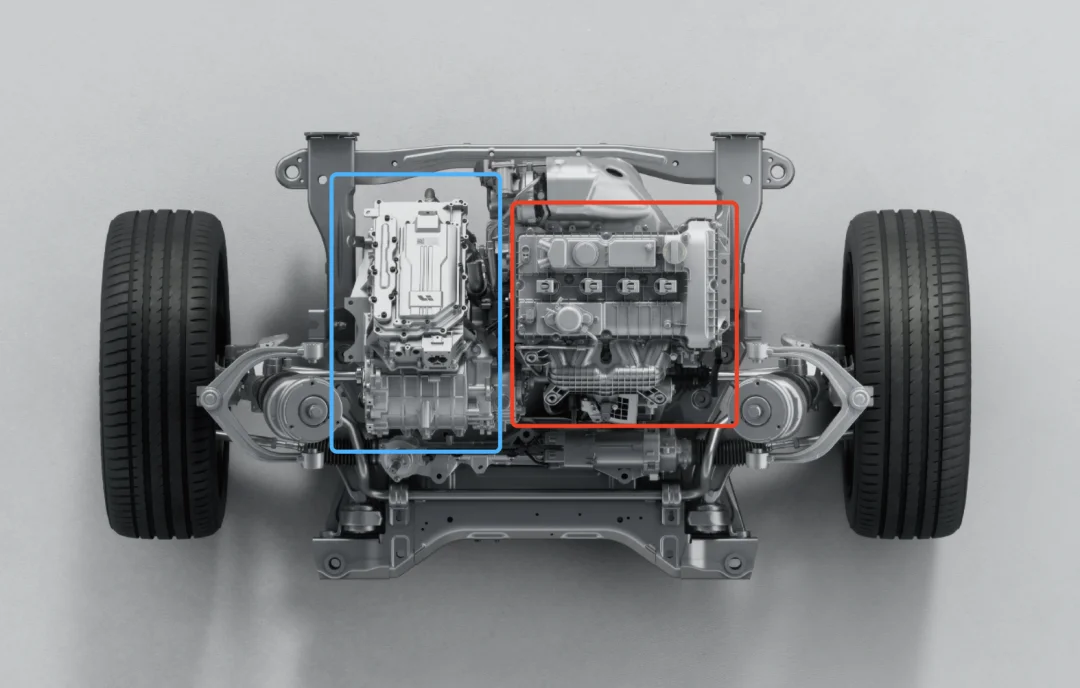
Under this arrangement, the blue-outlined dual-motor system uses a parallel shaft mechanism, arranged "front and rear." The spatial footprint is primarily located ahead of the front axle toe point. This layout is expected to allow the Li L9 to offer greater interior passenger space.
Self-Developed Controller XCU
The final piece of information concerns a new self-developed domain controller. For specific details about this controller, please refer to the post published by our colleague @Liu Guangding in the community.
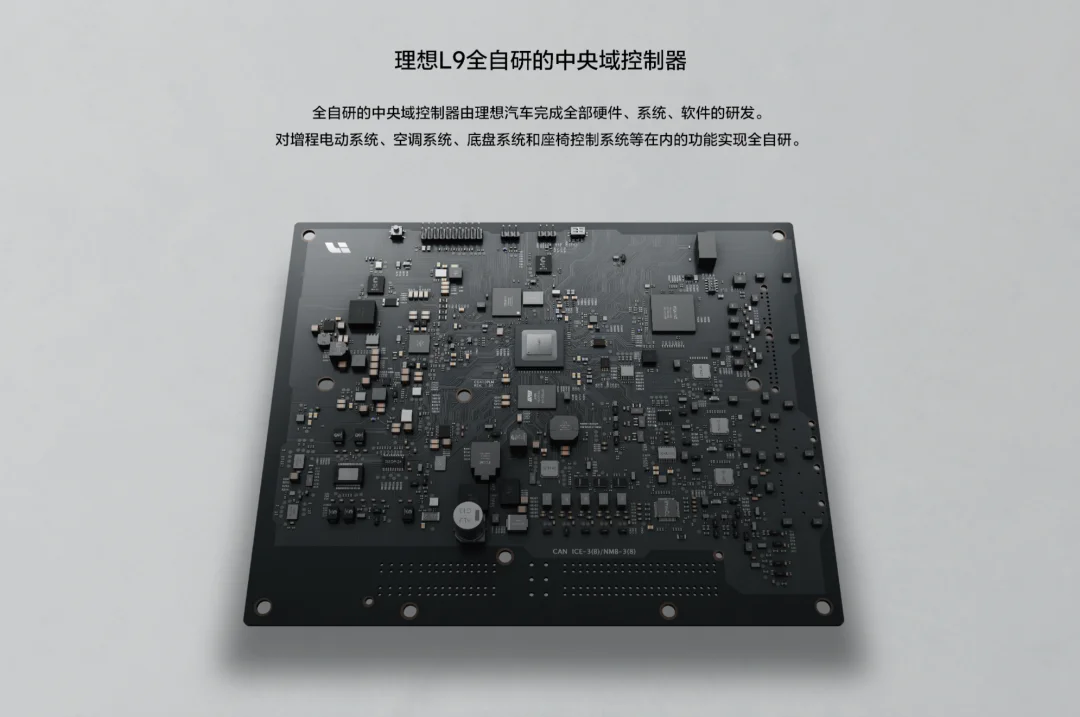
In short, the new controller is fully self-developed by Li Auto, from its hardware and system architecture to its software. This brings a significant boost in computing performance, providing better support for OTA capabilities, vehicle control, and other aspects.
03Conclusion
The above is our interpretation of the official information for Li L9 Phase III. Current leak information has already revealed the exterior, interior, smart cockpit, range-extender system, chassis, and other configurations for the L9. For those interested in previous content, please refer to our earlier articles.
Written by: Reinhardt Edited by: Reinhardt