


Nine Pitfalls for New Energy Automakers: Lessons from China's EV Startups
Editor's Note: The "New Energy Pitfall Avoidance Guide" is a spring-limited column launched by 42HOW Auto. This series will review the development history of new energy vehicles, primarily focusing on emerging brands, from marketing and operational perspectives. It will analyze and discuss the underlying logic of various strategies and models. Beyond products and technology, it also aims to present the deep-seated changes that emerging brands and new energy vehicles have brought to the automotive industry. This column updates every Wednesday.
Guest contributor Bluehyper has over ten years of experience in automotive industry marketing and was deeply involved in building the operational systems of new energy vehicle startups.
When He XPENG was interviewed by the media, he said: "At that time, I chatted with many people and heard about the many difficulties they encountered and the pitfalls they had stepped into. I thought I could avoid them when the time came, but in the end, those pitfalls still had to be stepped into again from scratch." Although this conclusion of He XPENG's cannot cover all enterprises, it is indeed common in the new energy vehicle industry.
As pioneers of the new energy vehicle industry, the so-called "new forces" in car manufacturing have enjoyed tremendous success over the past five or six years, yet they have also committed countless errors. These missteps, which may appear accidental on the surface, are in fact inevitable. Even today, many traditional automakers who imitate these new forces often believe that their mature systems can help them avoid such pitfalls, yet they continue to stumble into the same traps one after another. By reviewing the challenges encountered by these new forces during their development, we aim to warn latecomers in the industry and help more people understand the arduous journey of growth for these companies.
01Pitfall One: Premature Launches Mean Today's "Big Promises" Become Tomorrow's "Reduced Features"
In traditional automakers, product launches are scheduled by working backward from SOP (Start of Production) mass production; in some cases, specific vehicle prices are not announced until just before delivery. New forces operate differently: even their SOP timelines are set according to corporate financing and listing requirements, let alone product launch nodes. Releasing products well before SOP serves two purposes: attracting greater attention and investment, and accumulating users and orders in advance. Whether it was the earliest NIO ES8, Weima EX5, or the later Li ONE, the launch time was approximately half a year earlier than delivery. In 2020, the delivery of the NIO ET7 was more than one year after its launch.
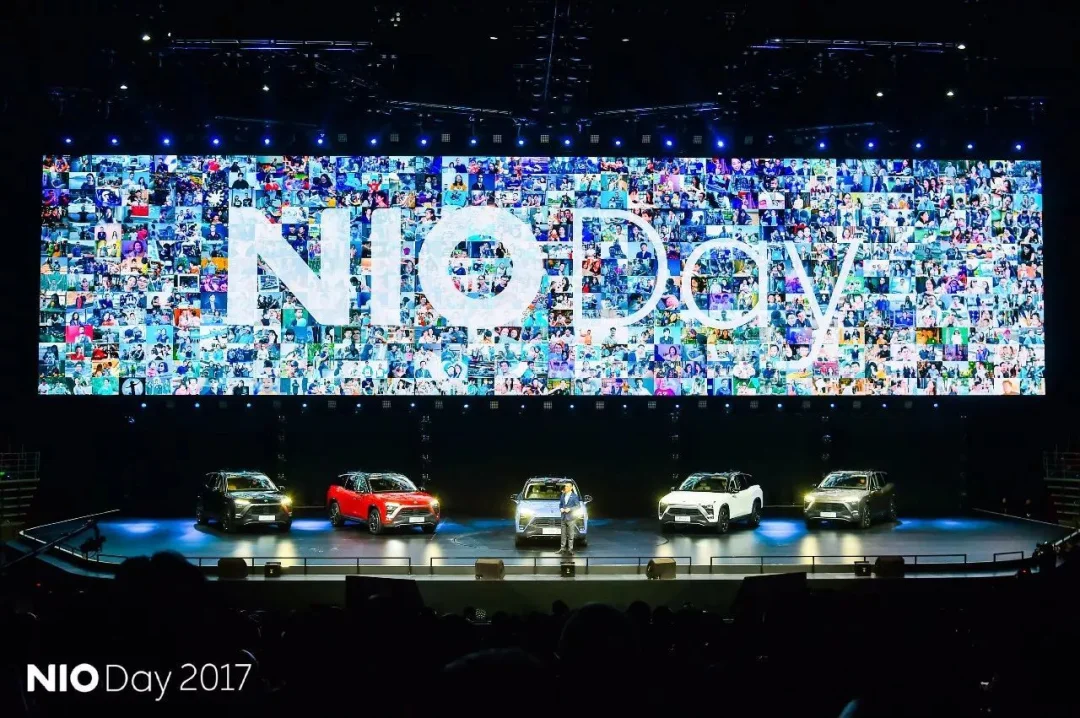
In December 2017, NIO was the first among new-entrant automakers to cross the finish line, releasing its first mass-produced vehicle, the ES8. However, the premature launch of the product naturally brought a series of issues. First, many planned features and configurations for the model were difficult to realize at the time of SOP (Start of Production) and delivery. For example, the early NIO ES8 required numerous features to be implemented via later OTA updates; the driver assistance feature NIO Pilot 1.0 did not release its Beta version until more than half a year after delivery, and the ES8 was once labeled as a "semi-finished product." Weima's interactive window projection, which was one of the highlights promoted during the press conference for the EX5, failed to meet mass-production standards for user delivery even after the vehicle was delivered.
If the new forces announced features in advance at their launch events out of financing needs, then the new brands from traditional automakers that followed seem more driven by a desire for grandiosity. Zeekr highlighted the SEA platform's 800V voltage system and rear axle dual-speed gearbox during its launch event, but these configurations were absent on the Zeekr 001. Zeekr also switched to motors from an affiliated company, and the base model lacked rear privacy glass; users labeled these changes as "downgrades." Some companies face similar issues: claims made at launch events regarding piston calipers, high-definition cameras, millimeter-wave radar counts, and electric tailgates have all been questioned by users as downgrades. The root cause lies in the fact that traditional automakers' past launch events were primarily aimed at media and dealerships, where exaggerated statements often had little consequence. However, when facing end-users directly, the principle that "the internet has a memory" has delivered a profound lesson to traditional automakers.
02Pitfall No. 2: User Skepticism—A Happy Problem That’s Also Really Annoying
While early product launches offer many advantages, they also come with significant uncertainties. Releasing a product before its features, sales channels, and supply chain are fully prepared can trigger a series of doubts among users. If few users pay attention after the launch event, it may not matter much; however, if the event attracts a large number of users, these doubts will undoubtedly become a 'happy problem' for the manufacturer.
When it is impossible to demonstrate product features in full detail, users cannot select their desired configurations. Moreover, beyond the vehicle's base price, the cost of optional extras often sparks controversy. Specific performance metrics outside the standard specification sheet also become focal points for consumers. The nature of "doubt" means that people do not only assume the best; some will inevitably speculate negatively. If this issue stems solely from a lack of understanding by the automaker's marketing department, it can be resolved through internal cross-departmental communication. However, if the product itself is still under development, the automaker may find itself unable to defend against negative perceptions or helplessly resigned when facing criticism.
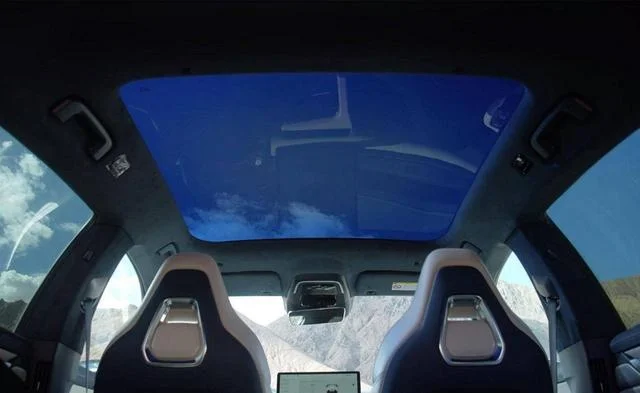
Zeekr once faced user rights protection and order cancellations because the actual car's panoramic sunroof was blue, while the official website's rendered image showed it as black. When users pressure companies to release detailed plans and features after a launch event, have they considered that the automakers themselves might not possess these detailed pieces of information yet? In such cases, early-stage communication becomes crucial: on one hand, a detailed schedule for information releases should be established to continuously provide updates, thereby alleviating user anxiety during waiting periods; on the other hand, the role of communication is also very important. For many automakers relying on franchise agents, the speed of building stores and hiring frontline staff is too slow. Opening stores and recruiting personnel prematurely when there are no cars to sell would only result in wasted resources. Consequently, combined with training time, frontline sales staff often do not understand the products as well as users do upon joining. As a result, users who have paid intention deposits often face long periods without any dedicated contact.
Additionally, "killing with kindness" is another major concern for automakers. Offering higher specifications or lower prices could raise users' existing expectations, making it difficult for automakers to earn positive reviews upon the actual launch and potentially leading to criticism from users with high expectations.
Pitfall 03: Last-Minute Changes Before Mass Production: Acknowledging Errors Without Blind Compliance
Amidst user skepticism and feedback, new-vehicle brands often face immense pressure. Because a new brand typically launches with only one or two models, it can succeed or fail based on that initial offering. Traditional automakers, by contrast, deliver vehicles immediately upon launch, leaving no window to incorporate user feedback; even when they do receive feedback, they are accustomed to ignoring it.
The long development cycles for automotive components and the numerous validation stages mean that last-minute changes to configurations and features impose significant R&D and cost pressures on new-vehicle brands.
Some of these adjustments are made proactively in response to user input. For example, the 2020 Li ONE underwent numerous configuration changes before delivery. These included adding a variable front grille, changing the outer grille surround from black trim to chrome, replacing the second-row glass with double-layer soundproofing glass, switching to Michelin PRIMACY silent tires, adding two 12V charging ports in the second row, and removing the outer armrests from the second-row seats in the six-seat version. Although these modifications increased costs and slowed down some delivery schedules, the overall impact remained manageable. The benefits to users far outweighed the added production cycle time and expenses.
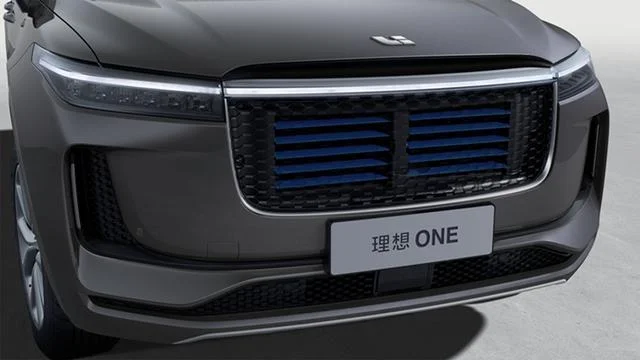
A series of pre-launch modifications for the Li ONE effectively resolved common issues at minimal cost. However, passive last-minute changes can disrupt all plans. In August 2018, prior to deliveries, a Weima EX5 spontaneously combusted inside the Weimayanjiuyuan (Weima Research Institute). Although the company later issued a statement clarifying that the vehicle was a test unit, the incident still disrupted their entire schedule. The fire not only led to a wave of order cancellations but also forced a switch in the primary battery supplier from Gushendianchi to CATL. This supplier change significantly increased vehicle costs. Furthermore, due to shortages of CATL batteries, many orders faced delivery delays, causing the company to miss critical market opportunities.
On the surface, last-minute changes before product delivery require rapid response capabilities from R&D, manufacturing, and the supply chain. At a deeper level, however, they demand a profound understanding of user needs. Since every user has different preferences and application scenarios, while simultaneously seeking lower costs or more features, extracting the most authentic and urgent requirements is arguably the greatest challenge for automakers.
Pitfall 04: Is Batch Delivery a Realistic Proposition?
In the early days of new automakers, mass production was a curse plaguing all of them. Initially, due to LeEco, "PPT car manufacturing" became a household term. In May 2018, NIO delivered its first batch of 10 ES8 vehicles, all to internal employees, leading to questions about whether this constituted true bulk delivery. Subsequently, in September 2018, Weima held a grand delivery ceremony, but all vehicles were delayed by a month before reaching users' hands.
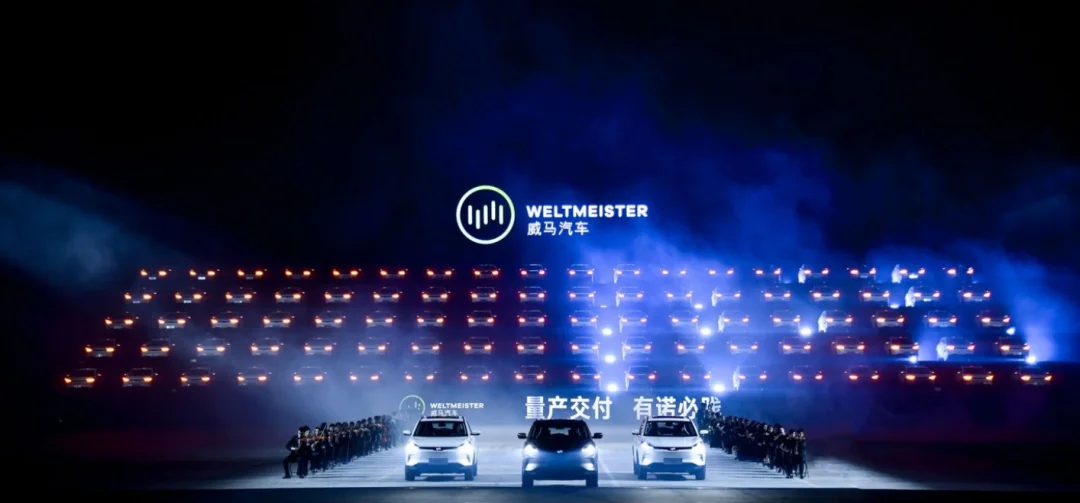
Weima, which possesses its own self-built factory and rich manufacturing experience, also failed to deliver in bulk as scheduled. Automobile manufacturing capacity is not achieved overnight. Due to the extensive integration and debugging of personnel and equipment for parts and complete vehicle production, capacity requires a ramp-up period to reach the planned target. In the initial stage, there will necessarily be gradual small-batch roll-offs, with JPH (Jobs Per Hour) increasing step by step. Therefore, large-scale delivery is not a genuine proposition unless automakers can stockpile a portion of vehicles for unified delivery to achieve so-called large-scale delivery. What truly tests an automaker is the pace of capacity ramp-up and its quality management capabilities at that time.
Li Auto recently announced the delivery schedule for the L9, which offers some clues. In June, a number of vehicles will be provided for owners and media to experience; in July, more than a thousand mass-produced units will be made available for dealership display and test drives; in August, deliveries to users will officially begin; and in September, production capacity will exceed 10,000 units. This represents the typical ramp-up pace for a mature automaker.
Mass delivery requires first clarifying what constitutes "mass." Second, users' eagerness to take delivery of their vehicles is understandable. However, the objective laws of manufacturing exist; therefore, for automakers, the most critical issues are actually whether they can deliver cars to users and whether the delivery sequence adheres to established rules, which leads to the next pitfall.
05Pitfall No. 5: Delivery Sequence, Manifesting the Shortest-Board Effect
In the delivery phase, the aspects most frequently complained about by users are the timing and sequence of deliveries. Although these factors may not necessarily have a decisive impact on user decisions, they can significantly erode trust between automakers and customers. The delivery sequence is actually the clearest manifestation of the weakest-link effect.
Automakers generally promise to deliver vehicles in the order orders were placed. However, the most common issue is that delivery centers open at different paces; consequently, users with earlier orders are often forced to delay pickup because their local delivery center has not yet opened. In recent years, more automakers have introduced remote delivery services, using tow trucks to bring vehicles directly to customers to maintain delivery sequence integrity. Nevertheless, in regions lacking after-sales service and repair capabilities, this approach can significantly degrade the user experience.
Recently, due to raw material costs and chip supply issues, parts suppliers have become the bottleneck in delivery sequences. For Zeekr, users who opted for the variable panoramic roof had to delay their deliveries from late 2021 to 2022 because mass production of the roof could not keep pace with vehicle production; later, due to air suspension production constraints, many customers who chose high-spec models received their vehicles three to six months later than WE Ban users.
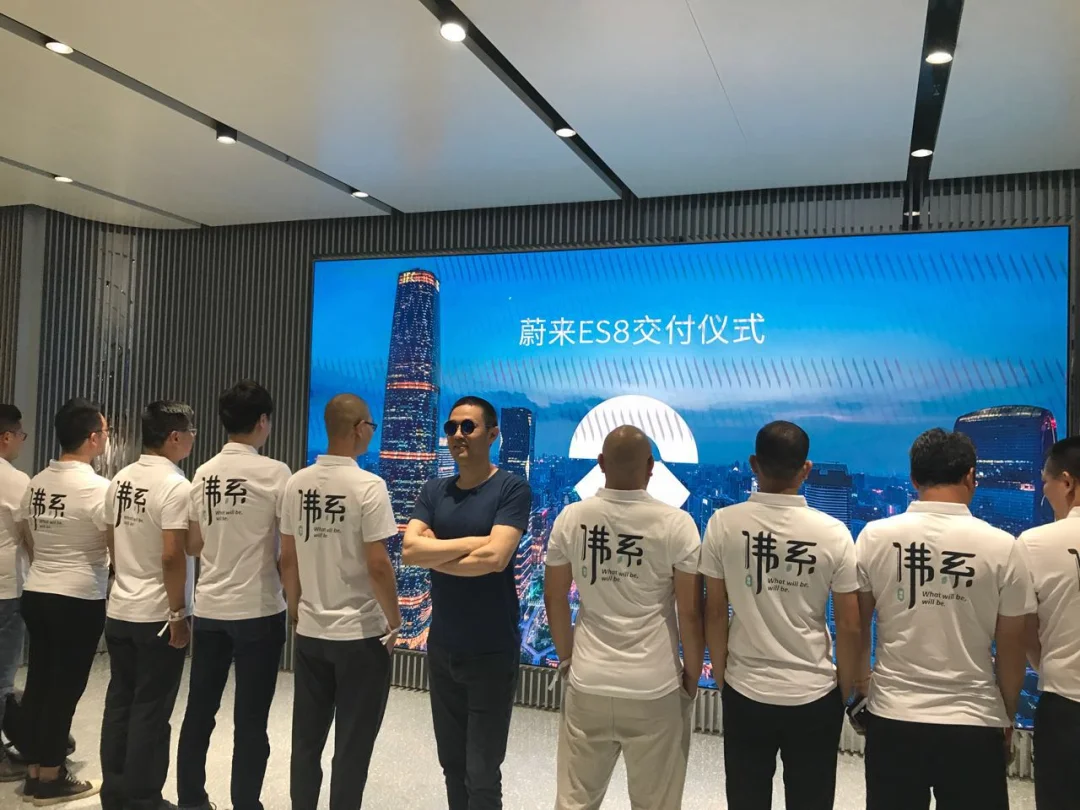
NIO owners who are passively waiting for their cars are actually a minority; more brands face rights protection issues regarding delivery order. Since NIO started in 2018, to soothe users' anxiety about waiting, it often launched delayed delivery compensation plans after the promised delivery time, such as 2,000 points per day. For users purchasing additional vehicles or trading in old ones, point compensation can be considered a benefit, but for new buyers with rigid demand, point compensation is far less important than timely delivery.
In 2021, due to chip shortages, Li Auto and XPENG each implemented a plan for users to receive vehicles first and have millimeter-wave radars installed later. Li Auto's solution was to initially provide models equipped with three millimeter-wave radars, with the missing two to be added later, and to offer users lifetime warranty coverage for the entire vehicle along with ten thousand points in benefits; while XPENG, in addition to delivering first and installing later, provided free access to the XPILOT (3.0 or 3.5) driver assistance software features.
Pit 06: The Crisis of Quality, the Price of Youth
Quality issues are inevitable in the first batch of vehicles, just as production ramp-up is. This is an unavoidable objective reality; even century-old automakers still face various problems.
In March 2019, Weimaqiche recalled all EX5 models under the "New Year Upgrade" program to perform BMS upgrades and replace air conditioning ducts; in June 2019, NIO issued a recall for the ES8 due to frequent spontaneous combustion incidents, primarily caused by routing issues with internal wiring harnesses within the battery packs; in November 2020, Li Auto recalled the Li ONE model because of design reasons related to the pull-off force of the lower control arm ball joints. Regarding complete vehicles, if every car has common faults, it is actually a representation of quality consistency.
For new forces, the biggest worry is actually that each vehicle has different quality defects. This was hard to avoid in the early stages of new forces. As new brands, new forces know that if a large-scale quality issue triggers strong public criticism, it could be fatal for both the brand and the enterprise. Therefore, we have seen numerous "secret recalls" conducted under the guise of "upgrades." Once a certain component is found to have quality issues, new forces will not hesitate to help customers go through the claims process for replacement, and even proactively offer compensation. Meanwhile, due to having fewer service outlets and being willing to incur any cost, new forces often become major clients of towing companies.
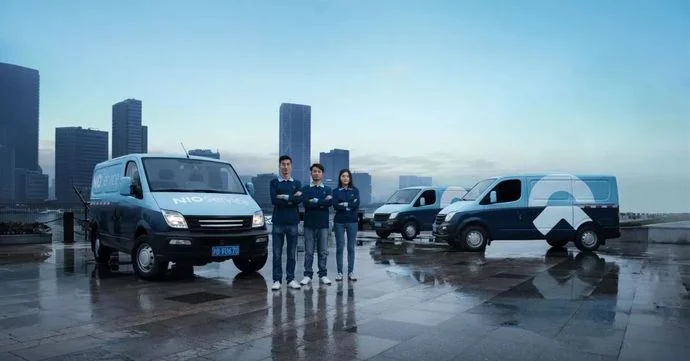
New energy vehicle startups have invested heavily, regardless of cost, to address quality issues, a stark contrast to the denial tactics often employed by traditional automakers. Although new-energy models from these startups objectively suffer from more quality problems, their proactive service approach results in far less public complaint compared to traditional original equipment manufacturers (OEMs).
For traditional automakers, new energy vehicles represent an unfamiliar territory where they also encounter numerous quality issues. Previously, the BMW 530Le was significantly impacted by its "battery gate," with frequent and recurring faults and high battery component prices deterring potential buyers. Similarly, Luhu faced nationwide consumer rights protests due to quality issues with the P400e. When facing problems with entirely new products, sincere engagement in resolution and evolving service standards become key to mitigating crises.
07The Seventh Pitfall: The Cliff-like Drop in Orders Brings the Real Test
New energy startups often experience a cliff-like drop in new orders once their products are officially delivered to users and production ramp-up is complete. This is primarily driven by two factors. First, early releases accumulate orders from early adopters between launch and delivery, but short delivery times prevent word-of-mouth conversion. Second, initial marketing efforts focus on retaining existing order holders rather than acquiring new users. Combined with the phase-out of purchase incentives designed to rapidly build an early user base, potential customers adopt a wait-and-see attitude.
In 2019, compounded by subsidy phase-outs and frequent industry-wide issues, this cliff-like drop nearly proved fatal for new-vehicle startups that had just completed mass production. For the full year of 2019, NIO sold 20,565 units, Weima 16,876 units, XPENG 16,609 units, Nezha fewer than ten thousand units, and Leapmotor only around one thousand units. Sales target completion rates were generally below 50%, with some as low as 10%. By mid-2019, these startups saw monthly sales hovering in the hundreds, struggling on the brink of corporate survival, earning them the title of the "most miserable" players.
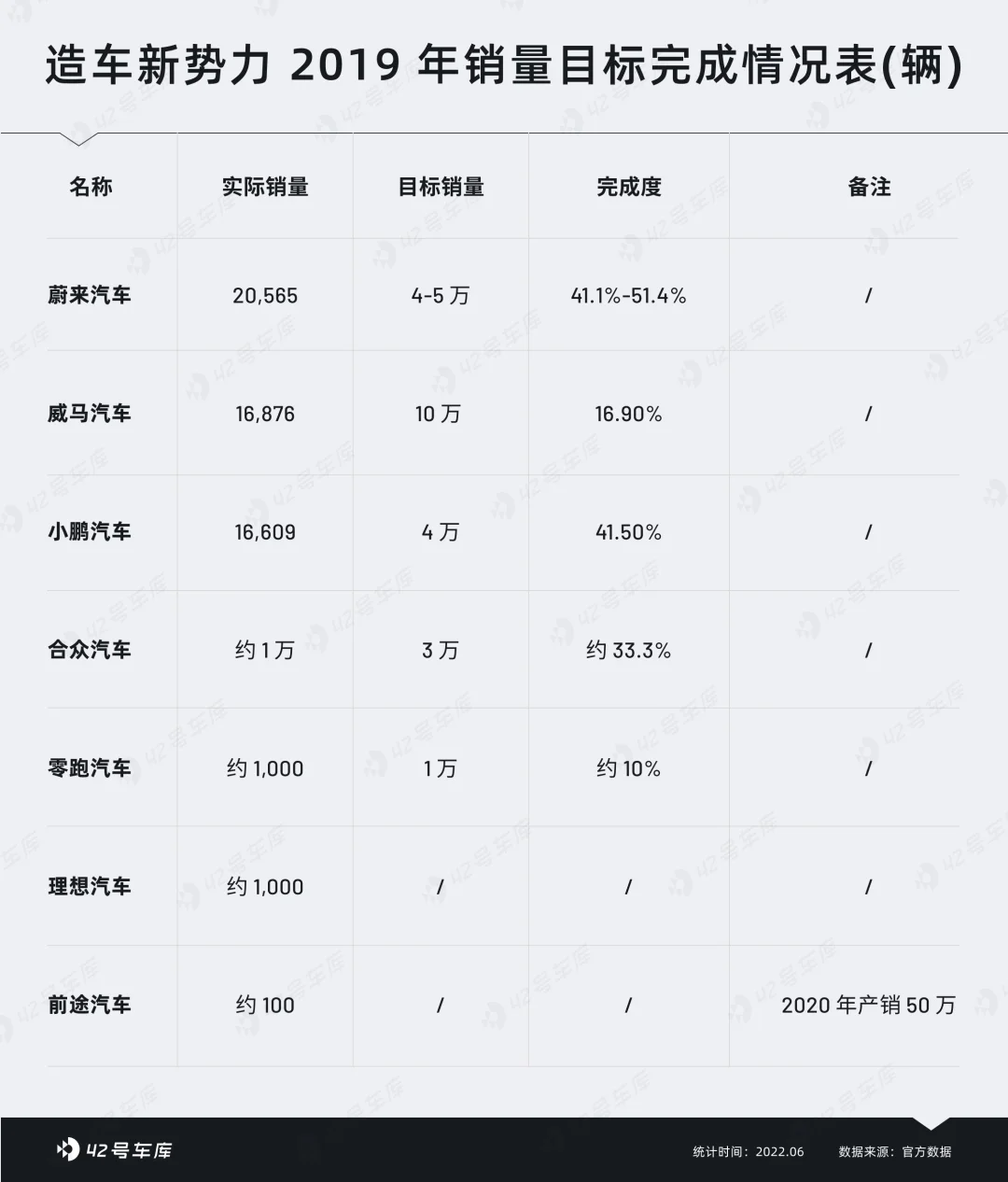
The difficulty faced by new energy startups in 2019 is evident even when looking solely at sales target completion rates. Today, industry latecomers face similar challenges. Whether it is Arcfox, VOYAH, Zeekr, Zhiji, or AVATR, the urgent need for orders is palpable through the flood of Weibo and WeChat Moments advertising.
To break the curse of plummeting orders, product strength is only part of the equation. Equally critical is the early layout of sales capabilities, including establishing dealership networks in more cities to expand user reach. Additionally, through service and operations for users, brands must safeguard the reputation of their first-wave customers, rapidly generating word-of-mouth referrals and shortening the decision-making cycle for hesitant buyers.
Pitfall 08: The Dilemma of Price Cuts—Why You Aren’t Tesla
New products often suffer from inaccurate pricing. Many traditional automakers still adhere to cost-plus pricing rather than market-driven pricing. Even when pricing is precise, products can lose competitiveness as competition intensifies or they approach the end of their lifecycle. In today’s direct-sales models, which lack the flexible price adjustments provided by dealer layers, the dilemma of whether to cut prices is a topic no new energy brand can avoid.
The best way to maintain prices on the surface is through product upgrades, sustaining the price structure by continuously enhancing product strength. However, under direct-sales models, the transition to new models happens vertically. Without dealers providing discreet discount adjustments, the configurations and prices listed directly on official websites are highly sensitive to price cuts and model upgrades, easily sparking dissatisfaction among existing owners and creating the notorious 'harvesting leeks' narrative.
In 2019, just four months after XPENG G3 deliveries began, XPENG launched the 2020 G3. It offered a range increase of up to 120 kilometers at a lower price, triggering immediate nationwide mass protests. XPENG eventually issued compensation promises in the form of points and buyback guarantees. Learning from this, Weima, upon releasing the 2019 EX5, directly offered three options for existing owners to choose from. Two years later, Li ONE faced similar issues during its 2021 upgrade. Although Li Auto stores had already implemented disguised price cuts by offering incentives like free insurance prior to the upgrade, it still sparked mass protests from users who placed high value on the upgraded configurations.
In 2022, new energy brands from traditional automakers faced similar problems when encountering order declines. Zeekr faced backlash from some recent buyers because the New Year benefits exceeded those previously granted to earlier owners. Zhiji, before even delivering vehicles, was accused by early adopters of violating its promise of best treatment for early customers, simply due to internal subsidies provided to SAIC Group employees. Fortunately, the rise in raw material costs for new energy vehicles largely mitigated such crises; currently, not raising prices is considered the maximum benefit, effectively amounting to a disguised price cut.
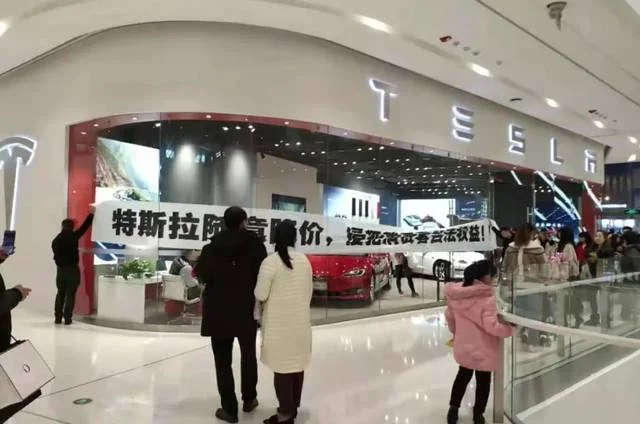
Tesla, with its fully direct-sales model, frequently faces protests triggered by price cuts, yet users have become accustomed to it. If Tesla’s product upgrades and price cuts initially created 'leek parties' and 'wait-and-see parties,' users have now grown used to them. Domestic new forces that consistently advocate being 'user-centric' have fewer choices. When setting initial prices, automakers need not only precise market insight but also a comprehensive consideration of lifecycle price competitiveness. Otherwise, when adjusting prices, they must incur higher costs than in traditional dealer models to maintain the reputation and loyalty of existing users.
09The Ninth Pitfall: Strategic Drift — Changing the Road or the Driver
When facing sales and cash-flow pressures, new-energy automakers often take divergent paths, leading to strategic indecision. The first wave of eliminated startups frequently failed because they constantly shifted product strategies to appease investors, delaying mass production indefinitely. During the most difficult phase of new-energy penetration, NIO, XPENG, and Li Auto stuck to their original strategies—whether building user-centric enterprises or adhering to established intelligent-driving and extended-range vehicle (EREV) roadmaps. In contrast, Weima, the most severely lagging brand, abandoned its new platform development and direct-sales model, pivoting instead to ride-hailing vehicles and a dealership model. Aichi and Tianji never successfully built out their organizational systems, missing critical market windows. Leapmotor and Nezha achieved stability through strategic contraction, weathering the storm and emerging into spring.
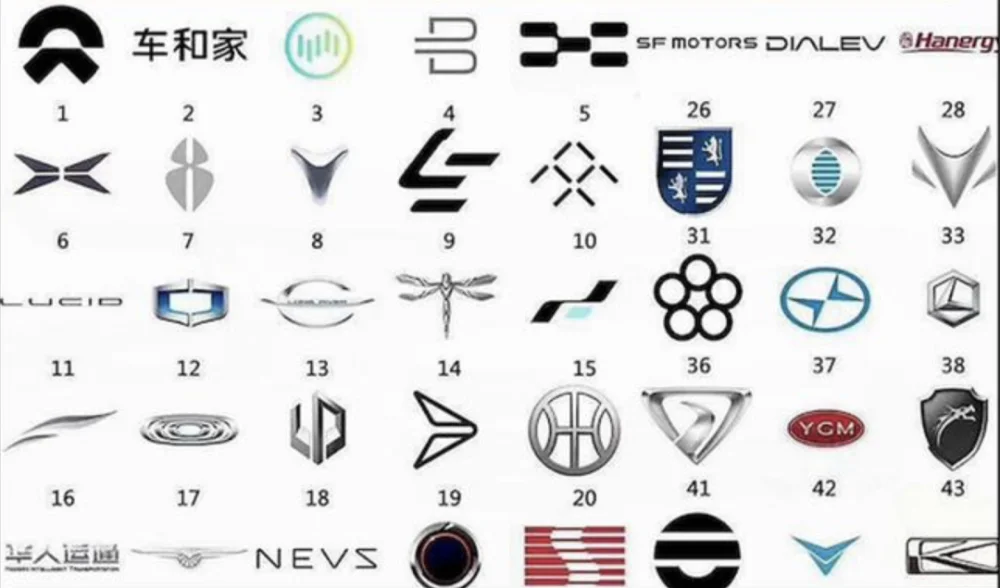
The once-popular roster of new-energy startups has seen very few survivors to this day. Strategic drift appears, on the surface, to stem from survival pressures on cash flow; in reality, it reflects an insufficient understanding of the market and industry, resulting in a lack of confidence to persist with initial choices. Recently, VOYAH, the traditional automaker that launched its models earliest among peers, also switched from a direct-sales to a franchise model.
If team changes are made to better execute the original strategy, and model switches are interim compromises for short-term survival, then doing both simultaneously inflicts the greatest damage on a startup. New-energy automakers’ resources may not support such drastic upheaval, burning prior accumulated assets to the ground.
As the broader automotive market enters a stock-game era, the new-energy sector will not have an easy path forward. In recent years, more traditional automakers have launched new energy brands. By correctly examining the pitfalls encountered by earlier startups, these newcomers can avoid falling into the same traps. After all, while a person cannot step into the same river twice, companies easily fall into the same pit.
New-energy vehicles have undergone massive changes in both products and business models compared to internal-combustion engines. Traditional automakers’ existing systems may not provide a solid foundation and could instead become obstacles to transformation. Similarly, the hundreds of billions in losses incurred by individual new-energy startups during their development are significant figures even for traditional automakers.
In Santi, Liu Cixin stated: 'Weakness and ignorance are not the obstacles to survival; arrogance is.' Whether for traditional automakers’ new-energy brands or the next wave of accelerating new entrants, deeply understanding this quote is essential for a good start.
Written by: Bluehyper Edited by: Daji