


A Better Changan: DEEPAL SL03 Road Test
Recently, at the invitation of Changan and 42HOW Auto, I traveled to Chongqing to conduct a static review and a brief dynamic evaluation of the Changan DEEPAL SL03. This vehicle is the first product of the Changan DEEPAL brand and the inaugural model built on the EPA1 pure electric native platform, representing Changan’s latest achievement in new energy vehicles. Earlier, we provided a brief introduction to the static aspects; here, we present our complete observations and reflections on the Changan DEEPAL SL03.
01A Representative Work of Changan Design
Exterior: Sporty and Attractive
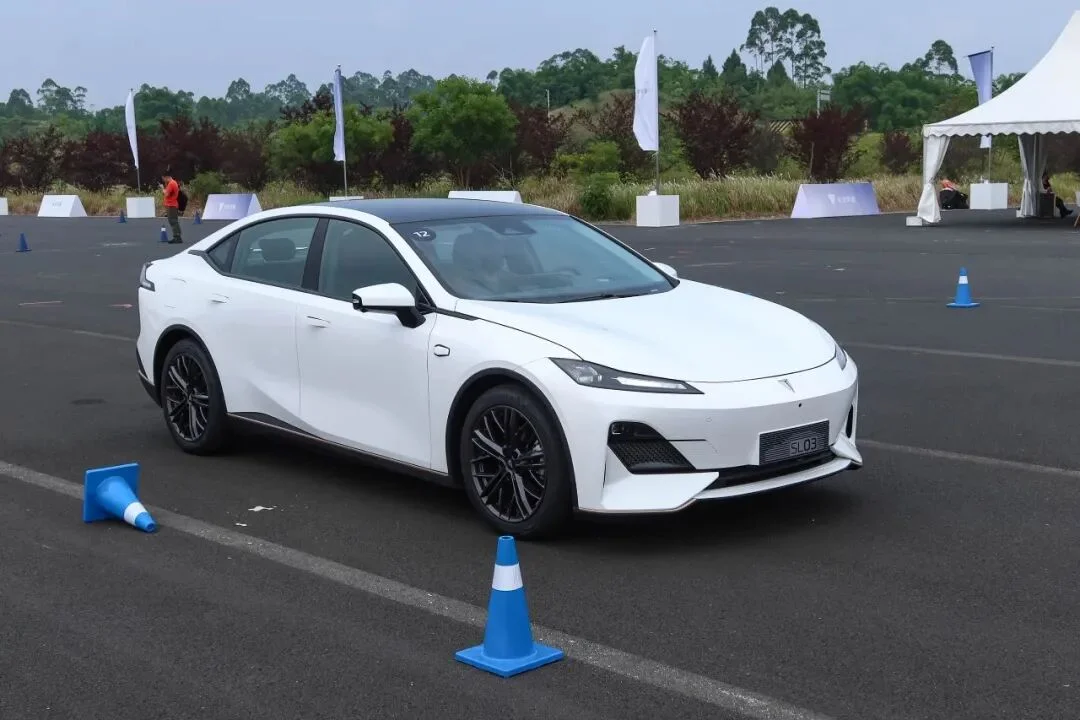
The exterior and interior styling of the Changan DEEPAL SL03 continues the high standard set by other new products within the Changan Automobile Group: its coordination and aesthetic appeal are undeniable. The hood sits low, the rear deck is short, and the side window area is large, creating a fastback-like hatchback configuration. While its overall body dimensions place it in the large compact class, it maintains a restrained physical presence, expressing a sporty design intent that aligns with the vehicle’s rear-wheel-drive mechanical structure across the entire lineup.
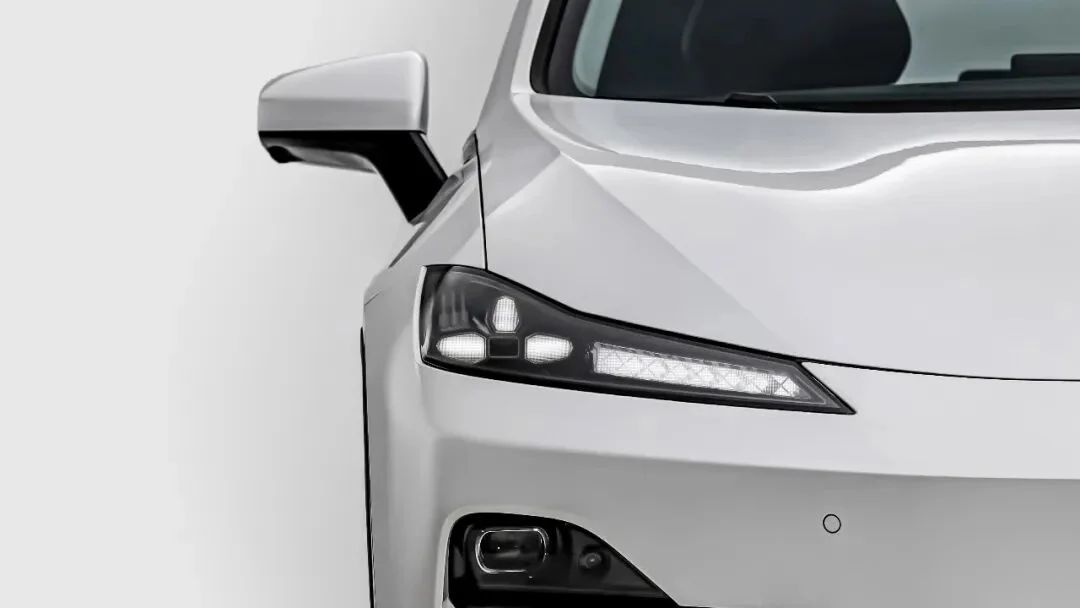
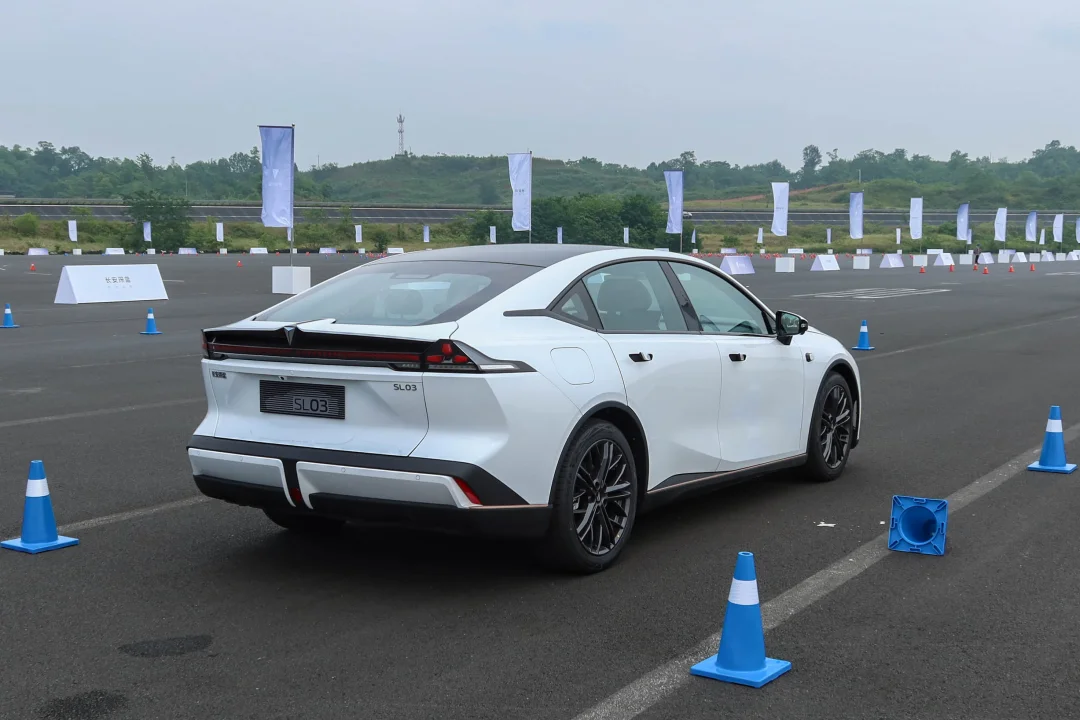
The upper portion of the Changan DEEPAL SL03’s split headlight assembly features a distinctive design, which is also repeated at both ends of the full-width taillight, giving the vehicle strong recognizability. The main headlight unit integrates projector lamps and interactive lighting (available on higher trims), making this one of the most accessible models equipped with such configurations.
It is worth noting that the Changan DEEPAL SL03 is available in three powertrain variants: pure electric (BEV), extended-range electric (EREV), and hydrogen fuel cell. The front-end designs of the BEV and EREV models are nearly identical, differing only in subtle details such as the openings along the lower edge of the bumper. Changan’s R&D department takes considerable pride in this approach. Through deep optimization of thermal management strategies—facilitated by the relatively fixed operating conditions of the range extender, which allow for precise control over excess heat generation—they have achieved a balance that benefits aesthetic appeal, vehicle performance, economic efficiency, and manufacturing costs.
The Changan DEEPAL SL03 features frameless side doors with single-layer (non-laminated) glass. Although the glass is not laminated, it is thick enough to deliver a good level of NVH (noise, vibration, and harshness) performance for occupants. The vehicle’s tailgate uses an electric liftback design topped by a fixed rear spoiler. In contrast, the Changan UNI-V uses framed doors but is equipped with an electrically folding rear wing.
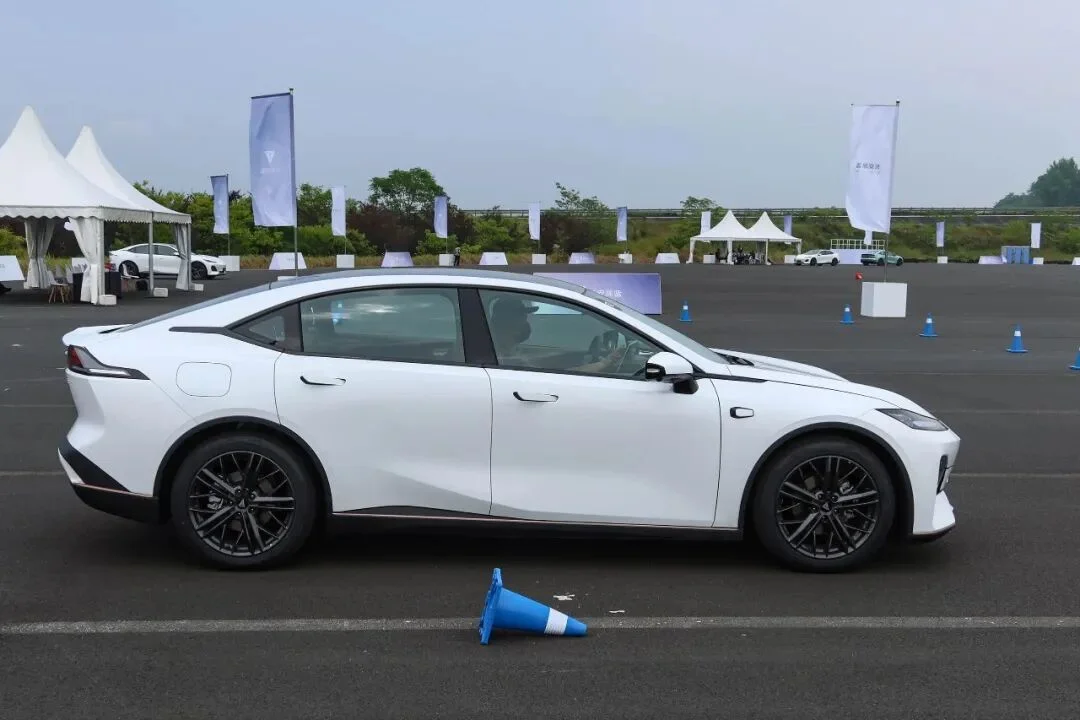
A decorative protrusion on the Changan DEEPAL SL03’s front fender serves as a placeholder for future hardware. On top-tier models equipped with advanced driver assistance systems, this location will house the lateral perception camera.
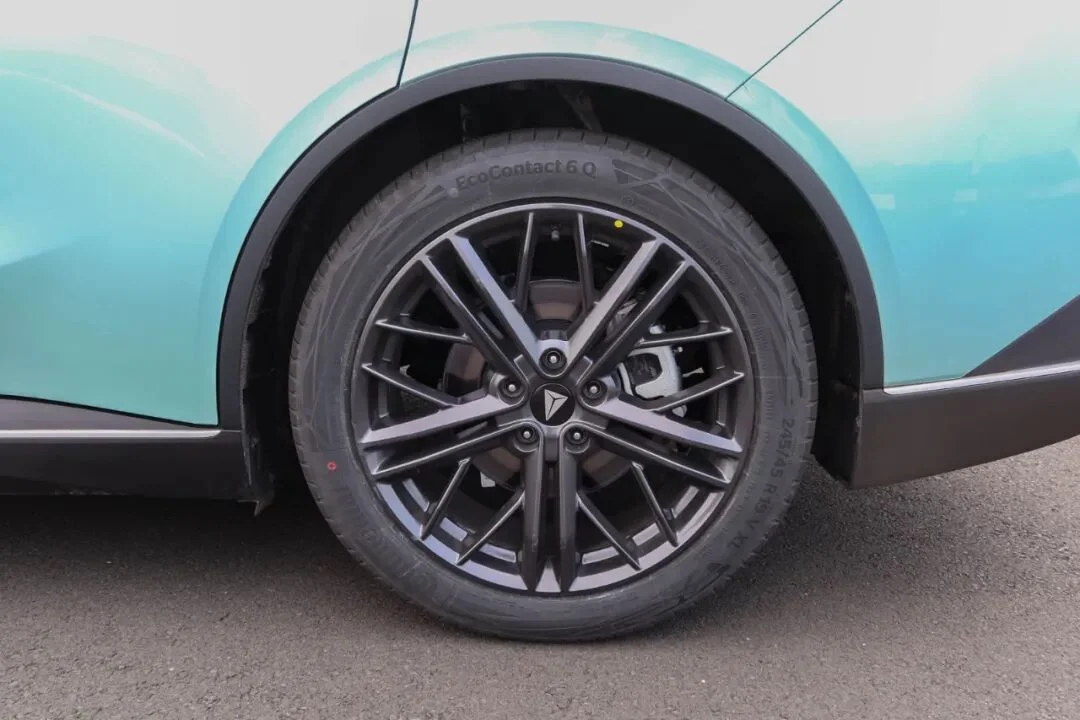
The Changan DEEPAL SL03 is fitted with 19-inch wheels and tires measuring 245 mm in width with a 45 aspect ratio. The large size and distinctive wheel design make them a highlight of the side profile. However, the wide sill can be high, making it easy to scuff against when entering or exiting—a regrettable drawback.
Interior: A Freshness That Isn't Cliché
Upon entering the interior, I immediately noticed the 14.6-inch "sunflower" rotating screen. This display automatically tilts to face passengers actively watching it, adjusting based on factors such as whether seats are occupied and the status of the doors.
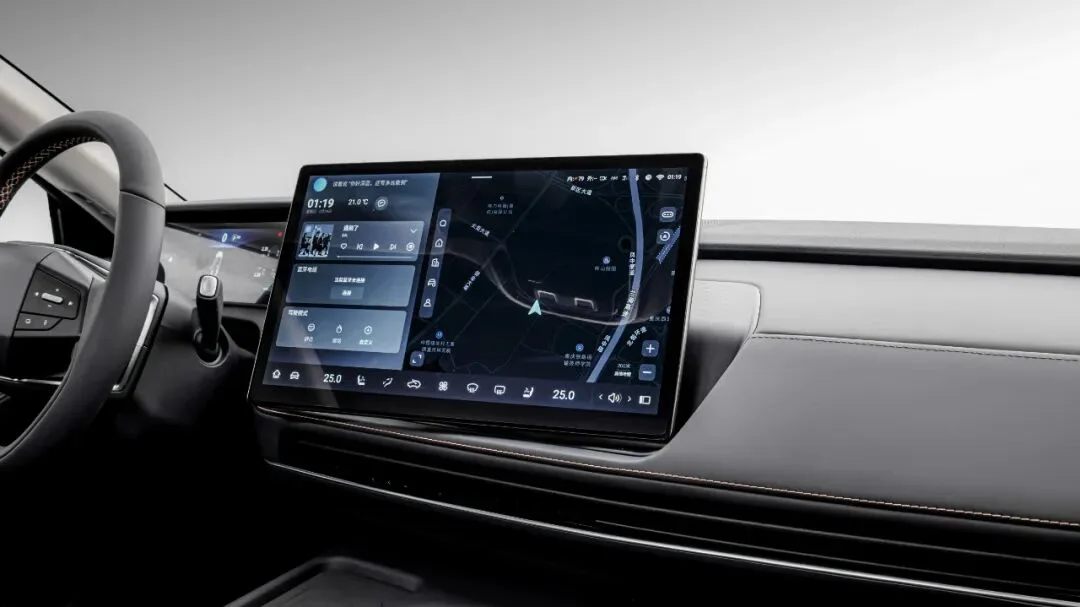
The AR-HUD is also a relatively rare feature in this segment, but unfortunately the software on the test vehicle was not in its final state. The display content and presentation of the HUD will see significant optimization in the production model, so we did not conduct a detailed evaluation of the AR-HUD during this review.
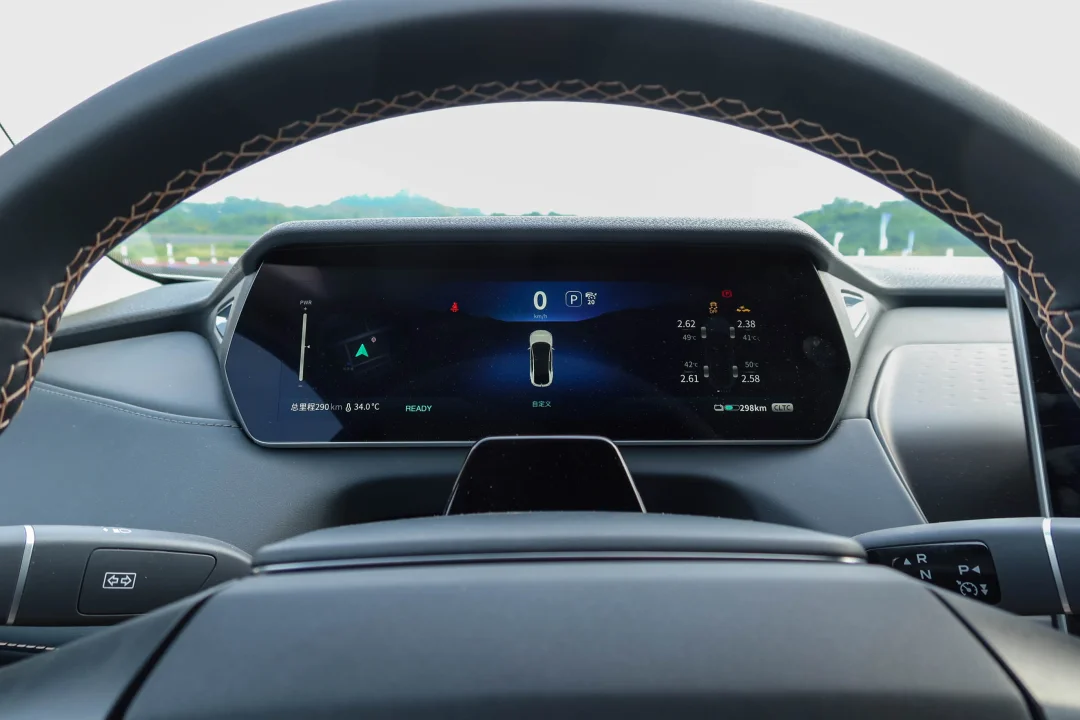
The dashboard of the Changan DEEPAL SL03 features a very clean design with distinct styling cues. In contrast, the Tesla Model 3/Y utilizes hidden air vents with auto-swing functionality; their overall airflow direction is slightly upward, which helps avoid direct drafts onto occupants' midsections caused by lower mounting positions. However, the prominent bulge around the steering wheel area remains puzzling. It would likely be better if the airbag housing were designed to be more streamlined.
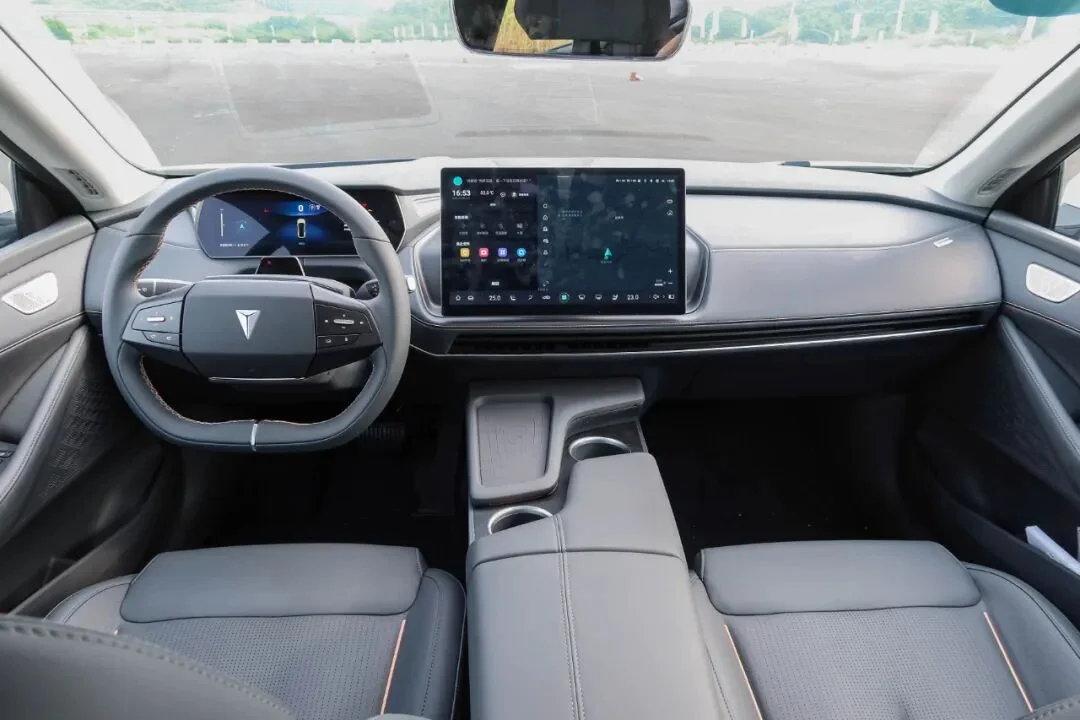
The Changan DEEPAL SL03 is equipped with a premium Suoni audio system featuring 14 speakers. A brief listening session revealed good sound quality. Ambient lighting in the cabin is limited to two areas: near the wireless charging pad on the center console and surrounding the roof-mounted lights and controls, reflecting a restrained approach to ambient illumination. Additionally, the use of familiar components borrowed from existing Changan models hints at strict cost control measures for the DEEPAL SL03.
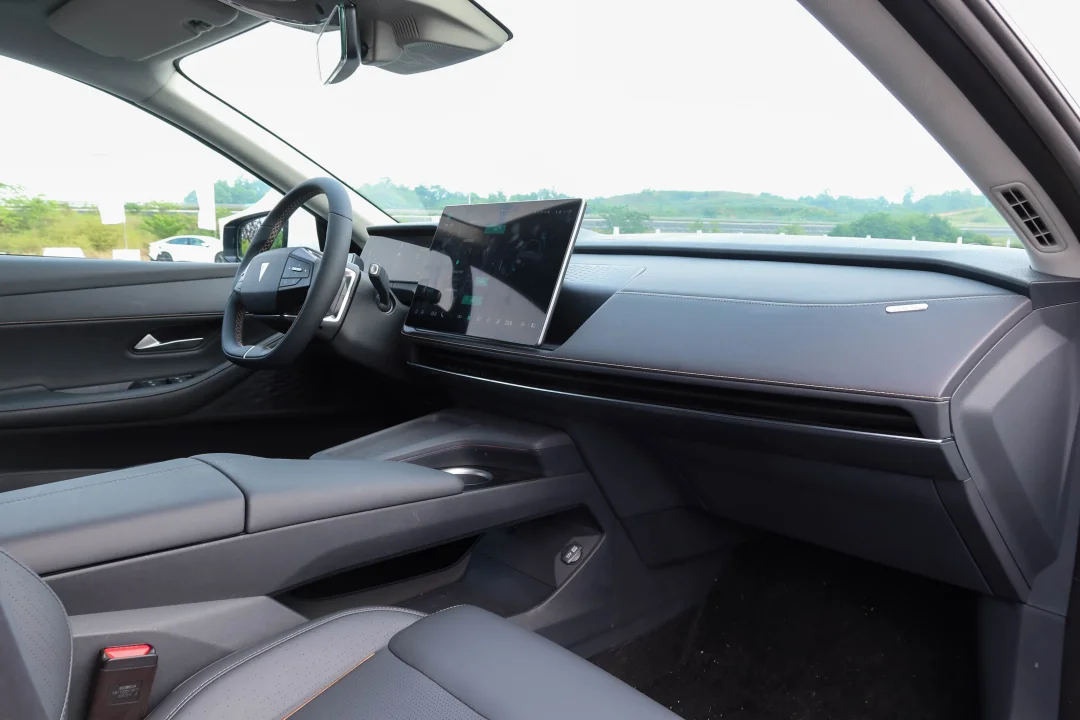
Regarding interior space, both front and rear seating areas in the Changan DEEPAL SL03 are spacious. The rear legroom is notably wider than that of the UNI-V, and the distance from the floor to the seat cushion is well-proportioned, representing a solid level for a pure electric sedan.
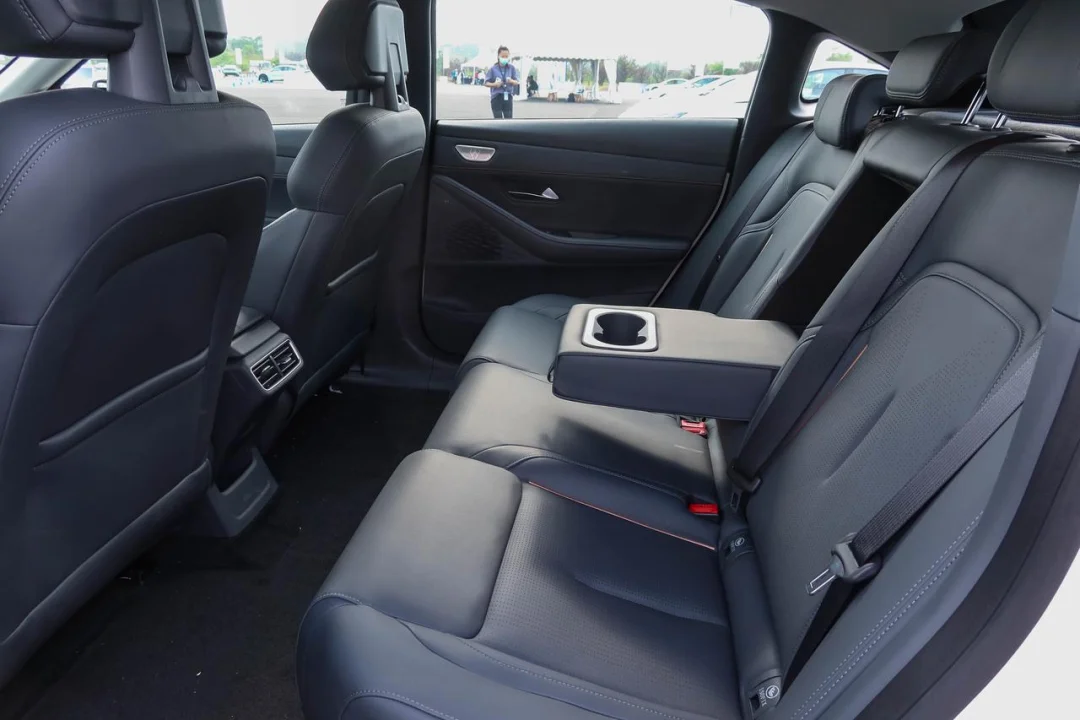
It is worth noting that for the future fuel cell version, the hydrogen storage tanks will occupy only a portion of the trunk space. The passenger cabin space remains identical across all three powertrain variants: BEV, EREV, and FCEV.
02The Ride Comfort Exceeds the Driving Experience
On the second day of the trip, I headed to the Xibushichechang (Western Test Track) in Dianjiangxian for dynamic testing. Prior to this, I had ridden in the EREV version of Changan DEEPAL SL03 on the route from the airport to the hotel. The newly developed H-arm multi-link rear axle features well-tuned suspension settings and ample travel, easily handling the challenges posed by Chongqing’s undulating, frequently patched expressways and urban arterial roads. This excellent comfort left a deep impression on me.
At the dynamic plaza of the Dianjiang test track, Changan DEEPAL set up several experiential courses, including slalom, lane-change, acceleration/deceleration tests, and a short Gymkhana time trial. After experiencing these, I found that although the DEEPAL SL03 does not offer a dual-motor AWD variant, its performance remains strong within its class. The single-motor RWD layout provides a solid foundation for a more engaging driving experience.
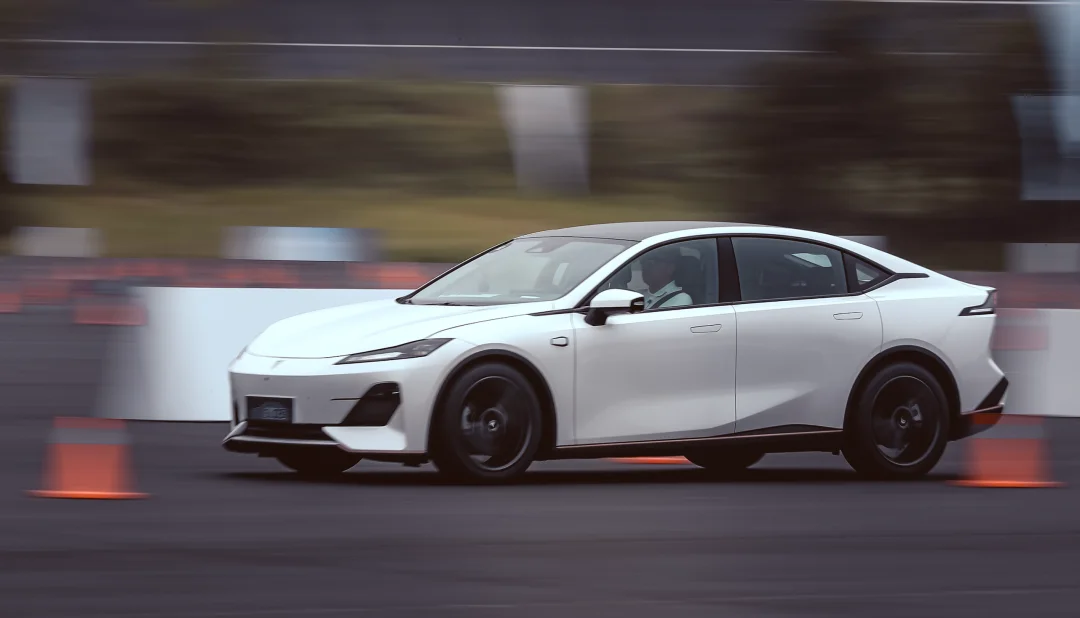
The steering feel of the DEEPAL SL03 is tuned with a sporty bias: the centering is precise, and there is noticeable weight in the rotation. However, in “Comfort Steering” mode, it offers a lighter feel, providing a suitable option for users who prefer relaxed driving.
The rear-wheel-drive setup of the Changan DEEPAL SL03 allows for slight tail slip during track experience, but overall the rear-drive feel is not strong. Understeer (pushing wide) occurred a few times, possibly due to two reasons:
Equipped with energy-saving tires;
and the tested model was the pure EV version, with a rearward weight bias.
Thus, the range-extended version may perform better. We also hope Changan will soon offer performance-oriented tires for user selection, as handling capability is also a manifestation of safety.
Overall, the Changan DEEPAL SL03 offers good handling. The newly developed EPA1 platform, dedicated to pure EVs, provides a higher technical foundation for the SL03. As the flagship sedan within the Changan group, it strikes a good balance between comfort and handling, holding certain advantages over higher-priced models.
03Beyond the Test Drive
During the experience event, the organizer arranged various communication sessions, through which I learned additional information about Changan DEEPAL.
Sales Plan for the DEEPAL SL03
The Changan DEEPAL SL03 will be produced at the factory in Chongqingliangjiangxinqu. After technological upgrades, the facility will achieve a production capacity of 35 JPH (units per hour). Current plans reserve a 1:1 split between range-extended and pure EV production capacity. Changan DEEPAL expects sales of the range-extended version to slightly exceed those of the pure EV version. In terms of manufacturing costs, due to recent sharp increases in battery prices, the range-extended version is slightly cheaper than the pure EV version. Regarding pricing, Changan DEEPAL aims to keep the prices of both versions as close as possible.
In terms of sales channels, ChanganDEEPAL plans to adopt an agency model. Dealers will no longer purchase vehicles from the manufacturer for resale to users. Instead, users place orders directly with the manufacturer online, while dealers provide experience, delivery, and maintenance services. The terminal channels will feature order centers, maintenance centers, and delivery centers. The delivery center will integrate warehousing and delivery functions, while the order center will serve as an experience and display hub, categorized into three tiers: commercial district stores, shopping mall stores, and pop-up stores. Maintenance centers aim to provide fast and affordable after-sales service, offering a more worry-free and convenient full-lifecycle user experience. According to current investment promotion progress, the vast majority of ChanganDEEPAL dealers are existing Changan dealers making further investments.
DEEPAL's Future Models
ChanganDEEPAL's second model is an SUV built on the EPA1 platform, launching in 2023. It will offer dual-motor all-wheel-drive variants and extended-range versions (equipped with the comprehensively improved Lanjingdongli JL473 series range extender, same as the SL03 extended-range version). The all-wheel-drive version will be available only in pure electric form. Its dimensions will be larger than the SL03, and its styling is said to represent a significant upgrade over the SL03. Additionally, ChanganDEEPAL's third model will be a crossover SUV, also based on the EPA1 platform. Plans for fourth and fifth models are currently underway.
Corporate Operations at ChanganDEEPAL:
Born from the state-owned background of Changan Automobile but with external investment introduced, ChanganDEEPAL is a 'new automotive technology company' backed by the capabilities of a traditional automaker. Key executives have successful project experience with Changan Automobile (the V-badge brand), with many having been involved in work since the early development stages of the EPA1 platform. ChanganDEEPAL has established an employee stock ownership platform, with key leaders investing their own capital into the company rather than receiving gifted shares. Specific project development also employs a co-investment mechanism, aiming to fully mobilize the enthusiasm of management and all employees.
However, we remain observant regarding the long-term impact of this type of incentive structure.
Application of New Technologies
ChanganDEEPAL possesses technical reserves for new technologies including advanced driver assistance systems with urban navigation-guided assisted driving, chassis integrating the power battery (CTC), and large-part die-cast body structures. Some of these technologies will enter mass production in the near future. However, ChanganDEEPAL takes a cautious stance on CTC and die-cast body technologies. While they can reduce costs, the application of new technologies should not come at the expense of repairability, increased user ownership costs, or heightened risks.
04Final Thoughts
The most impressive aspects of the SL03 during this test drive were its vehicle attributes, which aligns with our expectations for Changan, a long-established domestic automaker. We did not have the opportunity to deeply experience its intelligent features, leaving the test drive somewhat incomplete. The conclusion remains consistent: it fits our perception of a traditional domestic brand.
It must be said that China’s new energy vehicle (NEV) market in 2022 is a unique landscape—a local red ocean experiencing high-speed growth. Against the backdrop of rising oil prices and gradually improving public awareness of NEVs, consumers hold high expectations for vehicles with strong product capabilities. Early entrants among the leading enterprises have already created well-known hit models in recent years; these vehicles have strengthened their gravitational pull within their respective price segments as the market expanded.
In the 200,000–300,000 RMB segment, new forces like Tesla showcase their strengths. In the sub-100,000 RMB segment, MINIEV dominates, operating on a model that prioritizes NEV dual-credit points over direct sales profits. Long-term feedback from brands and the market has shaped today’s polarized "dumbbell" structure, with strength at both ends.
The compact NEV market between 100,000 and 200,000 RMB is relatively less crowded under this dumbbell structure. The DEEPAL SL03 sits precisely within this interval.
On the DEEPAL SL03, we can see Changan’s understanding of the market and effective execution: an A+ rear-wheel-drive sedan featuring a dedicated pure-electric/extended-range platform, spacious interior, high configuration, sporty exterior design, and comfortable ride quality. It fills a market gap while remaining aligned with mainstream demand, making it a mass-market rather than niche NEV.
Written by: Jia de Xiaoshi Edited by: Reinhardt