


DENZA N7 and N8 Winter Test Footage Revealed; China EV 100 Forum Highlights Industry Trends
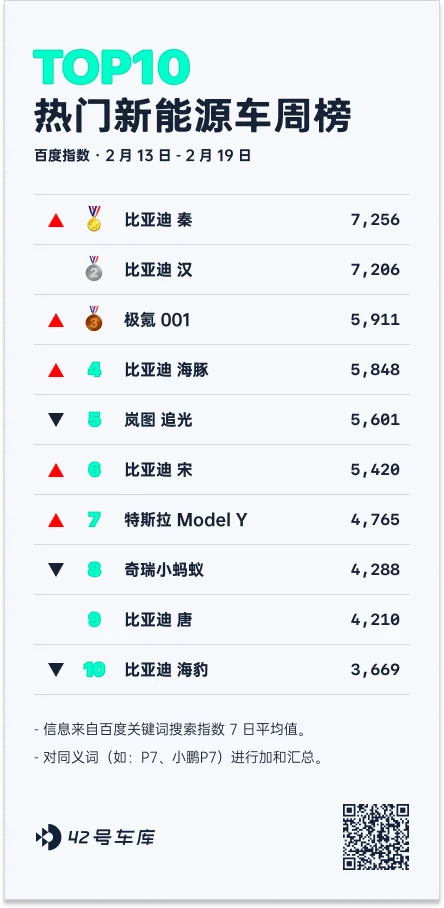
01 Weekly Index
02Weekly News
Spy Shots of Two New SUVs, DENZA N7 and N8, Revealed
DENZA recently released video footage of its new models undergoing winter testing, revealing two upcoming SUVs: the five-seat mid-size N7 and a six- or seven-seat large SUV expected to be named the N8.
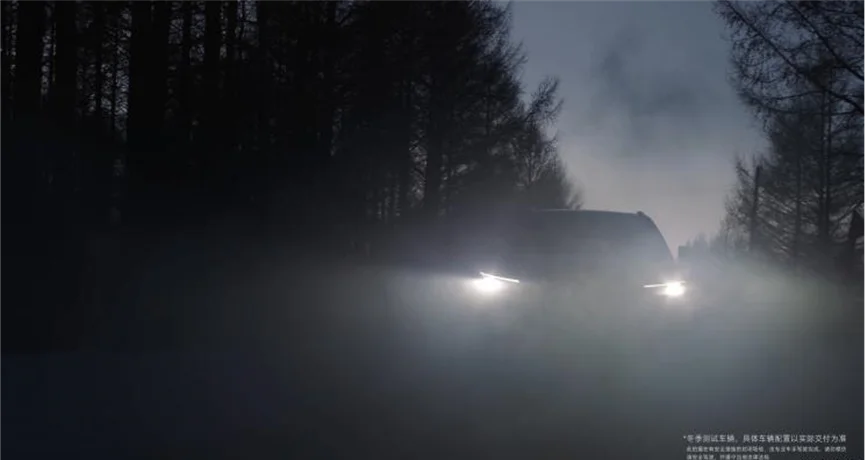
The video opens with the silhouettes of two new SUV models. The first is expected to be the all-new mid-to-large N8; from this shot, only its headlight design is visible, featuring a slim LED daytime running light above the lamp cluster. Other parts of the front end are covered in camouflage, so the appearance of other lighting groups cannot be seen.
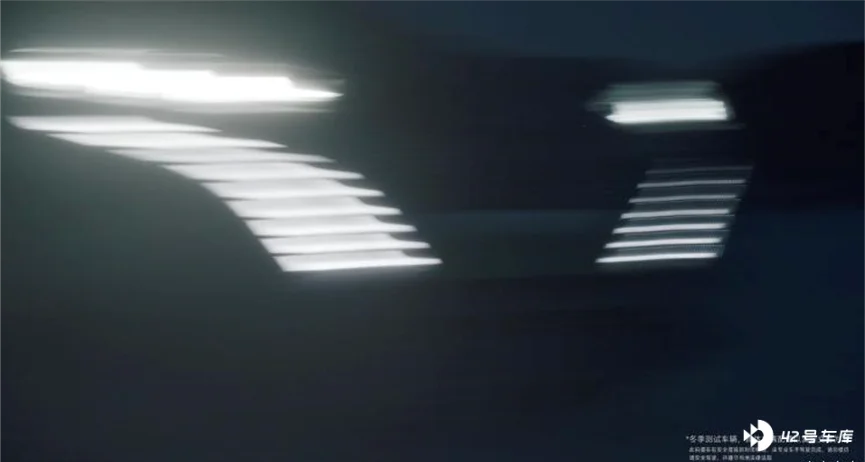
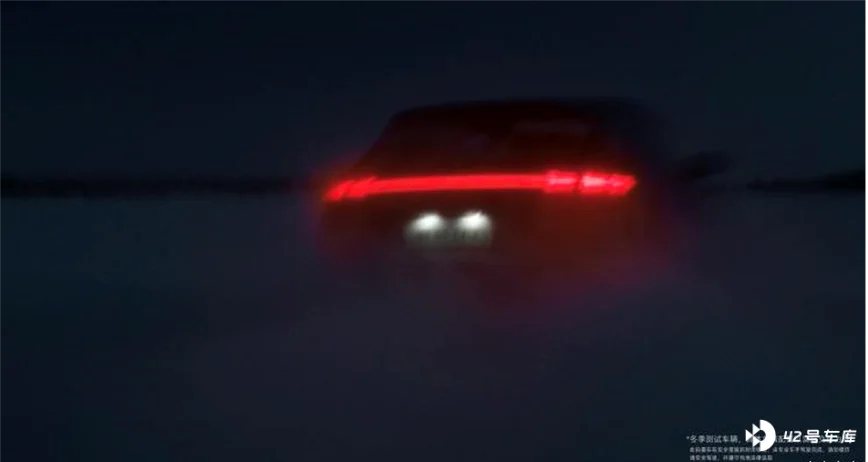
The other SUV is the five-seat N7. Its front lighting design has been fully revealed: in addition to the slim main headlights at the top, horizontal LED light clusters are distributed on both sides of the grille, which may well be its family styling cue. Another shot shows that the taillights feature a full-width design, and the "DENZA N7" lettering is already visible within the license plate frame.
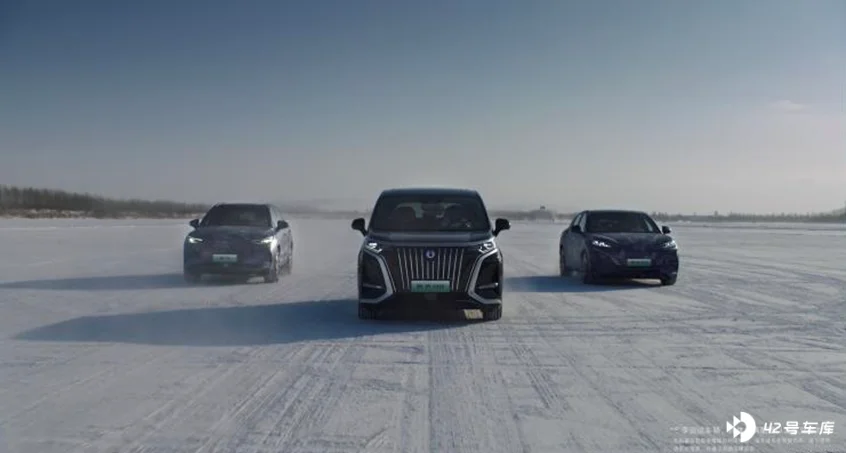
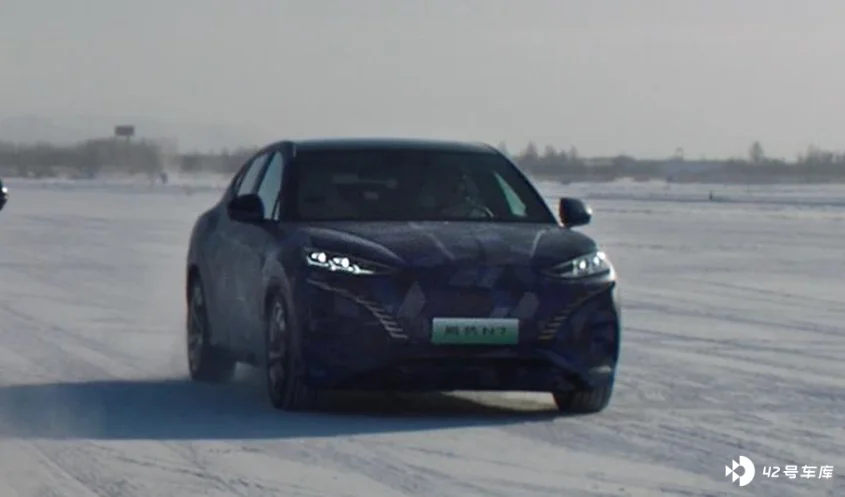
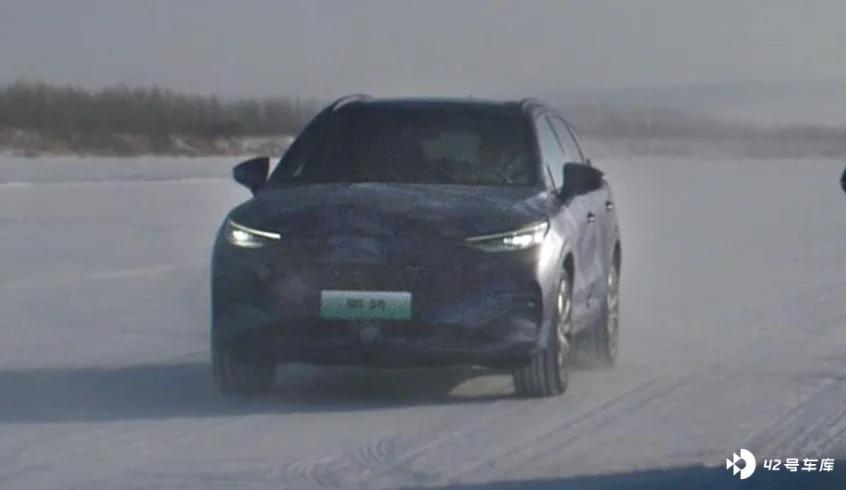
In the shot featuring all three vehicles, the overall silhouette of the new models is visible. The DENZA N7, positioned on the right, is a mid-size SUV with rounded contours; the headlight design mentioned earlier is fully revealed in this footage. On the left is the DENZA N8, a higher-tier SUV that appears taller and features straighter lines.
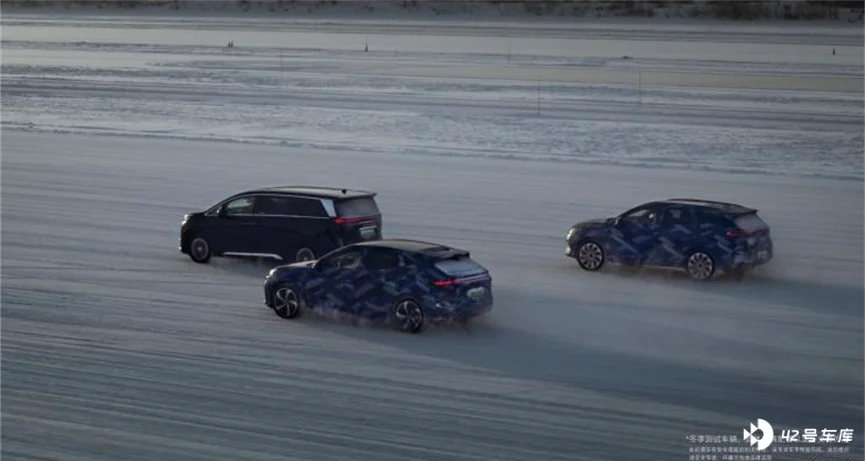
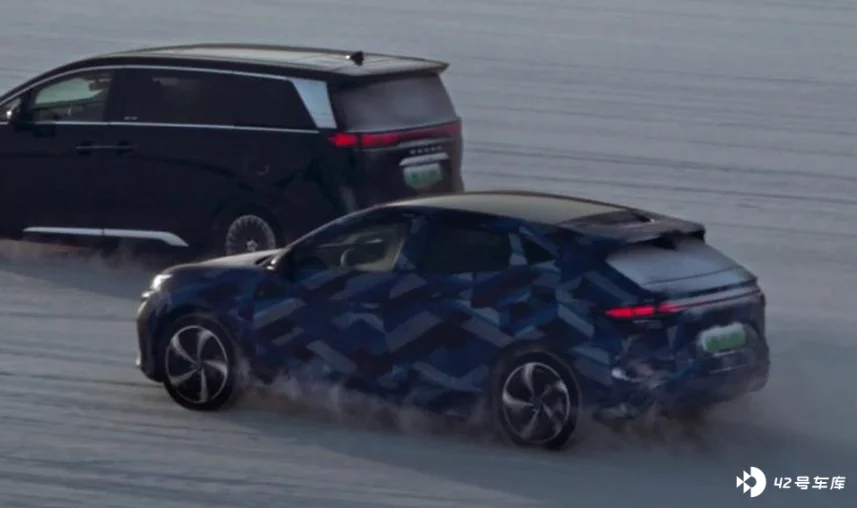
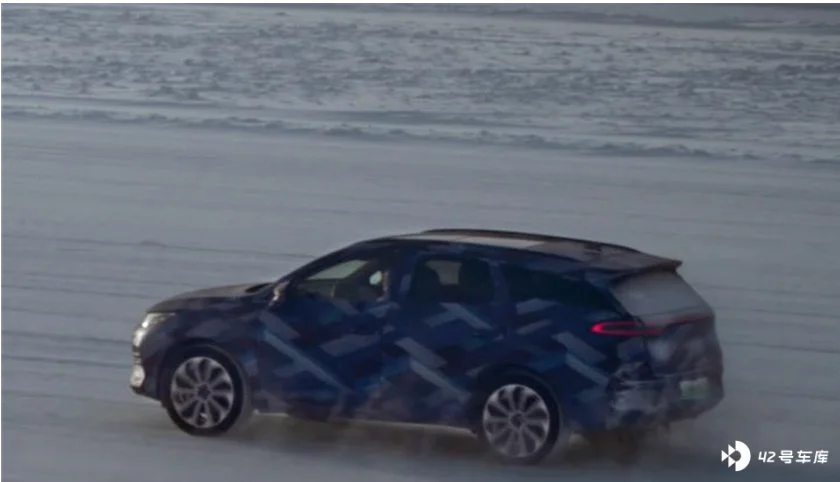
Side views highlight further differences. The DENZA N7 at the bottom of the frame features a fastback roofline, a large fixed rear spoiler, and a window line that rises sharply after the B-pillar, indicating a dynamic styling approach.
The N8's roofline at the top of the image is straighter, clearly intended to provide more third-row headroom. We can also see that the N8 will feature a full-width taillight, but the details are completely different from those on the N7. We also noticed that while the N7 uses dynamic five-spoke turbine-style wheels, the N8 uses multi-spoke wheels that emphasize a more luxurious feel.
On February 17, DENZA officially released test mule photos of the N7, offering a clearer view of the vehicle's design.
The vehicle is currently undergoing testing in Yakeshi, Inner Mongolia, including road tests on ice and snow surfaces, an ice-and-snow circular track, S-curves, and ice-and-snow inclines. It is also being tested for charging speed, range, and battery thermal management—key aspects of the battery, electric motor, and electronic control systems—in extreme cold conditions.
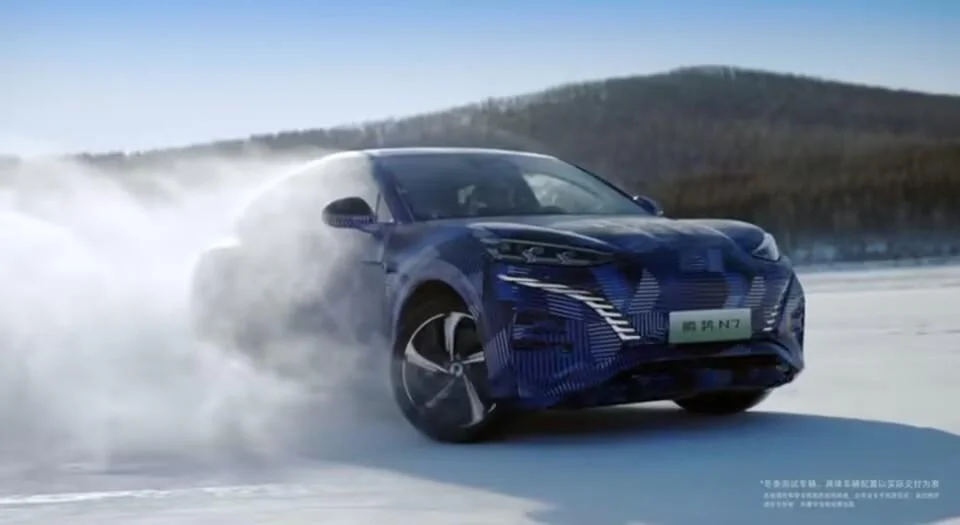
Video stills reveal a new design language featuring sharp, narrow headlight clusters on both sides, complemented by prominent creases on the hood. The car adopts the closed-front grille design common among current new energy vehicles (NEVs), which enhances visual aesthetics while optimizing the drag coefficient.
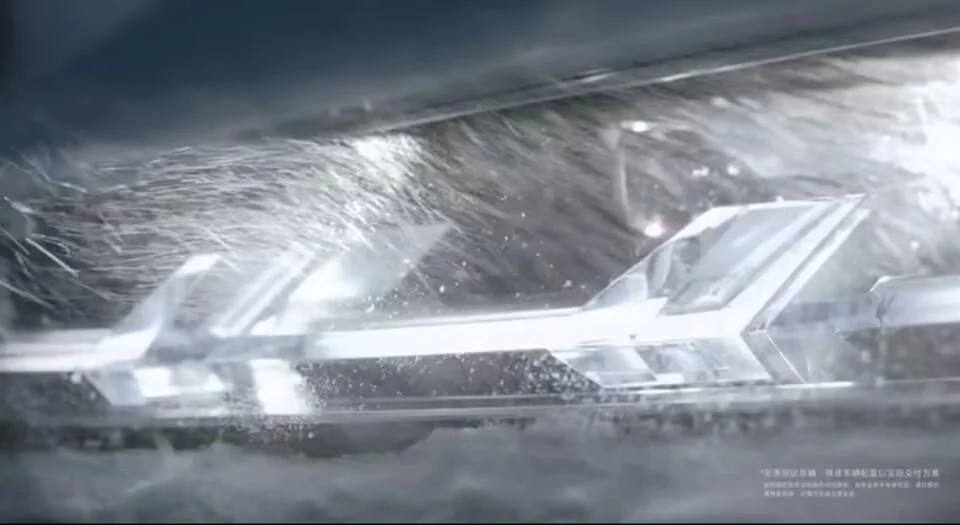
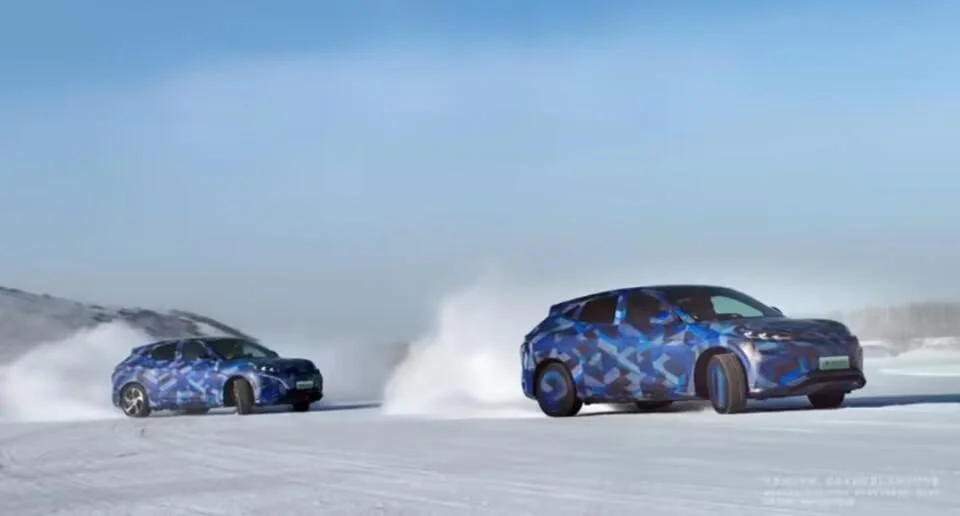
According to official information, the DENZA N7 features a proprietary new battery thermal management technology designed to improve the low-temperature driving experience for pure electric vehicles. This technology aims to ensure unrestricted battery thermal control and charging capabilities, addressing current pain points of slow charging and significant range degradation in NEVs during cold weather.
Quick Review:
Based on previously announced information, the N7 and N8 are scheduled to officially debut within the year. DENZA will use the letters D, E, N, Z, and A to create five major series of models. The D series will comprise MPVs, the N series will include SUVs, and DENZA will also develop sedan and coupe series.
DENZA currently achieves monthly sales of over 6,000 units with only the D9 model. With the official launch of the N7 and N8, the brand will further complete its product lineup. At that point, breaking 10,000 units in monthly sales is likely just a matter of time.
Expert-Media Exchange Conference Held at the 2023 Hundred People Forum
On February 17, the expert-media exchange session of the 2023 Zhongguodiandongqichebairenhuiluntan was held in Beijing. Four invited experts participated, namely:
Mr. Chen Qingtai, Chairman of the China Electric Vehicle 100 Forum;
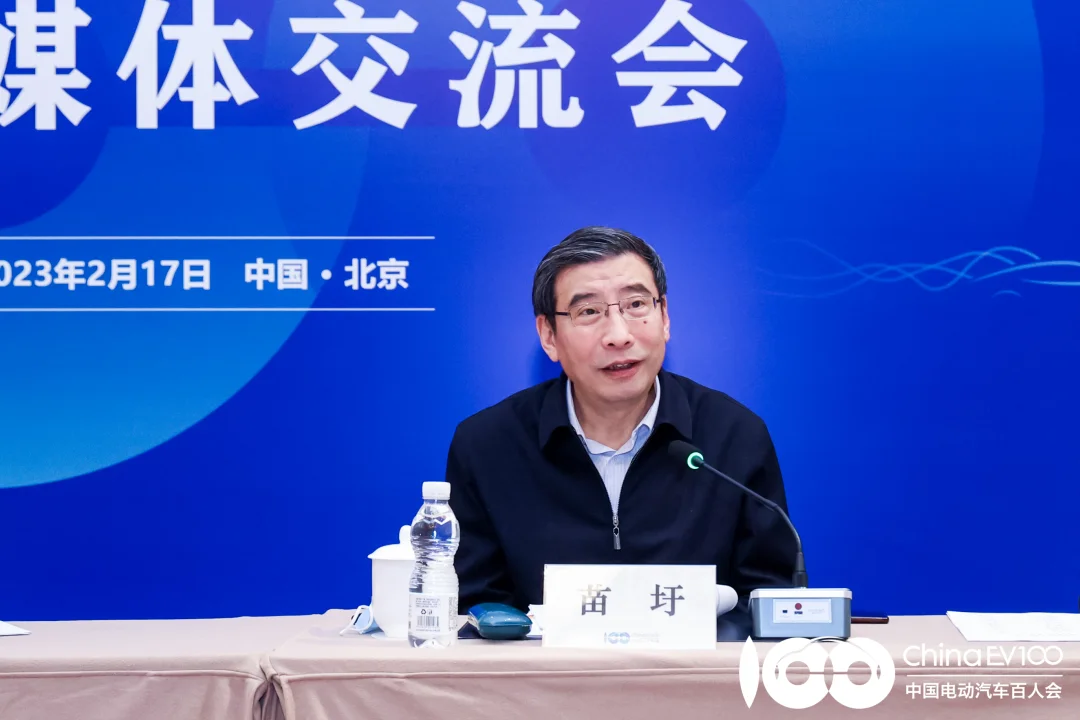
Mr. Miao Xu, Deputy Director of the Economic Affairs Committee of the National Committee of the Chinese People's Political Consultative Conference;
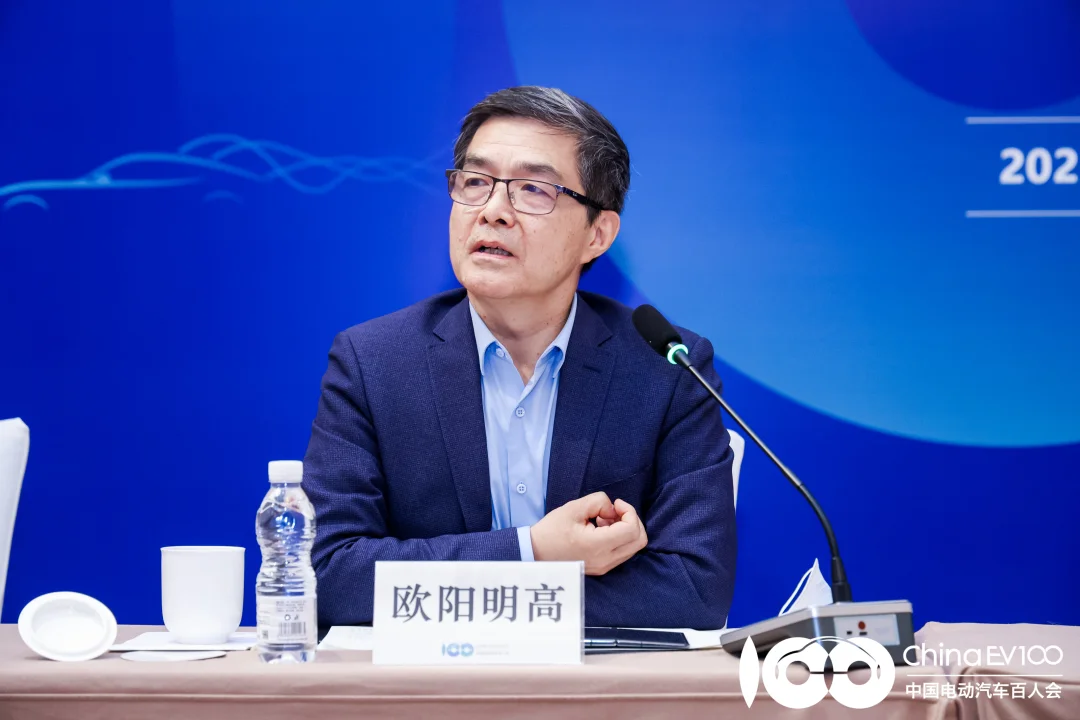
Academician Ouyang Minggao of the Chinese Academy of Sciences, Professor at Tsinghua University, and Vice Chairman of the China Electric Vehicle 100 Forum;
Mr. Dong Yang, Vice Chairman of the China Electric Vehicle 100 Forum and Chairman of the China Automotive Power Battery Innovation Alliance.
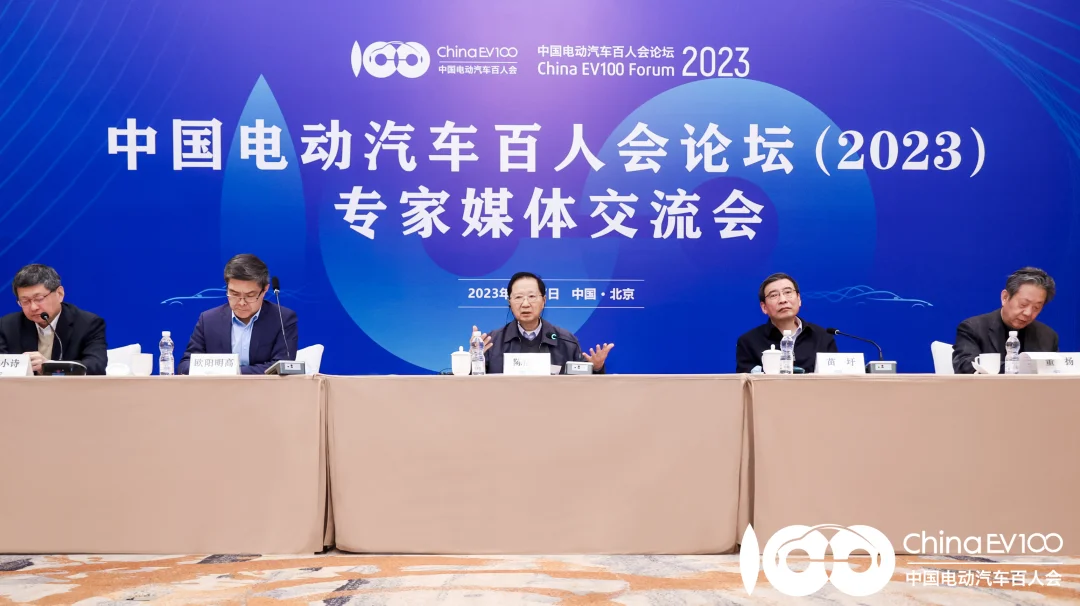
The symposium featured extensive Q&A sessions with experts, covering topics such as the phase-out of new energy vehicle subsidies, future product development, and battery cost fluctuations, delivering a wealth of information.
Regarding subsidy reductions, the future of new energy vehicles, and restrictions on imported chips, Director Miao Xu stated:
While the phase-out of new energy subsidies has indeed impacted sales in the new energy market, the effect is expected to be less severe than the 2019 reduction. The second half of the new energy vehicle era extends beyond the automotive industry into the electronic information sector.
Specifically, this involves hardware and software. If we discuss intelligent connected vehicles, it further involves the internet of vehicles, engaging telecommunications companies and internet enterprises. If we pursue vehicle-infrastructure coordination in the future, it may also require modifications to roadside units and the involvement of transportation construction enterprises. Therefore, future automobiles will certainly be products of cross-industry integration, and technological development cannot be completed by the automotive industry alone.
Stricter U.S. export controls on semiconductor products to China will undoubtedly hinder China’s semiconductor industry. However, these measures will inflict greater damage on the semiconductor industries and enterprises of those countries and regions. In the long run, this ultimately harms global consumers.
New energy vehicles currently use an average of 1,500 chips per car, a figure that may exceed 3,000 in the autonomous driving stage, far surpassing the chip usage in consumer electronics. U.S. policies restricting exports, particularly advanced-process chips and equipment for manufacturing them, will only add to the difficulties facing related enterprises in those countries.
On the topic of power batteries and the technical development trends of the new energy industry, Academician Ouyang Minggao stated:
Last year, a surge in lithium resource prices was driven by a combination of factors, including demand growth, the amplification effect of that demand, supply delays, and pandemic-related disruptions to supply chains. However, lithium ore prices are certain to decline this year, though not to such low levels that battery recycling becomes unprofitable.
The domestic new energy vehicle (NEV) market has achieved comprehensive coverage across all price segments, with significantly improved product competitiveness. Overseas export markets are also beginning to open up. China's power battery industry remains globally leading, accounting for 70% of global production.
In the short term, due to China's specific conditions, charging infrastructure remains incomplete in many regions, which will likely increase the sales proportion of plug-in hybrids and extended-range electric vehicles among NEVs. In the long run, however, pure electric vehicles will definitely surpass non-pure-electric NEV models.
Regarding commercial vehicles, battery-swap heavy trucks represent a promising development direction. Last year, 25,500 electric heavy trucks were sold, with battery-swap models accounting for nearly half of that volume. Sales are expected to rise significantly this year.
Regarding price cuts in the new energy vehicle market and issues related to the carbon trading system, Chairman Dong Yang stated:
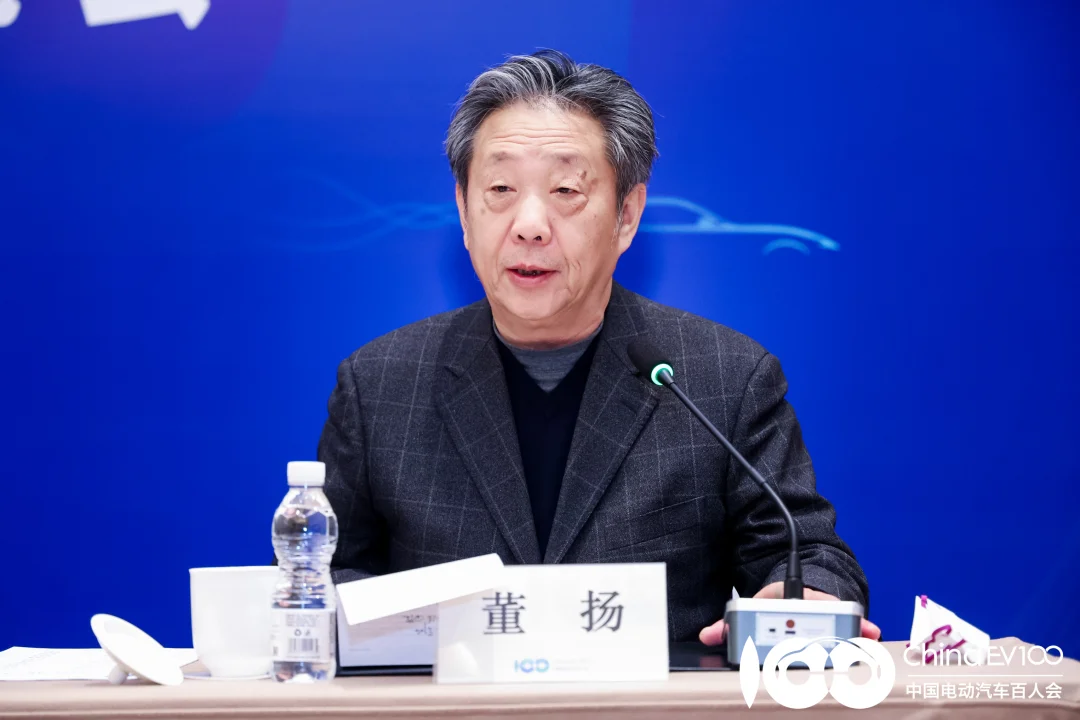
Collective price reductions in the NEV market do not indicate a weakening trend. Last year, the growth rate of new energy vehicles in the Chinese market approached 100%, representing high growth within high growth. With the end of pandemic impacts, the market is only set to improve further.
Regarding the trading of carbon credits, for the sake of prudence, only the power sector's carbon credit trading has been opened so far, but it is not excluded that new energy vehicle enterprises will be allowed to participate in the future.
Finally, Chen Qingtai, chairman of the forum, delivered a summary at the exchange meeting:
In the process of developing a new industry, I believe we should adopt a new understanding and cannot rely solely on old concepts to interpret emerging sectors.
During the trial production or initial phase, when technological maturity is insufficient, consumers are reluctant to take risks. At this stage, they have many concerns: if output cannot increase and costs cannot decrease, prices remain high, making consumers even less willing to buy. Such phenomena are normal.
However, at this juncture, new investors flock in, seeing opportunities everywhere. So what should the government do? I believe it should open up. This phase is one of trial and error; with numerous innovators and investors willing to risk their own capital, more participants in trial and error will shorten the overall trial-and-error process. The first stage is characterized by a rush of entrants, followed by a sifting process where most companies will fail.
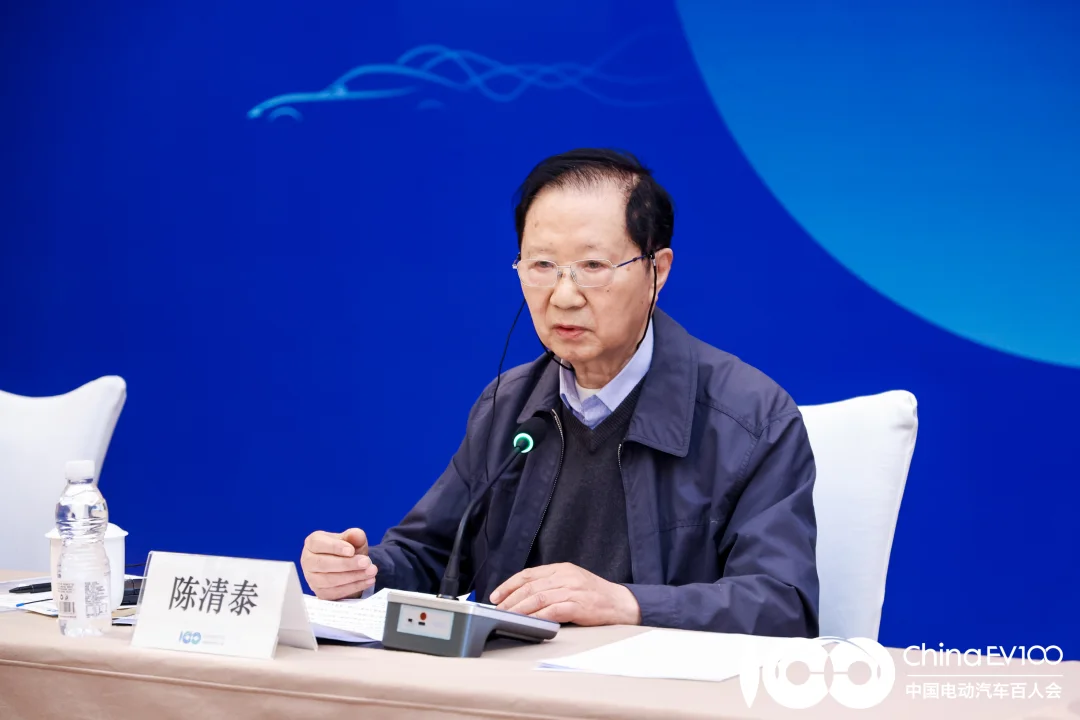
Electric vehicles represent an inevitable path to strengthening China's automotive industry. We spent 50 years catching up in the internal combustion engine technology route without turning the tide, but by changing lanes and taking the lead, we have profoundly altered our nation's competitive position.
The vehicle is transforming from a typical mechanical product into an electromechanical product built on a mechanical foundation, an internet-connected product, and a high-tech electronic information product. It is not only a mobile machine but also a data-driven, software-defined intelligent mobile terminal that determines experience. Therefore, as the core of the automobile changes, so does its boundary; the level of digital capability will determine the competitiveness of future automobiles.
Quick Review:
The experts' responses above reveal China's strong vision for the development of new energy vehicles (NEVs). Despite external headwinds, the sector continues to thrive.
Chinese NEV companies have already surpassed many traditional legacy automakers. Domestic newcomers and established players alike are continuously launching improved products, driving a healthier market environment.
It is expected that the NEV penetration rate will reach the 50% milestone ahead of schedule in the near future.
Tesla Adjusts North American Pricing; Model Y Q1 Orders Sold Out
Tesla recently adjusted prices for the Model 3 and Model Y in North America. The Model 3 Standard Range price was reduced by another USD 500 to USD 42,990 (approximately RMB 293,000). Meanwhile, the Model Y Standard Range and Performance versions both increased by USD 500, now priced at USD 51,990 (approximately RMB 354,000) and USD 58,990 (approximately RMB 402,000), respectively.
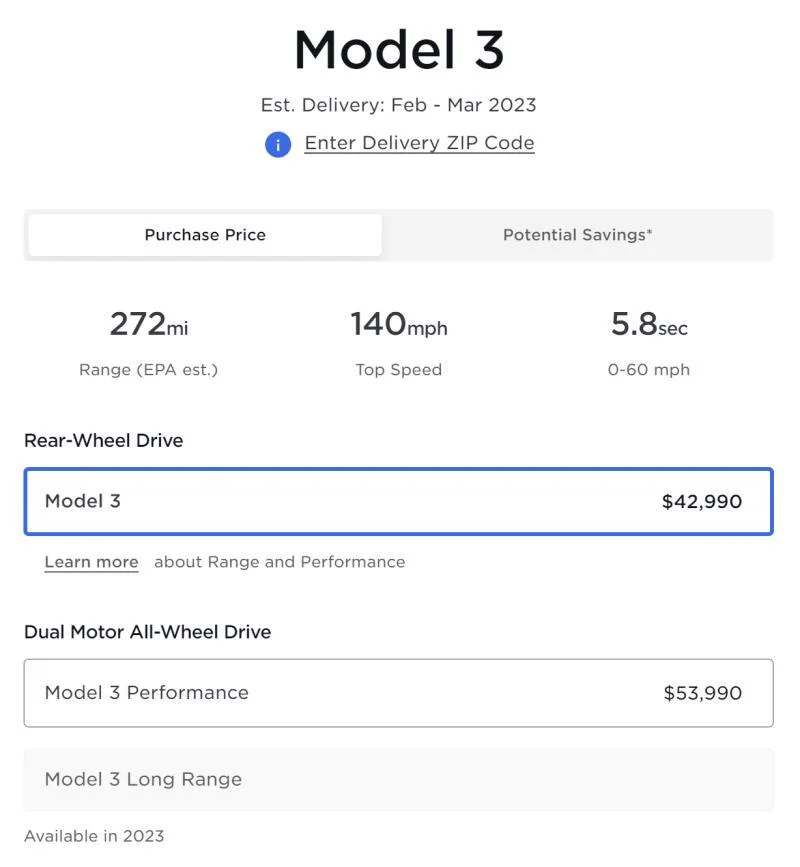
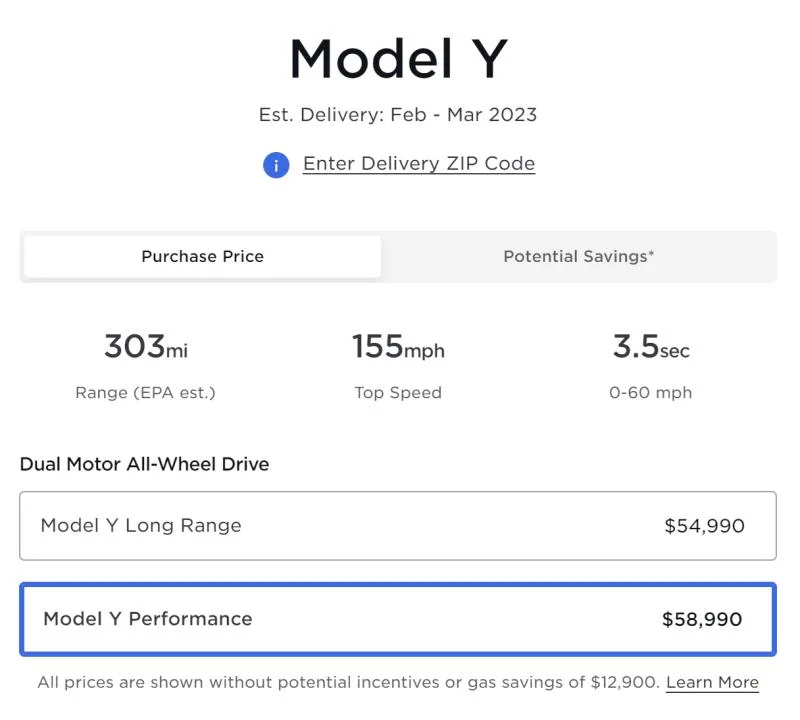
According to foreign media reports, some U.S. states have introduced tax reduction policies, offering an additional $5,000 subsidy for low- and middle-income individuals on top of the federal government’s $7,500 credit. This means buyers in those states could receive up to $15,000 in subsidies when purchasing a Model 3 priced at $27,990 (approximately RMB 191,000).
Additionally, with significant price cuts and the new $7,500 federal electric vehicle tax credit, Tesla has seen a surge in orders in the United States. Insiders revealed that the Model Y is currently Tesla’s best-selling model, with its production capacity fully utilized this quarter. The estimated delivery time has now shifted to April–June 2023.
The new base-model Model 3 vehicles can still be manufactured and delivered this month, with expected delivery times between February and March 2023. Despite further price reductions since the sharp drop in early January, Tesla continues to lower Model 3 prices. With anticipated updates coming soon, Tesla is now perceived to be facing challenges in selling Model 3 units.
In the domestic market, Tesla raised prices for the Model Y on February 10. The entry-level Rear-Wheel Drive version was increased by RMB 2,000 to RMB 261,900 from its previous price of RMB 259,900. A few days later, Tesla applied the same increase to two other variants: the Long Range version rose from RMB 309,900 to RMB 311,900, and the Performance version went up from RMB 359,900 to RMB 361,900.
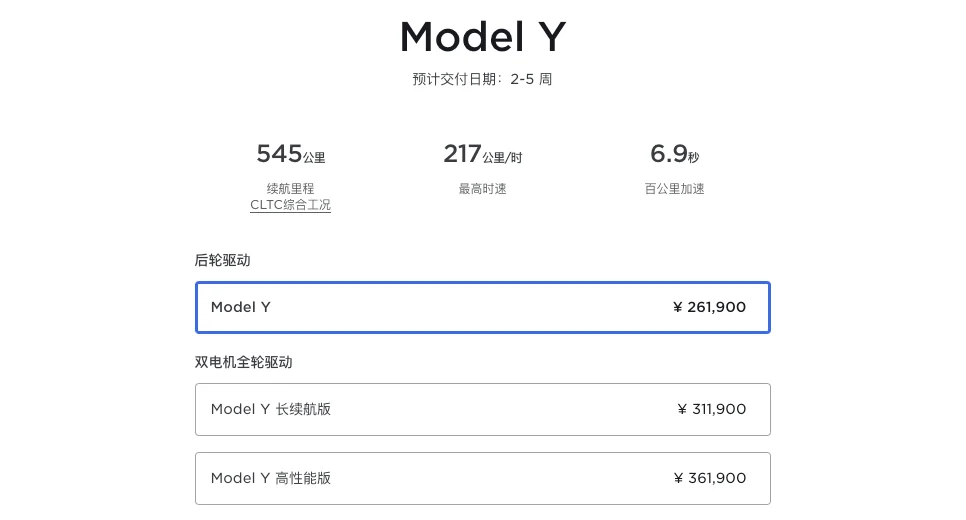
The current Tesla China website shows that the estimated delivery cycle for the entry-level and Long Range versions of Model Y is 2–5 weeks, while the Performance version has a delivery cycle of 1–4 weeks, remaining consistent with the period during its recent sales boom.
Quick Review:
Tesla’s recent pricing strategy indicates that in both North America and China, where consumers prefer SUVs, the Model Y outsells the Model 3. Historical sales data confirms that the Model Y’s sales volume significantly exceeds that of the Model 3.
The extended delivery wait times for the Model Y in North America, stretching into April, indicate that demand for the vehicle continues to outstrip supply. Domestically, it remains unclear how much impact recent negative news surrounding Tesla will have on its sales figures.
Europe Passes 2035 Ban on Internal Combustion Engine Vehicles
On February 14 local time, the European Parliament voted in Strasbourg to pass a resolution banning the sale of internal combustion engine (ICE) vehicles by 2035. The vote resulted in 340 votes in favor, 279 against, and 21 abstentions.
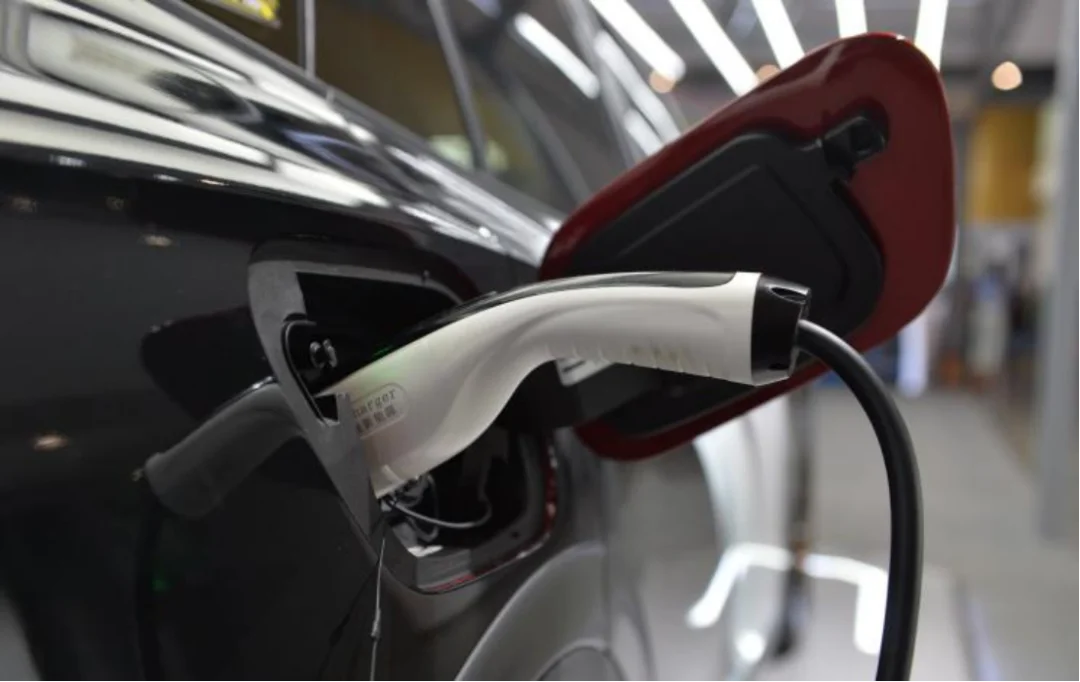
Notably, previous reports from foreign media cited survey results showing that consumers desire legislative action to accelerate the electrification of automobiles. One-third of global consumers support a ban on ICE vehicles by 2030 or earlier.
This global survey covered 18,000 respondents across 19 markets, including North America, Asia-Pacific, and Europe. The results showed that 34% of consumers support phasing out ICE vehicles by 2030; this figure rises to 47% if the deadline is extended to 2035. The latest survey also indicates that three-quarters of respondents believe society needs new types of products to improve and protect the climate environment for future generations.
Quick Review:
The newly passed European legislation banning ICE vehicles covers not only pure gasoline cars but also plug-in hybrid electric vehicles (PHEVs) and range-extended electric vehicles (REEVs).
Given Europe's national conditions, where countries have relatively small land areas, the range of pure electric vehicles is already sufficient to meet daily travel needs. In Nordic regions like Norway, despite the cold climate, the penetration rate of pure electric vehicles remains quite high.
For the European region, which has always emphasized carbon emission control, the formal passage of a ban on internal combustion engine vehicle sales undoubtedly marks another significant step forward in environmental protection.
Feifanqiche Signs Agreement with CNPC, Accelerating Battery Swap Station Construction
On February 16, Feifanqiche partnered with Jienengzhidian, the 'national team' of the new energy industry, and Zhongshiyousichuanxiaoshougongsi to formally sign an agreement. The three parties will jointly develop, invest in, construct, operate, and manage passenger car battery swap station projects in qualified regions. Initial construction will take place in Chengdu, with plans to gradually expand across Sichuan Province.
Feifanqiche will be the first cooperating brand, with its mid-to-large luxury pure electric SUV, Feifan R7, serving as the first model to utilize the service. Subsequently, the mid-to-large pure electric sedan Feifan F7 will also provide users with 'chargeable, swappable, and upgradable' energy replenishment services through a battery separation business model.
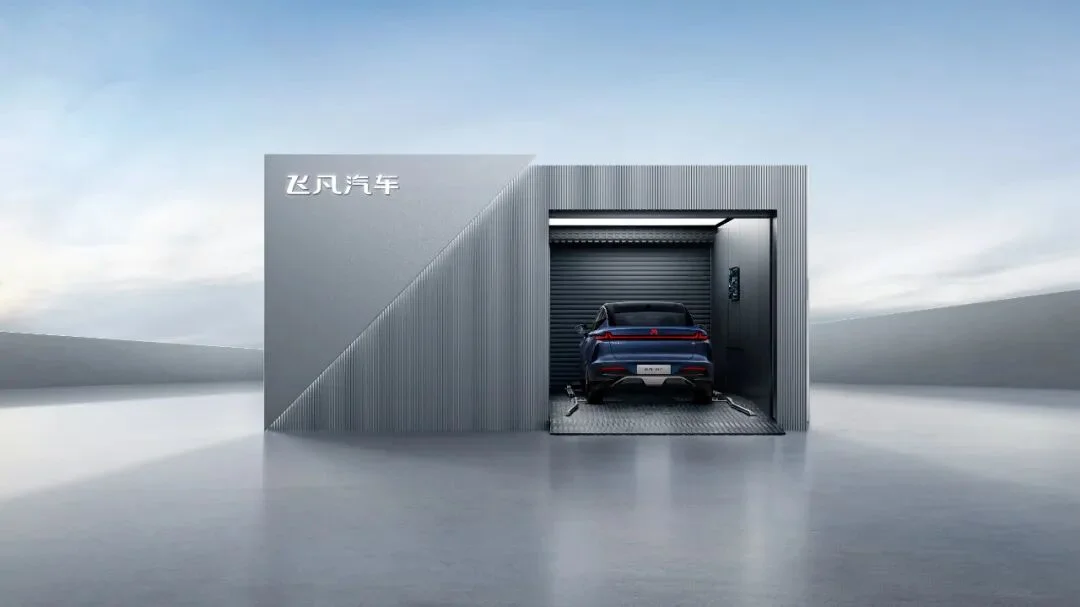
To date, two battery swap stations at Anting International Expo Park and Nanxiang Impression City in Shanghai are already operational. Over 40 swap stations in more than 10 other cities—including other areas of Shanghai, Beijing, Guangzhou, Shenzhen, Chengdu, Tianjin, Hangzhou, Suzhou, Nanjing, and Zhengzhou—have basically completed site selection and field surveys. These facilities are currently undergoing construction processes and will go online for operation as soon as possible.
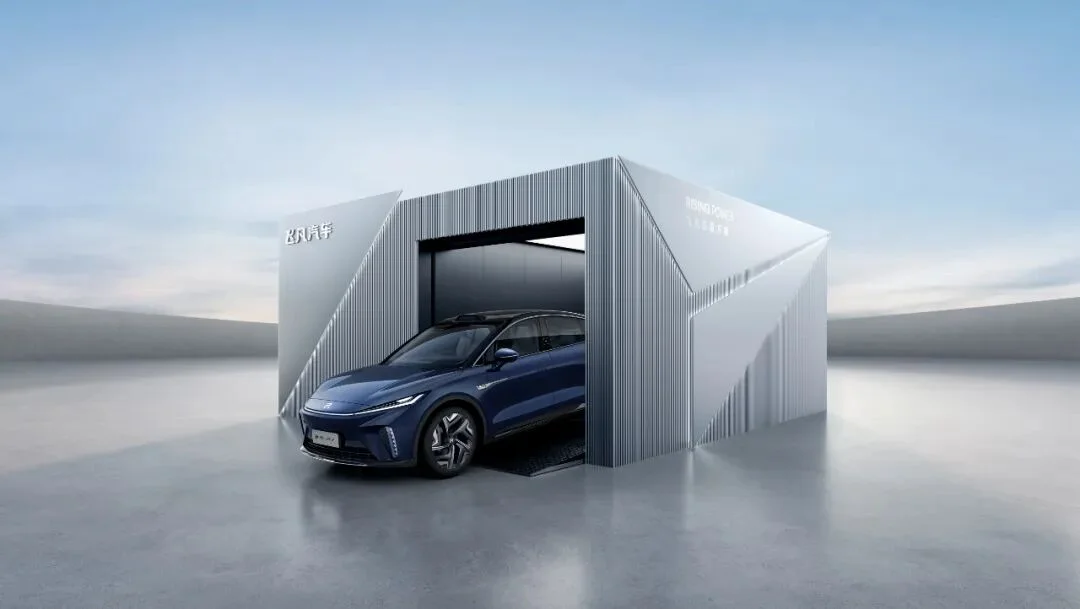
Feifanqiche’s battery-swap stations use two battery specifications: 77 kWh and 90 kWh. In addition to battery swapping, Feifan has built 114 premium charging stations covering 23 cities nationwide, and selected more than 1,100 partner charging stations and over 560,000 third-party charging piles.
Quick Review:
As a new player in the NEV battery-swap sector, Feifanqiche’s biggest current issue is undoubtedly insufficient coverage density, far behind NIO, which started earlier. However, it is clear that Feifanqiche is currently pushing hard to expand its swap-station network.
After adopting the battery-separation scheme for the Feifan R7, the starting price has dropped to less than RMB 200,000. Once the Feifan F7 launches soon, Feifanqiche will become an undeniable force in the RMB 200,000 price segment.
Written by JOJO Edited by Mingming