


Buick Electra E5: Five Years—Do You Know How I Lived Through These Five Years?

The Electra E5 prototype rolled off the line at the Wuhan plant of Shangqitongyongqiche late last year. But you may not know that as the first model built on Buick’s Aotenengpingtai, its development cycle from start to finish spans five years.
Why did it take five years to develop the Buick Electra E5?
I ask this because new energy vehicle startups have compressed that timeline to three or four years.
As a product of the Aotenengpingtai platform, the platform's development itself saves significant time and cost in product development. So why does the Buick Electra E5 still require a five-year development cycle?
To understand this, we need to look at what actually happens between the moment a car is designed and when it reaches consumers’ hands.
01The Birth of a Mass-Production Vehicle
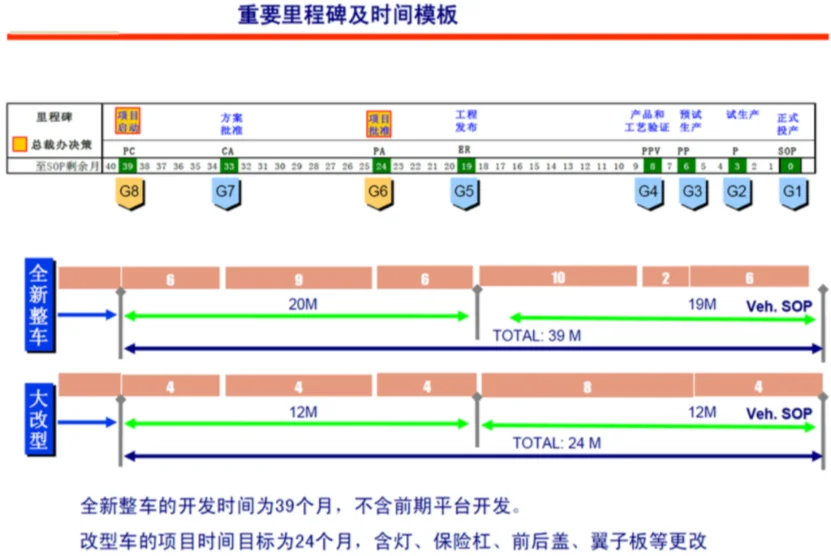
The vehicle development process in China is generally divided into four parts. Many domestic automakers have adopted the General Motors' Global Vehicle Development Process (GVDP), though they have made various adjustments to suit their own circumstances; however, the major phases remain similar.
Conceptual Design
This includes defining the vehicle's basic requirements such as exterior design, functionality, and performance, as well as its market positioning and pricing. Of course, market research must be conducted prior to the conceptual design phase. This process is roughly divided into three main stages: packaging layout, styling design, and clay model making.
Engineering Design
During the vehicle engineering design phase, designs for the vehicle's exterior, structure, and functions must be developed in accordance with conceptual design requirements, and computer simulations must be conducted to ensure the feasibility of the vehicle design.
Vehicle Testing
During the vehicle prototype phase, relatively complete vehicle prototypes are manufactured in accordance with design requirements and tested to ensure reliability and performance.
Prototype vehicles at this stage undergo wind tunnel testing and durability tests, which include track testing and road testing.
The ultimate purpose of vehicle testing here is to meet the reliability requirements of national standards and those of the manufacturer, while also exposing defects as much as possible so they can be fixed before true mass production.
Mass Production
During the vehicle mass production phase, a large number of vehicles are manufactured according to design requirements and undergo quality inspections to ensure compliance with national laws and regulations.
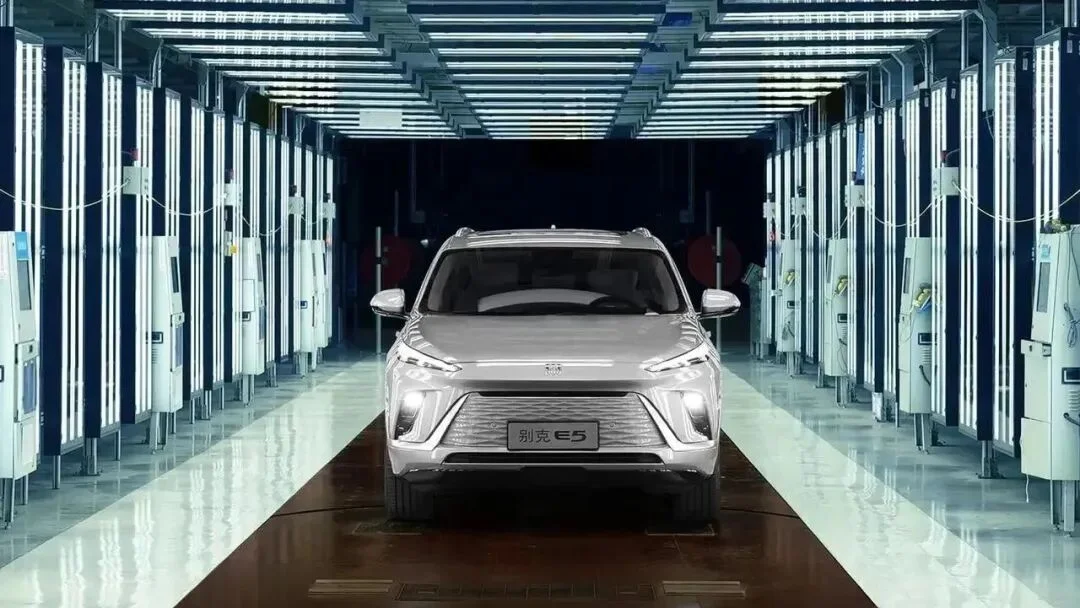
At this point, a vehicle that has passed all tests and meets national regulatory requirements can be delivered to consumers.
02The Eighty-One Tribulations
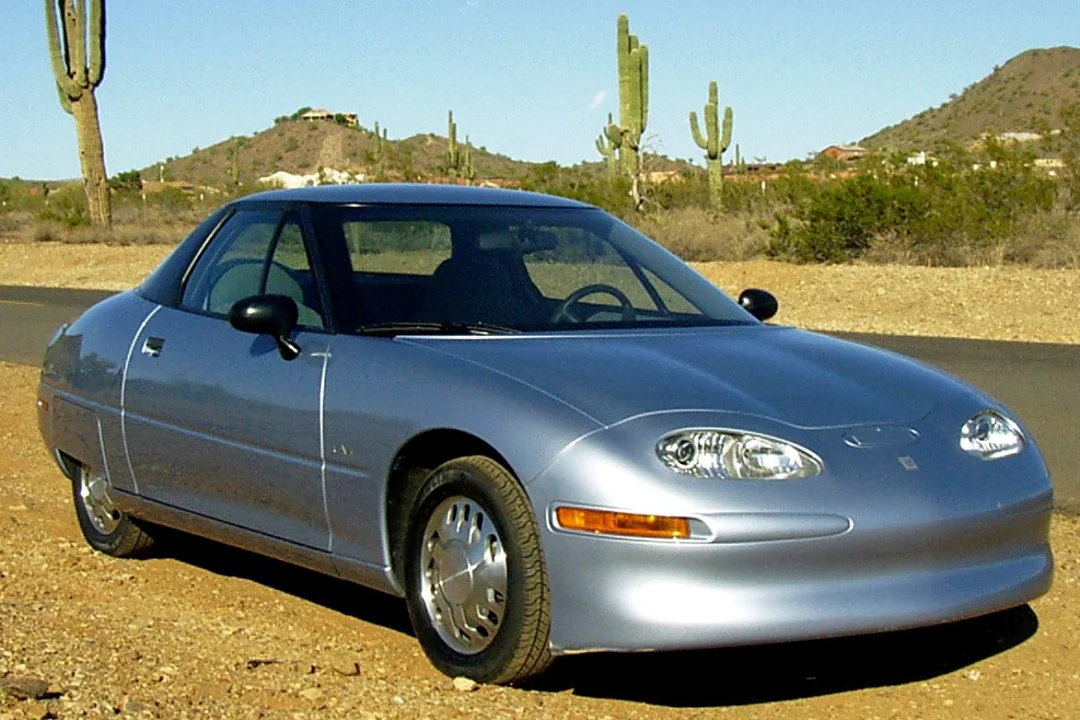
The EV1 that makes electric cars bow down in respect
As a product from a traditional automotive giant, the Buick Electra E5 was developed strictly following its own established processes. In the era of pure electric vehicles, overall vehicle safety is closely tied to battery performance. The testing standards for the Buick Electra E5’s battery are notably rigorous and time-consuming:
The battery of the Buick Electra E5 adopts a "well"-shaped reinforcement structure internally, and simulations are conducted for impacts at any position of columns A, B, and C;
The battery of the Buick Electra E5 uses ultra-high-strength steel, providing the entire underbody with a protective strength of 1,000 MPa.
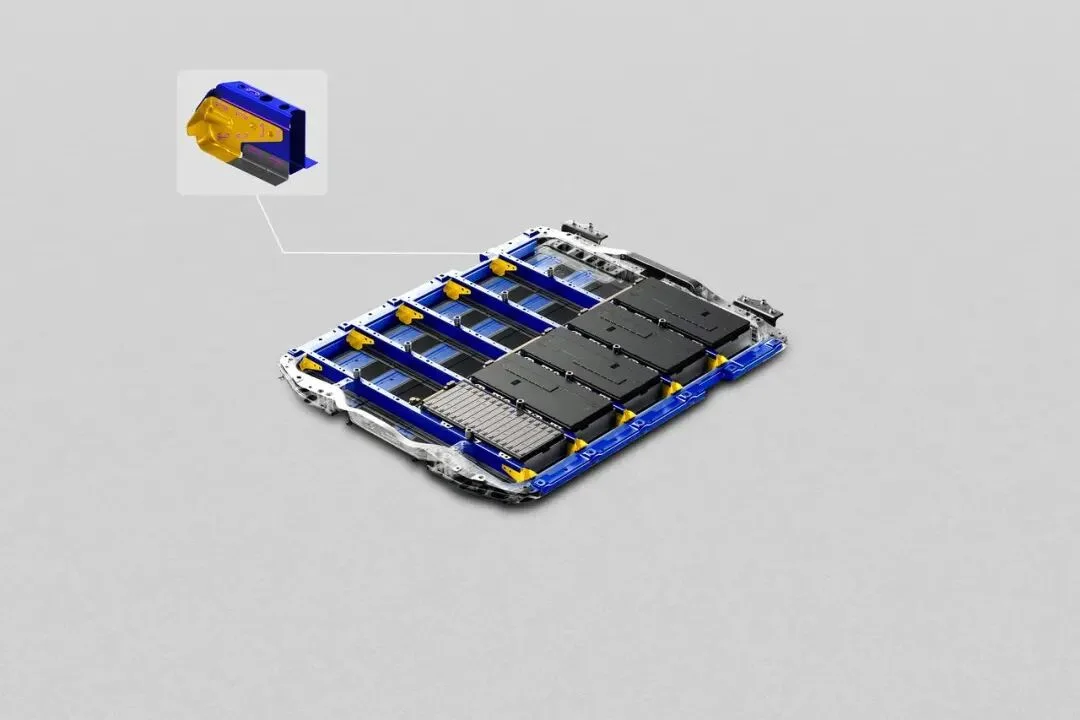
Battery thermal propagation test:
National standards require testing at temperatures above 0 °C. At lower temperatures, battery activity is reduced, leading to insufficient energy release;
Shangqitongyongqiche sets the initial temperature for the battery thermal propagation test at 45 °C or higher.
Battery crush test (simulating damage to the battery pack during frontal or side collisions):
National standards require a compression force of 100 kN;
The Aotenengpingtai platform requires that the battery pack show no abnormalities under a compression load of 300 kN (equivalent to 30.6 tons) while fully charged.
Battery drop test:
National standards require a drop from a height of 1 meter;
The Aotenengpingtai platform requires the battery pack to show no abnormalities after being dropped from a height of 2 meters.
Cell nail penetration test:
National standards require no fire or explosion within 5 minutes;
Simulating extreme internal short-circuit conditions in the cell, tests confirmed that the Ultium battery pack produced no open flame, did not explode, and experienced no thermal propagation after nail penetration.
Battery salt spray corrosion test:
7 days per national standard;
Buick Electra E5 75 days.
Battery fire experiment:
The national standard requires that the vehicle withstand a 60-second open flame test without any abnormal behavior;
The Buick Electra E5 is 130 s.
In addition to safety testing of the battery pack, Buick Electra E5 also conducted durability tests on components:
Door handle 100,000-cycle test. Using an abuse force of 1,000 N in the up-and-down direction, this force is approximately equivalent to an adult weighing 102 kg sitting on the door handle. The final breaking force of the Buick Electra E5 door handle can reach 110 N;
The seats are rated for 35,000 simulated entry-and-exit cycles. Assuming five entries and exits per day, this equates to more than 20 years of usage fatigue.
Of course, at the Fanyaguangdeshiyanzhongxin (Fanya Guangde Test Center), General Motors conducted extensive testing and adjustments on the Buick Electra E5’s comfort performance:
Chassis Tuning
Before launch, engineers generated 120 to 160 suspension configurations by combining various shock absorber valve systems, springs, and bushings. Through rigorous inspection processes and bench validation, they identified damping solutions capable of handling diverse road surfaces while maintaining handling balance. The entire process took six months.
Seat Tuning
Seat vibration noise test: The vibration noise laboratory collected vibration frequency and amplitude parameters from different harsh road conditions. Using a vibration table to simulate vehicle driving states via high-frequency vibrations, the test evaluated seat comfort.
Pressure distribution test: This measured pressure distribution across different areas of the seat cushion and backrest. By comparing robotic detection data against target curves, engineers determined directions for improving seat comfort.
Acoustic tuning
During the design and development phase, vehicles undergo a series of tests in vibration and noise laboratories to refine their NVH (Noise, Vibration, and Harshness) performance.
EV whine evaluation: This test assesses motor and gear whine specific to electric vehicles at the vehicle level. It is reported that the Buick Electra E5 motor is equipped with an additional sound-absorbing layer.
Olfactory tuning
Sun-exposure interior emission test: Simulating sun-exposure conditions, this test maintains cabin air temperatures between 45°C and 55°C, and center console panel temperatures above 65°C for nearly four hours to evaluate the air quality of both prototype and production vehicles.
Component and material emission testing: Professional instruments detect volatile organic compounds (VOCs), semi-volatile organic compounds, and harmful substances in components to verify compliance with General Motors standards.
Subjective odor assessment: The "Golden Nose Team" conducts subjective evaluations of materials, components, and complete vehicles to minimize unpleasant odors and maximize user satisfaction.
With the battery and component tuning processes largely complete, the most rigorous challenge begins: full-vehicle durability testing.
03The Final Trial: Durability Testing
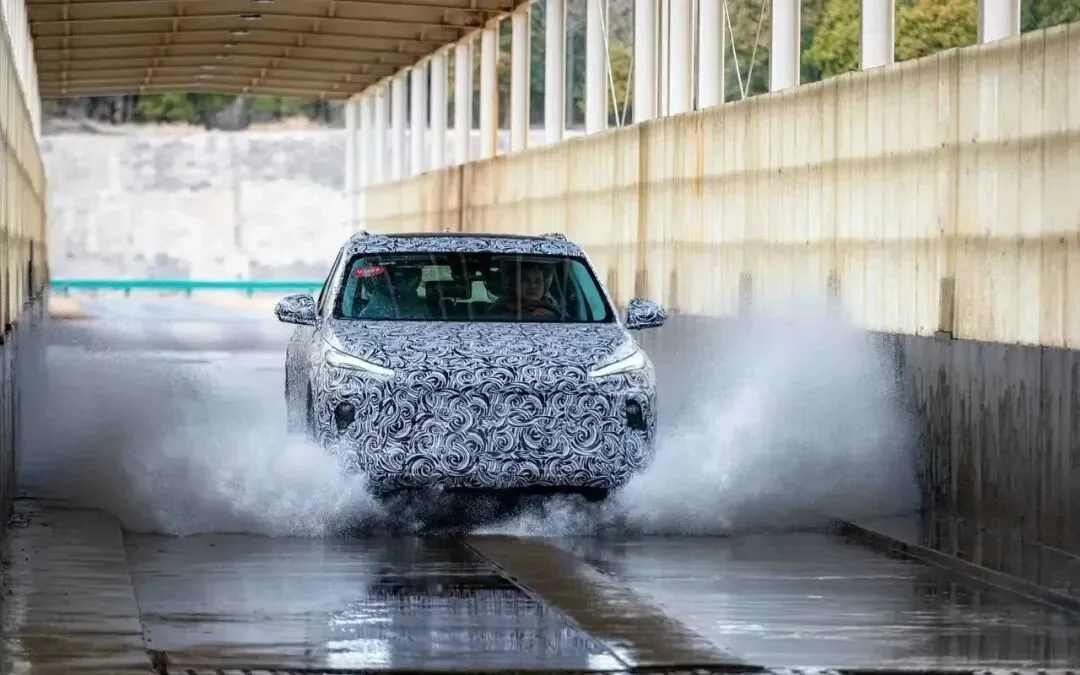
The Buick Electra E5 is Buick's first product built on the Ultium pure-electric platform, undergoing full-vehicle durability testing equivalent to more than four million kilometers.
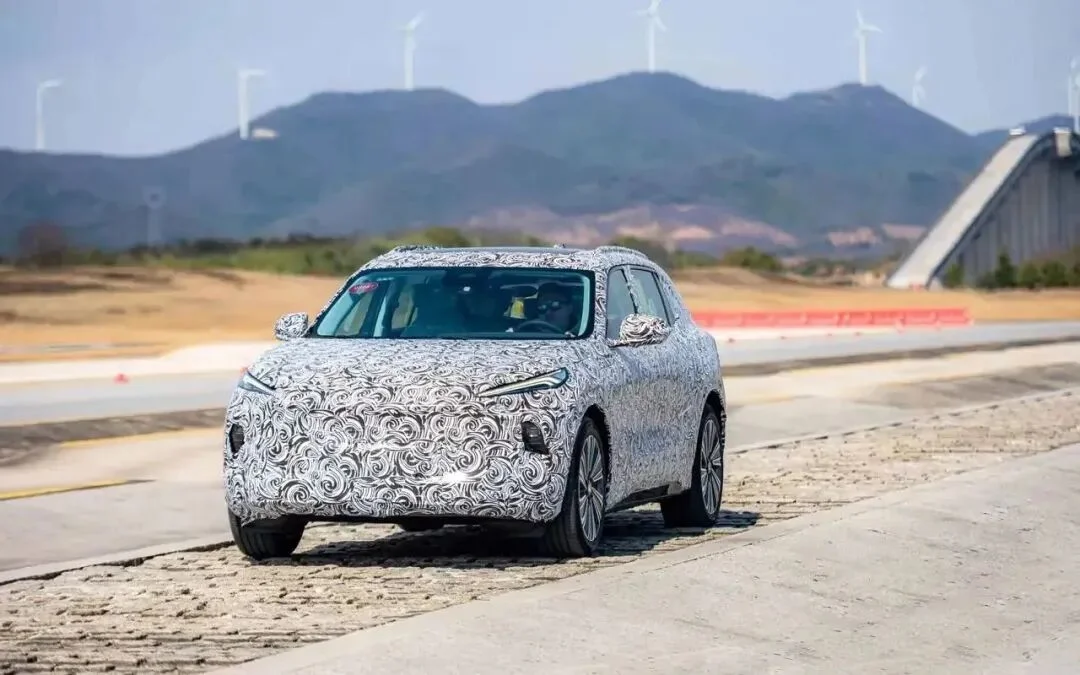
Among them, at Shangqitongyongqichefanyaqichejishuzhongxinyanfashiyanzhongxin (Guangde), which we abbreviate as "Fanyaguangdeshiyanzhongxin," we conducted a durability test equivalent to 3.6 million kilometers.
We experienced acceleration and braking tests on Belgian roads, salt-and-alkali tanks, and gravel surfaces, along with obstacle tests simulating torsional stress and various train-track scenarios.
Overall, my experience riding in the front passenger seat of the Buick Electra E5 can be described as "untypically American"; surprisingly, this car has a distinctly European feel.
First, the integrated sport seats offer excellent support. The seat fillers are firmer, lacking the plush softness of traditional American "big sofas," giving it an Euro-style character.
The tires are 20-inch with a 20% aspect ratio, inflated to approximately 2.8 bar. The vehicle’s suspension tuning differs from the traditional comfort-oriented American style, remaining relatively firm overall. It provides good support with minimal body roll. However, this comes with increased transmission of fine vibrations. On Belgian cobblestone roads, the suspension effectively controls the body, absorbing larger impacts.
NVH performance is decent for a 200,000 RMB SUV, but it is not a standout feature in the 300,000 RMB segment.
Although the interior and infotainment system could not be filmed, this car's infotainment left a good impression on me. The large dual-screen display uses LCD material, offering a relatively refined visual appearance. Overall functional response speed and UI animation frame rate are at a decent level. On the main interface, extensive desktop customization is also possible.
Functionally, however, it is less aggressive than new-energy startups. For example, the vehicle’s voice assistant does not support zone-specific recognition, and there is no separate wake-up capability for the front driver and passenger seats.
04Conclusion
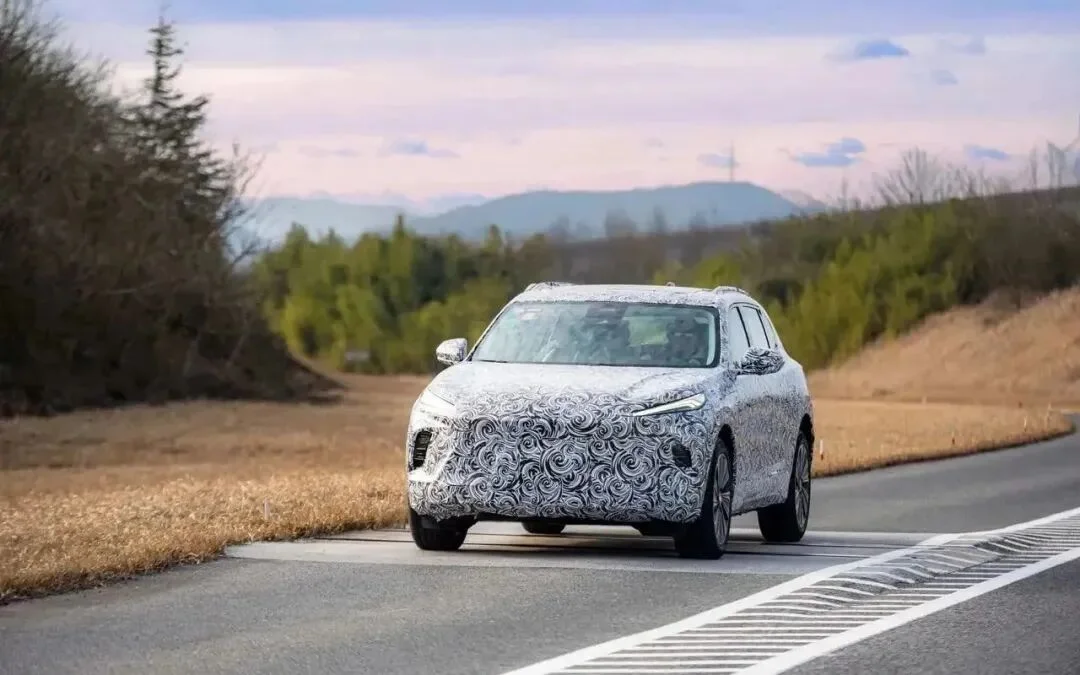
Upon arriving at Fanyaguangdeshiyanzhongxin, I was immediately impressed by the scale of the test center. Covering 5.67 square kilometers, it remained the largest testing facility in Asia for a considerable period.
Additionally, the center houses numerous vehicles covered in camouflage. These are not Buick or SAIC models; they are clearly products from new-energy startups. This scene is uninteresting to employees, as most startups lack such expansive facilities and must rent space here to accumulate data.
During a conversation with Buick representatives in the car regarding the development cycle, the official figure given for the Buick Electra E5 was five years, following the GVDP (Global Vehicle Development Process).
This cycle is normally quite standard, but among the new EV startups, it has been compressed to three to four years.
Where have the new forces compressed their time? But I hope it's not in the testing and validation phase.
After reading this article, you will realize that the development and verification of a complete vehicle is a long-term battlefield requiring coordination among dozens of departments for testing. It is a game where victory depends on volume, with no shortcuts available.
The Buick Electra E5's 5-year development, conducted under the General Motors framework and adhering to strict standards, represents a product that embodies Buick's confidence.
Of course, we need to wait for long-term market validation and feedback to prove the effectiveness of this standard. Although some impatient consumers may not pay much attention to these dry tests. Written by: Liu Guangding Edited by: Liu Guangding