


Volkswagen ID.6 CROZZ: An Underrated Good Car
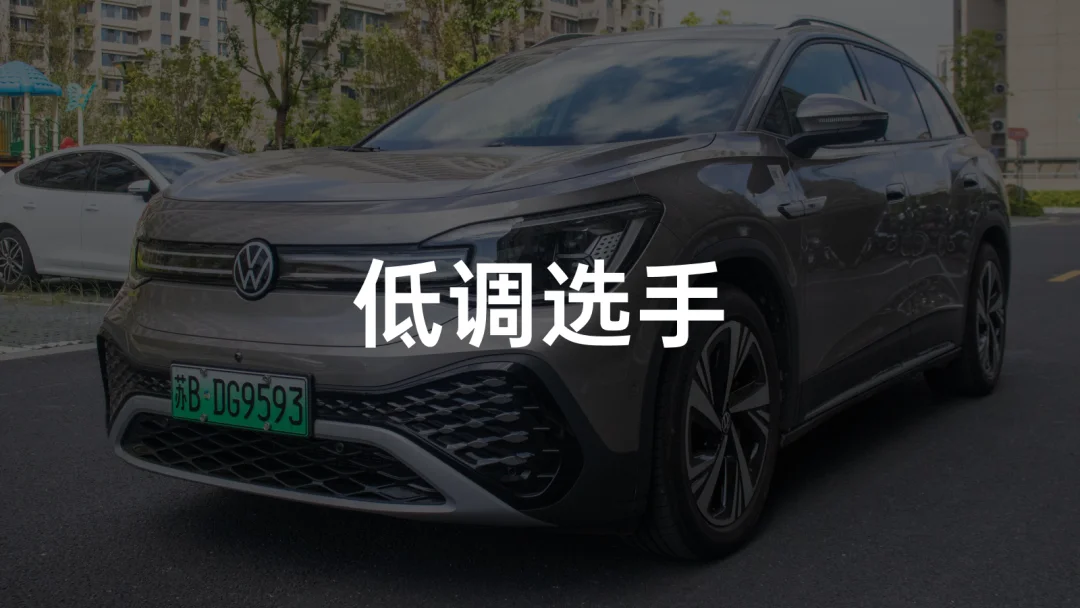
Thank you to 42HOW Auto for the opportunity to deeply experience the Volkswagen ID.6.
The Volkswagen ID.6 CROZZ is a mid-to-large SUV, and its price is significantly lower than that of other new energy SUVs in the same segment—the main-selling Pro version has a guide price of RMB 280,000. Consider this: the starting price for Volkswagen’s own internal combustion engine mid-to-large SUV, Tuang, reaches RMB 300,000, the range-extended Li ONE sells for RMB 350,000, and the AITO M7 starts at over RMB 300,000. Moreover, do not forget that the Volkswagen ID.6 CROZZ is equipped with an 80-plus kWh battery. In an era of soaring lithium battery prices, Volkswagen’s pricing feels almost like selling at a loss just to gain attention.
01Let's Talk About the Exterior
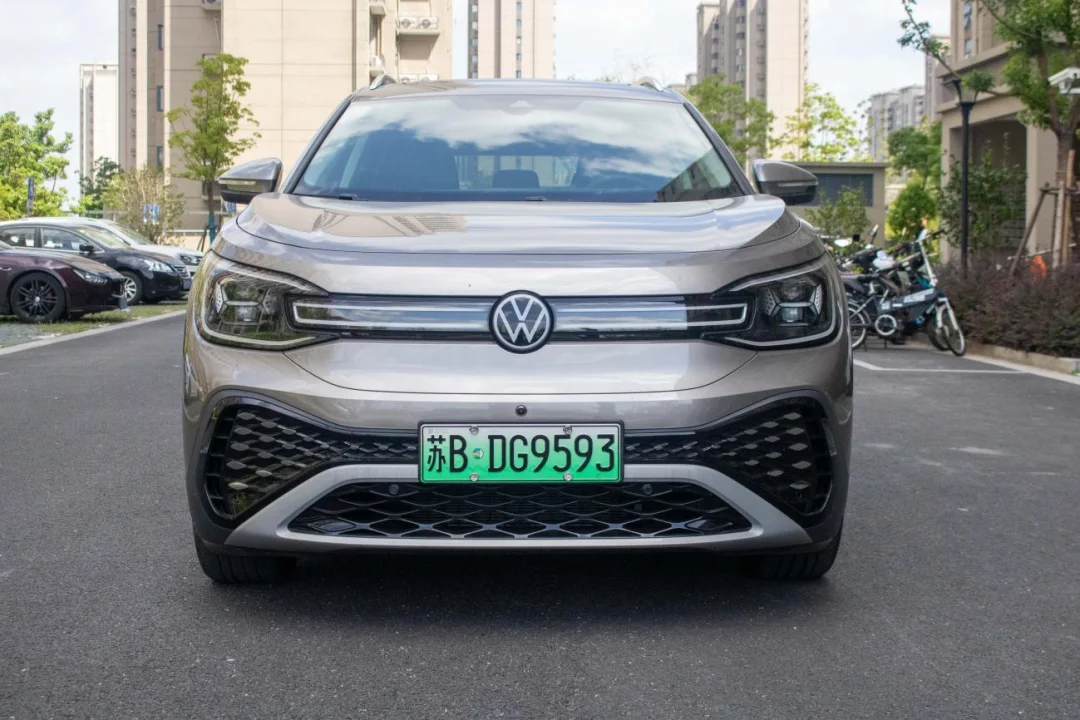
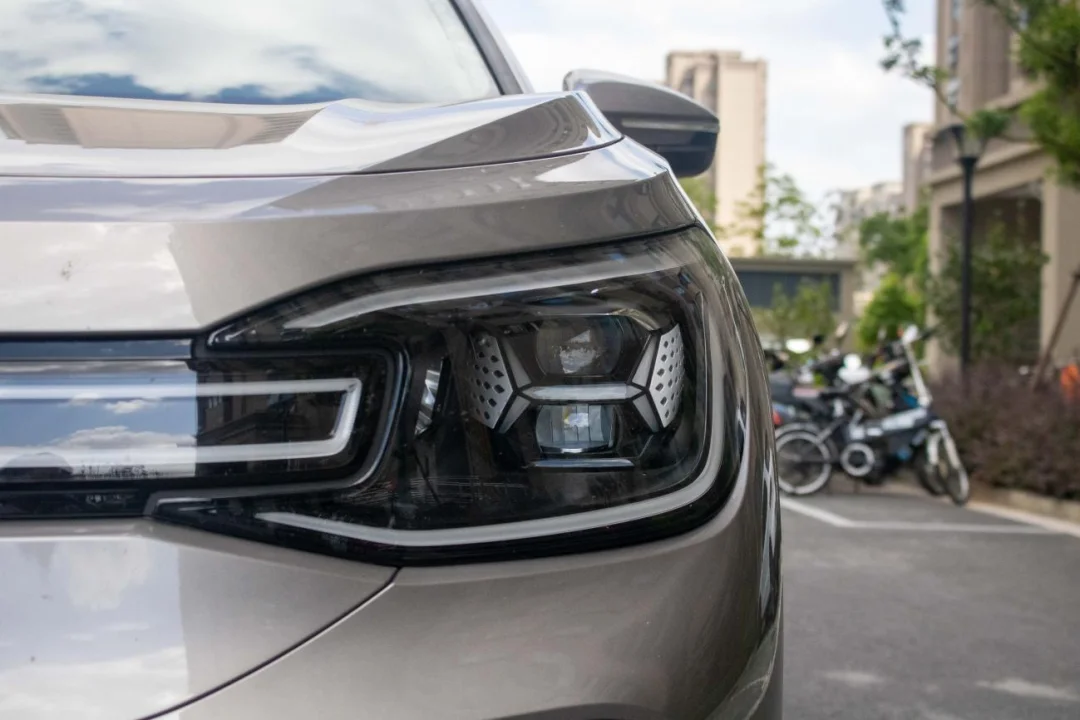
The exterior of the ID.6 CROZZ retains a very distinctive Volkswagen style: simple, elegant, and enduringly attractive. The front end incorporates a sense of refinement through a full-width light strip and a glowing logo. I particularly appreciate the bottom curve derived from the concept car, along with the bright-colored decorations on the side air intakes, which add a certain ruggedness to this vehicle spanning more than five meters. The ID.6 CROZZ’s matrix LED headlights also exude a high level of quality. In practical testing, the intelligent high/low beam control during night driving proved highly effective, offering excellent illumination range and brightness.
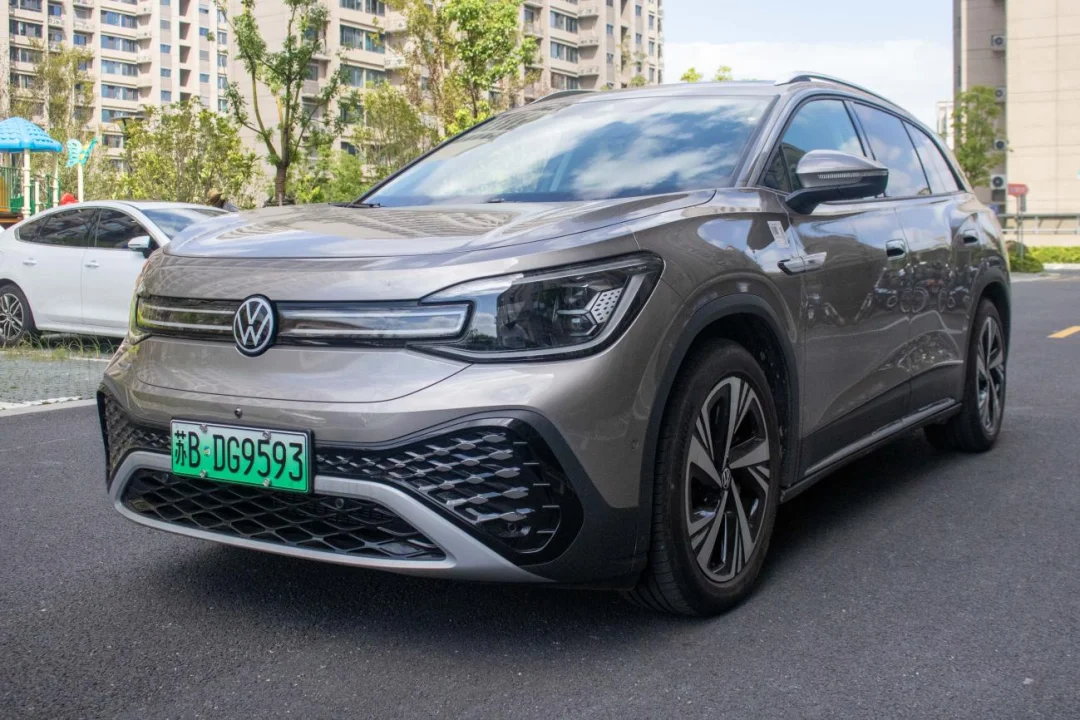
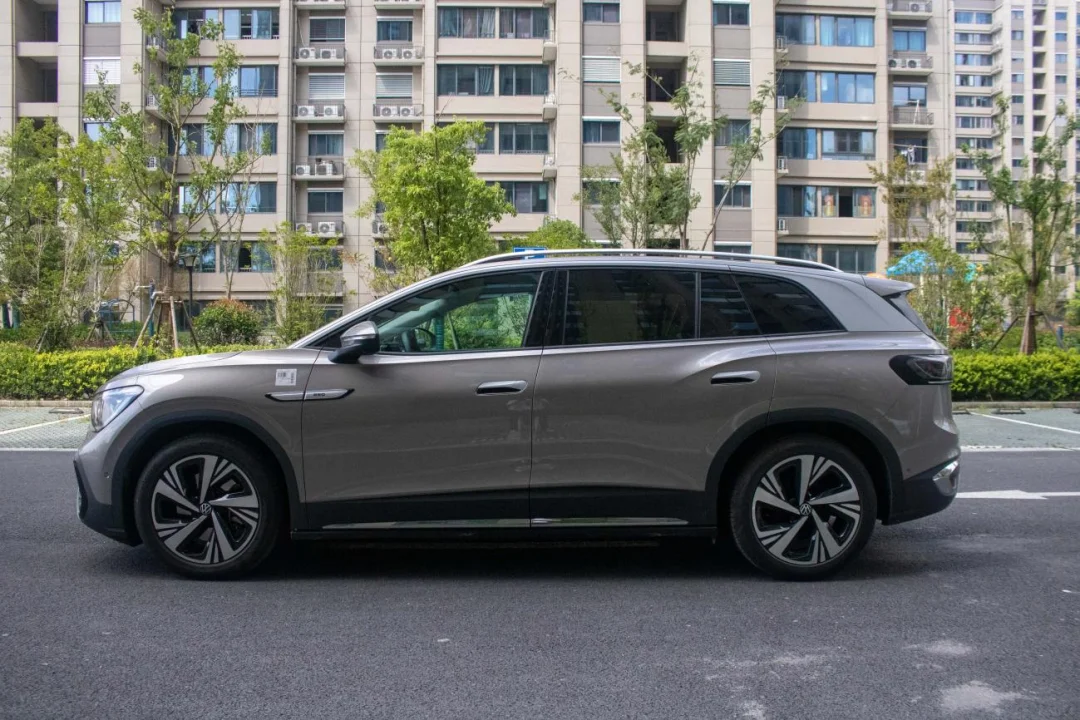
The side profile of the ID.6 CROZZ is my favorite aspect. The character line subtly rises from the rear door to the tailgate, a design element that appears to be shared with Binlifeichi. This dynamic line gives the large vehicle a strong sense of design on its side, while the two-tone color scheme adds a floating effect.
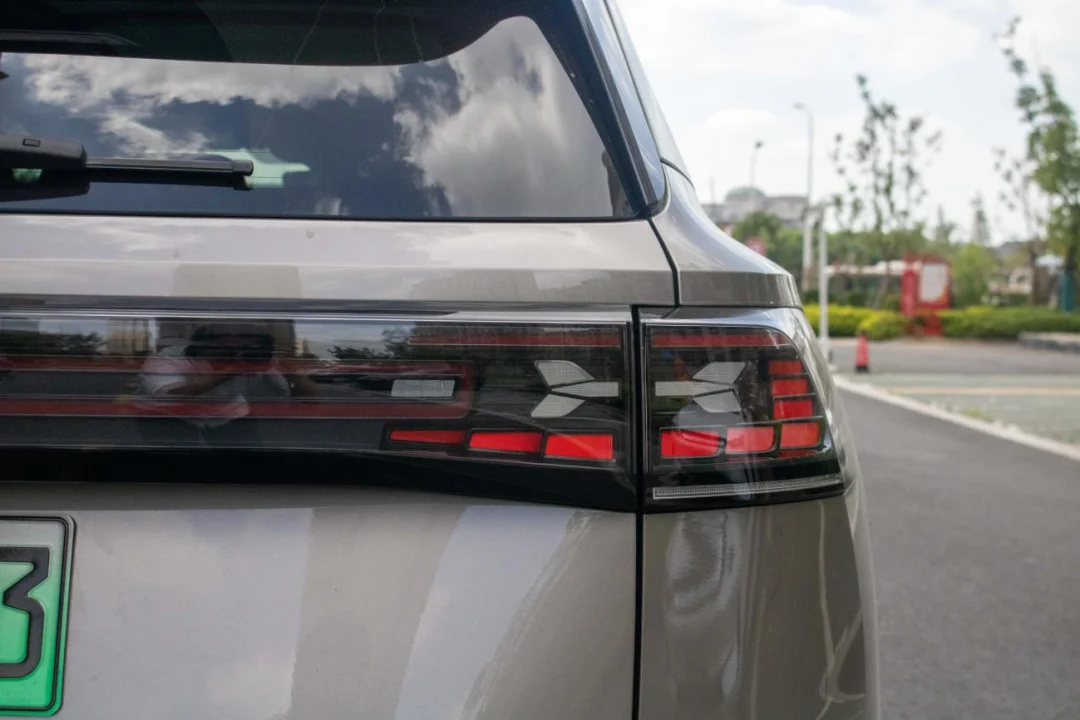
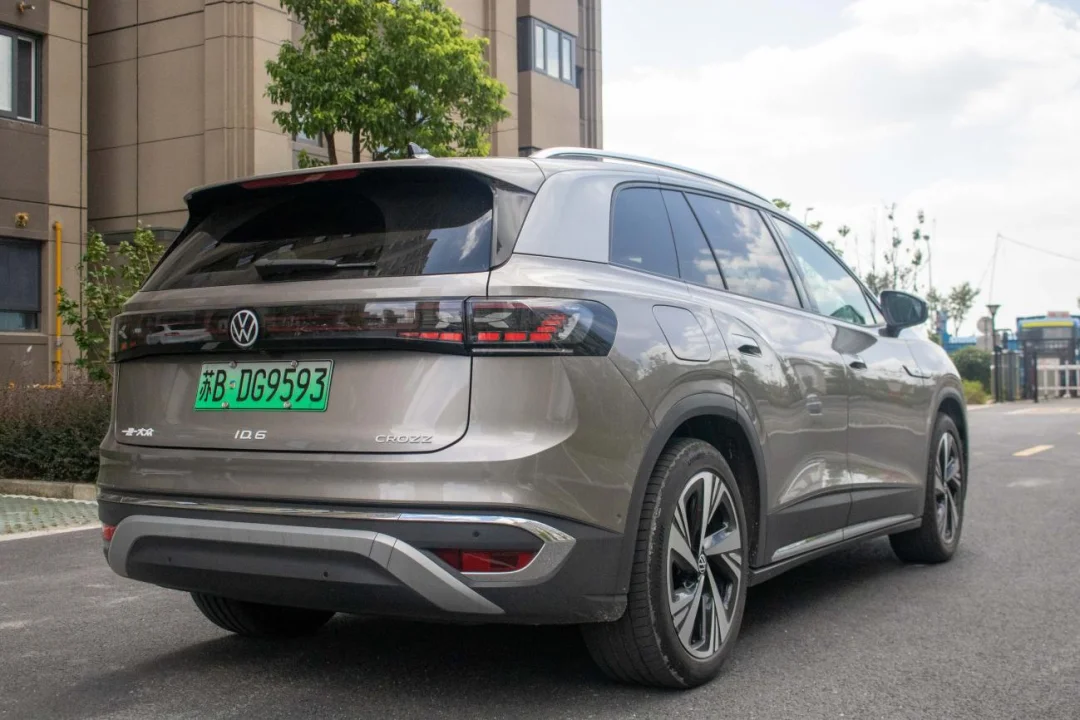
The rear of the ID.6 CROZZ still faintly shows traces of Volkswagen's own ICE models. However, the light sources within the full-width taillight cluster on the ID.6 CROZZ are more refined, and the silver trim strip below adds to the visual richness.
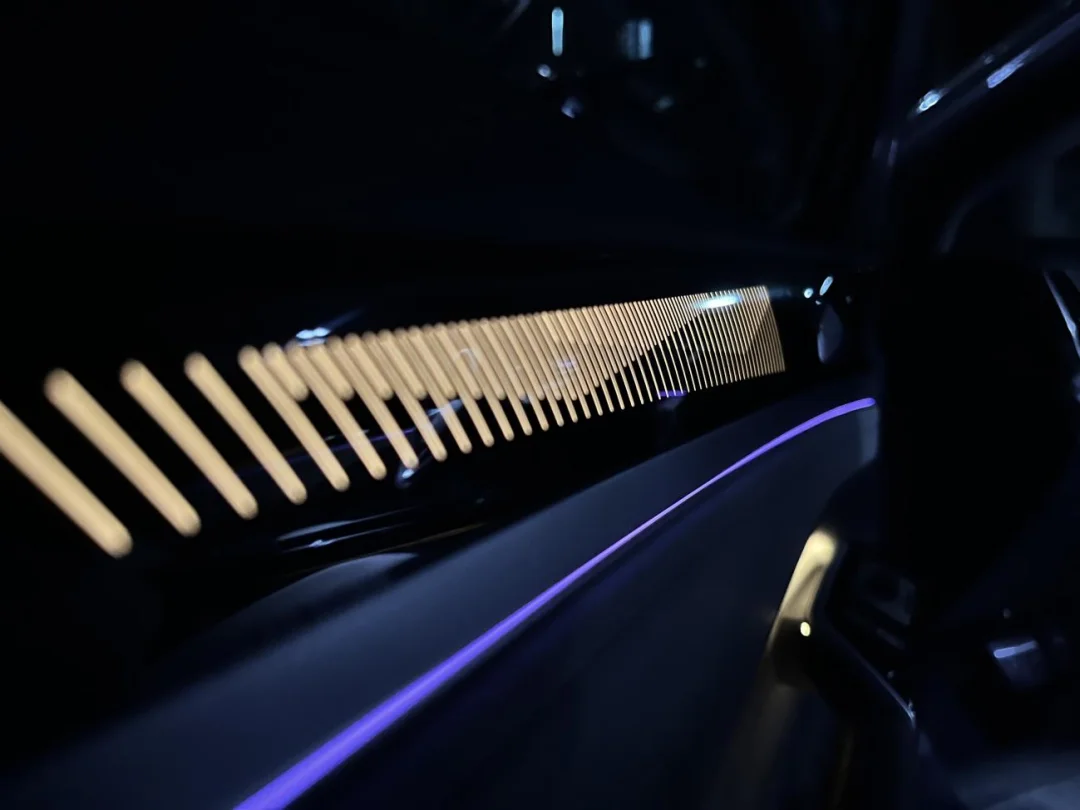
I must mention the interior ambient lighting of the ID.6 CROZZ, which caught my eye. Striped light strips on the door panels emit a warm off-white glow, with deep blue lights underneath. Looking up, I even discovered that the ID.6 CROZZ features full-width white light strips along the roof rails. During the day, these are not noticeable, but at night, the ID.6 CROZZ delivers a pleasant surprise: it turns out that Germans, often perceived as reserved, can also adopt an understated design style that rewards slow discovery.
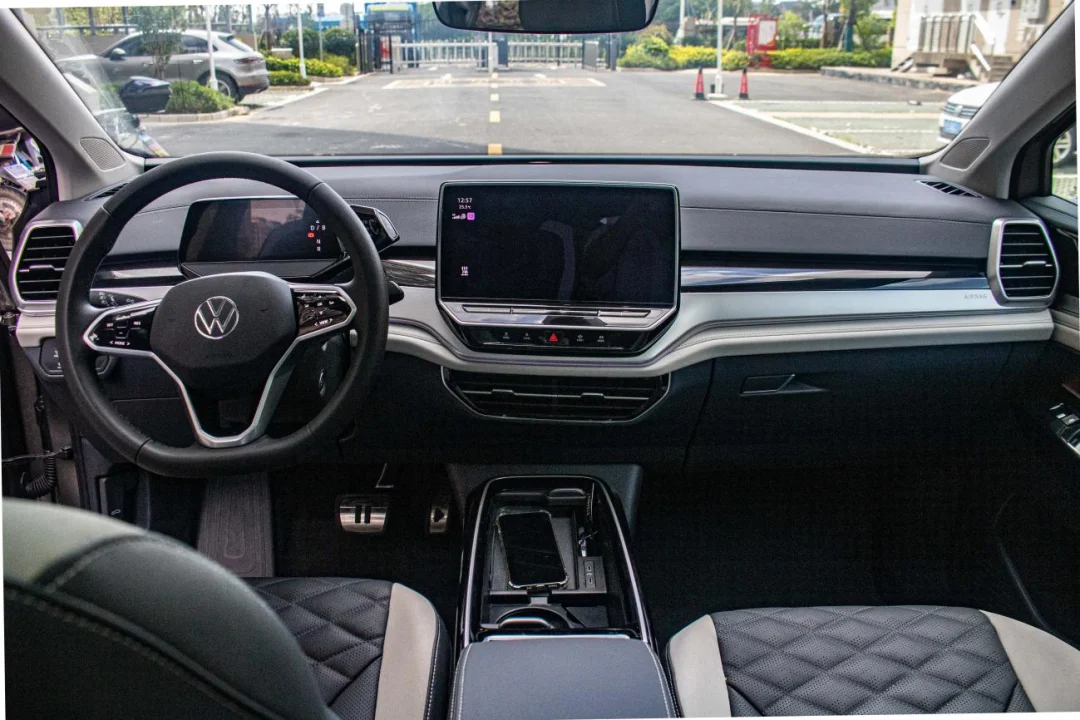
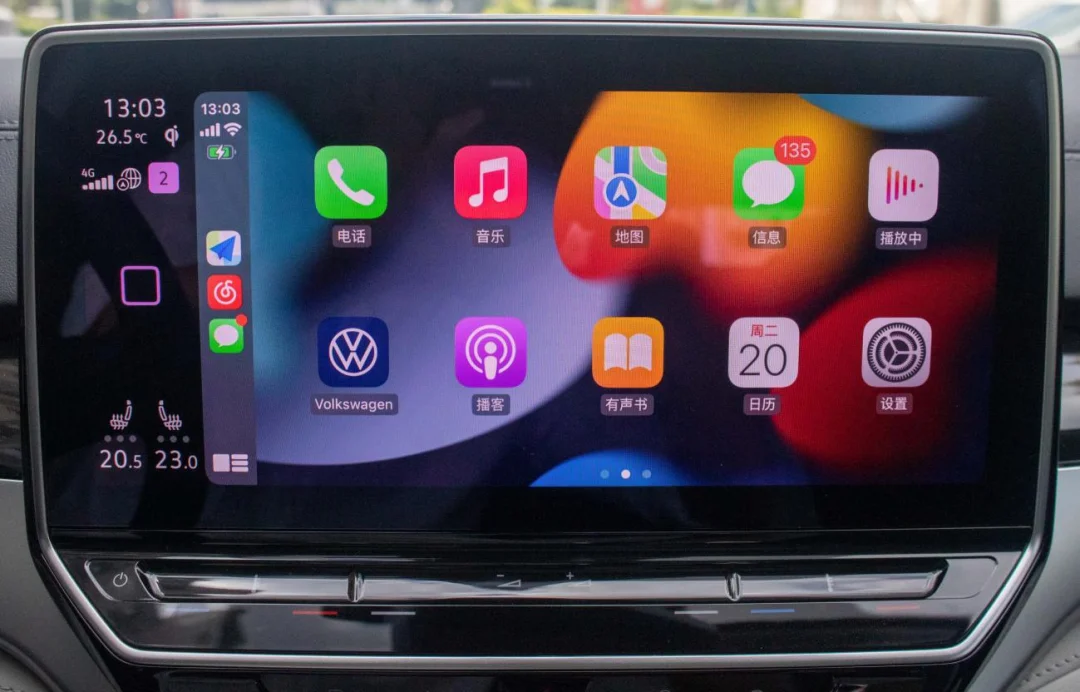
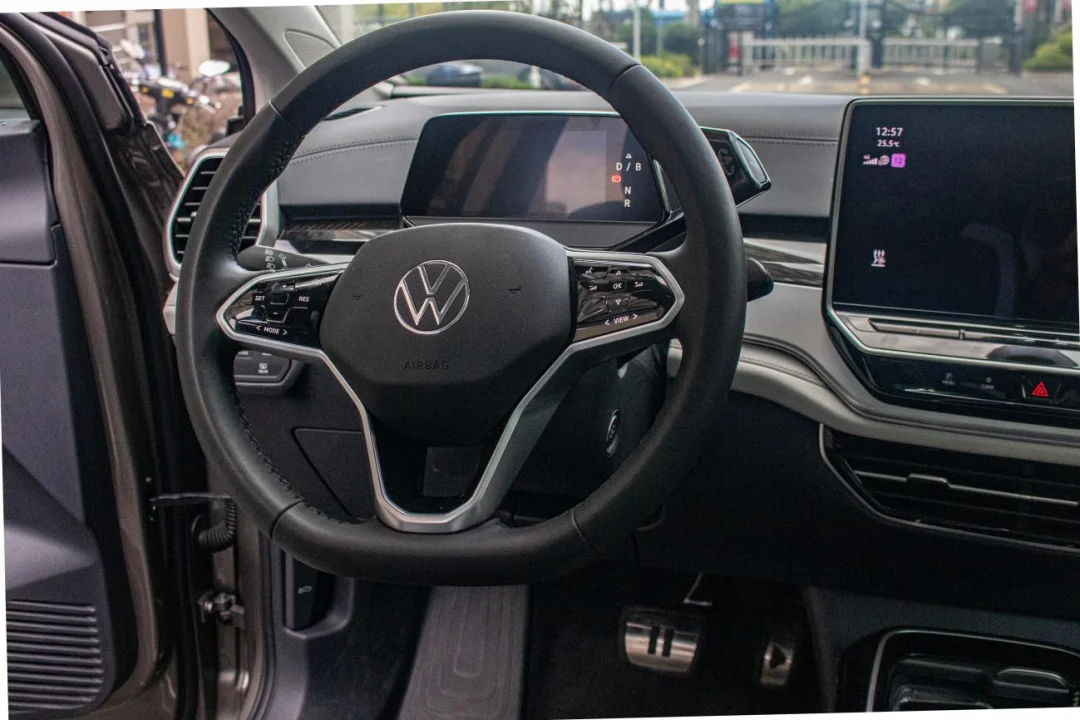
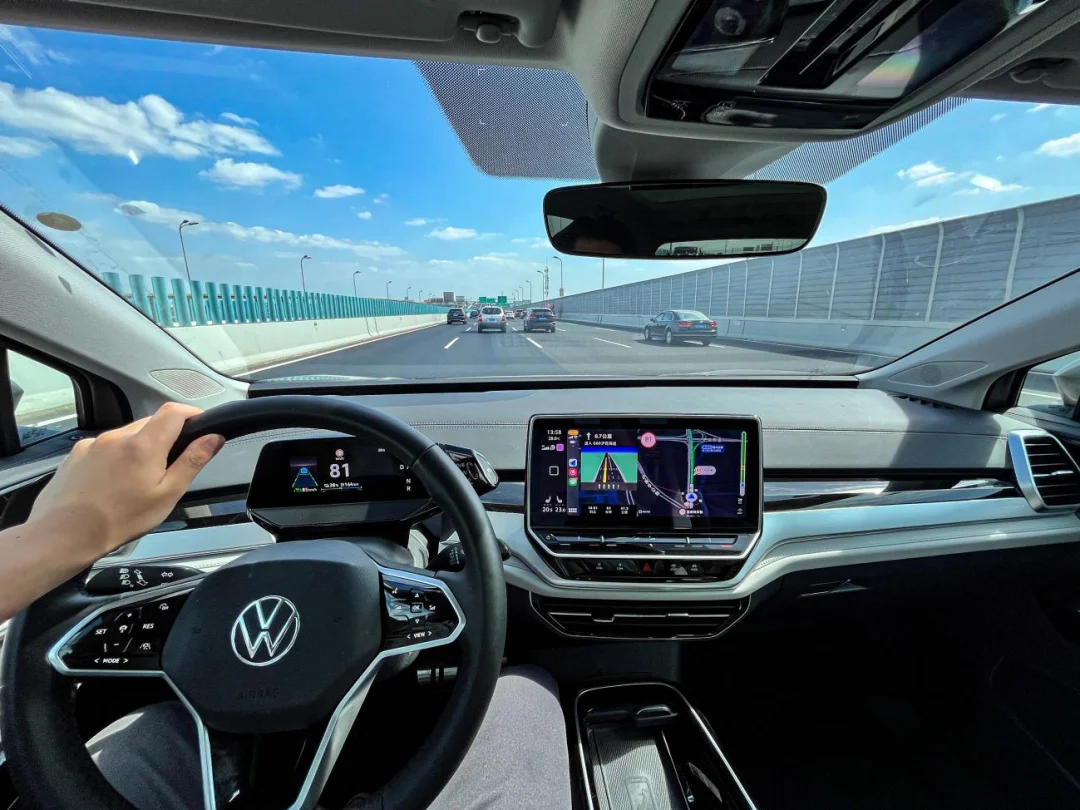
In terms of interior design, the ID.6 CROZZ does not differ significantly from the ID.4. Honestly, there is still a gap in fluidity and UI design compared to top-tier new energy vehicle brands. However, once I connected CarPlay, navigation and music playback worked without issue. Regarding the seats, the ergonomics are excellent; this test drive car was also equipped with massage functions, which is a plus.
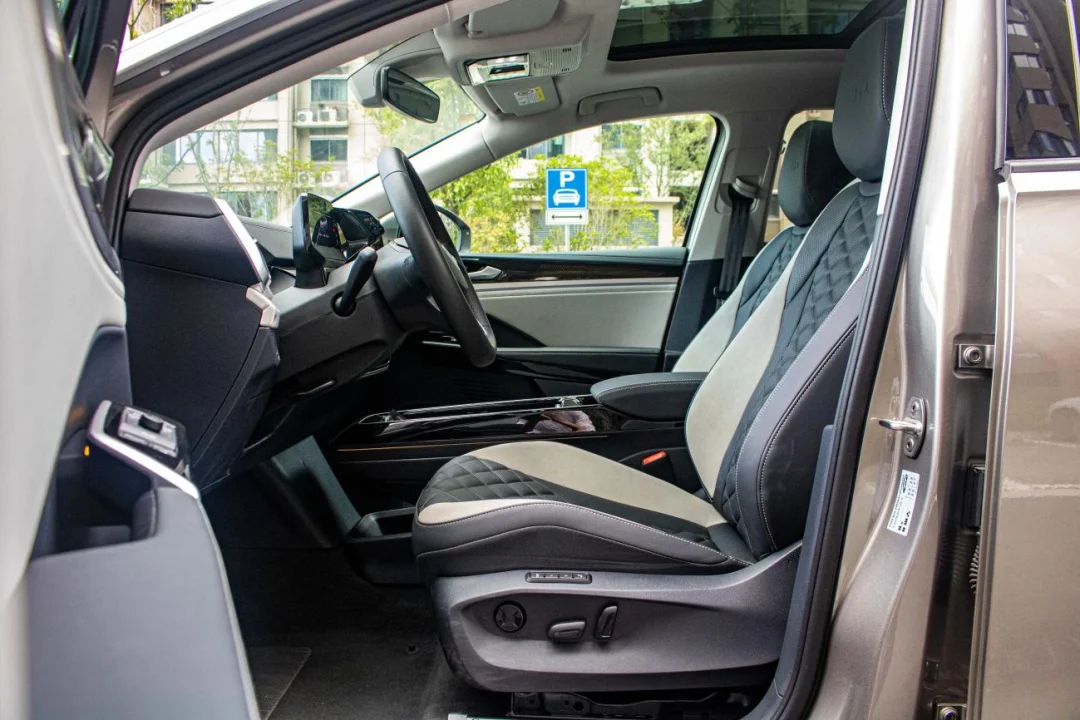
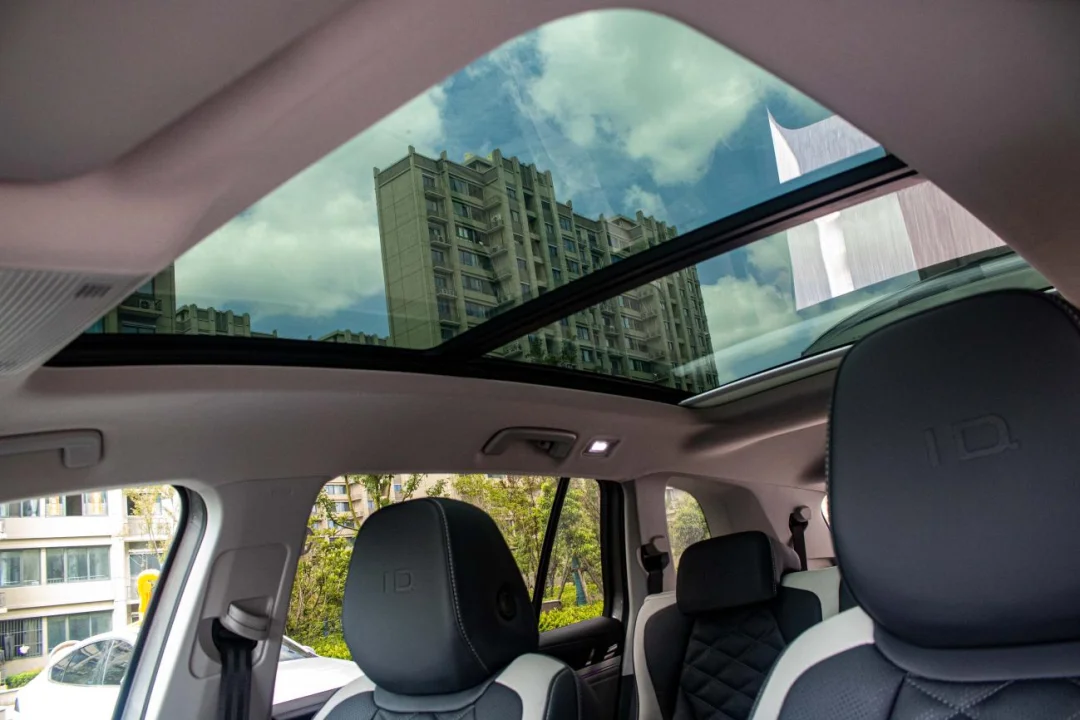
At 175 cm, I sat in the rear seat, which offered about three fists of legroom. The panoramic sunroof overhead was generously sized, and combined with the ample lateral space, seating was very comfortable. Moreover, both front and rear seats of the ID.6 CROZZ were equipped with Type-C charging ports, making charging convenient.
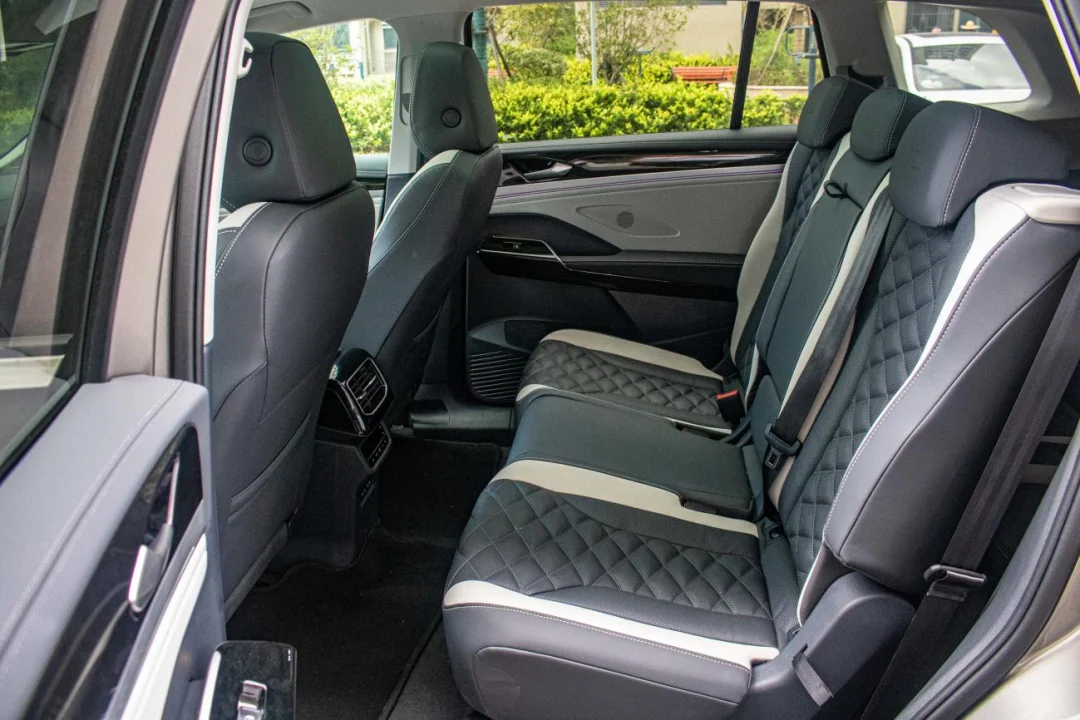
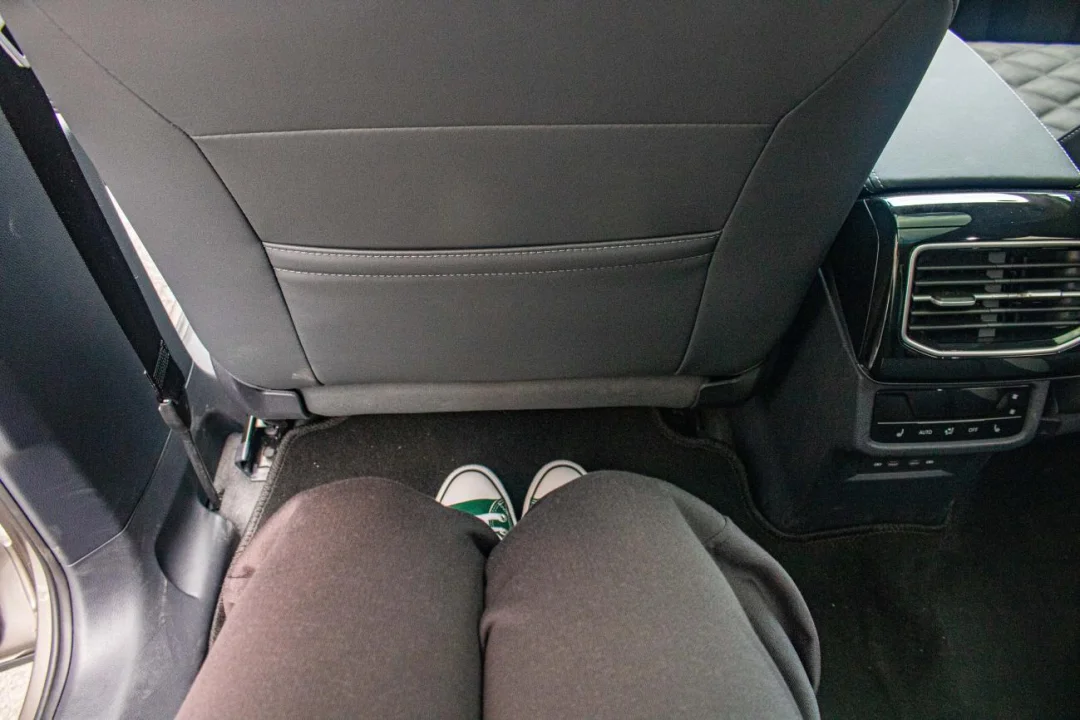
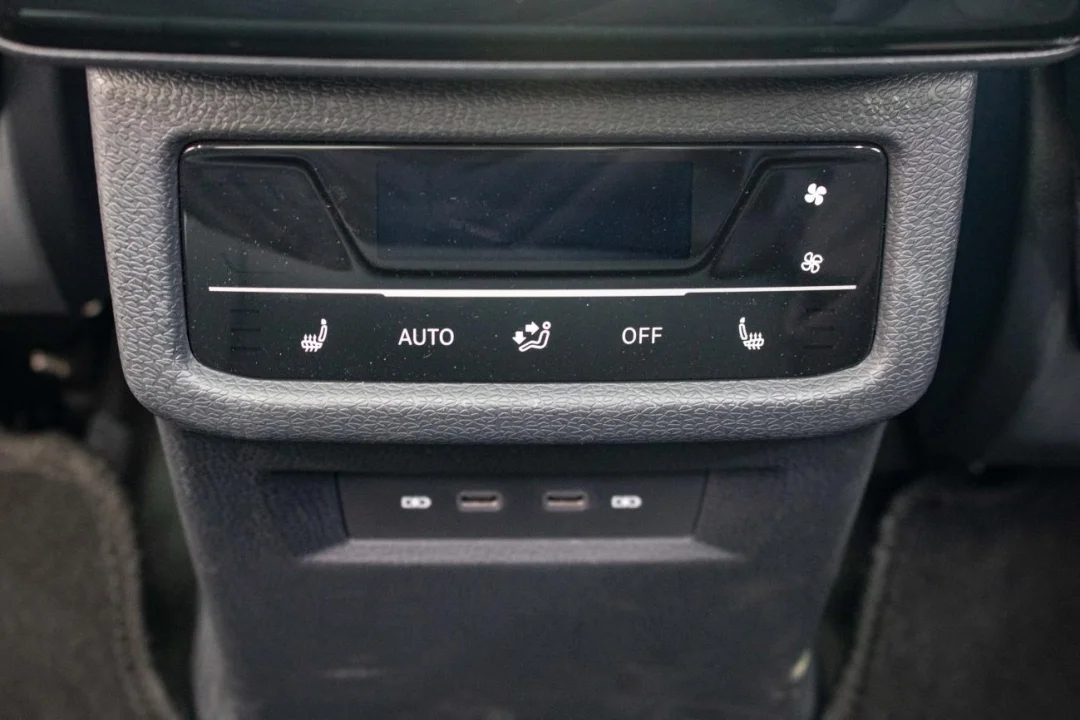
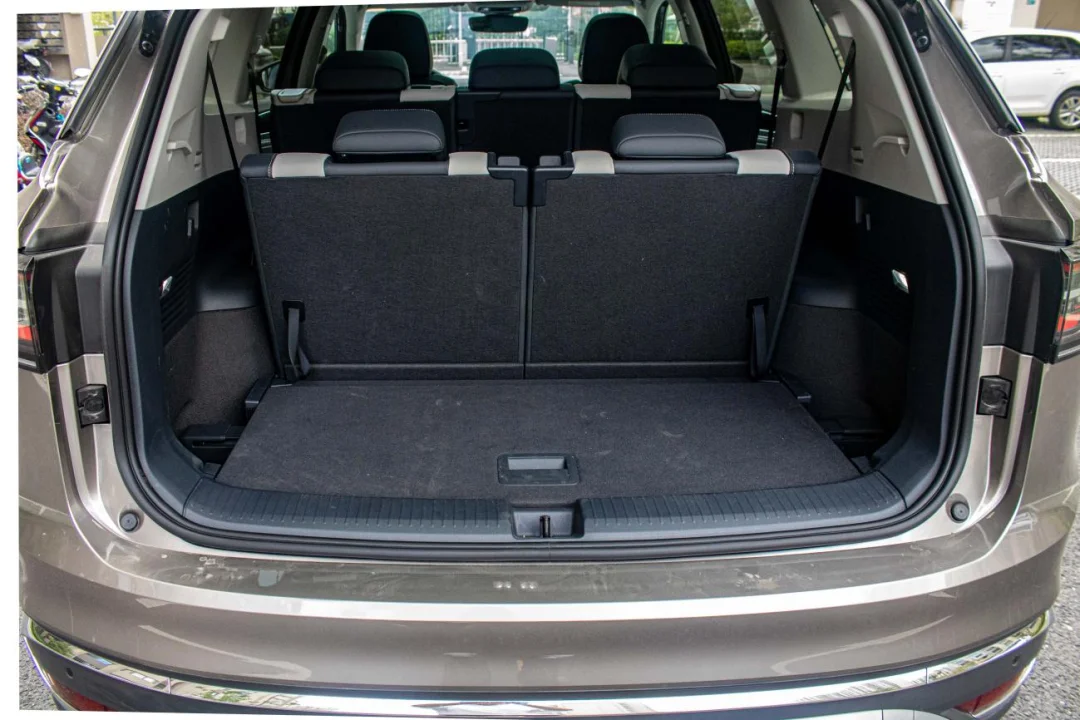
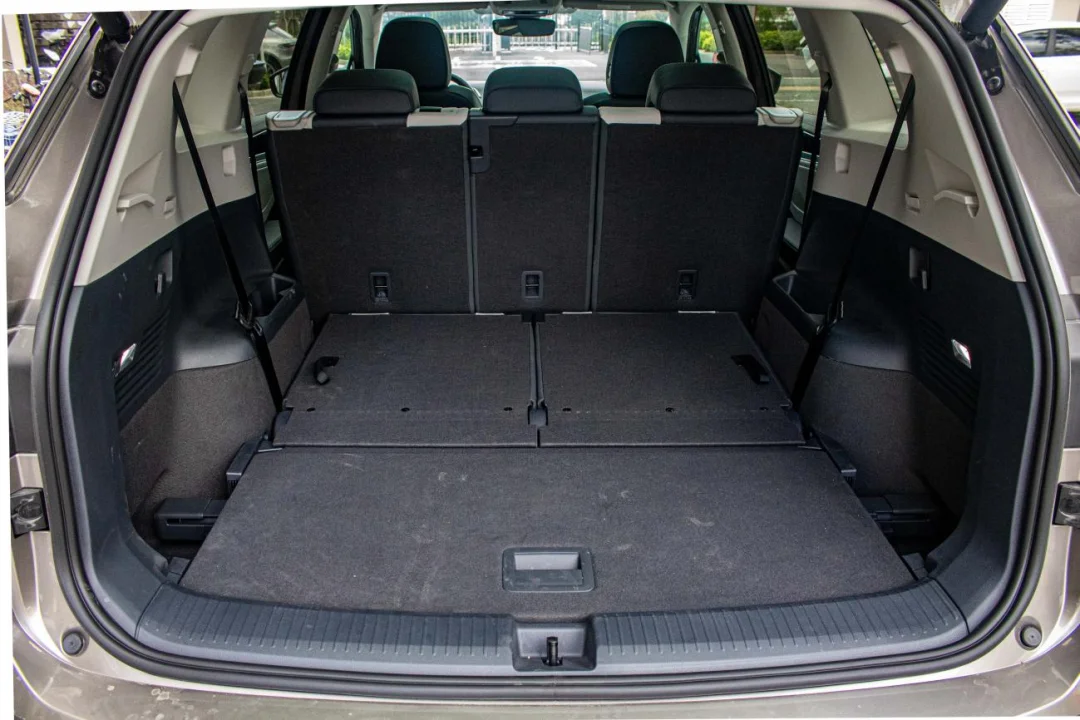
The ID.6 CROZZ offers average trunk space with all three rows in use, but the seats fold down easily. When folded flat, it creates a highly regular cargo area; folding the second row as well and laying down a mattress makes for a very comfortable sleeping setup.
02Driving Impressions
I had previously driven several new energy vehicles—including the Model 3, XPENG P7, and Li ONE—but they all left me with a somewhat strange feeling behind the wheel. Fortunately, a friend picked up an ID.4 last year, and after borrowing it for a few days, I was deeply impressed. Unlike these newer EV startups, the ID.4’s first impression was one of intuitive usability and excellent ergonomics. The accelerator pedal has a satisfying weight to it, and the brakes feel tight and responsive.
After experiencing the Volkswagen ID.6 CROZZ this time, that familiar sense of comfort returned: it is easy to adjust to a proper driving position, and the steering feels substantial. The regenerative braking lacks the jarring drag often associated with Tesla models; instead, the car feels like an extension of your own limbs, providing a very smooth ride. Everyone talks about how impressive the capabilities of new EV brands are—their advanced driver assistance systems, their smart infotainment—but people often forget one crucial point: what matters most is not flashy so-called "intelligence," but how the car actually drives.
Volkswagen’s MEB Pingtai is unequivocally a "pure electric new platform," not the "gas-to-electric conversion" many mistakenly believe it to be. The German traits of "result-oriented thinking" and "engineering mindset" are vividly reflected in the Volkswagen ID.6 CROZZ and other ID series models. The drum brakes, which have been criticized by some, are actually designed to better integrate regenerative braking with hydraulic braking, yielding clear benefits: the regenerative braking force in B mode on the Volkswagen ID.6 CROZZ is highly linear and easy to control, and the transition between early-stage regenerative braking and late-stage hydraulic braking is exceptionally harmonious.
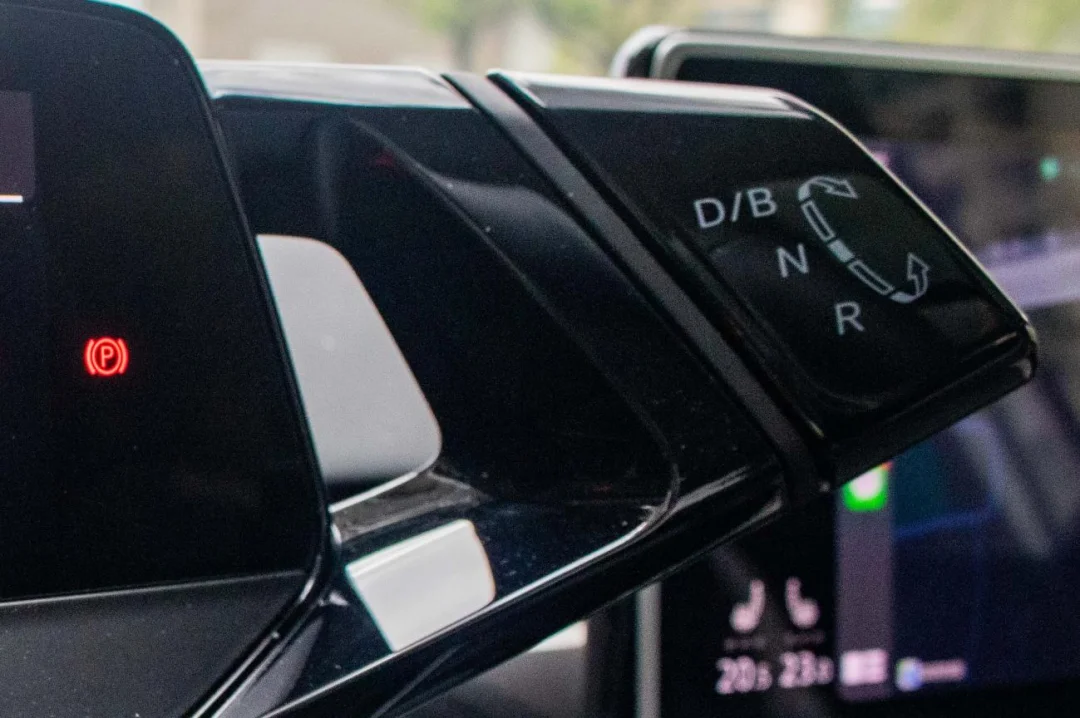
I suffer from choice paralysis. When the infotainment system offers a slew of options to adjust regenerative braking intensity, I rarely use them. Instead, I find the simple B mode in the Volkswagen ID.6 CROZZ incredibly convenient for daily driving.
You may recall my title: I believe the ID.6 CROZZ is a severely underrated vehicle. Its foundational driver assistance features are on par with any top-tier new energy brand. 42HOW Auto recently conducted a brief survey asking whether automakers should prioritize rolling out urban navigation assist or refining basic driver assistance. In my view, perfecting a set of reliable, user-friendly basic functions is far more practical than adding numerous flashy new features that are difficult to use and rarely deployed. The ID.6 CROZZ is precisely the model that excels at polishing these fundamental capabilities.
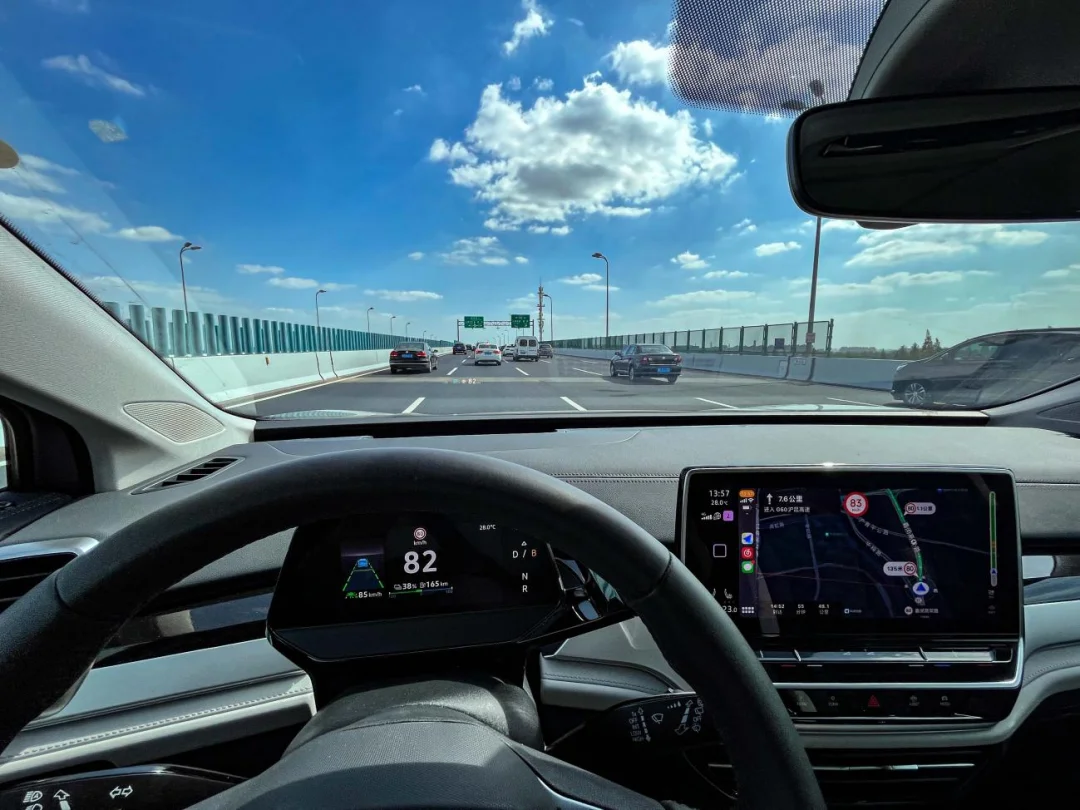
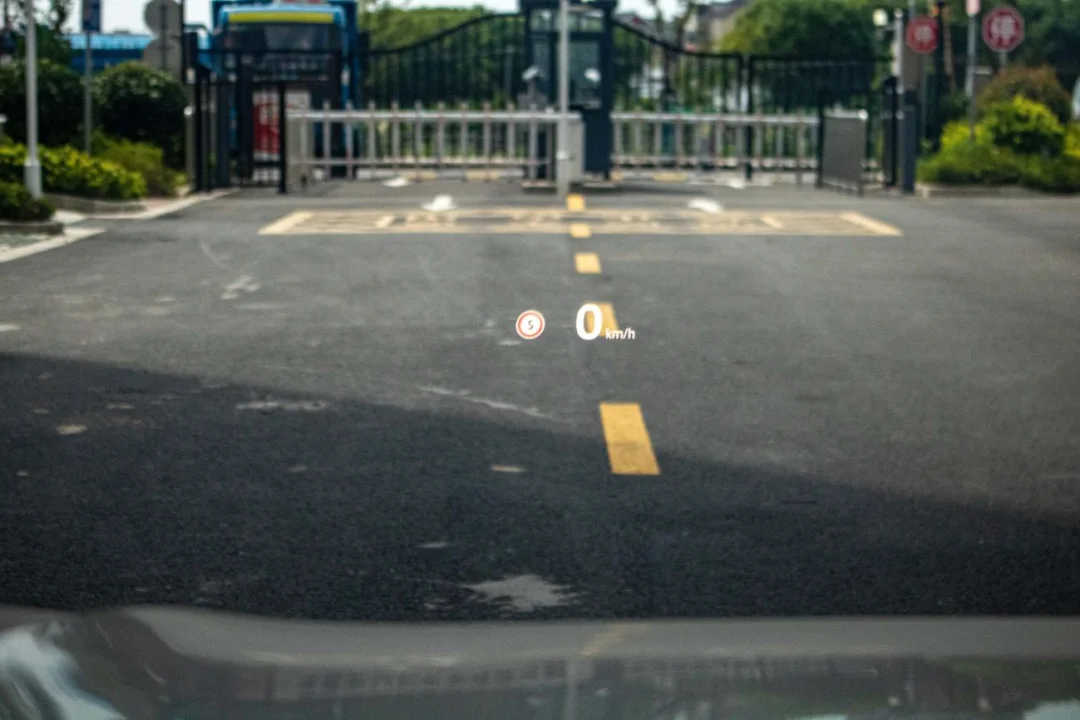
Although it lacks LiDAR and ultra-high computing power chips, the ID.6 CROZZ’s adaptive cruise control (ACC) and lane centering control (LCC) are extremely mature. During stop-and-go traffic, its braking and restart actions are smooth, avoiding the jerky acceleration and hard braking that can cause motion sickness. Lane keeping is also very competent; during my short test drive, there was no weaving or swaying. Additionally, the optional AR-HUD delivers a clear display. When changing lanes with the assistance system active, the HUD provides corresponding dynamic visual feedback.
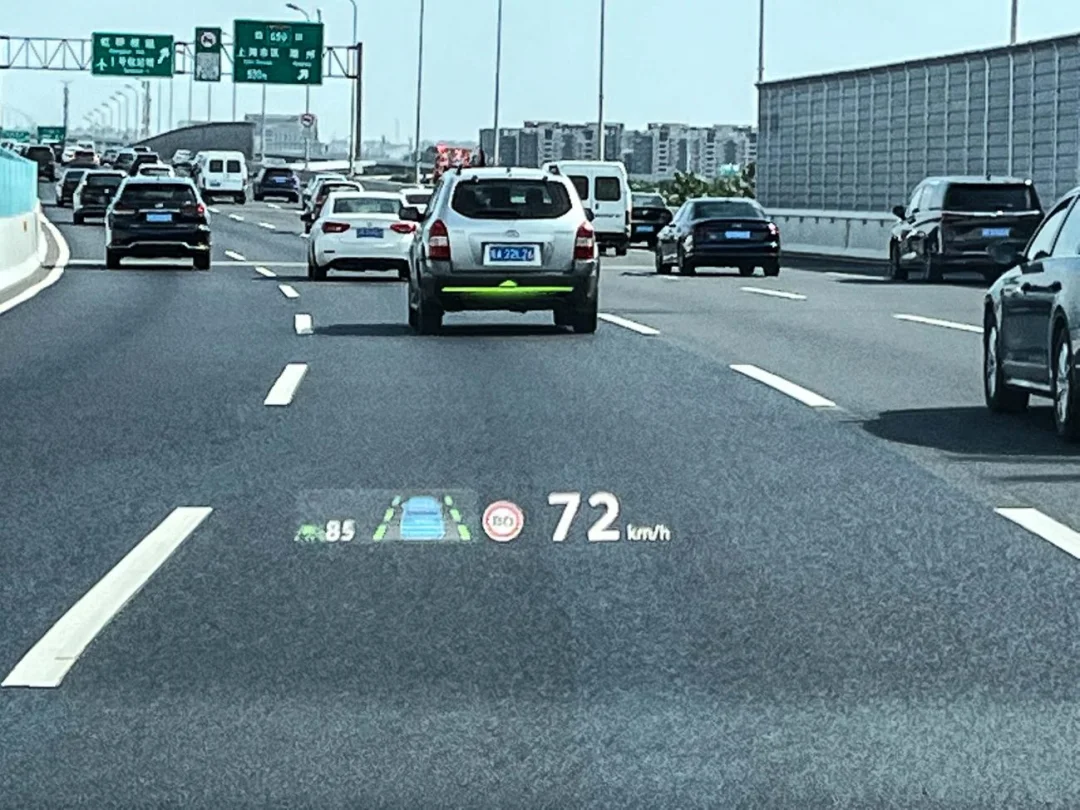
Therefore, once on an elevated road or highway, I can confidently engage this assistance system. To put it plainly, the ID.6 CROZZ’s foundational driver assistance does not lag behind any new brand that aggressively markets its technology. Furthermore, the ID.6 CROZZ boasts exceptional noise insulation for its class, delivering a refined driving experience.
03The Very Last
I also want to mention a design feature of the ID.6 CROZZ that significantly enhances driving satisfaction: its extremely short turning radius. MEB Pingtai models are equipped with exceptionally large steering angles, allowing this large vehicle to complete a U-turn in one continuous motion even on a two-way four-lane road. This design also greatly reduces the stress associated with maneuvering large vehicles when parking in the company's underground garage.
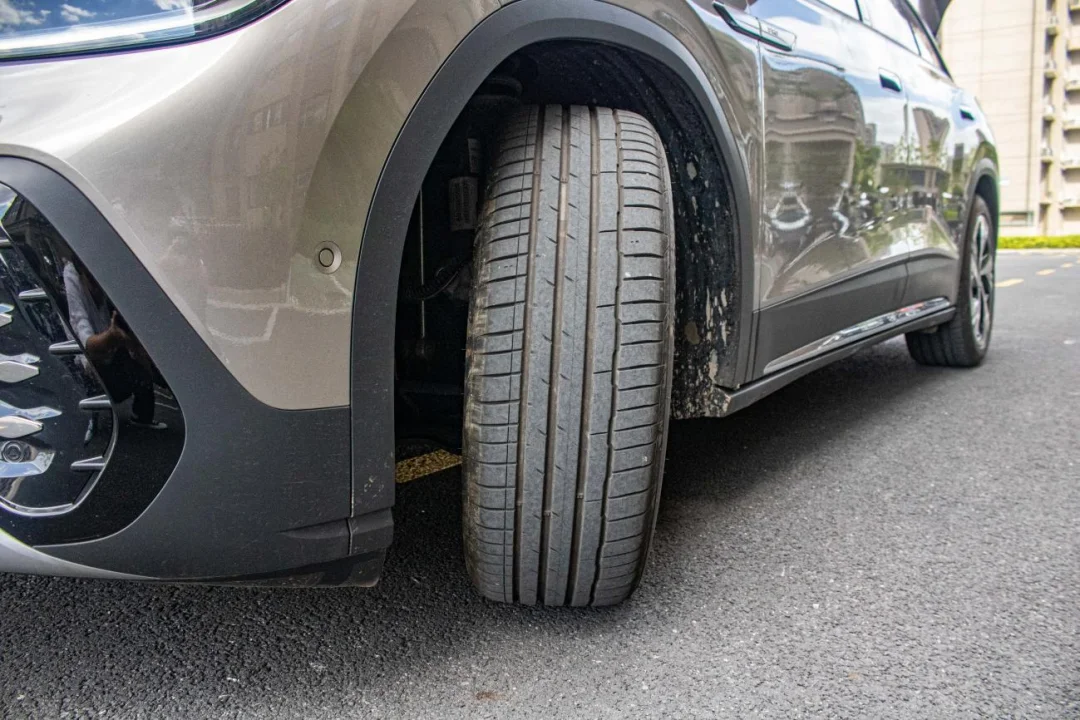
A mid-to-large SUV, a new work in the electrification era. Volkswagen, which is not good at the marketing methods of new forces, has silently brought this car, the ID.6 CROZZ, and it is a severely underestimated player. From any perspective, Volkswagen's excellent manufacturing accumulation is perfectly reflected in this car.
Written by: Xiaoxiao Ming Edited by: Bobo