


Feifan to Build 3,000 Battery Swap Stations by 2025; EQE SUV Added to MIIT Catalog; Zeekr 009 Interior Revealed | Weekly Highlights
01Weekly Index
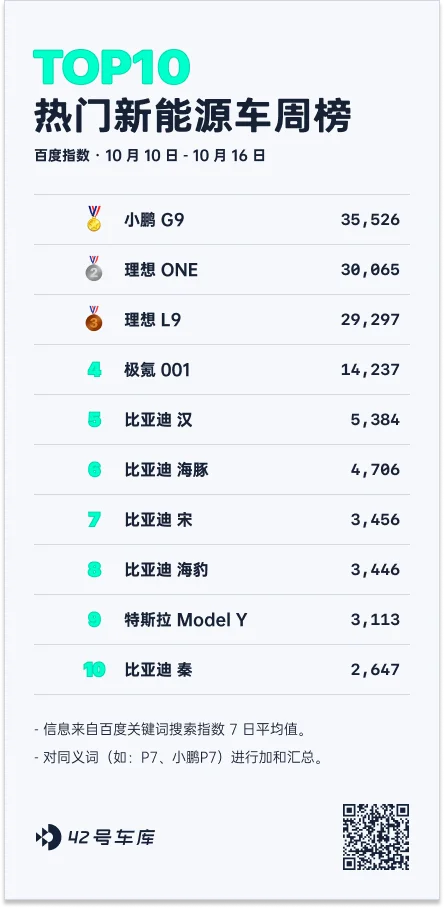
02Weekly Highlights
Feifan to Build 3,000 Battery Swap Stations by 2025
On October 14, 2022, Feifan announced the Magic Cube battery and its own battery swap station layout. At the press conference, Feifan first announced three major features of the Magic Cube battery, namely 0, 1, and two "worry-free".
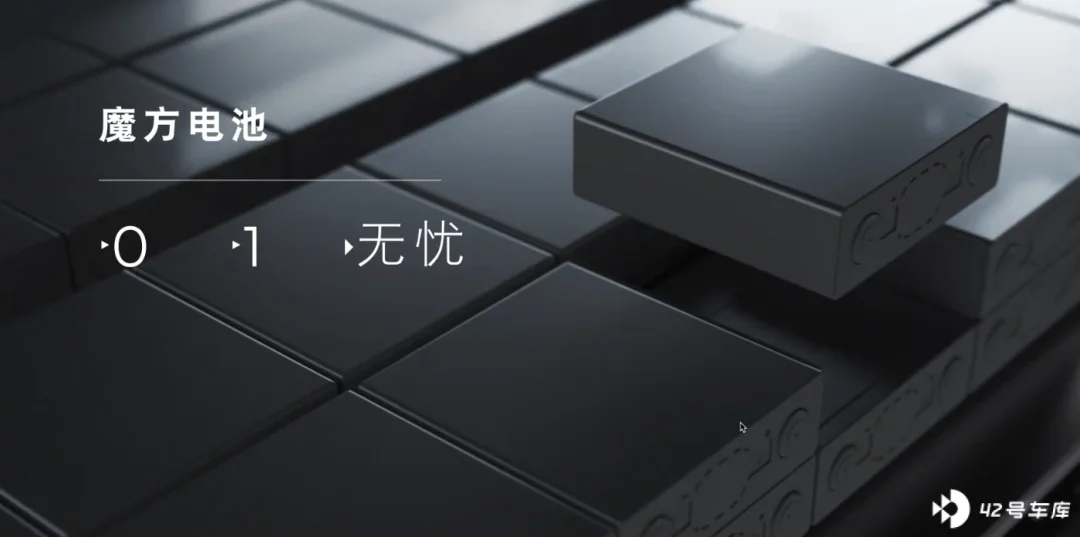
The specific design of the Feifan Magic Cube battery is as follows:
All-weather big data remote monitoring enables early detection of thermal runaway and provides insight into battery operating status, allowing for preventive measures.
The water-cooled plate is in close contact with the battery cells, allowing heat to be conducted away immediately when a single cell experiences thermal runaway.
The newly designed horizontal cell requires significantly less thermal insulation material than a vertical cell, helping to prevent a domino effect of thermal runaway.
Even with precisely designed pressure-relief channels to ensure that the battery's overall heat does not change significantly, it ensures that no open flame will appear in the entire battery pack and that thermal runaway of a single cell will not affect the vehicle.
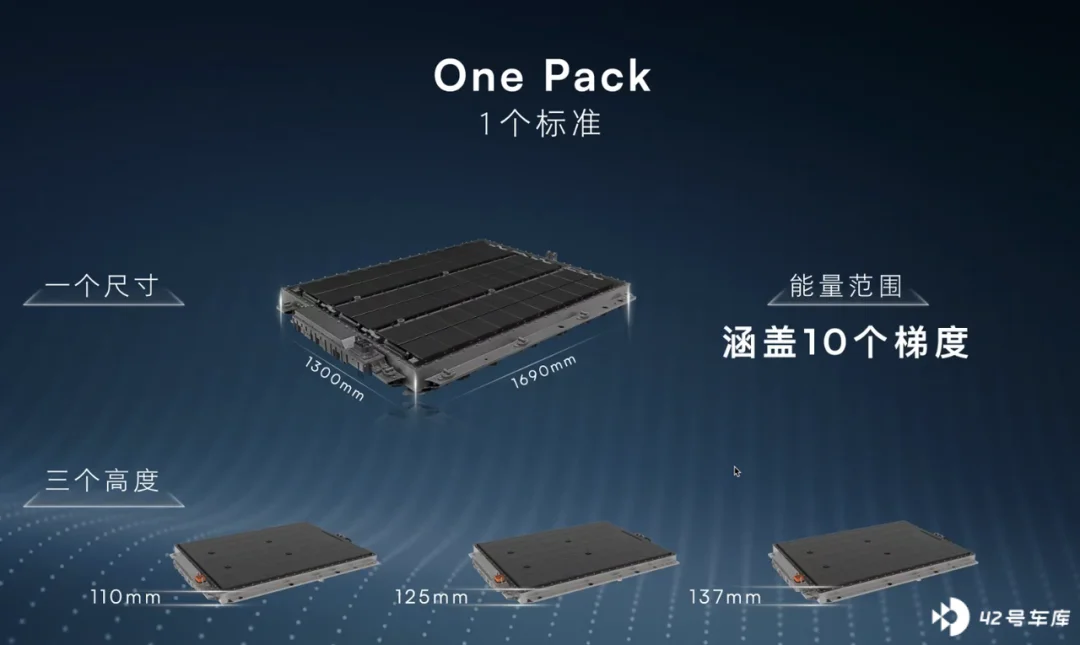
The Feifan Magic Cube battery is designed around a One Pack concept, featuring a single battery module measuring 1,690 x 1,300 mm. It supports vehicles such as sports cars, sedans, SUVs, and MPVs, and accommodates three pack heights: 110 mm, 125 mm, and 137 mm. This design aims to enable battery swapping across multiple vehicle models in the future. At the launch event, it was also revealed that Feifan’s second model, the F7, will utilize the Magic Cube battery.
Additionally, Feifan introduced two 'Worry-Free' initiatives: one for battery degradation and another for upgrades.
Following the battery presentation, the focus shifted to the core topic of the event: battery swapping.
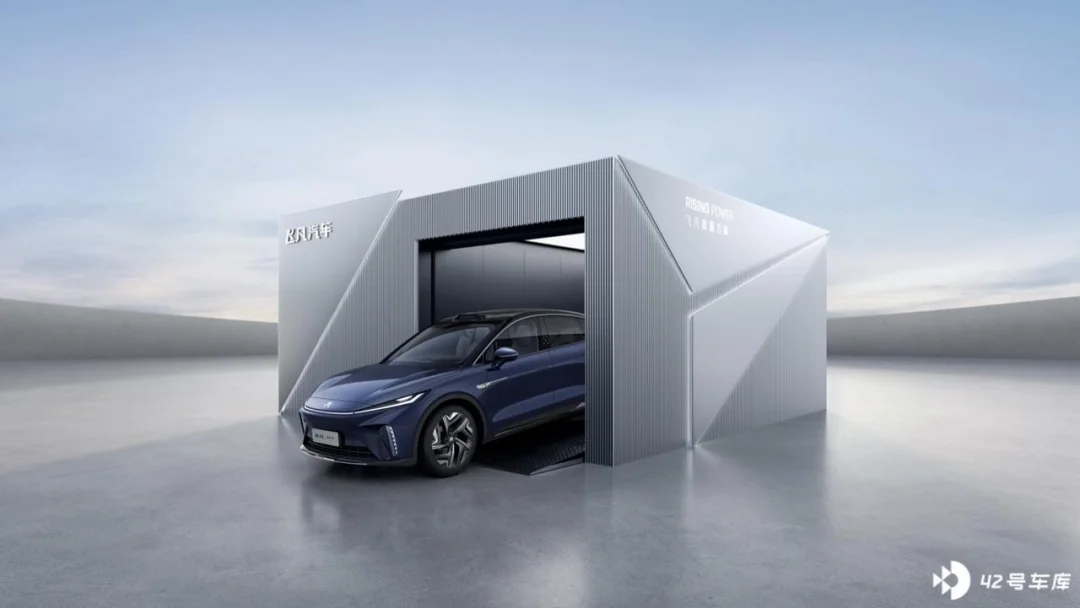
Regarding the deployment of Feifan swap stations, they are jointly invested in by Zhongguoshihua, Zhongguoshiyou, Shangqijituan, CATL, and Shanghaiguojiqichechengjituan.
In 2022, Feifan plans to build 40 swap stations located in Beijing, Tianjin, Zhengzhou, Suzhou, Nanjing, Shanghai, Hangzhou, Guangzhou, and Shenzhen. In 2023, the company aims to complete 300 stations, covering major first- and second-tier cities; Feifan stated it would consider local sales volumes when deciding on specific locations. By 2025, the network is expected to reach 3,000 stations.
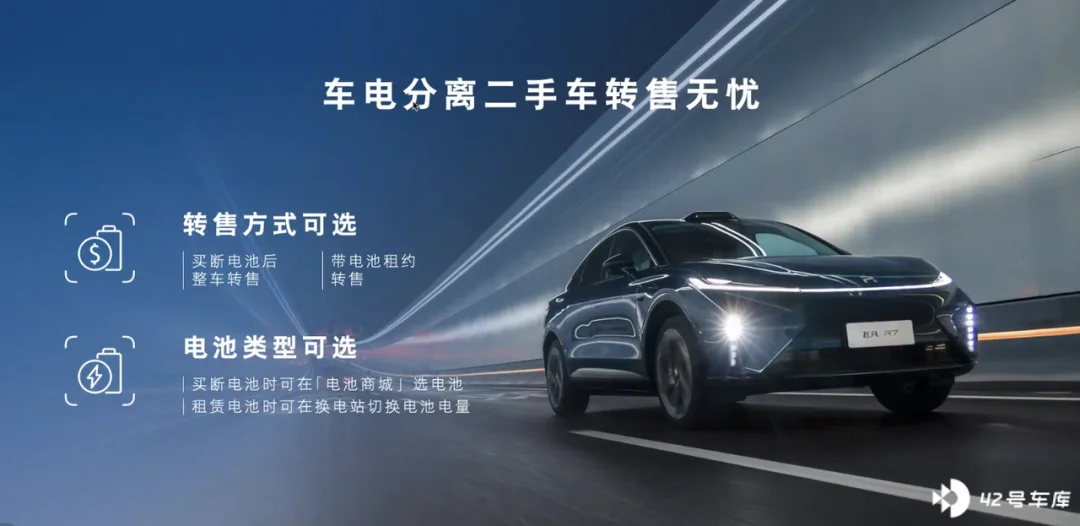
During the event, Feifan officially announced its RBS (Battery Separation) service, which includes three key benefits: batteries can be rented or purchased; users can freely adjust battery capacity; and there is a closed-loop trading system for used batteries.
Quick Review:
It is evident that Feifan's planned rollout is moving quite fast, particularly with the goal of building 3,000 battery swap stations by 2025. Considering that NIO has only just surpassed 1,100 swap stations, Feifan will face considerable pressure to achieve this target in such a short timeframe.
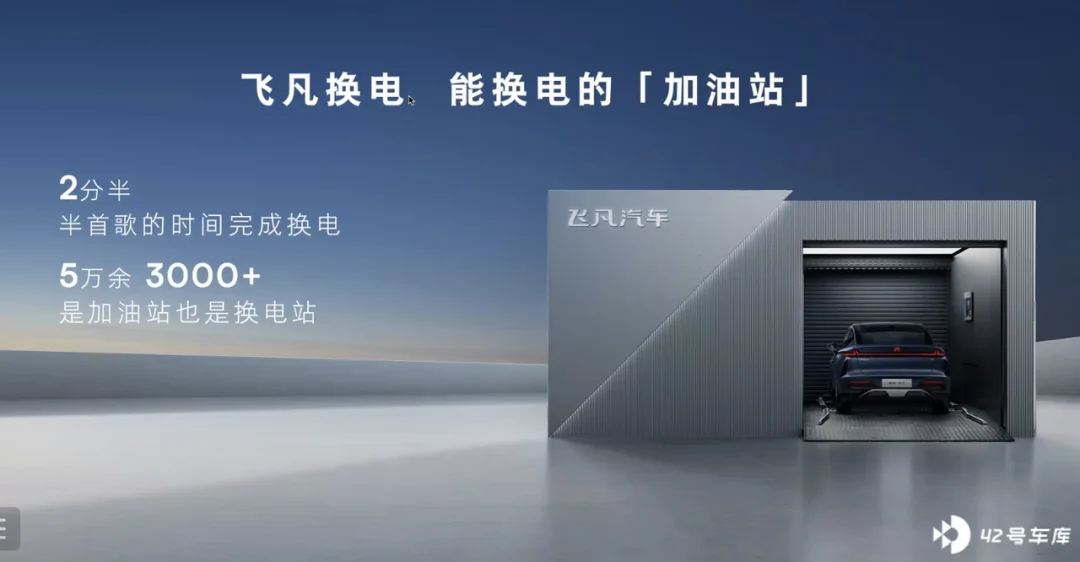
Regarding the experience at battery swap stations, there are two advantages compared to NIO: First, reserving a battery in advance locks in the swap, so you don't have to worry about running out of batteries upon arrival at the station. Second, during the swap process, you do not need to exit the vehicle; you can continue using the interior entertainment screen and the fans.
The shortcomings lie in the low level of automation; it currently does not support automatic docking into the battery swap station. The processes for driving into and out of the station, as well as the preparatory steps before swapping, require manual operation by the driver, which is neither convenient nor safe. Furthermore, the lifting mechanism used during the swap can also induce panic among users.
With the addition of RBS battery-swap services, Feifan has thought through the battery-swapping path quite thoroughly. But is it truly beneficial for consumers when faced with so many terms and choices? Backed by the "Two Barrels of Oil" (Sinopec and CNPC), it can indeed achieve significant scale effects. However, to make these many swap stations truly meaningful, the most critical factor is having more vehicles on the road capable of swapping batteries. These are the challenges currently facing Feifan's swap stations.
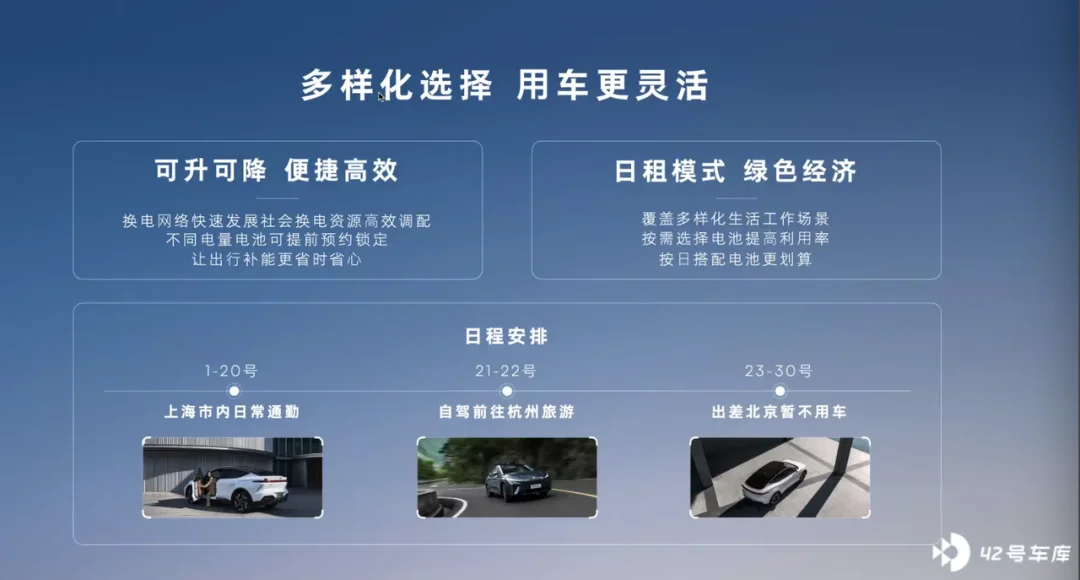
But looking on the bright side, although Feifan's battery swap model hasn't taken off as fully as NIO's, the current experience has already achieved a decent result. Moreover, battery swapping, as the refueling method for pure electric vehicles closest to refueling with gasoline, indeed has its own unique advantages. As more brands join in battery swapping, it may gradually help solve the anxiety over charging electric vehicles from the root.
What level Feifan’s battery swap stations will ultimately reach can only be judged by time.
Mercedes-Benz EQE SUV Listed in MIIT Directory
The Mercedes-Benz EQE SUV appeared in the Ministry of Industry and Information Technology’s (MIIT) 363rd batch of new vehicle listings, marking its first official exposure prior to its global debut on October 17.
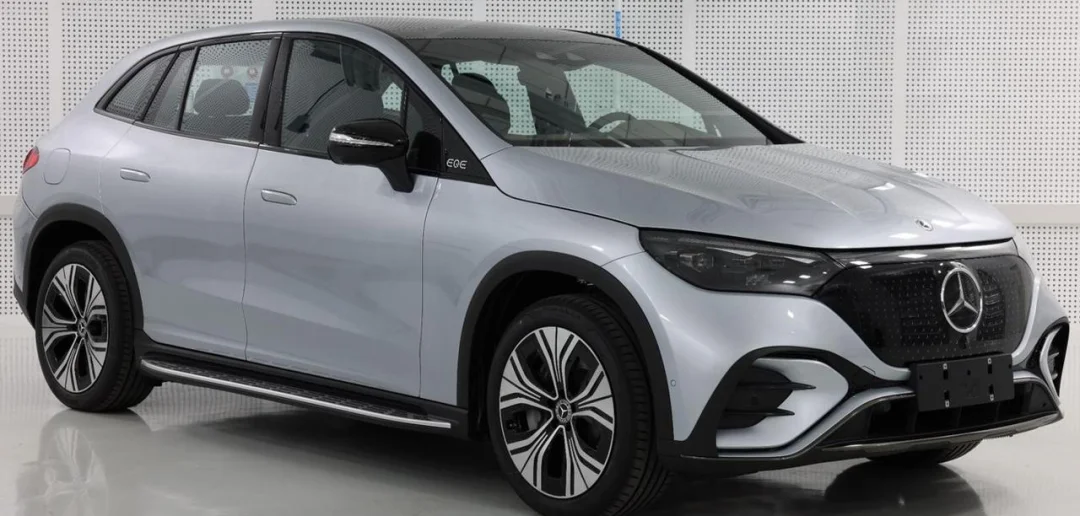
The EQE SUV has dimensions of 4,880 mm in length, 2,032 mm in width, and 1,679 mm in height, with a wheelbase of 3,030 mm. These figures are slightly smaller than those of the current three-box sedan version of the EQE.
Powertrain specifications include dual-motor all-wheel drive, with suppliers from Faleiao. The front motor delivers 135 kW, while the rear motor produces 215 kW, resulting in a combined peak power output of 350 kW. The “500” badge indicates that this model’s performance significantly exceeds that of the currently available EQE models badged as “350.”
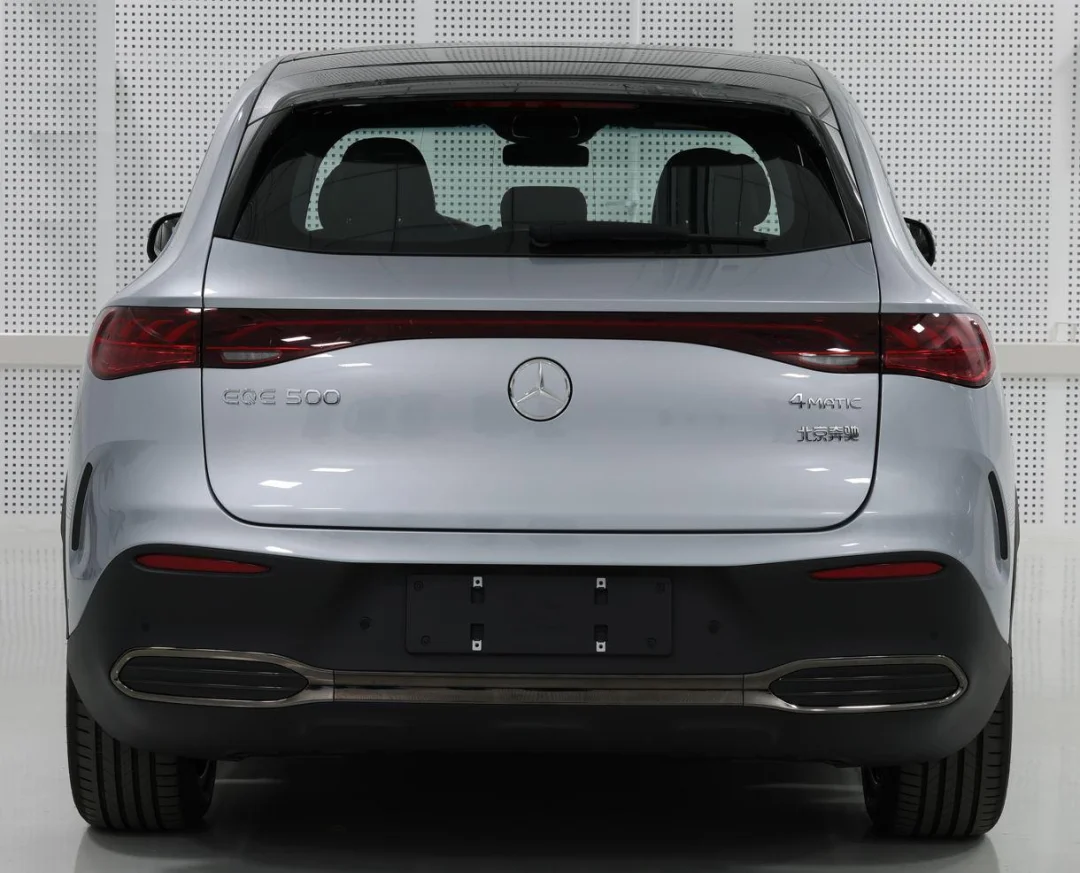
The vehicle features 20-inch wheels fitted with 255/45 R20 tires, available in two styles. Optional equipment includes an illuminated star emblem and a panoramic sunroof with a sliding function.

Quick Review:
The EQE SUV has officially made its global debut. Positioned as a mid-to-large pure electric SUV, it achieves a minimum drag coefficient of 0.25 when equipped with 19-inch wheels. The rear-wheel-drive variant offers a maximum WLTP range of 590 km. It also features an optional 10-degree active rear-axle steering system, which reduces the turning diameter from 12.3 m to 10.5 m.
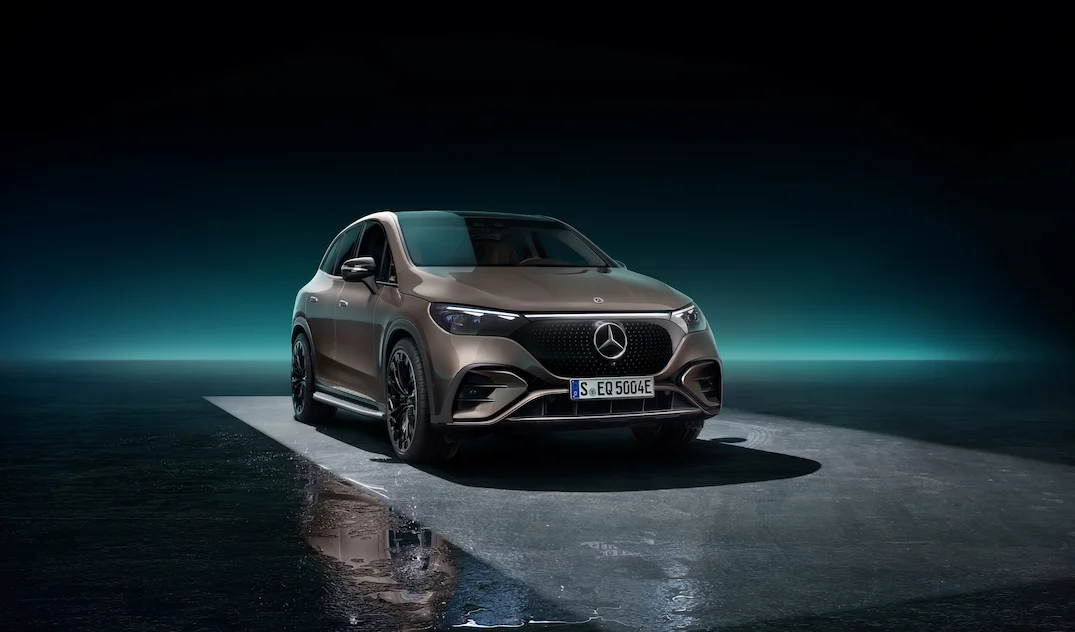
The EQE SUV is available with an air suspension and includes an off-road mode. This mode employs targeted torque control strategies tailored to different speeds and road surfaces. For models equipped with air suspension, the ride height can increase by up to 25 mm in certain speed ranges within this mode. The air suspension allows for a maximum lift of 30 mm and can lower the vehicle by 20 mm during high-speed driving.
The battery utilizes an NMC 811 chemistry and is developed in-house by Mercedes-Benz, along with its battery management system. The usable capacity is 90.6 kWh. After rigorous testing by Mercedes-Benz, the battery is guaranteed to meet performance standards for 10 years or 250,000 km before reaching end-of-life degradation thresholds. All EQE SUV models come standard with a heat pump, while retaining PTC auxiliary heating. The vehicle supports a maximum charging power of 170 kW.
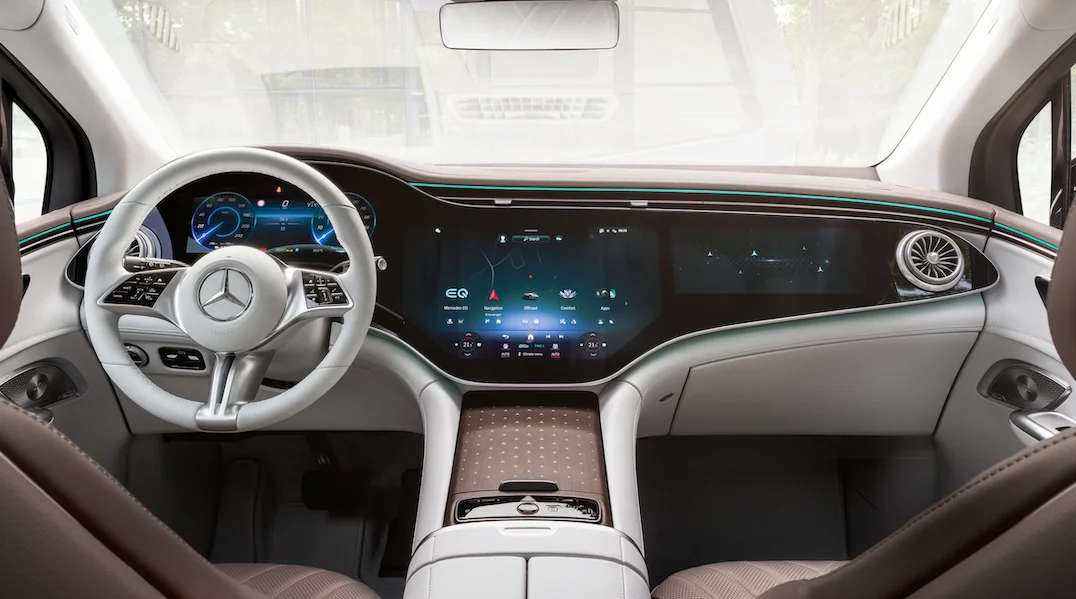
With technical specifications now public, attention turns to the pricing for the Beijing-produced Mercedes-Benz EQE SUV. Prices are expected to fall between those of the pure-electric EQE sedan and the GLE SUV.
Zeekr 009 Interior Revealed
On October 10, Zeekr Intelligent Technology released the first official interior images of the ZEEKR 009. The company also officially announced that the Zeekr 009 will go on sale on November 1.
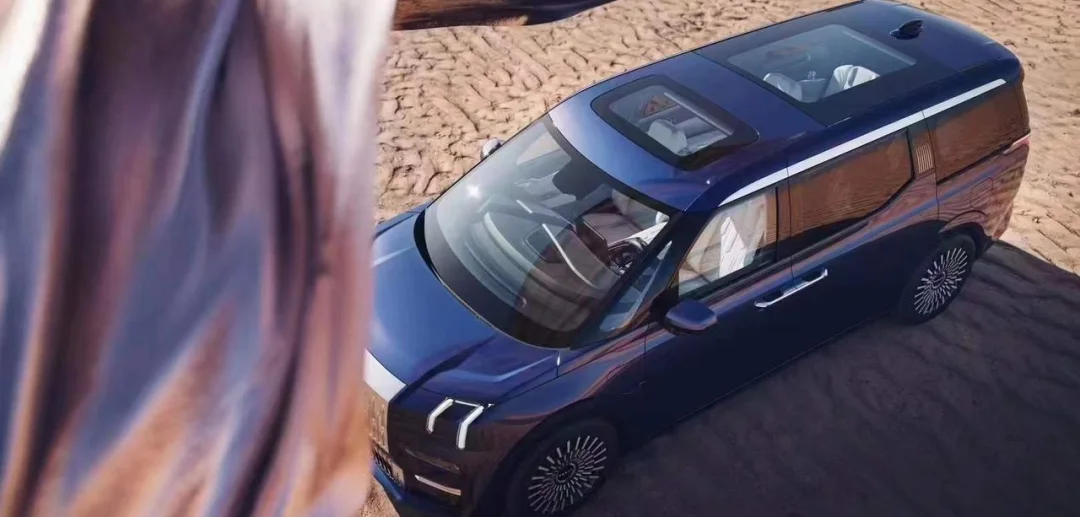
Regarding the cabin, the Zeekr 009 does not adopt the left-right steering wheel touchpad layout used in the 001. Instead, it features five touch buttons arranged in up, down, left, right, and a central confirm key. Additionally, while the Zeekr 009 retains the instrument cluster UI design that drew criticism on the 001, it has increased the display area. The central infotainment interface uses a navigation-map-centric UI, a change that will also be rolled out to the 001 via an OTA update.
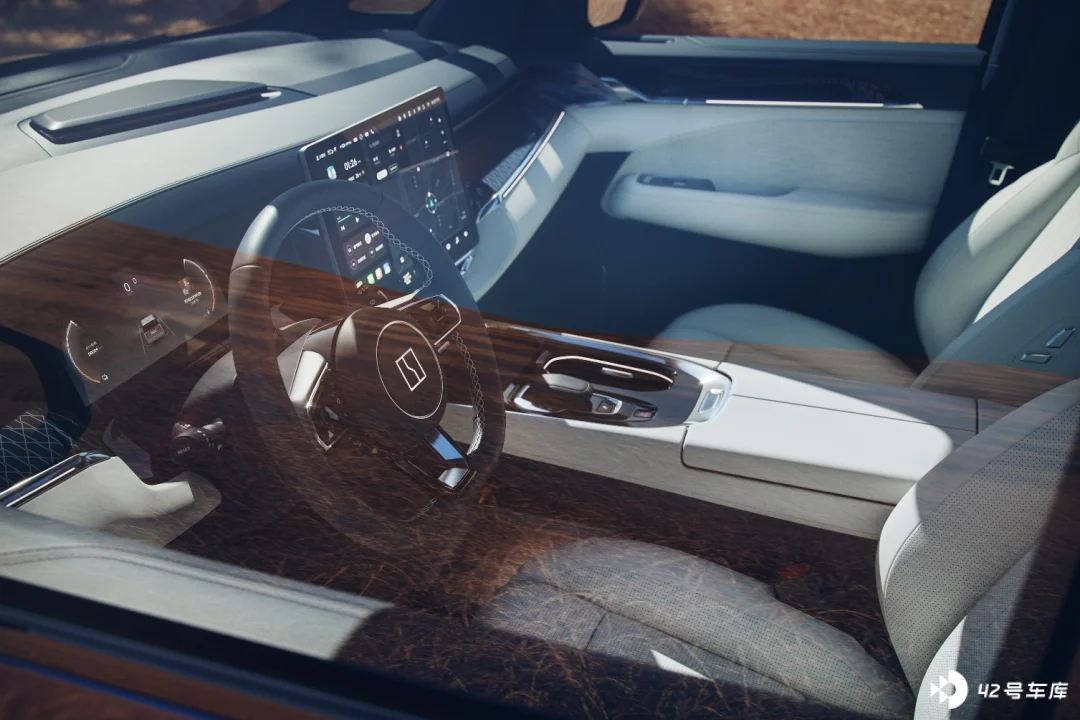
Both the first-row and second-row seats are equipped with headrest speakers. The headrest shape matches that of the 001’s rear headrests, allowing anticipation for their comfort and audio performance. All six seats in the Zeekr 009 feature ergonomic wraparound designs and come standard with full-grain leather. Full-grain natural leather offers a finer texture and more comfortable feel, with optimizations for breathability, abrasion resistance, and stain resistance.
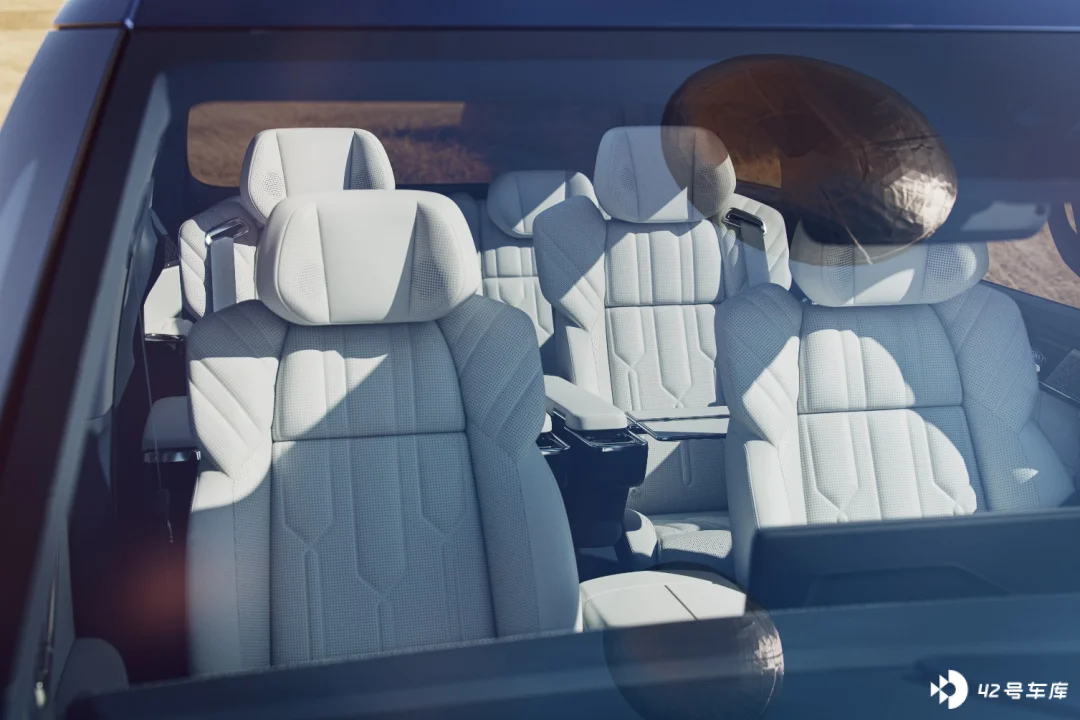
In terms of space and interior design, the team reconstructed color aesthetics based on contemporary user preferences, carefully selecting a combination of Polar White and Rock Gray to create a relaxed, unoppressive atmosphere. The second-row seats include small tables and dedicated cup holders.
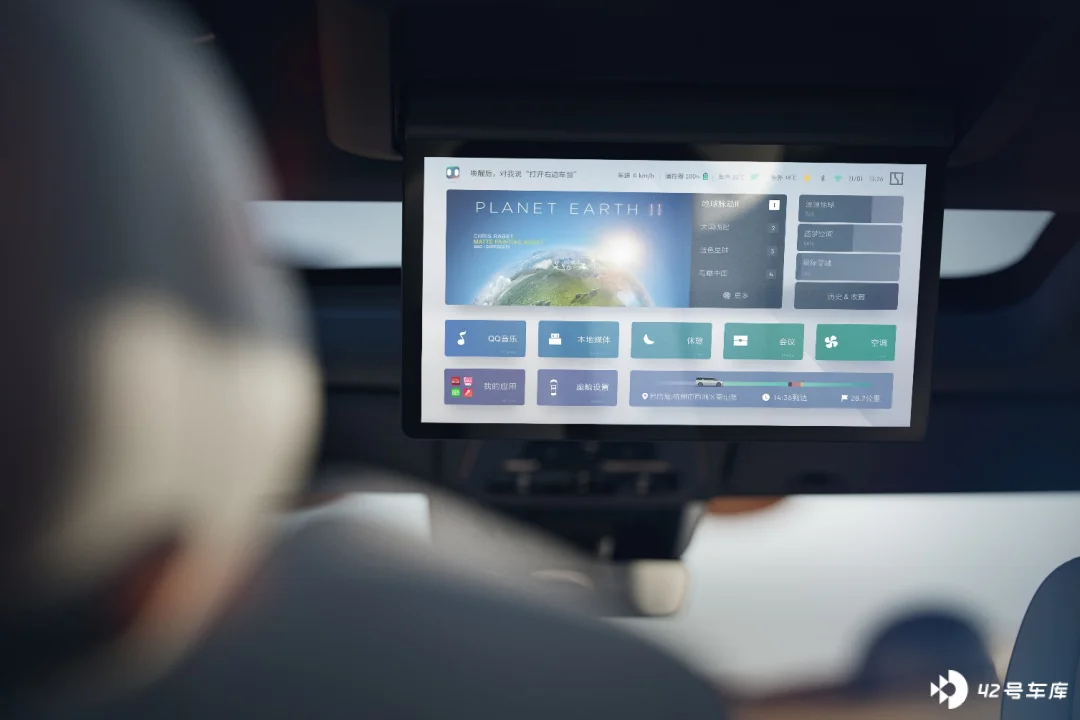
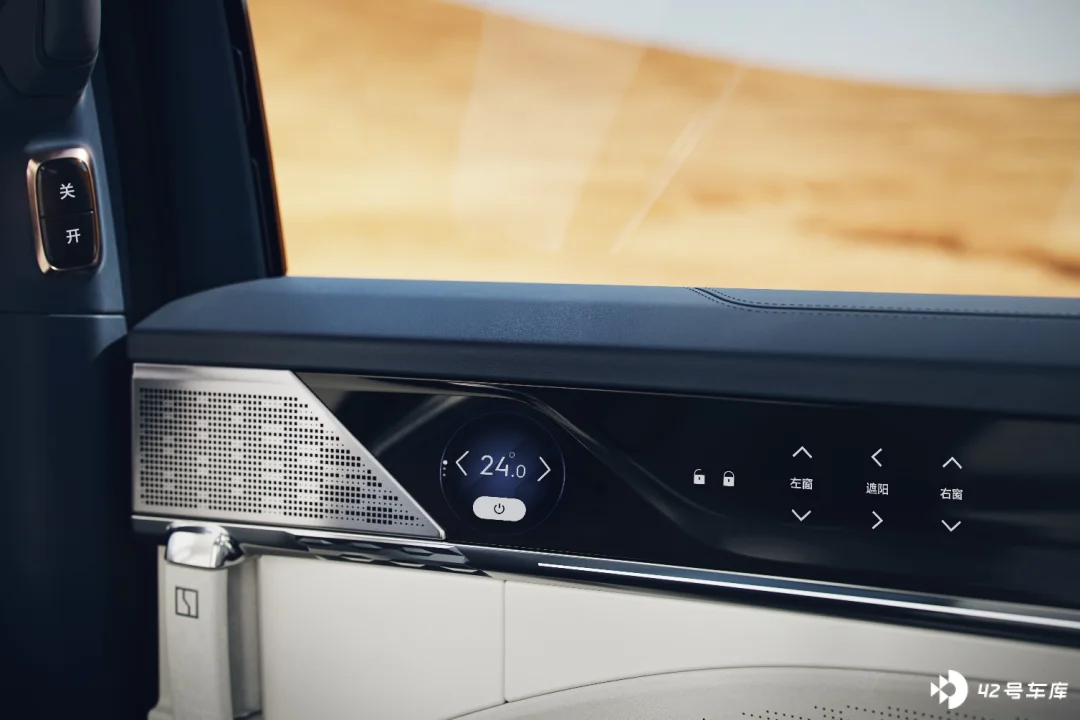
A 15.6-inch central ceiling-mounted screen is positioned above the second-row seats, equipped with HDMI and USB ports to support features such as Nintendo Switch connectivity and wireless screen mirroring. The side sliding doors feature a Smart Bar for controlling air conditioning, windows, and sunshades, alongside an industry-first 3.4-inch touch display with a design similar to that of the HiPhi X.
Quick Review:
The new energy vehicle market has been vibrant, though it once lacked MPV options. However, with the launches of the VOYAH Dreamer, DENZA D9, and Rongwei iMAX 8, competition in this segment has intensified. Now, the Zeekr 009 is drawing closer.
Based on the interior images released today, the Zeekr 009’s luxurious cabin design holds its own against other new energy MPVs, making it a product worth anticipating. The Zeekr 001 previously impressed with its mechanical quality and driving dynamics; it remains to be seen if these attributes will carry over to the Zeekr 009.
After the mid-to-large SUV segment became a red ocean, the next battleground may well be the new energy MPV market.
XPENG G9 Becomes First Mass-Produced Car on Sale to Pass Autonomous Driving Closed-Circuit Test
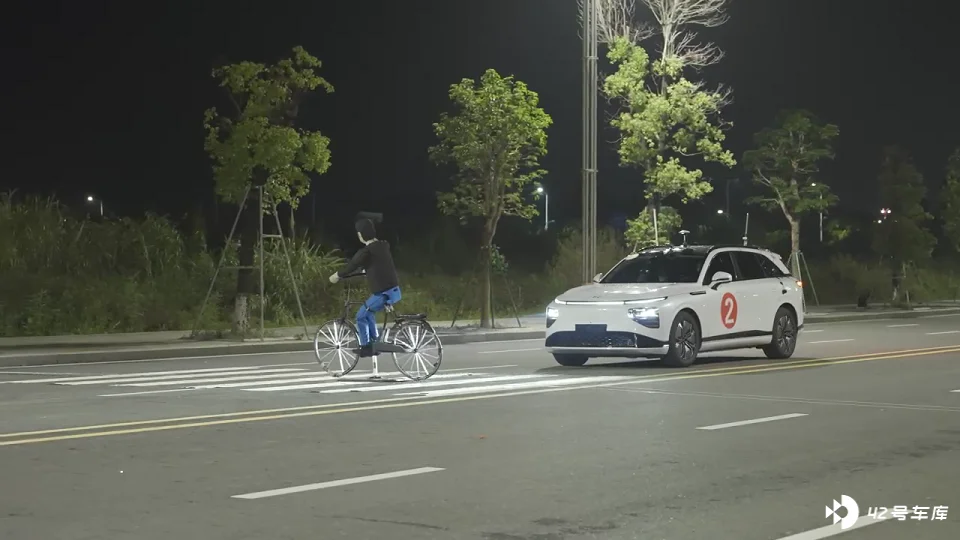
On October 10, the XPENG G9 successfully passed an autonomous driving closed-course test in Guangzhou, becoming the first mass-produced vehicle currently on sale in China to achieve this certification under the city's intelligent connected vehicle autonomous driving testing requirements.
Conducted at night, the test evaluated the vehicle’s performance across 31 urban road scenarios, including recognition and response to various traffic signals, handling conflicts with vehicles turning left or right, lane-changing overtaking, and yielding to two-wheeled vehicles and pedestrians. The objective was to verify autonomous driving capabilities in complex, integrated urban environments.
The XPENG G9 test vehicle did not have any additional sensors or computing units installed. It relied entirely on its production-spec 360° perception system, utilizing cameras, millimeter-wave radars, and LiDAR identical to those found in consumer models, ensuring the hardware configuration matched that of the mass-produced vehicle.
Quick Review:
As XPENG’s fourth mass-produced model, the XPENG G9 launched in September and is positioned as a "super-fast-charging fully intelligent SUV." It features comprehensively upgraded hardware and is equipped with XPENG’s second-generation driver assistance system, XNGP, designed to deliver full-scenario assisted driving.
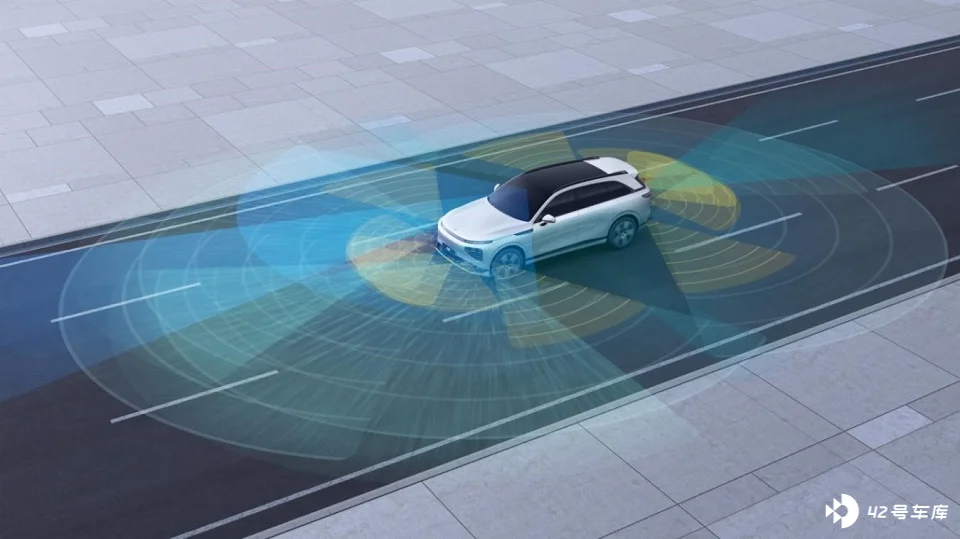
Over the past few years, leveraging its first-generation driver assistance system, XPILOT, XPENG has successively implemented advanced assisted driving functions, including APA (Automated Parking Assist), Highway NGP (Navigation Guided Pilot), and VPA (Valet Parking Assist).
In September 2022, the industry's first mass-produced City NGP function was released, taking the lead in the second half of assisted driving. With the delivery of the G9, its second-generation assisted driving system, XNGP, will begin to achieve full-scenario intelligent assisted driving capabilities in most cities throughout 2023. By 2024, it will gradually connect driving and parking functions, forming a complete point-to-point intelligent navigation-assisted driving system.
Xiaomazhixing and Sutengjuchuang Reach Cooperation Agreement
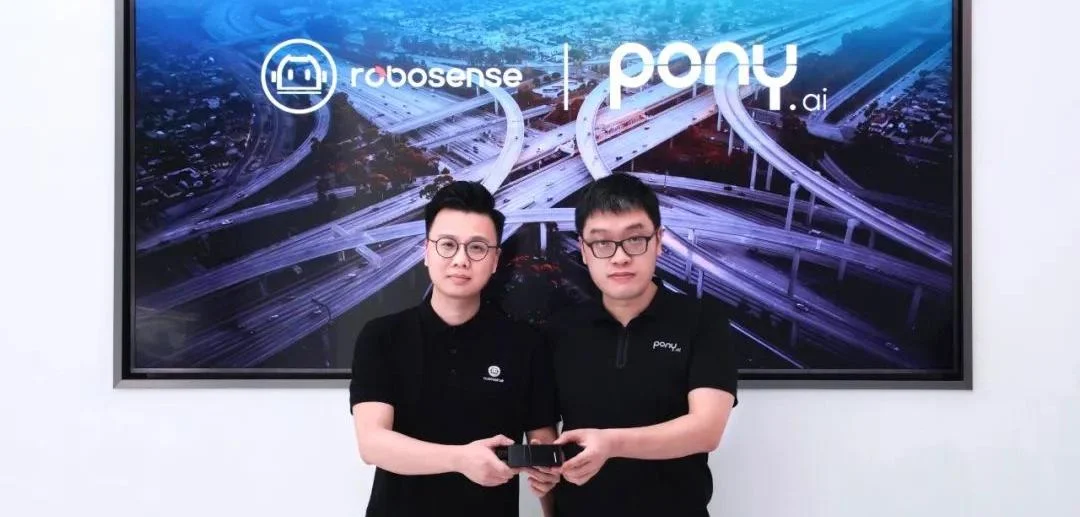
On October 12, Sutengjuchuang announced a partnership with Xiaomazhixing. The two parties will launch in-depth cooperation across the entire business chain in the fields of autonomous driving and smart transportation, based on Sutengjuchuang's LiDAR products.
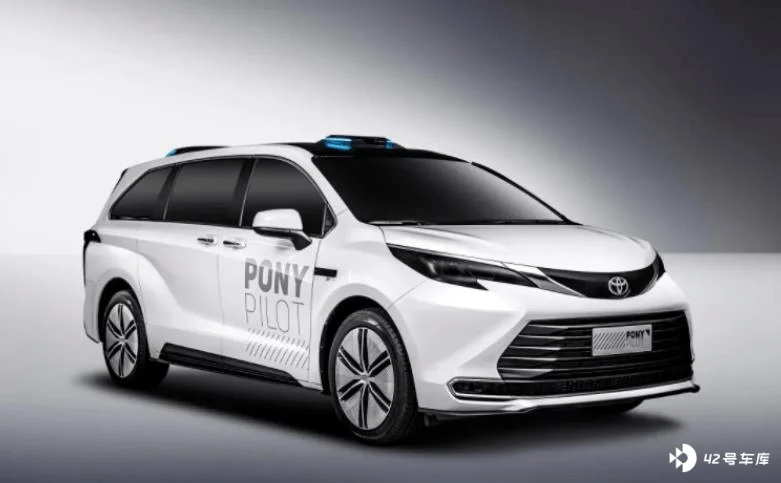
Earlier this year, Xiaomazhixing unveiled the exterior design of its sixth-generation autonomous driving hardware system, engineered for L4 automotive-grade mass production. The first vehicles to feature this system will be the Toyota S-AM (SIENNA Autono-MaaS), a hybrid electric platform based on the seven-seat Sienna. It is scheduled to begin road testing in China later this year and enter daily operations for autonomous ride-hailing services in the first half of 2023.
Quick Review:
The sensor suite specifically includes four solid-state radars located on the roof; three blind-spot supplement LiDARs distributed on the left, right, and rear sides; four millimeter-wave corner radars positioned at the four corners of the roof; one forward long-range millimeter-wave radar; and eleven cameras, with seven mounted on the roof and four around the vehicle body. Additionally, Xiaomazhixing has developed an automotive-grade L4 computing unit based on NVIDIA Orin chips.
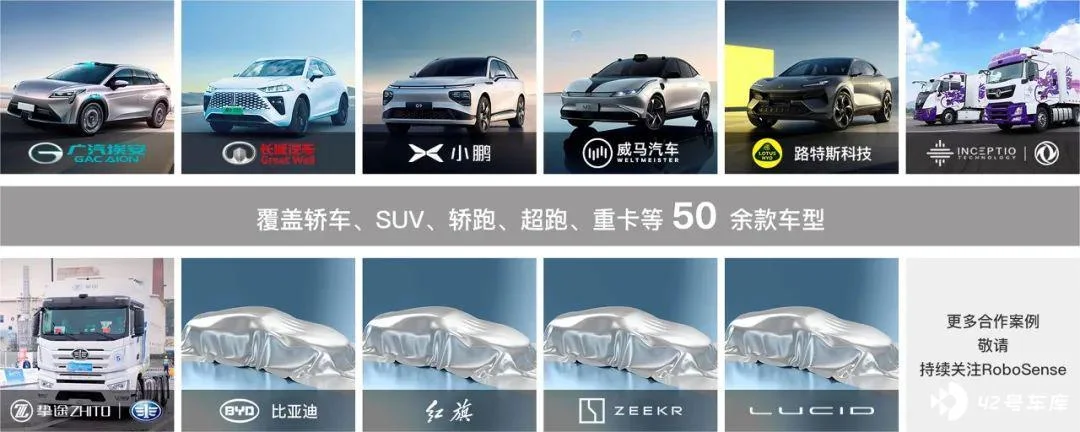
Sutengjuchuang's second-generation LiDAR, the M1, has already secured design wins from numerous L4 autonomous driving companies and OEMs.
These include Xiaomazhixing, Wenyuanzhixing, Yuanrongqixing, Kuwajiqiren, Tusenweilai, Yingchekeji, Zhitukeji, BYD, Yiqihongqi, Guangqiaian, GWM, XPENG, Weimaqiche, Zeekr, Lutesikeji, and others.
Written by: Jiang Xiaohei Edited by: Bobo