


Can the AITO M5 Intelligent Driving Edition Live Up to the Title of 'Top-Tier Autonomous Driving'?
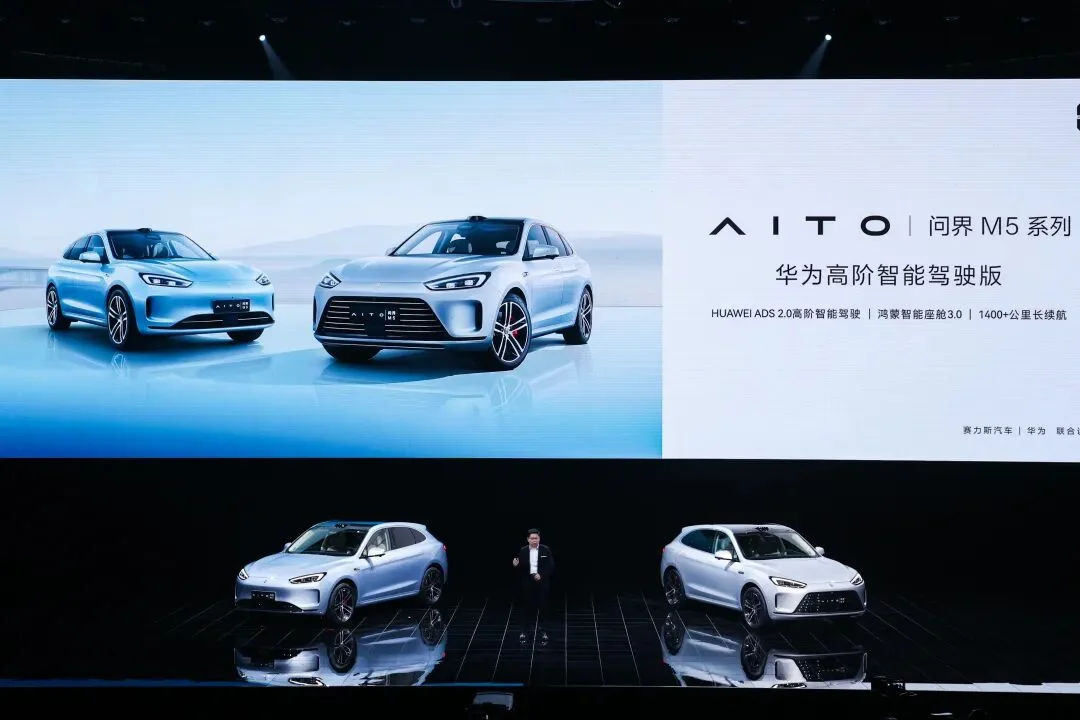
Starting at RMB 279,800 — Huawei’s advanced intelligent driving system ADS 2.0 is finally being deployed in a mass-produced vehicle.
On April 17, the AITO M5 series with Huawei’s advanced intelligent driving capabilities (hereinafter referred to as the AITO M5 Intelligent Driving Edition) was officially launched, priced between RMB 279,800 and RMB 309,800.
Compared to other models in the same series released previously, the key highlight of the AITO M5 Intelligent Driving Edition is that it features the first-ever integration of Huawei’s advanced intelligent driving system, ADS 2.0.
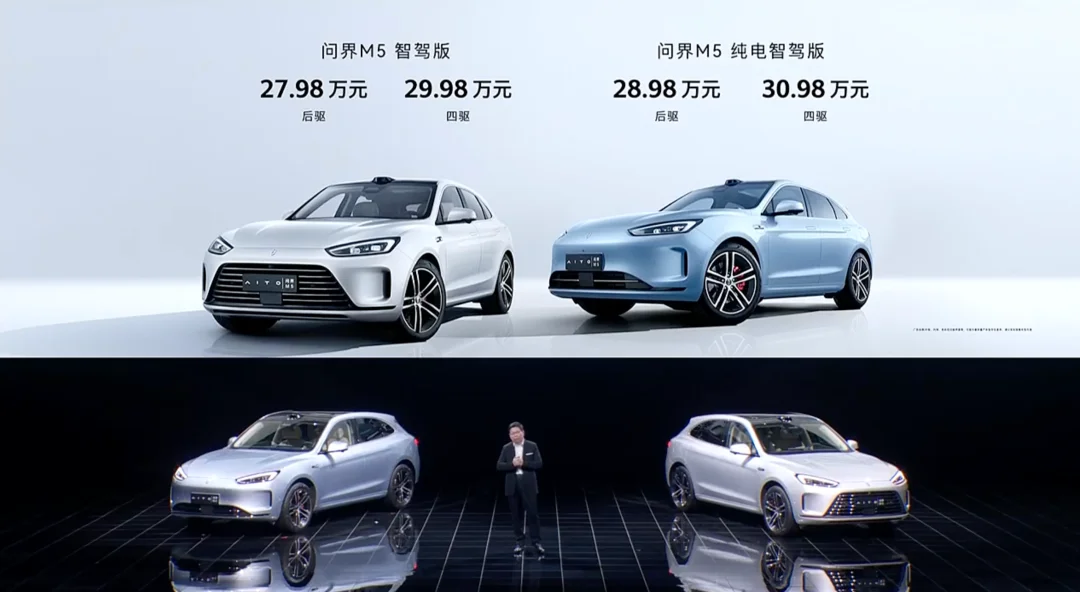
At the launch event, Richard Yu, Executive Director of Huawei, CEO of the Terminal BG, and CEO of the Intelligent Automotive Solution BU, expressed his confidence in the AITO M5 Intelligent Driving Edition’s intelligent driving capabilities by calling it the "ceiling of intelligent driving."
Due to our close attention to the AITO M5 Intelligent Driving Edition, 42HOW Auto conducted an early test drive to experience its actual intelligent driving performance. Through discussions with the automaker and Huawei representatives, we gained a deeper understanding of the vehicle’s true capabilities and commercial considerations.
Our conclusion is that the AITO M5 Intelligent Driving Edition represents a tribute from Huawei to the market and users after years of R&D investment and technological accumulation in the field of intelligent driving—yet its more significant implication lies in:
Smart driving has reached a critical juncture, with the entire industry pushing for the rollout of urban NOA. In response to the question of how smart driving can be better mass-produced and implemented, the AITO M5 Intelligent Driving Edition has provided an answer worth referencing for the automotive industry.
Like a True Human Veteran Driver
In terms of actual autonomous driving experience, the most intuitive impression the AITO M5 Intelligent Driving Edition gave us is that it may be one of the models in the industry closest to the driving experience of a human veteran driver.
In certain specific scenarios, its performance even surpasses that of humans.
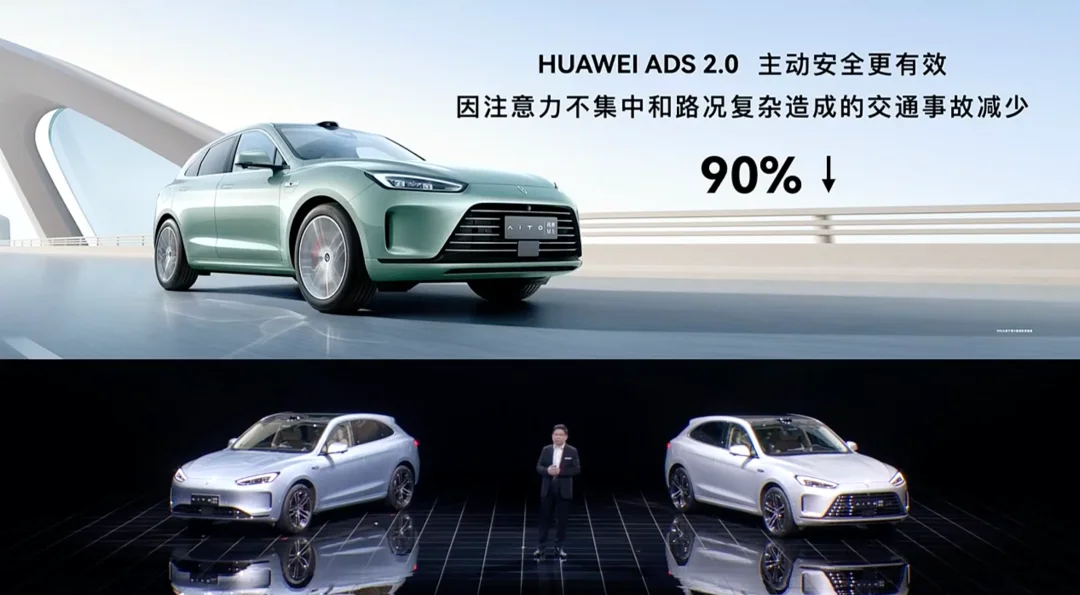
First and foremost, safety is the primary value proposition for the existence of autonomous driving. Regarding safety, the AITO M5 Intelligent Driving Edition instilled great confidence in us. Looking at specific scenarios:
When it comes to lane-changing strategies, it is highly flexible and precise, ensuring a sufficient safe distance.
When encountering a situation where the front lane is blocked, the AITO M5 Intelligent Driving Edition can identify the obstacle in advance and make autonomous decisions, such as slowing down early, and then navigating around it after confirming it is safe.
When encountering a large, slow-moving vehicle with an irregular shape, the system identifies it via LiDAR and reduces speed to anticipate its behavior. Crucially, when overtaking, the car consciously maintains a lateral distance from the large vehicle; if the large vehicle gets too close, creating a sense of pressure, the system actively performs a lateral avoidance maneuver.
Compared to current industry 'whitelist' solutions, this system can recognize various irregular obstacles, enabling it to handle more complex, non-standard, and untrained scenarios, thereby enhancing safety for human drivers.
While driving normally in its lane, if a vehicle ahead suddenly opens its door into the path, the system precisely identifies the hazard and promptly executes evasive maneuvers, such as slowing down or changing lanes.
Overall, the AITO M5 Intelligent Driving Edition demonstrated reassuring safety during our use of its intelligent driving features.
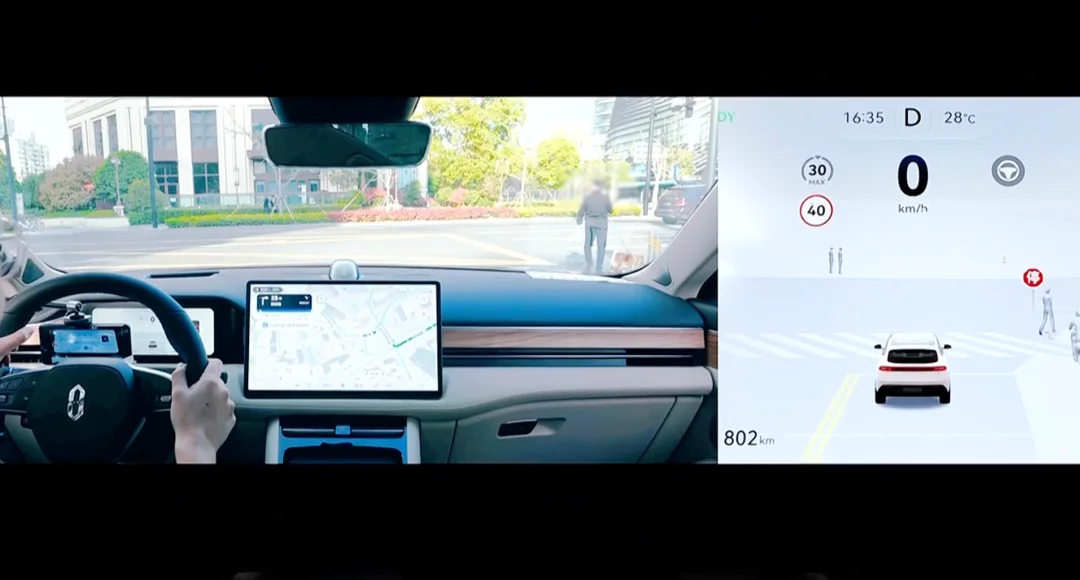
During our discussions, the engineers responsible for implementing this intelligent driving solution stated that achieving higher safety than human drivers represents the greatest value currently offered by intelligent driving technology.
Beyond safety, the intelligent driving system in the AITO M5 exhibits judgment and operational capabilities remarkably similar to those of a human driver. Here are a few additional examples:
At an unprotected left-turn intersection, the system accurately enters the leftmost left-turn lane and the designated waiting area, proceeding only on a green light. It also assesses the volume of straight-through traffic in the opposing lane to make precise judgments, safely crossing the intersection without sudden braking.
The vehicle proactively yields to pedestrians on crosswalks and non-motorized vehicles in bike lanes. At intersections without traffic lights, it strategically navigates through pedestrian flow while ensuring safety.
The overall driving style is "steady," akin to that of an experienced driver. It avoids being overly aggressive to ensure safety, yet remains more confident than a novice driver.
Leveraging fused perception capabilities, the system can identify various irregular obstacles and execute appropriate braking or avoidance maneuvers. When encountering animals such as cats or dogs during travel, the vehicle not only detects them but also brakes effectively, precisely identifying and avoiding them.
Regarding parking, the AITO M5 Intelligent Driving Edition demonstrates strong capabilities. According to official statements:
It can recognize parking spaces and reconstruct the surrounding environment using multi-sensor fusion, supporting complex and irregularly shaped spaces. The recognition rate and parking success rate are very high, and the selection of parking positions is excellent. Additionally, the vehicle can automatically and silently search for 360-degree parking spaces outside the car, displaying available spots in real-time on the instrument cluster.
It features cross-floor memory parking based on "path learning within parking lots." The system autonomously builds the parking lot environment and saves parking spots. After the user completes the first autonomous parking session, upon returning to the same lot, activating the valet parking assist function allows the vehicle to cruise to the target spot and park automatically, freeing the driver's hands and feet.
In the highly anticipated NCA (Navigation Cruise Assist) feature, the AITO M5 Intelligent Driving Edition supports highway NCA. More importantly, following a software upgrade via OTA, it will support urban NCA. A map-free commercial high-level intelligent driving solution is expected to be rolled out commercially across 15 cities nationwide in Q2 this year, expanding to 45 cities by Q4.
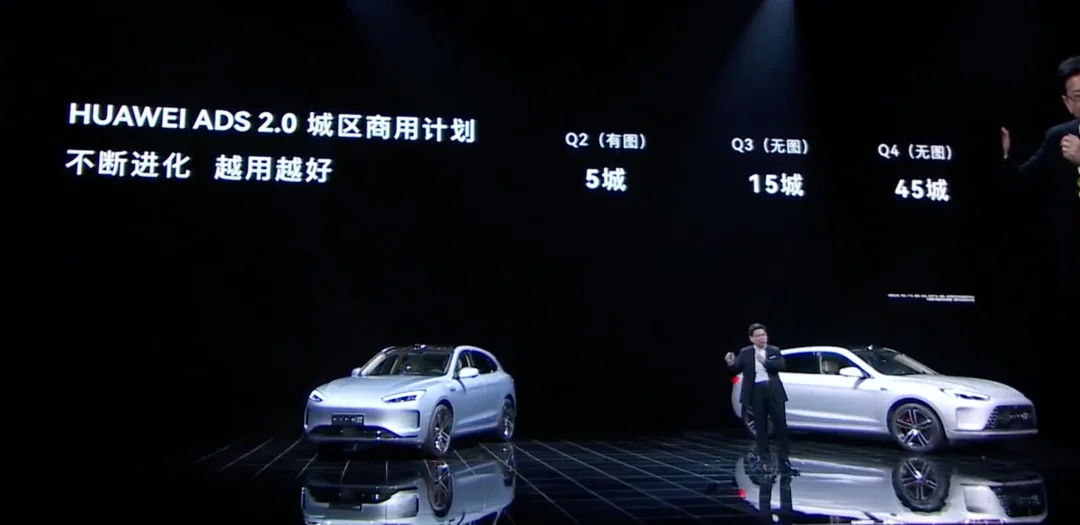
It is important to note that the AITO M5 Intelligent Driving Edition supports Urban NCA (Navigation Guided Cruise Assist) without relying on high-definition maps. While the entire industry is striving to reduce dependence on HD maps, many players have not provided concrete implementation plans or timelines. The AITO M5 Intelligent Driving Edition, however, has explicitly committed to achieving map-free Urban NCA, a feat that is not easy to accomplish.
Given that most users' daily driving occurs in urban environments, the subsequent rollout of the Urban NCA feature will undoubtedly provide higher practical value to AITO M5 Intelligent Driving Edition owners.
42HOW Auto believes that, based on current test drive experiences, the AITO M5 Intelligent Driving Edition demonstrates a relatively mature level of intelligent driving capability within the industry. However, regarding its performance in real-world usage scenarios, we will conduct detailed tests on production models via 42Mark in the future. Stay tuned.
How Does the AITO M5 Intelligent Driving Edition Achieve This?
Regarding the intelligent driving experience demonstrated by the AITO M5 Intelligent Driving Edition during this test drive, a question worth pondering is: how does it achieve this?
Let's first look at the sensor configuration.
According to 42HOW Auto, the AITO M5 Intelligent Driving Edition employs a fused perception system integrating LiDAR, millimeter-wave radar, machine vision, and ultrasonic sensors.
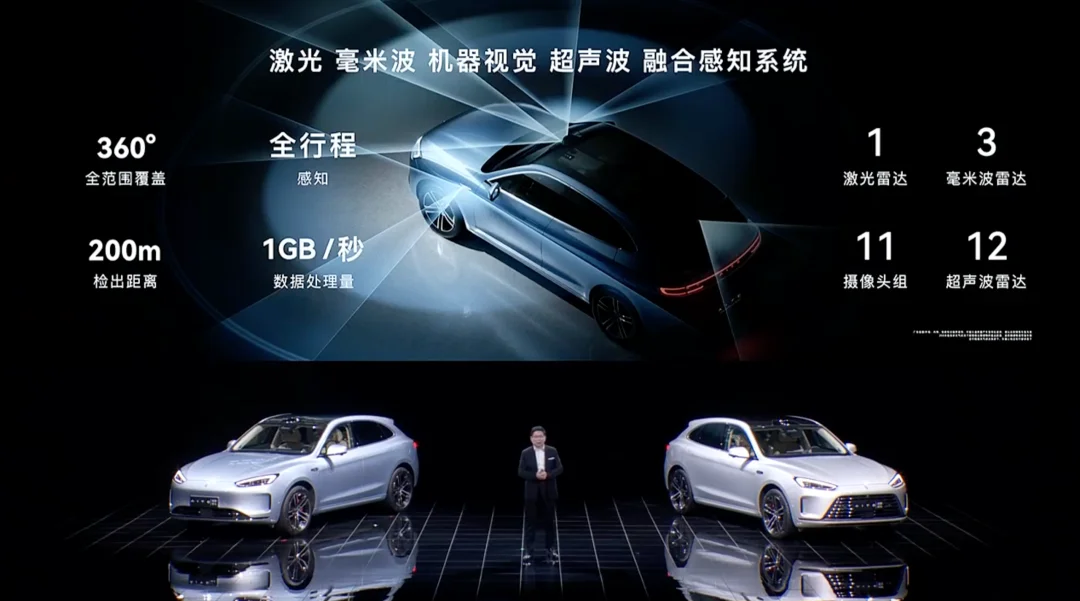
To examine the specifics, the AITO M5 Intelligent Driving Edition is equipped with one roof-mounted LiDAR, three millimeter-wave radars, 11 high-definition visual perception cameras for lateral and rear views, and 12 ultrasonic radars. This configuration enables the detection of both dynamic and static targets, including irregular objects. The 128-line LiDAR provides precise ranging, while the high-definition visual cameras identify environmental features; the front-facing stereo camera boasts a resolution of up to 8 million pixels.
Furthermore, the millimeter-wave radars in the AITO M5 Intelligent Driving Edition utilize new glass antenna technology and are fitted with four MIMO antennas. Compared to industry-leading standards, this design doubles the signal strength, adding at least 3 dB.
Consequently, by adopting a fusion solution of "LiDAR + visual perception," the AITO M5 Intelligent Driving Edition can withstand adverse weather conditions and low-light environments, handling various complex scenarios to deliver a high-level intelligent driving experience.
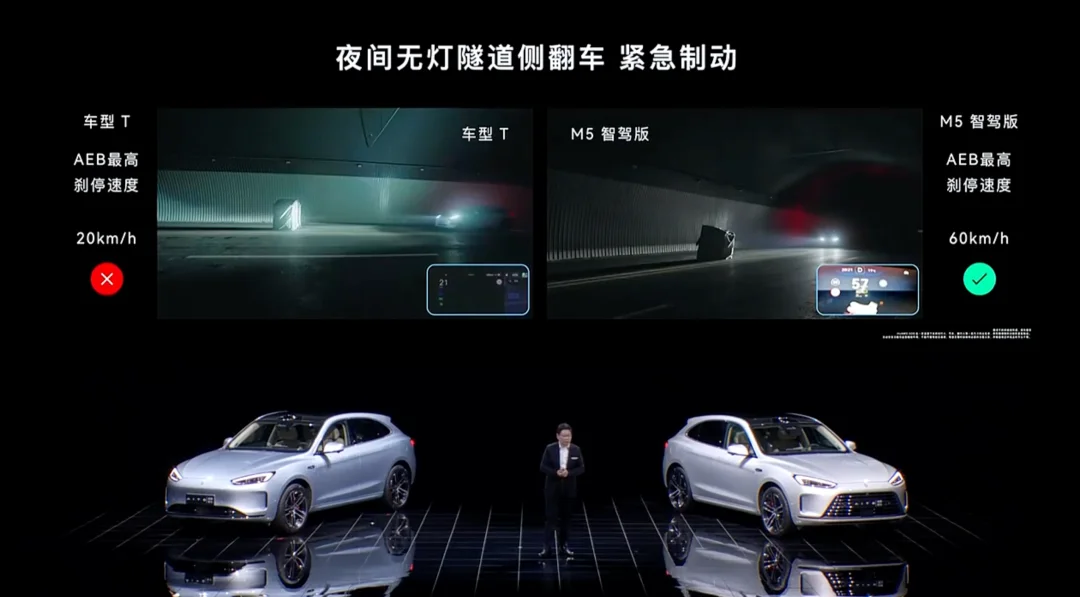
Based on the sensor configuration described above, the AITO M5 Intelligent Driving Edition does not pursue a strategy of simply stacking sensors. Instead, it ensures that basic configurations meet requirements while enhancing the capabilities of specific sensors to significantly improve overall perception.
Similarly, in terms of computing power, according to 42HOW Auto, the AITO M5 Intelligent Driving Edition does not blindly pile up processor performance. Instead, it adopts a more reasonable and pragmatic approach based on the actual computational needs of intelligent driving.
Notably, beyond sensors and computing power, the true strength of the AITO M5 Intelligent Driving Edition’s intelligent driving system lies in algorithm optimization and software.
For instance, in the perception layer, to enable the vehicle to better perceive the physical world, the system builds upon the BEV (Bird Eye View) network commonly used in the industry for identifying white-listed obstacles. It also features the industry’s first GOD (General Obstacle Detection) network, which can identify various objects outside the white list.
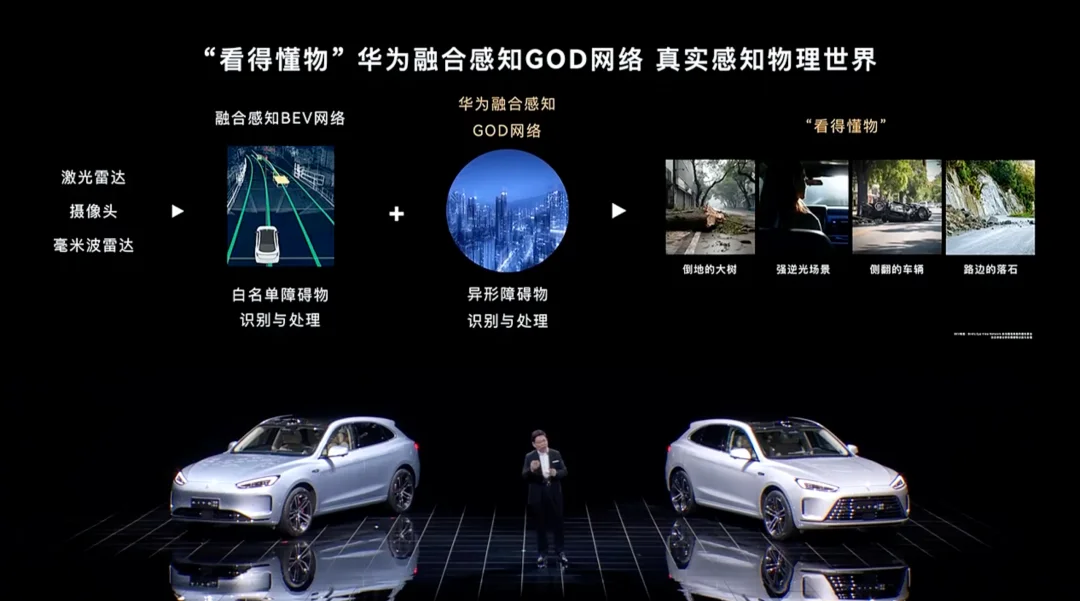
Meanwhile, leveraging a multi-sensor fusion perception system combined with road prediction neural networks, the vehicle can correlate traffic elements, infer road structure topology, and match navigation maps with real-world roads. This enables the car to not only "see" the road but also "understand" it.
According to 42HOW Auto, Huawei’s intelligent driving team has enlisted highly experienced state-guest-level drivers to teach the machine their driving techniques, thereby refining the algorithms through continuous learning.
These algorithms are continuously optimized thanks to an indispensable AI training cluster that builds a rich scenario library. Through this infrastructure, vehicles conduct tens of millions of kilometers in simulation testing daily, mining complex scenarios and using massive data to iteratively improve intelligent driving algorithms and scenario strategies, making the vehicle smarter over time.
In 42HOW Auto’s view, this is essentially the thinking process of large language models.
Overall, the AITO M5 Intelligent Driving Edition has a clear implementation strategy for intelligent driving: it does not overemphasize sensor types or quantities, nor does it obsess over computing power. Instead, it starts from users’ actual usage scenarios and needs, focusing on optimizing software and algorithms.
This approach ensures that more consumers can experience the safety, convenience, and intelligent features brought by autonomous driving at a more accessible price point.
In Intelligent Driving, Practical Capability Is King
For the development of intelligent driving, 2023 is a pivotal year with milestone significance.
After all, on the path to intelligent driving, the entire automotive industry has been exploring an effective route to reach mass consumers across multiple dimensions—technology, market, and policy—and by 2023, with features such as urban NCA beginning to arrive in mainstream production vehicles, the industry sees the opportunity for intelligent driving to truly achieve large-scale deployment.
Against this backdrop, the launch of the AITO M5 Intelligent Driving Edition holds multiple significances for the development of the intelligent driving industry.
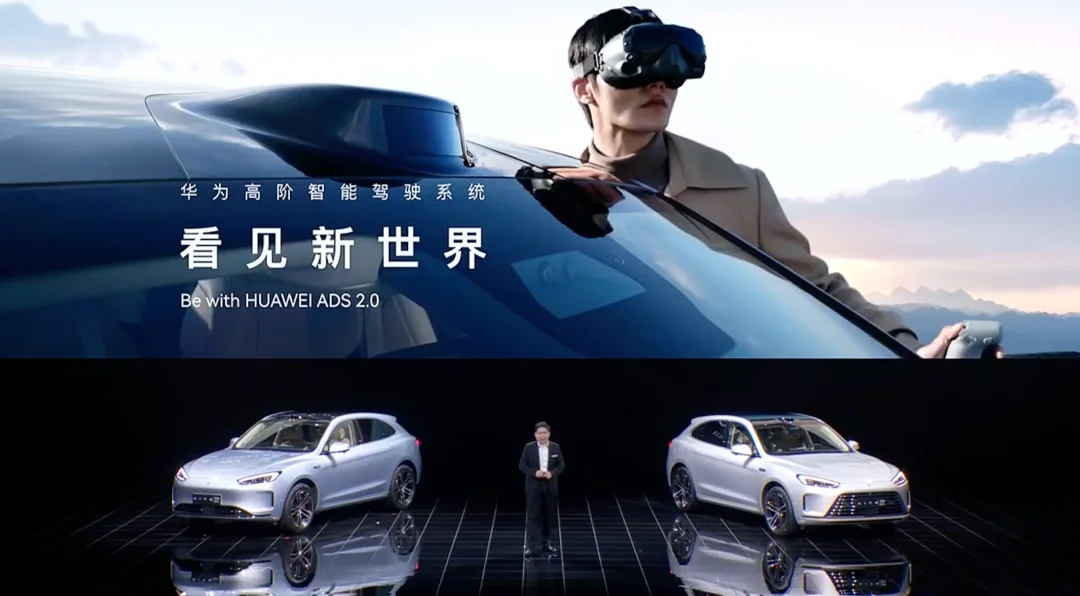
On one hand, under the general trend of intelligent driving moving toward large-scale deployment via production cars, the official release of the AITO M5 Intelligent Driving Edition, equipped with Huawei’s high-end intelligent driving system, positions it as an important participant and promoter of this trend; on the other hand, in terms of how to drive intelligent driving toward large-scale deployment, the AITO M5 Intelligent Driving Edition offers inspiration to the industry.
From the current situation, the intelligent driving industry has identified several clear trends:
Urban intelligent assisted driving, represented by urban NCA, is continuously being deployed, a moment considered the "ChatGPT moment" for autonomous driving; players including NIO, XPENG, and Li Auto are all vigorously pushing for implementation within this year.
The intelligent driving technical solution based on BEV perception plus Transformer large models has become the mainstream technical approach jointly advanced by many players.
Under the "heavy perception, light mapping" strategy, major players in intelligent driving are increasingly emphasizing their move away from reliance on high-definition maps, a critical prerequisite for the widespread adoption of urban NCA.
The launch of the AITO M5 Intelligent Driving Edition clearly reinforces these industry trends.
However, as the product moves into mass production and reaches consumers, the AITO M5 Intelligent Driving Edition offers new insights for the industry:
From the perspective of mass-produced vehicles, continuing to rely on stacking sensors and processors is no longer advisable, nor does it yield user value commensurate with such hardware investments.
Instead, the industry must focus on continuous software and algorithm optimization, provided that perception capabilities and computing power meet basic requirements, to deliver superior user experiences.
In intelligent driving, the true priority is designing systems that are safe, intuitive, and tailored to users' daily driving scenarios.
Thus, the AITO M5 Intelligent Driving Edition serves as a reminder to the entire industry:
The value of intelligent driving lies not in raw specifications, but in delivering a positive user experience, achieving practical deployment in real-world mass-market scenarios, and reaching consumers at reasonable, user-centric prices.
In 42HOW Auto's view, the AITO M5 Intelligent Driving Edition is a pioneer that has deeply recognized and put this industry consensus into practice.
Behind this are two factors: on one hand, it relies on the technical engineering capabilities of the intelligent driving team behind the product, particularly in software algorithms and hardware-software integration; on the other, it benefits from the AITO M5 Intelligent Driving Edition's profound insight into industry trends, market dynamics, and user needs.
The combination of these two elements enables the AITO M5 Intelligent Driving Edition to deliver a smart driving solution that combines cutting-edge technology with practical usability. Against the backdrop of China’s intelligent driving industry actively seeking large-scale implementation in 2023, the AITO M5 Intelligent Driving Edition provides an exemplary model for all players in the sector.
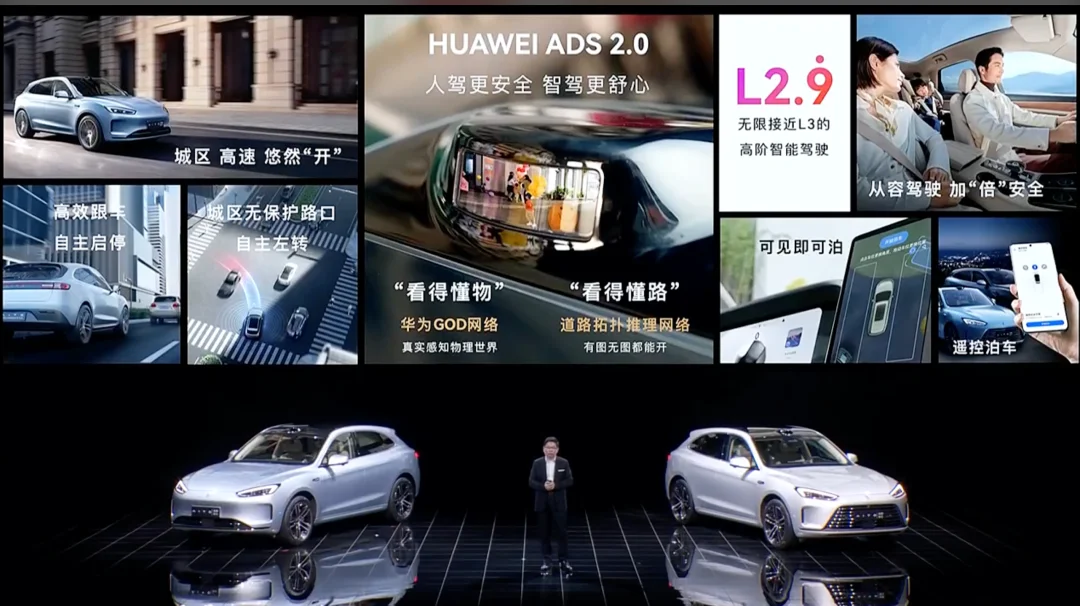
Looking ahead to 2023 and beyond, as the Chinese automotive industry officially enters a wave of mass production and deployment of intelligent driving systems, history will likely mark the AITO M5 Intelligent Driving Edition as a landmark product at the peak of this surge. It demonstrates a high level of balance among technical capability, real-world experience, and market adoption.
This points to a philosophical proposition in the automotive industry:
No matter how advanced the technology, its true value can only be realized when it is effectively "implemented" for consumers.
From this perspective, the launch of the AITO M5 Intelligent Driving Edition deepens and clarifies the true meaning of the term "the ceiling of intelligent driving." At the same time, in terms of commercializing intelligent driving solutions, the AITO M5 Intelligent Driving Edition offers the entire Chinese automotive industry a genuinely reference-worthy, leading approach.
Written by: 308 Edited by: 308