


Li Auto Unveils 'Dual-Energy' Strategy and AD Max 3.0 at Shanghai Auto Show
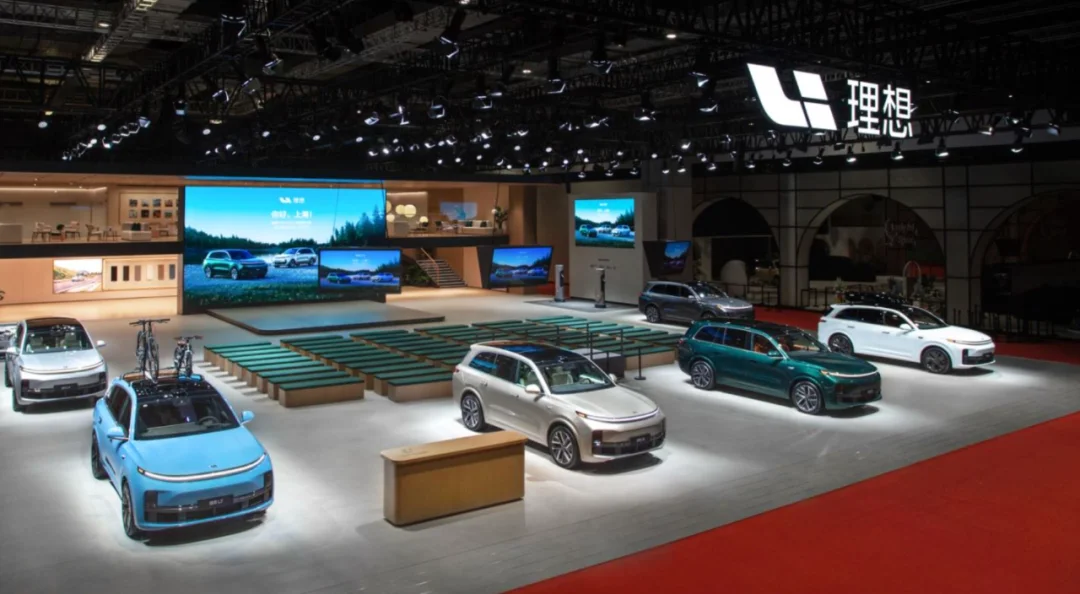
Li Auto is taking significant strides toward a new milestone.
On April 18, the first day of Shanghaichezhan, Li Auto officially unveiled its pure electric solution at its "Dual-Energy Strategy" press conference. At the same time, with the release of Li Auto AD Max 3.0, Li Auto announced that its intelligent driving has officially entered the 3.0 era.
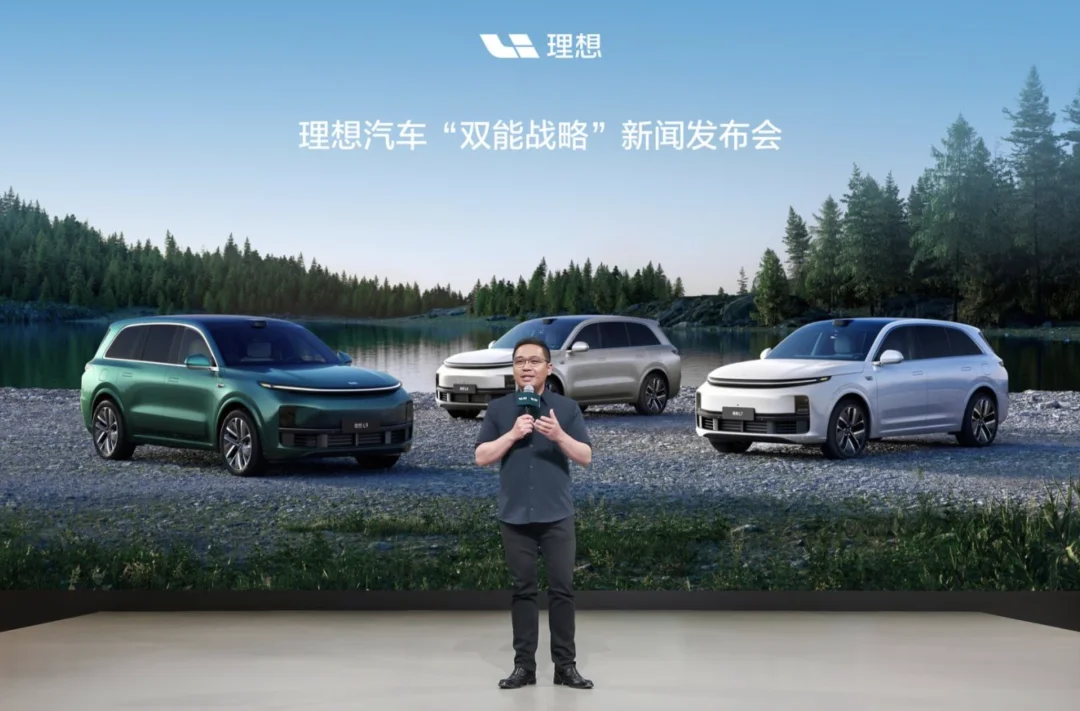
It should be noted that Li Auto's definition of "Dual-Energy" refers to "Intelligence" and "Electricity."
Specifically:
The "Intelligence Strategy" involves building "Intelligent Driving" and "Intelligent Space" technology platforms based on Software 2.0 capabilities, providing an AI-powered smart vehicle experience.
The "Electricity Strategy" involves implementing an energy strategy that runs both "Extended-Range Electric" and "High-Voltage Pure Electric" in parallel, based on the newly launched high-voltage pure electric solution.
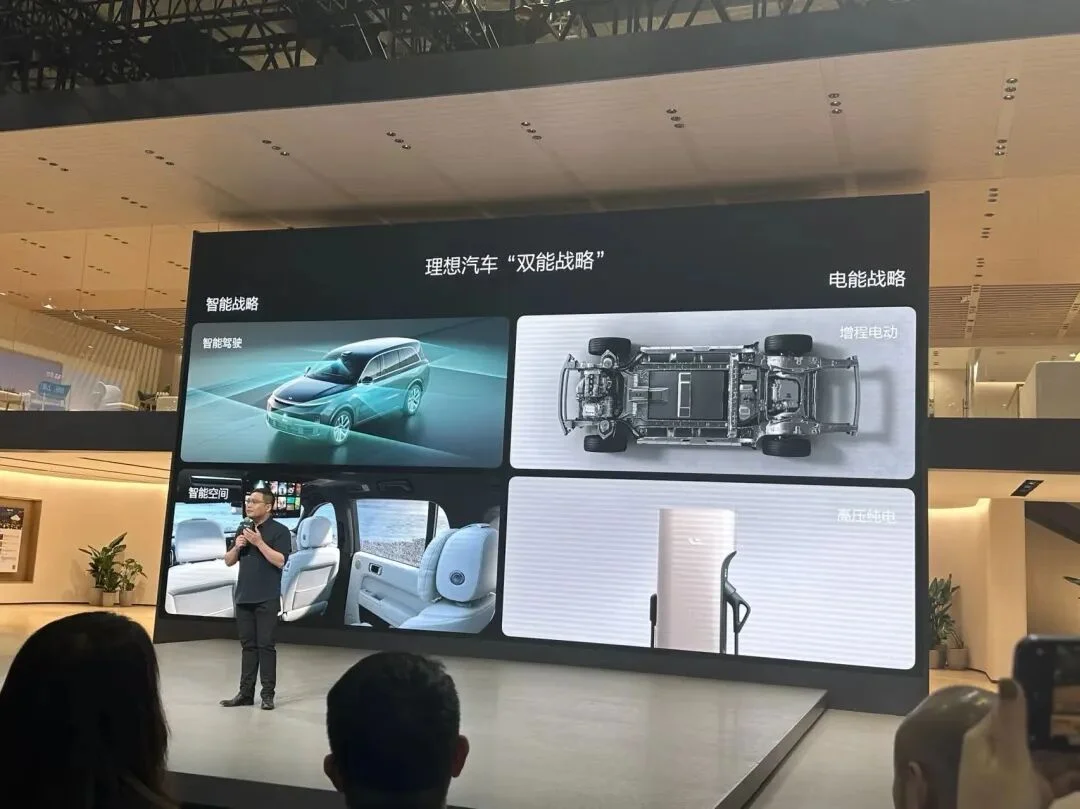
At the press conference, Li Auto stated that with the launch of its "Dual-Energy Strategy," the company has entered a new stage of development.
Why is Li Auto AD Max 3.0 "Free"?
During this press conference, Li Auto announced the beginning of the intelligent driving 3.0 era.
The designation "intelligent driving 3.0" reflects two major iterations Li Auto has already undergone in its autonomous driving capabilities. Specifically:
Intelligent Driving 1.0 Era: In 2021, Li Auto's fully self-developed autonomous driving technology debuted on the Li ONE, achieving highway Navigate on Autopilot (NOA).
Intelligent Driving 2.0 Era: In August 2022, with the launch of the Li L9, Li Auto split its intelligent driving offerings into two product lines: AD Max and AD Pro. The AD Max 2.0 utilizes NVIDIA Orin-X chips and Hesai lidar to enable highway NOA; the AD Pro 2.0 relies on Dipingxian Journey 5 chips for pure-vision-based highway NOA.
Li Auto now emphasizes intelligent driving 3.0 because it expands from highway NOA to urban NOA. The current vehicle implementing this urban NOA capability is the newly released Li Auto AD Max 3.0. According to official statements, it eliminates reliance on high-definition maps, enabling real-time perception, decision-making, and planning akin to human drivers.
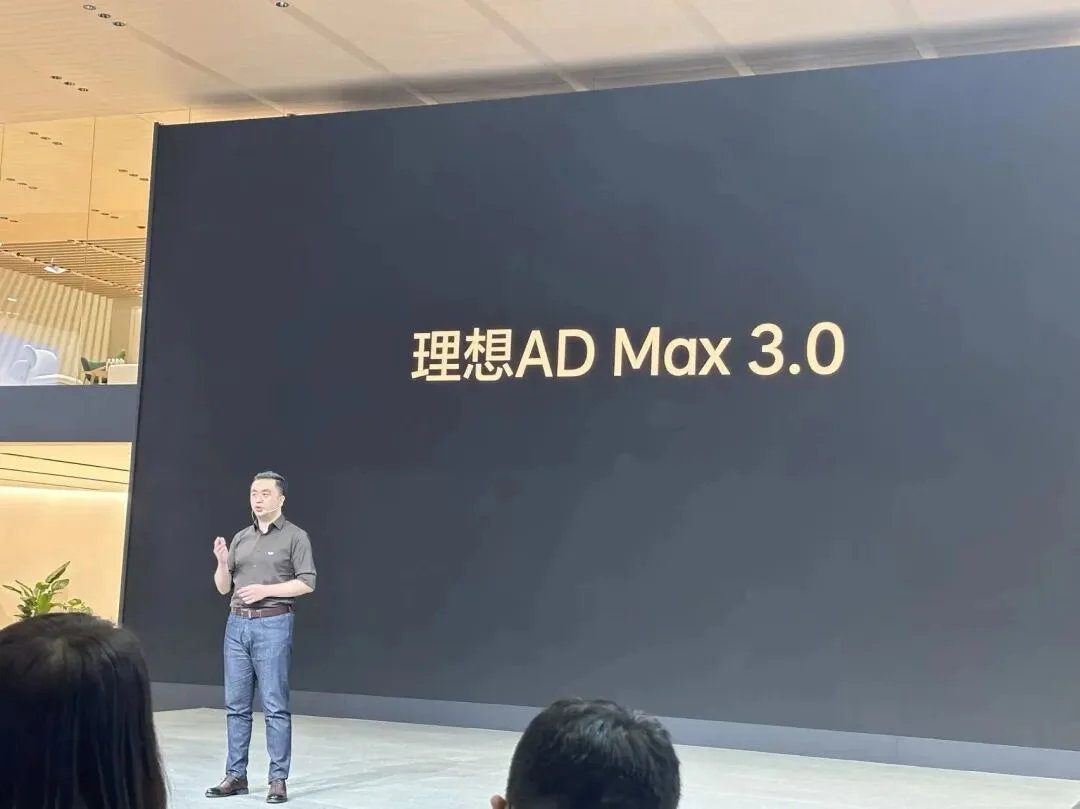
Regarding Li Auto AD Max 3.0, the following key technical features are highlighted:
Using three neural network large-model algorithms—namely, static BEV networks, dynamic BEV networks, and Occupancy networks—and enhancing the accuracy and detail of the Occupancy network reconstruction through NeRF technology, it achieves a complete reconstruction of the physical world.
The perception results from three large neural network models are aggregated into the prediction model, which can then output real-time predictions of the future trajectories of all surrounding traffic participants for the next few seconds. These predictions are dynamically adjusted to provide more accurate information for subsequent decision-making and planning.
Li Auto's autonomous driving training mileage has now exceeded 400 million kilometers, with a duration of more than 10.74 million hours, enabling better algorithm training.
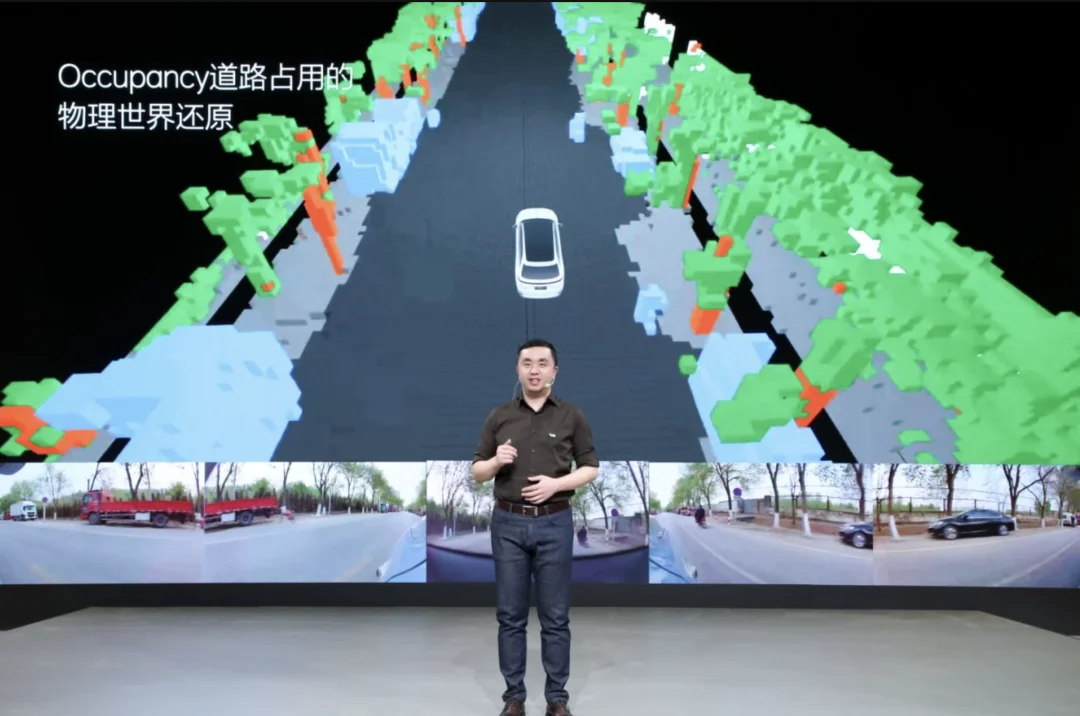
Regarding the specific rollout plan, Li Auto stated that the city NOA feature of Li Auto AD Max 3.0 will begin to be pushed to beta testers this quarter, and will be rolled out to 100 domestic cities by the end of the year.
In a major announcement, the software and service price for Li Auto AD Max 3.0 urban NOA is free for life. This means that every AD Max user will receive a free upgrade to the full-scenario NOA features of AD Max 3.0, including urban NOA and highway NOA, with no subscription fees required.
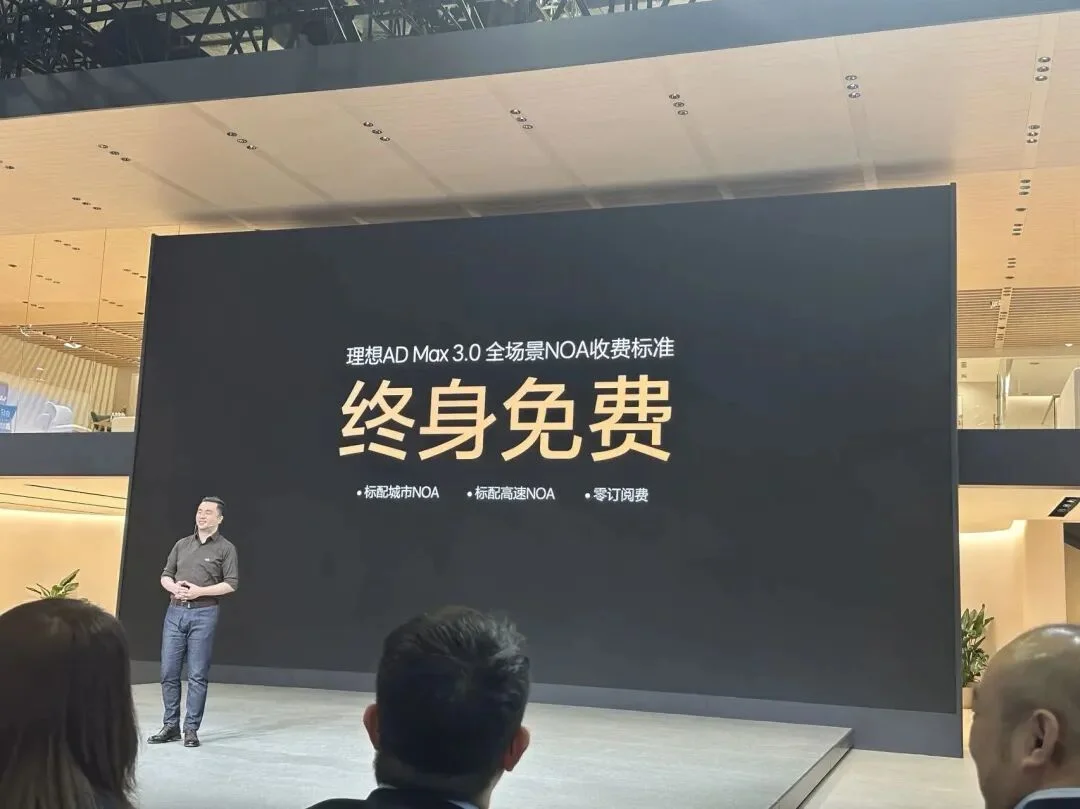
So, why is Li Auto AD Max 3.0 free? Lang Xianpeng, Vice President of Intelligent Driving at Li Auto, told 42HOW Auto:
Li Auto has consistently adhered to a strategy of standardizing intelligent driving features, with no significant cost pressures. However, because Li Auto AD Max 3.0 is provided free of charge, all owners who purchase Max models gain access to the urban NOA function. These users are also more familiar with intelligent driving systems, which increases the difficulty and complexity of research and development. Li Auto's confidence in taking this approach stems from its strong belief in its technology.
When discussing the logic behind rolling out urban NOA to 100 cities by the end of the year, Lang Xianpeng stated:
Li Auto's logic in intelligent driving is data-driven. When deploying city NOA, validation must be conducted on the roads of each city; however, this validation process requires collaboration between Li Auto's training platform capabilities, accumulated over five years, and the actual driving behavior of its owners. Therefore, the volume of test data and the mileage for training are determined by the number of vehicles owned in the corresponding city, the number of owners, the frequency of driving within the city, and coverage rates. Based on these factors, Li Auto has been gradually advancing to cover 100 cities.
Additionally, it should be noted that users who purchase Li Auto AD Pro 2.0 models will not have access to urban NOA. In response to this, Lang Xianpeng stated:
In Li Auto's product definition, the Pro model is designed to provide families with a high-speed NOA product and experience, while the Max model offers full-scenario intelligent driving, including urban NOA. Therefore, there are distinctions between the Pro and Max models in both product design and hardware-software architecture.
Pro models will not feature urban NOA, but certain capabilities from Max models can be migrated to Pro models.
Entering the Pure Electric Market: What Is Li Auto's Confidence Based On?
Compared to intelligent driving, what drew more attention at this press conference was Li Auto's strategy for entering the pure electric vehicle market.
After all, since its inception, Li Auto has adhered to the extended-range electric vehicle (EREV) route. Despite achieving sales of over 320,000 units, it had not launched a pure electric vehicle; and after Li Auto announced its entry into the pure electric segment, online discussions included various skeptical voices.
So, what is the foundation of Li Auto's confidence in entering the pure electric market?
Based on this press conference, Li Auto's pure electric strategy focuses on solving one core issue: energy replenishment efficiency. The layout and planning Li Auto has made are as follows:
Providing an 800V ultra-fast charging solution to achieve the effect of '10 minutes of charging adds 400 kilometers of range', thereby giving pure electric users a refueling-like experience.
To realize this solution, Li Auto stated that it will adopt a series of core technologies, including a high-voltage electric drive system using third-generation power semiconductors, batteries with 4C charging capability, a wide-temperature-range thermal management system, and a 4C ultra-fast charging network.
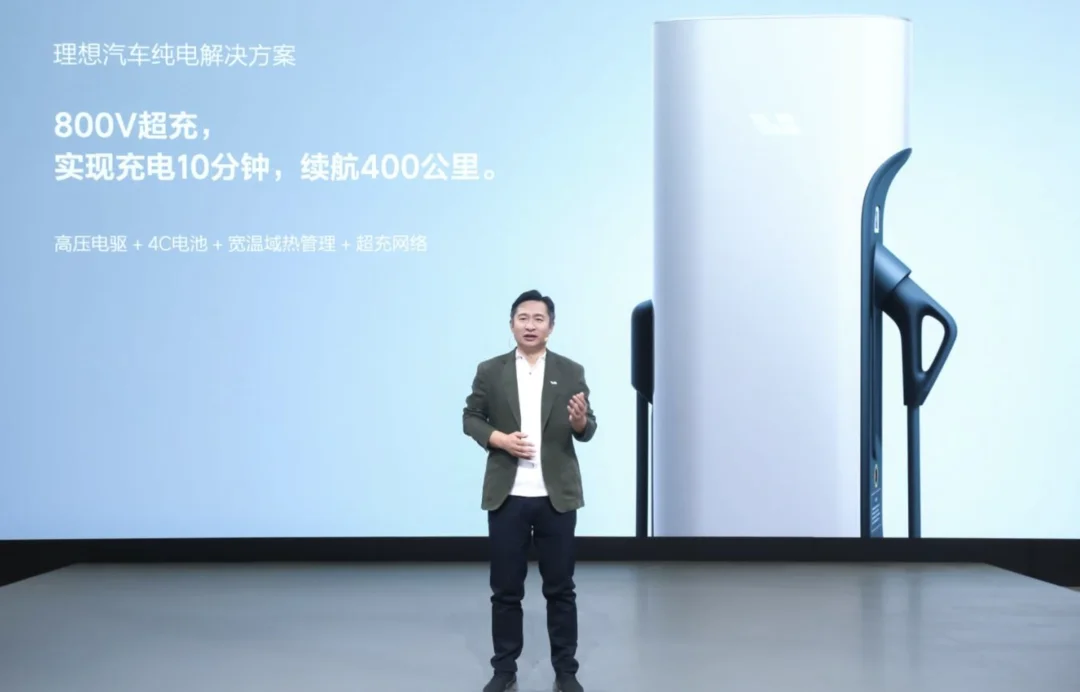
Regarding its 4C supercharging network, Li Auto stated that it will continue to improve the construction of its supercharging infrastructure over the next three years. By the end of this year, Li Auto plans to complete more than 300 high-speed supercharging stations, covering the Beijing-Tianjin-Hebei, Yangtze River Delta, Greater Bay Area, and Chengdu-Chongqing economic zones. By 2025, Li Auto aims to have built 3,000 supercharging stations, covering 90% of national highway mileage and major cities.
At the press conference, Li Auto also announced that by the end of May, the first batch of 25 Li Auto supercharging stations will begin trial operations and open to all electric vehicle owners. Each station will be equipped with three fast-charging piles and one 4C supercharging pile.
With the announcement of its pure-electric solution, Li Auto also revealed its vehicle plan for the next three years:
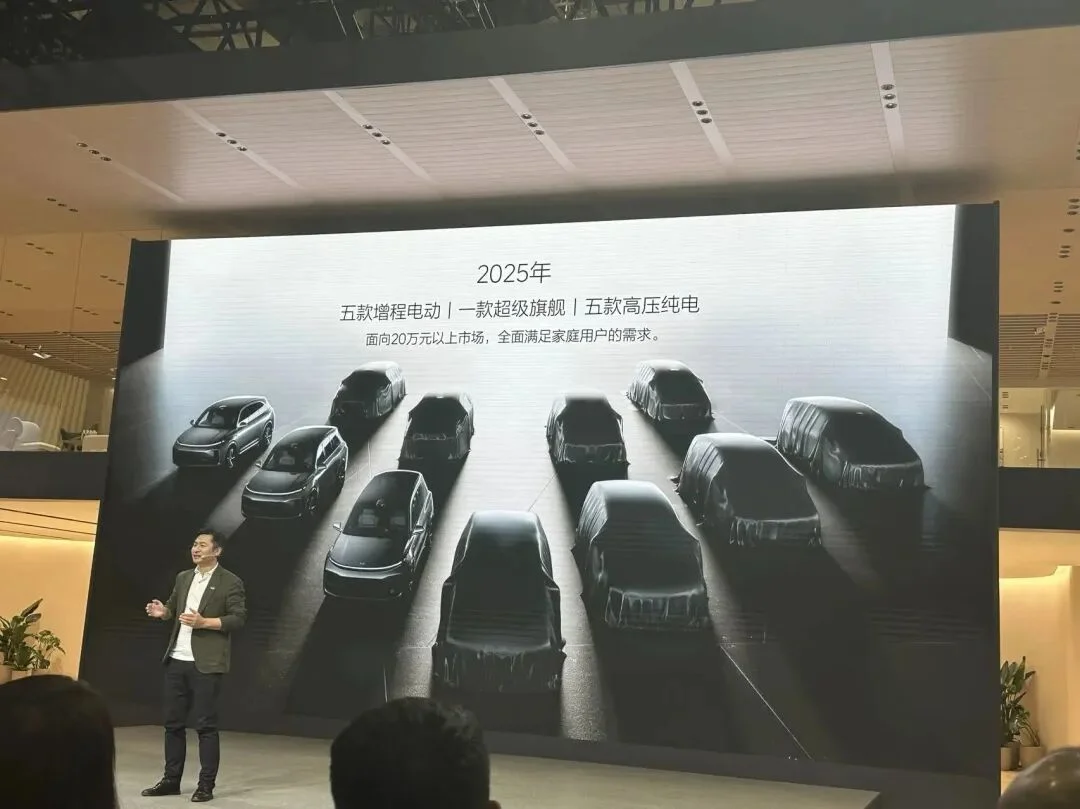
Through a strategy of parallel development of extended-range and pure-electric vehicles, Li Auto will establish a product layout consisting of 'one super flagship + five extended-range electric models + five high-voltage pure-electric models' by 2025. This lineup will target the market segment above RMB 200,000, comprehensively meeting the needs of family users.
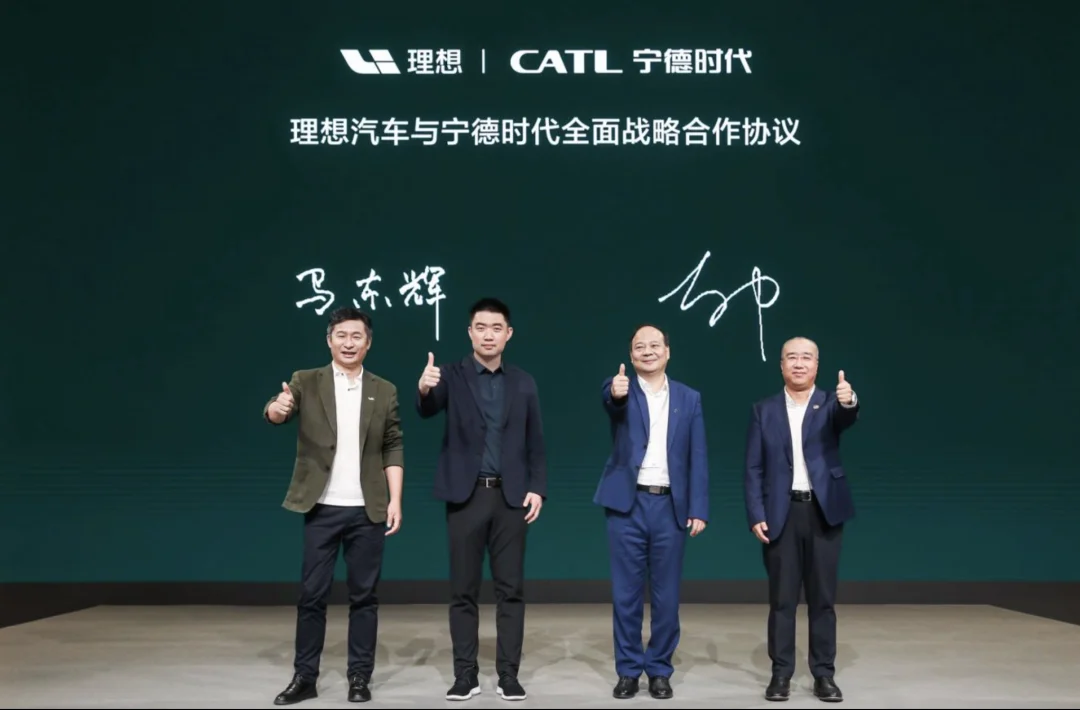
Notably, during the closing segment of the press conference, Li Auto officially announced that its first pure-electric model under the brand will become the world's first to feature CATL's 4C Qilin battery. At the event, Li Auto CEO Xiang Li and CATL Chairman Zeng Yuqun witnessed the signing of a comprehensive strategic cooperation agreement between the two companies.
After the press conference, Li Auto President Donghui Ma stated in an interview session:
Li Auto faces several challenges in entering the pure electric vehicle market, including charging infrastructure and cost. The company addresses these through 800V high-voltage charging technology and its self-built charging network, while reducing costs via in-house developed power modules and thermal management systems.
Regarding Li Auto’s supercharging stations, Donghui Ma stated that the maximum output power of these stations could potentially increase from 480 kW to 600 kW. The number of 4C ultra-fast chargers per station may also rise to two, depending on the growing adoption of 4C-capable electric vehicles across the market. Additionally, these superchargers will be open to other brands.
When asked about the strategic rationale behind Li Auto’s decision to launch pure electric vehicles this year, Donghui Ma explained:
I believe the primary reason for launching pure electric vehicles now is that the timing is right. When deciding between extended-range and pure electric platforms, our core objective has always been to provide users with greater convenience, particularly in terms of refueling experience. In recent years, electric vehicles have faced persistent pain points related to charging. However, technology has now matured, with 4C and even 6C charging solutions beginning to see large-scale implementation.
Beyond fast-charging capabilities, we must also consider battery cycle life and thermal safety. Coupled with advancements in other key components—such as silicon carbide (SiC) power chips and high-voltage electric drive systems—the technological and economic conditions have reached an optimal point. This is why we are choosing to unveil our pure electric high-voltage fast-charging strategy at this time; it represents the fundamental logic behind our decision.
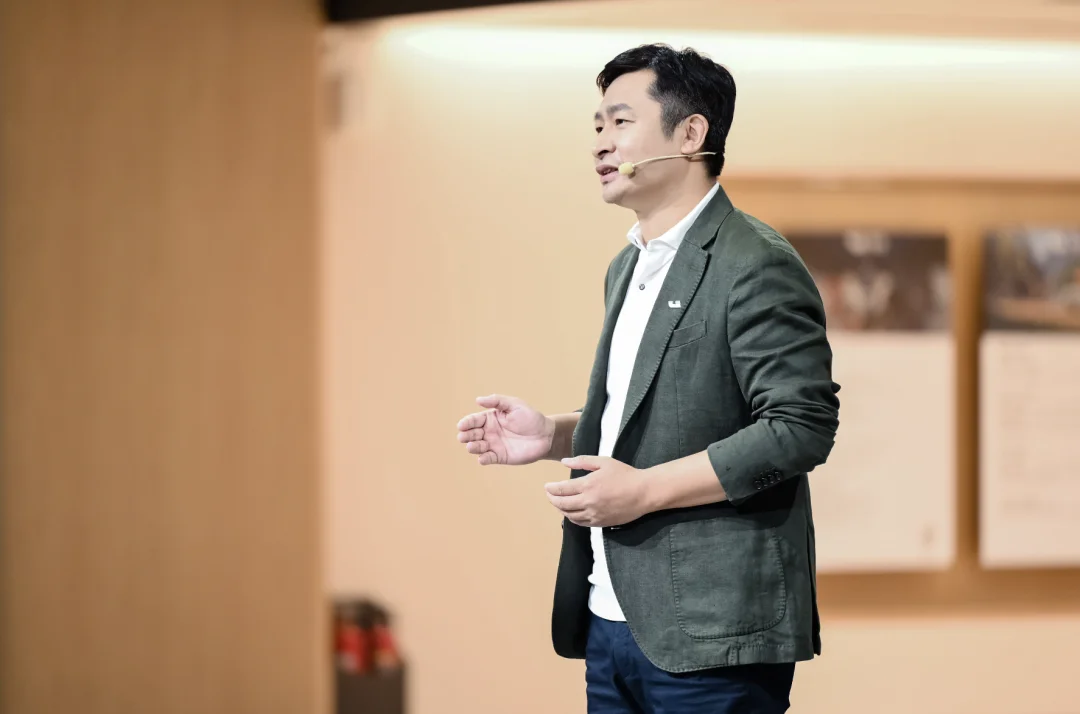
During the Q&A session, Donghui Ma also shared details about Li Auto’s first pure electric model:
It is not a traditional MPV. It will feature a distinctive design that sets it apart from existing products in the market.
Second, it will pursue an extreme drag coefficient, which means lower energy consumption and better range, while simultaneously ensuring a very large interior space.
Additionally, this model will adopt a platform-based design, supporting Li Auto AD Max 3.0 and other systems.
It is also worth emphasizing that Donghui Ma explicitly stated that Li Auto will not deliver pure electric vehicles to users within the current year.
This means that at the earliest, Li Auto's first pure electric vehicle will be delivered to consumers next year. If Li Auto's supercharging network plan for this year is implemented smoothly, then by the time consumers receive their Li Auto pure electric models, they will already be able to recharge at more than 300 high-speed supercharging stations.
Thus, in its pure electric strategy, Li Auto's approach is 'vehicles not yet sold, supercharging first'—which is clearly a result of Li Auto considering user experience.
Li Auto Is Approaching Its 3.0 Version
The release of Li Auto's 'Dual-Energy Strategy' has a noteworthy background:
In the past year, three new models—the Li L9, Li L8, and Li L7—have been released successively, perfecting Li Auto's product lineup and making its overall product layout more systematic.
From a sales perspective, in the first quarter of this year, Li Auto delivered a total of 52,584 units with the help of these three new models. This represents a 65.8% year-on-year increase compared to the first quarter of 2022. It ranked first among new energy brands priced above RMB 300,000 and also took the top spot for SUVs in the RMB 300,000 to 500,000 price segment, including internal combustion engine vehicles.
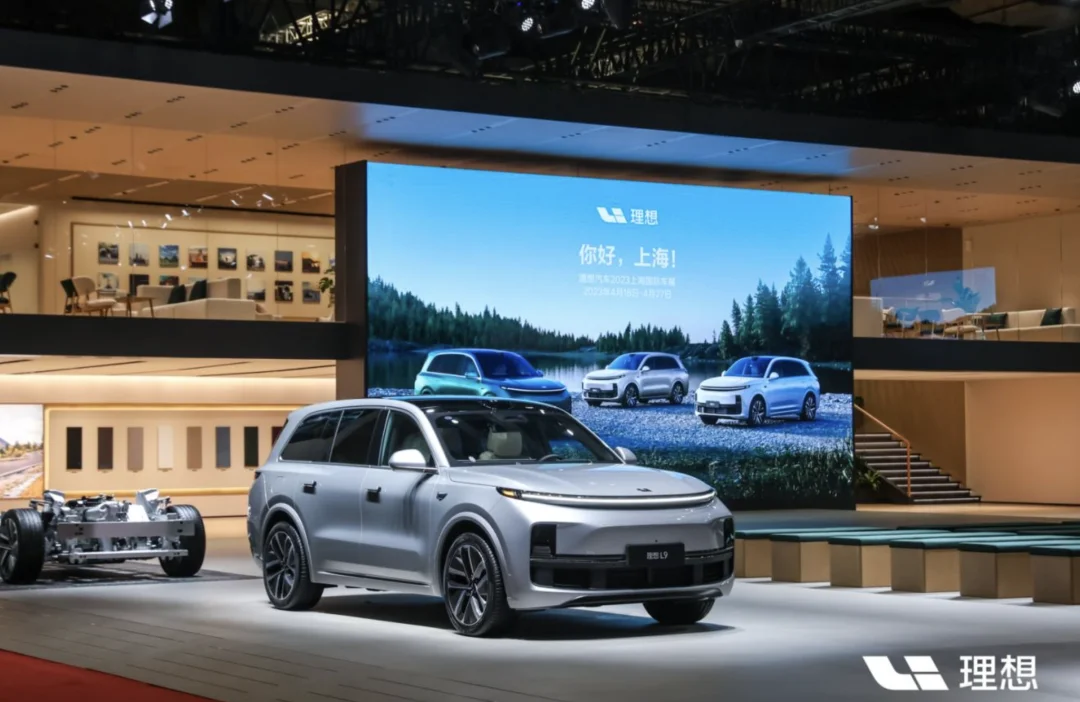
It can be seen that Li Auto's product system has begun to prove itself.
Looking back at Li Auto's product development history, we can identify two distinct stages, which correspond to Li Auto's 1.0 and 2.0 versions:
The first stage: From its launch in 2018 until the Li ONE exited the market in 2022, Li Auto completed its development from zero to one. This phase was relatively long and constitutes Li Auto's 1.0 version.
The second stage: Over the past year, the three models of the Li L series were launched successively. They have preliminarily established a systematic product and supply chain framework and have been validated in the market. This marks the transition from one to ten, representing Li Auto's 2.0 version.
At the same time, standing at the node of Li Auto's pure electric strategy announcement, we can observe that the shift from the Li ONE to the Li L series in 2022 was a quantitative change in its product system. However, Li Auto's current adjustment from a single extended-range route to a dual-track strategy of extended-range plus pure electric represents a qualitative change.
This means that the changes in Li Auto's product system this time are more profound, and they will have a significant impact on its entire supply chain, organizational structure, and technology systems.
Thus, we believe that at this juncture, Li Auto is transitioning to its 3.0 version.
Interestingly, it seems like a coincidence:
As Li Auto's product lineup undergoes a major shift to version 3.0, its autonomous driving capabilities also achieve a qualitative leap this year. From Li AD Max 1.0 to Li AD Max 2.0, the focus remained on highway NOA (Navigate on Autopilot), representing quantitative changes; but with the launch of city NOA in Li AD Max 3.0, the change has become qualitative.
Regardless, facing what Xiang Li defines as the "three-year elimination race for smart electric vehicles" (2023 to 2025), Li Auto's "Dual-Energy Strategy" appears to be a proactive or reactive measure taken by Li Auto to navigate this elimination race.
Currently, Li Auto's product layout of "one super flagship + five extended-range electric vehicle models + five high-voltage pure electric models" is set for 2025. Before this final product layout is fully realized, Li Auto cannot afford to stagnate at its current version; it must continue to iterate and move forward.
Written by: 308 Edited by: 308