


Why Is XNGP Making Me Less and Less Willing to Drive Myself?
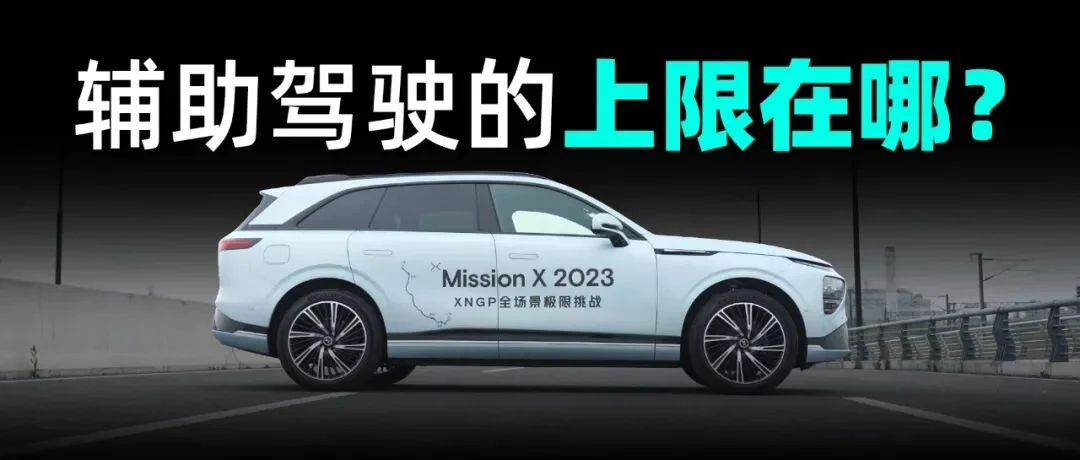
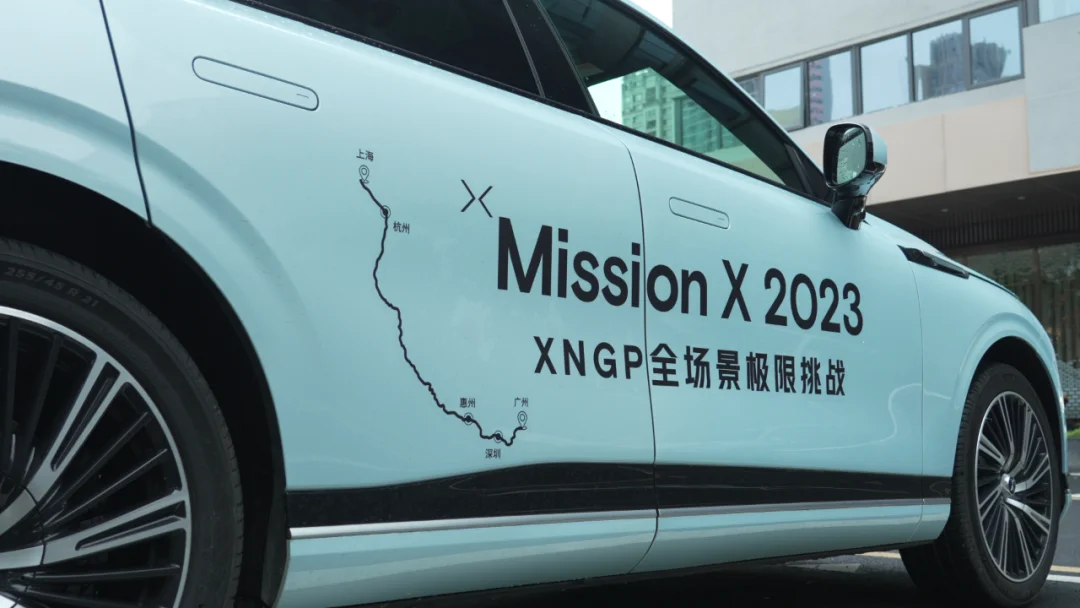
A few days ago, we drove an XPENG G9 on a three-day road trip covering approximately 1,800 km from Guangzhou to Shanghai via Shenzhen.
I have always disliked long-distance driving due to two persistent impressions: driving on highways is exhausting, and driving in unfamiliar places is tiring.
The first stems from my belief that maintaining lane position at 120 km/h while constantly monitoring the road for safety is mentally draining. The sudden appearance of debris or a vehicle ahead braking hard would startle me.
The second impression comes from past trips where I felt drivers outside major cities often disregarded traffic regulations. Coming from Shanghai, where driving conditions are relatively orderly, driving elsewhere felt like being a novice behind the wheel.
However, after completing this 1,800 km journey, my perspective has completely changed. Now, someone who had never driven out of Shanghai wants to take a self-drive tour during the May Day holiday. What caused this shift? Here is what happened on the road.
01How XNGP Cured My Highway Fear
First, a brief introduction to XNGP. XNGP is XPENG’s second-generation driver assistance system—full-scenario driver assistance. What does “full-scenario” mean? XPENG defines it through the following four scenarios:
On highways with high-definition maps, Gaosu NGP covers the driving;
In cities with high-definition maps, Chengshi NGP covers the driving;
In cities without high-definition maps, Lane Keeping Assist enhanced version LCC-L covers the driving;
In parking lots, Valet Parking Assistant VPA covers the driving.
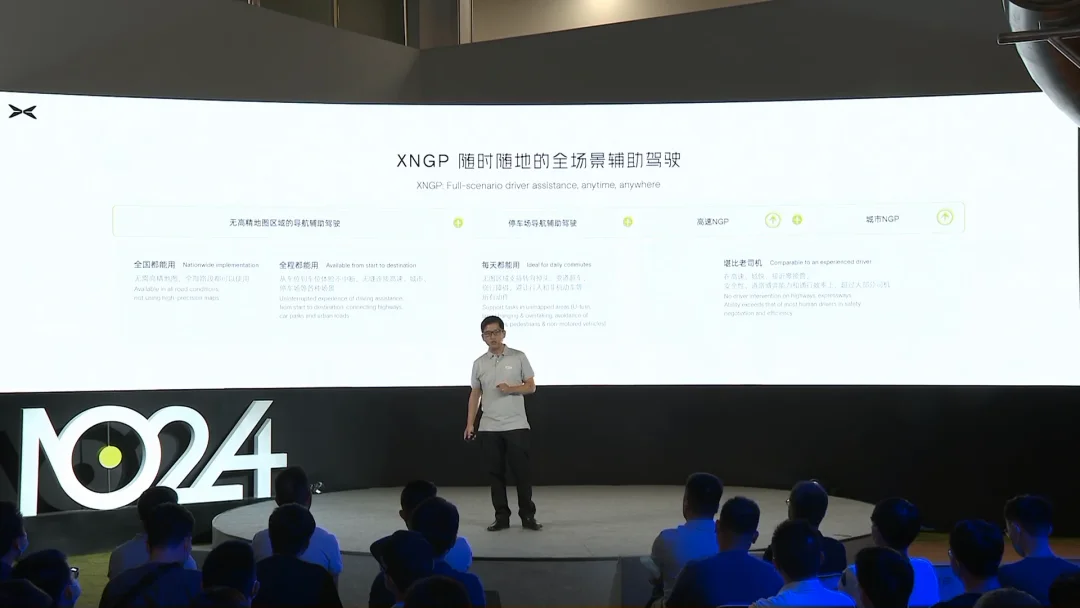
From these four scenarios, it is clear that XPENG has used XNGP to cover most of our daily driving situations. This also explains why XNGP cured my highway anxiety—because for most of the time on the highway, I don’t need to drive myself.
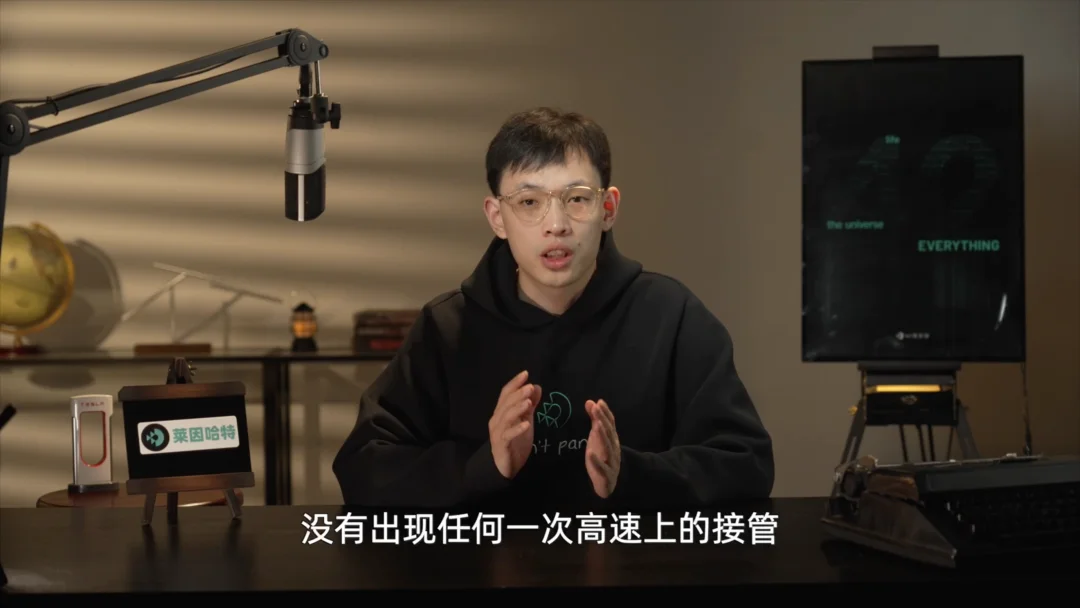
As we mentioned in the video, during the trip from Guangzhou to Yingtan two days ago, passing through the highways in Shenzhen and Huizhou, under smooth traffic conditions, there was not a single instance of manual takeover.
In my view, interventions in driver assistance can be broadly categorized into two types: those required for hazardous situations and those necessitated by inefficient performance. As the capabilities of driver assistance have advanced, interventions due to safety concerns have become increasingly rare, yet interventions caused by low efficiency remain frequent.
However, XNGP’s performance on the highway over the past two days exhibited neither type of intervention. Whether it was avoiding vehicles cutting in front, changing lanes appropriately when preceding traffic was too slow, or maintaining stability in ramp scenarios, there were no issues with either safety or efficiency during vehicle passage. The driving experience was indistinguishable from that of a human driver. Given this, I naturally had no need to intervene.
Although on the third day, entering the Jiangzhehu region involved heavier traffic, leading to several interventions, as seen in the video, these were mostly triggered when large trucks suddenly merged slowly in front of the vehicle as we approached them.
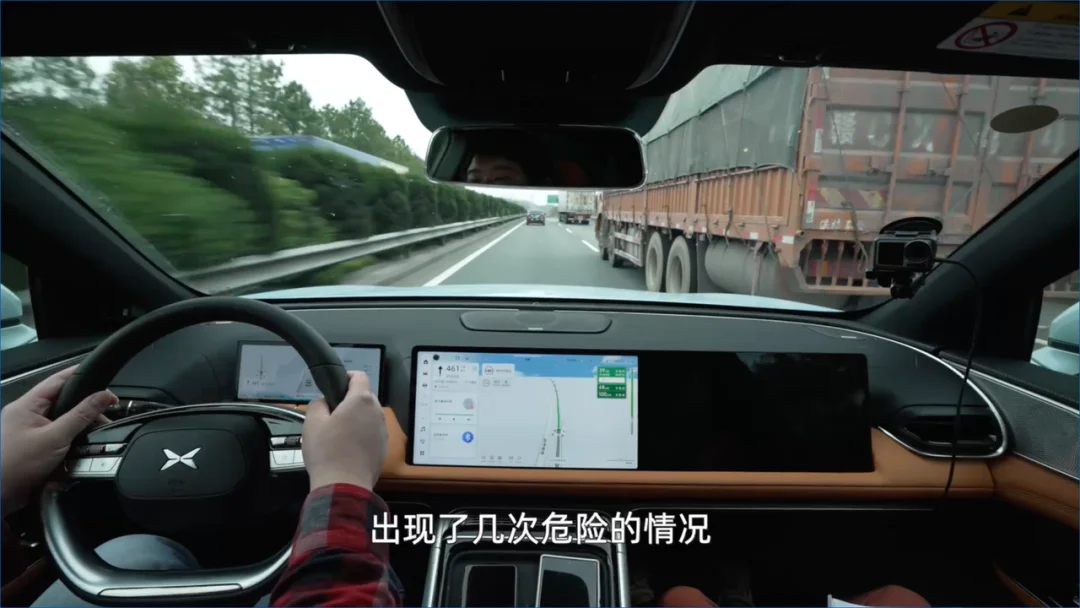
Such situations pose significant challenges even for human drivers to judge in time; for XNGP, they are currently somewhat beyond its standard operational scope.
Overall, XNGP’s current performance is infinitely close to that of a human driver on the highway. Having passed through the toll booth onto the highway, turning on XNGP has become my habitual practice.
On a recent business trip to Suzhou, I would previously have chosen high-speed rail even for distances of only a few dozen kilometers. But this time, I chose to drive the company’s XPENG G9 because XNGP allows me to simply sit in the seat, look ahead, enjoy the seat massage, and arrive at my destination.
Let’s wrap up by discussing the range anxiety and charging experience that are unavoidable when driving electric vehicles on highways. The vehicle we tested was the XPENG G9 650 Max Ban, which is the dual-motor all-wheel-drive version.
With three people on board and the trunk fully loaded with luggage, traffic conditions were smooth for the past two days. Under these circumstances, with an average speed exceeding 110 km/h and heavy rain, a full charge allowed us to travel approximately 380–400 km on the highway. I consider this range quite appropriate because after driving continuously for about three hours, both the driver needs rest and the vehicle requires charging.
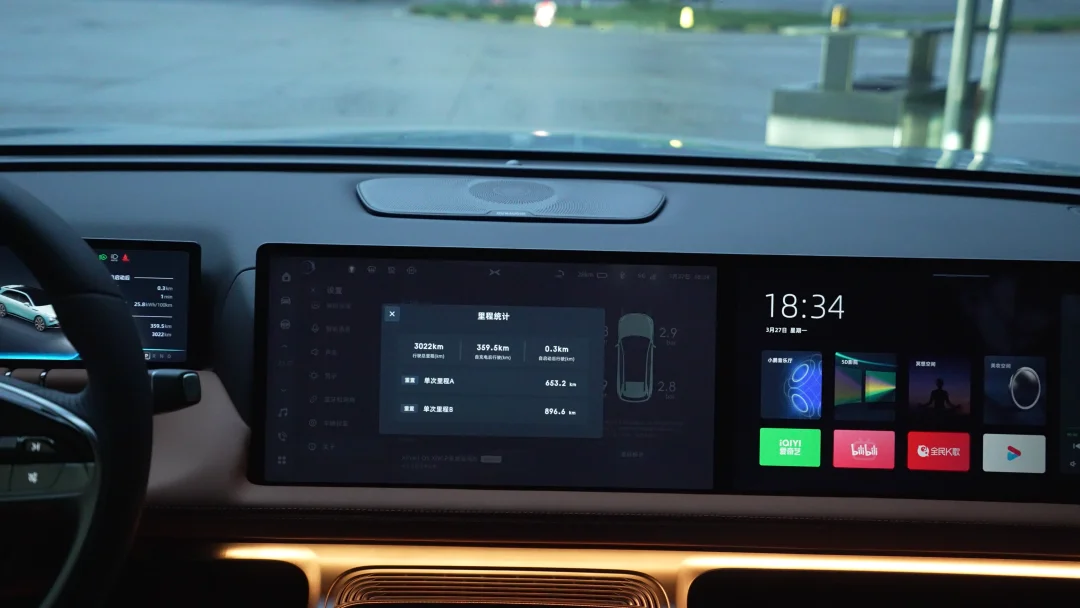
The charging experience benefited from the 800 V Pingtai platform and the fact that the service areas we passed through had newly installed high-power charging stations. Consequently, the G9 could easily achieve a charging power of over 150 kW. What does this mean in practice? We parked at the service area, started charging, went to the restroom, and ate. By the time we finished our meal, the app already indicated that the battery was fully charged. In other words, the car and its occupants completed their respective recharging processes simultaneously.
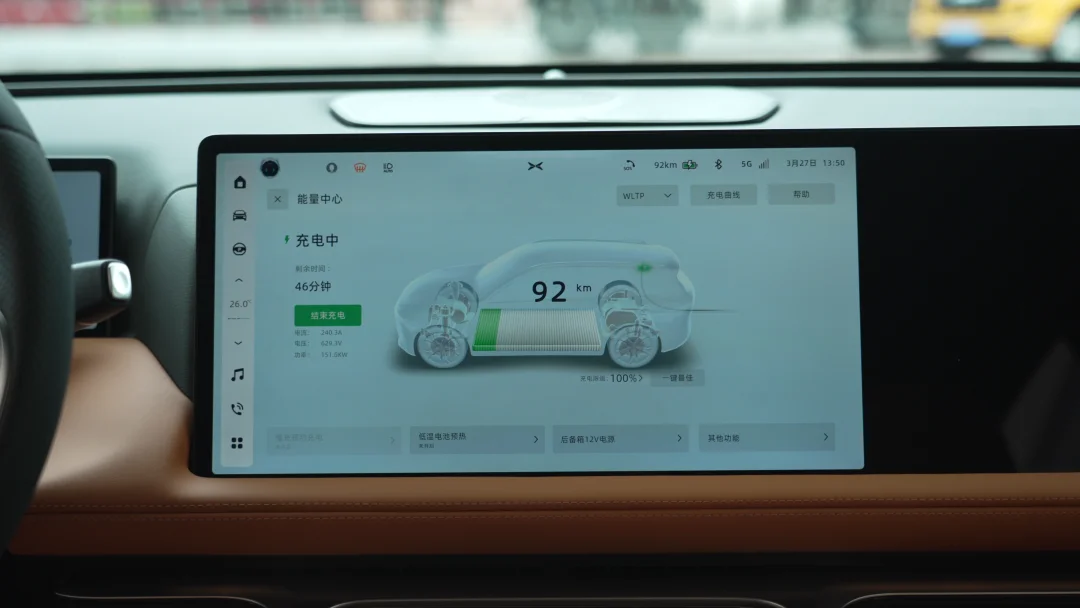
This combination of range and high-power fast charging means that on non-holiday, off-peak highways, the XPENG G9 essentially eliminates range anxiety.
02Highways Are Solved, But What About City Driving?
Since highway performance is addressed, the remaining scenario is urban commuting. Currently, XPENG has only opened Chengshi NGP in Guangzhou, Shenzhen, and Shanghai. Therefore, XNGP urban scenarios are currently divided into two categories: Chengshi NGP in areas with high-definition maps, and LCC-L in areas without them.
Most of the urban scenes in the video were filmed in Shanghai, so I will focus on how XNGP performs in Guangzhou, Shenzhen, and Huizhou.
In Guangzhou and Shenzhen, with high-definition map coverage, Chengshi NGP can be activated on most road sections. Once enabled, the vehicle requires no human intervention for most straight-road scenarios. At intersections with traffic lights, as long as the cameras have a clear view, recognition is flawless. If a large vehicle blocks the view ahead, the car decelerates and brakes based on the lead vehicle's status.
Even at intersections with lane-specific traffic lights, the vehicle recognizes them correctly and passes through steadily.
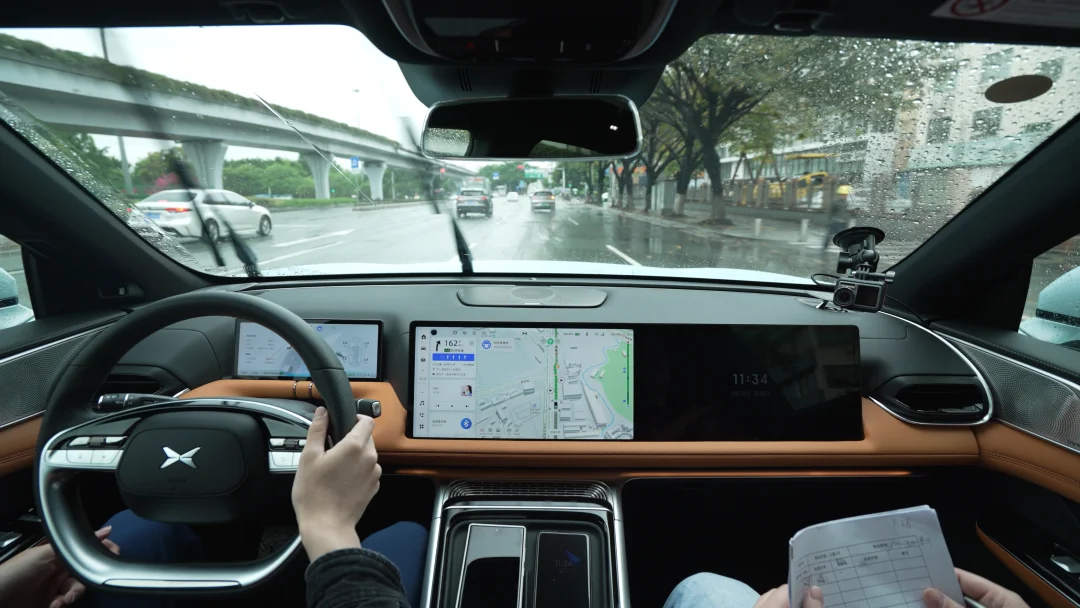
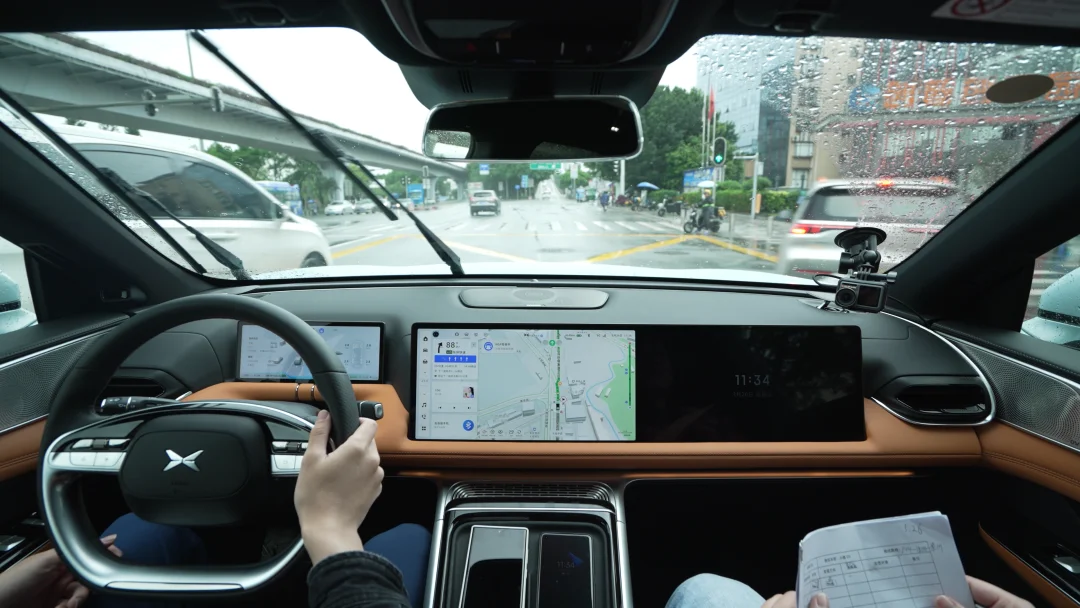
Furthermore, after passing through the traffic lights, there is a very long section without lane markings; the vehicle still navigates smoothly onto the ramp, with almost no steering corrections.
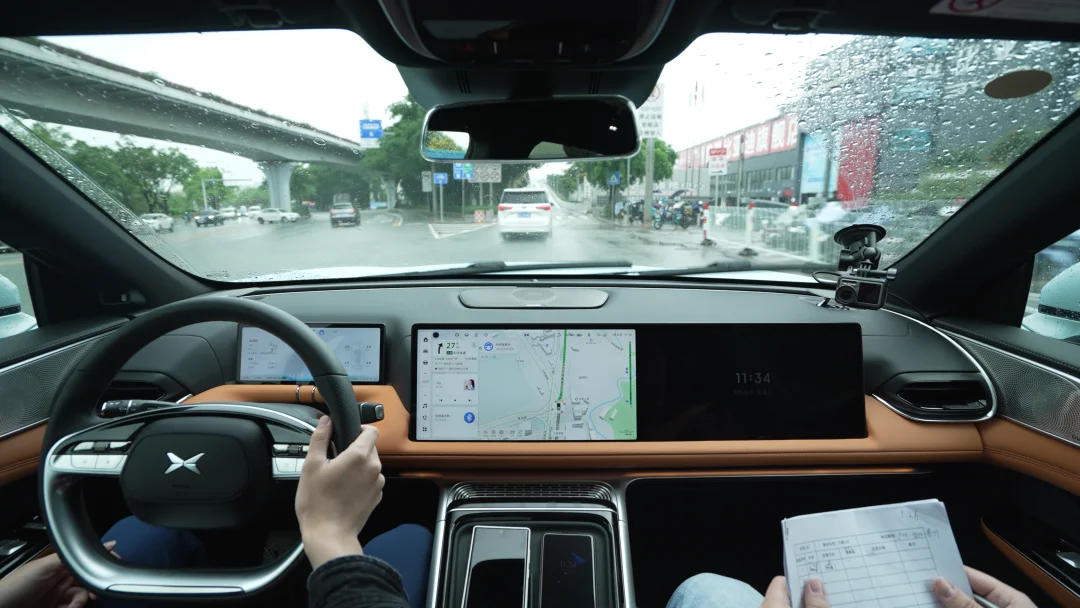
However, if it encounters a traffic light that has gone out or one flashing yellow continuously, the vehicle may slow down slightly and hesitate before proceeding normally after further identification.
Regarding cornering capability, I selected two scenarios to show you. The first is a U-turn with a speed limit of 20 km/h. Although the vehicle lacks intersection U-turn capability, it can navigate such turns steadily.
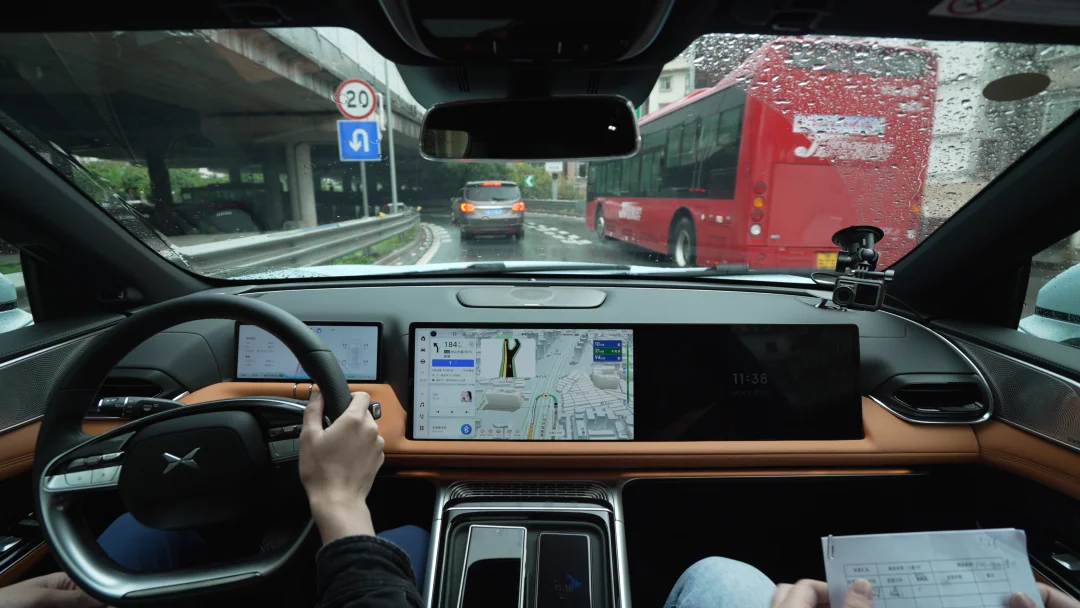
Even during the turn, the vehicle’s maximum speed can exceed 20 km/h, allowing it to keep up with the car ahead without issue.
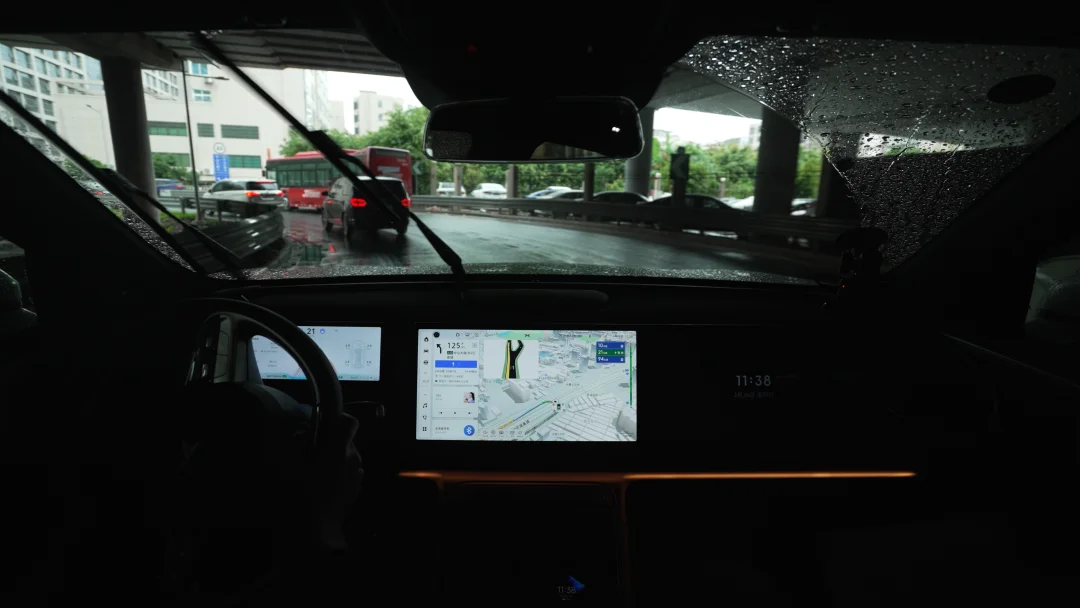
In the next scenario, XNGP overtakes a vehicle driven by a human driver. Its cornering performance speaks for itself.
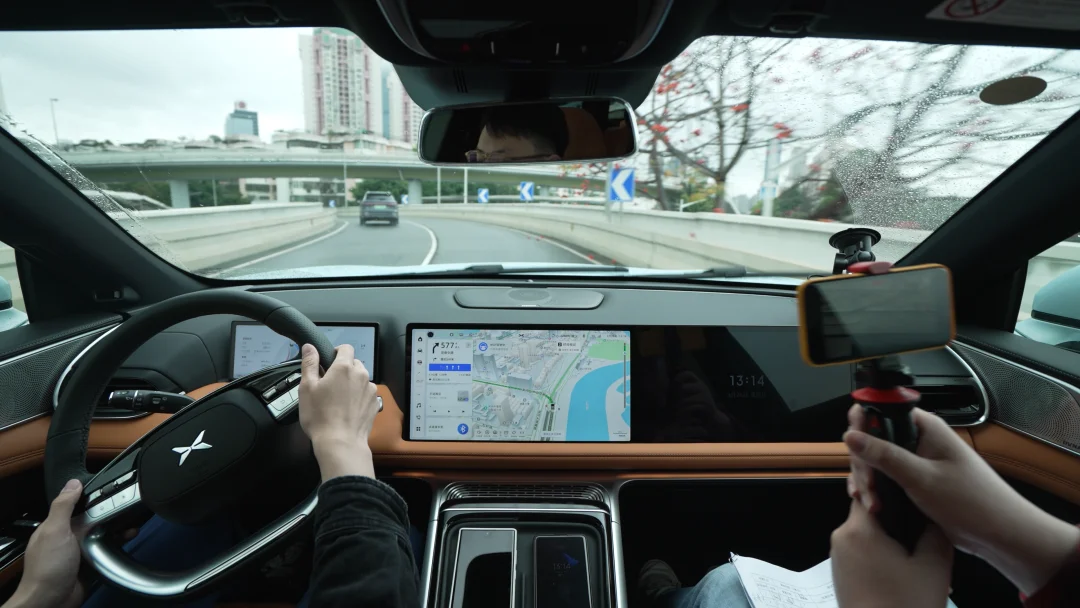
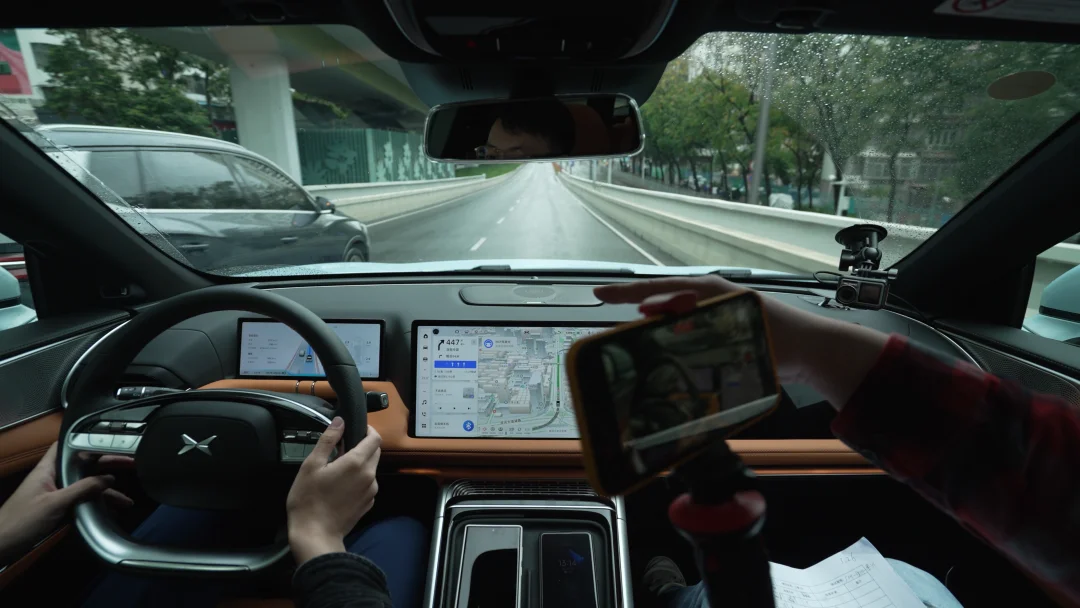
In another scene, after completing a right turn, the vehicle encounters several electric scooters blocking the lane. Identifying that the left rear is clear, it quickly changes lanes to the left to avoid them, performing almost identically to a human driver.
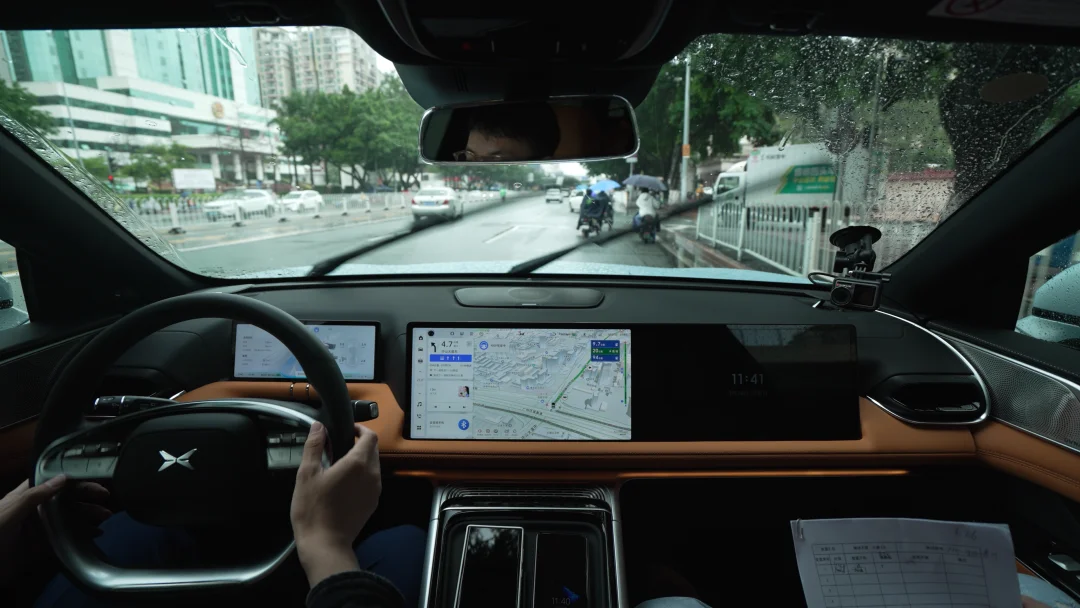
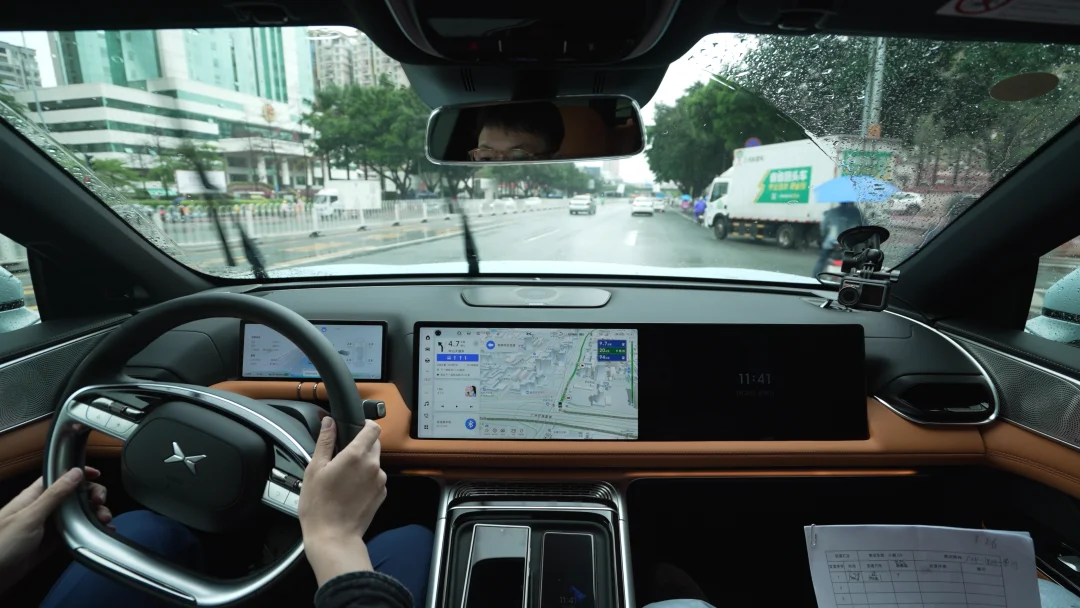
Let’s talk about the LCC-L feature. I’d like to share two scenarios with you. First, we just passed through a toll station on the Guangzhou-Shenzhen Coastal Expressway. There was a section with extremely complex lane markings and a lane that ended abruptly on the right side. We decided to try out the LCC-L function.
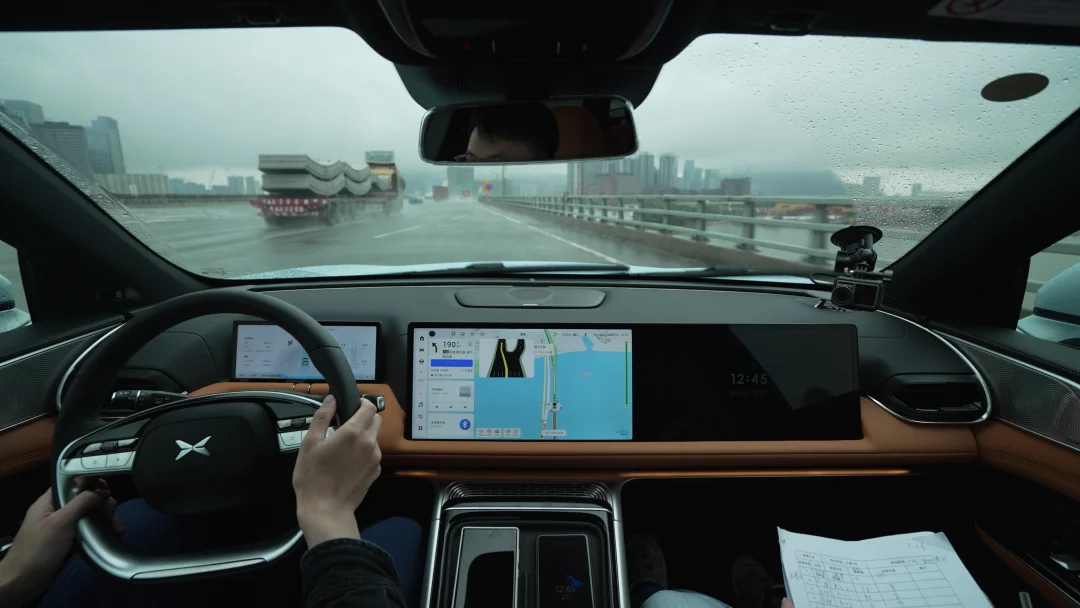
The result? Although the vehicle seemed confused at times and even prompted us to take over control once, it ultimately made it through that stretch. This shows that as long as there is a clear lane line on one side, LCC-L can function properly.
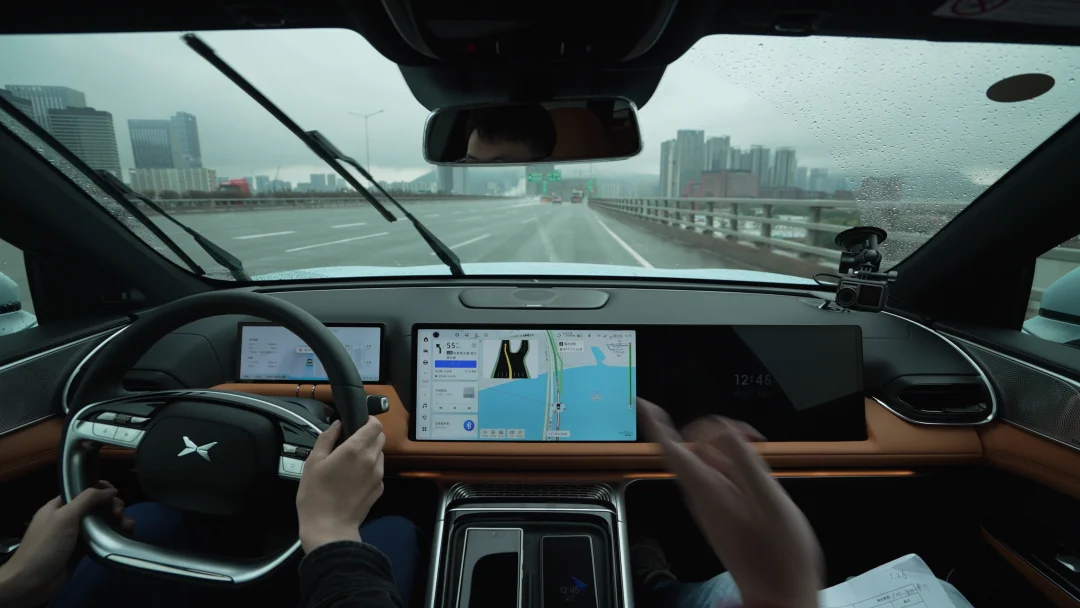
After exiting the expressway, we drove through another section where large trucks were parked on both sides, leaving only the middle lane for passage. The first part of this section had clear lane markings, allowing the vehicle to pass steadily.
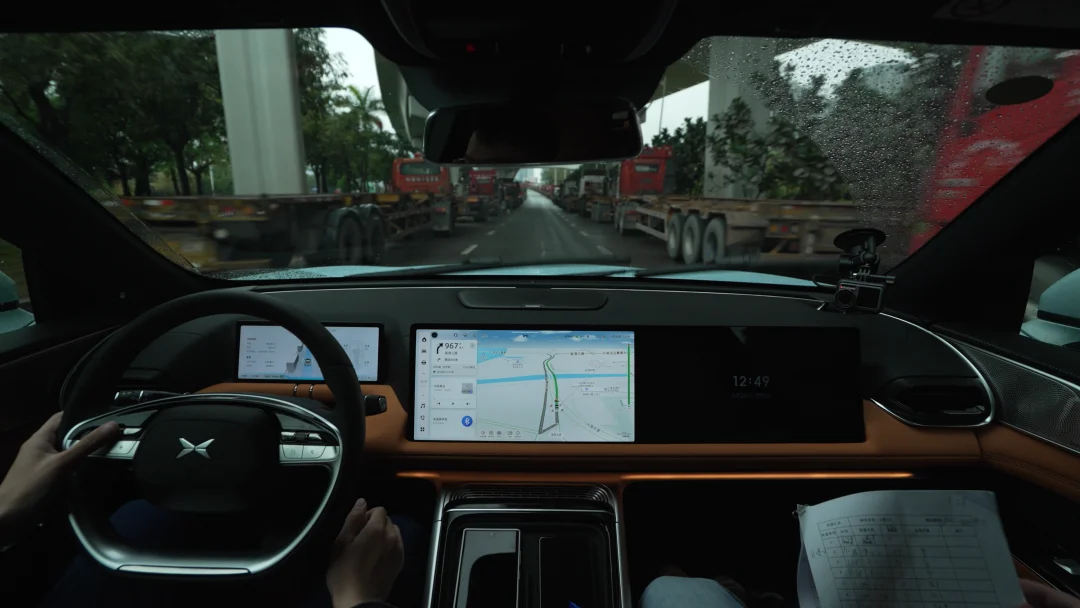
As we were about to leave, the vehicle encountered a section where lane markings were nearly invisible. Nevertheless, it successfully planned and navigated a drivable path based on its visualization system, passing through without issue.
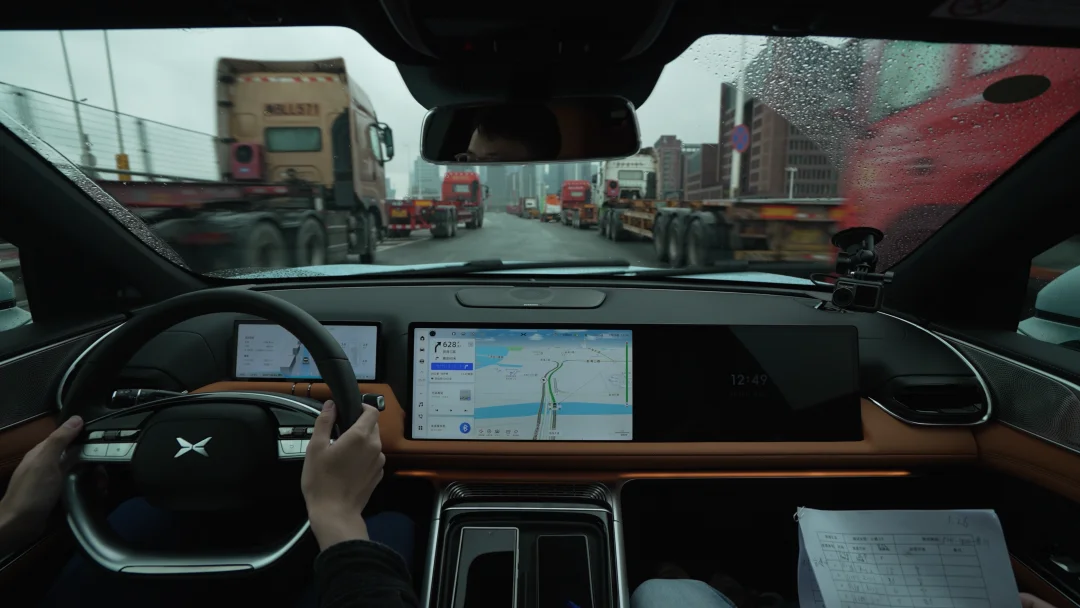
Overall, XNGP can handle most urban scenarios with minimal human intervention. However, drivers must remain attentive when going straight or turning left/right at intersections. As for LCC-L, while it performs well on normal straight roads, its lane-selection logic and interaction strategies with other vehicles at intersections still require optimization.
Finally, since our test route did not include complex underground parking garages, we did not experience the Memory Parking feature in that context. If readers are interested, we can film another episode using our own G9 to demonstrate this function.
03When Will XNGP Achieve True Autonomous Driving?
At the 2021 1024 Ri, Wu Xinzhou, Vice President of XPENG’s autonomous driving division, proposed the concept of the "second half of intelligent driving." At that time, XPENG had just released the P5, the world's first mass-produced vehicle equipped with a LiDAR, and it remains the only model currently featuring XPILOT 3.5 intelligent driving hardware.
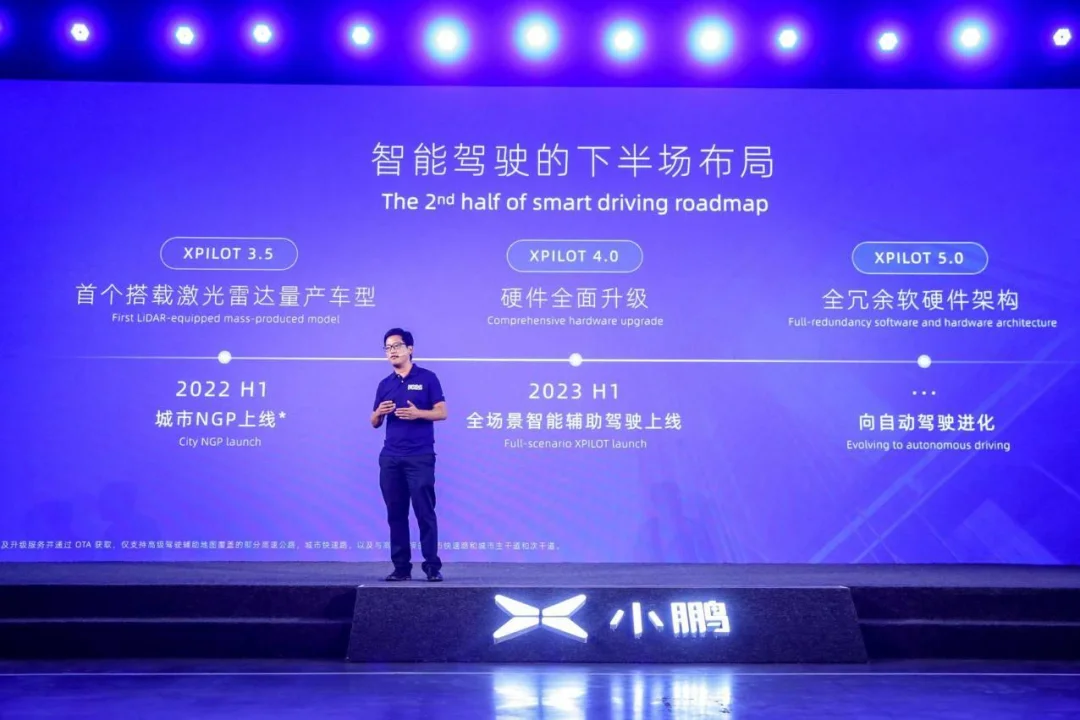
XPENG’s roadmap at the time was as follows:
In the first half of 2022, Chengshi NGP was launched on the P5.
In the first half of 2023, XNGP, a full-scenario intelligent assisted driving feature, was rolled out on models equipped with XPENG’s XPILOT 4.0 system, including the G9, P7i, and the then-upcoming G6.
On models equipped with XPILOT 5.0, the path toward autonomous driving is unfolding.
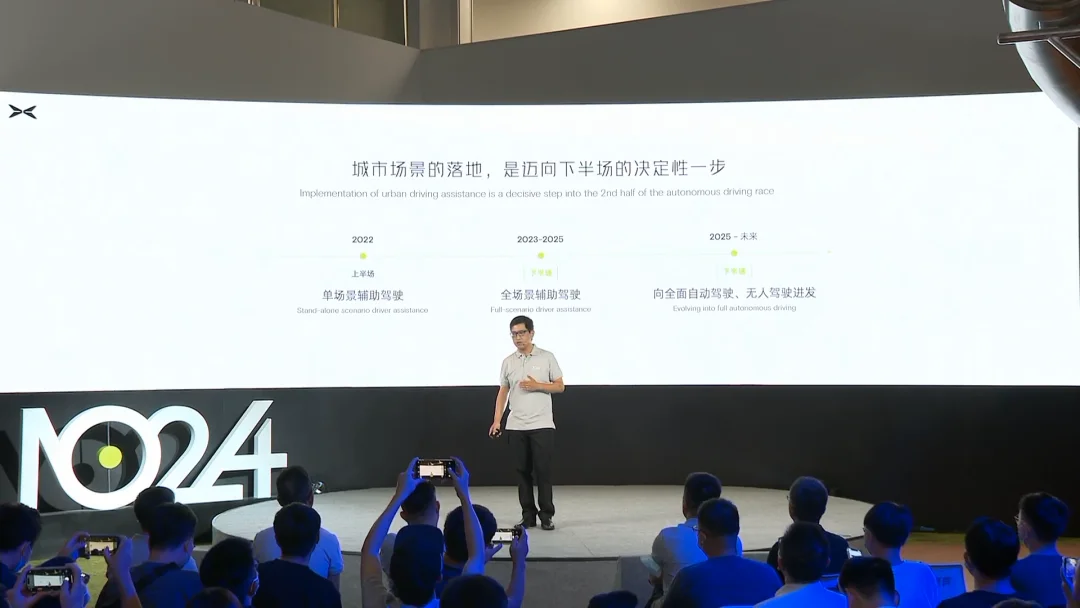
At the 1024 Ri conference in October 2022, Wu Xinzhou provided a clearer roadmap:
2022 marked the first half of the intelligent driving era, featuring only single-scenario assisted driving.
From 2023 to 2025, the second half begins, during which XPENG evolves to XNGP full-scenario assisted driving.
After 2025, XPENG will officially advance toward fully autonomous and driverless capabilities.
Based on the 1,800 km of driving so far, XPENG’s performance on highways is getting closer to its ultimate goal. In urban scenarios, however, there are clearly many complex situations that XPENG still needs to address.
At Shanghaichezhan, XPENG finally introduced this year’s most significant model, the XPENG G6. As another vehicle equipped with XPILOT 4.0 hardware and one with very high internal sales expectations for XPENG, its significance extends far beyond just pushing sales higher. More importantly, it will become the next model, following the P7i, to bring advanced intelligent driving capabilities down to a lower price point.
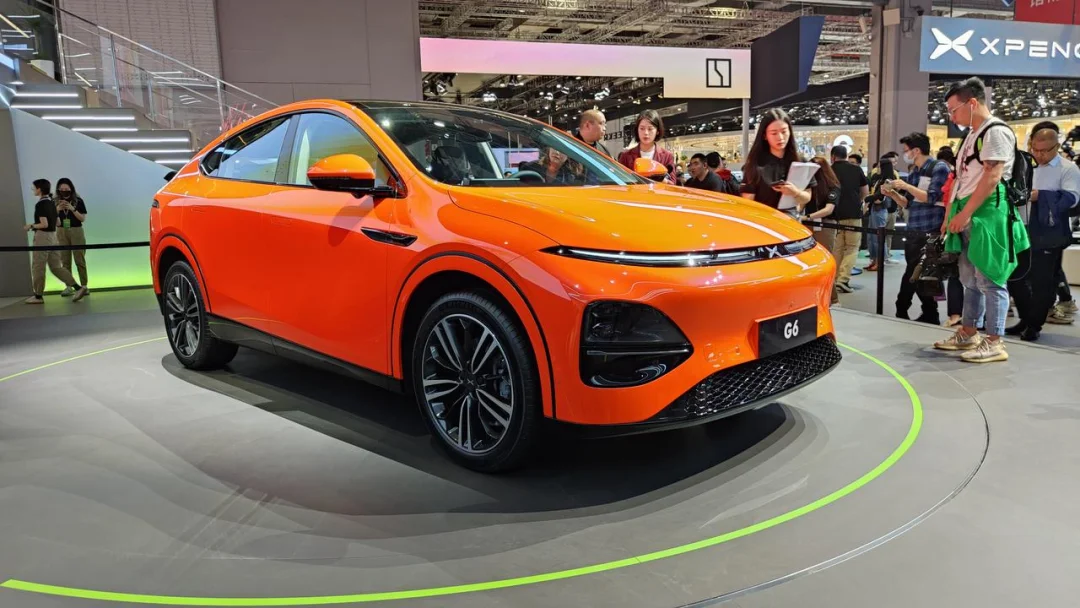
For XPENG, if the G6’s sales match expectations, it will be able to collect more data on driver assistance, thereby continuously optimizing and iterating its algorithms. For consumers, purchasing the G6 means acquiring what may be the strongest driver assistance capability in its price segment. This allows more people to truly experience how much advanced driver assistance can impact our daily travel.
04Final Thoughts
As an owner of the XPENG P7, I did not choose to purchase the NGP feature when I bought the car two years ago, because NGP’s capabilities at that time were not strong enough. Although it could indeed free up a considerable amount of effort on highways, the vehicle’s strategy on the elevated roads I use more frequently often differed significantly from my own driving habits.
But after these 1,800 km, I have developed a dependency on XNGP. It is not only because it provides a nearly hands-free driving experience on highways and elevated roads, but also because I can use it with confidence on straight urban roads. Imagine finishing a day’s work at night, sitting in the car, activating XNGP, and arriving home without any operation—what a pleasant experience that would be.
Therefore, I am now highly likely to trade in my P7 for a G6. The XNGP feature that is ready to use upon delivery, along with the standard 800 V silicon carbide platform and 3C battery packs across all trims, are features that can tangibly improve my driving experience.
It is time for XPENG to reap the rewards of its accumulated expertise in driver assistance technology.
Written by: JOJO Edited by: Jiaming