


Why ByteDance Is Said to Back QCraft’s Fixed-Route RoboBus Strategy
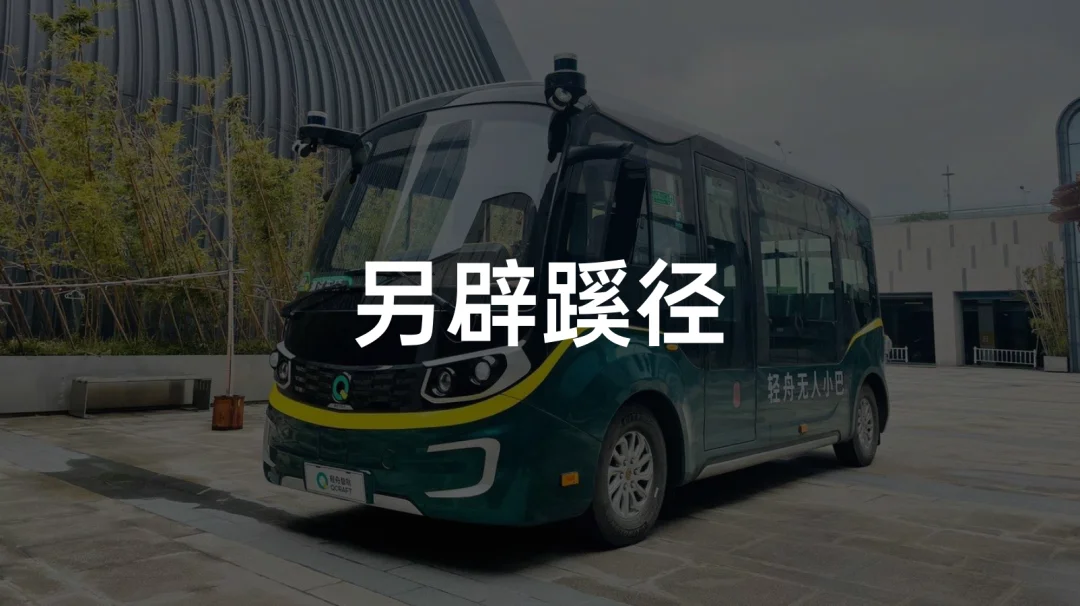
In March 2019, four Chinese technical veterans from Waymo struck out on their own in Silicon Valley, founding an autonomous driving company named QCraft to develop L4-level autonomous driving solutions tailored for complex urban scenarios.
Entering the autonomous driving track in 2019 was somewhat late; by then, giants such as Waymo and Cruise had already established themselves in the United States, while China’s field was crowded with strong contenders including Baidu Apollo, Wenyuanzhixing, Xiaomazhixing, and Yuanrongqixing. In freight, pioneers like Tusenweilai and Zhijiakeji were also ahead of the curve.
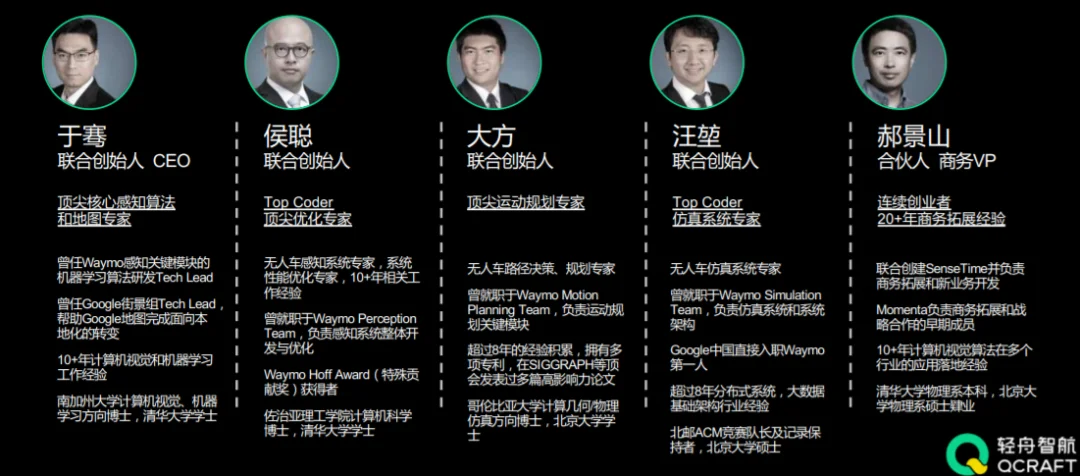
After the industry’s great filtering, it is a consensus that no more than three players will ultimately survive. Entering in 2019 meant you either had to be a star company like Didi, flush with capital and traffic, or possess a deeper understanding of the autonomous driving business, carving out high-potential niche scenarios through alternative paths. Otherwise, it was a guaranteed failure.
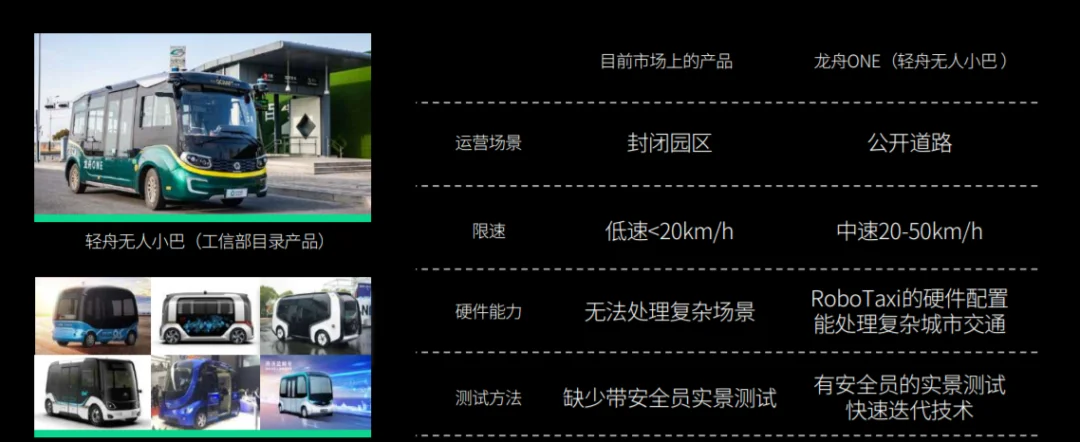
QCraft fell into the latter category. Rather than entering via the heavily favored Robotaxi space, the low-barrier low-speed unmanned logistics sector, or the closed-scenario unmanned logistics area where profitability is easiest to achieve, QCraft took a different route: applying Robotaxi technology to RoboBus, targeting the unmanned public transit scenario. In October 2020, QCraft launched China’s first regularly operating 5G unmanned bus in Suzhou High-Speed Railway New Town.
Also arriving late alongside QCraft was ByteDance. As one of China’s top 10 tech and internet companies, ByteDance has maintained perhaps the most detached attitude toward smart vehicles. Data from the professional patent search platform Zhihuiya shows ByteDance holds only 34 patents in the automotive sector, earning it the title of a true "automotive novice."
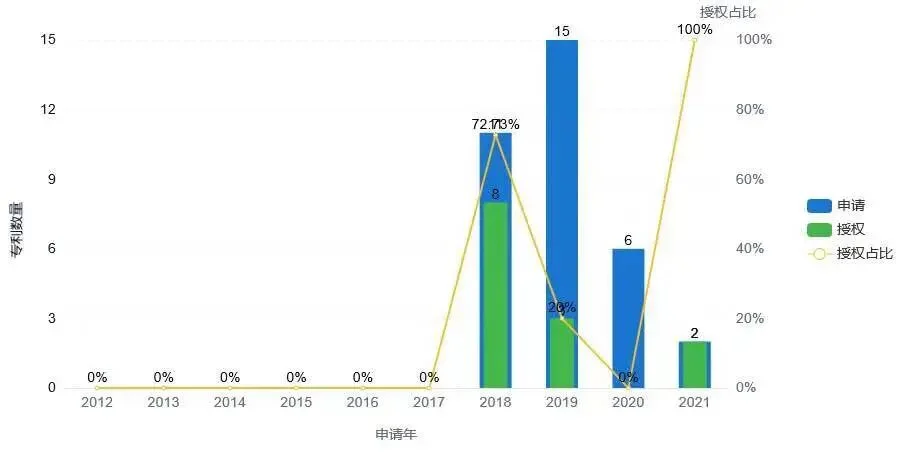
Rumors recently circulated that ByteDance had invested in QCraft, but neither party has responded directly. If the news is true, this would mark ByteDance’s first entry into the autonomous driving sector.
Why did ByteDance choose QCraft? What are QCraft’s technical highlights? To find answers, we traveled to Suzhou High-Speed Railway New City to experience QCraft’s RoboBus Longzhou ONE firsthand.
01High operational efficiency makes RoboBus more consumer-friendly
The high-speed rail journey from Shanghai Hongqiao to Suzhou North Station takes approximately 25 minutes. As the train enters the High-Speed Railway New City area, the district’s youth and vitality become apparent: rows of skyscrapers are interspersed with construction cranes, roads are wide, yet traffic volume remains low.
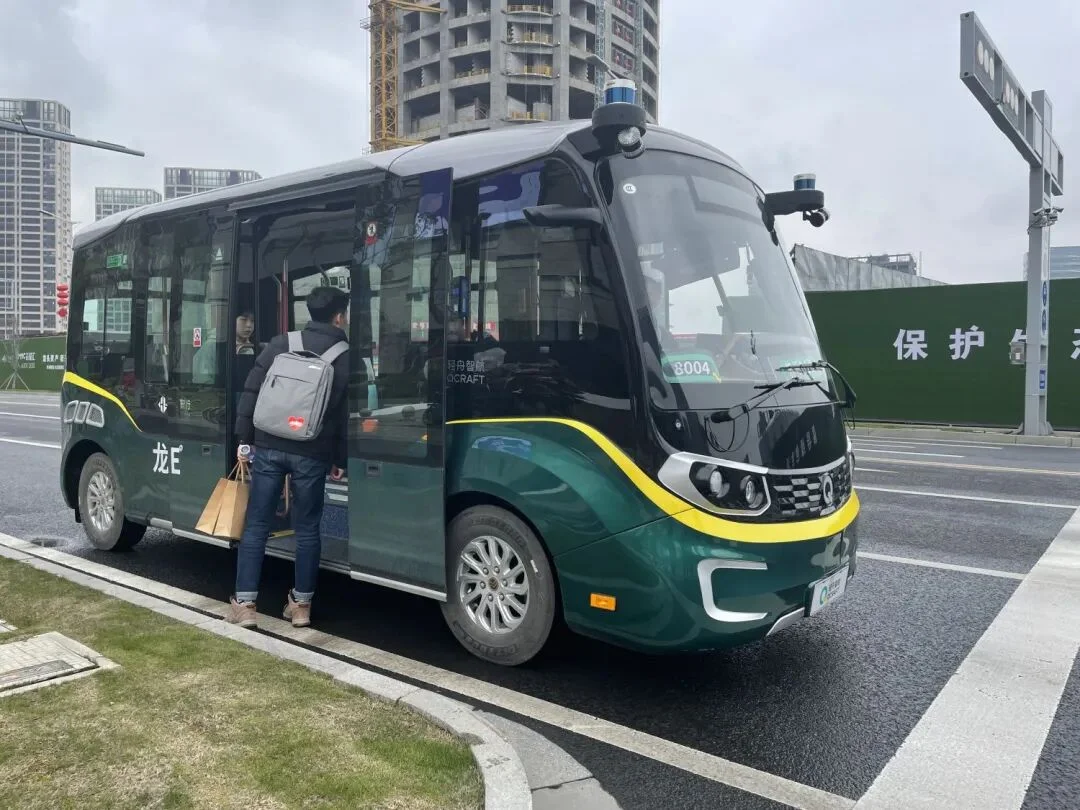
Time goes back three or four years: this area was largely barren land. The current high-rises and wide roads were built mainly within the last two years, so infrastructure has not yet caught up. Many office workers in surrounding buildings have to walk far to reach centralized commercial districts for meals. We arrived at the Suzhou High-Speed Railway New City around lunchtime, giving us the perfect opportunity to experience QCraft’s RoboBus during the "lunch peak."
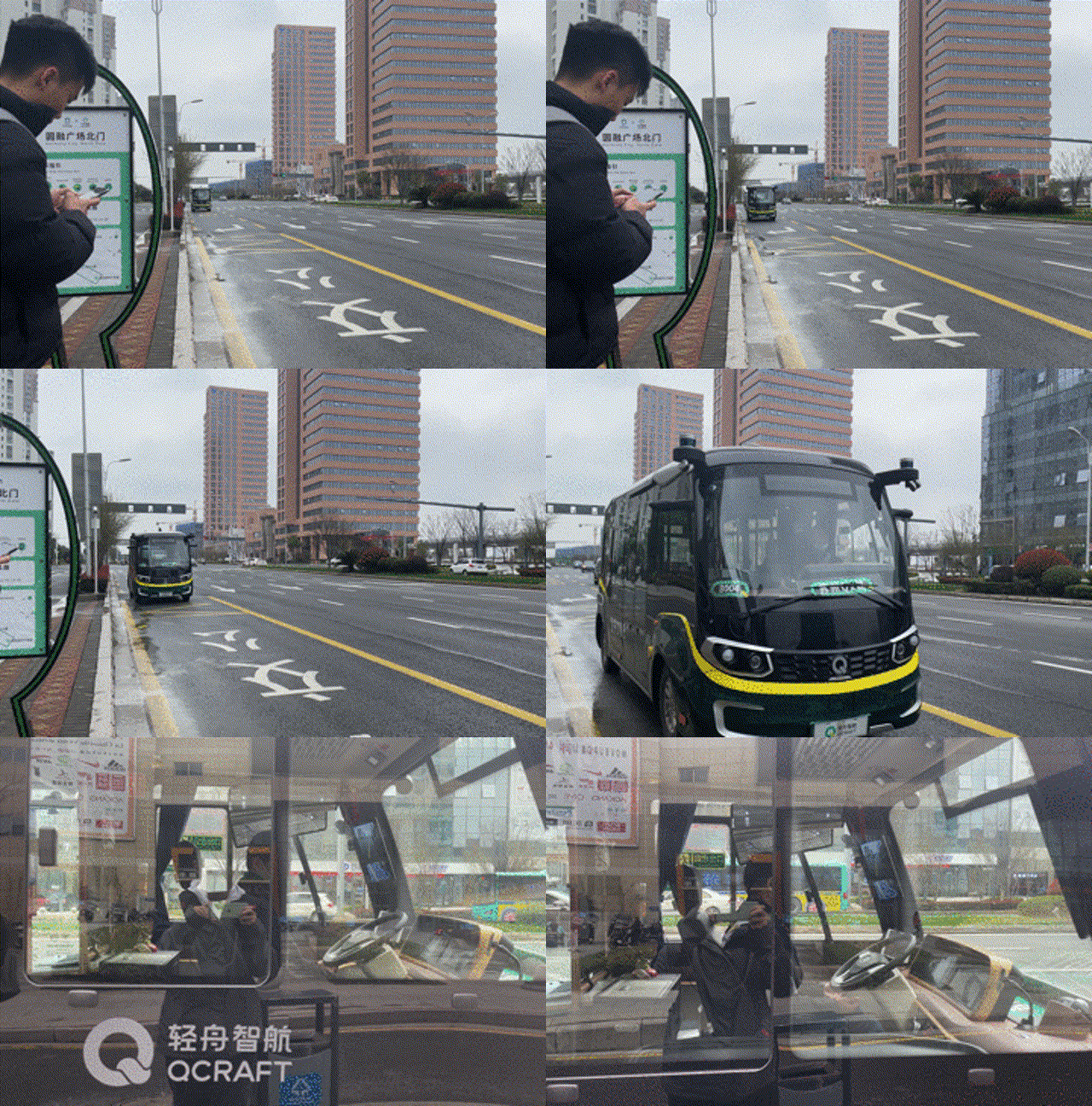
According to a QCraft engineer accompanying us, many office workers in the nearby buildings use the RoboBus as a shuttle to reach commercial areas. Users can check the RoboBus’s real-time location and arrival times via a mobile mini-program, allowing them to plan their departures efficiently.
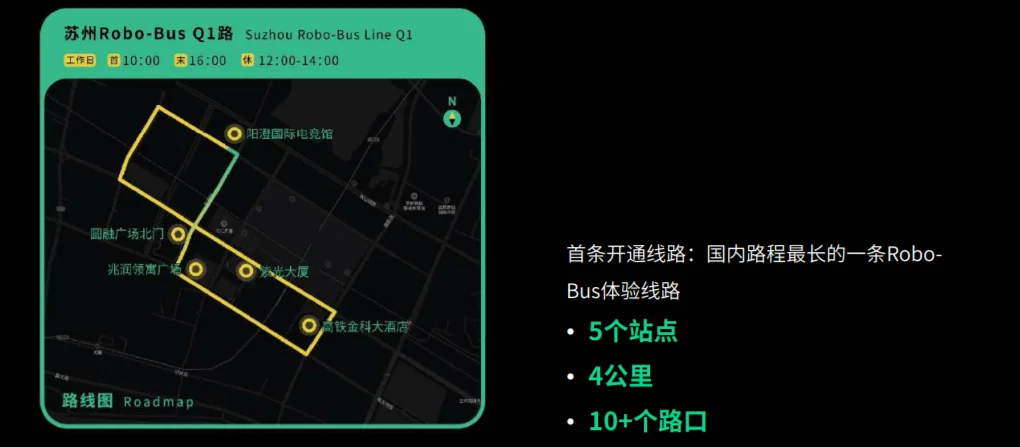
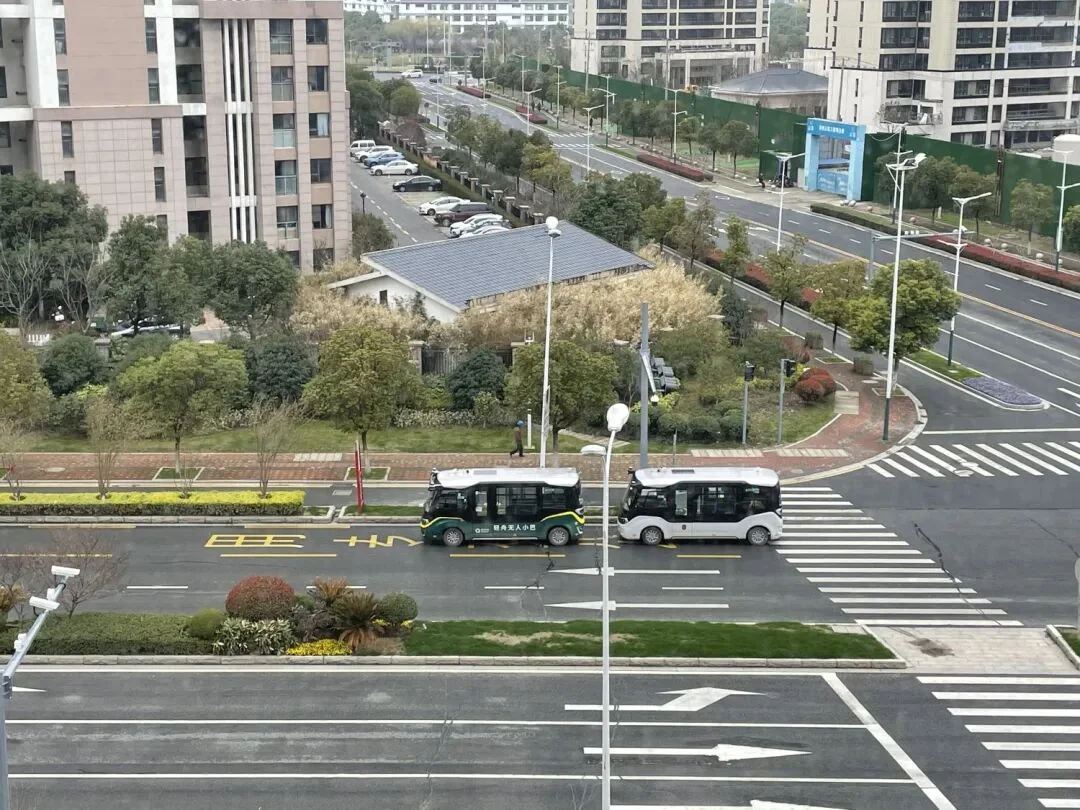
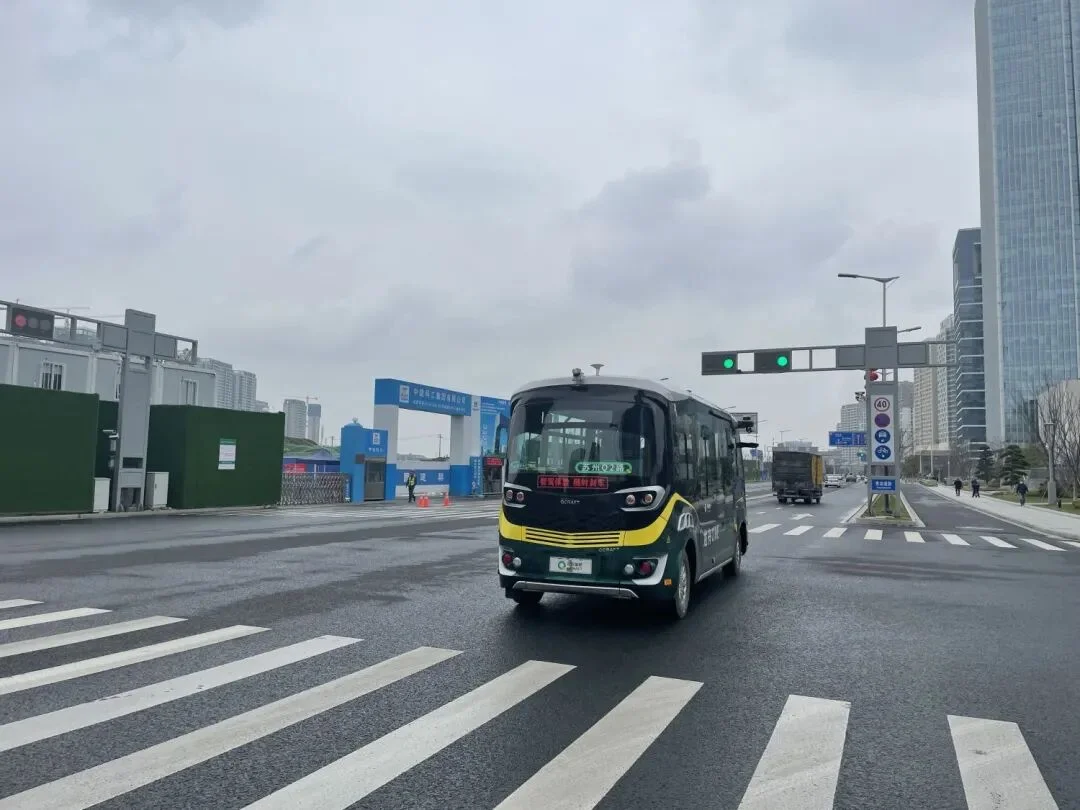
QCraft operates a test route in Suzhou High-Speed Railway New City that circles Suzhou North Railway Station, covering approximately 4 kilometers with five designated bus stops. During the experience, the system encountered close-proximity cut-ins from social vehicles and left-turning traffic at right turns, handling these scenarios smoothly. The vehicle maintained speeds under 50 km/h throughout the trip—a typical pace for L4 autonomous vehicles. While this may seem slow for a Robotaxi, it feels well-suited for a bus environment.
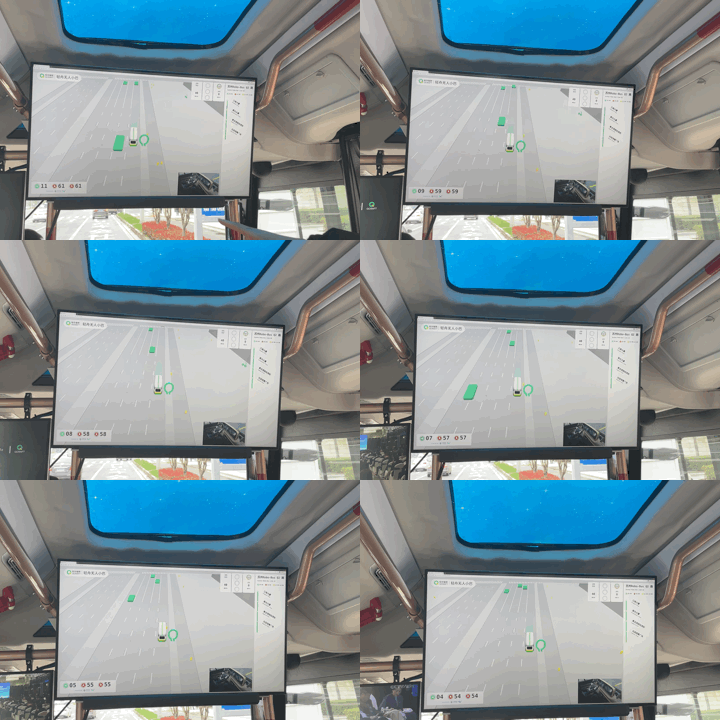
The Longzhou ONE features ten seats inside. To satisfy passengers’ curiosity about autonomous driving, a display screen is mounted behind the driver’s seat. This screen shows high-definition maps and real-time road environments perceived by sensors and V2X equipment. Below the screen, stop information and live camera feeds from the cockpit are displayed. However, the cabin currently lacks voice-based stop announcements, and the overall user experience (UX) has not yet been developed.
In terms of ride comfort, the Longzhou ONE exhibits noticeable swaying during braking and cornering. However, given the public’s inherent impression that buses are not particularly comfortable, this motion does not create a perceptible difference between human-driven and AI-driven operation.
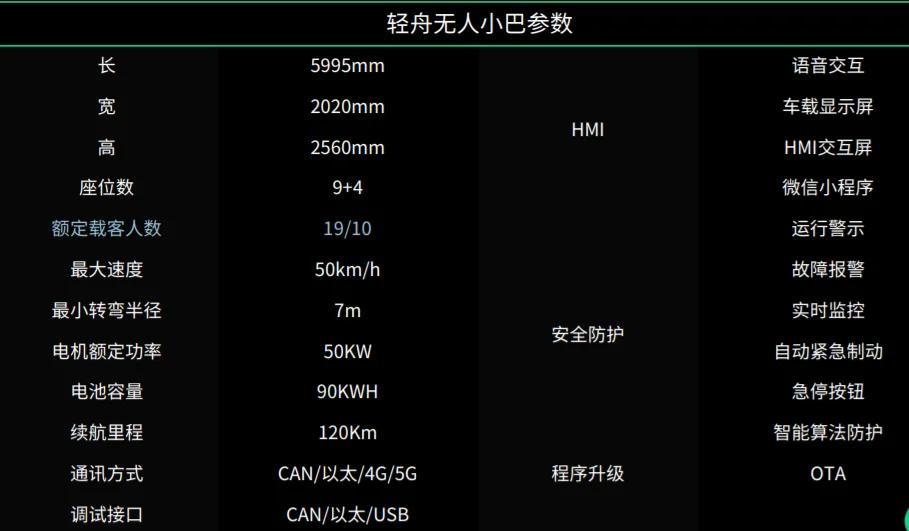
Longzhou ONE relies on two Hesai 40-line LiDARs, three Ouster short-range blind-spot LiDARs, two cameras, high-precision positioning, HD maps, and V2X signal interaction (the operational route is already covered by roadside V2X infrastructure). This sensor configuration is notably streamlined. Since bus manufacturing follows an order-based model, it provides more convenient conditions for autonomous driving retrofitting.
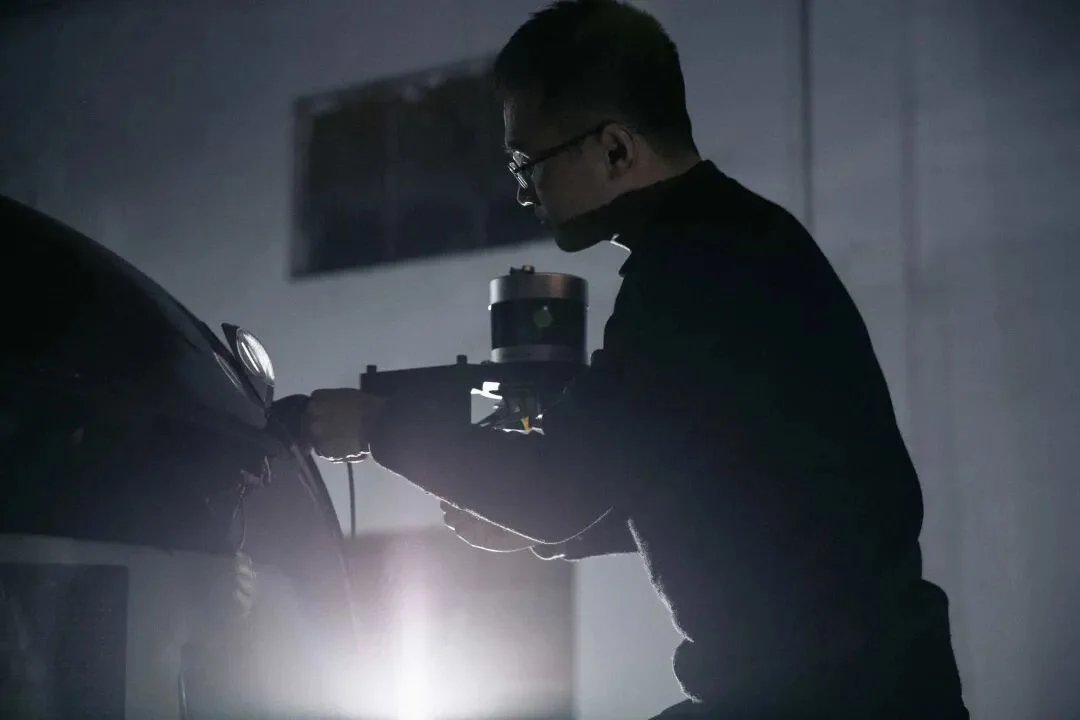
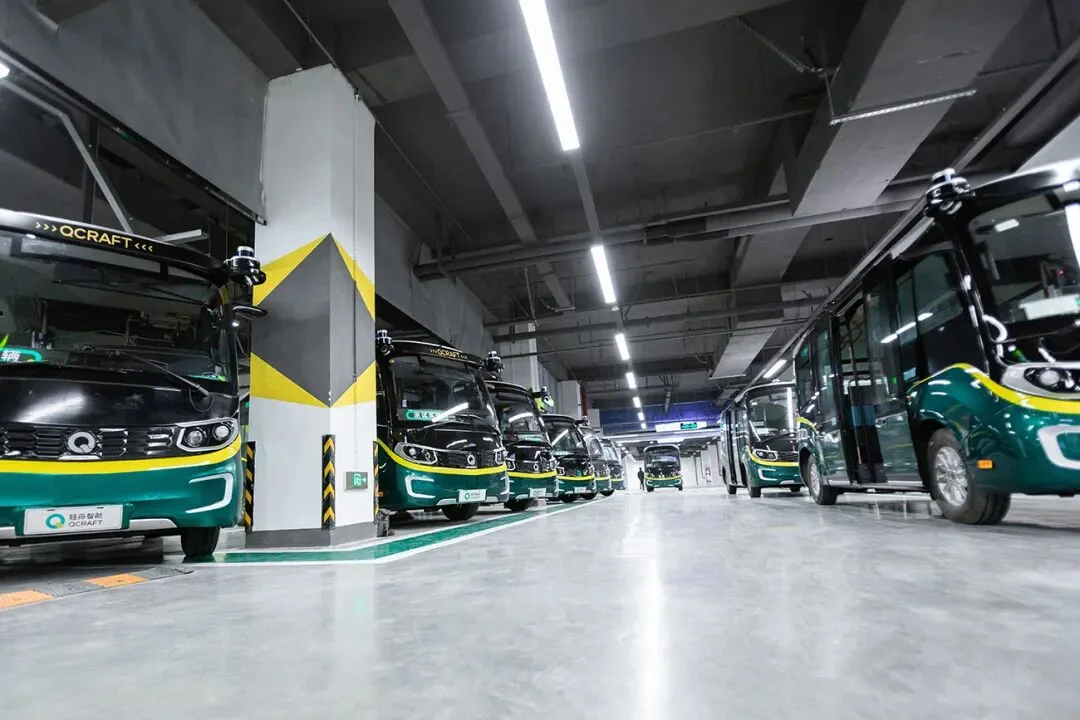
QCraft defined its design requirements during the vehicle customization phase, so the bus manufacturer had already pre-installed wiring harnesses and reserved mounting points for sensors. This allows one engineer to complete modifications and calibration in just five working days, enabling rapid deployment. This efficiency is more than double that of conventional Robotaxis, and the timeline will shorten further as the fleet of minibuses grows.
02Missing the Window, Catching the Trend
On the last day of 2020, China’s Ministry of Transport issued the "Guiding Opinions on Promoting the Development and Application of Road Traffic Autonomous Driving Technology," encouraging the integration of autonomous driving into urban public transit and road passenger transport scenarios. QCraft, which had laid out plans for RoboBus, precisely rode this policy wave.
Fixed-route autonomous driving presents lower scenario complexity and reduced risk compared to Robotaxis operating in open test areas. If road planning is sufficiently robust, RoboBus operations can achieve very high safety levels. For example, in Suzhou High-Speed Railway New Town, the Longzhou ONE operational route has been equipped with V2X devices to provide vehicles with comprehensive road information. Edge computing at the roadside also helps offload perception and computing demands from the vehicle.
Interestingly, the High-Speed Railway New Town installed stern "red-light running exposure" systems at intersections. Vehicles running red lights are photographed by roadside cameras, and their headshots are displayed continuously on traffic light screens for 48 hours. Although this approach is blunt, it effectively reduces the risk of pedestrians and motor vehicles violating traffic signals, thereby enhancing RoboBus safety.
The High-Speed Railway New Town currently lacks dedicated bus lanes. However, if dedicated lanes were established or the system upgraded to Bus Rapid Transit (BRT), the urban public transit scenario would become nearly closed-loop. Conducting autonomous driving in such environments significantly lowers both difficulty and risk, facilitating rapid implementation of unmanned operations.
The lower complexity of the operating scenario results in reduced computing power and perception requirements. Combined with roadside perception and computing capabilities provided by V2X, the cost of smart hardware modifications for a RoboBus is significantly lower than that for a Robotaxi. Currently, the modification cost for one Robotaxi stands at approximately RMB 600,000. This high cost increases the difficulty of promoting autonomous driving adoption. The cost advantage of RoboBus means it holds greater potential for widespread promotion and popularization.
According to QCraft, the operator of the High-Speed Railway New Town will indirectly cover the costs for Longzhou ONE’s intelligent modifications and vehicle procurement through purchasing arrangements, allowing QCraft to direct more funds toward research and development and operational improvements.
03Next Steps: Remove Safety Drivers and Expand Deployment Scenarios
For the story of autonomous driving commercialization to hold water, safety drivers must be removed. Autonomous buses differ from conventional buses in that they free up drivers, reduce labor costs, and lower the safety risks associated with human-driven buses.
Engineers at QCraft stated that for the Longzhou ONE units currently deployed in Suzhou and Shenzhen, the core work remains testing and optimizing autonomous driving algorithms. Therefore, steering wheels and accelerator/brake pedals have been retained, with safety officers on standby to take over at any time. This approach provides the vehicle with greater response margin in complex road environments, facilitating the discovery of long-tail scenarios.
As technology matures and regulations gradually relax, QCraft will eventually remove safety drivers from its RoboBus. An engineer at QCraft stated that although safety drivers will be removed, the vehicle will retain a steering wheel and accelerator/brake pedals for cybersecurity reasons.
Many driverless autonomous vehicles use remote teleoperation as a redundancy measure to facilitate dispatch and handle extreme scenarios. Once vehicle control is uploaded to the network, it faces cybersecurity risks; if hacked, attackers could remotely hijack buses.
QCraft engineers stated that the safest approach is to keep control local, with the cloud serving only for remote monitoring without granting remote operation permissions. During routine operations, the connection between the steering wheel, accelerator, brake, and drive-by-wire systems can be disconnected. If manual control becomes necessary, the connection is restored. If remote monitoring detects safety risks, such as sensor failures, it can issue clear commands like pulling over. In other words, the cloud has permission only to monitor risks and issue specific instructions in response, not to directly control the vehicle. This ensures that even if hacked, passenger safety remains unaffected.
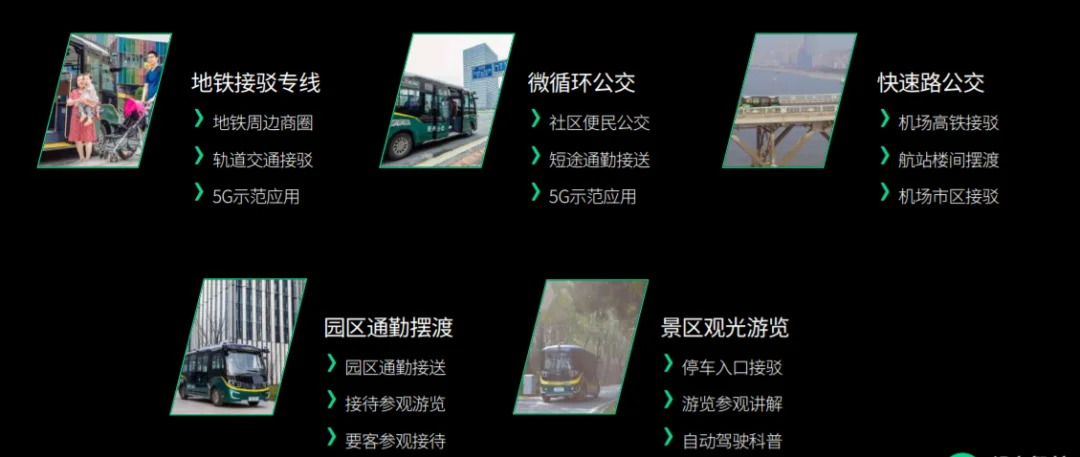
Beyond removing drivers and expanding autonomous driving capabilities to more application scenarios, QCraft’s next step involves broader deployment. In addition to the urban micro-circulation buses currently in operation, QCraft plans to introduce services for metro shuttle lines, expressway buses, campus commuter shuttles, and campus sightseeing vehicles. These scenarios feature high-frequency demand and lower complexity, offering significant potential.
Conclusion
As autonomous driving matures, its landing scenarios are becoming increasingly diverse. However, rationally speaking, achieving 100% safe driverless operation on open city roads remains a long and arduous journey. The development of autonomous driving resembles the curve of battery charging: companies have effectively solved 90% of the technical challenges, but will need to spend several times the previous time and resources to address the remaining 10%.
When technology cannot yet serve all scenarios, implementing it first in scenarios with lower implementation difficulty and risk maximizes its value. QCraft’s focus on fixed-route RoboBuses represents the most viable scenario for autonomous driving at this stage. At least in the near future, we may see true driverless BRT (Bus Rapid Transit) buses become a daily commute tool for countless office workers. This likely underpins ByteDance’s investment logic in QCraft.
Written by Bai Yang Edited by Daji