


Horizon Robotics Unveils BPU Nashen Architecture for Next-Gen Autonomous Driving
In 2023, intelligent driving reached a critical milestone.
Specifically, as automakers accelerated their efforts, urban navigation-assisted driving features began appearing in mass-produced vehicles for testing. The industry is also exploring business models, signaling the potential for intelligent driving to achieve large-scale adoption.
However, current intelligent driving systems still face significant experience-related issues and have substantial room for technical improvement. They remain within the L2 category. Industry players across the supply chain continue to explore the future evolution of intelligent driving in terms of both technological advancement and commercial implementation.
Among these players, we focus on Dipingxian, a key supplier at the upstream end of the intelligent driving industry chain.
On one hand, based on existing commercial mass-production practices, Dipingxian has gradually identified a path to drive the large-scale adoption of high-level intelligent driving. On the other hand, looking toward the future development of intelligent driving, Dipingxian has not stopped; instead, it continues to seek the optimal solution for intelligent driving computing by breaking through core underlying technologies.
The specific technological breakthrough point chosen by Dipingxian is its continuously evolving BPU architecture.
Next-Generation BPU Architecture: Built for Transformers and Large Models
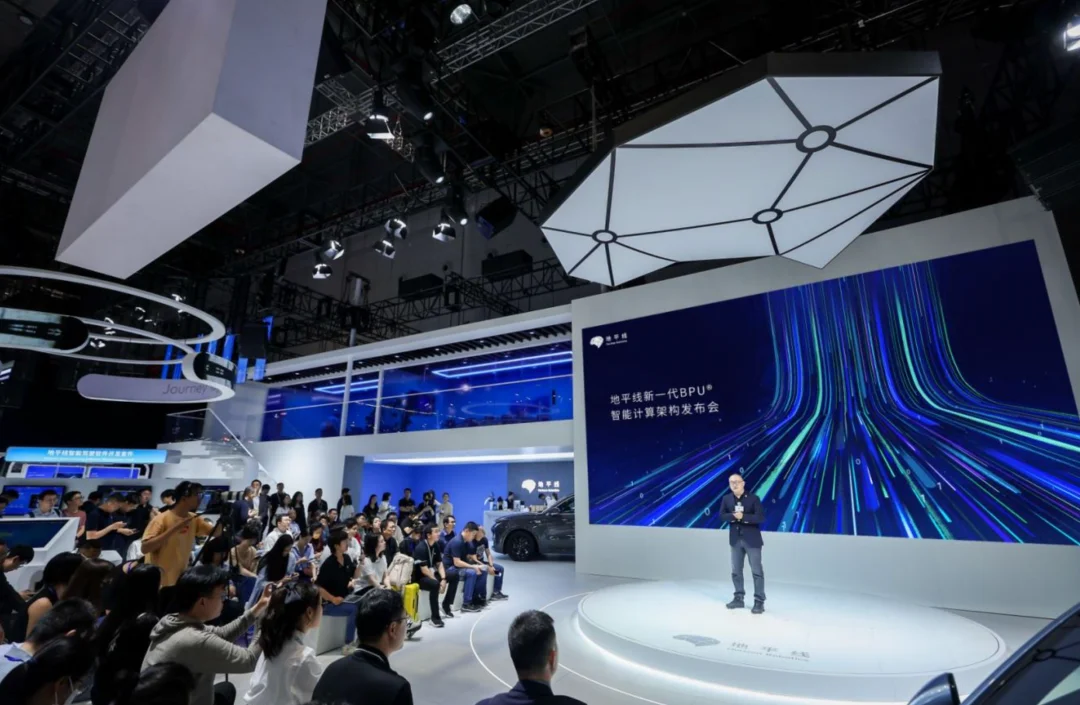
On April 18, on the first day of the 2023 Shanghai Auto Show, Dipingxian officially unveiled its latest generation BPU intelligent computing architecture at a press conference themed "Journey Together, Walking Along." The newly released computing architecture is named BPU Nashen.
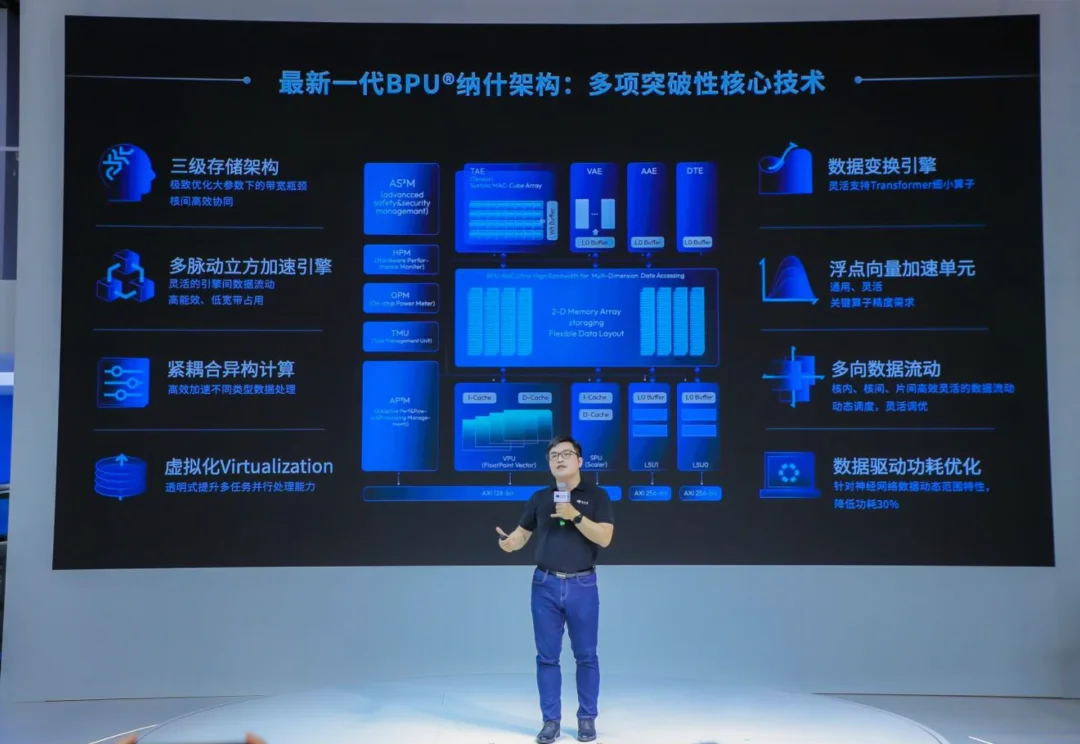
From a technical perspective, BPU Nashen features the following characteristics:
A unique three-level on-chip memory architecture design that enables efficient inter-core collaboration and optimizes bandwidth bottlenecks under large parameter loads;
A multi-pulsed cube acceleration engine that achieves high energy efficiency and low bandwidth usage through flexible data flow between engines;
A data transformation engine that flexibly supports fine-grained Transformer operators;
A floating-point vector acceleration unit with universal and flexible characteristics to meet the precision requirements of critical operators;
Tightly coupled heterogeneous computing units that efficiently accelerate the processing of different types of data.
Efficient and flexible multi-directional data flow within cores, between cores, and across chips, enabling dynamic computational scheduling and agile tuning;
Virtualization technology that transparently enhances multi-task parallel processing capabilities;
Data-driven power optimization that reduces power consumption by 30% by targeting the dynamic range characteristics of neural network data.
From these technical features, the overall design philosophy of BPU Nashen is clear: while continuously emphasizing improvements in architecture bandwidth, energy efficiency, versatility, parallel computing power, and flexibility, it also underscores the importance of reducing power consumption.
According to official statements, BPU Nashen is specifically designed for large-parameter Transformer models and large-scale interactive games, with optimizations for cutting-edge algorithms to achieve optimal algorithmic efficiency. It also employs AI-assisted design, significantly enhancing the architecture's programmability.
Additionally, it features a super-heterogeneous computing architecture, which substantially enhances the diversity of computing power.
For the BPU Nashen architecture, Huang Chang, co-founder and CTO of Dipingxian, told 42HOW Auto that it was developed for the next five to ten years. It is a scalable architecture encompassing computing units, memory units, and more, capable of supporting both single-core and multi-core systems.
Therefore, chips based on the BPU Nashen architecture can theoretically deliver computing power ranging from tens of TOPS to 1,000 TOPS, with a transistor scale that is scalable.
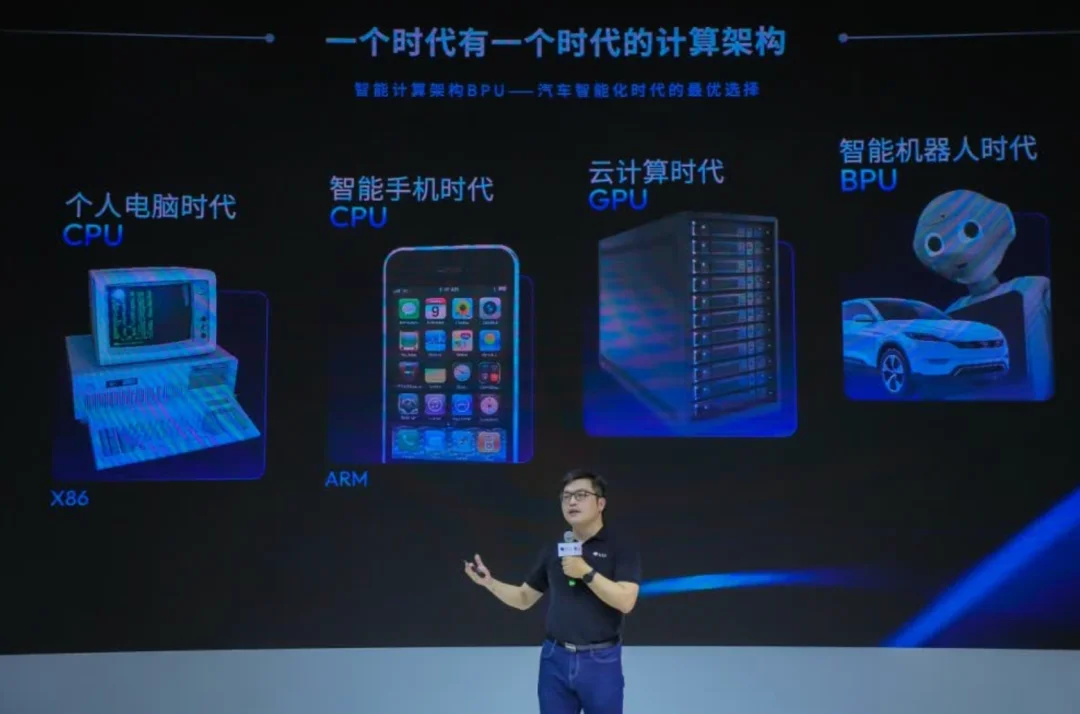
Huang Chang stated that the emergence of the BPU Nashen architecture is driven by a significant trend in the current computing chip industry: a new type of computation oriented toward large-scale data-driven, large-parameter models, and unstructured processing. In the future, an increasing number of computational tasks will be realized through data-driven, large-parameter, high-compute, and large-model approaches; these should run on the BPU rather than on CPUs or GPUs.
In 42HOW Auto’s view, the BPU Nashen was developed in response to the latest technological trends in intelligent driving.
After all, as of 2023, the intelligent driving industry had already formed a very clear technical trend.
That trend is the adoption of intelligent driving technology solutions based on BEV perception and Transformer large models, which has become a common approach promoted by many players. This solution will continue to be optimized in the future as data volumes increase, computing power improves, and algorithms mature.
Against this backdrop, the launch of the BPU Nashen could be described as coming at just the right time.
Of course, if viewed in the context of Dipingxian BPU’s overall development process, the BPU Nashen is actually the latest iterative version of Dipingxian’s intelligent driving dedicated computing architecture, the BPU. It remains a combination of algorithms, compilers, and architecture design, fundamentally reflecting Dipingxian BPU’s strategy of “intelligent evolution” toward the latest neural network architectures and higher-level autonomous driving application scenarios.
Through such "intelligent evolution," Dipingxian aims to build a "superbrain" for autonomous driving.
BPU Architecture: Three Generations Completed Mass-Production Validation
In fact, behind the emergence of the latest generation BPU architecture, besides Dipingxian's understanding of future technology trends, there is another important premise: since its inception, the BPU has undergone three iterations and has strongly supported Dipingxian's commercial implementation process.
At its inception, the BPU architecture was primarily established on the dimensions of technological advancement and business exploration. By August 2019, based on the BPU Bonuli 1.0 architecture, Dipingxian officially released China’s first automotive-grade intelligent chip, Zhengcheng 2. It can more efficiently and flexibly implement processing for various AI tasks, performing real-time detection and precise identification of multiple targets, and is applicable to intelligent driving scenarios such as autonomous driving visual perception, crowdsourced high-definition mapping and positioning, visual ADAS, and intelligent human-machine interaction.
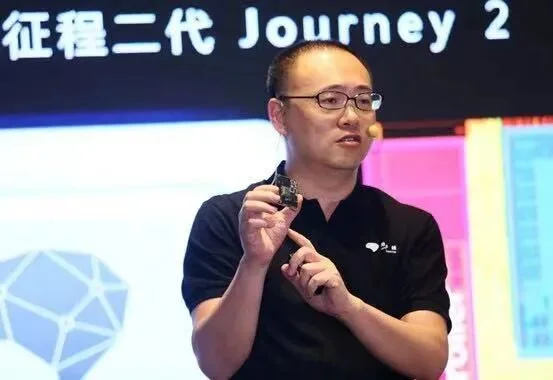
Seven months later, in March 2020, through a partnership with Changan, Dipingxian’s Zhengcheng 2 chip was first integrated into the UNI-T model to enable the Driver Monitoring System (DMS) function within the smart cockpit. Although this initial collaboration between Dipingxian and the automaker did not directly enter the ADAS field, it resulted in shipments of over 100,000 units of the Zhengcheng 2 chip in 2020.
This also marks that Dipingxian has gained recognition from original equipment manufacturers (OEMs), and its investment focus on automotive intelligent chips has yielded returns.
Also in 2020, based on the BPU Bonuli 2.0 architecture, Dipingxian released the Zhengcheng 3 chip, manufactured using a 16nm process. With 5 TOPS of computing power and a typical power consumption of 2.5W, it supports various application scenarios including advanced driver assistance systems, smart cockpits, automated parking assistance, higher-level autonomous driving, and crowdsourced HD map positioning. In terms of computing power, it is positioned to compete directly with Mobileye EyeQ4.
For Dipingxian, the commercial deployment of Zhengcheng 3 carries even greater significance. It was selected by Li Auto for its star model, the 2021 Li ONE. This partnership served as a catalyst, prompting more automakers to seek cooperation with Dipingxian on intelligent driving chips, thereby accelerating Dipingxian’s path to commercialization.
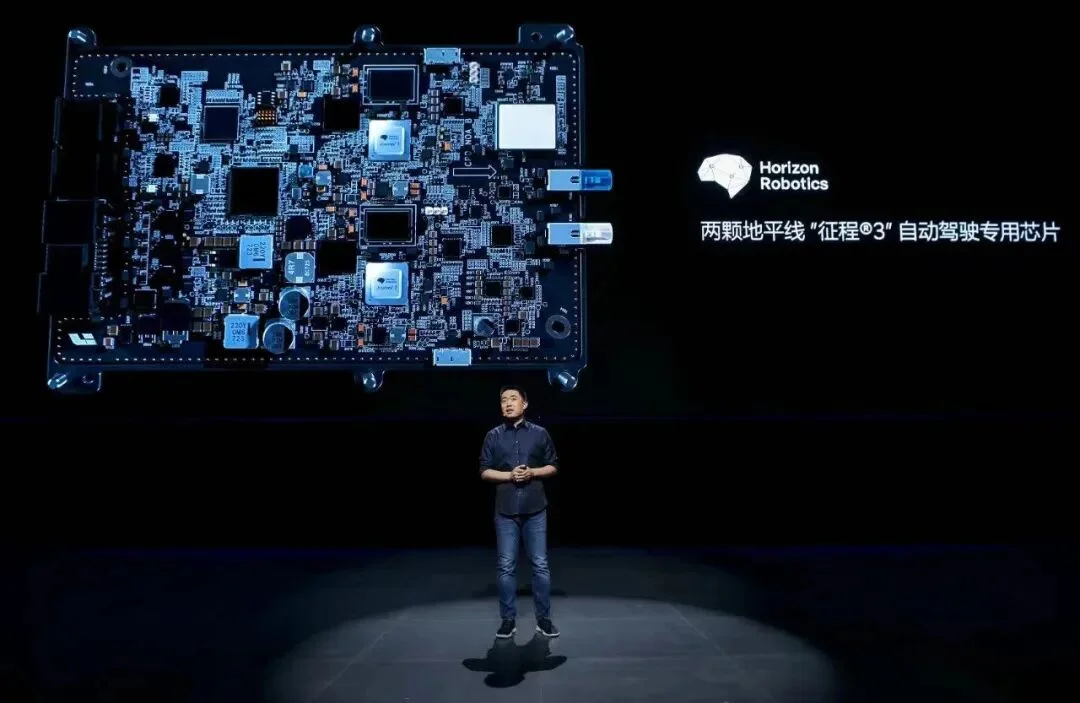
In July 2021, based on the BPU Beiyesi architecture, Dipingxian released its third-generation automotive-grade product, Zhengcheng 5. This can be considered a true domestic high-compute chip, featuring a peak performance of 128 TOPS. It supports 16-channel camera perception inputs and meets the requirements for multi-sensor fusion prediction and planning control needed for high-level autonomous driving. Notably, Zhengcheng 5, built on the third-generation Bayesian BPU architecture, is one of only two high-compute intelligent driving chips globally to achieve mass production.
In September 2022, the Dipingxian Zhengcheng 5 chip was equipped in another Li Auto star model, the Li L8 Pro.
Since its official debut in Li Auto AD Pro in September 2022, Zhengcheng 5 shipments have exceeded 100,000 units. It has secured mass-production design wins for nearly 20 models from nine automakers, including new forces such as Li Auto, BYD, NIO, and Aian, as well as foreign and joint-venture brands. More co-developed models featuring Zhengcheng 5 are expected to enter mass production this year.
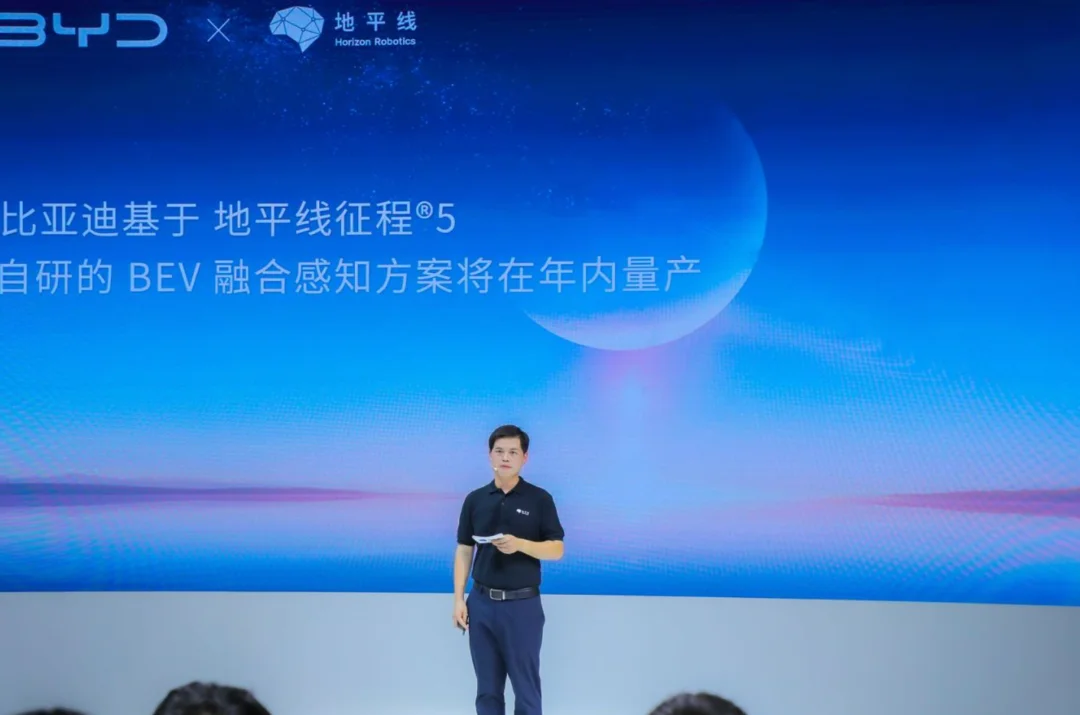
Looking at the evolution of the BPU as a whole, since announcing its first mass-production vehicle integration in March 2020, Dipingxian’s Zhengcheng series chips have shipped over 3 million units. The company has established mass-production partnerships with more than 20 automakers across over 120 models, accompanying users through billions of kilometers of driving.
This demonstrates that, grounded in the continuous evolution of the BPU, the technical path chosen by Dipingxian has been fully validated at the commercial deployment level.
Over the past 3 years, Dipingxian has mass-produced and deployed three chips: Zhengcheng 2, Zhengcheng 3, and Zhengcheng 5. Single-chip computing power increased from 4 TOPS to 128 TOPS. The real-world computational performance of Zhengcheng 5, which processes 1718 frames per second, supported the leap in deployment from ADAS to highway NOA.
To drive a 1,000-fold increase in the average MPI for autonomous driving over five years and meet the requirements of continuously innovating algorithms and model scales, the computing power and bandwidth required for autonomous driving must continue to rise. Dipingxian believes this requires an improvement of at least one to two orders of magnitude.
Notably, Dipingxian proposed an end-to-end algorithm framework based on BEV+Transformer this year. This architecture has undergone closed-loop validation on Zhengcheng 5, and technologies such as pure vision BEV dynamic and static environment perception are approaching mass production status—clearly, this development is closely linked to the forward-looking design of BPU Nashen.
Overall, the continuous evolution of BPU is the result of Dipingxian jointly advancing technological development paths and commercial implementation practices in intelligent driving. It possesses strong technological foresight and clear commercial continuity.
Dipingxian's Idealism and Realism
The release of Dipingxian’s next-generation BPU also has an undeniable broader context: intelligent driving is moving toward large-scale mass production.
Based on this context, 42HOW Auto believes that new trends have emerged in the implementation of intelligent driving. For instance, from the perspective of mass-produced vehicles, continuing to rely on stacking processor computing power is no longer the mainstream approach and fails to deliver user value commensurate with hardware investment. Meanwhile, provided computing power meets demand, numerous players across the industry are focusing more on continuous optimization and iteration of software and algorithms.
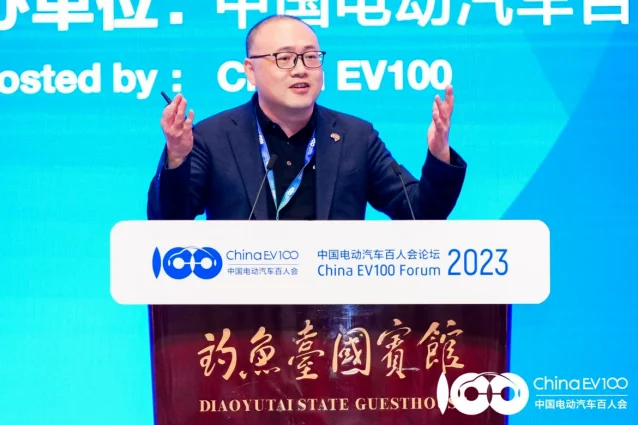
This point also strongly echoes the views of Yu Kai, founder and CEO of Dipingxian—previously, Yu Kai had stated at Zhongguodiandongqichebairenhui:
Chip compute power and user experience are not directly proportional; simply stacking compute power on chips does not create a better intelligent driving system. Current intelligent driving systems range from tens of TOPS to 1,000 TOPS, yet the final user experience does not differ significantly. Therefore, the real focus now is to enhance L2+ user experience through continuous algorithm optimization and more data, pushing toward the limits of systems engineering to create value for consumers.
Based on this consideration, Dipingxian’s latest generation BPU adopted a unified computing architecture designed for large-parameter Transformers, optimizing computational efficiency and reducing power consumption on top of that architecture. This fundamentally reflects Dipingxian’s steadfast commitment to a software-hardware integration approach in its technology path.
It is worth emphasizing that Yu Kai holds a very calm perspective on the future development of intelligent driving.
He believes that the development of autonomous driving faces the most severe system-level technical challenges: open natural scenarios, system randomness and uncertainty, time-varying systems, and multi-agent game theory interactions. These may represent the most challenging systems engineering endeavor in human industrial history. Consequently, intelligent driving will remain at the L2+ stage for the next decade, with fully autonomous driving achievable only on specific dedicated roads.
Thus, what the entire industry can do is continuously optimize users' advanced driver assistance experiences. Dipingxian’s role is to advance the progressive development of intelligent driving by steadily improving compute power, model scale, algorithms, data, and infrastructure, all built upon the foundation of software-hardware integration.
From 42HOW Auto’s perspective, this is clearly a more pragmatic strategy that aligns closely with the laws of industry development.
Furthermore, regarding the overall development of the intelligent driving industry, Dipingxian maintains a pragmatic and open self-positioning. Specifically:
Positioned as a Tier-2 supplier and adhering to a business model characterized by "flexibility and openness, catering to all budgets," Horizon Robotics aims to establish an "ARM + Android" paradigm for the intelligent automotive era. By leveraging open software IP licensing, BPU IP licensing, and other methods, along with an open technical solution based on "chips, toolchains, and reference algorithms," the company facilitates the efficient development and deployment of differentiated autonomous driving solutions for automakers and supply chain partners.
The inclusion of even the most basic BPU IP licensing demonstrates that Dipingxian's open strategy is extremely thorough.
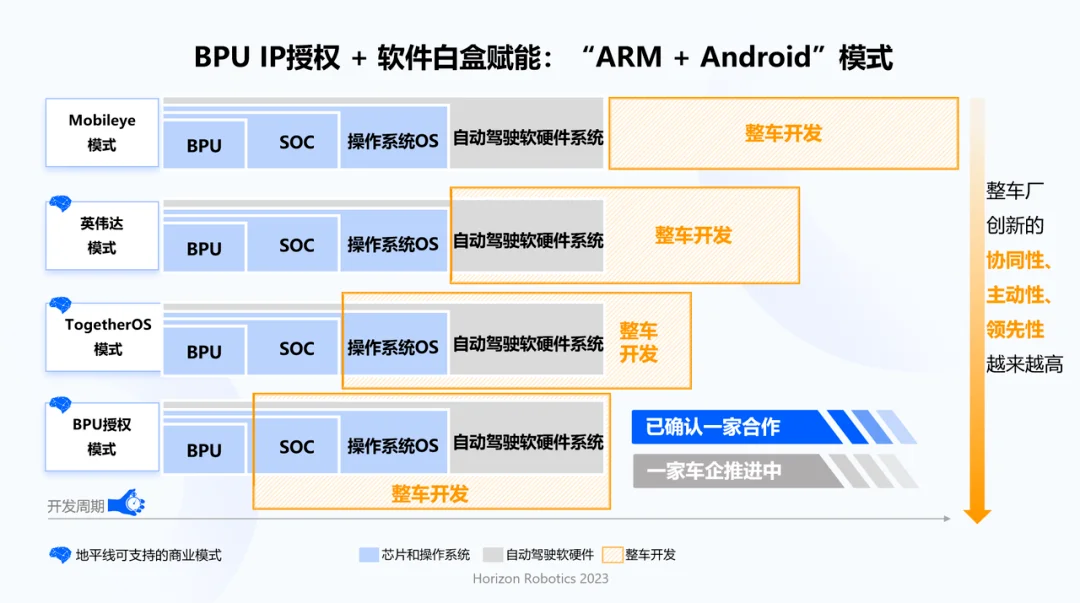
However, while adhering to a rational and pragmatic implementation strategy, Dipingxian still holds an idealistic vision and firm belief in the future development of autonomous driving: over the next ten years, electric vehicles will come standard with autonomous driving systems; there will be one intervention per 100,000 kilometers; commuting efficiency will be ten percent faster than that of human drivers; comfort will reach five-star levels; and the commuting range will cover ninety-nine percent of roads.
In response, Dr. Yu Yinan, Vice President and President of the Software Platform Product Line at Dipingxian, also stated:
"Ultimately, driven by end-to-end giant model algorithms, computing power approaching that of the human brain, ultra-large-scale cloud computing platforms, and data, we are confident that within 10 years, autonomous driving technology will transition from its current phased paradigms to a unified representation of the physical world. By modeling the diversity of the world, it can generate driving models containing world knowledge. The combination of cognitive slow systems and instinctive fast systems will enable us to realize our ten-year vision for autonomous driving."
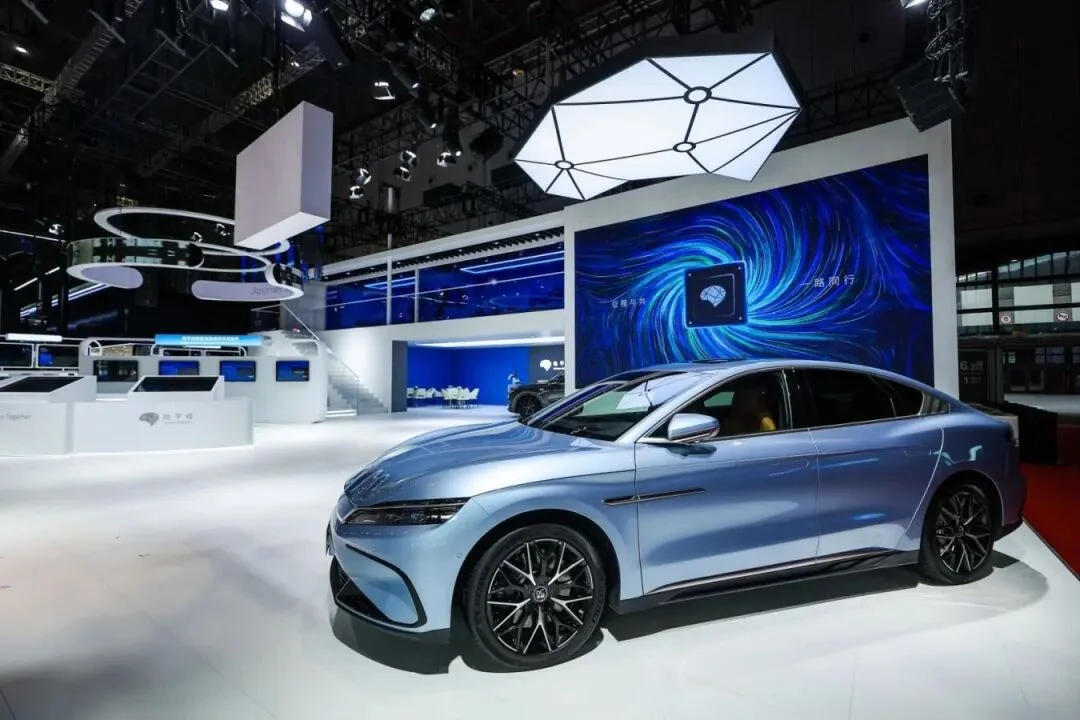
Interestingly, the judgment that "L2++ will remain dominant for the next decade" reveals Dipingxian's realism in commercial implementation; meanwhile, the ten-year vision of "electric vehicles coming standard with autonomous driving systems" highlights its idealism in technological insight. From this perspective, the continuous evolution of the BPU architecture can be seen as strong evidence of Dipingxian's final choice made under the dual considerations of idealism and realism.
Indeed, at the intersection of realism and idealism, the image of Dipingxian as a key driver in bringing intelligent driving to large-scale commercial application in China is becoming increasingly clear and concrete.
Written by: 308 Edited by: 308