


2023 Shanghai Auto Show: Intelligent Cabin Trends in Displays, Compute and Ecosystems
At the 2023 Shanghai Auto Show, which recently concluded, nearly every automaker unveiled new vehicles or strategic initiatives. For these new models, one of the most fiercely competitive dimensions in terms of product capability is intelligence.
The competition in intelligent technology has been the hottest topic over the past two years, divided into two main directions: autonomous driving and the intelligent cockpit.
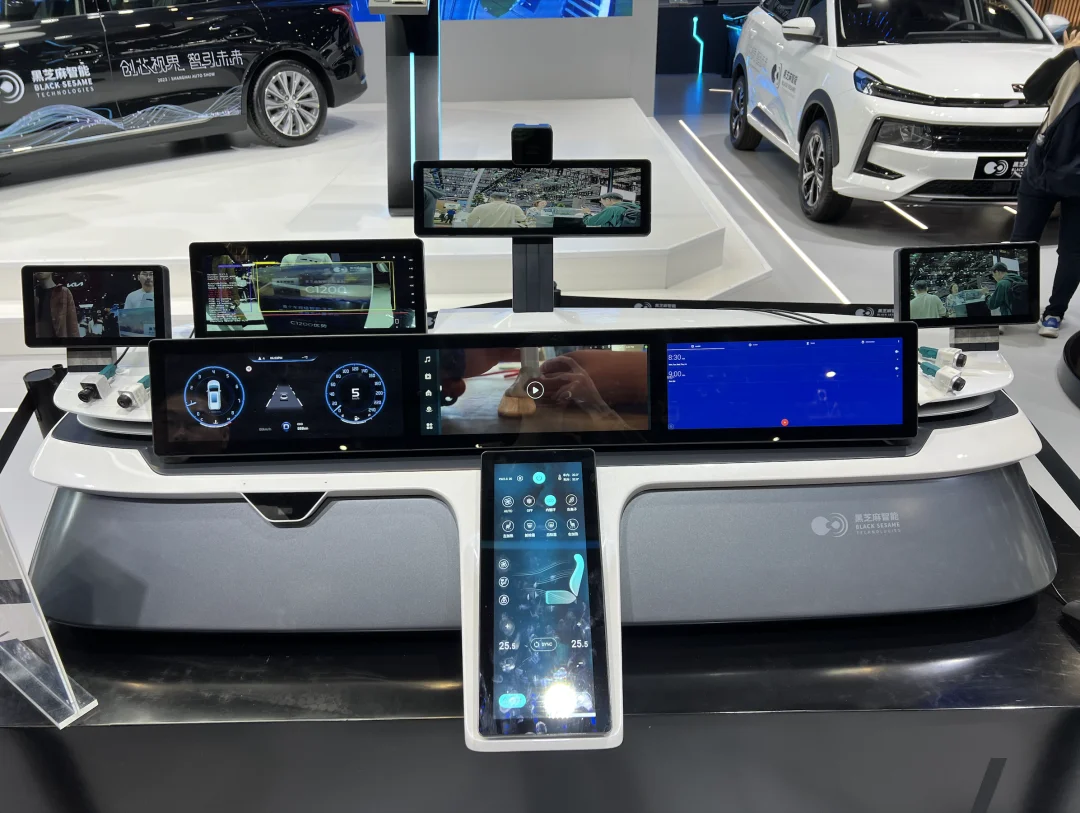
The term 'intelligent cockpit' is relatively new, referring to aspects such as cabin configuration experiences and the functionality of in-vehicle large screens. On one hand, it enhances the experience for users spending time inside the vehicle; on the other, it allows automakers to promote the intelligent cockpit as a core highlight of their entire vehicle. With autonomous driving not yet fully mature, the intelligent cockpit has taken on the heavy responsibility of driving automotive intelligence.
In this article, we will review several development directions regarding intelligent cockpits at this year's Shanghai Auto Show, along with the various products that emerged.
01Diversification of Interaction Methods
A particularly notable booth at this auto show was Unity.
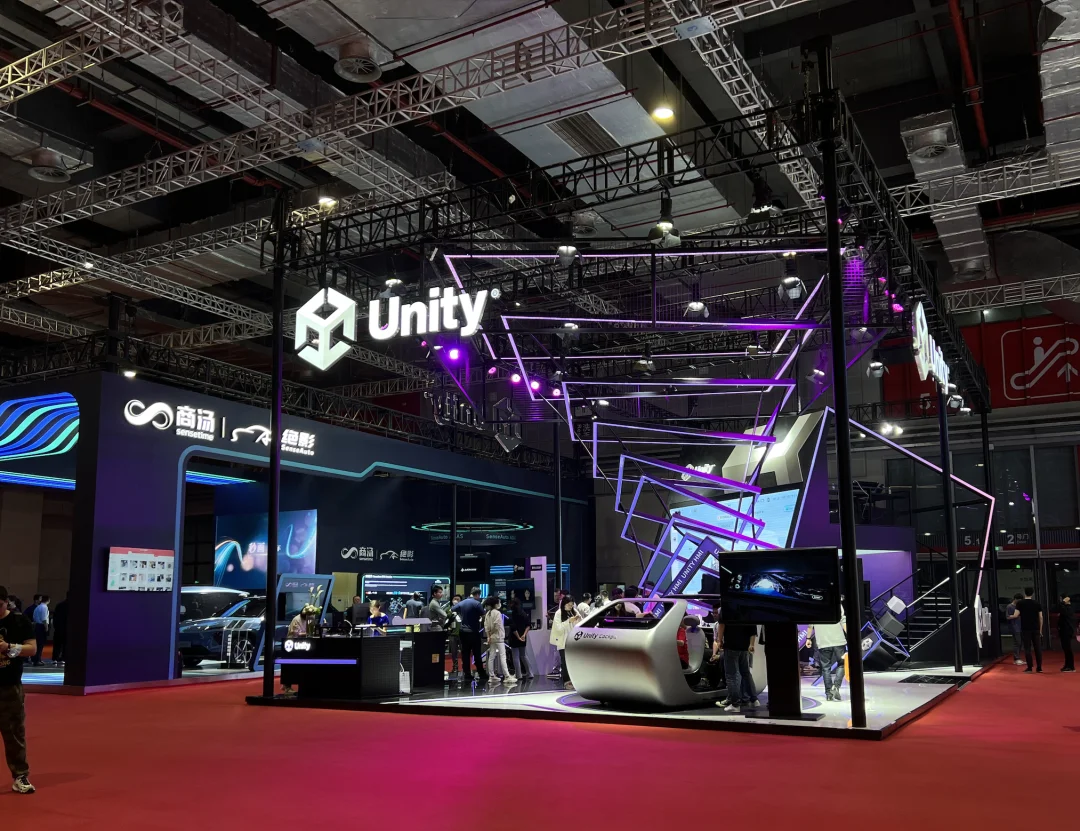
As a 3D game engine company, Unity had already collaborated with numerous automakers prior to this event, with its technology integrated into many vehicle models. For instance, NIO and XPENG utilize Unity’s engine to render real-time 3D interfaces across various 3D-related displays.
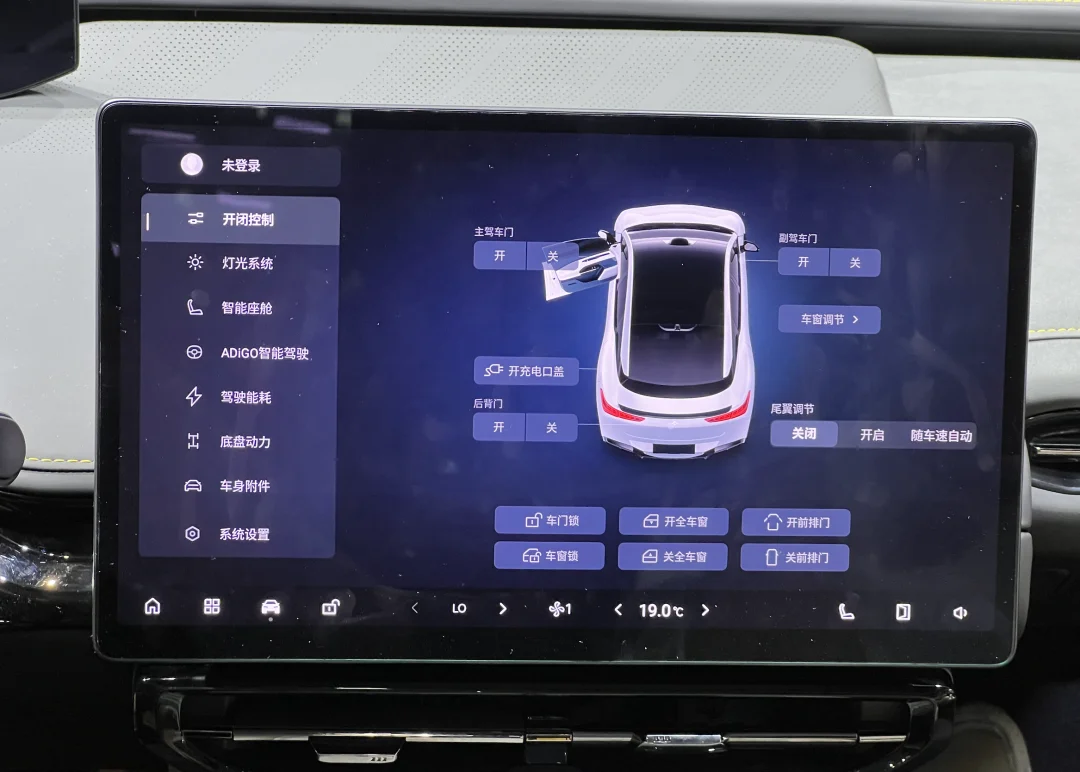
At the current auto show, both new EV forces and BBA (BMW, Mercedes-Benz, Audi) have implemented 3D vehicle control interfaces within their infotainment systems. This serves two purposes: enhancing aesthetic appeal and improving interaction convenience.
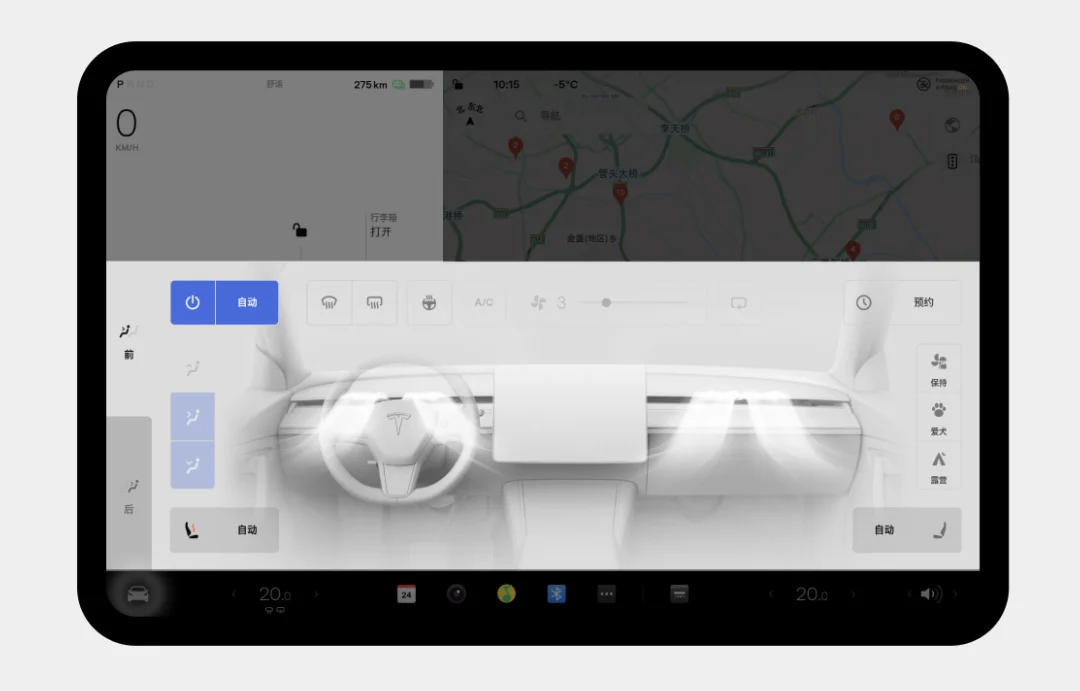
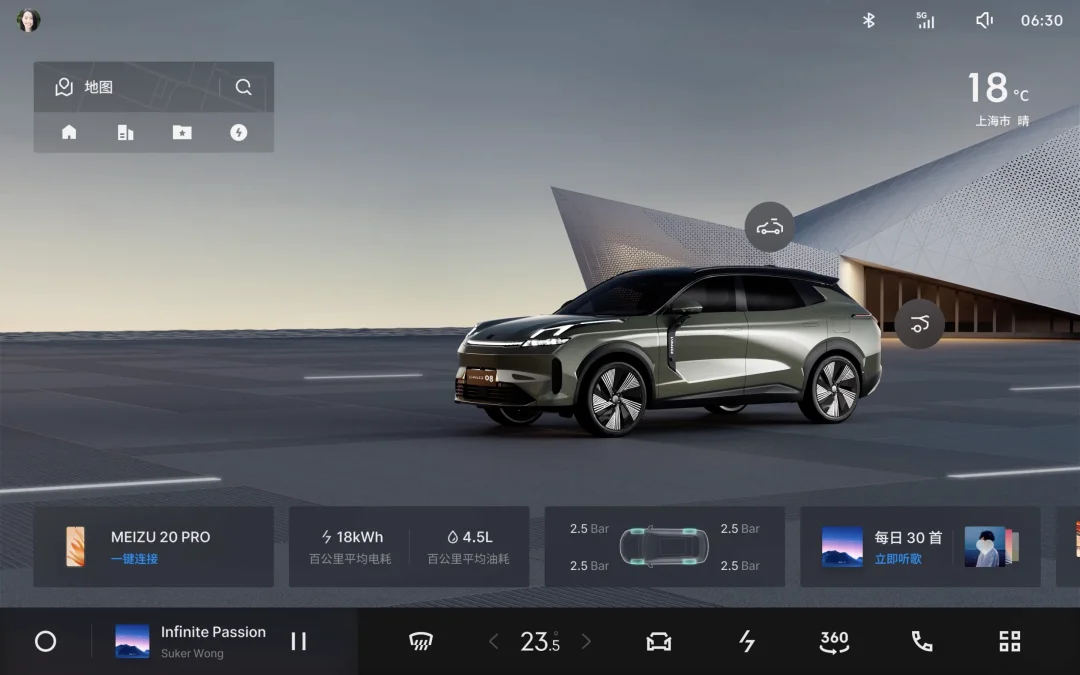
NIO, Lixiang, XPENG, Flyme Auto, Lutesi, Mercedes-Benz, BMW, and others all use 3D interaction methods. A classic example is the animation of air conditioning airflow; this interaction method has been eagerly emulated by various brands and models since the Model 3. Currently, almost all vehicles equipped with electric air vents adopt this format.
Another example is the 3D model display of the vehicle itself. BBA brands adopted this approach early on, primarily for settings menus. When configuring functions related to powertrain or chassis, displaying text options alongside 3D graphics helps users better understand the settings, offering superior visual perception compared to static images.
These visual enhancements provide a higher level of user satisfaction. Coupled with interior design, good infotainment visual design can elevate the overall ambiance inside the cabin.
Meizu’s recently released Flyme Auto also utilizes interaction effects similar to the continuous scene transitions showcased at Unity’s booth. Notably, Flyme Auto implements these effects by incorporating the Unity engine.
02Diversification of In-Car Display Formats
In most vehicles currently on the market, screens are the primary medium for displaying information, serving as the mainstream replacement for traditional indicator lights and analog gauges.
Beyond screens, head-up displays (HUDs) have become increasingly common in recent years. HUD sizes are growing, and their availability is expanding to lower-priced vehicle segments.
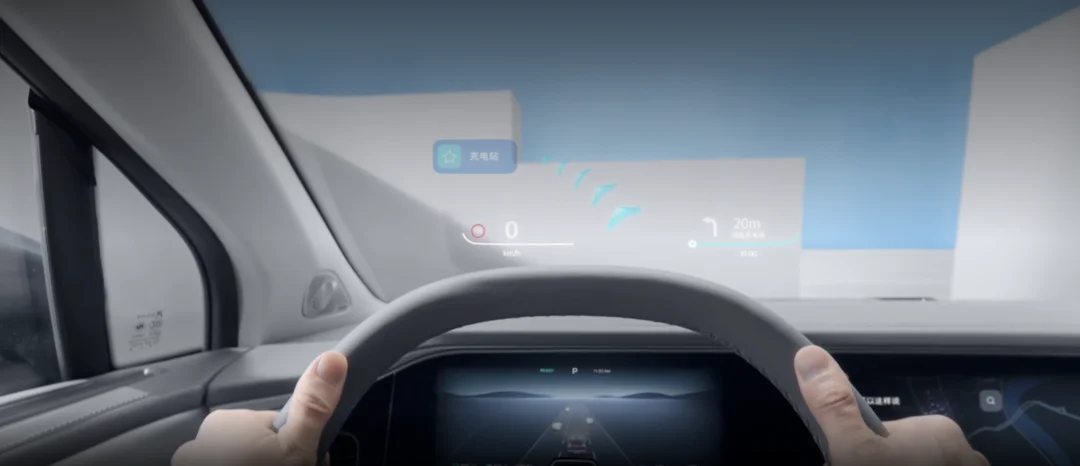
However, the 2023 Shanghai Auto Show introduced several new display formats.
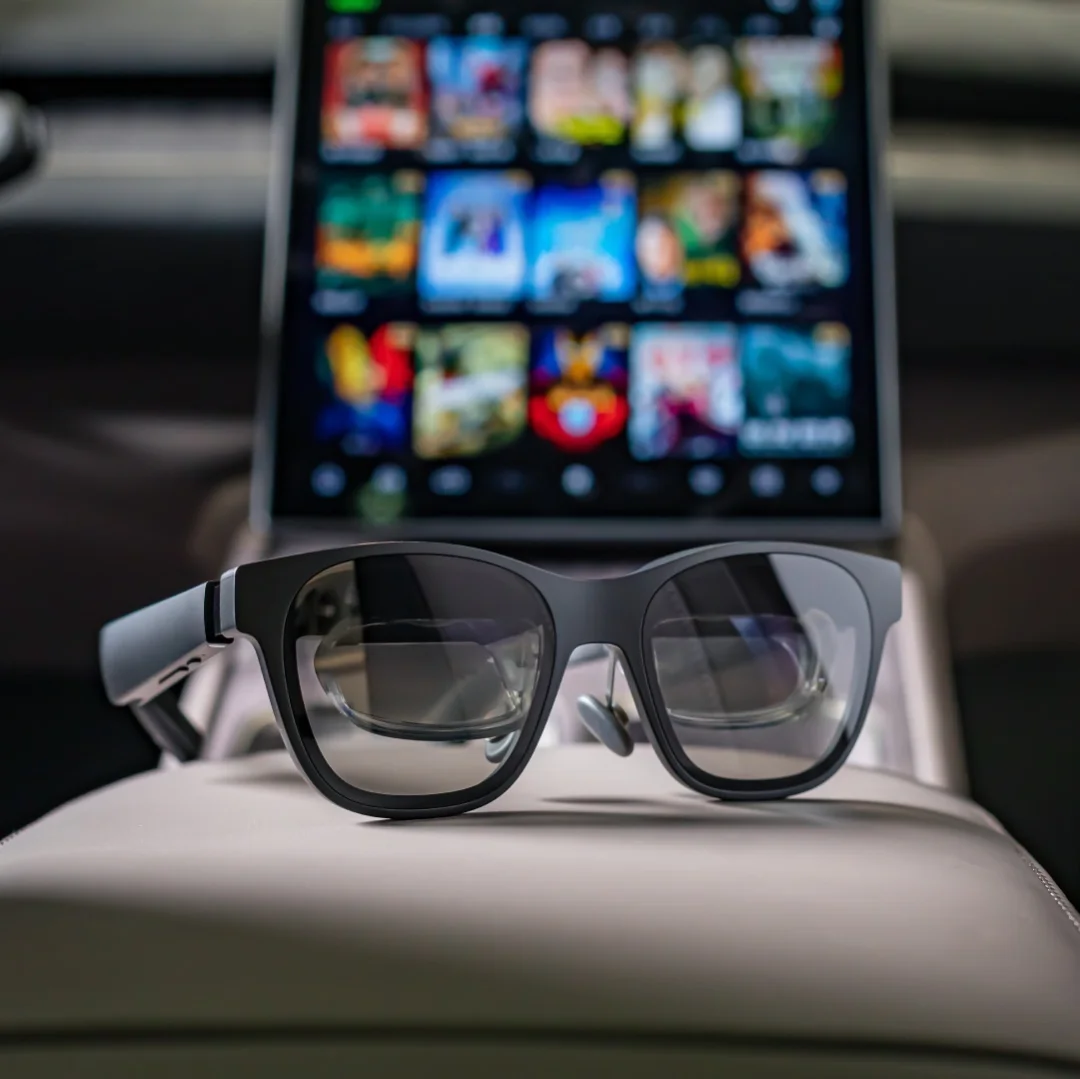
NIO’s NT2.0 platform models feature the PanoCinema panoramic digital cockpit, which supports connection to Nreal AR glasses. The system includes custom-tailored AR interaction and synchronized audio effects, creating an immersive experience equivalent to a 201-inch screen inside the car. NIO has also developed specialized image stabilization algorithms to accommodate the complex, dynamic movements typical of an in-car environment.
BMW showcased its latest technology—the Panoramic Vision Bridge—using the Dee concept car during this auto show and announced that mass production is scheduled for 2025.
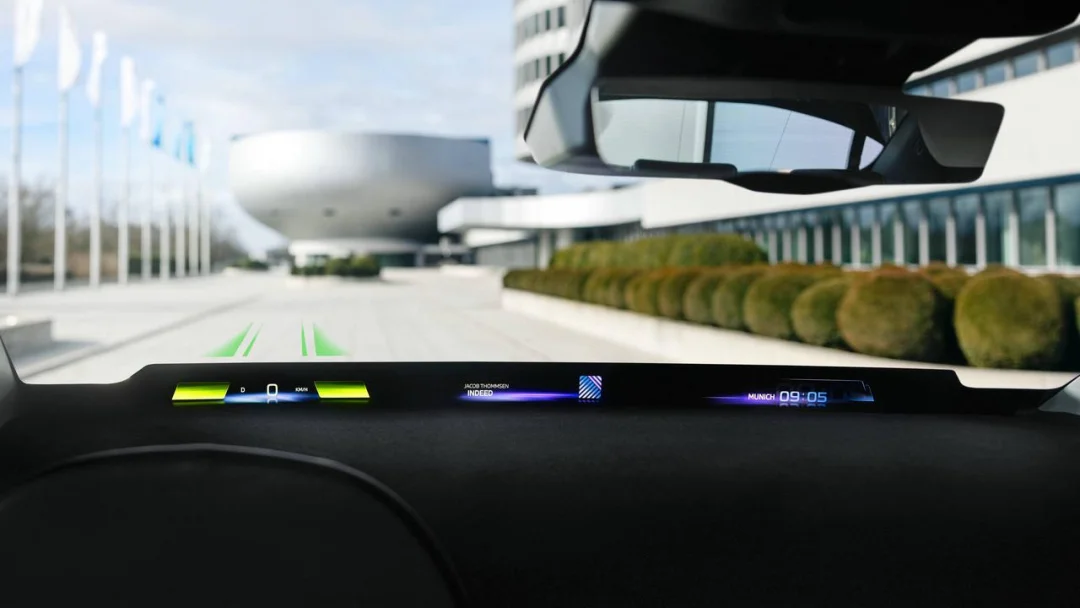
In simple terms, the Panoramic Vision Bridge represents BMW’s vision of next-generation Head-Up Display (HUD) technology. It features a width nearly equal to that of the windshield, but delivers a visual experience distinct from traditional HUDs.
Traditional HUDs are only visible from specific angles, typically limited to the driver’s seat. The Panoramic Vision Bridge works similarly to placing a full-screen display behind the windshield; the image is reflected off the glass for viewing.
Consequently, visibility is largely unrestricted by angle within the cabin, allowing every passenger to see the display.
Theoretically, by integrating with interior cameras to track the driver’s eye position, it can achieve augmented reality (AR) road-fusion displays.
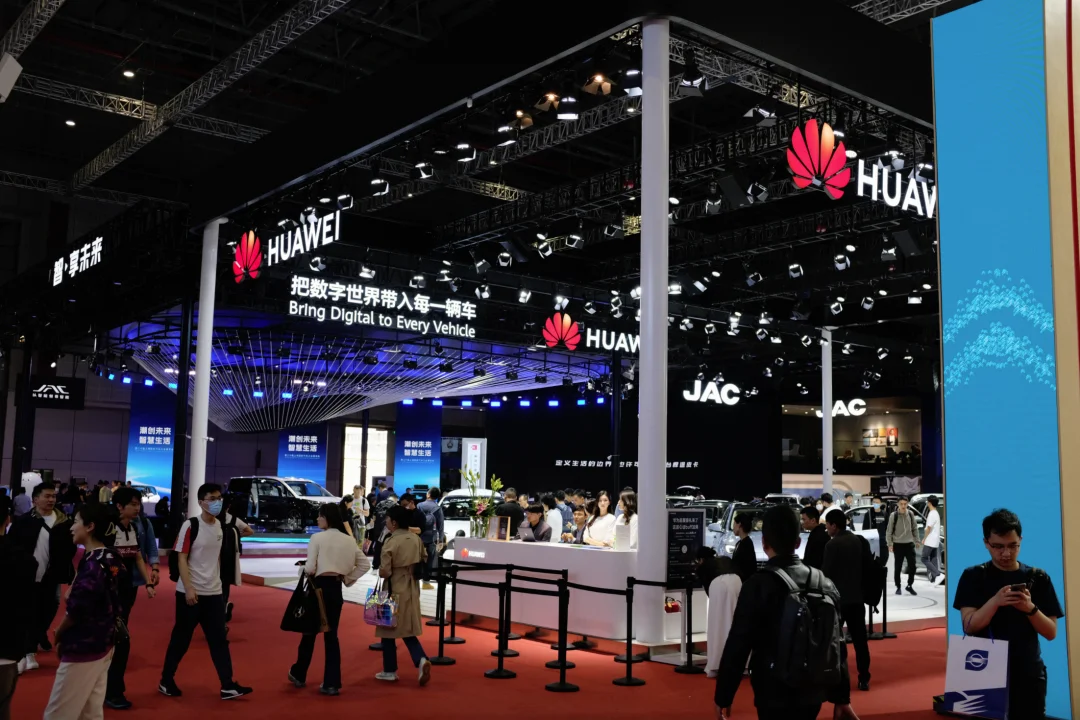
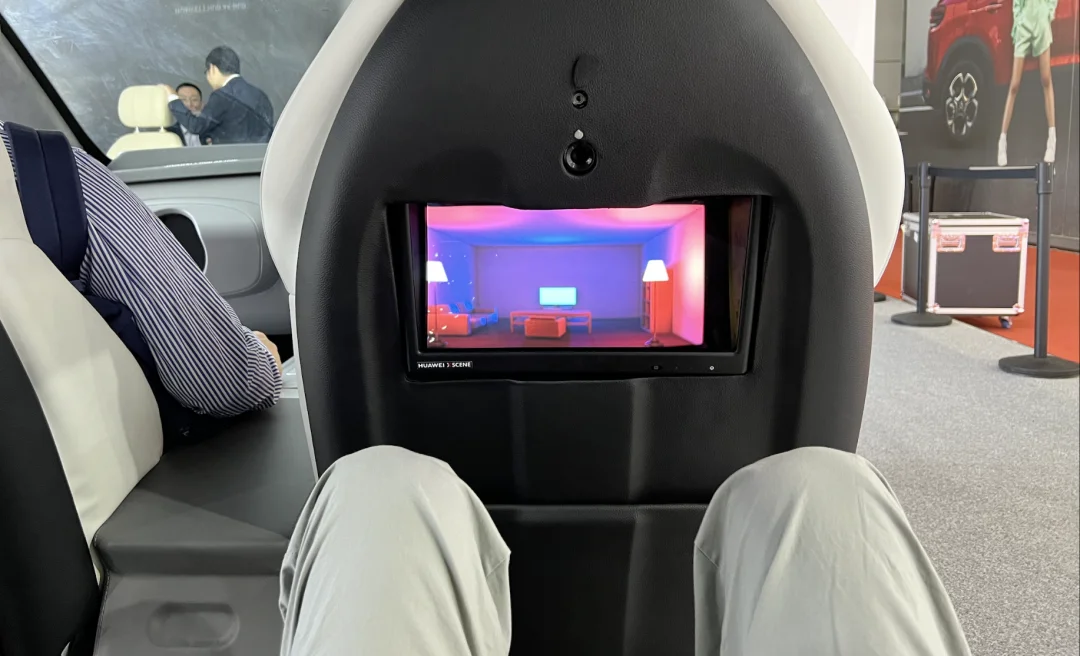
Huawei also presented a new display solution: the light-field screen.
The light-field screen employs proprietary optical engine technology, pioneering an experience featuring large-format visuals, depth perception, reduced motion sickness, and eye relaxation. It significantly enhances in-cabin visual perception, achieving 3-meter far-distance imaging with a 40-inch ultra-large format and 90 PPD super-retina-level clarity, effectively bringing an immersive private cinema into the vehicle.
Clinical tests at the Zhongshan Ophthalmic Center of Sun Yat-sen University show that, compared with traditional LCD screens, it reduces the ciliary muscle's accommodation demand by 96%, effectively alleviating visual fatigue. Verified and tested by SGS and Zhongguobiaozhunyanjiusuo, the Huawei light-field screen has earned the world's only automotive display low-motion-sickness gold standard. For motion sickness during in-car movie viewing, it reduces symptoms by 35% compared with LCD screens and by 90% compared with VR headsets.
The diverse display forms actually reflect each manufacturer's thinking about the next form of the smart cockpit, a point that is particularly important at this juncture when intelligent driving technology is on the verge of breakthroughs.
03Hardware Platforms Move Toward High Compute
As mentioned above, 3D-style interaction imposes a very high performance burden on currently mainstream cockpit computing platforms.
Currently, due to automotive-grade limitations, the chip process nodes already in vehicles remain at 7 nm. The Gaotongxiaolong 8155, based on a 7 nm process, holds an extremely high market share: almost all models priced above RMB 200,000 are equipped with one 8155 chip, and some models feature more than one.
But in terms of actual performance, the 8155 chip, which has been on the market for four years, is showing signs of insufficient computing power.
For instance, the Lutesi Eletre requires the fusion of two 8155 chips to achieve visual effects significantly better than those of other vehicles using a single 8155. Additionally, some models cannot use voice commands while simultaneously activating panoramic imaging. These limitations indicate that smart cockpits require stronger computing power to support increasingly complex daily interaction scenarios.
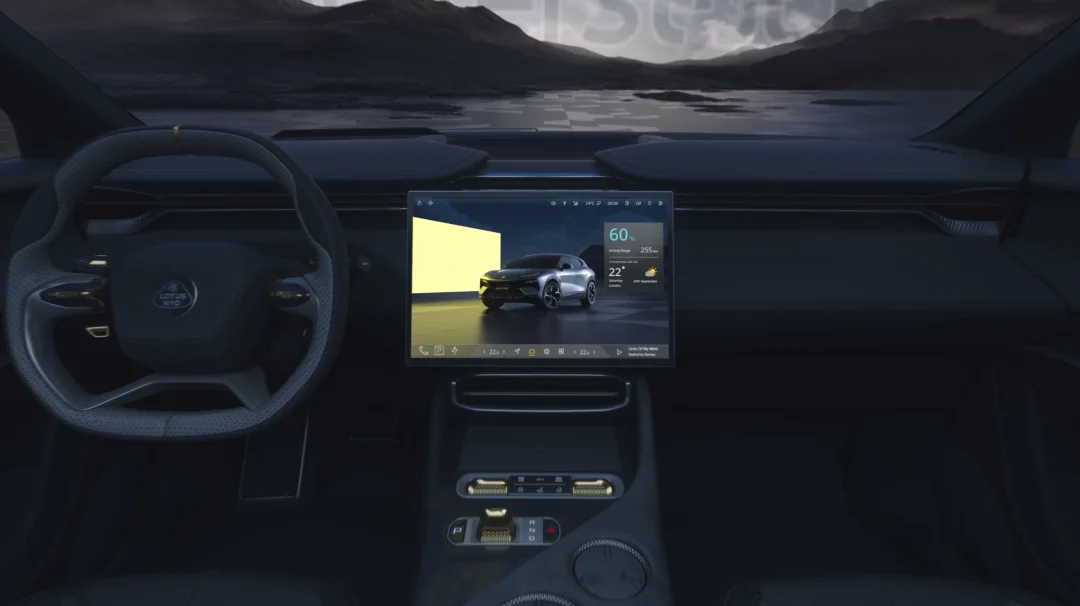
Led by Tesla, as well as Qualcomm and Yikatong, high-computing-power hardware platforms are being introduced to support more sophisticated interaction effects and concurrent processing. Furthermore, enhanced NPU computing power will provide development space and support for various future AI features.
These developments follow several distinct directions. Tesla and Yikatong’s Makalu computing platform adopt solutions developed in collaboration with AMD, each launching custom X86 computing platforms based on Ryzen embedded processors. These platforms aim to deliver ultra-high graphics rendering capabilities and compatibility with PC application and gaming ecosystems.
Tesla has already equipped all its current vehicle models with this smart cockpit computing hardware. Meanwhile, Yikatong’s Makalu computing platform is scheduled to make its debut in 2024 with smart models.
Another direction involves the continuous iteration of ARM architecture chips. Qualcomm’s Snapdragon 8295 processor, set for mass production in 2024, offers up to eight times the performance of its predecessor, the 8155. It is also expected to debut in 2023 with the Jidu Robo 01.
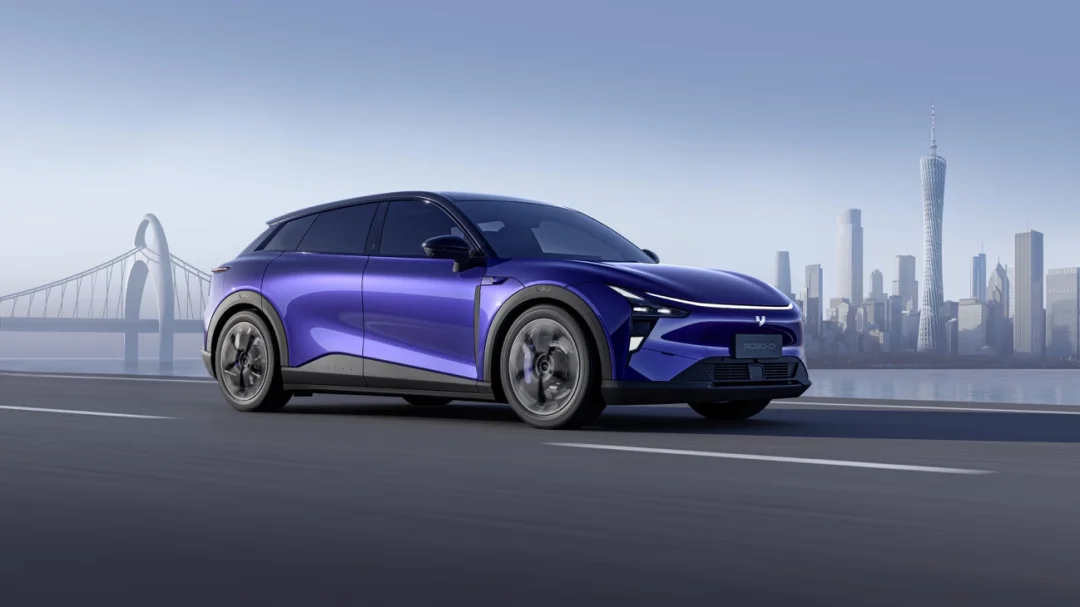
Yikatong also launched its own Antora 1000 Series computing platform, with the Lynk & Co 08’s Antora 1000 Pro as the debut model. The chip is based on a dual-Longyingyihao architecture. A single Longyingyihao chip offers performance roughly comparable to the 8155. In demonstrations of the Flyme Auto system, the Antora 1000 Pro clearly showed that this hardware delivers higher computational power than the mainstream single-8155 solutions currently in use.
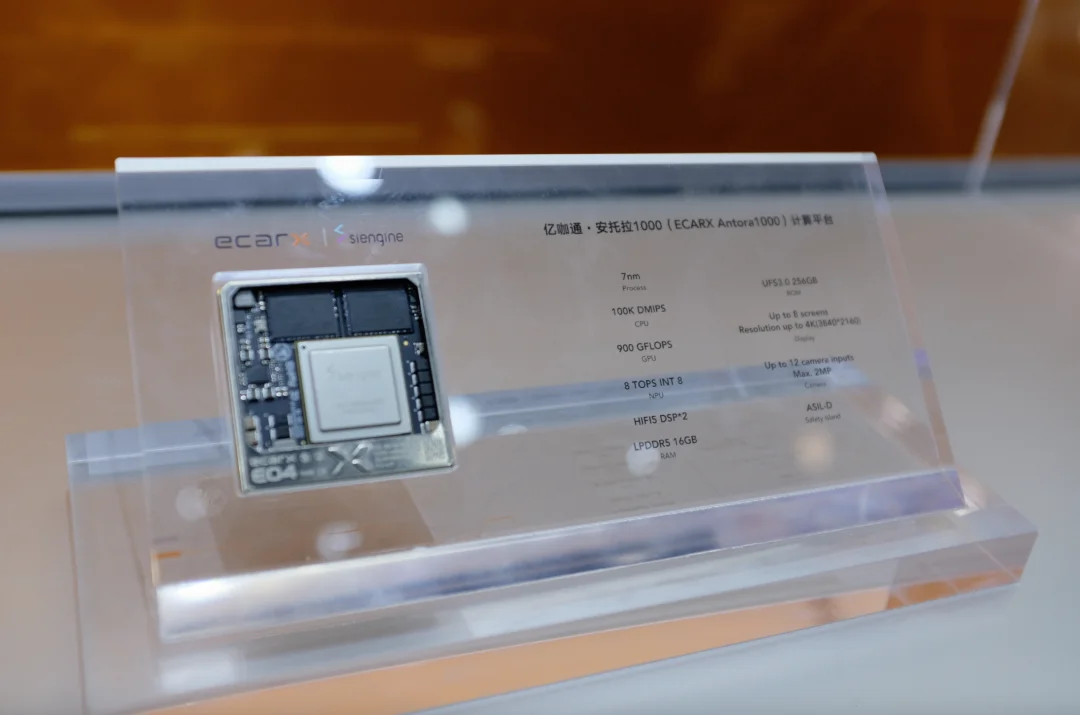
For the smart cockpit sector, chip computing power is crucial. It provides the necessary support for future multi-dimensional feature development. High-performance displays require strong computing power, and various interaction methods—such as voice commands, gesture control, and AI camera recognition—demand robust concurrent processing capabilities. Therefore, the trend toward higher computing power is evident.
04Speakers Are Becoming Premium and Standard
Branded audio systems have traditionally carried a high option price, ranging from several thousand to tens of thousands of yuan per vehicle.
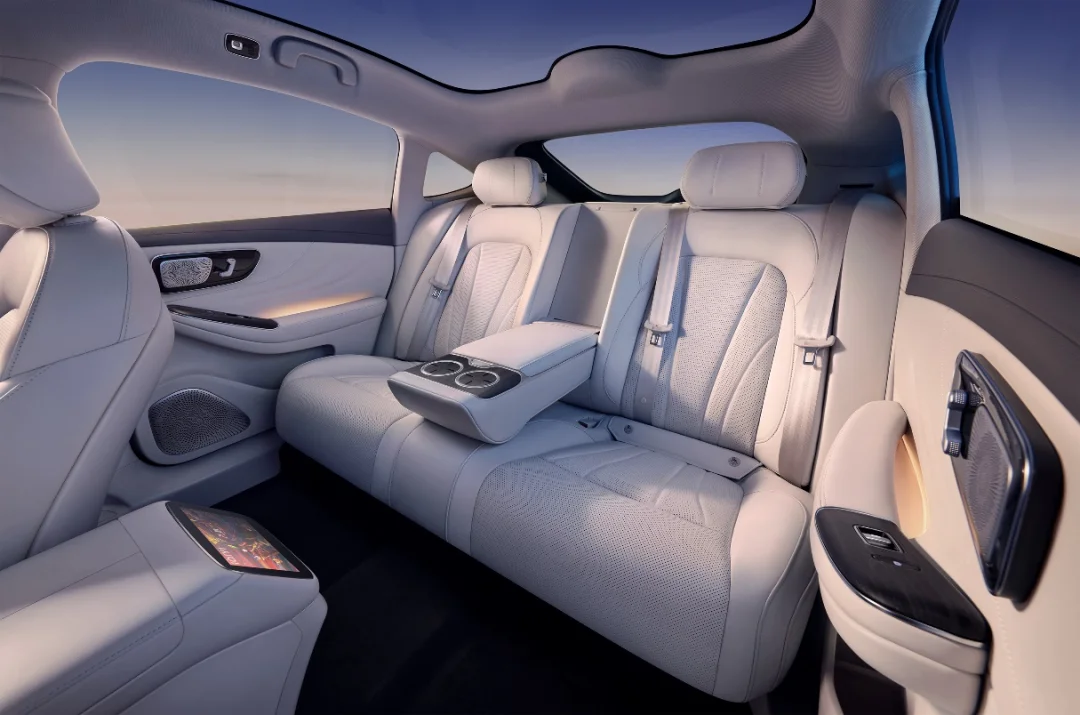
In January 2021, NIO announced that the ET7 would be equipped with a 7.1.4-channel in-car audio system, becoming one of the first models to announce support for a 7.1.4-channel setup. Since then, more and more models have begun to adopt multi-channel audio systems, with the number of speakers inside the vehicle gradually increasing and amplifier power levels rising accordingly.
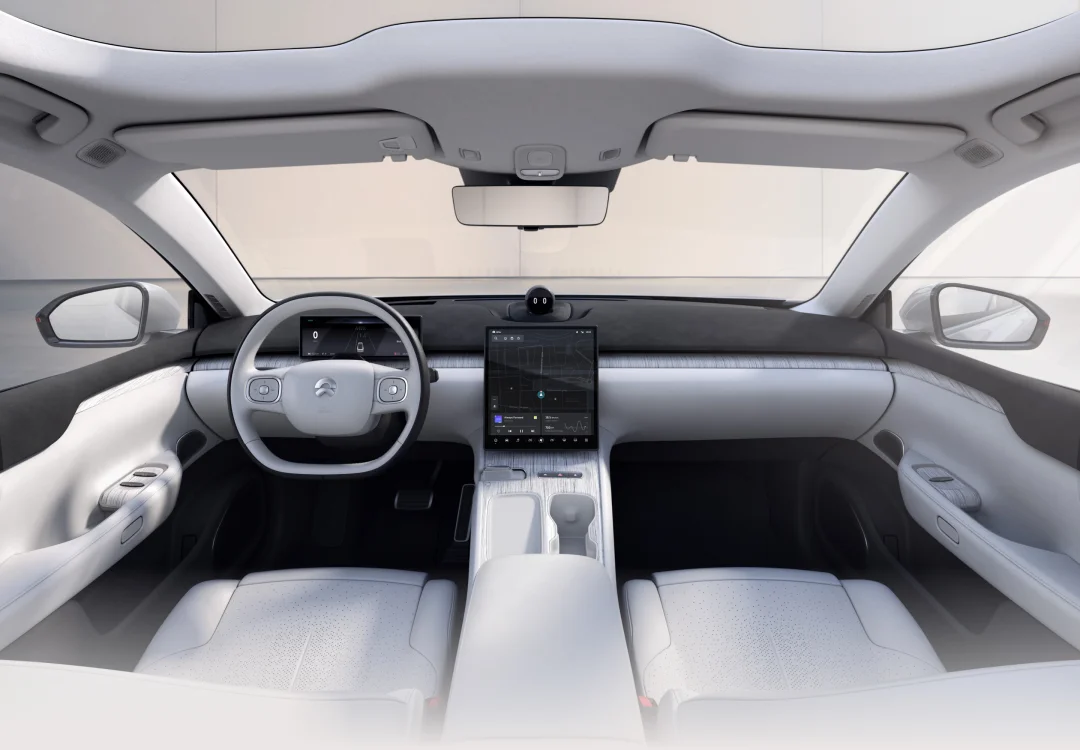
Overall, to enhance the user experience, audio systems within cabin entertainment are trending toward premiumization across all vehicle segments. High-end audio systems once exclusive to luxury models have now trickled down to vehicles priced between RMB 200,000 and RMB 400,000.
For instance, the Nezha S, with a starting price of RMB 179,800, offers a surround sound system supporting 7.1.4 channel configuration in its RMB 242,800 trim. In my previous real-world testing, its performance was comparable to that of vehicles costing twice as much.
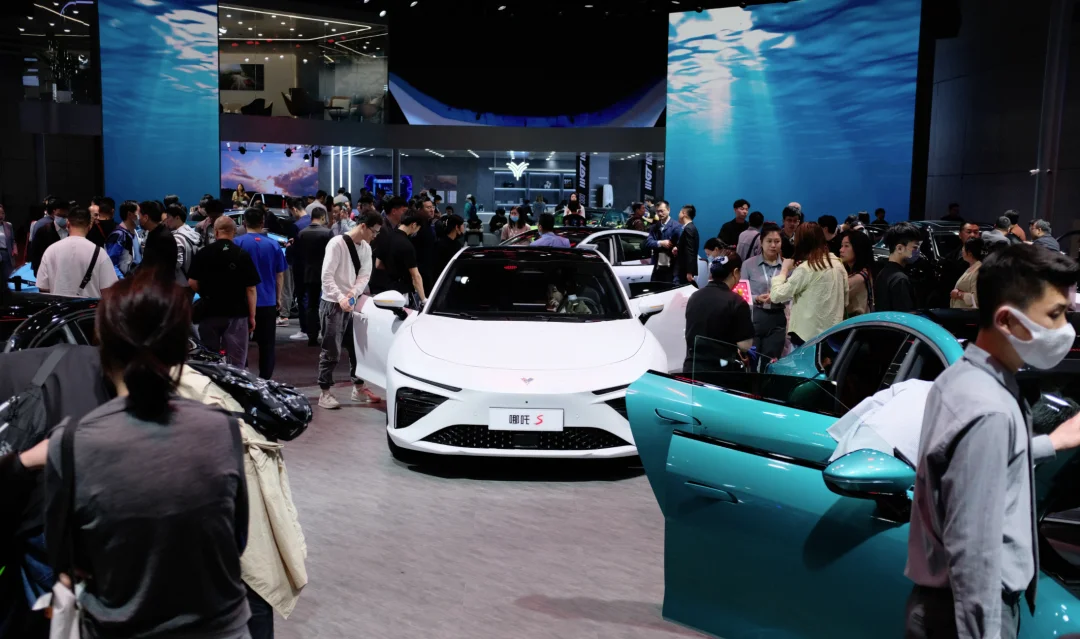
In the high-end segment above RMB 300,000, such premium audio systems have become standard equipment on more models.
Both NIO and Lixiang have adopted solutions from Shangsheng (Shanghai Sound), making high-end audio standard across their entire lineups. This approach simplifies model SKUs while delivering a higher, more consistent cabin experience for users.
Feifan introduced the Bach Cabin audio system in its latest F7 model, even implementing a dual DSP architecture. Beyond the chip integrated into the 8155, an additional well-known ADI DSP chip was added, enabling a dual-DSP system design that raises the upper limit of the F7’s audio performance.
05 Domain Integration and Centralized Domain Control
Currently, the automotive industry is pursuing various development directions, such as integrated die-casting and central domain controllers. Overall, these technologies aim to reduce complexity in vehicle design and manufacturing, while improving efficiency and lowering costs.
In terms of intelligence, recent models launched over the past few years have shifted from traditional distributed Electronic Control Units (ECUs) to multi-domain controllers. This upgrade provides more hardware with over-the-air (OTA) update capabilities for future enhancements, as seen in vehicles from NIO, XPENG, and Lixiang. However, this represents only a preliminary stage in the evolution of vehicle intelligence.
A key feature of domain controller architecture is centralization: aggregating numerous electronic control components into specialized domain controllers for unified management. These domains include cockpit, chassis, autonomous driving, powertrain, and body systems. In the latest models, the previous distributed ECU architecture has been replaced by six domain controllers.
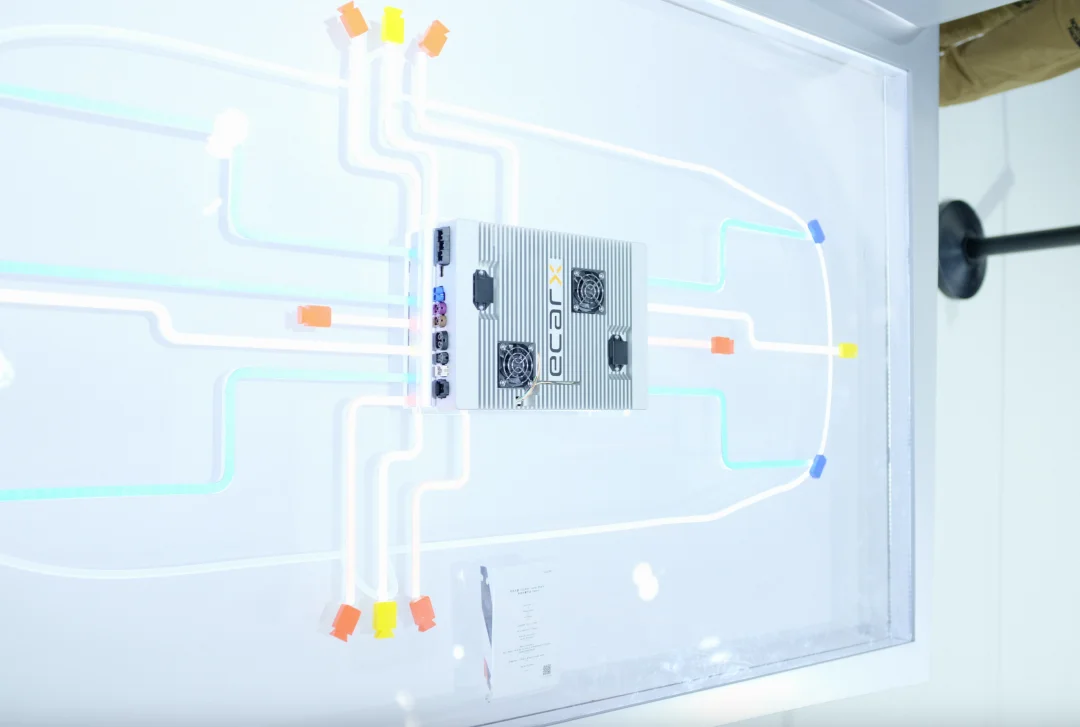
At the current stage, the most feasible solution is cockpit-driving integration, which combines the cockpit domain and autonomous driving domain onto a single System on Chip (SoC). This approach serves as an interim step toward broader domain convergence.
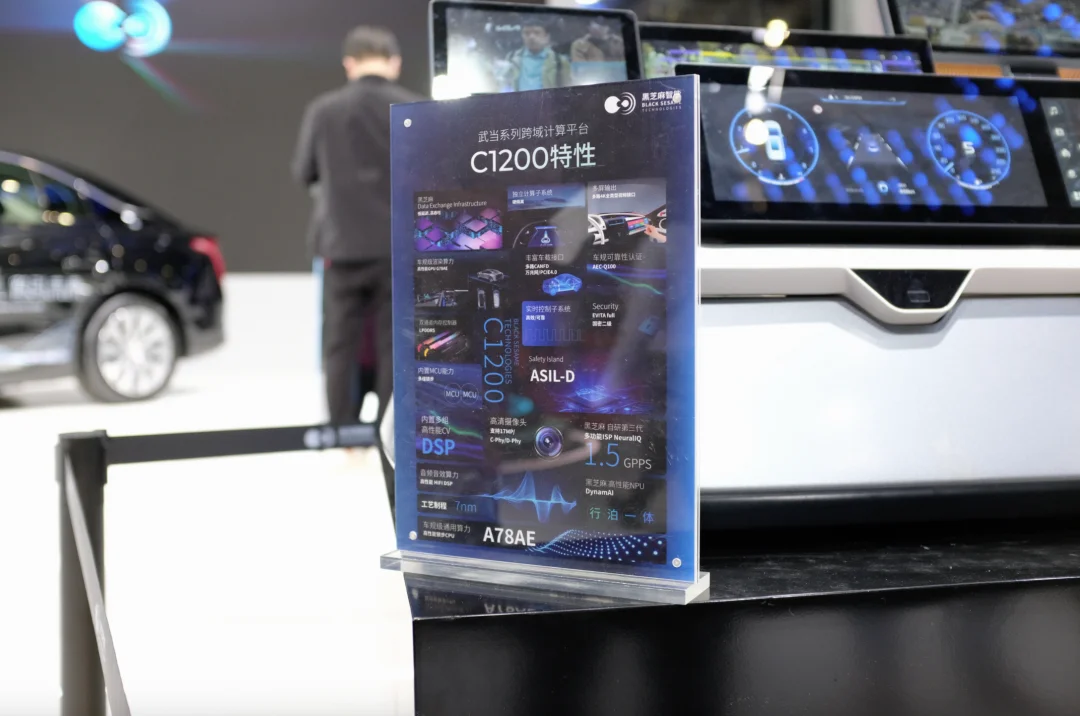
During the auto show, Heizhima released the Wudangxiliejisuanpingtai A1200, a computing chip designed to support cross-domain integration. The A1200 employs an innovative fused design architecture that uses heterogeneous isolation technology to combine different computing powers according to specific scenarios, specifications, and security requirements. This flexibility supports the agile development of automotive electronic and electrical architectures, accommodating various configurations such as dual-brain, cockpit-driving integration, and central computing setups.
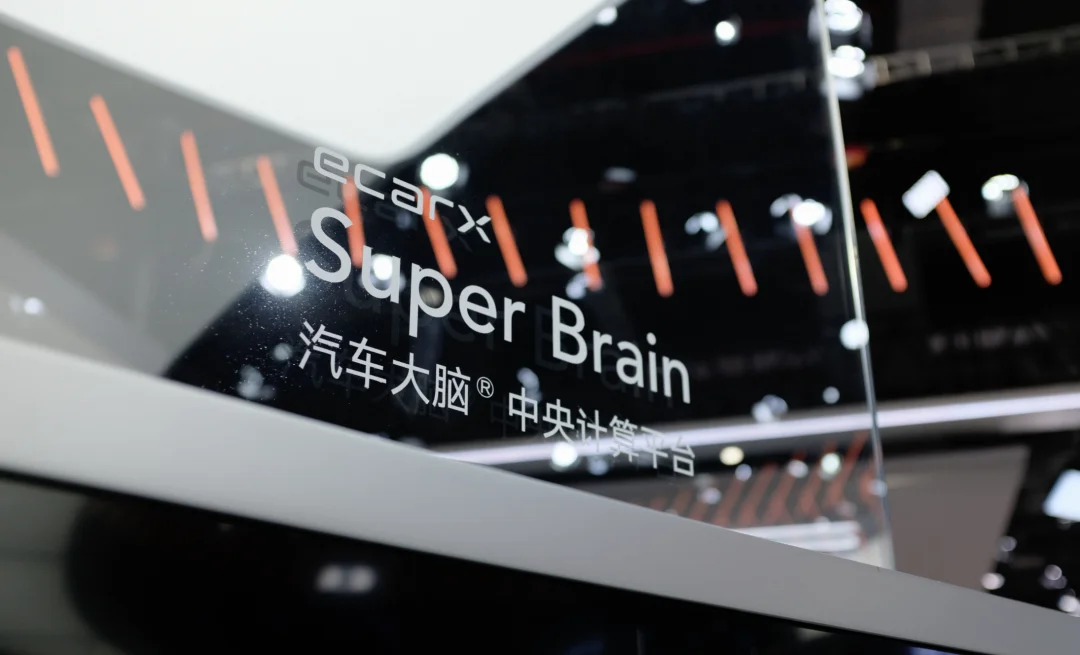
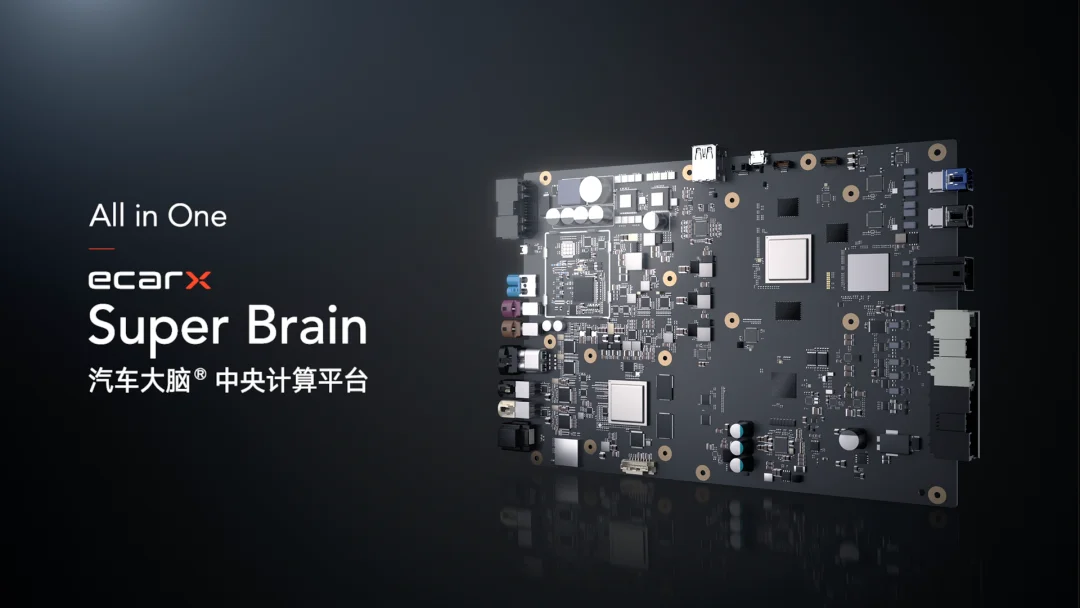
Yikatong also showcased its recently launched Super Brain computing platform, which utilizes a combination of Longyingyihao and Heizhima A1000 chips to achieve a cockpit-driving integrated computing platform. Although true chip-level fusion has not yet been achieved, integrating these components onto a single printed circuit board (PCB) represents a form of cockpit-driving integration design.
NVIDIA, which did not exhibit at this year's show, unveiled its next-generation autonomous driving compute chip, Thor, last year. This performance powerhouse, delivering 2,000 TOPS of computing power, supports autonomous driving and can run multiple additional systems alongside the autonomous driving stack, achieving true integration of driving and cabin functions.
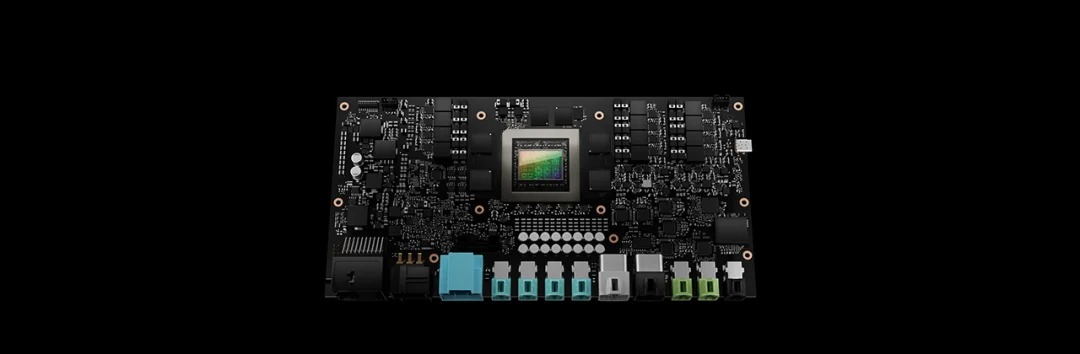
Thor's mass production is scheduled for 2024, a timeline that follows the debut of the 8295 chip in Jidu Robo 01 earlier this year. This has led to anticipation regarding how these two chips will influence the smart cockpit sector over the next two to three years.
06Integration of Vehicle and Smartphone Software Ecosystems
Over the past two years, Hongmeng, Meizu, and NIO have all begun building shared ecosystems between smartphones and vehicle infotainment systems. To create closed-loop user experiences, concepts such as ecosystem integration, information flow, and shared computing power have emerged.
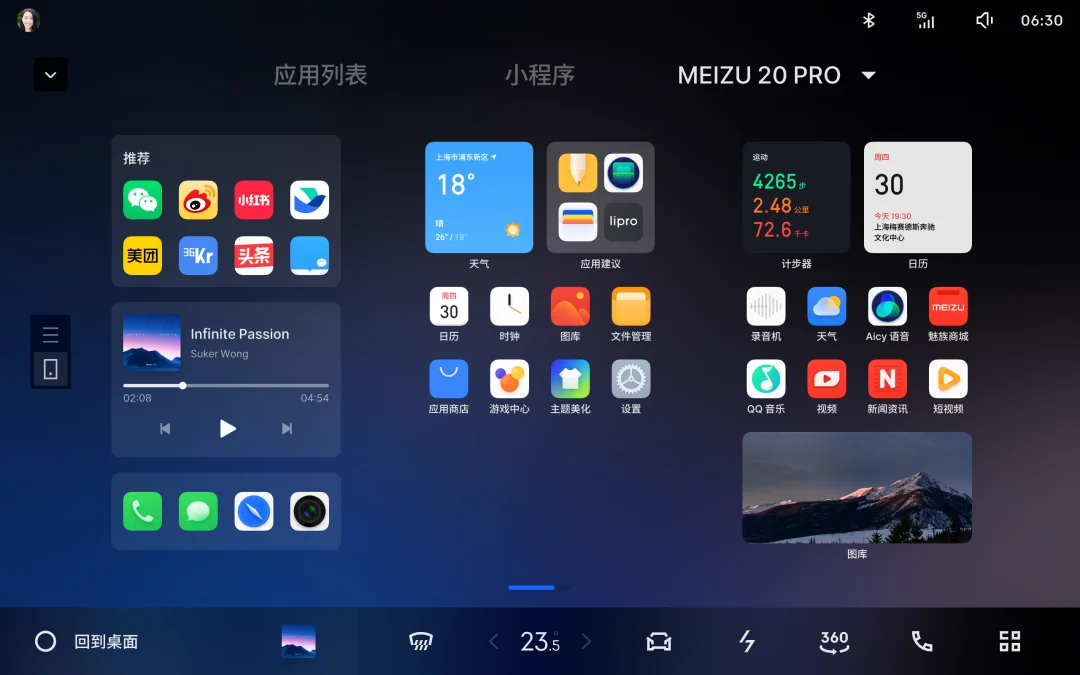
For in-car scenarios, smartphone application ecosystems already possess inherent compatibility capabilities, evident in basic apps like map navigation and music players. Previously, vehicle head units achieved adaptation by porting or customizing UI/UX designs; however, fully customized interaction interfaces generally deliver a superior user experience.
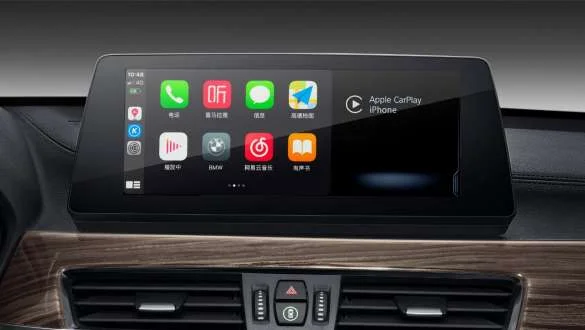
While Carplay can achieve a degree of ecosystem synchronization and connectivity between smartphones and vehicle infotainment systems, it typically appears as a standalone interface in most vehicles. This results in a disjointed user experience, with distinct differences in visual style, layout, and interaction compared to the native car system.
Hongmeng and Flyme Auto not only feature superior native UI designs but also leverage seamless smartphone-vehicle integration. They can synchronize app and account data, achieving fluid continuity in navigation and music playback. Such an interactive experience represents a disruptive leap for traditional infotainment systems.
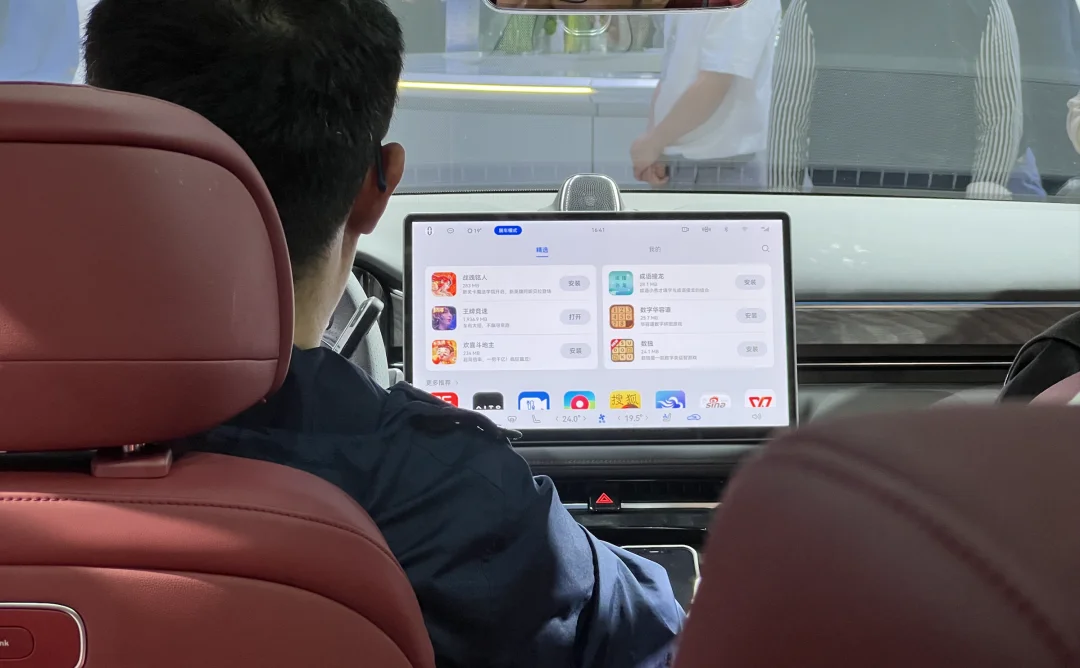
Beyond these two, NIO is also pursuing this direction. In earlier communications, William Li revealed that NIO plans to launch its own smartphone later this year, aiming to resolve the ecosystem disconnect between mobile devices and smart vehicles.
07Conclusion
Smart cabins have undergone rapid iteration over the past few years. The mainstream cabin chip 8155, released just four years ago, is now nearly insufficient to meet current performance demands. This highlights both the growing performance requirements inside the cabin and the accelerating transformation across the entire smart cabin sector.
In terms of form factor, new configurations are already emerging. For instance, more vehicles are adopting zero-gravity seats, and the very definition of a smart cabin continues to evolve. How brands adapt to this wave of intelligence and keep pace is a critical consideration during the product definition phase for new models, and it is what consumers expect today and in the future.
By Yisong Edited by Jiaming