


Zhiji and Momenta Unveil Highway NOA Rollout Plan at IM AD DAY
On April 12, Zhijiqiche and its autonomous driving partner Momenta jointly announced in Suzhou that they would update the highway navigation assist (NOA) feature for two of their models: the L7 and LS7.
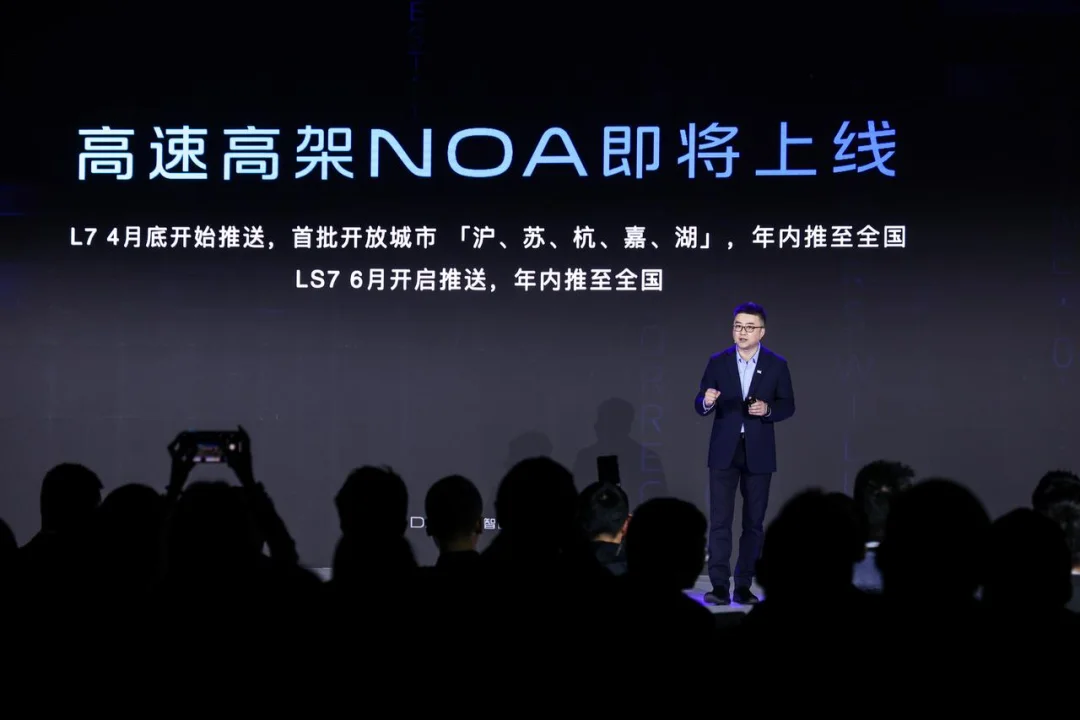
The Zhiji L7 is scheduled to receive the software push by the end of April, while the LS7 will follow slightly later in June. The initial rollout of highway NOA covers Shanghai, Suzhou, Hangzhou, Jiaxing, and Huzhou, with additional cities expected to be added within the year.
01Hardware Matches the First Tier
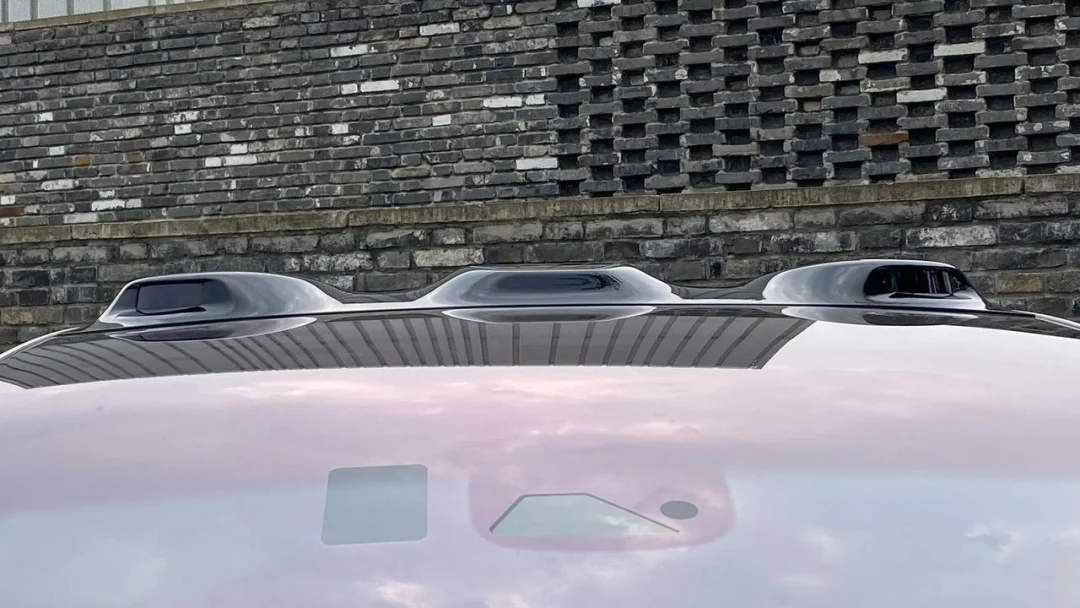
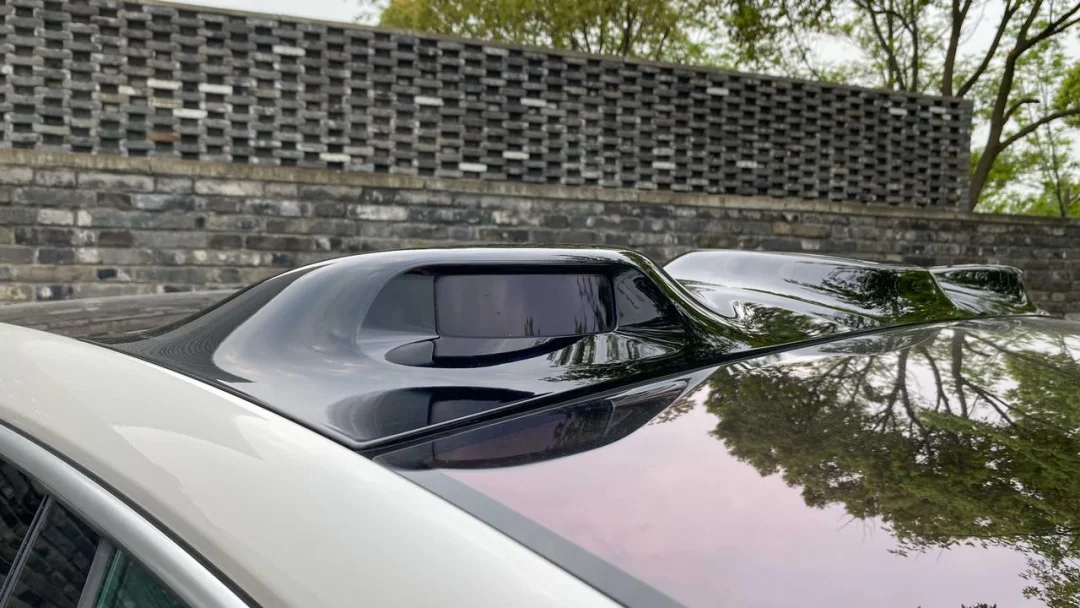
I observed a real-world Zhiji LS7 equipped with a LiDAR version at the event. The hardware configuration for its driver assistance system is as follows:
Two 126-line LiDAR units from Sutengjuchuang, featuring a "falcon-style" design mounted on the roof, offer a maximum detection range of 200 meters and a total field of view of 180 degrees;
11 high-definition cameras, including 2 forward-facing 5-megapixel cameras, 4 side-view cameras, 4 surround-view cameras, and 1 rear-facing camera;
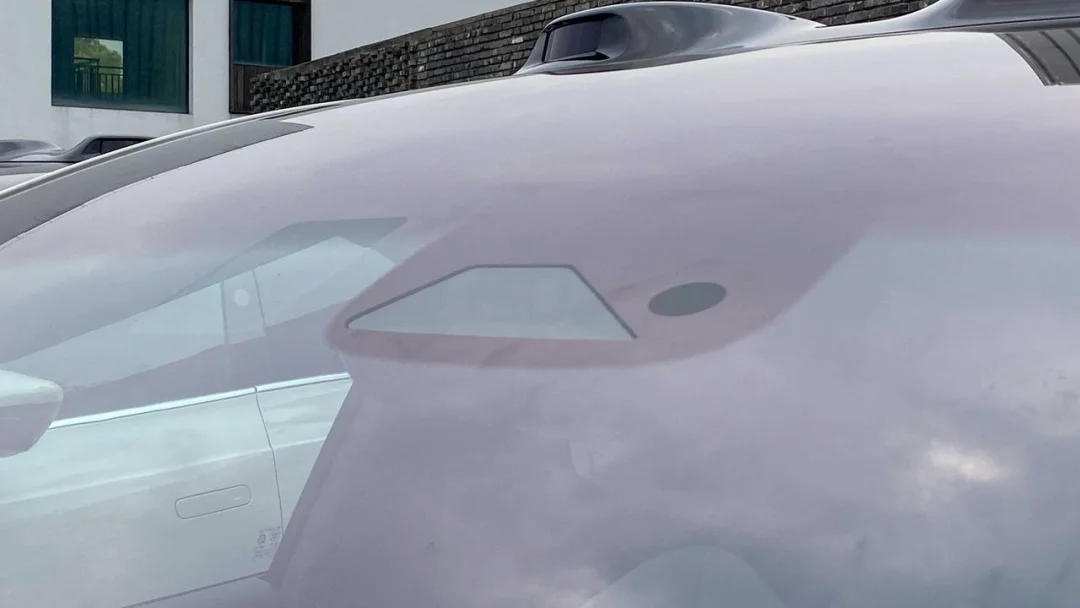
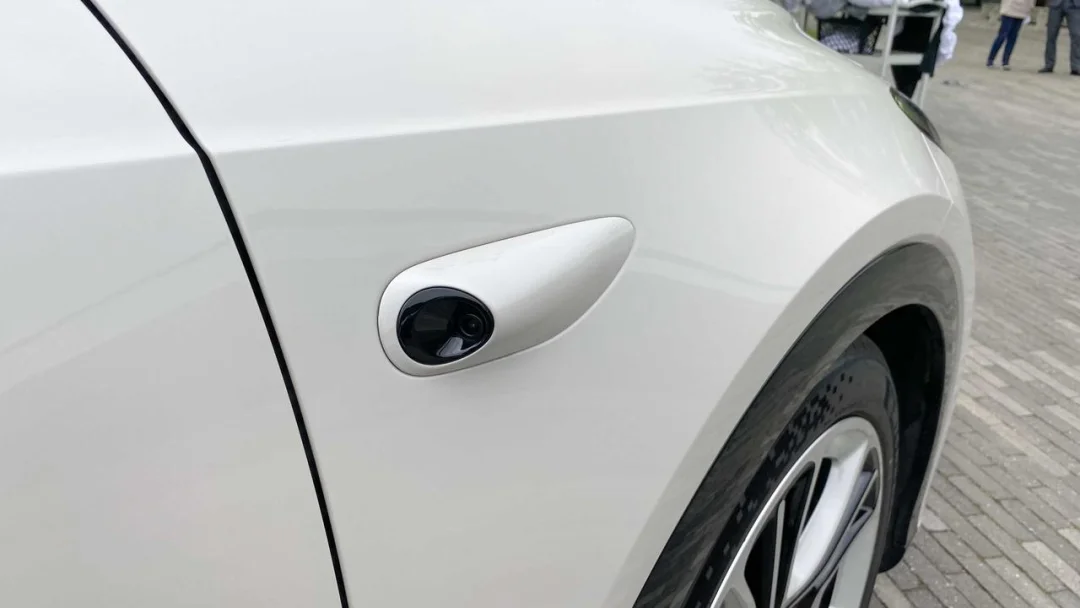
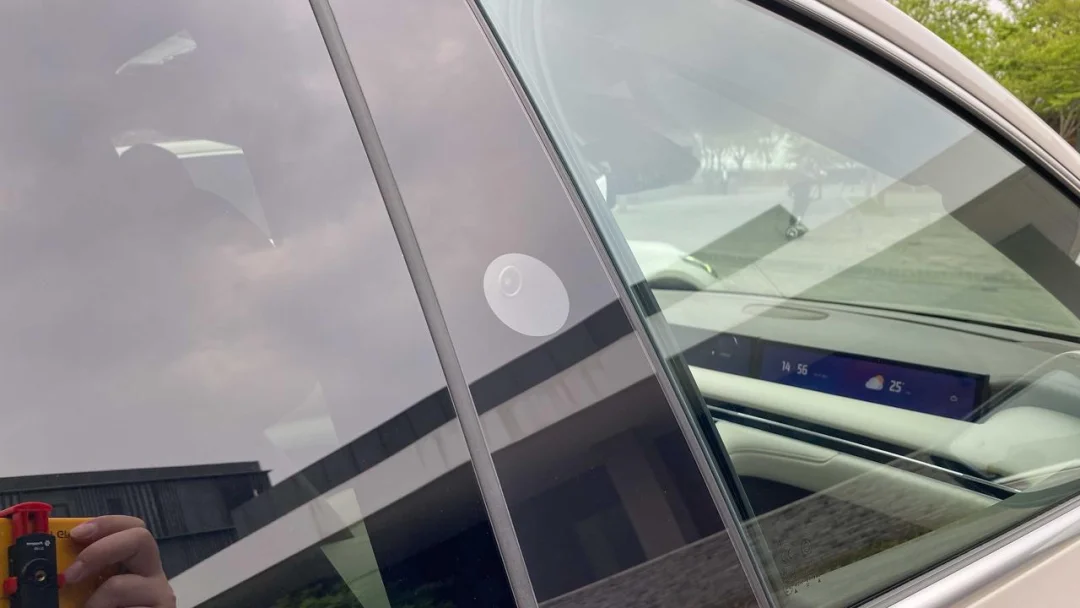
1 Orin-X chip with 254 TOPS of computing power;
5 millimeter-wave radars;
12 ultrasonic radars;
Two high-precision positioning units.
Notably, the rear-facing camera is seamlessly integrated into the vehicle’s spoiler, making it nearly invisible to the casual observer—a testament to the ingenuity of Zhiji’s designers.
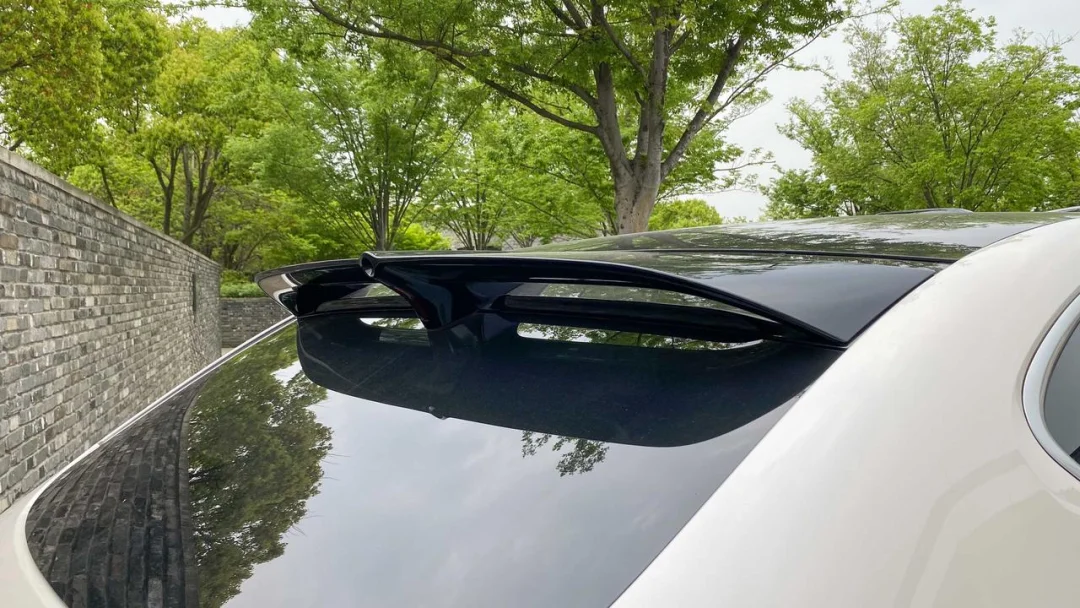
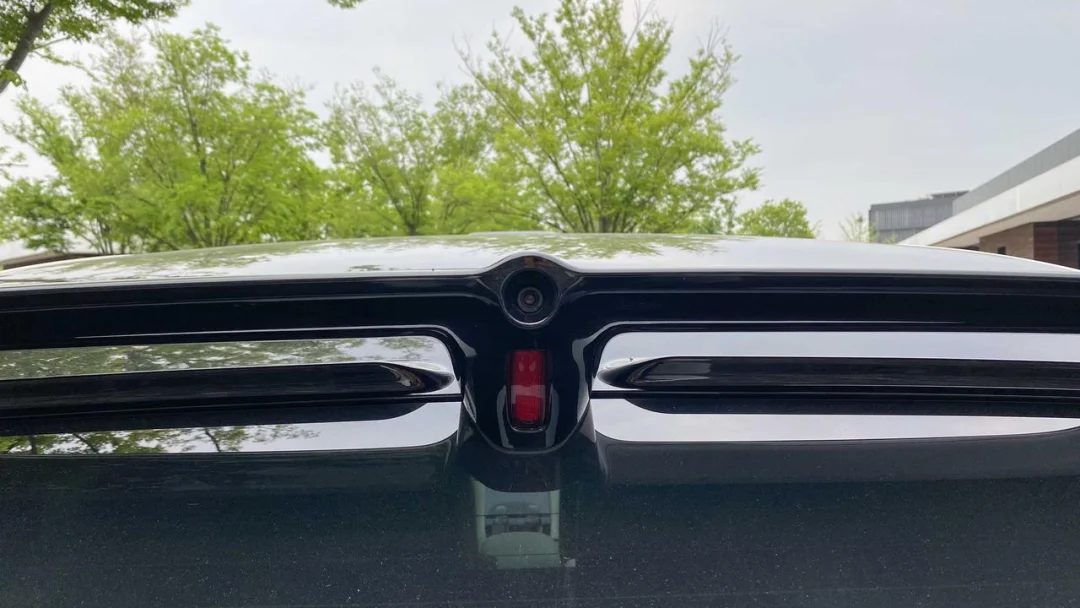
The hardware configuration above makes it clear that the Zhiji LS7’s intelligent driving hardware is on par with the top three new energy vehicle startups and first-tier players like Huawei.
With the hardware in place, what about the software?
02How to Achieve More Human-Like Intelligent Driving
The IM AD DAY event was divided into three parts. First, Tuo Yue, Senior Director of Zhijiqiche’s Intelligent Driving Project, took the stage to introduce Zhiji’s NOA (Navigate on Autopilot) features.
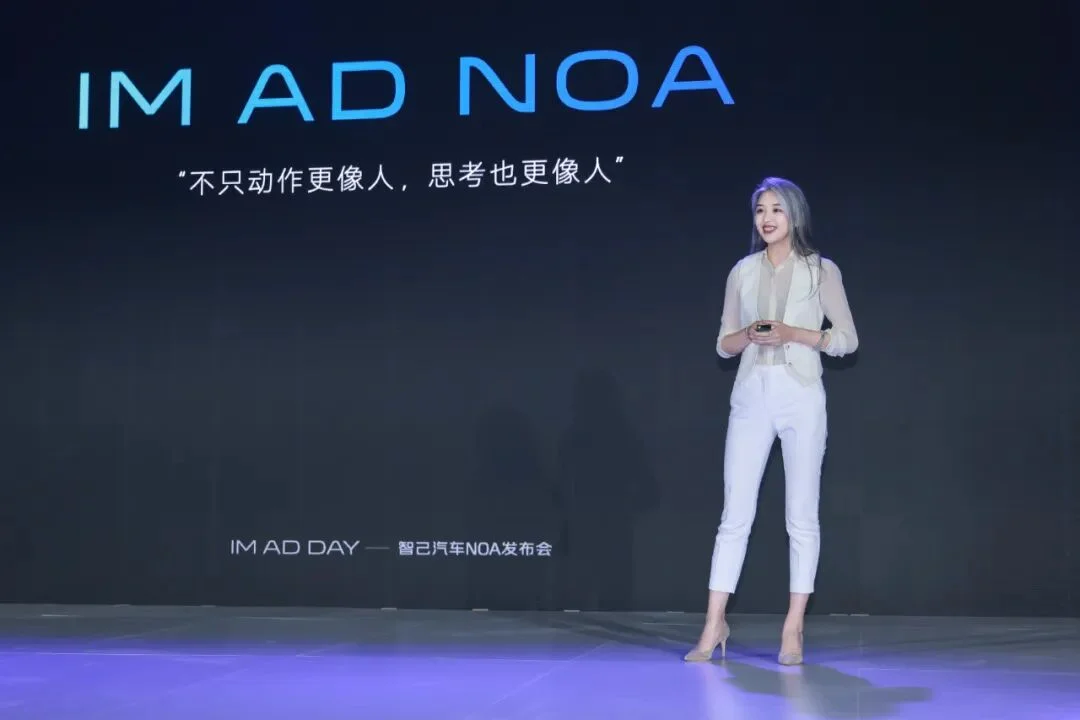
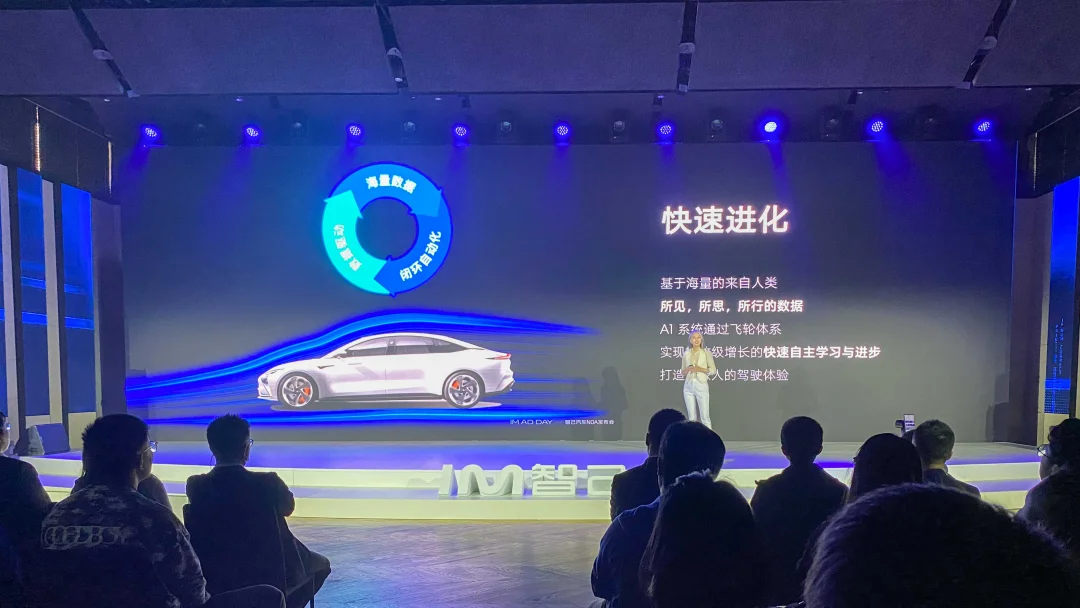
As everyone knows, the rapid iteration of driver assistance capabilities relies on massive training data behind the scenes. Based on a vast amount of human data, IM Motors utilizes a flywheel system driven by data, massive datasets, and closed-loop automation, enabling AI to continuously iterate and grow through extensive data training.
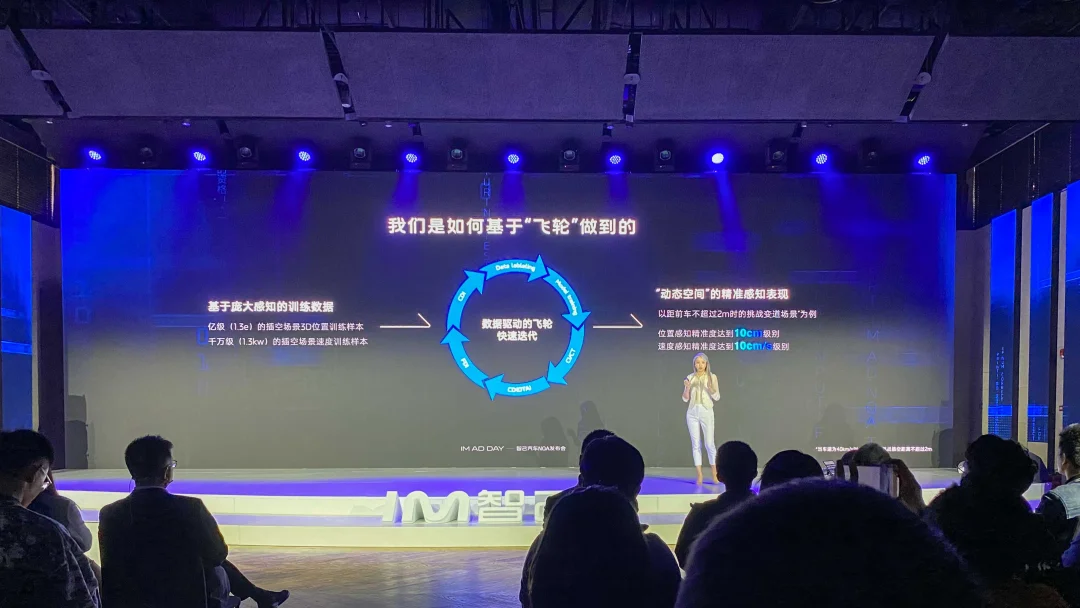
With such a vast amount of data, IM Motors' driver assistance system achieves decimeter-level perception. Meanwhile, its longitudinal vehicle data perception accuracy reaches 10 cm/s, enabling it to precisely identify the right moment for lane changes even in heavy traffic.
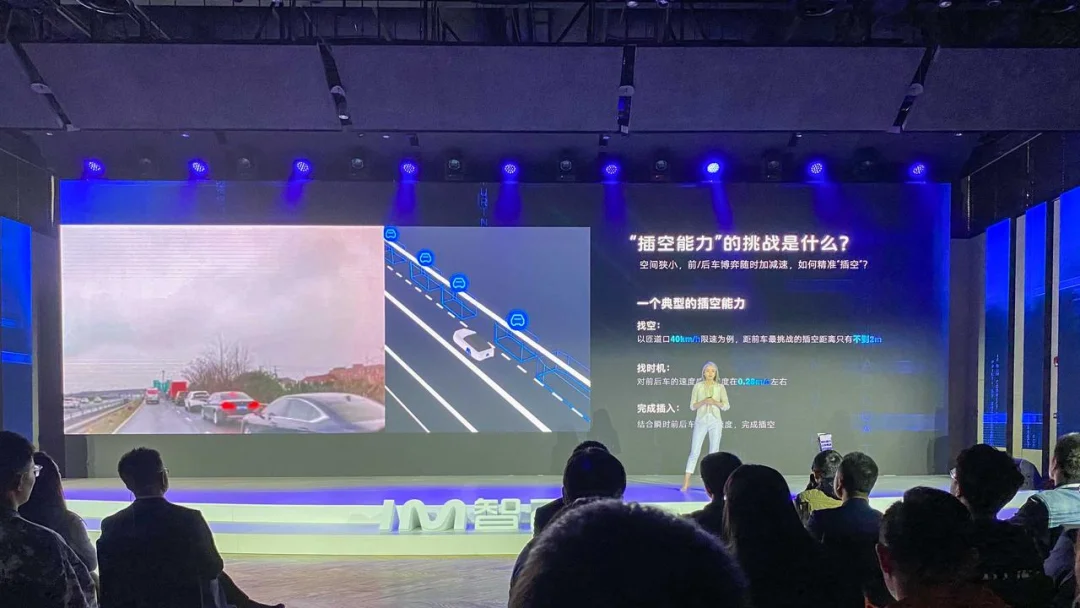
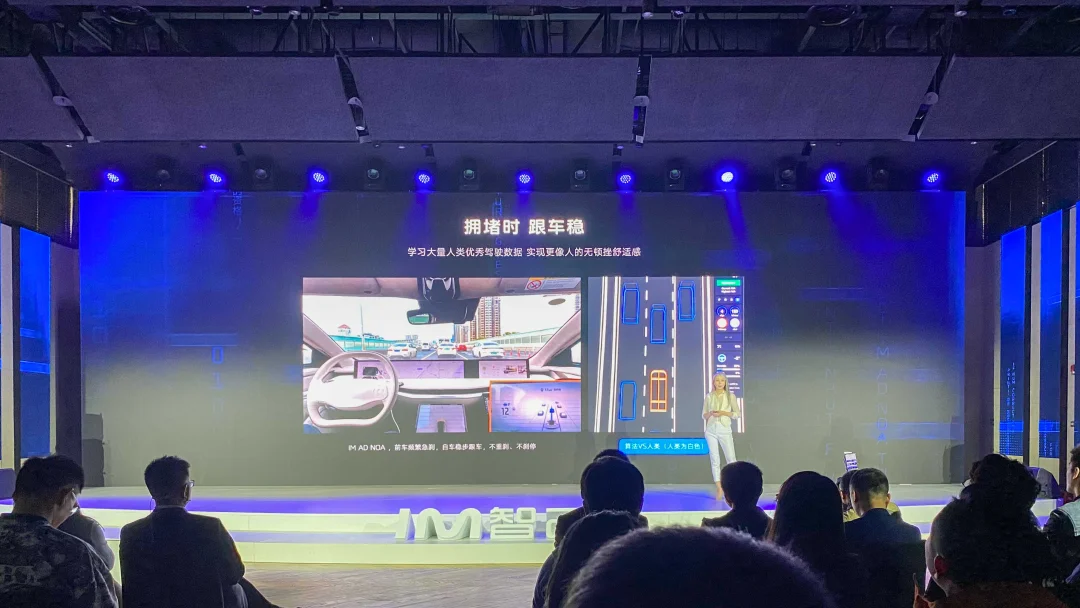
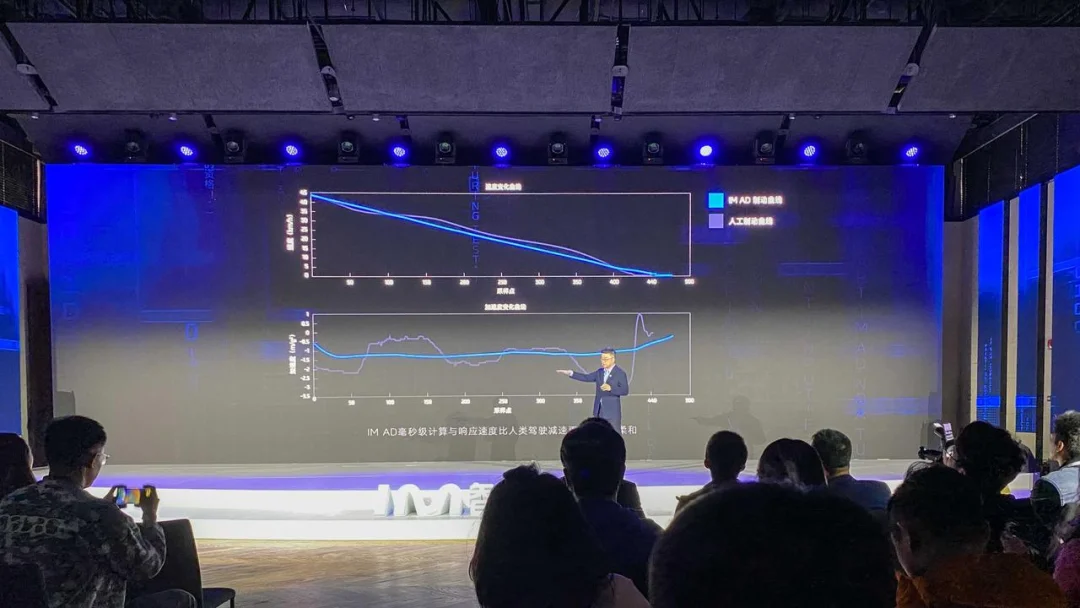
In congested scenarios, IM Motors achieves smoother and more stable car-following than human drivers, avoiding the strong jerkiness caused by abrupt acceleration and braking. The charts below further demonstrate that IM's driver assistance system outperforms human drivers in controlling acceleration and deceleration.
Next, Zhijiqiche CEO Liu Tao took the stage to provide a detailed overview of the technical capabilities underpinning Zhiji's NOA implementation.
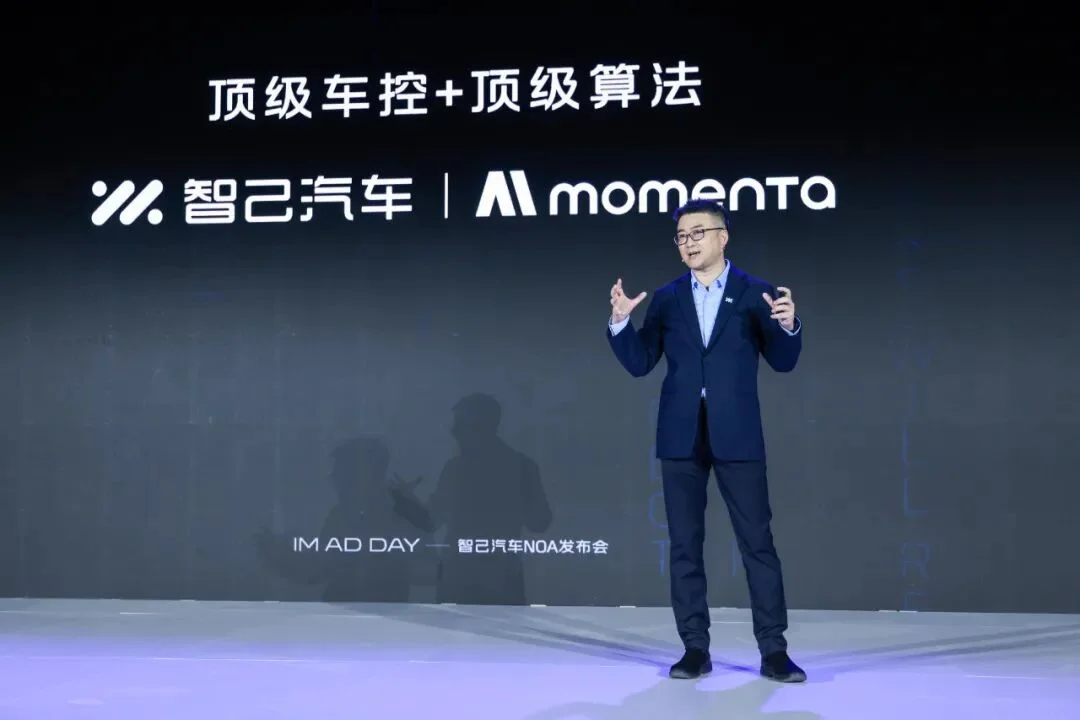
Liu Tao stated that Zhiji's vision for assisted driving is to give everyone a dedicated driver, thereby achieving true technological equity.
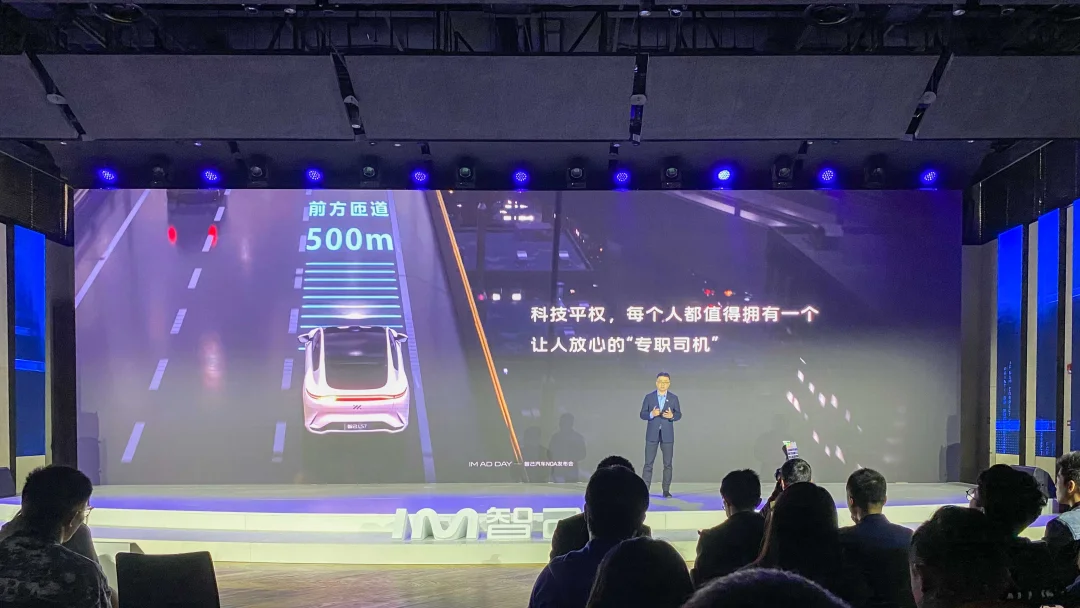
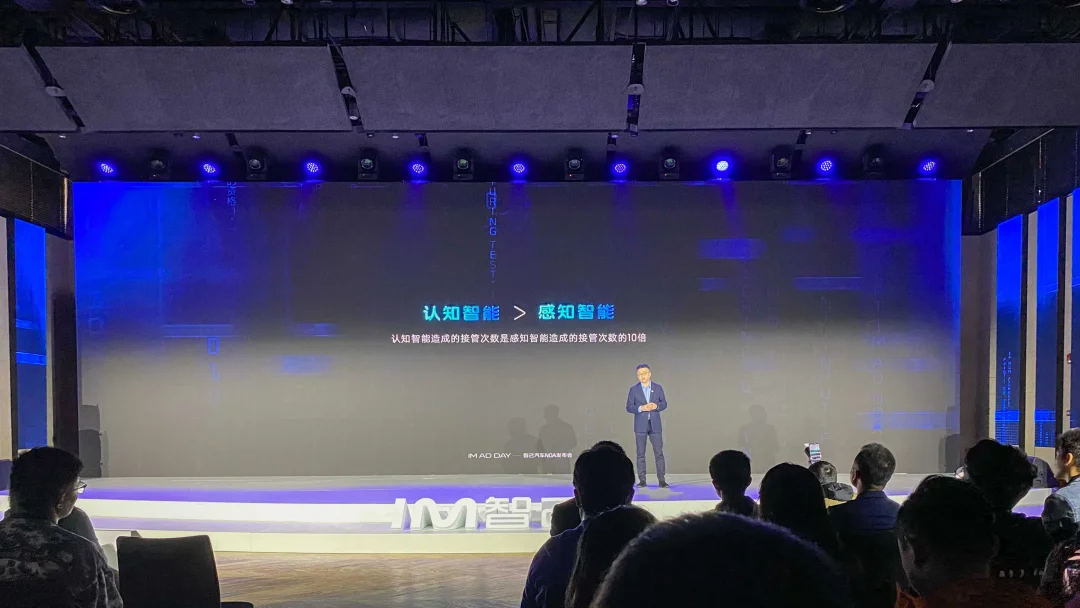
Zhiji believes that cognitive intelligence represents the primary technical bottleneck for future autonomous driving. Cognitive intelligence refers to a vehicle's decision-making and planning capabilities. Currently, the number of takeovers caused by limitations in cognitive intelligence is ten times higher than those caused by limitations in perception intelligence.
For example, consider a vehicle traveling in the rightmost lane of an expressway with an on-ramp merging point less than 1 km ahead. A human driver familiar with this route would likely change lanes to the left, provided traffic volume is light, to avoid interference with vehicles merging from the ramp. However, most assisted driving systems I have tested lack this level of decision-making capability.
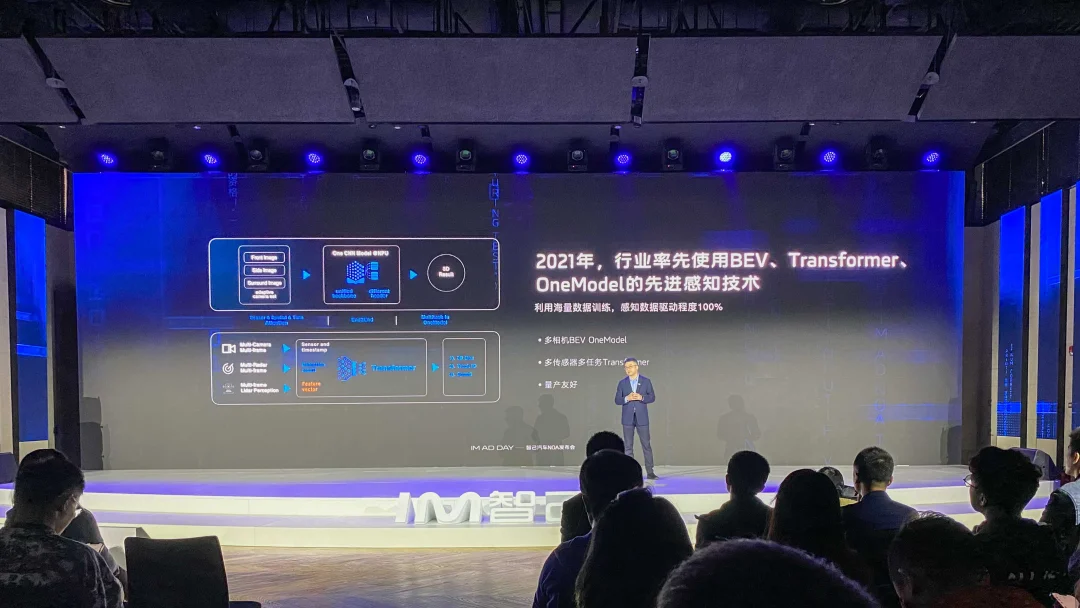
As early as 2021, IM Motors began using a BEV architecture, Transformer models, and the unified data management OneModel.
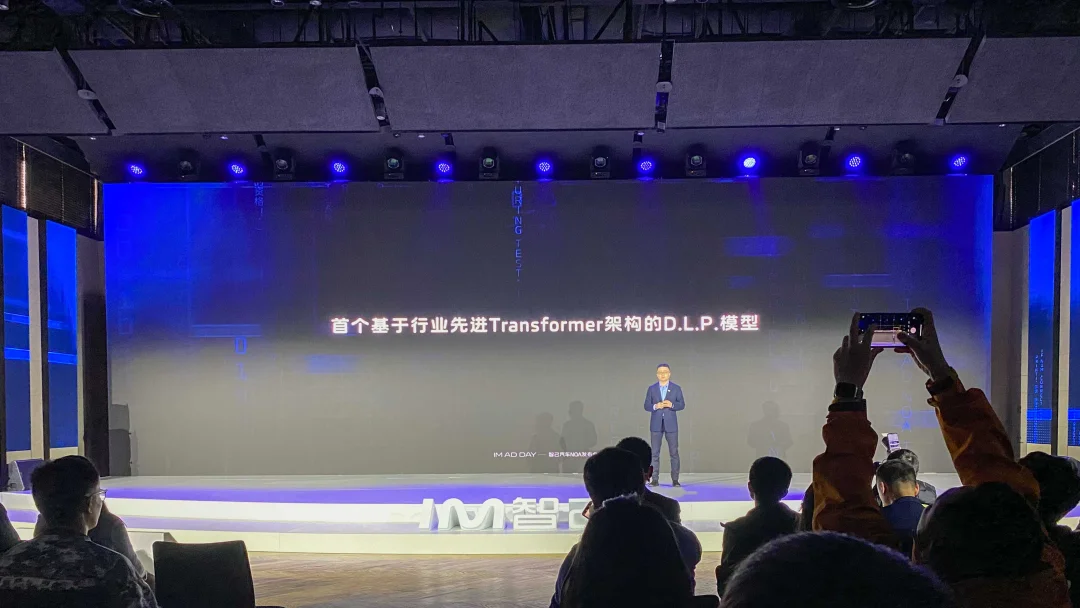
Now, IM Motors is deploying the D.L.P. model based on Transformer, which stands for Deep Learning Planning. By leveraging massive amounts of data, it achieves safe, comfortable, and intelligent driver assistance.
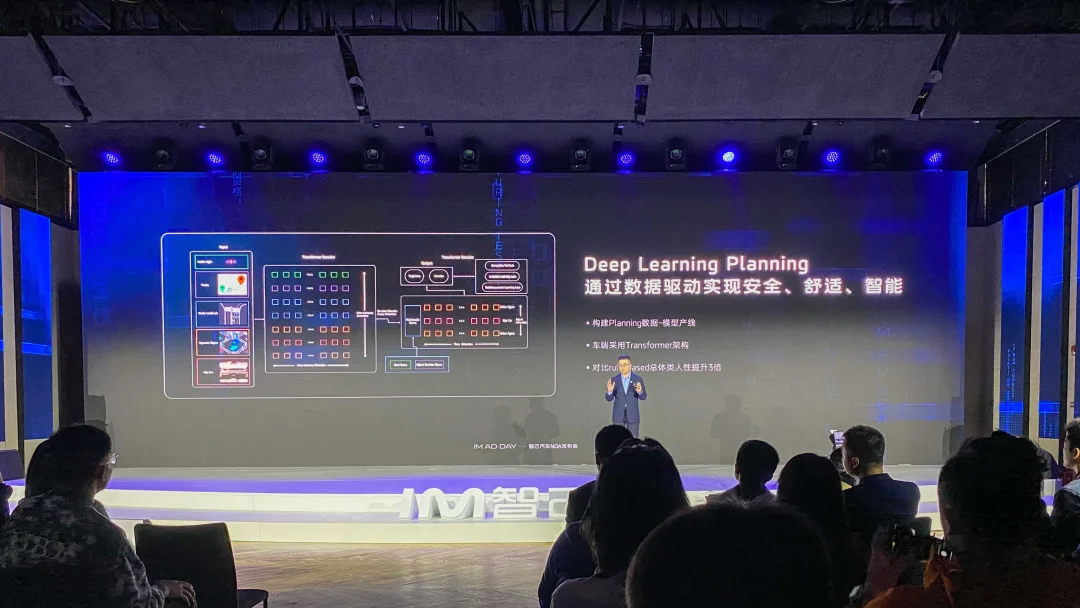
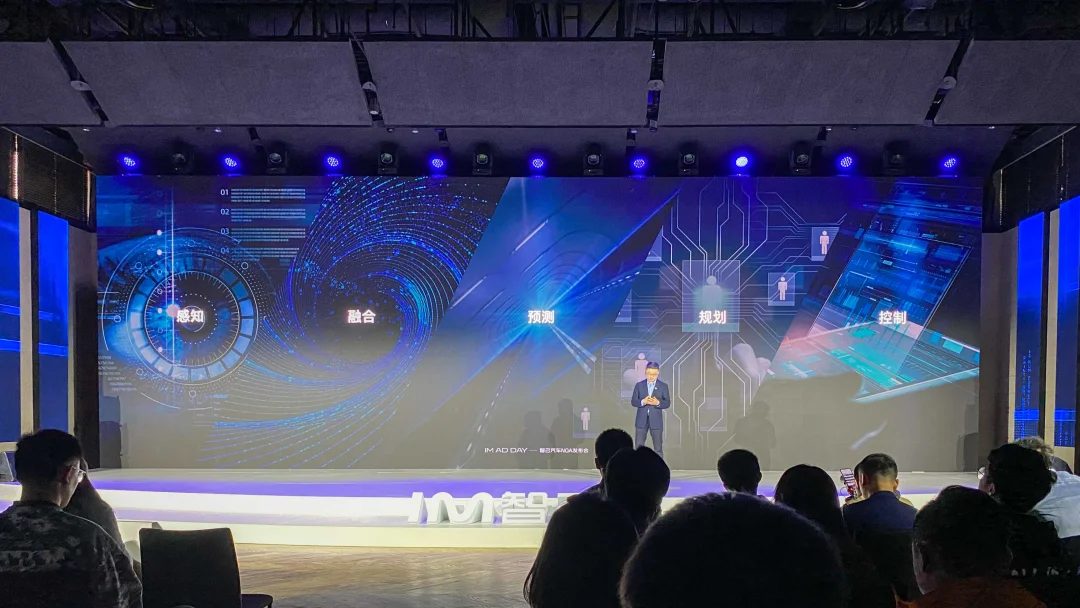
Perception, fusion, prediction, planning, and control are arguably the five core components of driver assistance systems.
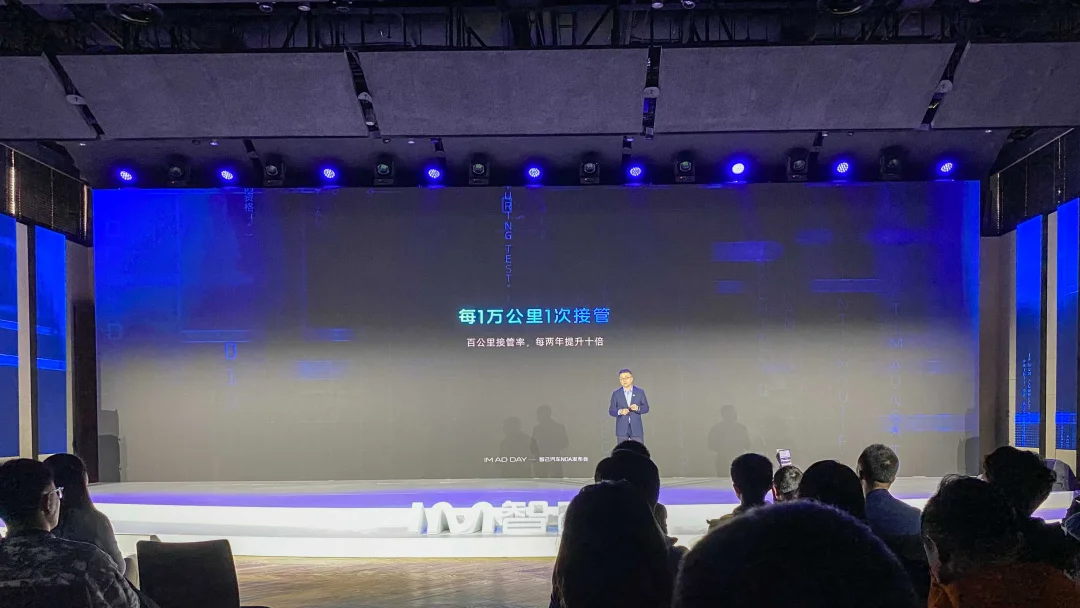
Liu Tao stated that IM Motors’ driver assistance system reduces its intervention rate per 100 kilometers by a factor of 10 every two years. At this pace, it will soon reach a point where only one intervention is needed per 10,000 kilometers.
Afterward, Momenta founder Cao Xudong took the stage to provide a detailed overview of the company’s business and vision.
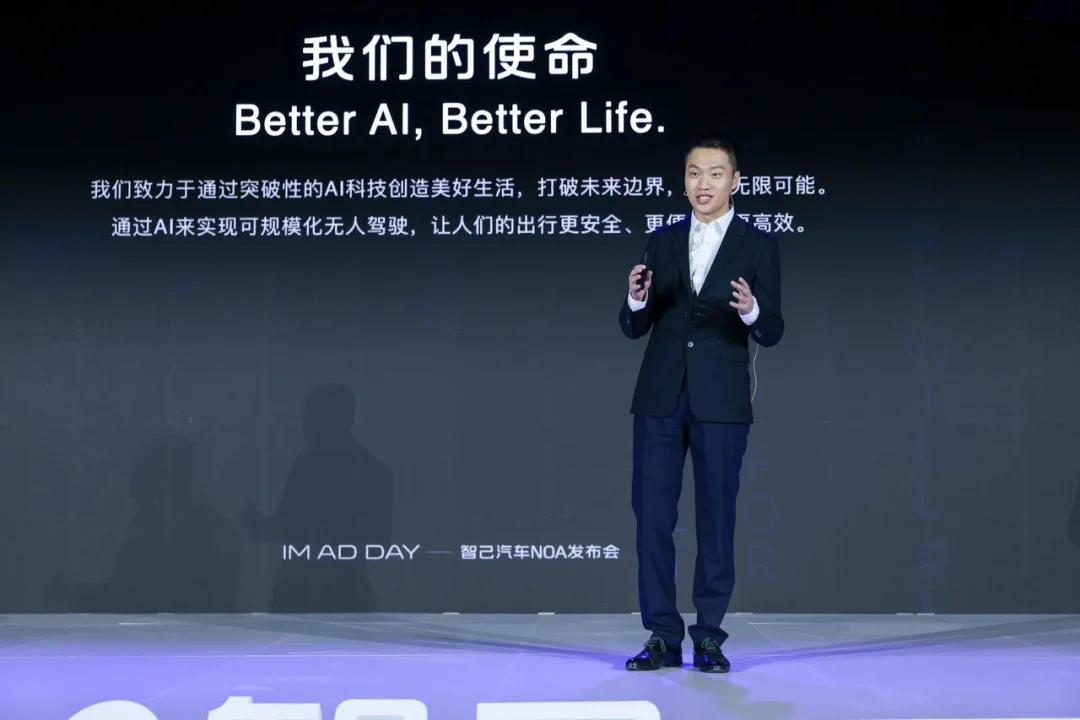
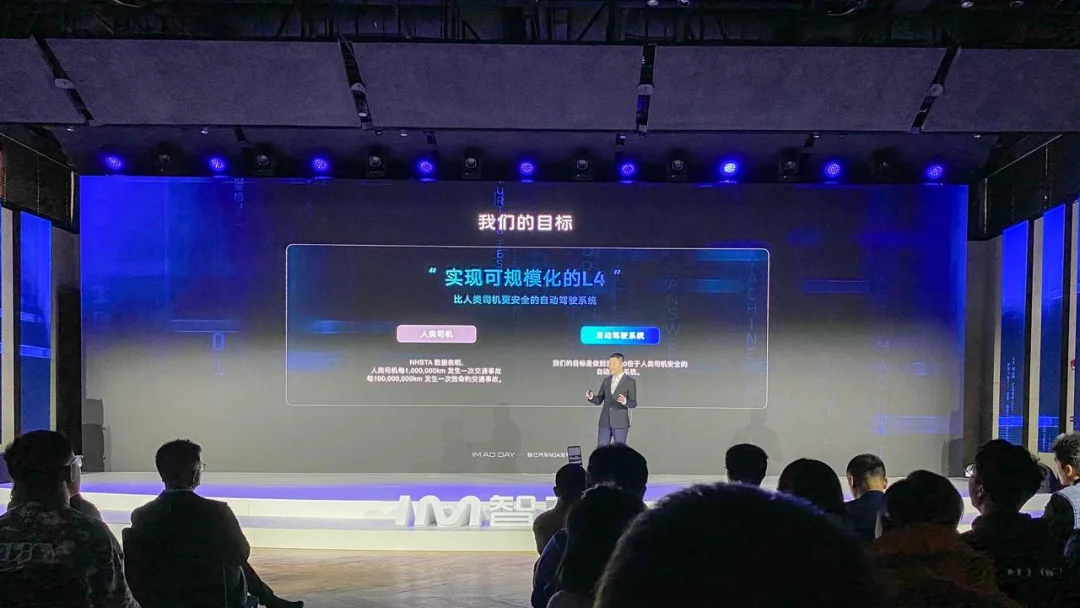
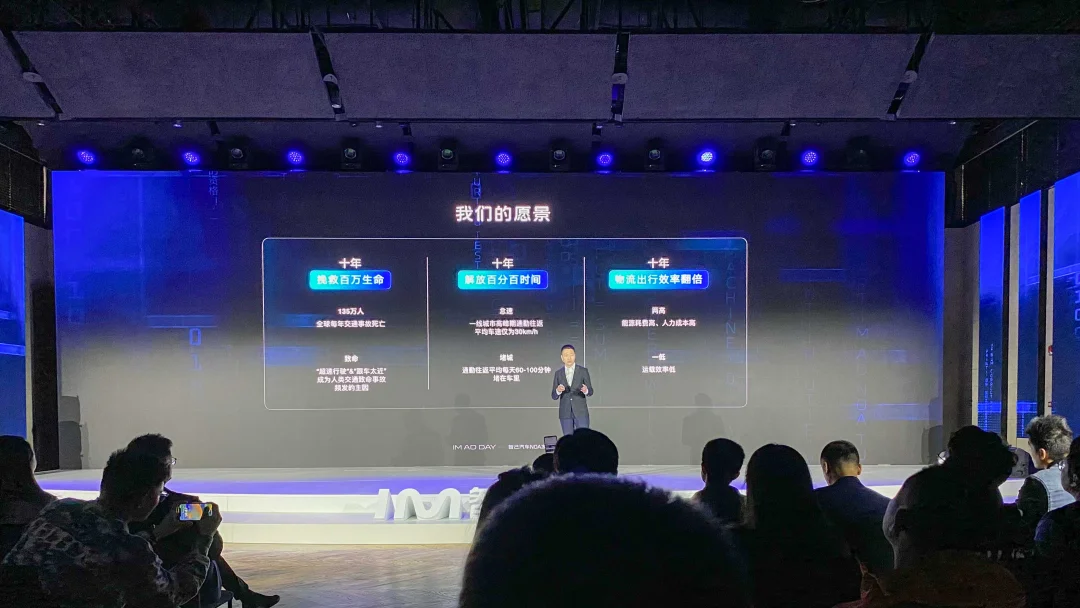
Momenta’s goal is to achieve L4 autonomous driving that is safer than human drivers within ten years, saving one million lives, freeing 100 percent of travel time, and doubling efficiency in logistics and mobility.
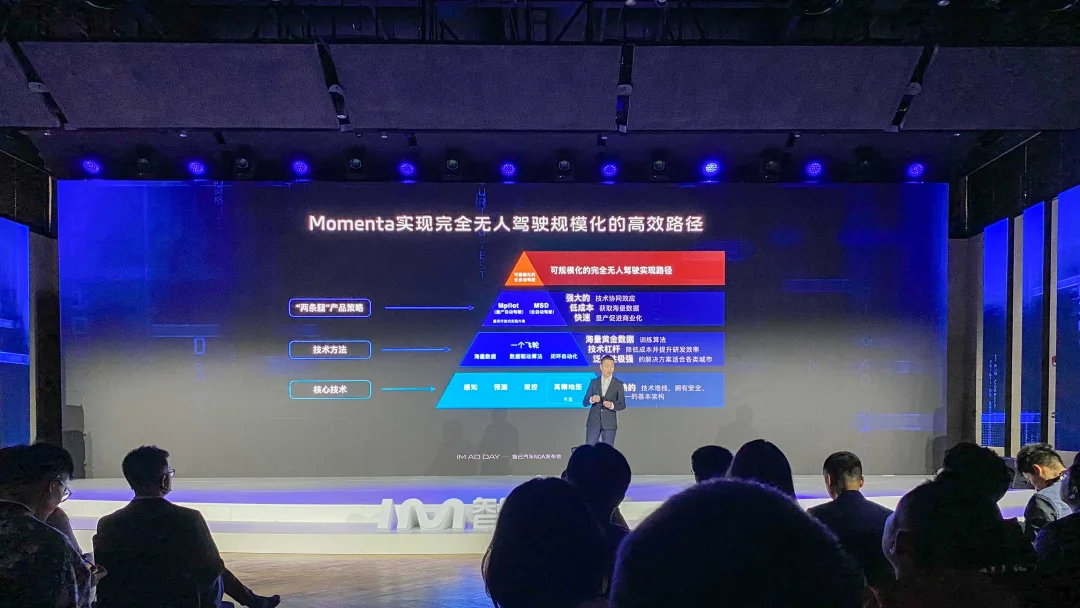
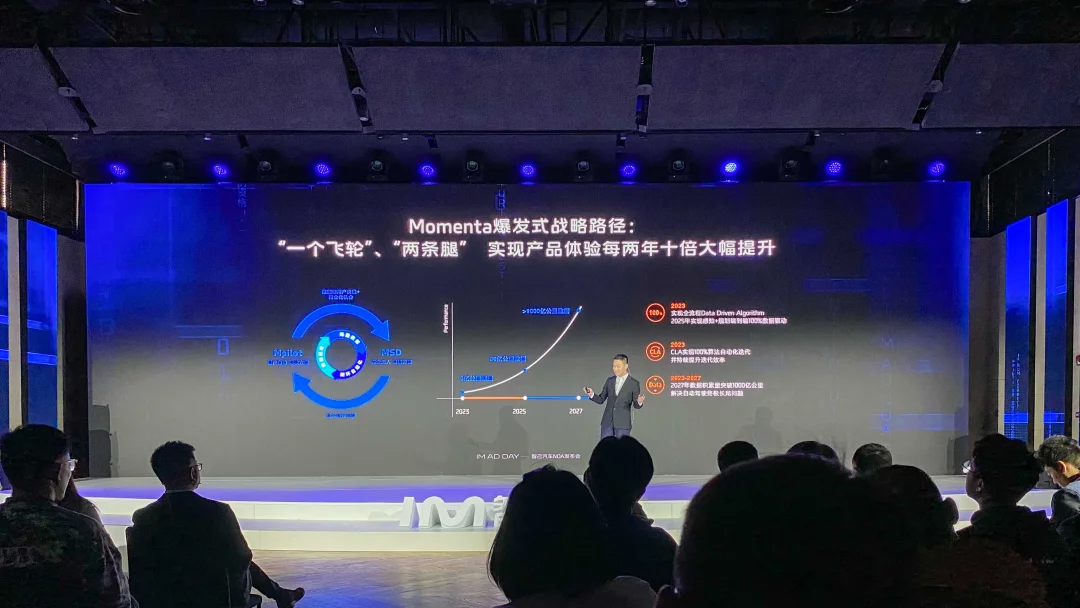
With its dual-product strategy—Mpilot and MSD—and a 'flywheel' technical approach, Momenta is confident it can improve product user experience by tenfold every two years.
Momenta was founded in 2016 and has now reached its seventh year. Over this period, its greatest achievements include the release of the MSD urban fully autonomous driving solution and the mass production of the Mpilot autonomous driving product, which has enabled vehicle-mounted Robotaxi services to gather more road data for product iteration.
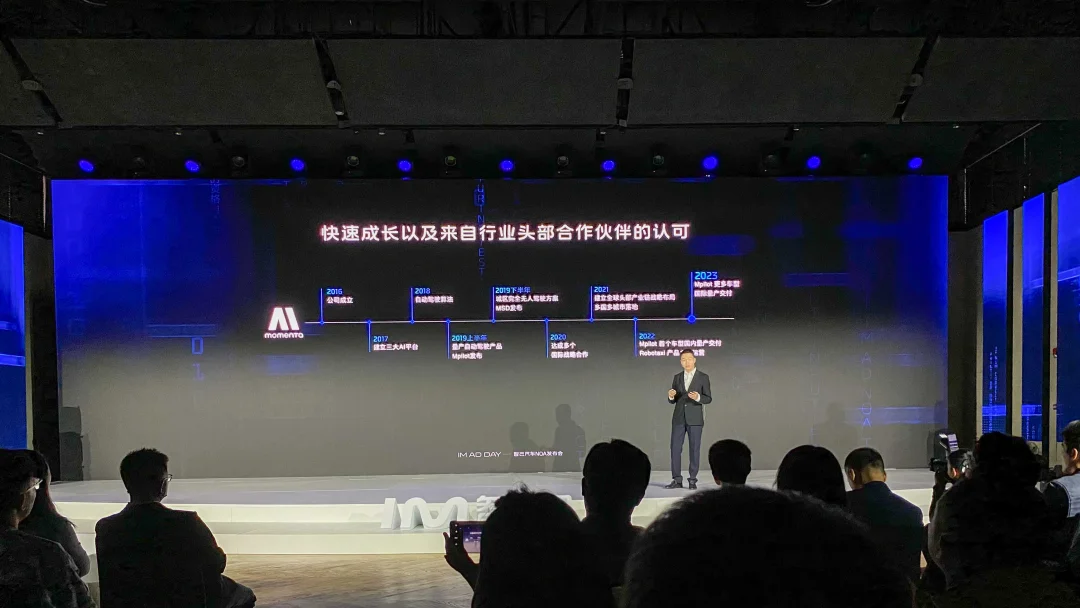
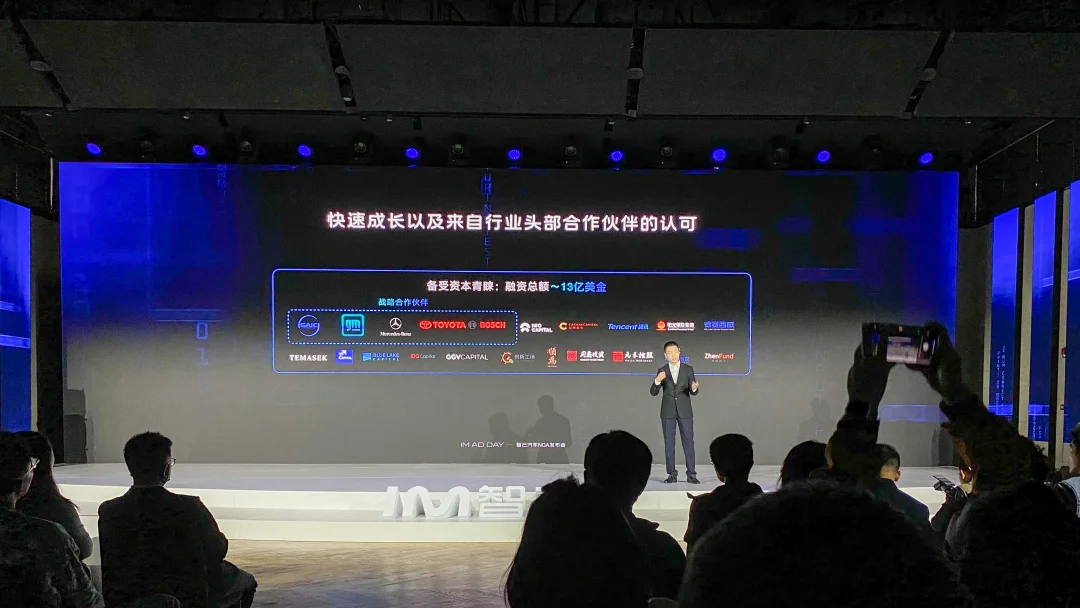
Building on these accomplishments, Momenta has secured investments from well-known automakers such as Mercedes-Benz and Toyota, in addition to Shangqijituan, bringing its total financing to USD 1.3 billion.
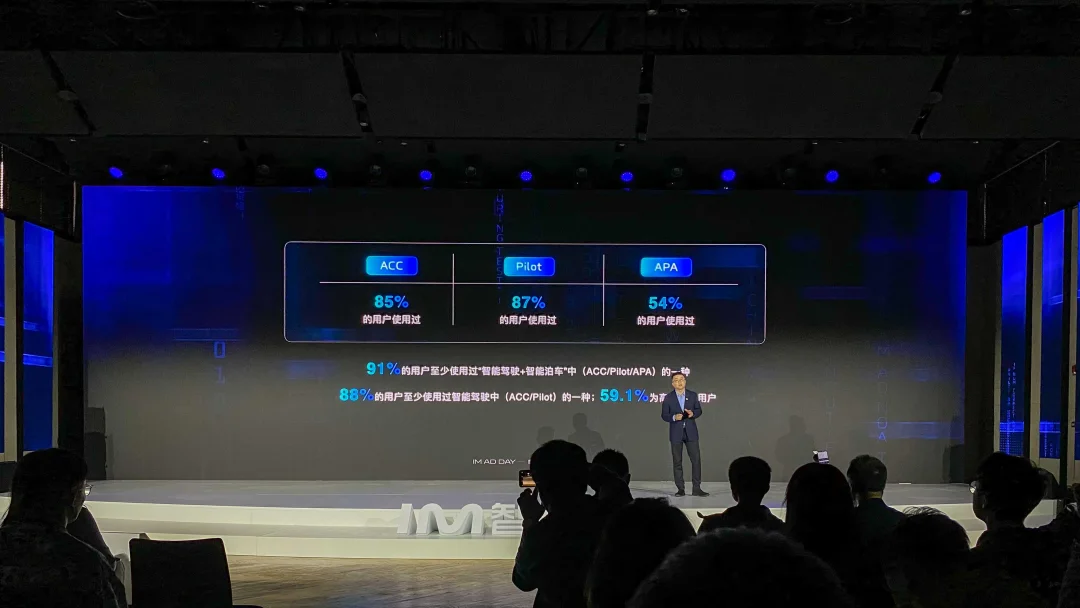
Liu Tao took the stage again to present Zhijiqiche’s subsequent intelligent driving blueprint. Among Zhijiqiche users, 85% have used ACC adaptive cruise control, 87% have used Pliot lane-keeping assist, and 54% have used automatic parking.
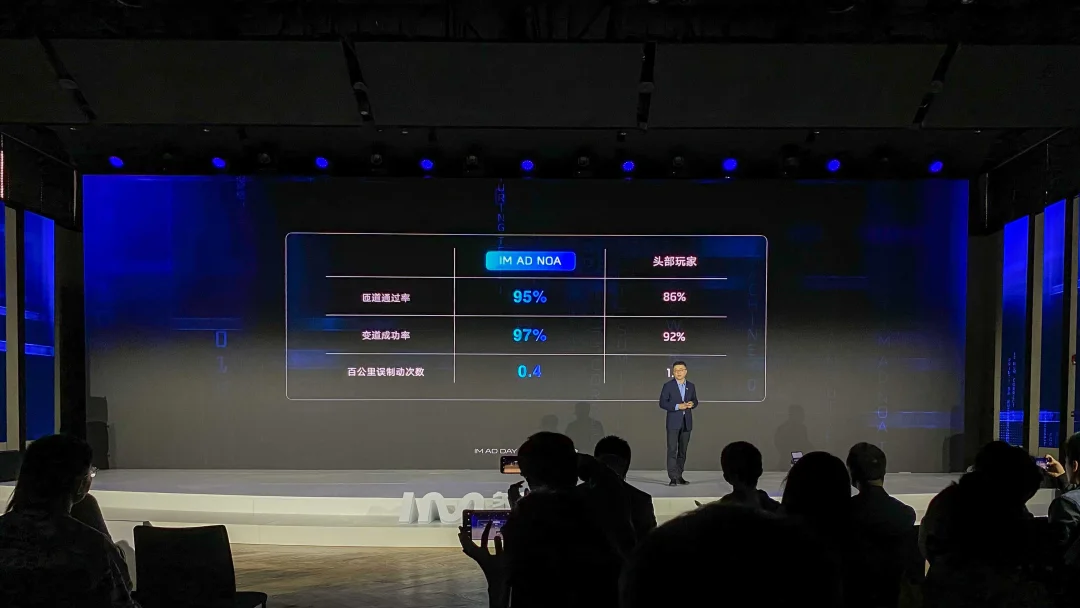
Zhijiqiche’s NOA currently achieves a 95% ramp pass rate, a 97% lane-change success rate, and only 0.4 false braking incidents per 100 kilometers.
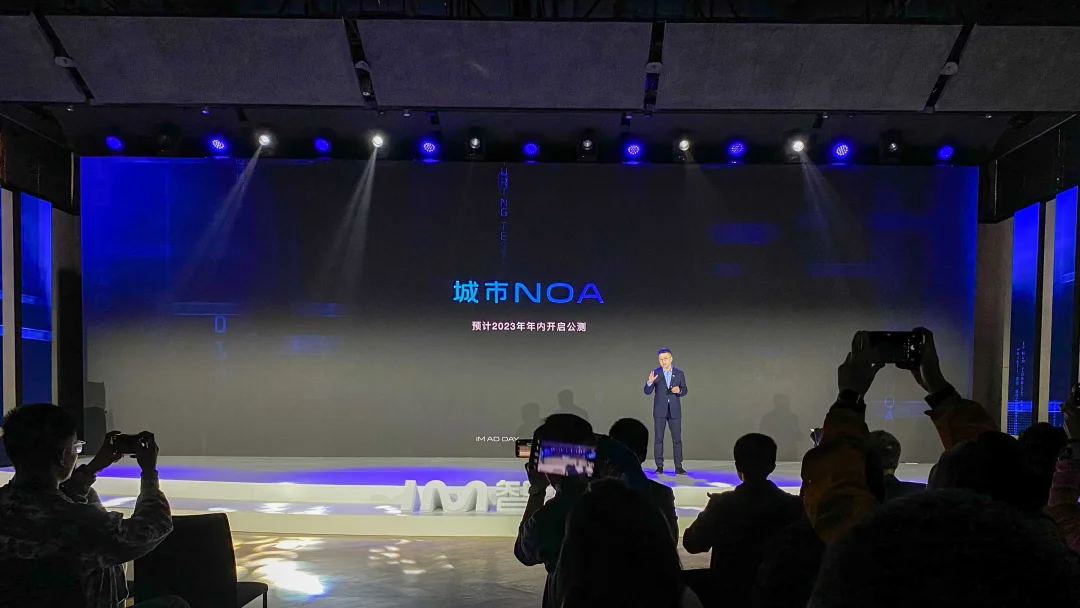
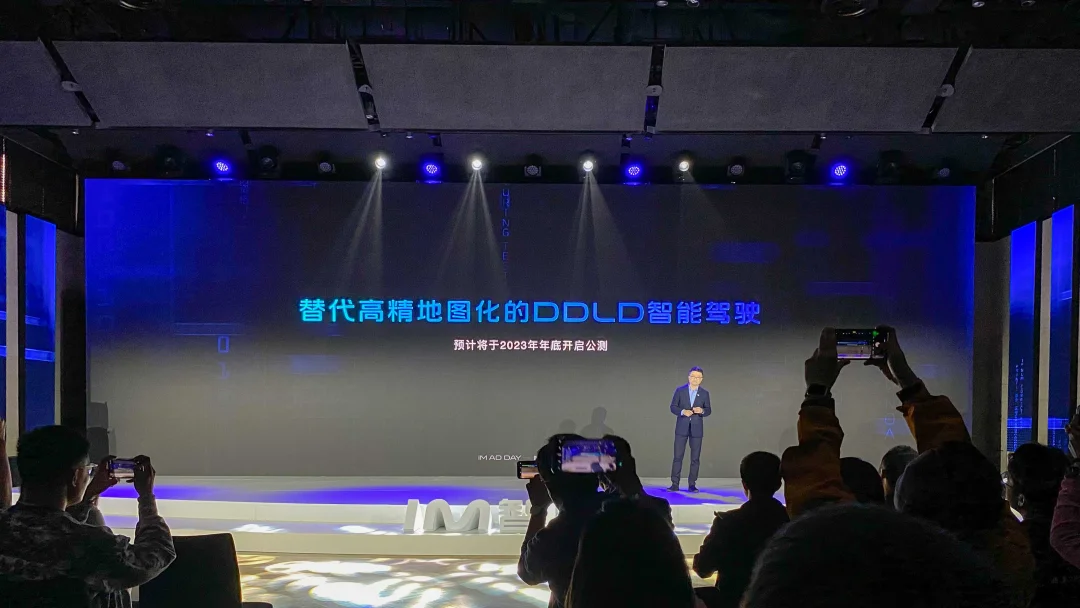
In addition to highway NOA, Zhiji’s urban NOA will begin public beta testing later this year. Meanwhile, DDLD autonomous driving, which does not rely on high-definition maps, is also scheduled to launch its public beta by the end of the year. We will provide real-world test reports as soon as they become available.
03Conclusion
Since the launch of the Zhiji L7, Zhiji and Momenta have maintained a close partnership. One is a premium tech automotive company jointly established by Shangqijituan, Zhangjianggaoke, and Alibaba; the other is an autonomous driving company backed by Shangqijituan as lead investor, along with numerous well-known domestic and international firms. The combination is akin to coffee blended with milk.
We previously evaluated the basic driver assistance capabilities of the LiDAR-free version of the Zhiji L7 using our 42Mark standards last year. Its overall performance was on par with that of many new EV startups, demonstrating Momenta’s deep expertise in autonomous driving technology. This update to the highway NOA function undoubtedly helps Zhiji pull ahead of traditional automakers in the driver assistance field, closing the gap with new energy vehicle startups.
I will discuss the detailed experience of the highway NOA in upcoming videos. Stay tuned!
By JOJO Edited by JOJO