


Kevin to Step Down as Li Auto President; Apple Delays EV Project; Ziyoujia Exits | E Week Highlights
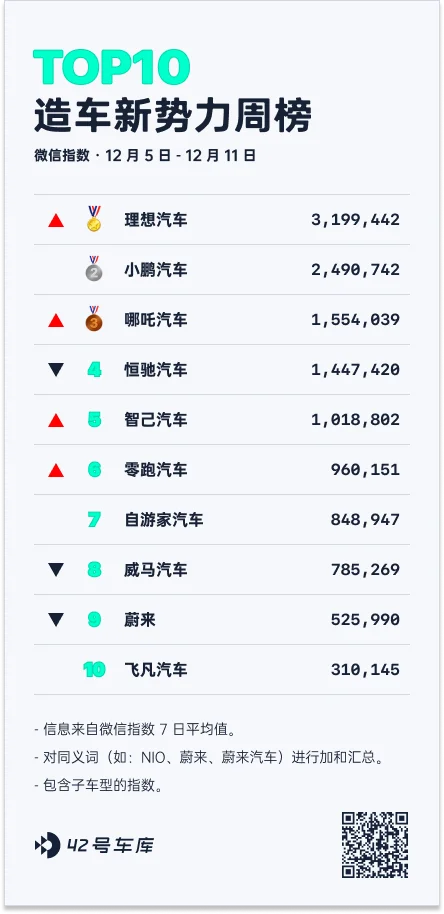
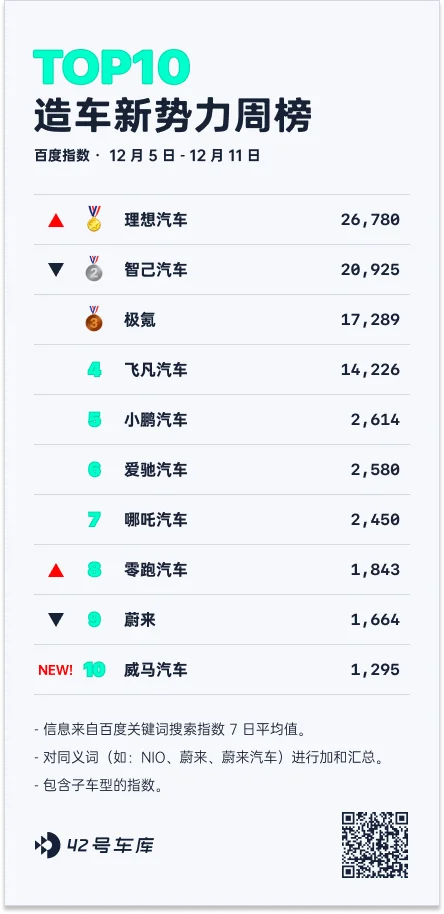
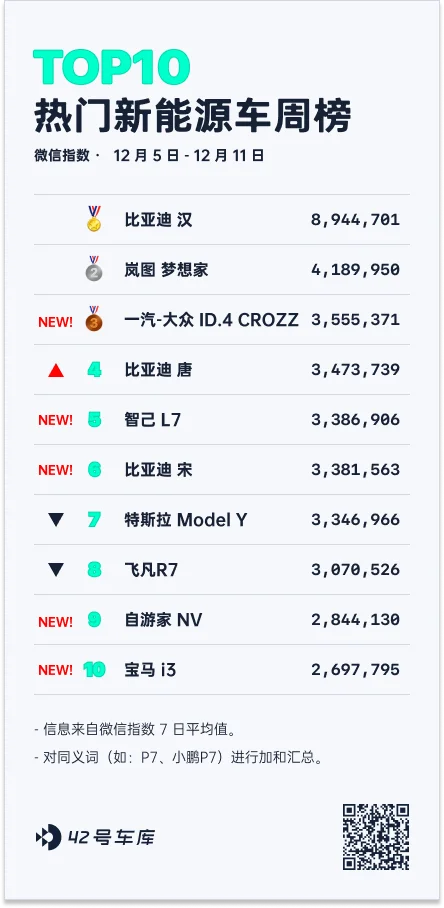
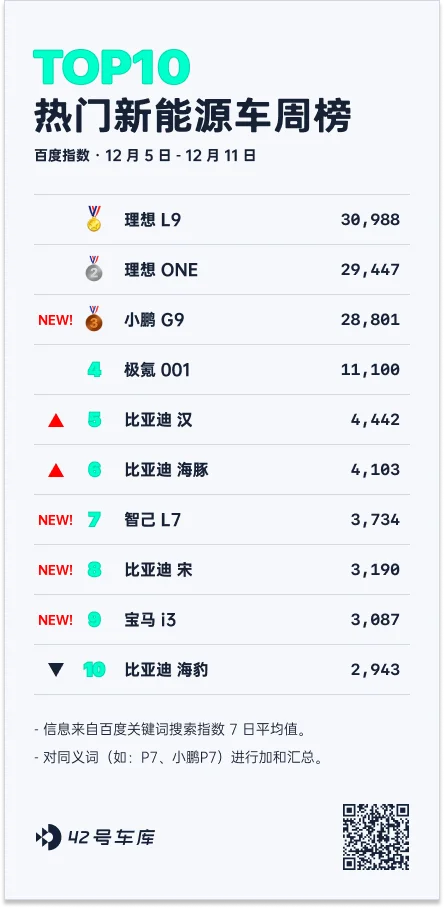
01Weekly Indices
02Weekly Highlights
Kevin to Step Down as Li Auto President
On December 9, 2022, Li Auto announced executive appointments: Chief Engineer Donghui Ma will succeed Shen Yanan (Kevin) as President of Li Auto and join the board, taking overall responsibility for the R&D and Supply groups.
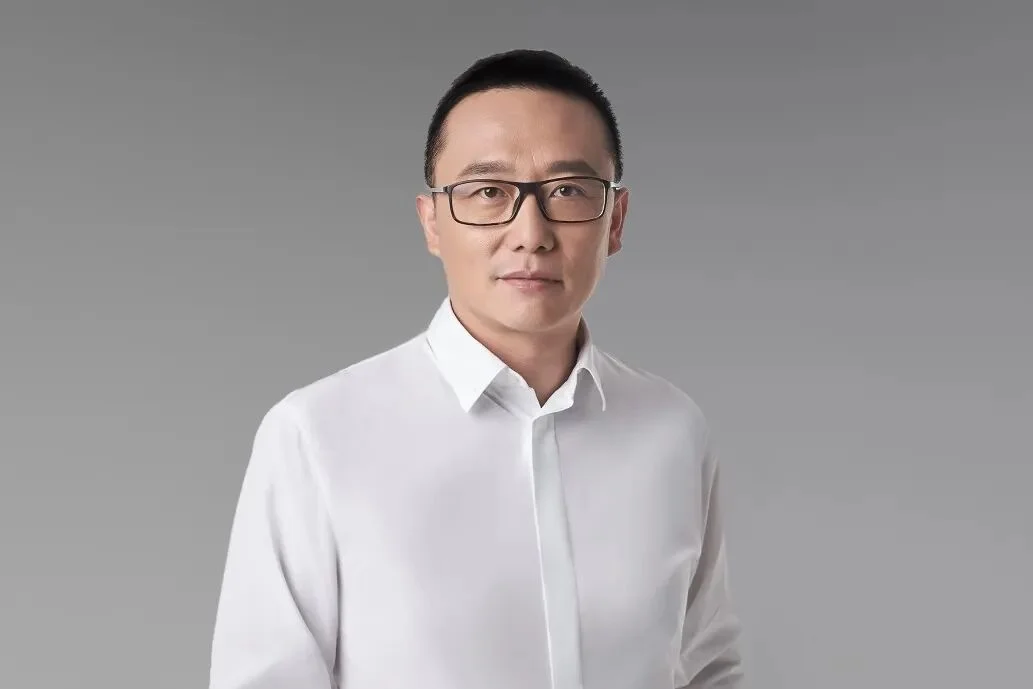
Senior Vice President Xie Yan will serve as Li Auto’s CTO, with full authority over the Systems and Computing group.
Before joining Li Auto, Xie Yan served as Vice President of Software Engineering for the Consumer Business Group at Huawei and Head of the OS Department, leading the R&D of operating system technologies such as HarmonyOS. From 2014 to 2019, he was Chief Architect and Rotating General Manager of Alibaba’s AliOS Business Group, where he was responsible for the technical architecture design and R&D management of mobile operating systems.
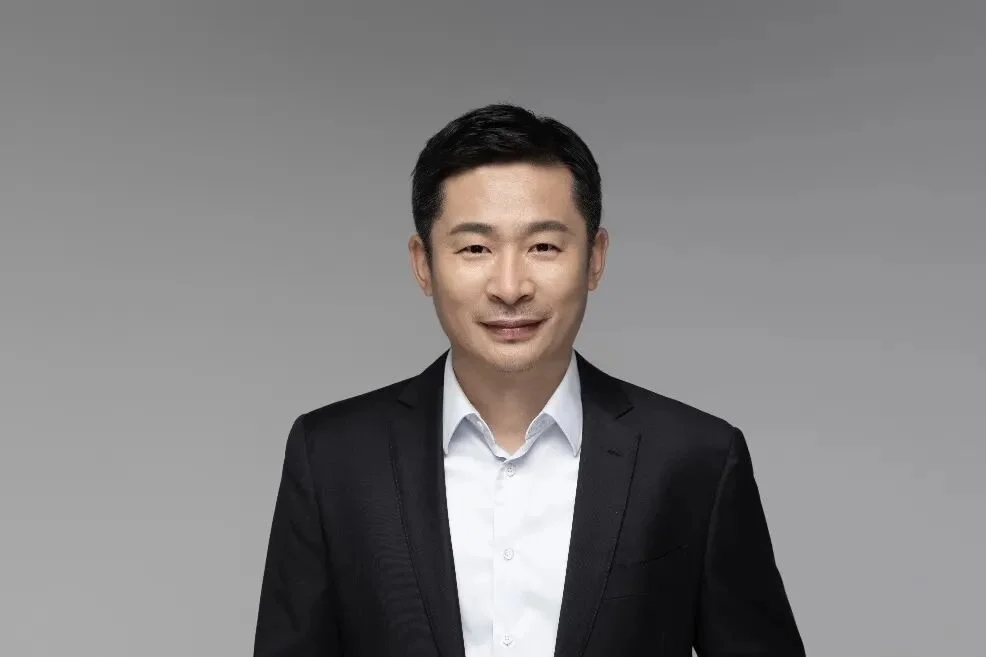
Executive Director and President Shen Yanan (Kevin) will step down from the board and join the "Li Auto Process Transformation Committee." The supply team managed by Kevin (including supply chain, manufacturing, and quality) will be overseen by President Donghui Ma, while the commercial team (including sales, service, and charging network) will be directly managed by CEO Xiang Li.
Li Auto stated that these appointments will take effect on January 1, 2023.
Editor's Comment:
Li Auto founder, chairman and CEO Xiang Li stated in an open letter to all employees:
"Starting today, Li Auto officially launches a comprehensive matrix-style organizational upgrade aimed at achieving an annual revenue scale of RMB 100 billion."
"In the 0-to-1 development stage, speed is efficiency; a vertical organizational model helped us achieve an RMB 10 billion revenue scale, and we did very well. In the 1-to-10 development stage, quality becomes efficiency. We need to use organizational upgrades to break through to an RMB 100 billion revenue scale and launch a challenge toward an RMB 1 trillion revenue scale."
"Next, we will continue to aim at creating products that exceed user needs, maintain a healthy gross margin, and continuously invest in our R&D and capability enhancement to support Li Auto's sustained product success."
In the letter, Xiang Li not only recounted the story of co-founding the company with Shen Yanan (Kevin), but also explained the logic behind this personnel change. For Li Auto, these new appointments mark a completely fresh start.
Apple Delays Car Project, Is It Because of Autonomous Driving Stagnation?
Bloomberg reported on December 6 that Apple will delay the mass production of its car project by one year, with its first model set for mass production in 2026. Bloomberg also revealed that Apple has scaled back the scope of its autonomous driving project.
This report reveals explosive details: Apple previously expected the price per vehicle to exceed USD 120,000 (approximately RMB 840,000), but its current target is below USD 100,000 (approximately RMB 700,000). This means that the "Apple car" scheduled for mass production in 2026 will correspond in price to mid-to-large sedans currently on the market, such as the Tesla Model S, Mercedes-Benz EQS, and Lucid Air.
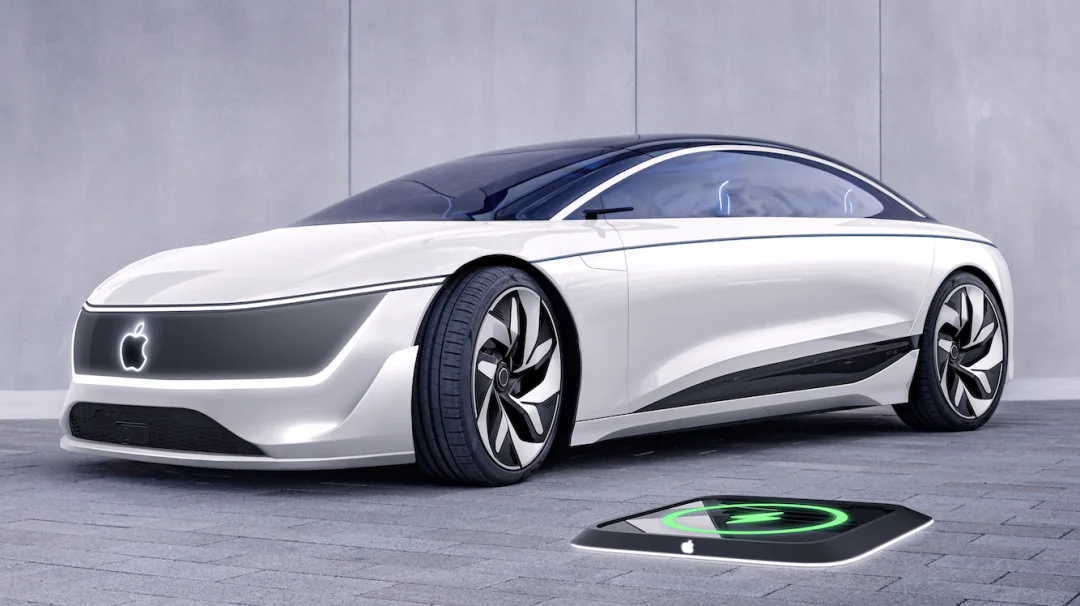
The article reveals that Apple has not yet finalized the specific design of its first vehicle and remains in the "prototype verification" phase. Previously, Apple had ambitious plans for mass-producing "Level 5 fully autonomous driving," with the entire vehicle design centered around a driverless concept. However, over recent months, after realizing that the technical challenges of achieving full autonomy are difficult to overcome in the short term, Apple has begun to compromise, downgrading from autonomous driving to driver assistance.
Apple plans to launch models equipped with complete driving controls, including a steering wheel and pedals. The goal is to enable additional features such as watching movies and playing games on highways, while providing drivers with sufficient time to switch to manual control in adverse weather or complex urban traffic conditions.
Apple is exploring remote command capabilities to assist drivers in emergencies and allow for remote vehicle control. This approach is similar to the highway navigation assist functions pursued by domestic automakers, essentially falling under Level 2 automation. Furthermore, its progress lags behind that of Chinese competitors, which began rolling out urban navigation assist features starting in 2023.
With the vehicle exterior design still undecided and the product philosophy shifting away from fully autonomous driving, this reversal must be frustrating for Apple, which began its automotive project in 2014. Nevertheless, by recognizing reality and pivoting quickly, Apple, as a global tech giant, retains strong capabilities.
Editor's Comment:
The current timeline for Apple's car-making project is as follows:
Complete the design of exterior hardware by the end of 2023;
Finalize functional specifications before 2024;
Conduct vehicle testing and prepare for mass production in 2025;
Deliver vehicles on schedule in 2026.
Apple has retreated from its ambitious path, opting instead for a highway navigation technology route with lower technical barriers. This serves as a reminder that even tech giants like Apple struggle to achieve true autonomous driving mass production in the short term.
However, Apple's one-year delay in its car-making project provides domestic automakers' "new generation" brands, such as Jidu and Xiaomi, with at least a one-year buffer period.
Ziyoujia Exits: What Does Dignity Look Like?
Following recent rumors, a letter to users confirmed the reports of bankruptcy.
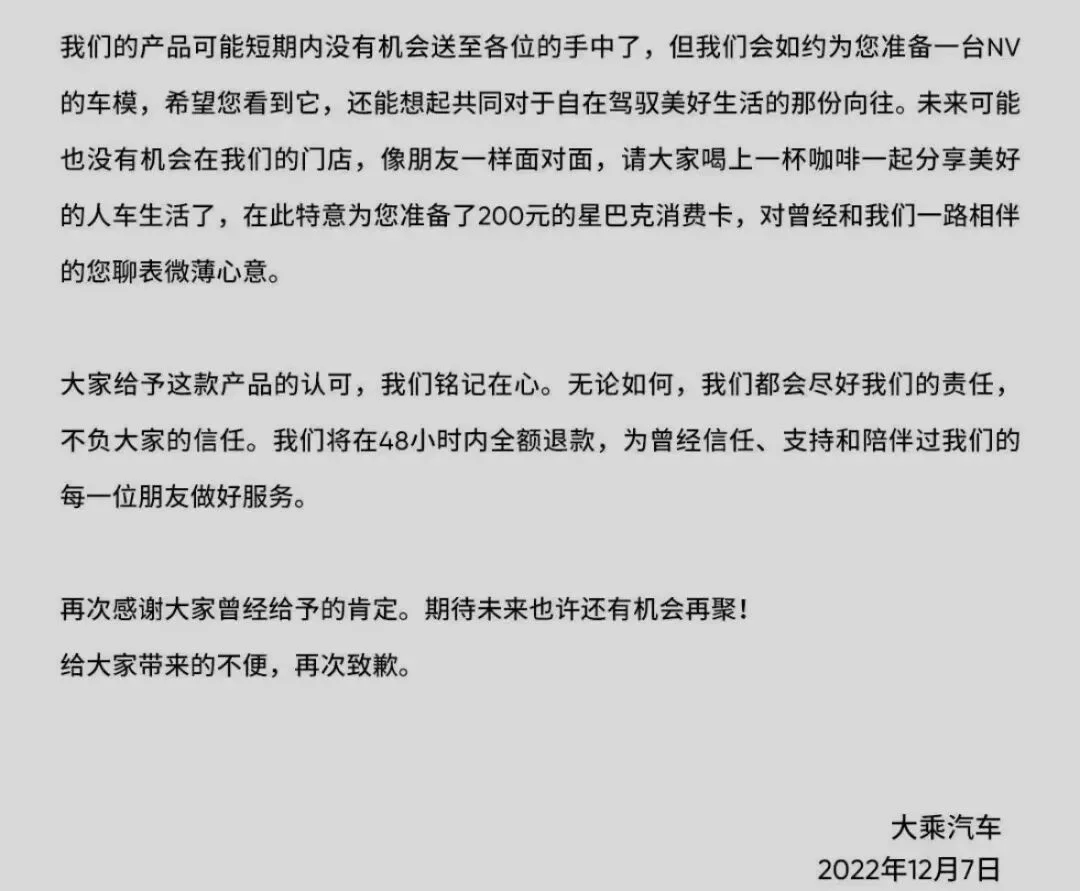
Products originally scheduled for delivery in December have been reduced to mere scale models. For consumers, a full refund of the 48-hour deposit is both reasonable and legally sound. The gift of a model car serves as compensation for their anticipation. Furthermore, Ziyoujia has prepared a RMB 200 Xingbake consumption card, allowing you and your friends to elegantly discuss this somewhat quirky company that is about to exit the market.
Editor's Comment:
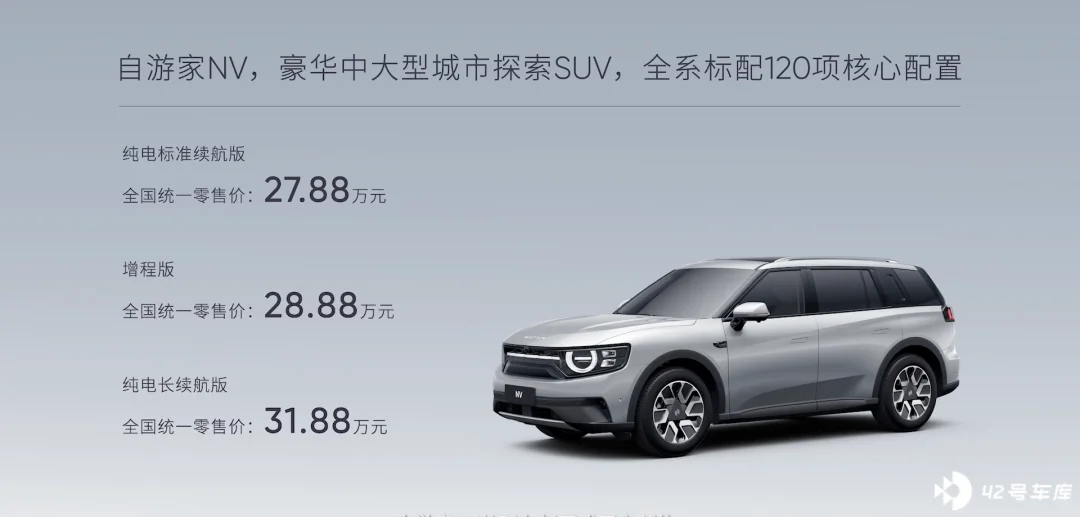
On October 8, 2022, Ziyoujia NV was officially launched in two versions: extended-range electric vehicle (EREV) and pure electric (BEV), priced between RMB 278,800 and RMB 318,800. In terms of product positioning, Ziyoujia targeted the niche market of outdoor camping enthusiasts. While camping represents an interesting trend for early adopters, a vehicle's primary functions remain daily commuting, practical space, range, and intelligent performance. It is precisely in these areas that Ziyoujia NV failed to keep pace with the rapidly iterating new energy vehicle startups.
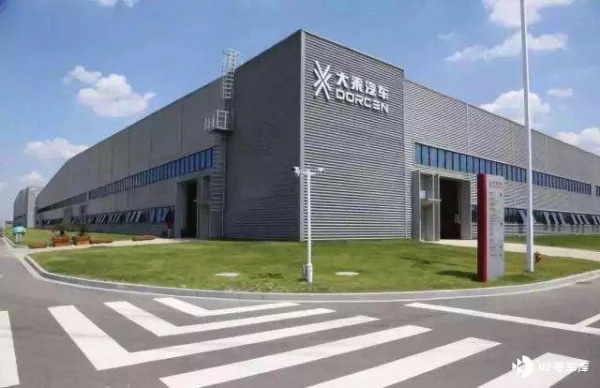
Additionally, even if Dachengqiche, the manufacturer of Ziyoujia NV, held production qualifications, reports indicated as early as 2019 that its factory had ceased operations. In 2020, Gongxinbu issued a document stating that new energy vehicle manufacturers idle for more than 24 months must undergo verification by Gongxinbu to resume production. Enterprises that fail to maintain access conditions or have gone bankrupt may have their qualifications revoked. Consequently, despite Ziyoujia’s continued store expansion, mass production remained unachievable in the short term.
Recent rumors suggested that Ziyoujia would provide employees with N+1 severance compensation.
"In an interview in May, when asked what to do if things become unsustainable, Li Yinan said: 'If it doesn't work out, it doesn't work out. You'll be sad; you can only go home and cry. What else can you do? Commit suicide? I've experienced company bankruptcies before. But at least we need to leave enough money to pay severance—N+1—to comply with national laws and regulations. If the money runs out, we'll just stop. First, we'll pay off our suppliers.' Ziyoujia has provided its final dignity."
New BMW 7 Xi Launched in China; 60L Version Costs Nearly RMB 500,000 More Than in North America
On December 9, 2022, the all-new BMW electric model i7 and the fuel-powered BMW 7 Xi were officially launched in China:
BMW 7 Xi 740L Luxury Edition M Sport Package / Luxury Package: ¥1,269,000;
BMW 7 Xi 740Li Leading Trim with M Sport Package / Luxury Package: ¥1,069,000;
BMW 7 Xi 735Li M Sport Package / Luxury Package: ¥919,000;
BMW i7 xDrive60L M Sport Package / Luxury Package: ¥1,459,000;
BMW i7 eDrive50L Luxury Edition: ¥1,200,000;
BMW i7 eDrive50L Leading: RMB 1,000,000.
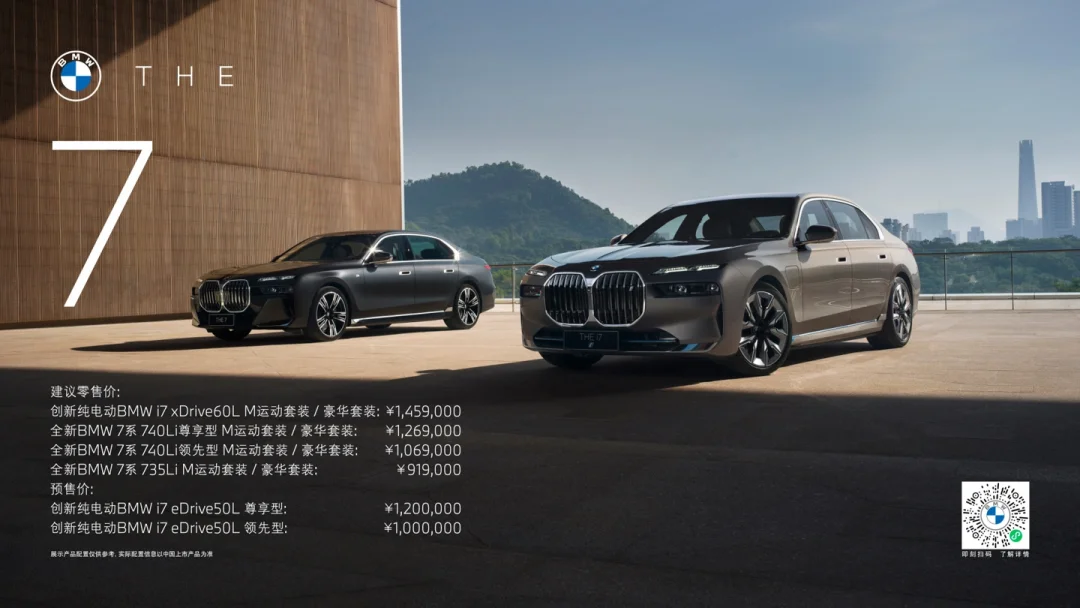
The pre-sale price for the xDrive60 version in the United States is USD 119,300, approximately RMB 850,000. Additionally, the official guide price range for the fuel-powered 7 Xi was released at RMB 919,000 to RMB 1,269,000.
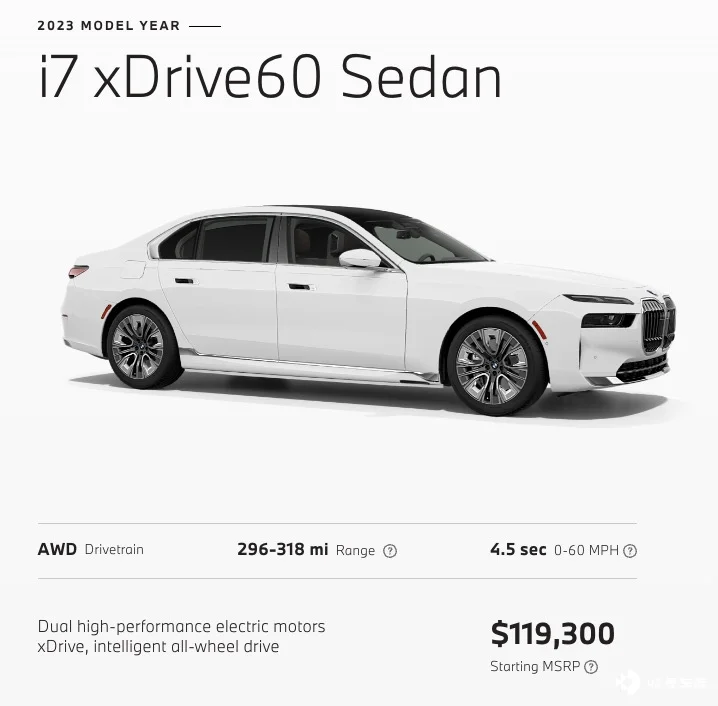
Editor's Comment:
The new BMW i7 features the fifth-generation BMW eDrive electric drive system, with a maximum power output of 400 kW and peak torque of 745 Nm, achieving zero-to-100 km/h acceleration in 4.7 seconds. Compared to domestic new energy vehicle models, this performance is not particularly outstanding.
In terms of range, the i7 has a CLTC range of 650 km. The battery net capacity is 101.7 kWh, with a maximum charging power of 195 kW; both battery capacity and maximum charging power remain consistent with the international version. For driving dynamics, the BMW i7 is equipped with Magic Carpet Air Suspension featuring active comfort anti-roll functionality, which better suppresses body roll on one side and enhances driving stability.
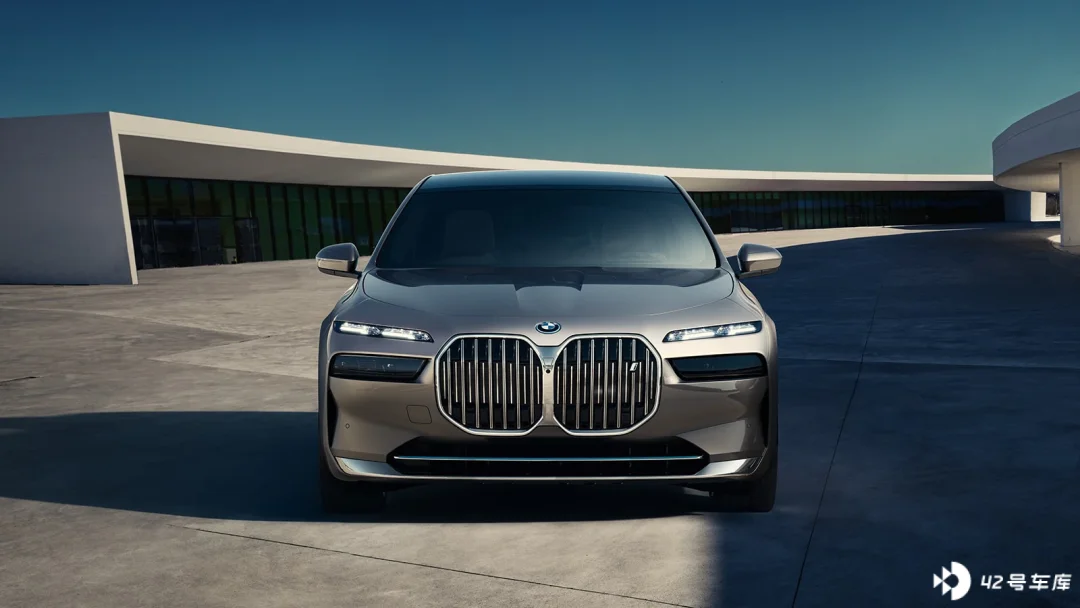
On the driver assistance front, the vehicle is equipped with more than 30 ultrasonic, short-range, and long-range sensors, along with Mobileye’s 8-megapixel in-vehicle cameras. As BMW’s fifth pure electric model launched for the Chinese market, the i7 carries significant strategic importance, aiming to accelerate BMW’s electrification transition. As BMW’s current flagship EV, the i7 delivers a standard befitting its position. However, we hold BMW to even higher expectations.
Buying the Volkswagen ID.3? You Might Want to Wait; Mid-Life Update Arrives Next Spring
Recently, Volkswagen officially released design images for the mid-cycle facelift of the ID.3. This marks the first model update for the ID.3 since its debut in 2019. The official also stated that the mid-cycle facelift ID.3 will be launched next spring and deliveries will begin in the fourth quarter of next year.
In terms of exterior styling, the mid-life update to the ID.3 brings only minor changes overall. The most significant modifications are concentrated on the front bumper: the updated ID.3 features a sportier front bumper design, particularly with large air ducts on both sides, making the ID.3 appear less 'cute.'
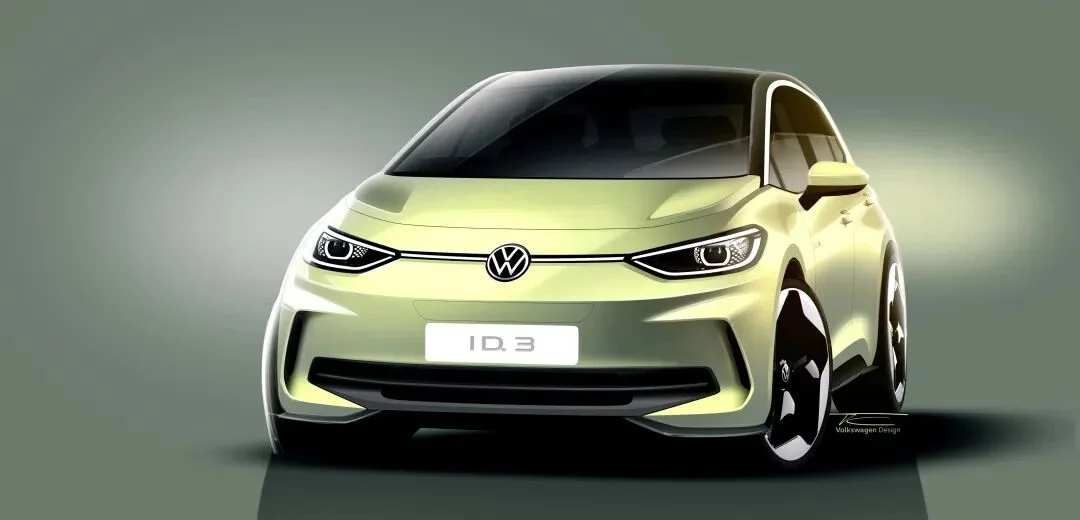
The side profile and rear design remain largely unchanged compared to the current model. Features such as the 20-inch wheels and the black plastic tailgate cover are retained.
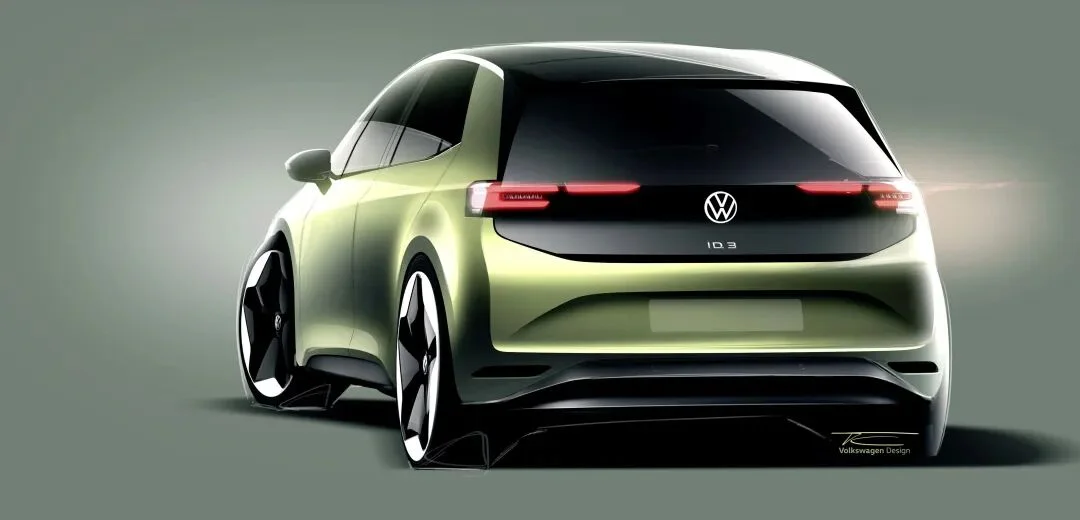
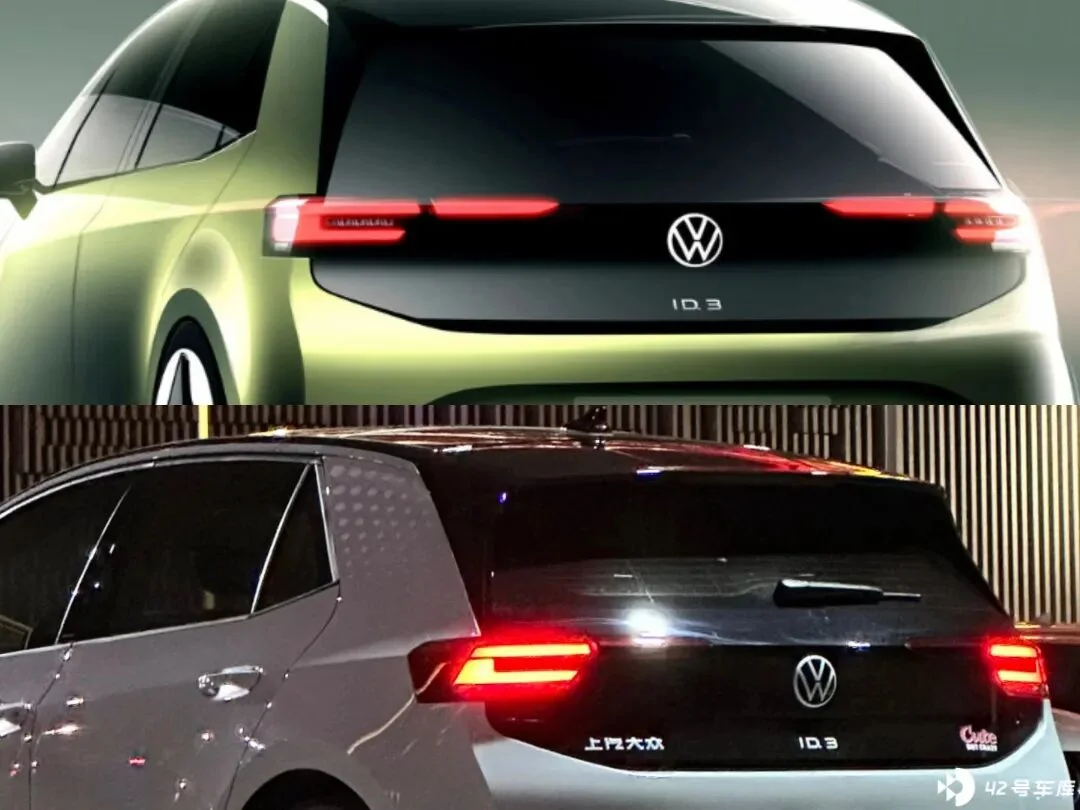
Notably, the original ID.3’s taillights only illuminated partial sections of the left and right clusters, while the red light strip on the trunk lid served merely as a decorative element. In the rendered images, the entire taillight assembly is illuminated, addressing a shortcoming of the previous model.
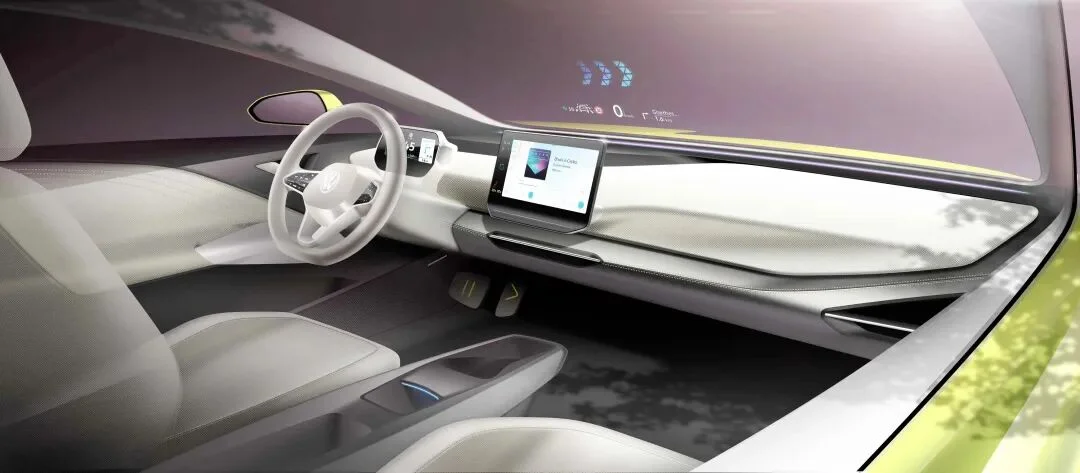
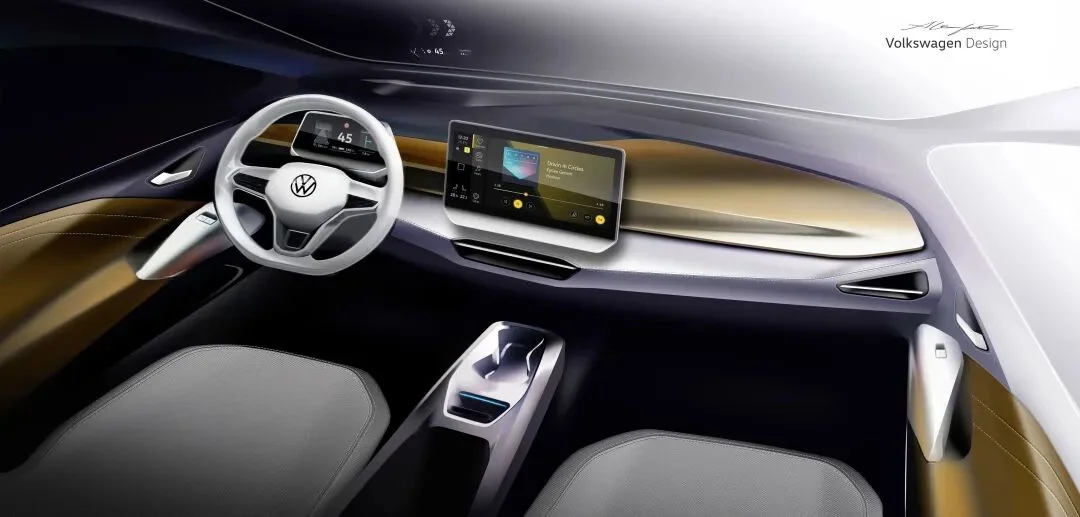
We can see from the teaser images that the door panels are wrapped in leather, and the center console also features leather stitching. Additionally, the new ID.3 will be equipped with the latest generation of software, and the central display screen has been upgraded to 12 inches, consistent with the ID.4.
Editor's Comment:
In the current ID.3, the extensive use of hard plastic materials for the interior trim panels has drawn criticism from many owners. In response, Imelda Labbé, a member of the Board of Management for Volkswagen Sales, Marketing, and After-Sales Service, stated that the mid-cycle refresh of the ID.3 has adopted user feedback and upgraded the interior materials.
The software aspect remains a weak point for the Volkswagen Group. In December, the domestic ID. series experienced widespread black screens during a cold snap, and Volkswagen China has not yet provided an official OTA update method to address this. Kai Grünitz, a member of the Board of Management responsible for Volkswagen's software development, indicated that the mid-cycle refresh ID.3 will offer a more convenient charging experience and take further steps toward highly automated driving. We can look forward to these developments by next spring.
Volkswagen stated that due to the large volume of orders for the currently available ID.3, deliveries of the mid-cycle refresh ID.3, scheduled for release next spring, will begin in the fourth quarter of next year. The refreshed model may also be introduced to the domestic market, so potential buyers considering the ID.3 might want to wait for the new version.
Volkswagen sub-brand Xiyate to be produced domestically in China by JAC-Volkswagen
On February 8, 2020, Volkswagen Automobile (Anhui) Co., Ltd. was officially unveiled, designated for the production of MEB platform models and the development of new pure electric products. According to plans, Volkswagen Group aims to increase its electric vehicle deliveries in the Chinese market to 1.5 million units by 2025; globally, sales of pure electric vehicles based on the MEB platform are projected to reach 19 million units by 2030, with the majority destined for the Chinese market.
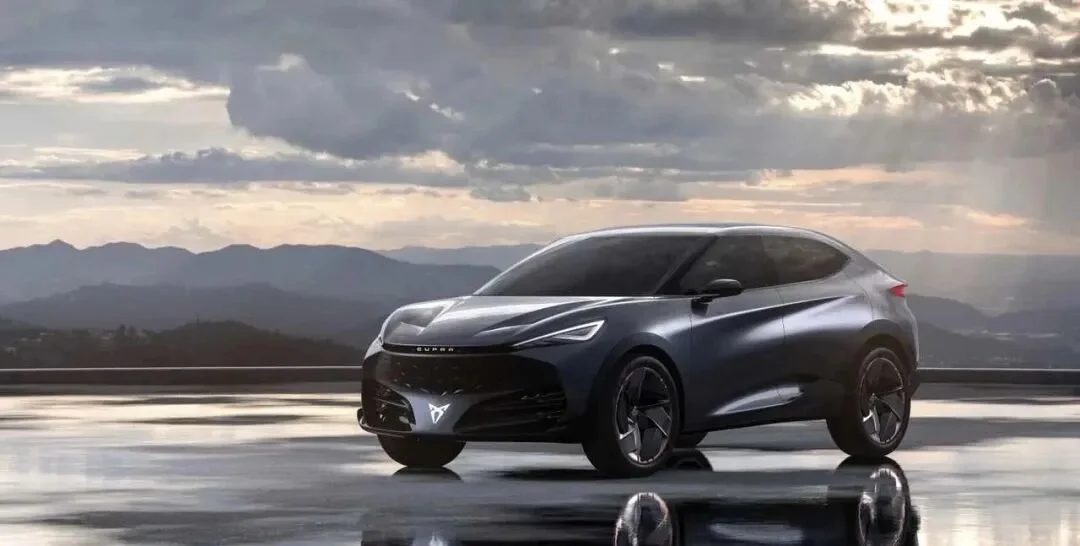
Recently, reports indicated that Cupra, a brand under Volkswagen’s subsidiary Xiyate, is highly likely to be produced locally at Volkswagen Automobile (Anhui) Co., Ltd. The first mass-produced model could be the Cupra Tavascan, a fastback-style pure electric SUV built on the MEB platform. This vehicle can be viewed as a sibling to the Volkswagen ID.5, sharing the same platform.
Quick Review:
In April this year, it was already reported that the Volkswagen ID.5 and its high-performance variant, the ID.5 GTX, would be produced at Anhui Volkswagen, while domestic patent images for both versions of the Volkswagen ID.5 were also revealed.
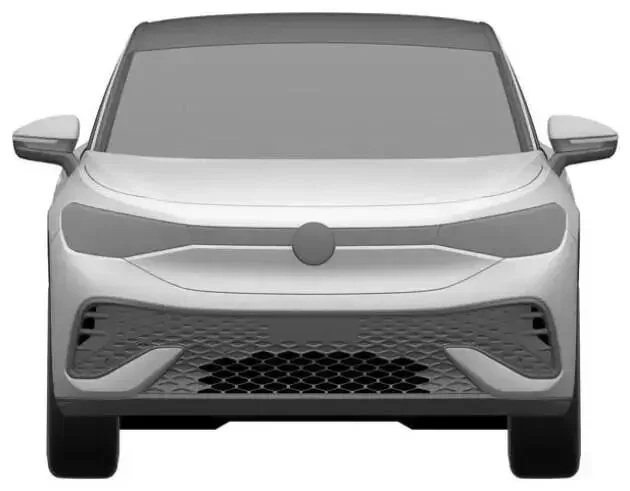
However, judging by the current progress, it seems that the domestic ID.5 project has been shelved. Meanwhile, the Cupra Tavascan remains in the concept car stage and is not expected to launch until at least 2024. At that time, will Anhui Volkswagen join the ranks of manufacturers producing MEB electric vehicles alongside Yiqi and SAIC Volkswagen?
Written by: Jiang Xiaohei Edited by: Liu Guangding