


NIO's Grand Chessboard: Pressure and Imagination Coexist
The image below was created in 2015, during the second year of NIO's existence. A closer look reveals that this PPT, drawn by William Li, Zhou Xin, and Qin Lihong during the A+ funding round, essentially outlines the brand value strategy that NIO continues to uphold today.
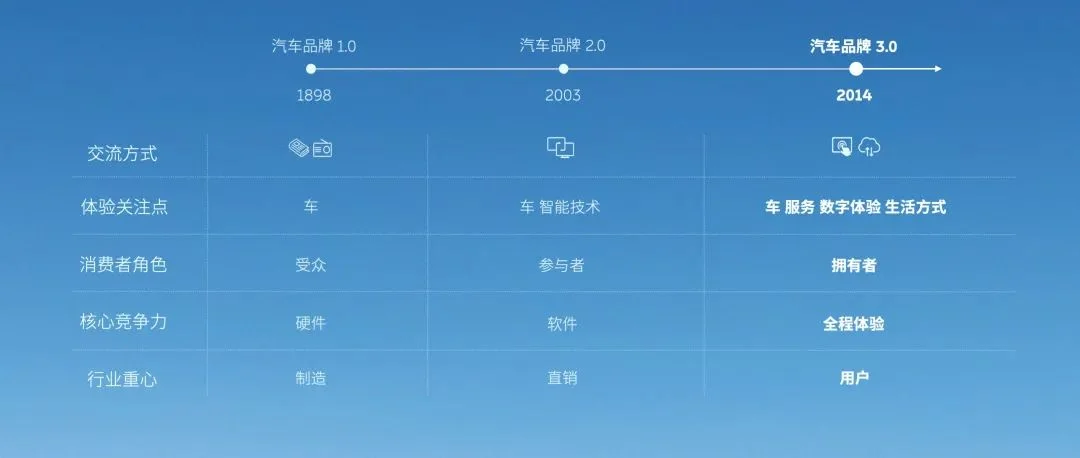
For a company navigating the transition from 10 to 100, such persistence is underpinned by mature methodological experience. For NIO, however, it represents an all-in gamble with everything on the line.
From 2014 to 2022, NIO has completed its eighth year. Over these eight years, the new energy vehicle manufacturing industry has seen some fall at the forefront of the tide, while others have achieved miracles that captured global attention. From a certain perspective, NIO’s development appears even more legendary.
It is rare to see real-world cases of entities entering intensive care and then emerging vibrant and active.
That initial PPT has evolved into a nascent systemic compass. The four quadrants of the compass represent the four major goals set by NIO. At the center lies NIO’s "strategy," "business model," and "core capabilities," symbolizing the company’s original intent. Moving outward, the content can be continuously refined, reflecting the long-term objectives established since NIO’s founding in 2014.
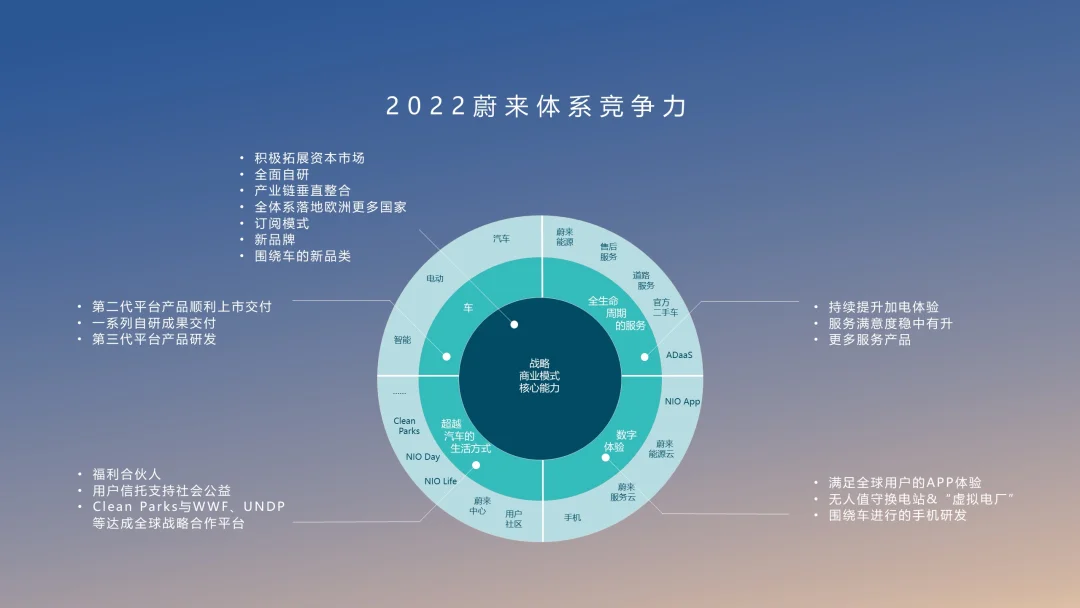
Over the past year, major developments such as deliveries of the ET7, ET5, and ES7, expansion into Europe, and the launch of NOP+ Beta have served as the visible thread of progress. The logic underpinning NIO's entire systemic expansion is precisely the competitiveness compass shown above.
So we also met Qin Lihong in the final month of 2022, looking back on the past year and forward to the new one. We had an interesting and in-depth discussion covering topics such as NIO's multi-model strategy, the new brand Aerbeisi, NOP+, the European market, and more.
01Multiple Models, New Brands, and NOP+
NT 2.0 to Cover the Full Lineup Within Six Months
One year ago, the NT 2.0 platform was still in the realm of theoretical discussion. Today, the ET7, which began deliveries in March 2022, has accumulated more than twenty thousand units delivered, while the ES7's monthly sales have reached the four-thousand-unit level, firmly holding the top spot among pure electric SUVs priced above RMB 400,000.
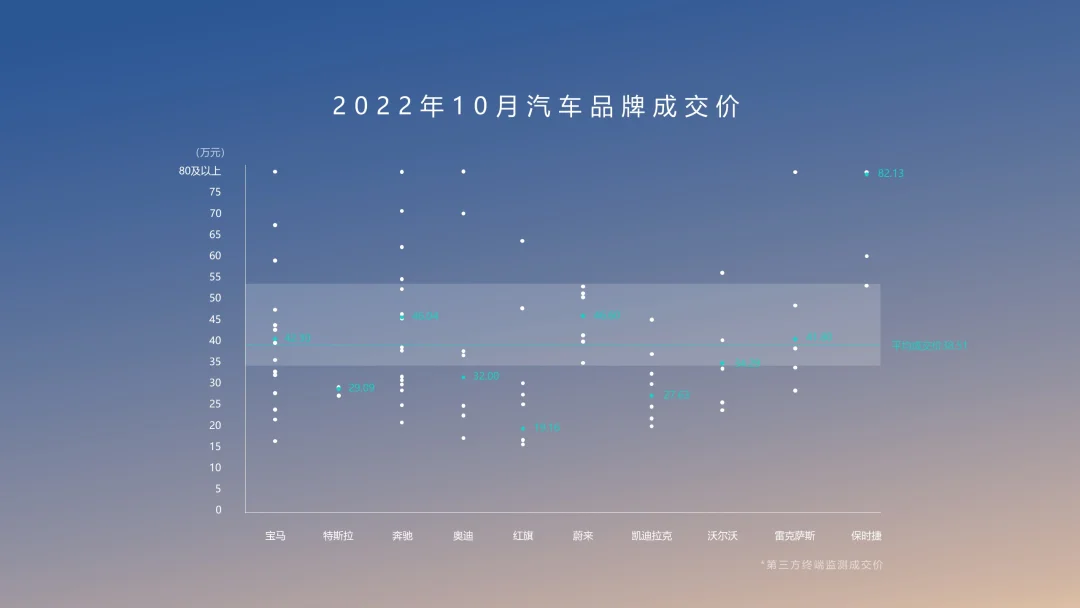
Based on the weighted average transaction price of car brands in October, NIO reached 466,000 yuan, surpassing Mercedes-Benz at 460,400 yuan, BMW at 423,000 yuan, and Audi at 320,000 yuan.
When segmenting by sales of pure electric high-end products priced above RMB 400,000, NIO held a 77.6% share of this market with the ET7 and ES7, far surpassing traditional automakers.
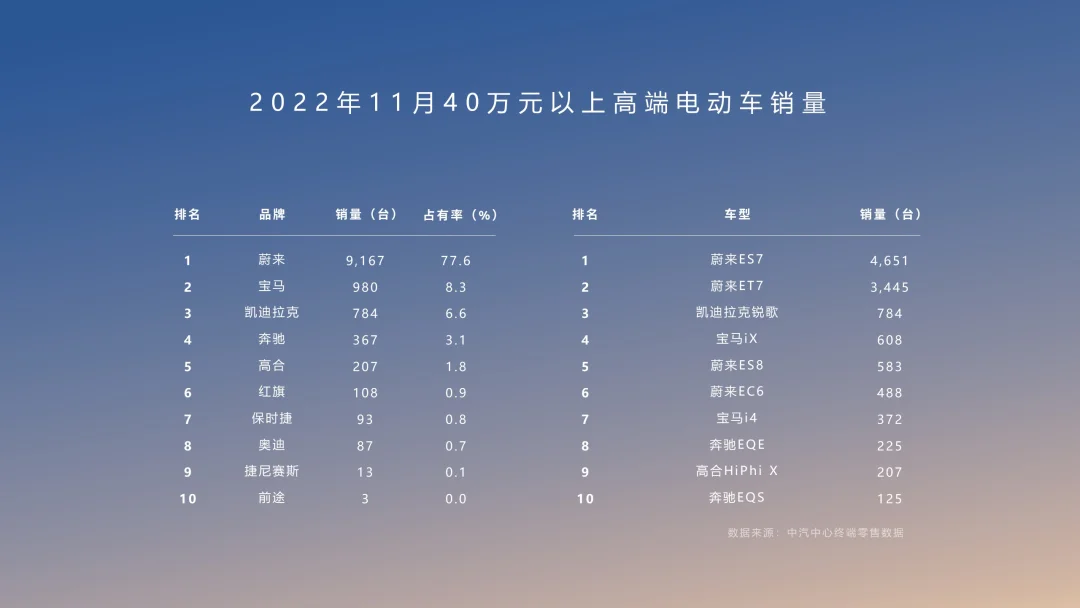
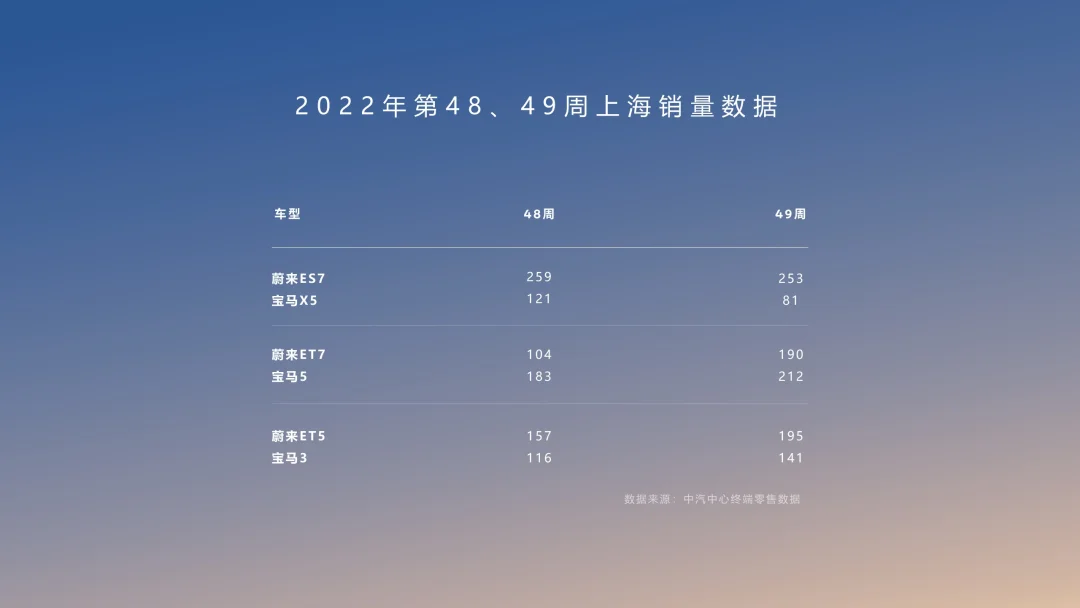
NIO currently lists six models for sale, but only the three built on the NT 2.0 platform are strong volume drivers. The company must therefore accelerate the refresh of its other products. However, registration data in Shanghai shows that these three existing models can already compete with the BMW X5, 5 Xi, and 3 Xi.
In a face-to-face interview, Qin Lihong revealed that "the entire NIO lineup will be updated to the NT 2.0 platform within six months." The ES6, EC6, ES8, ET5 Touring, and EC7 launches are all scheduled for the first half of next year. Since Qin specified an update for "seven models" to the 2.0 platform, I speculate that the rollout of either the EC6 or the ET5 Touring may be slightly delayed.
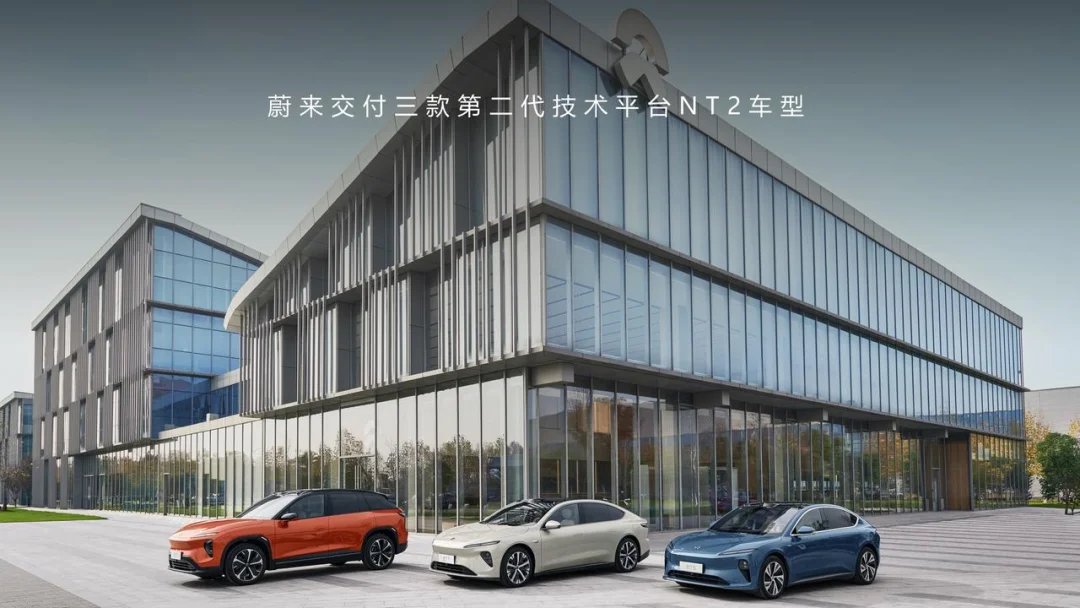
This move would make NIO the only brand to complete a full-platform upgrade across its entire lineup. Two new vehicles were also announced at this year's NIO Day. In addition to the confirmed ES8, Qin Lihong stated: "There will also be a vehicle with a very distinct character."
Coincidentally, on the same day, the NIO ES8 based on the NT 2.0 platform was officially listed in the MIIT database. In addition to the familiar "lighthouse" sensor array characteristic of the 2.0 platform, the new ES8 remains standard all-wheel drive, with a front motor rated at 180 kW and a rear motor at 300 kW.
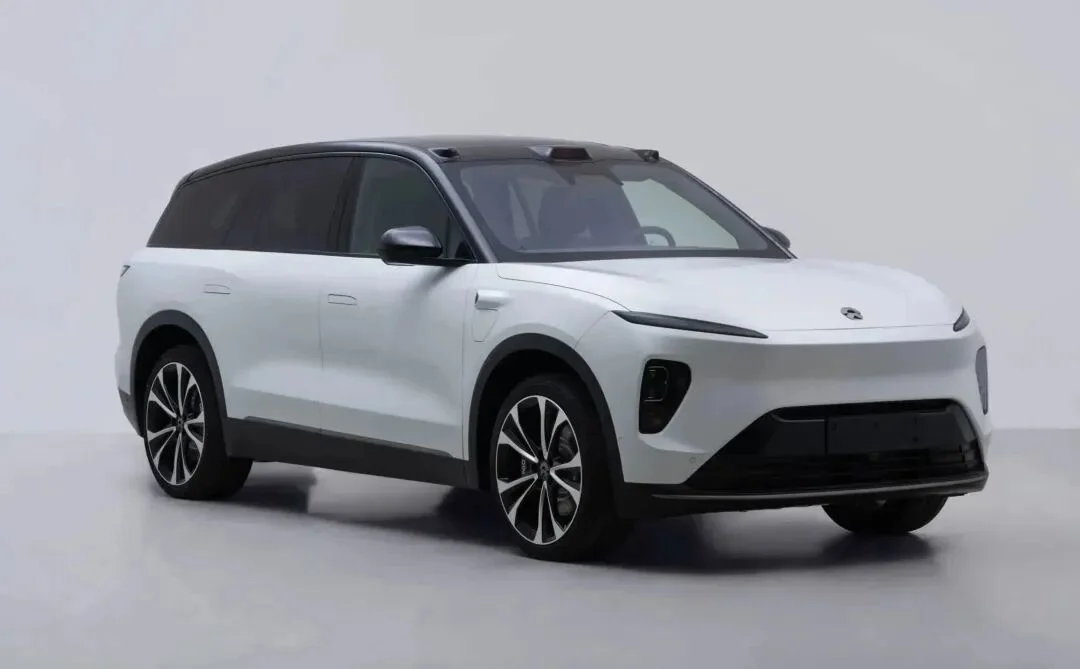
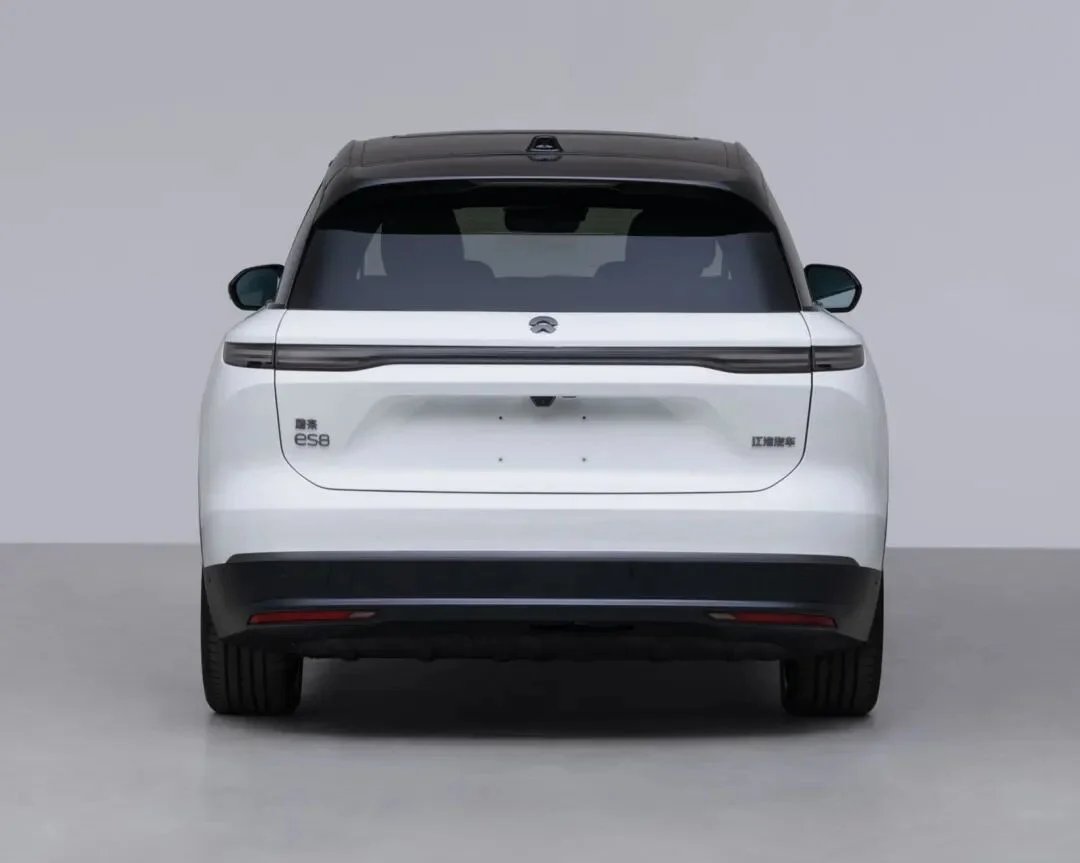
We will also see detailed information about the new ES8 at this year's NIO Day. Qin Lihong stated that the transition of the ES8 to its second generation represents NIO’s comprehensive approach to 'exiting the curve' in product development.
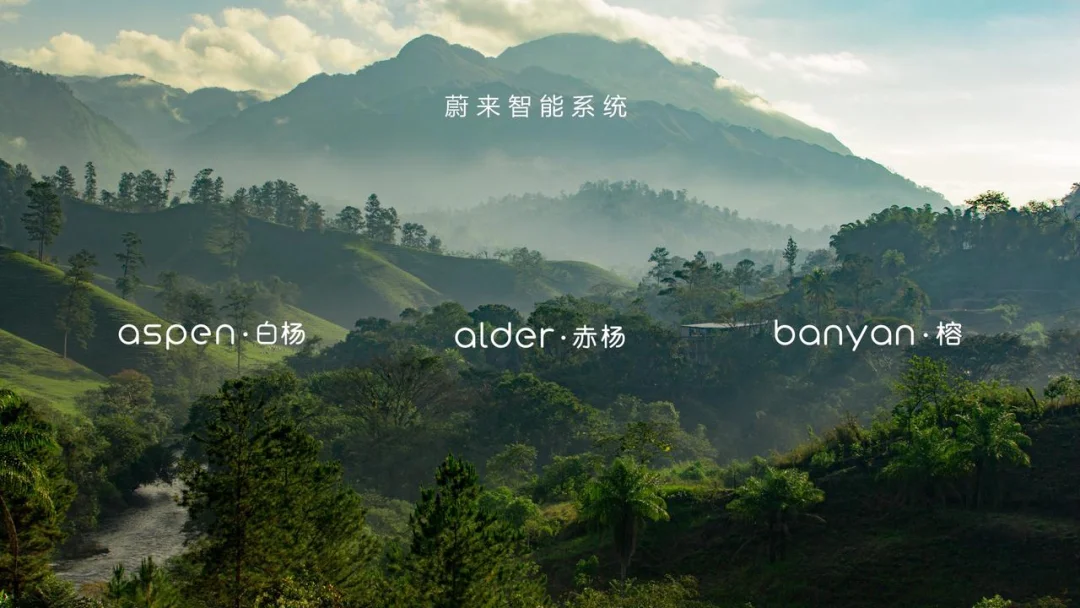
The rapid completion of this generational shift is made possible by platformization. Beyond mechanical platform sharing, NIO's 'aspen·White Birch', 'alder·Red Alder', and 'banyan·Banyan' systems also follow a platform-based logic. These encompass intelligent hardware (such as LiDAR and other sensors), computing platforms, algorithms, operating systems, and application ecosystems.
The core competitiveness of smart vehicles has shifted from 'automobiles' to 'intelligence'. While anyone can pile on components, the key to reducing development cycles and costs lies in systematizing intelligent systems and reusing them across every model.
Taking the NT 2.0 platform with its 'lookout tower' sensor layout as an example: identical sensor arrangements allow for the quick adaptation of previously collected data. If the sensor positions are changed, the reuse of billions of kilometers of road test data for closed-loop validation would require significant time to readapt.
Regarding older platforms, Qin Lihong said NIO commits to a maintenance period of 15 years, avoiding the behavior of abandoning old platforms and users after a rapid 'arms race' iteration. He offered an interesting analogy: 'It’s like a software property management company.'
Admittedly, the development potential of the aspen platform cannot be compared to that of banyan; the boundaries imposed by hardware will eventually reach their limit. However, developing targeted features for different systems and user versions is not easy either. Simply maintaining the first-generation aspen system requires a team of several hundred people standing by on a timeline spanning more than a decade.
In NIO's development, balancing the delicate emotions of both new and existing owners is a must-answer question.
When discussing NIO's multi-model strategy, Qin Lihong noted that having seven new models on sale simultaneously next year will certainly present challenges, but a multi-model lineup is necessary for a premium brand. "If our goal were Tesla, XPENG, or Lixiang, we wouldn't need so many models. But if our target is BBA, there is still room in our product line."
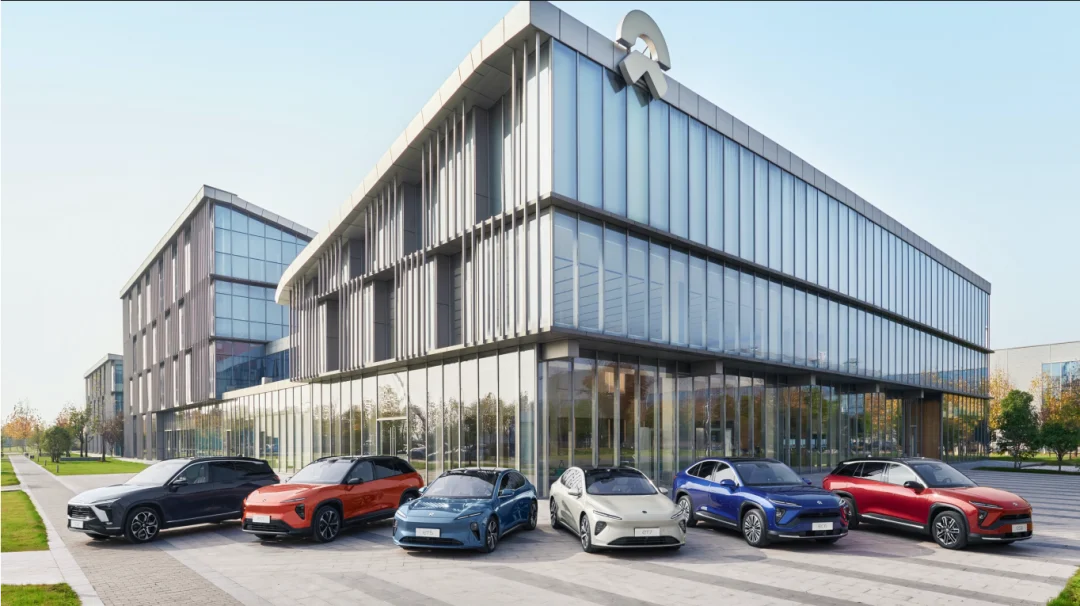
Qin Lihong explained that platform-based thinking allows for sharing design, chassis, core components, intelligent platforms, and battery-swap architectures, which provides the foundation for launching multiple models.
Qin Lihong offered an interesting analogy: When wearing Uniqlo, you don't worry about clashing outfits; but when wearing luxury brands, people mind it more when they clash.
A relatively high-end brand requires greater variety, reflecting an insight into consumers' subtle psychological expectations.
Different brands carry different consumer psychological expectations. For NIO, it is impossible to capture the entire market spectrum. The ET5 will be the most affordable product within its planned lineup. Therefore, the task of simplifying the product line to drive volume will fall to Aerbeisi.
Aerbeisi, targeting 50,000 monthly sales
The emergence of Aerbeisi is objectively inevitable. From a macro-market perspective, China's annual passenger vehicle sales are estimated at around 20 million units, a relatively fixed figure. This year, the penetration rate of new energy vehicles (NEVs) rose from 17% to 27%, compared to last year.
For NIO, which primarily focuses on the over-400,000 RMB segment, the dividend of penetration rate has not been fully realized. This is because the increase in the penetration rate of new energy vehicles mainly occurs in the 200,000 to 300,000 RMB range, but the direct beneficiaries in the 200,000 to 300,000 RMB range are Tesla, BYD, and XPENG.
NIO will not overlook this market with significant potential.
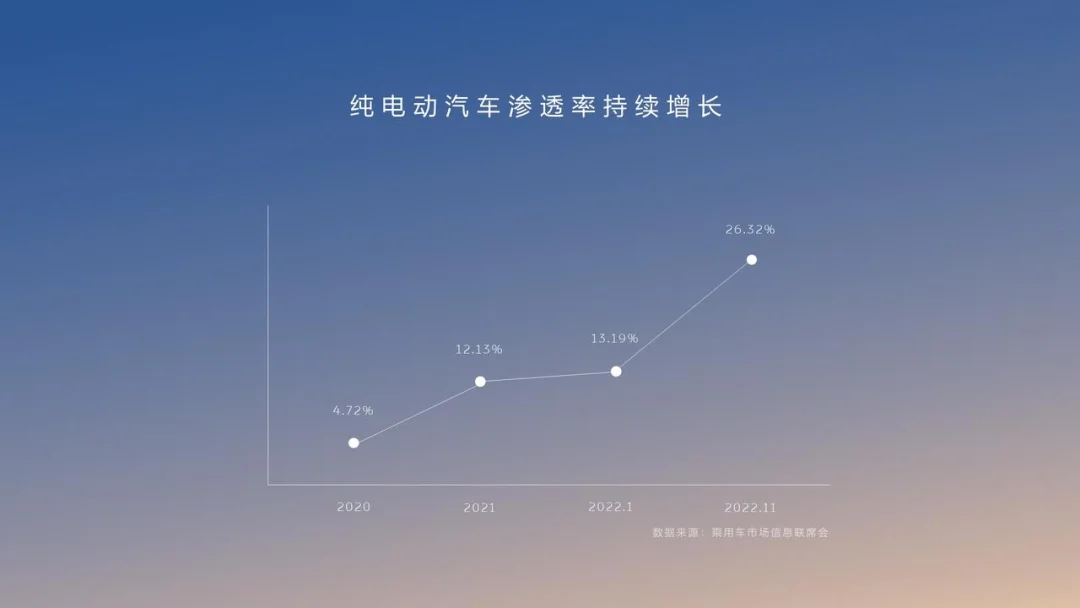
This is the underlying logic behind the birth of Aerbeisi. Regarding whether Aerbeisi can share NIO’s battery-swapping infrastructure, Qin Lihong shared his thoughts on the matter.
First, achieving cross-brand compatibility for battery-swapping technology is technically crucial, as it forms the foundation for subsequent refined management. For the entire NIO group, actions to secure swapping resources must be swift. For the new brand, there are many operational possibilities for battery swapping.
For example, under the premise of compatibility within the swapping system, could shared access be opened within Shanghai’s Inner Ring Road, where space is extremely valuable? Could sharing be restricted during busy daytime hours but enabled during off-peak nighttime hours? Could it be opened for use when consumers travel home for the Spring Festival?
Based on Qin Lihong’s statements, I speculate that Aerbeisi will likely be compatible with NIO’s swapping hardware. If physical limitations are overcome, diverse operational models become possible. This constitutes the "luxury endorsement" that Aerbeisi possesses even before its official launch.
Qin Lihong also boldly projected that the monthly sales volume of the new brand’s future core models, codenamed Aerbeisi, would reach 50,000 units. For a new brand that is born with an extensive battery-swap network, a mature intelligent driving platform, and stable supply chain channels, I do not doubt this figure.
NOP+: Faster rollout, delayed monetization
NOP+ Beta was just pushed out a few days ago, with the full-scale release of the official version expected in about ten days. Regarding the delay, Qin Lihong offered only a brief explanation:
"We won’t make excuses; it’s simply that we didn’t do well enough during the process. The only thing we can do is work harder to push it out sooner and charge later."
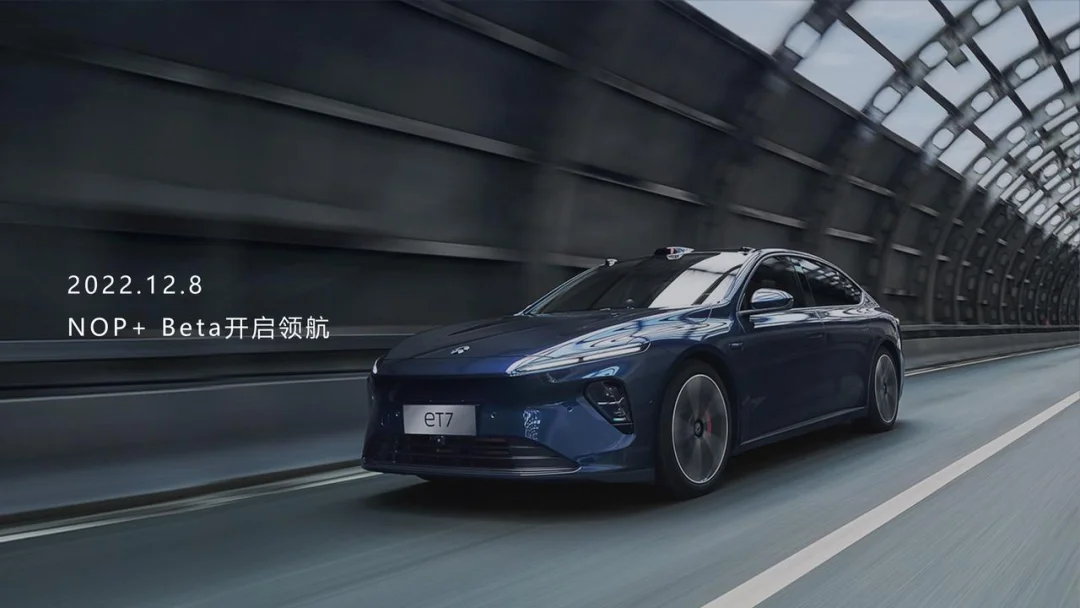
However, if the price for a good experience is a slightly later launch, most people are likely to accept it, especially given the difficult environment for road testing and data collection this year.
Qin Lihong also noted that NAD will indeed take a considerable amount of time to reach its envisioned state. Since NOP+ did not achieve the maturity level required at the time of its release, NIO’s stance is to offer free usage first and consider charging only when it becomes appropriate.
This will certainly hurt the feelings of some owners of first-generation platform NP vehicles. Moving forward is inevitable, and we hope NIO will provide appropriate comfort to legacy owners through methods such as credit point compensation.
During the interview, Qin Lihong also revealed a major upcoming update for NOP+: highway autonomous navigation with battery swapping. When navigating on highways, the vehicle will automatically plan a route to a swap station after the destination is set, complete the swap, and then resume its journey independently. This feature is expected to launch first on two major highway corridors—one horizontal and one vertical—with the goal of connecting most highway swap stations by next year.
For highway service areas, complex lane markings, heavy traffic congestion, and variable traffic conditions create significant challenges. Achieving automated battery swapping in these micro-environments is undoubtedly difficult. Since high-precision map providers do not typically include service area scenarios, I am very curious and eager to see how this function performs once deployed.
Qin Lihong stated that the 'highway autonomous navigation with battery swapping' feature would be detailed at NIO Day this year.
02Beyond Car Manufacturing
Service & Lifestyle: Still Worth Discussing
Since the ET5 went on sale and began deliveries, the primary concern for most prospective owners and current owners has been: 'Will the current service experience deteriorate?'
Qin Lihong provided an answer. Contrary to intuition, while NIO's ownership base has tripled, the absolute number of unsatisfied complaints has increased by approximately 30%. The perceived increase exists, but overall performance remains solid.
Convenience of power replenishment is indeed improving, which is a dynamic and dialectical issue. As of today, NIO has deployed 1,255 swap stations in China, including 332 on highways; it also operates 2,185 charging stations containing 12,773 charging piles.
Of all the vehicles delivered by NIO, approximately 60% are equipped with free home charging stations. Through the NIO App, NIO’s charging map also integrates more than 610,000 fast-charging piles from third-party social providers.
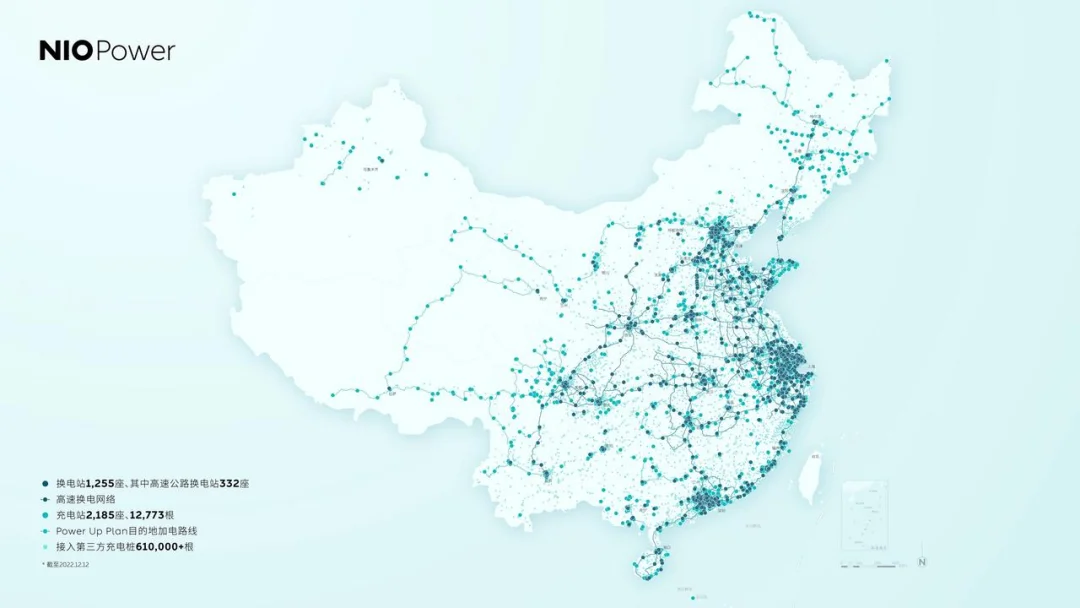
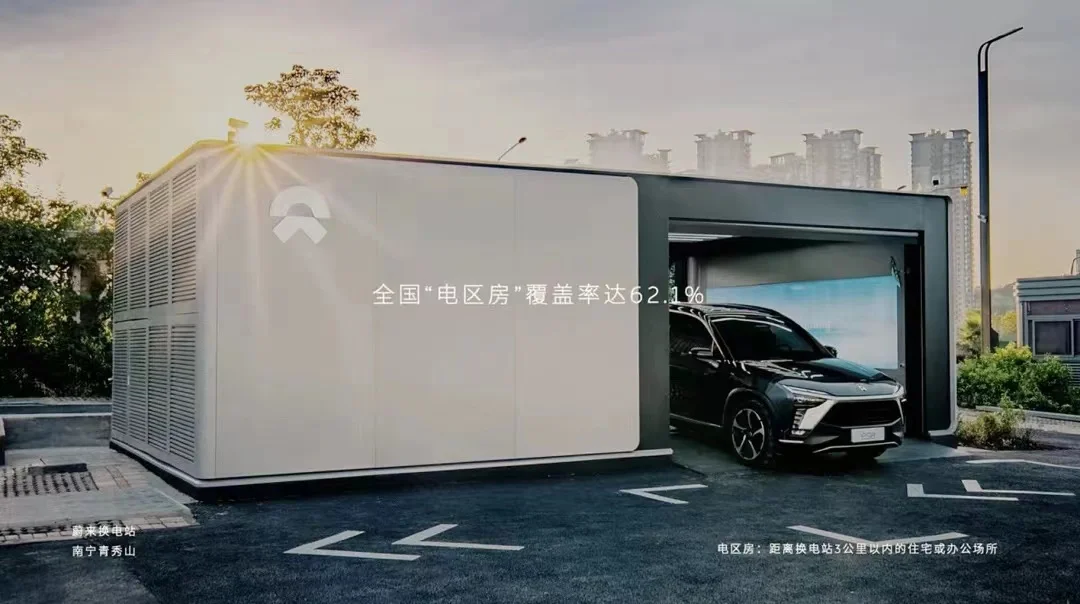
However, the convenience of battery swapping remains the primary concern for users. Details on the layout and technical highlights of the third-generation swap stations should be revealed at this year’s NIO Day.
As delivery volumes increase and the number of consumers outside first- and second-tier cities grows, NIO hopes to begin deploying third-generation swap stations in third- and fourth-tier cities starting now.
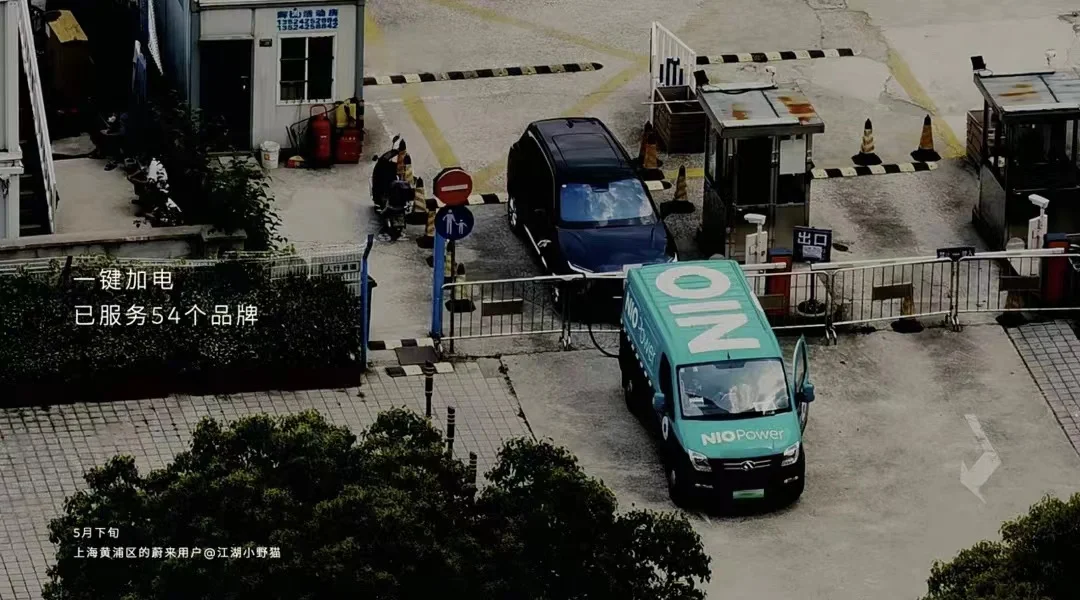
Regarding services, NIO’s second-generation service vehicle, which combines service and charging functions, has been deployed across the country. In the first 11 months of this year, NIO’s road service orders totaled 1.2 million, averaging more than 100,000 per month.
In terms of service offerings, NIO introduced a new model this year called 'NIO Drive Enjoyment Service,' which can be redeemed using NIO Points and coupons. Qin Lihong noted that, beyond traditional designated driving services, some owners have used the service to have specialists pick up and drop off children for school, accompany elderly family members to medical appointments, and even help children with homework.
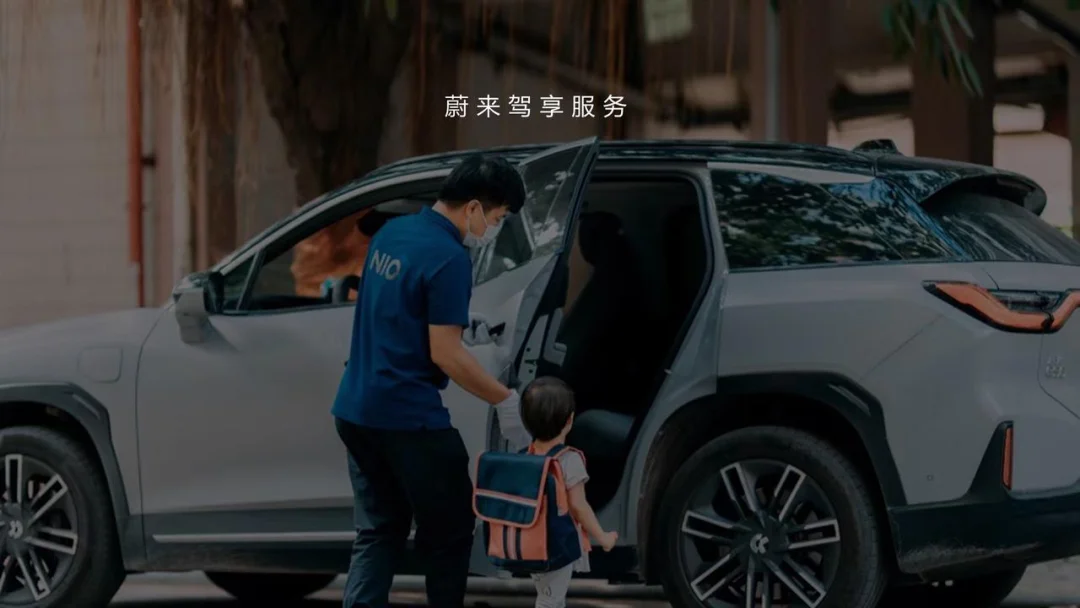
According to Qin Lihong, there was internal debate over whether to retain the "NIO Joy Service," but the decision was ultimately made to keep it. The project is currently operating at a loss in the short term, with NIO aiming to break even next year.
This is interesting. Guided by the principle of "full-lifecycle service," NIO’s methods for delivering emotional value are evolving and innovating, rooted in the significant freedom provided internally.
Perhaps we will live to see the first automaker enter the senior care market.
In terms of lifestyle, the prototype store for the second-generation NIO House recently opened in Songshan Lake, Dongguan, with William Li attending the ceremony. Most notably, the 'Owner Welfare Partner' program was unveiled for the first time at last year's NIO Day.
Before discussing the "Owner Welfare Partner" program, it is important to understand a key premise: the NIO APP has more than 5 million registered users, with daily active users exceeding 380,000 and peaking above 400,000—a massive traffic pool.
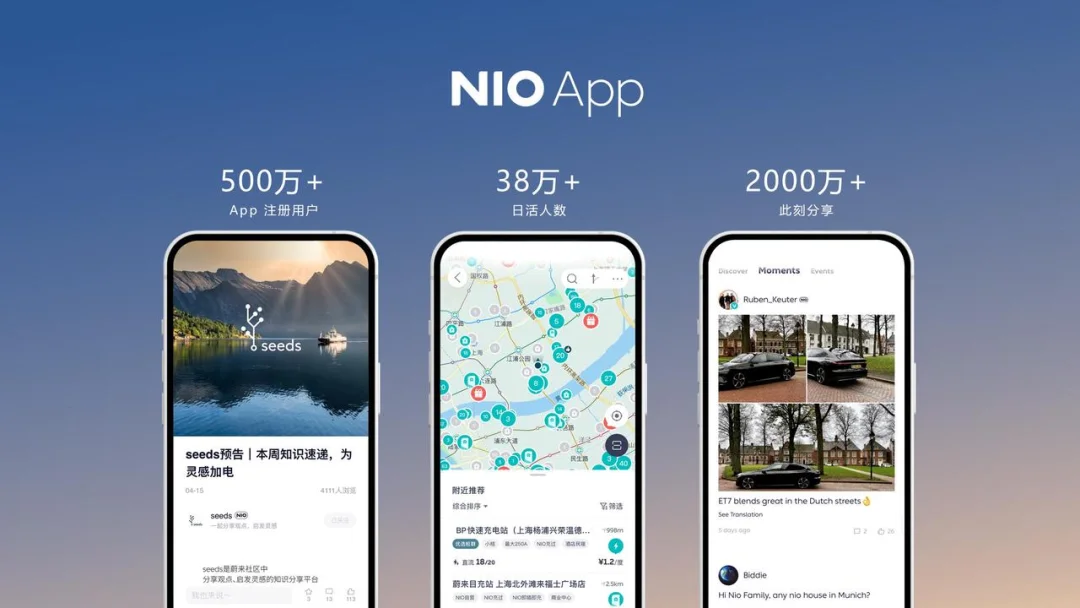
NIO owners can join this program by offering benefits or specialized services to other NIO owners, such as providing discounts or exclusive dishes and bedding. For participating owners, NIO opens up this private domain traffic, expanding the NIO owner ecosystem from online to offline.
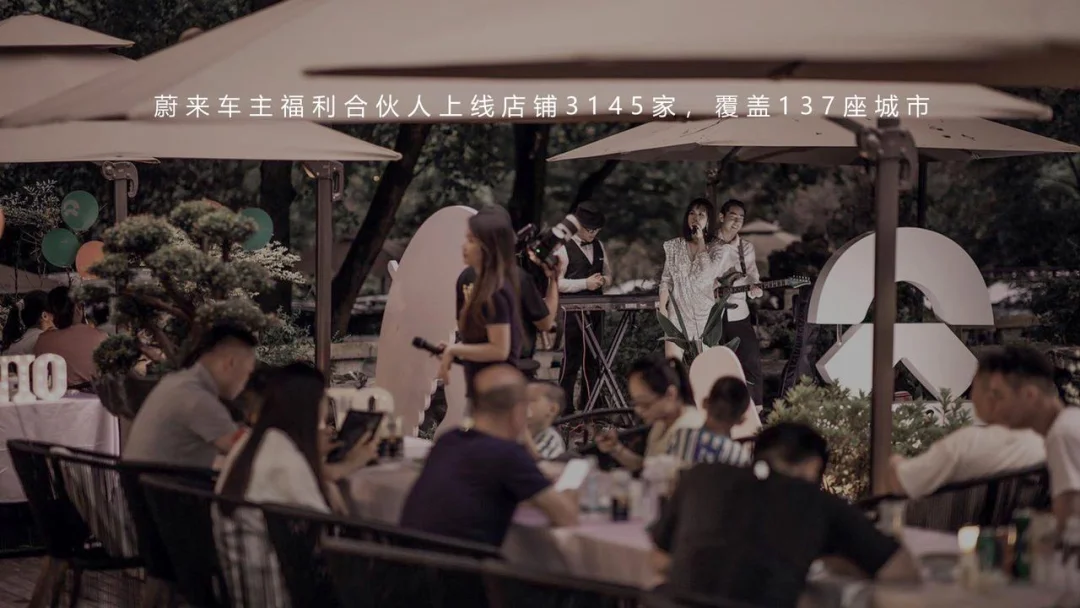
By now, you’ve likely noticed that neither the innovations in service, such as NIO Drive & Enjoy Service, nor those in lifestyle, like the Car Owner Welfare Partner program, could be realized through vehicle sales alone.
Thus, seemingly unrelated elements within the NIO ecosystem are beginning to intersect. The NIO App, NIO House, NIO Points, and owner communities are starting to spark synergy, bringing results from strategies laid out years ago.
Ripples Abroad
In the early hours of November 10, the renowned German automotive magazine AUTO BILD announced the winners of its 2022 Golden Steering Wheel award. The NIO ET7 claimed the title of Best Mid-to-Large Sedan, becoming the first Chinese brand model to win this honor.

Shortly after, during the E-NCAP crash tests on November 17, the NIO ET7 scored highly across multiple test categories. Its total score surpassed that of the WEY Coffee 01, ORA Funky Cat, and BYD ATTO 3, making it the highest-scoring Chinese pure electric vehicle tested by E-NCAP to date.
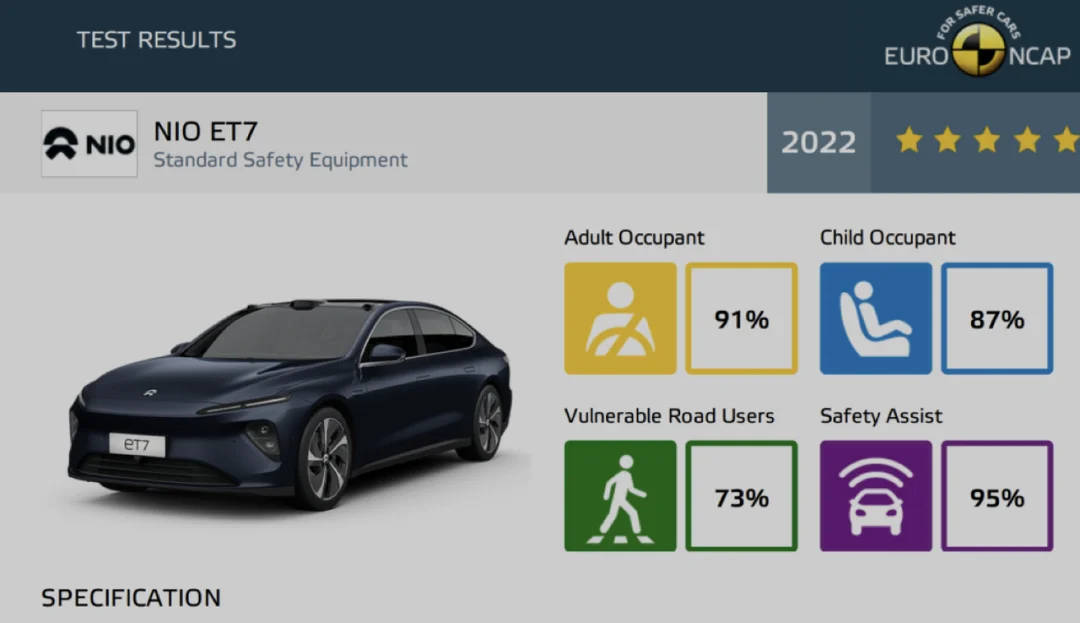
This sets a strong precedent for NIO’s entry into Europe. With the hosting of NIO Berlin 2022, NIO has begun offering products and services in Germany, the Netherlands, Denmark, and Sweden.
Qin Lihong stated that NIO cannot simply find a random dealer to ship cars overseas and claim it has entered the European market. Doing so would be like throwing a stone into water: there is a splash, but then silence. Whether it is full-lifecycle service, lifestyle integration, or the battery swap system, NIO intends to transplant its entire ecosystem into Europe.
Admittedly, as a new brand entering Europe—a region with a mature automotive industry—NIO will face resistance. However, NIO aims to create continuous ripples rather than a single splash. The goal is to establish the brand, products, services, and community as the foundation for growth in Europe, generating sustained influence.
NIO also operates a research and development center in San Jose, United States. Rumors suggest an entry into the U.S. market in 2025. When asked about the difficulties of entering the American market, Qin Lihong provided his perspective.
China and Europe share more similarities in vehicle definition, safety regulations, and market access thresholds. China’s automotive industry is increasingly aligning with European standards. Developing a European-spec version of a vehicle may cost hundreds of millions of RMB, whereas developing a U.S.-spec version could cost billions or even tens of billions.
Overcoming one hurdle after another. At least in the European market, NIO has a clear layout. By the end of this year, NIO will establish 17 to 18 battery swap stations in Europe, reaching 120 by the end of next year. Recently, NIO signed a strategic agreement with a German energy company for 17 swap stations.
NIO expects significant progress in the European market next year.
03Burning Money: It Depends on How You Do It
Recently, NIO released its third-quarter financial report, prompting many to criticize the company after seeing a loss of RMB 4 billion.
We must not look solely at the loss figure, but rather understand where the money was spent. For instance, in NIO’s pivotal year of 2019, the gross profit per vehicle was negative; selling few units meant struggling to survive, while selling many also led to unsustainable losses, placing the company in a genuine existential crisis.
By 2020, NIO’s gross margin finally turned positive. Looking at the most recent Q3 2022 financial report, NIO’s gross margin per vehicle stood at 16%, surpassing Lixiang and XPENG’s 12%, thereby establishing a virtuous cycle.
Furthermore, regarding R&D investment, NIO’s expenditure of RMB 2.945 billion exceeded Lixiang’s RMB 1.8 billion and XPENG’s RMB 1.5 billion. All the elements mentioned earlier—including the NT2.0 platform, the three generations of intelligent systems from Aspen to Banyan, the service network, over a thousand battery swap stations nationwide, and the European strategy—constitute investments in the future.
The automotive industry differs from others; investments and returns should be evaluated on a ten-year cycle. Qin Lihong posed this question on site:
"In the new energy sector, technological perspectives have not yet reached their peak. If we pursue maximum profitability, should we adopt new battery technologies if they emerge? Should we integrate new lidar technologies if they appear?"
Smart electric vehicles represent a major track with an annual output value of several trillion US dollars. The trends in this sector are only just beginning to emerge. If one views a long-term industry through the lens of short-termism, significant opportunities will inevitably be missed.
However, Qin Lihong also acknowledged that determining the commanding heights of the electric vehicle industry remains an ultimate, endgame question.
In the internal combustion engine era, barriers to entry were built on ICE and transmission technologies. Today, what constitutes the barrier? Is it battery technology, electric motor technology, in-house chip development, or software? Which of these is the strategic key determining value across the EV supply chain over the next decade?
No consensus exists.
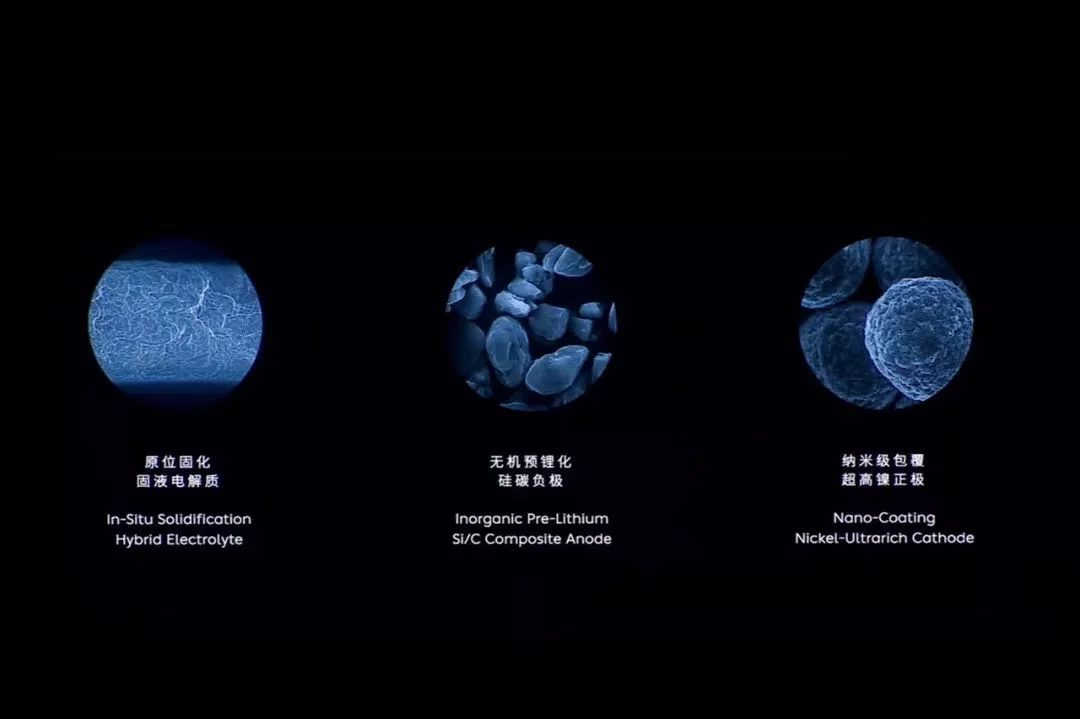
For Qin Lihong and NIO, most current developments have unfolded as expected. Two surprises stand out: first, the initial concept for battery swapping envisioned large stations with thousands of batteries rotating every 48 hours until fully charged; second, the sharp surge in raw battery material prices.
BYD has secured considerable profits in this environment by relying on its self-developed batteries. Qin Lihong notes that NIO is currently re-evaluating this approach, emphasizing the need to strengthen vertical integration capabilities for core components.
The future prospects of the new energy sector remain shrouded in uncertainty. No one knows whether the all-out efforts made today will prove correct a decade from now. This mirrors how Tesla’s FSD was once misunderstood but is now widely imitated, or how companies betting heavily on L4 Robotaxis saw their bubbles burst, leaving the industry in sighs.
For the automotive industry, seeds planted today may take five to ten years to determine whether they grow into trees. This is a high-stakes gamble involving billions; failure means being swept away.
The only way forward is to stay firm in one’s direction and execute actions as swiftly as possible.
"As Qin Lihong put it: 'I think that when consensus has not yet been reached, that is our best opportunity. Let's first build a moat.'
04Conclusion
At the end, someone asked a question:
'If you could turn back time, what would be the one decision NIO most wants to correct?'
Qin Lihong said:
"If I could turn back time by a year, I should have mobilized colleagues and supply chain partners to go to the front lines as much as possible at that time. In the future, we will take every risk factor more seriously. The larger the company, the more cautious decisions must be. We cannot blame the pandemic; if a mindset of taking chances frequently occurs in work, it will put us in a passive position."
But he also addressed doubts regarding NIO's supply chain. First, he admitted that subjectively, NIO's supply chain management had not reached its optimal state and could have been better done; objectively, NIO has many vehicle models, and each car contains more than 1,000 chips across hundreds of categories, which introduces a certain degree of unpredictability.
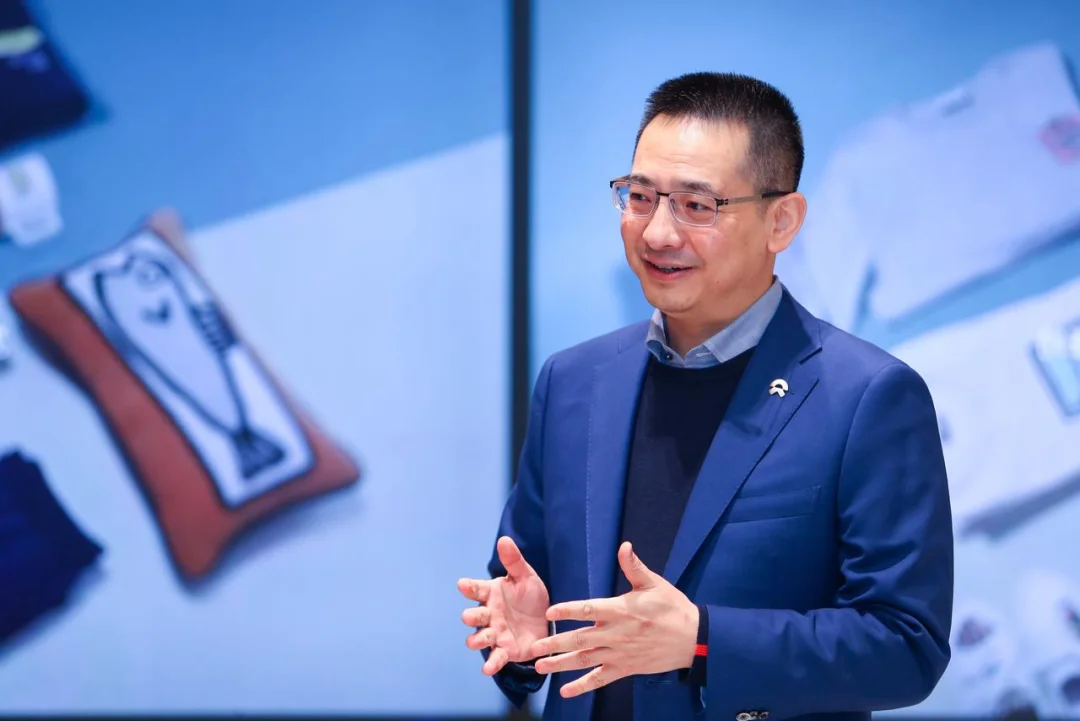
From 2014 to 2022, Qin Lihong stated that NIO’s strategic direction has remained unchanged for eight years. When William Li approached him in 2014 to discuss the startup project, he had already planned out 80% of the content now visible in the “NIO Competitiveness Compass.”
William Li even calculated the costs of battery swap stations, electricity expenses, the average number of staff required per shift at each station, and what labor costs would look like ten years later; he also determined the square footage of NIO Houses, staffing levels, and average salaries. For these data points, at least half have an error margin of no more than 20%.
Entrepreneurship is not a matter of assumption. Although issues and tactics are reviewed and adjusted during execution, for NIO, the strategic framework was ingrained in its core from the beginning and has been adhered to consistently.
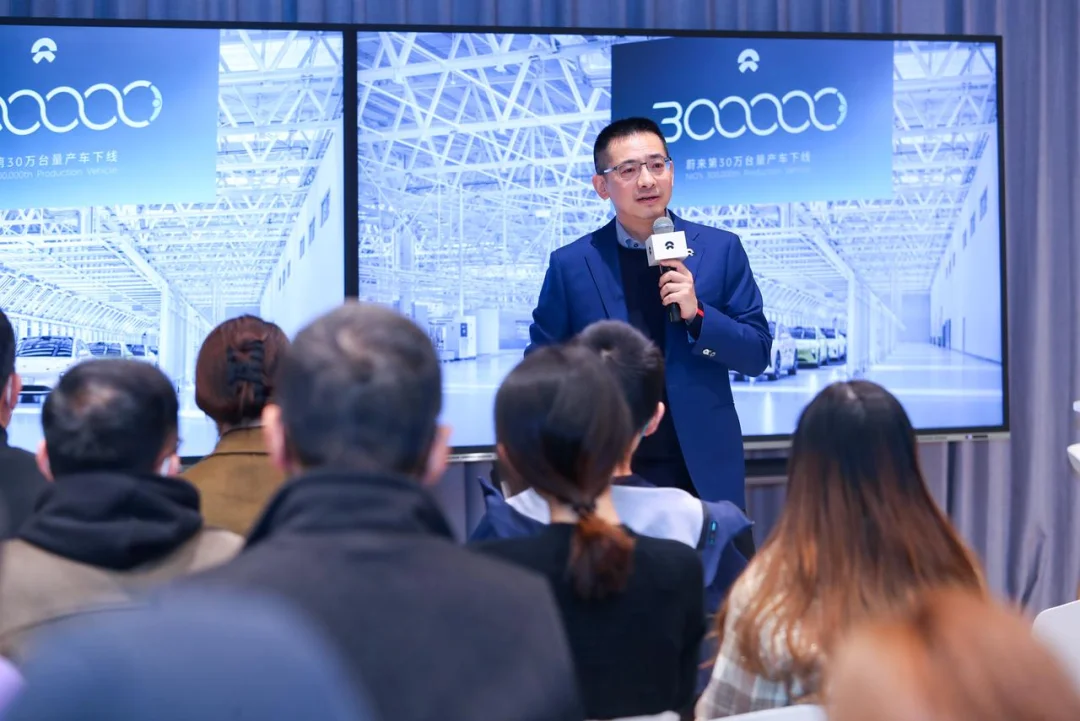
A week before meeting with Qin Lihong, NIO’s 300,000th vehicle rolled off the production line at its Advanced Manufacturing Base II, marking another acceleration in its “100,000-unit” milestone, which was achieved in just seven months. Beyond the increase in model production and sales volume, NIO’s systemic layout faces heavier pressures than other brands, yet it also possesses greater imaginative potential than its competitors.
As Qin Lihong noted, evaluating whether current decisions are correct requires looking back after ten years.
Written by: Mingming Edited by: Liu San