


smart #1 Review: Why the Compact EV Appeals to Male Drivers
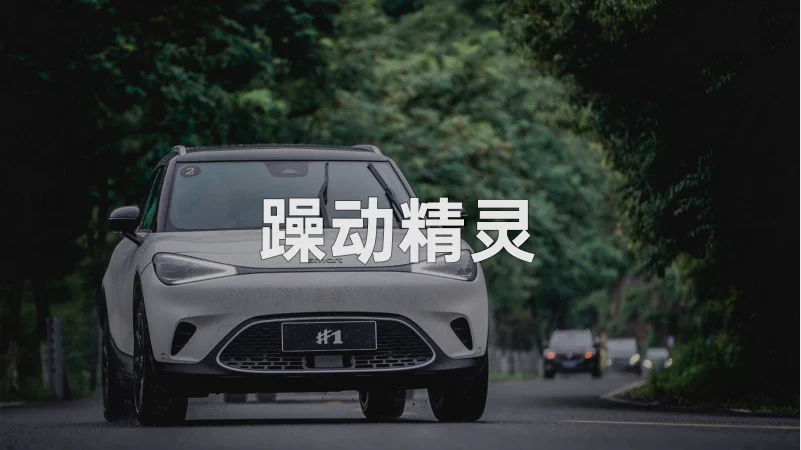
Two days have passed since the global debut test of the smart #1. Recent continuous business trips made last night’s sleep quality exceptionally good. This morning, as usual, I woke up naturally before the alarm rang. However, this time there was no fatigue whatsoever. Within half a minute of opening my eyes, I was fully awake, with both body and mind in a fully charged state.
The intermittent traffic and honking outside the window create a cozy, calming white noise that is perfectly suited for writing. I actually wanted to write this article right after the test drive that day, but I was worried that my uncontrollable excitement might exaggerate certain impressions, causing readers to overlook the car's overall picture. So I deliberately diverted my attention. After two days of relaxation and reflection, I feel it is now time to talk about this car.
01Before the Test Drive
I can't quite remember when I first saw the smart #1. It might have been a sketch, or perhaps a design launch event, but what I clearly recall is feeling deeply relieved when I realized it was a compact SUV.
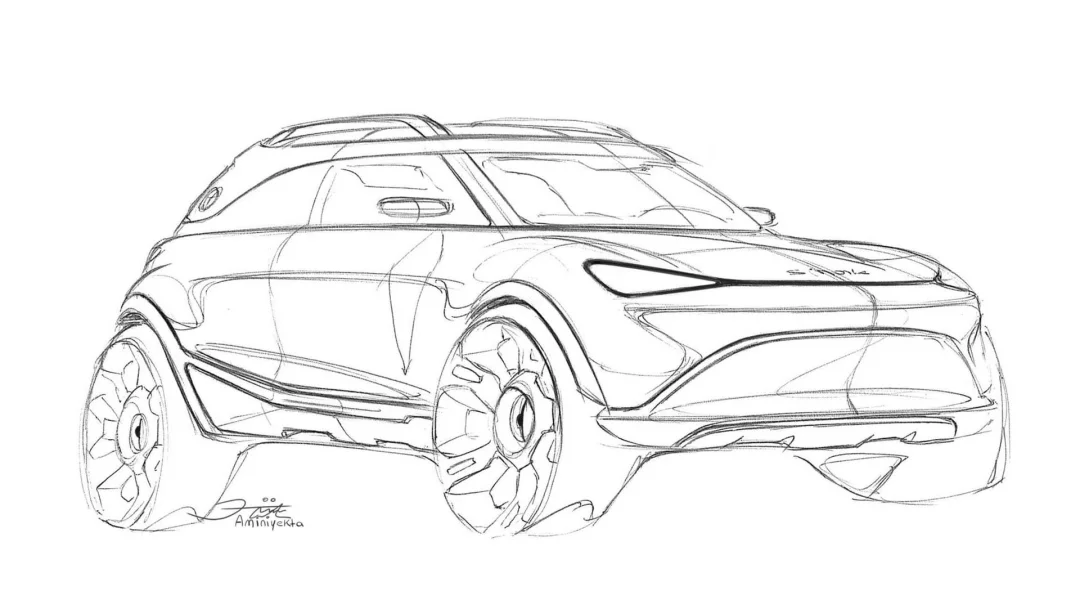
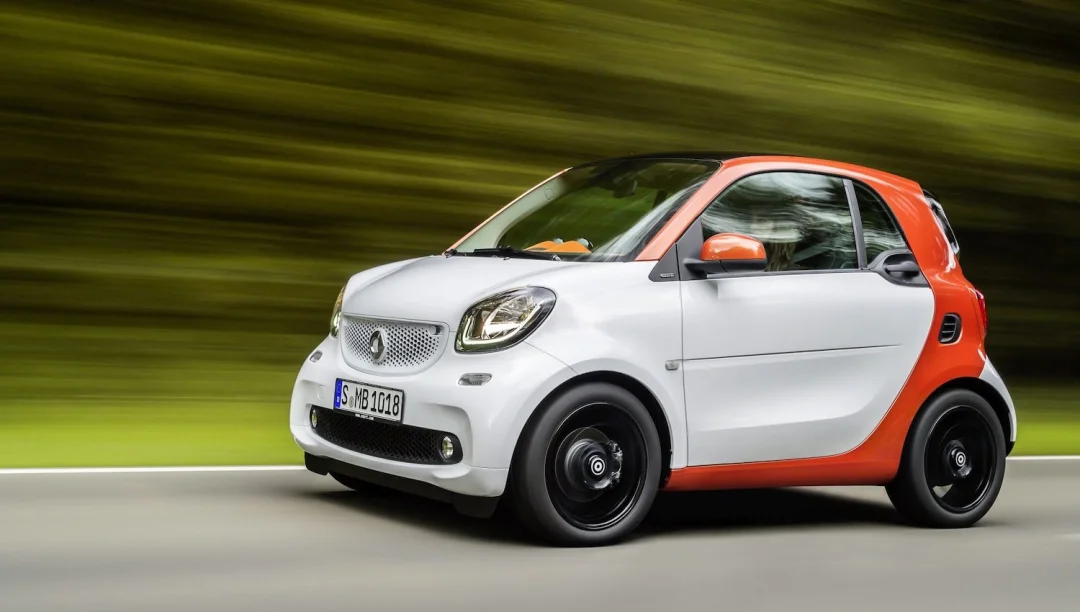
This may contrast with the views of many smart fans in the automotive circle, but I have zero anticipation for the original two-door smart fortwo model returning as a pure electric vehicle. I am 100% certain that if launched, such a car would be a complete failure in the Chinese market.
This assessment is not driven by my personal bias, but by the market rules of the new era.
The original smart fortwo occupied the micro-car segment, a niche defined by short-range urban commuting. To use an exaggerated analogy: in terms of mobility utility, you could even view these vehicles as four-wheeled, rainproof motorcycles with air conditioning.
Coincidentally, this segment has been the most heavily impacted by electrification in China. Because these cars can have short ranges, small batteries, low motor power, and consequently low costs, they benefit significantly from green license plates, making them nearly the ideal solution for single-person, short-radius commuting.
If we look at it from the perspective of maximizing user needs, the cheaper these models are while meeting basic requirements, the more marketable they become. The Wulinghongguang MINIEV took this to the extreme: selling cars without making a profit and recouping costs through NEV credits. How do you compete with that? You can't. Hence, its undisputed lead on the sales charts.
This is precisely the problem. The smart brand is not defined by utilitarian attributes; rather, it emphasizes design, character, and driving pleasure.
Building an electric version of the smart fortwo in this style would inevitably result in a higher price, alienating the mainstream audience of the micro-car segment. If the final price exceeded RMB 100,000, it might even invite frequent concern from fans asking, 'At this price point, why not buy the X Pig?'
Fortunately, none of that happened. smart wisely chose a market segment that better expresses the brand's unique qualities: the compact luxury SUV segment. Mercedes-Benz GLA, MINI COUNTRYMAN, and Audi Q2 are all established players in this space.
What brings me even greater satisfaction is the size of the smart #1 after its transformation into an SUV: dimensions of 4,270 × 1,822 × 1,636 mm with a wheelbase of 2,750 mm. This represents a typical small-footprint, large-interior EV body style, with data closely resembling that of the ID.3.
After experiencing the ID.3 firsthand, I found it struck an excellent balance between space and driving agility; its rear-seat comfort even surpassed that of some mid-size SUVs. Consequently, I held similar expectations for the smart #1 before my test drive.
The same anticipation applied to the car’s real-world appearance, build quality, handling dynamics, and intelligent features. On the day of the test drive, I thoroughly evaluated all these aspects.
02Redesigning Brand Identity
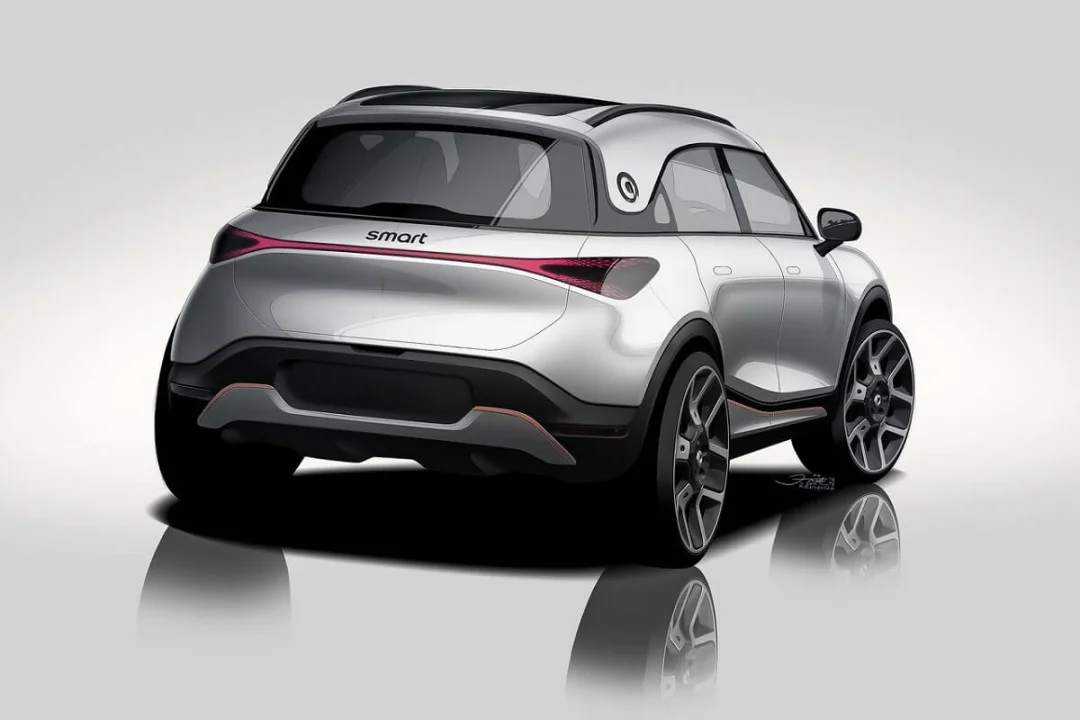
‘Familiar yet unfamiliar’ perfectly describes the design of the smart #1. In the new vehicle, I could hardly find any characteristic elements from the brand’s internal-combustion era. Headlights, grilles, front fascia, and other key identity markers have been completely redesigned, optimized specifically for electric vehicles with a focus on low aerodynamic drag.
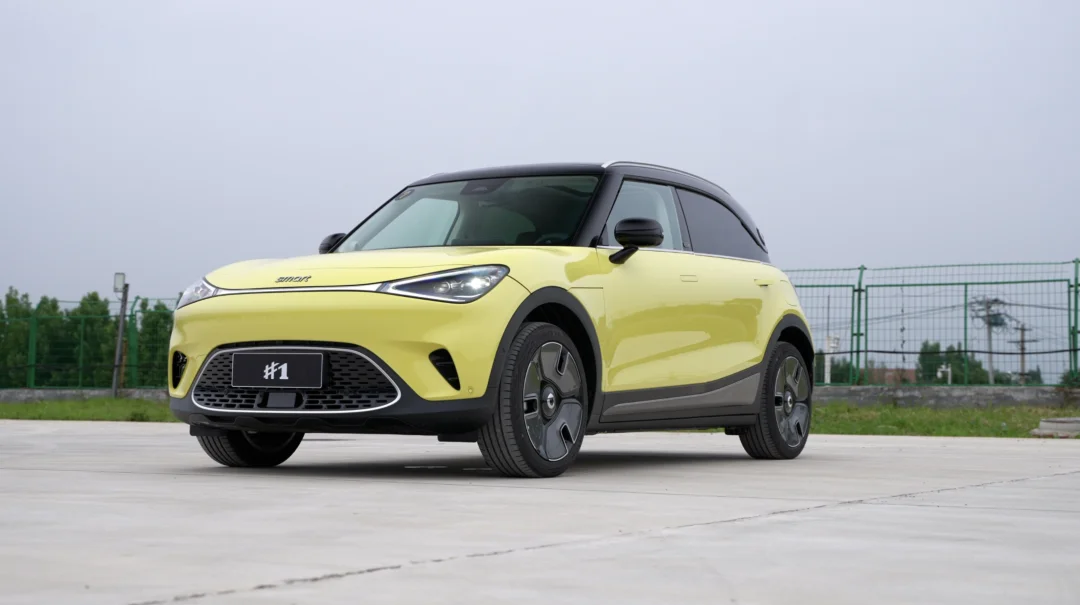
At the same time, the exterior retains smart’s signature rounded and compact styling. While the shape differs, the spirit remains: if you covered the badge, no one would be surprised to see it was a smart.
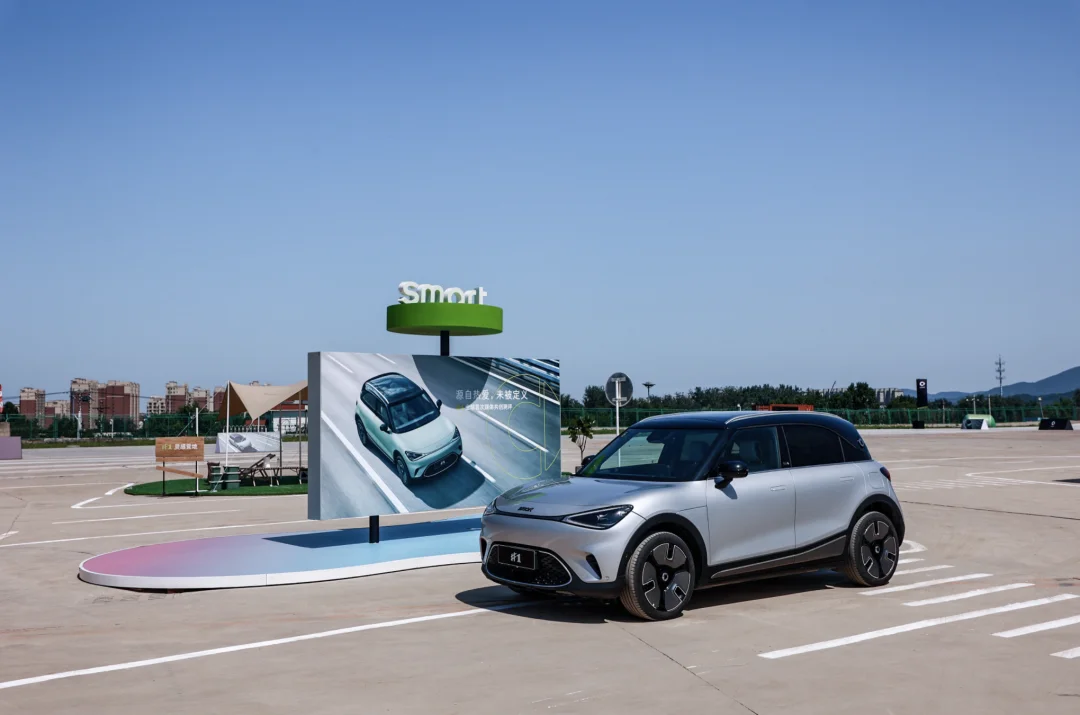
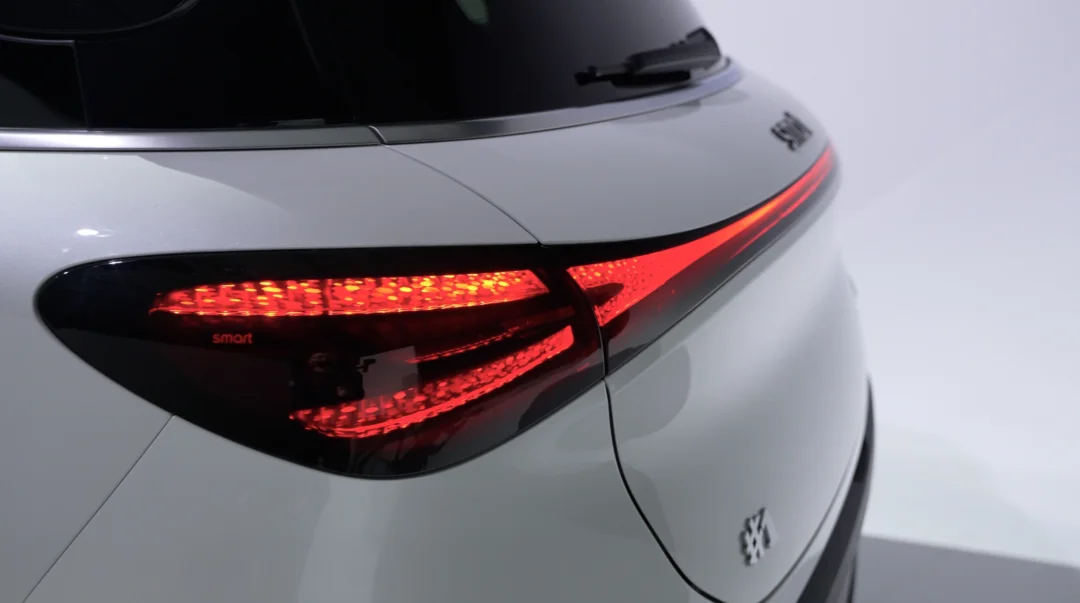
As a product that emphasizes design and personalization, the smart #1 features many interesting details in its exterior styling. The front and rear "Y"-shaped through-type light strips are highly recognizable; the areas on both sides of the taillights utilize an irregular dot-pattern texture, creating a dazzling, jewelry-like sparkle effect when viewed from different angles, which adds a refined touch. The "Styled By Benz" signature tag is discreetly placed on the B-pillar, visible only to those entering the vehicle.
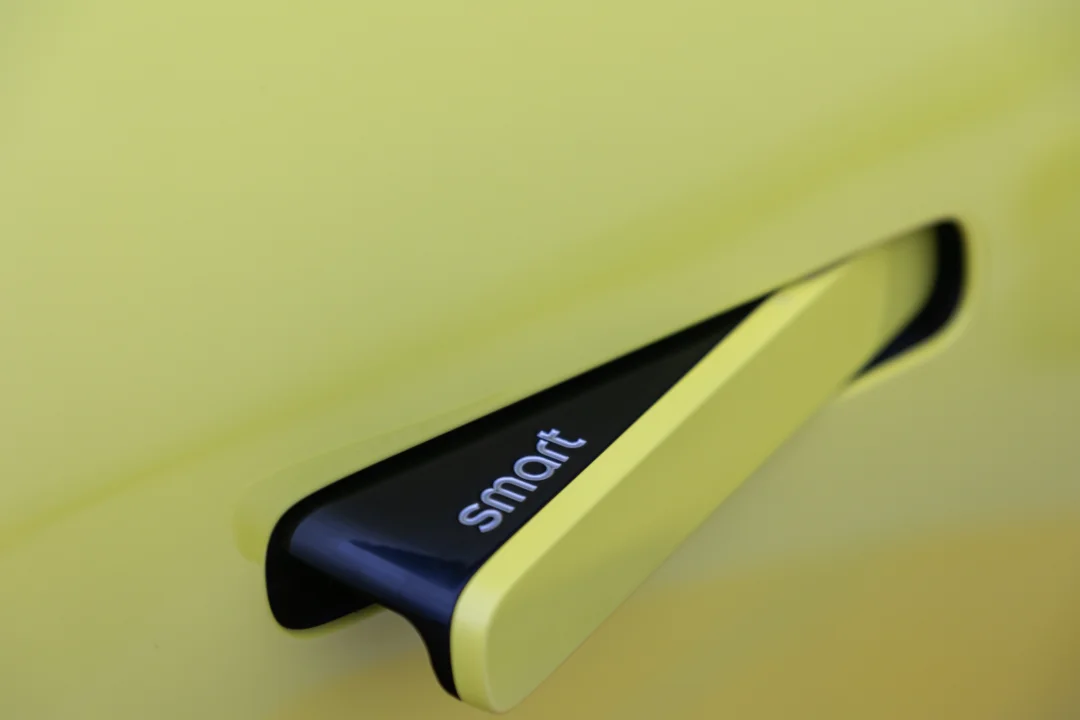
The hidden door handles also display the "smart" logo when extended, paired with an automatic sensor-triggered deployment function, adding a subtle double meaning to the gesture.
The new car's design of placing the brand logo on the C-pillar is also quite clever. This logo features a light-up design, with uniform white backlighting that provides just the right amount of accentuation and recognition after dark. Set against the black roof, it conveys a neutral and minimalist temperament while exuding a touch of youthfulness and confidence.
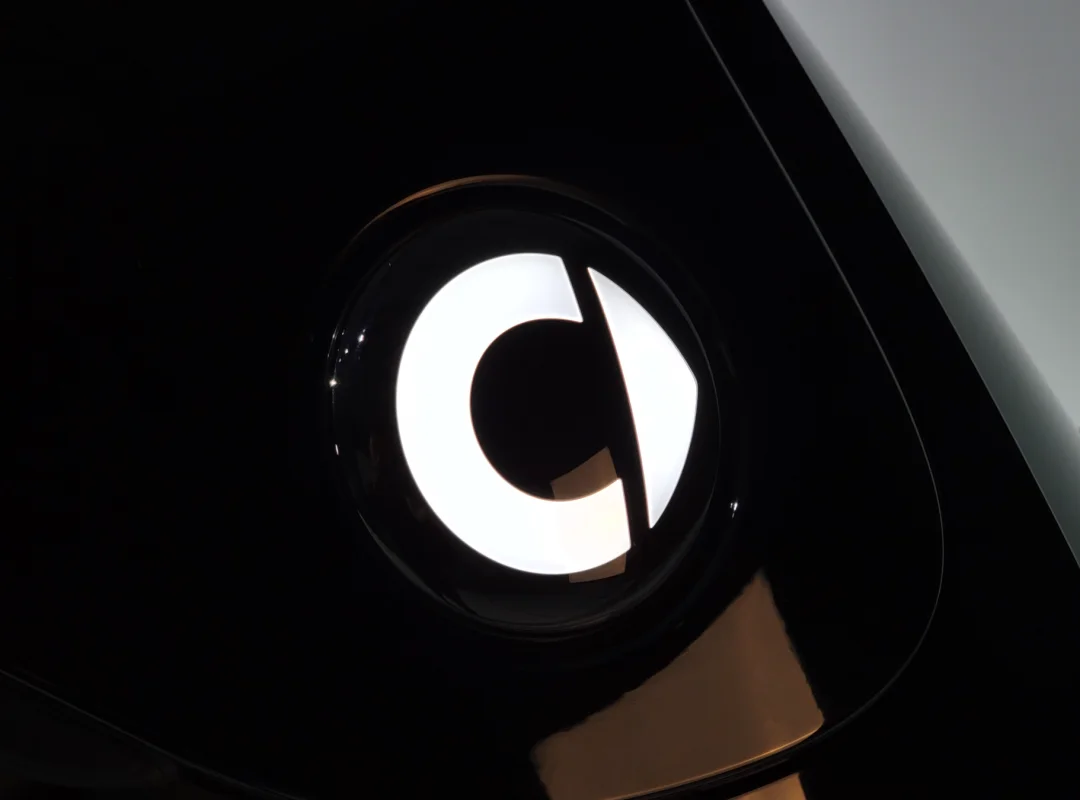
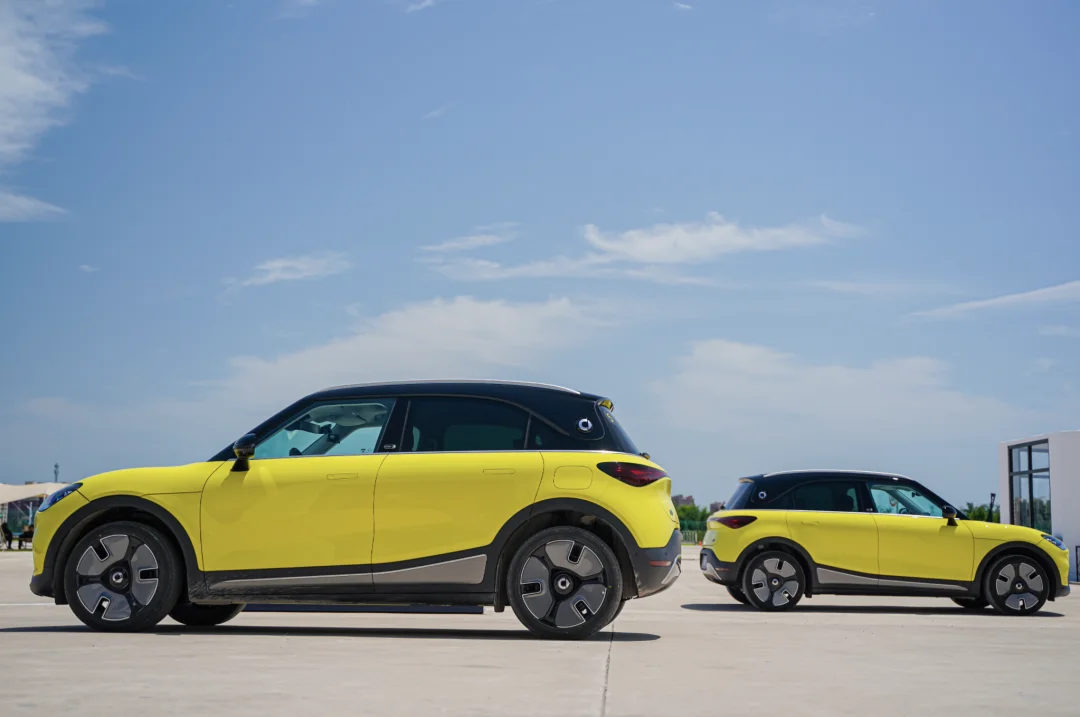
Overall, I appreciate the smart #1's exterior. The body proportions are well-controlled, and the design maintains high consistency. The color scheme and detailed accents reflect the mature aesthetic sensibility and design control typical of a luxury brand.
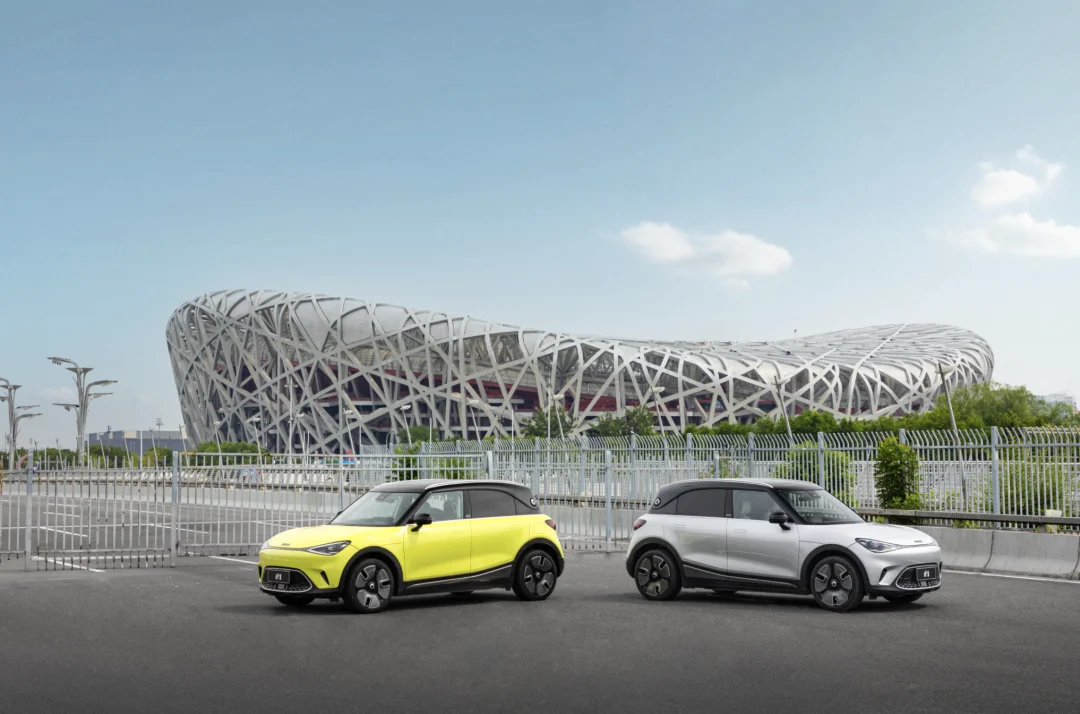
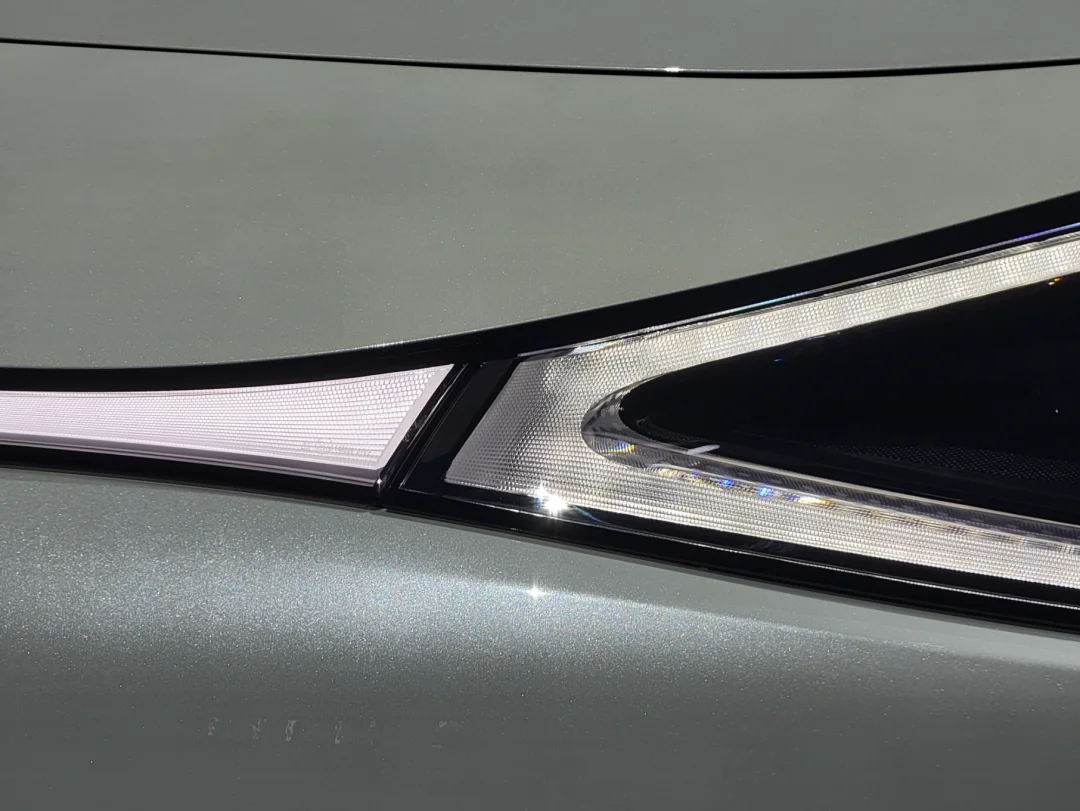
If I were to mention a few areas that could be improved, one is that the full-width light strip on the front fascia still shows some granularity when viewed up close.
Another issue is that with black wheel arches, the wheels appear smaller. If larger wheels were used, the visual effect would be even more impressive.
03The Small Should Be Small, the Large Should Be Large
One thing is certain: smart has grown this time, and significantly so. But what I want to emphasize is that the "bigness" of the smart #1 is unique, manifesting in several specific ways.
First, the first visual impression of the actual vehicle is that it does not appear large, because its overall length is very short. At 4,270 mm, its length is even shorter than some compact SUVs. Additionally, the top-trim model is equipped with a 19-inch large wheel hub; when the wheels are large, the body proportions tend to look smaller. Meanwhile, given its short length, its wheelbase is relatively long at 2,750 mm, with both front and rear overhangs being very short, making the "four wheels in four corners" appearance quite pronounced. Therefore, the smart #1 presents a full, rounded-yet-angular feel from its exterior, appearing very compact.
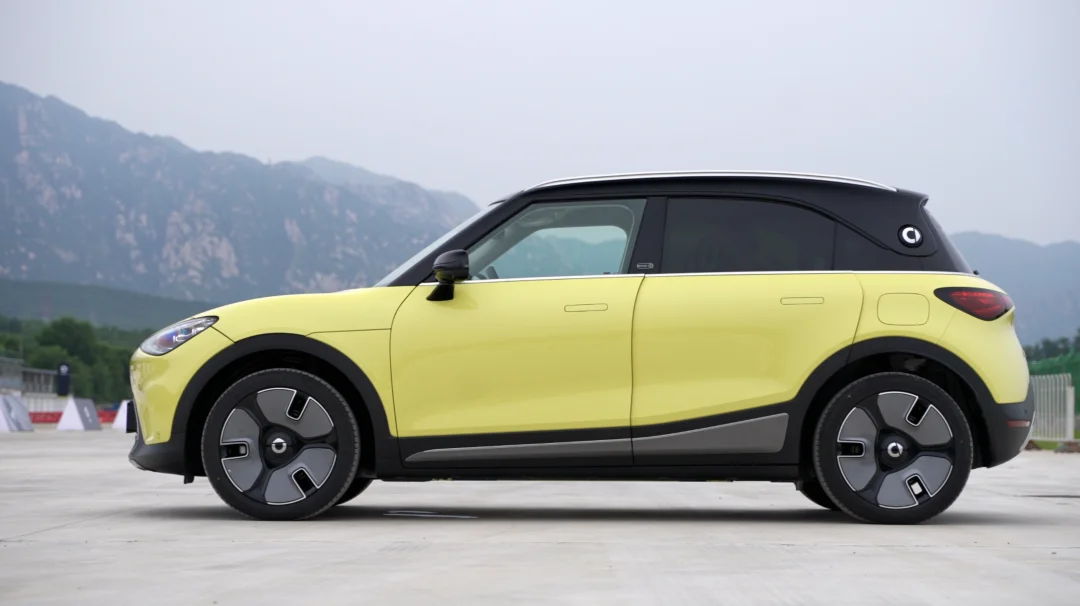
Regarding the interior, smart #1's cabin space is exceptional for its size. The actual roominess is ample, and the white interior combined with a panoramic sunroof enhances the sense of visual space.
I would give the second-row seating experience a high score. While the long wheelbase provides generous legroom, I want to highlight that seat cushion height is often more critical than wheelbase for electric vehicles (EVs) when it comes to comfort. Sitting on a rear bench that feels like a 'small stool' can cause discomfort due to insufficient thigh support, even if legroom is plentiful. This issue is common among many pure EVs. However, since battery packs are typically over 10 cm thick, raising the body height and thickness is necessary to ensure adequate rear space.
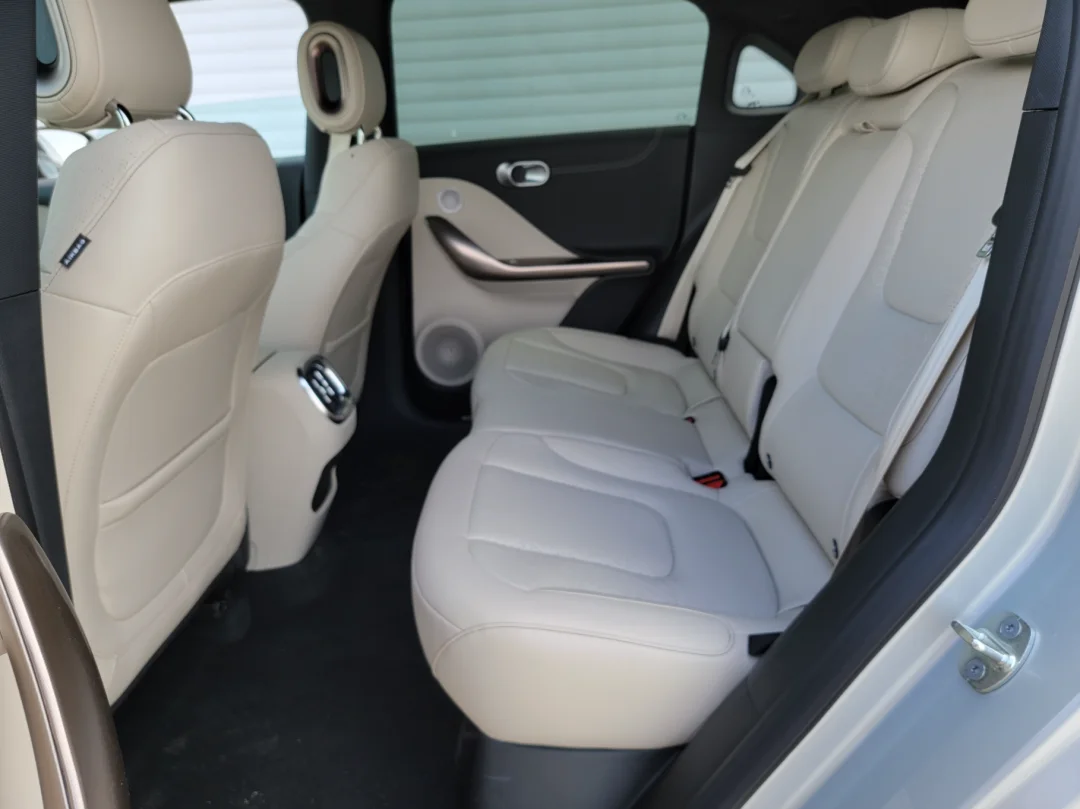
smart #1 achieves a higher roofline than the Model Y. Even with the battery pack installed, there is still abundant vertical space for occupants. The second-row seats offer strong leg support, headroom is not tight, and the overall ride comfort surpasses some mid-size to large pure-electric sedans in the RMB 200,000 to 300,000 price range.
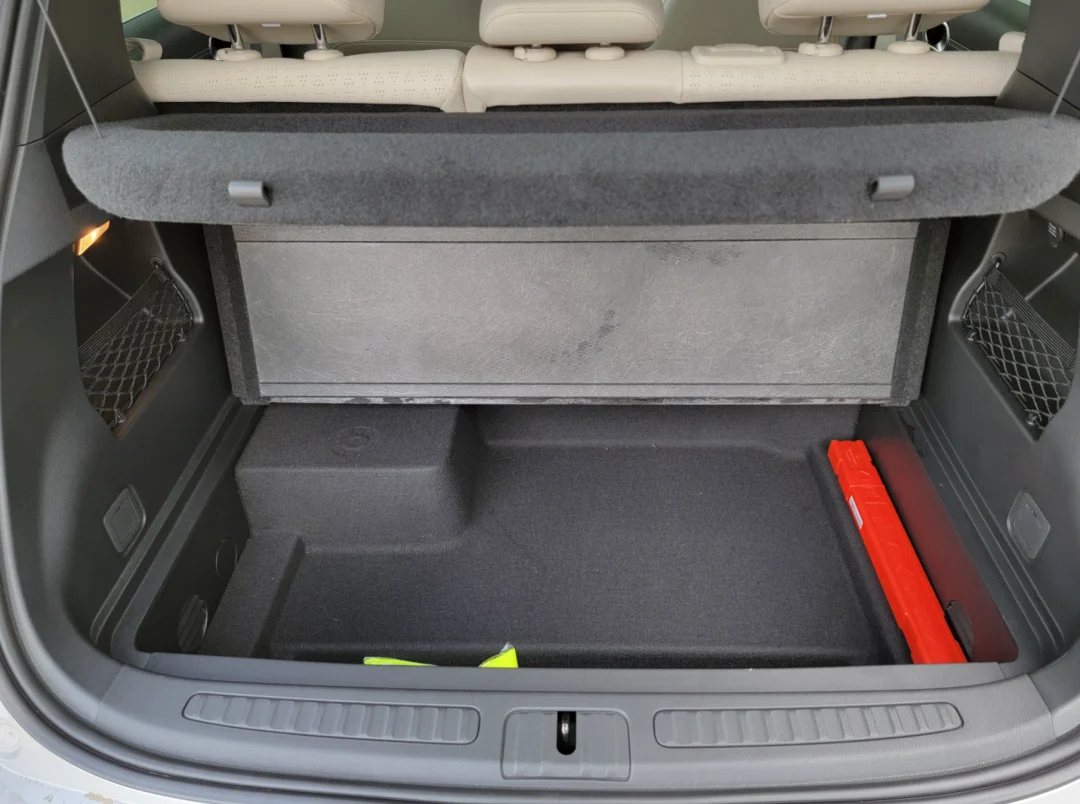
A vehicle's space depends on layout and allocation; physical limits imposed by dimensions cannot be easily overcome. Under smart #1's short-body, long-wheelbase configuration, priority was given to maximizing interior space, which consequently squeezed the trunk volume. Compared to its class-leading cabin space, the trunk capacity is merely average.
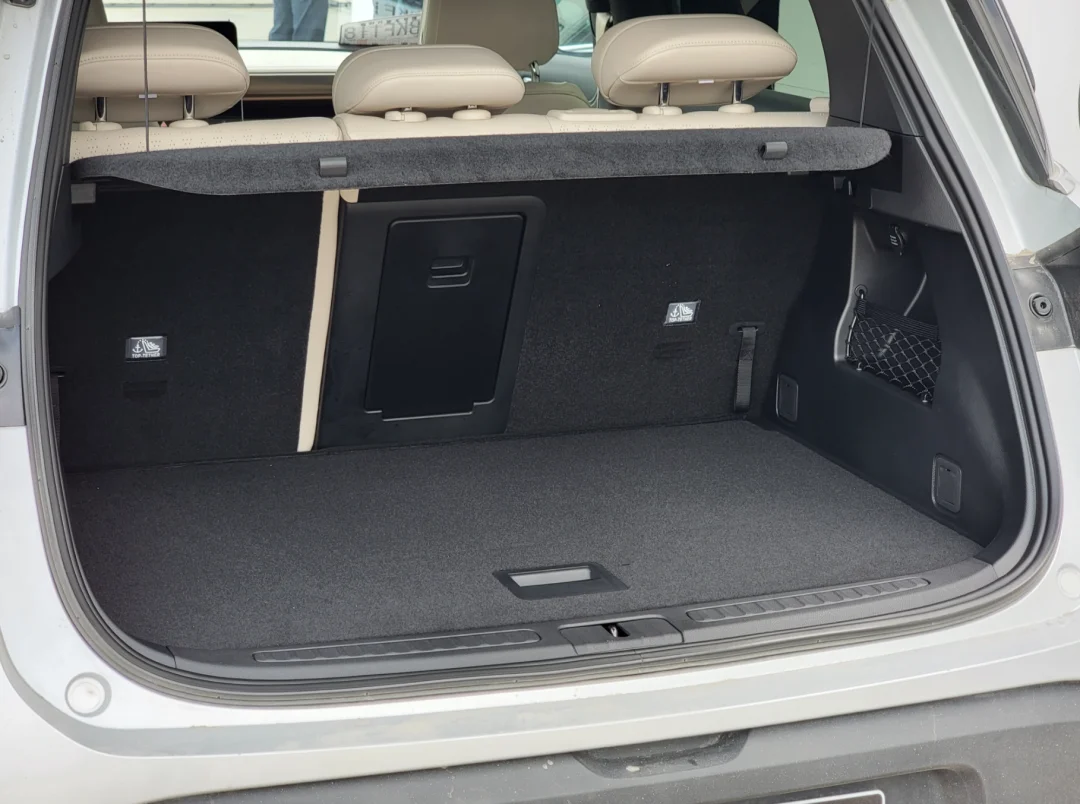
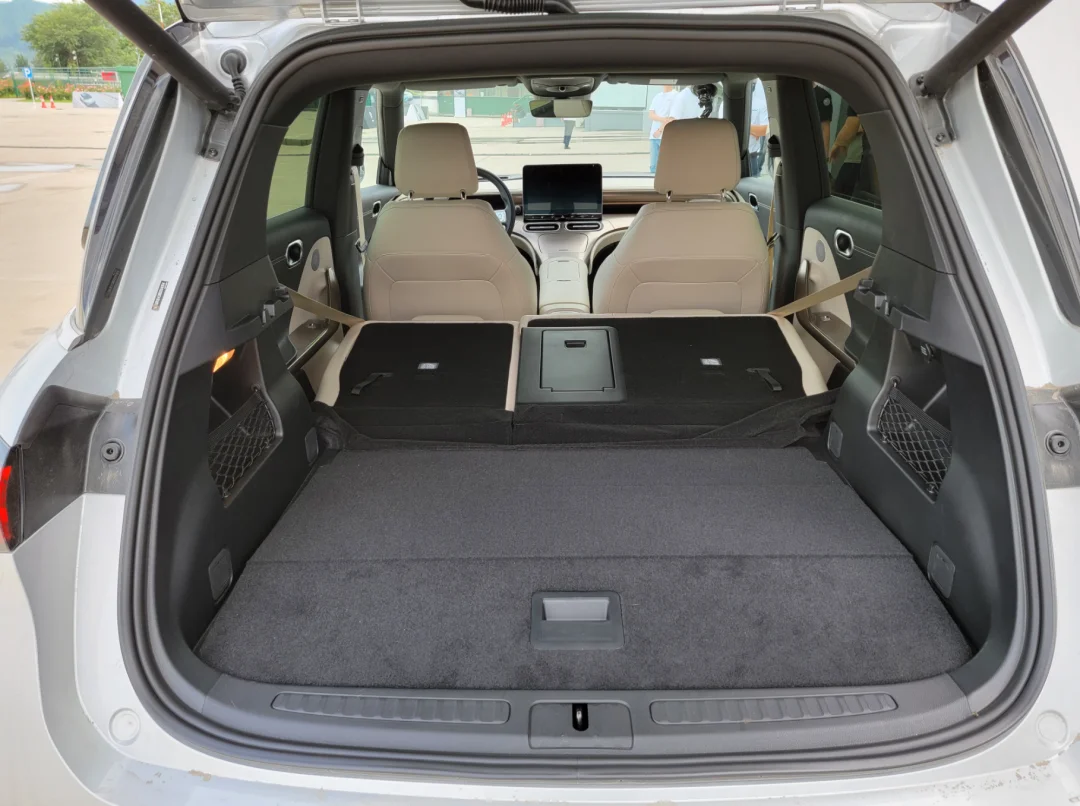
It is worth noting that there is a useful 'sub-basement' storage compartment beneath the trunk cover. Additionally, when the rear seats are folded down, the cargo area remains quite spacious.
04Familiar Interior
After discussing the interior space, let's take a look at the smart #1's cabin. From the steering wheel design and the shape of the front center armrest, I can already clearly sense some Mercedes-Benz influence; this feeling becomes even stronger when the ambient lighting is turned on.
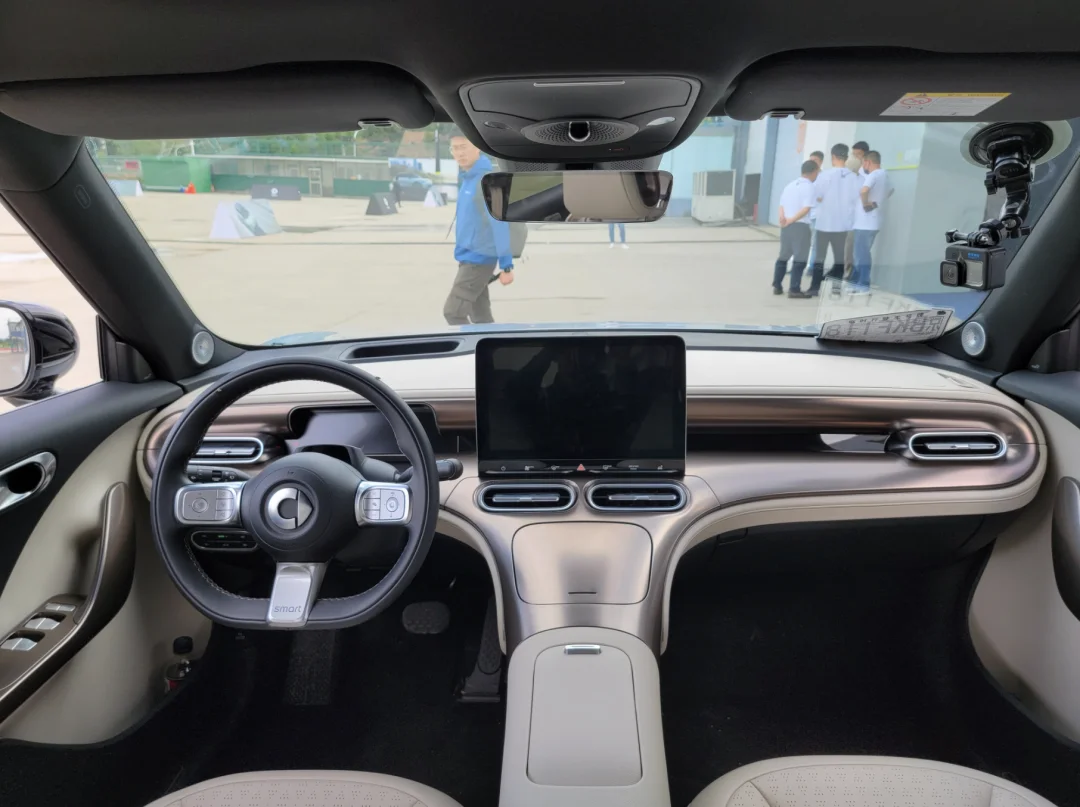
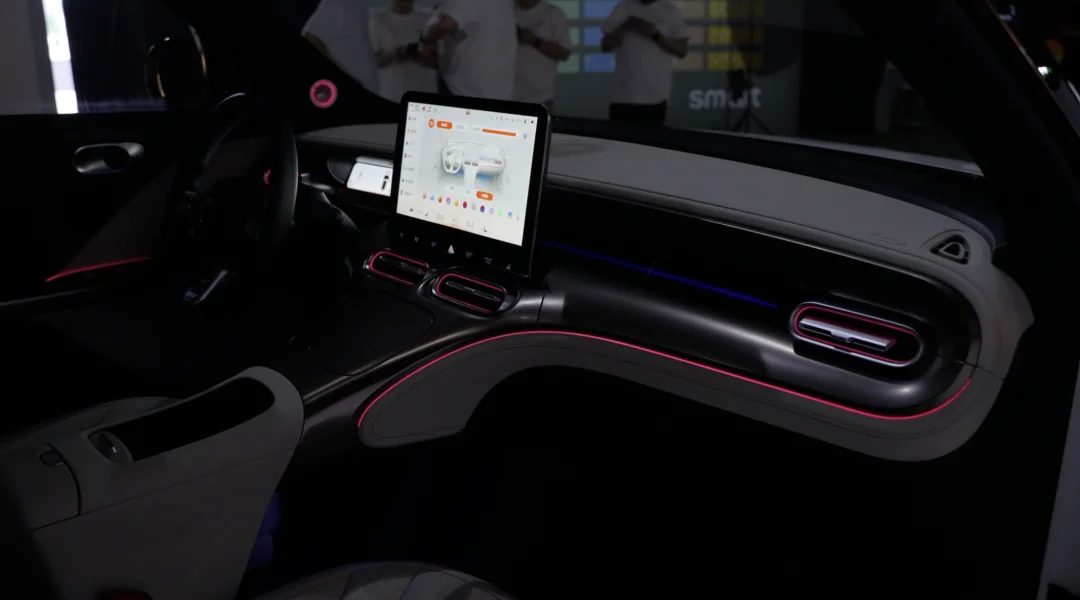
Visually, the interior design of the smart #1 is very attractive. The circular and rounded-edge designs found throughout are not only simple and unified but also approachable.
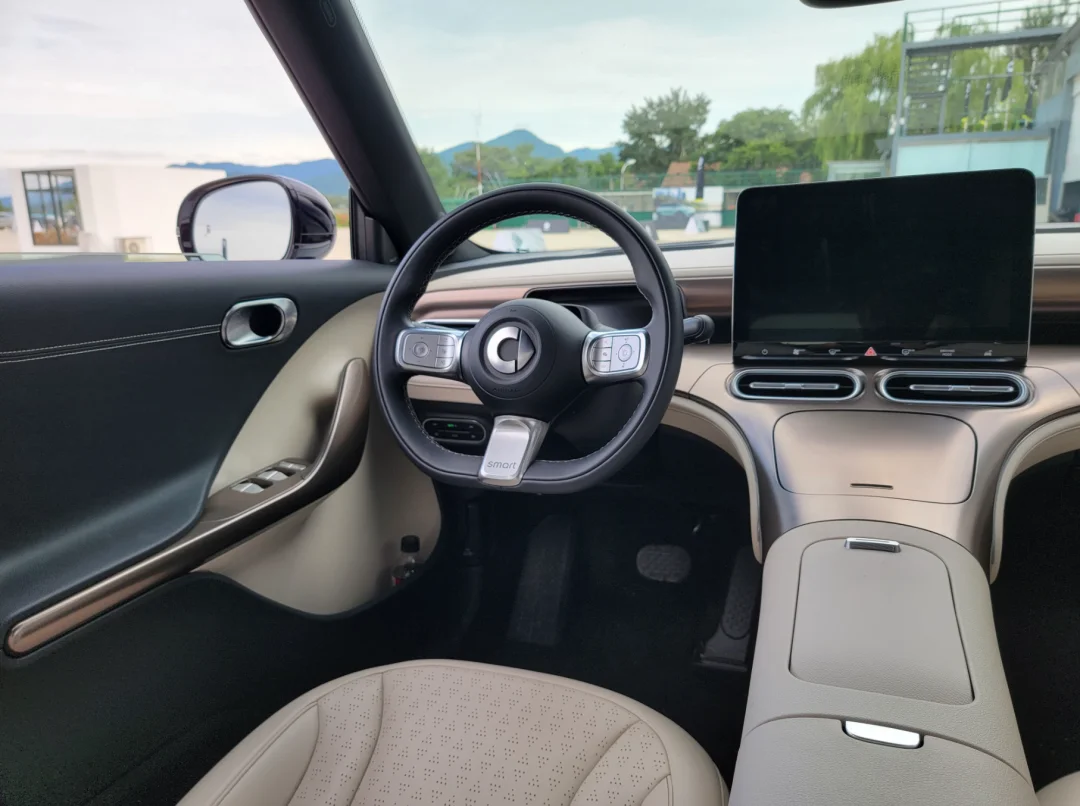
By contrast, the interior of the smart #1 raises some concerns due to its extensive use of high-gloss finishes. Before test-driving, several customers who had already placed reservations advised us to inspect the actual vehicle's interior for signs of cheap plastic feel.
After sitting in the front row and experiencing the interior, I can objectively say that the cabin does use quite a bit of plastic trim, mainly on the door panel armrests and the area from the center console to the central armrest.
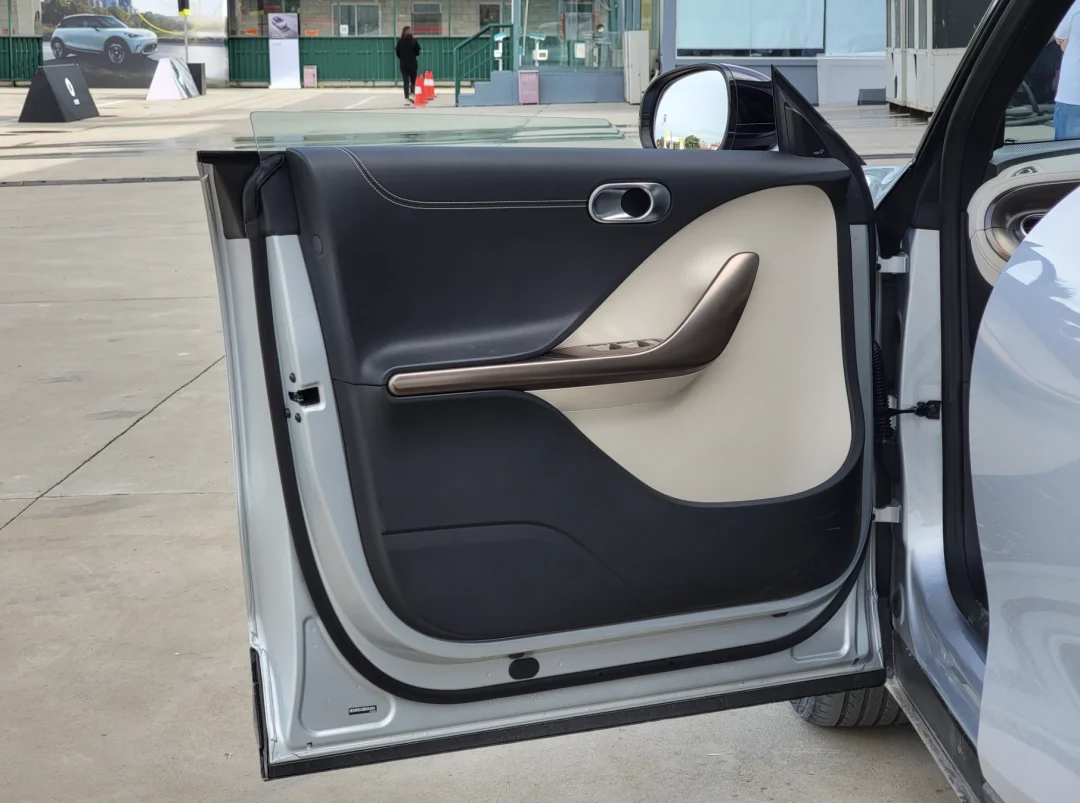
To be fair, not all plastic is created equal. The smart #1’s interior has no obvious plastic odor even under direct sunlight, and you won’t hear the squeaking sounds that some other cars’ interior panels make when pressed. On the particle gold exterior color model I tested, the plastic surfaces have a coating that feels non-sticky to the touch and doesn’t attract oil stains as easily as glossy plastic does.
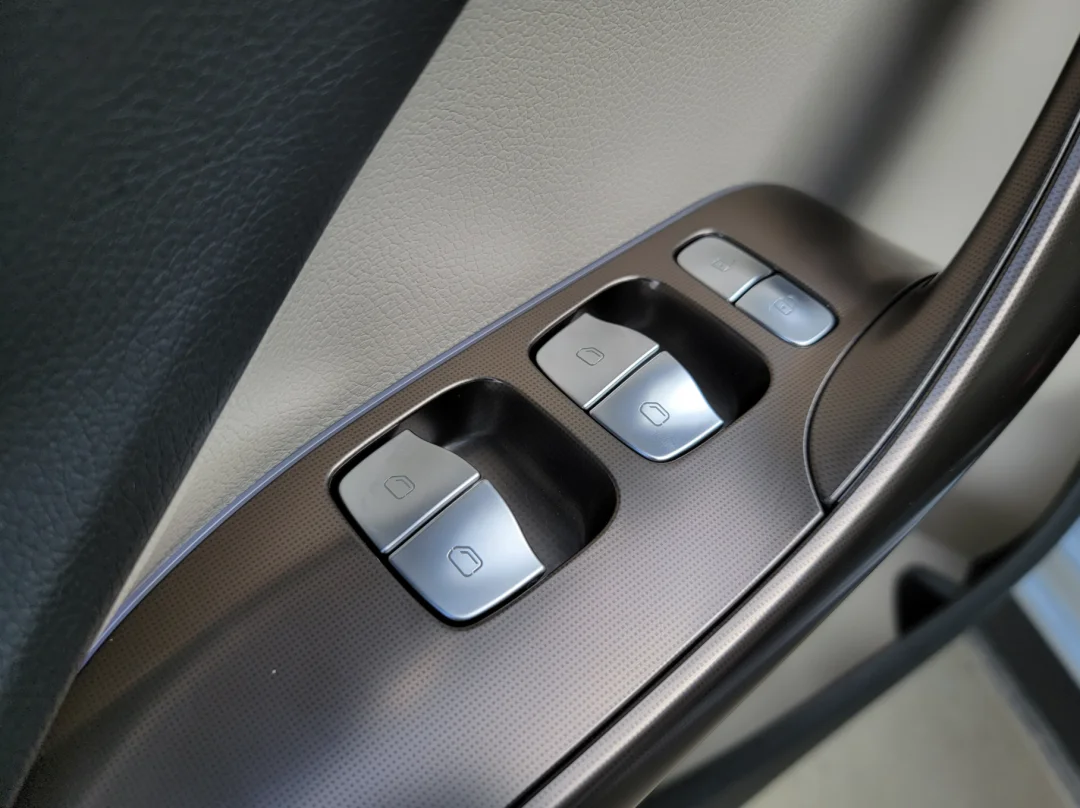
Most areas where occupants physically contact the vehicle in the smart #1 are covered with soft or leather materials.
One detail that pleasantly surprised me is the large area of soft padding on both sides below the central armrest. As a tall driver, I often rest my legs there while driving; many cars use hard plastic in this spot, but smart #1 not only uses soft covering here but also incorporates a curved design to increase contact area and relieve pressure.
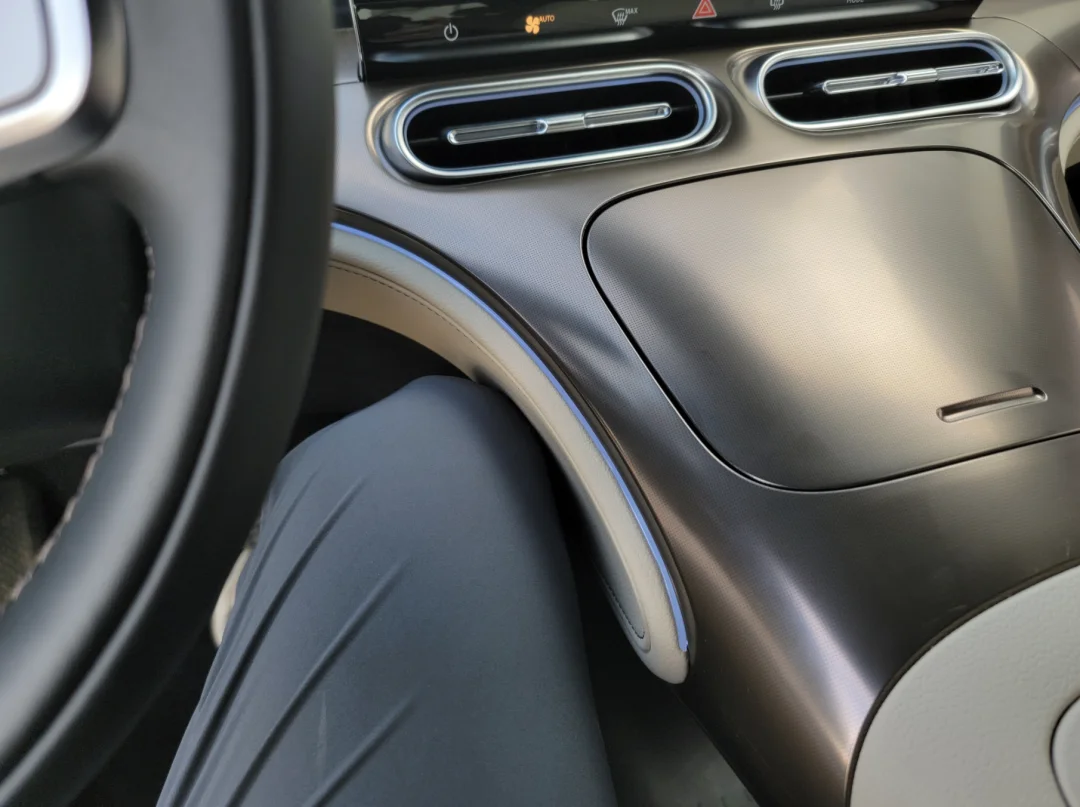
Another small detail is the air conditioning vent inside the central armrest box. This design helps dissipate heat generated during wireless phone charging in summer and, if left long enough, can even cool down drinks stored inside.
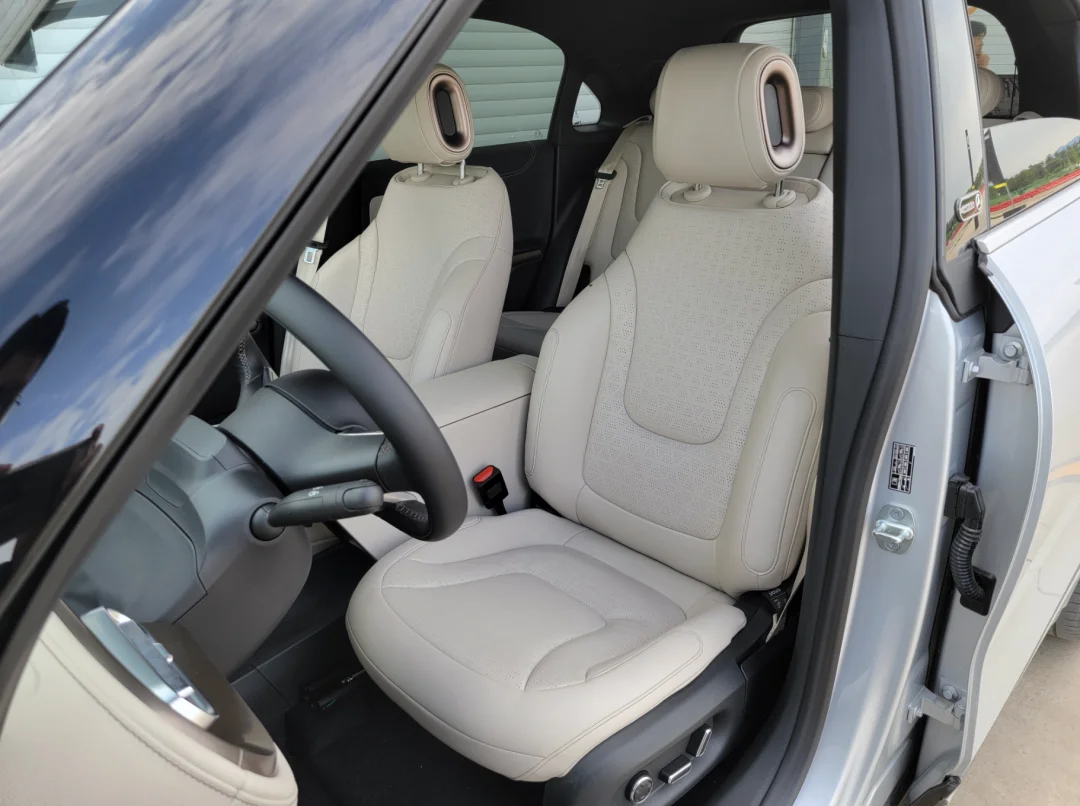
Finally, the seats. The smart #1’s seats excel in styling, ergonomics, leather texture, and cushioning—looking good and feeling comfortable. The headrests offer a wide range of height adjustment, adapting well to passengers of different statures, making them one of the more premium-feeling elements in the interior.
After discussing the interior, we move on to what impressed me most about this car: the driving experience.
05A Beautiful Compromise
Before I drove the smart #1, my benchmark for handling in compact pure electric vehicles was the ID.3. I still vividly recall that car’s high-level chassis performance and steering feel.
But the smart #1 changed my mind with a 50-kilometer mountain road test drive and a 10-minute autocross session.
In terms of suspension layout, both the smart #1 and the ID.3 use a front MacPherson strut and rear five-link structure. Speaking purely of ride quality, I find the two cars neck-and-neck; both deliver very crisp vibration filtering. Every time a wheel rolls over a manhole cover, the response is sharp, with no residual oscillation, and lateral body roll is well restrained.
The first scenario where the smart #1 surprised me was during the initial U-turn after leaving the test track. Over a short stretch, I could clearly feel how incredibly smooth the steering damping was. In Comfort mode, the centering torque also provided a certain sense of feedback. Even though the test drive had just begun, it already filled me with anticipation.
When I switch the steering to Sport mode, the damping instantly jumps to another level. Turning the wheel, the strong feedback from the steering torque amplifies the perceived change in steering angle. At that moment, as the driver, you can’t help but focus your attention on feeling the vehicle dynamics transmitted through your hands.
What elevates this experience further is the car’s excellent suspension support. The feel is very much like a German sport sedan. The short body combined with a mid-engine, rear-wheel-drive layout gives the vehicle dynamic advantages from the start. The front axle executes steering commands with remarkable agility; the initiation of steering inputs and the resulting change in trajectory happen almost simultaneously. Describing smart #1’s steering response in Sport mode as ‘swift and decisive’ feels entirely appropriate. Moreover, although smart #1 is an SUV, the low center of gravity provided by the battery pack significantly reduces body roll compared to expectations. In corners, it’s easy to forget its SUV identity.
If we compare the smart #1 to an athlete, what I just described was its coordination and rhythm. The key factor that makes its driving pleasure far exceed that of peer models is 'power'—the 200 kW permanent magnet synchronous motor on the rear axle.
In Sport mode, pressing the accelerator to the floor sends smart #1 sprinting forward without hesitation. There is virtually no nose lift during acceleration, but the rapidly climbing speedometer and the push-back force from the seat tell the truth. On a mountain road used for convoy driving, I kept pushing the limits all the way, holding back both my speed and my desire for aggressive driving. I even deliberately increased the gap ahead, but whenever I pressed the throttle on a straightaway, I would quickly close the distance again. Although this car lacks engine noise and cannot express its emotions through exhaust roar, the restlessness buried in its soul under 200 kW of power speaks louder than words.
So when we arrived at the autocross course and heard the constant sound of tires screeching, I knew there was an opportunity for us both to let loose.
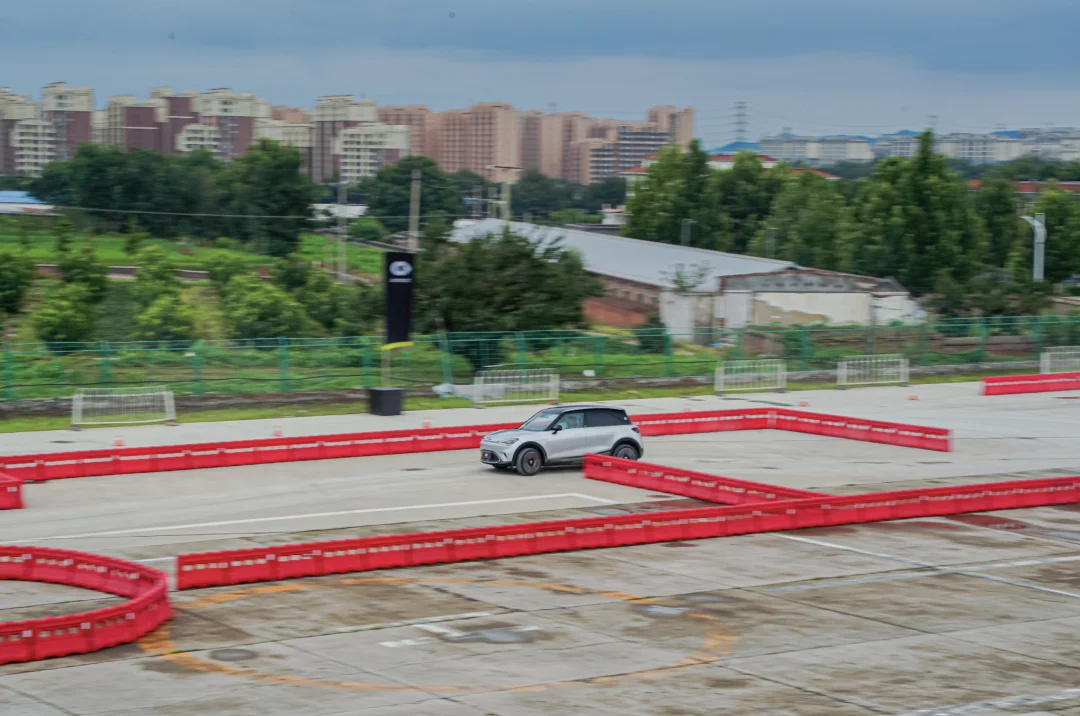
The result was that it was wilder than I expected. During the instructor’s demonstration laps with ESP off, smart #1 could easily break traction at the rear whenever full throttle was applied upon exiting a corner. As a rear-wheel-drive vehicle with a nearly 300-horsepower output and a 2,750 mm wheelbase, its dynamics are incredibly agile. When oversteer begins, you must immediately and sharply counter-steer. The window for correcting via steering is narrow; otherwise, the front end will be heading toward the wall in the next second.
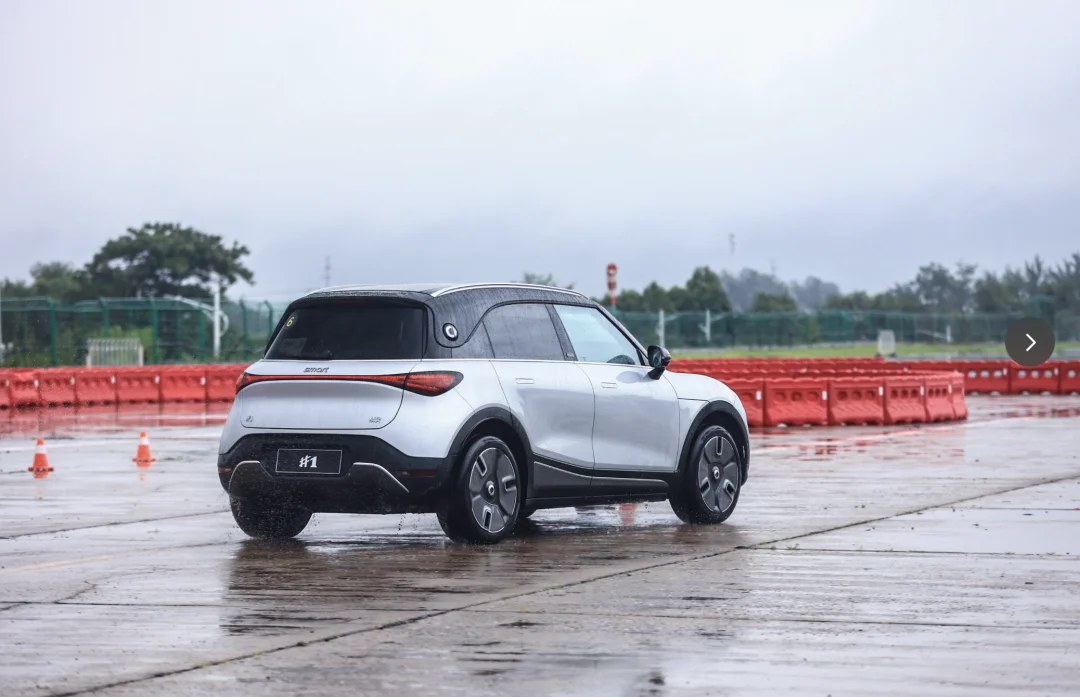
After a few laps of demonstration, the car seemed eager to drift through every hairpin turn. My photographer and I were laughing inside the cabin, making all sorts of primate-like noises as if reverting to our ancestral roots. When it was my turn to drive, I obediently turned on the ESP. However, due to water on the road surface, the rear end still slid out when I applied half throttle exiting a corner. Fortunately, in Sport mode, the steering provided significant self-centering torque, allowing me to steer the car back onto a straight line after a series of maneuvers. In short, I thoroughly enjoyed the test drive.
Rear-wheel drive, 272 horsepower, and an ESP that can be disabled—when these three terms appear together on a compact car, they are enough to make automotive enthusiasts stop in their tracks.
Why do I call it a wonderful compromise?
Because on the driving front, the smart #1 reminds me of an intermediate between the Model 3 and the ID.3. It has the power and sporty experience of the Model 3, along with the chassis feel of the ID.3 and its enormous turning angle, which makes it a godsend for U-turns. It is not as tense and extreme as the Model 3, but it offers more enjoyment and excitement than the ID.3.
06The Most Needed Chinese Characteristics
I deliberately placed the intelligence features of the smart #1 at the end of the article because this was the part that exceeded my expectations the most.
Let's start with driver assistance. The perception hardware layout for this vehicle is the classic 1V5R configuration: one forward-facing monocular camera and five millimeter-wave radars. It supports common functions including lane keeping assist (LKA) + Adaptive Cruise Control (ACC), automatic parking, and automatic assisted lane changing (lane change with indicator), which is relatively rare for cars in this price segment. In actual experience, the system performed well on highways. The moderate rain on the day of the test drive did not significantly affect the use of the driver assistance features; lane keeping remained stable, and the execution efficiency of lane changes and the judgment of distances to vehicles ahead and behind were quite accurate.
Furthermore, the smart #1 provides environmental visualization for the driver assistance system on the instrument cluster. It also displays dynamic effects for lane change with indicator and Forward Collision Warning (FCW) on the Head-Up Display (HUD). The UI aesthetics and fluidity are both good.
What’s relatively less impressive is the vehicle’s lane-keeping performance in curves. On bends with larger curvature, the car may drift out of its lane if intervention isn’t timely. However, the overall foundational ADAS capability remains at a good level.
The in-car infotainment and voice interaction experience during the road test was not particularly impressive at the time. However, we later learned that a showroom vehicle with software close to the delivery version demonstrated smart #1 cabin engineers' show-off-level voice interaction capabilities. The demonstrations of full-scenario visible-and-speakable commands, continuous dialogue, interrupting dialogue, and wake-word-free activation were very smooth, and the execution speed after recognizing commands reached first-tier levels currently available on the market.
With the hardware specifications of the 8155 chip and 12GB of memory, this infotainment system runs and operates very smoothly. Mercedes-Benz, which led the HMI design, incorporated extensive transition animations and model details throughout the UI interface. For instance, the little fox serving as the voice assistant avatar has over 70 different states; the speed at which the windmill blades in front of it rotate changes depending on the air conditioning fan speed across different gear settings. It is evident that smart’s high standards for design and aesthetics have been applied to the infotainment system in this instance.
Final Thoughts
The production capacity of the smart #1 is already fully booked for this year. The fact that it attracted so many users during the blind reservation phase is a strong indicator of its appeal.
The pricing and configuration of the smart #1 already hinted at this outcome. First, its high-level interior and exterior design, combined with practical space, significantly broadened its appeal. Second, the standard 66 kWh ternary lithium battery and 200 kW motor are unique in this price segment. The top-trim model’s features comprehensively address user needs across comfort, intelligence, personalization, and range.
So I believe that although the design style of this car leans toward being cute and refined, there will still be many male users who like the smart #1. Because stepping aside from aesthetics and brand factors, the comprehensive product strength of this car has already reached the strongest position in this price range, and on the premise that its strong points are noteworthy, the performance of this car is very balanced, with no missing-level shortcomings; those relatively insufficient areas, objectively speaking, have not fallen below 60 points, they are just relatively "not excellent enough".
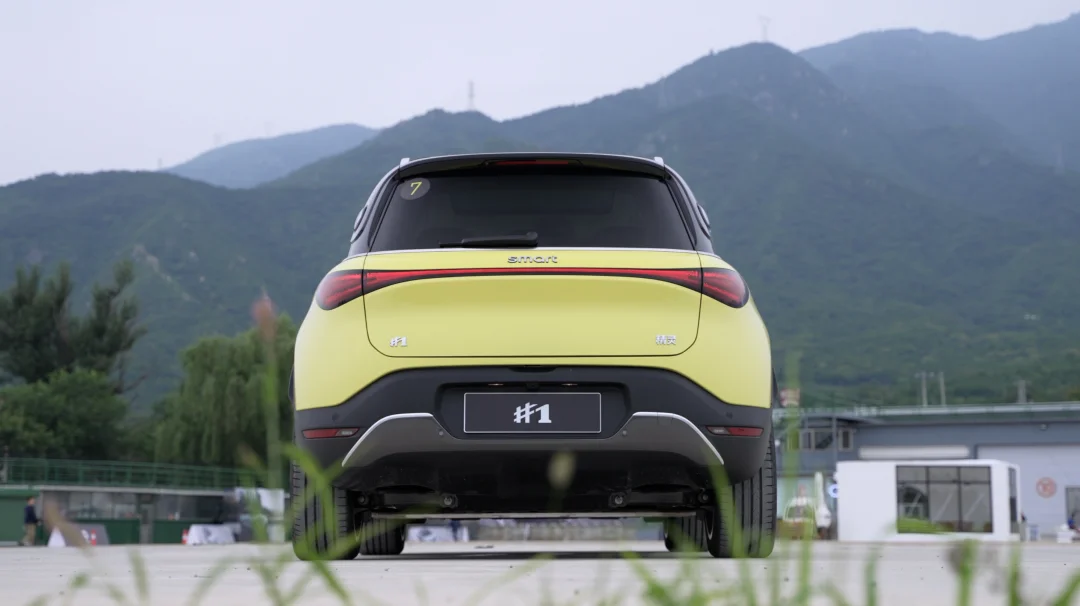
After test-driving the smart #1, I believe it truly delivers on every requirement for a high-quality compact car: agile dimensions, highly usable interior space, comfortable and well-equipped front seats, excellent design, refined driving dynamics, sufficient range for short trips, basic driver assistance suitable for highway use, an intuitive infotainment system with responsive voice control, a good-quality audio system, and most importantly—a price that offers real value.
Written by Reinhardt Edited by Reinhardt