


BYD Responds to Aluminum Shavings in AC; XPENG, Lixiang, AVATR, smart New Models Listed in MIIT | Weekly Highlights
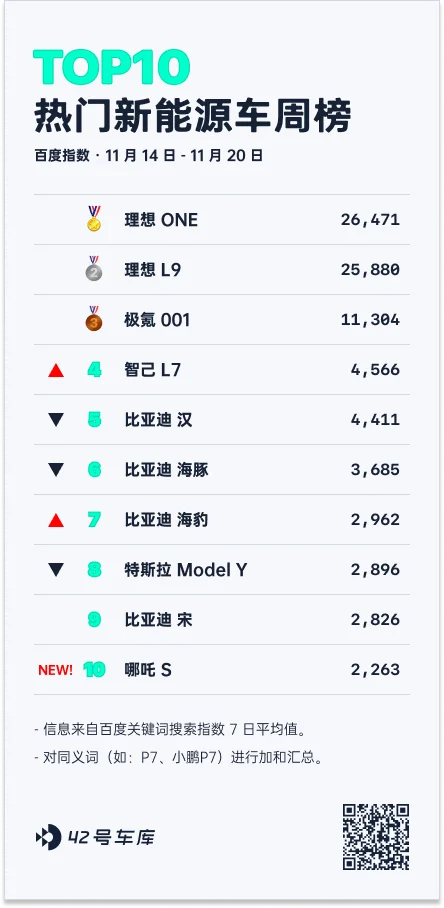
01Weekly Index
02Weekly Highlights
New Models from XPENG, Lixiang, AVATR, and smart Listed in the 365th Batch of the Announcement of Road Motor Vehicle Manufacturers and Products
XPENG P7
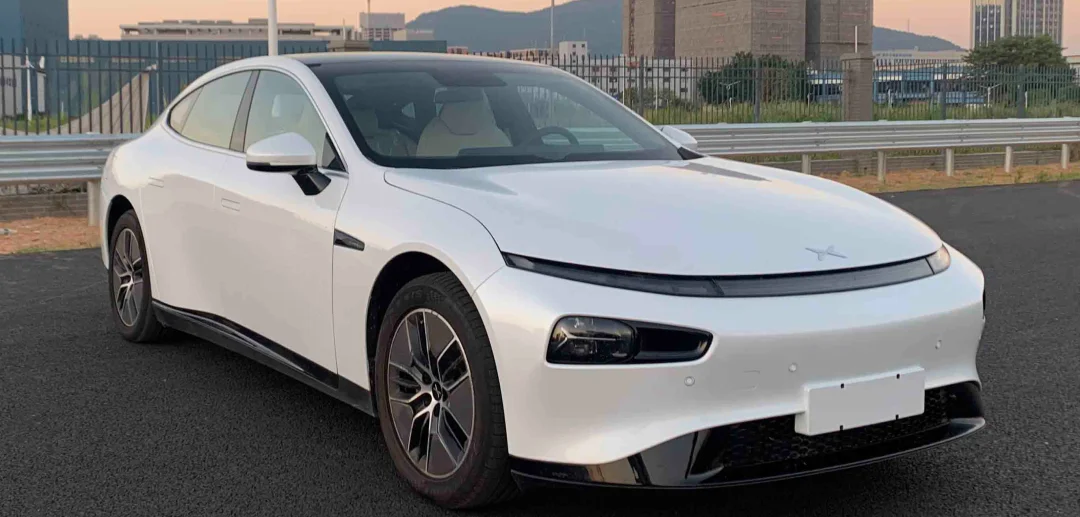
Overall dimensions: 4,888 x 1,896 x 1,450 mm; wheelbase: 2,998 mm.
Front/rear track width: 1,615/1,621 mm.
Front/rear overhang: 853/1,037 mm.
Curb weight: 1,980/1,990/2,040/2,140 kg.
Tire specifications: 245/50 R18 and 245/45 R19.
Motor power: 203 kW (dual-motor AWD version: front 145 kW, rear 203 kW).
The motor supplier is Zhuhaiyingboerdianqigufenyouxiangongsi/Zhejiangfangzhengdianjigufenyouxiangongsi.
The battery supplier is Zhongchuangxinhangkejigufenyouxiangongsi.
In terms of parameters, there are no differences from the current P7. However, images from the announcement reveal that the new model features a LiDAR sensor and new wheel designs.
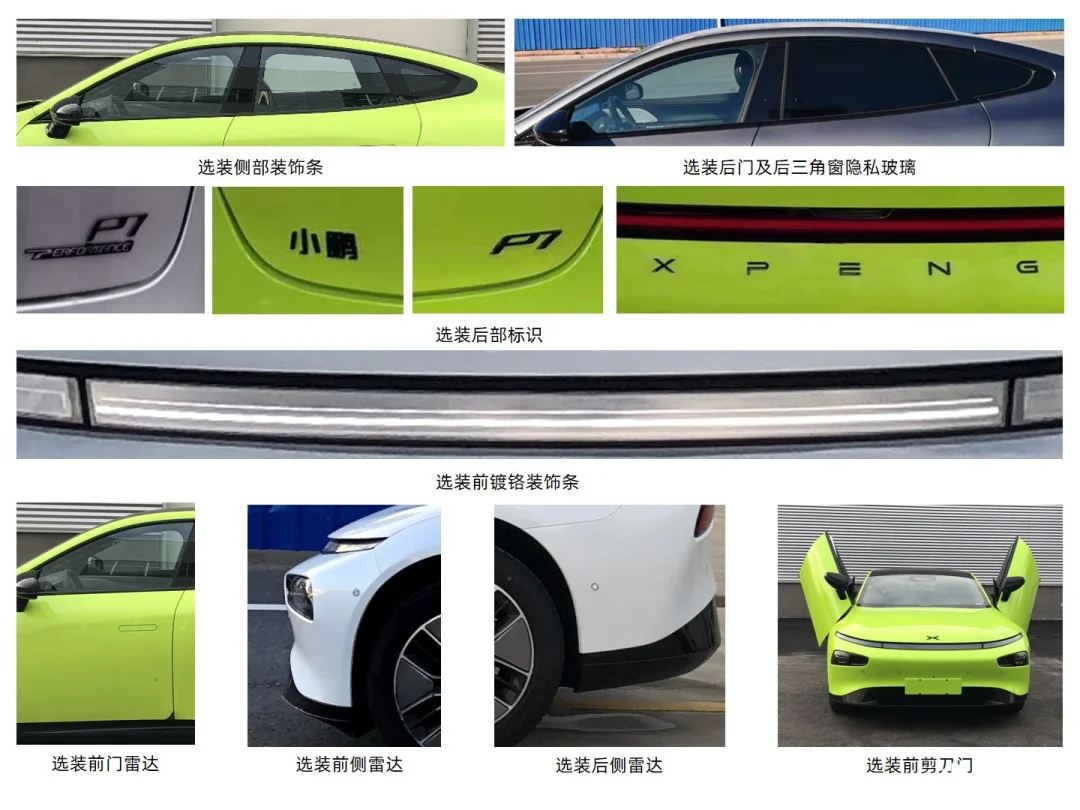
Assuming no surprises, the P7 will likely offer the same driver assistance capabilities as the G9. Based on the battery supplier, it will not support an 800 V platform, though reports suggest a slight improvement in motor efficiency.
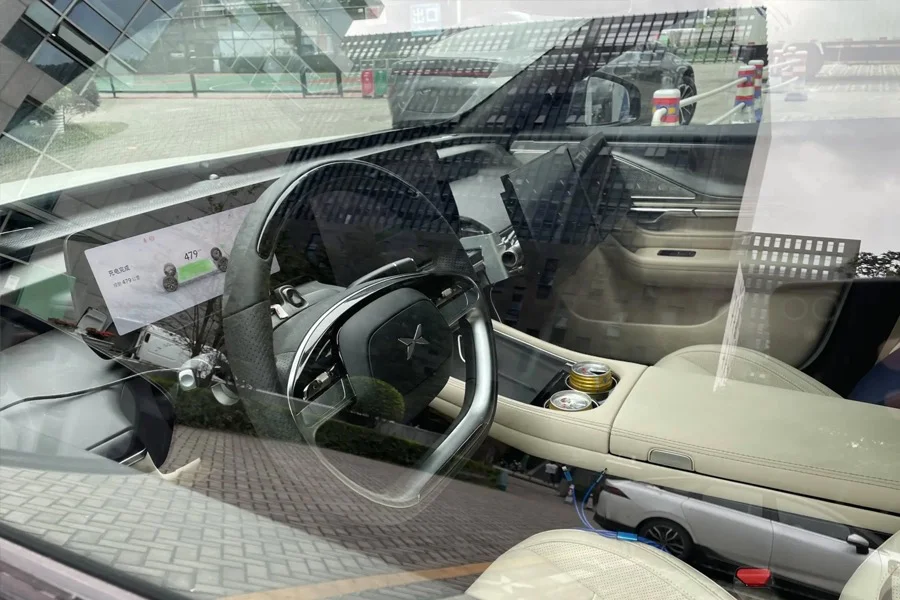
Additionally, based on previously leaked spy shots, the P7's infotainment system is expected to remain largely unchanged. The center console design has been noticeably adjusted, with the wireless charging pad positioned for better convenience, and the steering wheel resembles the style found in the G9.
Li L7
Li L7 was launched on September 30 this year. The Li L7 Max is priced at RMB 379,800, and the L7 Pro at RMB 339,800.
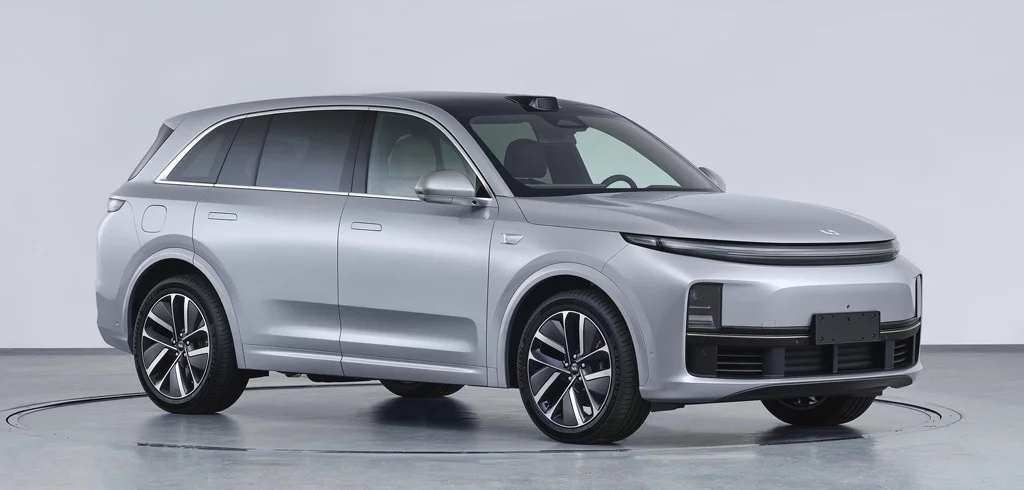
The Li L7 measures 5,050 mm in length, 1,995 mm in width, and 1,750 mm in height, with a wheelbase of 3,005 mm. Its length is only 30 mm shorter than that of the L8, while its width and wheelbase remain unchanged; however, its height is reduced by 50 mm.
The Li L7 has a battery capacity of 42.8 kWh, with a CLTC combined range of 210 km and a WLTC pure electric range of 175 km. The front and rear dual motors have a maximum power of 330 kW and a maximum torque of 620 Nm, with an acceleration time from zero to one hundred kilometers per hour of 5.5 seconds. In terms of battery capacity and powertrain, the Li L7 is consistent with the L8; it can be expected that its energy consumption performance will not differ significantly from that of the L8.
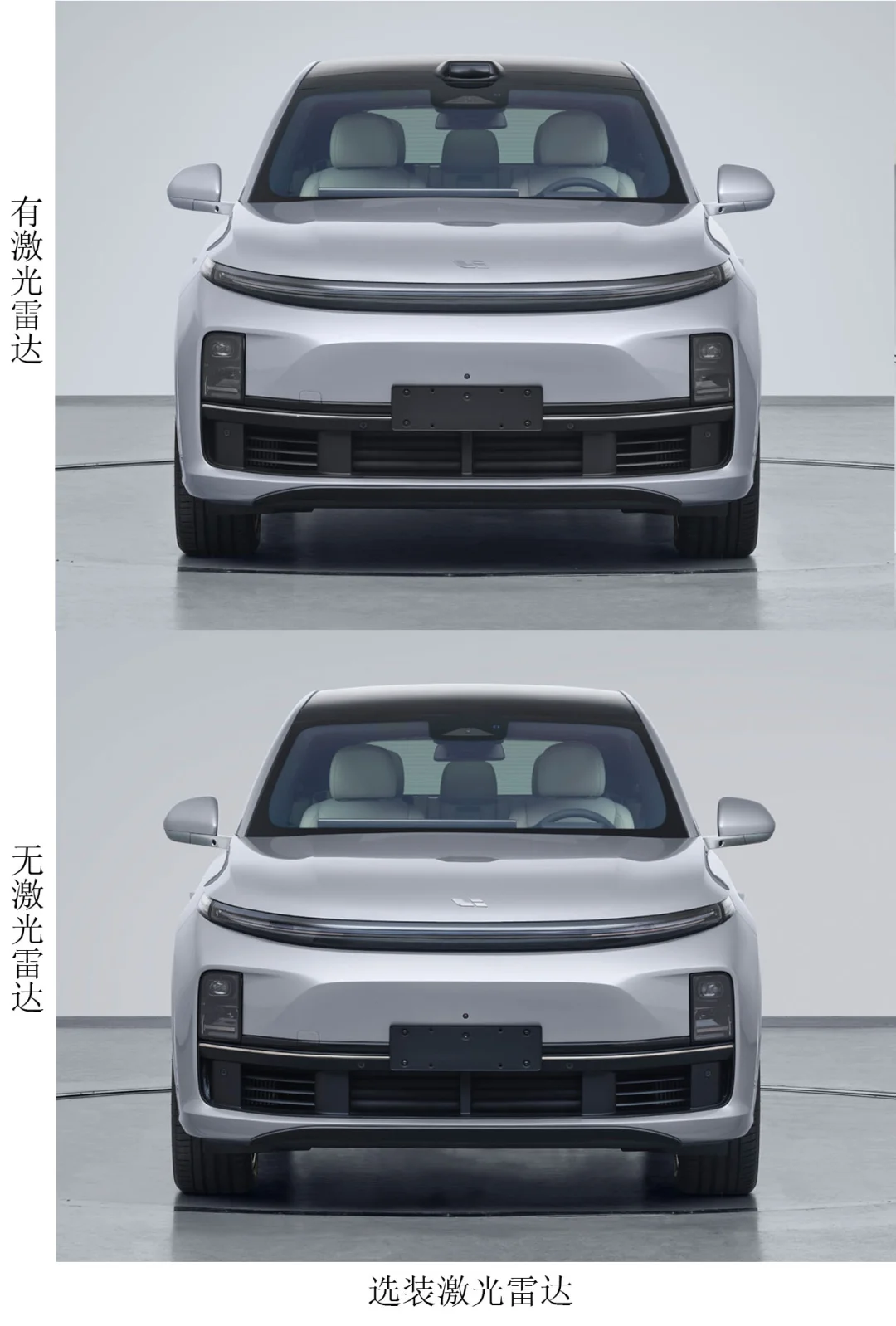
According to official information from Lixiang, the Li L7's second-row maximum legroom reaches 1,160 mm, and the trunk depth exceeds 1 meter. In addition to the middle rear seat, all four other seats are equipped with heating, ventilation, and lumbar massage. The second-row backrests support 40° electric adjustment, and the right-side second-row seat includes a footrest, but the small table is no longer provided.
Other interior features include a 21-speaker 7.3.4 surround sound system, a HUD head-up display, a safety driving interaction screen, and a rear LCD entertainment screen.
smart #3
Overall dimensions: 4,400 × 1,844 × 1,556 mm; wheelbase: 2,785 mm. Classified as a compact car.
Powertrain: Two versions available. Rear-wheel drive (RWD) with a maximum power output of 200 kW; all-wheel drive (AWD) with a maximum power output of 315 kW. Performance figures remain consistent with the current-generation Smart #1.
Tire options include 245/45 R19 and 245/40 R20 sizes.
Battery: While the entire lineup is equipped with ternary lithium batteries, suppliers are Xinwangdadiandongqichedianchiyouxiangongsi and Zhongchuangxinhangkejigufenyouxiangongsi.
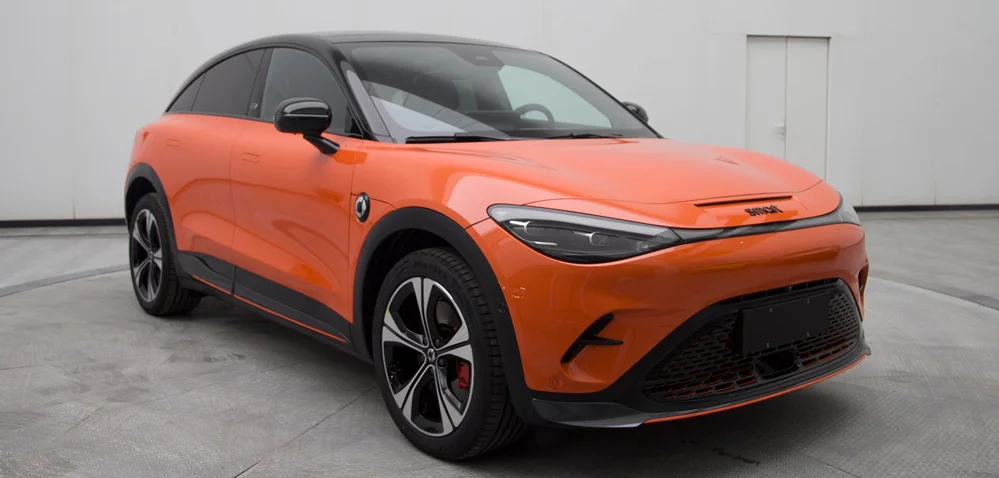
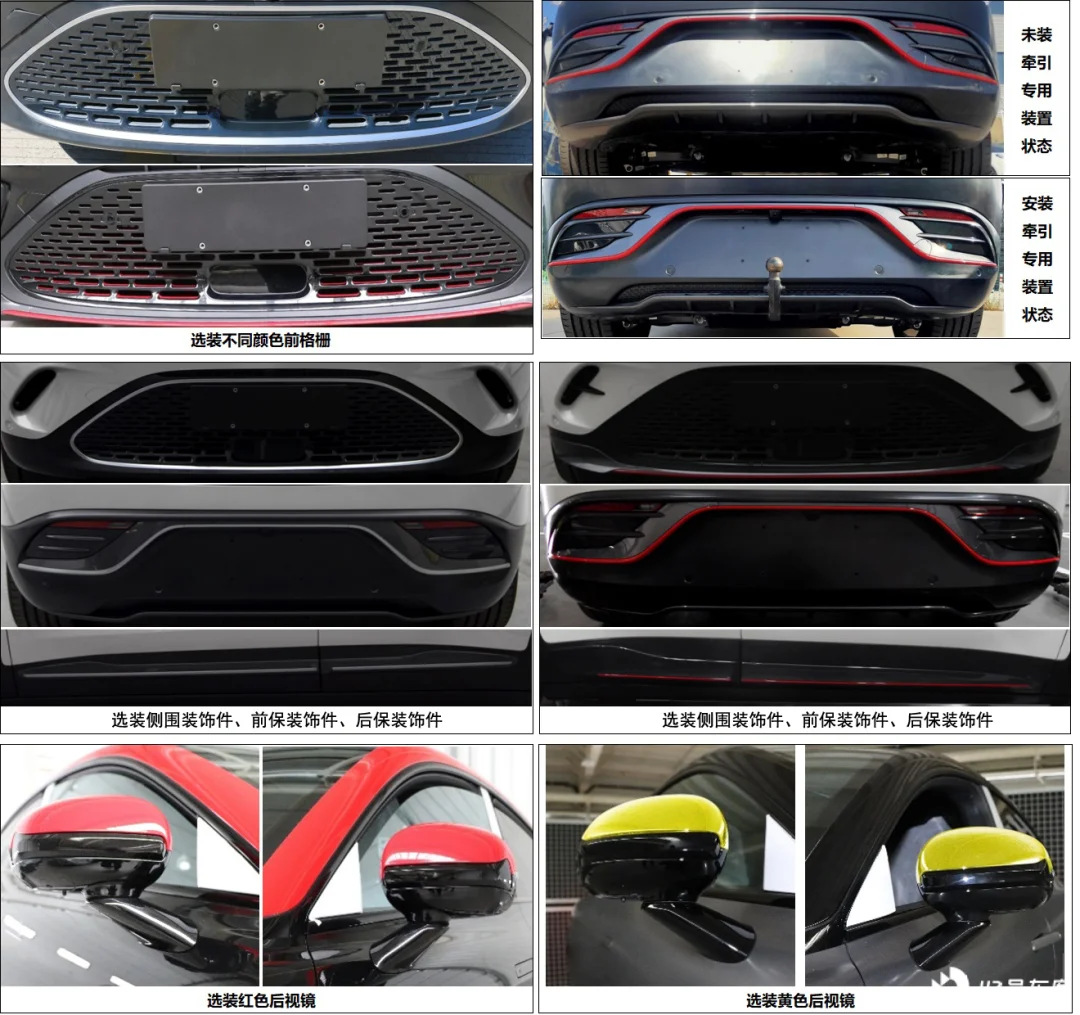
The Smart #3 continues to emphasize a youthful and sporty exterior design. The AWD version remains a hot hatch in terms of specifications. Various style options are available for wheels, body colors, and front/rear bumpers. An electric tow hook is also an option for the AWD variant.
AVATR 11
The MIIT directory has newly introduced a single-motor version of the AVATR 11.
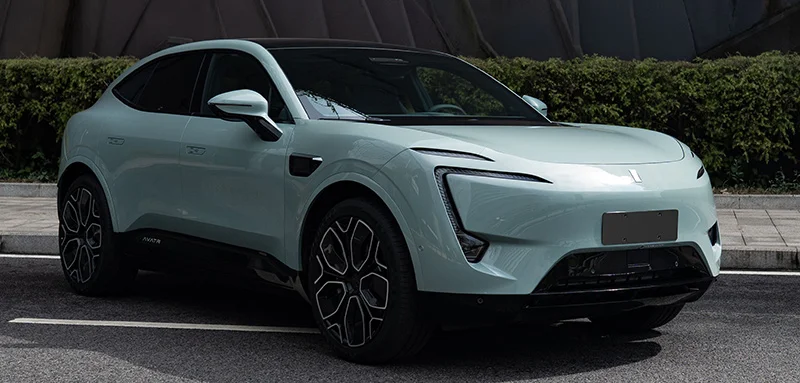
Overall dimensions: 4,880 x 1,970 x 1,601 mm; wheelbase: 2,975 mm;
Rear motor: 230 kW;
Curb weight: 2,160 kg;
Tire specifications: 265/45 R21 and 265/40 R22;
Maximum speed 200 km/h.
The specifications reveal that, compared with the several models already released, the only major difference is the removal of the 195 kW front motor. The top speed remains at 200 km/h, and the curb weight has been reduced somewhat.
Exterior-wise, the single-motor variant is identical to the dual-motor versions already released, retaining the familiar design language.
Most optional equipment remains consistent with current models, but a new sporty body kit has been added to further enhance the vehicle's athletic appearance.
Editorial Comment:
The long-awaited XPENG P7 facelift did not deliver significant surprises. The primary upgrade is the addition of a LiDAR sensor, enabling XNGP autonomous driving capabilities for the P7.
However, the P7’s product competitiveness is no longer particularly strong in today’s new energy vehicle market, and XPENG’s recent delivery volumes have declined. Whether this update can attract consumer interest will only be clear after we see XPENG’s performance data post-March next year.
The Li L7 was already detailed in our previous launch event coverage, so I will not elaborate further here.
The Smart #3 features larger overall dimensions and a longer wheelbase compared to the Smart #1, offering improved practicality. Provided the pricing is competitive, it is likely to become another best-selling model.
AVATR 11’s latest update expands its product lineup. The original starting price of RMB 349,900 for the dual-motor version may have deterred some potential buyers. With the MIIT now confirming the existence of the single-motor variant, it is certain to rekindle purchase intent among those on the fence.
If the single-motor version of the AVATR 11 were to launch at a starting price of RMB 300,000 or lower, it would undoubtedly create significant disruption in the SUV market segment at that price point.
BYD Officially Responds to Reports of Aluminum Dust from Air Conditioning
On the afternoon of November 18, BYD issued an official response regarding the widespread controversy over aluminum particles being expelled from the air conditioning system of its Dolphin model. The company stated that it had received complaints from individual users reporting white powder emerging from the vehicle's AC vents.
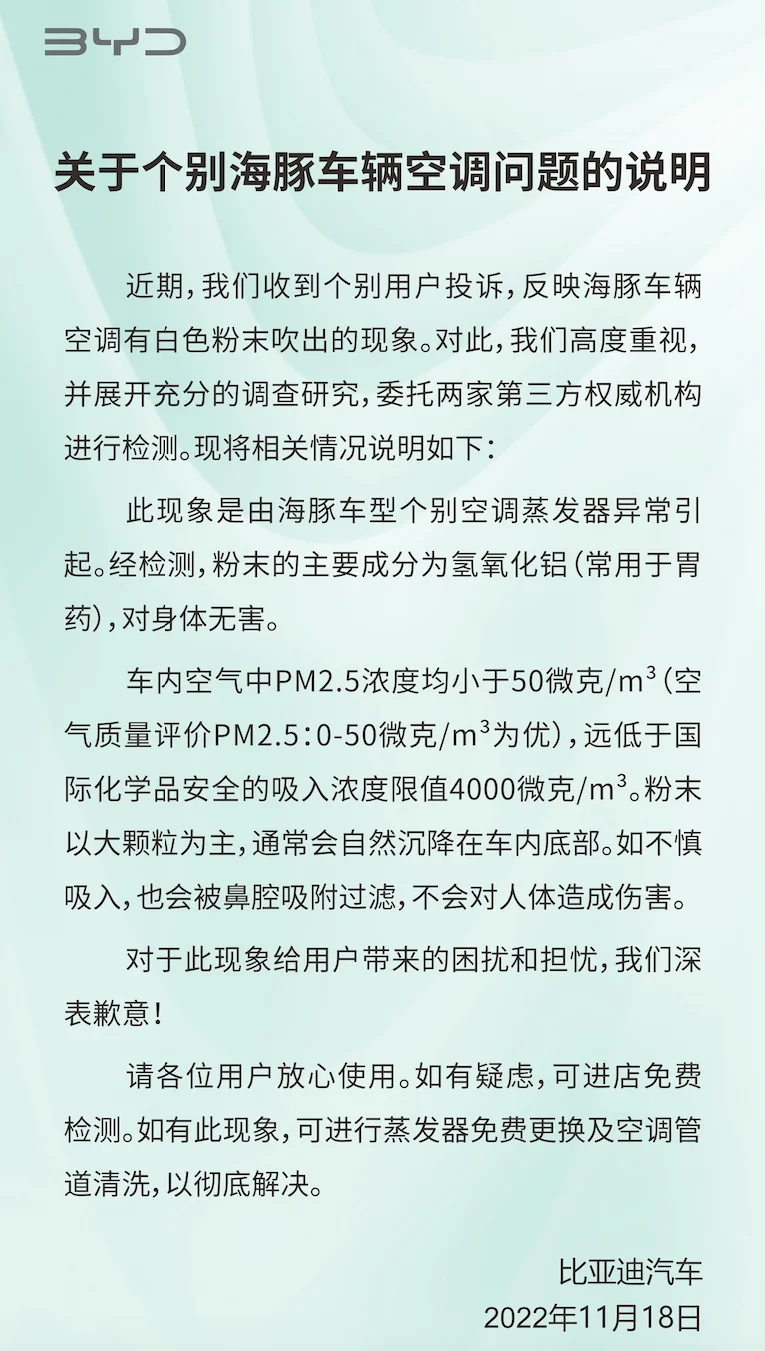
BYD explained that this phenomenon is caused by abnormalities in the evaporator cores of certain Dolphin units. Testing confirmed that the primary component of the powder is aluminum hydroxide (commonly used in antacid medications), which is harmless to the human body. The expelled particles are predominantly large and tend to settle naturally on the interior floor. Even if accidentally inhaled, they would be trapped by the nasal passages and pose no health risk.
Editorial Comment:
Earlier, some owners sent samples of the white powder ejected from their air conditioners to third-party laboratories for analysis. The test reports indicated that the compound consisted primarily of aluminum hydroxide, with a main content of 95.3%. Aluminum hydroxide has a certain toxicity and is used to neutralize stomach acid—treating conditions such as acid reflux and heartburn caused by excessive gastric secretion. Long-term inhalation of aluminum hydroxide micro-particles can potentially lead to pneumoconiosis.
Therefore, BYD’s claim that the substance poses "no harm to the human body" remains subject to verification. If you discover your vehicle is expelling particles, please visit a 4S dealership immediately for repair and replacement.
Zeekr ZEEKR M-Vision Concept Car Officially Debuts
Do you recall the collaboration between Zeekr and Waymo, a leading L4 autonomous driving company, from last year? As a product of this partnership, the ZEEKR M-Vision concept car, built on the SEA-M architecture, has officially announced that it will be ready for mass production in 2024.
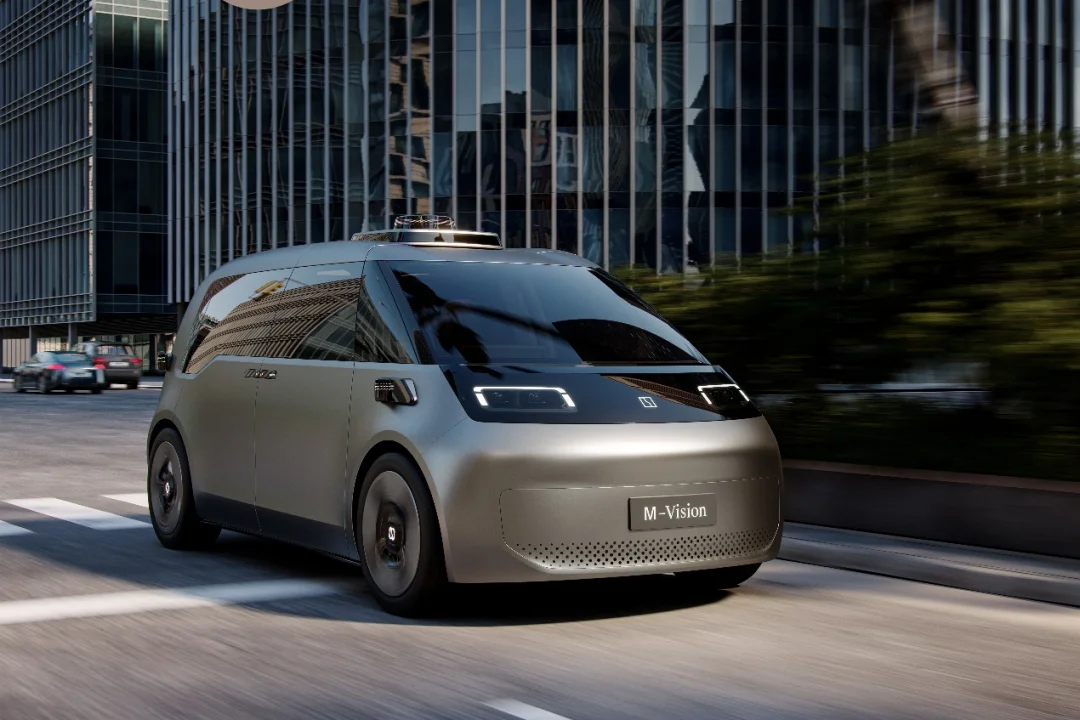
The vehicle made its official debut on November 17 in Los Angeles, USA. It is designed to enter the commercial Robotaxi market as a custom-built vehicle for Waymo One’s driverless fleet.
Zeekr states that the SEA-M architecture features six key characteristics: intelligent driving passenger experience, disruptive ease of entry and exit, ultimate comfort, quiet cabin space, low operating costs, and high safety. The wheelbase can be extended from 2,700 mm to 3,300 mm, providing strong versatility and supporting flexible, varied seating layouts.
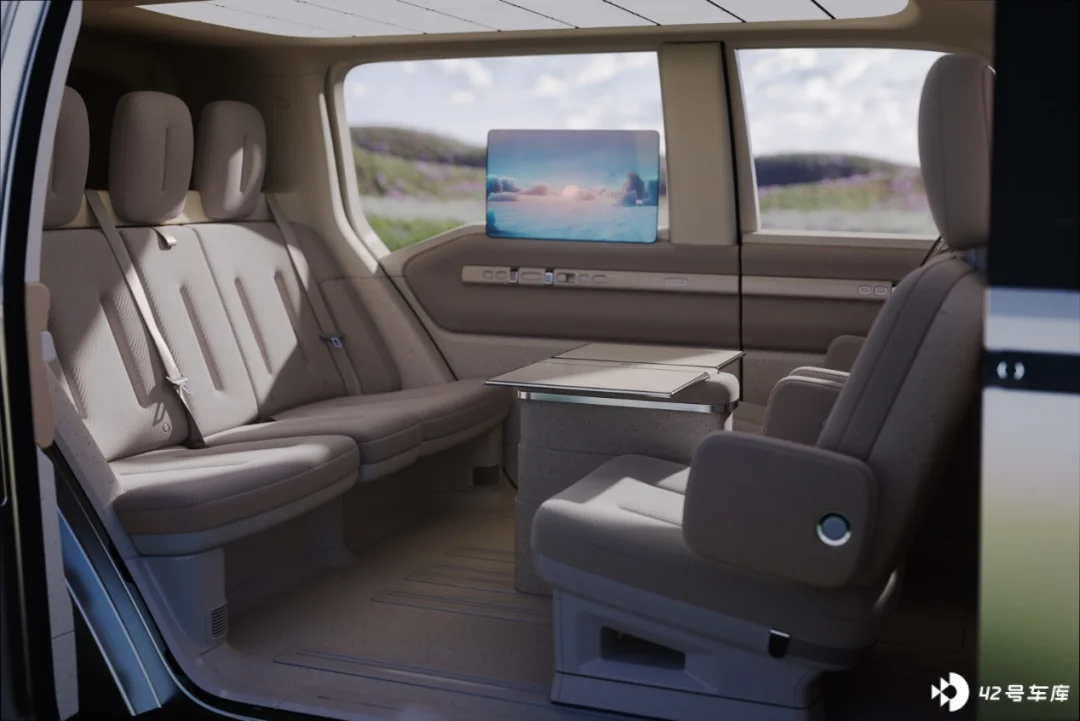
As a concept car based on the SEA-M architecture, the ZEEKR M-Vision features doors with an extreme opening angle of 1.4 meters, significantly enhancing ease of entry and exit. It boasts the lowest sill height among mobility vehicles globally and a greatly increased door aperture. Passengers, including children, elderly individuals, or those up to 195 cm tall, can board and alight with ease.
In terms of mobility service design, the ZEEKR M-Vision offers an ultra-long warranty mileage of 500,000 kilometers over five years. It is designed for continuous daily driving of more than 16 hours, with all components undergoing rigorous durability testing.
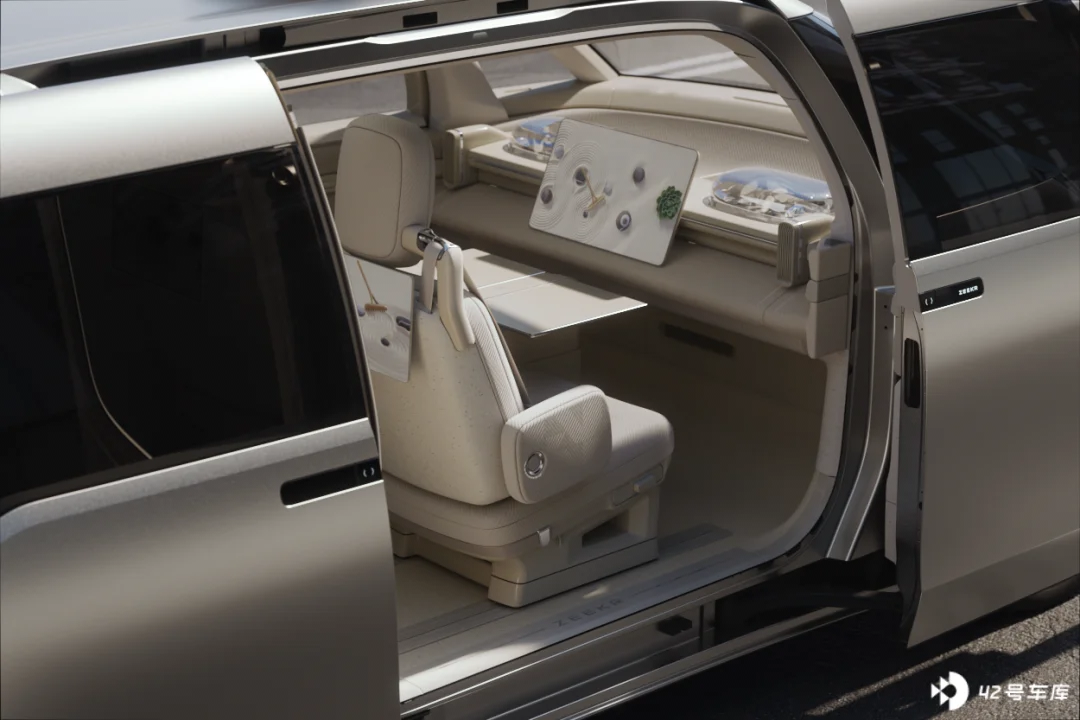
ZEEKR M-Vision Safety Design Standards Meet Global Five-Star Safety Ratings (China, Europe, US NCAP) and Highest Insurance Institute for Highway Safety Requirements
Editorial Comment:
On December 29, 2021, Zeekr and Waymo announced a strategic partnership. Less than a year later, the exclusive vehicle developed by Zeekr based on the M-Vision concept car for the Waymo One autonomous fleet was unveiled—a remarkably fast turnaround.
Furthermore, according to Weibo posts by Yang Xueliang, Senior Vice President of Zhejiang Geely Holding Group, the M-Vision has plans to launch consumer-facing products, with the project code apparently being CM2E.
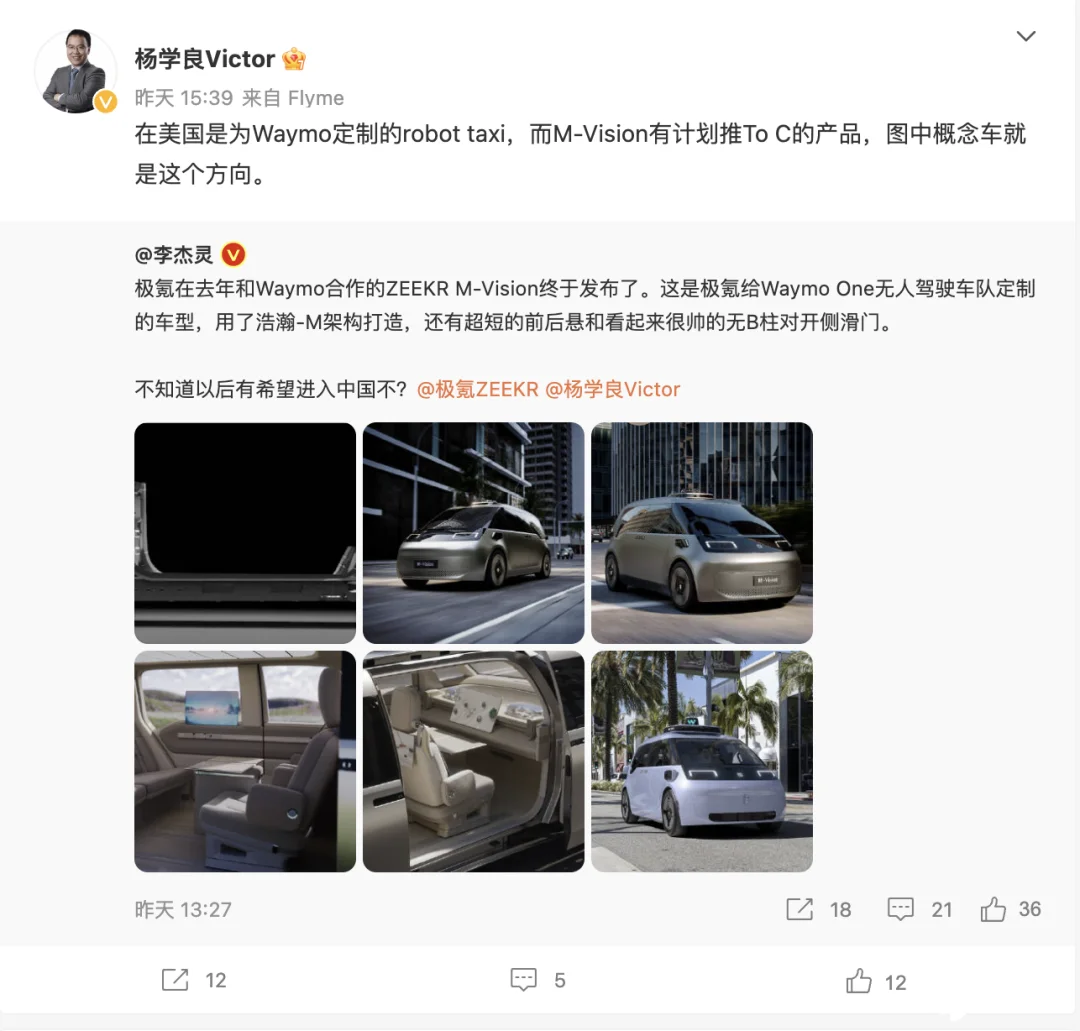
If the design features—such as side-hinged doors, a B-pillar-free cabin, and a capsule-like exterior—are retained, the production version of the M-Vision will offer exceptional spatial flexibility alongside a highly distinctive, futuristic aesthetic. Compared to the ID. Buzz, the M-Vision’s design appears even more individualistic and forward-looking.
Up to RMB 50,000: Lasashi Launches Large-Scale Subsidies for New Energy Vehicles
On November 16, Lasashi announced a series of consumption promotion measures under the "Assisting Enterprises and Benefiting People · Happy Shopping in Lasashi" initiative. Targeting the consumption needs of farmers and herdsmen in Lasashi, the program provides cash subsidies for home appliances, furniture delivered to rural areas, and automobile purchases. The subsidy intensity for automobile consumption is the highest among all provincial, municipal, and regional policies currently in effect.
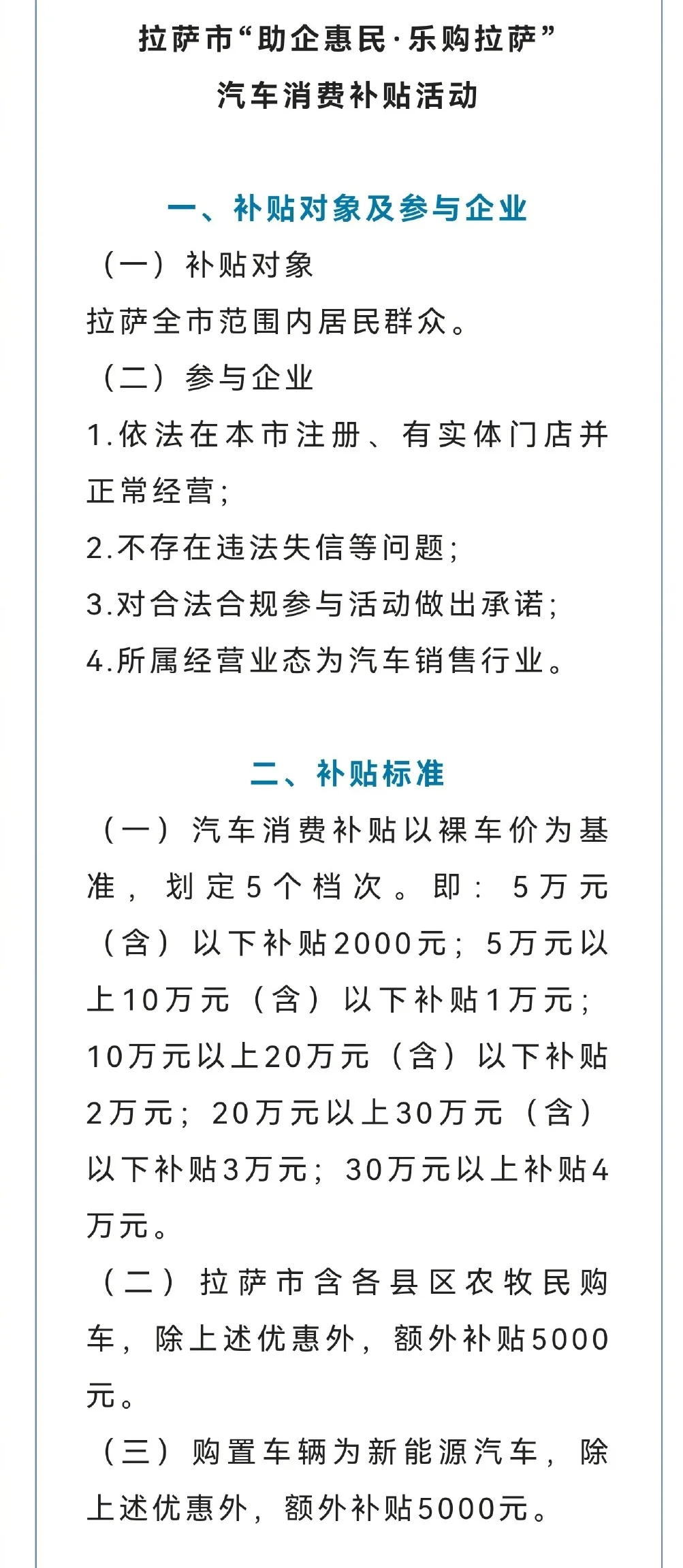
Unlike other provinces and cities that require buyers to be local enterprise employees or hold local household registration (hukou) and residence permits, Lasashi's new automobile subsidy policy imposes no restrictions on buyer identity. Eligible participants need only purchase vehicles through local authorized dealerships and have no record of illegal activities or dishonesty.
The subsidy standards are based on the vehicle's ex-factory price and are divided into five tiers:
For vehicles priced at RMB 50,000 or less, a subsidy of RMB 2,000 is provided;
For vehicles priced above RMB 50,000 up to RMB 100,000 (inclusive), a subsidy of RMB 10,000 is provided;
For vehicles priced above RMB 100,000 up to RMB 200,000 (inclusive), a subsidy of RMB 20,000 is provided;
For vehicles priced above RMB 200,000 up to RMB 300,000 (inclusive), a subsidy of RMB 30,000 is provided;
Subsidies of RMB 40,000 for vehicles priced above RMB 300,000.
Additionally, farmers and herdsmen with household registration in any county or district of Lasashi can receive an extra subsidy of RMB 5,000 on top of the aforementioned benefits. If the purchased vehicle is a new energy vehicle (NEV), an additional subsidy of RMB 5,000 applies. For example, purchasing an NEV priced above RMB 300,000 in Lasashi could yield a maximum combined discount of RMB 50,000.
Editorial Comment:
The Lasashi government’s subsidy support for NEVs is substantial. It is expected that this policy will significantly boost local residents’ intention to purchase NEVs. The specific impact will become clearer as delivery data from various regions are reported over the coming months.
Written by: Jia Ming Edited by: Liu Guangding