


Zeekr and Waymo Reveal M-Vision Robotaxi Built on SEA-M Architecture
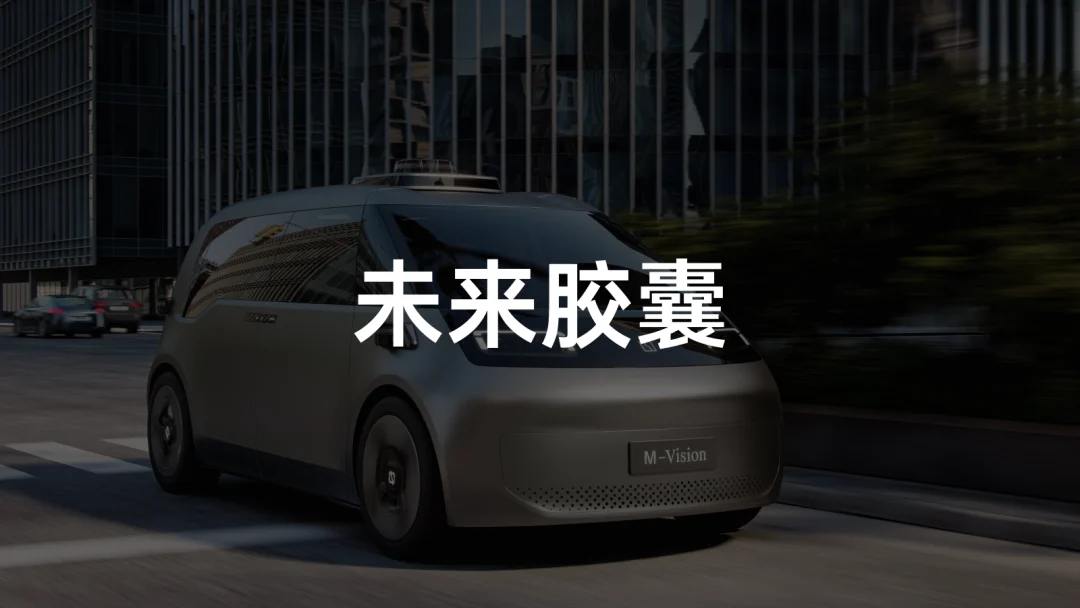
Swallow This Cute Capsule: Did Zeekr Take Me to the Future?
What should a future driverless car look like? People from different industries will naturally give different answers. If you ask an automotive company, they will tell you that future cars should feature dynamic and expansive exteriors, spacious and bright interiors, simple yet tech-savvy designs inside and out, and clean, eco-friendly energy sources.
If you ask an L4 autonomous driving company, however, you might get this answer: future driverless cars must have controllable costs to make commercial mobility services viable, and advanced architectures that allow their software to be updated and iterated quickly and conveniently.
As the saying goes, "complementing each other's strengths to bring out the best in both," these examples reflect the journey of Zeekr and autonomous driving company Waymo.
For Zeekr, on one hand, it possesses mature product definition experience and engineering design capabilities. On the other hand, the SEA-M Jiagou is Zeekr’s design outcome tailored for fully autonomous driving, featuring L2–L4 level driver assistance integration capabilities. The SEA-M and the SEA Pingtai, which gave birth to the Zeekr 001 and Zeekr 009, share deep roots; they share the same electronic and electrical architecture, allowing for effective cost control.
For Waymo, software can be rapidly integrated into the vehicle hardware of the SEA-M Jiagou, reducing development and iteration costs. More importantly, Waymo can partner with Zeekr to co-create a custom vehicle designed for L4-level autonomous driving, covering everything from definition to product and software to hardware, thereby quickly positioning itself in the commercial market for driverless mobility.
This partnership between the two allies also announced its progress on November 17: the M-Vision, built on the SEA-M Jiagou, will be ready for mass production in 2024, and the Waymo custom version based on this vehicle has already been unveiled in Los Angeles.
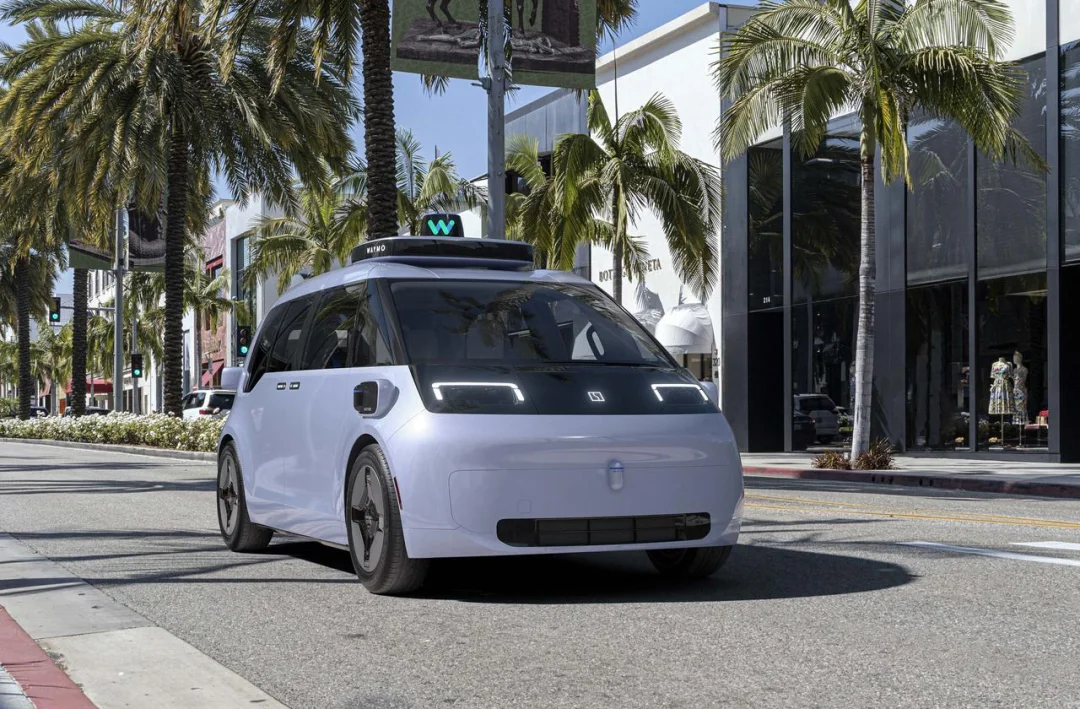
The last time an MPV captured my heart was when I saw the ID.Buzz; this time, seeing the Zeekr M-Vision has reignited my curiosity.
01Capsule Hotels, on Wheels
First, It Must Be Cute!
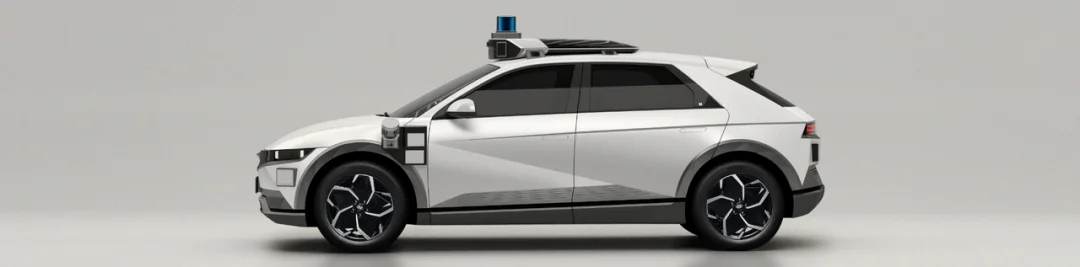
If you ask me what driverless taxis will look like in twenty or fifty years, my answer certainly won’t be a Robotaxi that looks like an unattractive hybrid created by modifying an existing mass-production model, like the one below:
In many sci-fi movies and games, directors’ preference for wasteland aesthetics has created a preconceived impression: future cars must be menacing and complex, featuring crackling flames and flashes, and preferably with exposed engines or jet nozzles to satisfy their tastes.
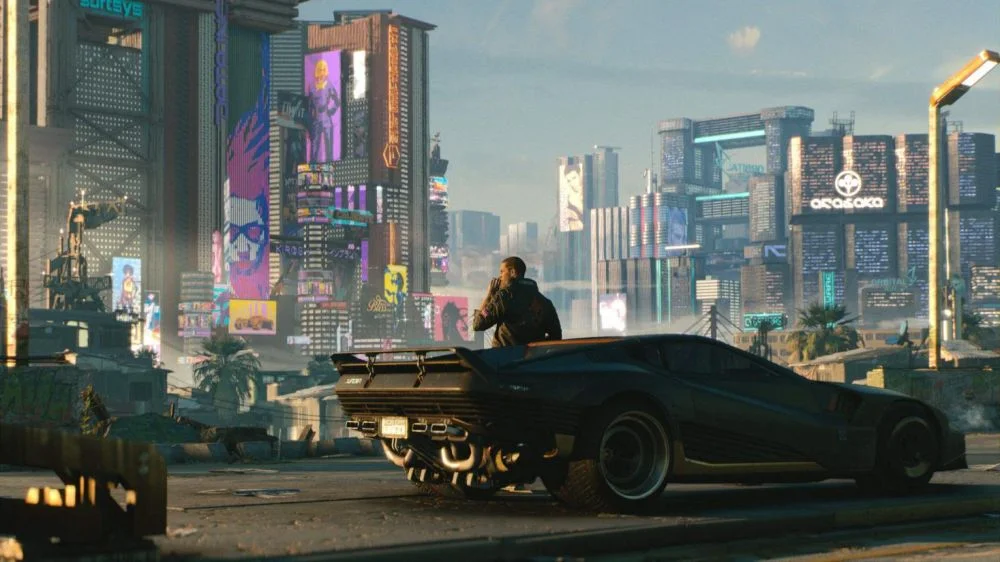
Seriously, are directors too pessimistic in their daily lives? Can’t spacious, bright streets and clean, elegant designs represent the future?
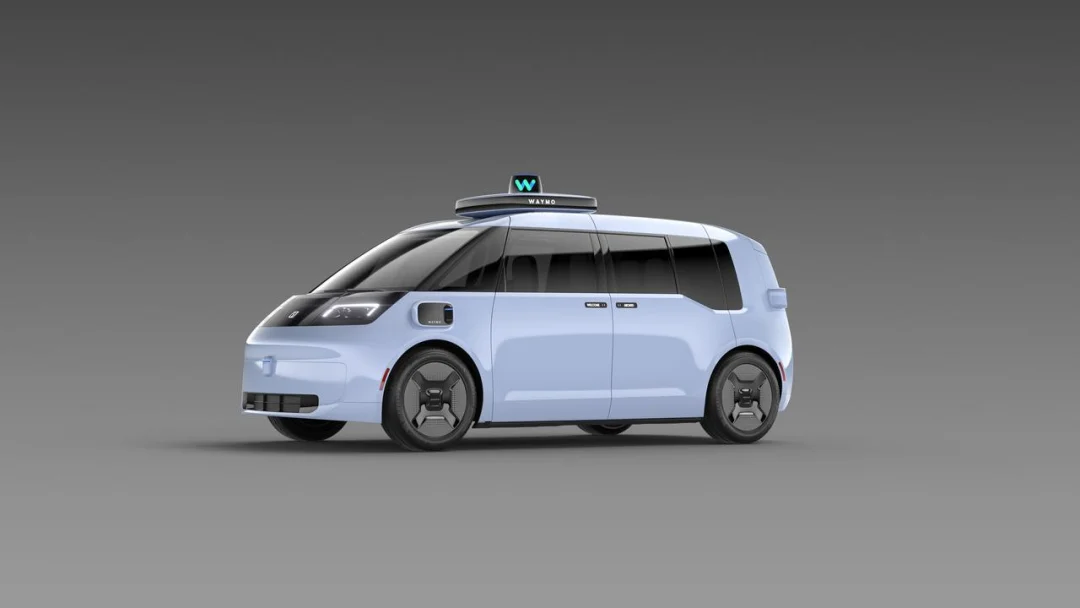
Zeekr M-Vision really wins me over. There’s no scary, monstrous design to frighten children, and the designers didn’t let themselves go wild just because it was a concept car. Everything is harmonious and natural, with even a touch of cuteness.
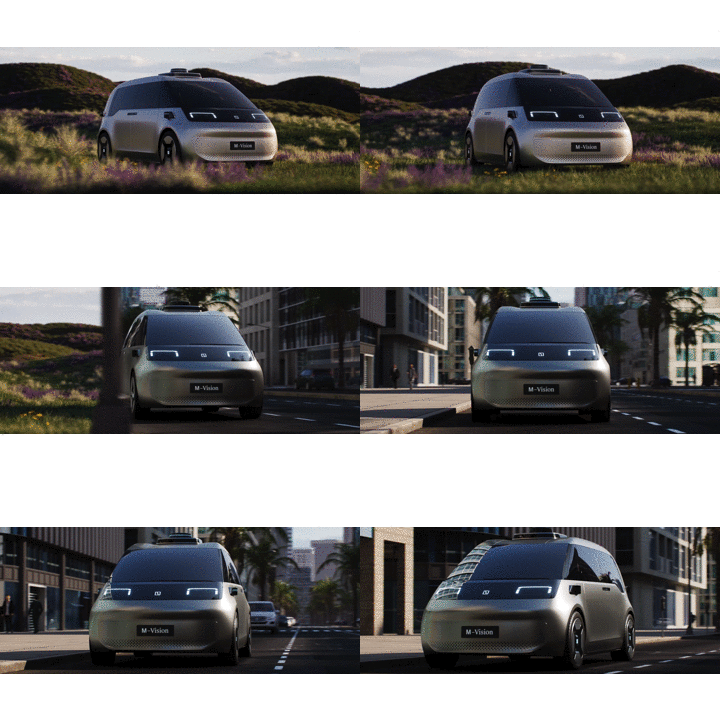
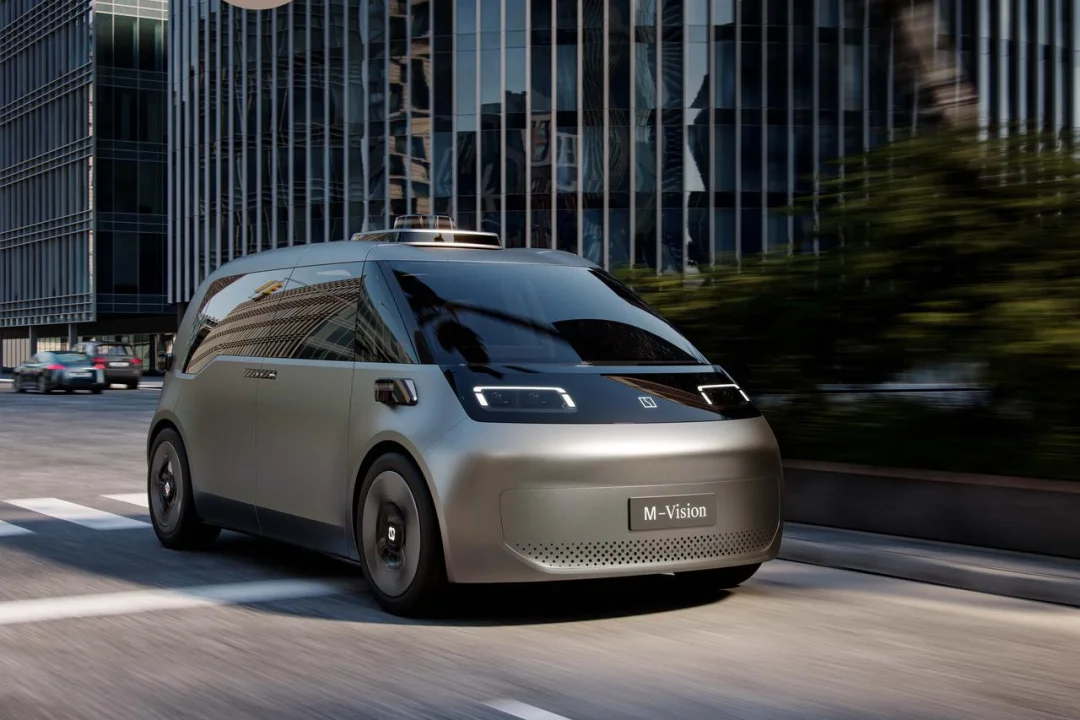
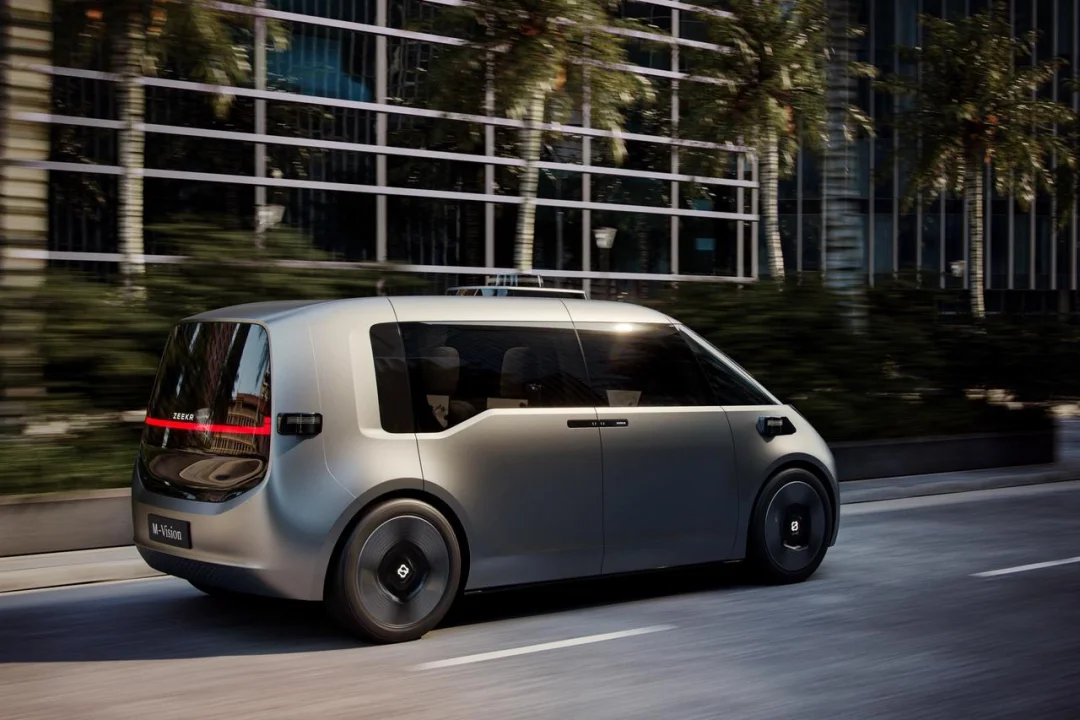
The short front and rear overhangs combined with a long wheelbase meet the requirements for space and functionality. This is precisely why M-Vision looks like a 'large capsule.'
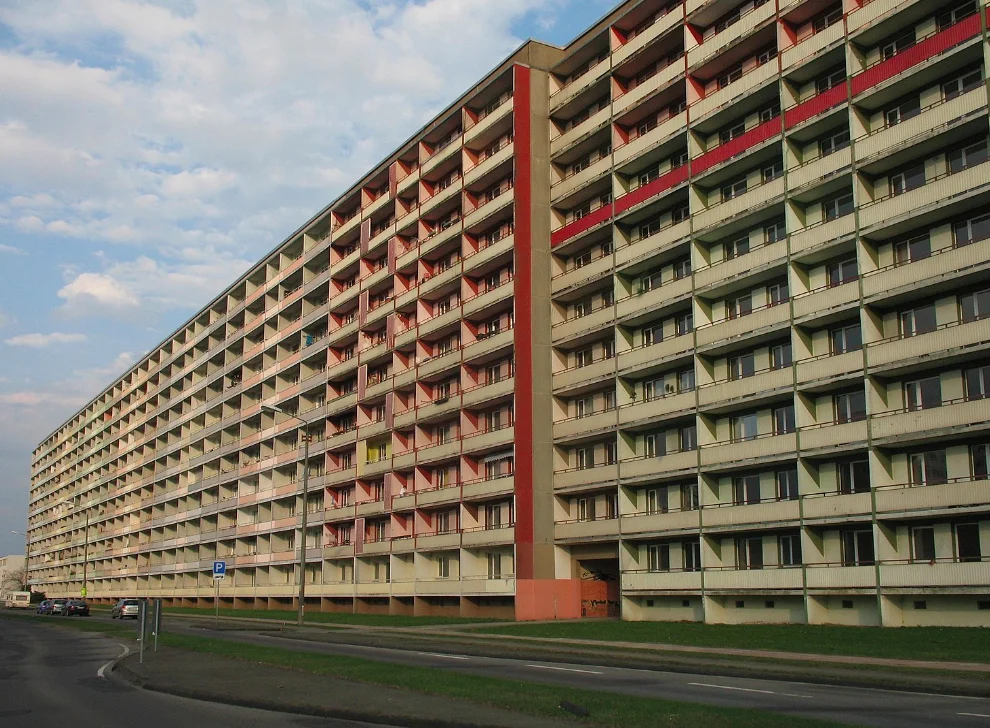
A design that considers only function and ignores aesthetics won’t do either. The last purely functionalist design was the matchbox apartments of East Germany. Look at them: such high functionality, but does such a dull and monotonous design bring any sense of happiness?
So I’m glad that the designers of the M-Vision are neither the "free-spirited" type who let their creativity run wild, nor the "rigid" traditionalists. Look at the M-Vision’s U-shaped headlight cluster and the black decorative panel on the front: doesn’t it bear a slight resemblance to Master Shifu, the raccoon from Kung Fu Panda?
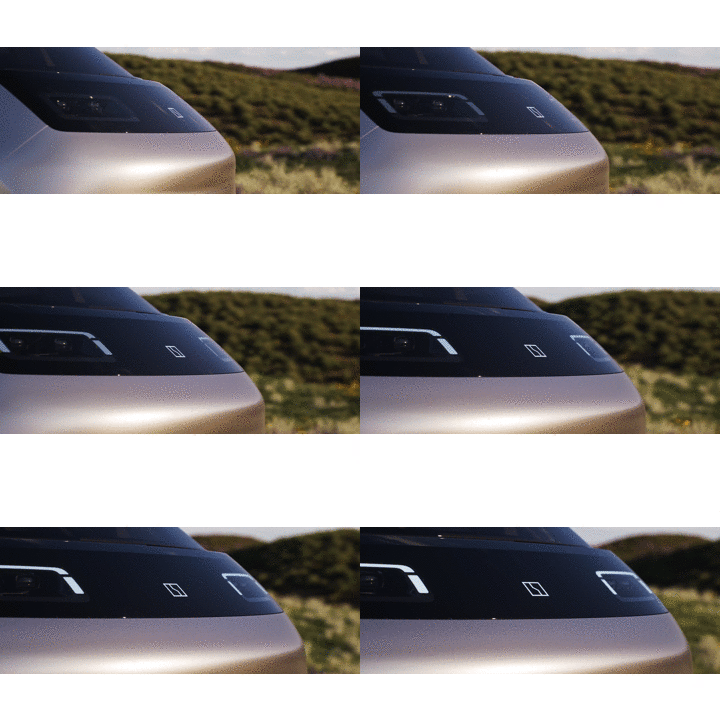
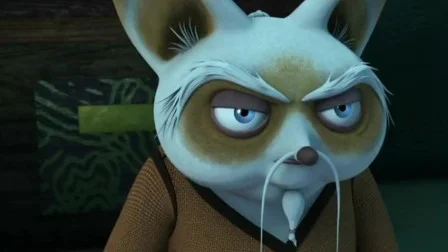
As an optimist about the future, this cute, "raccoon-style" front end fits perfectly with my vision of what the future world should look like.
When it comes to this headlight design, I feel truly relieved: Zeekr is finally stepping out of Lynk & Co’s shadow and beginning to develop its own distinct exterior design language. I expressed similar sentiments regarding the Zeekr 009. From now on, I won’t have to struggle explaining to car-ignorant friends that although the headlights look similar, one is called the "Zeekr 001" and the other the "Lynk & Co 01"—they are indeed different.
I once heard the saying, 'True technology makes people unaware of its presence,' and I deeply agree with it. The M-Vision’s designers clearly share this philosophy. The LiDAR units on the roof and around the body are designed to be as smooth and non-aggressive as possible; you can even see decorative light strips on the LiDAR housings.
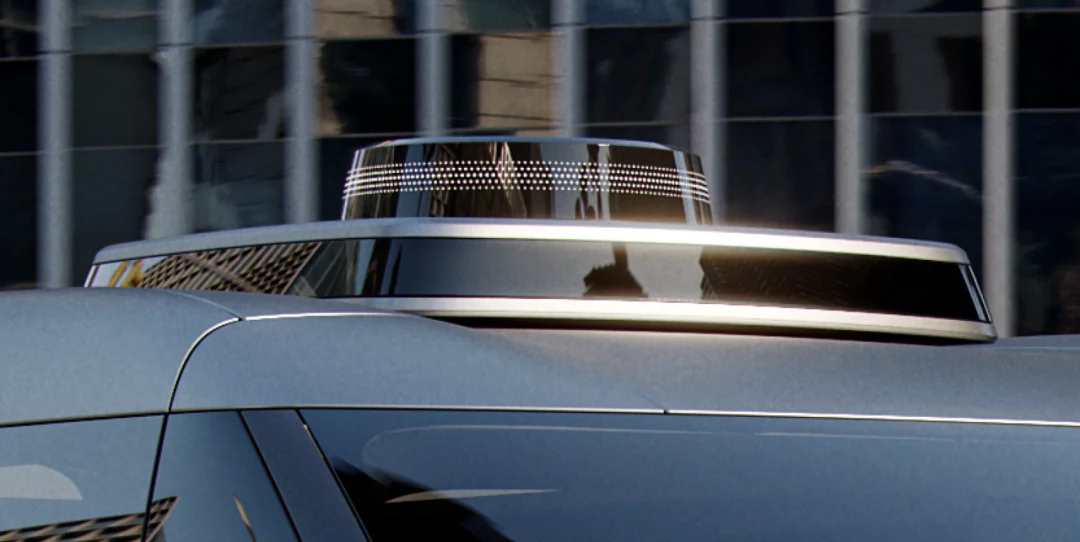
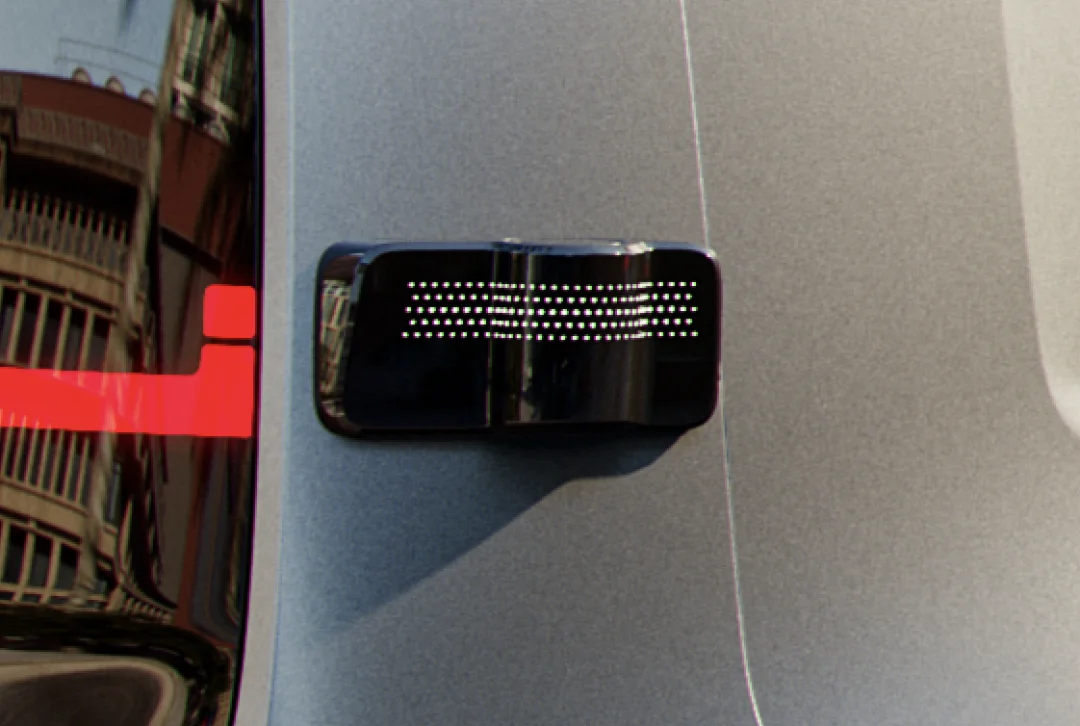
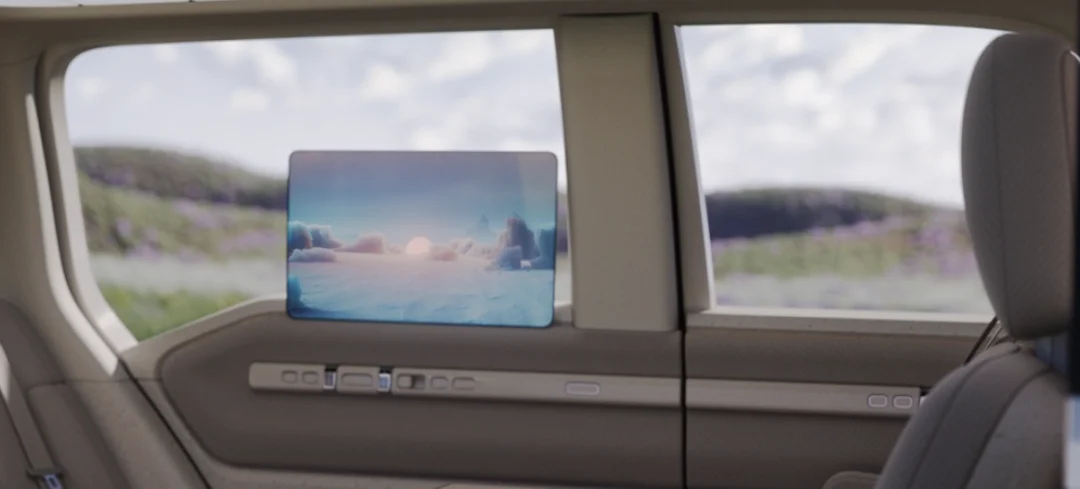
Since it is a Level 4 Robotaxi, passenger comfort takes priority. The M-Vision features large side windows, ensuring ample natural light.
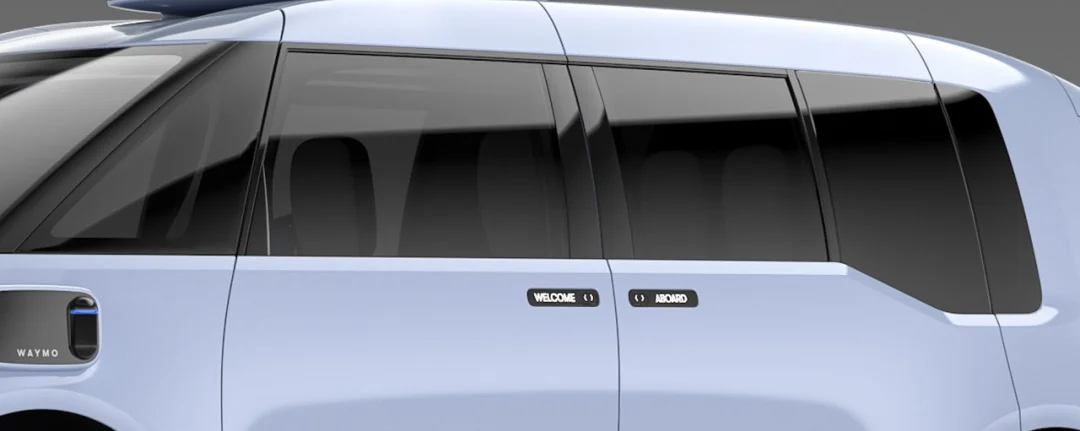
Unlike many 'autonomous shuttles' that feature a head-to-tail symmetrical design, the M-Vision has distinct front and rear ends. Its metallic paint finish wraps around the large rear window, which is framed by sharp, beveled edges.
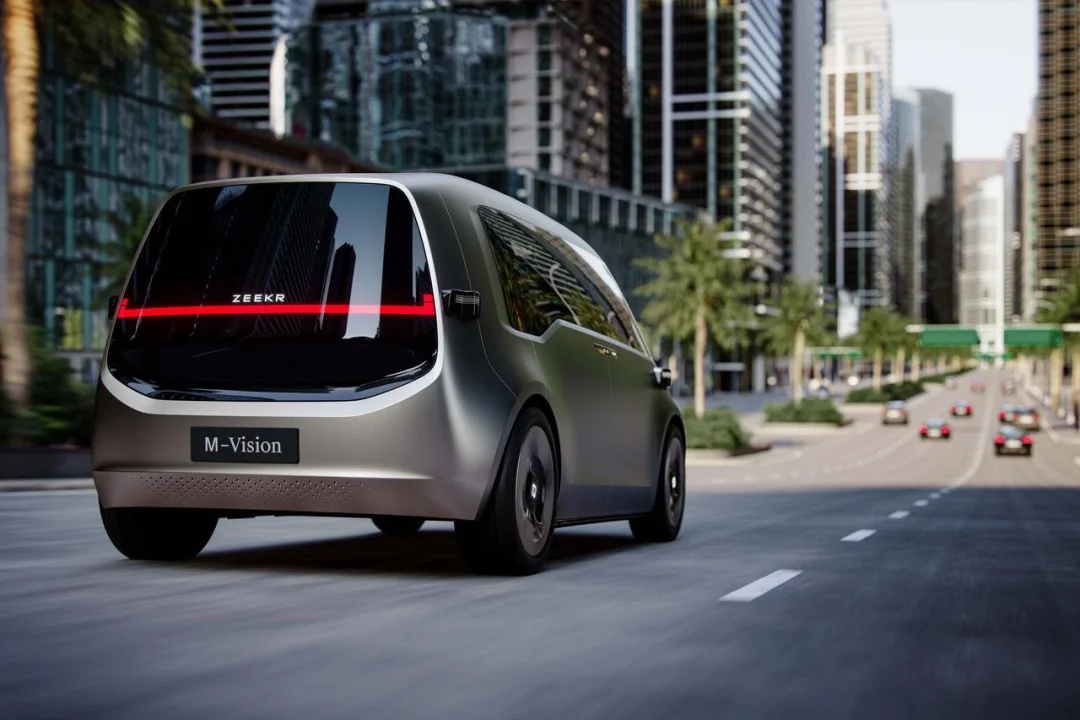
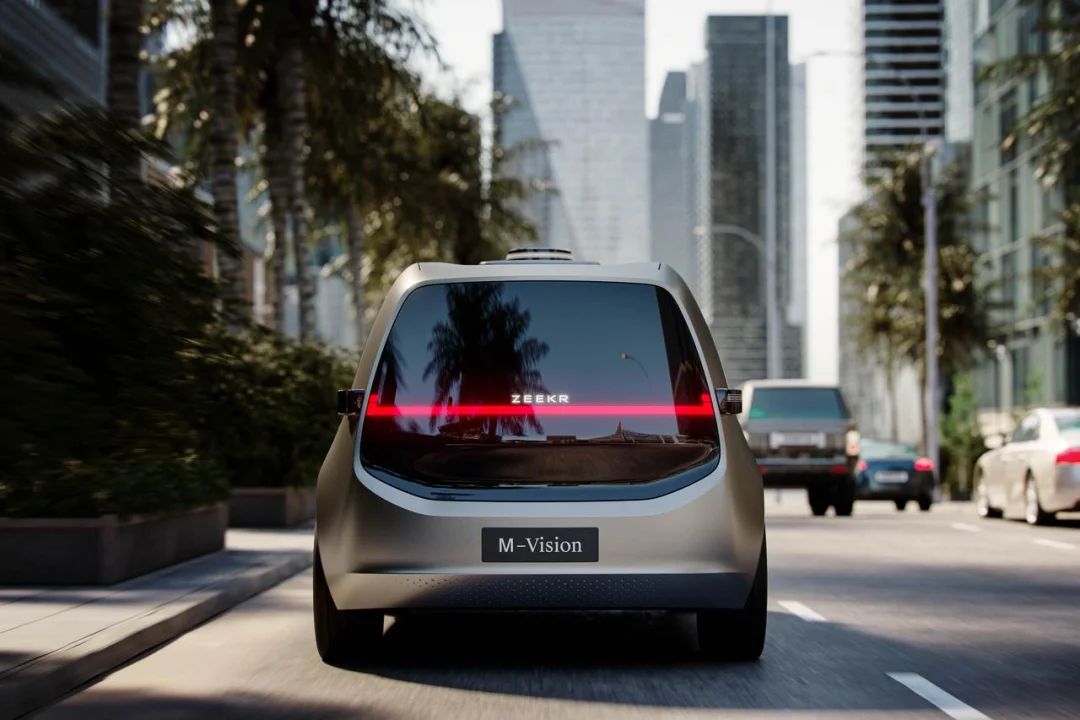
However, the M-Vision is not overly extreme. It offers a lesson to its American counterpart, the Cybertruck, with its rounded rear curves: 'Intensity does not endure; extremity invites humiliation.' Design should avoid being too radical; for the future, a warmer and cuter aesthetic is preferable.
Mahjong: Four of a Kind
Coach doors on Rolls-Royce offer a sense of ceremony, but the nickname 'suicide doors' can be intimidating. So why not skip them entirely?
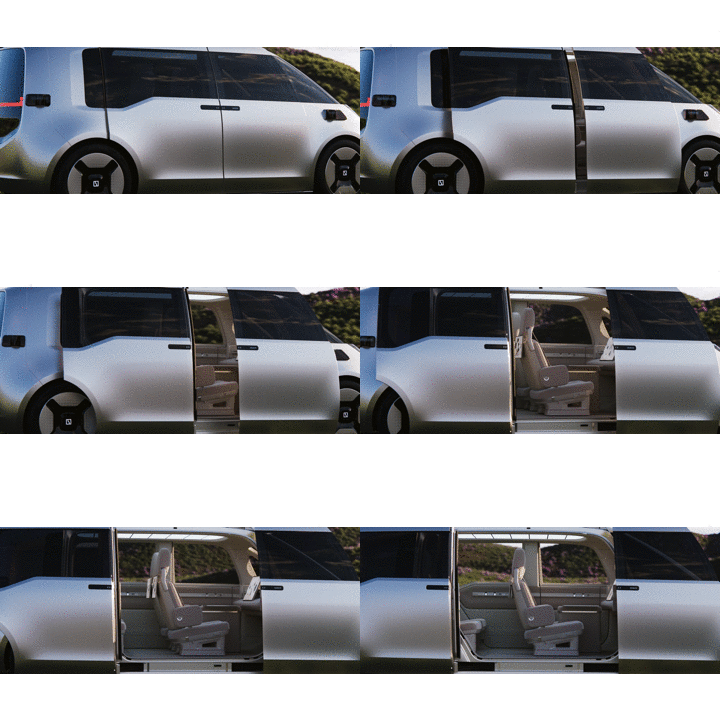
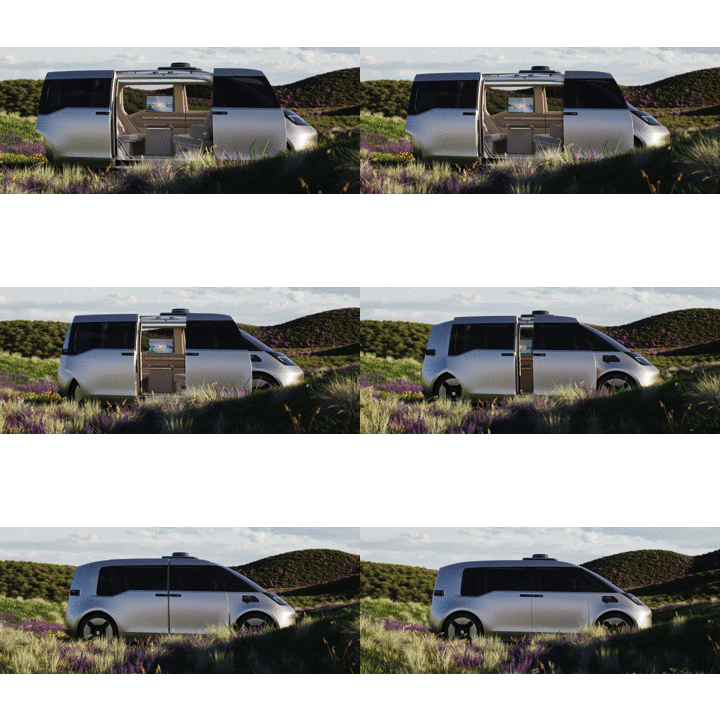
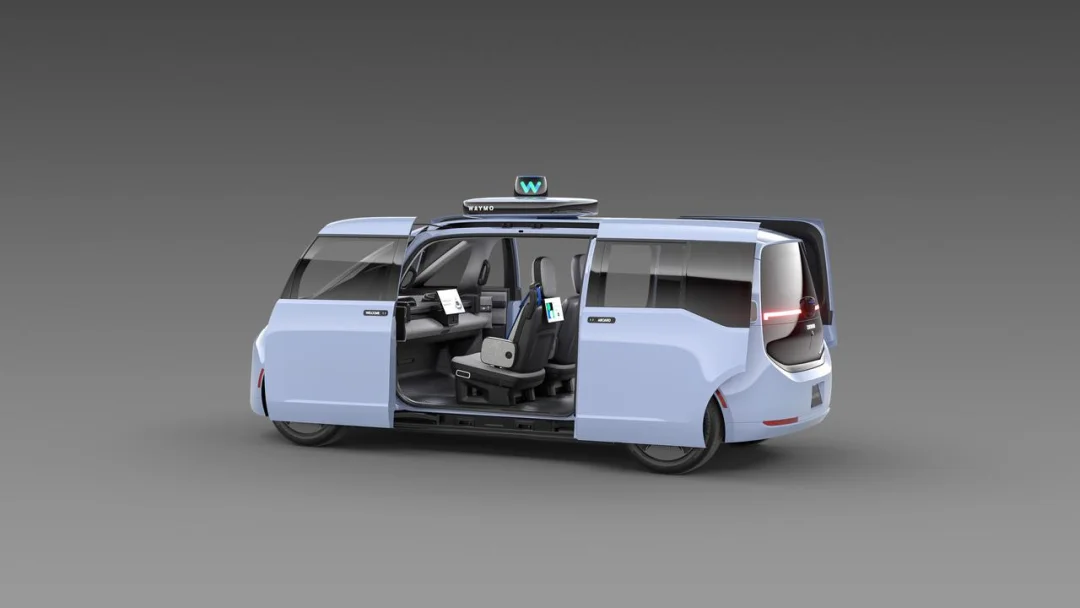
M-Vision opts for sliding side doors. After all, in the future world, people still need to live and appreciate beauty with dignity. Whether you are Yao Ming or Diego Maradona, the 1.4-meter maximum opening width, B-pillar-free design, and low floor ensure a dignified experience for future mobility.
Although M-Vision thoughtfully includes swivel seats and small tables that slide forward and backward on rails, it is a pity: without a human driver, the five passengers cannot gather for a game of mahjong.
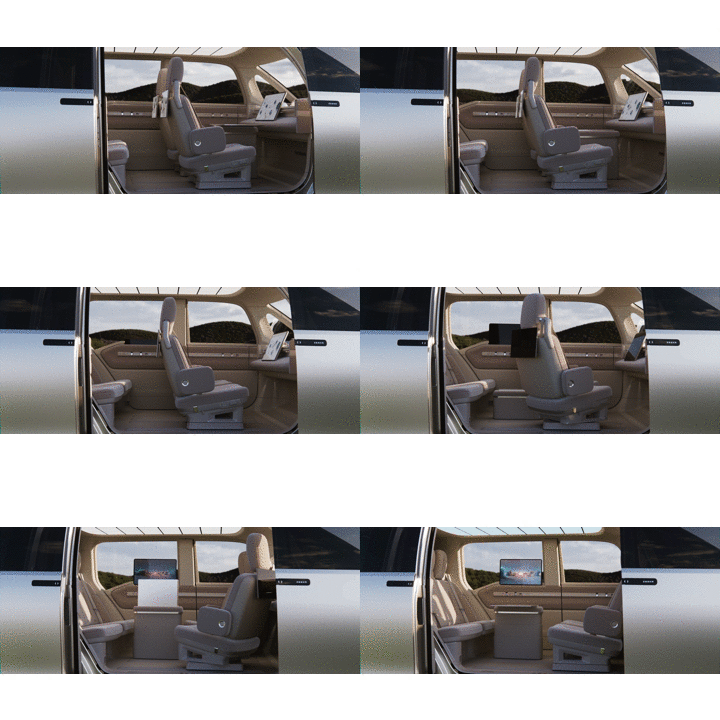
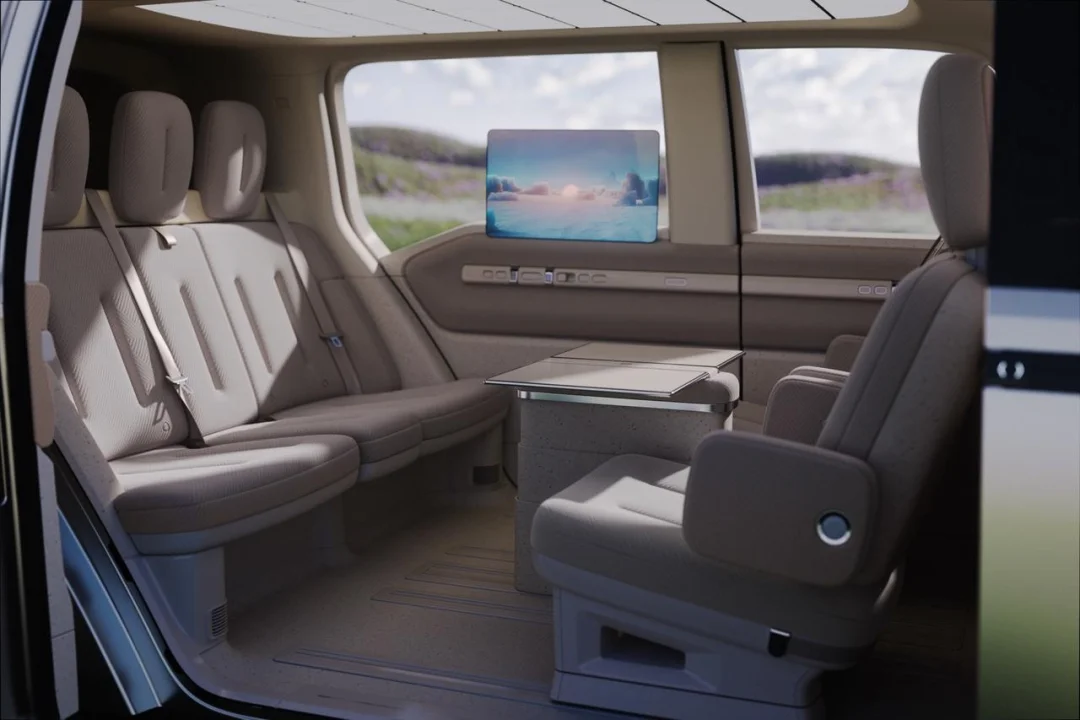
Despite its generous interior space, M-Vision makes a compromise: no third-row 6- or 7-seat configuration; five seats suffice. From an engineering perspective, adding another row of two seats is not difficult. However, as a Robotaxi targeting the urban short-trip market, five seats combined with swivel front seats provide the optimal user experience.
Turning back to the interior design, I initially stared at the shiny bulge on the dashboard, puzzled about its purpose. It was only when Zeekr Vice President Yang Dacheng explained it that I understood: although autonomous driving significantly reduces collision risks, Zeekr still installed airbags. With no traditional dashboard, exposing raw components would look unfinished, so they designed it as a piece of art.
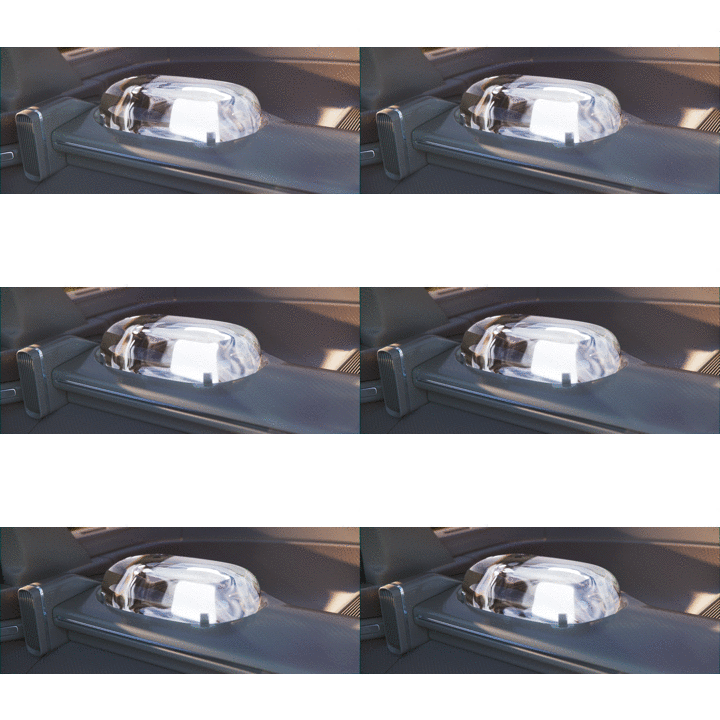
So you’ve probably noticed: during driving, stay facing forward and don’t rotate the seats. After all, you wouldn’t want an airbag deploying into your back instead of your face.
When it comes to safety, M-Vision’s design was jointly developed by Zeekr’s European Center for Vehicle Technology (CEVT) and its Chinese R&D team, meaning its safety standards naturally account for global markets: it meets the five-star NCAP safety requirements in China, Europe, and the United States, as well as the highest safety ratings from the US Insurance Institute for Highway Safety (IIHS).
We are constrained by current technology; seemingly boundless imagination is still limited by existing experience. Below M-Vision’s airbags sits a large central display pad. While I remain skeptical about future vehicles relying on screen-tap interactions, this is indeed the best solution currently imaginable.
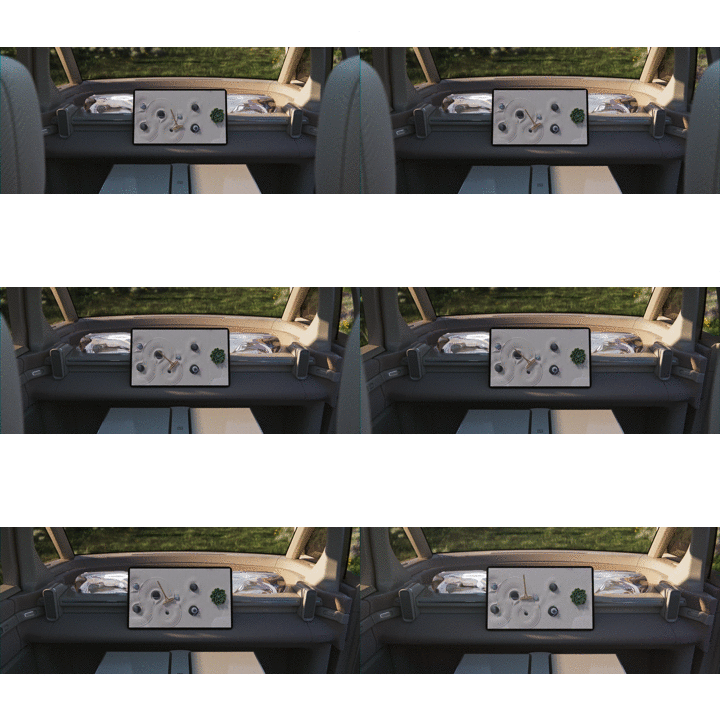
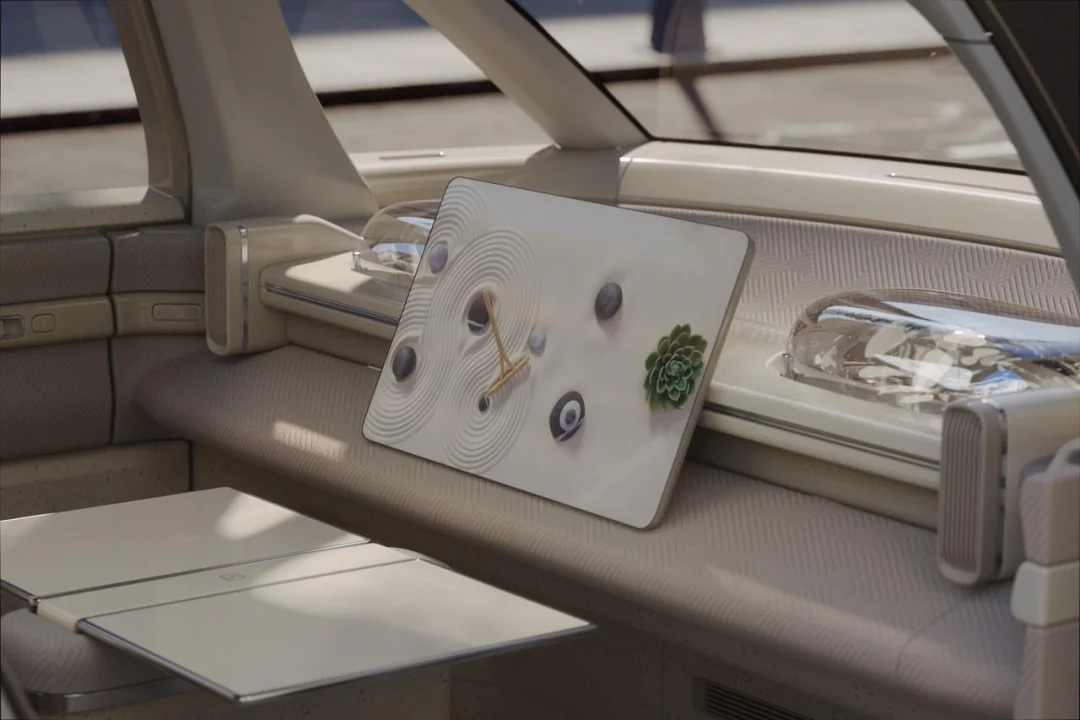
Key point: M-Vision is close to production status. This is precisely why Zeekr sacrificed significant interior space to include two airbags and protrusions behind them. M-Vision can also incorporate physical controls such as brake pedals, accelerator pedals, and a steering wheel, since L4 autonomous driving cannot be achieved overnight and still requires driver intervention and tuning.
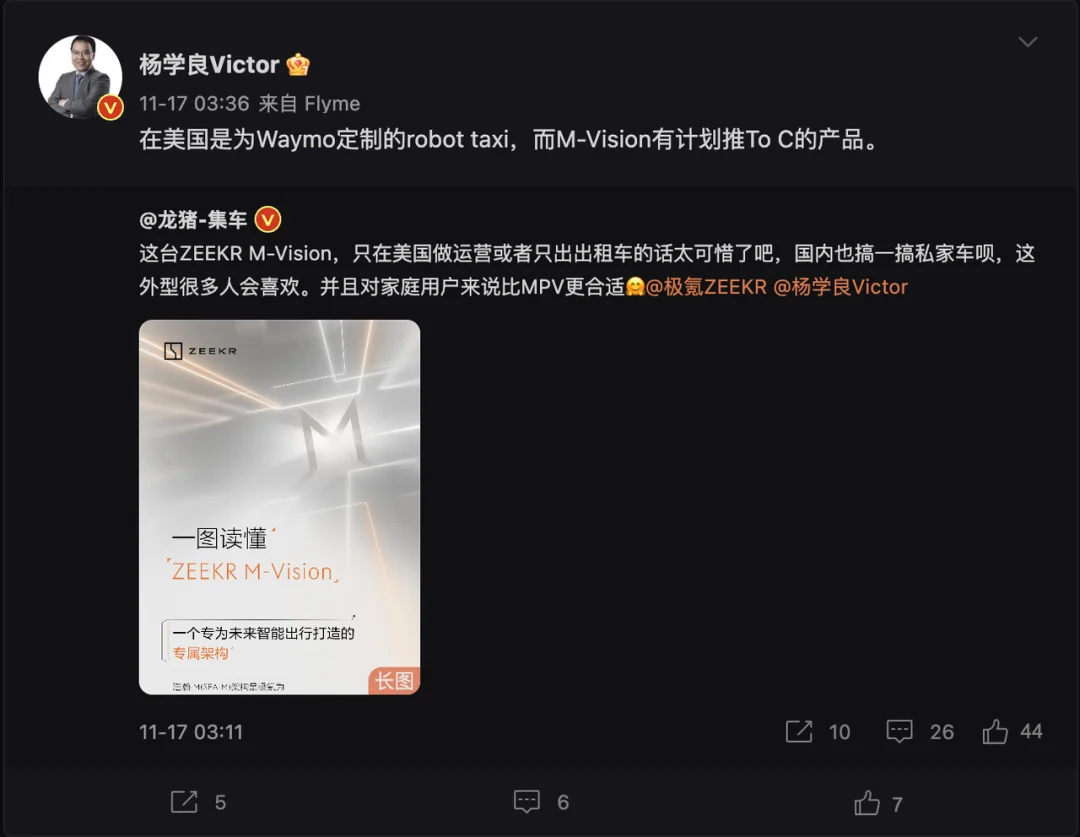
Here’s another major surprise: according to information shared on Weibo by Geely Senior Vice President Yang Xueliang, the M-Vision configuration we see now is actually a Robotaxi built by Zeekr for Waymo. Furthermore, Zeekr plans to launch consumer-facing (To C) products based on M-Vision in the future.
According to unverified rumors, the consumer-facing M-Vision will be led in design by Zeekr’s Chinese team. The sliding doors and B-pillar-free layout will be retained, with the vehicle carrying the internal project code CM2E.
This is likely Zeekr’s second MPV product following the Zeekr 009. Based on the current lineup, this model is expected to adopt a staggered positioning strategy relative to the Zeekr 009, targeting the RMB 300,000–400,000 family market. If true, it would be an engaging MPV whose individuality and practicality do not fall short of the Volkswagen ID.Buzz.
Following existing market hits with similar product definitions is the lowest-risk approach. After Lixiang, we saw numerous extended-range products; after XPENG, many pure-electric coupes emerged. However, such “following” is ultimately a form of timidity. A company without innovative product definitions may succeed, but it will certainly not be remembered for long.
Looking back at history, the Zeekr 001 achieved strong market performance despite its niche “shooting brake” identity. I hold similarly high expectations for the future M-Vision.
02Awards: Honoring Two Models of China-US Collaboration
Driven by the wave of ‘deglobalization,’ all parties have somewhat narrowed their windows of openness, and the once-close ‘global village’ has largely closed its doors. One might ask: what has each side gained from the cooperation with Waymo?
We have already clarified Waymo’s gains at the beginning of this article: securing a custom vehicle designed from the ground up for L4 autonomous driving, encompassing both definition and product, as well as software and hardware.
From Zeekr’s perspective, if pre-installed mass-production driver assistance represents grounded, practical work, then its collaboration with Waymo resembles an investment in the future. On one hand, as the leader in Robotaxi commercial operations, Waymo allows Zeekr to enter the market quickly in the future. As leading enterprises in their respective fields of hardware and software, Zeekr and Waymo can give rise to various commercial models and application scenarios in the future, including ride-hailing services.
On the other hand, the successful launch of M-Vision will serve as a model for commercial cooperation, attracting more L4 mobility companies to partner with Zeekr. We have already seen Geely-produced 'London Black Taxi' on the streets of London; who can guarantee that we won’t see 'ZEEKR Robotaxis' filling the streets worldwide in the future?
Finally, with experience gained from customizing vehicles for Waymo, the process for developing the civilian derivative model of M-Vision will be significantly streamlined. This vehicle can also fill the gap in Zeekr’s mid-to-high-end MPV lineup.
Therefore, I not only look forward to seeing M-Vision on American streets in the future but also anticipate such a cute yet practical MPV becoming a refreshing presence in China’s domestic family MPV market.
Written by: Mingming Edited by: Liu San