Lotus For Me: A 'Compromise' for the Obsessive?
There are always people in this world who pursue perfection, even to the point of obsession. They carve 'extremes' into the marrow of their creations through a lifetime of steadfast adherence.
Ferrari’s Enzo Ferrari defined supercar legends with track-bred passion; Apple’s Steve Jobs reshaped tech aesthetics with minimalism; Tesla’s Elon Musk rewrote the new energy landscape with disruptive thinking. And Colin Chapman’s Lotus is another brand that has integrated 'extremes' into its DNA.
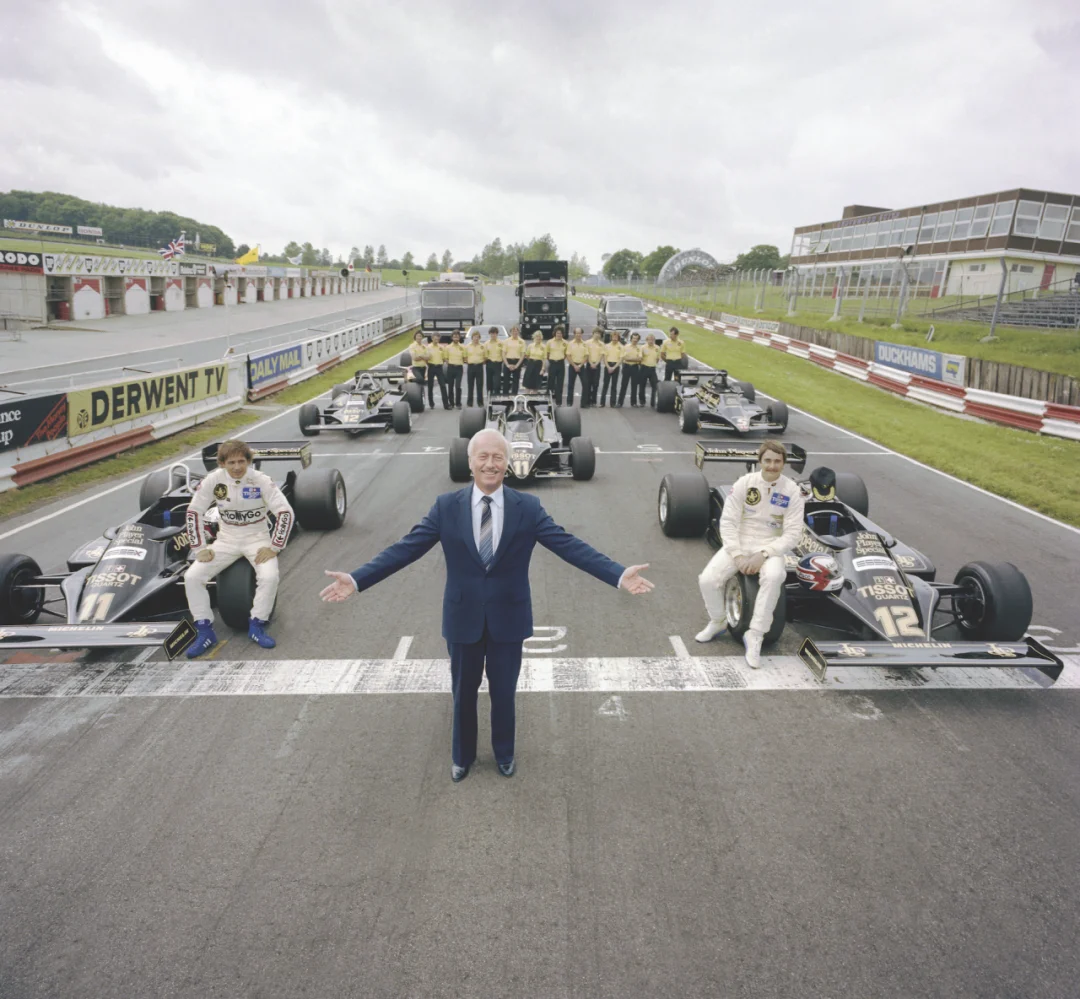
Lotus has been an automotive brand pursuing extremes since its inception. In 1947, founder Colin Chapman began his journey in car manufacturing, from the Mark I prototype built in his backyard to legendary F1 achievements, Lotus’s core pursuit has never changed: not blindly stacking horsepower, but achieving track advantages through extreme lightweighting and aerodynamics, winning with lightness over weight.
It was precisely this pursuit of extremes that led to Lotus’s glorious seven F1 World Championships. This ethos continued in its later consumer sports cars. While others chased high horsepower, Lotus became the driving benchmark in the sports car segment thanks to its extreme lightweighting and handling. Even as it entered the all-electric era, Lotus maintained this attitude. Unlike many supercar brands that chose hybrid routes, Lotus went straight into pure electric vehicles, both in consumer cars and supercars, such as the Hypercar Evija, which broke the Nürburgring lap record.
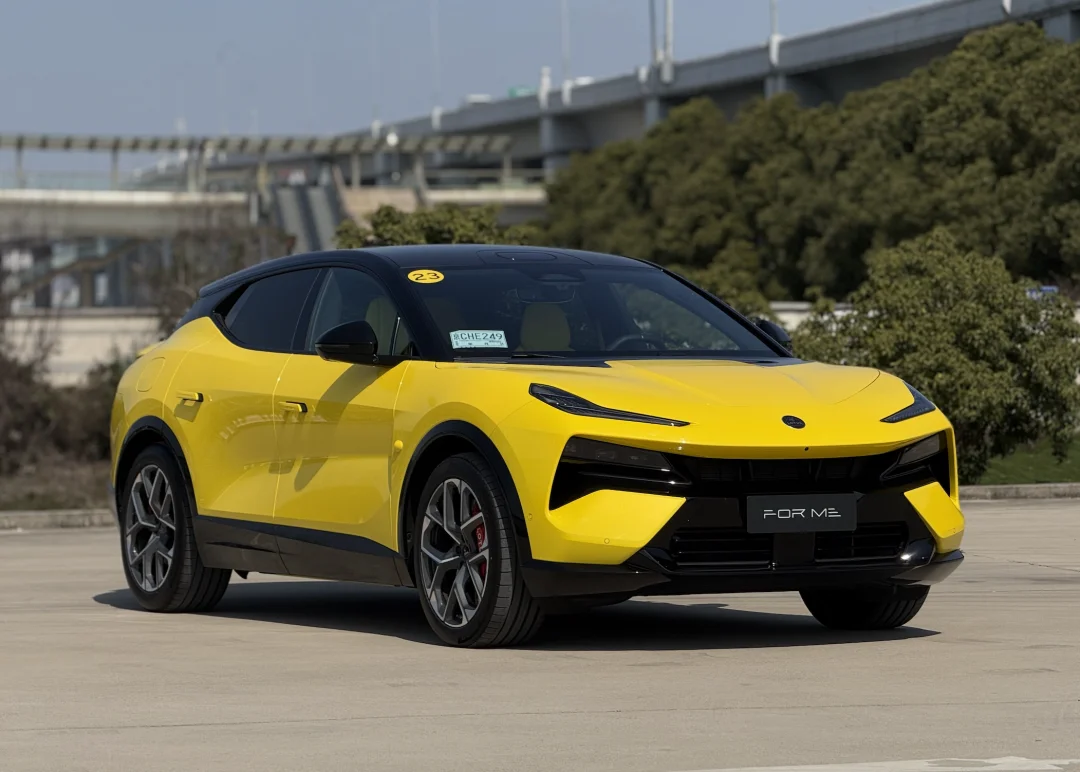
However, the brand recently did something that seems to 'violate its ancestral teachings': it released Lotus’s first super hybrid model—the For Me, equipped with a 2.0-liter turbocharged engine. Although the relationship between performance and displacement is no longer as close in the new energy era, for a high-performance brand, this somewhat contradicts traditional perceptions. After all, small-displacement plug-in hybrids for high-performance brands often represent compromises in technology and the market.
This naturally raises a question in our minds: Has the Lotus we know really changed?
Why Develop a Super Hybrid
If you are familiar with Lotus's history, you will notice that the brand has always been unconventional in its choice of powertrains. From early Ford engines to later Cosworth, Toyota, and AMG units, and even including self-developed engines along the way, Lotus has never adhered to specific displacement criteria as many high-performance brands do.
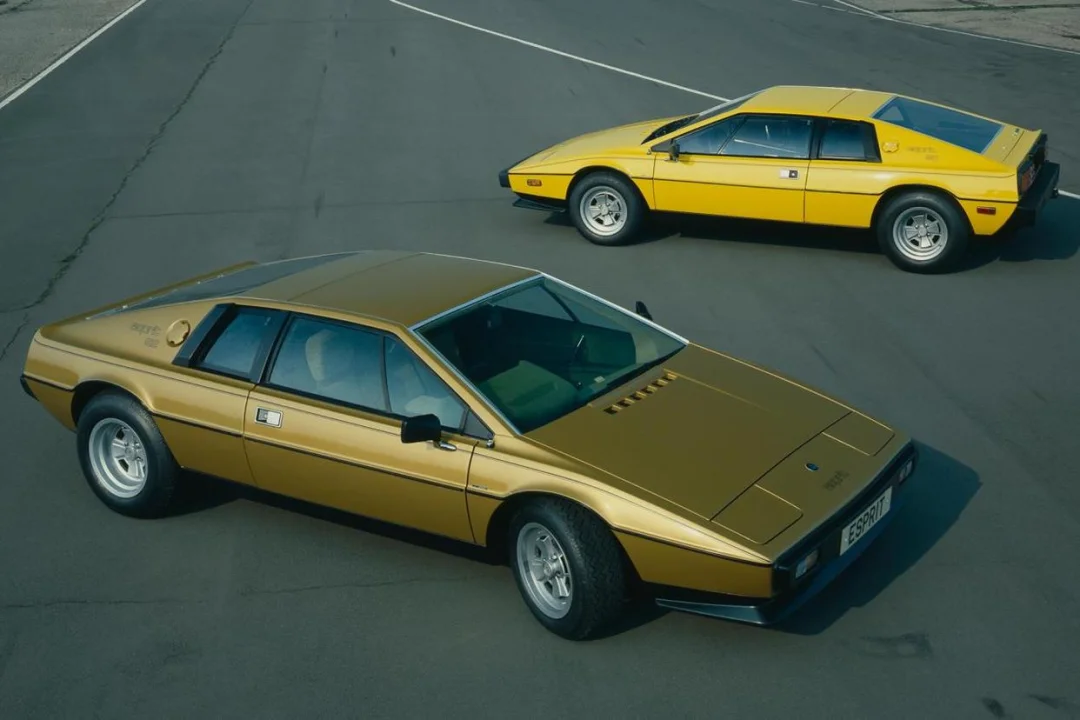
For Lotus, what matters most in vehicle development is aerodynamics, lightweighting, and chassis tuning. The brand believes these are the critical elements, so it customizes powertrains to fit extreme handling logic rather than chasing singular peak performance data.
Consequently, large-displacement engines have never been Lotus's first choice. Aside from Formula 1, the brand has not used engines larger than six cylinders in its consumer vehicles. While displacement can crudely boost performance, it also adds weight—a compromise incompatible with Lotus's brand DNA.
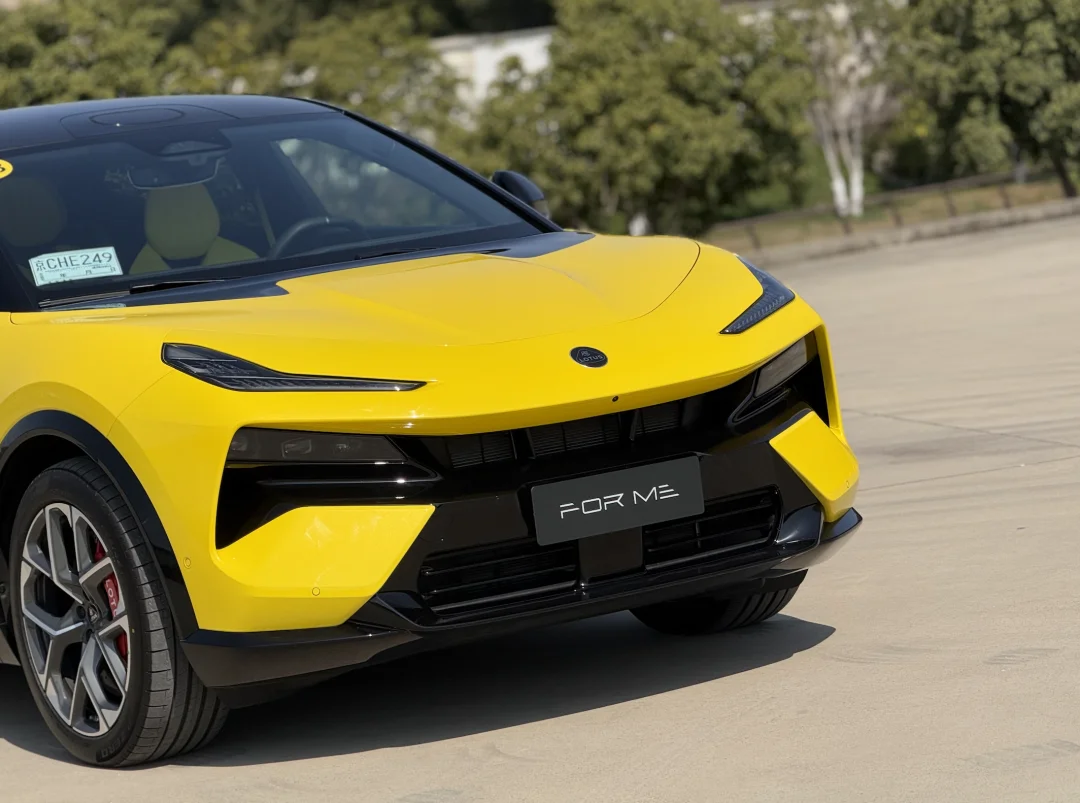
Therefore, using a 2.0-liter turbocharged engine in the For Me carries no historical burden for Lotus. The focus is simply on ensuring this super hybrid system delivers performance comparable to pure electric vehicles, providing outstanding power to the driver at all times.
Some might ask: Isn't Lotus's pure electric performance already strong enough? Why introduce a plug-in hybrid? Indeed, upon entering the electrified era, Lotus leveraged the absolute performance advantages of electric motors to pursue even stronger capabilities while maintaining its signature aerodynamics and chassis dynamics, resulting in models like the Eletre and Emeya. However, pure electric vehicles face limitations such as range and charging infrastructure, and their performance-oriented positioning limits their ability to meet diverse usage scenarios.
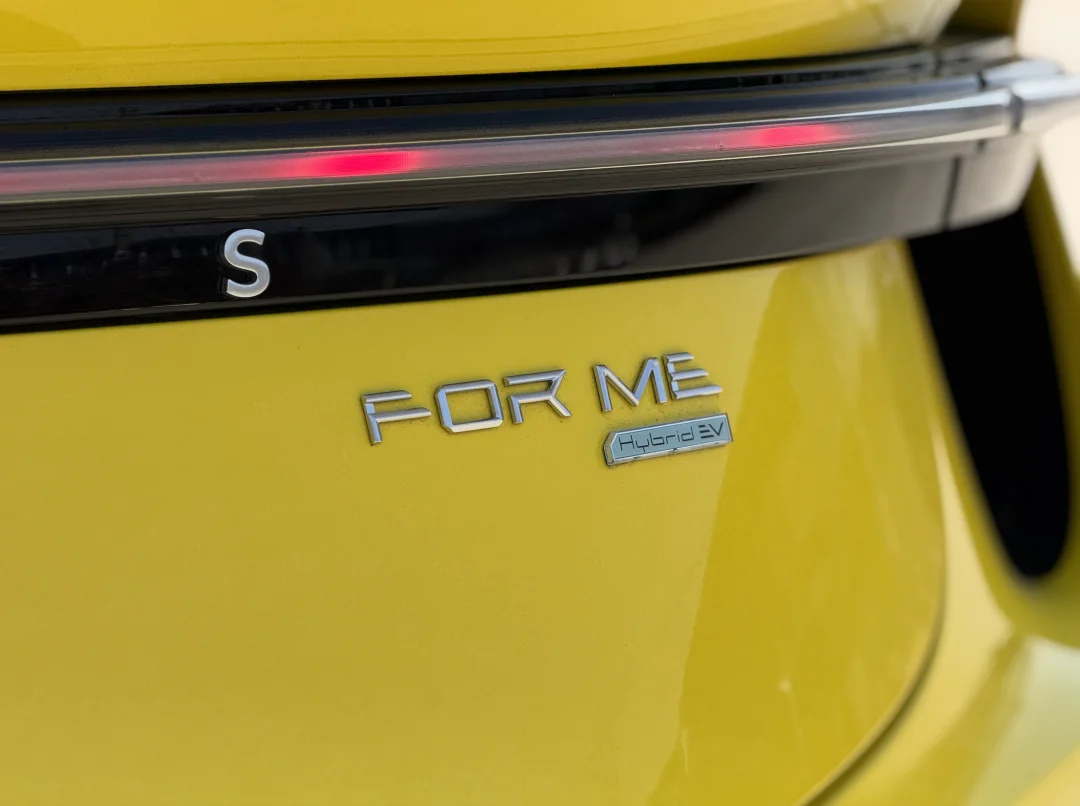
For buyers in this price segment, a SUV is often expected to be versatile. The super hybrid powertrain is indeed an excellent choice: it delivers outstanding performance without the anxiety of refueling or recharging. Backed by Geely’s deep technical reserves and scaled-up capabilities, Lotus can further reduce purchase costs for users—making it a smart move.
Interestingly, thanks to this high-performance plug-in hybrid system, the For Me has become the most powerful Lotus model available in the Chinese market.
Most Powerful in Its Class
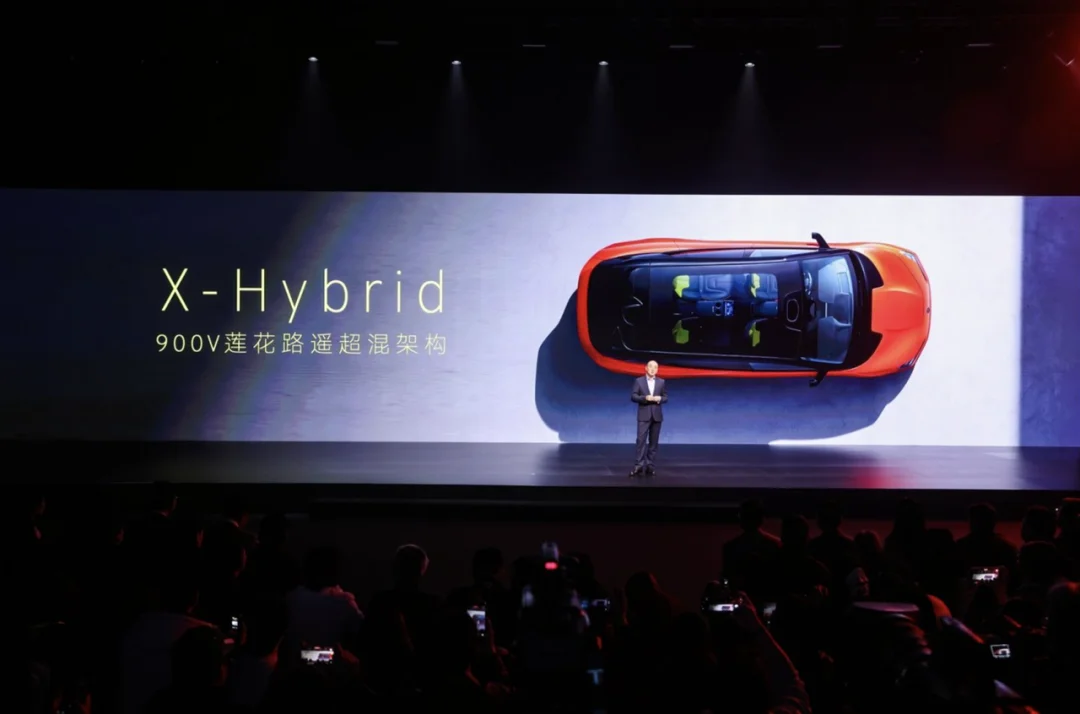
The X-Hybrid Luyao Super Hybrid Architecture powering the For Me is not a conventional plug-in hybrid system as one might expect; rather, it is a powertrain structure designed with high performance as its core focus.
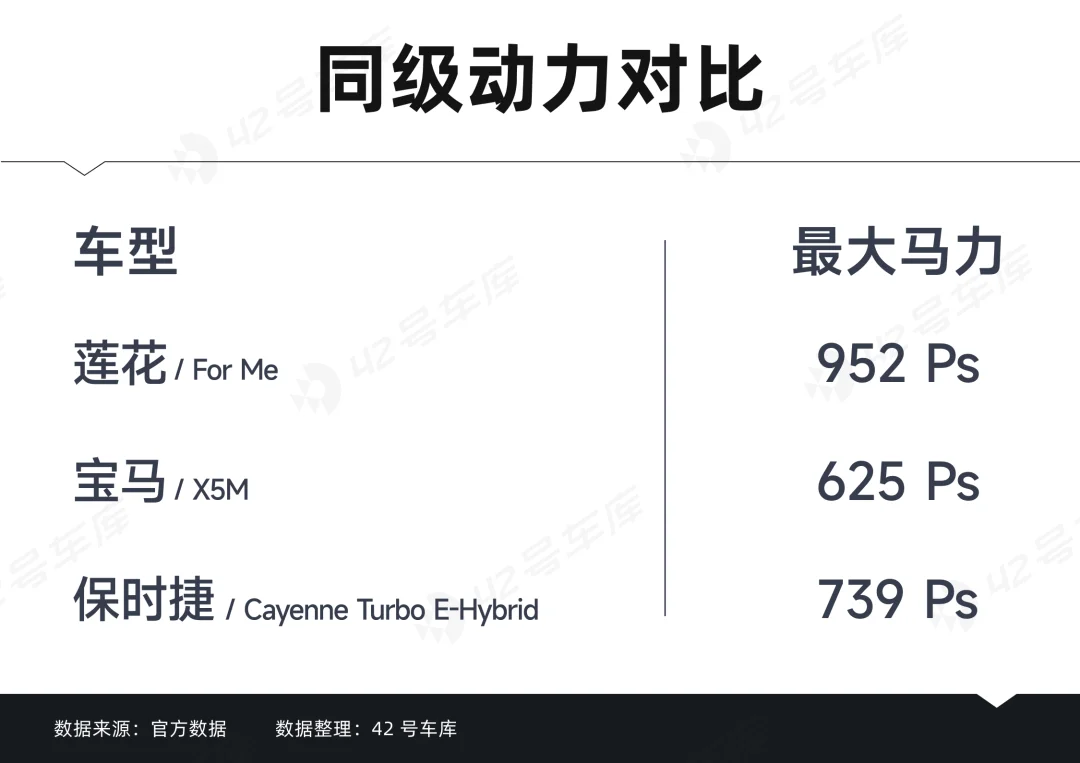
First, the power figures: a 2.0T engine paired with dual electric motors brings the system's maximum horsepower to 952 Ps, far exceeding that of the BMW X5M and Porsche Cayenne Turbo E-hybrid in its class, making it the highest-horsepower model among luxury brand SUVs currently sold in China. Considering the price gap, for less than the cost of a standard 2.0T BMW X5, you can get more power than an X5M. Moreover, beyond stronger performance, the For Me boasts larger body dimensions, a higher-quality interior ambiance, and better intelligent capabilities; in this segment, the Lotus For Me is highly competitive.
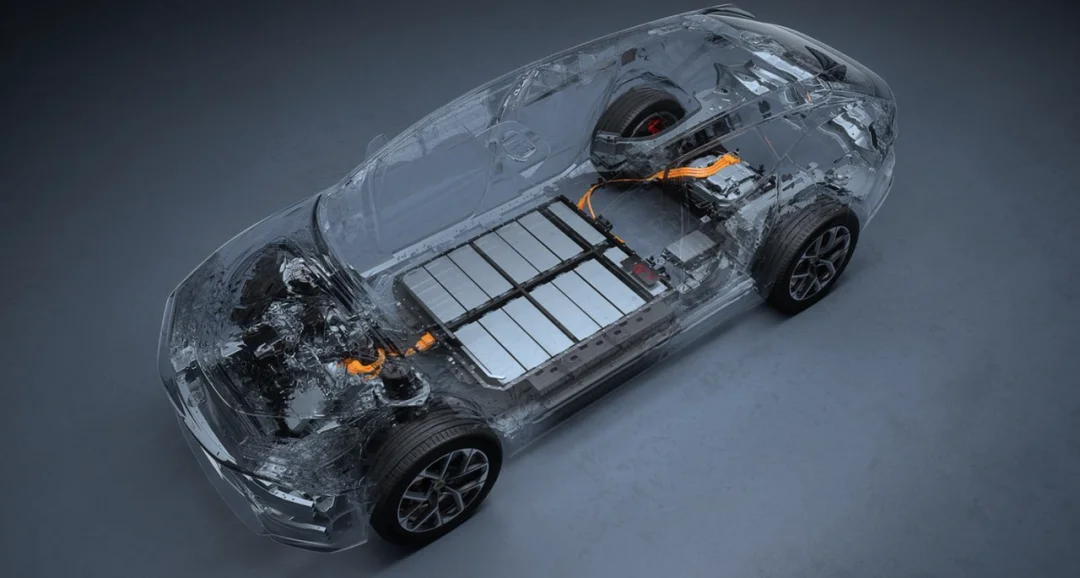
Regarding concerns about how plug-in hybrids maintain performance, particularly under depleted battery conditions, Lotus’s solution is to equip the vehicle with a larger-capacity battery featuring a higher charge and discharge C-rate. The battery in the Lotus For Me reaches 70 kWh, operates on a 900 V high-voltage architecture, and supports a maximum discharge rate of 11 C. Paired with a 150 kW high-power generator, the For Me can lock the state of charge between 30% and 80%, ensuring the battery remains in a sufficiently charged range.
Thanks to its powerful discharge capability and advanced energy management strategy, this system avoids the common plug-in hybrid issue where performance drops significantly when the battery is low. Even in a depleted state, the For Me achieves sub-3-second acceleration, with only a minimal difference from its fully charged 3.3-second time, demonstrating formidable power.
In addition to discharge performance, the For Me’s battery supports a 6C charging rate, enabling charging power exceeding 400 kW—a level considered high even among pure electric vehicles. Combined with a CLTC-rated pure electric range of 420 km, using the car primarily as an EV offers a better user experience through less frequent charging needs and faster replenishment speeds.
For example, many Lotus owners are driving enthusiasts who might drive the For Me from Shanghai to the Zhejiang International Circuit for a track day on the weekend. They can choose to drive there using the engine to preserve battery charge, allowing them to unleash full performance on the track without the awkwardness of needing to charge before driving. If the battery depletes after several laps, they can quickly recharge at a station to continue setting lap times. Alternatively, if not in a hurry, they can fully charge after the track day and drive back to Shanghai in pure electric mode—essentially, save where you can, spend where it counts.
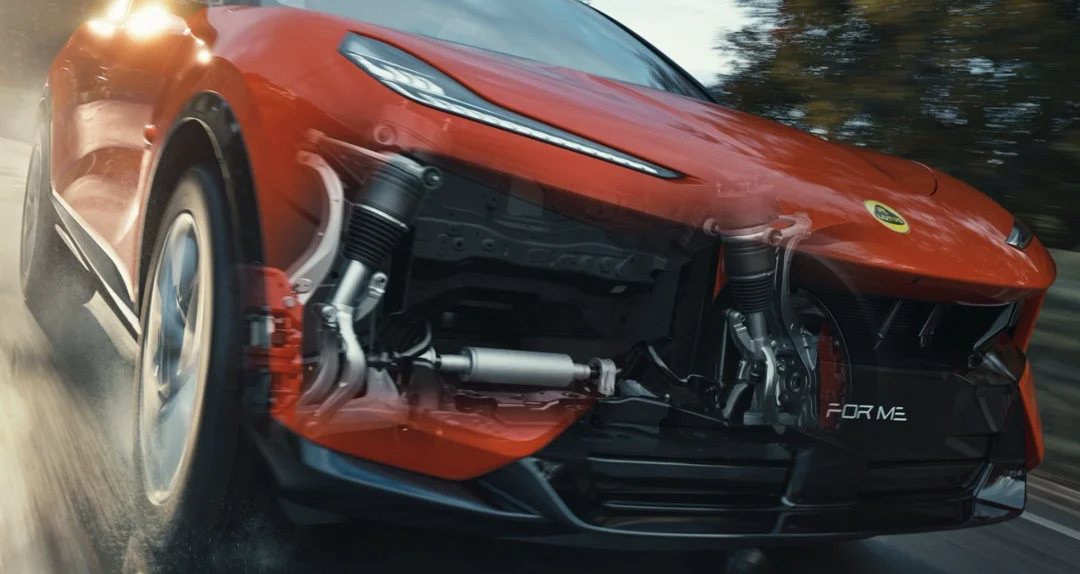
However, for Lotus, the key challenge is harnessing such substantial horsepower, aligning with their statement at the launch event that "uncontrolled horsepower is worthless." As Lotus’s current highest-horsepower model, the For Me features high-spec chassis hardware, including dual-chamber air springs, dual-valve CCD adjustable dampers, and a 48 V active anti-roll bar. It also employs Lotus’s 6D Digital Chassis, which uses 22 sensors for real-time monitoring, combined with Lotus’s exclusive chassis engineering team, to maximize the potential of these components.
The Driving Experience Is the Surprise
This is the most powerful Lotus currently available in China, and it boasts the highest horsepower among luxury brand SUVs. Yet with this model, Lotus has shifted its character: it is no longer as aloof, but rather more approachable. Particularly when driven in Comfort mode, the light steering, compliant suspension, and quiet cabin make you feel as though you are behind the wheel of an ordinary family SUV.
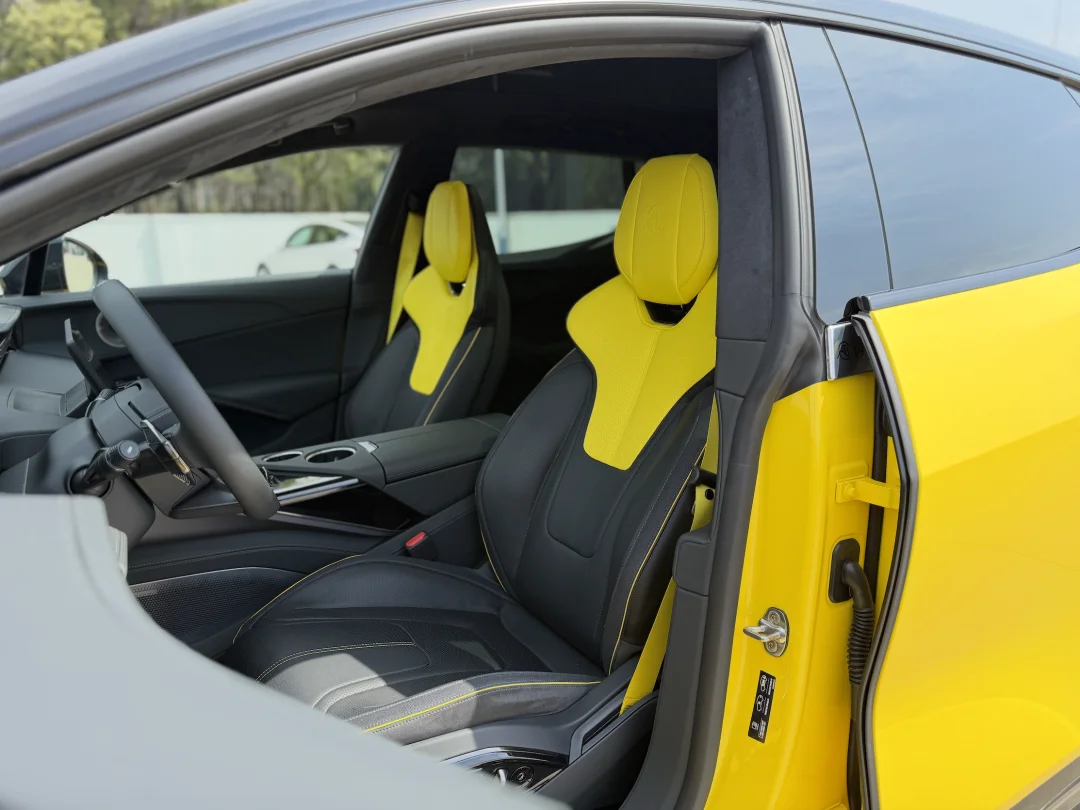
This sensation is unlike anything previously experienced in other Lotus models; even the Eletre, another SUV from the brand, feels significantly more hardcore than the For Me. Beyond driving dynamics, the For Me also places greater emphasis on passenger comfort. Lotus has refined the shape and softness of the For Me’s seats for a more comfortable ride. Undoubtedly, the For Me introduces some domestic attributes to the vehicle, moving away from the pure hardcore driving machine image of the past.
Of course, if you crave excitement, the Lotus For Me will not disappoint. Switching the drive mode to Sport brings back the familiar Lotus spirit instantly. The side bolsters of the driver’s seat clamp down firmly, the steering becomes noticeably heavier, and you can clearly feel increased vibration through your seat. These cues remind you to prepare for the 952 horsepower.
Although the power is strong, the Lotus For Me's power delivery tuning is not aggressive. Unlike many cars where the throttle pedal feels twitchy in the initial stage, constantly trying to tell you how much horsepower it has, if you press the pedal gently, its initial power response can even feel a bit lazy. However, as you continue to press down, you will get very linear power response. Of course, if you stomp on the pedal, the 952 horsepower will launch you forward without mercy.
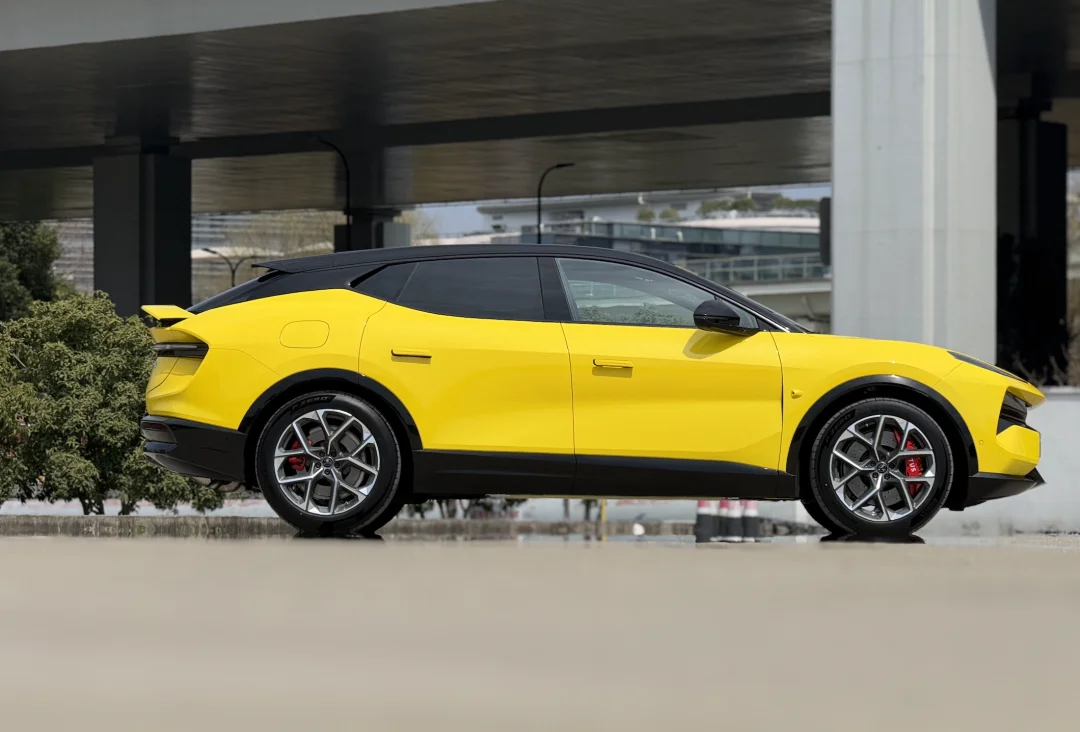
However, straight-line speed is no longer rare for modern electric vehicles. What preserves Lotus’s dignity in the For Me is its cornering performance. In Sport mode, the steering damping feels naturally heavy, and every steering input is met with a very composed vehicle response: the front end reacts quickly but does not feel nervous or twitchy. Especially when paired with this chassis, thanks to the 48V active anti-roll bar, the For Me exhibits minimal body roll during rapid lane changes or when navigating ramps, stabilizing the vehicle quickly.
This feature not only raises the vehicle’s handling limits and cornering performance during driving but also enhances daily ride comfort. This is particularly beneficial when carrying other passengers; better roll control ensures a smoother ride, with a more noticeable improvement for rear-seat occupants. While electric vehicles have often been criticized by consumers for causing motion sickness, passengers in the For Me should find little reason to complain.
As for the 2.0-liter engine, my impression after driving it is that it is one of the least noticeable components in this car. Even when flooring the accelerator in fuel-priority mode, the engine noise transmitted into the cabin is remarkably subdued; without careful listening, it is easily drowned out by road noise.
The most striking aspect of the For Me experience is how Lotus has unprecedentedly trimmed away its usual 'sharp edges' for the user. In Comfort mode, it drives and feels as comfortable as a BMW X5 or Mercedes-Benz GLE—quiet and refined. Yet, once switched to Sport mode, the track-focused, heart-racing intensity returns instantly.
Final Thoughts
The pursuit of extremes remains unchanged, as does the original intention. Although Lotus’s launch of the For Me—a super hybrid model—does not signify an abandonment of driving pleasure or extreme performance, it reflects a deeper understanding of what 'extreme' means. Lotus’s willingness to embrace electrification decisively, driven by its obsession with performance, demonstrates a courage not all heritage brands possess. By refusing to adhere to a single powertrain, Lotus aims to deliver driving passion to more people through suitable power forms. This is the 'extreme' Lotus pursues.
This commitment to extremes empowers them to choose diverse powertrain routes. Thanks to the new energy era and Geely’s hybrid technology, the Lotus For Me is designed to satisfy your occasional desire for indulgence while driving, yet also provide warm family outings. These capabilities give this 'extreme' approach greater confidence. You might also say the For Me represents a more pragmatic Lotus.
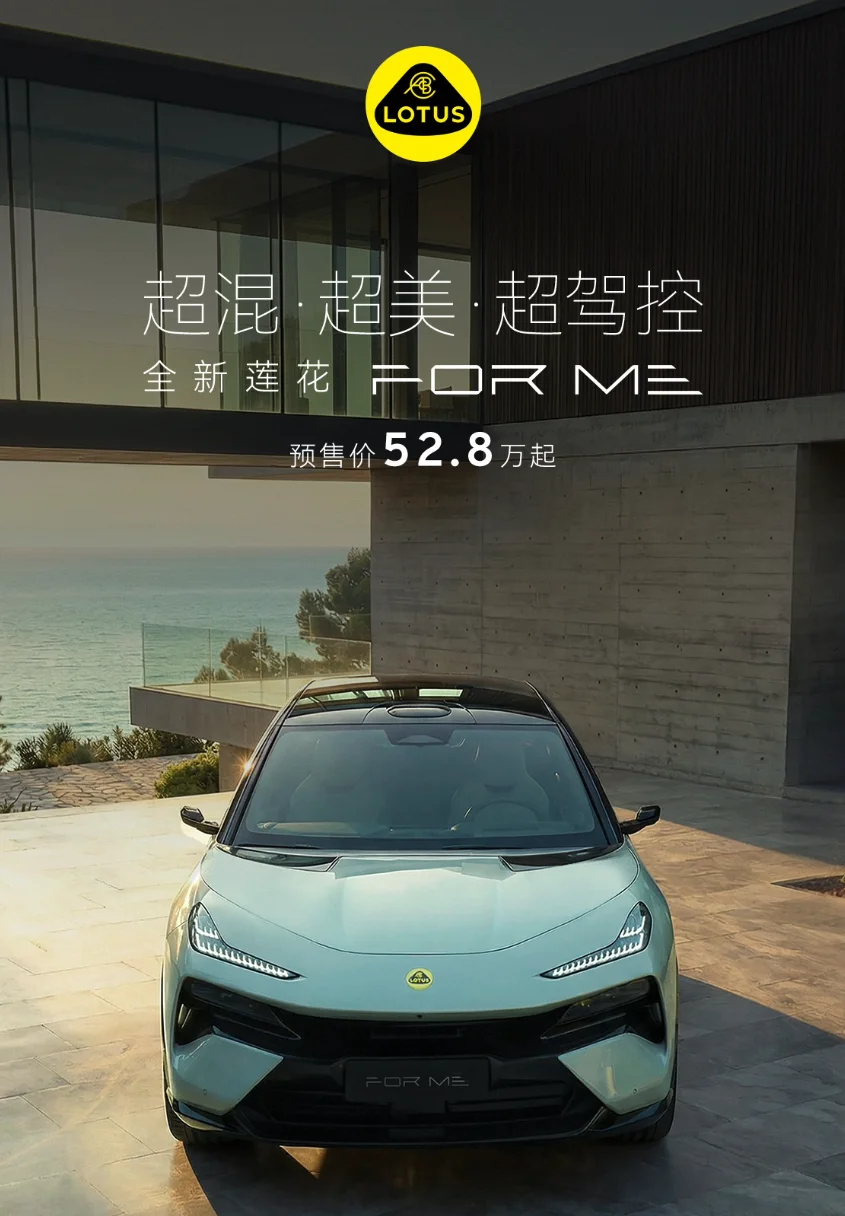
Equally pragmatic is its pricing. Lotus For Me announced its pre-sale prices yesterday, offering two models at RMB 528,000 and RMB 588,000, along with limited-time benefits. Do you find the pricing of Lotus For Me surprising? Share your thoughts in the comments.
Written by: Wentao Edited by: Wentao