


AVATR 11 Launches: How to Choose Between Zeekr, NIO, and Tesla?
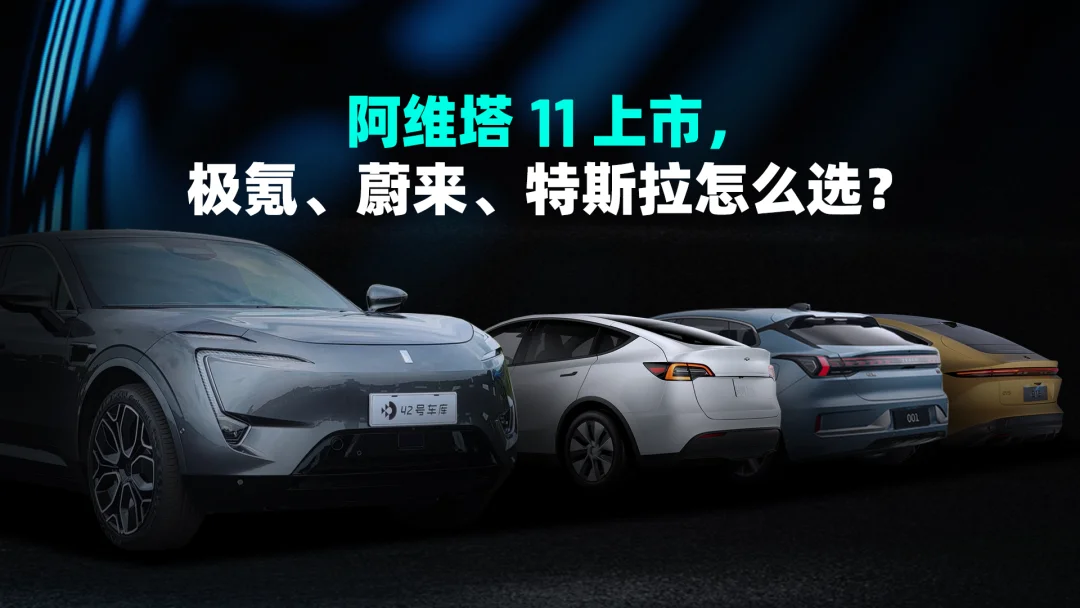
With a budget of RMB 300,000, buyers seeking a well-rounded electric vehicle have a surprisingly wide array of options in the current domestic market.
Setting aside traditional legacy brands—such as BMW’s iX3, the heavily discounted Mercedes-Benz EQC, and Audi’s smaller Q4 e-tron—the new forces have become the preferred choice in this price segment.
Tesla Model Y has repeatedly topped sales charts; Zeekr 001 orders are so strong that transferring them for an additional RMB 20,000 is feasible; and NIO ET5, set to begin deliveries in September, boasts impressive order volumes.
However, for consumers ready to purchase, all three models share a common hurdle: long delivery wait times.
According to official websites, Tesla Model Y delivery cycles range from 10 to 14 weeks (about three months), with long-range versions taking 20 to 24 weeks (around half a year); Zeekr 001 requires at least three months; and while NIO ET5 deliveries start in September, placing a deposit now likely means waiting until next year to take delivery. Notably, neither the Model Y nor the 001 are newly launched vehicles.
As AVATR 11 launches, many members of our interest group have canceled their Zeekr 001 deposits to place orders for the AVATR 11 instead.
What capabilities does the AVATR 11 possess that convince consumers to spend real money to try it out?
01Competitive Pricing
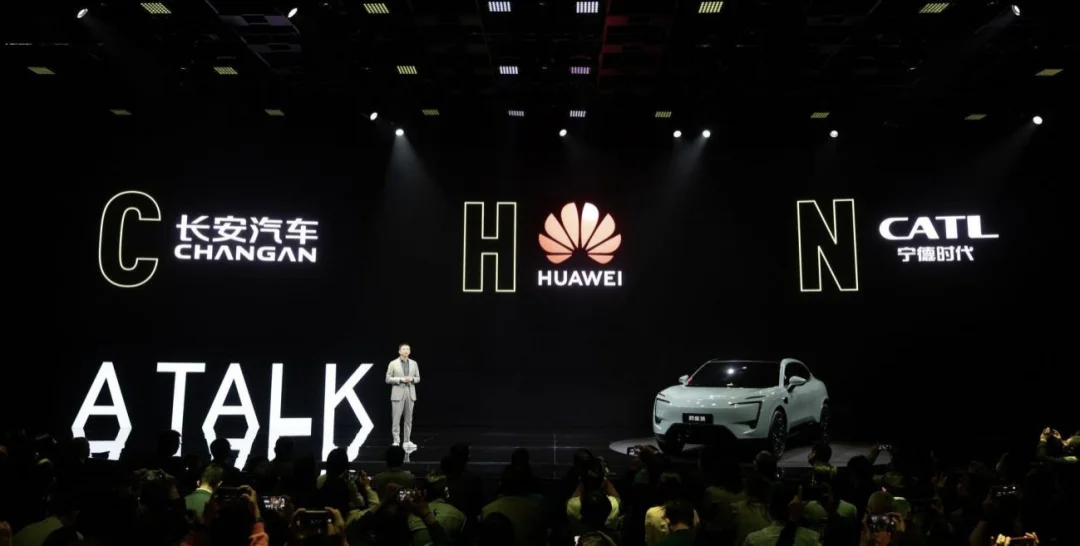
At 8 p.m. on August 8, the AVATR 11 officially launched and simultaneously opened its large-order lock-in period.
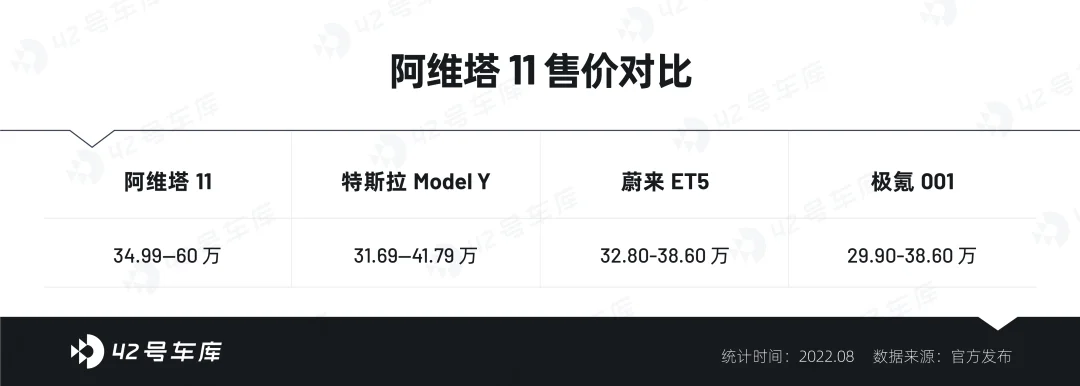
During tonight's launch event, four configurations of the AVATR 11 were announced, with a price range of RMB 349,900 to RMB 600,000. The specific configurations are as follows:
Long-Range Dual-Motor Edition: RMB 349,900 (delivery in December this year);
Long-Range Dual-Motor Luxury Edition: RMB 369,900 (delivery in December this year);
Ultra-Long-Range Dual-Motor Luxury Edition: RMB 409,900 (delivery in the first quarter of next year);
AVATR x 011 Co-branded Limited Edition: RMB 600,000 (delivery in December this year).
The pricing of the AVATR 11 has been a pleasant surprise. With its main models priced between RMB 350,000 and RMB 400,000, it boasts formidable competitiveness among rivals in the same price bracket.
02A Fastback SUV That Isn't a Coupe
Remember when the AVATR 11 first debuted last November? People had mixed opinions about its unconventional SUV exterior, mainly because the AVATR 11's design broke away from traditional perceptions of a coupe SUV.
Especially regarding the front and rear designs, compared to competitors that are already quite innovative, the AVATR 11 has pushed aesthetic boundaries to a new level.
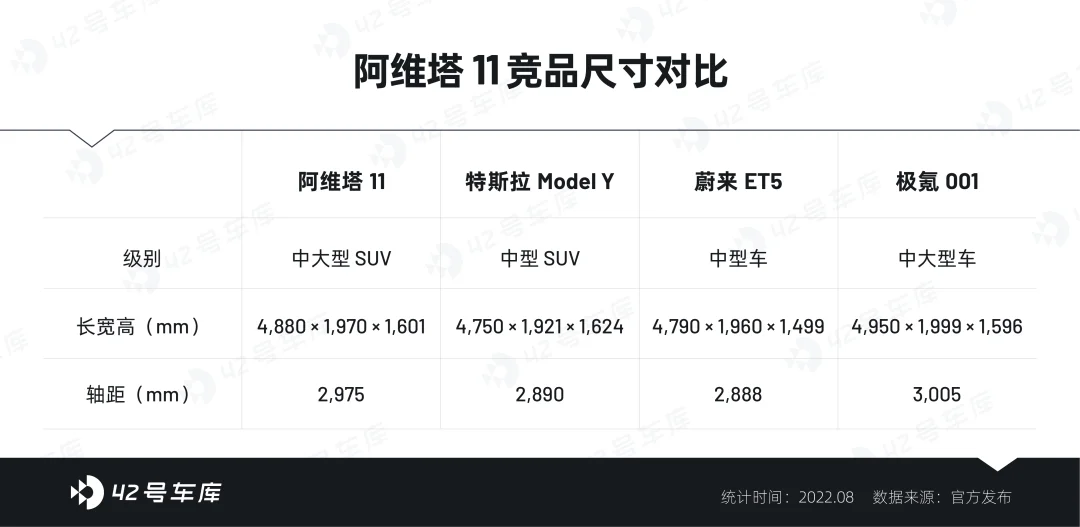
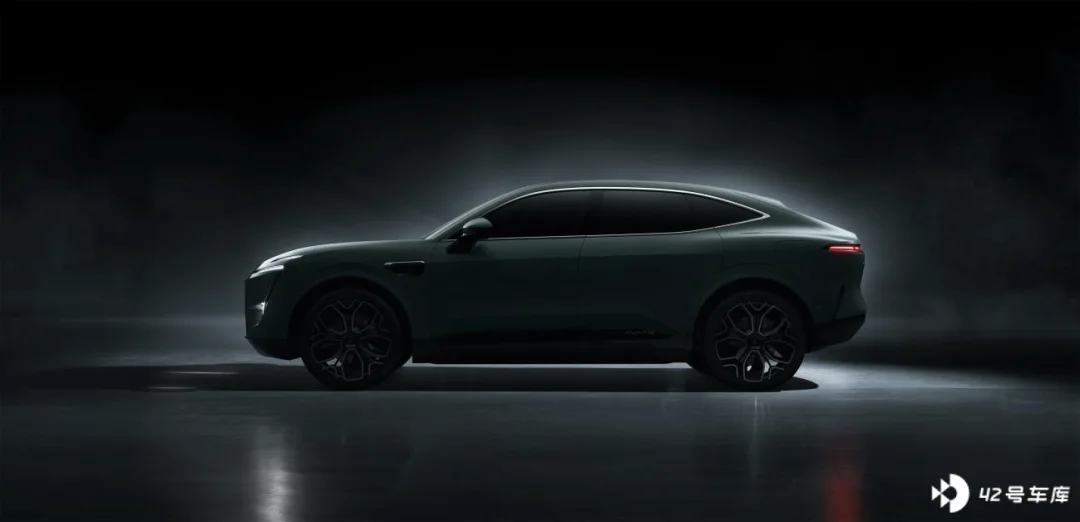
With dimensions of 4,880 x 1,970 x 1,601 mm (length/width/height), the AVATR 11 is positioned as a mid-to-large SUV. Its overall visual presence appears substantial, yet it maintains a low-slung stance typical of the SUV segment. This exterior positioning is similar to that of the Zeekr 001.
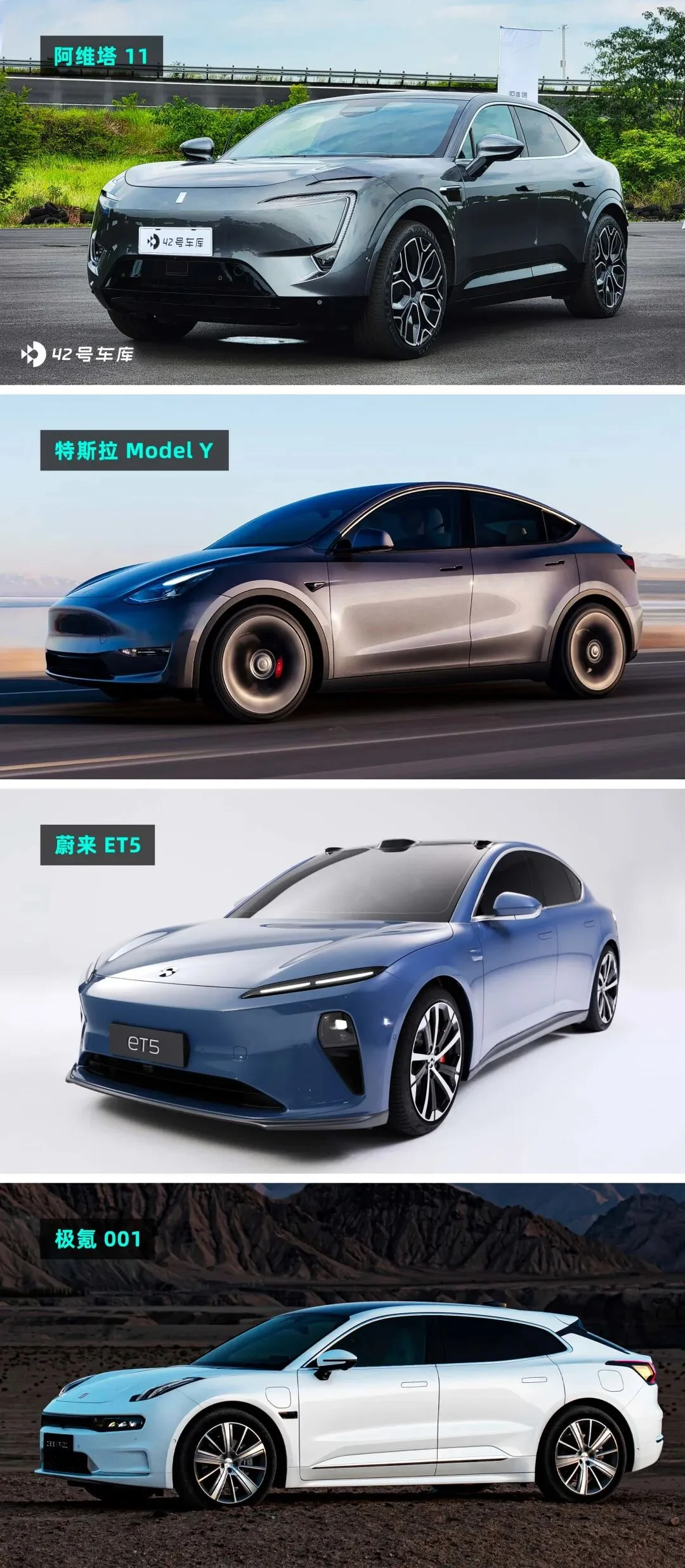
In its front-end design, the AVATR 11 adopts a closed-face grille and split headlamps, similar to the Zeekr 001 and NIO ET5. The two upper strips are daytime running lights (DRLs), with their light clusters extending downward to the lower section of the front bumper. What appears to be fog lamp-like designs at the bottom are actually the main headlamp clusters of the AVATR 11.
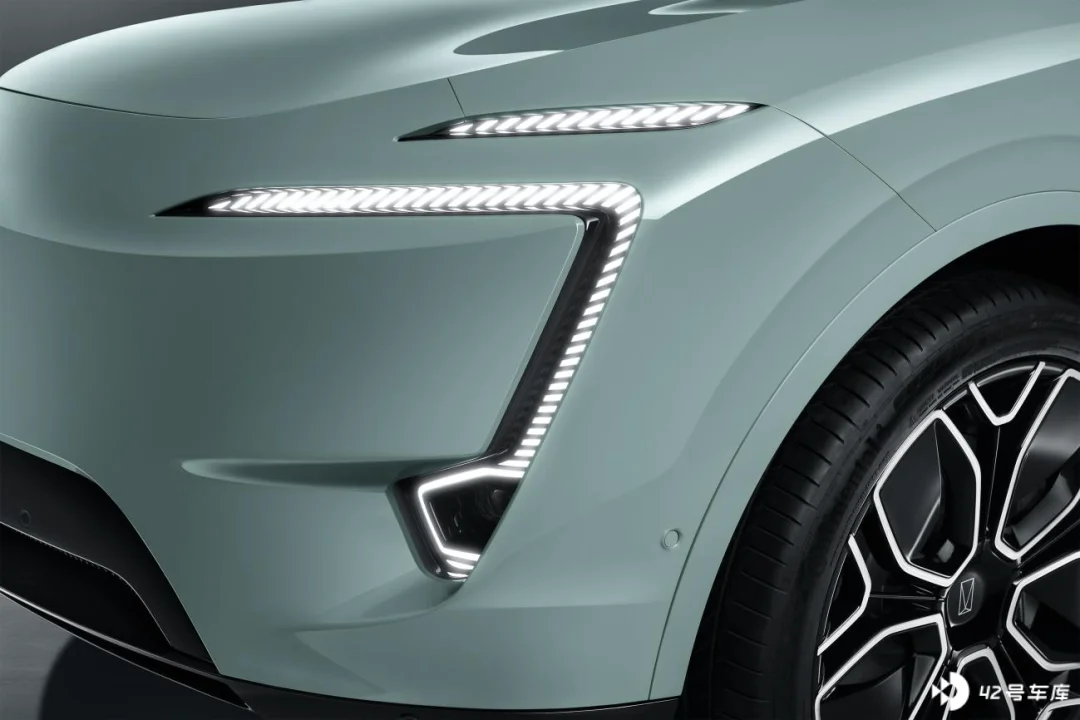
Like the split-headlight design adopted by most vehicles today, the car shapes the DRL lines as the focal point of human visual attention. The combination of dual DRLs and "tear-drop" elements significantly reduces the heavy appearance of the front end. Upon closer inspection, you will also find that the AVATR 11's front fascia closely resembles a robot from science fiction films.
Compared to the family-style front ends of Tesla, Zeekr, and NIO, the AVATR 11 stands out on the road with high recognizability.
Moving to the side profiles, these four cars present four distinct stances.
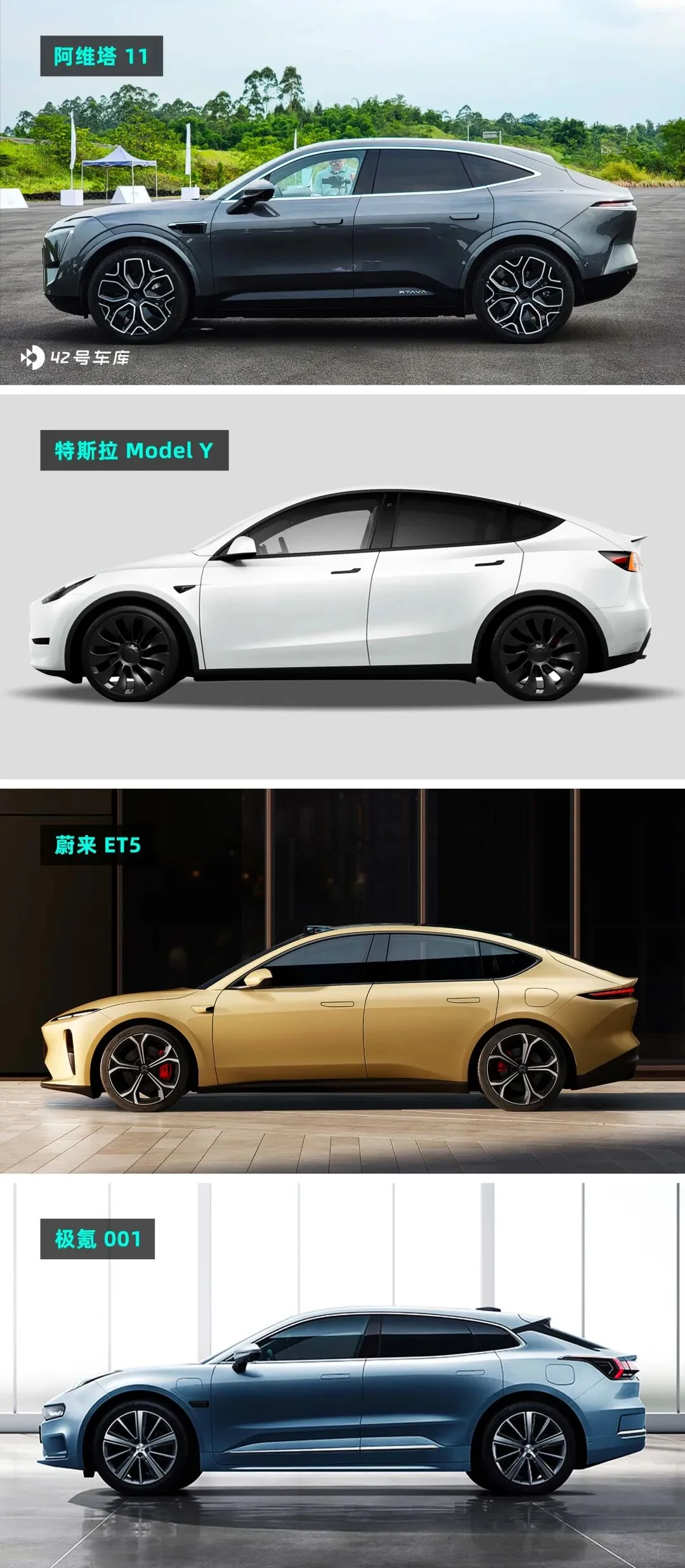
The Tesla Model Y features a standard fastback SUV design. The roofline begins to slope after the B-pillar, mirroring the descent seen in its sedan counterpart, the Model 3. As the line reaches the tailgate, it lifts slightly into a subtle ducktail spoiler.
On the Zeekr 001, the side profile adopts a sporty shooting brake stance. Its elongated body, sedan-like proportions, and steeply raked tailgate make it one of the few pure-electric shooting brakes available today.
Next is the NIO ET5, which also features a liftback design. However, its 1,499 mm body height is distinctly that of a sedan, making the ET5 the most ground-hugging and lowest-slung of the four vehicles, and thus the top choice for users who prefer sedans.
Finally, let's turn our attention back to the AVATR 11. Although the AVATR 11 is a mid-to-large SUV, its body height is actually not very high, and it even appears somewhat low-slung with the 265/40 R22 wheels.
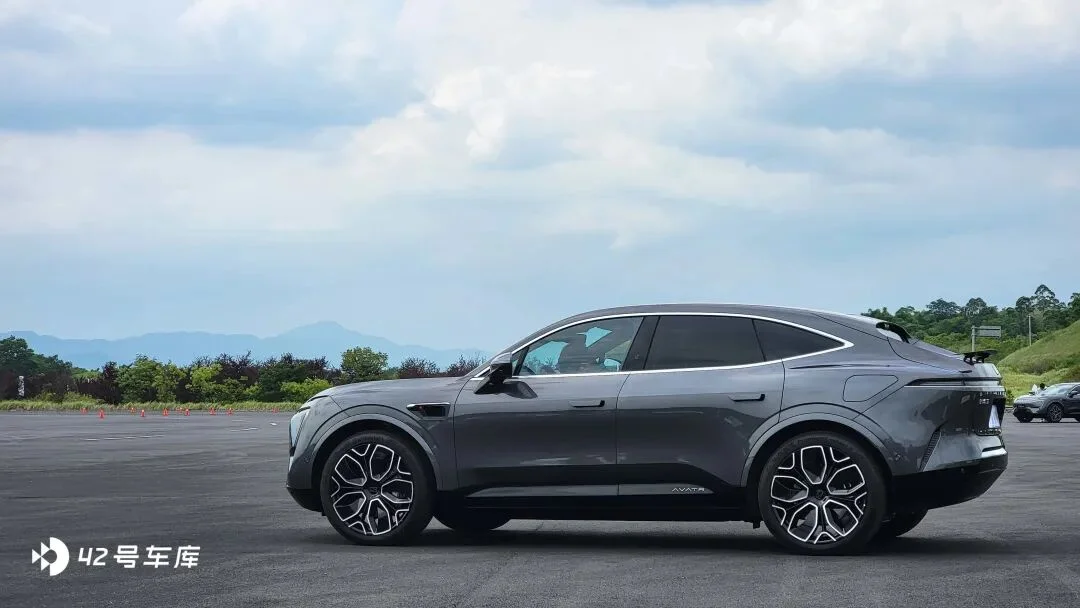
A glance at the body height reveals that at 1,601 mm, it is only 41 mm taller than the Zeekr 001 sedan and merely 33 mm higher than the Volkswagen ID.3 compact sedan. Despite being an SUV, it exudes a strong coupe-like stance.
The rear end is another area where the AVATR 11 distinguishes itself from its competitors.
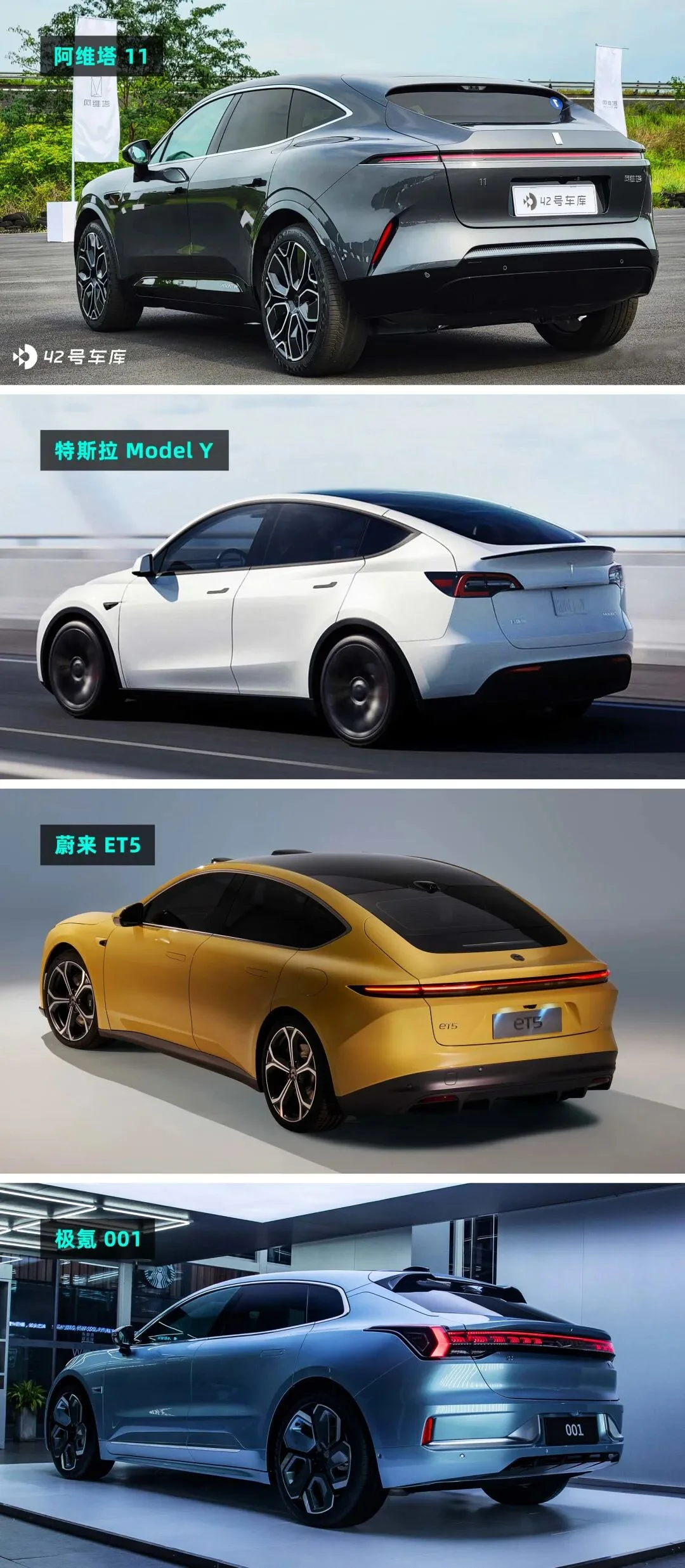
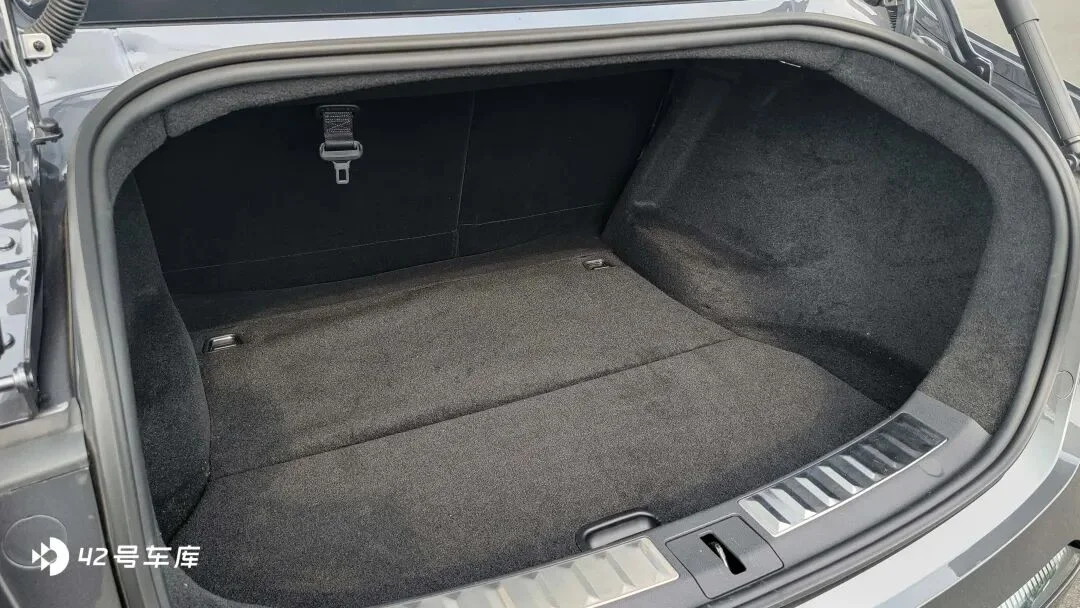
The Model Y, 001, and ET5 all feature liftbacks, meaning their rear glass panels are integrated into the tailgate. In contrast, the AVATR 11 employs a three-box sedan-style design: when the tailgate opens, only the cover lifts, while the rear glass remains fixed. This configuration is quite unique for an SUV.
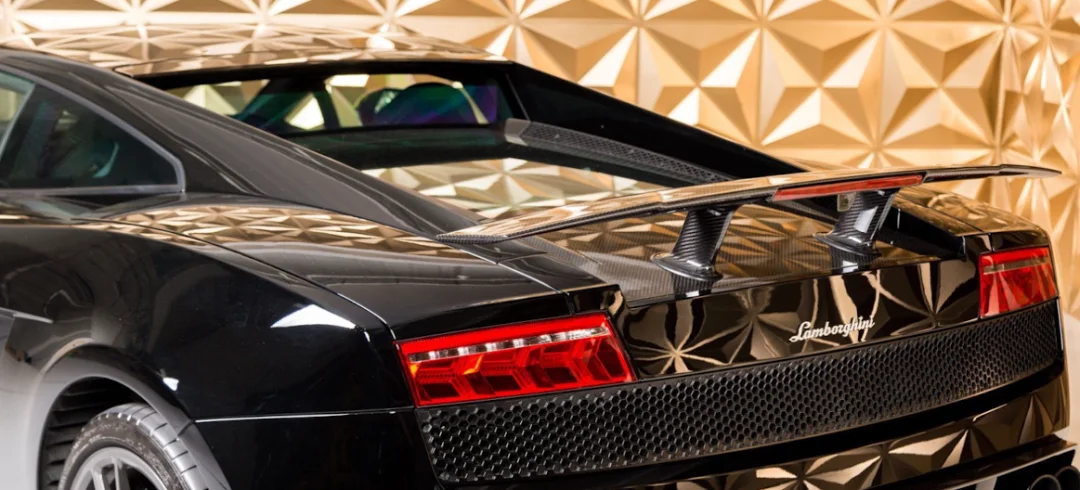
The rear window of the AVATR 11 is positioned at a nearly vertical angle, a design choice that recalls the rear windows of early Lamborghini Gallardos.
This is also where Tesla, NIO, and Zeekr, which have more distinctive family-style characteristics, show greater recognizability and individuality.
Additionally, the AVATR 11 deserves praise for being equipped with a retractable electric spoiler.
While the other three sports-oriented vehicles in this comparison all adopted small ducktail designs, the AVATR 11’s electric spoiler truly steals the show. Combined with the Gallardo-inspired rear window, the car’s dynamic aesthetic is further enhanced.
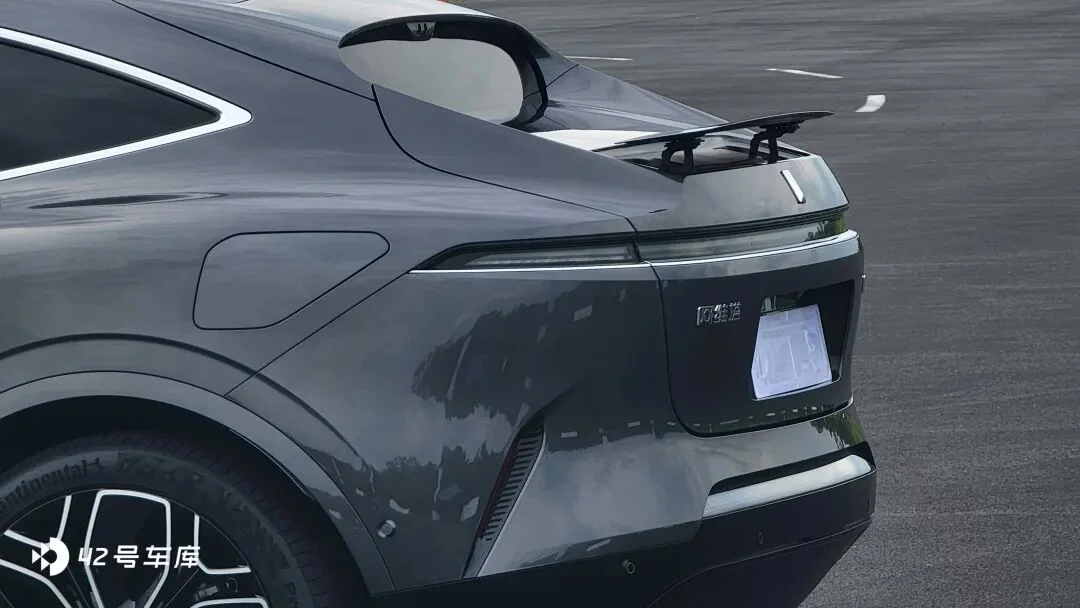
Although the practical utility of an electric spoiler is limited, it remains a fun feature: as the first car at a traffic light, launching forward with the spoiler deployed is quite an experience.
Overall, the exteriors of all four cars possess unique characteristics, each showcasing its own design language. Since their styles differ, buyers can simply choose the one that best suits their personal taste.
03Interior Design: AVATR's Strong Suit
On May 20, AVATR revealed the interior design of the 11. The cabin and interior styling sparked intense discussion upon its debut. For a new brand, garnering such significant attention is quite unexpected.
The reason lies in the design and details of the AVATR 11.
Cabin Design
Placing the interior photos of these four cars side by side makes it clear that all manufacturers are focusing on screens. In an era where screens have become the focal point of the cabin, interior designs are becoming increasingly homogenized. Creating a creative and differentiated interior based on large screens places exceptionally high demands on designers.
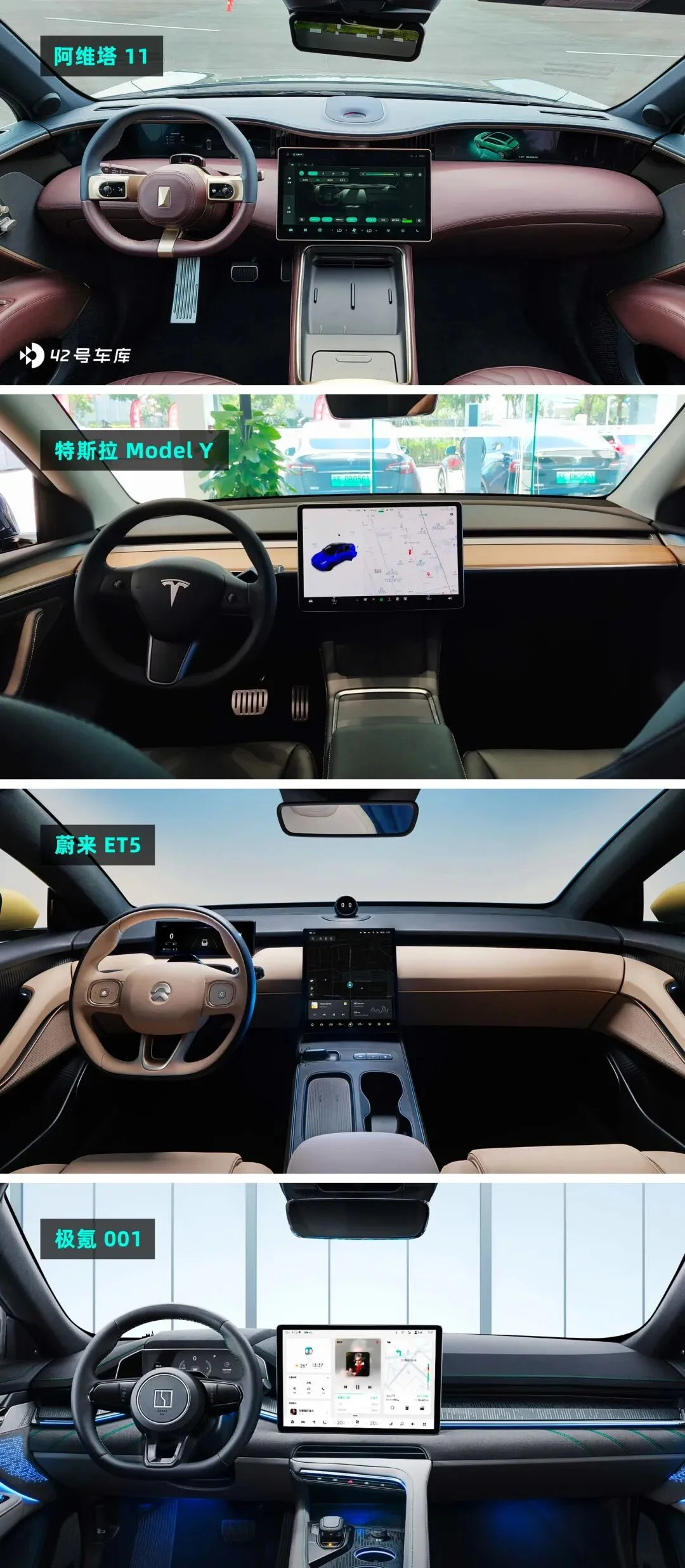
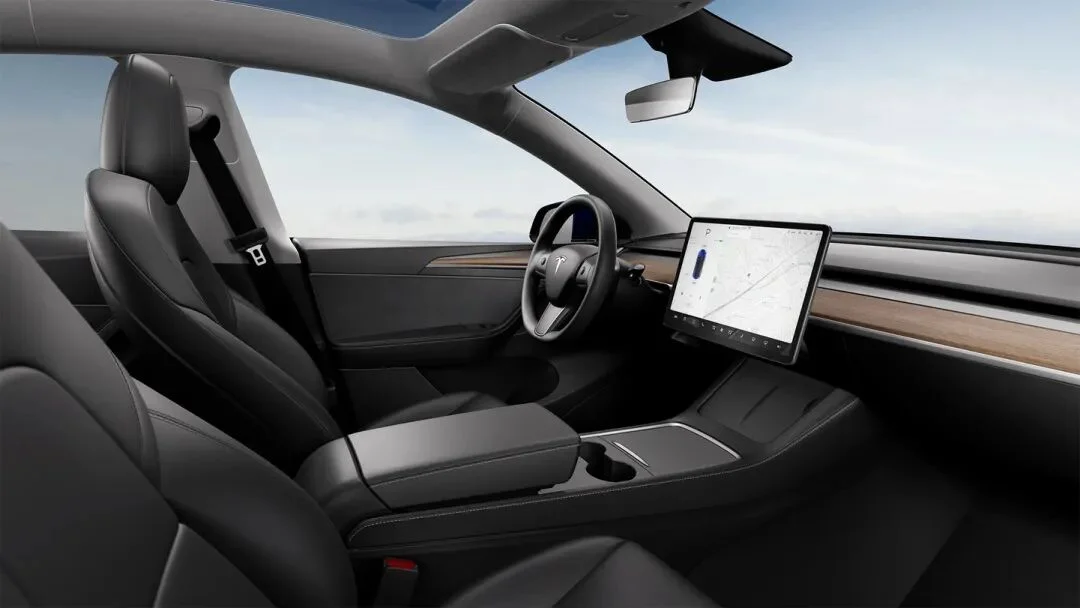
Let's look at the three vehicles with horizontal screen layouts. Tesla takes the most straightforward approach, simply placing a large screen directly onto the empty dashboard. It seems to convey the message: since we rely on screens anyway, just install one large screen—it’s simple and direct.
Even with a horizontal screen layout, domestic brands are particularly attentive to the occupants' comfort. The Zeekr 001’s interior is also centered around its screen, but it features extensive two-tone leather wrapping and trim panels on the center console, effectively creating a sense of luxury.
On the AVATR 11, in addition to the central horizontal screen and the conventional instrument cluster display, there is also a passenger-side screen, creating the currently popular triple-screen layout.
The interior features a rare symmetrical design centered around the dashboard screen, with the instrument cluster and passenger screen seamlessly integrated. Combined with the overall wraparound center console, this design delivers a strong sense of luxury to anyone entering the vehicle.
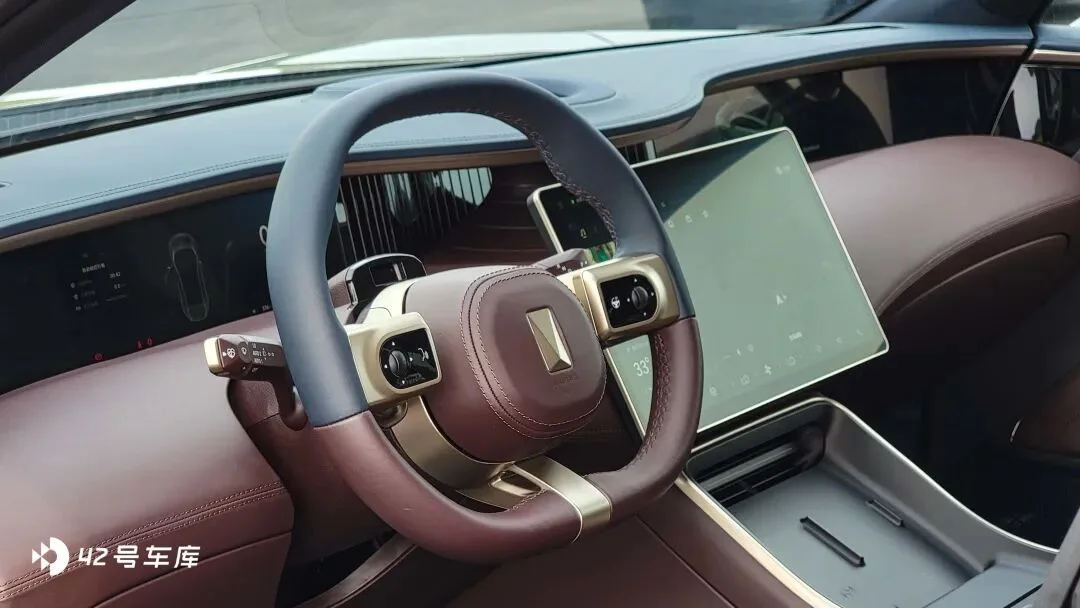
However, the horizontal screen introduces new issues.
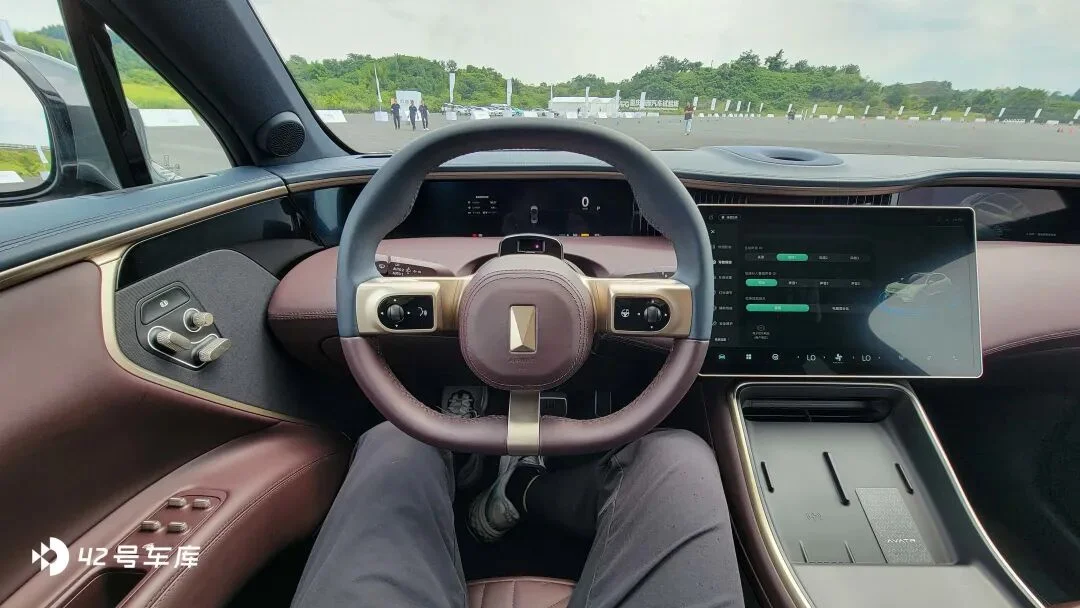
First, its floating placement leaves all four corners exposed. Users in both our Tesla and AVATR groups have complained that their right foot has a certain probability of hitting the corner of the screen while driving. It is easy to imagine that an accidental bump would cause significant pain to the thigh.
Furthermore, the horizontal screen encroaches on the space for air vents, leading manufacturers to adopt hidden air vents to improve heating and cooling efficiency.
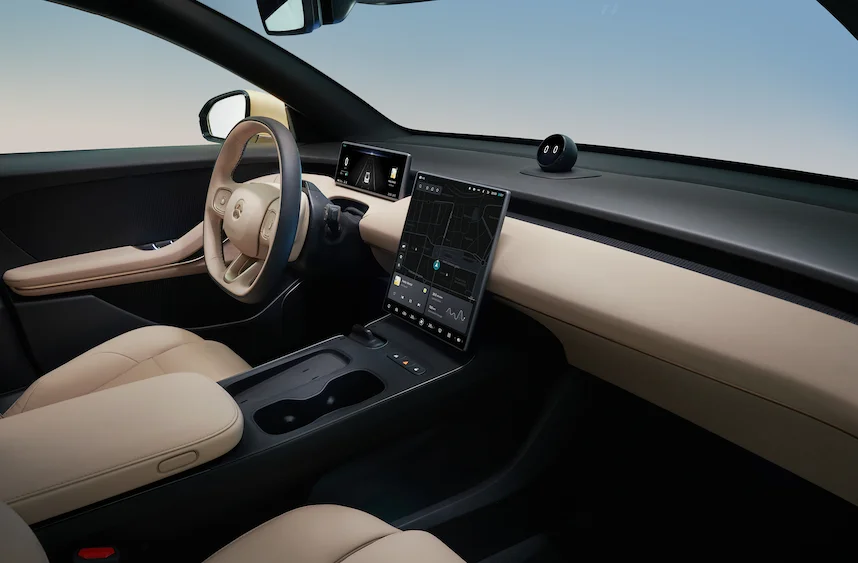
Consequently, when everyone adopts hidden vents to optimize climate control, the NIO ET5’s vertical screen is at a disadvantage. Especially regarding media consumption, even with high-end audio systems, the viewing experience on a vertical screen is far inferior to that of a horizontal one.
Infotainment System Comparison
Infotainment systems have traditionally been a weak point for legacy automakers. However, thanks to its partnership with Huawei, AVATR's infotainment system adopts Huawei's HarmonyOS and uses the Kirin 990 as the infotainment chip, enabling it to compete directly with new-energy vehicle startups on the software front.
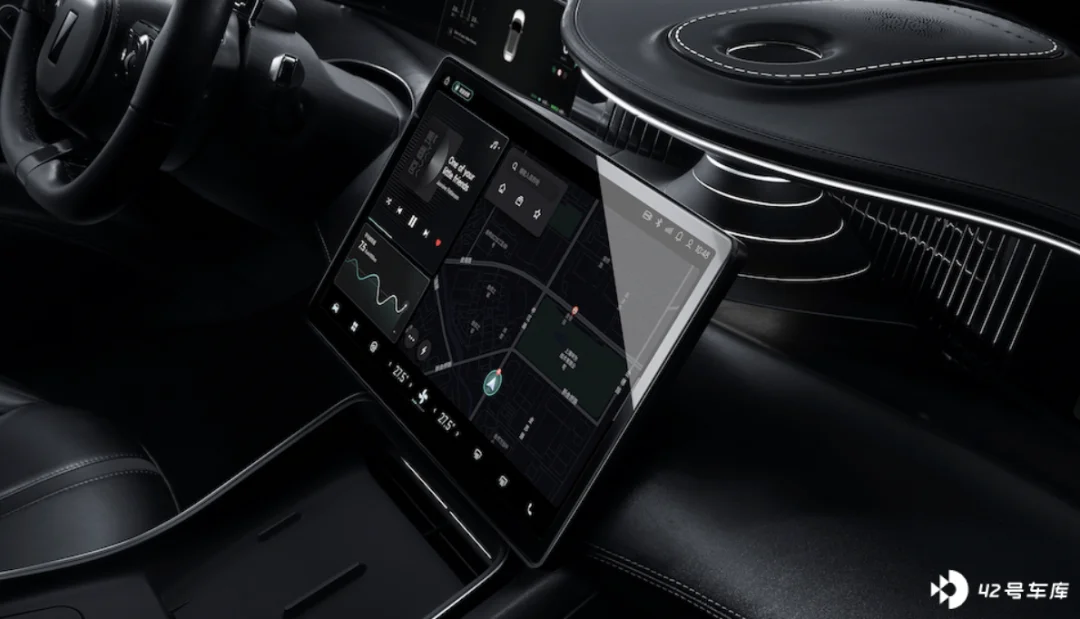
During test drives in late June, the AVATR 11’s infotainment system was still in an engineering prototype state. Consequently, screen responsiveness and touch accuracy were not yet at their optimal levels. We look forward to evaluating the final production version after delivery begins.
For the Zeekr 001, recent software updates via OTA have upgraded the infotainment chip to the 8155. The current user experience represents a qualitative leap compared to previous versions. A similar situation has occurred with the Tesla Model Y; after switching to AMD Ryzen chips, both loading speeds and interface fluidity have improved significantly.
The NIO ET5, scheduled for delivery next month, also utilizes the mainstream Snapdragon 8155 chip. Its overall response speed and interface design can be referenced against the performance of the NIO ET7’s infotainment system.
Rear-Seat Space
Rear-seat comfort varies slightly among the four vehicles due to their differing market positions.
Starting with wheelbase measurements, the order from longest to shortest is: Zeekr 001 at 3,005 mm, AVATR 11 at 2,975 mm, Tesla Model Y at 2,890 mm, and NIO ET5 at 2,888 mm.
The first two are positioned as a mid-to-large sedan and a mid-to-large SUV, while the latter two are classified as mid-size SUVs and mid-size sedans. For the former pair, rear-seat comfort is assured; for a 175 cm tester, cushion support, legroom, and headroom were more than sufficient.
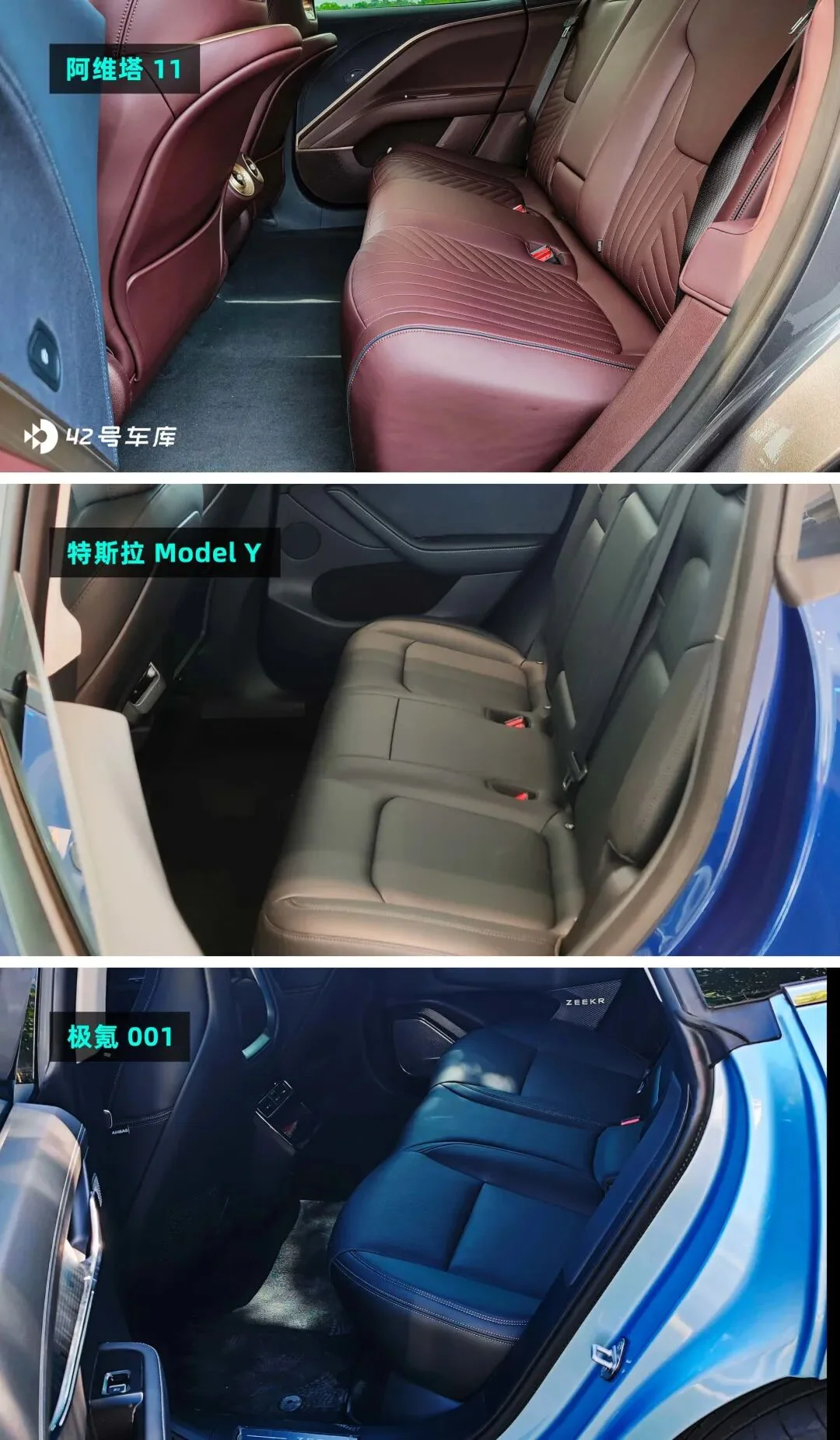
The Tesla Model Y offers noticeably less comfortable rear-seat accommodation than the first two. As for the NIO ET5, actual ride-and-drive testing has not yet been opened to the public, so real-world performance remains untested. However, it is expected that the ET5 will not hold a significant space advantage over the Zeekr 001, likely aligning more closely with the dimensions of the Tesla Model 3 and XPENG P7.
Among these four models, only the AVATR 11 offers a configuration beyond the standard five seats.
Traditionally, mid-to-large SUVs have provided six- or seven-seat options alongside the basic five-seat layout. The AVATR 11, however, appears to have prioritized business-oriented utility over practicality by introducing a four-seat variant.
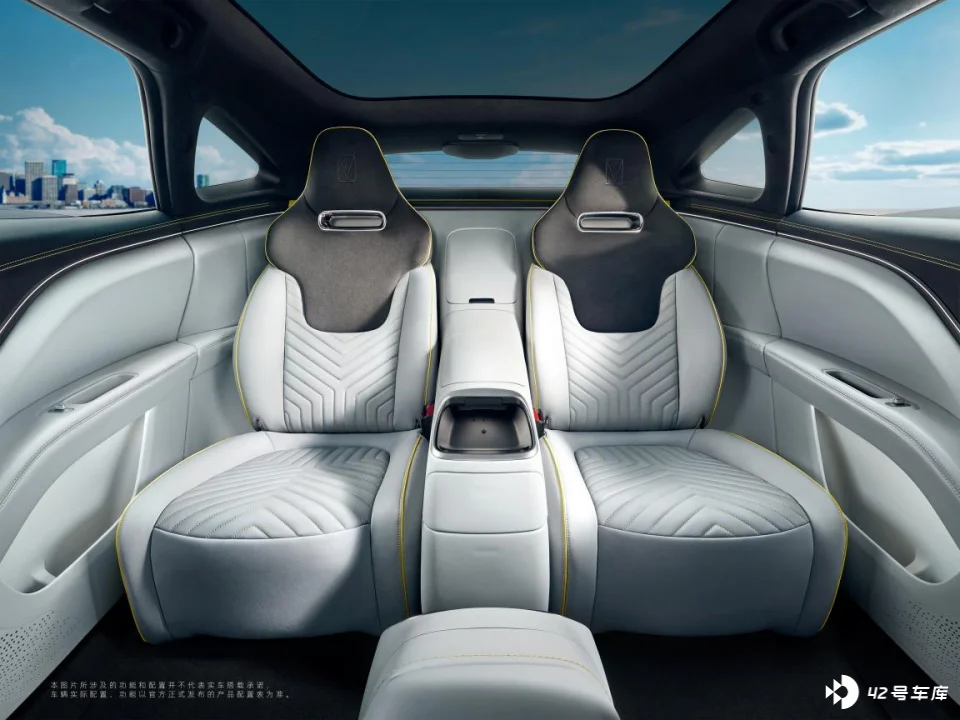
The AVATR 11’s rear cabin continues the wraparound design of the front, featuring extended side armrests. Paired with the optional four-seat version’s central armrest, this configuration provides a more complete sense of envelopment.
The rear massage seats’ backrests are electrically adjustable. Based on preset positions, they can recline backward by 12° or tilt forward by 28°, for a total adjustment range of 40°. This positioning closely mimics a lying-down posture, delivering substantial comfort and security within the enveloping interior. Honestly, signing a RMB 5 million deal in the back seat of this car while sipping champagne wouldn’t be an exaggeration.
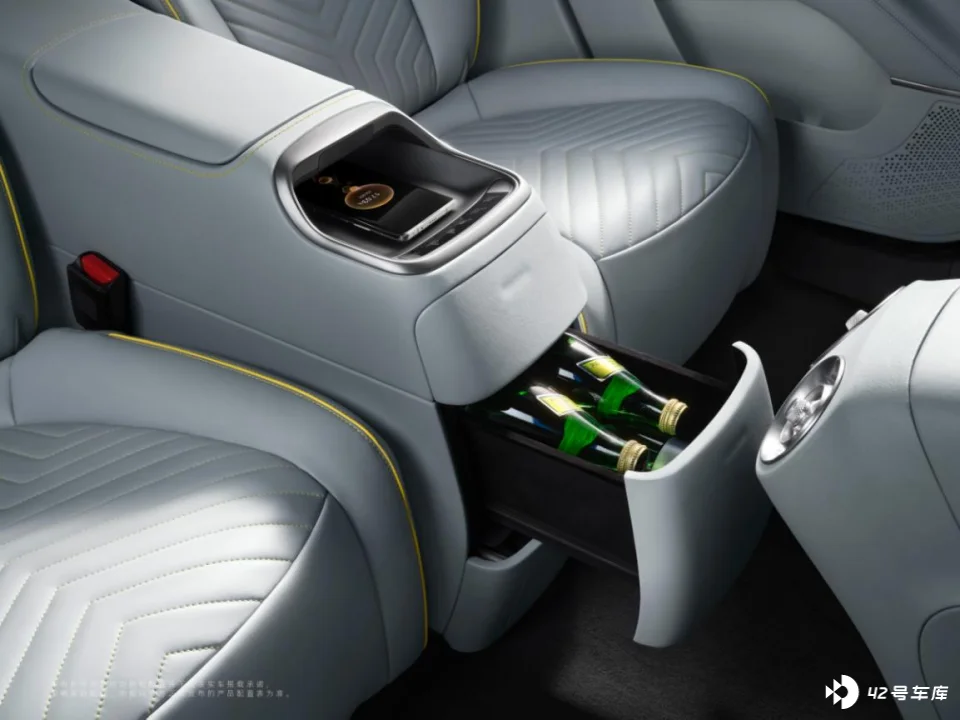
If you prefer a more spacious layout, you can opt for the standard five-seat version instead, saving RMB 40,000 for your wallet.
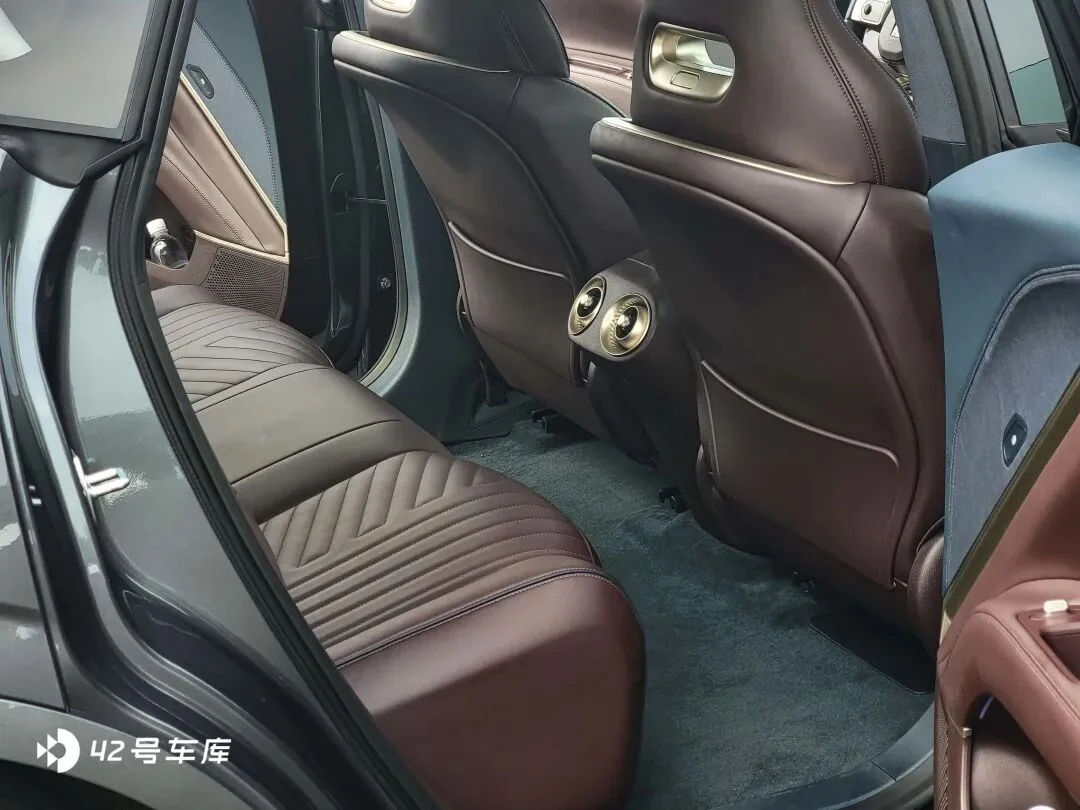
In terms of ride comfort, a competitive arms race has been frequent over the past two years. Aside from the Tesla Model Y, all three other vehicles offer drivers and passengers seat heating, ventilation, and massage functions. Regarding audio systems, the NIO ET5 carries over its flagship model’s 23-speaker setup. With 1,000 W of power, it is undeniably the best in class.
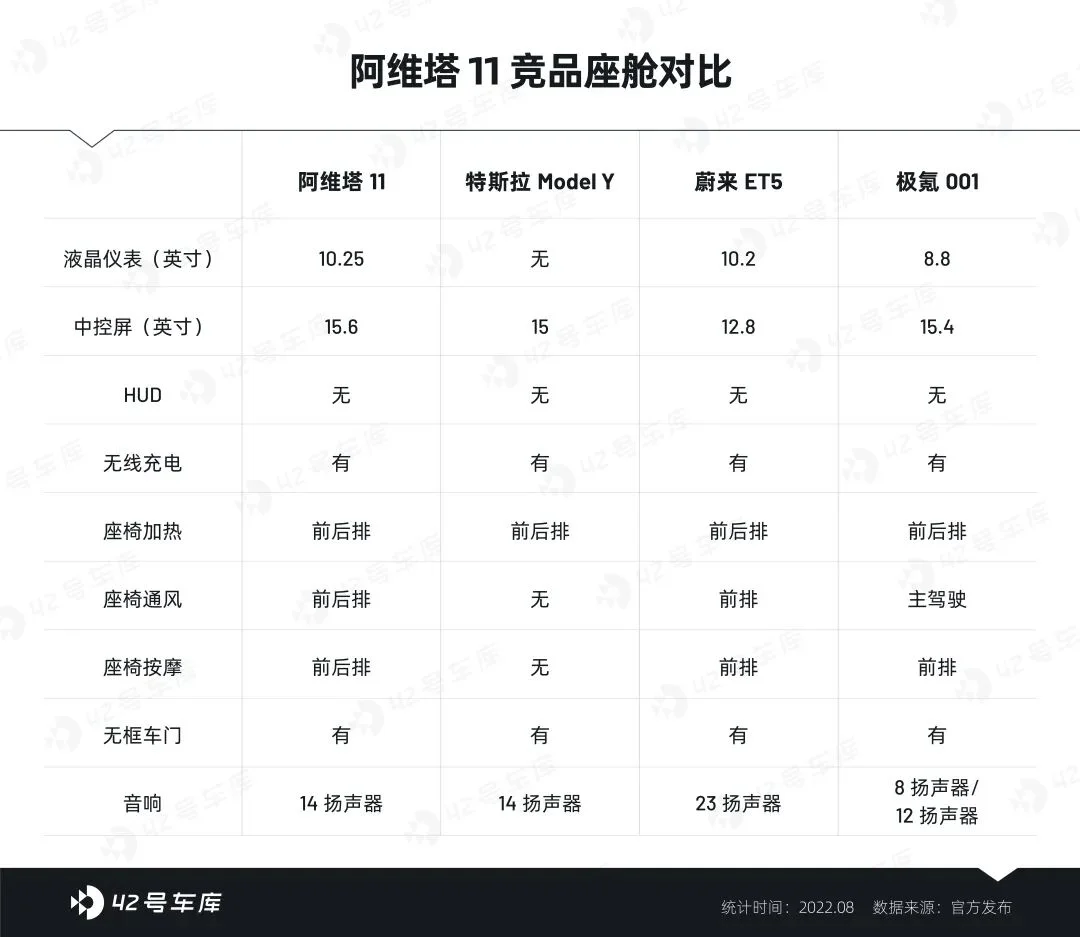
For audio configuration, the AVATR 11 features Road Noise Cancellation (RNC) active noise cancellation technology. Using proprietary algorithms developed in-house, it actively reduces cabin road noise through real-time calculations from chassis vibration sensors and microphones. According to AVATR, the RNC technology reduces average cabin noise by 3 decibels and peak noise by 13 decibels.
In contrast to AVATR’s pursuit of aesthetic design and craftsmanship quality, Tesla’s interior can be described as unfinished. This also poses a significant threat to other new energy brands on the market that emphasize luxury.
04Potential for Sub-4-Second Performance
All four vehicles feature dual-motor layouts and deliver extreme performance in their top-tier trims, with acceleration times hovering around the 4-second mark, making them quite aggressive.
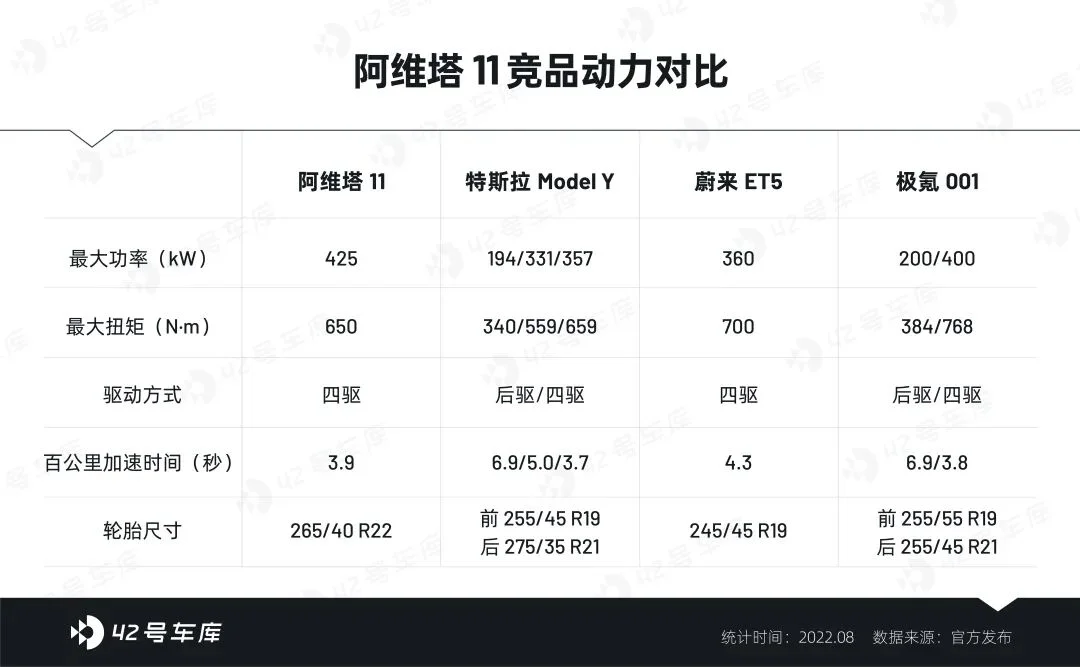
The model with the highest motor power is undoubtedly the AVATR, equipped with Huawei DriveONE’s three-in-one oil-cooled electric drive system. The dual-motor all-wheel-drive version produces 190 kW at the front and 230 kW at the rear, for a maximum power output of 425 kW. The manufacturer claims a zero-to-100 km/h acceleration time of 3.98 seconds.
Next is the Zeekr 001, which features a 400 kW dual-motor setup and an official zero-to-100 km/h acceleration time of 3.8 seconds, slightly faster than the AVATR 11.
The smaller and lighter Tesla Model Y achieves a zero-to-100 km/h time of 3.7 seconds with 357 kW of power. Under nearly identical power levels, the ET5, with its 360 kW output, fails to break the 3-second barrier due to its weight, posting an official zero-to-100 km/h time of 4.3 seconds. Nevertheless, the power levels of these four vehicles are more than sufficient for daily use.
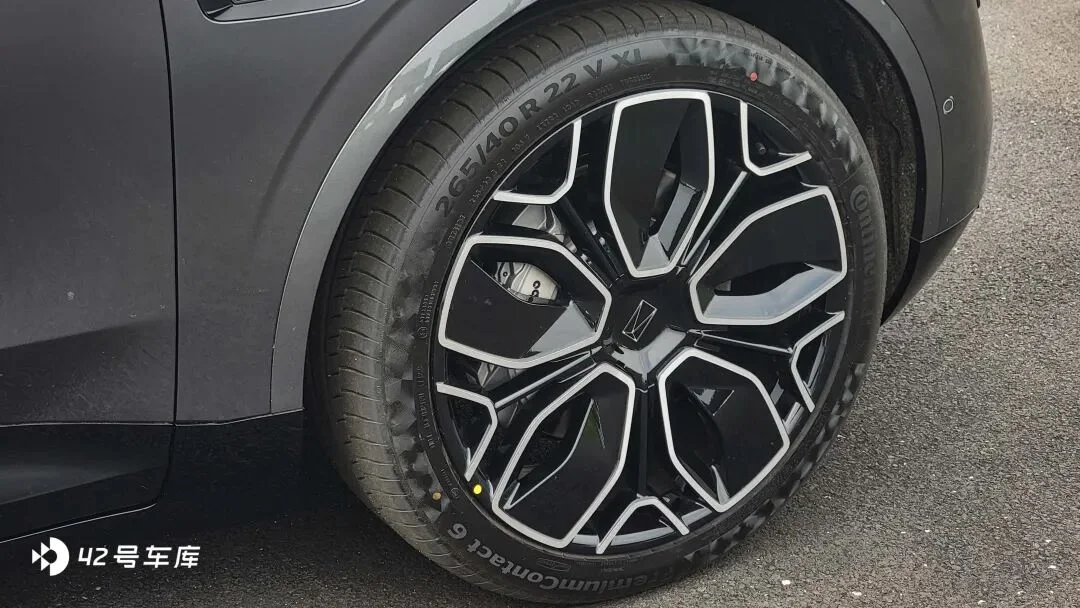
Even during routine overtaking or hard acceleration, you need to ease off the accelerator pedal; these four cars deliver exceptionally aggressive power on public roads.
05Range at the Same Level
Spending RMB 300,000 to RMB 400,000 on an electric vehicle, everyone is certainly very concerned about its range and charging performance. The AVATR 11 comes from the CHN platform, with battery packs provided by CATL in 90 kWh and 116 kWh options. Among them, the 116 kWh is a high-density battery with an energy density of 190 Wh/kg; it is also the largest capacity battery available, though delivery dates will not be until the first quarter of next year.
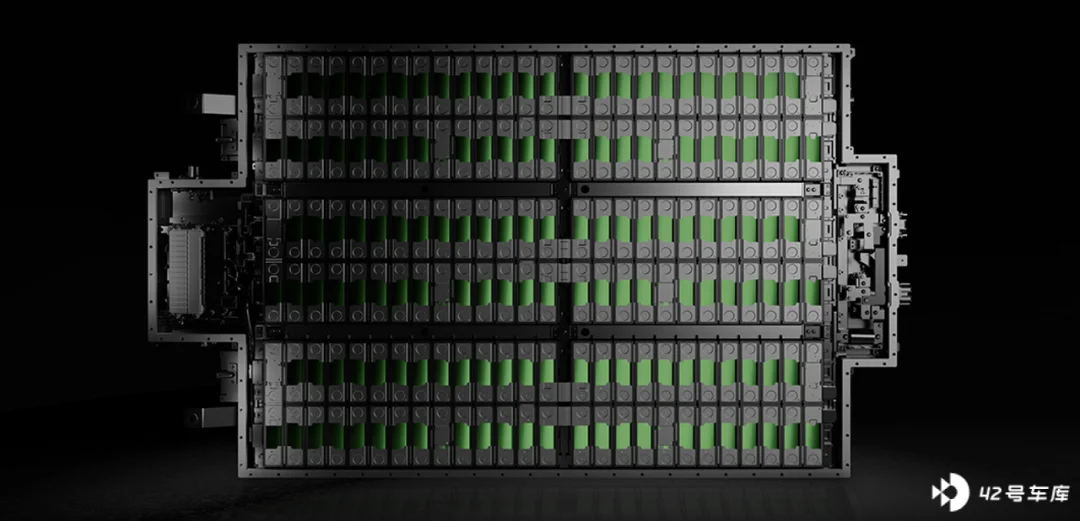
With the support of CTP technology, the AVATR 11 offers CLTC ranges of 555 km and 680 km.
The next are the NIO ET5 and Zeekr 001, which reached a maximum battery pack capacity of 100 kWh. In the lower-trim models, the NIO ET5 has a battery capacity of 75 kWh, while the Zeekr 001 has 86 kWh; their corresponding driving ranges are 550 km/700 km and 526 km/606 km/712 km, respectively.
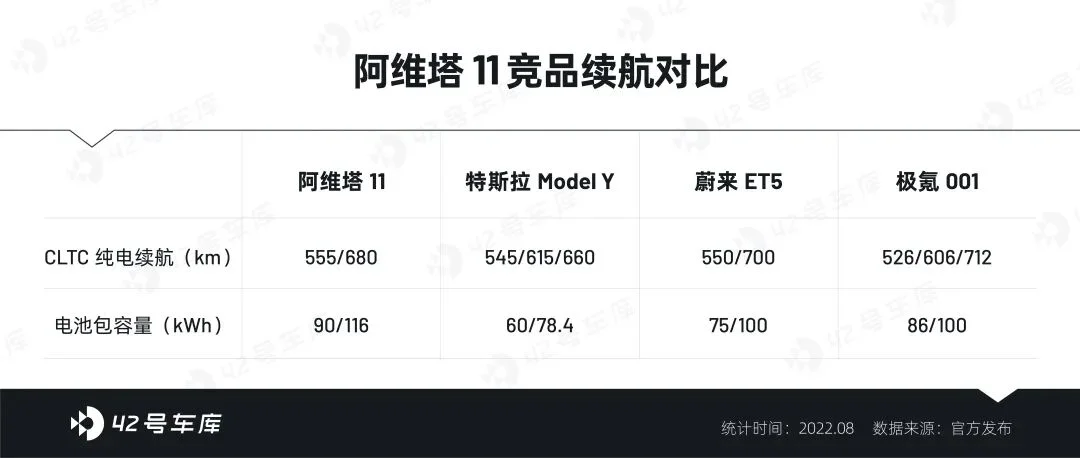
Finally, the Tesla Model Y is equipped with 60 kWh and 78.4 kWh battery packs, representing the smallest battery capacity in this comparison. Nevertheless, it achieves range figures of 545 km, 615 km, and 660 km across its three variants.
In terms of energy replenishment infrastructure, each brand leverages its own strengths: NIO operates a self-built battery swap network, Tesla utilizes its proprietary V3 Supercharger system, and Zeekr has developed its own ZhiChong (supercharging) network. AVATR’s key advantage lies in its shift to a 750 V high-voltage architecture, compared to the 400 V systems of its three competitors. This enables a peak charging speed of 240 kW, which is very close to Tesla’s V3 limit of 250 kW, while supporting 2.2 C fast-charging technology for the battery.
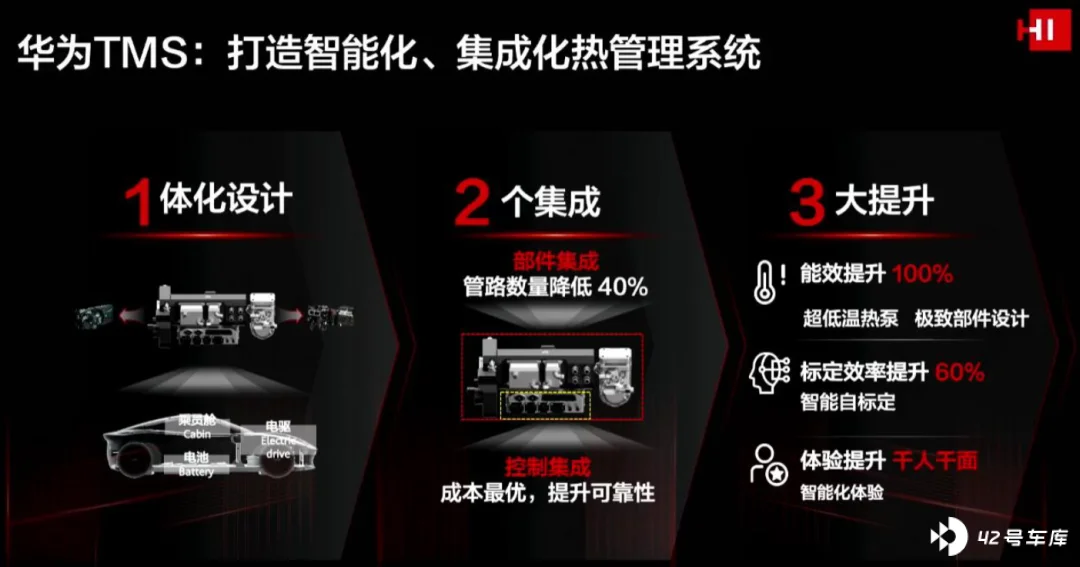
Overall, there is no need for excessive concern regarding charging efficiency under ideal conditions. Currently, Tesla’s Supercharger stations and NIO’s charge-and-swap networks are already extensively deployed, significantly alleviating range anxiety for users. Additionally, Zeekr is rapidly expanding its self-built supercharging network.
Whether AVATR can fully realize its 240 kW charging capability will depend on how it perfects its self-built infrastructure and whether it can enable more users to experience ultra-fast charging. During the launch event, AVATR announced plans to install 100 high-voltage fast-charging stations across nineteen cities by the end of next year. This timeline is relatively long; it remains to be seen whether the rollout progress will deliver surprises by then.
06The Ceiling of Driver Assistance?
At the launch event, AVATR stated that the Model 11 would represent the "ceiling" of driver assistance capabilities, powered by Huawei’s Intelligent Driving Technology—commonly known as HI. The vehicle features 34 intelligent driving sensors. Key hardware specifications include:
Three 96-line LiDAR units;
Six millimeter-wave radars;
A surround-view ADAS vision system comprising a forward-facing quad-camera, side-facing dual cameras, rear-side dual cameras, and a rear-facing single camera;
Four surround-view cameras;
Twelve ultrasonic radars;
The MDC 810 intelligent driving platform, delivering up to 400 TOPS of computing power.
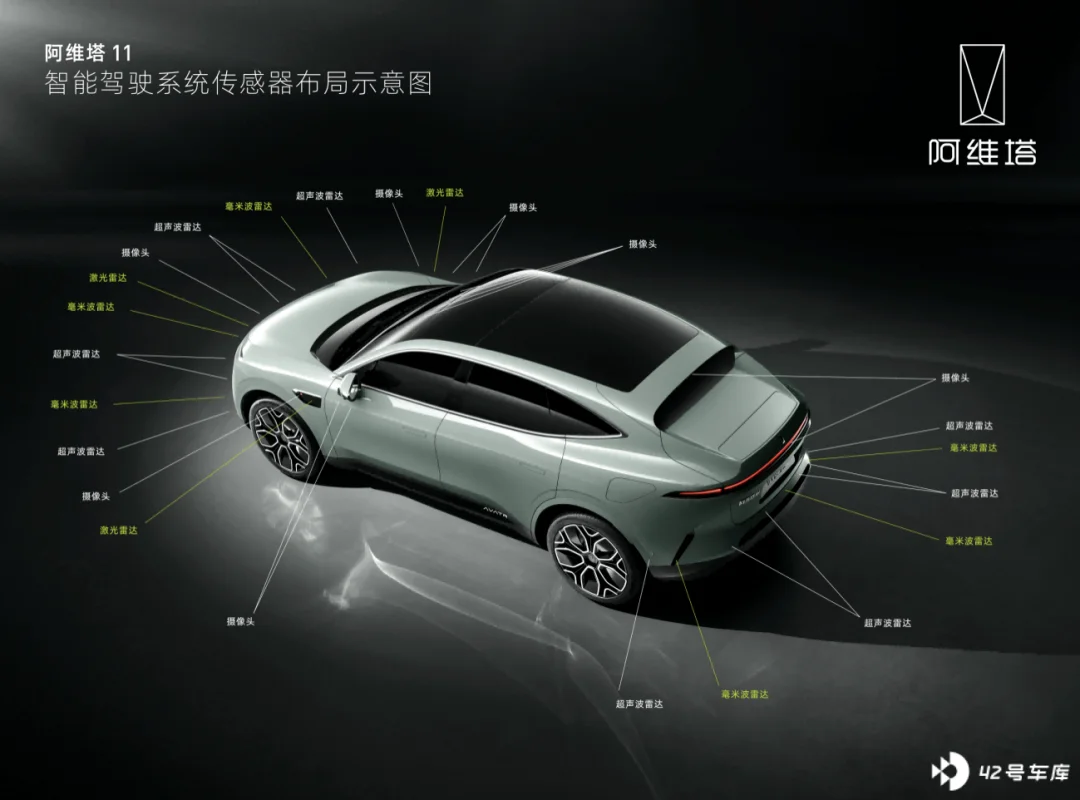
Crucially, this robust suite of driver-assistance hardware is not an unfinished product. AVATR stated that its collaboration with Huawei HI began three years ago. Consequently, highway NCA (Navigation Cruise Assist) will be available upon delivery. Urban NCA was originally scheduled for release by the end of this year, but due to high-definition maps not being fully ready, the launch has been delayed to the first quarter of 2023. We can look forward to seeing what surprises AVATR 11’s driver assistance system has in store.
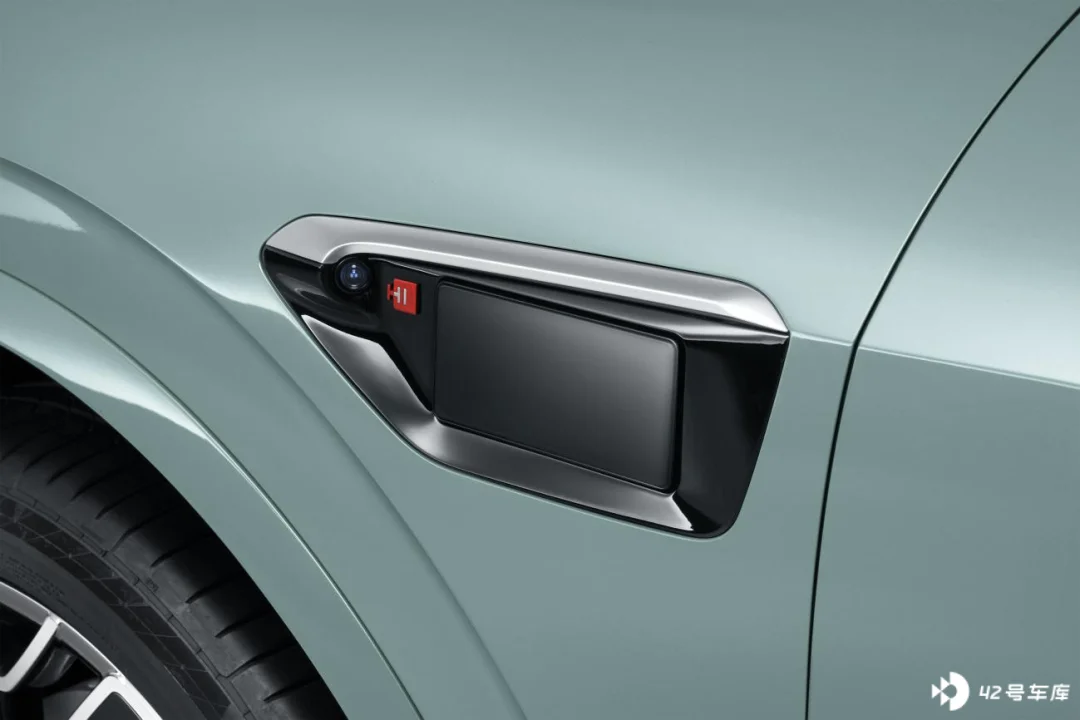
Aside from the AVATR 11, only the NIO ET5 is equipped with a LiDAR sensor. The quantity is two fewer than that of the AVATR 11; it uses an integrated, roof-mounted LiDAR design. For specific performance capabilities, refer to the NIO ET7. Readers interested in more details can consult our earlier articles.
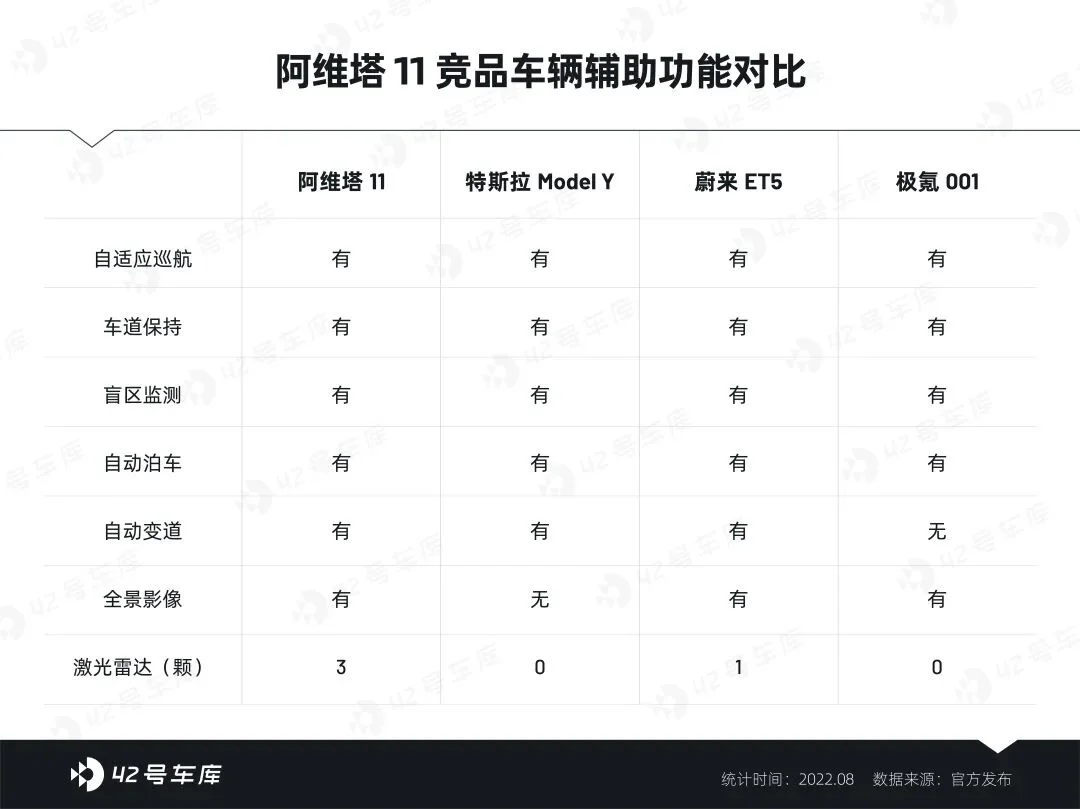
Later, we will gather all models equipped with LiDAR and take them onto our 42Mark track to see which one truly proves its strength.
07Conclusion
Comparing these four pure electric vehicles priced around RMB 350,000 reveals that they are all well-rounded options. Each manufacturer has deployed its most advanced technology, placing both acceleration and range capabilities in the top tier.
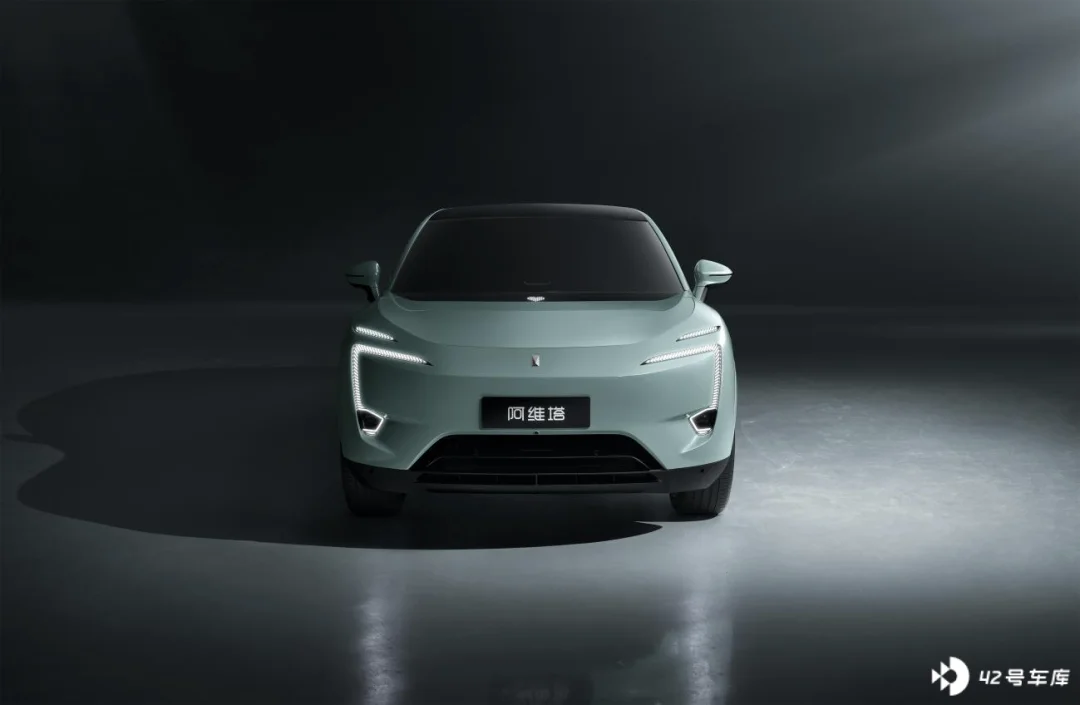
The AVATR 11, built on the CHN platform, leverages a strong partnership between Huawei and CATL within the context of a traditional automaker. It complements the traditional manufacturer’s relative weakness in intelligent features while maintaining solid mechanical fundamentals, offering a highly competitive price point.
The value proposition of the AVATR 11 lies in its ability to go beyond mere specification parity during this industry-wide configuration arms race. Compared to its competitors, it provides consumers with a more luxurious, design-forward, and refined aesthetic experience.
However, for new-entrant brands, service experience has become an indispensable element in their pursuit of the premium segment, alongside fierce competition on specifications. The first batch of stores will open 12 locations across 10 cities, with the network expanding to 110 stores by the end of next year. Meanwhile, as consumers, we expect automakers to provide high-quality, full-lifecycle services spanning pre-sales and after-sales, as well as online and offline channels. This can only be truly verified once formal deliveries begin.
Given AVATR 11's strong comprehensive capabilities, how competitive is it really? Only sales figures will tell.
Written by: Jiang Xiaohei Edited by: Liu San