


Li Auto Q2 2022 Revenue Hits RMB 8.73 Billion; XPENG Debuts S4 Supercharger; smart #1 BRABUS Edition Launched | E-Week Highlights
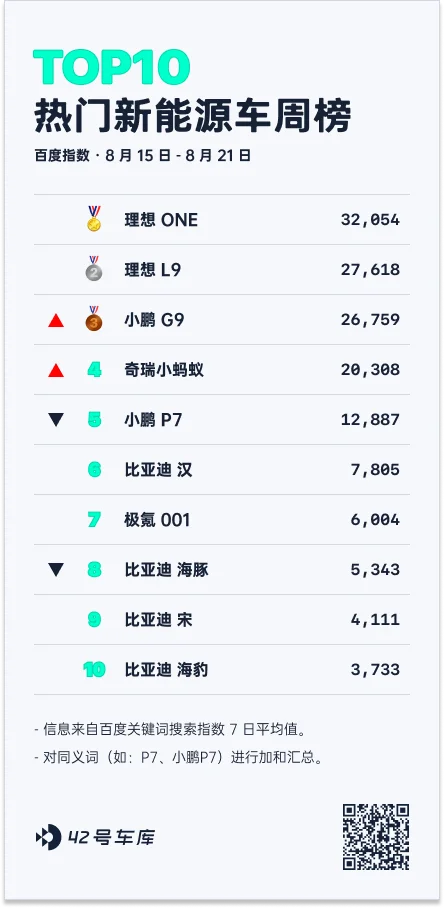
01Weekly Indices
02Weekly News
Revenue of RMB 8.73 Billion, Gross Margin of 22%, R&D Investment of RMB 1.53 Billion: Li Auto Releases Q2 2022 Earnings Report
On August 15, 2022, Li Auto released its Q2 financial results. The summary is as follows:
2022Q2 Financial Data
Total revenue reached RMB 8.73 billion, up 73% year-over-year and down 9% quarter-over-quarter;
Automotive business revenue was RMB 8.48 billion, up 73% year-over-year and down 9% quarter-over-quarter;
Total gross profit amounted to RMB 1.88 billion, up 97% year-over-year and down 13% quarter-over-quarter;
The overall gross margin stood at 22%, compared to 19% in the same period last year and 23% in the previous quarter;
Gross margin per vehicle was 21%, a decrease from the previous quarter's 22%;
Cost of sales was RMB 6.85 billion, up 67% year-over-year and down 7% quarter-over-quarter;
Net loss of RMB 641 million, compared to a net loss of RMB 11 million in the previous quarter;
Operating cash flow of RMB 1.13 billion, down 20% year-over-year and 38% quarter-over-quarter; free cash flow of RMB 452 million;
Cash reserves (cash and cash equivalents, restricted cash, time deposits, and short-term investments) stood at RMB 53.65 billion, up from RMB 51.19 billion in the previous quarter;
R&D expenses for the second quarter were RMB 1.53 billion, an increase of 12% quarter-over-quarter, accounting for 18% of total quarterly revenue;
Sales and administrative expenses reached RMB 1.33 billion, up 59% year-over-year and 11% quarter-over-quarter.
News about new cars
Details regarding the Li L8 are currently not available for extensive disclosure; sales of the Li ONE have slowed somewhat, prompting the implementation of promotional policies;
Battery supply prices are expected to adjust downward in the coming period, which will improve gross margins accordingly; product prices will also be adjusted based on cost fluctuations when appropriate;
The Li L8 will have an absolute advantage over competitors, with a launch date earlier than anyone expects. The time from announcement to delivery will be shorter than that of the Li L9.
The current monthly production capacity limit for the Li L9 is approximately 15,000 units, and September deliveries for the Li L9 can exceed ten thousand;
Pure electric models will be launched in 2023, still targeting the family market. It is a very special model, and details remain confidential until release.
Range-extended electric vehicles (REEVs) are electric vehicles equipped with a range extender, not internal combustion engine vehicles fitted with batteries; these are fundamentally different concepts. Do not discuss advanced or outdated technology without understanding this distinction.
In experimental conditions, pure electric models can gain 400 km of range in 10 minutes.
80% of Li L9 users can install home charging stations, and 100% have access to stable charging conditions.
The per-unit gross margin for the Li L9 will be higher than that of the Li ONE. There are no similar competitors in its price segment, and order performance is strong.
2022Q3 Business Data
For the third quarter of 2022, vehicle deliveries are projected to reach 27,000 to 29,000 units, representing a year-over-year growth of approximately 8% to 15% compared to Q3 2021.
Total revenue is expected to be between RMB 8.96 billion and RMB 9.56 billion, an increase of approximately 15% to 23% compared with the third quarter of 2021.

Quick Commentary:
Li Auto’s profitability saw a significant decline in Q2. However, the company is currently navigating the transitional challenges associated with shifting from its older models to new products. Performance may recover in Q3 once the Li L9 begins deliveries.
Regarding new models, Xiang Li posted on Weibo advising those who want the L8 not to buy the Li ONE; we speculate that the L8's model positioning is quite similar to that of the Li ONE.

Furthermore, before the Li L8 can be delivered, the production ramp-up for the Li L9 must be completed first. Simultaneously scaling up production for two completely new models capable of delivering over 10,000 units in their first full month presents considerable difficulty.
smart #1 BRABUS Edition Officially Debuts
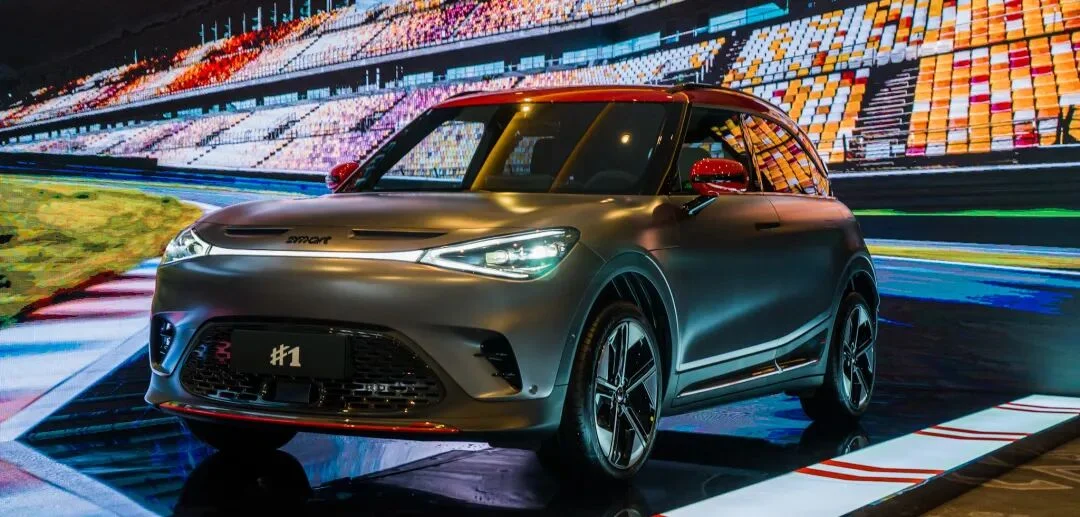
The specific details for the smart #1 BRABUS edition are as follows,
Basic Parameters:
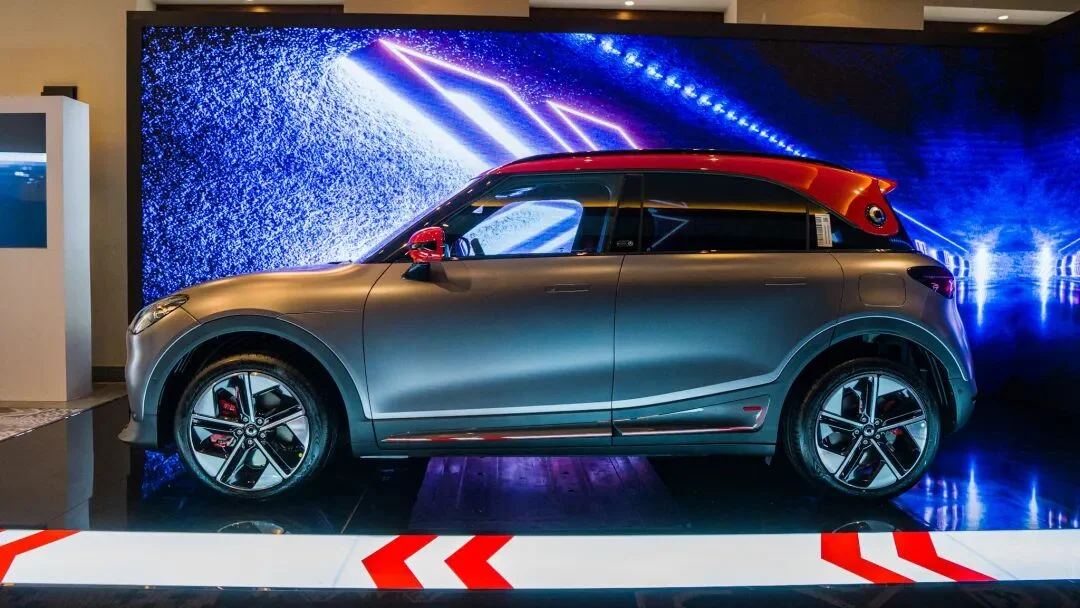
An additional 115 kW front-axle motor was added, bringing the total motor power to 315 kW, with acceleration between three point seven and three point nine seconds;
Dimensions: 4,270 × 1,822 × 1,636 mm; wheelbase: 2,750 mm;
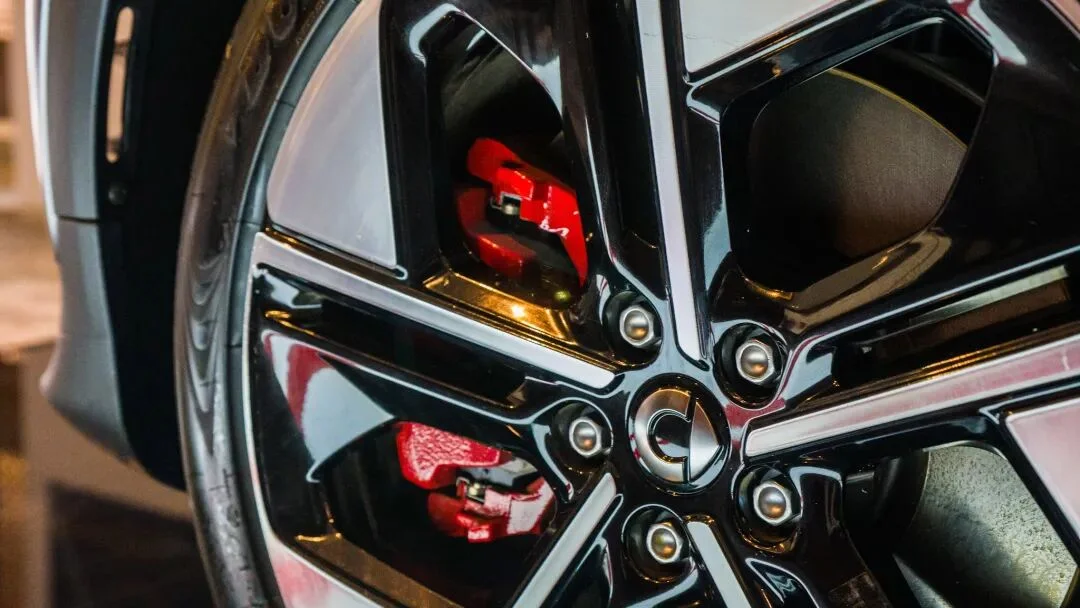
It uses five-spoke wheels, with dimensions identical to the top-spec standard version: 235/42 R19;
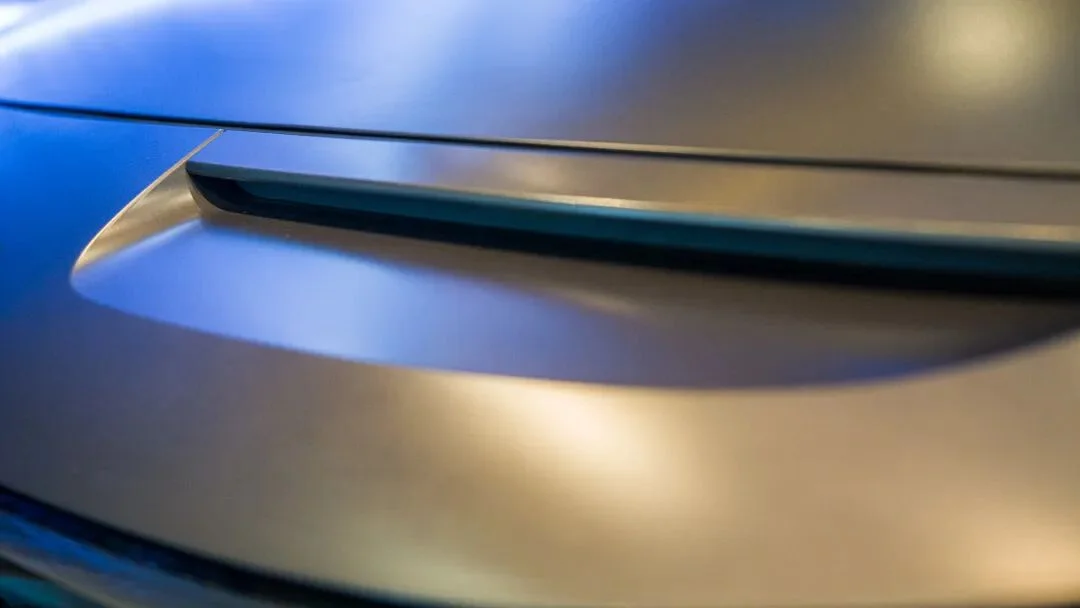
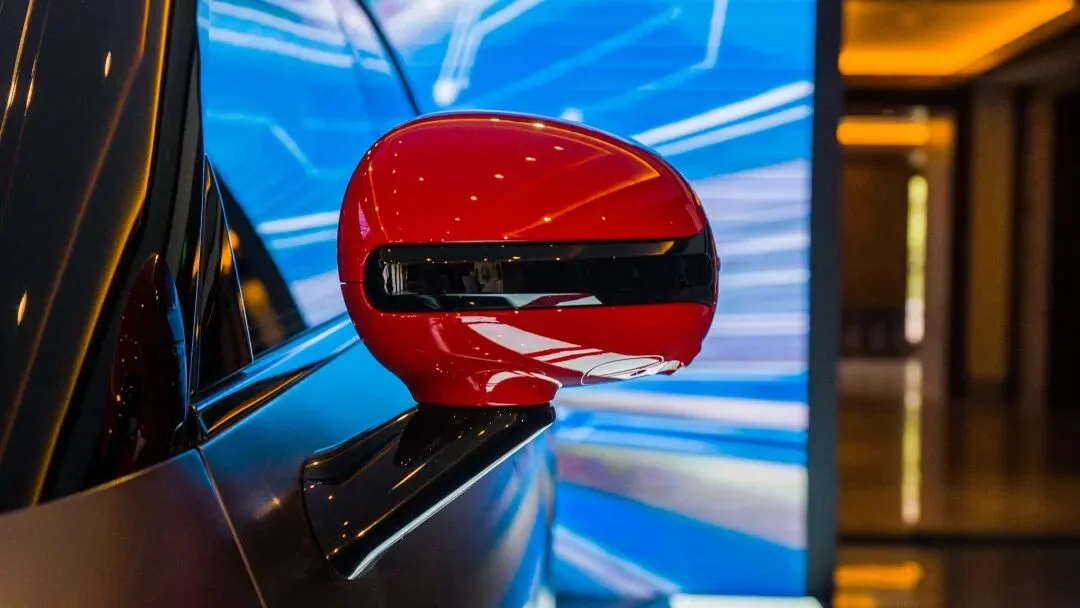
The front end features a design resembling an air duct; currently, it appears to be closed, suggesting it may serve only a decorative purpose.
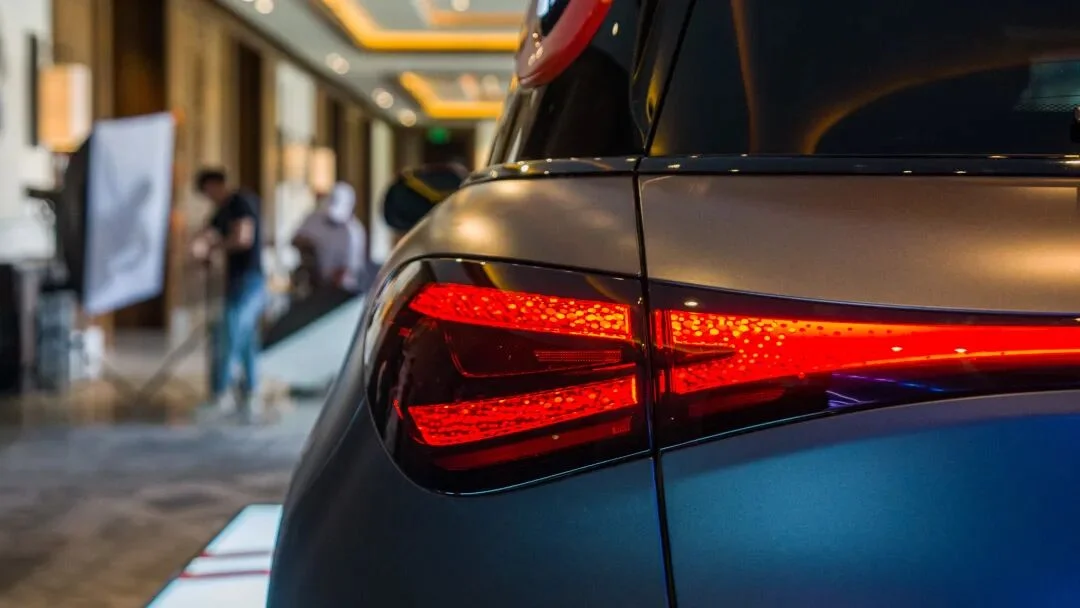
Red brake caliper covers; the manufacturer has confirmed that the front brakes are reinforced single-piston calipers.
Interior
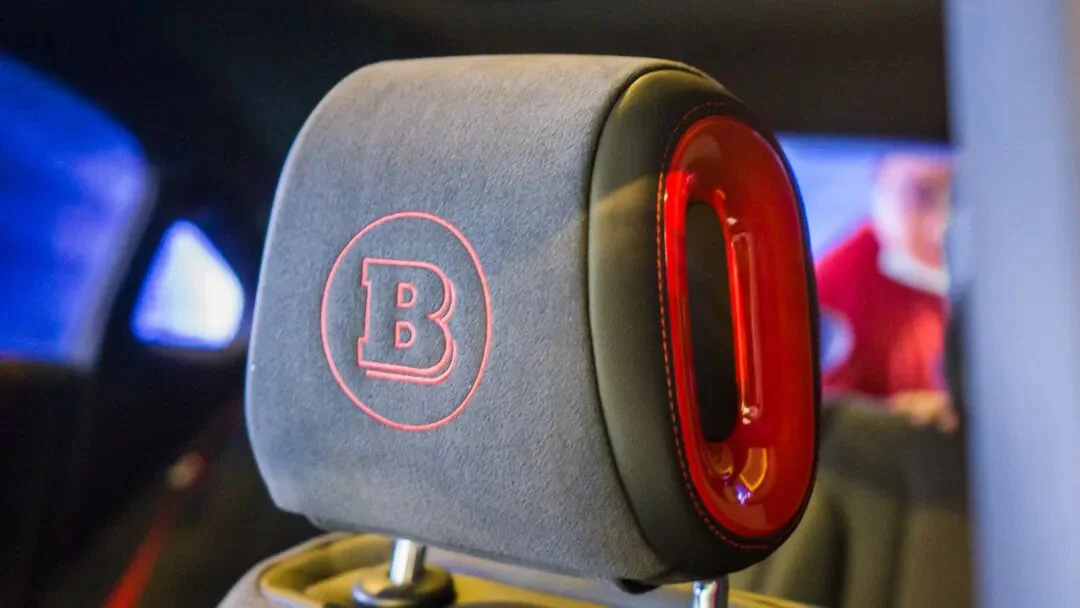
The BRABUS 'B' logo finally appears on the headrests;
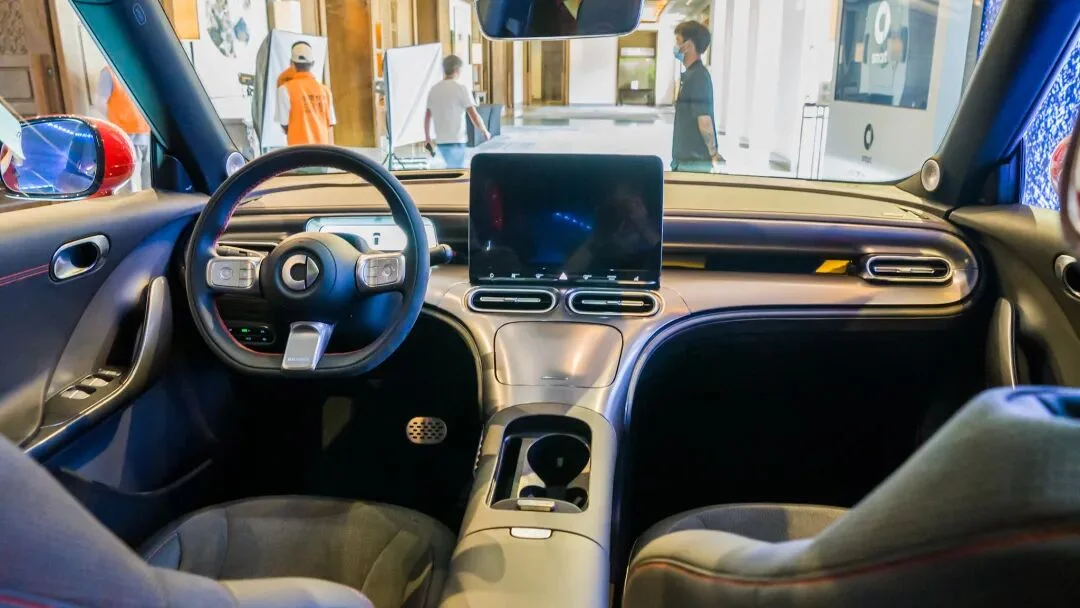
The seats also use suede material, with red double stitching inside;
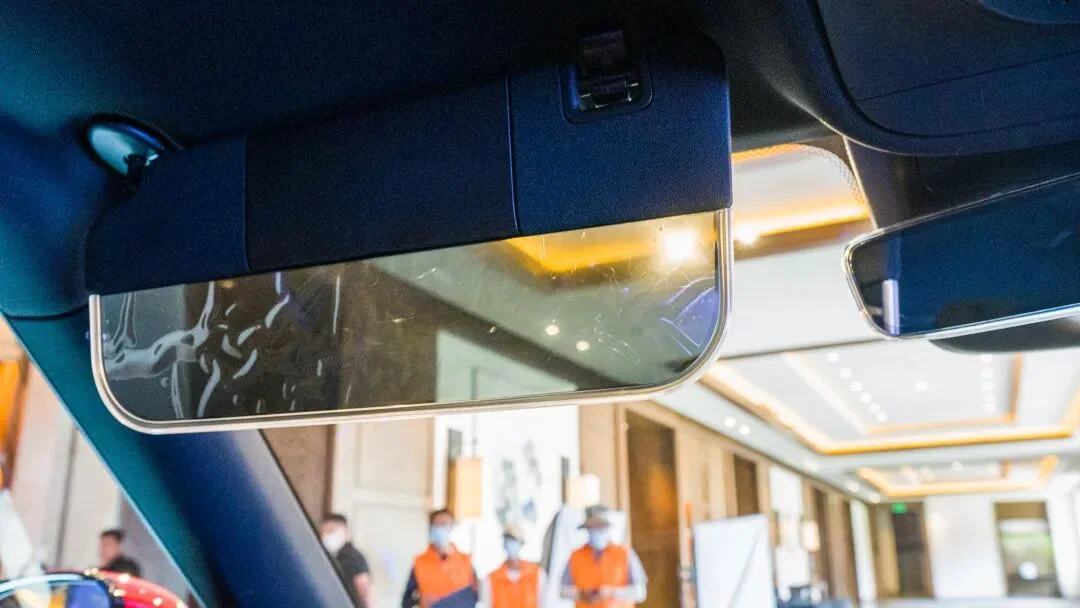
The sun visors are translucent, differing from the standard version, and the seatbelts have been changed to red.
Infotainment and Intelligence
The infotainment system in the standard version impressed me. The UI design features a chibi-style aesthetic, with a highly interactive and cute fox character. The main screen’s globe interaction and functional expansion are robust; small tags can be resized and lead directly to function interfaces, and even app return animations include thoughtful details.
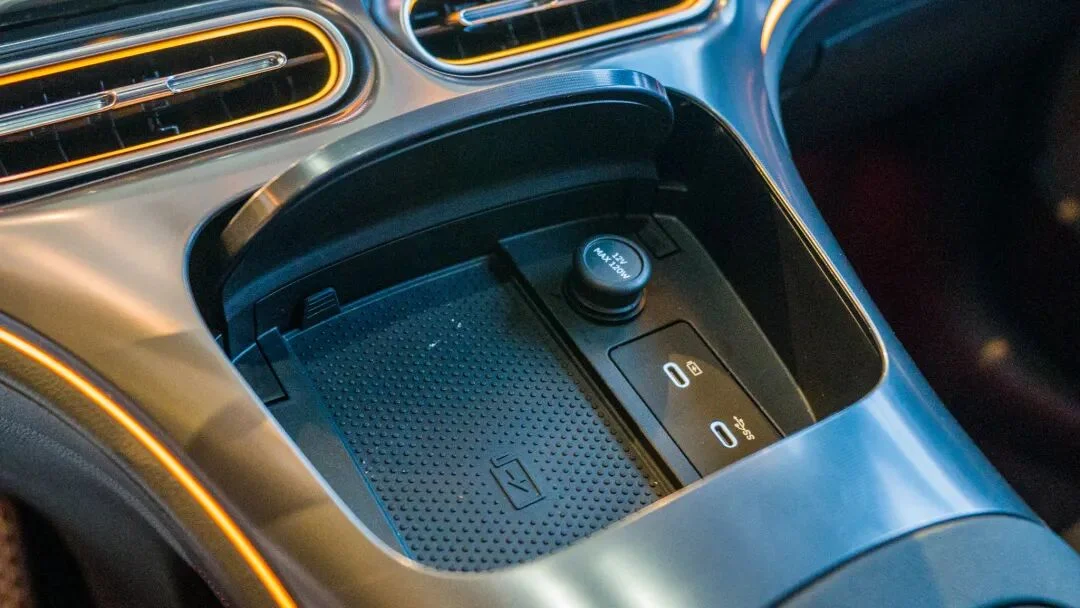
The standard version of the smart #1 supports screen mirroring via USB Type-C, similar to the functionality found in the Li L9.
Details regarding the BRABUS version's infotainment system are covered under a non-disclosure agreement. The official team indicated there would be some differences. We speculate this includes an added BRABUS mode or related UI elements.
In terms of driver assistance, the display vehicles on site (two BRABUS models and one top-tier standard model) all feature a 1V5R sensor configuration: one forward-facing monocular camera and five millimeter-wave radars. Functionally, this setup supports lane keeping assist with adaptive cruise control (LKA + ACC), automatic parking, and automatic assisted lane changes (lane change via turn signal).
Announcement Date and Benefits
The specific configurations for the smart #1 BRABUS edition will be officially unveiled at the 25th Chengdu International Automobile Exhibition on August 26, with online limited-time sales launching on the same day.
Users who complete their reservation deposit payment before August 15 can upgrade to the BRABUS performance version upon sale launch on August 26, while retaining their original order’s estimated delivery time and acquired benefits.
Quick Take:
Most information about the BRABUS edition has already been disclosed; only the price and test drive experience remain unknown. We estimate the BRABUS edition’s price to be around RMB 300,000. Although not inexpensive, it is expected that the smart #1 BRABUS will become one of the most performance-oriented models in this price range.
Tesla Removes Long-Range Model 3 from North American Website; Elon Musk Responds on X
Recently, foreign media reported that the long-range version of the Model 3 is no longer available for order on Tesla’s North American website. Only the standard-range and dual-motor performance versions can be ordered, with the estimated delivery time for the long-range version listed as 2023.
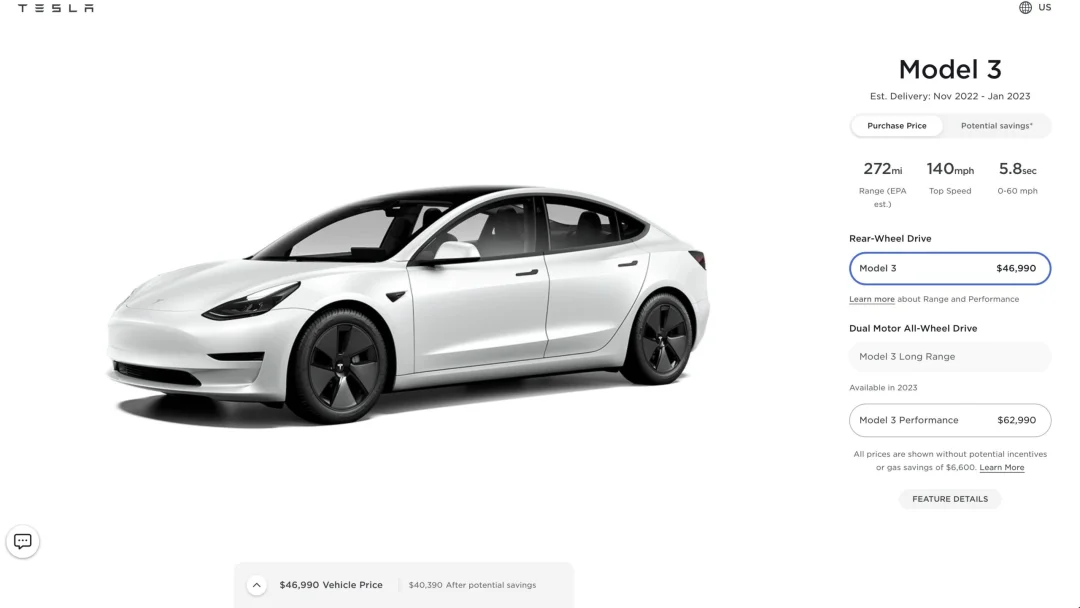
In response, Elon Musk stated on X (formerly Twitter) that Tesla has temporarily closed ordering channels for certain models due to an excessively long backlog of pending orders. These channels will reopen once production capacity increases.
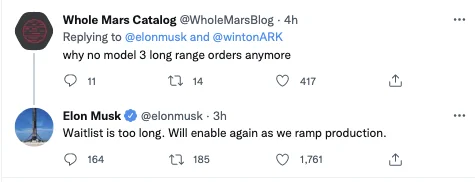
In fact, Tesla had already faced a situation where inventory orders were too high in March of this year. The North American website showed estimated delivery times for multiple models extending into 2023. Elon Musk himself noted in May that Tesla might close ordering channels for some models due to the excessive volume of orders.
Editorial Comment:
Looking at the domestic market, China removed the long-range version in January 2021, replacing it with a price reduction for the performance version. The domestic long-range version, launched in April 2020, was available for less than nine months and has not been relaunched since. Now, the North American market has also removed the long-range version. It remains unclear whether the closure of ordering channels is truly due to production constraints, as Elon Musk suggested.
The underlying cause may ultimately lie in U.S. new energy vehicle subsidy policies. Under the latest regulations, eligible vehicles must be priced below USD 55,000 to qualify for subsidies. The Model 3 Long Range is priced at USD 57,990 in North America.
XPENG Unveils S4 Supercharger, Supporting Up to 480 kW
On August 15, 2022, XPENG announced details of its S4 supercharger during the XPENG Supercharging Event. Key highlights include:
During the XPENG live demonstration, 210 km of range was added in 5 minutes;
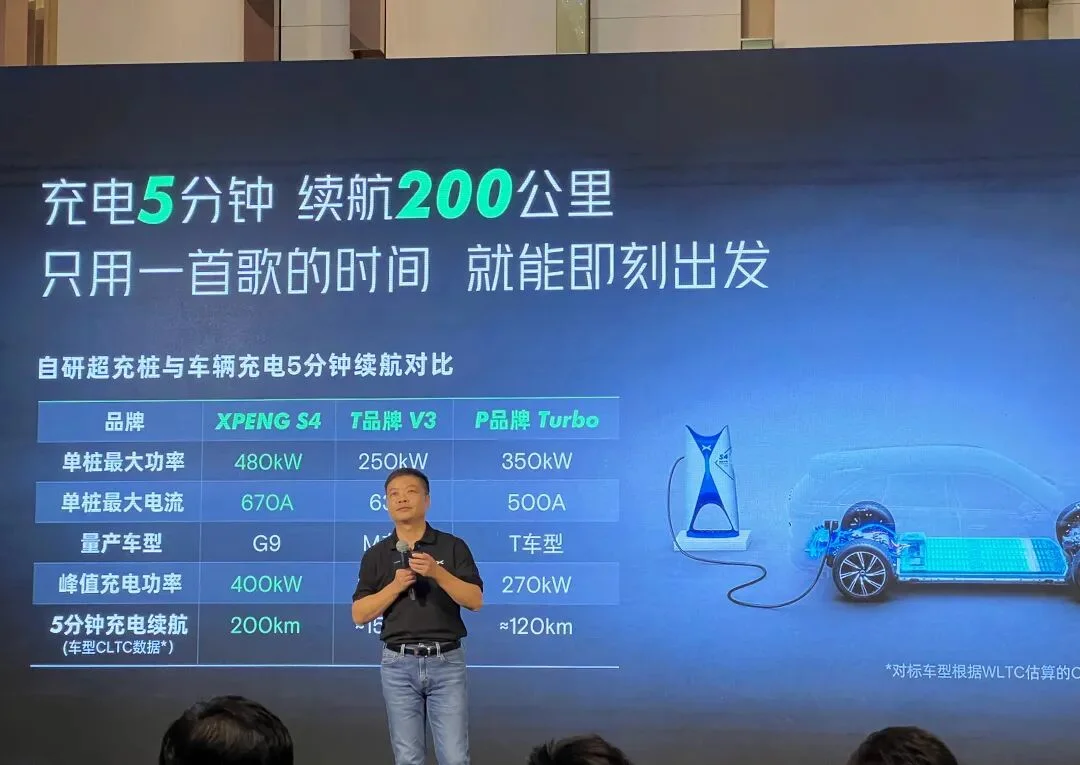
Plug-and-charge initiation was rapid, with charging starting within 15 seconds without requiring QR code scanning—a positive user experience;
The power curve began at 130 kW. Current rose to 600 A, held steady, then climbed to 630 A. As voltage increased, overall charging speed improved, peaking at 443 kW.
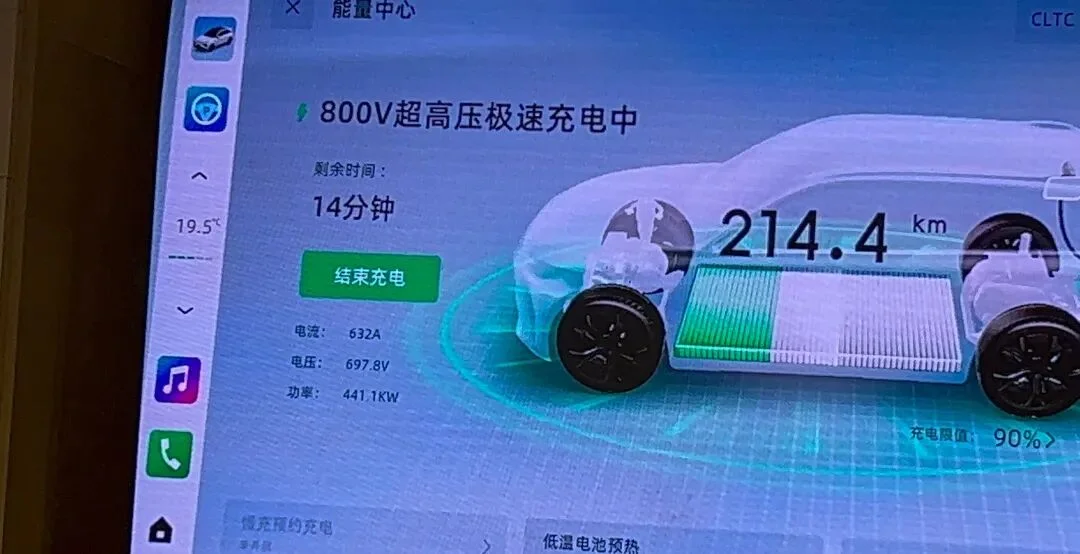
Based on the CLTC range of 700 km, speed reduction begins at approximately 37% battery level.
Currently, each S4 supercharging station is equipped with four charging guns and delivers a total power output of 480 kW. XPENG stated that because charging speeds are high and the 480 kW peak is not maintained throughout the entire session, a single station’s 480 kW capacity is sufficient to meet demand.
S4 stations currently do not include energy storage systems; future installations will only incorporate storage where necessary.
Only the top-trim G9 supports S4’s 480 kW supercharging; other trims are limited to S3 supercharging.
The S2 supercharger delivers 180 kW with dual guns, the S3 provides 360 kW, and the S4 offers 480 kW. Internally, the S3 is viewed as a transitional solution, with the goal of deploying S4 everywhere for a one-step upgrade. In locations where S4 deployment is not feasible, S2 may be considered.
All upcoming XPENG models will support S3 and S4 supercharging.
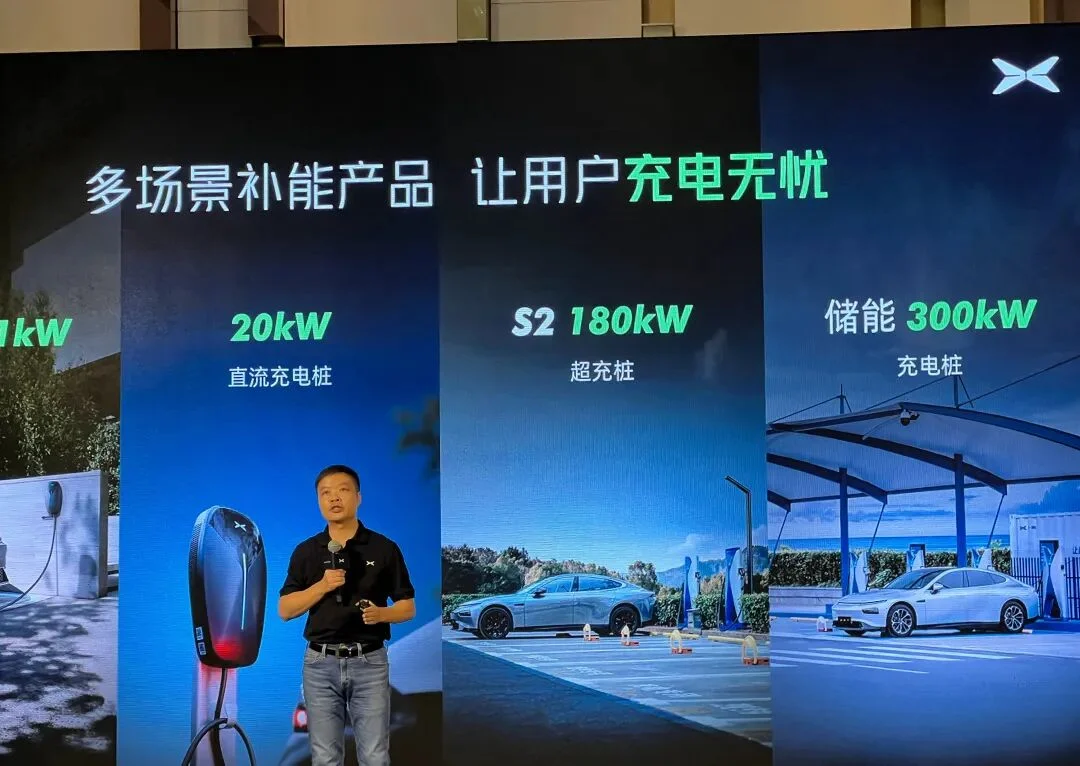
This year, the plan is to deploy 100 stations in 10 cities; which specific 10 cities will be determined based on G9's reservation status;
XPENG plans to deploy 2,000 charging stations by 2025. S4 chargers will be installed wherever feasible; where S4 deployment is not possible, S2 chargers will be used instead.
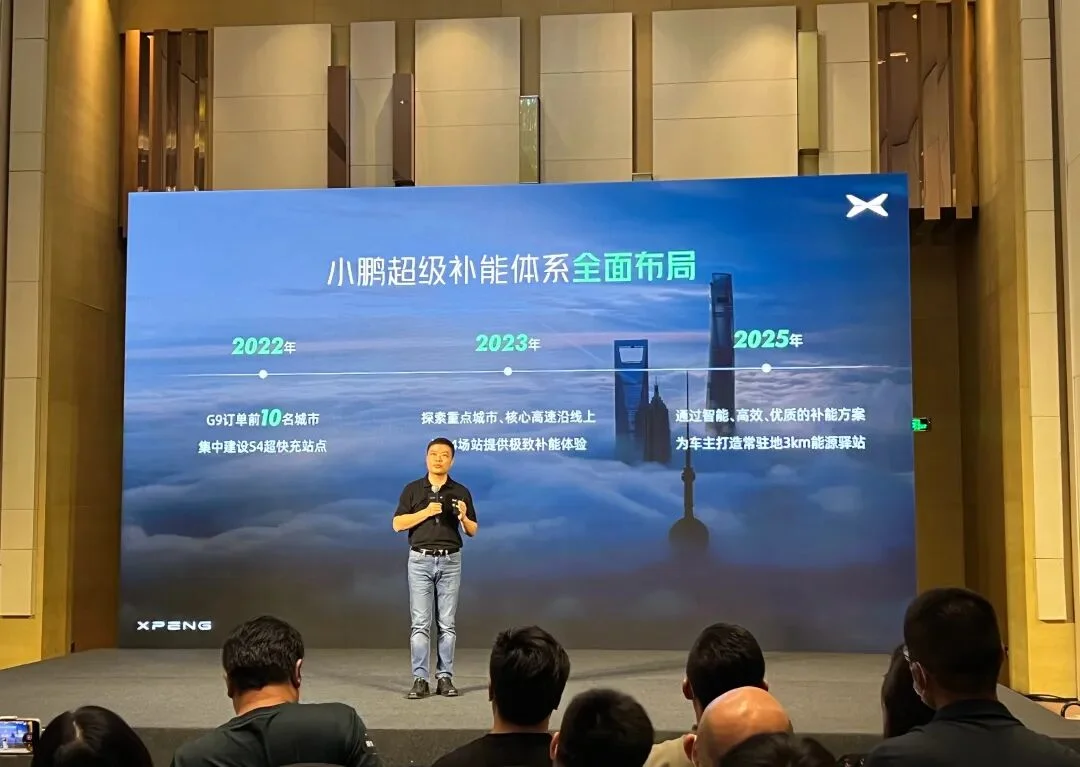
The S4 chargers are backward compatible with existing vehicles. For the P7, the charging current will cap at 250 A and will not exceed this limit.
Pricing for S4 charging stations will remain consistent with current S2 station rates.
Quick Take:
It is somewhat disappointing that a single charging station splits its 480 kW power output among multiple guns. However, considering the leap from an average of 60–70 kW per gun to 480 kW per gun, this progress is significant. With the introduction of S4, achieving an average charging speed of 200 kW appears highly achievable.
Interestingly, each new EV manufacturer has adopted a different strategy for rapid energy replenishment. What do you think will be the dominant trend in EV charging infrastructure in the future?
Feifan R7 Full-Integration High-Level Autonomous Driving Solution to Be Unveiled at Chengdu Auto Show
On August 26, the 25th Chengdu Auto Show will kick off. It is one of the few major auto shows held this year.
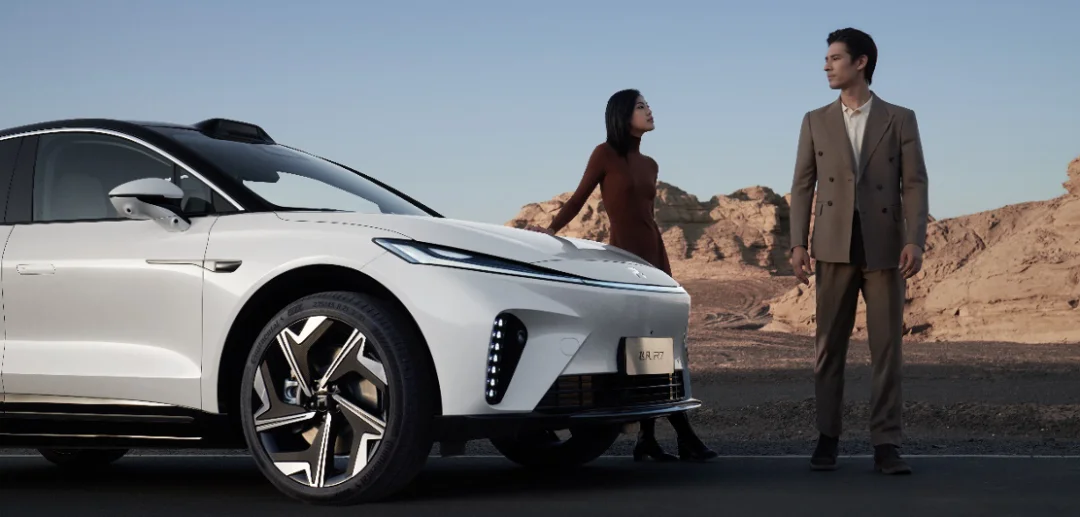
During the show, Feifan's flagship model, the R7, will be displayed on the booth. Additionally, Feifan will unveil the industry's first advanced autonomous driving solution that utilizes a fully integrated algorithm. This signals the imminent arrival of a top-tier vehicle equipped with LUMINAR LiDAR, Premium 4D imaging radar, an 8-megapixel camera, and Orin X chips.
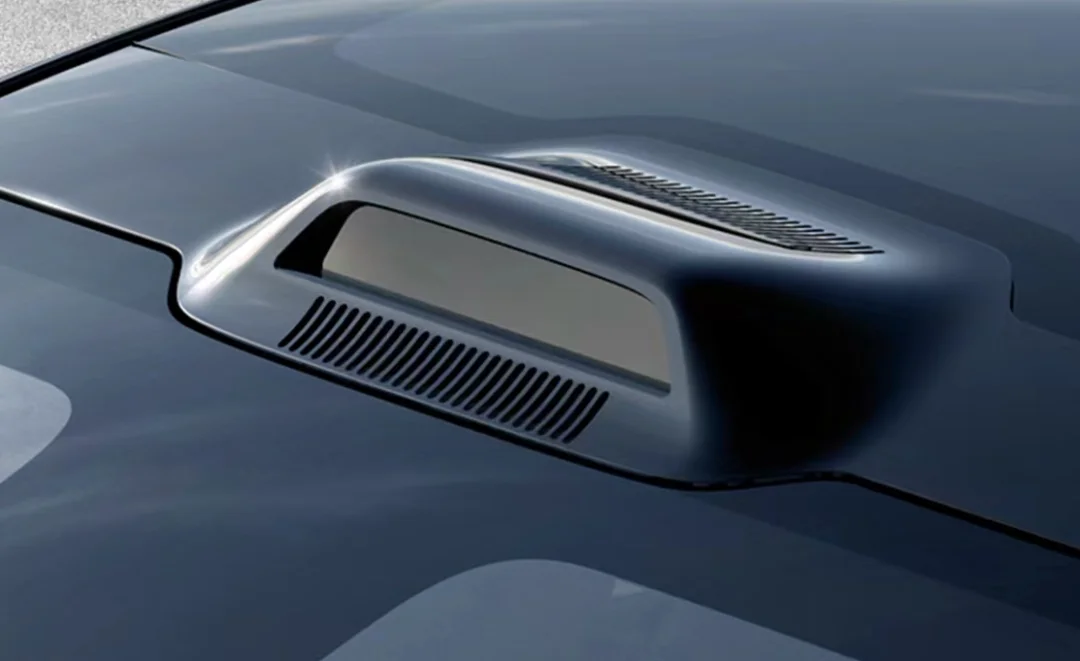
The primary reason for the Feifan R7's willingness to incur high costs to achieve multiple layers of safety redundancy through advanced hardware is to ensure complete perception of corner case scenarios.
Luminar's flagship LiDAR, named Iris, is a rotating-mirror type LiDAR with a field of view of 120° x 26°. At a reflectivity of 10%, it can detect objects at distances up to 250 meters.
Quick Review:
Currently, mainstream LiDAR manufacturers such as China’s DJI and international firms like VLDR and Valeo primarily use 905 nm wavelengths. Iris, however, utilizes a 1,550 nm wavelength, which offers superior penetration power. It also outperforms 905 nm systems in spot quality and repetition frequency, while being safer for the human eye.
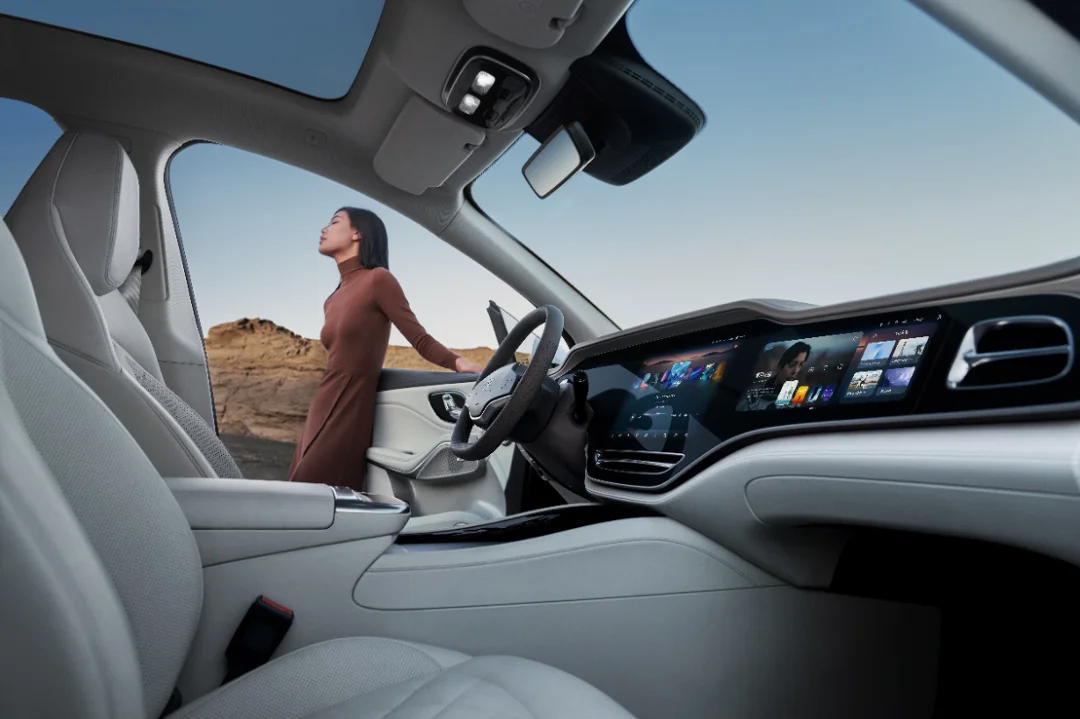
For intelligent driving systems, powerful hardware alone is insufficient without matching high-quality algorithmic software support; achieving an excellent user experience remains difficult under such conditions. This is akin to a physically strong person lacking a sharp mind, who struggles to become a master. Therefore, we look forward to seeing how the 'all-inclusive' sensor suite on the Feifan R7 translates into real-world performance.
Written by: Jia Ming Edited by: Liu Guangding