


Geely Yinhe Declares No Price War; Meizu FlymeAuto Details Revealed; Mercedes-Benz E-Class Interior Unveiled | Weekly Highlights
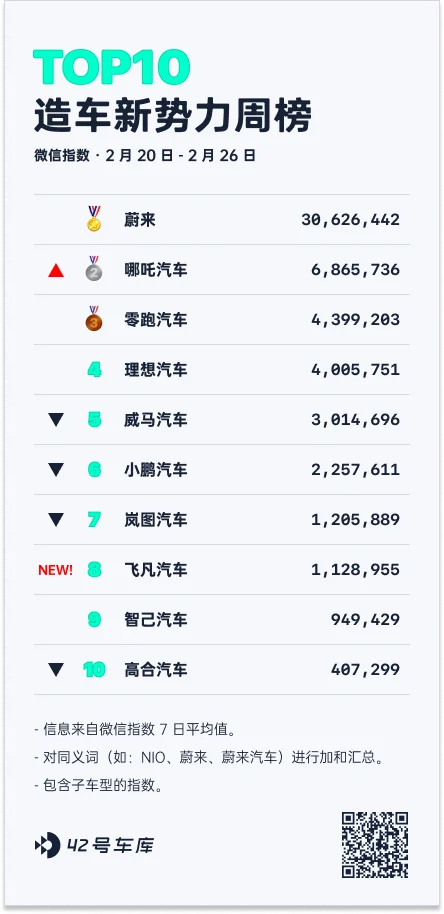
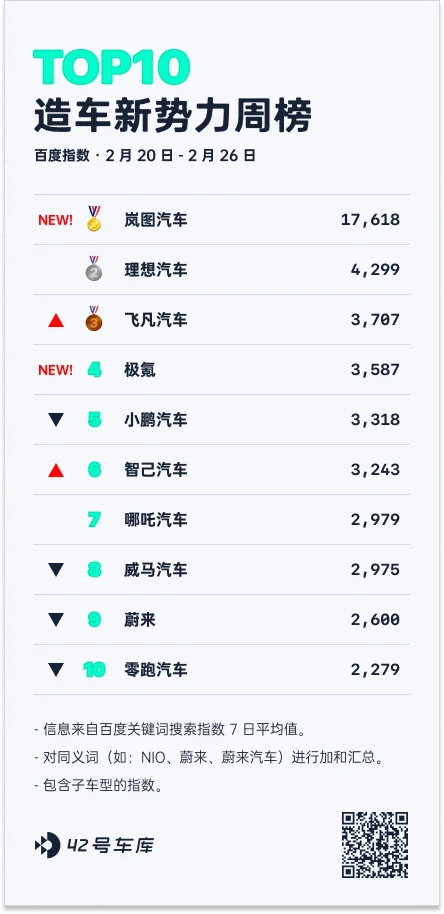
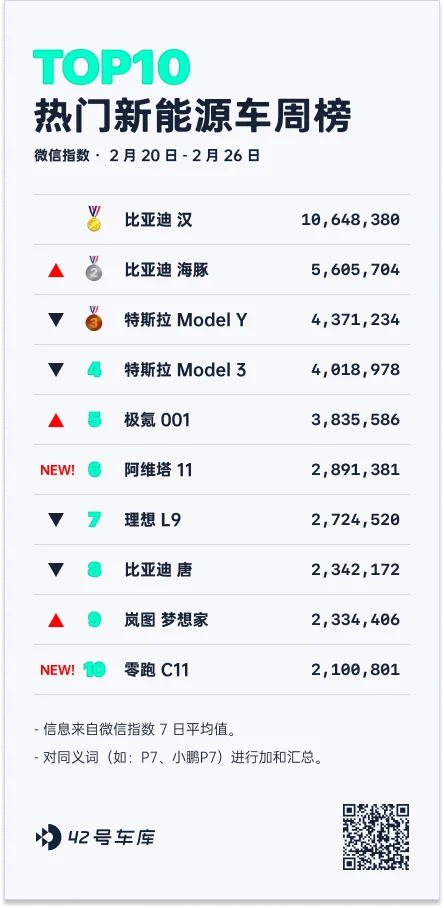
01Weekly Index
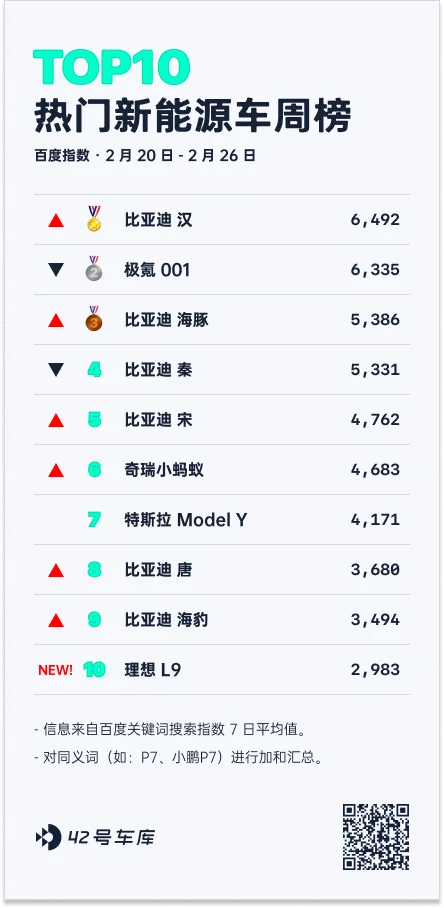
02Weekly News
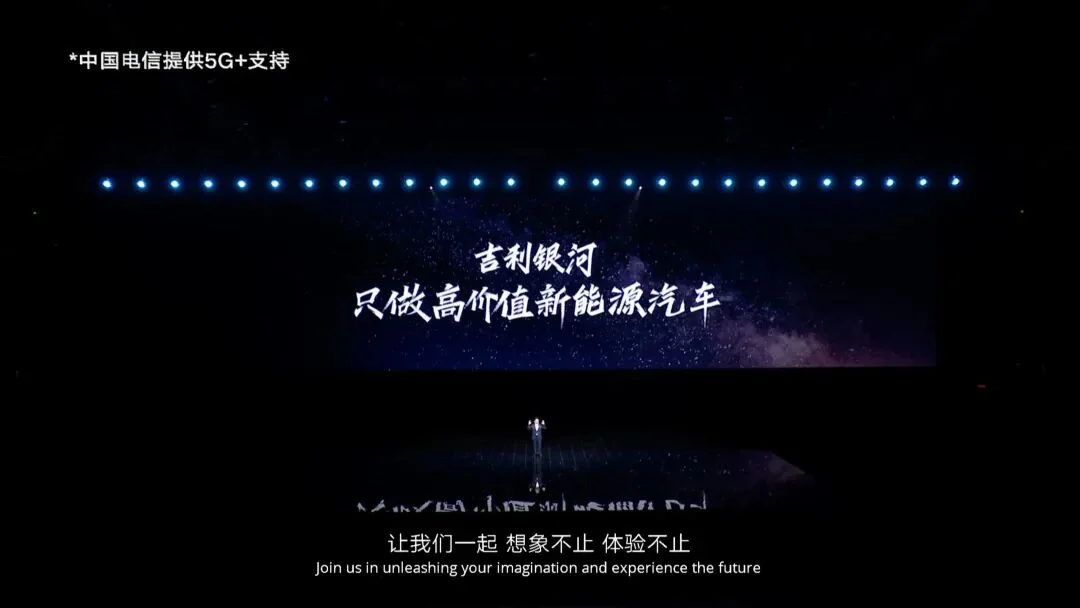
Geely Yinhe Declines to Engage in Price Wars
On February 24, Geely held the Yinhe strategy launch event at the main stadium of the Hangzhou Asian Games. The company unveiled the Yinhe L7, the first model under the Yinhe series, and officially opened reservations. However, the price of the L7 was not mentioned during the event. This launch marks the beginning of Geely’s push into the new energy vehicle market. While it is too early to gauge the impact of this move, Geely has now formally entered the segment with a clear strategic approach.
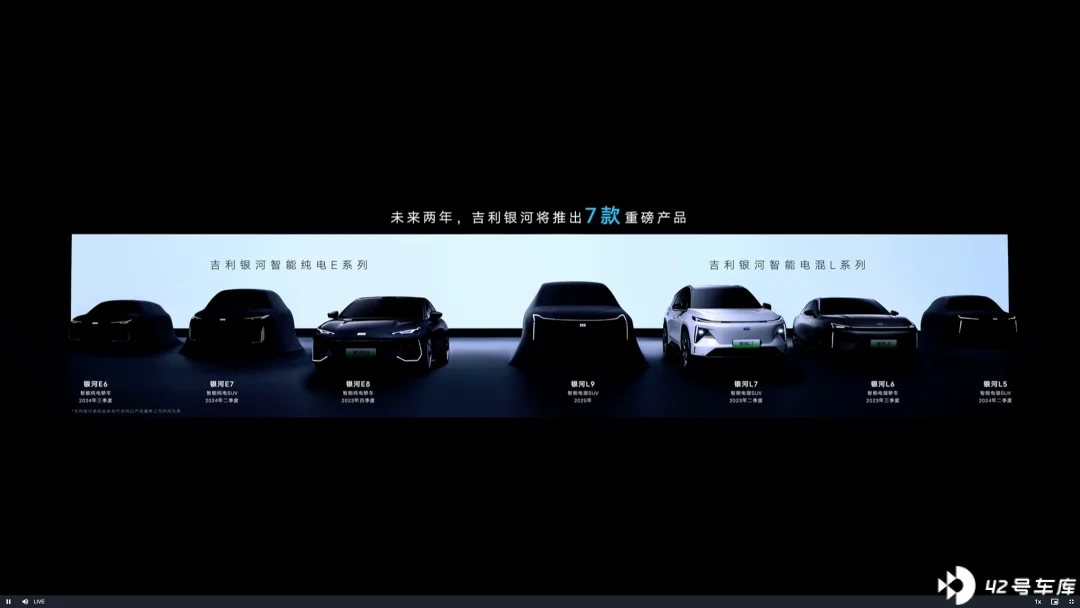
Over the next two years, the Yinhe series will introduce seven models. Four L-series vehicles will target the hybrid market, while three E-series models will focus on pure electric powertrains.
Among the four hybrid models, three are SUVs and one is a sedan. Based on the dimensions shown in the presentation materials, the L6, L7, and L9 are expected to cover the subcompact, compact, and mid-size SUV segments, respectively. Of the three pure electric vehicles, two are sedans and one is an SUV.
During the launch event, Geely did not provide detailed technical specifications for the products. Instead, it offered a general overview across five key areas: design, battery safety, engine efficiency, intelligent driving, and intelligent cockpit.
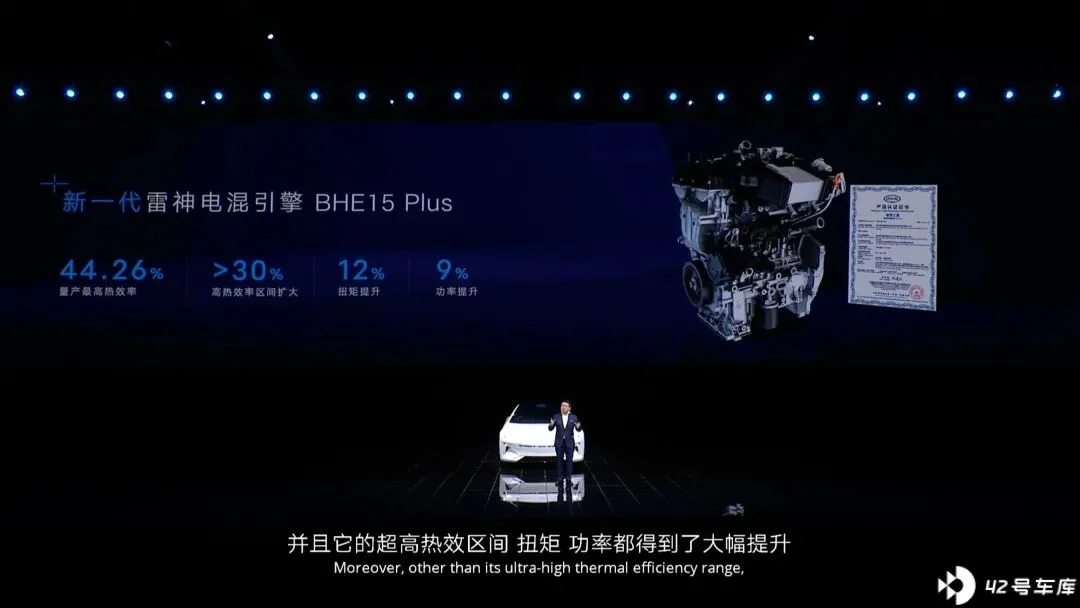
Geely announced that the mass-produced version of its Leishendianhunyinqing BHE15 Plus hybrid engine achieves a peak thermal efficiency of 44.26%, with an expanded efficient operating range of over 30%. The next-generation engine is projected to exceed 46% thermal efficiency. Paired with a three-speed transmission, the efficient engine enables a maximum output power of 287 kW for two-wheel-drive models and 488 kW for four-wheel-drive models.
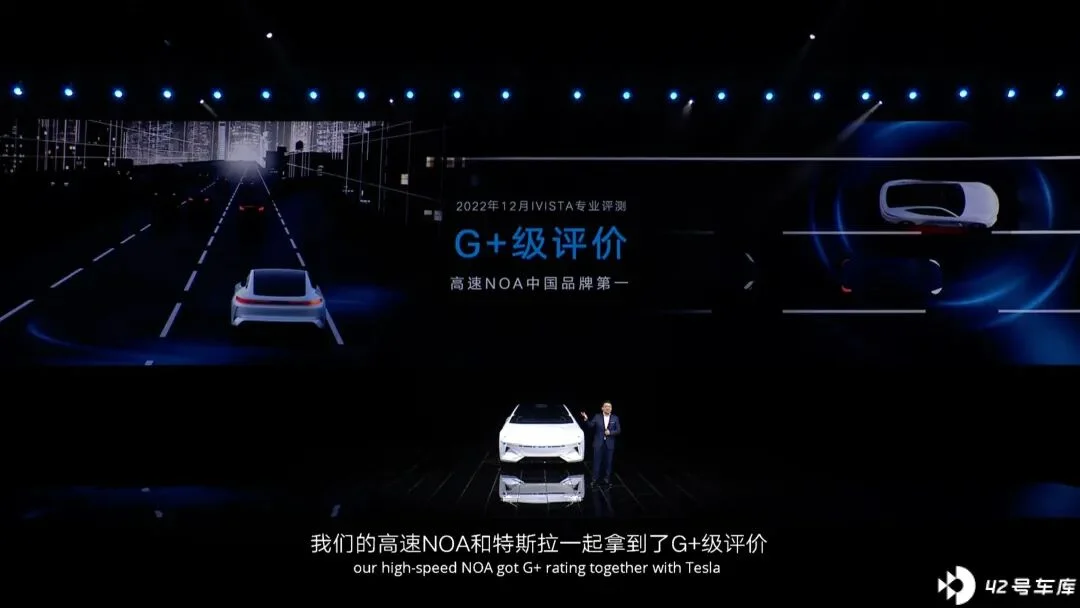
Geely’s Intelligent Driving Update: Geely announced two key points regarding its intelligent driving capabilities. First, Geely’s NOA system and Tesla both received the IVISTA G+ rating, positioning Geely as the leader in highway NOA on the Chinese platform. Second, the Yinhe intelligent driving solution will feature functions such as 'multi-floor memory parking,' 'high-speed emergency agile obstacle avoidance,' and 'low-speed exploration assistance.'
The cockpit will be equipped with the Yinhe NOS operating system, which utilizes a 'fully self-developed distributed operating system architecture.'
Quick Review:
These areas cover the most critical aspects of smart vehicles. The direction is correct; the key now lies in execution and results. Geely’s newly established 'Yinhe series' will target the RMB 150,000–300,000 new energy vehicle market. Over the next two years, it will directly compete with BYD’s core models, including Tang, Song, Yuan, Qin, Seal, and Dolphin.
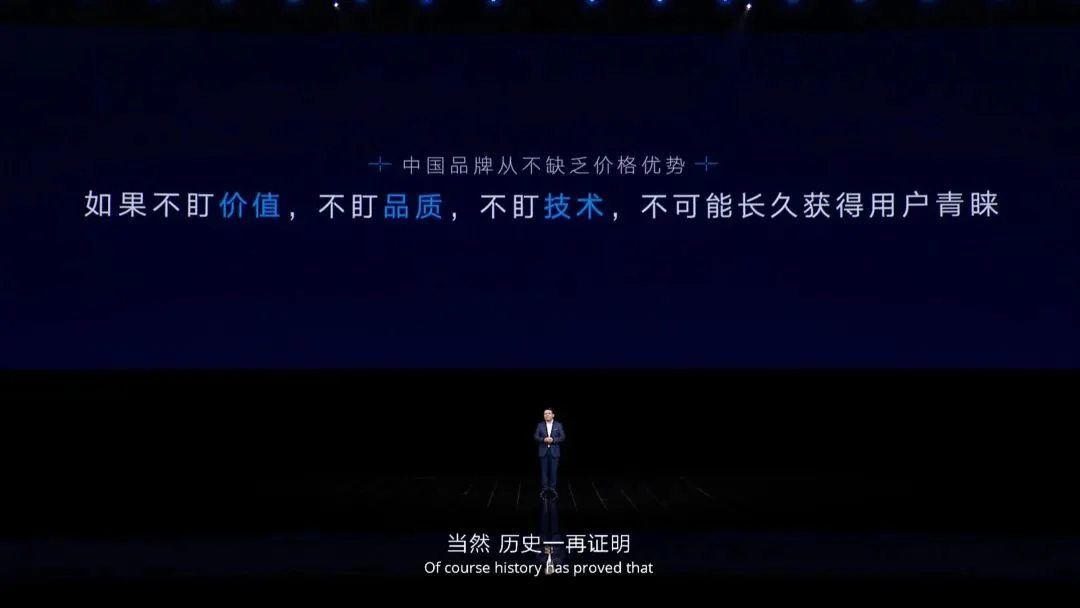
However, reviewing the press conference, Mr. Gan stated: 'Chinese brands do not lack price advantages. Without focusing on value, quality, and technology, it is impossible to sustainably win user favor.' It is therefore expected that the Yinhe L7 will not engage in price wars or pursue a cost-performance strategy, meaning prices will not be particularly low.
Regardless of the final impression left by this launch event, the Yinhe series has clearly demonstrated Geely’s determination to capture the new energy market. In 2023, BYD continues to dominate alone. Will there still be opportunities for new players? The Yinhe series will provide the answer.
Meizu FlymeAuto Details Revealed
On February 23, we learned exclusively from Meizu that the company has publicly revealed details of its FlymeAuto interface for the first time. The previously quiet Meizu has indeed delivered surprising results with FlymeAuto.
Figure 1 shows the Flyme Link negative-first screen, a custom interface designed by Meizu specifically for smartphone-to-vehicle connectivity. It syncs the phone ecosystem to the car display, prioritizing high-frequency functions for quick access. Similar to the HarmonyOS cockpit, we anticipate Flyme Link will also support app continuity across devices.
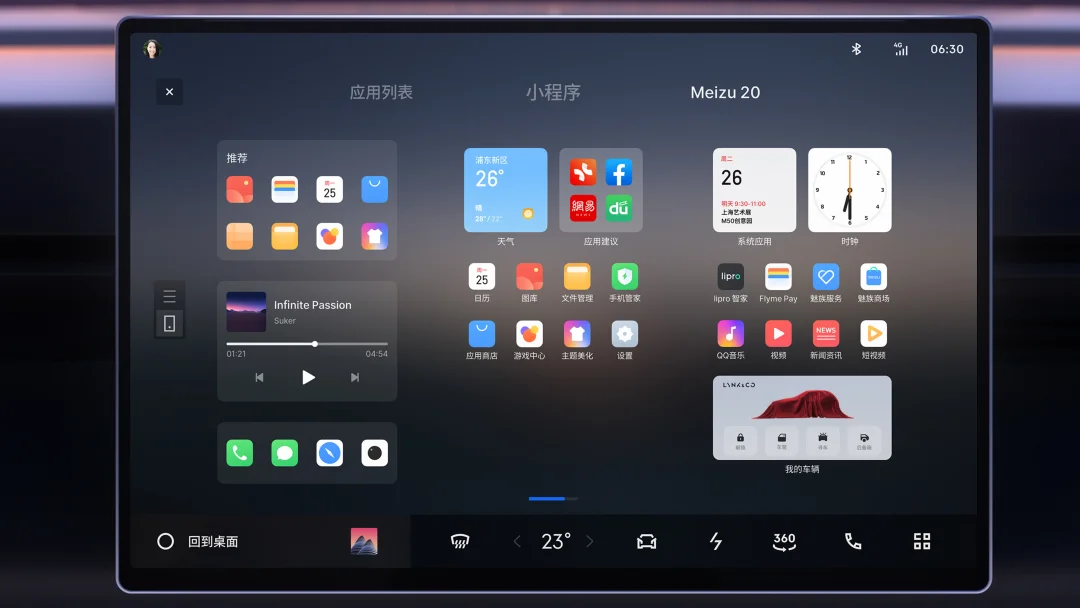
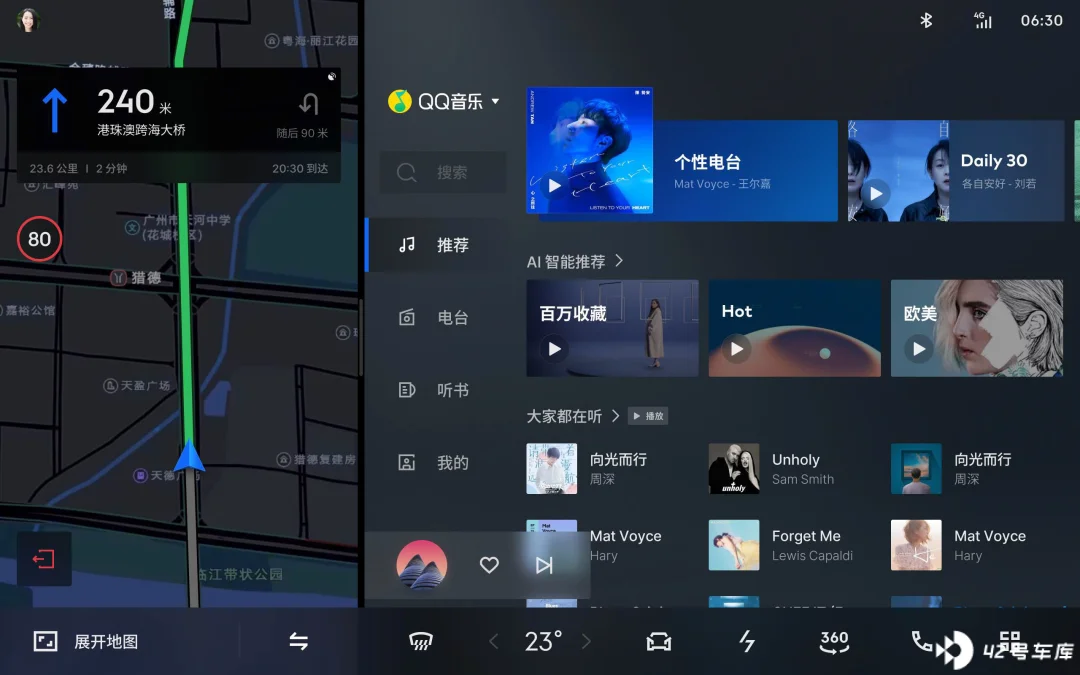
Figure 2 shows the customized version developed in collaboration with Meizu and QQ Yinyue. It features optimized display and interaction tailored for the vehicle interface. Compared to third-party versions like 'Ai Quting,' the native system delivers superior search speeds and a more extensive music library.
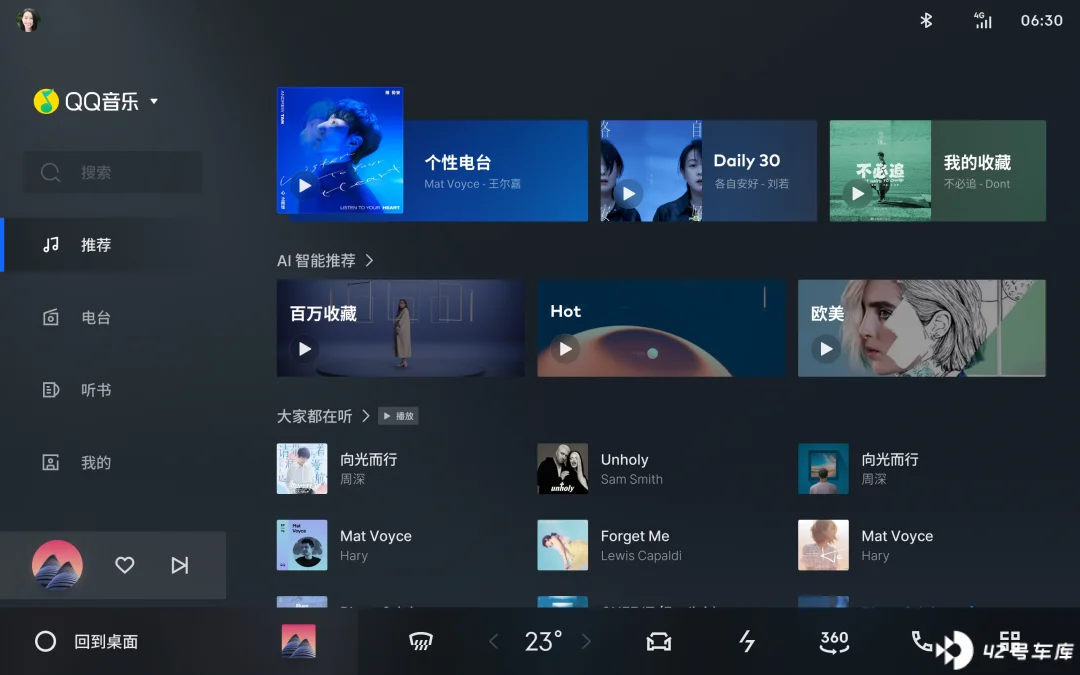
Figure 3 illustrates a split-screen mode that simultaneously runs music and map navigation applications. As with smartphones, users can freely adjust the split-screen ratio, and the application layout adapts accordingly. Based on previously leaked videos, the overall system latency appears minimal.
Fourth video, very interesting: In "Nap Mode," the fireflies on the infotainment screen interact with the ambient lighting, flickering in sync. When doors open or close, the fireflies create a "blowing away" visual effect accompanied by sound effects. It’s somewhat similar to the experience of 4D/5D movies at tourist attractions.
Quick Review:
The Meizu infotainment team told us that FlymeAuto embodies an "Alive Design" philosophy, emphasizing a sense of life. Setting aside these Easter eggs, based on the current UI design, feature settings, and previously released videos, the FlymeAuto team has demonstrated strong technical proficiency.
Two years in the making since its official launch, the FlymeAuto product is becoming increasingly mature. We are pleased to see that the infotainment team did not rigidly copy mobile phone logic; they have thoughtfully adapted to the unique characteristics of automotive interfaces.
Kudos to the team. We are eagerly anticipating how this system performs in a vehicle.
Interior of the All-New Mercedes-Benz E-Class Unveiled
The smart cockpit of the Mercedes-Benz E-Class has been upgraded, with interior design closely following that of its flagship, the EQS. The new E-Class features a dual-screen setup integrating the center display and front passenger screen, with curved edges creating a seamless "MBUX Chaojiping" (MBUX Superscreen). The air vent design distinguishes it from the EQS.
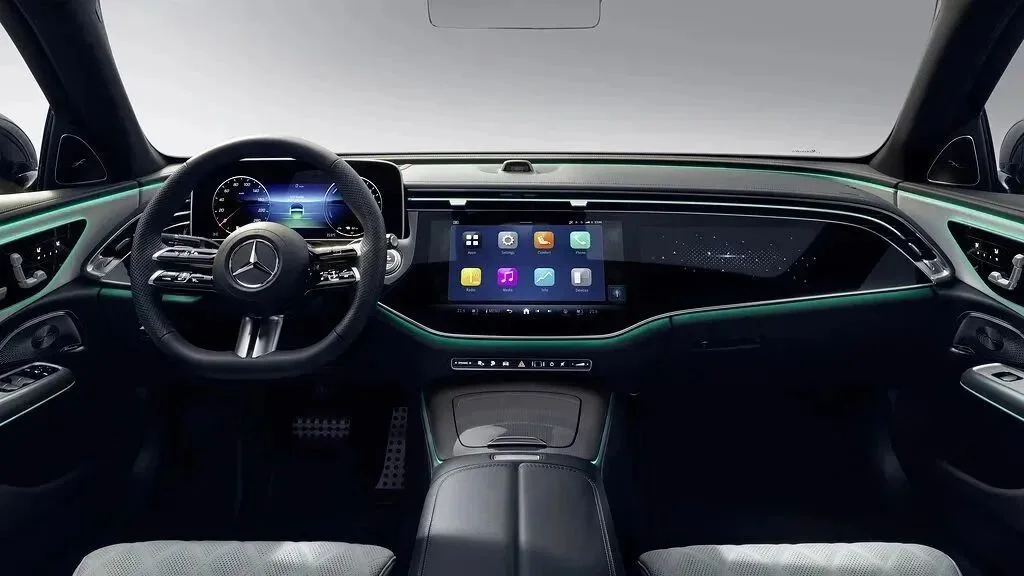
The front passenger screen allows passengers to watch videos and other entertainment content during the journey. When the driver looks at this screen, its "privacy mode" activates to prevent distraction.
The new E-Class can be equipped with a variety of entertainment applications. The central control screen and the front passenger display support browsing "Douyin," playing games like "Angry Birds," collaborating via "Webex" and "Zoom," and searching for information on the "Vivaldi" browser. The ZYNC in-vehicle digital entertainment platform also provides online video, interactive experiences, local video playback, sports, news, and gaming content.
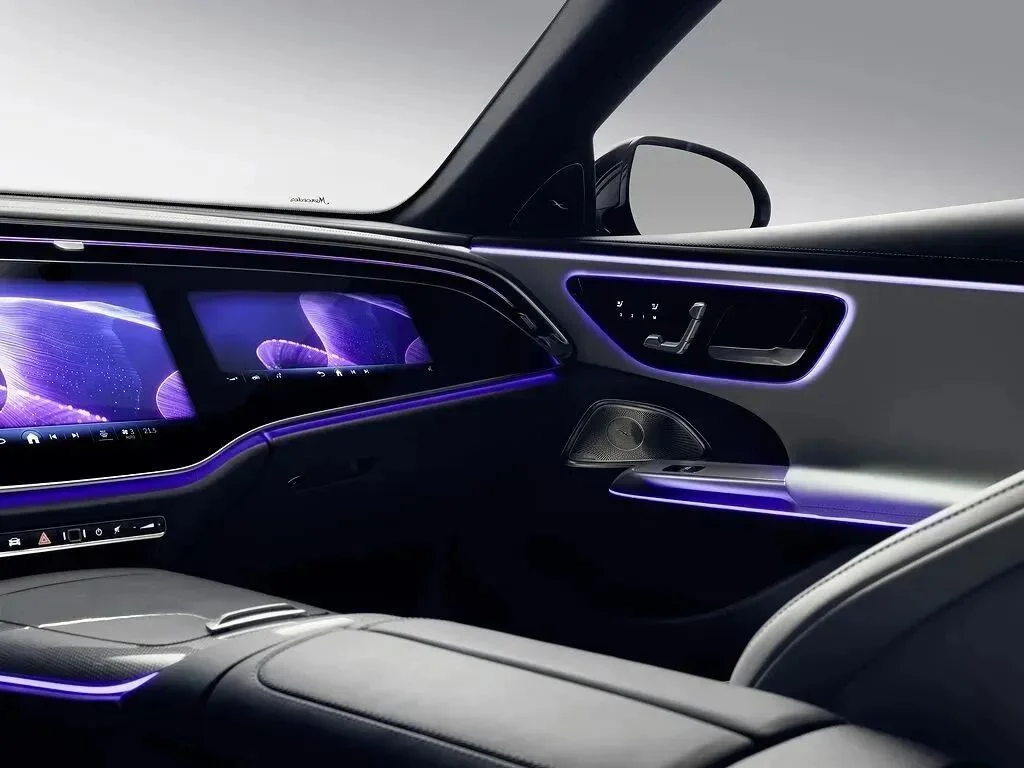
For Mercedes-Benz, this marks a step toward developing more intelligent cabin systems. Similar center/passenger screens found in the EQ series will gradually become the mainstream design element in next-generation Mercedes-Benz interiors.
Quick Review:
Mercedes-Benz also announced specific plans for its proprietary operating system, MB.OS, which will debut on the upcoming Modular Architecture (MMA) platform.
The advantage of the MB.OS operating system is its ability to fully integrate vehicle functions, including infotainment, intelligent driving assistance and autonomous driving features, body and comfort systems, as well as driving and charging capabilities.
Among them:
• Build a dedicated system: The MB.OS operating system is a new architecture spanning from chips to the cloud;
• Partner with leading innovative enterprises: Collaborate with key technology partners in the hardware and software fields to ensure efficient development and rapid application;
• Enhance the infotainment experience: Integrate industry-leading content resources tailored for different markets, covering music, video, gaming, and productivity applications;
• Advancing the development of autonomous driving technology: Mercedes-Benz is planning to further upgrade its L2-level intelligent driving assistance features, which are tailored for urban use scenarios, and increase the speed limit for L3-level conditional autonomous driving to a maximum of 130 km/h. These capabilities are supported by the NVIDIADRIVE platform and fleet-level machine learning abilities;
• Enable flexible system upgrades: Fully connected vehicles will be able to share data via OTA updates and rapidly implement feature enhancements. Customers can access new features through the app, web portal, or vehicle infotainment system.
• Unlock new profit opportunities: By the end of this decade, software-related revenue is expected to reach several billion euros.
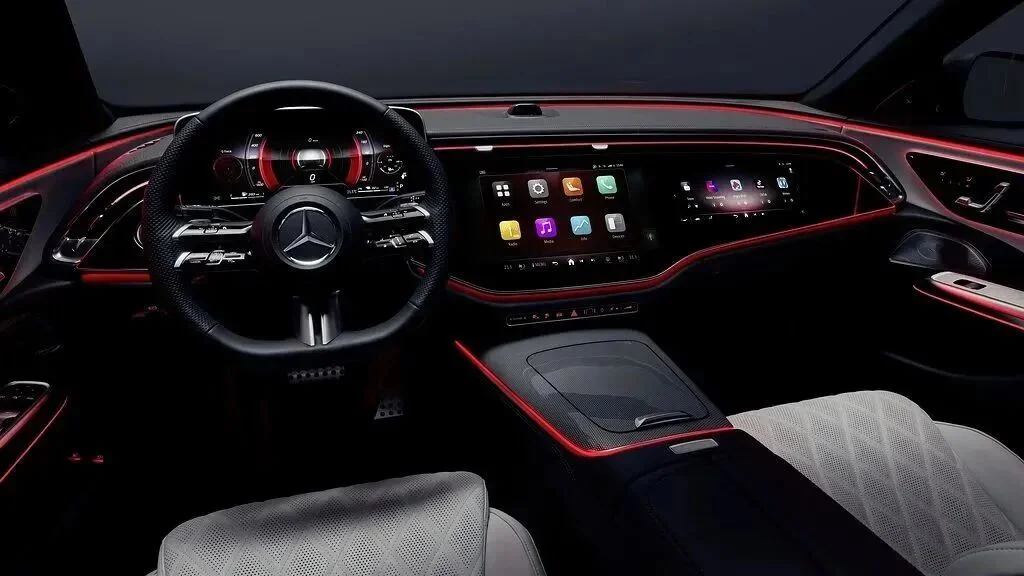
In the domestic market, this new Mercedes-Benz infotainment system will also offer localized applications. This generation of the system aims to help Mercedes-Benz match the cabin features of new energy vehicle brands while retaining a luxurious atmosphere.
The Most Affordable Mobileye EyeQ4 Is Here: Jiangnan U2 Launches
On February 26, the Jiangnan U2 was officially launched, with a price range of RMB 56,800 to RMB 98,800. Barring any surprises, this is likely the cheapest car available that uses the Mobileye EyeQ4 chip.
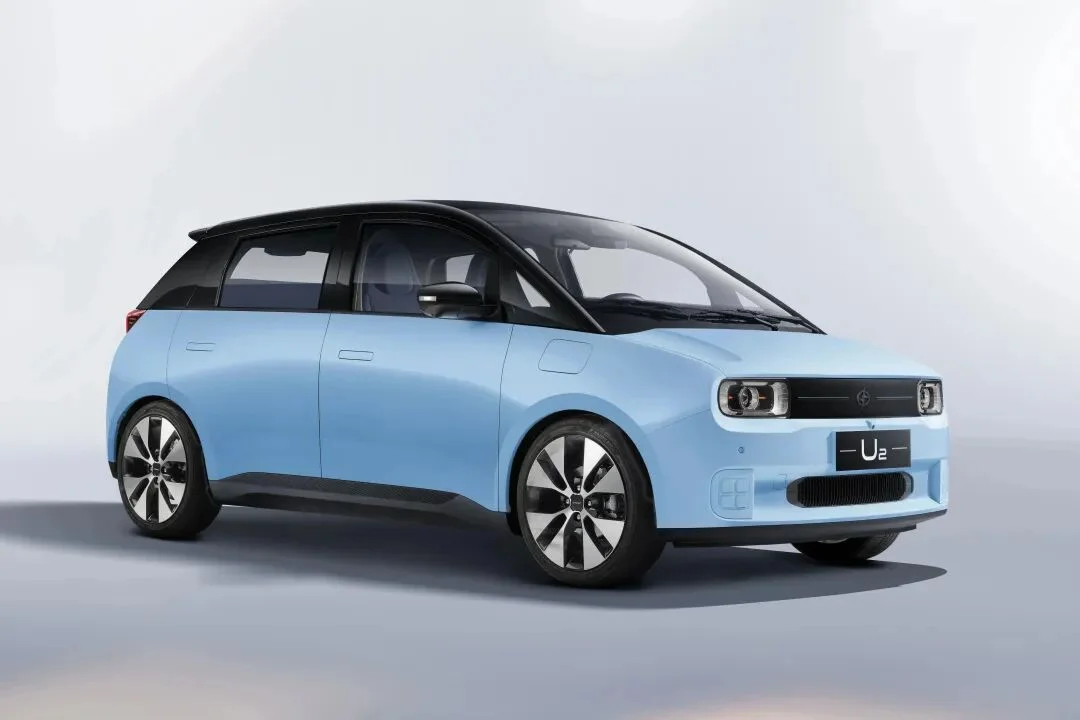
First, let's look at the driver assistance-related specifications:
• 1 front monocular camera;
• 4 surround-view cameras;
• 5 ultrasonic radars;
• The visual computing chip is the Mobileye EyeQ4.
The system implements 10 functions: Adaptive Cruise Control (ACC), Forward Collision Warning (FCW), Automatic Emergency Braking (AEB), Lane Departure Warning (LDW), Lane Centering Control (LCC), Traffic Jam Assist (TJA), Intelligent High Beam Control (IHBC), Traffic Sign Recognition (TSR), Integrated Cruise Assist (ICA), and Intelligent Speed Limit (ISL).
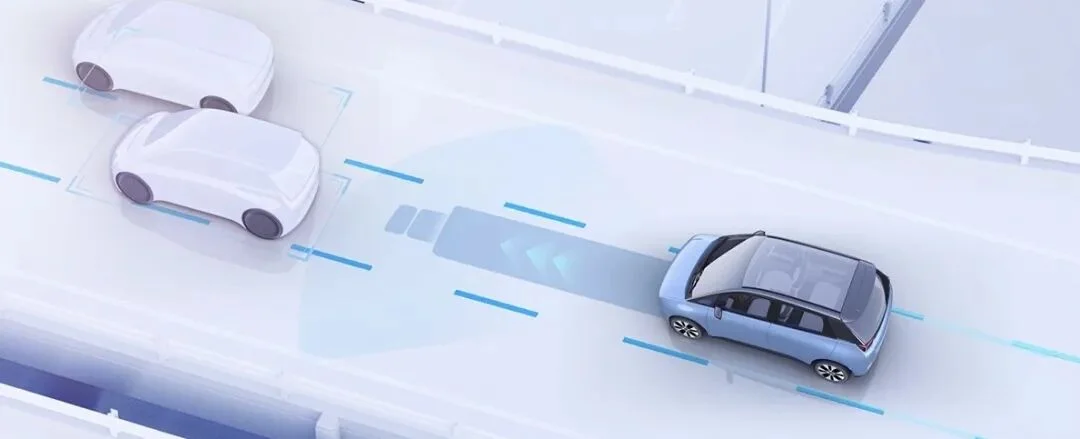
The hardware and features match the level of new-entrant models priced above RMB 300,000 from around 2020. It is therefore surprising to see a car priced at RMB 98,800. Based on our previous testing experience, vehicles equipped with Mobileye EyeQ4 generally have solid baseline capabilities. However, the controller specifications for the more affordable Jiangnan U2 certainly cannot compare with those in cars priced between RMB 200,000 and RMB 300,000, so we are quite looking forward to this vehicle's driver assistance experience.
Quick Review:
Other configurations are also not low. The entry-level 150 version is priced at 56,800 yuan, similar to the Wulinghongguang MINIEV. It uses Ruipunengyuan's lithium iron phosphate battery, with a pure electric range of 105 km, supports only slow charging, and is paired with a 35 kW motor. The two mid-range models, 300 and 300 S, are priced at 69,800 yuan and 76,800 yuan respectively. They use batteries from Ruipunengyuan/Guoxuangaoke, offer a pure electric range of 305 km, support fast charging, and are equipped with a 55 kW motor.
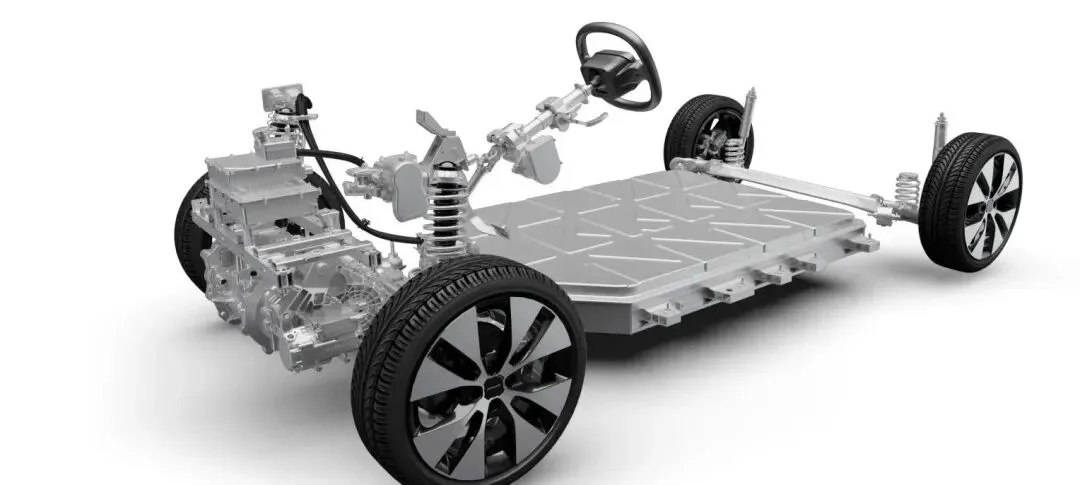
The top-tier 400, 400 S, and 400 Pro models all feature a 43 kWh battery pack, priced at RMB 83,800, RMB 88,800, and RMB 98,800 respectively. They use batteries from Ruipunengyuan or Tianjinxinnengyuan, offer an electric range of 406 km, support fast charging, and are equipped with an 80 kW motor. Below are some shared specifications:
Body dimensions: 3,840 x 1,742 x 1,545 mm
Wheelbase: 2,521 mm
Seating: 5-door, 5-seat
Motor layout: Front-engine, front-wheel drive
Battery type: Lithium iron phosphate
Suspension type: Front MacPherson independent suspension / Rear longitudinal arm torsion beam non-independent suspension
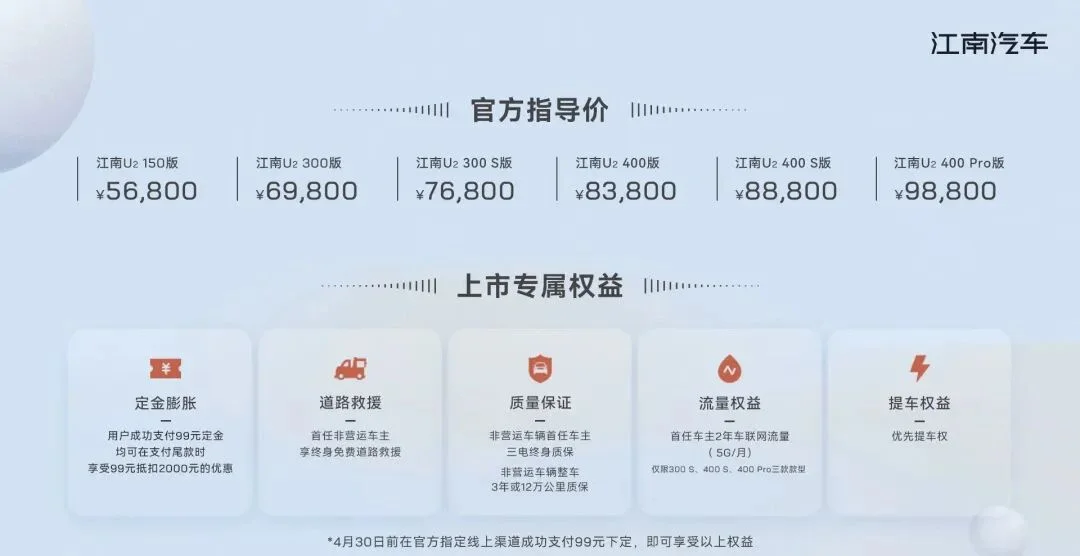
Both the S and Pro versions feature a dual-screen layout. The infotainment system supports 5G connectivity and includes a voice assistant capable of "what you see is what you say" commands and continuous dialogue. It is reported that a version with 4C batteries may be released in the future. With such comprehensive specifications, it remains to be seen how the actual vehicle will perform.
Xiaomi's Head of Car-Making Marketing, Zhou Xing, Has Resigned and Returned to Wuling
On February 21, Dujiaoshouwajueji reported that Zhou Xing, Xiaomi's marketing head for its car-making venture, has resigned and returned to Wuling Automobile.
Zhou Xing joined Shangqitongyongwuling in 2011; in 2019, he served as the Director of the Marketing Center of Shangqitongyongwuling Sales Company; in 2020, he was promoted to Brand and Marketing Director of Shangqitongyongwuling Automobile Co., Ltd.; subsequently, Zhou Xing was further promoted to Deputy General Manager of Shangqitongyongwuling Sales Company due to outstanding performance. This promotion speed can be described as 'cheating', making many office workers envious.
As a post-85s generation individual, Zhou Xing has a very well-known track record in automotive marketing.

From the series marketing of the phenomenon-level product Wulinghongguang MINIEV to the cross-boundary momentum of "Whatever the people need, Wuling will build it," Zhou Xing has been involved in these widely spread marketing cases.
In recent years, Wuling has successively launched hit products such as the Zhengtu, Zhengcheng, Wuling Xingchen, and Wuling NanoEV. It has also begun to attempt diversified, all-scenario user services, exploring new service experience needs for personalization, social interaction, and cultural co-creation from online to offline channels.
The outside world widely speculates that it is precisely because of the label of "hit-maker" that Xiaomi extended an olive branch to Zhou Xing.
Quick Review:
According to leaks from Dujiaoshouwajueji, Zhou Xing worked at Xiaomi for only seven months before returning to Wuling Automobile; his specific role there remains unknown. Regarding the reasons for leaving Xiaomi, the article cites an "insider" who suggested that Zhou Xing may not have fully embraced certain internet-style business models. This has led to speculation that his departure stemmed from a personal aversion to internet company culture, resulting in what is described as "acclimatization difficulties."
According to plan, Xiaomi's first model is scheduled to begin mass production in the first half of 2024. Given standard marketing and promotional cycles, Xiaomi Auto should already be advancing market sales and brand communication efforts at this stage. In addition to Zhou Xing’s recent departure, incidents such as supplier image leaks resulting in fines and internal data breaches suggest that Xiaomi Auto’s marketing initiatives have appeared somewhat disorganized.
Author: Jiang Xiaohei Editor: Liu Guangding