


What Is It Like to Drive the Q5 e-tron on Mountain Roads?
01Meeting the Q5 e-tron
With the Mid-Autumn Festival approaching, the weather in Jiangnan has gradually become less humid and muggy. SAIC Audi took advantage of this cooler period to host a media test drive event for the Q5 e-tron amidst the rugged mountains of Anji.

Although BBA brands often treat electric vehicles as new sub-series—such as BMW’s BMW i, Mercedes-Benz’s EQ Xilie, and Audi’s e-tron—they typically use this approach to distinguish their internal combustion engine product lines from their electric vehicle lines.
The vehicle we tested today is the Q5 e-tron. Based on the naming convention above, many people might immediately assume it is an internal-combustion-to-electric conversion of the Q5.
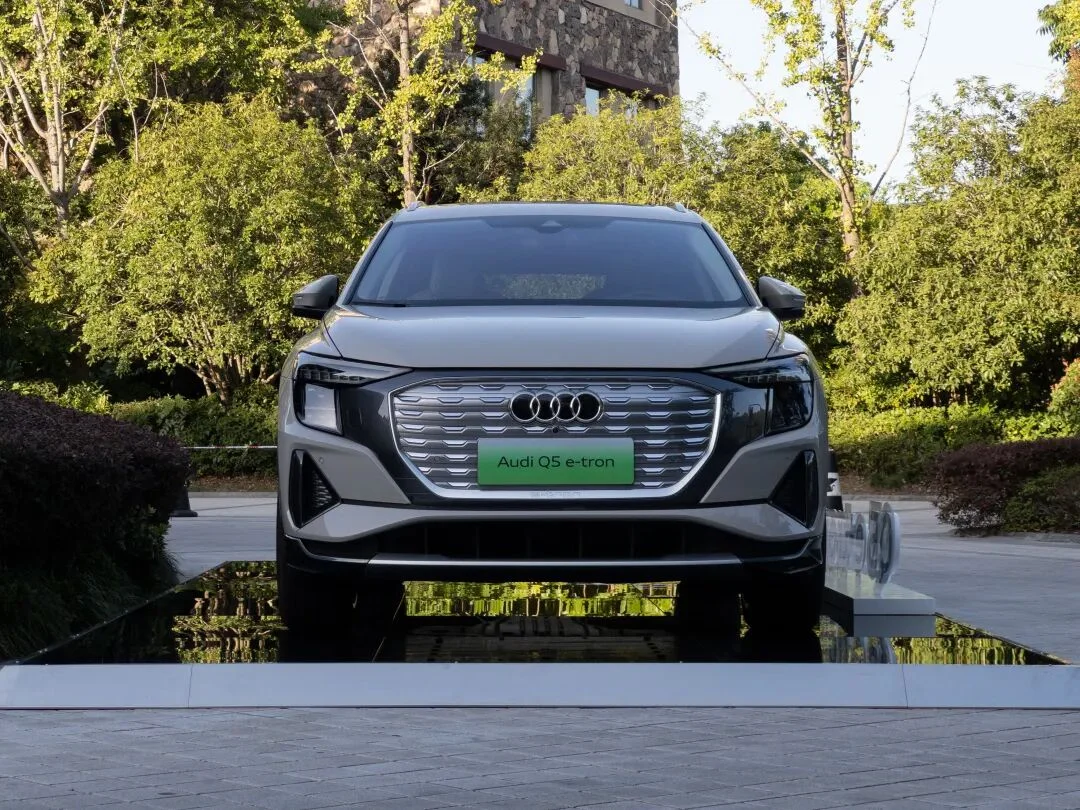
In reality, however, it shares very little with the fuel-powered Q5. It uses a different chassis architecture, and its body dimensions are even slightly longer than those of the Q5L. Its starting price of RMB 376,500 is also somewhat lower than that of the Q5L.
For SAIC Audi, this model is the brand's first all-electric SUV. Developed on Volkswagen's MEB platform alongside the ID. 6, it shares identical wheelbase and overall length with the ID. 6.
We have previously provided a detailed breakdown of the Q5 e-tron’s specifications and features. Readers can refer to our earlier coverage for full technical details: "Downshifting Two Gears: The Drag Feel Affects Not Just Combustion Engines, But Also the Q5 e-tron"
02An 'Audi' That Doesn't Look Obviously Electric
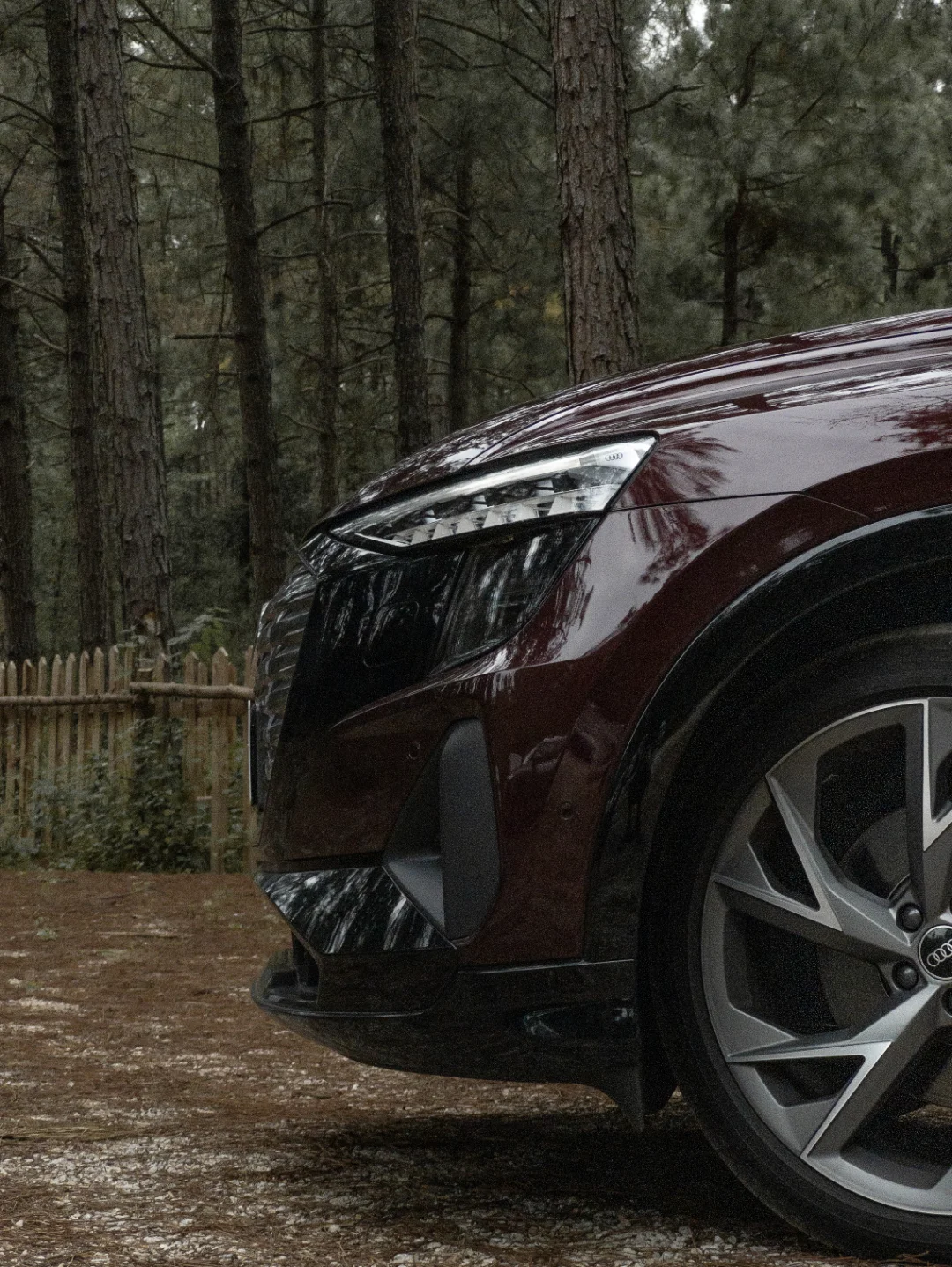
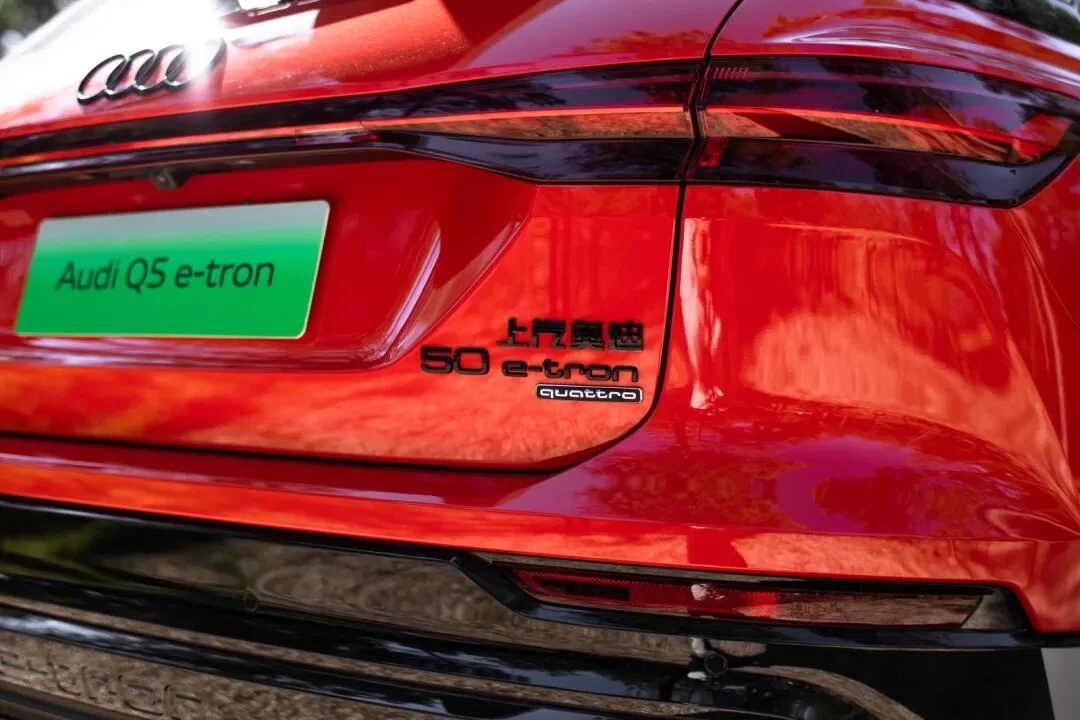
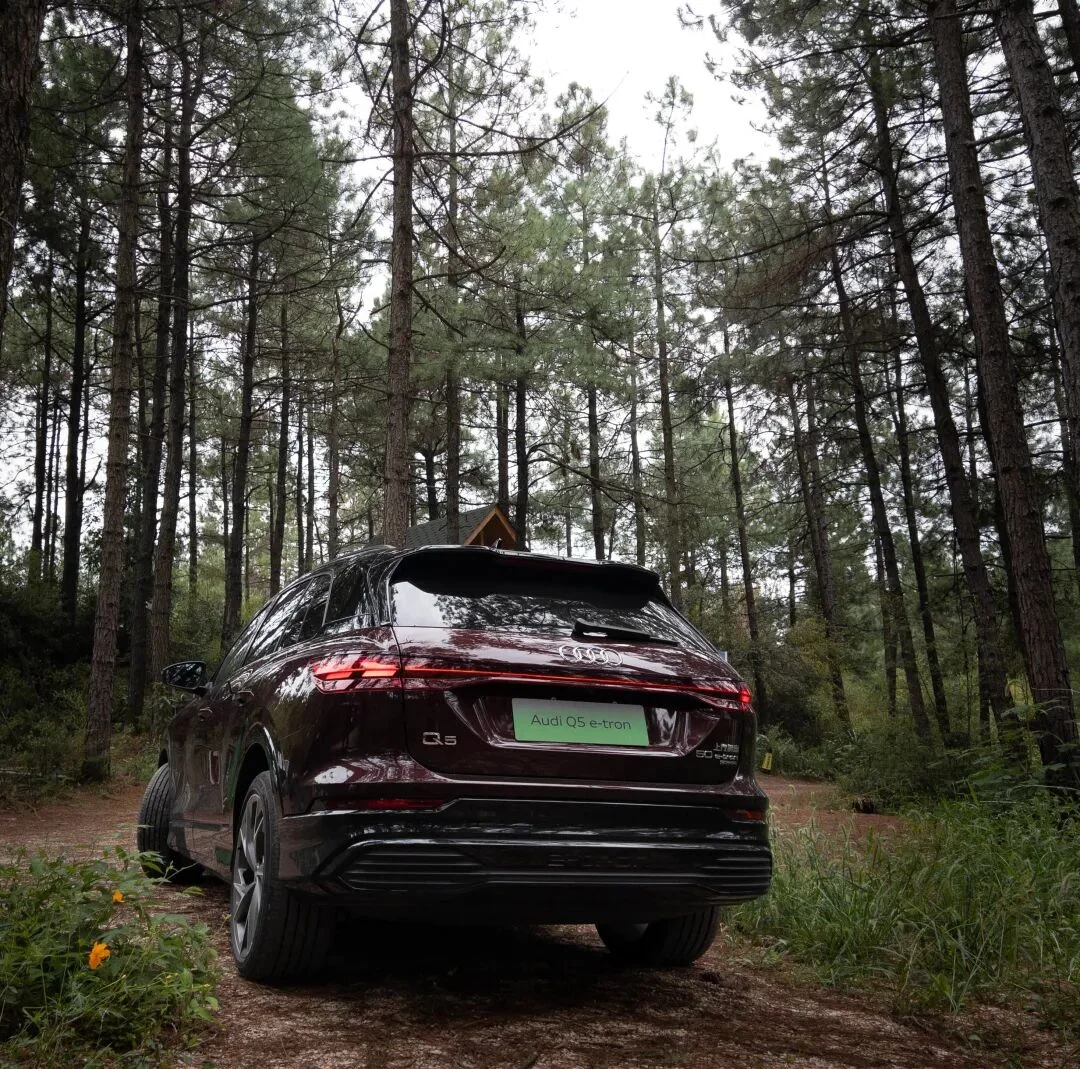
Our test vehicle was the 50 e-tron quattro Jijiataozhuangbanben, finished in Ganjianghong paint. Compared to other options, this color conveys a sense of stability and elegance. Within the dense mountain forest, the deep base tone combined with multi-layer coating technology interacts with the rich reflections from the overhead foliage, giving the paint an exceptionally high-quality appearance.
The Jijiataozhuangbanben (Mechanical Armor Package) adds extensive blacked-out exterior components. Paired with the depth of Ganjianghong, this creates strong visual cohesion across the body, while effectively downplaying the presence of the front grille.
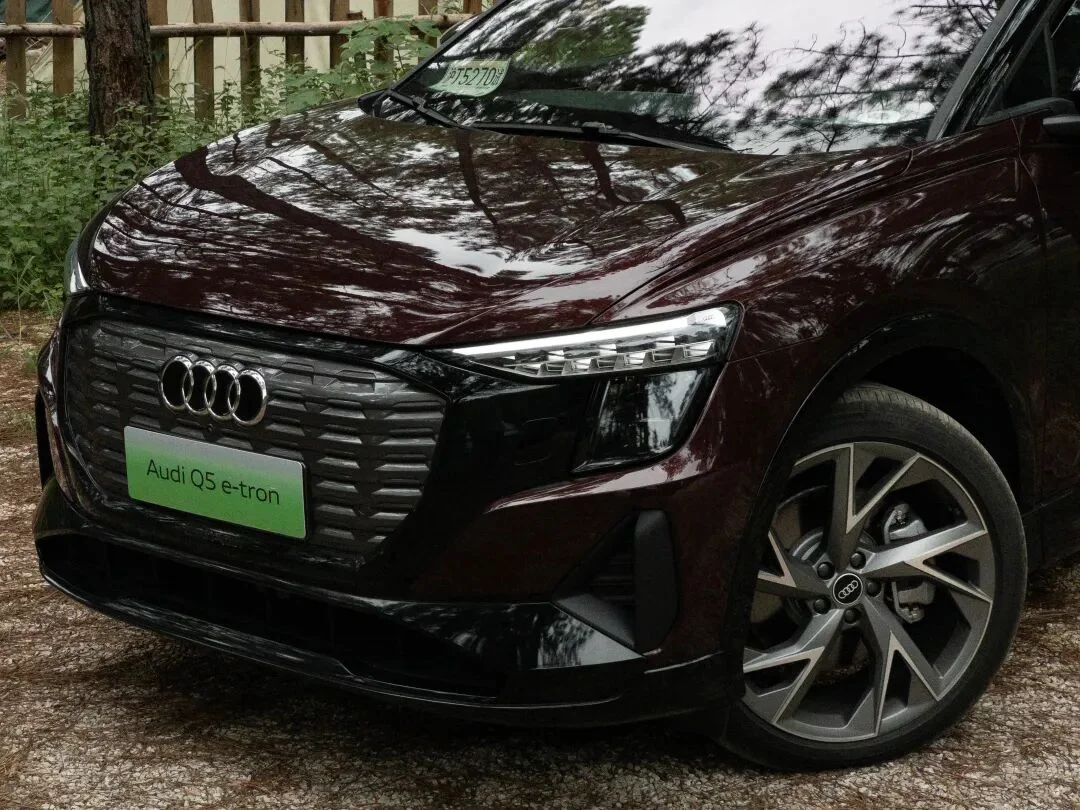
At first glance, aside from the prominent green license plate, the vehicle lacks obvious signs of electrification. The large inverted hexagonal front grille aligns with Audi’s family design language; only upon approaching closely does one discover that the grille is actually closed.
Even with its closed structure, the design retains a matrix-style dot pattern. The actual cooling air intake is hidden beneath the license plate area.
Overall, despite its identity as an electric vehicle, this car still looks very much like an "Audi".
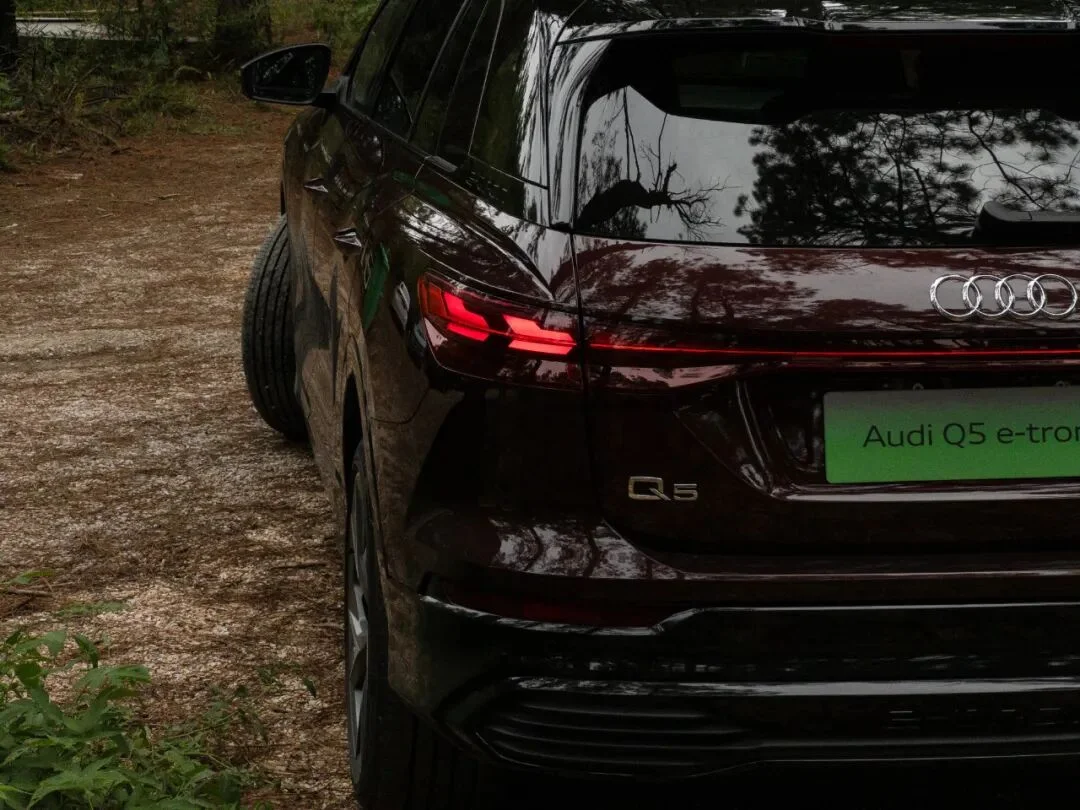
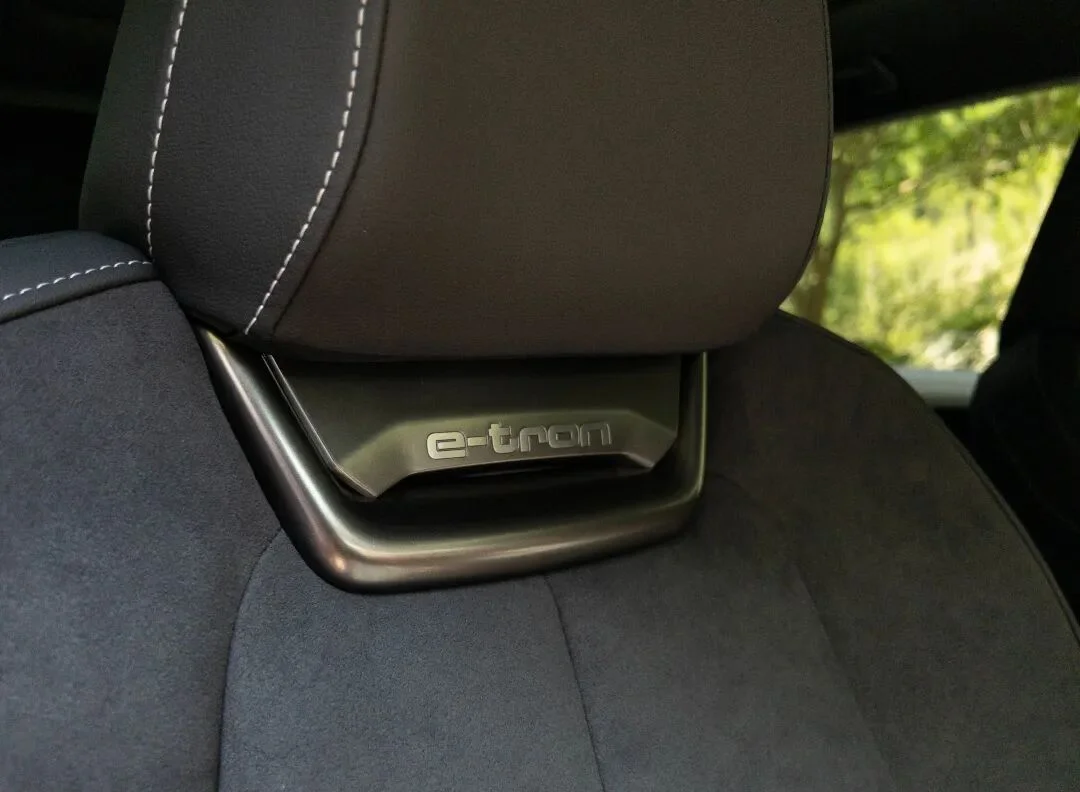
Another electric characteristic, noticeable only up close, comes from the ubiquitous "e-tron" badges scattered around the body, constantly emphasizing its electrified heritage. With the Mecha package, these logos are not conspicuous; instead, they convey a sense of understated restraint.
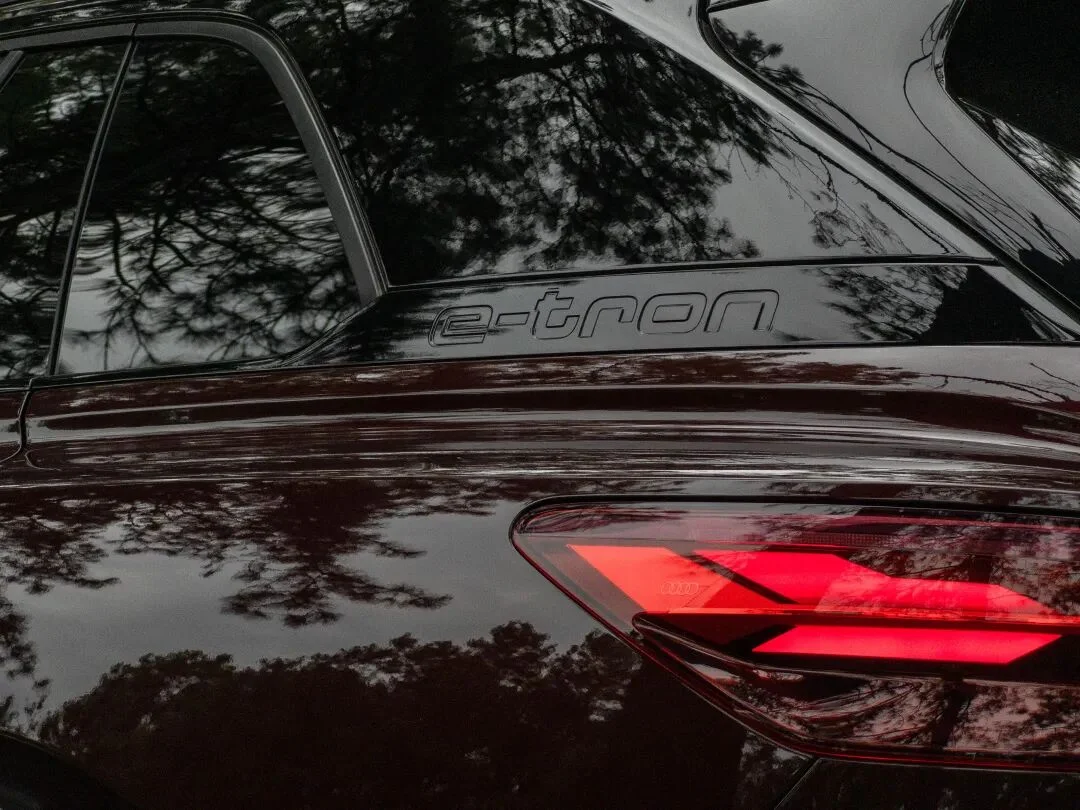
Another highlight of the exterior is Audi's traditional expertise as the "light factory."
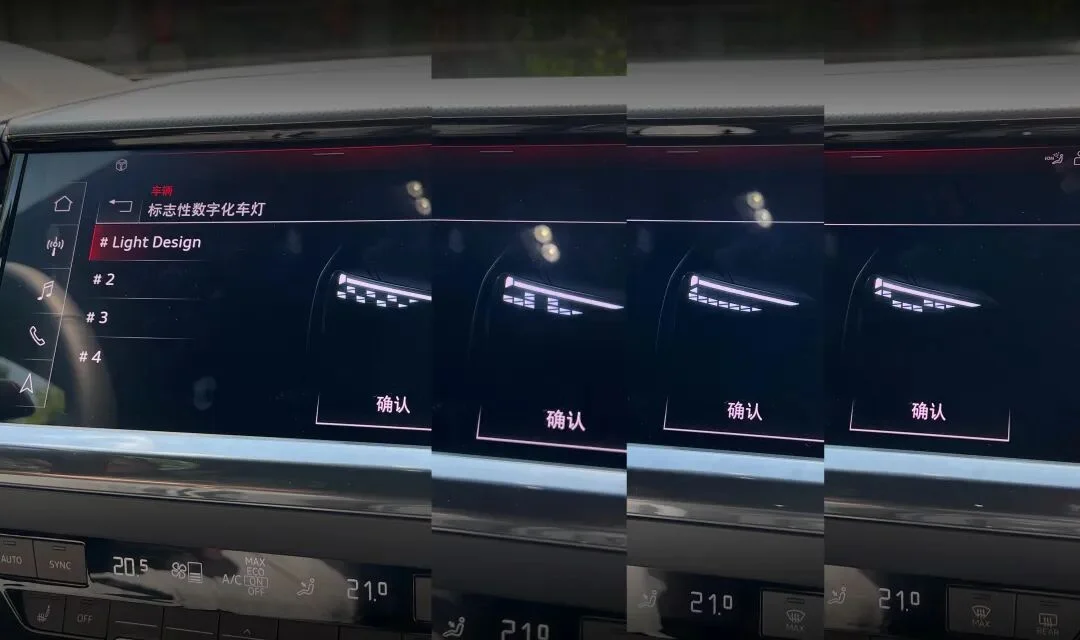
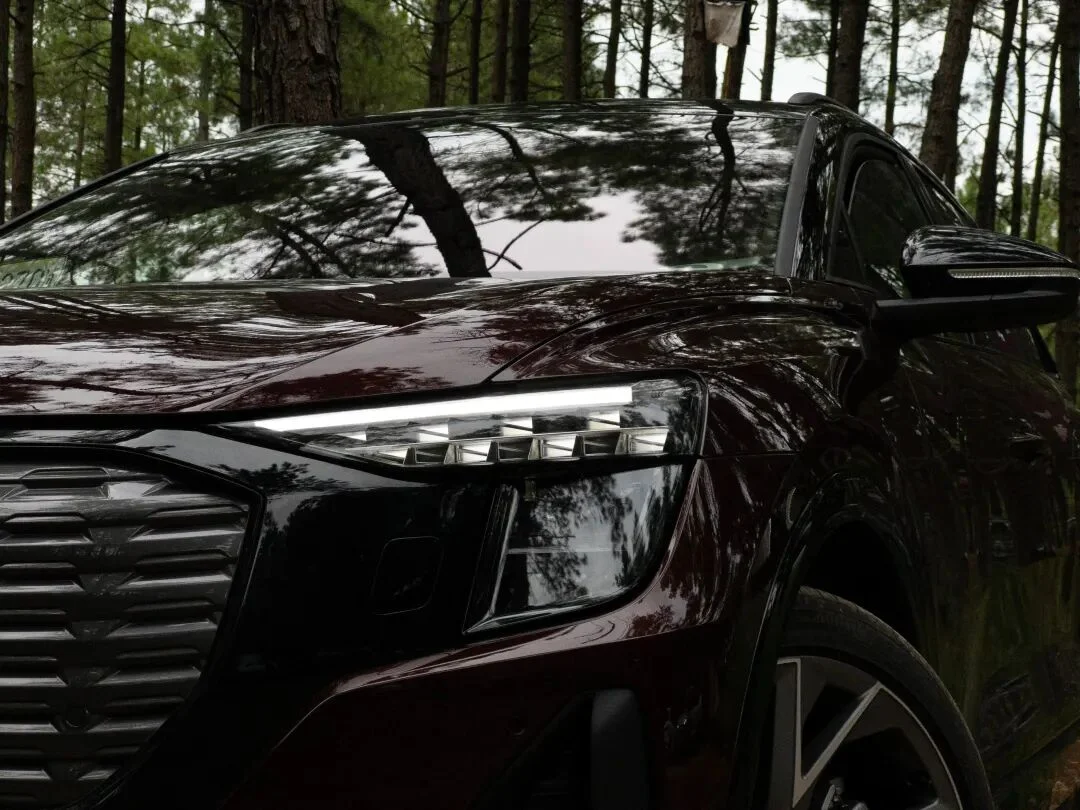
The daytime running lights feature a two-tier design: the upper tier consists of fixed uniform light strips, while Audi offers customizable options for the lower tier, using two rows of 16 LEDs to form four different patterns. Compared to conventional headlight designs, this customizable lighting array stands out significantly.
Stepping inside, the quintessential Audi ambiance is immediately apparent. The brand’s signature high-tech glossy black interior theme is integrated seamlessly and harmoniously on this model.
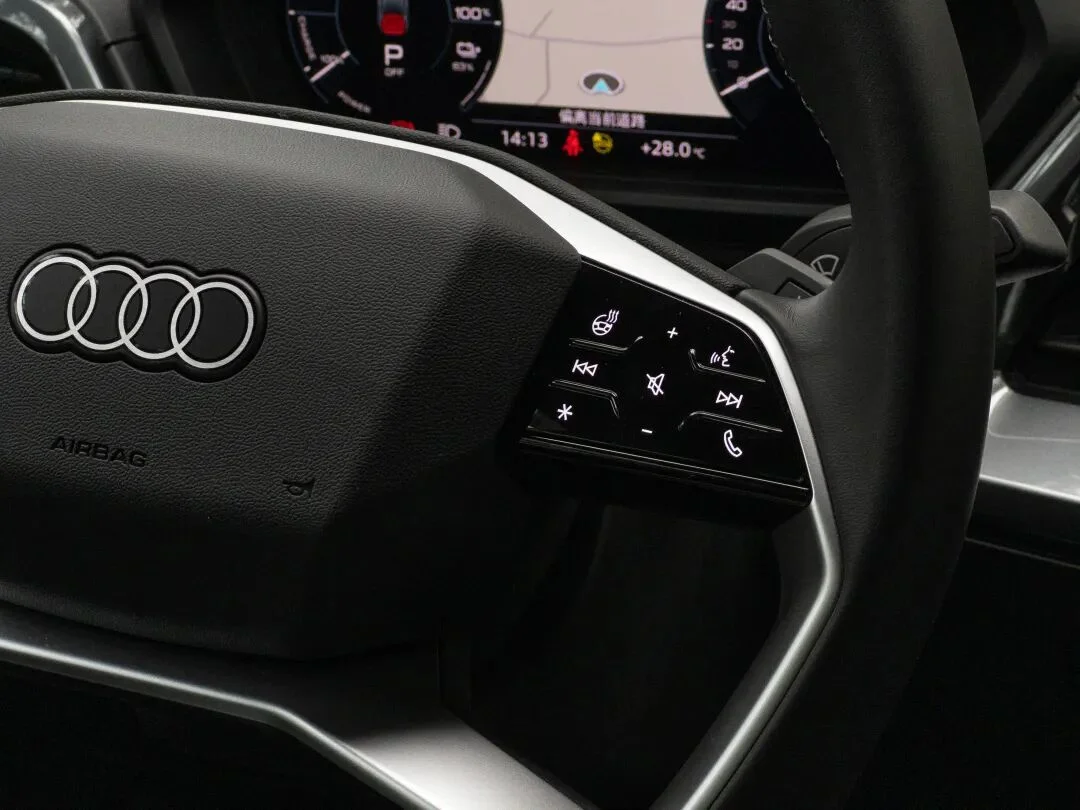
A standout feature is the four-spoke steering wheel, whose hexagonal shape lends a sporty aesthetic. The chrome trim encircling the center does not feel cold to the touch like bare metal, significantly improving tactile comfort in extreme hot or cold weather.
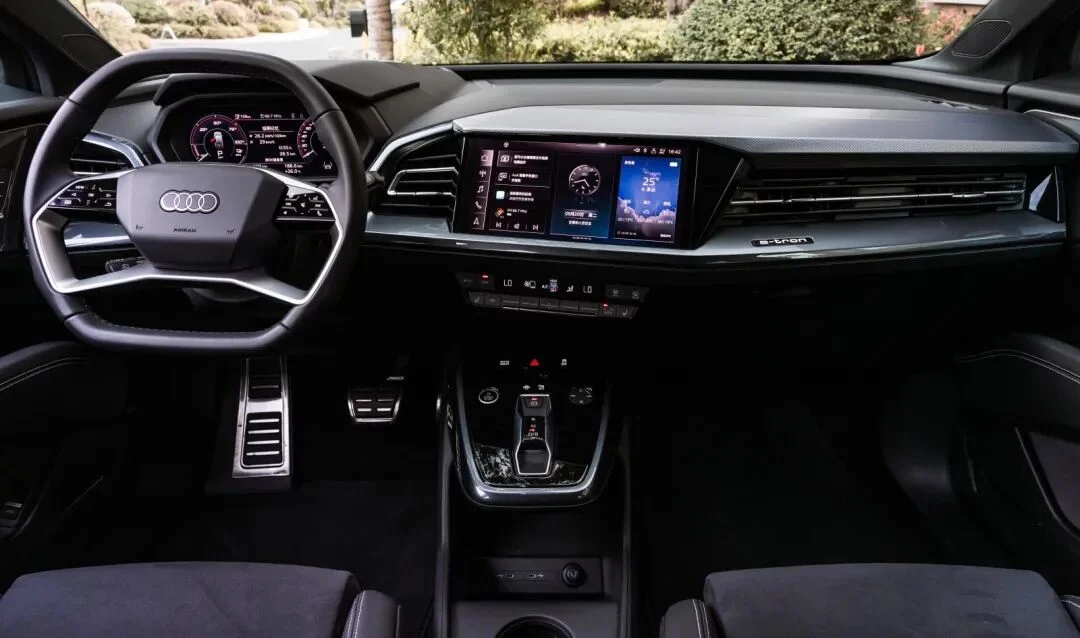
Attention to detail extends to the steering wheel controls, which combine physical buttons with touch functionality. This setup offers a superior user experience compared to the pressure-sensing and haptic-feedback designs common in many modern vehicles; the latter often suffer from latency that disrupts operational fluidity.
03Co-driving the Q5 e-tron through mountain passes
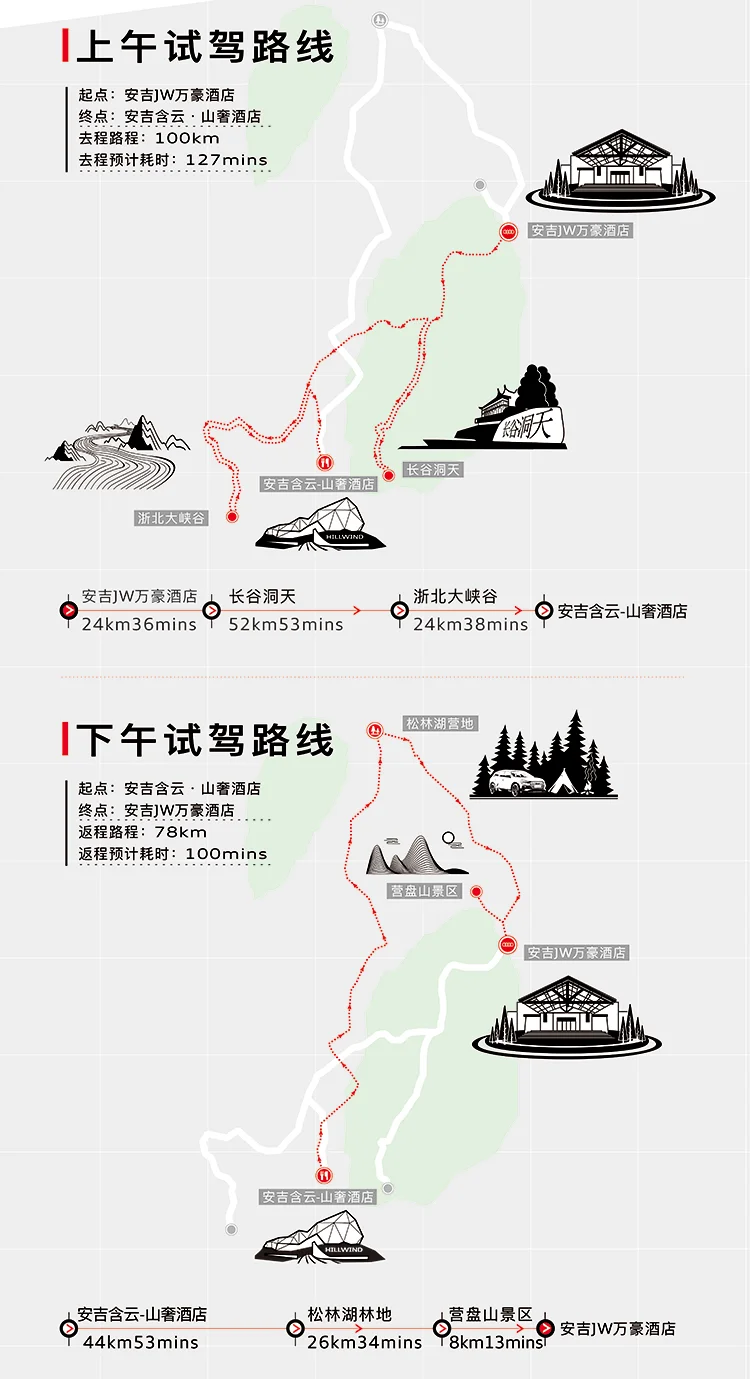
Our test route was set in the mountains of Anji, Zhejiang Province. Departing from the hotel in the morning, we followed a pre-set path through three winding mountain sections before returning to the hotel.
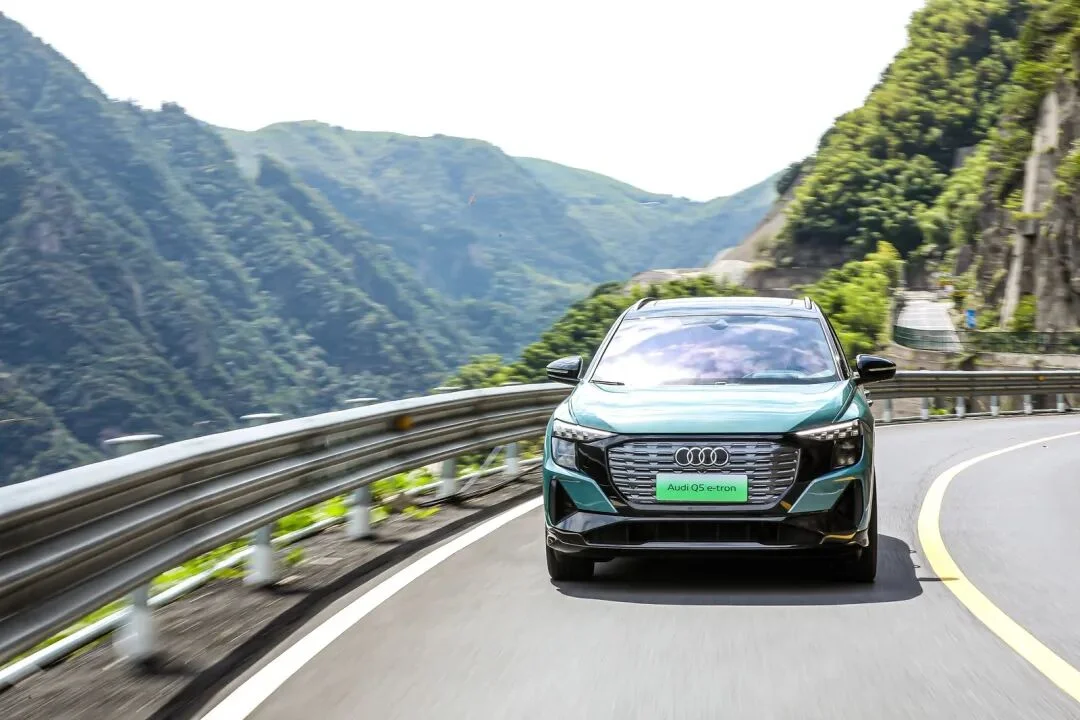
Adapted to the fast pace of life in Shanghai, stepping into the embrace of nature in the mountains can initially feel disorienting. This transition from fast to slow may be jarring at first, but human curiosity prevents it from feeling negative; instead, it sparks excitement. The towering skyscrapers that once dominated the view are replaced by rolling mountain ranges. The unfamiliarity of the visual surroundings naturally leads to a heightened awareness of the unusually quiet auditory environment.
Quiet, and Pleasant
As an electric vehicle, the cabin is already nearly silent. Combined with the tranquility of the mountain setting, there is an irresistible urge to play music to enhance the atmosphere.
The 50 e-tron model is equipped with a B&O sound system featuring 13 speakers, while the lower-spec 40 e-tron version comes with a seven-speaker setup. Unlike many other brands that prominently display their audio partners, Audi’s designers for the Q5 e-tron seem to prefer subtlety. The "BANG & OLUFSEN" logo is barely visible unless you step out of the car and crouch down beside the door panel.
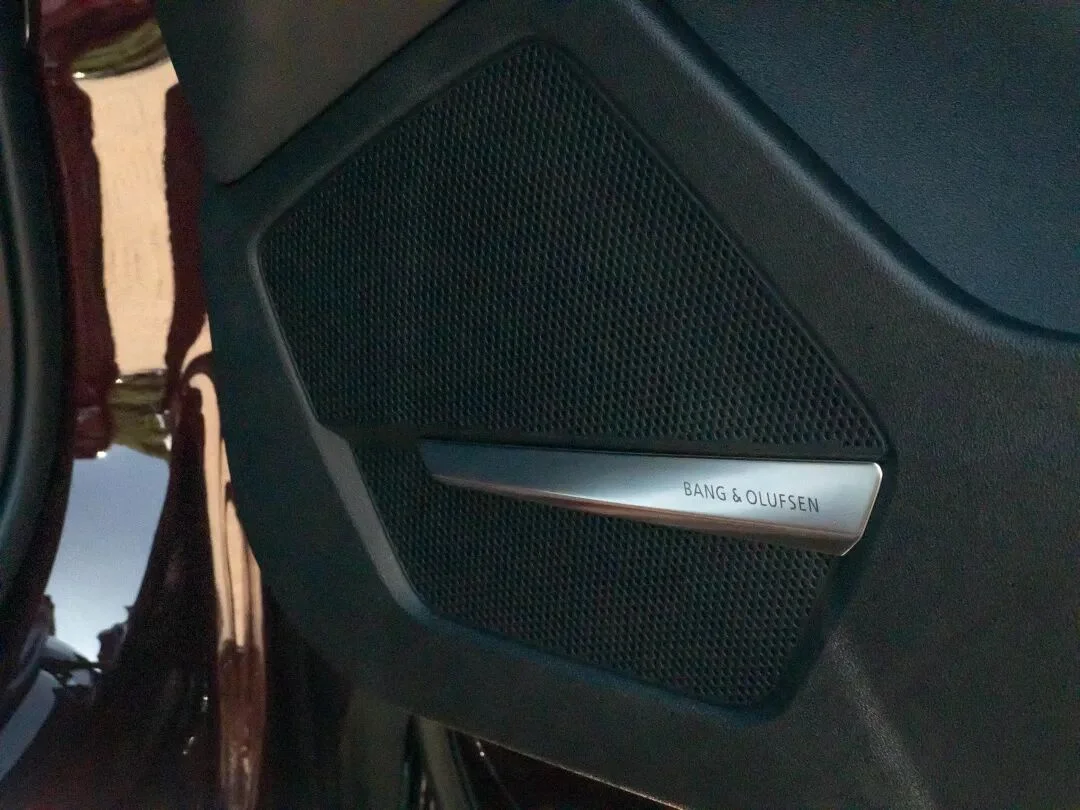
Regarding sound quality, the system delivers impressive bass performance thanks to its maximum output of 660 W. However, it struggles slightly with mid-to-high frequency instruments and vocals. When playing "Hotel California," some distortion becomes apparent in the high frequencies, which may detract from the listening experience of violin or orchestral music. That said, songs with strong rhythms provide a satisfying experience.
Fortunately, the vehicle’s insulation is excellent. With double-glazed acoustic glass and additional soundproofing measures, external noise is effectively blocked. This allows listeners to enjoy the immersive surround sound experience without needing to crank up the volume.

Fun to Drive, Uncomfortable to Ride
Driving the Q5 e-tron on mountain roads made me realize that SAIC Audi’s thinking for its all-electric e-tron lineup has focused from the start on the concept of eco-friendly and low-carbon travel. Especially when driving on narrow mountain paths, listening to bird songs and the murmur of streams, any noise coming from the car itself seems out of place. At this moment, it feels like only the fully electric e-tron can move through the mountains unseen, leaving no pollution behind.
When it comes to driving on mountain roads, most driving enthusiasts naturally get excited, recalling the AE86 that appears in their dreams. Although what I am driving today is an all-electric SUV, its structure based on the Volkswagen MEB platform gives the Q5 e-tron a very low center of gravity. Coupled with a relatively stiff suspension tuning, it still provides strong confidence when cornering.
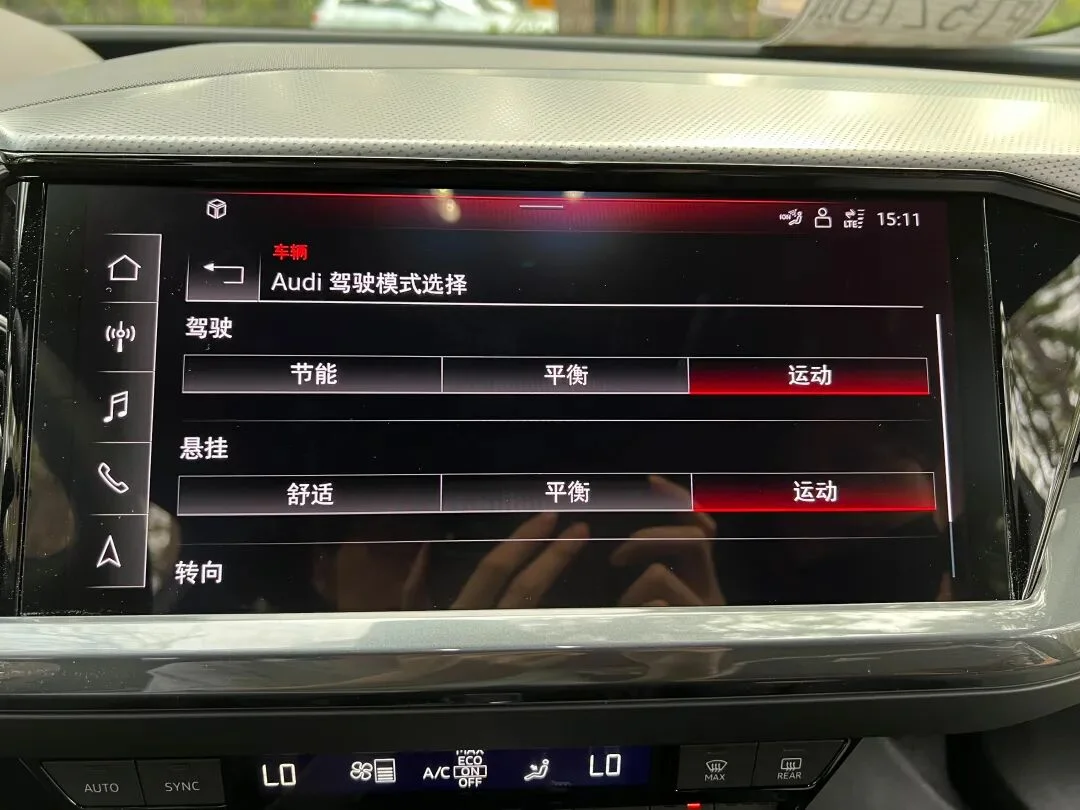
Additionally, the 50 e-tron version is equipped with the DCC adaptive suspension system. After selecting Comfort mode in the driving modes, it offers good stability at high speeds. On well-paved asphalt roads at high speeds, it effectively isolates minor road imperfections. However, since we are driving on mountain roads today, Sport mode is the better choice.
On the other hand, precisely because this suspension setup is relatively stiff and sport-oriented, the rear seat experience is poorer compared to the front. In any mode, the suspension does not handle larger bumps gently, especially when the road surface is uneven. High-frequency vibrations transmitted into the cabin make the overall ride quality poor.
Of course, this assessment is based on our current road conditions being slightly worse than regular urban routes.
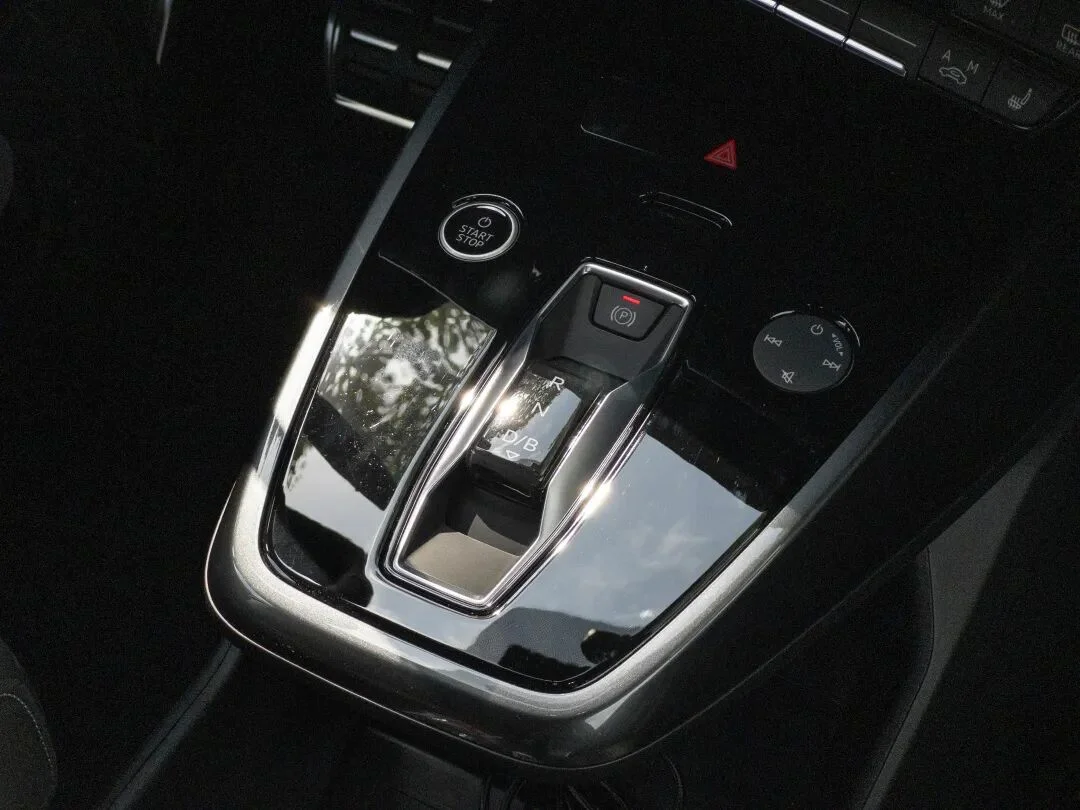
The gear selector in the Q5 e-tron is positioned below the center console, using a slider that moves forward and backward to shift gears—a layout distinct from previous Audi models. A minor gripe: the piano black finish on this frequently touched panel is impractical. Without careful cleaning before shooting, the photos would likely show nothing but fingerprints.
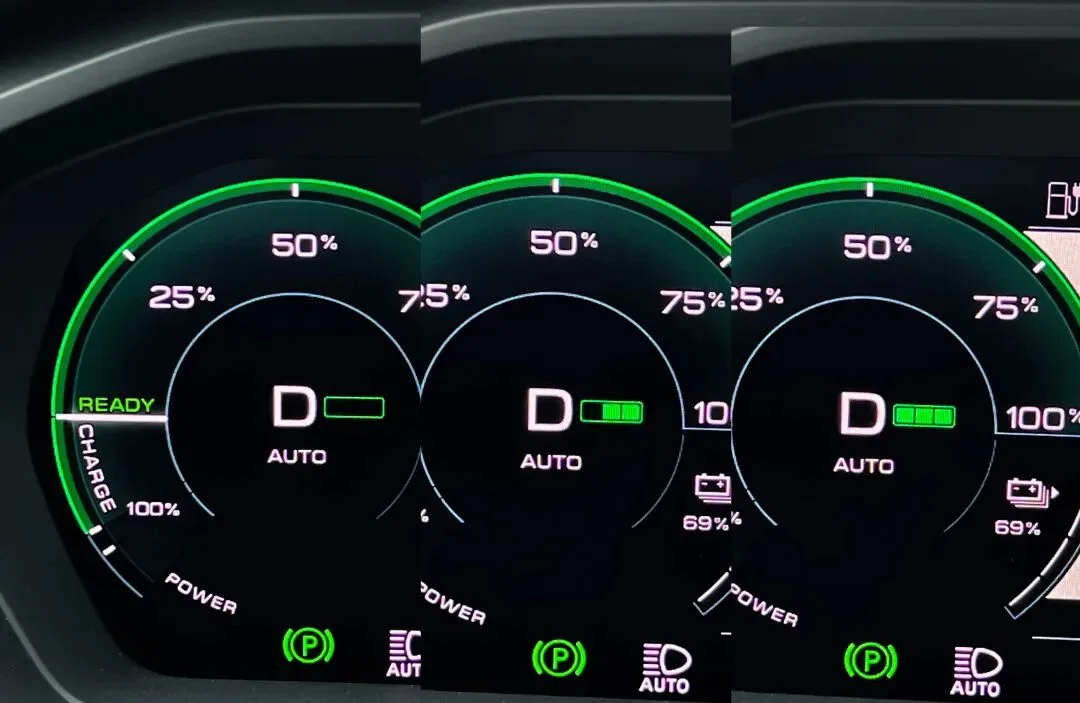
Notably, in the design of regenerative braking, this vehicle adopts a method similar to BMW’s, using D and B as two forward drive modes. In D mode, drivers adjust the regenerative braking intensity across four levels using paddle shifters; the instrument cluster displays the current level via a rectangular icon resembling a battery next to the gear indicator. In B mode, the vehicle automatically adjusts the regenerative braking force based on vehicle speed.
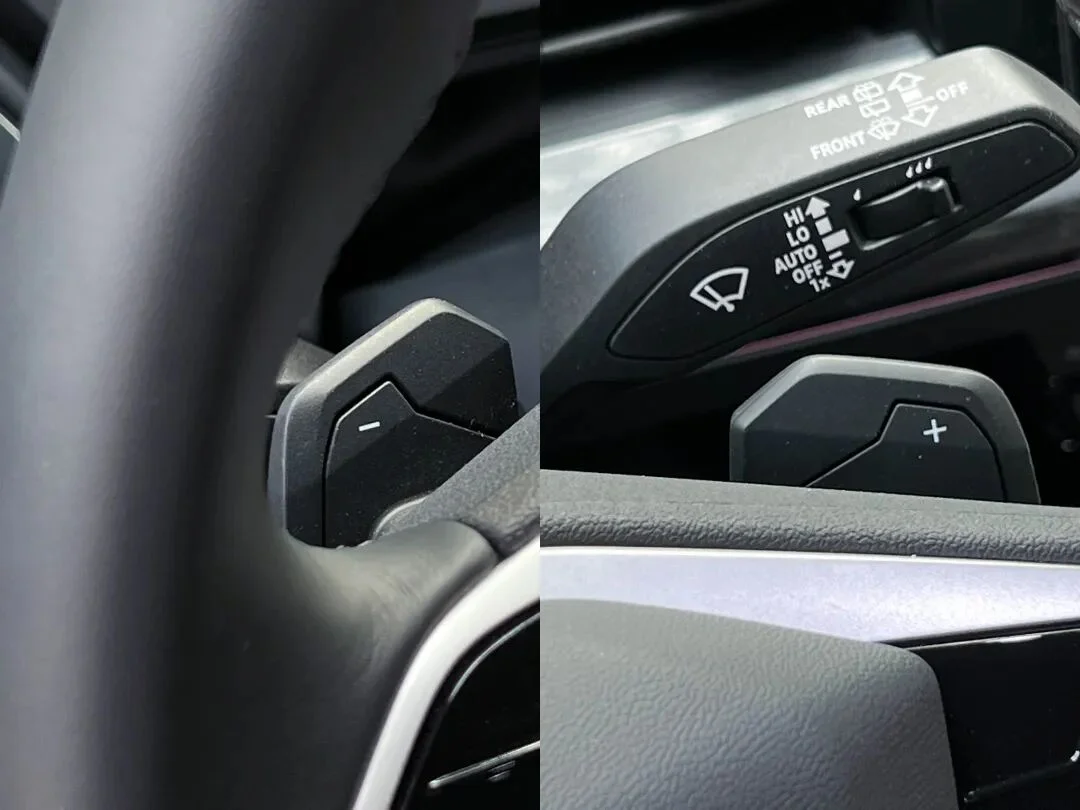
One point of confusion: the left paddle (marked “-”) increases regeneration, while the right paddle (marked “+”) decreases it. This suggests Audi designers view regeneration primarily as a deceleration tool, mirroring the logic of conventional internal combustion engine vehicles where downshifting aids slowing and upshifting aids acceleration.
Equipped with dual motors on the front and rear axles and tuned by Audi’s quattro team, the Q5 e-tron delivers a power response delay of just 30 milliseconds. Combined with well-calibrated pedal feel, it offers a responsive, intuitive driving experience on mountain roads that internal combustion engines cannot match.
Audi’s pedal calibration for the Q5 e-tron does not directly mimic the highly linear pedal style now common among Tesla vehicles. Instead, it maps power delivery to pedal input in a way that aligns with the intuitive feel of driving Volkswagen internal combustion engine cars.
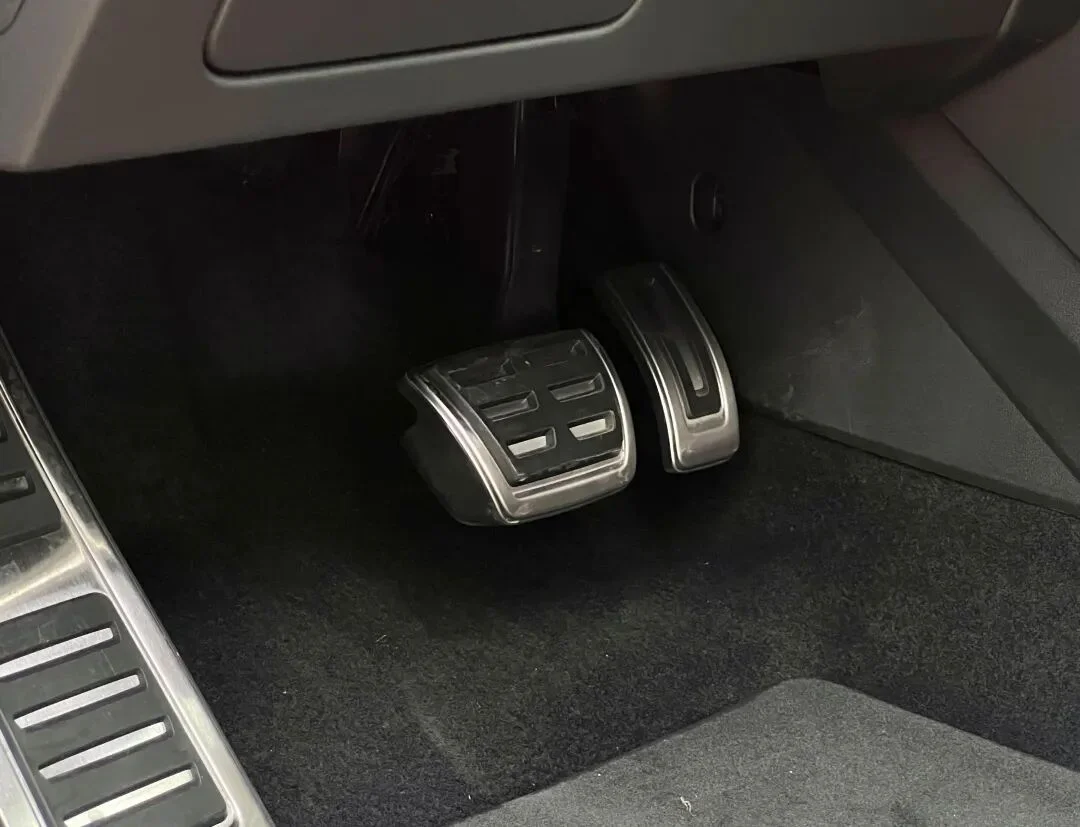
The Audi interpretation of the accelerator pedal in the Q5 e-tron prioritizes passenger comfort during actual driving. In the initial stage of pedal travel, power output is modest, providing a smooth acceleration sensation at takeoff. As you press deeper into the mid-to-rear range, power increases rapidly with pedal depth. For more immediate response, stomping the pedal to the floor triggers a quick reaction within 30 ms, delivering 225 kW and 460 N·m of torque, enabling a zero-to-100 km/h sprint in just 6.7 seconds.
Combined with this drivetrain, the Q5 e-tron demonstrated surprisingly agile handling on our mountain test route—handling that belies its SUV stature. However, this dynamic enjoyment is reserved solely for the driver; passengers are left to silently curse the ride.
Spacious Camping: A Real Treat
After driving over 100 kilometers, we arrived at Songlinhuyingdi.
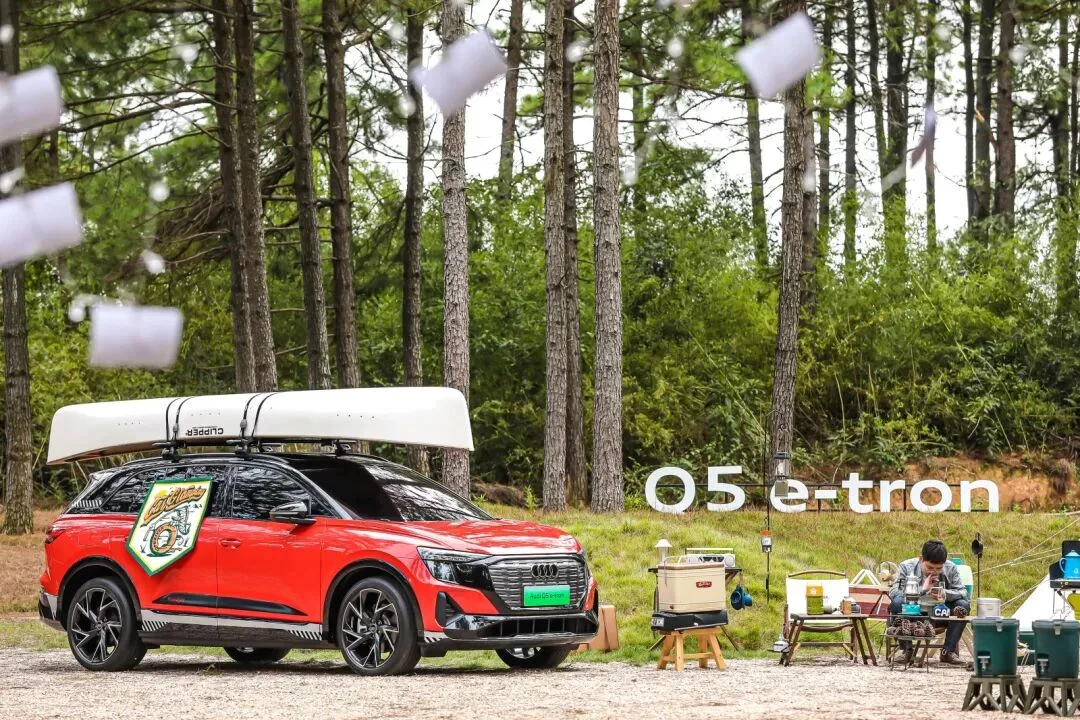
Camping has become a popular trend online, with more people enjoying weekend trips to the suburbs. They gather with friends, bring food and drinks, set up chairs, and spend the day relaxing in nature—a prospect that remains highly appealing.
In such scenarios, vehicle space and cargo capacity become critical factors.
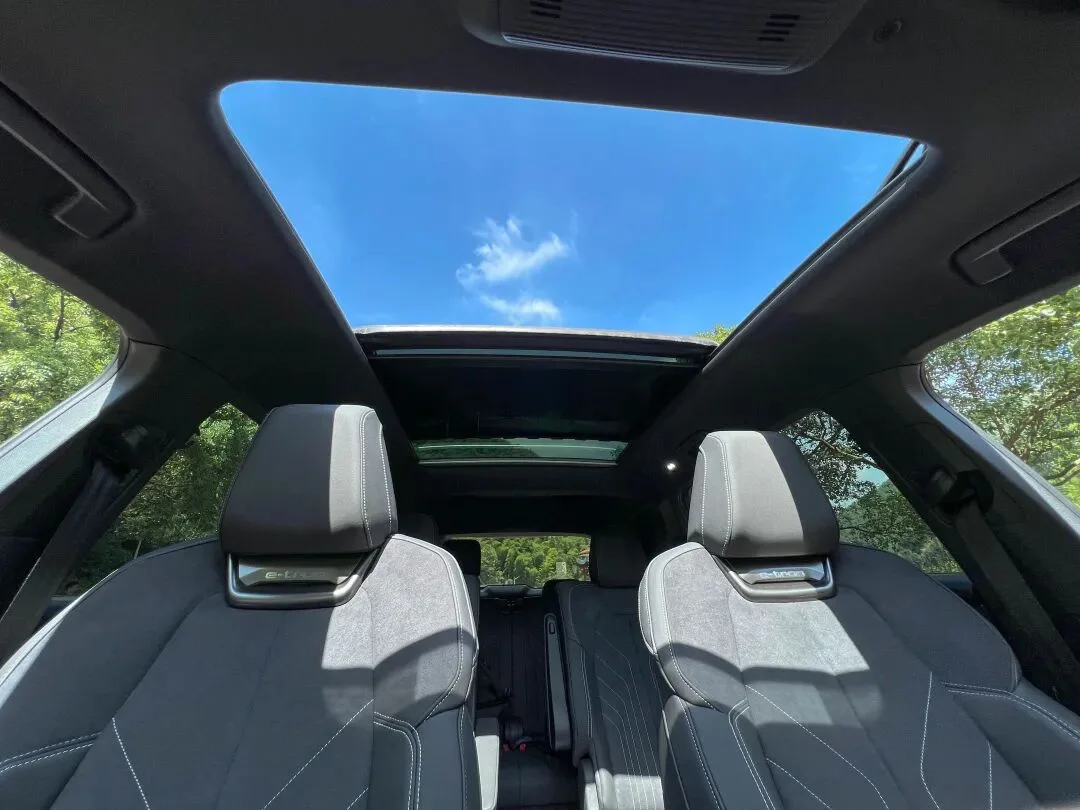
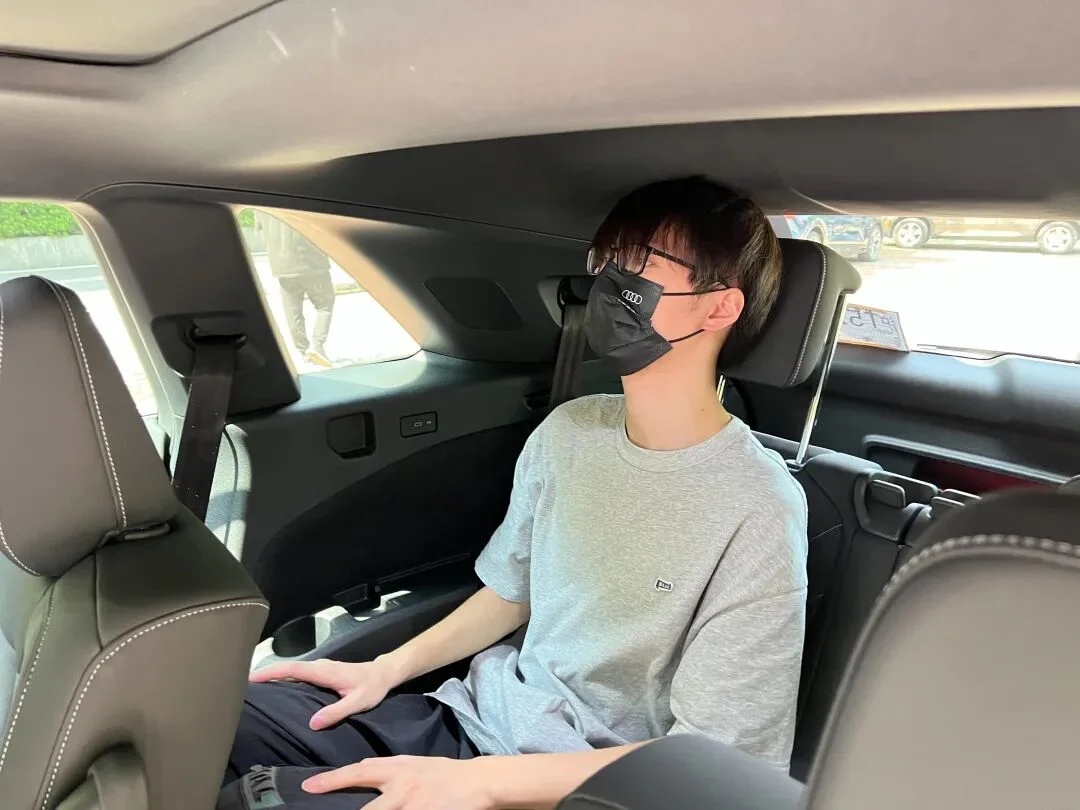
In its standard configuration, the six-seat layout accommodates one more passenger than a conventional five-seat car while still providing ample rear legroom for luggage. If the third row is not needed, folding it down expands the trunk volume to 1,825 liters, which is sufficient to hold typical camping gear.
However, it is unfortunate that the Q5 e-tron lacks V2L (vehicle-to-load) functionality. Therefore, if power is required during camping, an additional portable power station must be carried.
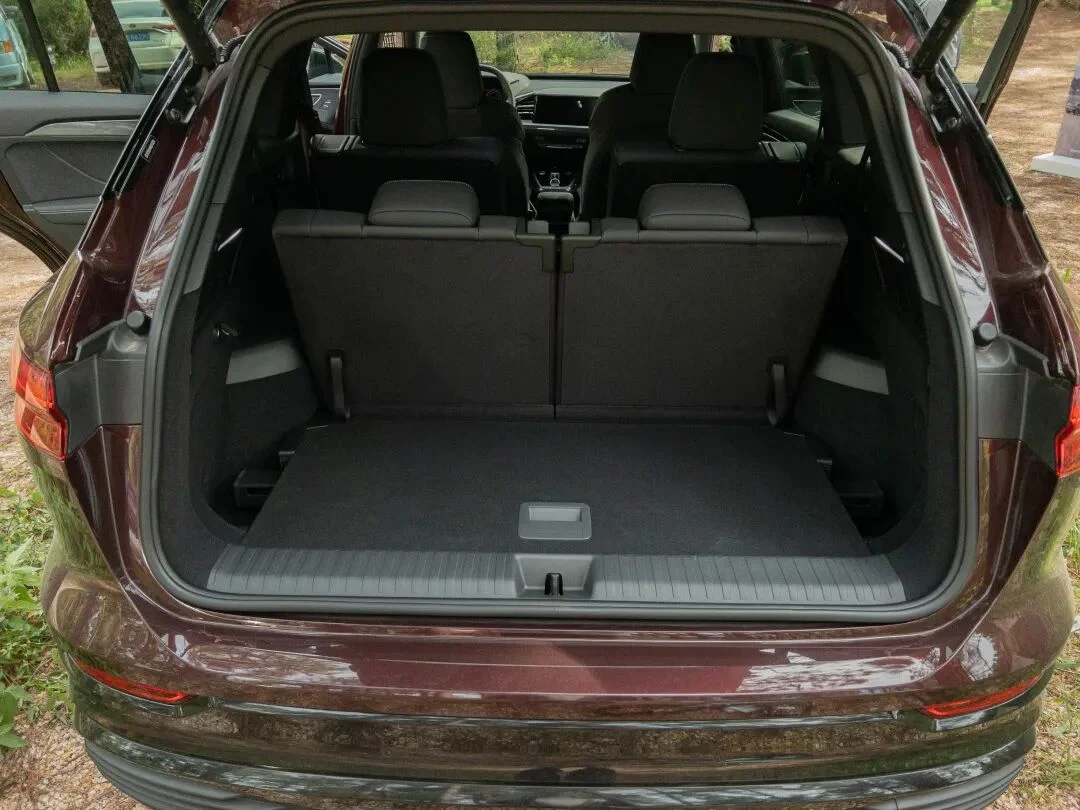
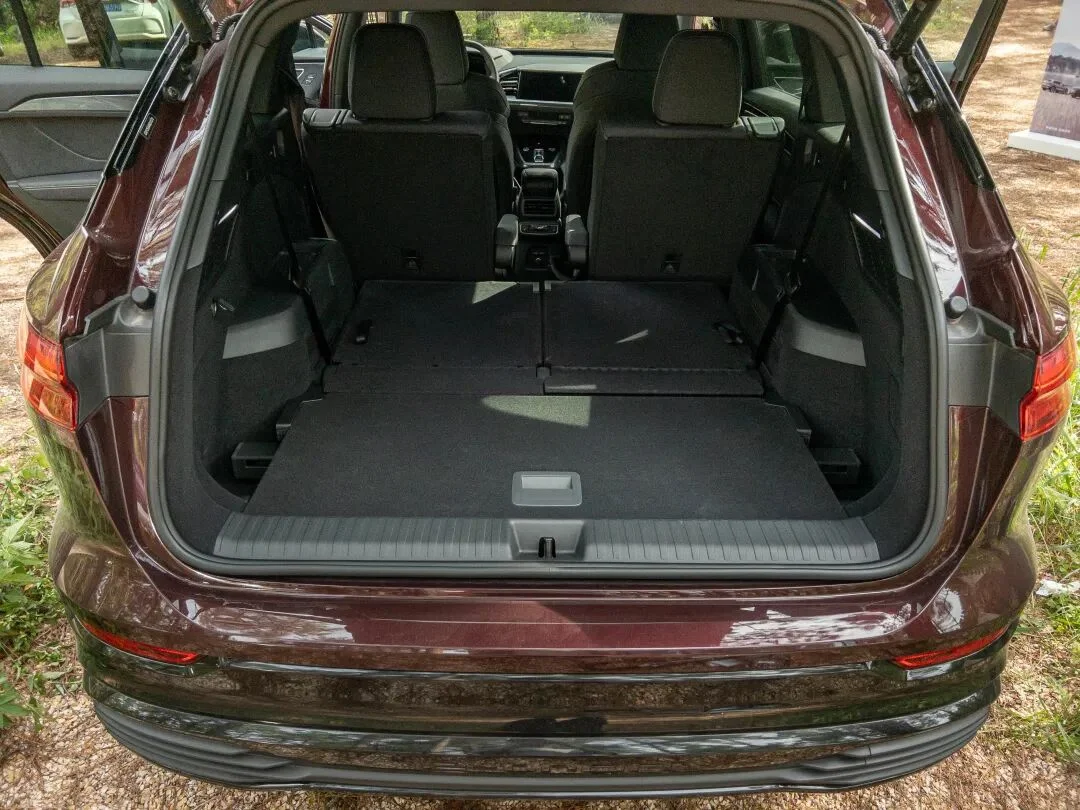
However, I strongly advise against having adults sit in the third row; anyone at least 1.8 meters tall would certainly not fit.

Sufficient Range
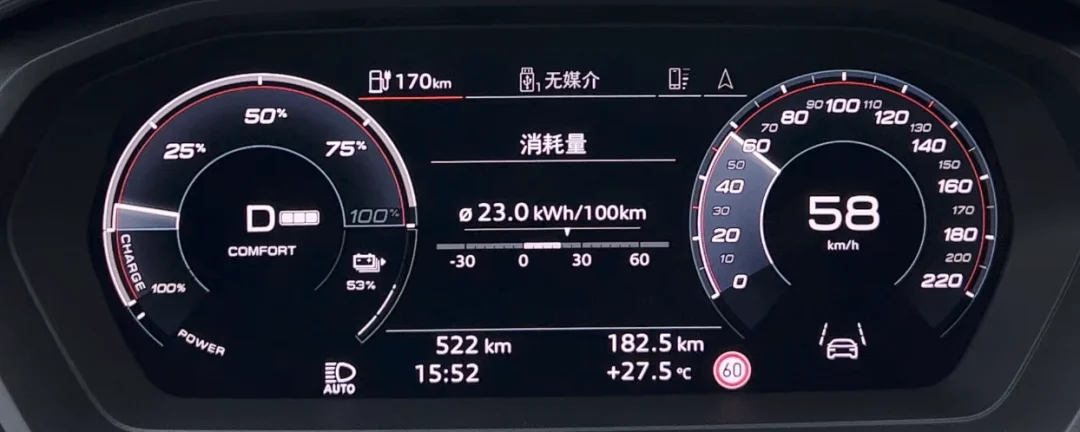
A daily commute of nearly 200 kilometers, mostly on mountain roads, makes the resulting range figures of limited reference value. However, since the entire Q5 e-tron lineup is equipped with an 83.4 kWh battery pack, we used only half the charge even under our "aggressive" driving conditions. At that point, the energy consumption rate was, as one might imagine, quite high.
However, on the return trip, we also conducted a real-world energy consumption test over 20 km of high-speed urban roads. During this period, we primarily used regenerative braking to control speed, with the air conditioning set to fan level 3, closely simulating driving conditions in smooth-flowing urban traffic. The final measured energy consumption was 23 kWh/100 km. This figure is quite typical for SUVs of similar size and can serve as a simple reference.
If we estimate based on battery capacity, the actual driving range in the scenario we just discussed is approximately 370 km.
04Super Customization
Although the Q5 e-tron and Volkswagen ID. 6 share many closely matched specifications, Audi has still articulated its own interpretation of luxury electric vehicles through interior and exterior design. From the use of special materials to the handling of lines, numerous details reveal Audi's thoughtful approach to automotive aesthetics.
Audi defines the Q5 e-tron as a highly customized product. After gaining insights into modern young consumers' demand for personalization, Audi offers eight exterior colors, nine interior seat colors, and various styles of wheels and trim panels on this vehicle. The number of decorative combinations alone exceeds 8,000; if optional equipment is included, the total configuration combinations reach an astonishing figure.
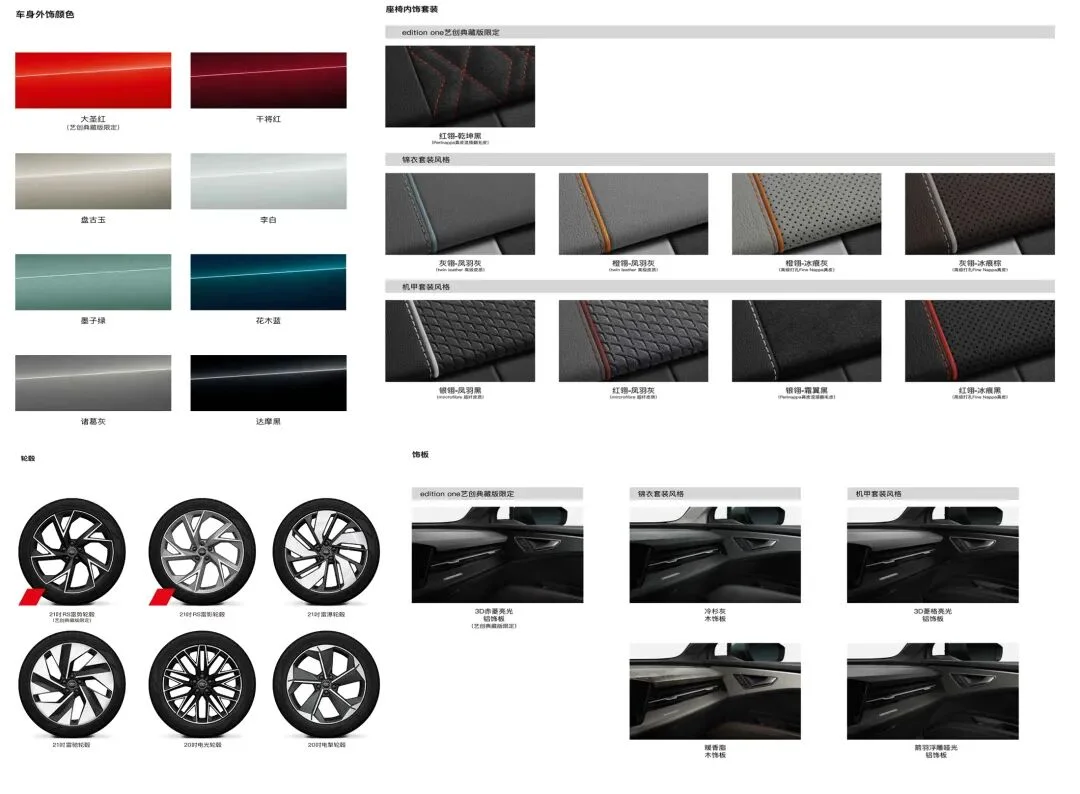
Such a level of customization is almost never seen among new forces. Indeed, high customization often implies high costs and does provide unique differentiation in the market. But with cost and efficiency becoming increasingly prioritized today, there really aren't many new models that want to pursue high levels of customization anymore. It seems this is precisely where the biggest difference lies between traditional luxury brands and new forces.
05Last
If you are a fan of the Audi brand and hope to add an electric SUV with good looks, decent space, and solid cargo capacity to your shopping list, then the Q5 e-tron is worth including for further comparison. At the same time, its driving dynamics, interior space, and range are all well-balanced, offering better value for money compared to internal combustion engine vehicles at a similar price point.
Written by Yisong Edited by Liu Guangding