


Lynk & Co 01 EM-P Review: A Plug-in Hybrid That Defies Boring Hybrids
In an economic downturn, consumers pursue extreme efficiency in vehicle operating costs. While electric vehicles hold a clear advantage here, they remain impractical as the sole household car for many buyers. Compared to pure EVs, hybrid solutions deliver near-electric driving quietness without range anxiety.
Standing at the "second spring" of rapid new energy development, Lynk & Co has launched new explorations and a comprehensive overhaul of its hybrid technology. At its Spring/Summer launch event on June 6, Lynk & Co unveiled the smart hybrid Lynk E-Motive technology and announced the start of its full electrification journey.
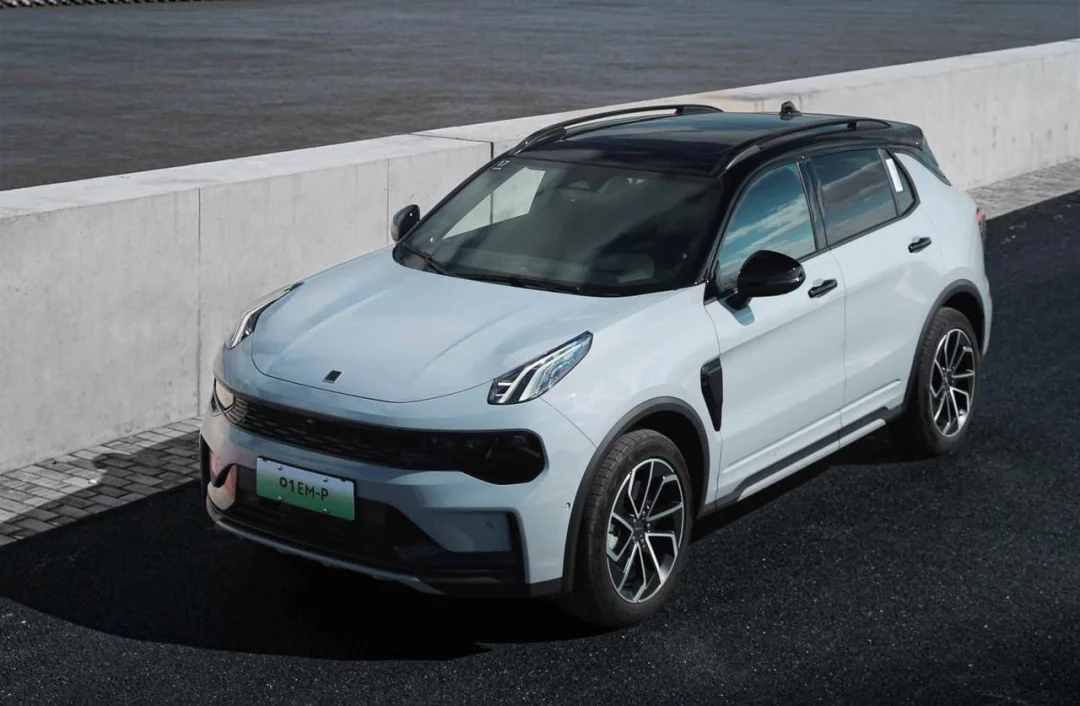
Meanwhile, fierce competition in the hybrid market has gradually overlooked younger demographics; common criticisms include unappealing individuality, boring driving dynamics, and poor design aesthetics. As one of China's automakers most attuned to young consumers' psychology, Lynk & Co tasked the 01 with a renewed mission.
The Lynk & Co 01 EM-P, built on the brand's smart hybrid Lynk E-Motive architecture, has emerged with strong performance in battery safety, experience during low-charge states, balance between performance and energy efficiency, and intelligent features.
01Safety First, But Also Quality
Battery safety is a primary concern for new energy vehicles, and the Lynk & Co 01 EM-P, which adopts a hybrid structure, addressed this issue thoughtfully from the outset of its design.
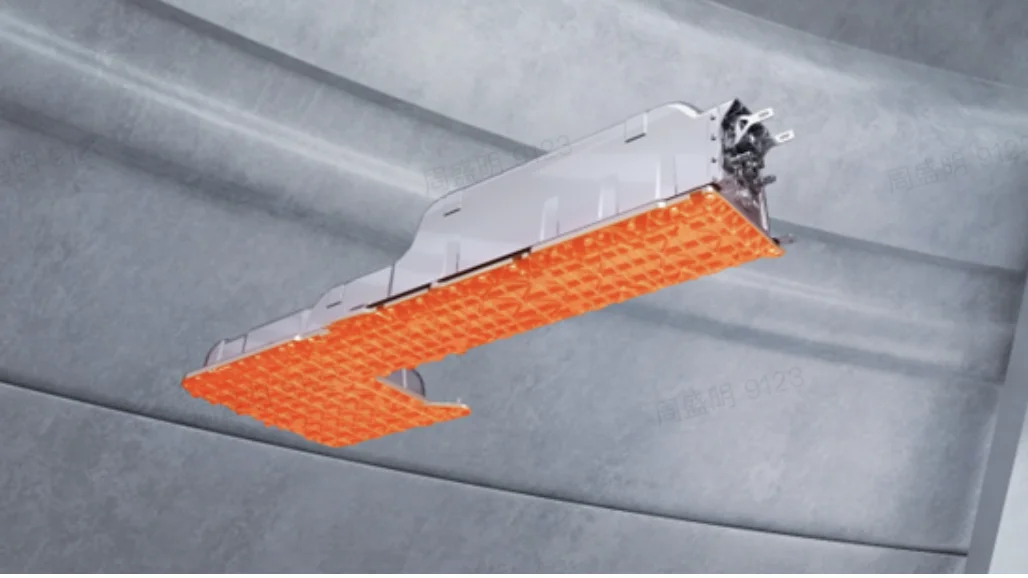
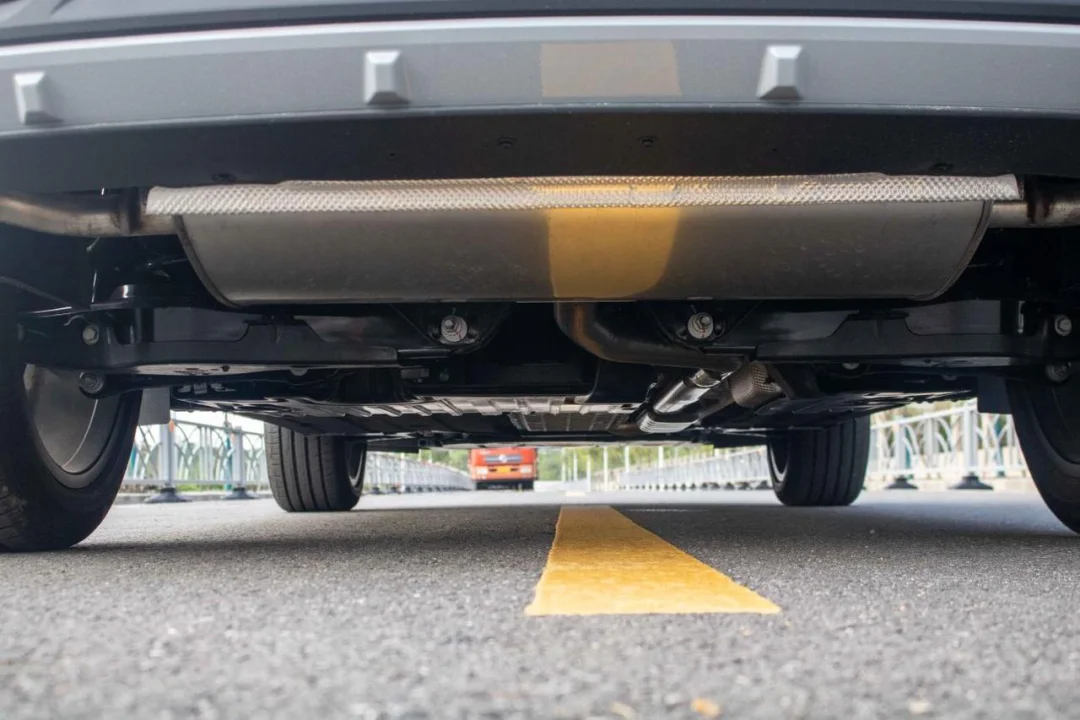
First, it is visually apparent that there are no protrusions beneath the chassis of the Lynk & Co 01 EM-P. The battery pack is housed in an 'L'-shaped area located between the center console armrest and the rear floor. This centrally mounted battery system is a product of Lynk & Co's native forward development. Compared to many pure electric models that utilize flat battery packs with raised profiles on the chassis, this layout not only protects the battery from front and rear intrusion during collisions but also reduces the risk of underbody damage to the battery pack during daily use.
In terms of noise control, the Lynk & Co 01 EM-P has an in-cabin sound pressure level of only 42.4 decibels at idle; during full-throttle acceleration within a hundred kilometers, the in-cabin sound pressure level peaks at approximately 67 decibels. Subjectively, the perceptible noise of the Lynk & Co 01 EM-P during rapid acceleration is indeed far less than that of traditional fuel vehicles. The engine intervention during daily driving is also very quiet, and subjectively, it is not significantly different from pure electric vehicles.
Beyond Fun to Drive: Surprises Await
Led by Woerwo and jointly developed by Geely and Woerwo, the CMA Jiagou provides the Lynk & Co 01 EM-P with exceptional chassis quality for its class.
This suspension system offers crisp and straightforward handling at low speeds. When encountering larger speed bumps, the initial high damping effectively controls body movement, while the rear section provides ample resilience. On smooth highway sections, the chassis of the Lynk & Co 01 EM-P filters out minor vibrations well, offering a sense of isolation and strong solidity.
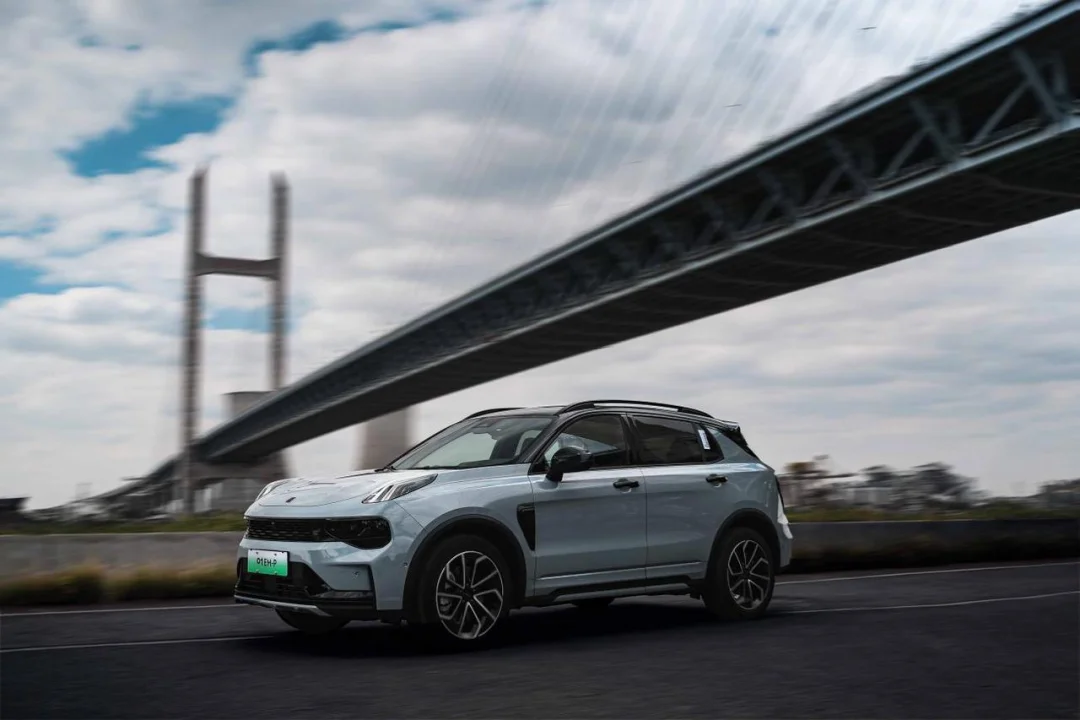
The Lynk & Co 01 EM-P offers greater versatility than many traditional pure electric vehicles.
For traditional automakers entering the new energy market, the most common pitfall is treating "how it drives" as the primary priority. In the past, achieving a high score in the vehicle's "tool" attribute was considered sufficient, while "multi-scenario expansion capability" was not valued. After companies such as XPENG and Lixiang identified this point, "multi-scenario expansion capability" has also been regarded as one of the standards for whether a product is excellent.
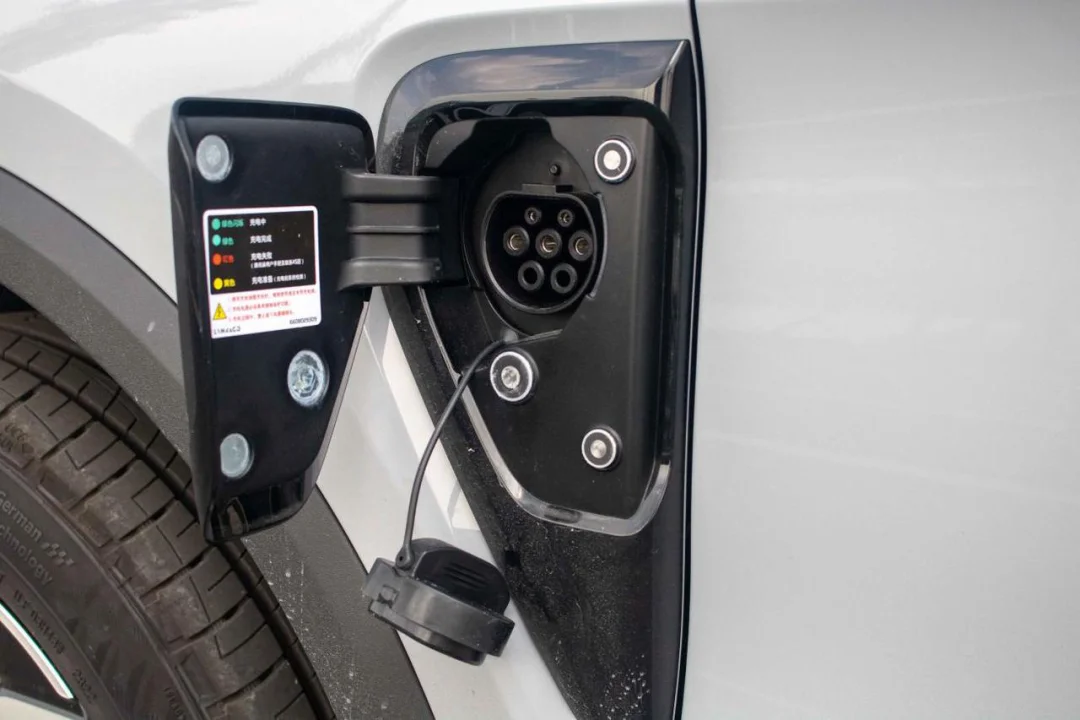
We start with a small detail to illustrate a larger point: the recent surge in camping. Traditional hybrids such as the Volkswagen ID.4, Bentian CRV PHEV, and Toyota RAV4 PHEV can certainly handle comfortable trips to the suburbs, but that is all they offer at this stage. The Lynk & Co 01 EM-P, however, has genuinely considered its "multi-scenario expansion capabilities": its 3.3 kW external power discharge capacity is sufficient to run lighting fixtures, electric hot pots, or even small grills; a lightweight cable can replace expensive and hazardous large power banks.

Most importantly, the Lynk & Co 01 EM-P achieves a WLTC combined range of 850 km. The infotainment system allows users to independently set up a 'parking power generation' mode, providing electricity for several days at a campsite without risking range anxiety.
02No Anxiety, But Also Fun
Light and Responsive, Whether Charged or Not
Lynk & Co 01 EM-P uses a DHE15-ESZ 1.5-liter turbocharged three-cylinder hybrid-specific engine, paired with a front-axle permanent magnet synchronous motor rated at 100 kW and a 17.7 kWh battery pack. This system delivers a combined maximum power of 180 kW and a combined peak torque of 545 N·m, enabling a zero-to-100 km/h acceleration time of 7.6 seconds.
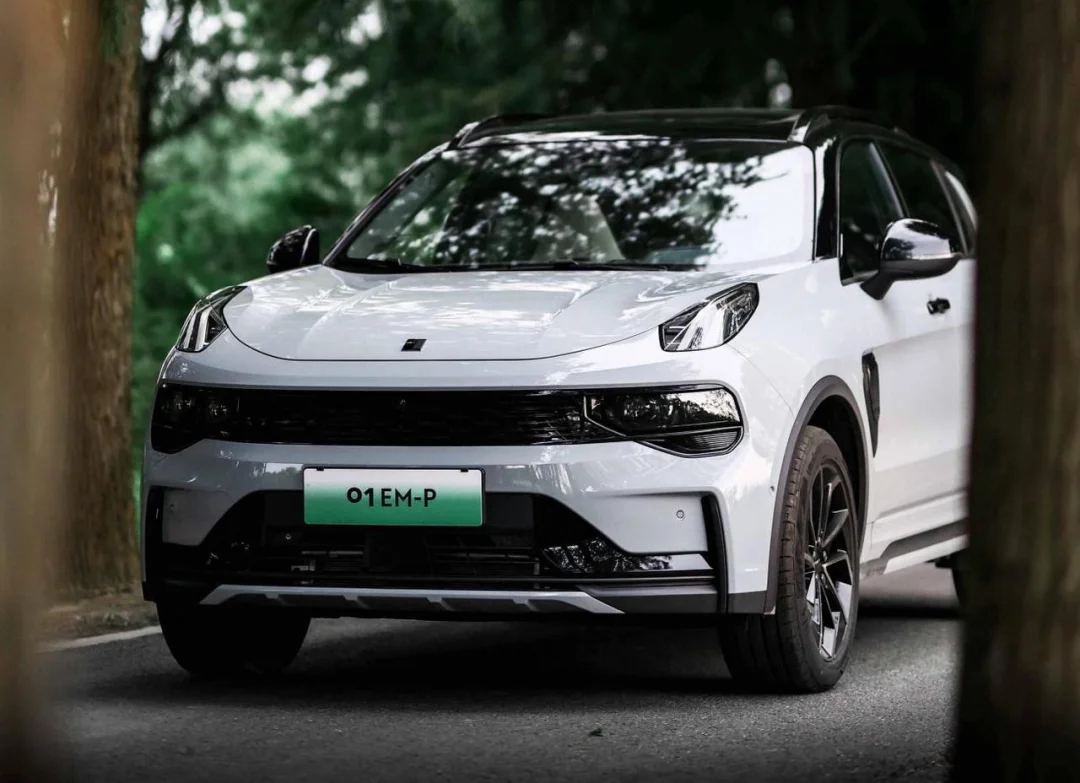
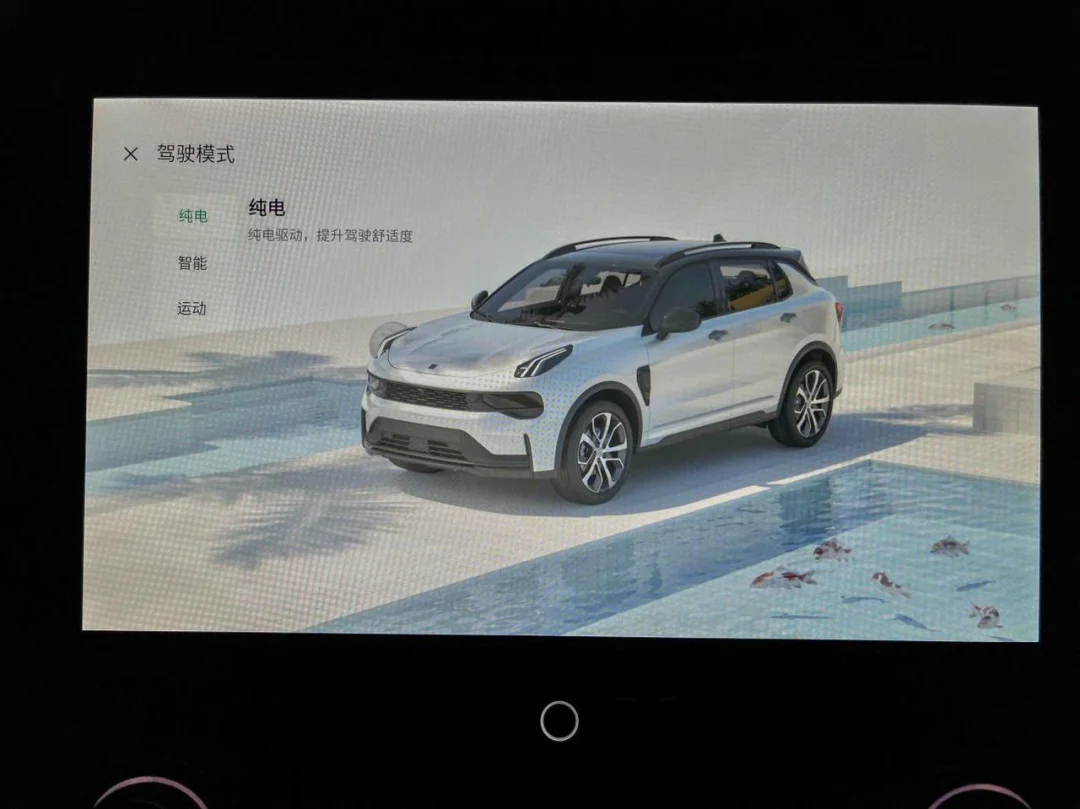
The Lynk & Co 01 EM-P offers three power mode selections: Pure Electric, Smart, and Sport. In Pure Electric mode, the vehicle delivers a quiet and smooth driving experience. The slightly heavy accelerator pedal and well-tuned calibration ensure linear power delivery, making for an easy and pleasant drive.
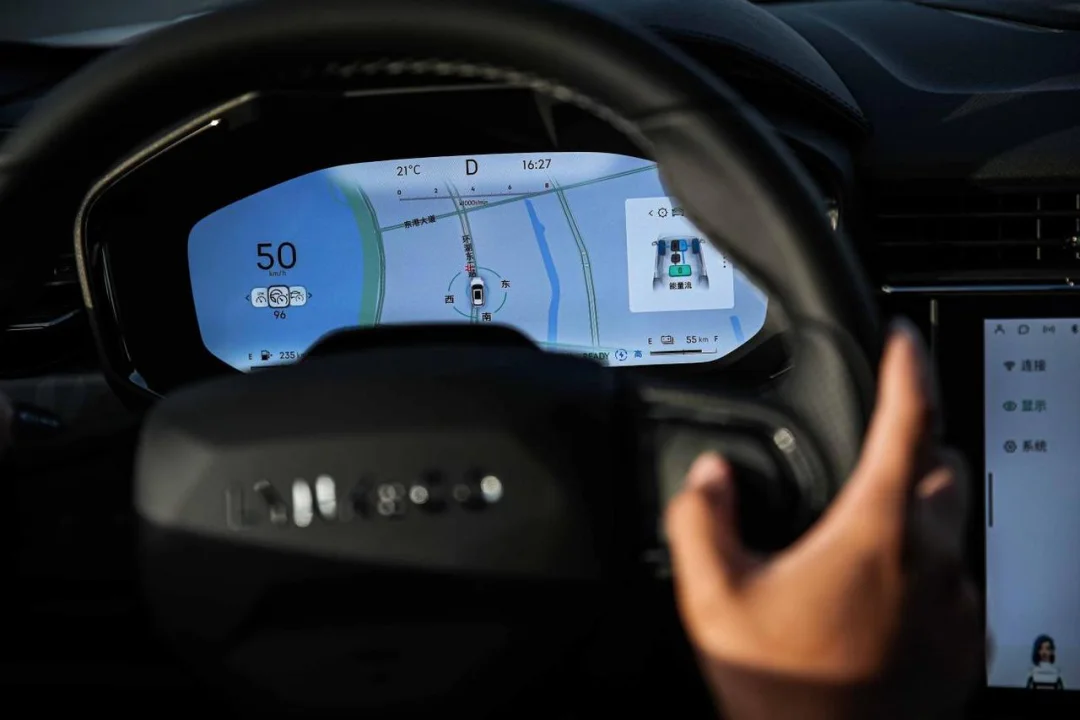
Through the energy flow display on the instrument cluster, I found that the Lynk & Co 01 EM-P operates very actively during driving. However, whether in series, parallel, or combined mode, the transitions of this system are extremely smooth and hardly noticeable.
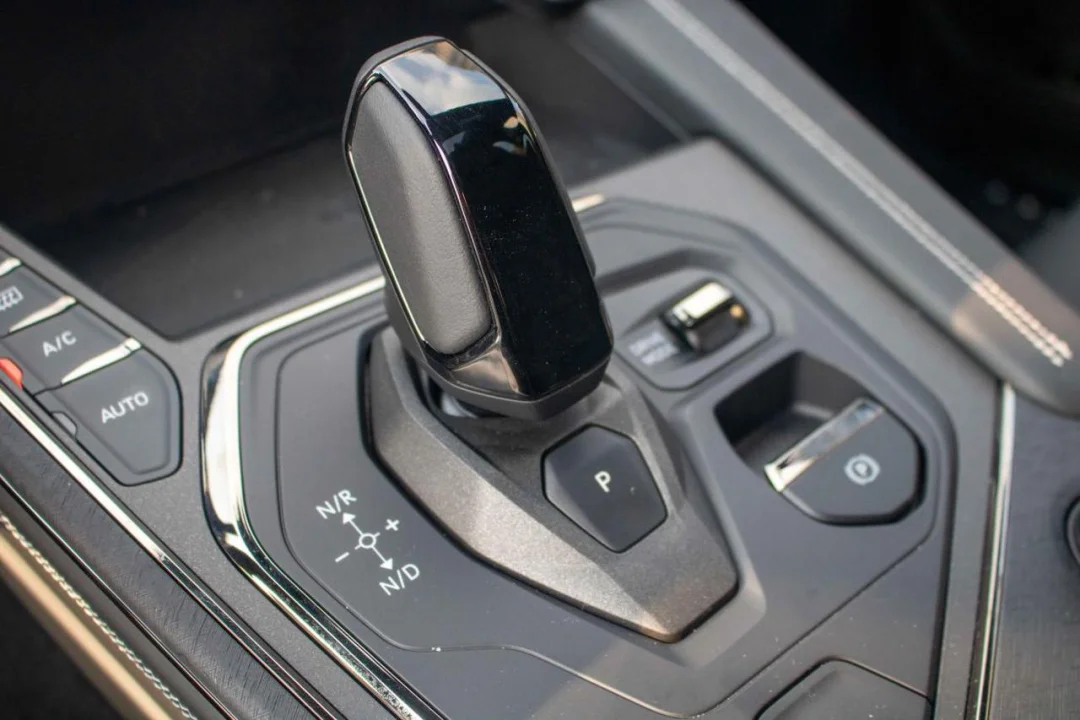
In the transmission section, the Lynk & Co 01 EM-P hybrid system uses the 3 Dang DHT Pro Biansuqi. The design approach is similar to Toyota's THS concept; however, compared to Toyota, this Lynk & Co system provides an additional three gears through its control components and planetary gear set combination.
This design allows the DHT Pro transmission to achieve a maximum mechanical efficiency of 97.5%. The three-ratio transmission design also enables it to enter a parallel mode where both the engine and motor provide drive at speeds above 20 km/h. It is worth noting that BYD’s DM-i system generally requires speeds above 70 km/h to engage direct engine drive, and its single-gear ratio design results in weaker high-speed re-acceleration capabilities.
Therefore, the structural configuration of the Lynk & Co 01 EM-P allows the entire system to theoretically achieve excellent fuel economy while delivering solid acceleration performance at medium-to-high speeds, all at a competitive price point.
Compared to the 1.5 L engine of DM-i models at the same price point, the Lynk & Co 01 EM-P, equipped with a 1.5 TD engine, offers faster power and acceleration while maintaining fuel consumption levels comparable to those of DM-i. Furthermore, in our practical experience, even when the battery level of the Lynk & Co 01 EM-P was at 0%, there was no significant decline in power, and acceleration remained brisk.
Another aspect worthy of praise is the CRBS brake tuning on the Lynk & Co 01 EM-P, which is well-calibrated. The transition between regenerative braking and mechanical braking is nearly seamless, and the pedal feel is solid, demonstrating the deep expertise traditional automakers possess in hardware calibration.
For daily driving, I recommend that friends without fixed charging conditions choose the 'Smart Battery Hold' mode. In this mode, vibration and noise do not increase significantly compared to pure electric mode, and fuel economy is improved.
It is also worth mentioning that the 'Smart Driving Mode' of the Lynk & Co 01 EM-P is quite interesting. Based on Lynk & Co’s smart electric hybrid technology, the system can identify and memorize the driver’s habits, forming a power output logic tailored to specific drivers. Additionally, it adjusts power output in real-time based on driving scenarios, creating an optimal balance among fuel consumption, power, and driving experience, further enhancing fuel efficiency.
The hybrid strategy referenced here is the aspect that most rigorously tests a carmaker’s engineering fundamentals, and it constitutes the core of fuel efficiency in hybrid vehicles.
The Lynk & Co 01 EM-P not only balances fuel economy with performance but also offers greater versatility and driving enjoyment than some pure electric vehicles.
No Range Anxiety
The Lynk & Co 01 EM-P is equipped with a 17.7 kWh ternary lithium-ion battery pack, providing a pure electric range of 70 km. Compared to competitors in the same class that often feature batteries exceeding 100 km, this is indeed not a very large capacity. However, during our range test, the Lynk & Co 01 EM-P gave us a pleasant surprise.
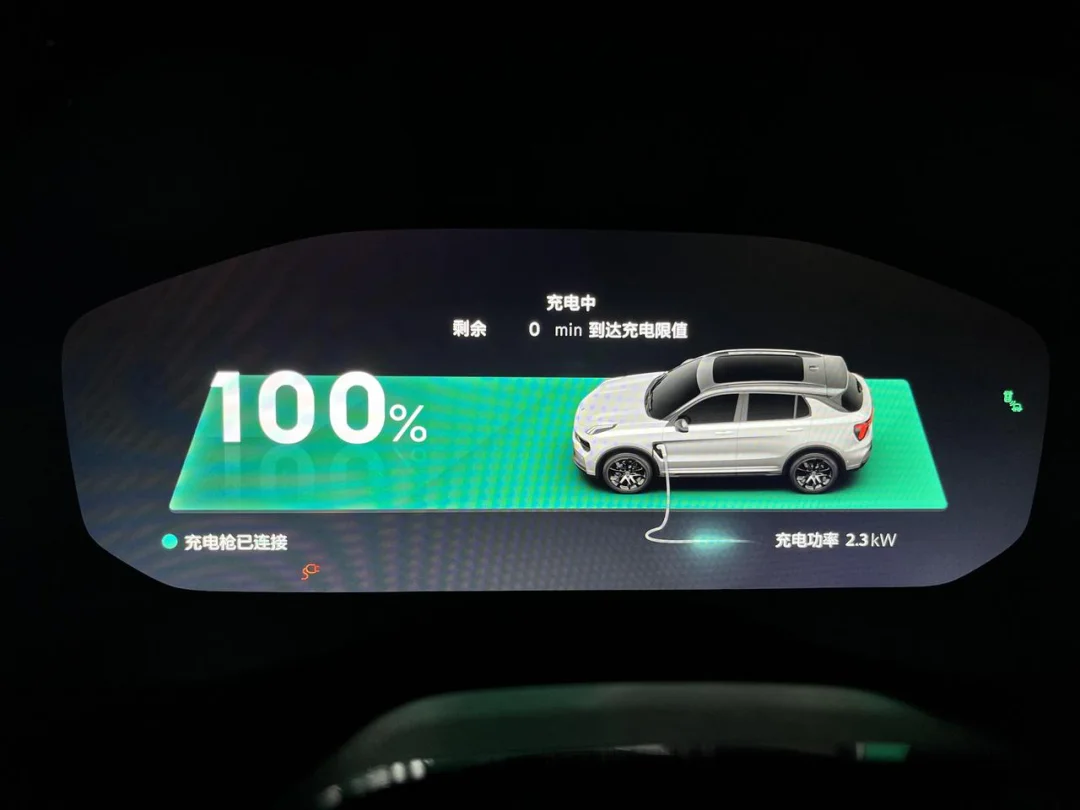
Starting with a full charge, our test route was the Shanghai Outer Ring Expressway. After 1 hour and 35 minutes, the displayed battery level reached 0%, with an average speed of 51 km/h. From 100% to 0%, the Lynk & Co 01 EM-P achieved a pure electric range of 81.3 km, surpassing the official WLTC figure of 70 km and achieving what can be described as 'reverse false labeling' (performing better than stated).
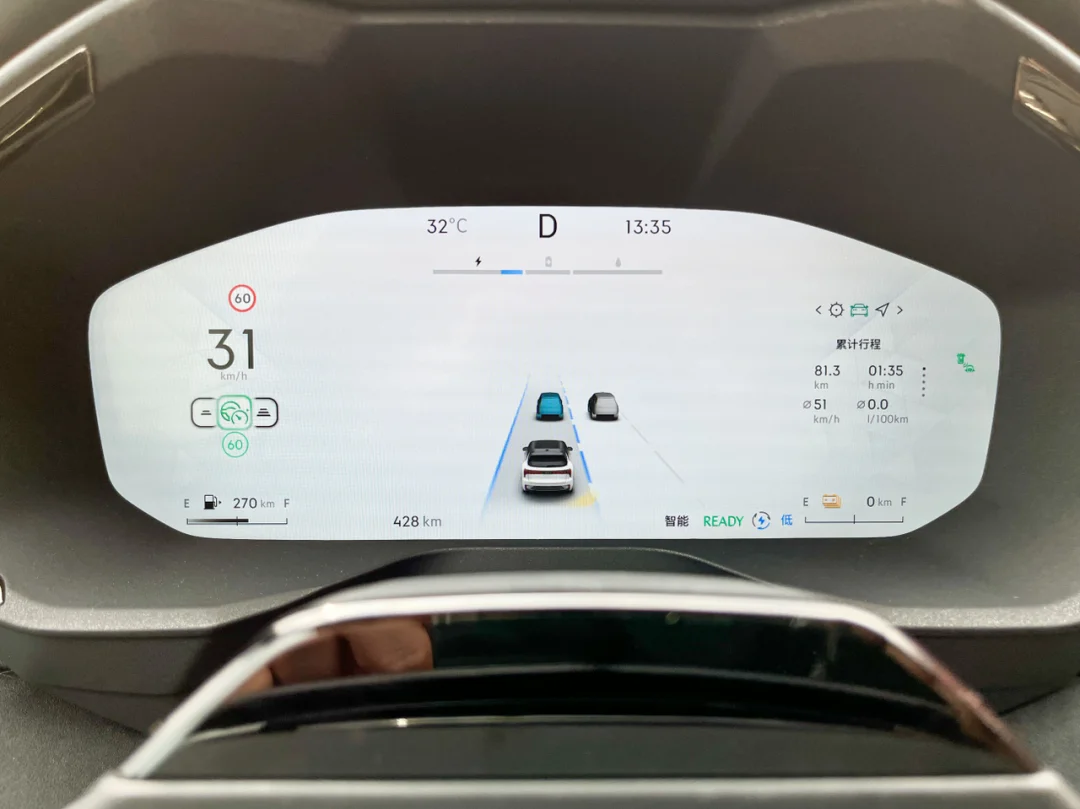
If we convert this to my daily 20 km commute, one full charge of the Lynk & Co 01 EM-P can meet three days of commuting needs. With a home charging pile, the vehicle can operate entirely in pure electric mode for daily use. If a long trip is suddenly required, the advantage of the hybrid system over pure electric is the ability to depart anytime without anxiety.
So fuel consumption becomes critical at this point.
After the battery depleted to 0%, the system automatically switched to 'Smart Mode'. I then drove for another 118.7 km, with the dashboard showing a fuel consumption of 5.0 L. This figure exceeded my expectations and demonstrates that Lynk & Co's hybrid strategy for the 01 EM-P is highly effective.
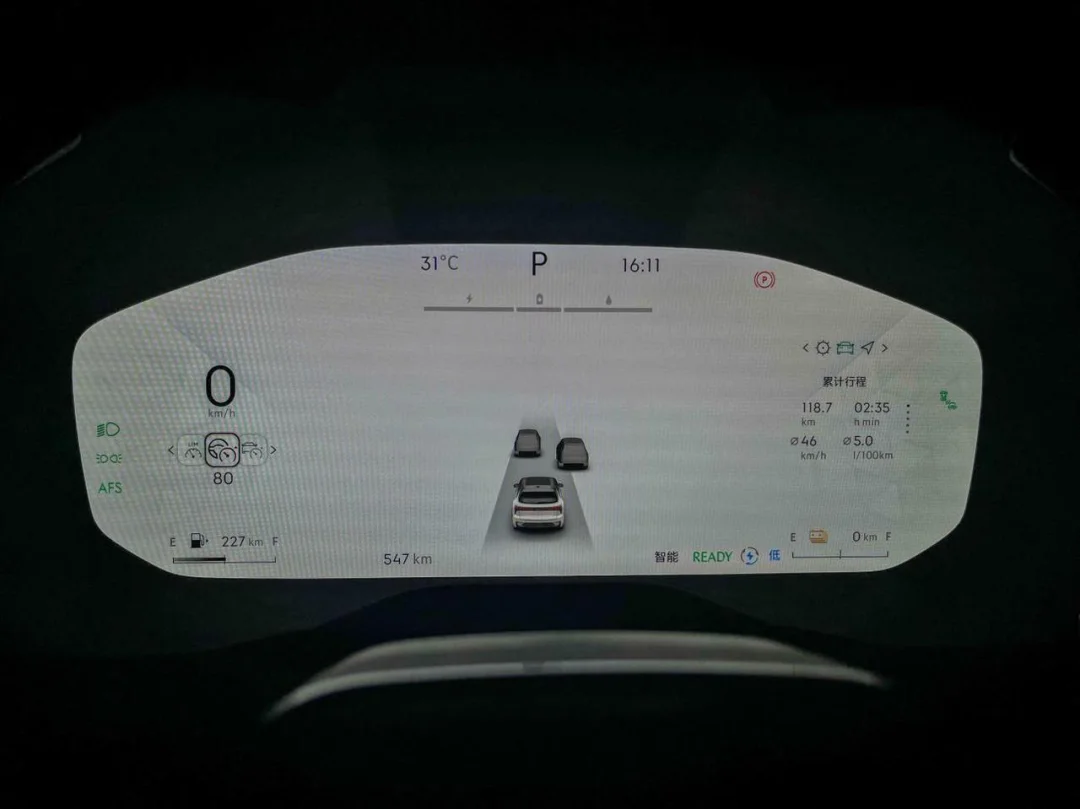
For users without home charging facilities, operating the vehicle solely on fuel remains very cost-efficient. Furthermore, the Lynk & Co 01 EM-P supports 92-octane gasoline, and its maintenance interval of 15,000 km or 12 months (whichever comes first) is longer than that of traditional internal combustion engine vehicles, further reducing ownership costs.
Additionally, Lynk & Co stated that customers who placed orders before October 31, 2022, can obtain charging and discharging equipment free of charge. All first owners who ordered any variant of the Lynk & Co 01 EM-P are also eligible for an official three-year, seven-tenths value retention trade-in service.
03Smart Features Must Not Lag Behind
The Lynk & Co 01 EM-P features a new electronic and electrical architecture supporting over-the-air (OTA) updates across four domains: intelligent driving, chassis, body, and cockpit. This marks a shift from partial OTA capabilities to comprehensive four-domain upgrades for Lynk & Co.
In contrast, most traditional automakers' hybrid models still rely on internal combustion engine platforms, placing them at a disadvantage in terms of intelligent driving, smart cockpits, and functional OTA capabilities, with limited room for future upgrades. The Lynk & Co 01 EM-P, built on the next-generation electronic and electrical architecture, will remain capable of OTA updates for a considerable period, maintaining competitiveness while providing a sense of novelty.
In terms of cockpit hardware, the Lynk & Co 01 EM-P lineup has been equipped with the Gaotong 8155 chip across all trims. Of course, hardware is just a foundation; whether it performs well ultimately depends on software capabilities.
A few days before experiencing the Lynk & Co 01 EM-P, I was driving a Volkswagen ID.4. First and foremost, both the ID.4 and the Lynk & Co 01 EM-P deliver excellent driving dynamics. However, the infotainment issues that have plagued the ID.4 for years are indeed well-deserved. After several days of use, frequent lagging became common, and the unintuitive navigation system along with a very basic voice assistant left much to be desired.
By comparison, the Lynk & Co 01 EM-P’s infotainment performance is clearly superior to the Volkswagen ID.4. In terms of operational logic, the functional zones in the Lynk & Co 01 EM-P are neither as complex nor as chaotic as those in the ID.4; each function is clearly categorized and easy to locate. Regarding user experience, while the ID.4 suffers from sluggish touch interactions and frequent network disconnections, the Lynk & Co 01 EM-P offers smooth, responsive controls. The addition of 5G hotspots, Wi-Fi functionality, and third-party apps significantly enhances usability.
In terms of UI design, Lynk & Co truly understands Chinese consumers' preferences. Compared to the somewhat plain 'German-style' interface of the ID.4, the UI design of the Lynk & Co 01 EM-P is noticeably more sophisticated, rich, and visually appealing. Thanks to the powerful computing performance of the Gaotong 8155 chip, Lynk & Co has even rendered detailed models for the sunroof/sunshade switch interface and vehicle settings screen, which is worth praising.
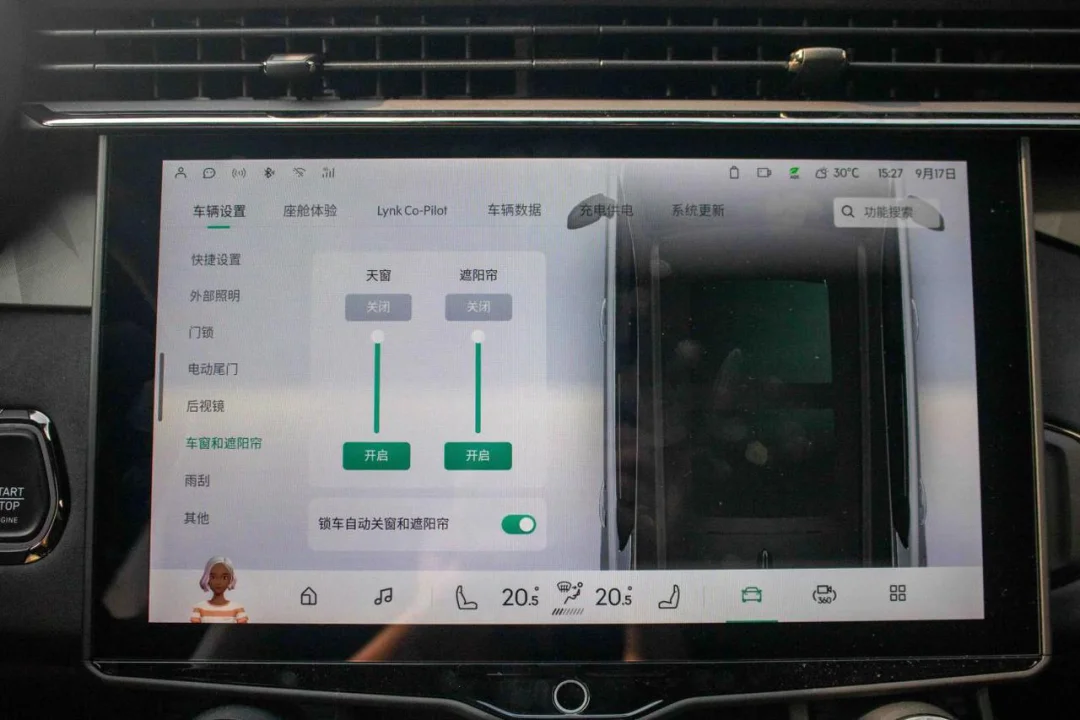
Moreover, the Lynk & Co 01 EM-P’s voice assistant boasts a high wake-up accuracy rate, responding quickly to commands for adjusting air conditioning temperature, opening or closing windows, setting navigation, and other operations. To be honest, this performance ranks among the top for new energy products from traditional brands.
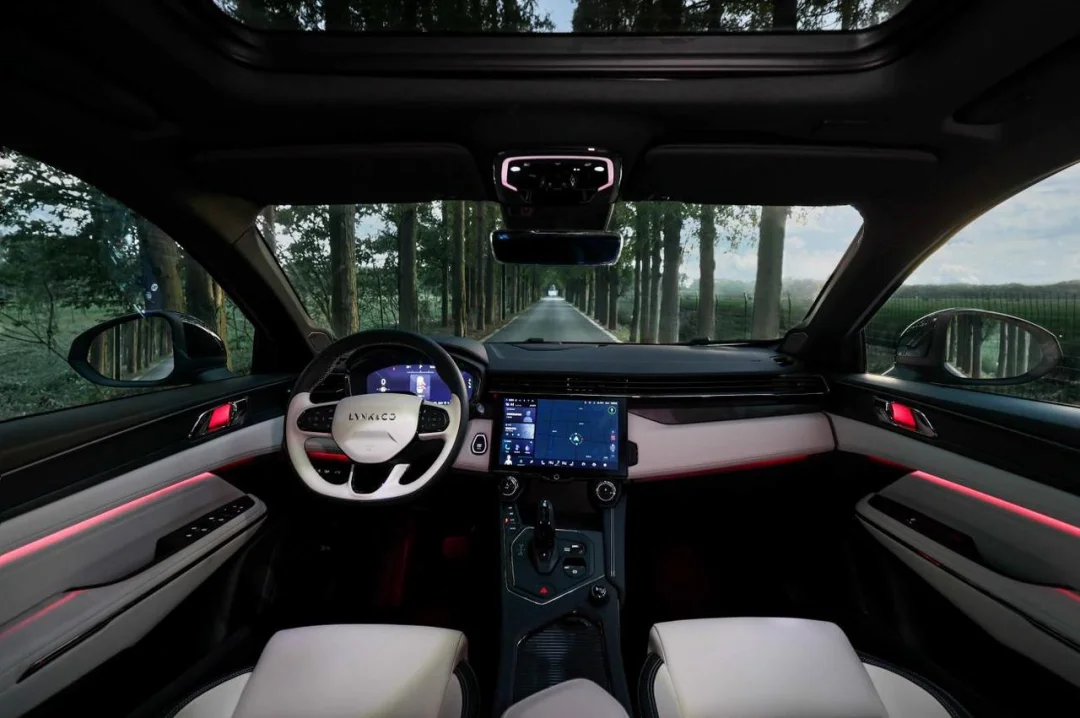
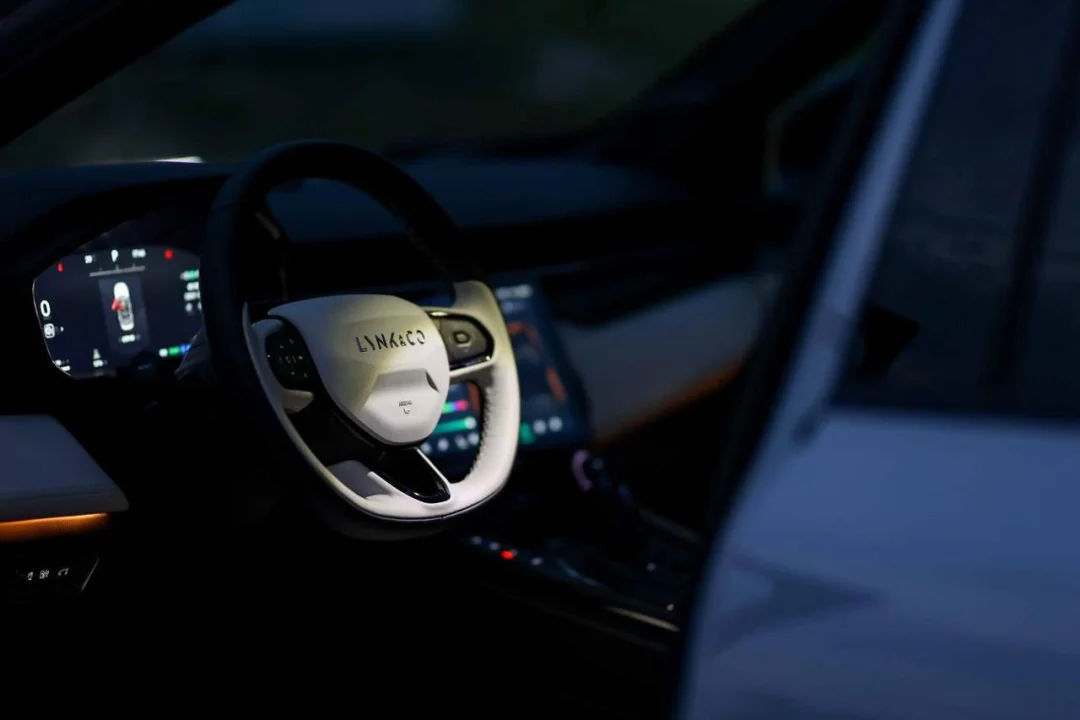
Switching from the Volkswagen ID.4 I had been driving a few days prior to the current Lynk & Co 01 EM-P, I could intuitively feel that Lynk & Co put considerably more thought into creating an interior atmosphere: the color-changing ambient lighting, Nappa leather, and Nubuck suede in higher trims greatly enhance the tactile quality. The Infinity 10-speaker sound system also delivers impressive audio, with balanced highs, mids, and lows, and exceptionally clean vocal reproduction.
Regarding driver assistance, the Lynk & Co 01 EM-P is equipped with one forward-facing camera, four surround-view cameras, five millimeter-wave radars, and four ultrasonic radars (with an optional upgrade to 12 ultrasonic radars).
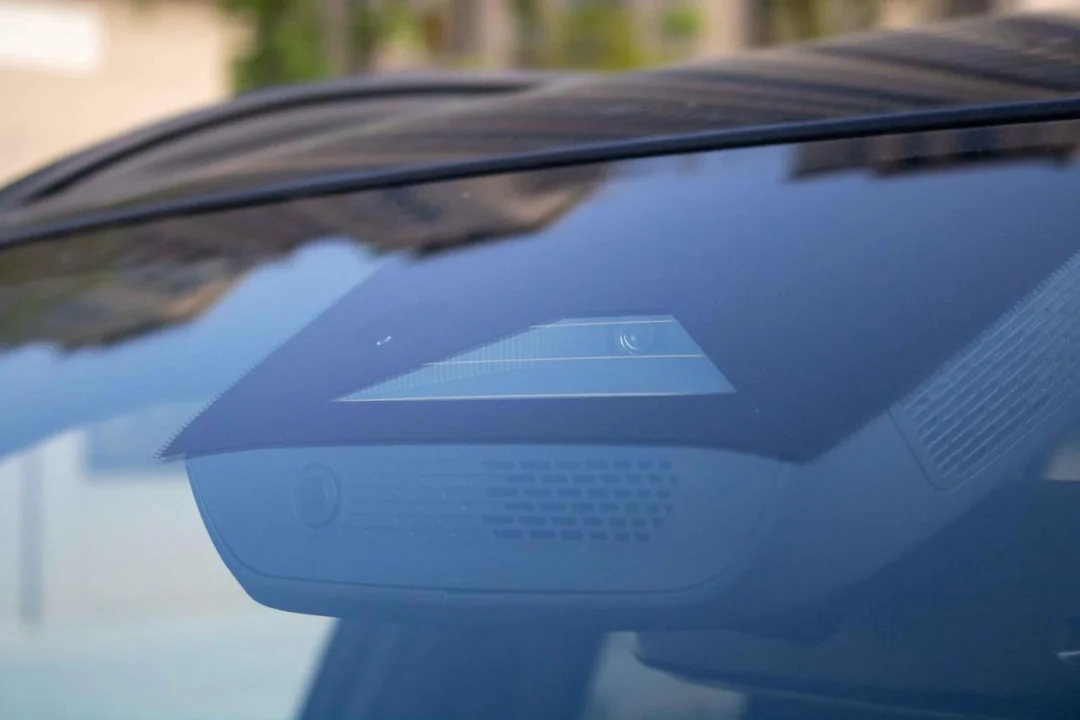
In terms of functionality, this system supports Lane Keeping Assist (LKA), Adaptive Cruise Control with Queue Assist (ACCQA), Active Lane Change Assist (ALCA) via turn signal, and Automated Parking Assist (APA). In real-world testing, the LKA performance earned high marks; longitudinal control remained stable throughout use, allowing the vehicle to navigate even sharp curves with ease.
04Conclusion
Recall the PHEV market a few years ago: buyers largely chose hybrids due to policy incentives, such as avoiding traffic restrictions or securing license plates. In that context, a hybrid was merely a compromise. The Lynk & Co 01 EM-P represents a shift toward "new energy consumption upgrades"—demonstrating that hybrid vehicles can offer superior product value and driving experiences, no longer serving as mere byproducts of policy mandates.
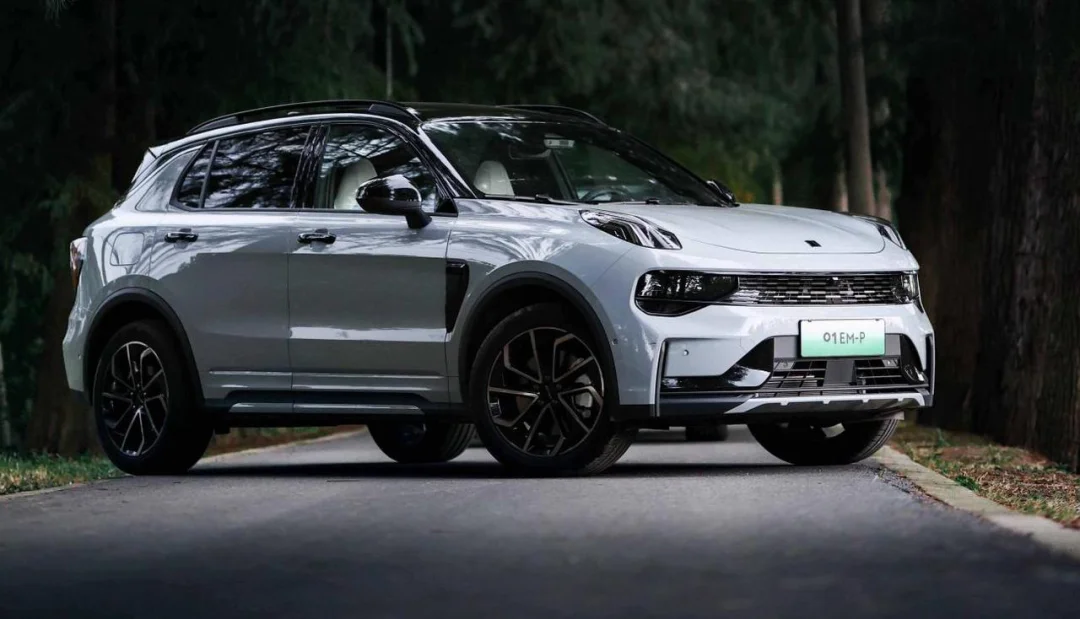
From a product perspective, the Lynk & Co 01 EM-P is a comprehensive offering. Compared to hybrid models in the same class, the 01 EM-P features higher specifications, maintains responsive power delivery across all speed ranges while remaining fuel-efficient, and delivers respectable fuel economy and performance even in battery-depleted states. Against similarly priced competitors, the 01 EM-P holds advantages in safety, range, and driving dynamics.
From a young buyer's perspective, it is difficult to find a hybrid vehicle in the same price range that balances individuality, trendiness, driving pleasure, and quality. They are left with no choice but to compromise with life by choosing from a sea of boring and homogenized products.
The Lynk & Co 01 EM-P is clearly a remedy for these young buyers. Looking back at Lynk & Co’s successful path, it has never been about low-end cost-effectiveness; rather, winning hearts through quality and design has always been their true focus.
As for this hybrid battle, whether the Lynk & Co 01 EM-P can replicate the success of the fuel-powered 01 remains to be seen through market feedback. Written by: Mingming Edited by: Liu San