


Tesla Prices Hit New Lows; Yangwang Unveils Rugged Off-Roaders and Supercars | Weekly Highlights
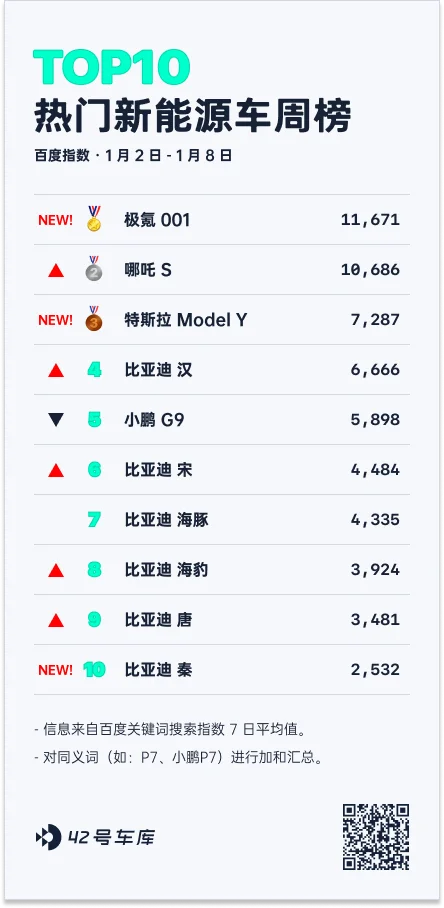
01Weekly Index
02Weekly News
Tesla Cuts Prices to Historic Lows
On January 6, Tesla China announced new pricing for the Model S and Model X, while simultaneously implementing another round of price cuts for the Model 3 and Model Y. This move brought all currently available Tesla models on the Chinese official website to their lowest prices in history:
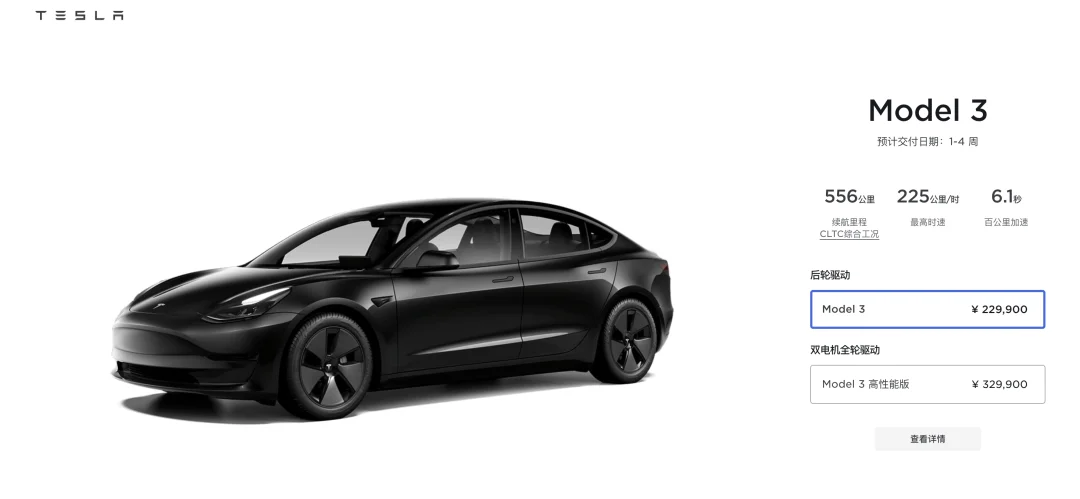
Model 3 Rear-Wheel Drive: RMB 229,900 (down by RMB 36,000);
Model 3 Performance: RMB 329,900 (down by RMB 20,000);
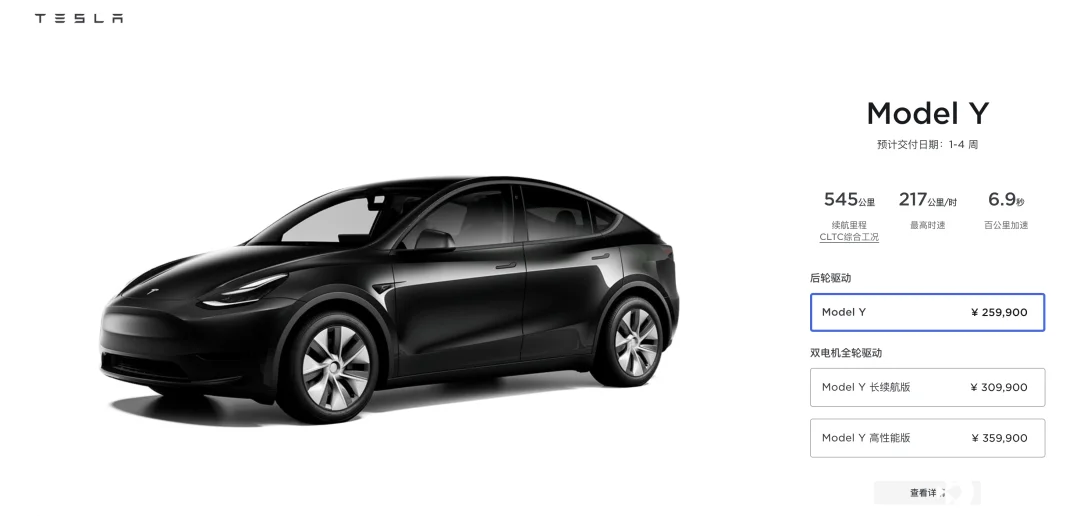
Model Y Rear-Wheel Drive: RMB 259,900 (down by RMB 29,000);
Model Y Long Range: RMB 309,900 (down by RMB 48,000);
Model Y Performance: RMB 359,900 (down by RMB 20,000).
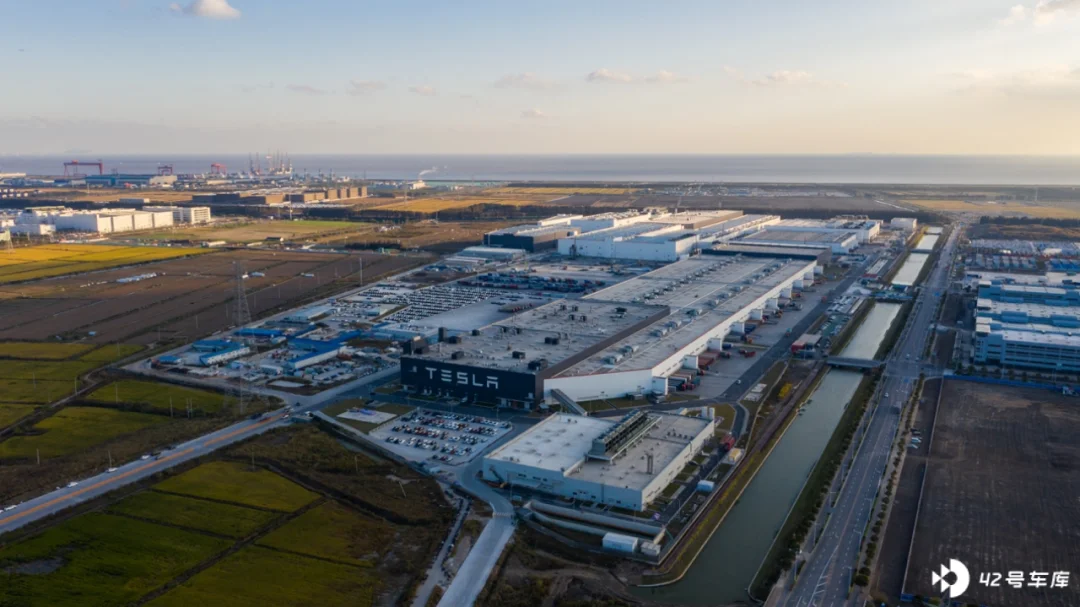
The primary reason for Tesla’s price cuts is likely oversupply. With its Shanghai Gigafactory reaching a monthly production capacity of 100,000 units, Tesla’s output has begun to exceed demand. Unlike traditional automakers that can push inventory onto dealerships, Tesla’s direct-sales model prevents this practice, leading the company to temporarily balance supply and demand by reducing production volumes.
To achieve higher sales volumes, Tesla had several options beyond price cuts, such as adding features to existing models, launching facelifted versions, or expanding its product lineup with new vehicles.
Tesla ultimately chose the simplest approach with the most immediate impact: lowering prices. A key factor enabling this move is the significant margin buffer within Tesla’s cost structure, allowing room for price reductions.
During its ramp-up phase, Tesla continued to cut prices while its per-vehicle gross margin consistently challenged industry norms. In Q1 2022, Tesla’s per-vehicle gross margin peaked at 32.9%, and according to its recent Q3 2022 financial report, it stood at 27.9%.
For domestic Tesla operations, current margins are still far from critical levels; leaving production capacity idle would be counterproductive. Therefore, these price cuts represent a strategic shift toward volume growth to maximize efficiency.
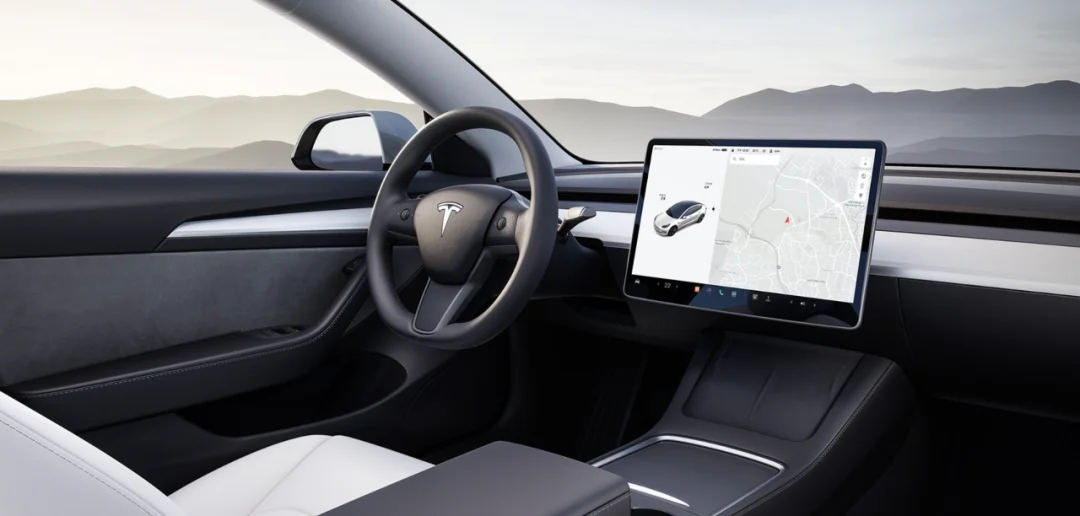
From an economic perspective, with domestic pandemic restrictions gradually easing and battery raw material prices entering a downward trend, Tesla taking some early action will not have a lasting impact on gross margins, making it a reasonable move.
On the other hand, "continuous price hikes" since 2021 have gradually stripped Tesla of its most important value-for-money label. Meanwhile, models offering even better value are continuously emerging, undoubtedly exerting a certain impact on Tesla's sales.
Quick Review:
In fact, Tesla had already conducted a hidden price reduction on January 1 by maintaining its original prices. Since the official withdrawal of China's national subsidies for new energy vehicles in 2023, some automakers have announced price increases. By keeping prices unchanged, Tesla effectively absorbed the subsidy gap that would otherwise have been passed on to consumers, though it did not publicize this move as explicitly as XPENG did. This marked the first time since entering the Chinese market that Tesla covered the national subsidy shortfall.
Following Tesla's price cuts, it was no surprise that owners collectively protested, marking the second wave of hot topics after the reduction. This phenomenon is easy to explain: users only become dissatisfied when their interests are harmed. In Tesla's direct-sales model, every price drop means those who bought at higher prices suffer a loss, and they were completely unaware of this potential disadvantage beforehand.
It remains unclear whether the price cut will have a more positive or negative impact on Tesla; only its next sales report will reveal the outcome.
Yangwangqiche Releases Hardcore Off-Road Vehicle and Supercar
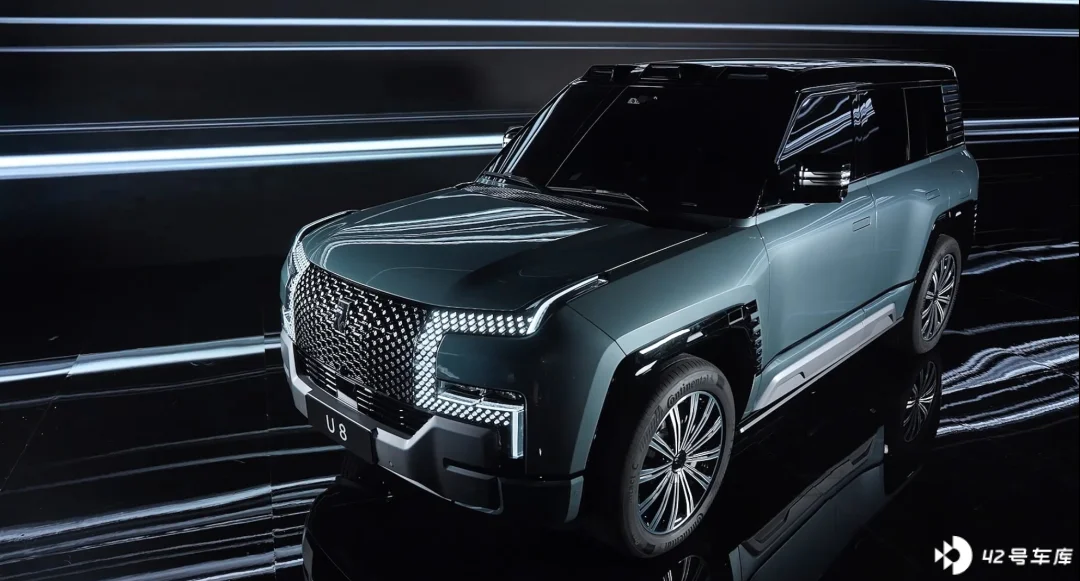
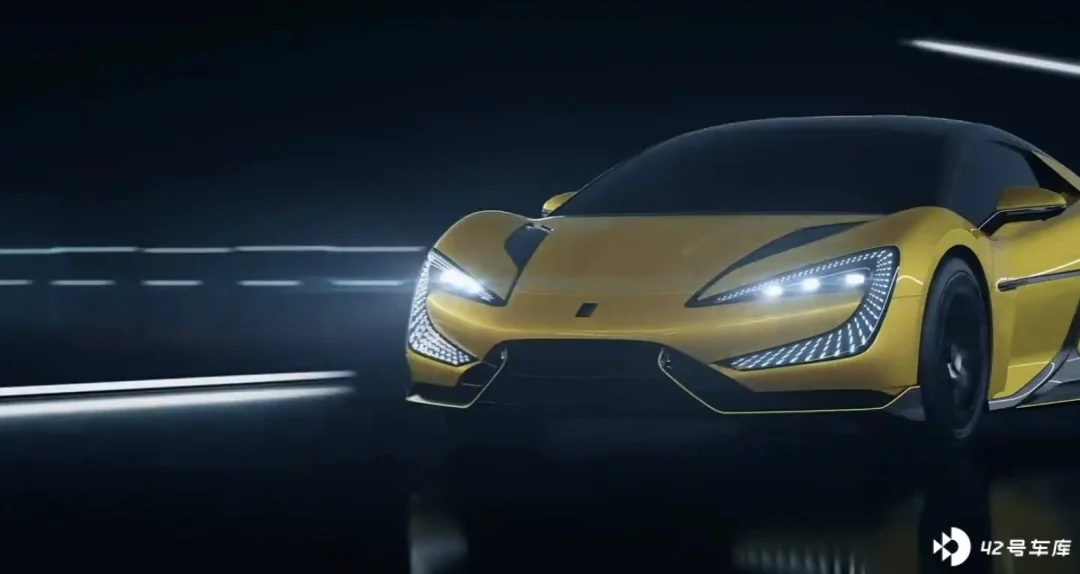
On January 5, at the Yangwang brand and technology launch event, Yangwangqiche officially unveiled its first hardcore off-road product, the U8, and a supercar, the U9, capable of zero-to-100 km/h acceleration in under two seconds. As the initial models for this premium brand, BYD targeted a very niche market segment with new energy hardcore SUVs and new energy supercars.
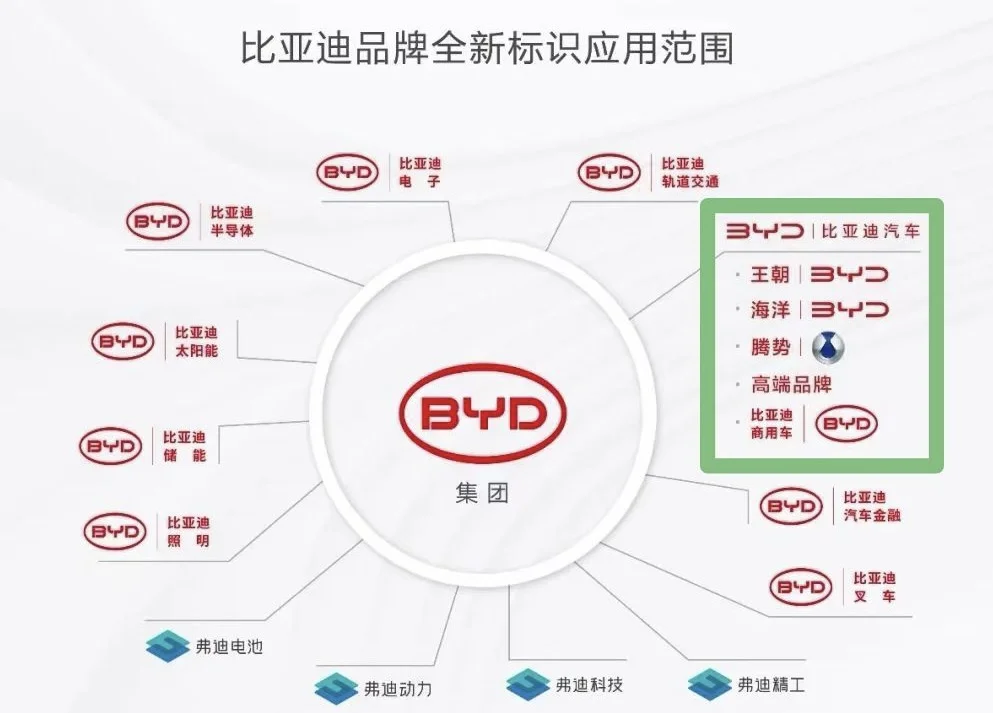
In May last year, Li Yunfei, general manager of BYD’s passenger vehicle brand and public relations division, stated that BYD’s passenger vehicle business comprises the Dynasty, Ocean, DENZA, and premium brands. Excluding the jointly operated DENZA, the most expensive product under wholly owned operations was the Tang EV, priced at RMB 342,800.
Since Yangwangqiche was first officially announced on November 8, 2022, rumors about its first premium off-road vehicle carrying a price tag exceeding one million yuan have frequently appeared in the public eye, creating a stark contrast with BYD’s current product positioning.
Domestic off-road SUVs have seen Changcheng’s TANK brand fill this gap in recent years; even the top-spec TANK 500 costs no more than RMB 395,000. Within the million-yuan pricing range announced for the Yangwang U8, the only apparent competitor seems to be the Luhu Defender 110 series from a traditional off-road brand.
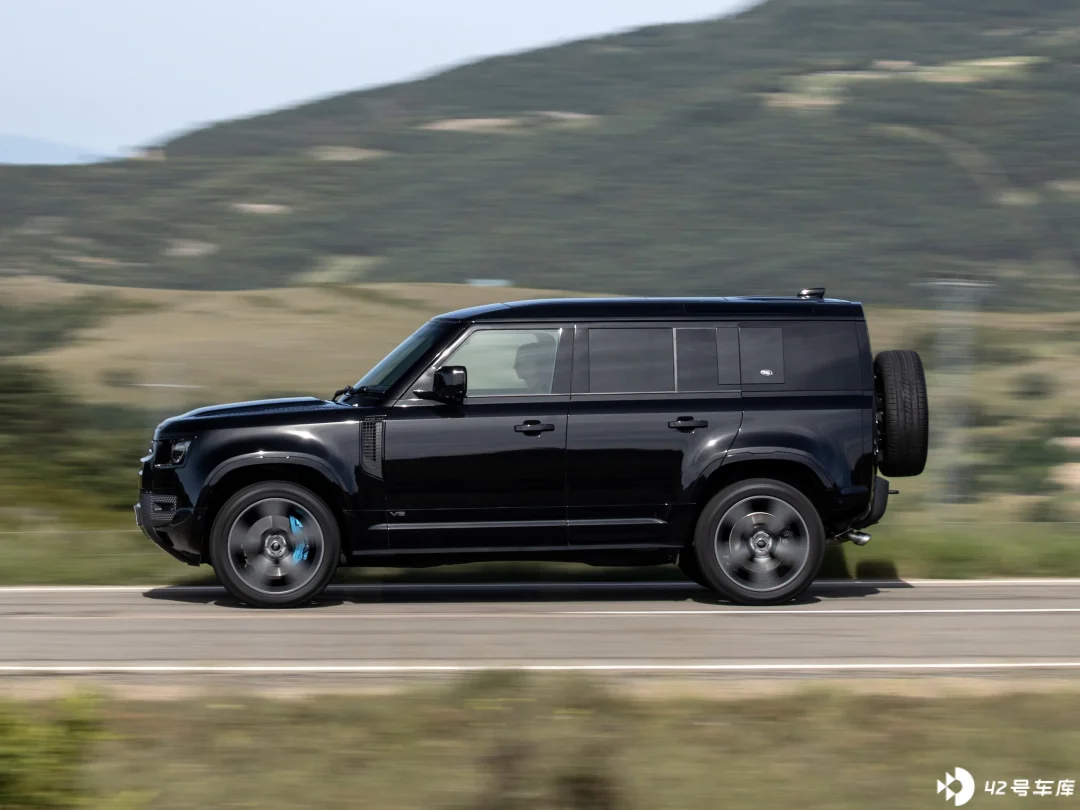
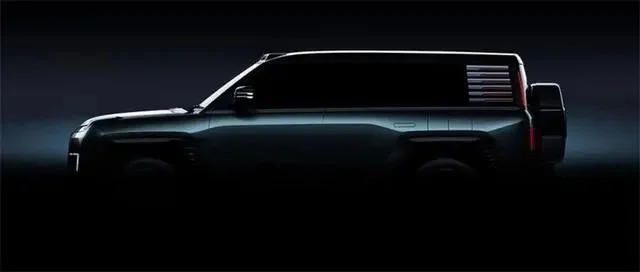
Visually, the Yangwang U8 makes a strong first impression as a premium off-road SUV with a commanding presence. However, its originality is limited, as the vehicle’s silhouette bears some resemblance to the Luhu Defender 110.
Following the exterior reveal, the presentation focused on the Yangwang U8's quad-motor all-wheel-drive technology. This is the key factor BYD believes allows the Yangwang U8 to command a premium price through its mastery of core technologies.
The Yangwang U8 is equipped with a quad-motor all-wheel-drive technology, officially referred to as the 'Yi Si Fang' platform. The Yangwang U8 adopts 800 V silicon carbide motors, with each motor having a peak power of 220–240 kW and torque of 320–420 N·m, capable of achieving 100 km/h acceleration in the three-second range, with maximum horsepower reaching directly to 1,100 hp.
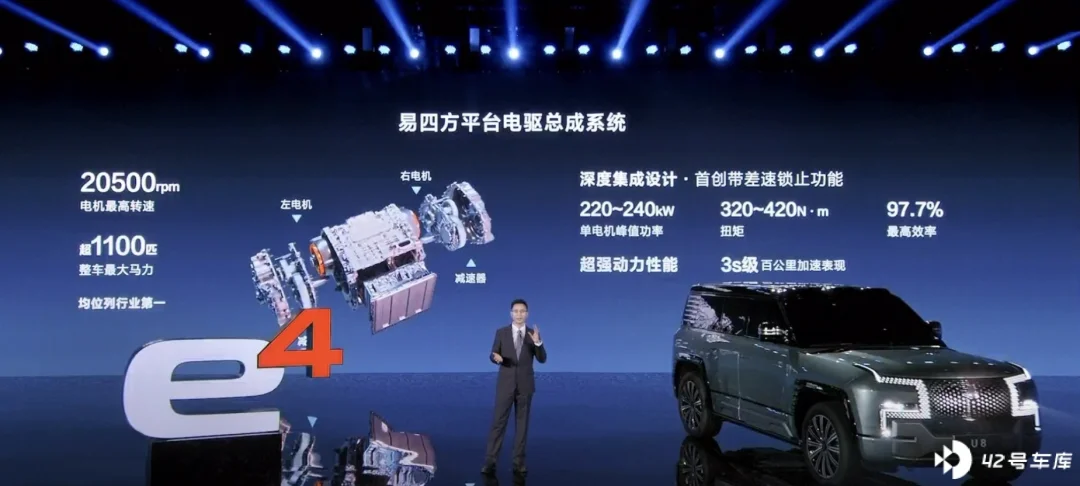
These paper specifications surpass those of the GMC Hummer EV, which is formidable for an SUV of this size.
While official details regarding the specific powertrain configuration have not been released, perspective images suggest the Yangwang U8 is equipped with a compact Blade Battery positioned between the frame rails.
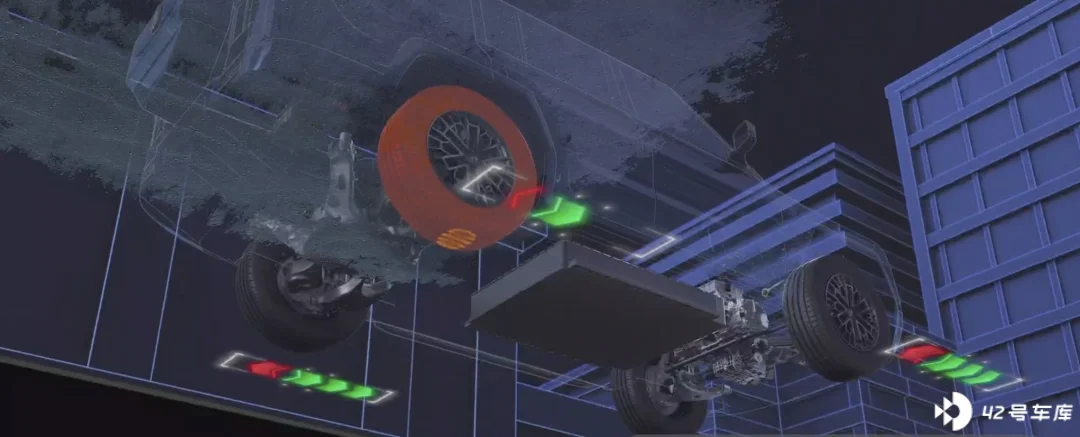
A combustion engine is present on the front axle, likely utilizing DM-i hybrid technology. Given the visible ladder frame, the Yangwang U8 clearly employs a body-on-frame construction. In contrast to Luhu, which has shifted its entire lineup to unibody designs, the Yangwang U8 retains its rugged body-on-frame architecture, enhancing performance in challenging scenarios such as steep slopes and deep ruts.
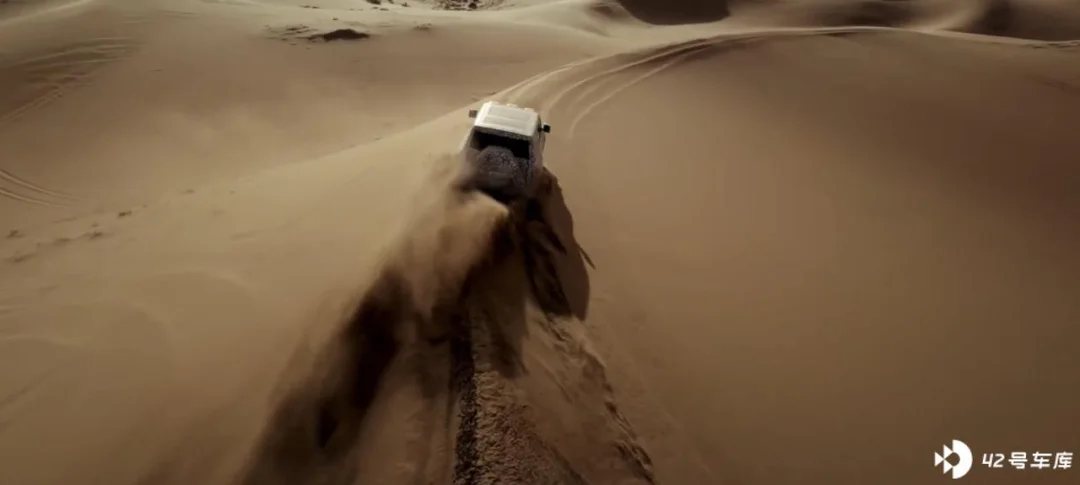
Given its power output and body structure, the 'Yi Si Fang' (Four Motors) platform's four-wheel-drive technology in the Yangwang U8 proves highly effective. The vehicle's four independent motors can control the magnitude and direction of torque at each wheel individually. As an example from the manufacturer, if a tire blows out on one side, the system can reverse the motor's rotation to stabilize the chassis, helping the driver avoid losing control.
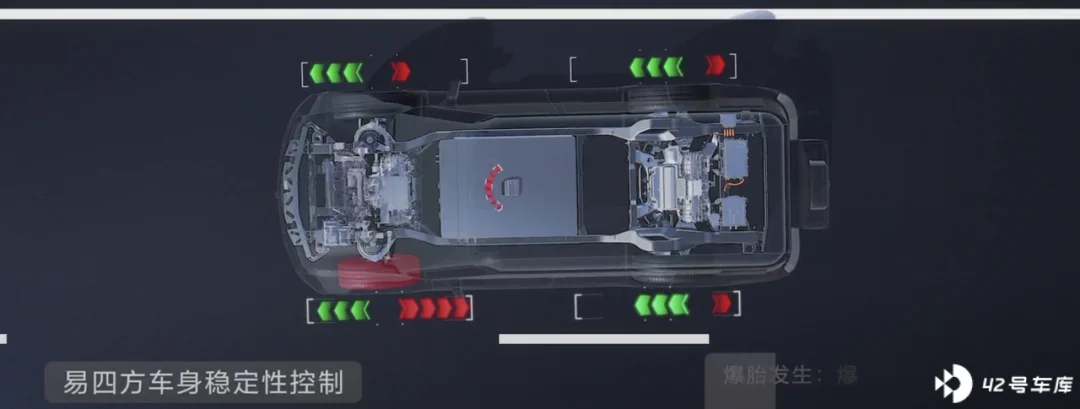
Additionally, the 'Yi Si Fang' four-wheel-drive system achieves extreme slip prevention through independent torque distribution. This represents another advancement in traction control for BYD, following the iTAC technology unveiled alongside the BYD Seal last year.
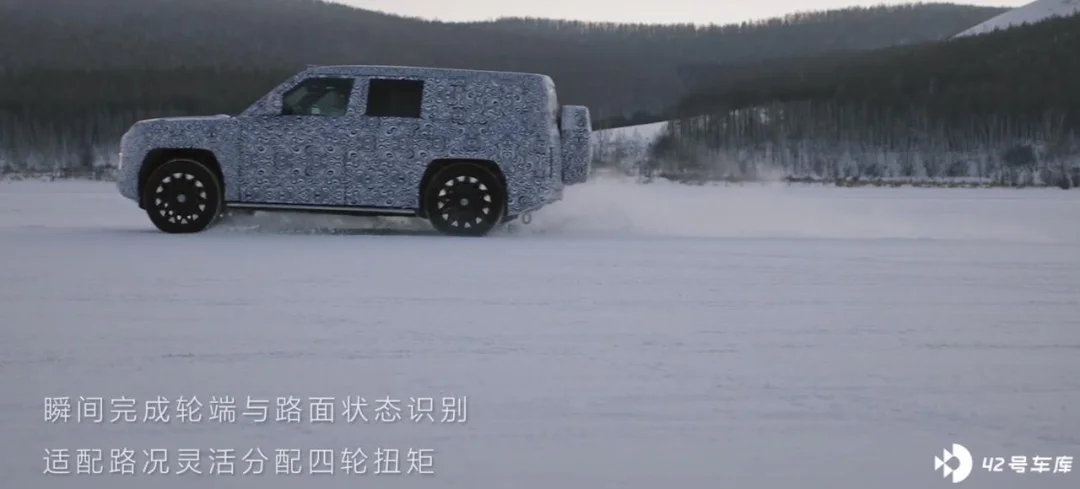
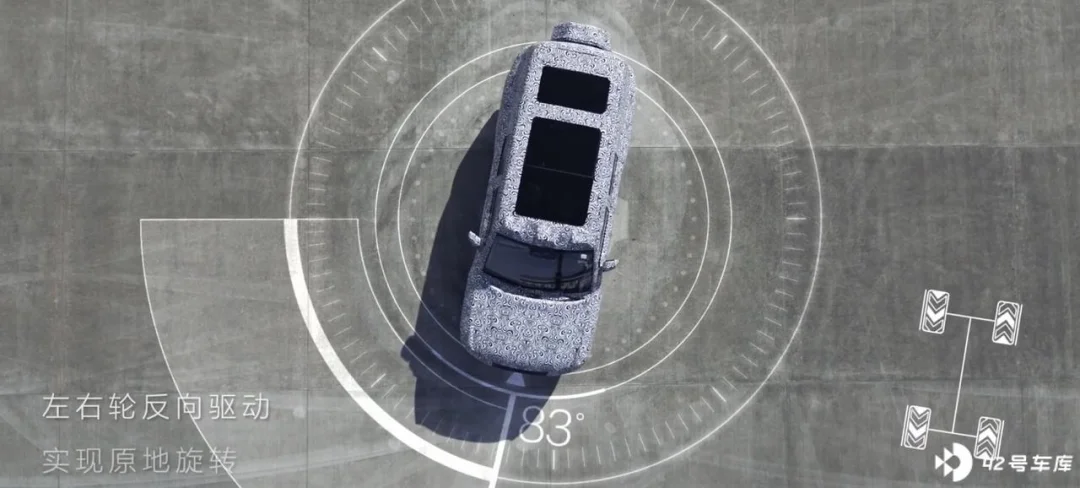
Given its positioning as a rugged SUV, the Yangwang U8 offers unique capabilities in off-road scenarios. Thanks to the independent control of torque magnitude and direction at all four wheels, the U8 can perform a tank-turn, similar to TANK vehicles. While this feature has been seen on the Hummer EV and Rivian R1T, the functionality demonstrated by the Yangwang U8 was still somewhat shocking.
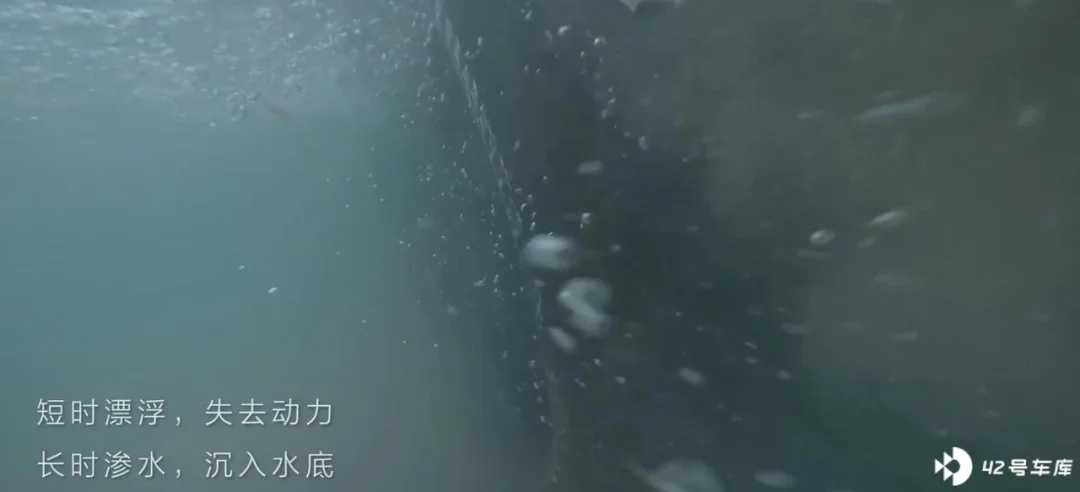
Under an IP68 waterproof rating, the Yangwang U8 not only handles wading but also features an emergency floating mode enabled by the 'Yi Si Fang' four-wheel-drive technology. By distributing drive force across the four motors, the vehicle can move forward or laterally while in water. Promotional videos even show vortices forming around the car, highlighting a feature that is indeed uncommon.

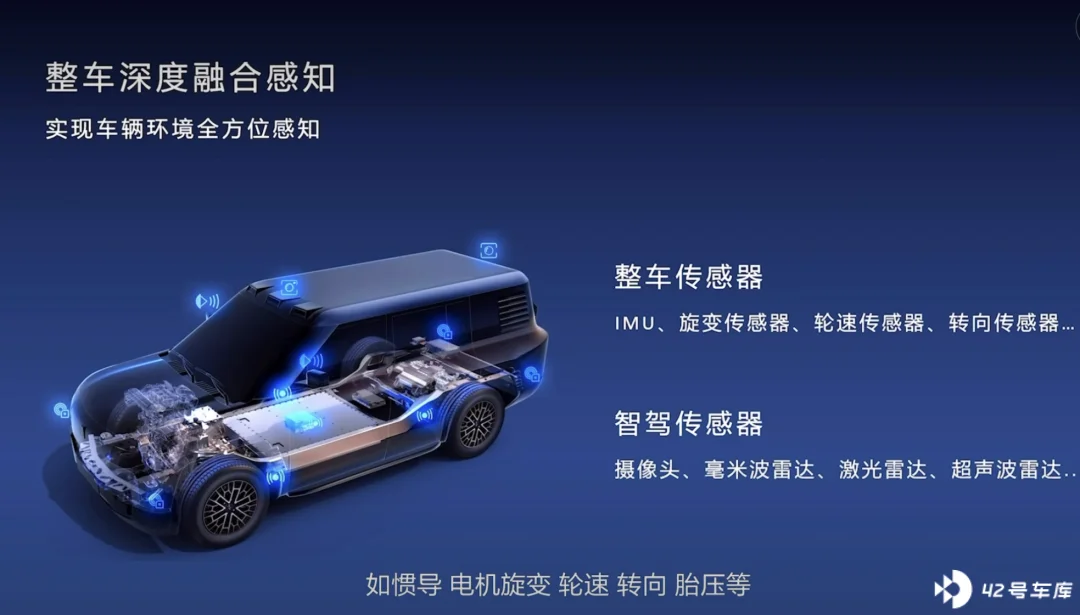
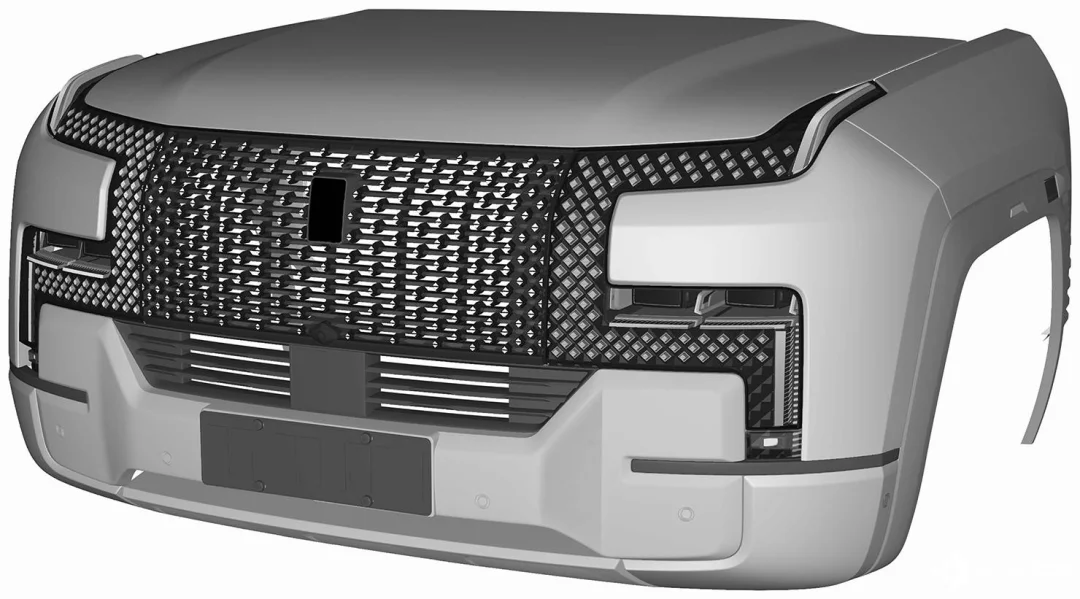
Additionally, Yangwangqiche revealed the U8's fused perception hardware. In addition to conventional cameras, millimeter-wave radars, and ultrasonic radars, the intelligent driving sensors include LiDAR. The patent drawings show a LiDAR module integrated into the side skirt surrounding the wheel, with the rear-view camera module also embedded in the gear-shaped structure of the skirt. Whether the roof is equipped with LiDAR remains to be verified.
After introducing the U8, Yangwang presented an Easter egg—a supercar capable of 2-second-level acceleration.
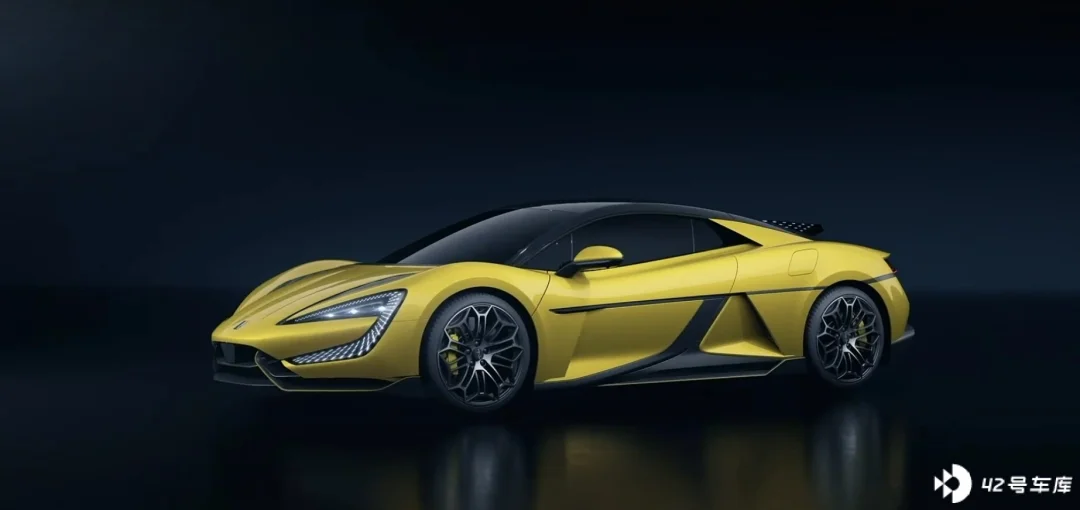
This supercar is named the Yangwang U9. Renderings reveal a layout similar to mid-engine. Like the U8, it also features the 'YiSifang' platform and is expected to adopt 800 V silicon carbide motors, with each motor delivering a peak power of 220–240 kW and torque of 320–420 N·m. However, its zero-to-100 km/h acceleration reaches the two-second range, already surpassing the performance interval of the Falali SF90.
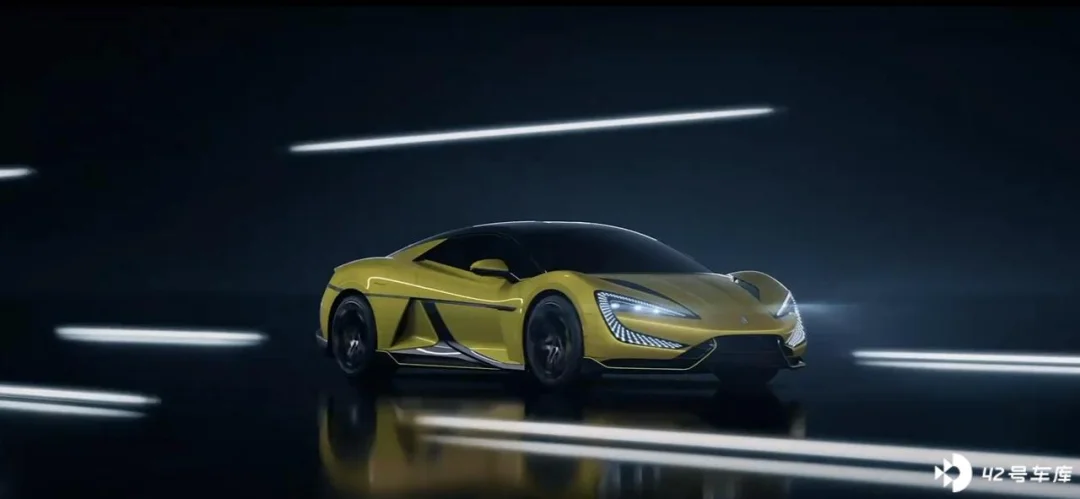
Visually, the Yangwang U9 features an aggressive aerodynamic design; specific body dimensions have not yet been disclosed by the manufacturer. My favorite aspect of the overall exterior is the shark-fin rear wing mounted on the engine cover. While its aerodynamic performance remains unknown, it delivers a highly futuristic visual impression.
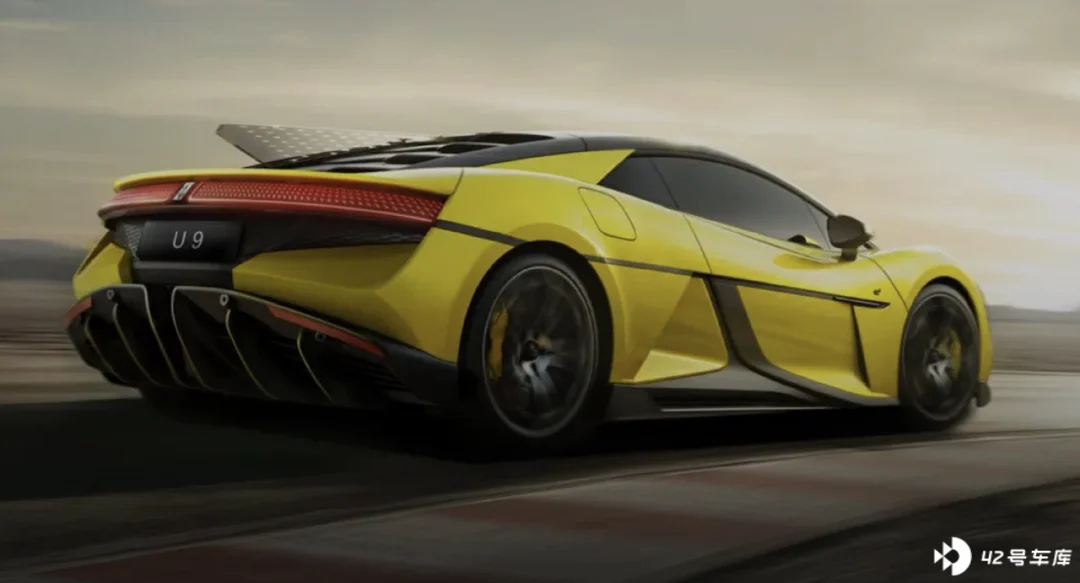
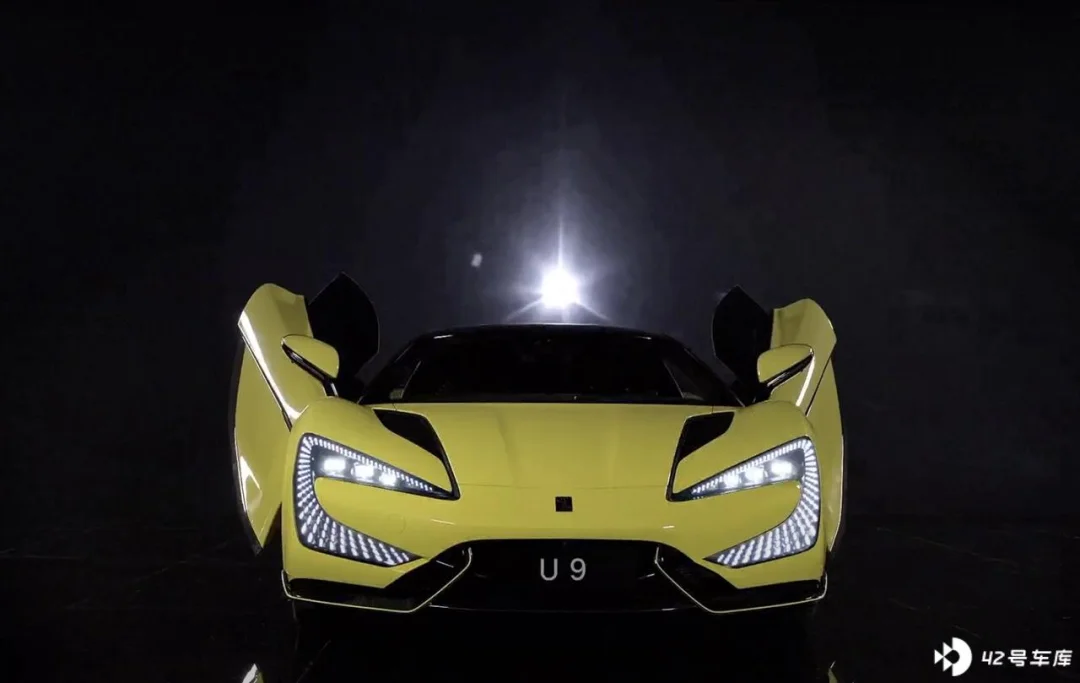
The doors utilize butterfly-style hinges, a common feature in supercars. This opening mechanism is sure to attract attention regardless of where the vehicle is parked.
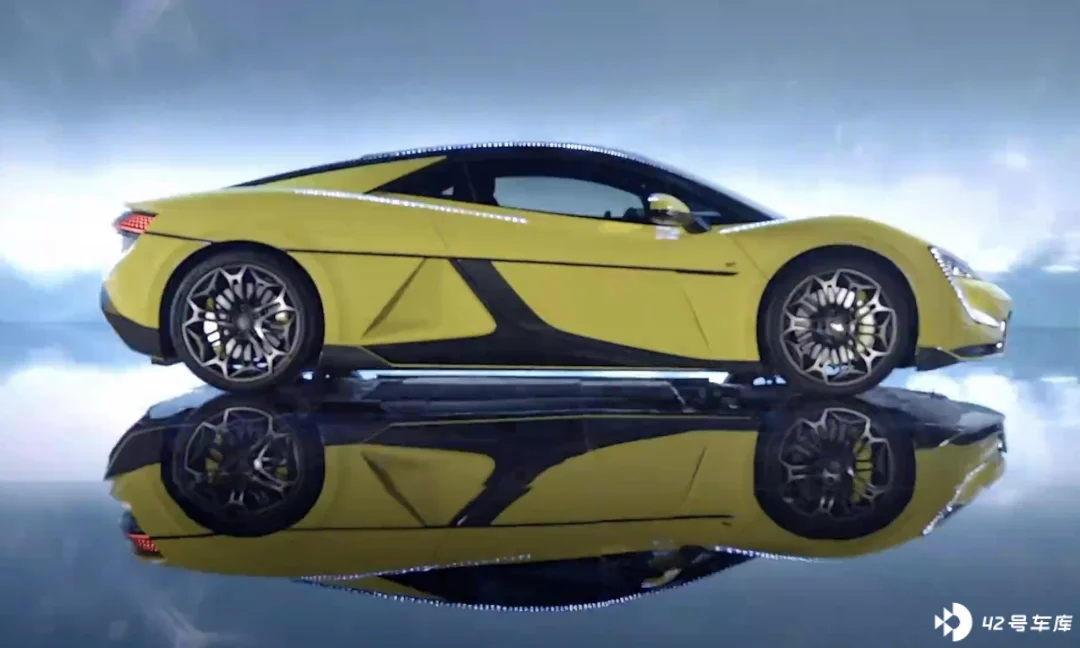
One detail that surprised me is the brake caliper placement on the Yangwang U9: the front calipers are positioned ahead of the axle, while the rear calipers are located behind it, with the electronic parking brake caliper situated at the front of the rear axle. For a high-performance supercar demanding optimal weight distribution, this configuration appears unconventional.
Quick Review:
During the launch event, the Yangwang brand unveiled only two new models and introduced its 'Yi Si Fang' (Four-Motor Independent Drive) platform. However, these models target the ultra-luxury segment—a niche market that domestic brands have largely avoided entering.
Taking Volkswagen Group as an example, the brands that drive volume and profitability are mainstream names like Volkswagen and Audi themselves, while Lanbojini and Binli serve as platforms to showcase brand technology and value.
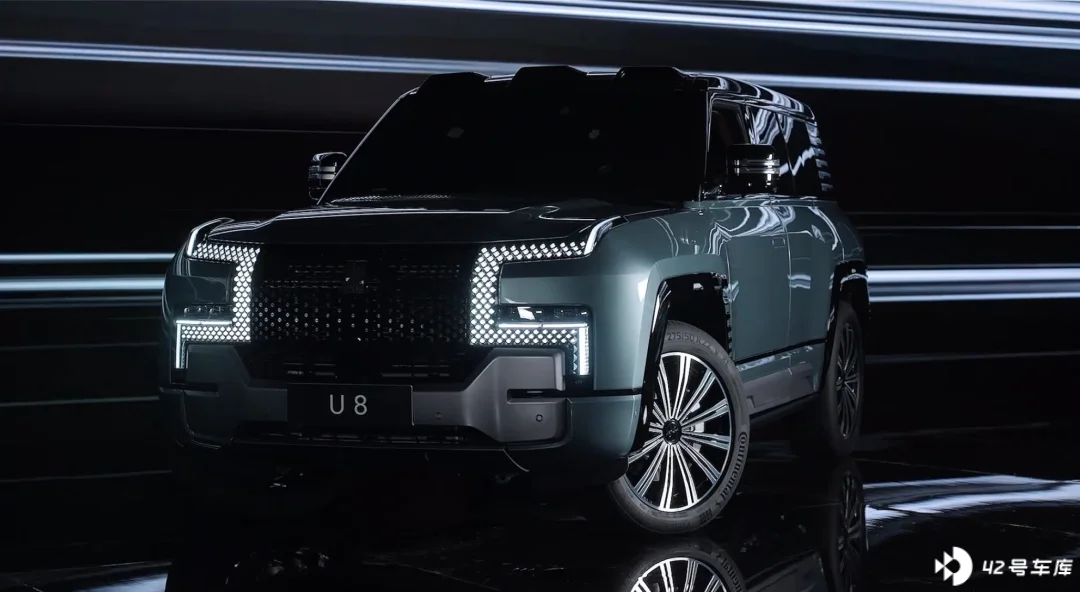
The Yangwang U8 repeatedly emphasized its 'million-yuan' positioning during the launch event. While the 'Yi Si Fang' technology certainly has breakthrough elements, supporting consumers' willingness to pay a million-yuan price tag ultimately depends on the Yangwang U8's actual performance, specifications, pricing, after-sales service, and brand value.
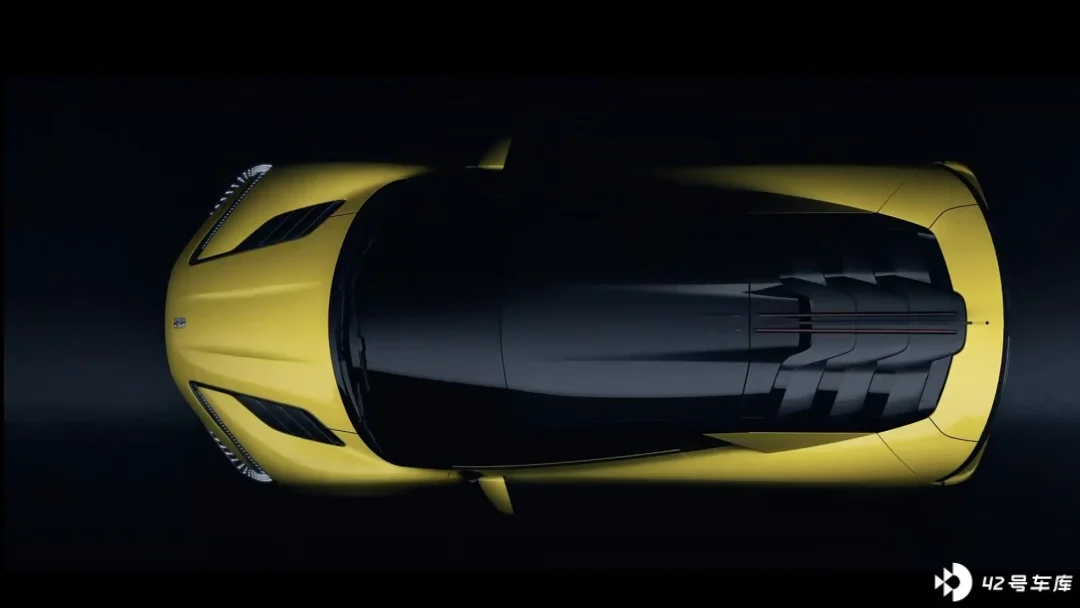
As a sports car, the U9 does not look inexpensive. Previously, Leapmotor and Qiantu attempted new energy sports cars, but due to their niche target audience, these products did not achieve satisfactory results. Now, Aian and Nezha are also trying their hand at new energy sports cars, indicating that there is still ambition to fill the gap in this segment.
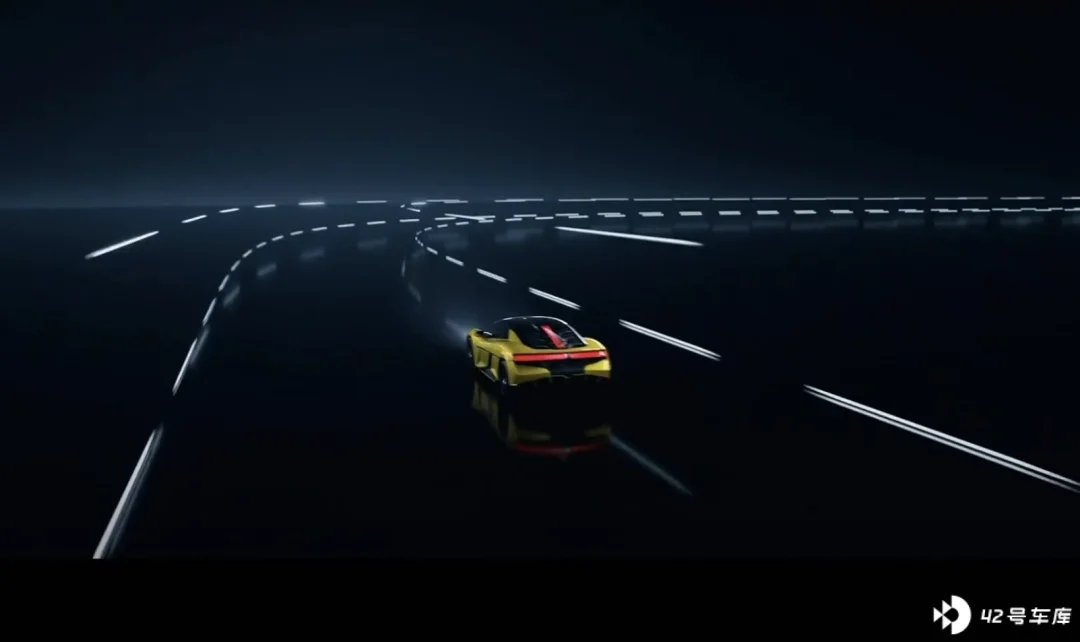
Launching a million-yuan hard-core SUV and a supercar in a single event shows that BYD has courage. With an annual sales volume of 1.86 million units, BYD also has ambitions to break into the high-end market. The next step is to see how Yangwang's true capabilities hold up.
Is the Pure Electric Passat Finally Here? Volkswagen Officially Announces ID.7
On January 4, Volkswagen unveiled the latest addition to its ID. family at the Consumer Electronics Show (CES) in Las Vegas: the Volkswagen ID.7. Positioned as a mid-size pure electric sedan, it marks the sixth model in the brand’s ID. lineup.
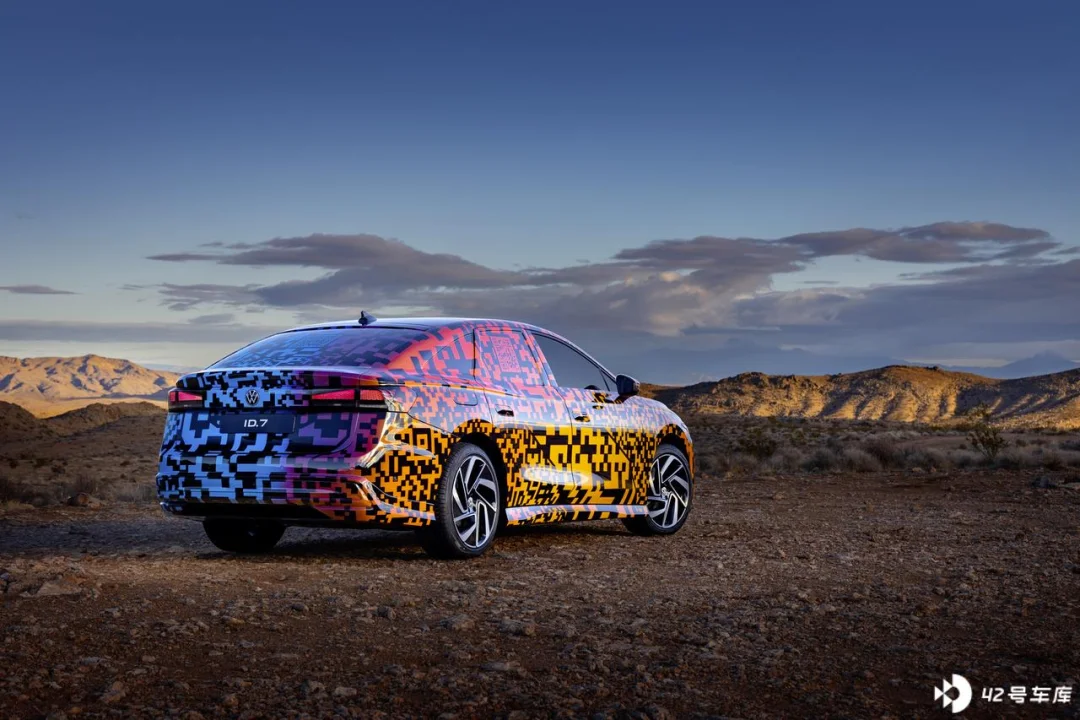
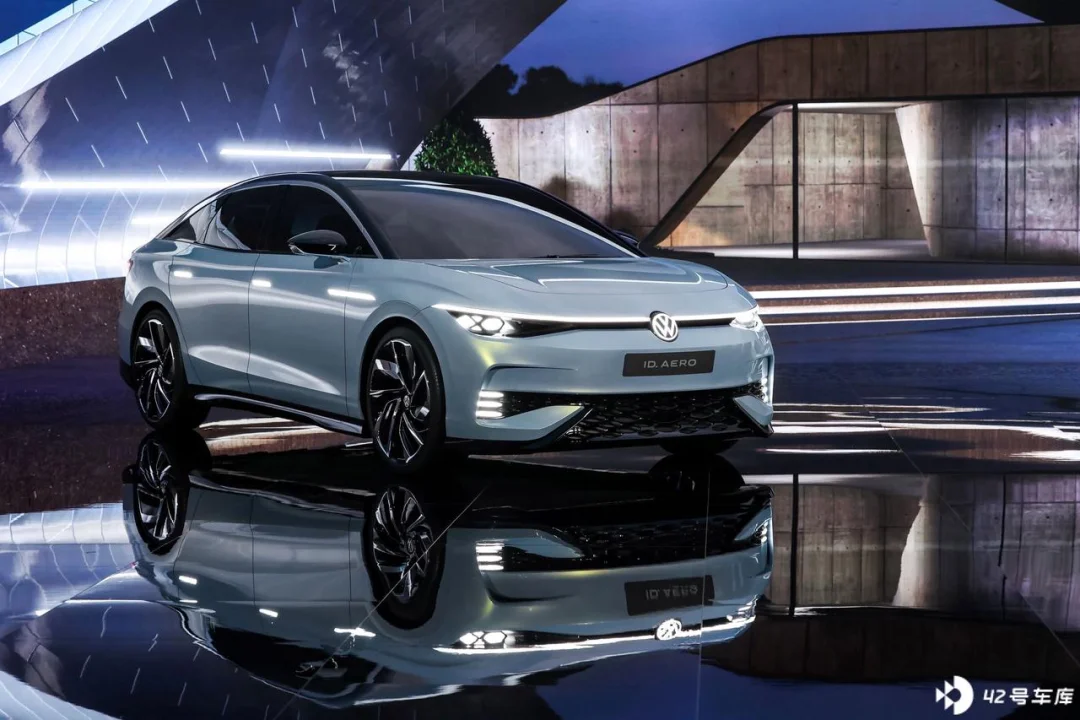
Currently, the ID.7 officially announced by Volkswagen remains in a heavily camouflaged stage, but it is not difficult to find that the exterior design of the ID.7 retains many elements from the concept car ID. AERO.
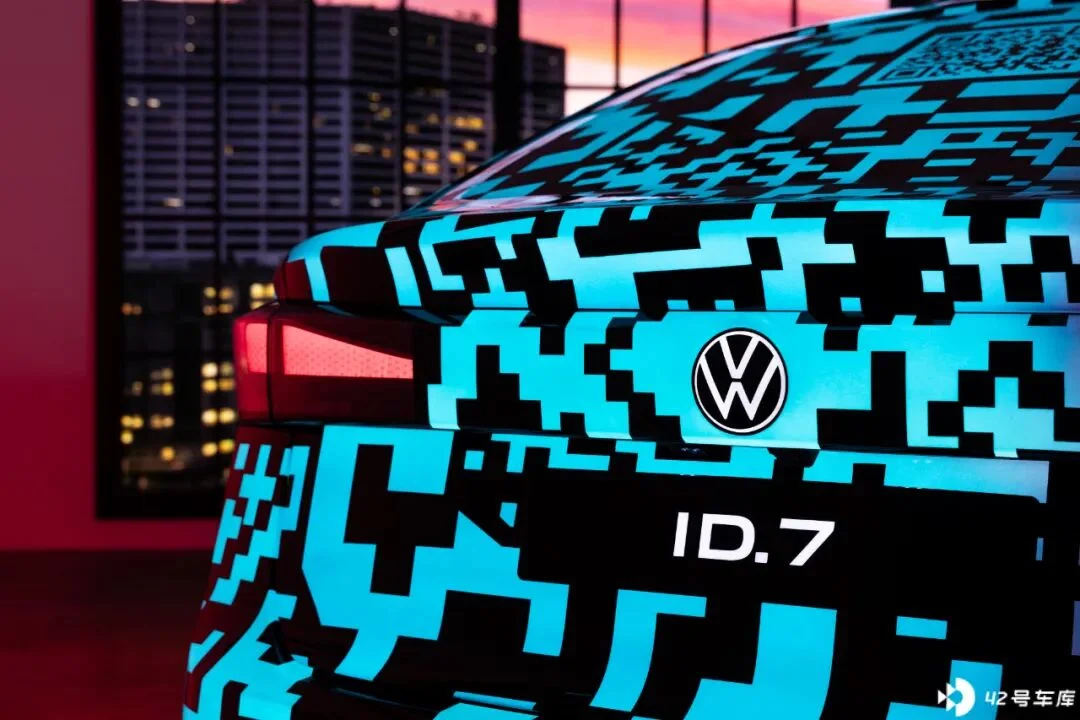
The standout feature of the camouflaged prototype is the ID.7’s taillight design. When unlit, the light cluster appears as a white horizontal bar; when illuminated, it transforms into a seamless red light strip. Closer inspection reveals subtle internal details that lend the design a high-tech and powerful aesthetic.
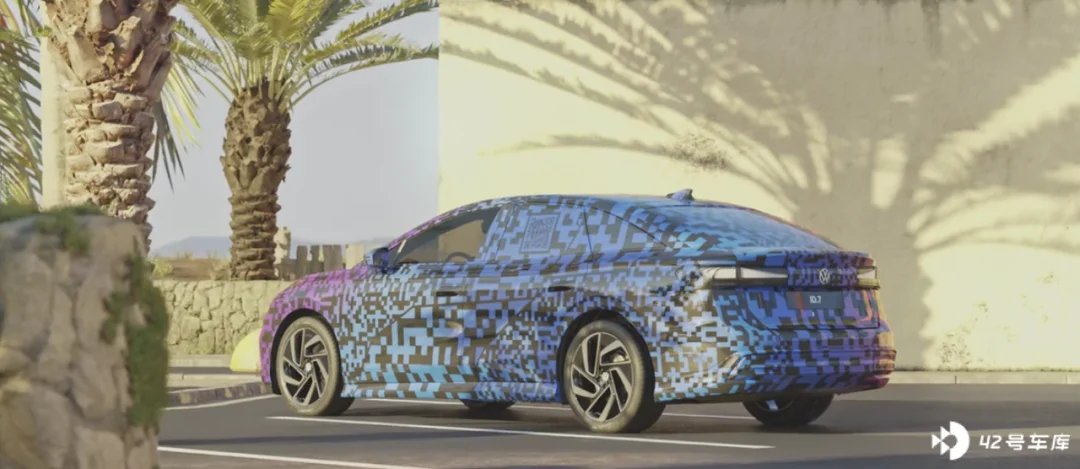
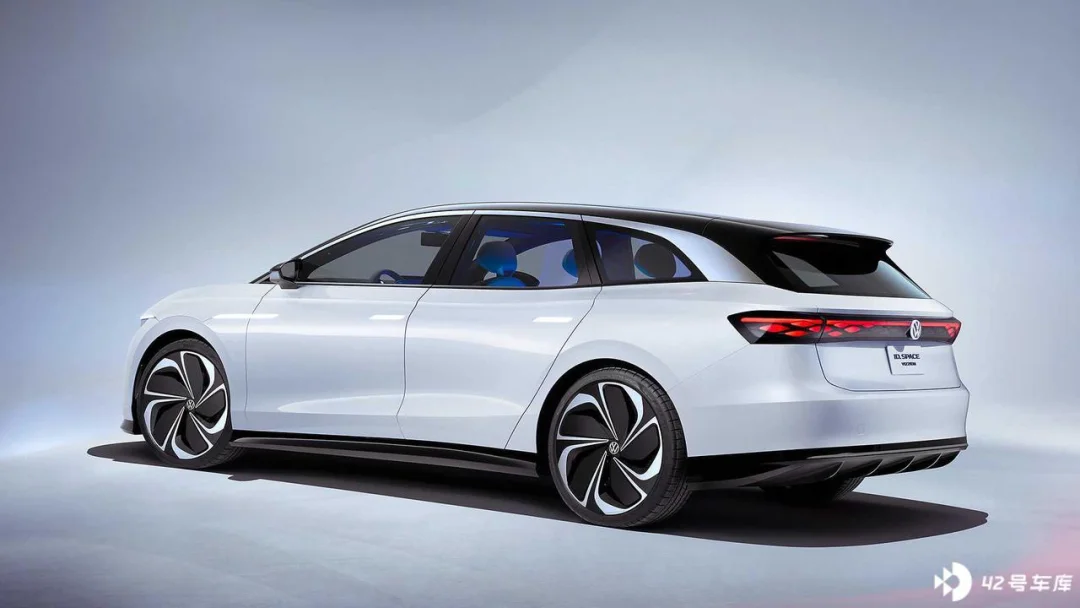
The ID.7 shown here is in the form of a three-box sedan. Based on the design of the earlier concept car, a wagon variant of the ID.7 will be launched subsequently. This is also consistent with Volkswagen's traditional strategy for its mid-size vehicle lineup.
Volkswagen states that the ID.7 incorporates extensive aerodynamic design while retaining the ID. family’s styling cues, though it has not disclosed the specific drag coefficient; however, the official WLTP range for the ID.7 will reach 700 km.
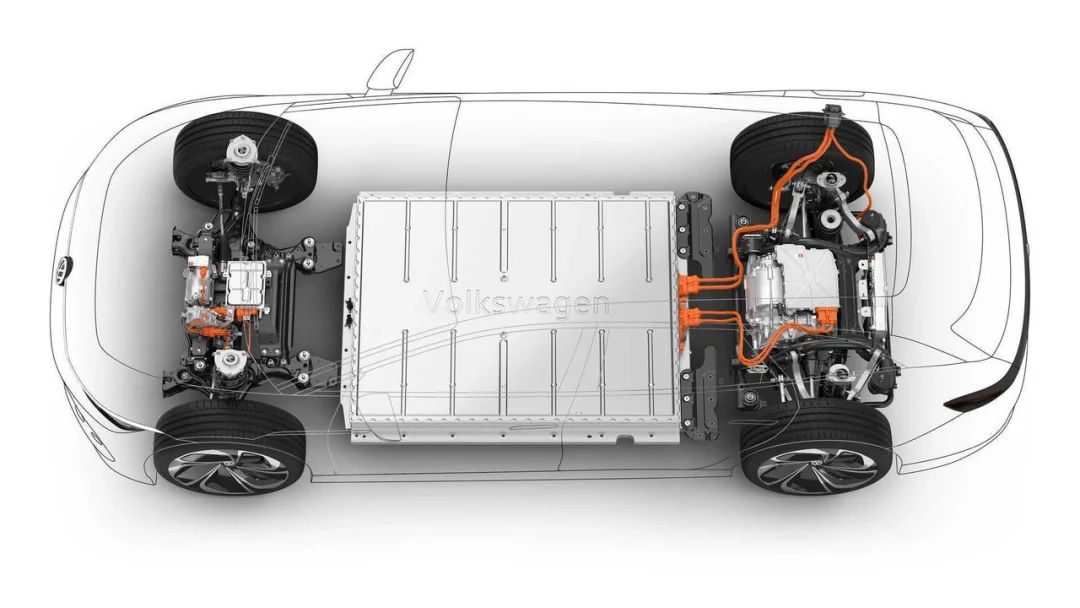
This represents a significant improvement over the 84.8 kWh batteries used in the ID.4 and ID.6. The ID.7 is anticipated to offer a larger 111 kWh battery, similar to the one found in the long-wheelbase ID. Buzz.
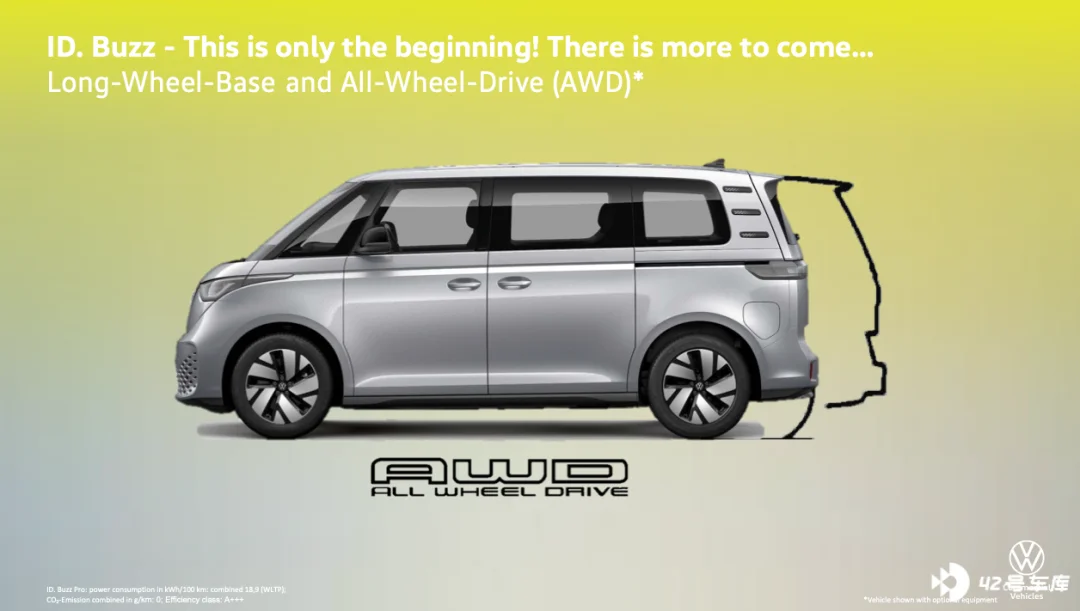
According to Volkswagen, the ID.7 continues to use the group’s existing MEB pure electric platform, featuring a wheelbase of 2,970 mm. This is nearly identical to the 2,965 mm wheelbase of the ID.6 X/CROZZ currently sold in China. It exceeds the wheelbases of the domestic Passat and Magotan by 100 mm, making the size increase quite apparent.
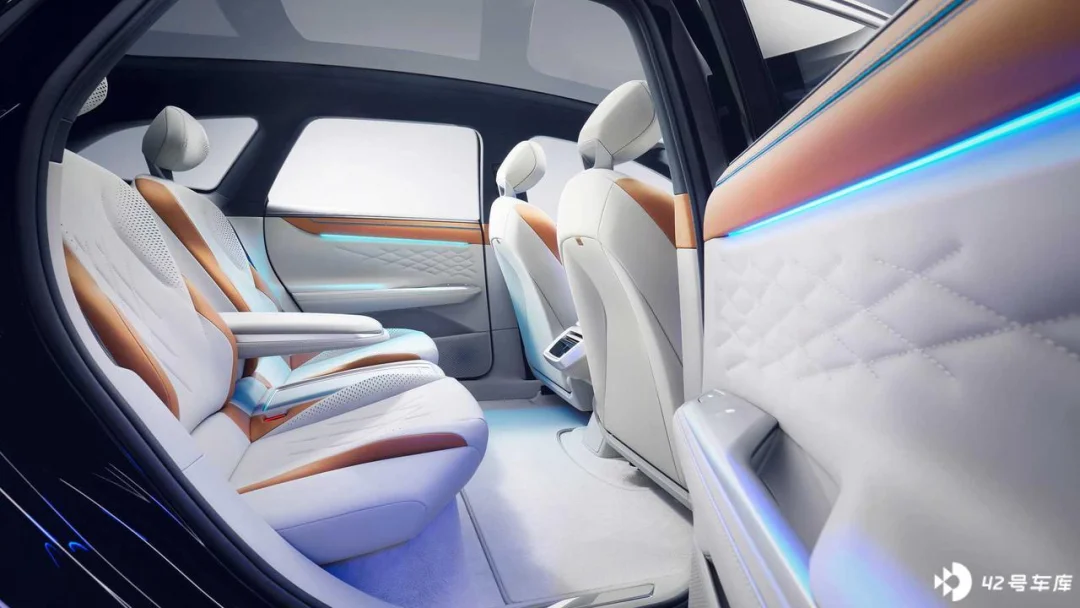
The most significant change in the newly unveiled ID.7 lies in its smart cockpit. Current models like the ID.3, ID.4, and ID.6 have faced heavy user criticism for their infotainment systems, with complaints about poor operational logic, instability, and limited functionality seemingly distancing the ID. series from intelligent and digital advancements.
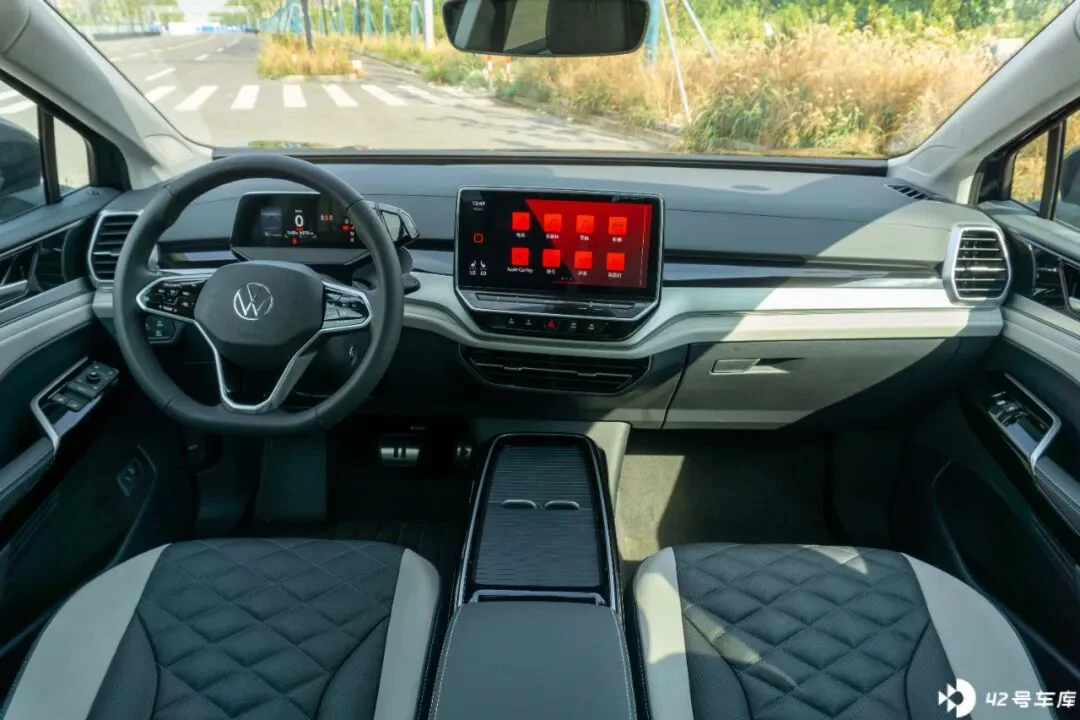
Volkswagen has introduced a new infotainment system for the ID.7, starting with an updated 15-inch central touchscreen and a richer interface.
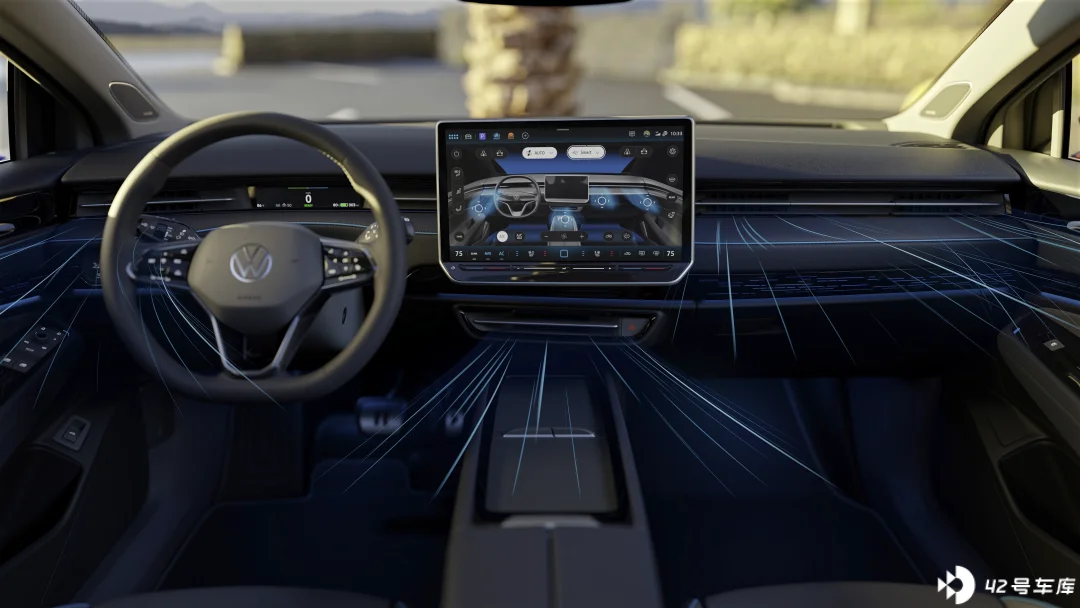
A dock bar at the bottom controls air conditioning and seat comfort settings. The top section includes software controls, vehicle settings, automatic parking, driver assistance configuration, and mode selection. Users can also add frequently used shortcut keys, representing a significant improvement in logic over current ID. series models.
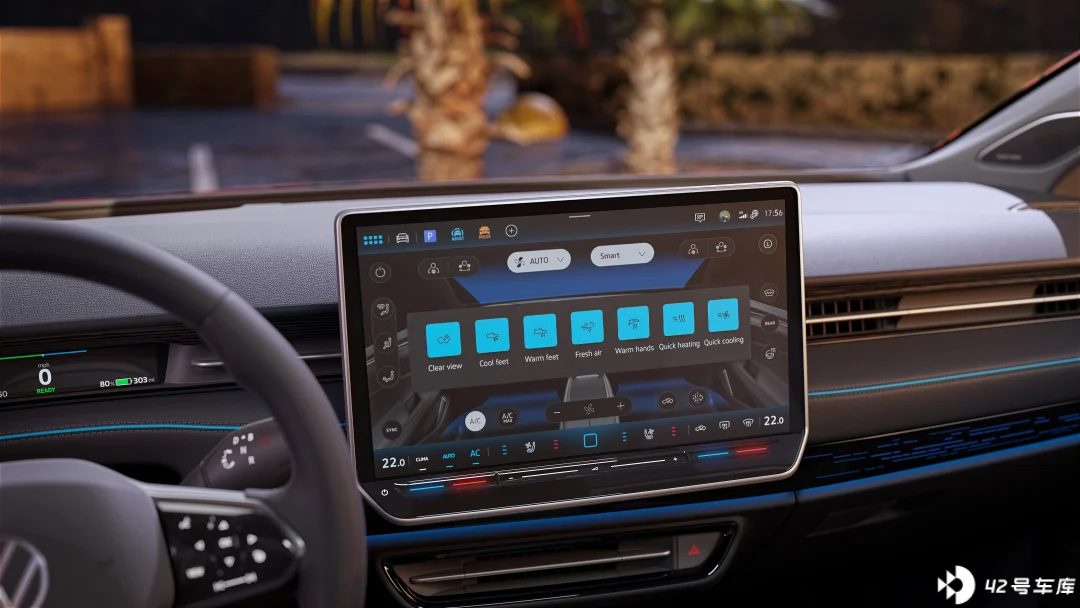
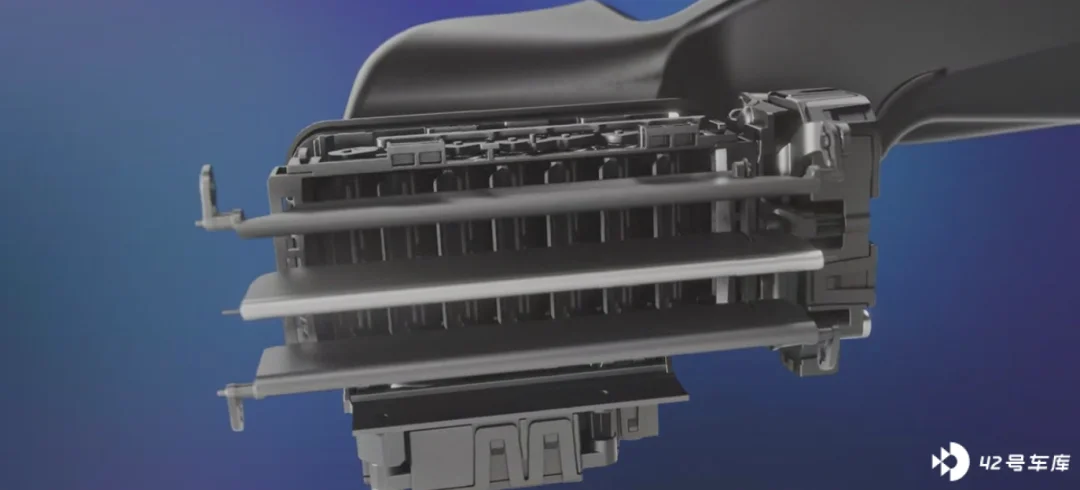
Volkswagen has introduced newly designed 'smart airflow blades' in its air conditioning system, a feature already common among new energy vehicle brands such as Tesla Model 3 and XPENG P7. In the ID.7, the airflow can be directed toward occupants or automatically adjusted to other directions to improve cabin air circulation, with real-time visibility on the central screen.
The 'Hello Volkswagen' voice assistant on the ID.7 has also received smarter updates. Volkswagen states that when a user says, 'Hello Volkswagen, I feel my hands are cold!', the ID.7 activates the steering wheel heating function and simultaneously directs warm air toward the hand area. Improvements in semantic understanding have finally brought Volkswagen's infotainment system closer to smart capabilities.
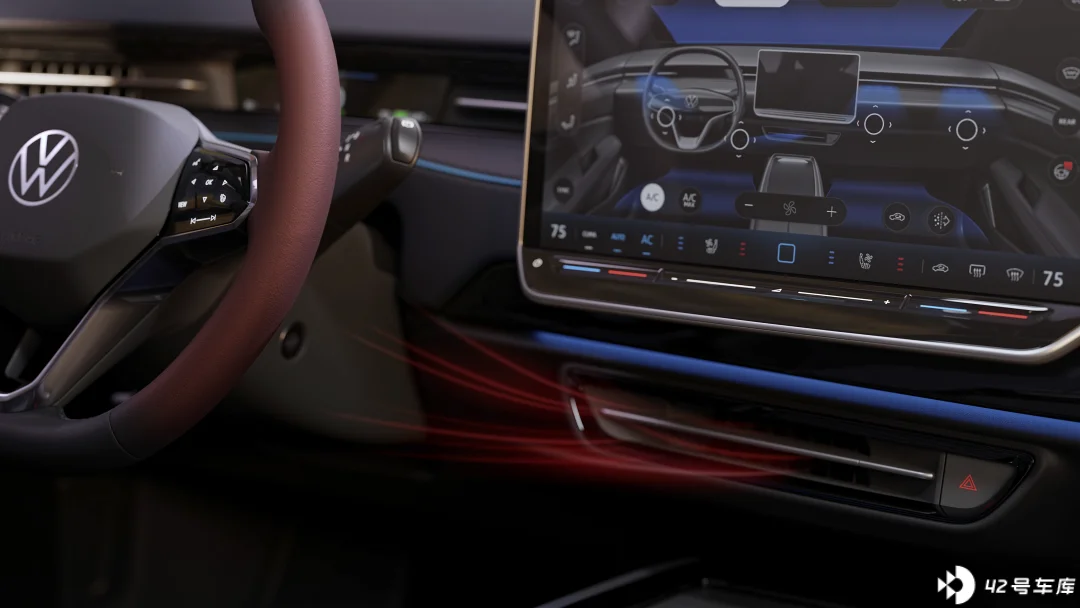
Additionally, backlit air-conditioning controls and volume-adjustment touch keys have finally appeared on the ID.7. In previous ID. series models, the presence of infrared sensing modules behind the touch keys prevented a backlit design, leading to frequent accidental touches. The ID.7 features redesigned buttons, eliminating the need for blind operation at night. Spy photos released earlier suggest that Volkswagen’s next-generation Passat and the mid-cycle refresh of the eighth-generation Golf will also adopt this design.
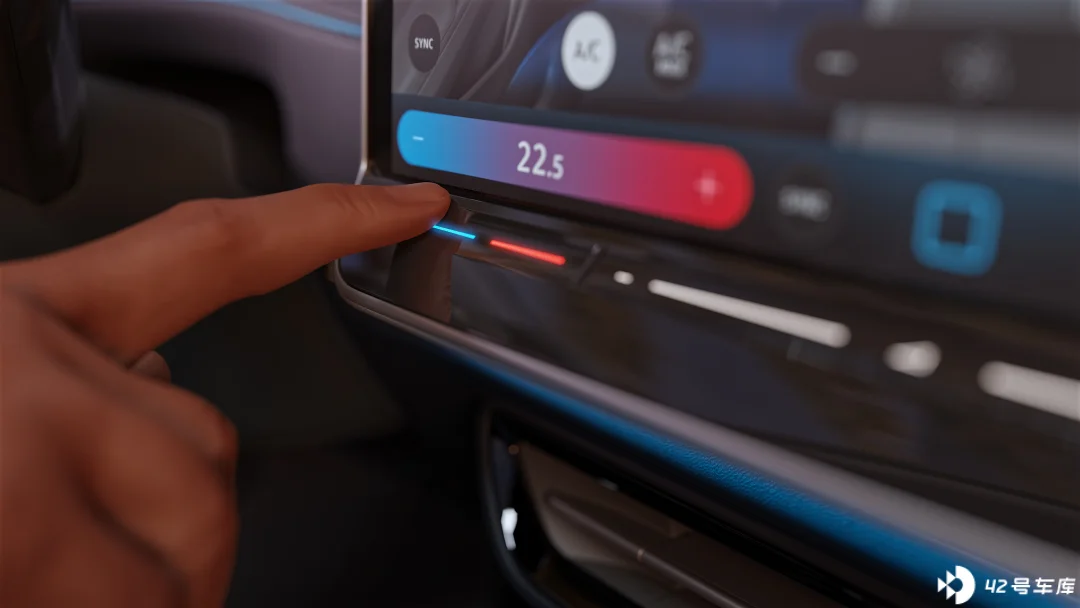
As technology advances, more manufacturers are showcasing their capabilities in new products to demonstrate cutting-edge technology. Over time, some designs have lost sight of the vehicle's fundamental utility. Although Volkswagen has currently strayed from practicality in its design approach, it is commendable that the company has listened to user feedback and is actively making improvements.
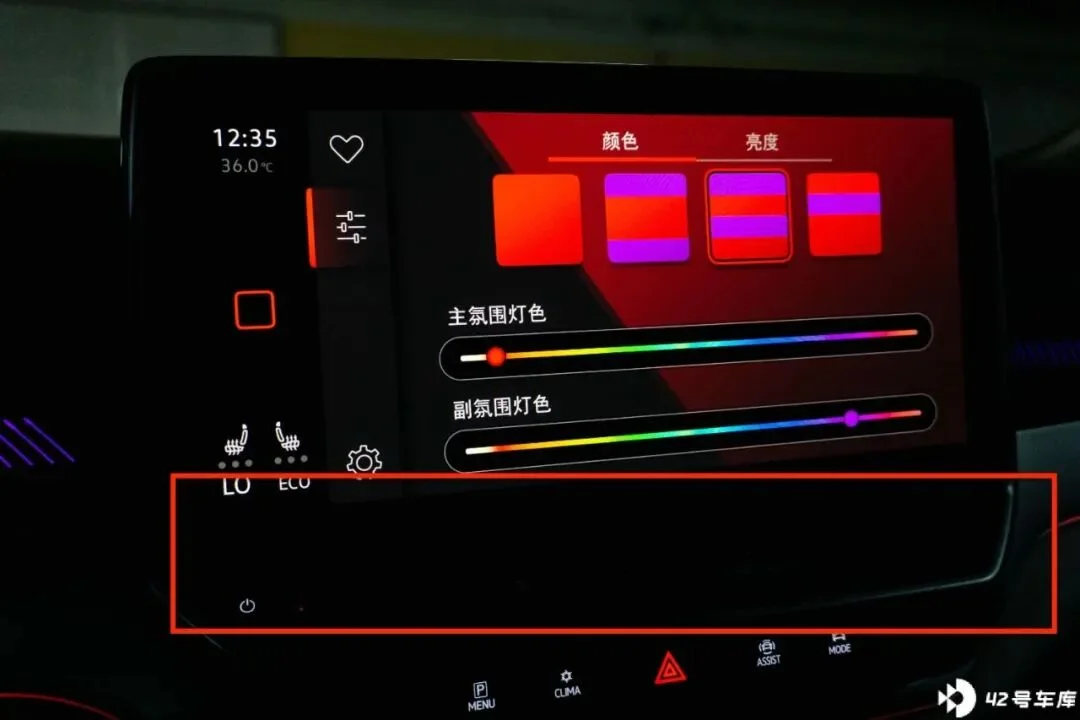
The production version of the Volkswagen ID.7 is scheduled for its global debut in the second quarter of this year, with launches planned across China, the United States, and Europe. The European-spec ID.7 will be manufactured at the Volkswagen Emden plant. This marks the second MEB platform model produced at Emden, following the ID.4.
For the Chinese market, Volkswagen stated that joint ventures FAW-Volkswagen and SAIC Volkswagen will each introduce their own versions of the ID.7. These are expected to be the FAW-Volkswagen ID.7 CROZZ and the SAIC Volkswagen ID.7 X, featuring localized improvements tailored for China.
Quick Review:
Currently, all models in the Volkswagen ID. family are SUVs, leaving a gap in the sedan segment. The introduction of the ID.7 fills this void.
The primary competitive arena for mid-size and large pure electric sedans in China is currently the RMB 200,000–300,000 price range. Tesla Model 3, XPENG P7, Nezha S, Leapmotor C01, and BYD Han are all competitive products in this segment. Although the ID.7 has not yet announced its price, it will inevitably compete with these rivals in the Chinese market.
VOYAH FREE Standard Edition: Free 8155 Chip Upgrade; Credit Refund for Previously Paid Users
On January 6, VOYAH Auto held its first 'Roast Conference' titled 'You Are Always Right' to respond to live-streamed feedback. The company addressed 680 suggestions raised by VOYAH users during the event and officially announced a free upgrade plan for the 8155 chip in the VOYAH FREE Standard Edition, as well as a free fast-charging upgrade for the VOYAH Dreamer. The VOYAH FREE Extended-Range Long-Range Edition also made its official debut during the stream.
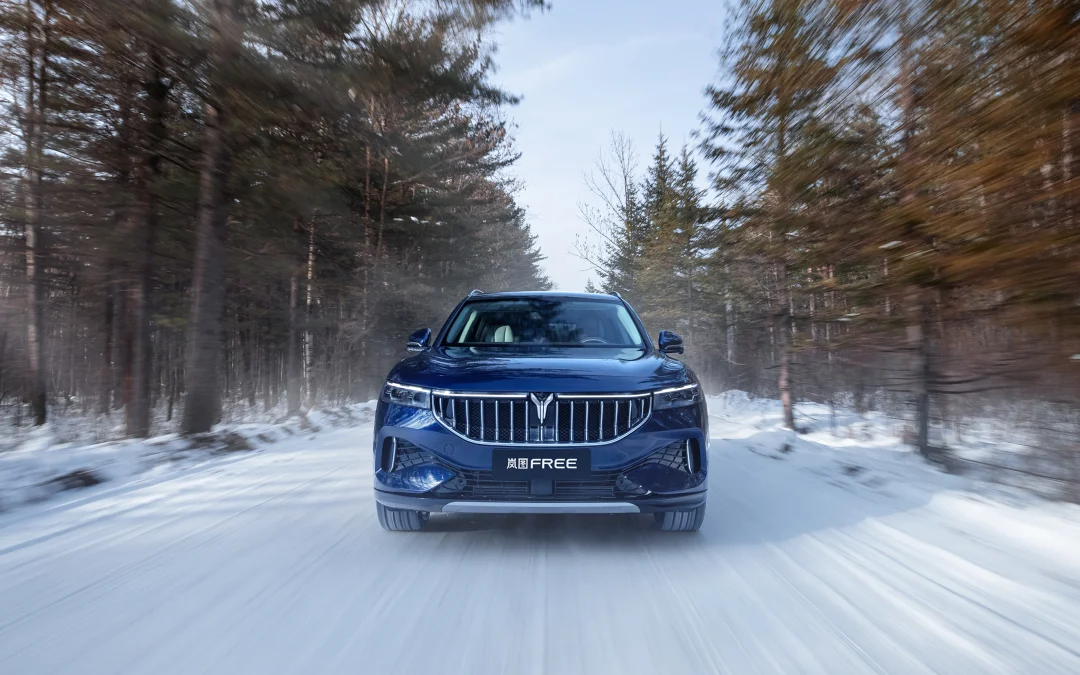
VOYAH announced that starting January 6, owners of the VOYAH FREE Standard Edition who have not yet upgraded to the 8155 chip, as well as prospective buyers, can redeem the 'Smart Care Package' equipped with the 8155 chip via the VOYAH official APP for just RMB 0.1 or 1 credit point, and schedule an installation appointment. For previous owners who had already paid for the 8155 chip upgrade, VOYAH will refund the cost in the form of credits.
VOYAH stated that the infotainment system in the VOYAH FREE will see a threefold performance improvement after upgrading to the 8155 chip, with power consumption reduced to one-fourth of the previous level; the updated infotainment system operates smoothly and fluidly, with rapid response times for interactive features such as navigation and voice commands.
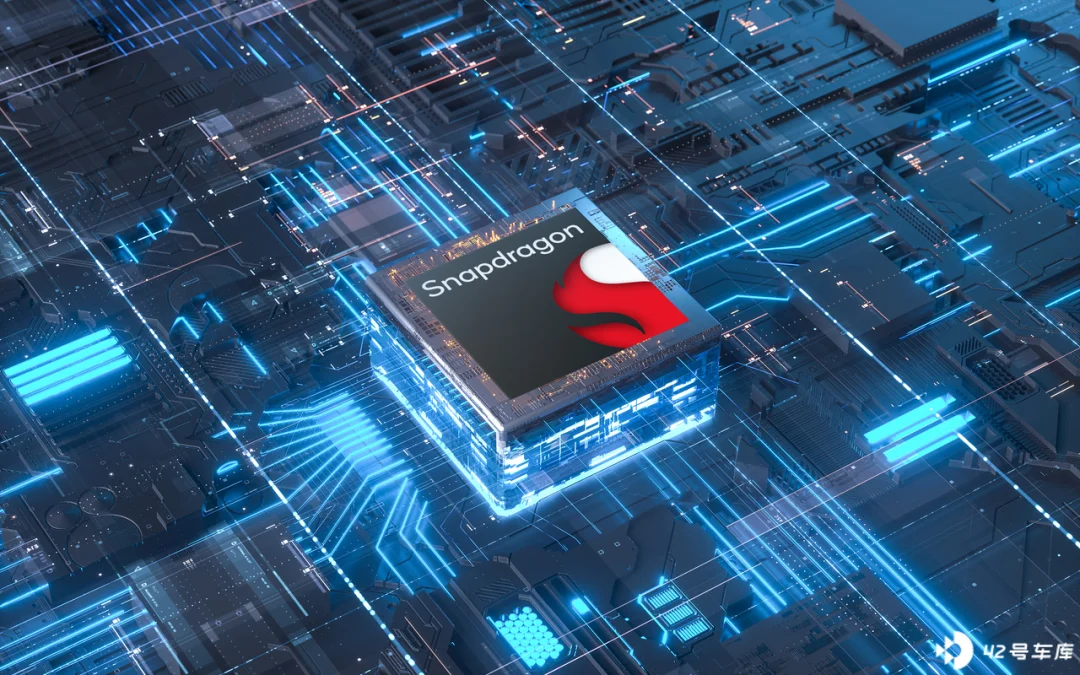
Additionally, to address other issues frequently reported by users, VOYAH is preparing to release OTA 3.0 for the VOYAH FREE. This update will resolve problems such as Bluetooth key connection failures and syncing Meituan and WeChat addresses to the vehicle’s infotainment system.
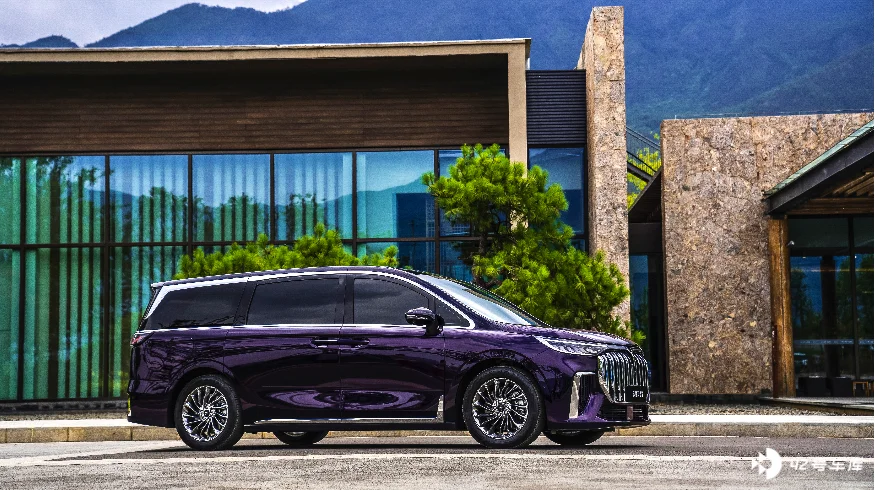
Furthermore, the fast-charging kit for the VOYAH Dreamer Low-Carbon Edition went on sale in the VOYAH Official Mall on December 15. VOYAH will arrange store upgrades in the order of user orders, with installations expected to begin in early January.
From December 29 to January 3, VOYAH hosted a “User Roast Conference” on its official community, inviting users to share their experiences and provide feedback and suggestions regarding their use of the vehicles.
The event collected 680 pieces of feedback covering issues such as infotainment system lag, unattractive key fobs, and slow new product launches in the mall. These comments spanned product, sales, service, brand, and operations areas. VOYAH responded to 91% of the user suggestions and plans to continue tracking and resolving these issues according to schedule. The activity received positive reviews from most users.
Quick Review:
Following announcements by Zeekr 001 and Ford Mustang that they would offer free upgrades to the 8155 chip, VOYAH has now joined them. This is undoubtedly good news for existing owners.
Furthermore, VOYAH’s active collection of user feedback and opinions within its community demonstrates the company’s emphasis on customer input, setting an example for other automakers. We will wait and see how quickly VOYAH resolves each of the reported issues.
By JOJO Edited by Jiang Xiaohei