


DEEPAL Breaks BYD's 'Sales Curse'
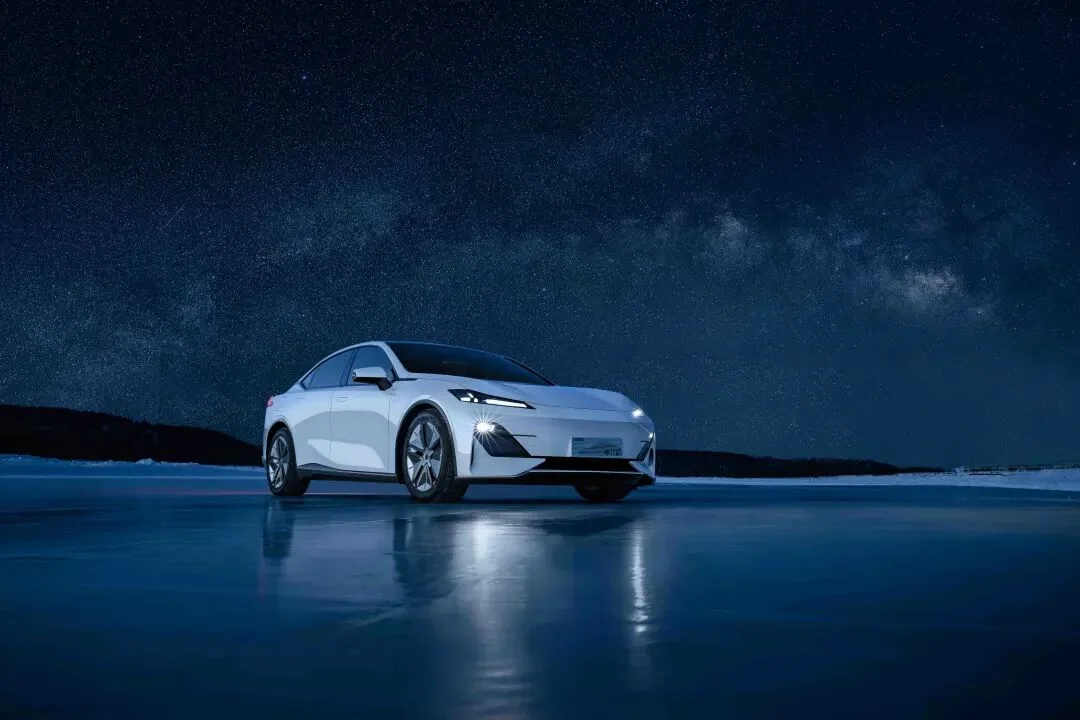
ChanganDEEPAL, established in April and launching its first model in July, reached a milestone in December 2022: deliveries of its debut model, the DEEPAL SL03, surpassed 10,000 units, reaching 11,650, a month-over-month increase of 42%.
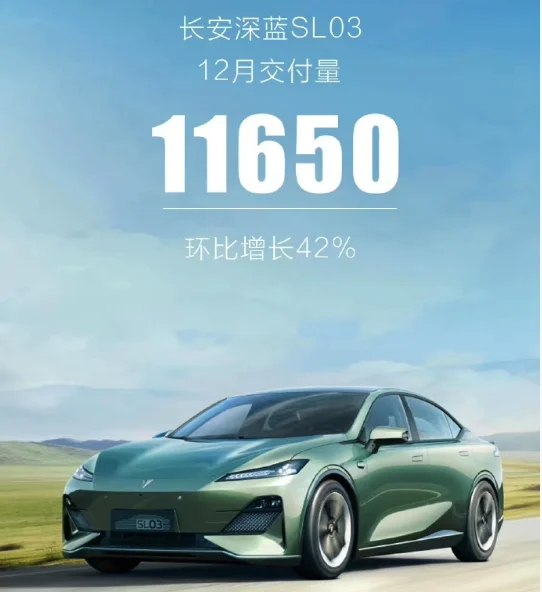
If you have a good understanding of China's new energy vehicle market, you may find this even more surprising: the speed at which deliveries exceeded 10,000 units in the fifth month after the launch of its first model surpassed that of all other new EV brands, including Weixiaoli. Changan DEEPAL thus became the new car-making brand to reach 10,000 deliveries in the shortest time.
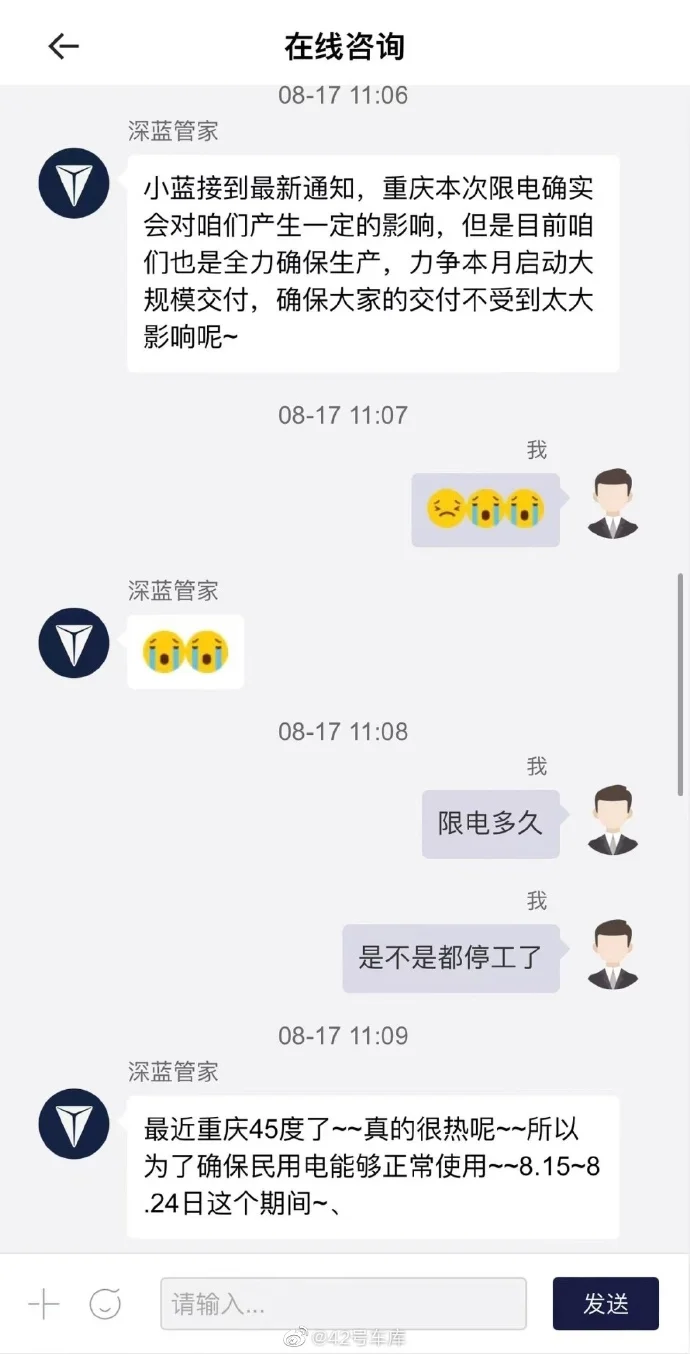
This achievement came against a backdrop of significant difficulties. In August, during the first month after DEEPAL’s launch, Chongqing—where the DEEPAL factory is located—experienced extreme heat, forcing power rationing. From September to October, the entire industry faced chip shortages. For DEEPAL at the time, ramping up production quickly required enduring immense pressure.
Undoubtedly, the DEEPAL SL03 has emerged as a dark horse in the mid-size family car segment, its success somewhat breaking the “BYD curse” that has long dominated this class. However, achieving 10,000 deliveries so soon was not entirely unexpected. From brand building to product design, after-sales service, and channel development, this nascent brand demonstrated rare steadiness and maturity.
01The Courage to Stand Alone
Backed by Changan's Technology
My first impression of DEEPAL came from the Changan Global Partner Conference on April 13 this year, which also marked the birth of the DEEPAL brand. At that time, Changan Chairman Zhu Huarong stated that Changan had spent five years refining its electric drive platform, EPA 1. The DEEPAL SL03 was still in its internal development phase under the code name C385.
At this press conference, which was dense with information, Changan New Energy CEO Deng Chenghao provided a clear and accessible explanation that gave me an initial impression of the EPA 1 platform and the Changan DEEPAL brand: they are hardcore and sincere.
Let's start with the hardcore aspects. As a CEO, Deng Chenghao graduated from Tongji University with his bachelor's degree and pursued his master's at Tsinghua University, ranking first in his major. He completed his master's degree one year early. Coming from an engineering background, he explained the technical architecture of the EPA 1 platform in clear, accessible terms.
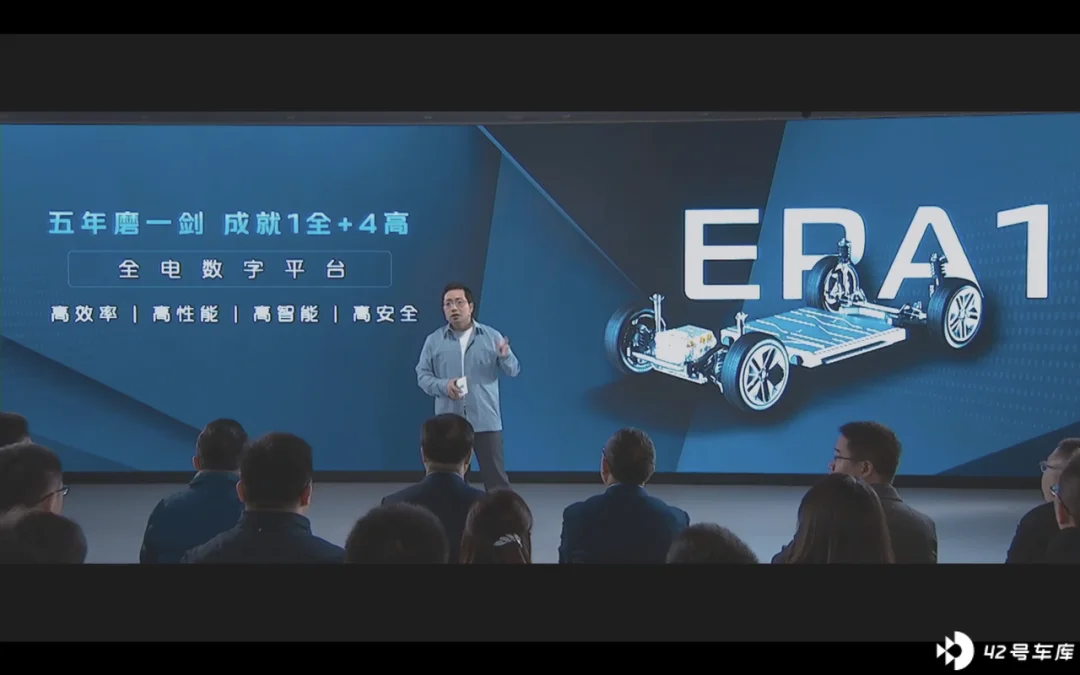
I was pleasantly surprised to see that EPA 1, as Changan's first electric drive platform, demonstrates solid maturity in overall efficiency, electrical and electronic architecture, and the battery, electric motor, and electronic control systems.
The 95% electric drive efficiency and pulse-heating cells reveal the EPA 1 architecture's "efficiency-first" philosophy. The independent development of three domain controllers—the vehicle control, cockpit, and intelligent driving domains—demonstrates Changan's R&D strength during its electrification transition. Additionally, Deng Chenghao's original statement that "the probability of battery thermal runaway is basically zero" underscores the EPA 1 architecture's emphasis on safety.
Turning to the more sincere aspects: during the presentation, Deng Chenghao’s demeanor reminded me, as a fellow graduate in vehicle engineering, of my university lectures. His detailed and comprehensive explanations made it clear that he is a hands-on leader who gets things done.
The point I want to make here is not about technical details, but rather Changan's boldness in spinning off the DEEPAL brand as an independent entity. In 2017, Changan announced the launch of its "Xianggelila" initiative, committing RMB 100 billion to investments across the new energy vehicle sector. For a traditional automaker like Changan, possessing such vast capital and ample R&D resources makes it relatively easy to produce excellent vehicles; the real challenge lies in establishing a distinct brand identity.
If a traditional automaker wishes to retain its share of the internal combustion engine market, it has only two options: sell new models alongside existing ones within the current framework, or establish a separate new brand.
Selling new products under the original brand avoids the need to rebuild brand recognition, but the drawback is that the pricing structure and performance levels of new models become constrained by those of older products.
Take Volkswagen as an example. To avoid disrupting its existing product lineup at that price point, the ID.3 and ID.4 were equipped with deliberately modest motors rated at 125 kW and 150 kW, resulting in acceleration times hovering around eight seconds. For electric vehicles, this amounts to "self-sabotage."
This issue has plagued the electrified models from BMW and Mercedes-Benz alike. Currently, the only path that has proven successful is BYD's strategy of discontinuing all its internal combustion engine vehicles.
Consequently, Changan chose the more challenging route with greater potential rewards: creating a new brand. For DEEPAL, which targets the family car segment priced around RMB 200,000, the positioning gap between it and Changan is not significant. Instead, Changan has helped consumers quickly establish a memory anchor:
"This is not a brand that emerged out of nowhere; its products are backed by Changan's established technological system."
Smart move. This is the key factor behind DEEPAL SL03 breaking 10,000 orders just 33 minutes after its price was announced at the launch event, and gaining significant brand awareness in just a few months.
Channels and After-Sales Service: Breaking Old to Build New
It takes courage to bypass an existing, massive dealership network.
This bold approach yields direct benefits: transparent pricing and a superior car-buying experience. Traditional dealership networks wield considerable power, allowing regional stores to arbitrarily mark up prices or aggressively push "add-on packages." For new brands emphasizing customer experience, such practices are fatal. DEEPAL ensures that the launch-event price matches the final consumer price, maintaining full transparency.
ChanganDEEPAL has deconstructed the traditional 4S store model into five modules: Order Center, Delivery Center, Maintenance Center, Warehouse Center, and Concierge Center, effectively eliminating middlemen from the dealership model.
As a traditional automaker with ample capital and experience, ChanganDEEPAL’s channel expansion has been rapid. Just one month after the SL03 launch, it had opened 450 Order Centers; as of now, this number has risen to 570, covering 218 cities nationwide. These locations capture 93% of the overall passenger vehicle market capacity and achieve an 89% coverage rate in core and secondary commercial districts.
DEEPAL’s next step is to build over 600 DEEPAL Spaces and more than 600 maintenance centers. The phrase "breaking the old to establish the new" perfectly describes DEEPAL's strategy.
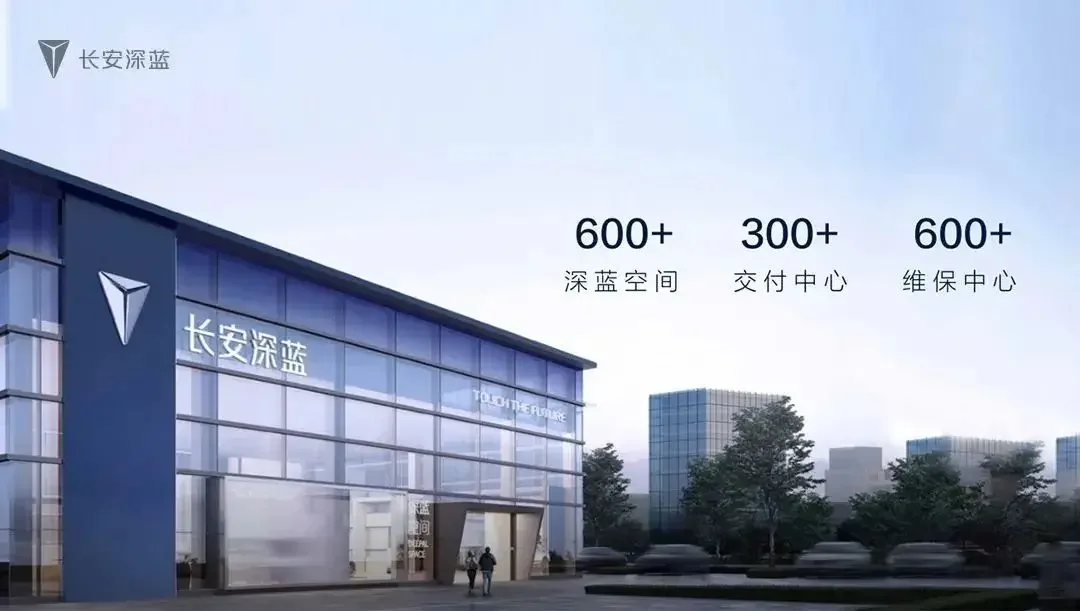
For a new brand, showing the "sincerity" expected by its first batch of consumers is equally important. Many consumers buying a hybrid vehicle for the first time often have one question: Will the repeated starting and stopping of the engine in a hybrid model lead to quality issues?
DEEPAL has responded as expected. Starting January 1, DEEPAL officially launched its "lifetime warranty policy for the three-electric systems," providing lifetime warranty coverage for the battery, electric motor, and electronic control systems—including the range extender—to all first-time owners. Non-first-time owners are eligible for a 10-year or 300,000-kilometer warranty. Existing owners can also benefit from this warranty policy.
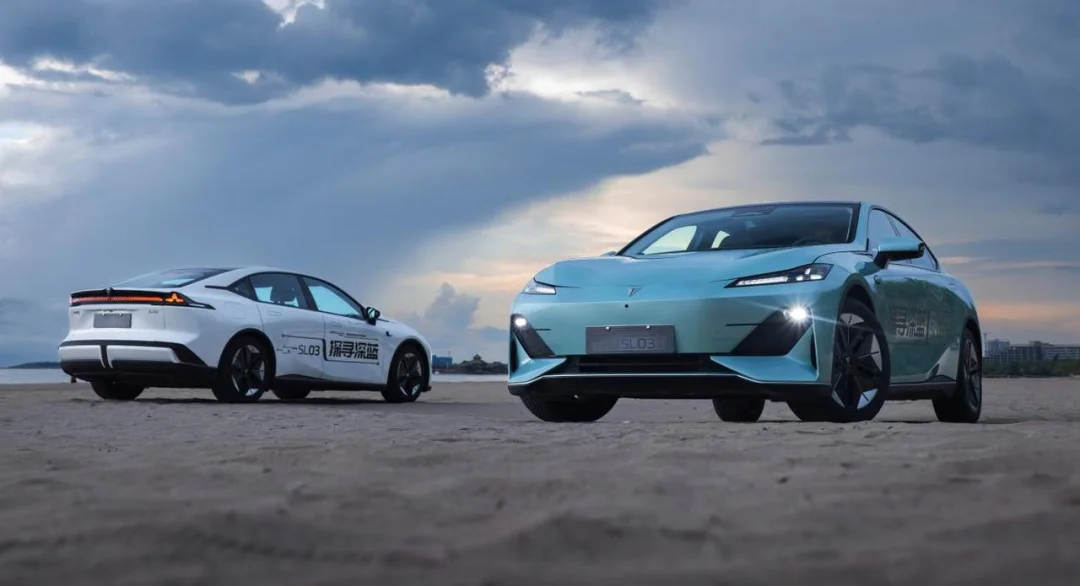
While lifetime warranties on the three-electric systems have precedents in the industry, DEEPAL SL03 extends this coverage to its extended-range electric vehicle (EREV) models as well. This marks the first time in the industry that warranty benefits for used-car owners have been included. The warranty scope for the EREV system provided by Changan DEEPAL covers almost all critical engine components, accurately addressing a key consumer concern.
This achieves two birds with one stone: the first batch of owners can relax, and new customers see the manufacturer's confidence in its product.
02Accurate Product Definition, Aggressive Product Execution
Having discussed a series of issues at the brand-building level, whether the product itself is competitive is equally important. Starting from product definition, the keywords for the DEEPAL SL03 are "youthful," "sporty," and "rear-wheel drive."
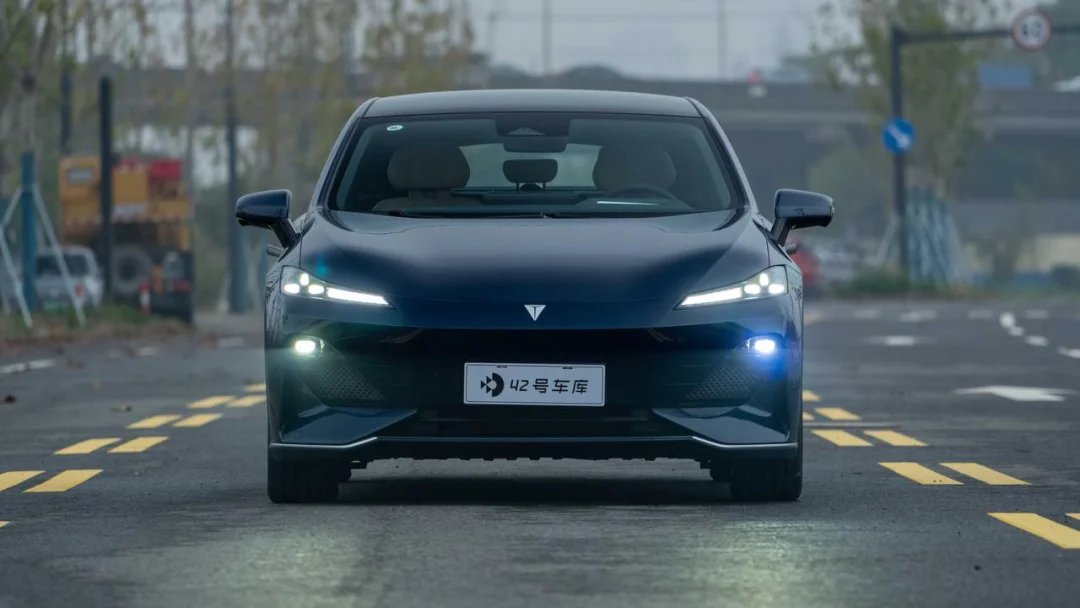
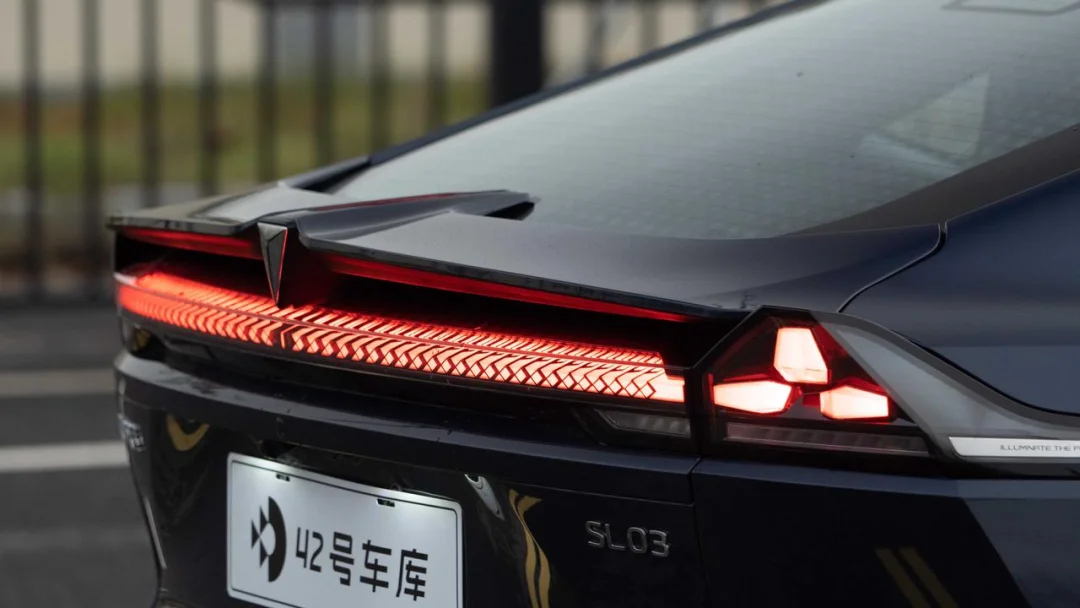
The SL03 features a sporty and sharp design, projecting a youthful image. Its liftback trunk enhances its stance while adding practicality for storing large items. The front-end design is more striking than the rear, resulting in an overall aesthetic that many consider attractive; it has even drawn crowds of onlookers during car washes.
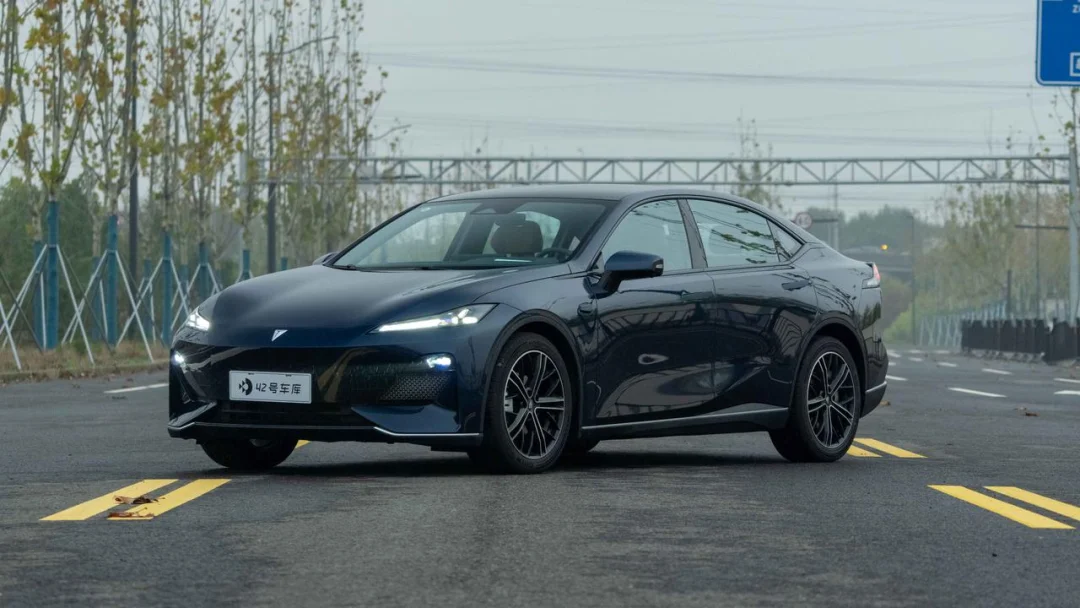
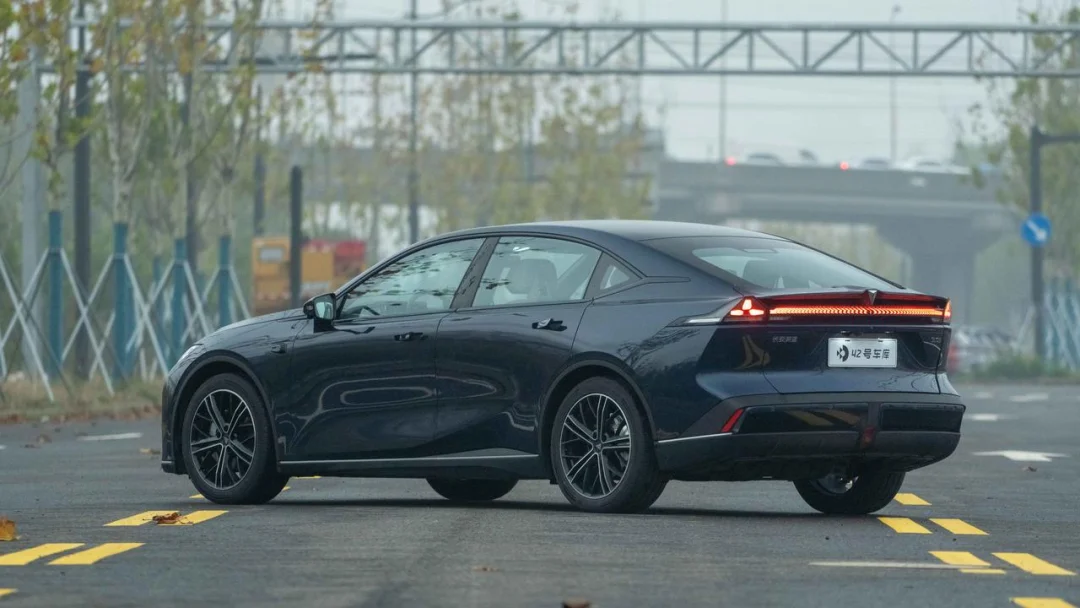
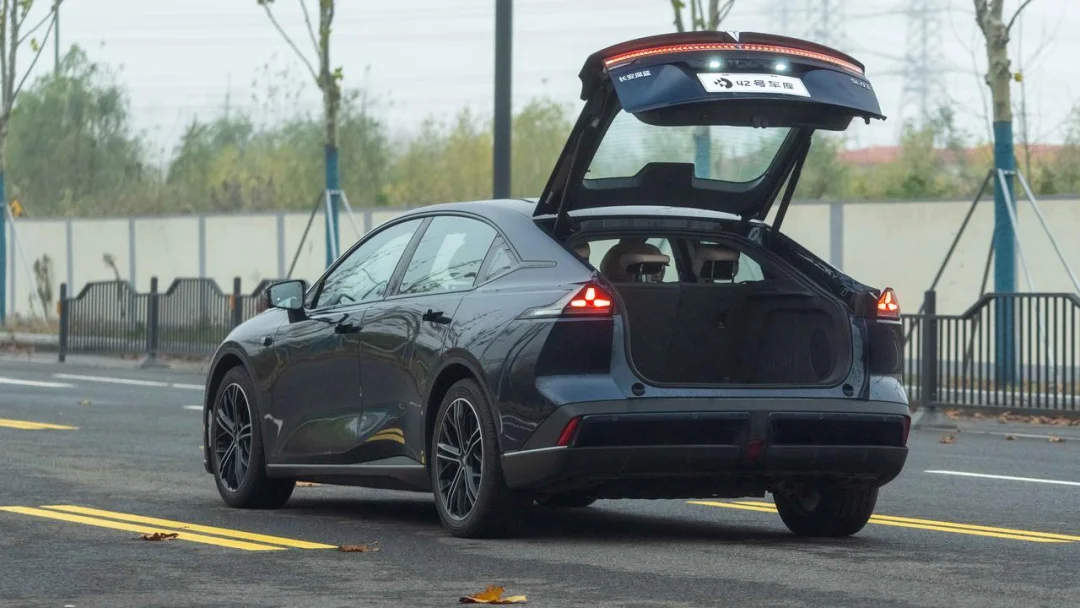
DEEPAL’s smart move lies in positioning the SL03 and its pricing to avoid direct overlap with competitors like the Nezha S, XPENG P7, and Leapmotor C01. In the RMB 171,900–221,900 price range, it competes against larger rivals by offering generous specifications.
In summary, the DEEPAL SL03 demonstrates three key aspects of smart product definition. First, the two pure-electric versions are precisely targeted.
The DEEPAL SL03 pure-electric lineup consists of only two trims. The RMB 189,900 model is equipped with a 58.1 kWh battery pack and a 190 kW motor, achieving acceleration in 5.9 seconds. The RMB 221,900 model features a 79.97 kWh battery pack and a 160 kW motor, with a 6.9-second acceleration time.
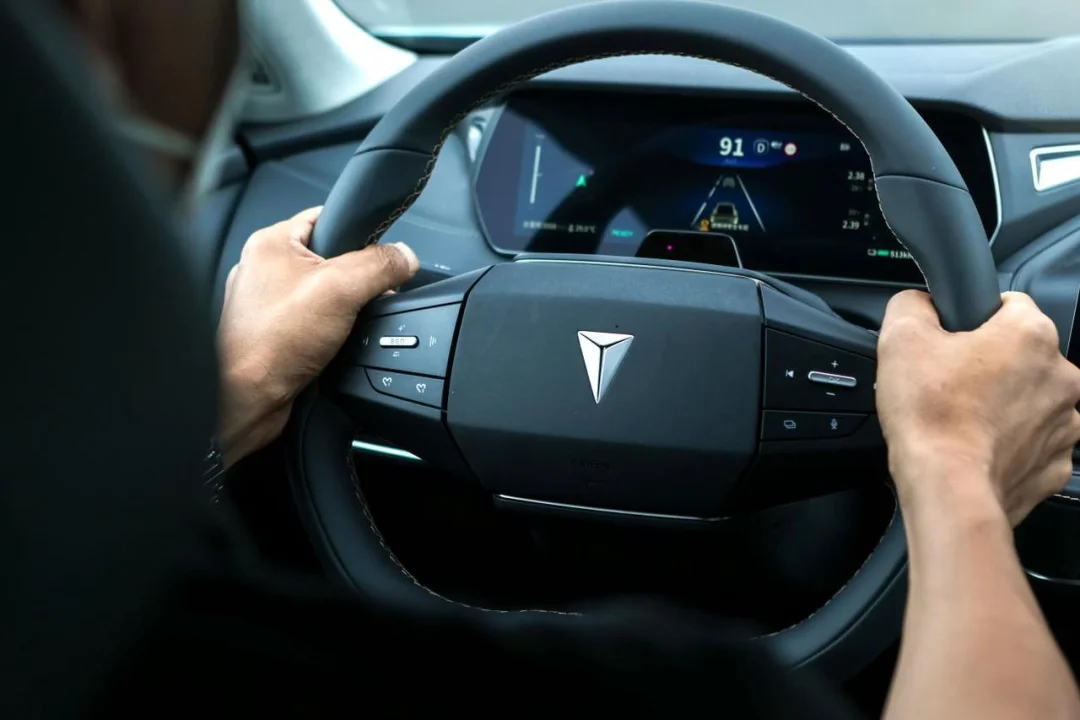
Real-world experience confirms that the SL03’s pedal calibration and power delivery quality are impeccable. The 190 kW motor and 5.9-second acceleration provide brisk performance, while motor noise suppression is excellent. The steering is not overly heavy, yet the vehicle exhibits very good body follow-through.
At a relatively low temperature of 11.5°C, I recorded an energy consumption of 14.1 kWh/100 km after driving 34.4 km with spirited driving, a figure comparable to the Tesla Model 3.
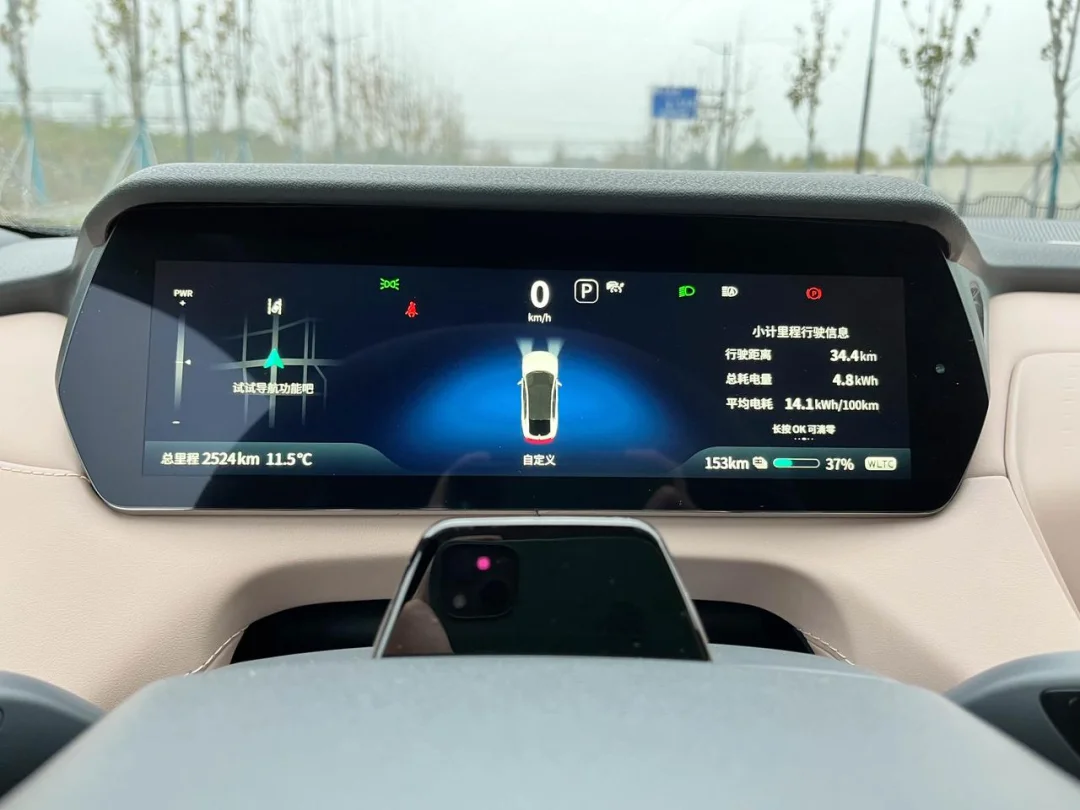
The 515 pure electric model priced at RMB 189,900 can satisfy owners who demand sportiness. A CLTC range of 515 km is also sufficient for daily commuting, and the lighter battery allows acceleration performance to be further unleashed.
The 705 km pure electric variant, priced at RMB 221,900, caters to consumers who prioritize range. The slightly less powerful motor amplifies its energy efficiency advantage; with a CLTC range of 705 km and an energy consumption of 12.9 kWh/100 km, it significantly outperforms competitors, while its 6.9-second acceleration is by no means slow.
Most importantly, all three DEEPAL SL03 trims offer high specification levels, which leads to our second point: comfort and intelligent features are nearly standard across the entire lineup.
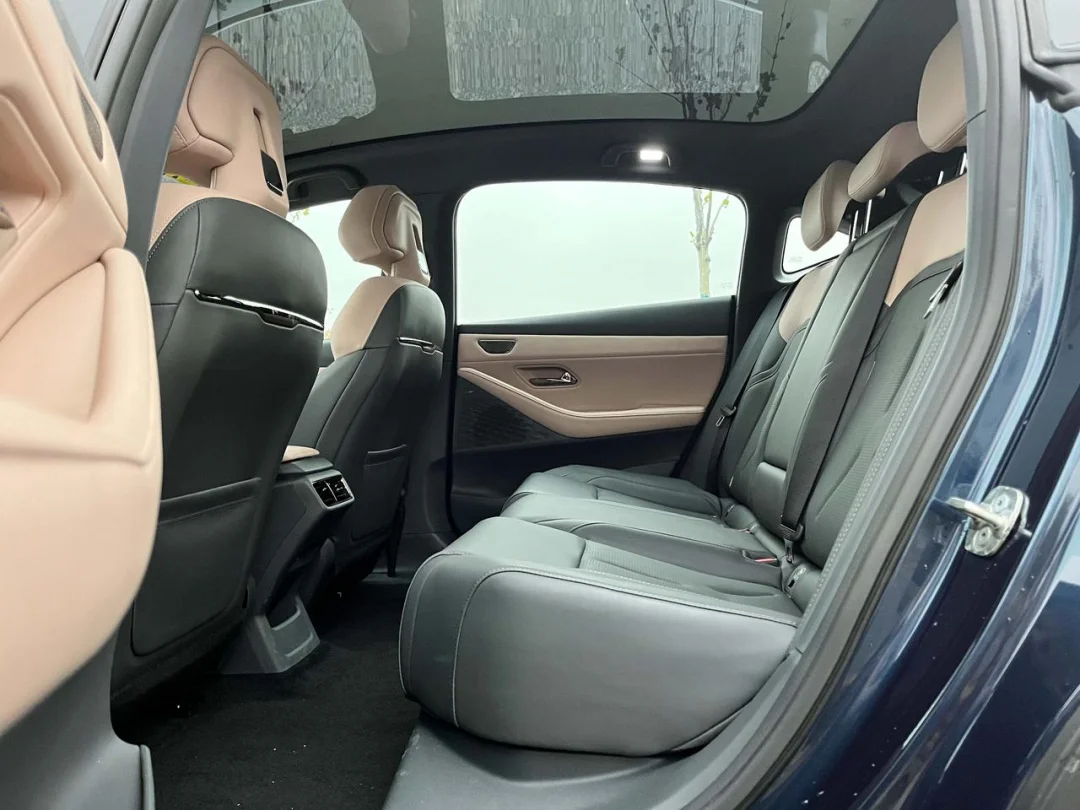
Regarding comfort features, leather seats, a microfiber multifunction steering wheel, 10-way power adjustment for the driver’s seat, 4-way adjustment for the front passenger seat, and front seat ventilation and heating are all included as standard equipment.
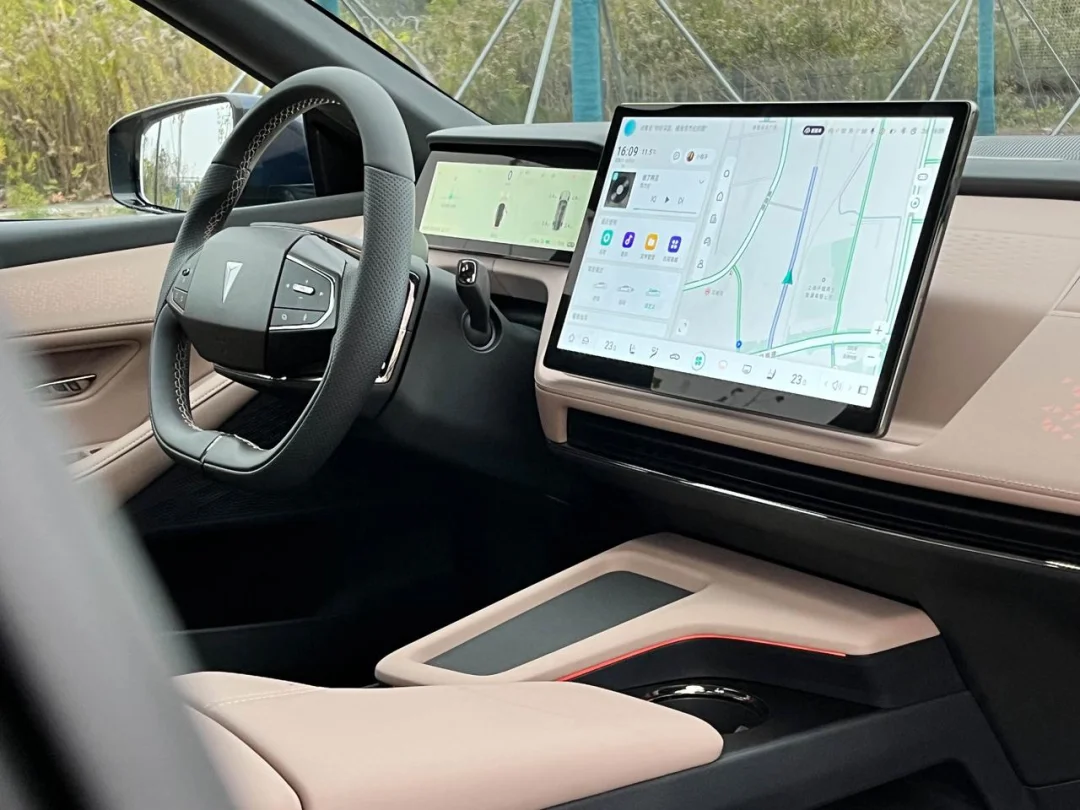
On the smart features front, the 8155 chip-powered sunflower screen (with 12 GB RAM and 128 GB storage), DMS driver monitoring system, and basic driver assistance functions (ACC, LCC, LKA) are all standard equipment.
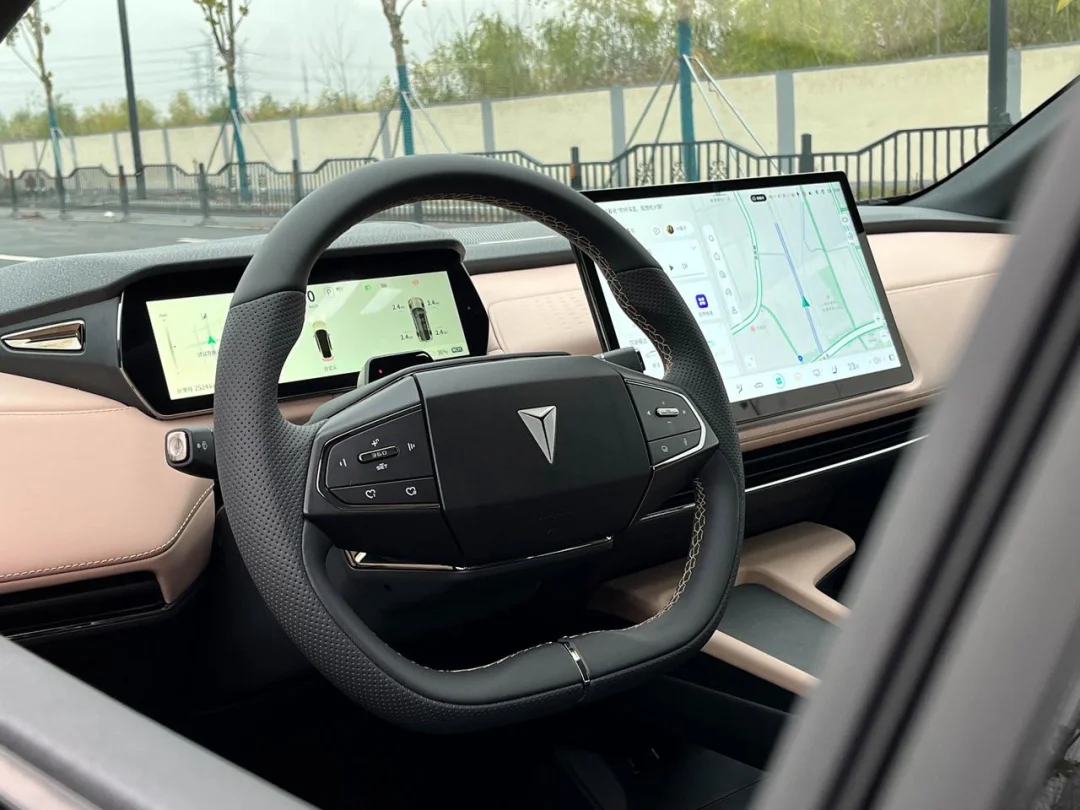
After a hands-on test, the infotainment system powered by the 8155 chip runs smoothly, with logical settings across various functional areas. The UI design of the interface is thoughtful, appearing understated yet easy to read. The rotatable screen offers a more comfortable viewing angle for watching Bilibili compared to a fixed central display, and the inclusion of a four-channel surround-view dashcam adds further value in this regard.
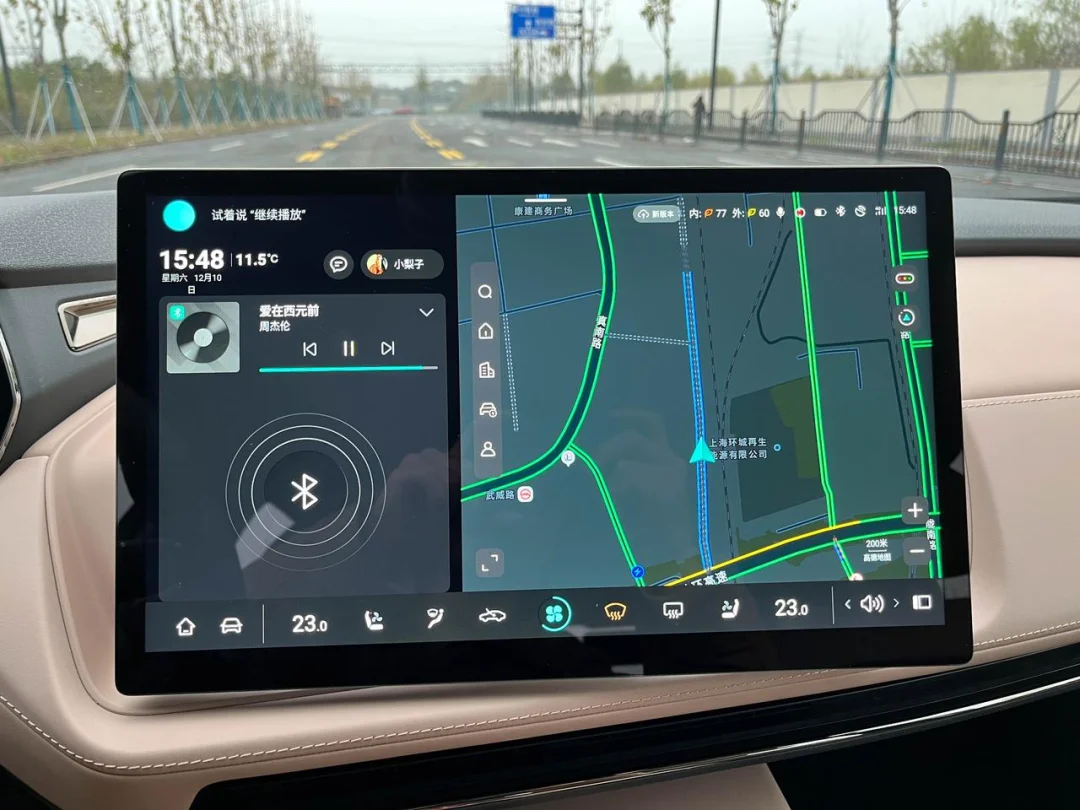
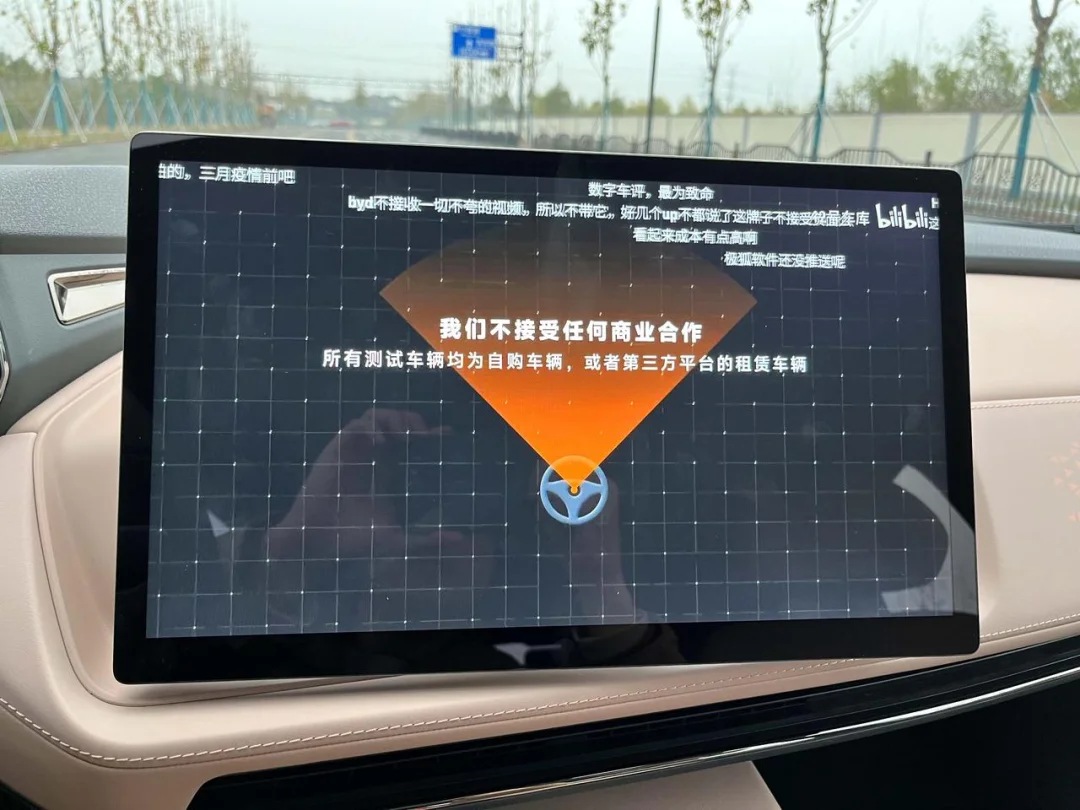
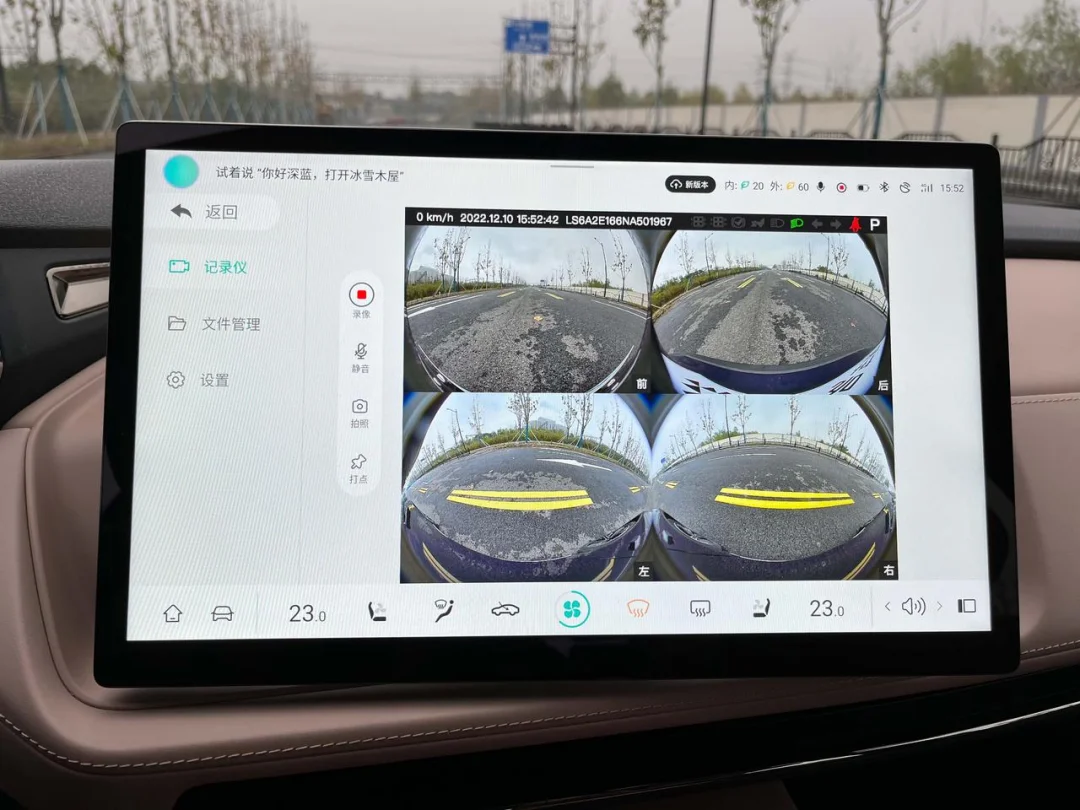
DEEPAL SL03's voice assistant can handle most daily basic commands. For a vehicle at this price point, this cabin system is nothing short of surprising.
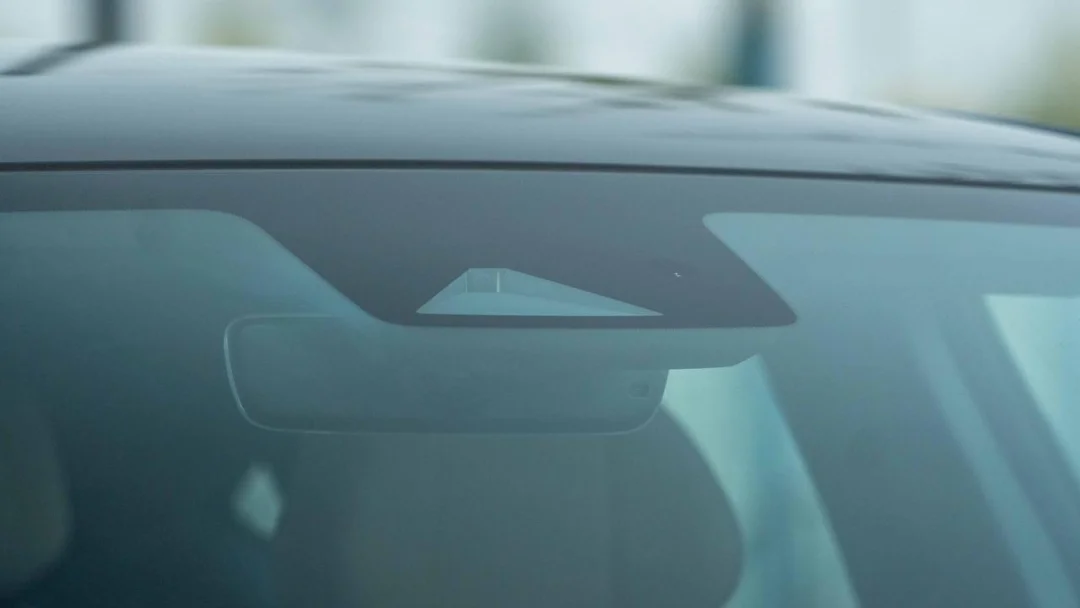
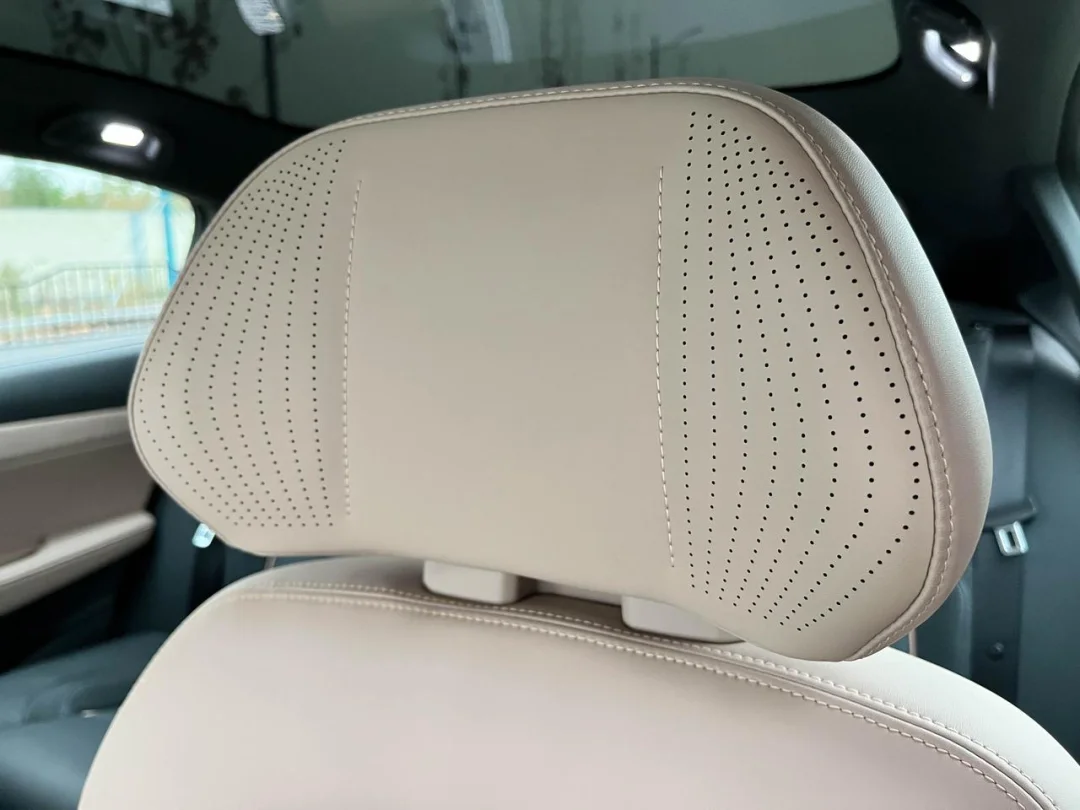
In addition to the extended-range variant’s optional HUD and SONY audio system with headrest speakers for RMB 6,000, and a subscription package for advanced driver assistance (pricings not yet announced), there are very few other optional configurations available.
Third, the extended-range version is priced at RMB 171,900 and features a large 28.39 kWh battery.
Based on Deng Chenghao’s earlier market assessment, the extended-range variants of the DEEPAL SL03 accounted for nearly six out of ten of the model’s total sales. From a product perspective, the extended-range version’s 28.29 kWh battery pack provides a CLTC range of 200 km, significantly outperforming its direct competitor, DM-i, in this price segment. For users of this category, this reduces the frequency of daily charging and directly enhances the ownership experience.
The range-extended version of the DEEPAL SL03 uses a 1.5-liter naturally aspirated four-cylinder engine that can be fueled with 92-octane gasoline, with a CLTC fuel consumption of 4.5L/100 km under depleted battery conditions. Assuming an annual driving distance of 20,000 kilometers and an electricity-to-fuel usage ratio of 8:2, the DEEPAL SL03 range-extended version can save over 10,000 yuan per year compared to a conventional family gasoline car with a fuel consumption of 8L.
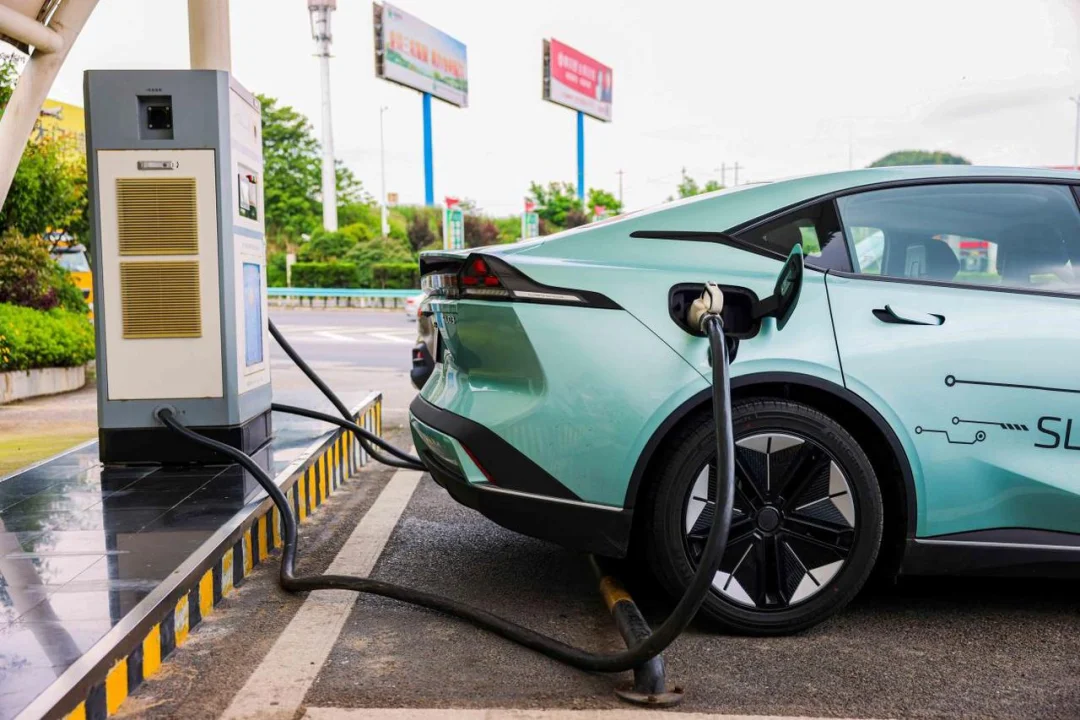
This economic advantage does not come at the expense of performance. The DEEPAL SL03 extended-range model’s electric motor delivers a maximum power of 160 kW and a peak torque of 320 N·m, enabling a 0–100 km/h acceleration time of 7.5 seconds. Furthermore, the extended-range architecture offers inherent structural advantages that contribute to improved comfort.
Because it eliminates components such as a transmission, the extended-range design decouples the engine from the chassis. Connected via soft bushings, this setup better controls vibration and noise. During development, DEEPAL also implemented numerous NVH-related optimizations for the SL03.
From my actual experience driving the SL03 515 pure electric version, this car performs well across all dimensions without major flaws. If I were to nitpick, there are two aspects that could be improved: one is that the suspension is relatively soft compared to the chassis's limits; it is comfortable enough below 80 km/h, but above 80 km/h, the suspension exhibits some shaking; the second is that the integration of regenerative braking and the accelerator pedal is not easy to adapt to.
However, these minor issues do not overshadow the significant benefits Changan has brought to DEEPAL. It is inevitable that a new brand’s first product would achieve such high completion and maturity, thereby garnering positive market feedback.
According to Deng Chenghao, the sales share of the range-extended version of DEEPAL S7—the sister model to the DEEPAL SL03—could rise further to seven out of ten in the future.
With the foundation laid by the DEEPAL SL03, this expectation is reasonable. The SL03 range-extended version opened up a blue ocean in the sub-200,000 RMB segment. Over the next two years, many followers are expected to join the range-extended camp, giving DEEPAL the first-mover advantage.
03Final Thoughts
The emergence of DEEPAL has, to some extent, broken the 'BYD curse' in the 200,000 RMB price tier. Previously, it was difficult to imagine what kind of product could take a share of BYD’s cake, until the SL03 appeared.
In terms of branding, DEEPAL is backed by Changan’s vast R&D system. In terms of channels, DEEPAL has staked everything on abandoning the traditional dealership system, establishing transparent and direct purchasing touchpoints. Regarding after-sales policies, including lifetime warranty services for the three-electric systems (battery, motor, and electronic control), even extending to the range extender, demonstrates a sincere attitude. On the product itself, the SL03 possesses strong product power and cost-effectiveness.
If you have been closely observing DEEPAL’s growth trajectory, you will notice that every step the brand has taken has been steady and grounded. Entering the competitive market in the second half of 2022, it achieved deliveries exceeding 10,000 units in the same year. With a dual layout of sedan (SL03) and SUV (S7) models next year, maintaining a stable monthly sales volume above 20,000 units for DEEPAL next year is not difficult.
This proves one thing: entering the market later does not matter; what truly matters is navigating the process without major missteps. That is the real shortcut.
Written by: Mingming Edited by: Liusan