


Geely's New Pure-EV Brand Zeekr Unveiled; Tesla May Open Charging Network to Third Parties | E-Week Highlights
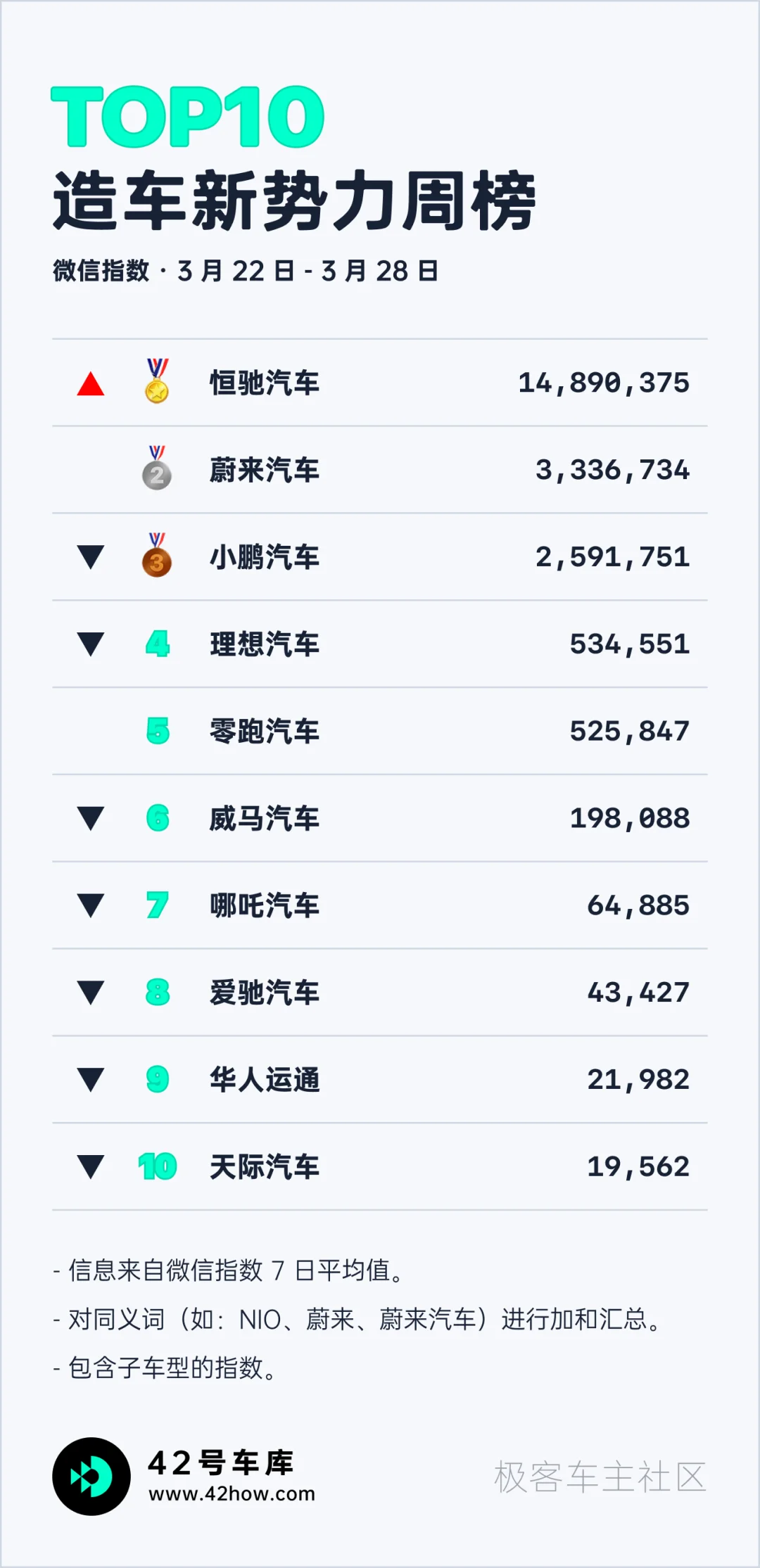
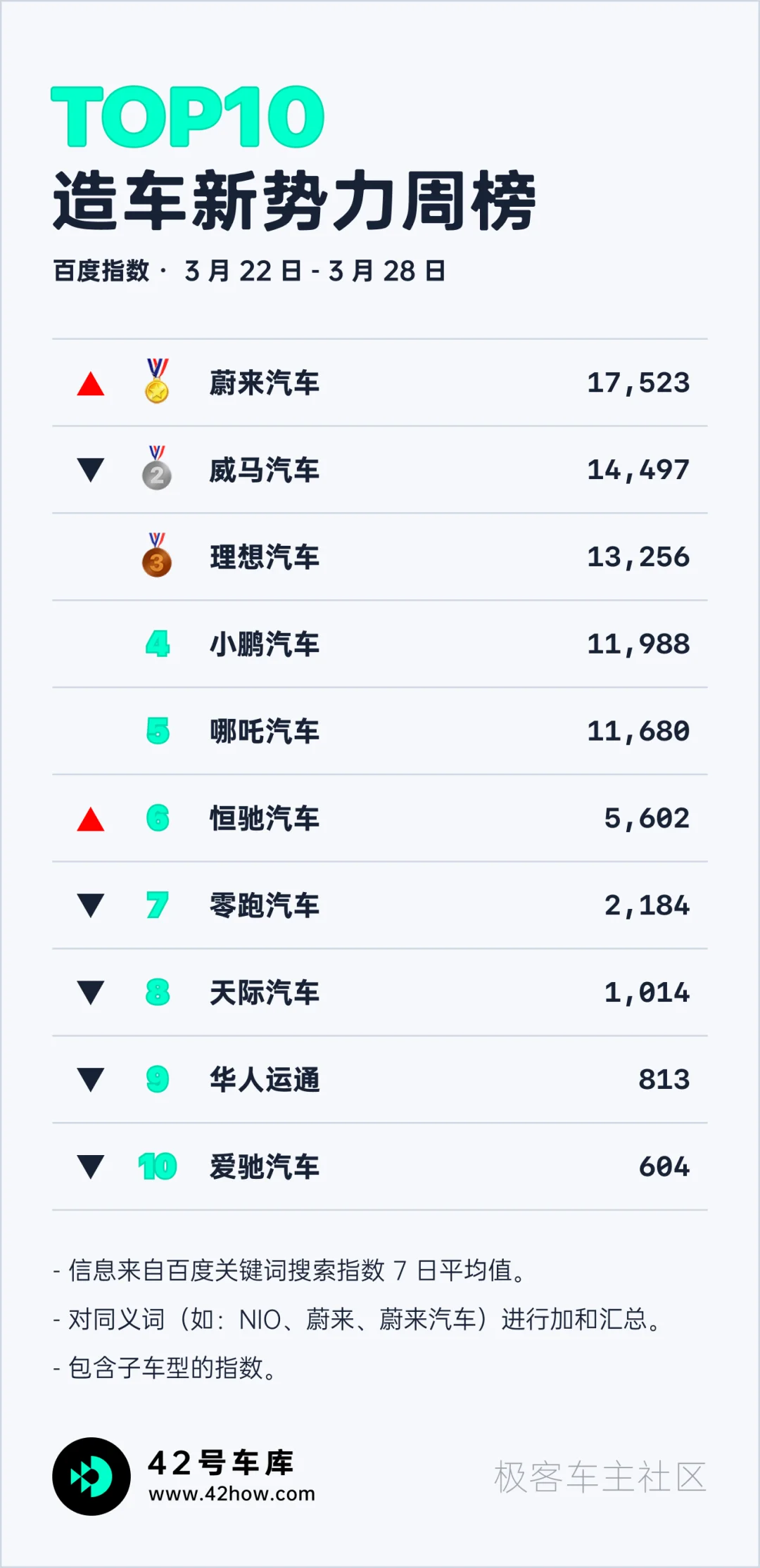
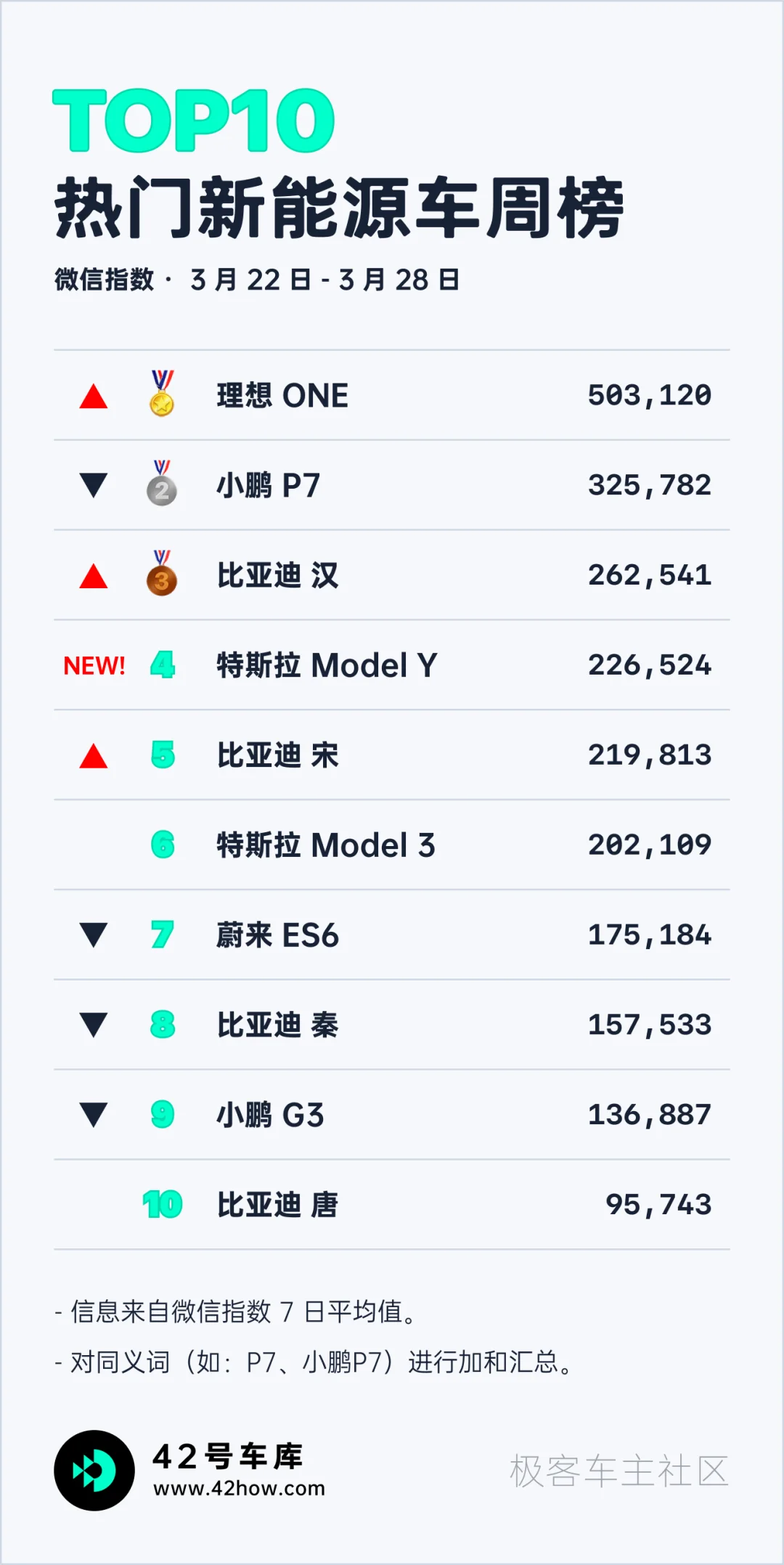
01Weekly Index
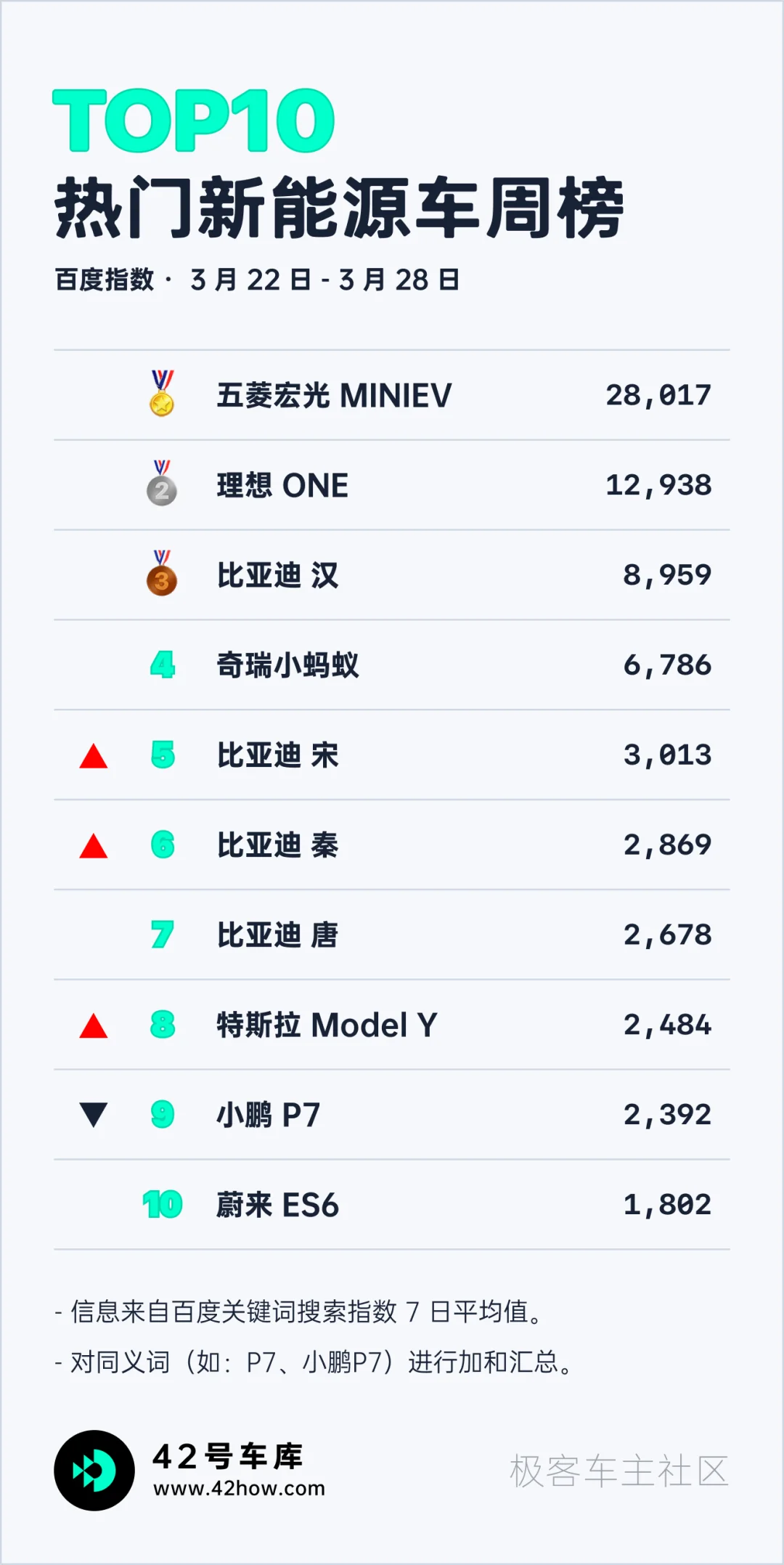
02Weekly News
Geely Auto Releases Financial Report: Annual Revenue of RMB 92.1 Billion; New Pure-Electric Brand Zeekr Launched!
On March 23, Geely released its 2020 financial report. Key figures include:
· Annual revenue: RMB 92.1 billion
· Net profit: RMB 5.57 billion
· Cash balance: RMB 19 billion
· Cumulative sales: Over 1.32 million units (including Lynk & Co’s annual sales of 175,000 units)
· R&D investment: RMB 4.8 billion
In addition to the financial results, Geely officially announced the establishment of Zeekr on the same day. The new brand will focus on forward-looking technology research and development in the smart electric vehicle sector. Geely holds a 51% stake, while Geely Holding Group holds 49%. Li Shufu serves as chairman of Zeekr, and Conghui An is CEO.
Quick Review:
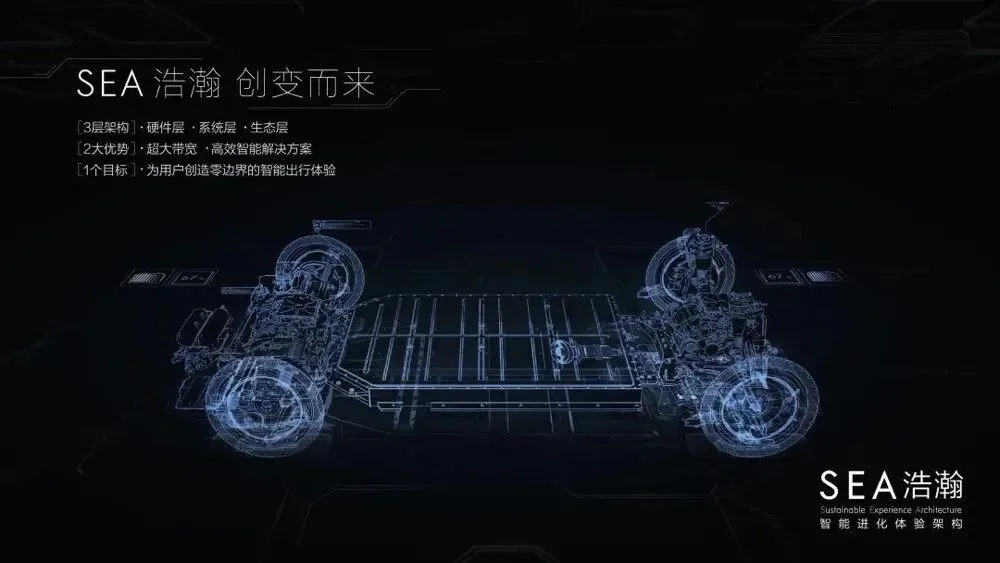
Zeekr will integrate Geely’s various assets and technologies, including but not limited to electric vehicle model technologies, usage rights for the SEA (Sustainable Experience Architecture) platform, brand licensing, battery, motor, and electronic control systems, supply chain infrastructure, and user ecosystem development. This demonstrates Geely’s strong support for Zeekr.
Earlier reports from Lutoushe indicated that Geely planned to launch a new high-end electric brand, Zeekr, positioned to compete with Tesla. The official unveiling of Zeekr has largely confirmed these earlier reports from Lutoushe.
Should Tesla Issue Timely Alerts When Driver Inattention Is Detected?
On March 24, Electrek reported on a new report from Xiaofeizhebaogao regarding Tesla's in-car camera issues. It raises a question worth discussing: "Should Tesla provide timely reminders when it detects that the driver is not paying attention, similar to most driver monitoring systems?"
"Xiaofeizhebaogao" argues that if Tesla already has the capability to monitor attention, it should issue timely reminders when the driver's attention is not focused, noting that GM's Super Cruise can do this. "Xiaofeizhebaogao" also stated that using cameras facing the driver may involve data security and privacy issues.
Subsequently, well-known Tesla hacker Lü Shen commented under an Electrek tweet: "Aside from falling asleep due to fatigue, do you think people who drive while playing with their phones are unaware that they are doing so?"
Quick Review:
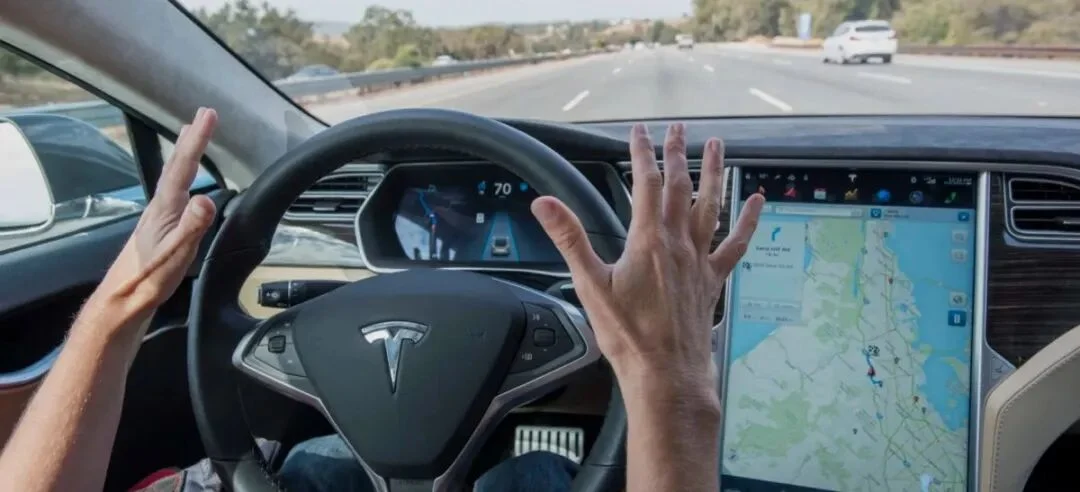
Tesla has frequently faced criticism for insufficient driver monitoring. The company recently confirmed that the FSD Beta version utilizes a camera facing the driver to monitor attention levels.
As advanced driver-assistance systems (ADAS) become increasingly intelligent, the extent to which they should 'assist' is a topic worthy of discussion. If the system detects that the driver is not paying attention, should it issue timely alerts?
Lü Shen's comment is thought-provoking: as assisted driving features gradually improve, the human driver remains the absolute primary controller of the vehicle. Therefore, when using assisted driving, it is essential to stay alert and be prepared to take over at any moment.
Didi May List in New York; Market Cap Could Exceed USD 100 Billion
On March 24, Lutoushe reported that Didi prefers to conduct its initial public offering (IPO) in New York, with a floating valuation of at least USD 100 billion.
Sources stated that Didi's business practices, such as using unlicensed vehicles and part-time drivers, may subject it to stricter regulatory scrutiny, making an IPO in Hong Kong a backup option.
According to sources, Didi also discussed the possibility of listing via a SPAC, but given its valuation targets, this option is considered less feasible.
Another source stated that Didi considered repurchasing some shares from existing shareholders and company executives prior to an IPO.
Quick Review:
If Didi were to pursue a USD 100 billion valuation and indeed list on U.S. exchanges, it would be the largest IPO in the United States since Alibaba’s USD 25 billion debut in 2014. However, Didi has not yet disclosed any specific information regarding an IPO.
Rumors surrounding a Didi listing have persisted for years. Originally planning to go public in 2018, Didi’s ambitions were stalled due to multiple safety incidents involving its hitchhiking service. This year, Didi unveiled an aggressive internationalization strategy. Regardless of whether it lists, Didi is poised for a direct confrontation with Uber, particularly in the latter’s home market of the United States.
Tencent and Baidu Executives Back Hengchi; New Cabin Details Revealed
On March 25, Hengdaqiche held a press conference for its Hengchi smart connected vehicle, revealing details about its intelligent cabin, ultra-computing platform, and smart ecosystem.
The H-SMART OS Hengchi smart connected system, developed in collaboration with Tencent and Baidu over 1 year and 11 months, deeply integrates vehicle applications into users’ daily lives.
Through V2X (Vehicle-to-Everything) vehicle-road coordination technology, Hengchi can achieve functions such as beyond-line-of-sight warning, intersection collision warning, and green-wave passage;
A wraparound 3D curved large screen that enables nine-screen display with seven screens linked;
The world's first digital cockpit platform powered by Qualcomm's third-generation Snapdragon processor using 7 nm process technology;
A customizable in-car holographic projection AI assistant named 'Xiao Chi'.
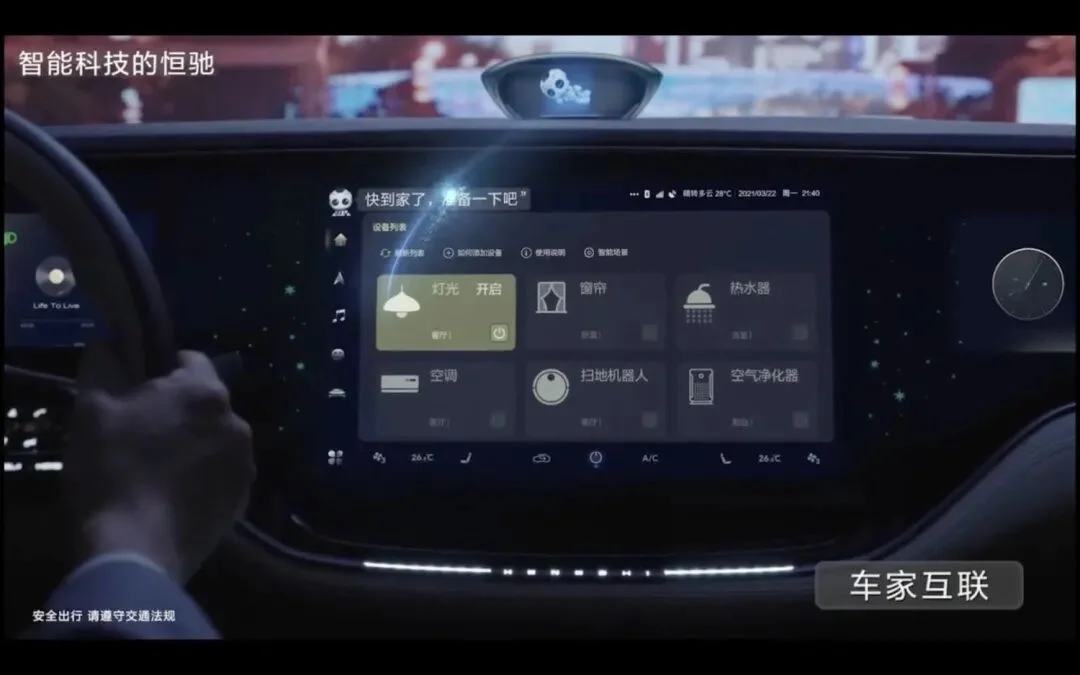
Quick Review:
Functions visible on Hengchi's new car, such as vital signs monitoring for timely medical health diagnosis, reflect a deep integration between the new vehicle and other business lines under Hengdaqiche. From this perspective, it is evident that Hengdaqiche's commercial ecosystem possesses its own uniqueness.
Setting aside the attribute of Hengchi automobiles as mere transportation tools, we can also understand them as a port within Hengdaqiche's broader commercial landscape, generating further product interactions and additional services.
Tesla May Open Its Charging Network to Third Parties
Recently, footage posted by YouTube user Bjørn Nyland showed third-party vehicles using Tesla charging stations.
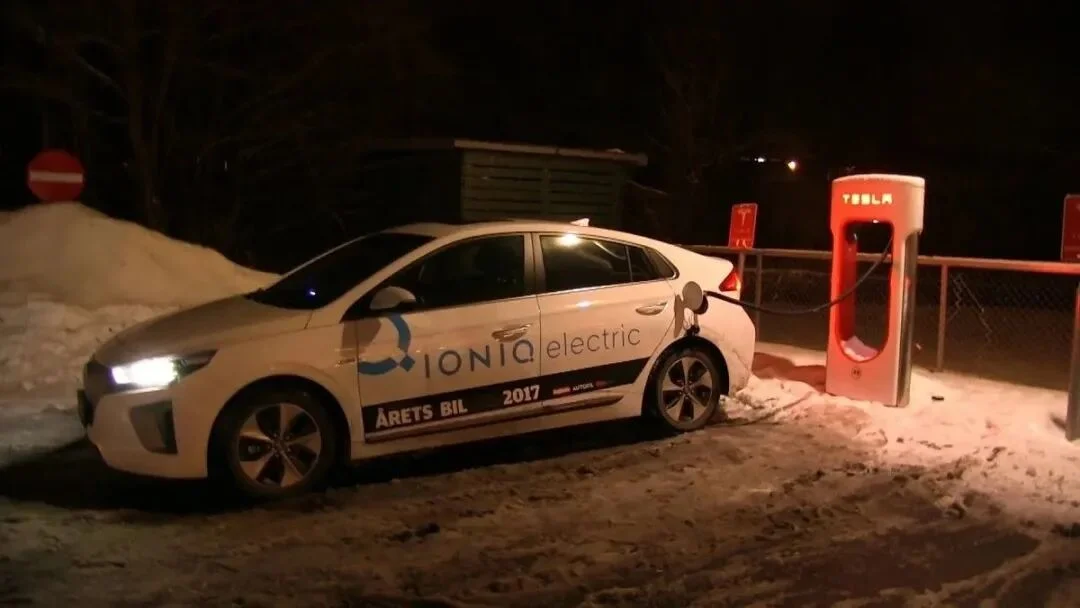
In 2019, the brand with the most gas stations in the United States was Speedway, with 3,450 locations. Data from 2020 shows that Tesla had 908 Supercharger stations in the U.S. Tesla currently operates more than 23,000 Supercharger stalls worldwide!
Quick Review:
To qualify for the $3 trillion subsidy in Biden's infrastructure bill aimed at developing a nationwide EV charging network, Tesla is likely to take measures to partially or fully open its charging network. At that time, third-party users will very likely need to use the Tesla App for charging operations.
The Largest Screen in the Mercedes-Benz Lineup: EQS Interior Officially Unveiled
On March 28, Mercedes-Benz officially unveiled the interior design of the EQS:
On Exterior Design
At the inception of the EQS project, Mercedes-Benz aimed to create a large electric sedan over 5 meters in length capable of seating four passengers.
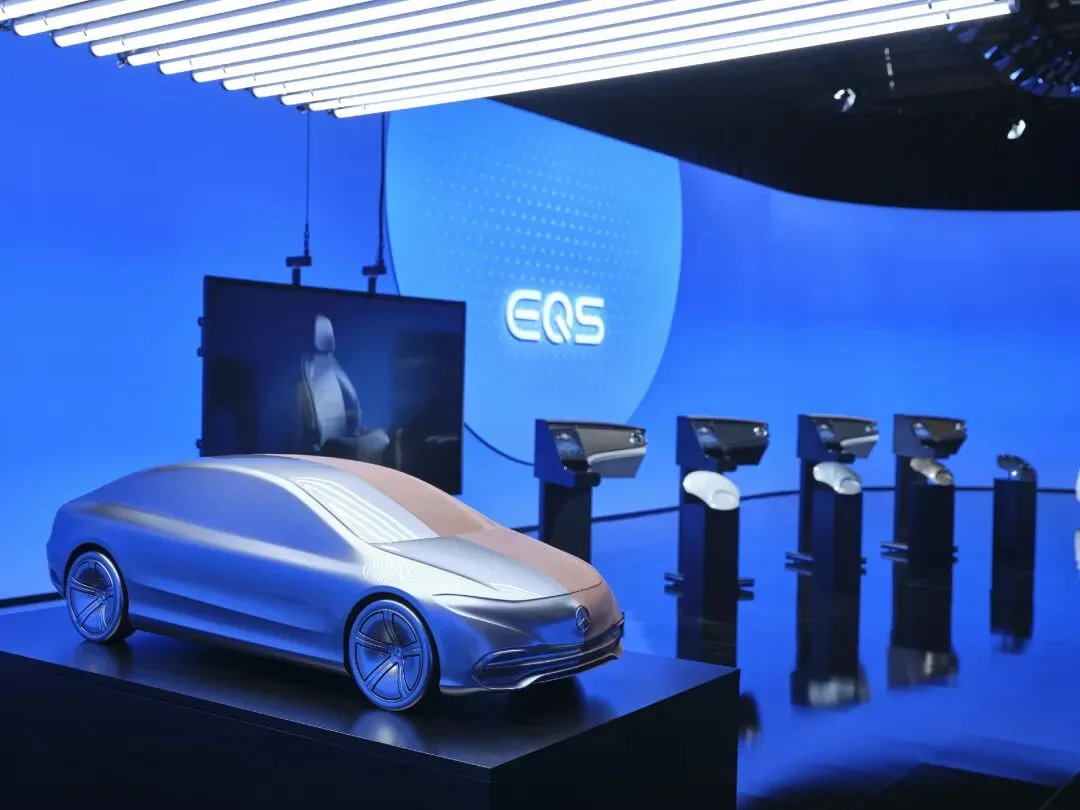
Although the EQS exterior has not been officially revealed, spy shots show a very short front end with a roofline extending from the front to the rear. Mercedes-Benz believes this design allows for a more spacious passenger cabin.
In terms of data, the EQS achieves a drag coefficient (Cd) of 0.2, the lowest among currently produced vehicles.
On Interior Design
The EQS interior offers two styles: one matching the newly released S-Class (W223), and another featuring the new MBUX Hyperscreen infotainment system unveiled in January of this year.
This system utilizes the popular triple-screen layout. Above the screens, Mercedes-Benz has installed a single-piece curved glass panel, creating a strong sense of unity. The glass spans 140 cm in width, and beneath the touch-sensitive surface are 12 sensors that provide haptic feedback via actuators when fingers contact specific areas.
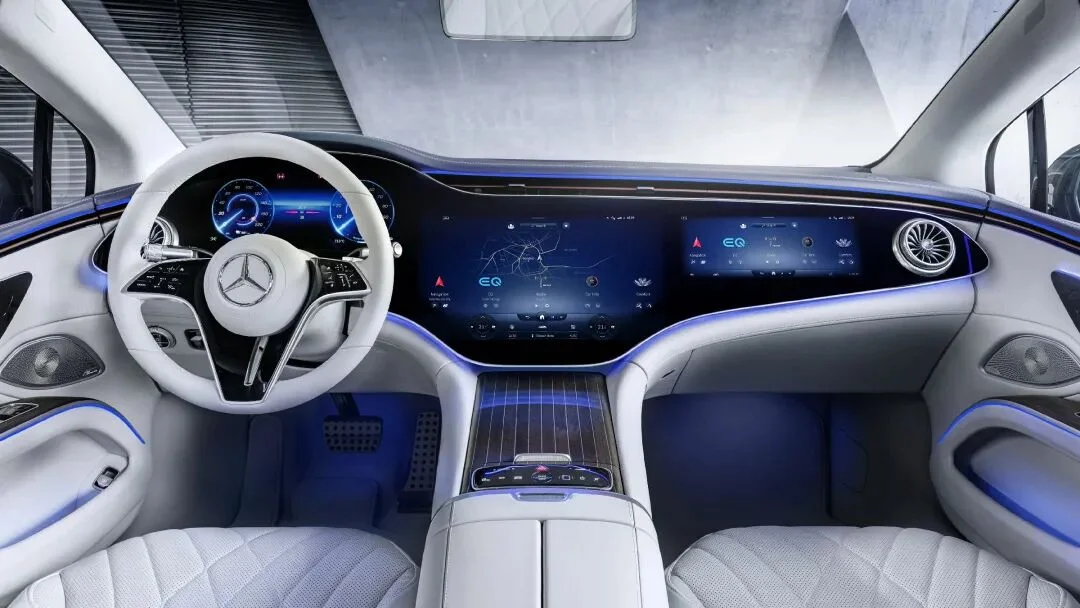
As seen in the image, the MBUX system has officially abandoned the COMAND touchpad, with all operations now handled via touchscreen.
Other details on the EQS
Uses CATL’s NMC 811 cells with a total capacity of 108 kWh and a WLTP range exceeding 700 km;
Equipped with a HEPA filter;
Supports OTA updates;
Officially unveiled at the April Shanghai Auto Show.
Quick Review:
From a positioning perspective, the EQS competes with the NIO ET7 and Tesla Model S, but its target user groups differ significantly.
The new EQS features a major interior design overhaul. The MBUX Hyperscreen delivers an experience unlike any previous Mercedes-Benz infotainment system, accompanied by numerous complementary design elements. However, it is foreseeable that users will have divergent opinions on the EQS interior; we will wait to see how sales perform once the production model launches.
Written by: Niki | Edited by: Liu San