


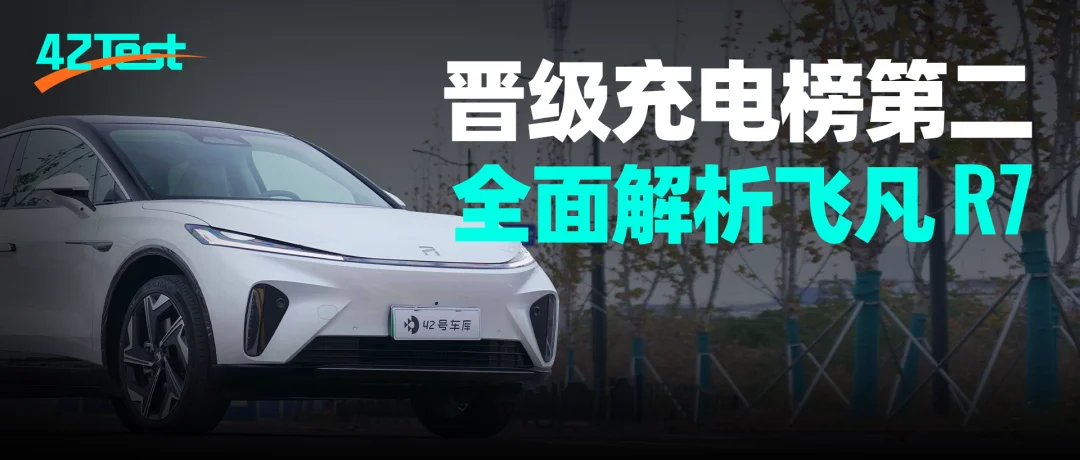
Feifan R7 Performance High-End Edition: A Comprehensive Analysis
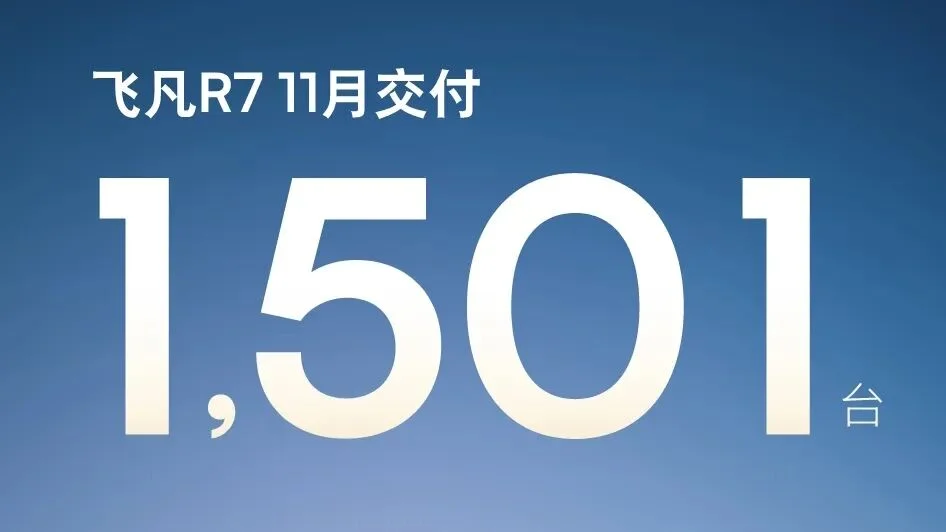
In the delivery volume statistics released earlier this month, the Feifan R7 reported first-month deliveries of 1,501 units. While 1,501 units may not appear impressive at first glance, it is a commendable result for the Feifan R7, which began deliveries closer to mid-month and was affected by production ramp-up challenges and pandemic-related disruptions.
Among these initial 1,501 delivered units, the average order value exceeded RMB 320,000. This indicates that most buyers chose between the Range High-Performance Edition and the Performance High-Performance Edition—commonly referred to as the long-range rear-wheel-drive version and the four-wheel-drive version, respectively. Currently, the Feifan R7 is available in four trim levels, with post-subsidy prices ranging from RMB 289,900 to RMB 356,900.
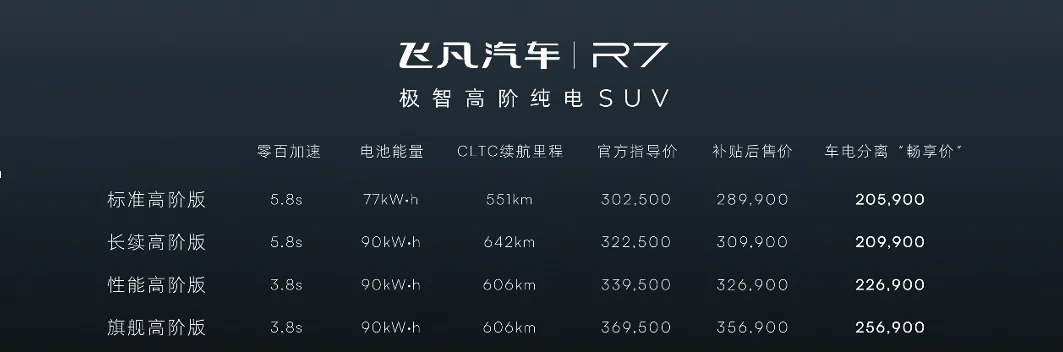
An examination of the specification sheet reveals that the first three trims differ primarily in battery capacity and powertrain performance. Features such as the triple-screen cockpit, BOSE audio system, panoramic camera view, and basic driver assistance are standard across all versions. For those who do not require extreme range or acceleration, the Standard High-Performance Edition offers an entry-level luxury experience. The top-tier Performance High-Performance Edition simply adds additional optional packages to this base configuration.
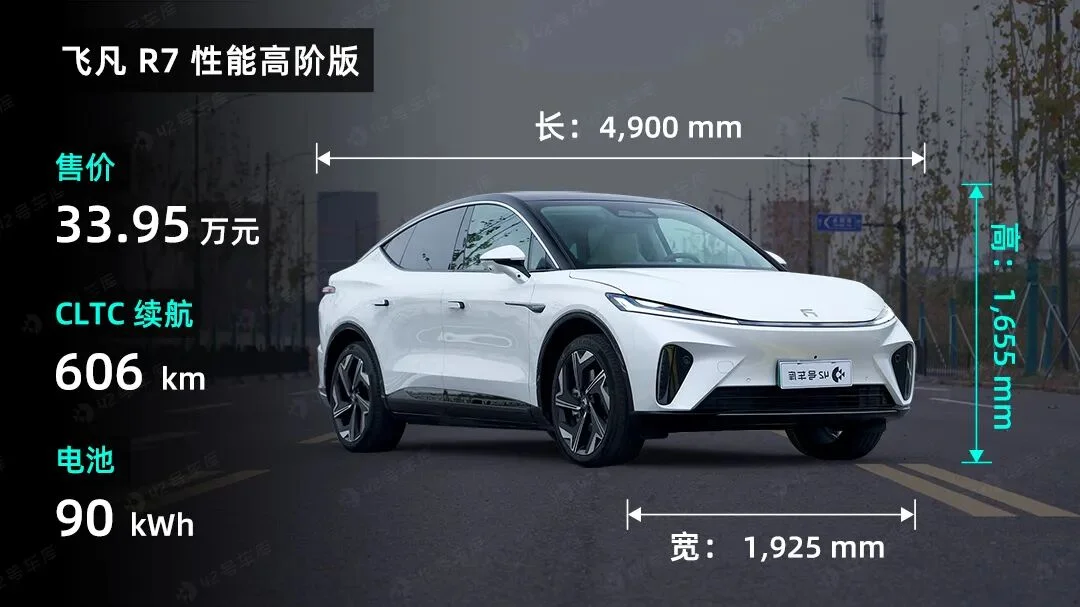
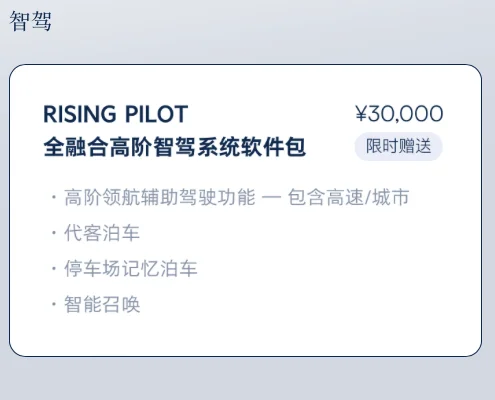
So according to the official introduction, the Performance High-End Edition with a starting price of 326,900 yuan is the most popular. With a price in the low 30s (tens of thousands), it features a large 90 kWh battery and 3.8-second acceleration, and locking an order within the year also includes a high-end driver assistance software package worth 30,000 yuan. Today we have obtained a Performance High-End Edition Feifan R7, and we will take you through its appearance, cabin, driving dynamics, and range to see how capable the best-selling Feifan R7 really is.
01Exterior: A Distinctive Fastback SUV
The Feifan R7 Performance High-End Edition we tested features a two-tone Cloud White paint finish and 21-inch Xingyu wheels, an exterior combination I personally favor. This pairing effectively showcases the dynamic tension of the Feifan R7’s body lines.
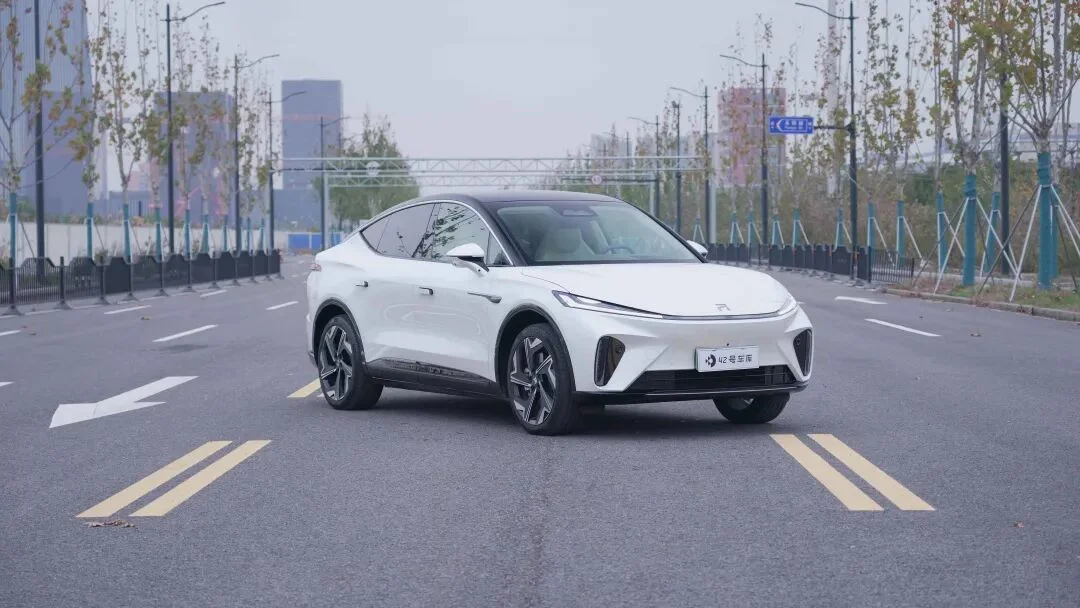
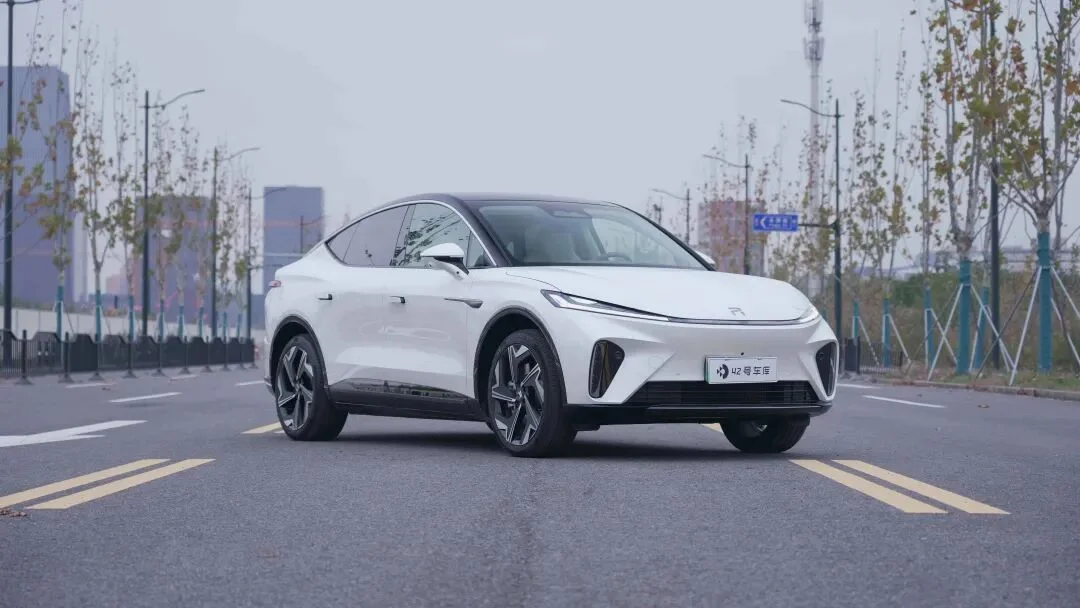
The front end of the Feifan R7 adopts the now-popular split-headlight design combined with a closed-off grille. Even without a green license plate, it is immediately recognizable as a new energy vehicle.
Viewed from directly ahead, the Feifan R7’s front wheels appear slightly tucked inward. Increasing the camber angle would likely enhance its visual appeal.
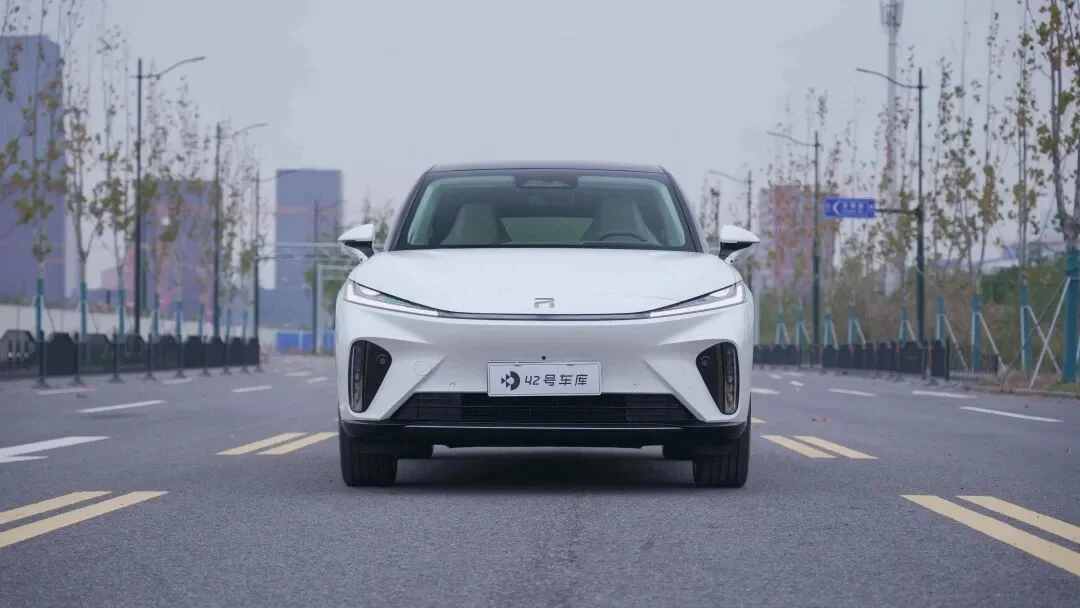
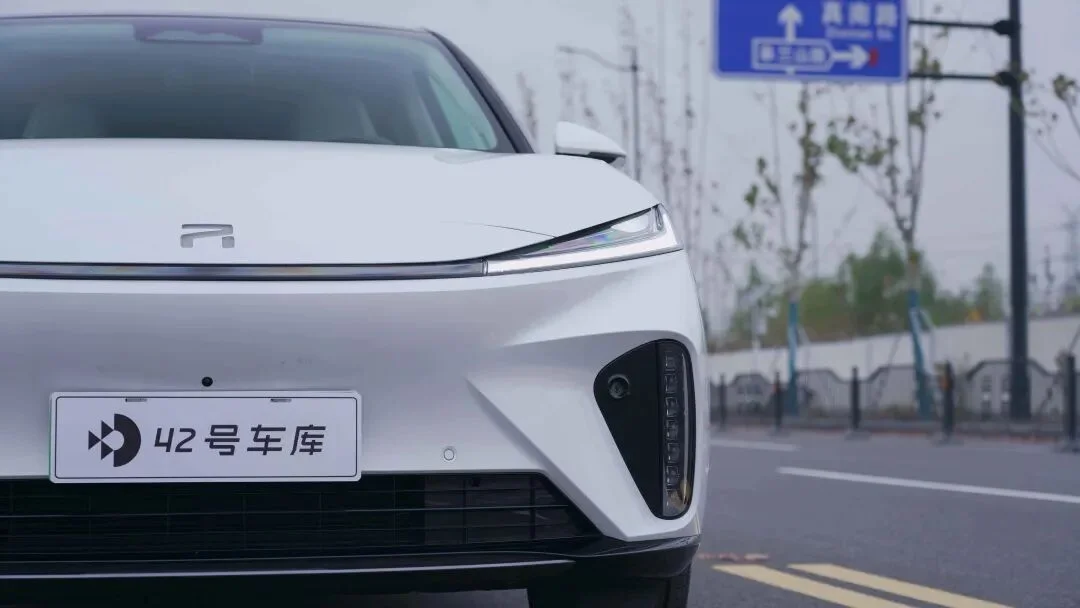
As automotive designs become increasingly homogenized, the Feifan R7 employs subtle details to boost its distinctiveness. Rather than simply using a continuous light strip for the daytime running lights, the Feifan R7 adds an inverted trapezoidal pattern above the strip. This small illuminated area adds considerable character to the Feifan R7.
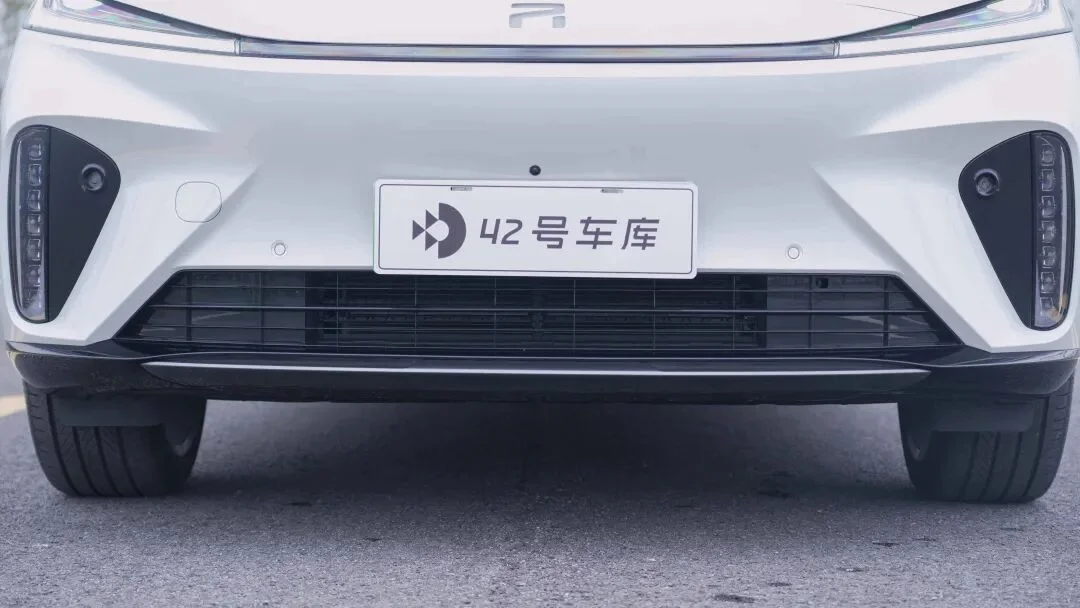
The lower front bumper features the Feifan R7’s grille. The high-spec models equipped with the 90 kWh battery pack also include an Active Grille Shutter (AGS) system, which improves thermal management to a certain extent and offers more noticeable benefits for winter range.
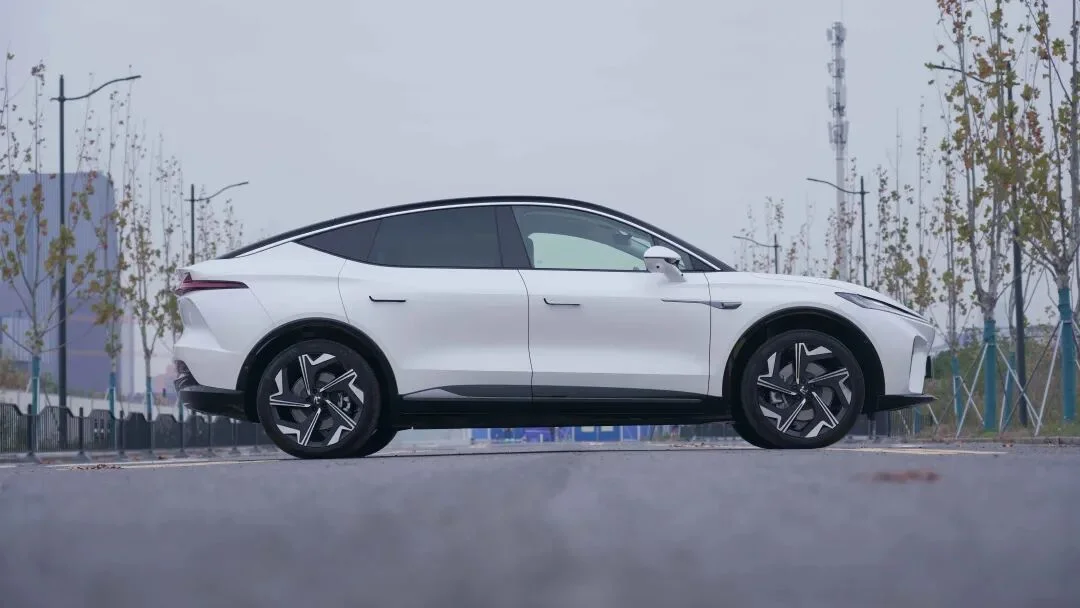
Moving to the side, the Feifan R7 boasts smooth body lines. The roofline begins to slope downward after the B-pillar, with a gentle curvature as it tapers toward the rear. The upper and lower character lines on the body help lower the visual center of gravity, while the 21-inch wheels give the R7 a poised, ready-to-launch stance.
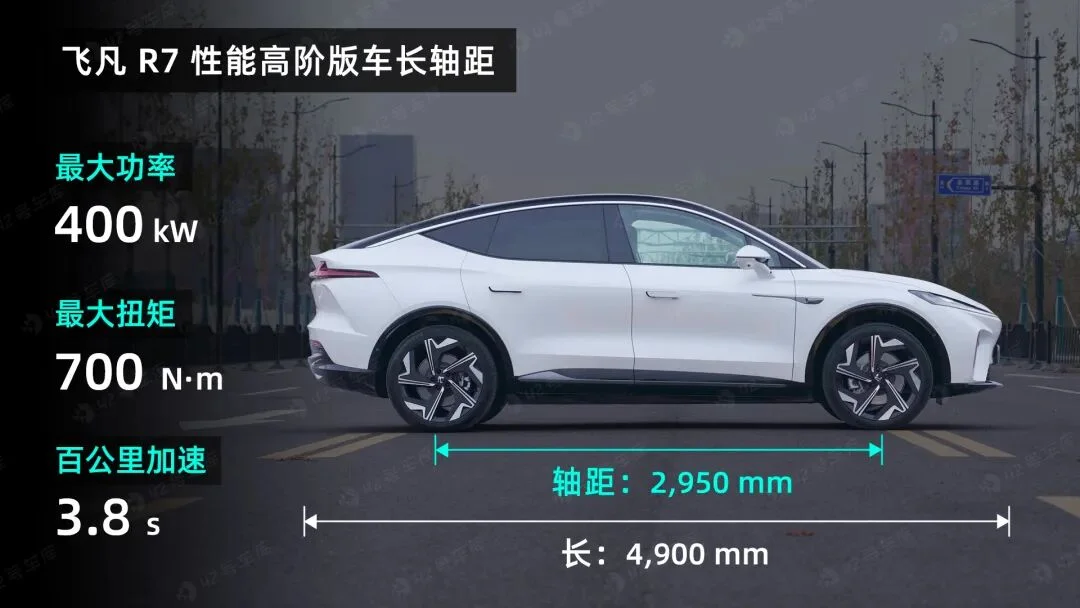
Symmetrical character lines at the front and rear wheel arches serve as the finishing touch to the vehicle’s exterior design. The subtle wide-body styling enhances the car’s sense of power.
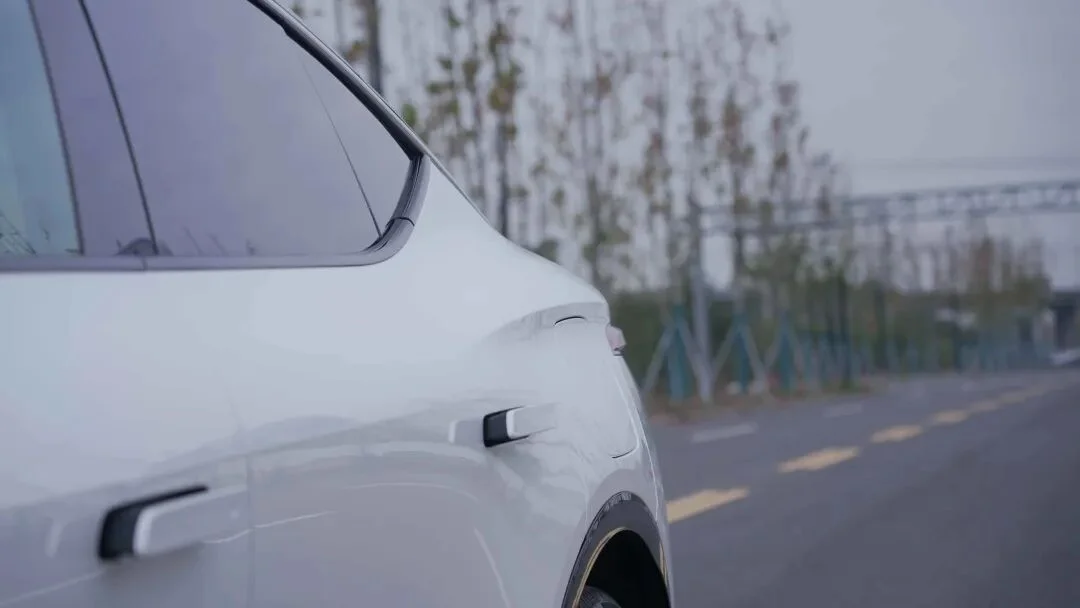
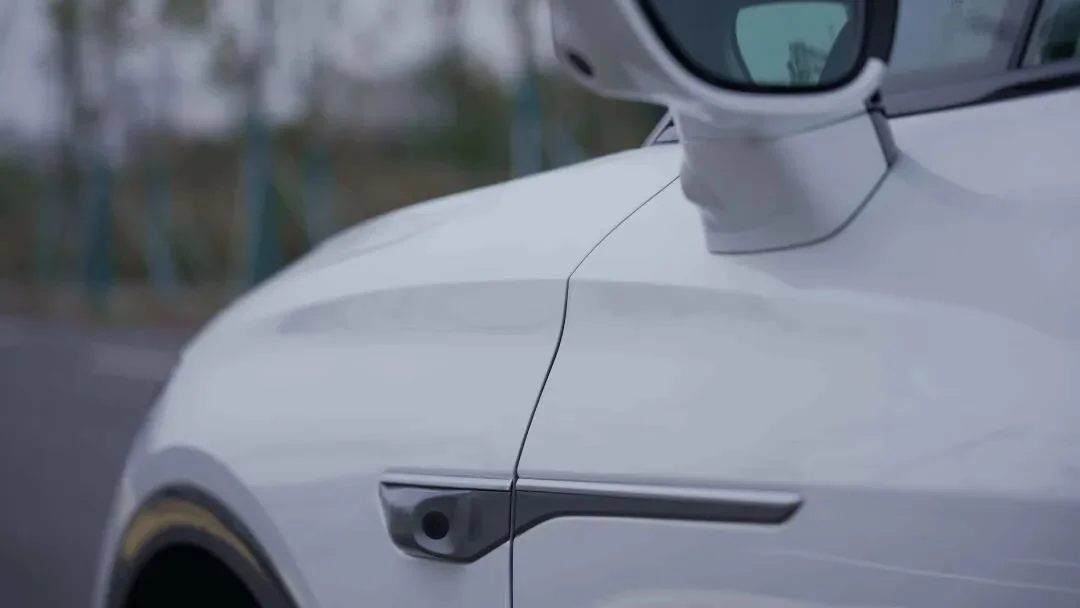
These lines, balancing softness with tension, contribute to the Feifan R7’s drag coefficient of 0.238. For a fastback mid-size SUV, this is an impressive figure. By comparison, the fastback NIO EC6 has a drag coefficient of 0.26, and the sedan-style NIO ET5 achieves 0.24. The R7’s fastback design plays a significant role in this result, which also helps improve range during high-speed driving.
Fastback SUVs often sacrifice some headroom for styling, so I had slight concerns about the Feifan R7's rear space. We will verify this with a practical test.
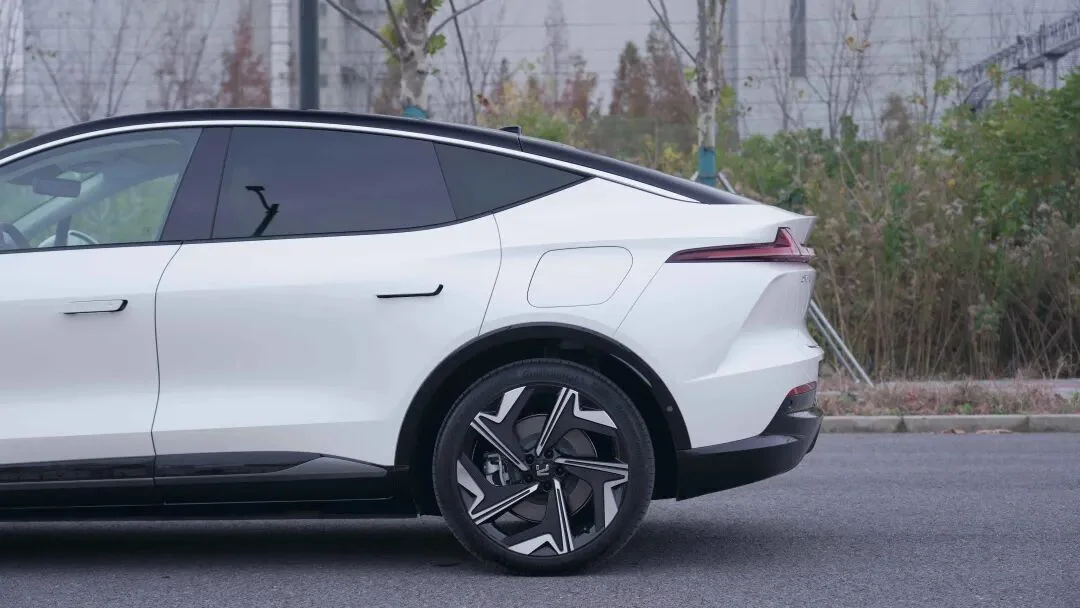
For wheels, this Feifan R7 Performance High-End Edition features optional 21-inch Xingyu rims, which look excellent.
The Feifan R7 Performance High-End Edition is an SUV biased toward rear-wheel drive, with a 150 kW front motor and a 250 kW rear motor. Consequently, it uses 235/45 R21 tires at the front and 265/40 R21 at the rear, giving it a sporty look. However, tires of this specification are not cheap, typically costing around RMB 2,000–3,000 per tire.
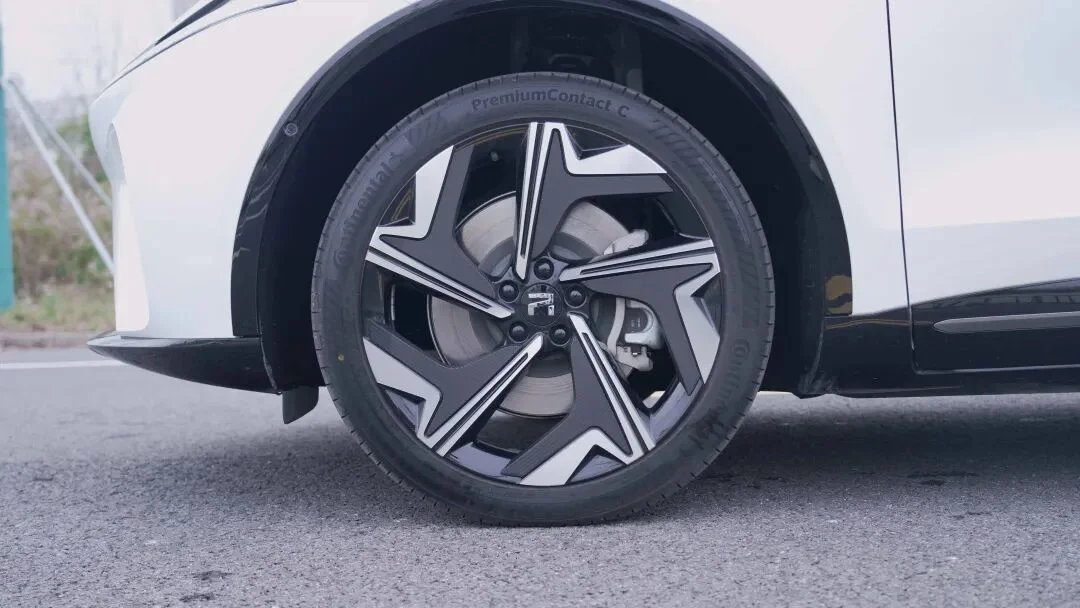
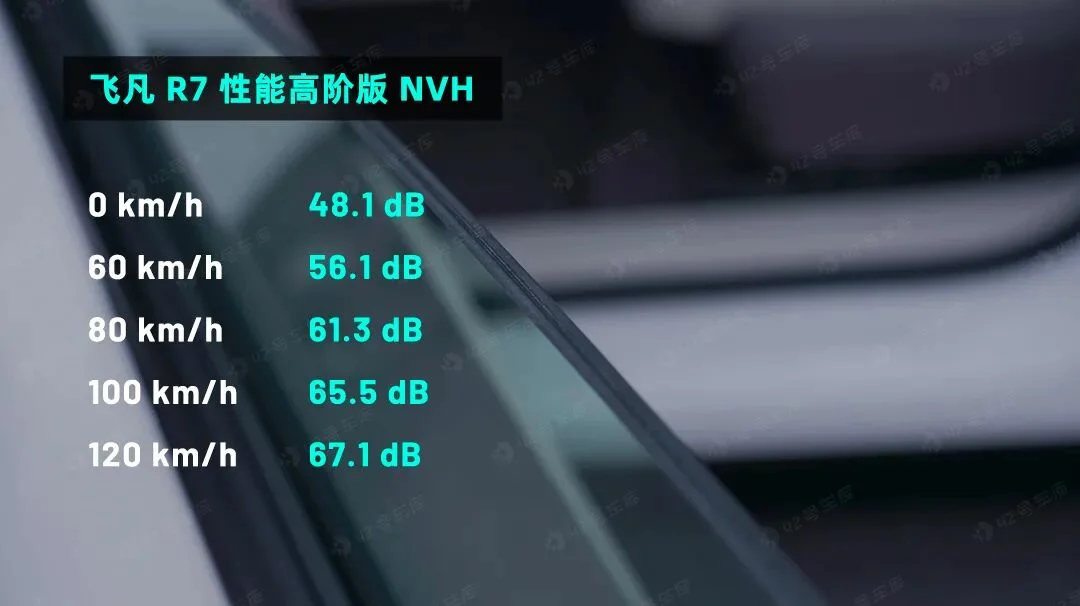
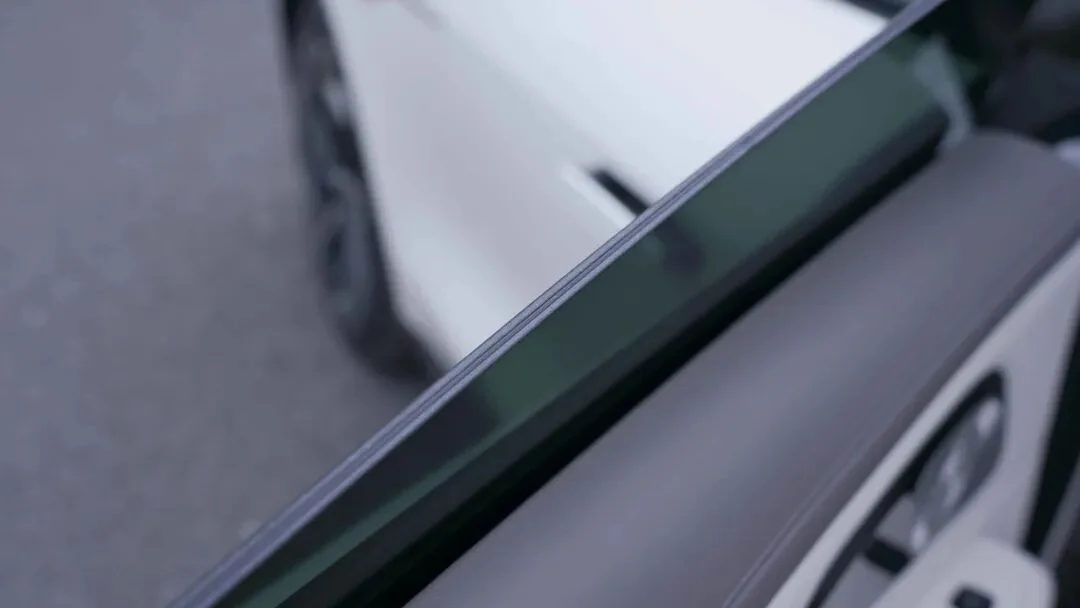
The Feifan R7 comes equipped with Mapai PremiumContact quiet tires from the factory. Additionally, all four doors use double-layer laminated glass. Even with frameless windows, the Feifan R7 delivers good NVH performance for its class. At speeds of 120 km/h, however, some wind noise can still be heard near the A-pillar, though it is not loud.
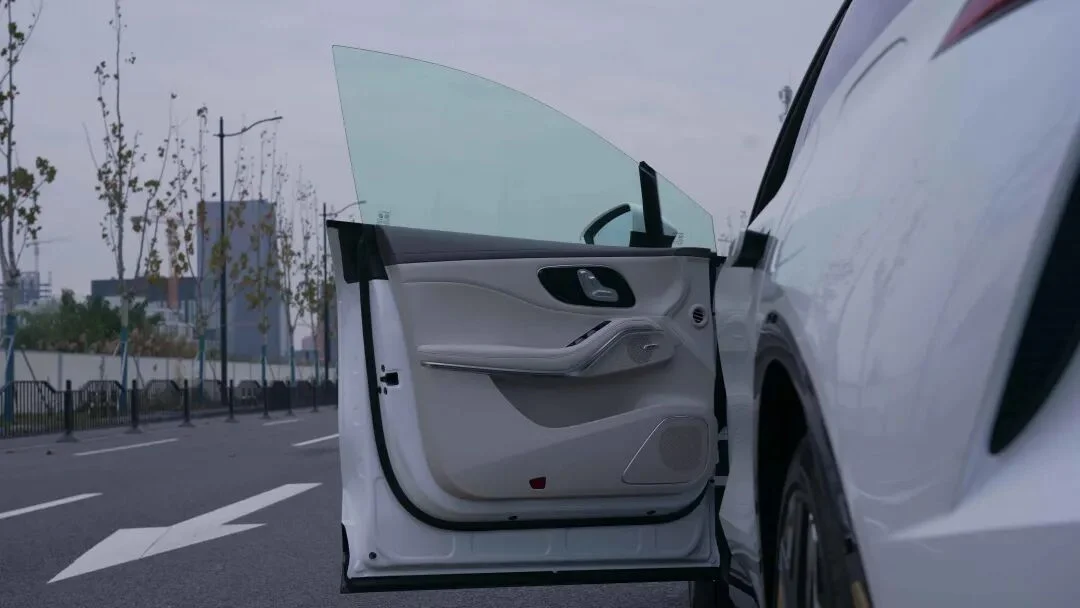
Regarding the doors, the Feifan R7 is one of the few models in its class to offer soft-close electric doors. Pulling the handle opens the door automatically, and stepping on the brake upon entry triggers automatic closing; the entire process is very smooth. However, at present, electric doors on vehicles such as the Tesla Model X and Zeekr 001 have faced significant criticism for issues like doors striking pillars or mismatched opening and closing intentions. Despite these drawbacks, the convenience provided by electric doors remains irreplaceable by manual ones.
The rear 45-degree angle of the Feifan R7 is, in my view, the best aspect of the vehicle's exterior. The tail appears robust and muscular. The full-width taillights extend from the character line and echo at the roofline, enhancing recognizability while creating a clear sense of layering in the rear design. Moreover, the R7’s tail avoids excessive decoration, with the overall design hitting the right balance.
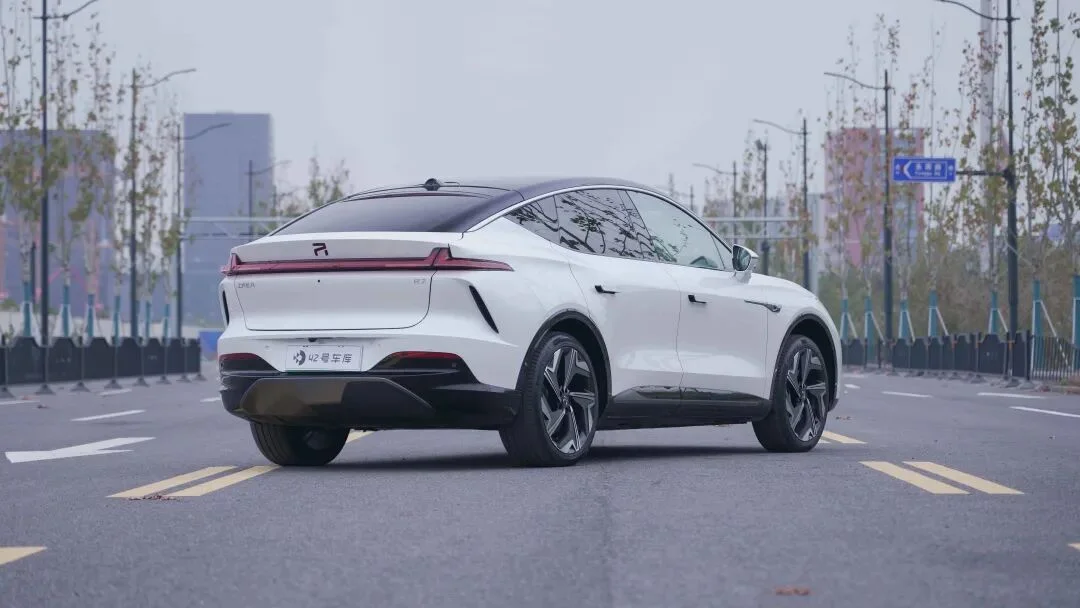
This aesthetic continuity owes much to Martin Kropp, the designer of the first-generation Volkswagen CC. As the original coupe-style CC is still hailed as the most beautiful Volkswagen, it is no surprise that the Feifan R7 features similarly sleek fastback lines.
With the trunk open, the Feifan R7 offers substantial cargo space, reaching 491 liters. If more capacity is needed, folding the rear seats expands this to 1,471 liters. On a weekend trip to IKEA to buy a mattress, a cabinet, and a full-length mirror, when a freight broker asks if you need hauling services, you can confidently reply that a single R7 is enough.
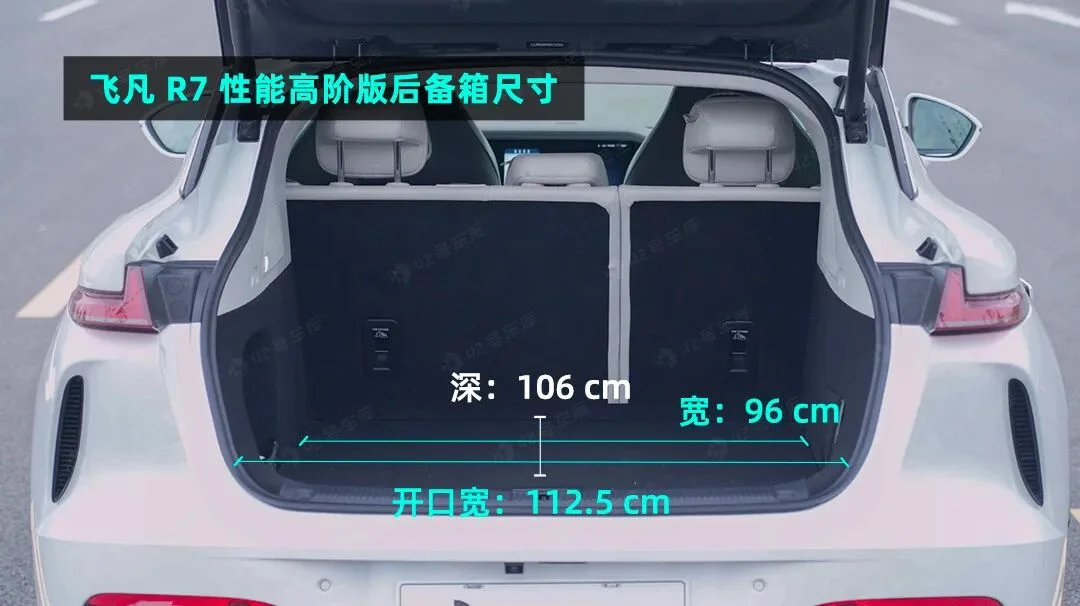
In summary, the Feifan R7 presents a sportier exterior that aligns better with the aesthetics of younger consumers compared to peers in its class, offering a more distinctive choice than similarly priced products. For today’s young users, who value practicality and versatility alongside appearance, the question remains: can the Feifan R7, as a mid-size pure-electric SUV for young people, continue to meet their expectations?
02Cabin: Solid Fundamentals
Smart Cabin
In recent years, driven by the growing demand for information display, the size and number of screens in cars have continued to increase. What started as a single central control screen for navigation has evolved into a multi-screen setup including a digital instrument cluster for vehicle information, a central touchscreen for vehicle controls, a passenger-side entertainment screen, and a head-up display (HUD) for driving data.
As more models adopt these screens, user experience and functionality have become the new focus. Feifan addressed this in the R7 with its RISING MAX 3+1 large screen configuration. Upon first sitting in the front seat of the Feifan R7, I was immediately captivated by the 43-inch wide-color triple screen.
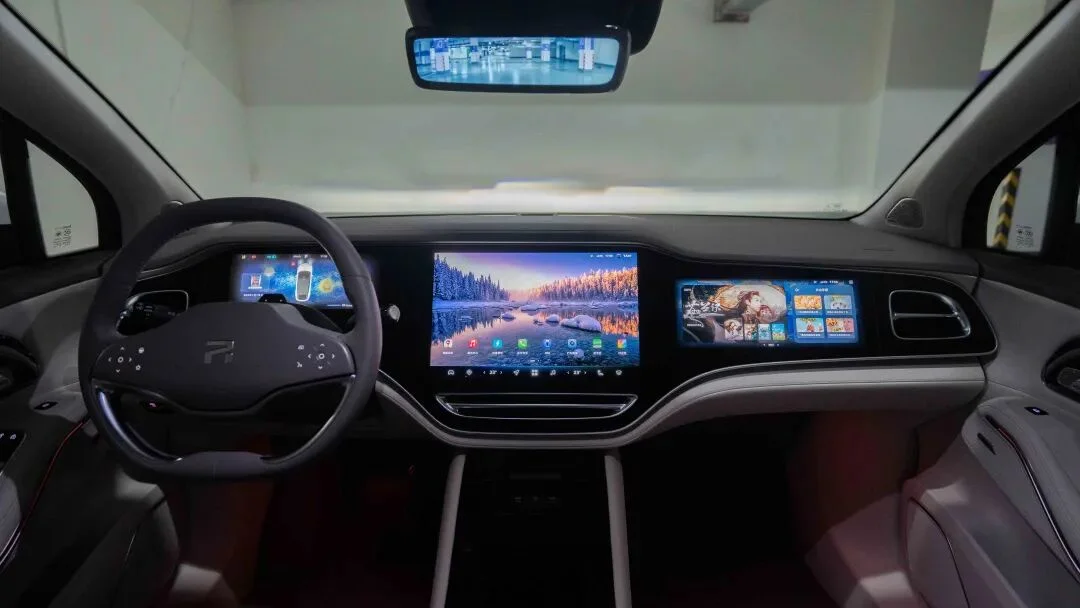
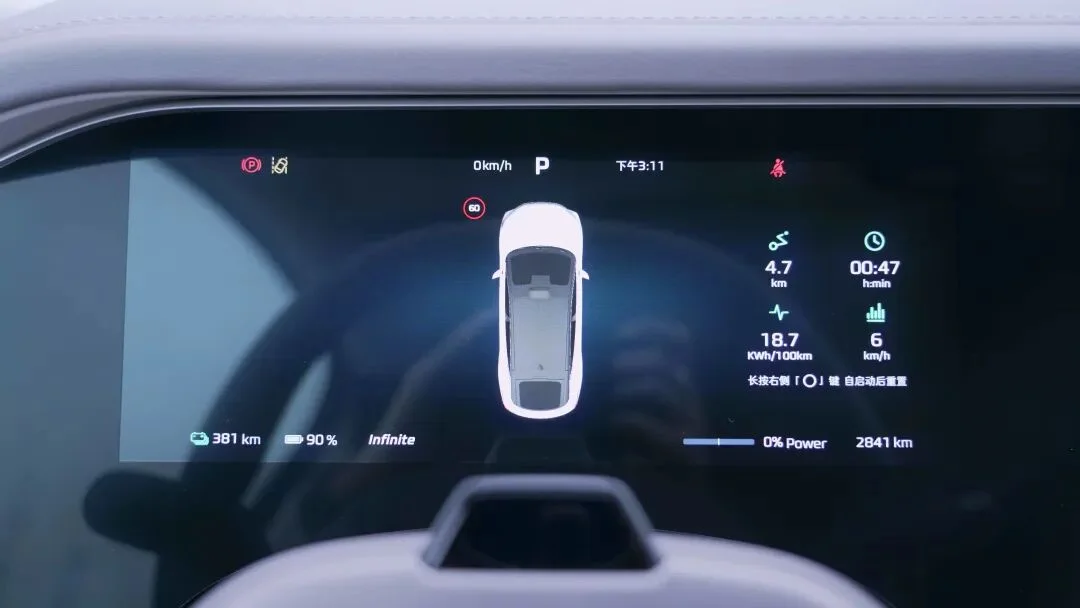
The driver’s digital instrument cluster is a standard 10.25 inches, featuring clear content layout and logical organization that makes it easy to use. A pleasant surprise is that the background wallpaper on the instrument cluster is customizable; drivers can set their preferred images, which offers a nice way to change the mood inside the car—a feature not commonly found in other vehicles.
The central control screen in the Feifan R7 utilizes a 15.05-inch AMOLED panel with a 2.5K resolution and a pixel density of 200 PPI. Its clarity, contrast, and brightness are impeccable, illustrating how screen competition has moved from the smartphone market to the automotive infotainment sector. The screen is powered by the Gaotongxiaolong 8155 automotive chip, and combined with a 60 Hz refresh rate, provides smooth and responsive touch interaction.
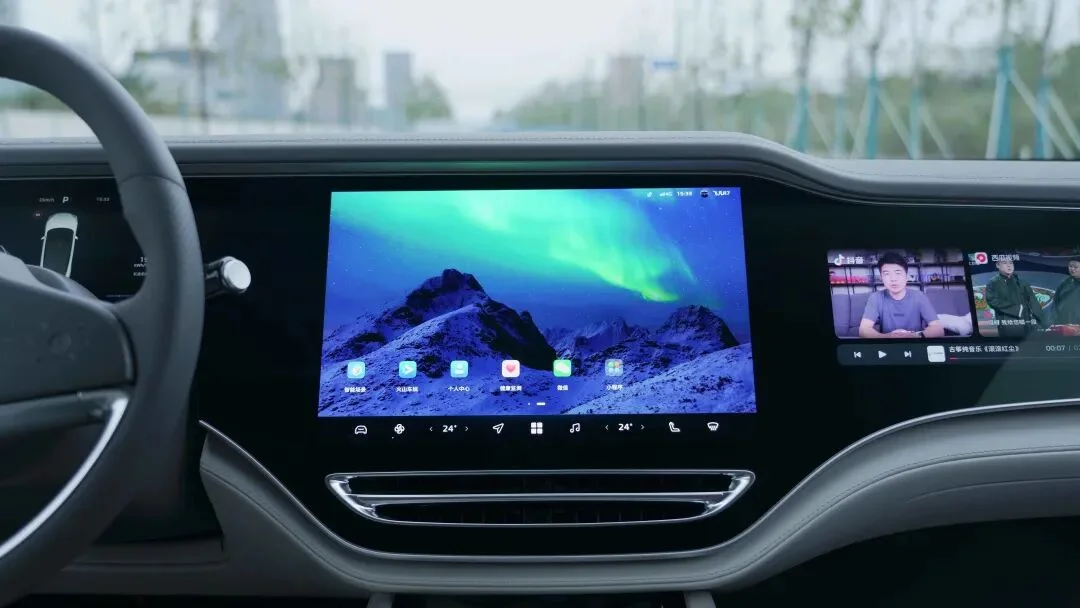
The Feifan R7’s home screen uses a wallpaper background, with a Dock bar at the bottom for quick controls and app access. In practice, frequently used shortcuts and apps are easy to locate, allowing adjustments while driving without distraction. Alternatively, you can activate the voice assistant by saying "Hey, Feifan"; this four-zone system responds quickly.
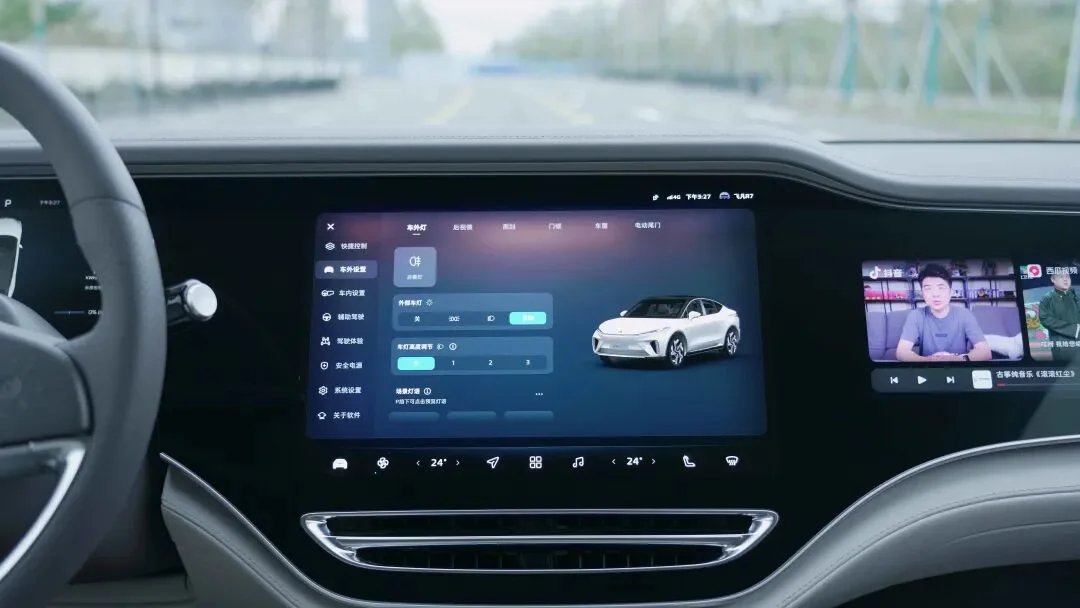
In the settings interface, the Feifan R7's menu logic is also very clear, consisting of just two levels. Even new users can quickly find the settings they want, without encountering situations where certain options are hidden too deeply.
To the right is the 12.3-inch passenger display, which shares the same miniLED technology as the instrument cluster. Similar to the 12.9-inch iPad Pro, it allows precise regional backlight control, effectively boosting brightness and contrast while managing dark areas. This addresses the common issue of insufficient screen visibility in strong ambient light. When not in use, the passenger screen appears as a black panel.
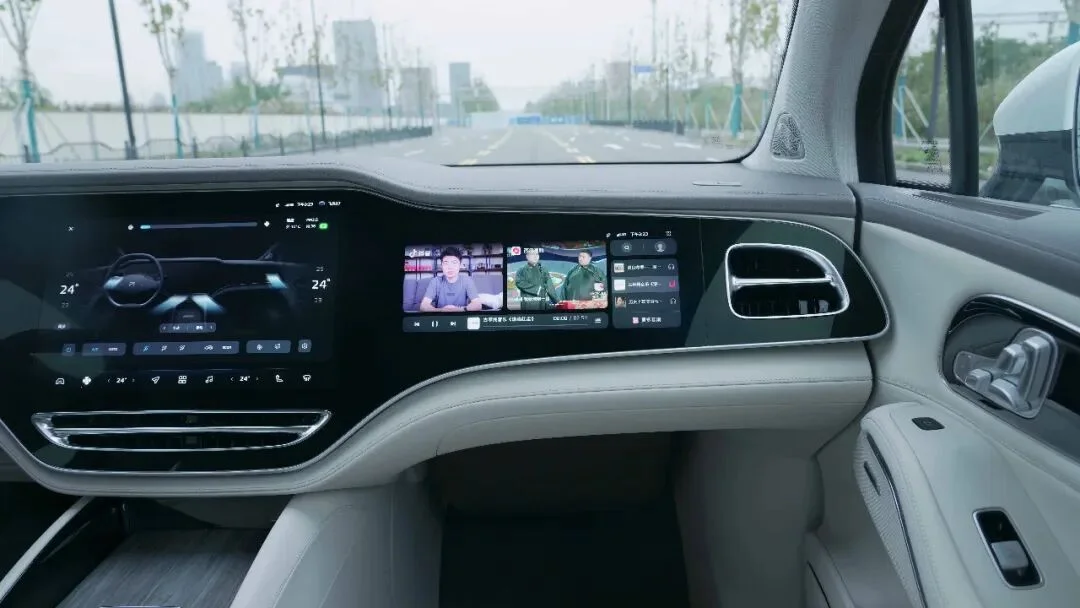
Feifan has also included privacy protection for the passenger display. The driver cannot view its content while driving—a reminder that drivers must always remain focused on the road.
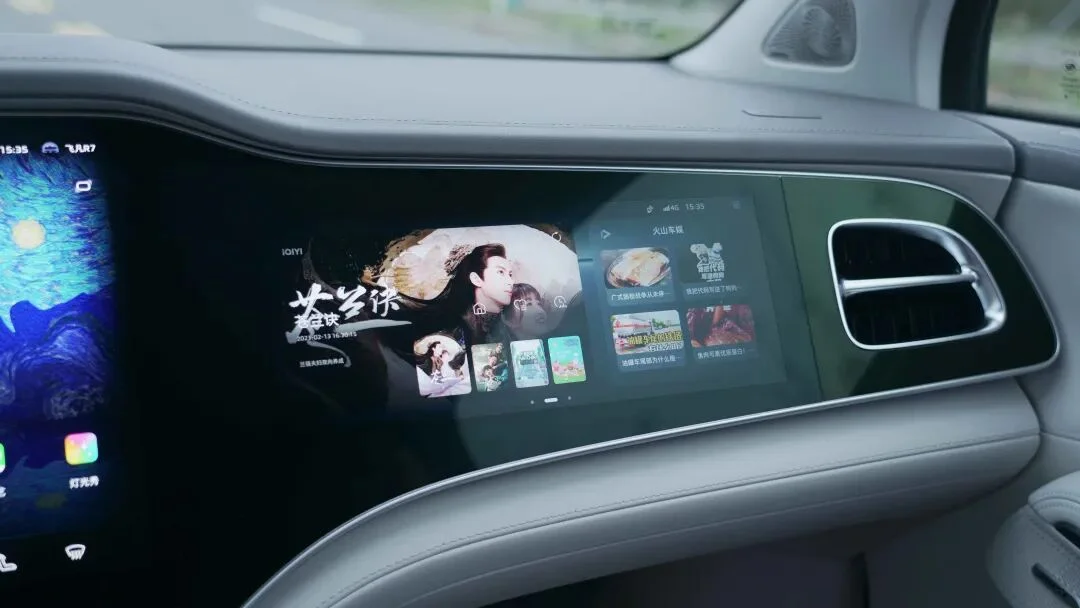
The Feifan R7’s passenger display supports three-finger swipe control. If you select a movie on the driver’s screen, you can simply swipe right to send it to the passenger display. Conversely, if the passenger sets a destination on their screen, it can be projected onto the central console screen, which is very convenient.
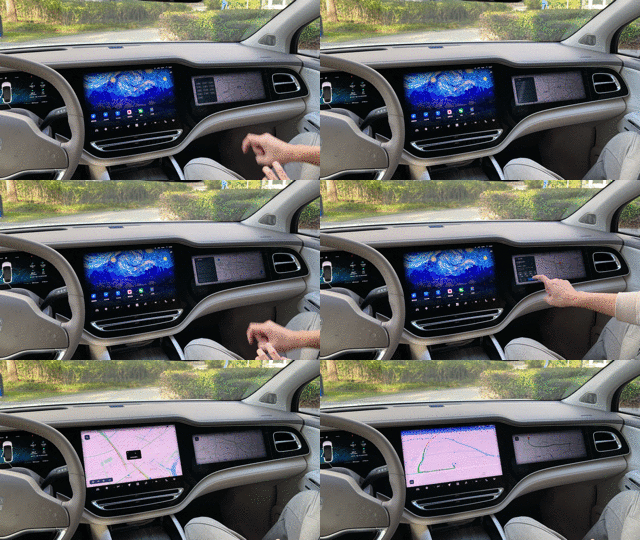
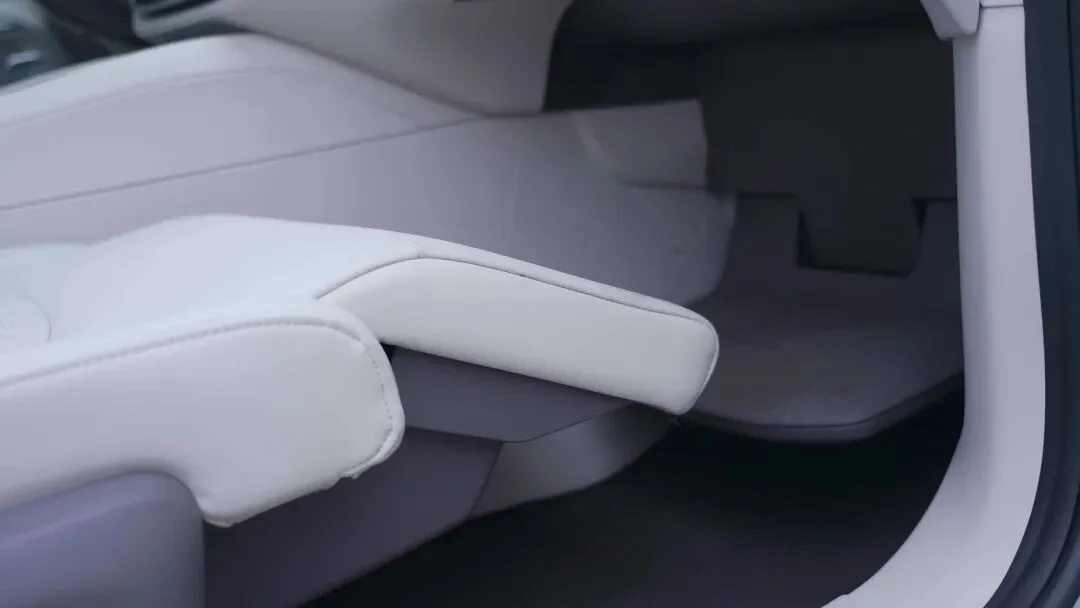
In addition to the passenger display, the Feifan R7 features a 'Queen' passenger seat with massage functions. This not only meets entertainment needs but also enhances comfort. Notably, even the footrest includes heating functionality, a thoughtful touch for winter driving. Imagine your wife sitting in the passenger seat with the massage and heated extended leg rest, watching dramas while you drive—a cozy scene. For families, this luxury package, valued at RMB 10,000, is worth considering as an option.
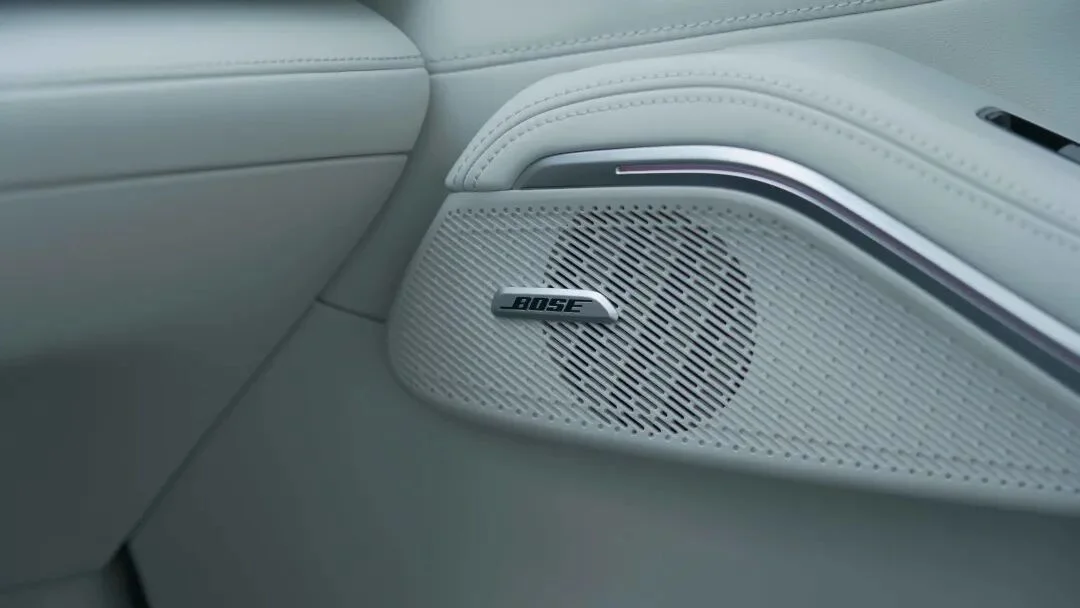
Audio from the drama streaming is delivered through the 14-speaker BOSE sound system. While it may not match the sheer power of multi-kilowatt audio setups, the quality is assured given its BOSE pedigree.
Having covered the three main screens, the '3+1' configuration includes one more display hidden within the glass in front of the driver. The Feifan R7 utilizes Huawei’s Visual Enhancement AR-HUD system, boasting the industry’s largest field of view at 13° × 5° and the highest resolution of 1,920 × 730.
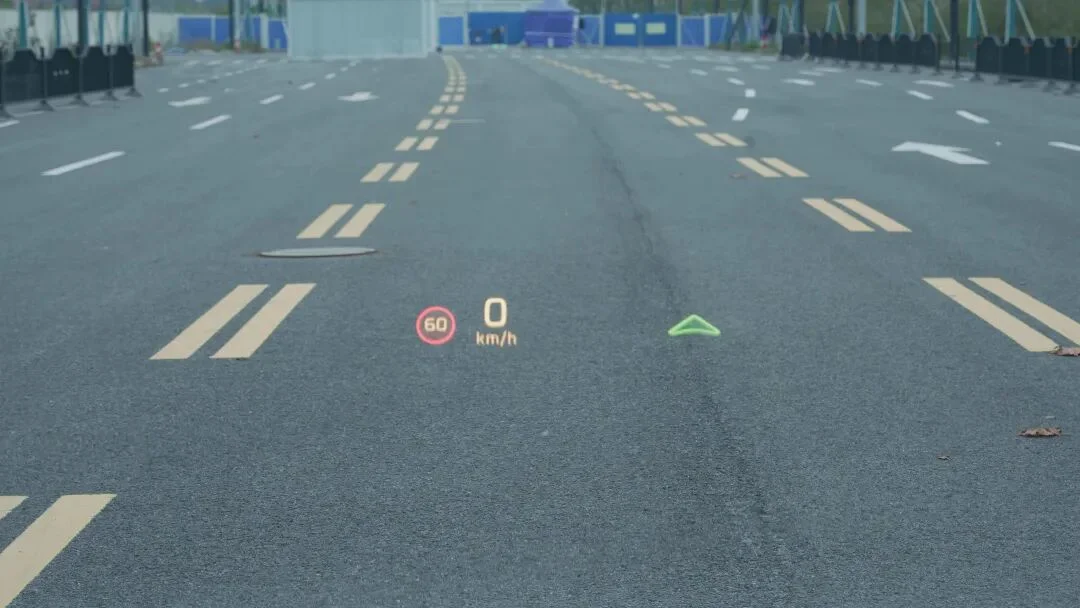
During driving, the AR-HUD dynamically adjusts navigation and hazard warnings based on real-time scenarios. For first-time users, the effect feels highly futuristic. According to official specifications, the projected image is equivalent to a 70-inch screen at a distance of 7.5 meters—enough to watch movies, though color reproduction falls short of a direct display (the photos show some shooting color deviation).

The Feifan R7’s steering wheel design has drawn mixed reactions due to its lack of vertical symmetry in the center area. In practice, however, the grip feels substantial and well-filled. The raised airbag cover makes the buttons on both sides easy to operate. The only adjustment needed may be getting used to the steering wheel’s unique shape.
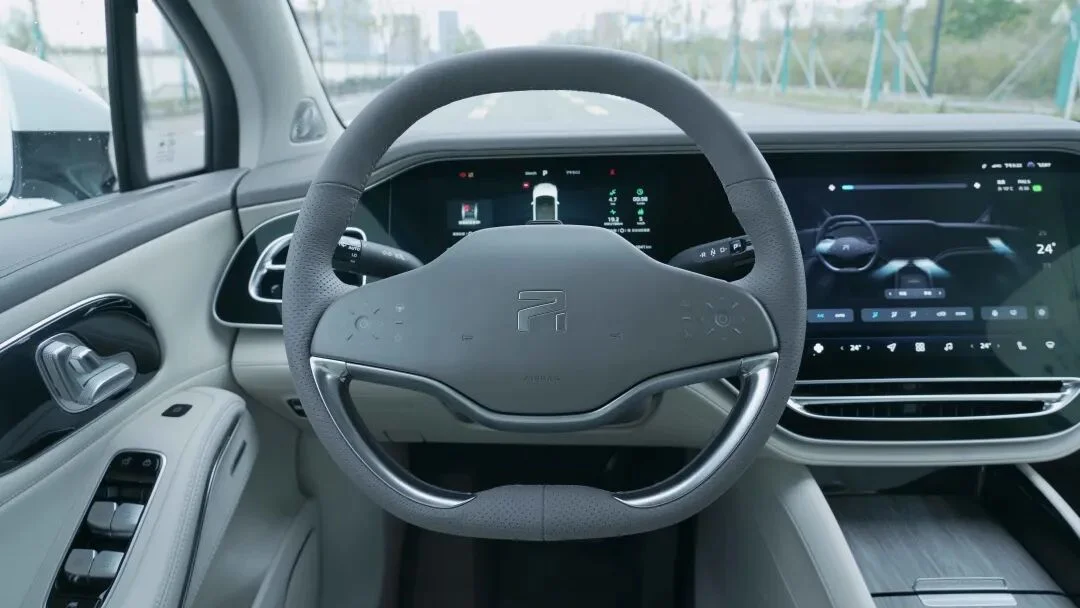
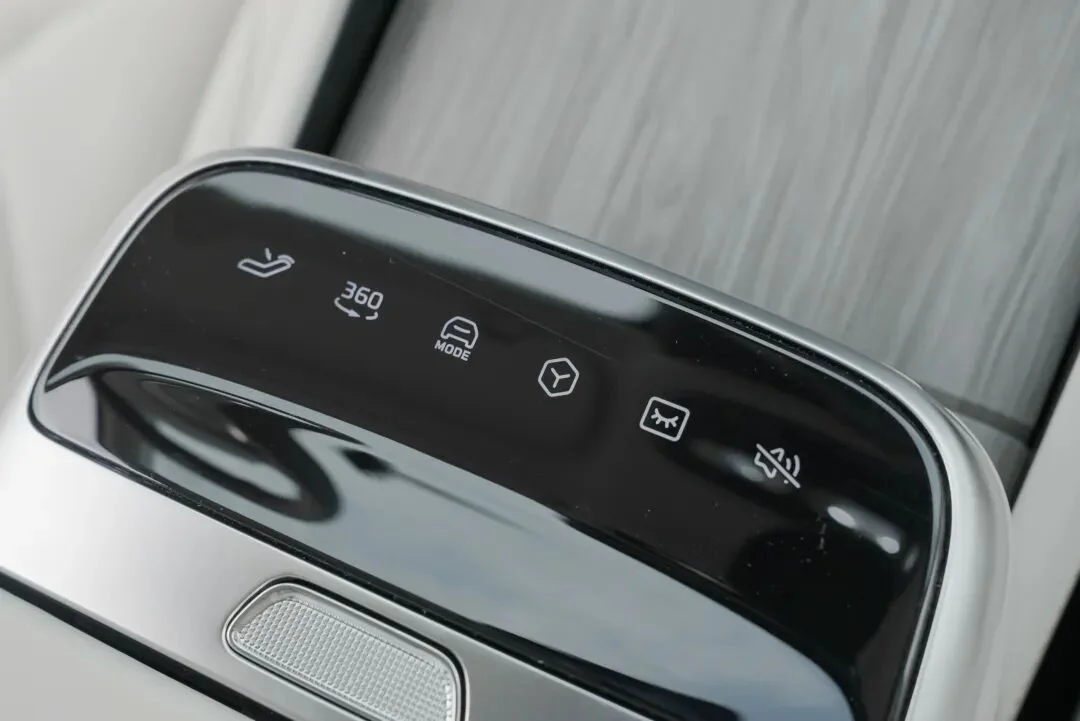
At the center console armrest, the Feifan R7 features a Touch Bar with six touch-sensitive shortcut keys. These allow quick access to functions such as panoramic camera view, driving modes, and volume control.
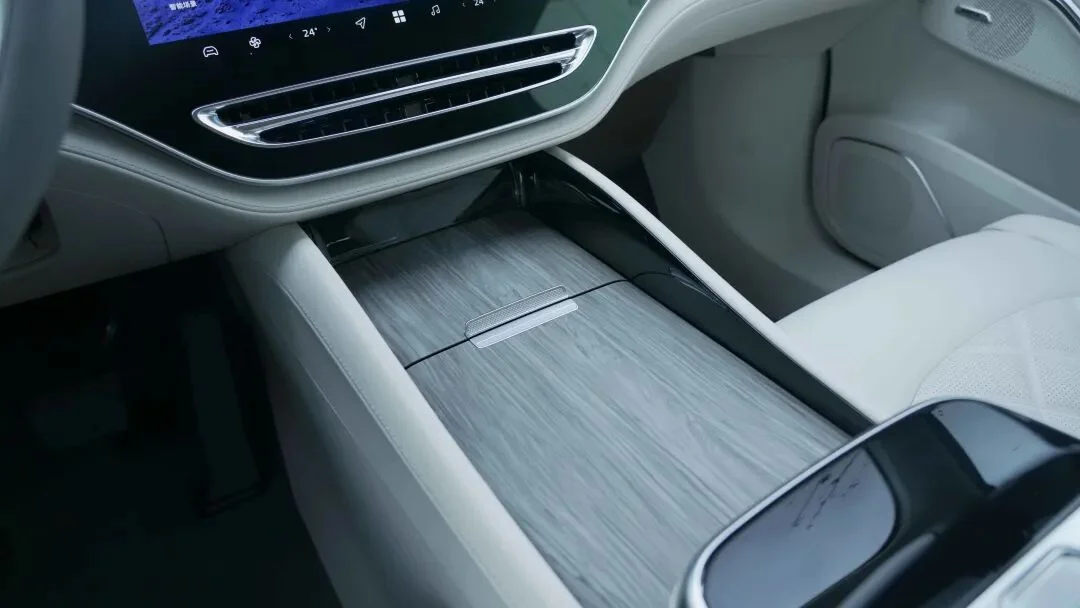
Below the center stack, the Feifan R7 opts for a traditional armrest box rather than the large open storage compartments seen in many competitors. The front lid slides open while the rear lid folds back, both offering satisfying damping that meets the standards expected of a vehicle in the RMB 300,000 price range.
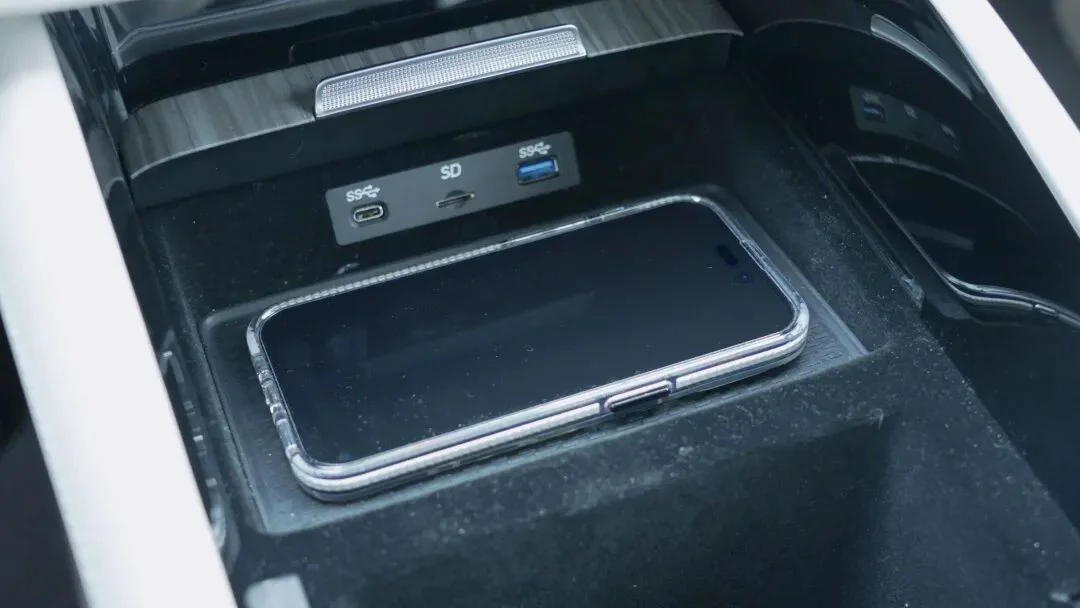
Lifting the front cover reveals a USB-C port and a standard USB data interface, with a microSD card slot in the center, making external data transfer quite convenient. Below the ports is a wireless charging pad for smartphones; after placing an iPhone14 Pro, there is still some room left, and it can accommodate a Pro Max as well.
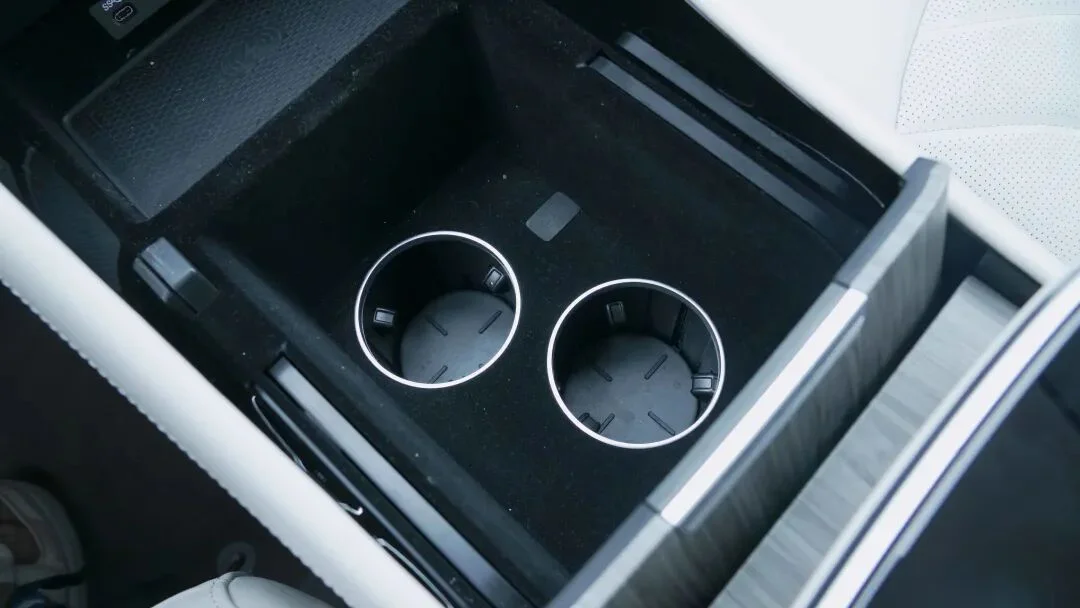
Opening the rear cover reveals two cup holders that can extend and retract vertically. Both are lined with plush fabric. If you prefer not to use them for drinks, you can raise the cup holders to form a continuous, flat storage surface. During our shoot, I placed my camera here; the plush lining ensured it wouldn't get scratched.
For air conditioning vent control, the Feifan R7 uses the touchscreen to adjust airflow direction. Competitors like the Tesla Model Y, XPENG P7, and NIO ES7 typically employ hidden vents to save dashboard space. The Feifan R7 does not hide its vents, which feels somewhat like over-engineering for the sake of technology. However, the user experience is good, and the system supports sweeping airflow modes.
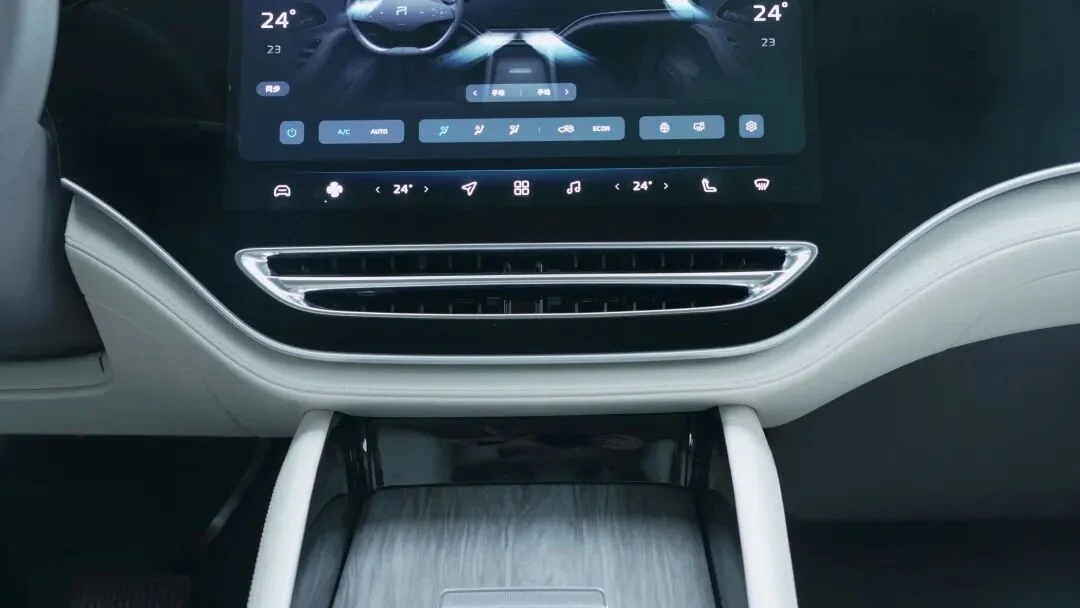
In terms of cabin technology, the Feifan R7 achieves an excellent hardware standard for its class, meeting the diverse infotainment needs of today’s young consumers. Beyond high-spec hardware, the interaction design is also polished. My impression is that the RISING OS has been developed with care, making it highly competitive within its segment.
Cabin Space
After reviewing the Feifan R7’s smart cockpit, let’s examine its space performance as a mid-to-large SUV. For today’s younger users, trips with family and friends are common.
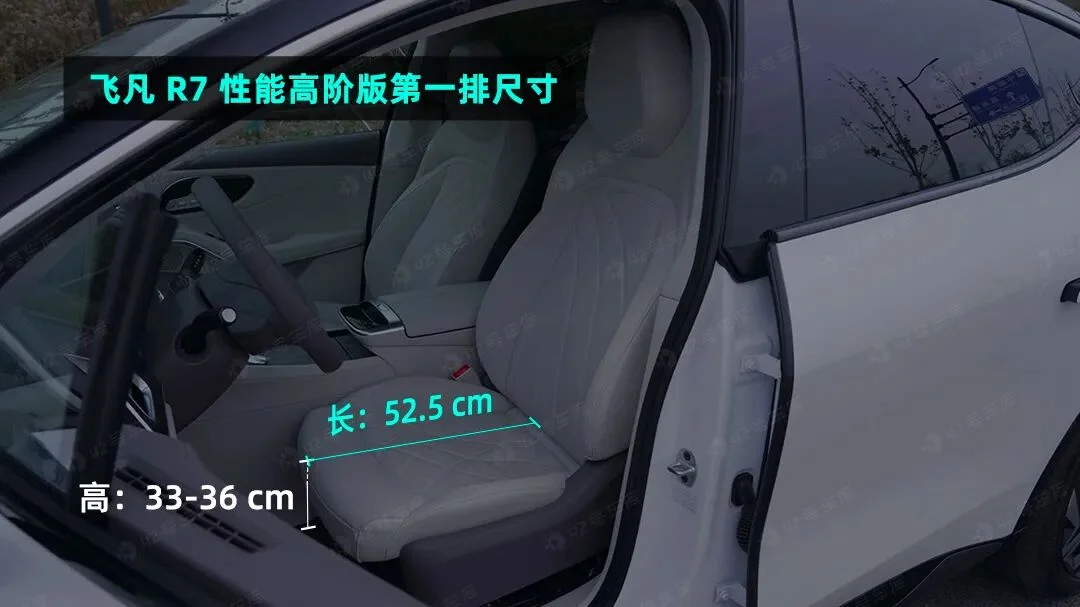
The Feifan R7 features integrated bucket-style front seats that look sporty and substantial. In practice, the seat cushions are firm, offering strong support. After sitting for four to five hours continuously, no back or waist pain was experienced. Both driver and passenger seats also offer seven types of massage functions. With the optional RMB 10,000 Luxury Comfort Package, the cushion material is upgraded to Nappa leather, providing a delicate touch.
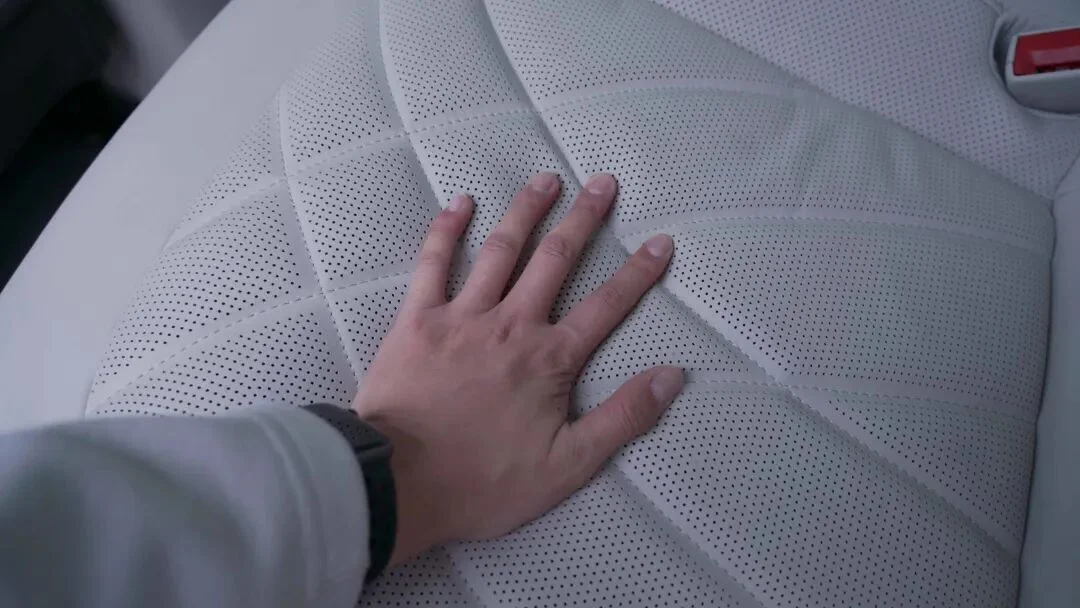
The Feifan R7’s seat base is relatively wide, so users who are 1.8 meters tall and heavier than me will not feel cramped. Moreover, the seat adjustment range is fairly broad; even for users who are 1.8 meters tall, there remains ample headroom. If I were to ask for one more feature, I would prefer the Feifan R7 to have an adjustable leg rest, although the current thigh support is sufficient.
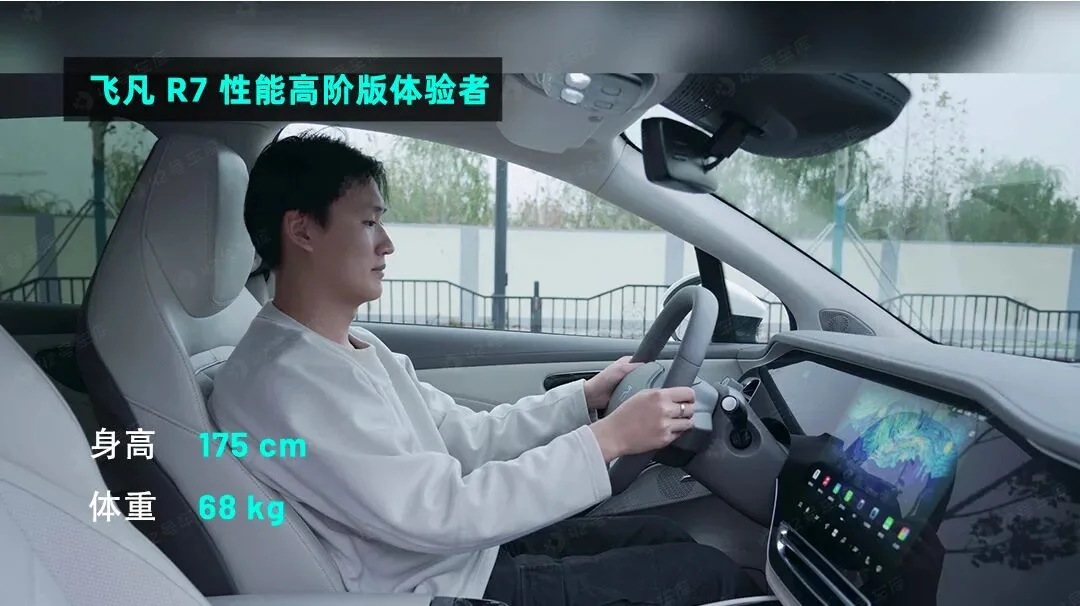
In the rear, with my driving position set for my height of 175 cm and weight of 68 kg, the measured legroom is about one palm width. Headroom remains unaffected by the fastback design, offering two fists of space, which alleviated my earlier concerns.
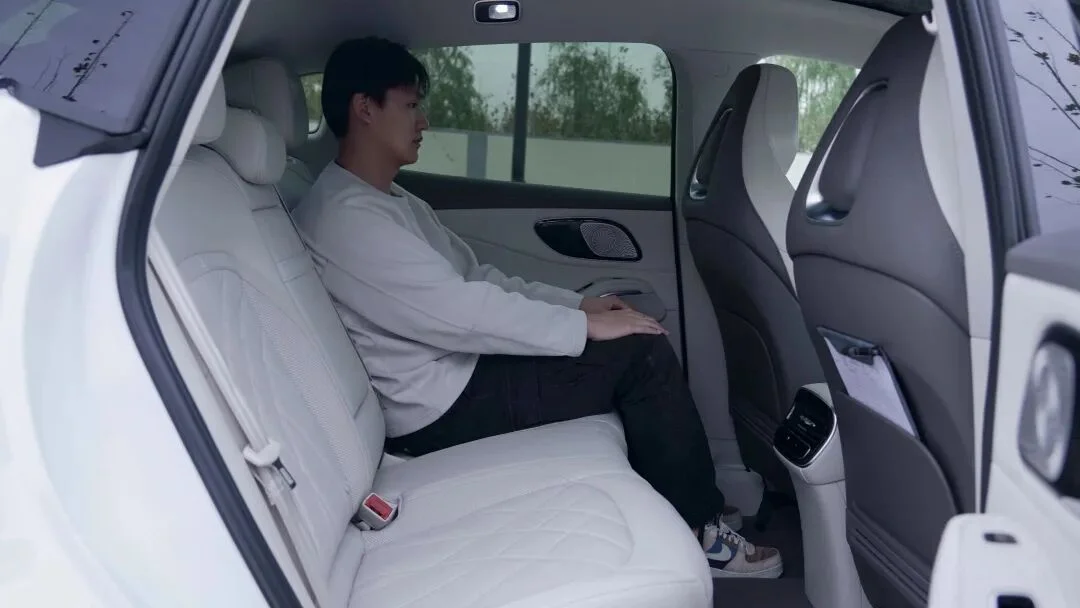
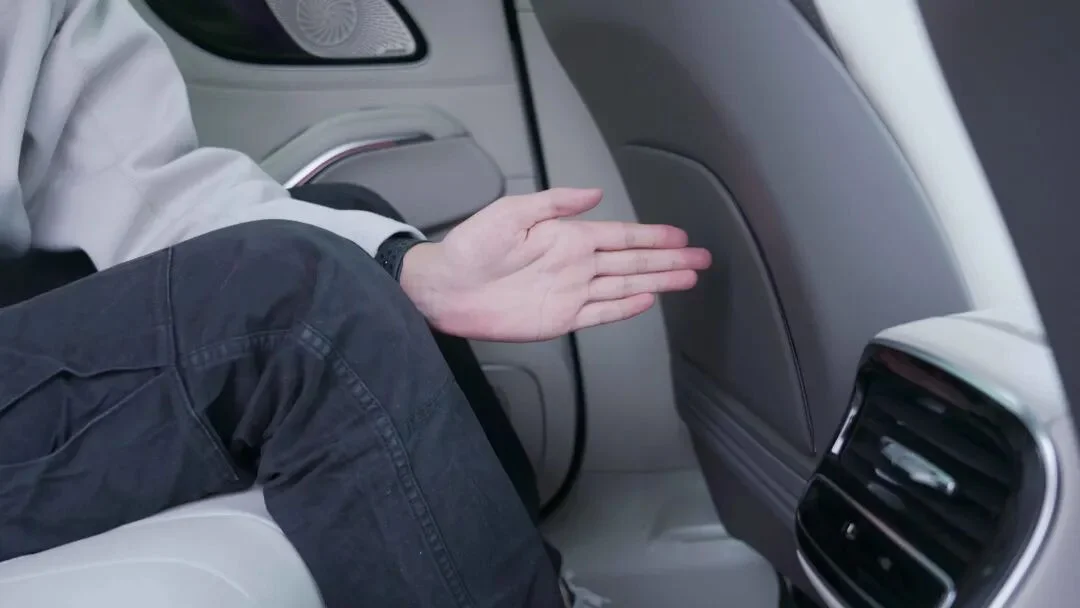

The upper Feifan R7 uses a panoramic glass roof to gain more headroom, while the lower section employs a flat-cell design to minimize floor height. Combined with a long wheelbase that allows seats to be moved forward without compromising legroom, taller users will not feel cramped.
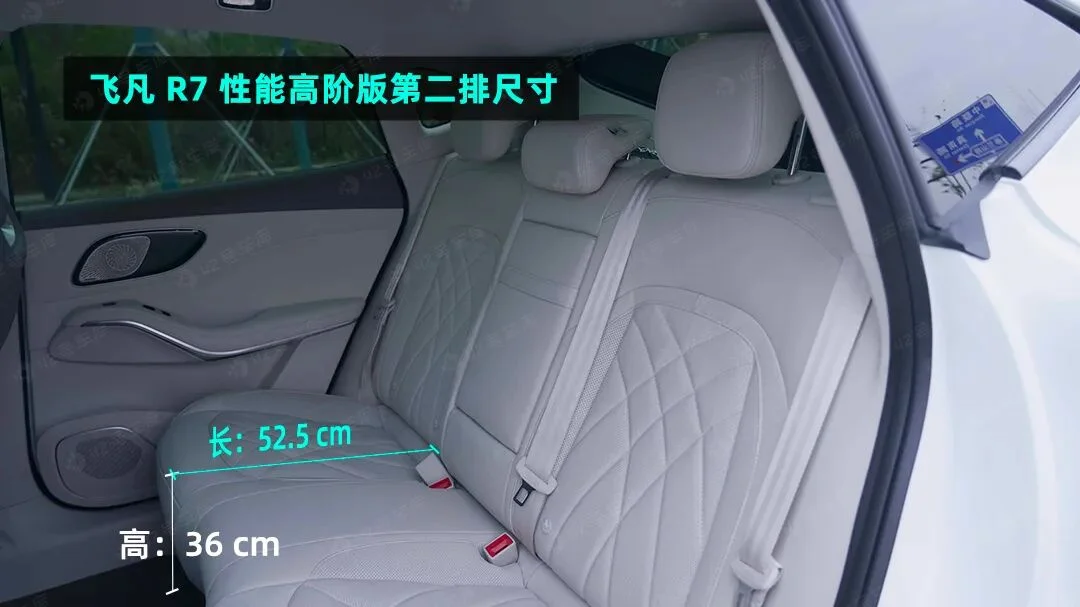
The rear seat cushion length and height of the Feifan R7 are nearly identical to those in the front, resulting in comparable comfort levels and providing good support. The center rear cushion is softer, while the backrest is slightly firmer, meeting the needs for five passengers during daily use. A drawback is that the rear seat angle cannot be adjusted.
As a Feifan R7 with roots in a major tech company, it demonstrates solid fundamentals in ergonomics such as seat cushioning, seating posture, and interior space. Whether for two occupants, four passengers, or full-capacity travel, the mid-to-large SUV can meet all needs. Its performance in software and interaction logic is also highly competitive. As a hatchback SUV targeting the younger market, its sporty exterior design must be matched by an equally engaging driving experience.
03Driving Experience: True to Its Word
Since the vehicle targets the young market, performance specifications are the primary concern for this demographic, making the high-performance variant the most popular. For RMB 326,900 after subsidies, buyers can acquire a dual-motor model with front and rear outputs of one hundred fifty kW and two hundred fifty kW respectively, totaling four hundred kW, with an official zero-to-hundred-kilometers-per-hour acceleration time of three point eight seconds.
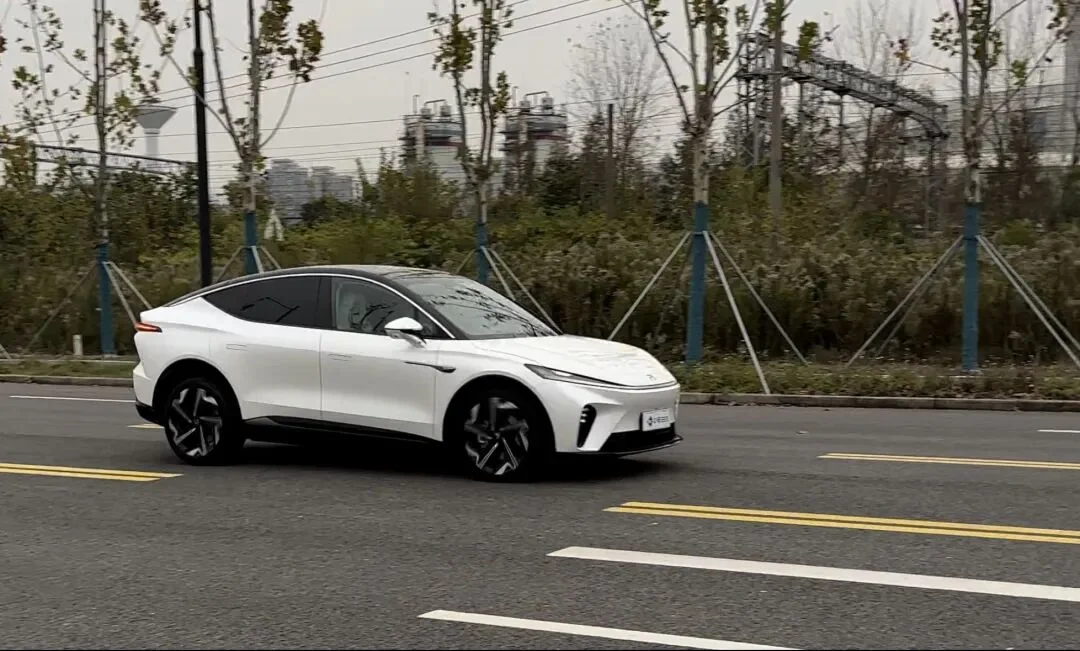
Although we did not test the specific number of seconds for this car's zero-to-hundred acceleration, in actual experience, an acceleration of 3.8 seconds is very terrifying. Starting and overtaking maneuvers are basically as simple as drawing a sword. This is rare among cars at the same price point, which can provide an acceleration experience of breaking 4 seconds. The Feifan R7's accelerator pedal tuning is highly praised; it is very linear and easy to control, without any twitchy lurching.
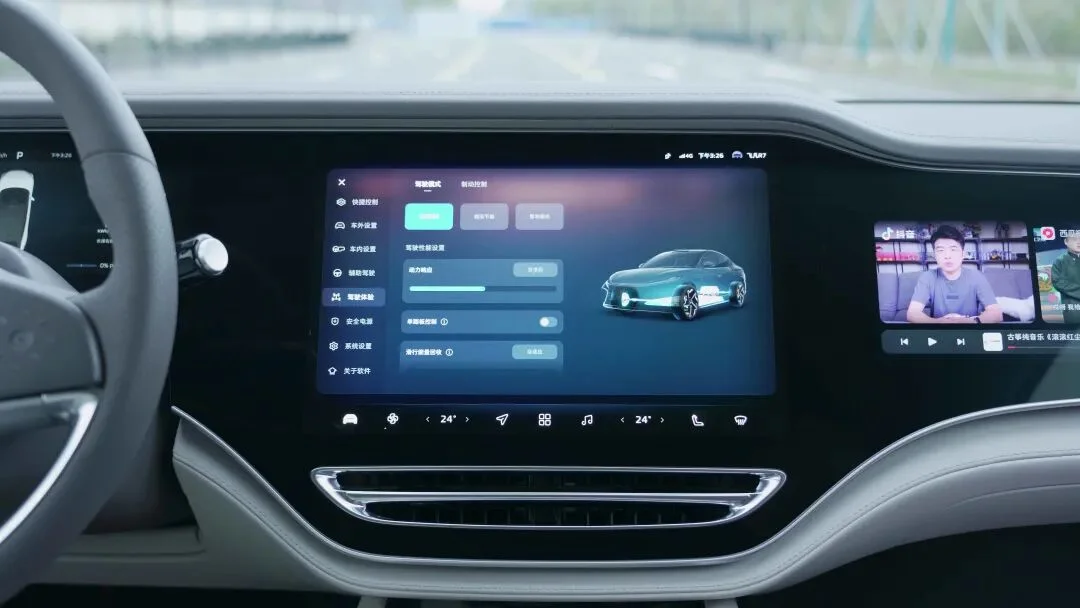
On the central control screen, you can also adjust the power response continuously to suit your needs. In my daily use, I prefer setting the response to medium or enabling the adaptive mode, which better fits everyday commuting requirements.
Speed is important, but so is stopping power. The official braking distance from 100 km/h for all four trims of the Feifan R7 is listed as 37.1 meters. We tested the long-range high-end version, which also features a 90 kWh battery pack, and recorded a best result of just 31.8 meters—5.3 meters shorter than the official figure, an excellent performance. Stability across ten consecutive brakes was also very good, with almost no thermal fade.
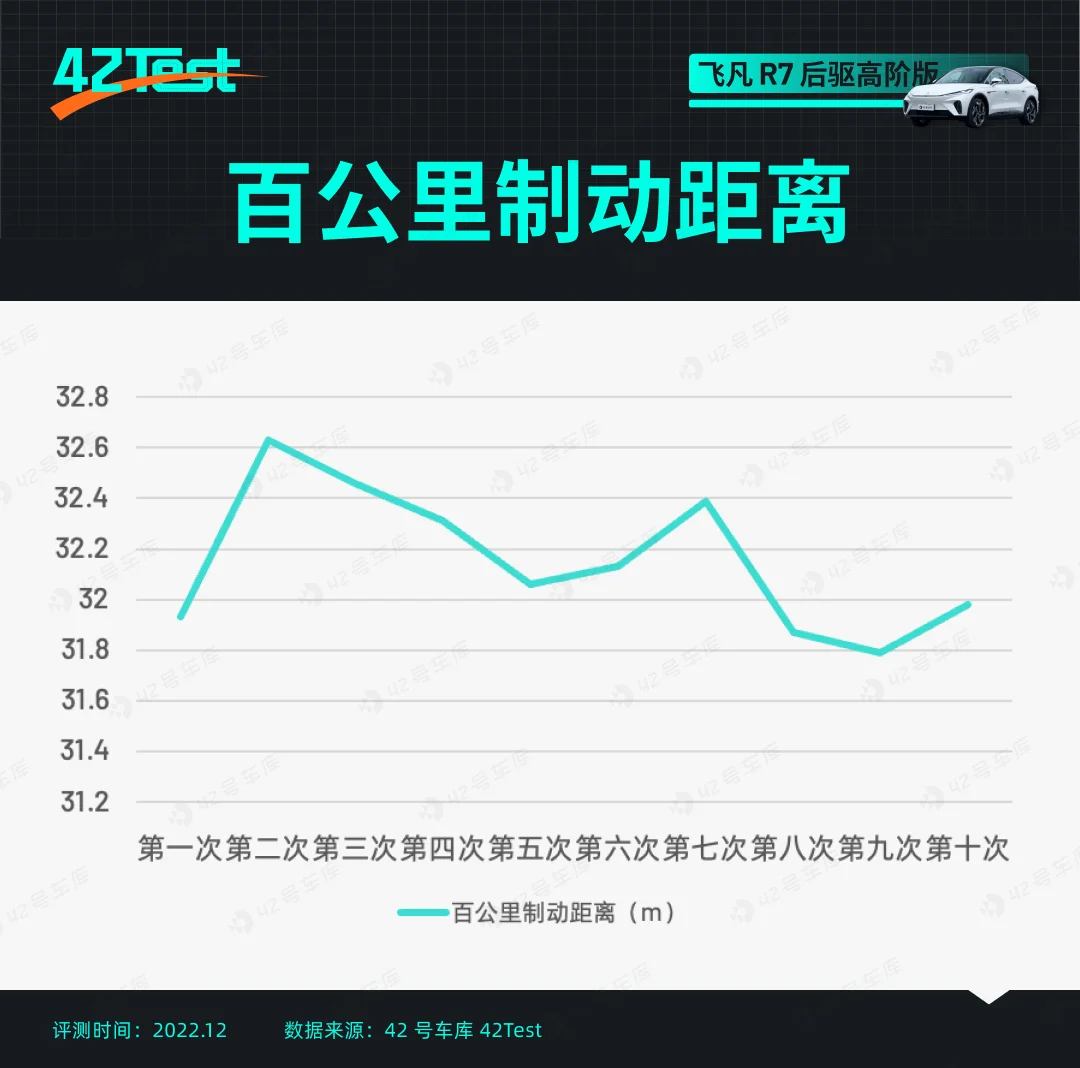
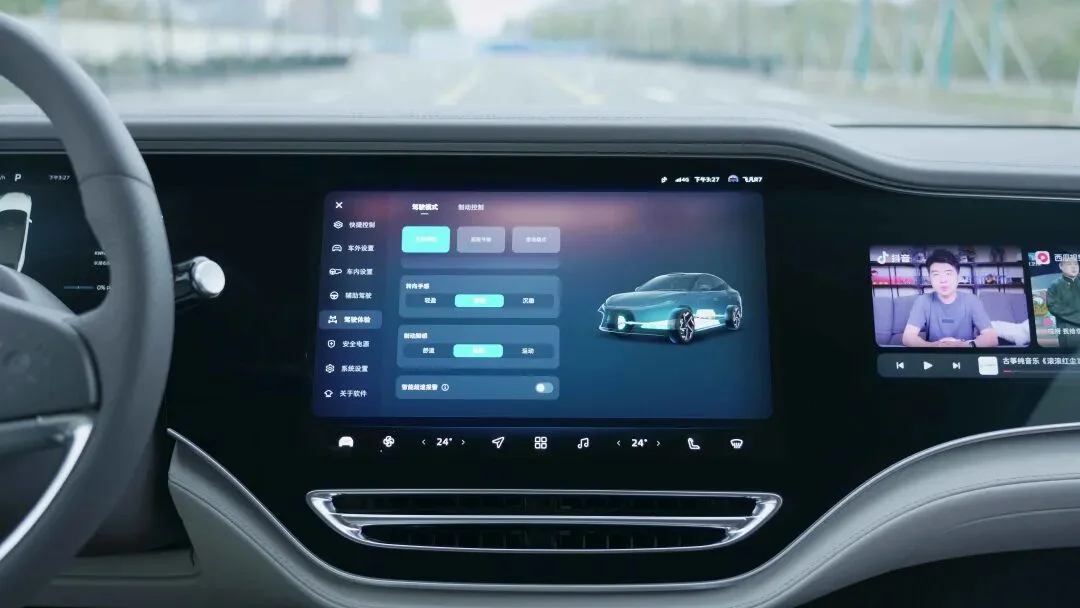
Like acceleration, the Feifan R7’s regenerative braking can be adjusted adaptively. The brake pedal feel offers three adjustable modes; in Sport mode, the pedal becomes particularly stiff, causing the vehicle to nose-dive with even slight brake application. The ten sets of braking distances mentioned above were all measured under this Sport braking setting.
No matter your driving style, there's always a mode that suits you—that's worth praising.
The Feifan R7’s handling was also a pleasant surprise. I had initially assumed that Chinese brands’ mid-size liftback SUVs, while visually sporty, would prioritize ride comfort over dynamics. Instead, the Feifan R7’s chassis quality leans more toward sportiness, matching its 3.8-second acceleration.
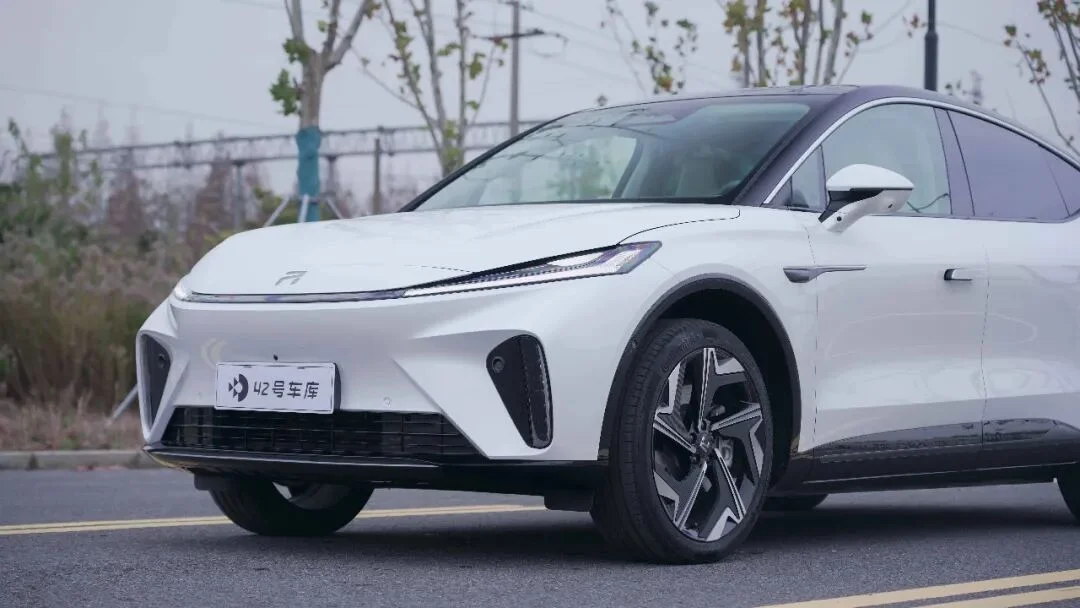
First, the steering feel of the Feifan R7 is exactly my preference. The heavier damping provides greater confidence in control during driving. This weightiness is not overly mechanical; it remains relatively comfortable, with refined steering response, giving the car the character of a sport sedan.
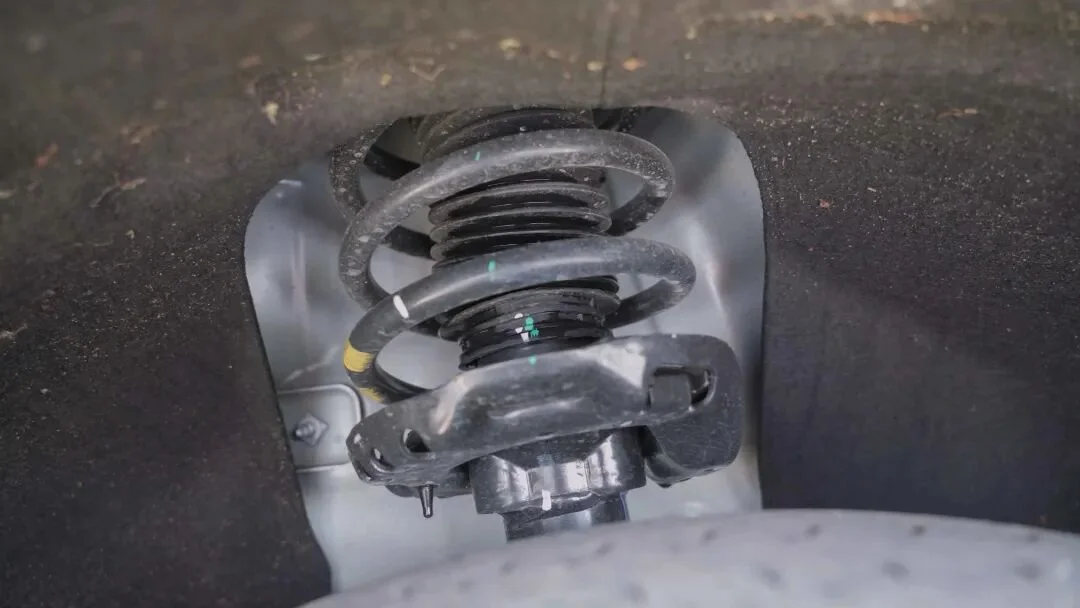
Second, the overall chassis is taut. On elevated roads and highways, road feedback is clear, allowing good communication between the chassis and the driver. The experience feels closer to German luxury cars. The Feifan R7 uses a front MacPherson and rear multi-link independent suspension setup. Although it does not feature the higher-rated double-wishbone structure, the balance between the front and rear axles is well managed whether navigating low-speed speed bumps or high-speed road rumble strips. When traversing potholed surfaces, sufficient body rigidity is evident.
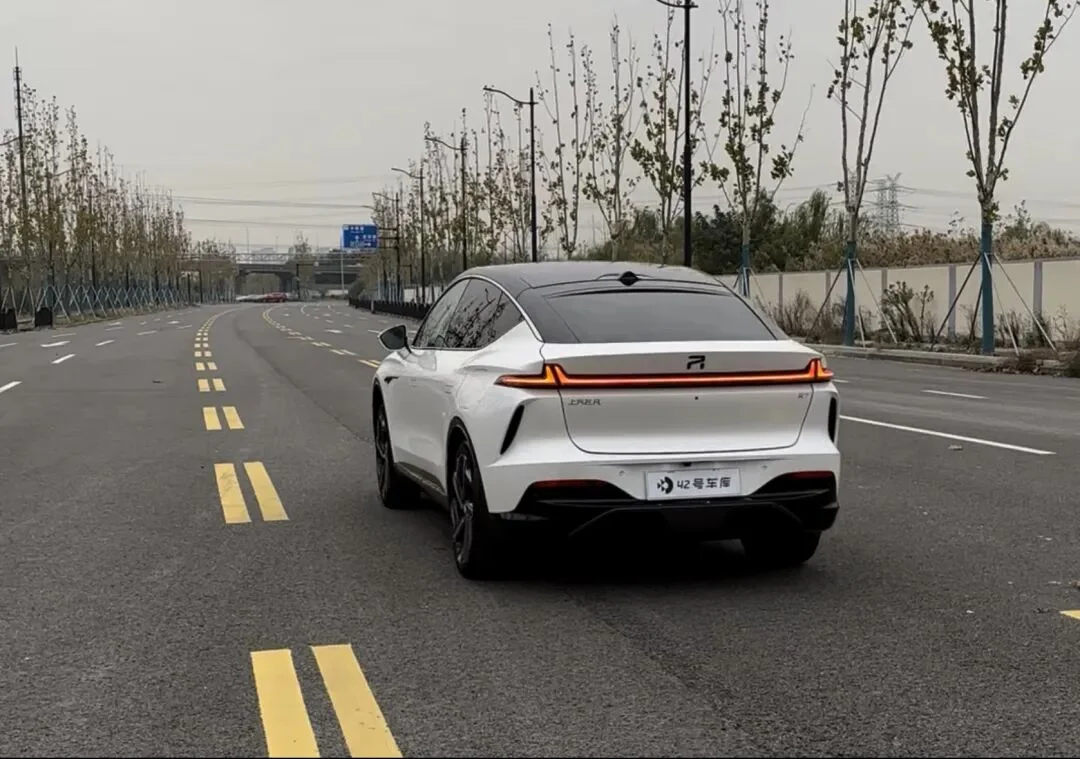
Every choice has trade-offs. The Feifan R7’s firmer, sportier chassis makes for an enjoyable drive but may make road feel more noticeable to passengers. However, it does not reach a level unsuitable for family use. You can opt for the RMB 10,000 Premium Passenger package. With the seat adjusted to its most comfortable position and a TV show playing, the driver enjoys the drive while the passenger immerses themselves in their own world. No wonder this luxury premium package sees an adoption rate exceeding 60 percent.
The Feifan R7 Performance High-End Edition boasts a character that matches its appearance: sporty on the outside and equally engaging in driving dynamics. In daily use, it offers a composed and easy-to-drive demeanor, with excellent NVH performance that meets family comfort needs, while still satisfying enthusiasts seeking spirited driving.
04Range: Can You Have Both Performance and Long Range?
Generally, strong performance and long range are mutually exclusive, like fish and bear's paws. For daily urban commuting, the Feifan R7 Performance High-End Edition delivers respectable energy consumption. With its 400 kW dual-motor setup, it achieves 17.7 kWh/100 km, allowing owners of the 90 kWh battery pack to charge approximately every 400 km. For users traveling less than 400 km per week, charging once a week is typically sufficient.
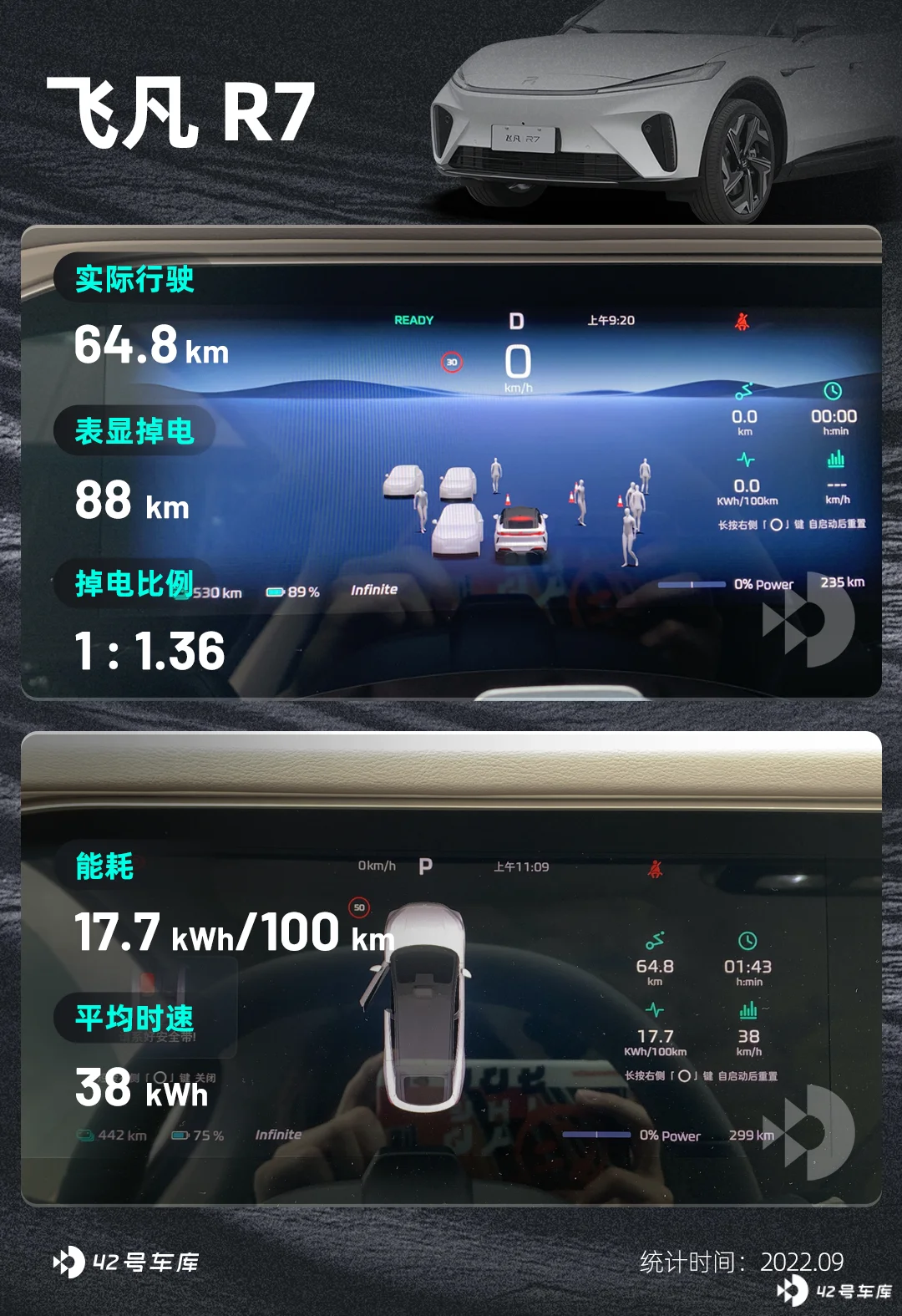
During the test drive of the Feifan R7 Long-Range High-End Edition, the dynamic displayed range left a strong impression. Like the Volkswagen ID. series, it provides highly accurate range estimates.
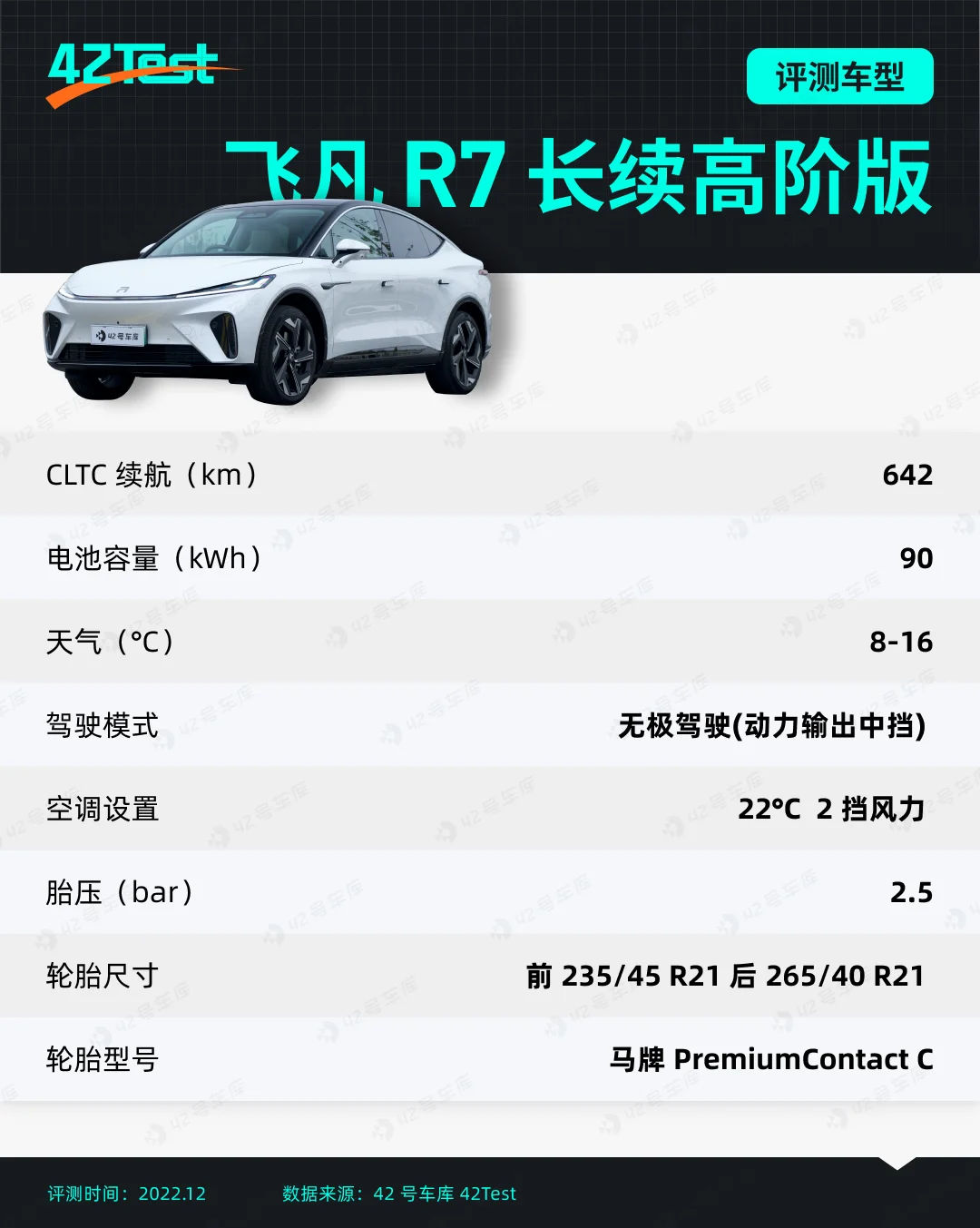
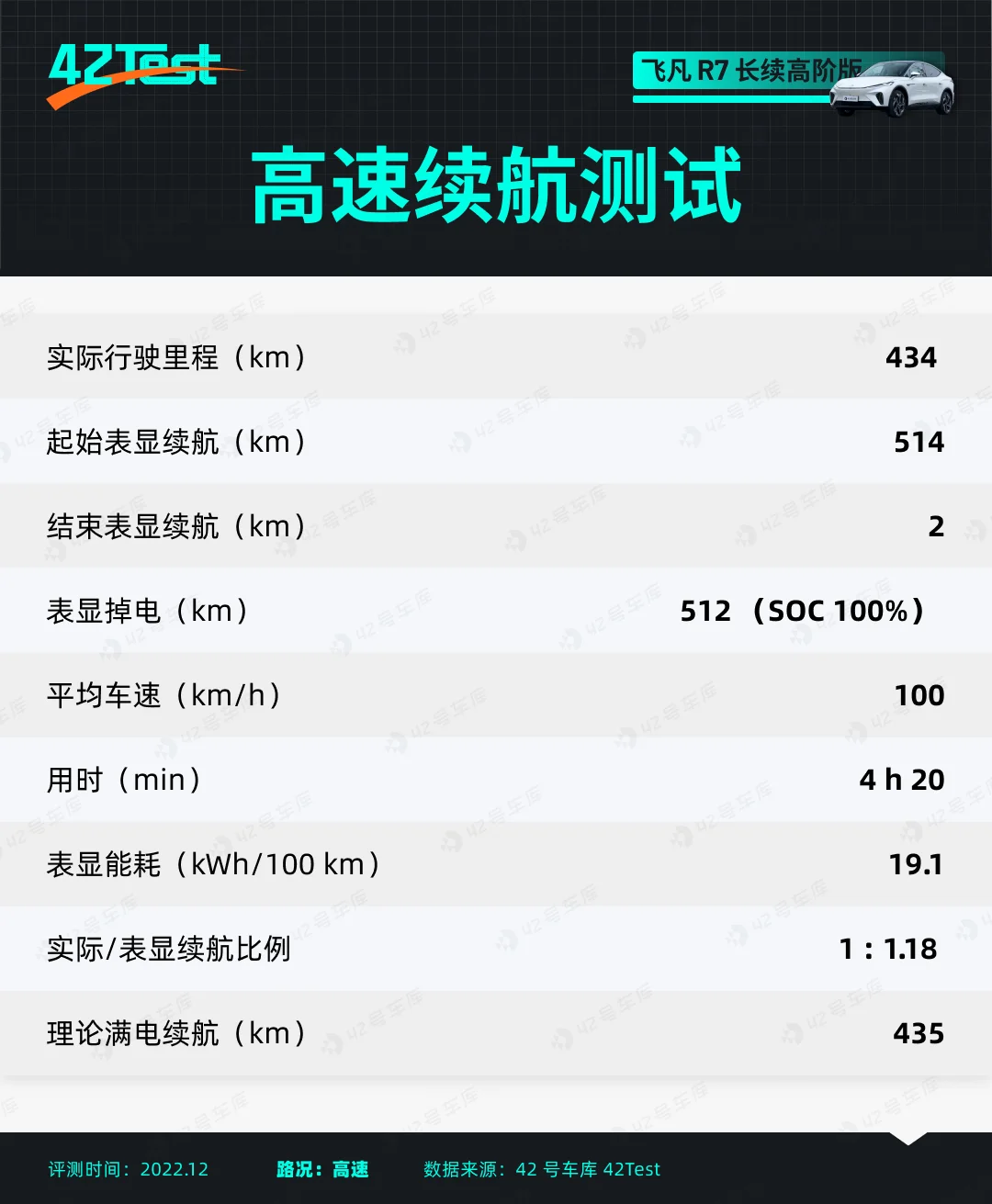
In Shanghai, where temperatures were approaching 10 °C, the Feifan R7 Long-Range High-End Edition achieved a highway range of 434 km, resulting in a winter range achievement rate of 67.6%. The actual-to-displayed range ratio was 1:1.18, providing a highly reliable reference value for daily use.
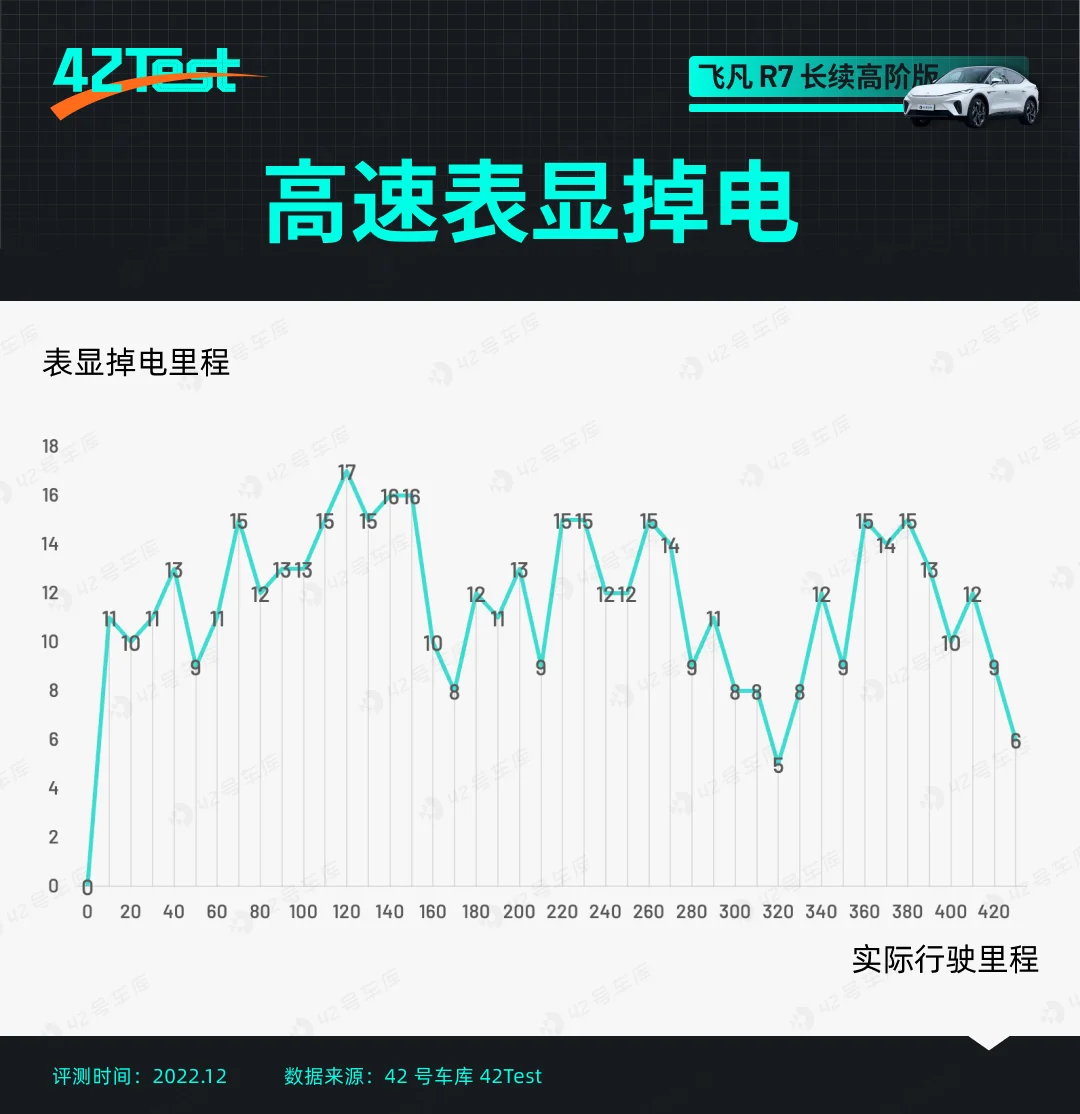
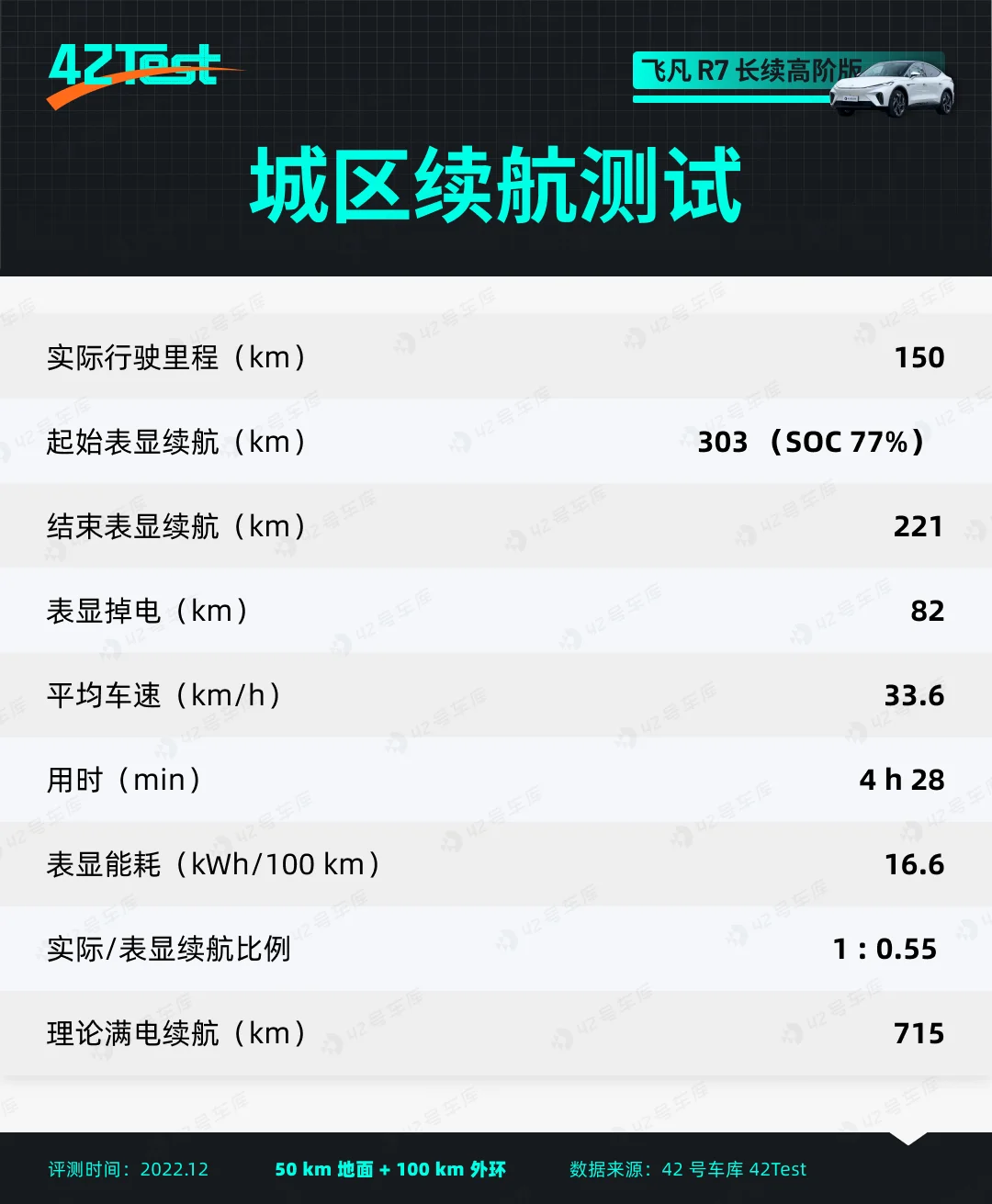
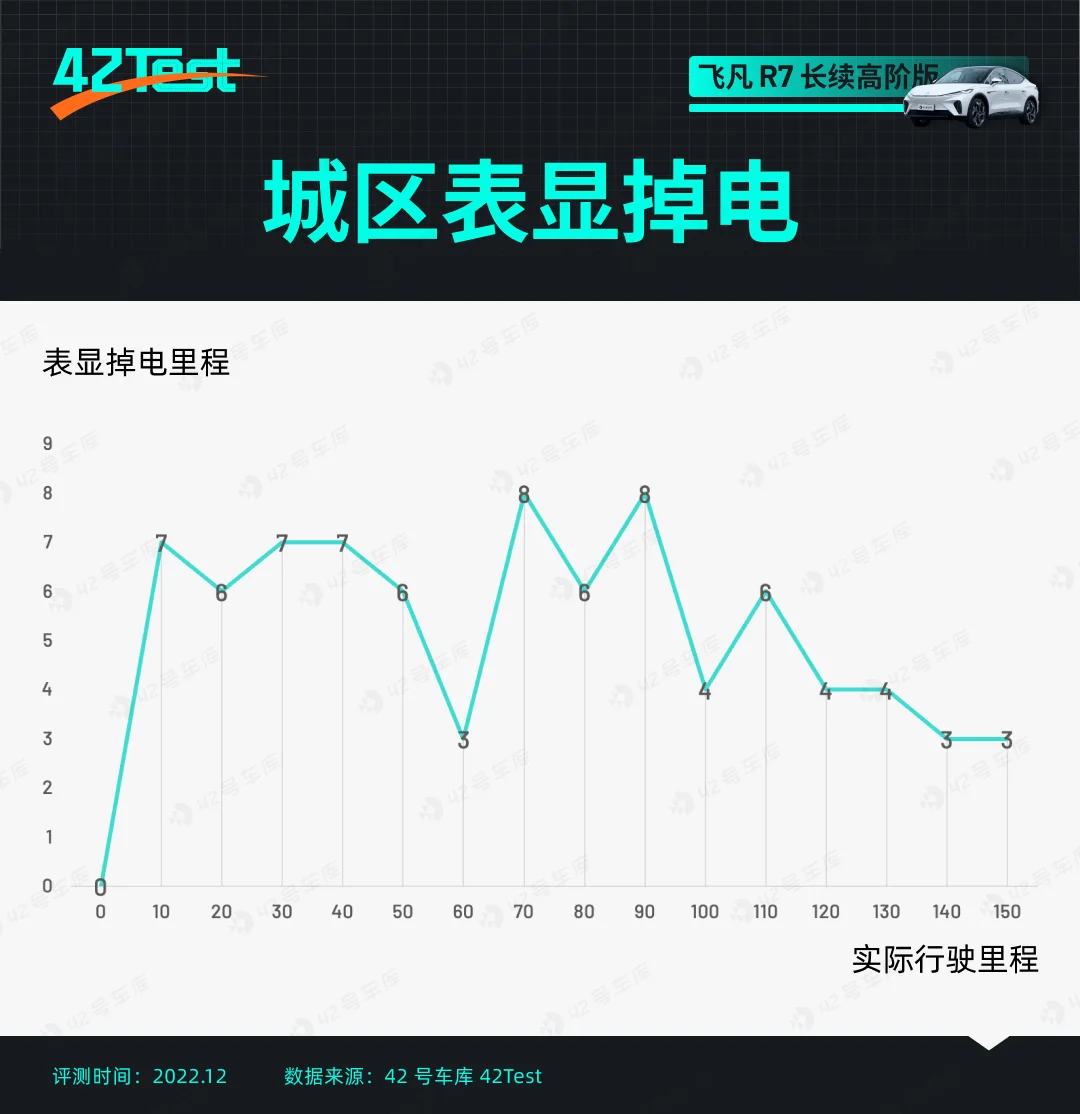
Because the previous day’s test focused on highway range, the Feifan R7’s display had already recorded the high energy consumption typical of highway driving. As a result, during the urban range test, the vehicle even exhibited reverse overestimation—a phenomenon also observed in our earlier test of the Volkswagen ID.6.
After 150 km of urban range testing, the displayed range decreased by only 82 km, yielding an estimated full-charge urban range of 715 km. This discrepancy occurred because the remaining state of charge (SOC) was still relatively high, causing the system to rely more heavily on historical energy consumption data. The algorithm increases the weight of instantaneous power draw only when SOC is low. Based on an energy consumption rate of 16.6 kWh per 100 km, the theoretical urban range for the Feifan R7 Long Range High Performance Edition should be approximately 500 km.
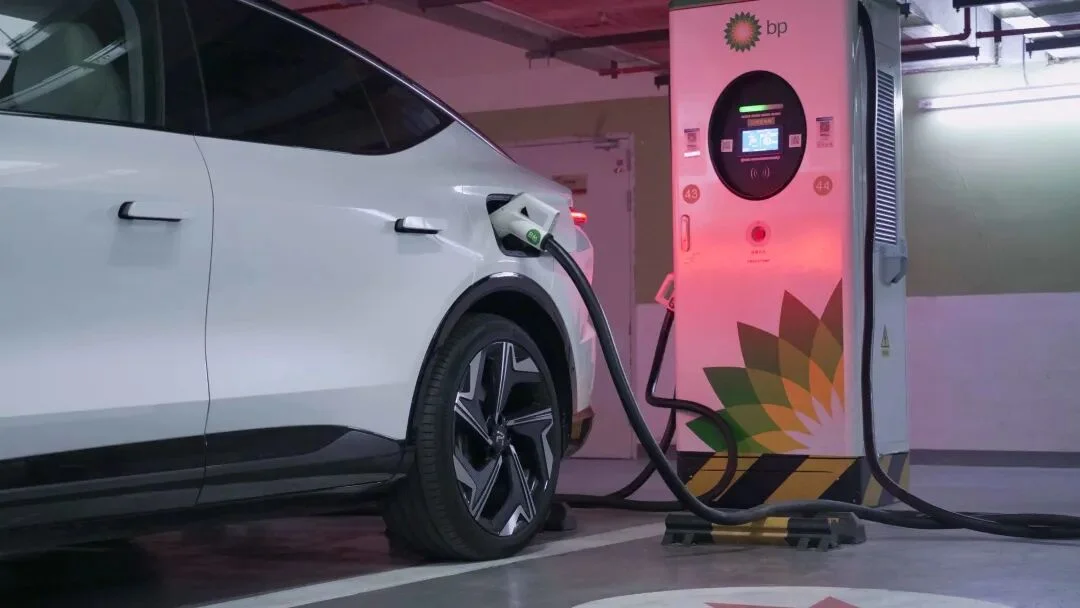
Following the range test, we evaluated the charging speed of the Feifan R7 equipped with the 90 kWh battery pack. All trims except the base model feature this 90 kWh ternary lithium-ion battery. The test environment remained the same: a Xiaojua 120 kW charging station, starting from below 5% SOC.
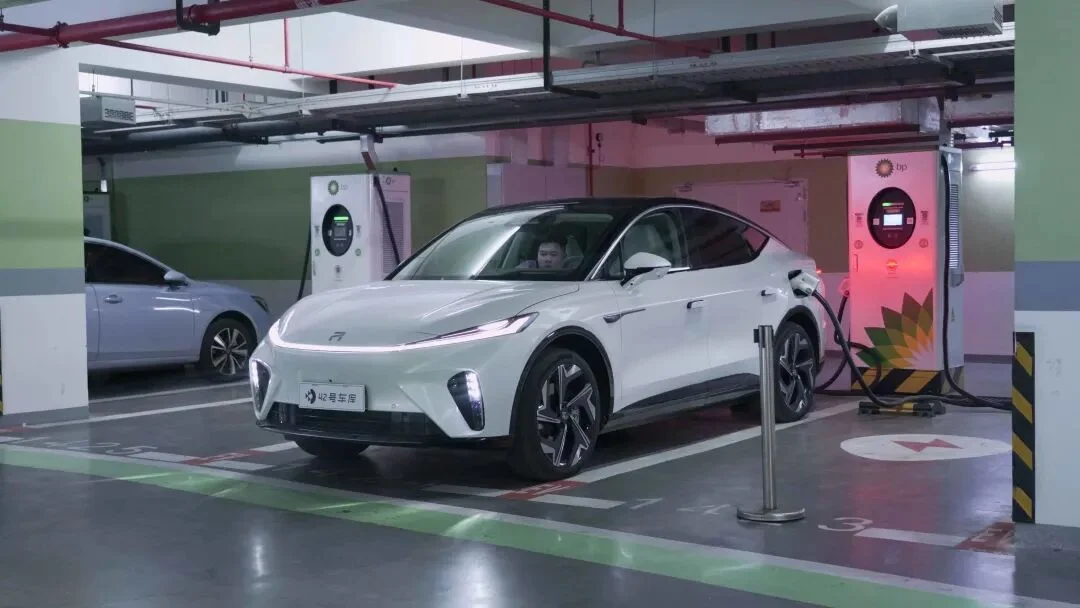
After actual testing, the charging time for the Feifan R7 from 5% to 80% is 40 minutes, and from 5% to 95% is 57 minutes. Under the same test conditions, the charging speed of the Feifan R7 ranks second in our 42Test charging test list, just behind XPENG G9. To be honest, this result was quite surprising to me.
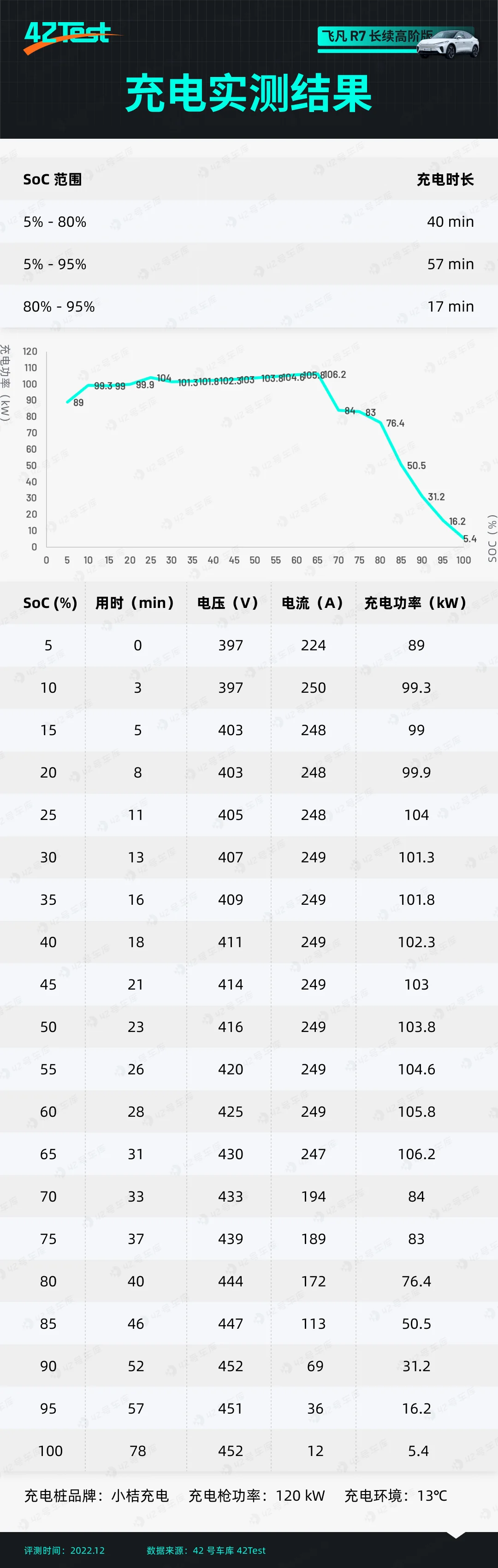
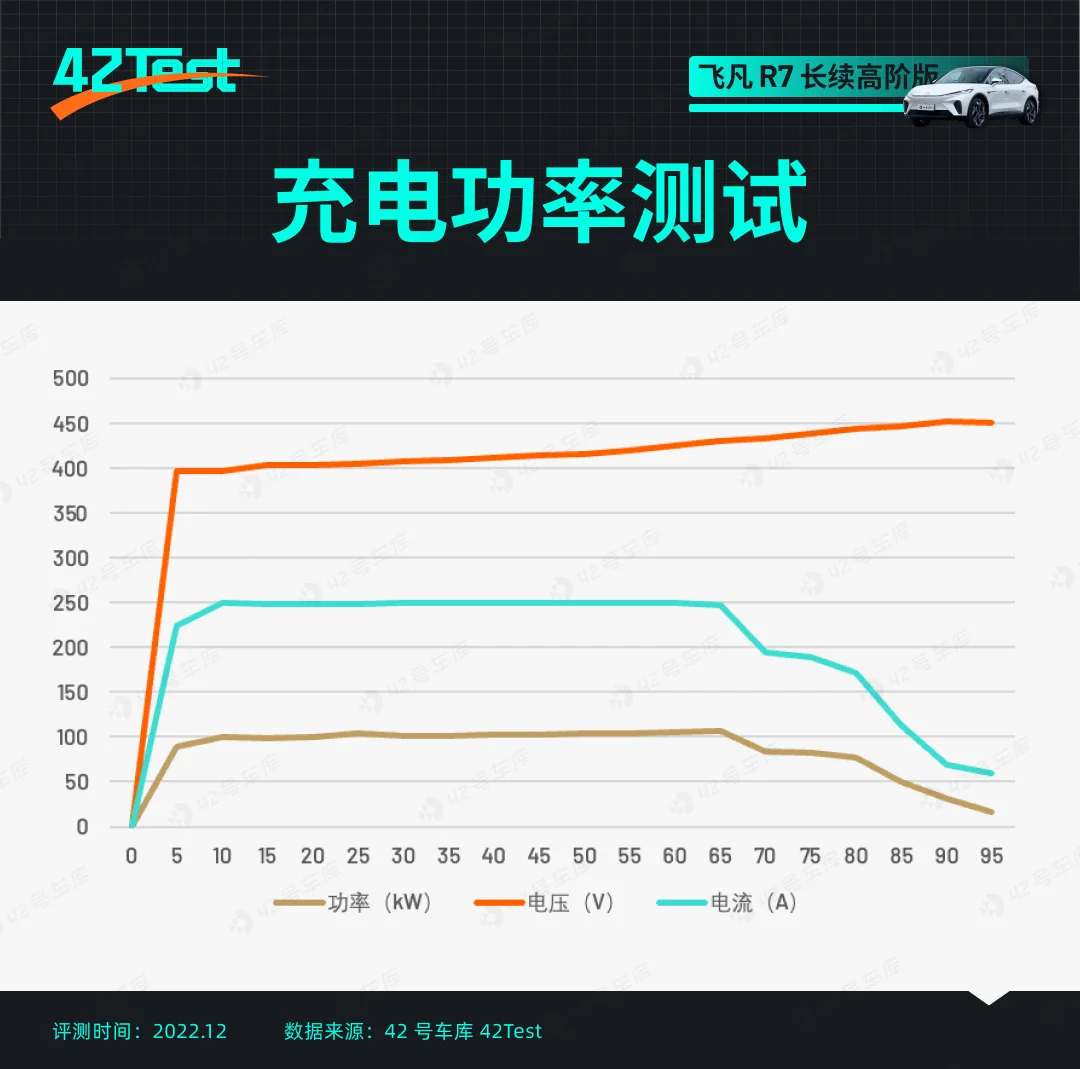
The Feifan R7 has a starting charging voltage of 397 V, which is relatively high among 400 V-class vehicles. It can immediately draw the maximum current from the charger, allowing it to maintain a charging power of around 100 kW once the battery state of charge (SOC) exceeds 10%. This level holds until the SOC reaches 65%, where it peaks at 106 kW before gradually declining to 16.2 kW at 95% SOC. This profile meets the daily charging needs of most users.
Beyond 95% SOC, the Feifan R7’s charging power drops to approximately 5.4 kW, lower than that of a standard 7 kW home charger. A practical benefit of this tapering is that when using public chargers at shopping malls, the low 5.4 kW rate provides a buffer period, allowing you to step away and return without incurring parking fees for occupying the spot.
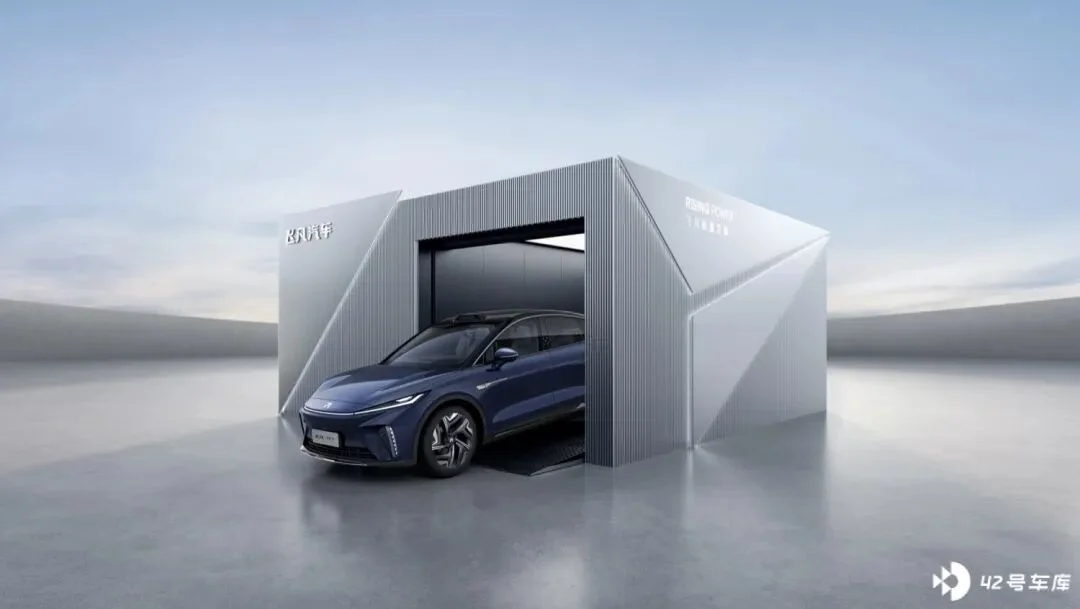
Not only that, the Feifan R7 also offers battery swapping services. In terms of battery swap time, the Feifan R7 can complete a battery swap in 2 and a half minutes. Meanwhile, during the battery swap process, the small battery is not disconnected throughout, allowing the use of the in-car entertainment screen and fans, which indeed provides a superior experience.
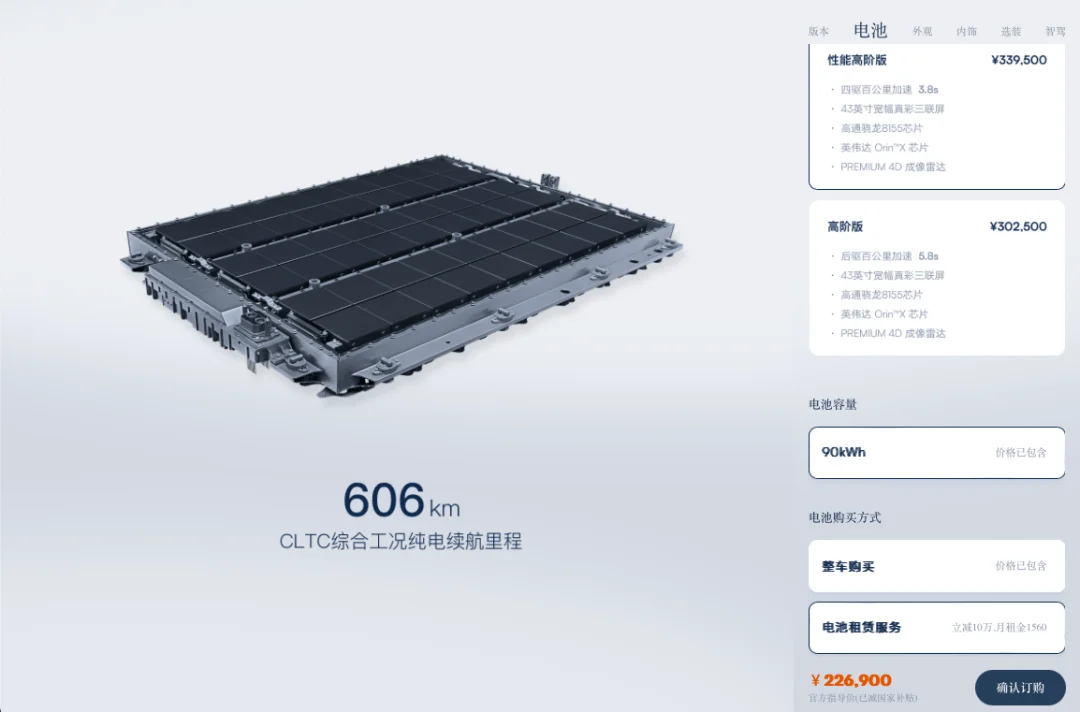
For those opting for Battery-as-a-Service (BaaS), the purchase price is reduced by RMB 84,000 for the 77 kWh pack or RMB 100,000 for the 90 kWh pack. Taking the Performance High-End Edition as an example, the upfront cost drops to RMB 226,900, with a monthly battery rental fee of RMB 1,560, substantially easing initial financial pressure. Furthermore, Feifan includes two years of charging and swapping benefits totaling 1,500 kWh per year. If you have access to charging infrastructure, this effectively covers your swapping costs for the first two years.
That said, the convenience of battery swapping hinges critically on station density. Feifan has already partnered with China National Petroleum Corporation (CNPC) and Sinopec; we will wait and see how their network expands.
In terms of range and charging, the 400 kW Feifan R7 delivers a compelling package in energy efficiency, range, and refueling flexibility. With an average consumption of around 18 kWh/100 km paired with a 90 kWh battery, daily driving requires recharging roughly once a week. The combination of high, sustained charging power and battery-swapping capability provides a satisfying experience at this stage.
05Driver Assistance: How to Choose?
While testing the Feifan R7’s range, I also took the opportunity to evaluate its RISING PILOT driver assistance system. All Feifan R7 models come standard with 12 cameras, 12 ultrasonic radars, including two front-facing and one rear-facing 8-megapixel camera, one ZF PREMIUM 4D imaging radar, four corner millimeter-wave radars for point cloud data, and one NVIDIA DRIVE Orin chip—the exact configuration we tested.
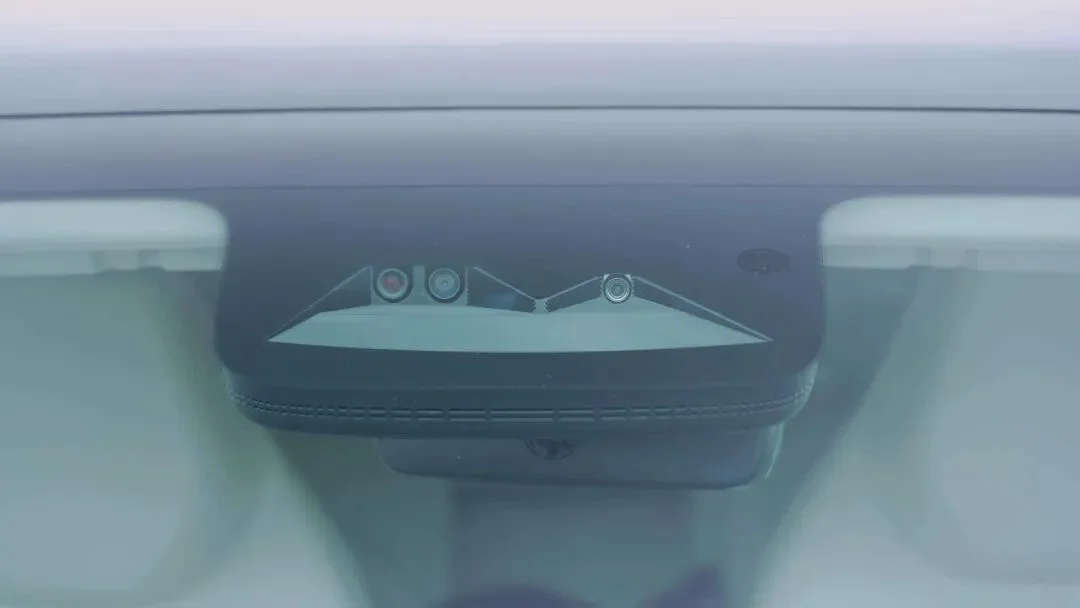
For users with higher requirements for driver assistance, a laser radar package priced at RMB 20,000 is available as an option. This includes one LUMINAR laser radar operating at 1,550 nm, a 4D imaging radar, and an upgrade to two NVIDIA DRIVE Orin chips. While the performance is powerful, the standard 4D imaging radar alone already delivers quite impressive results.
In highway scenarios, the Feifan R7 can detect vehicles far ahead using only the 4D imaging radar and front-facing vision, enabling smooth braking based on that extended detection range. In high-speed curves, the vehicle remains stable. Lane-change decisions are swift: after activating the turn signal, if the rear lane is clear, the car changes lanes without hesitation. However, when other vehicles cut in, the Feifan R7 applies stronger braking force to maintain a longer safety margin, reflecting a cautious approach. Overall, it offers a trustworthy level of driver assistance.
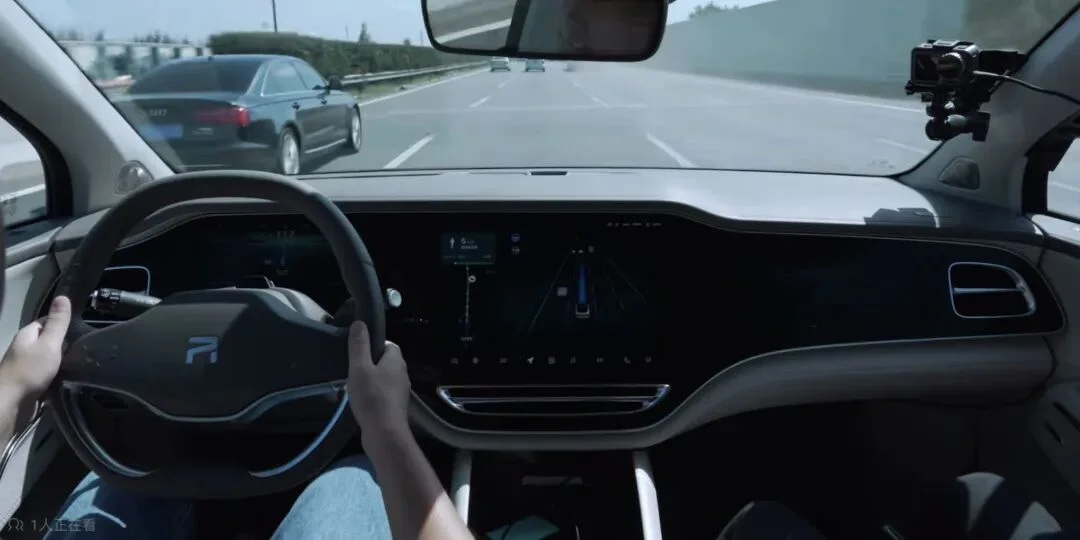
Additionally, users who purchase the vehicle before the end of the year will receive a complimentary RISING PILOT fully integrated advanced intelligent driving software package valued at RMB 30,000. This package includes advanced navigation assistance for both highways and urban roads, valet parking, memory parking, and smart summon features. For buyers prioritizing driver assistance systems, purchasing the Feifan R7 at this stage offers significant value.
Regarding the specific performance of this pilot assistance system on the Feifan R7, stay tuned for our upcoming comprehensive review in the next issue of 42Mark.
06Conclusion
From the current vantage point, the pandemic and the explosive growth of new energy vehicle models have presented considerable challenges for the Feifan R7. After three days of hands-on experience, I believe the Feifan R7 possesses strong competitiveness within the fiercely contested 300,000-RMB segment of the new energy market.
The Feifan R7’s competitive edge lies in its combination of sporty styling, rich equipment, refined driving quality, excellent performance and range, and flexible charging and battery-swap capabilities. In today’s 300,000-RMB market, the Feifan R7 stands out as a well-rounded contender. Compared to the class benchmark Model Y, it offers greater balance, sophistication, and individuality. Its cabin design also presents distinct highlights compared to other new-energy brands, while demonstrating more solid fundamentals in ergonomics and basic performance metrics, all backed by a more accessible price point.
For today's younger buyers, individuality, practicality, and value for money are key priorities. The Feifan R7 Performance High-End Edition, priced at RMB 326,900, hits these notes precisely.
It delivers the comfort and utility needed for family use while satisfying demands for driving quality. Intelligent features and performance are the highlights of the Feifan R7 Performance High-End Edition. Additionally, the battery-swap version is available at a subsidized price of RMB 226,900, and locking in an order before year-end includes high-level autonomous driving features, further enhancing its value proposition.
The first-month delivery volume was 1,501 units. As policies gradually relax and demand for private travel rises, we expect the Feifan R7 to see stronger sales performance in the coming months.
Written by: Jiang Xiaohei Edited by: Liu San