


NIO Power Builds This Moat Over 4 Years
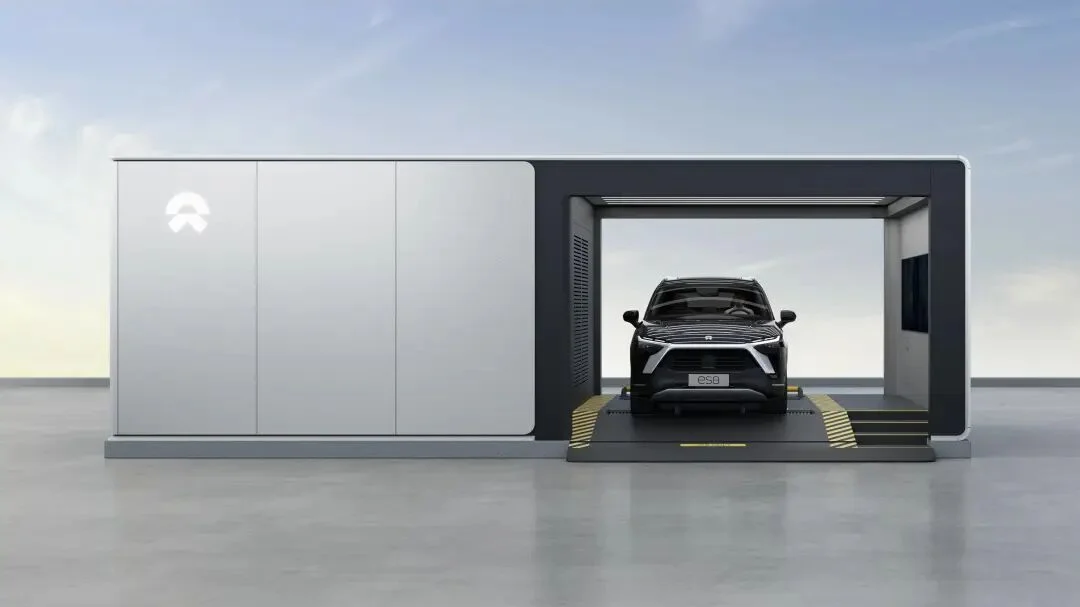
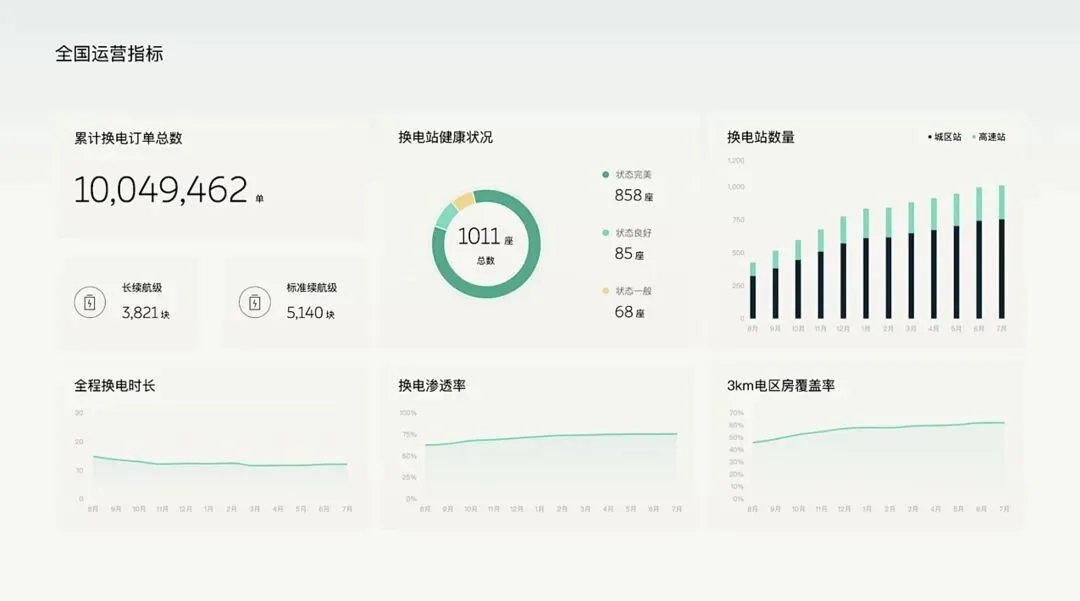
On July 6, 2022, the NIO battery swap station on Cijuelin Avenue in Lhasa, Tibet, went into operation, marking NIO's 1,000th battery swap station. Meanwhile, on July 6, 11 additional battery swap stations were put into operation, bringing the national cumulative total of built battery swap stations to 1,011.
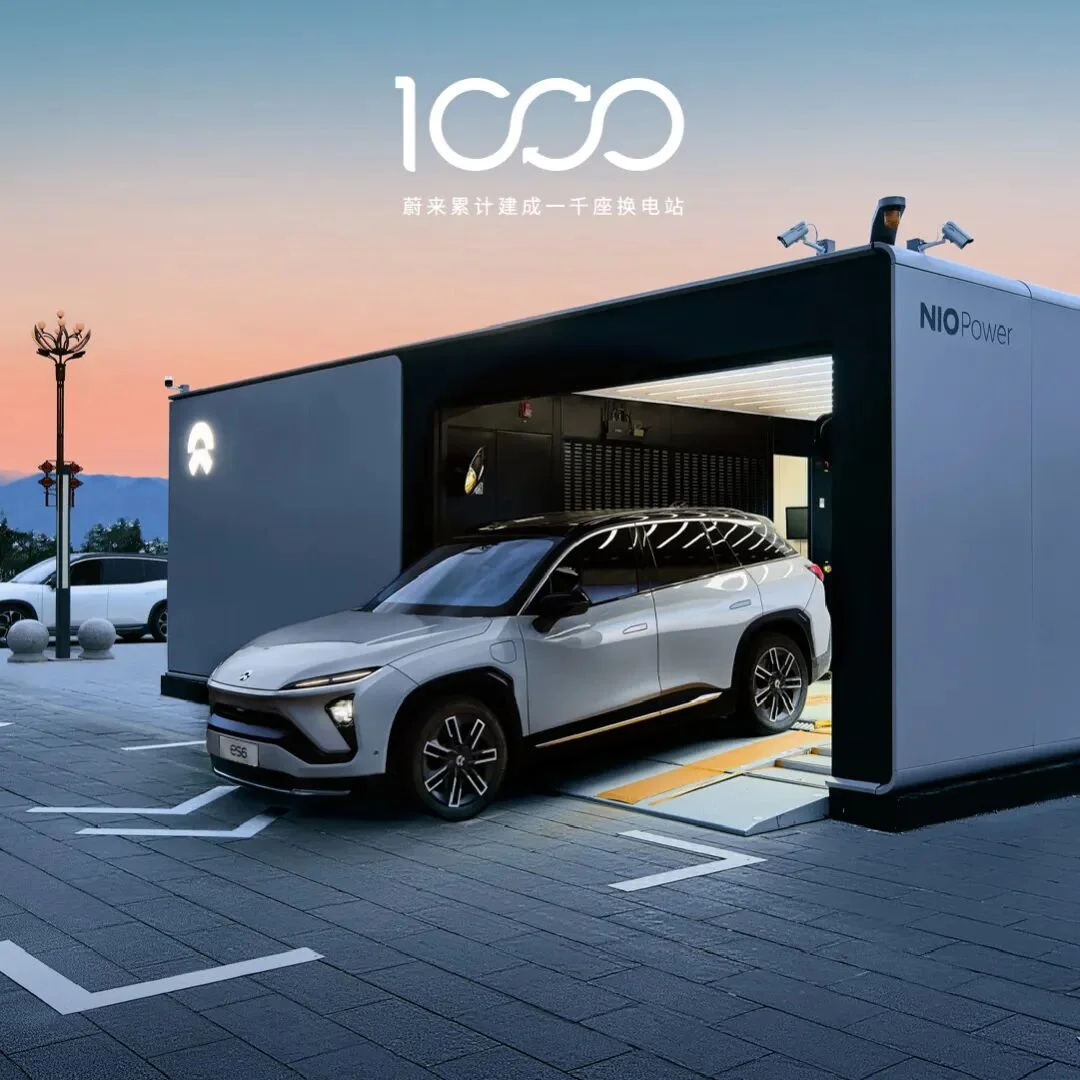
At this milestone of 1,000 swap stations, NIO held the NIO Power Day 2022 briefing. During the event, NIO shared its thinking on building a charging infrastructure and outlined future plans for NIO Power.
01Some lesser-known data
As is customary, Qin Lihong opened the NIO Power Day 2022 briefing by introducing and reviewing NIO Power’s achievements over the past four years.
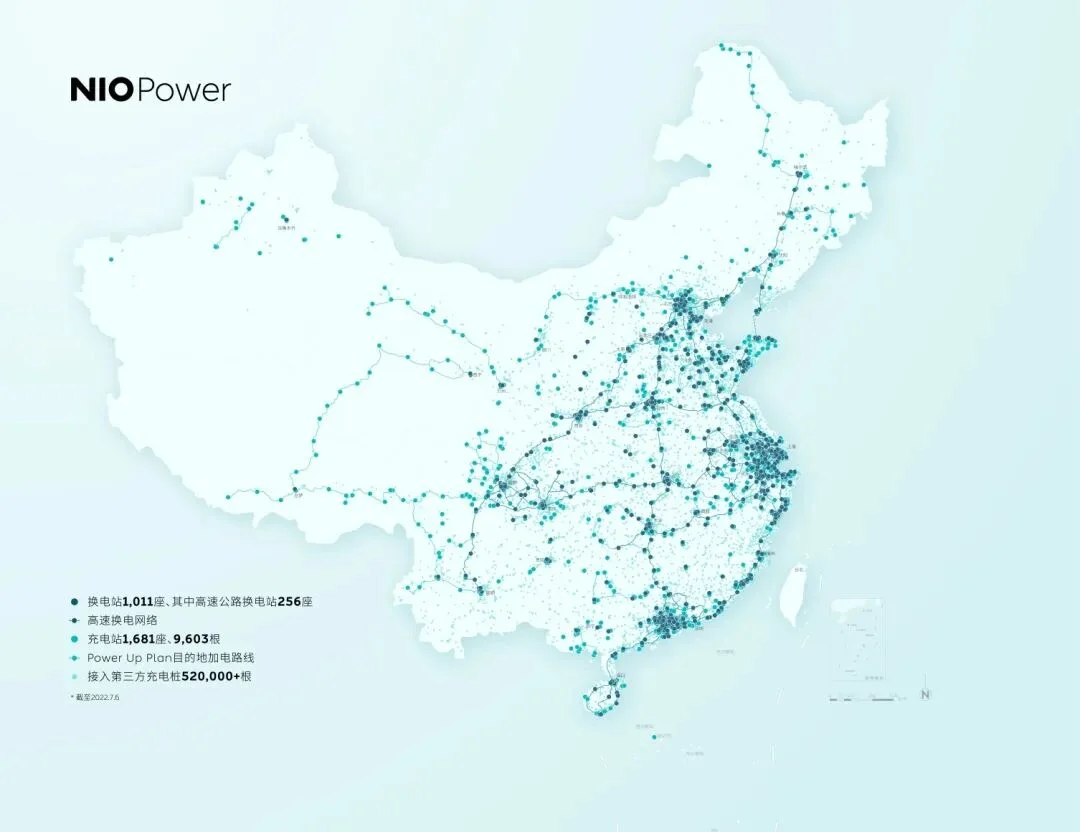
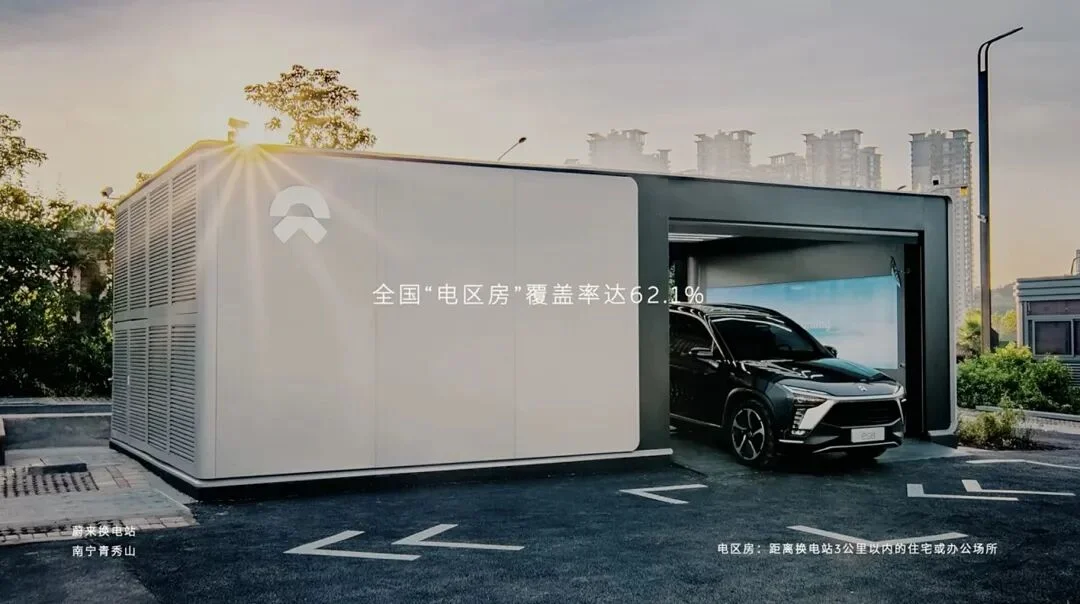
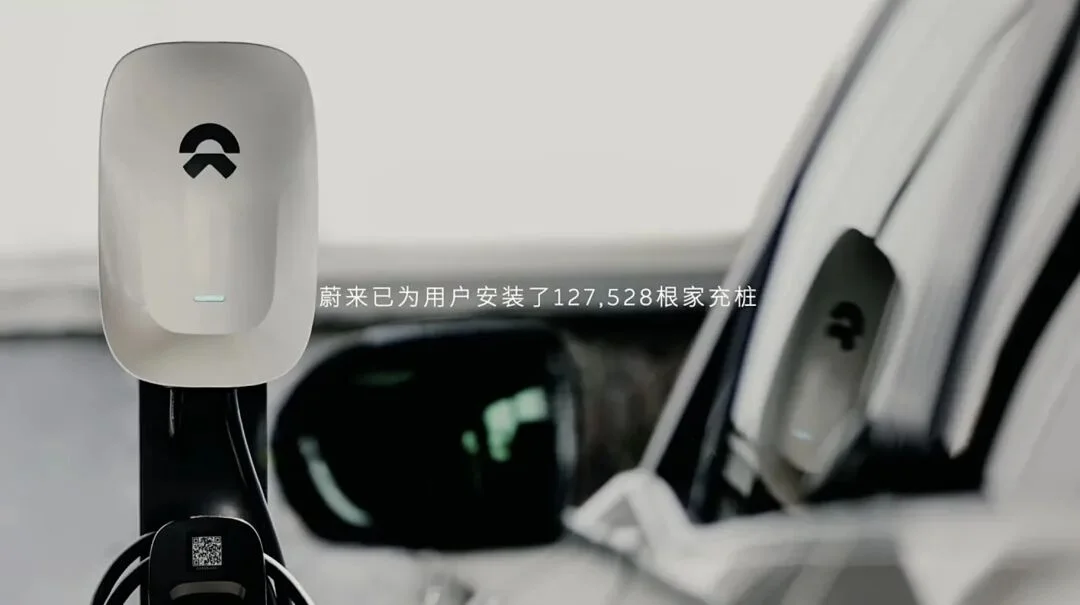
By July 6, 2022, NIO had built 1,011 swap stations. These more than 1,000 stations cover all provincial-level administrative regions in mainland China. The average daily number of battery swaps reached 30,000, with a cumulative total of more than 10,049,462 swaps. The coverage rate of “battery zones” nationwide stood at 62.1%. “One-click power addition” services were used 821,350 times. The number of installed home chargers reached 127,528, and NIO operated 9,603 public-facing charging piles.
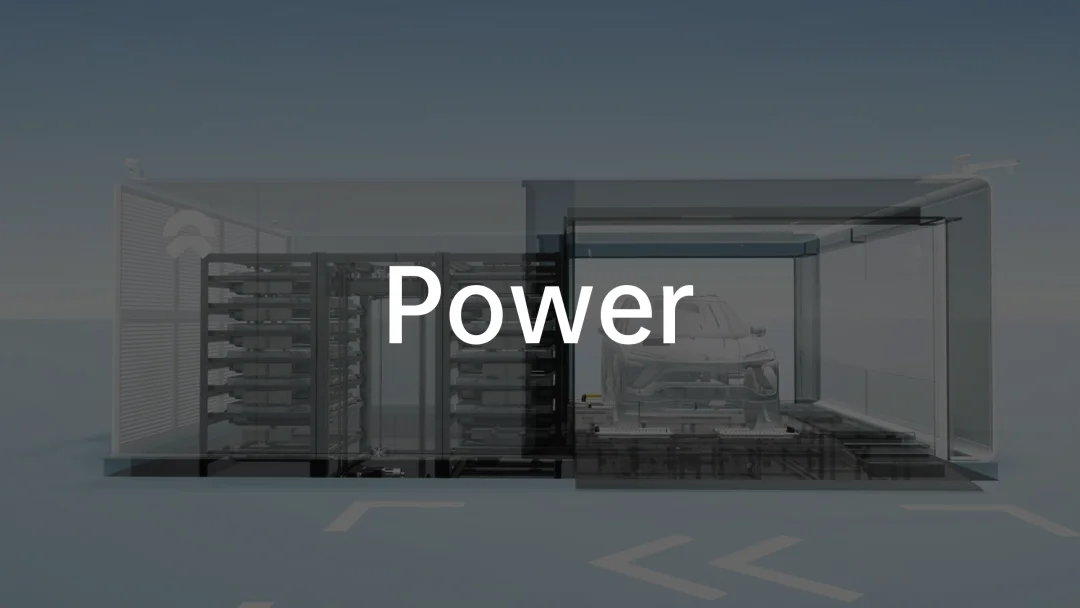
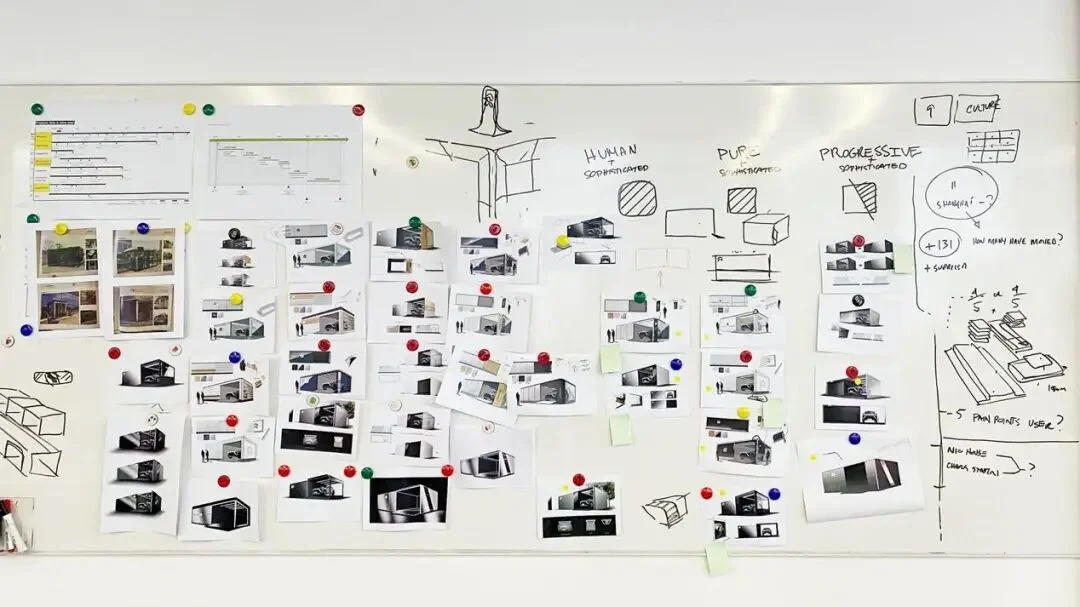
At NIO Day in 2017, NIO unveiled its first-generation battery swap station. At that time, skepticism toward battery swapping was widespread; historical precedents like the failed Better Place, along with the high subsequent costs of building swap stations, made the concept seem unrealistic.
By September 29, 2021, NIO’s 500th swap station went online, and today the network has surpassed 1,000 stations.
NIO took more than three years to build its first 500 stations, but only 10 months for the second 500—a timeline that underscores the company’s sustained commitment.
The term "EV zone house" is not actually coined by NIO, but rather originated from the NIO community, referring to residential or office buildings within 3 kilometers of a battery swap station.
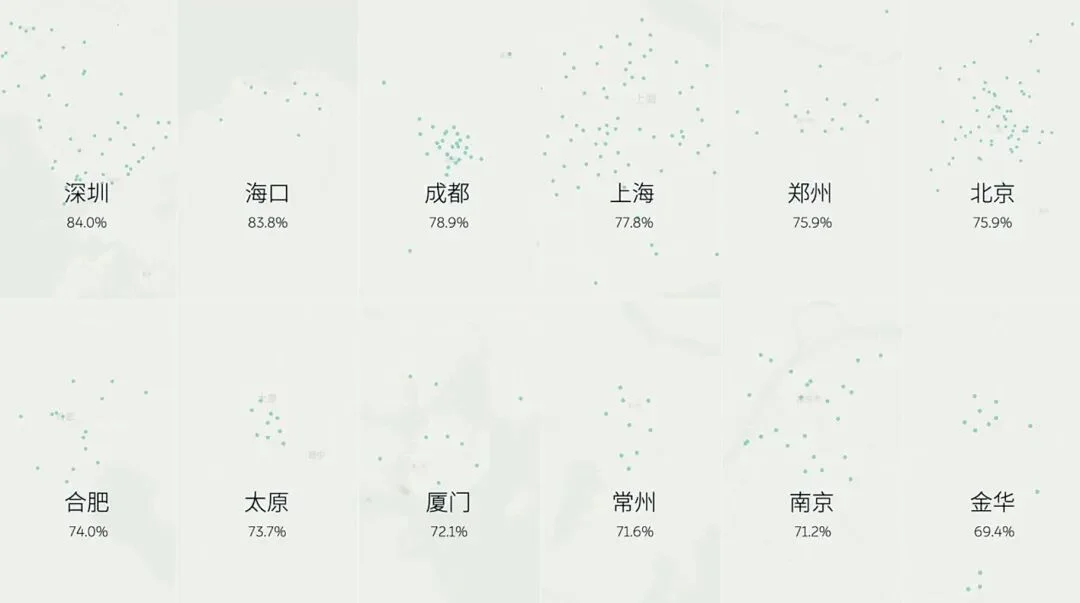
Among all Chinese cities, Shenzhen ranks first with an 84.0% coverage rate, while Shanghai and Beijing follow at 77.8% and 75.9%, ranking fourth and sixth respectively.
At a briefing, Qin Lihong stated, 'Battery swapping is the fastest way to add energy.' He also acknowledged, 'Home charging is the optimal way to add energy.'
Based on NIO's current delivery volume of approximately 220,000 units, nearly 60% of NIO users have home charging conditions.
Another interesting data point shared by NIO was that in June, over 200,000 users recharged their vehicles:
Battery swapping: 52.3%
Home charging: 24.2%
Shunli charging: 11.4%
One-click charging service: 0.9%
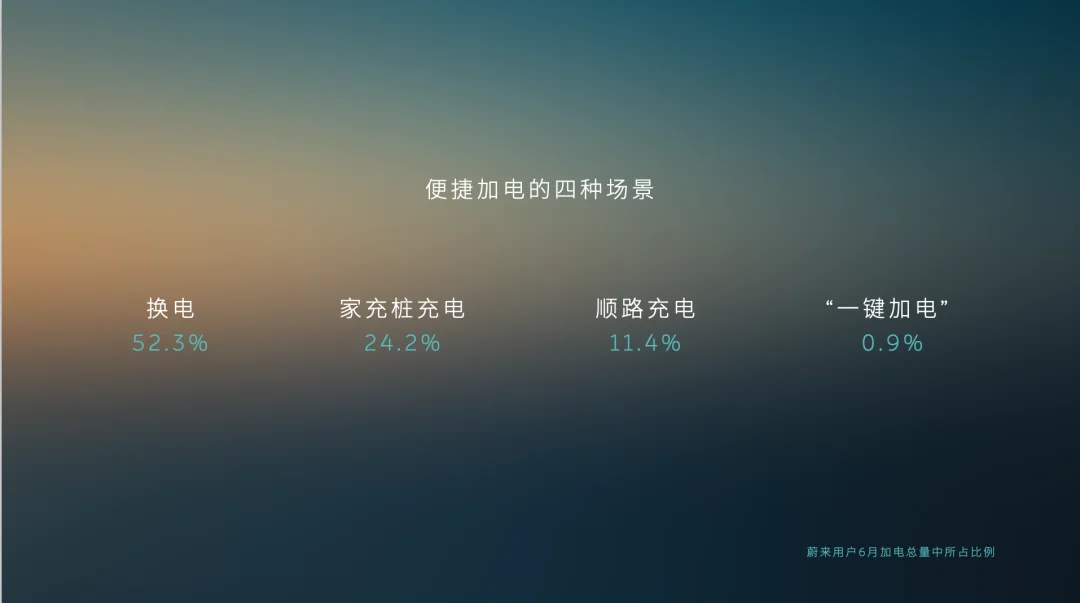
In NIO users' total energy replenishment, 88.8% comes from convenient charging scenarios, which refer to energy top-ups that are not specifically for charging and do not involve significant time investment.
Given that the average battery swap duration is now within 10-15 minutes, we also agree to include "battery swapping" in the category of convenient charging scenarios.
Two key data points stand out here: first, battery swapping accounts for 52.3% of these scenarios; therefore, for a vehicle model that cannot be swapped, the share of convenient charging would drop sharply from 88.8% to 30%. The second data point shows that "one-click charging" accounts for only 0.9%.
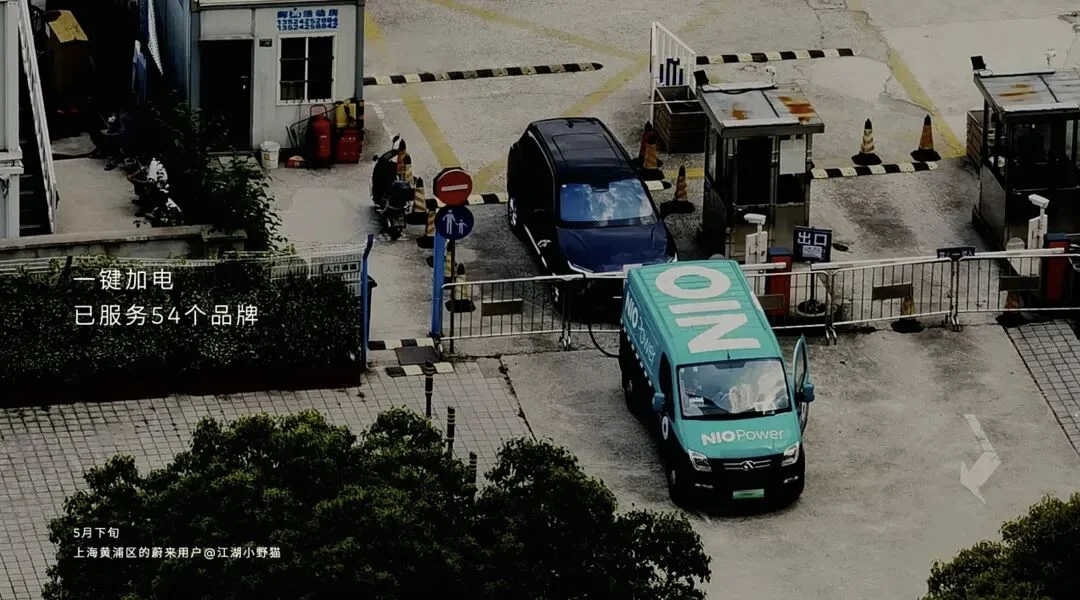
When NIO first launched its one-click charging service, public reaction was largely mocking. Interestingly, while the usage rate of this service among NIO owners has fallen to 0.9%, an increasing number of third-party automakers have begun signing contracts with NIO to use it. To date, the service has supported 54 brands.
Another key figure: 80% of the charging energy delivered by NIO's 9,000+ charging piles serves non-NIO brand vehicles.
Clearly, NIO Power is no longer just serving its own owners; it is also serving owners of many third-party brands.
From this perspective, what NIO is doing goes beyond that of a traditional automaker; it is simultaneously undertaking the roles of Zhongshihua and Zhongshiyou.
At the communication meeting, Qin Lihong called for: 'Although electric vehicles compete in the market, they remain one family strategically. The experience of all EV users must improve for the entire EV category to thrive. We are not at a stage where we must retreat if others advance. Here, we urge all EV brands to invest in operating their own charging and battery-swapping facilities to provide convenience to users. We also call on all car brands with their own charging piles to open them up, providing service to EVs of all brands.'
02What Can NIO's Energy Cloud Do?
NIO is not satisfied with this. To better serve its owners and utilize resources efficiently, NIO today presented NIO Power Cloud.
Based on data from 'vehicles,' 'piles,' and 'stations,' NIO Power Cloud enables intelligent site selection, intelligent operations and maintenance, intelligent planning, and grid interaction.
Intelligent Site Selection
First, this system aggregates the locations and types of all current NIO energy-supply facilities, the number of surrounding users, home-charging situations, and the operational status of nearby battery-swapping stations, comprehensively determining the locations where new stations are most urgently needed.
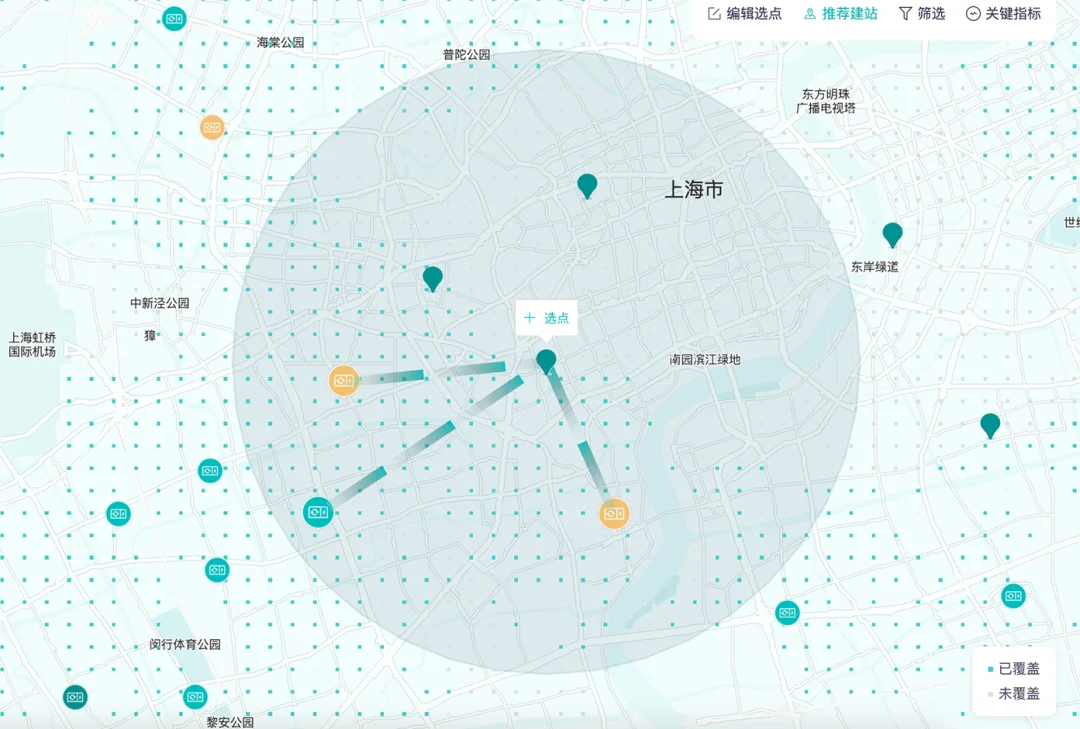
In addition, the system features simulation-based forecasting. Through it, NIO can accurately predict metrics such as the expected number of battery swap transactions at a station over the next 30 days after its launch, as well as the estimated swap duration for each user.
Intelligent Operations and Maintenance
Operations and maintenance (O&M) encompasses both operational oversight and technical upkeep. On the operational side, the integrated system allows NIO to monitor real-time data for all charging piles and battery swap stations within the NIO Power network.
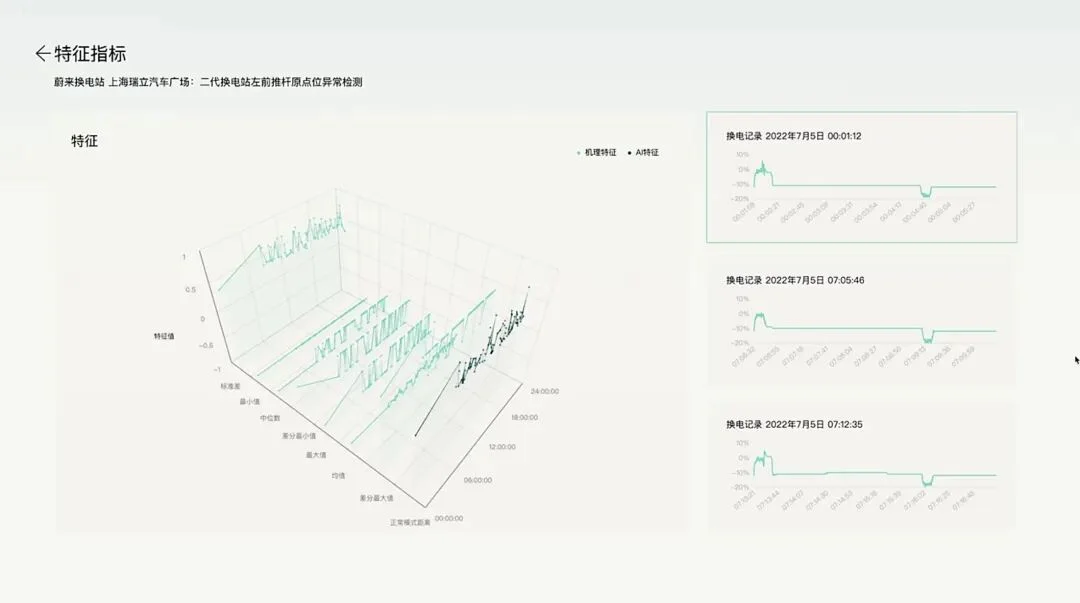
On the maintenance side, every physical battery swap station is paired with a digital twin—a precise virtual replica in cyberspace. By analyzing feature indicators within this digital model, NIO can easily detect whether a station has malfunctioned and pinpoint the specific fault.
This system enables NIO to better train its staff while also facilitating unmanned, unattended station operations.
Smart Planning
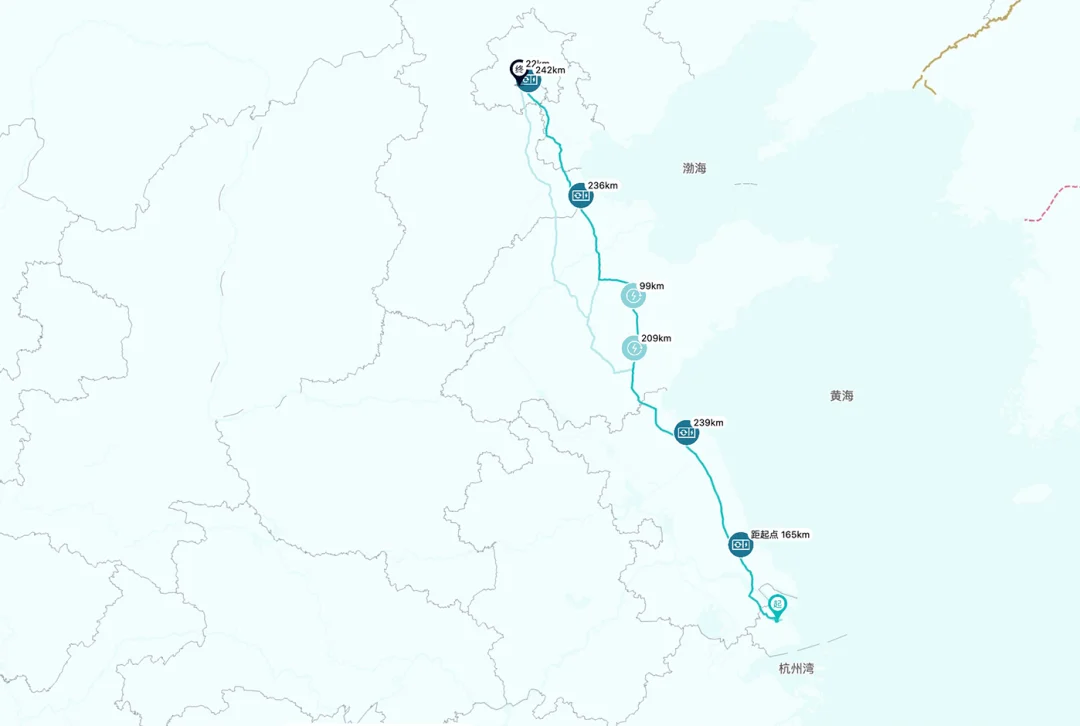
This feature was briefly introduced at last year’s NIO Power Day. The key update this year is that NIO’s Energy Cloud has evolved further, launching the 'Charging Journey' function within the NIO App.
It functions as a hybrid tool combining charging station queries with travel itineraries, solving energy replenishment needs while opening up new tourism routes. It is expected to become a favorite tool among electric vehicle owners.
Grid Interaction
This function primarily utilizes existing vehicle batteries as energy storage devices to help balance grid demand between daytime and nighttime, achieving peak shaving and valley filling for greater energy efficiency.
03What’s Next for NIO Power
Second-Generation Service Vehicle
It is unclear whether NIO was inspired by user needs during the Shanghai pandemic to release the second-generation multi-functional mobile service vehicle, also known as the new "nanny car," in the latter half of NIO Power Day.
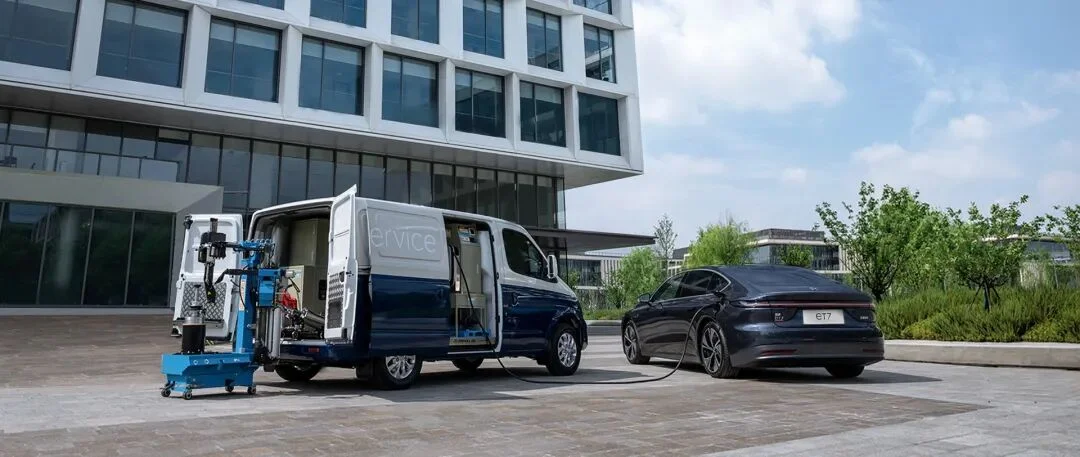
According to NIO, the second-generation mobile service vehicle offers charging, repair, and maintenance capabilities, further improving operational efficiency. It has been in use since June this year.
The second-generation vehicles will continuously replace the first-generation service fleet and expand in scale. This also means that subsequent simple maintenance for our vehicles can be done at home or downstairs at the company, which made me envious of spending half a day last weekend at a 4S dealership to maintain my gasoline car.
500 kW Super-Fast Charging
First, NIO announced its next-generation ultra-fast charging technology, with a maximum power output of 500 kW and a peak current of 650 A. This high-current approach is similar to that used by Tesla's Supercharger stations.
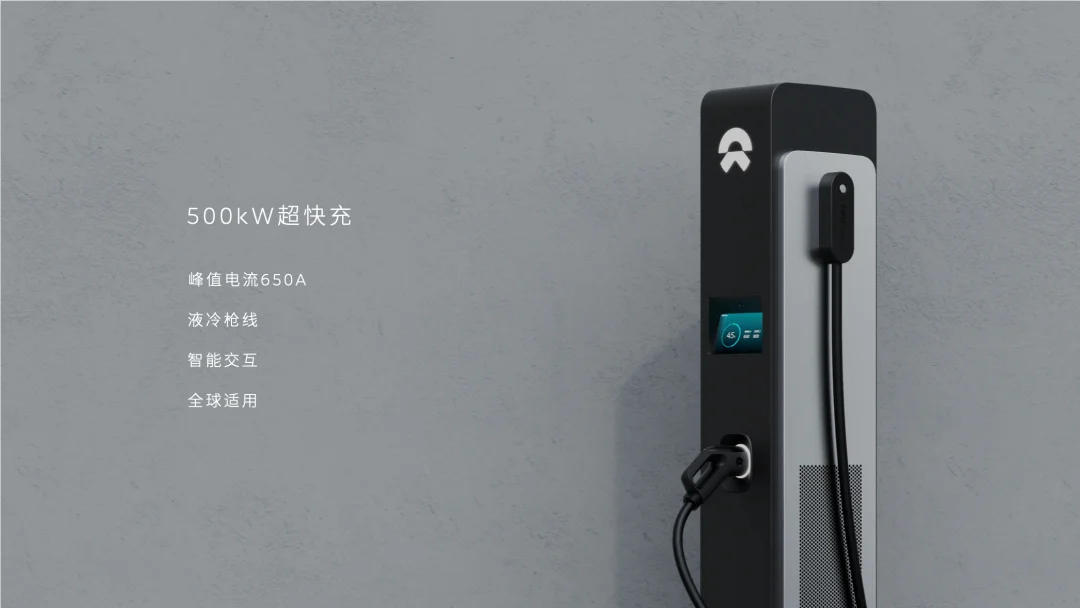
According to NIO, the new generation of charging piles will use liquid-cooled cables, which will weigh half as much as the cables on NIO's current fast-charging piles. This is undoubtedly good news for female car owners.
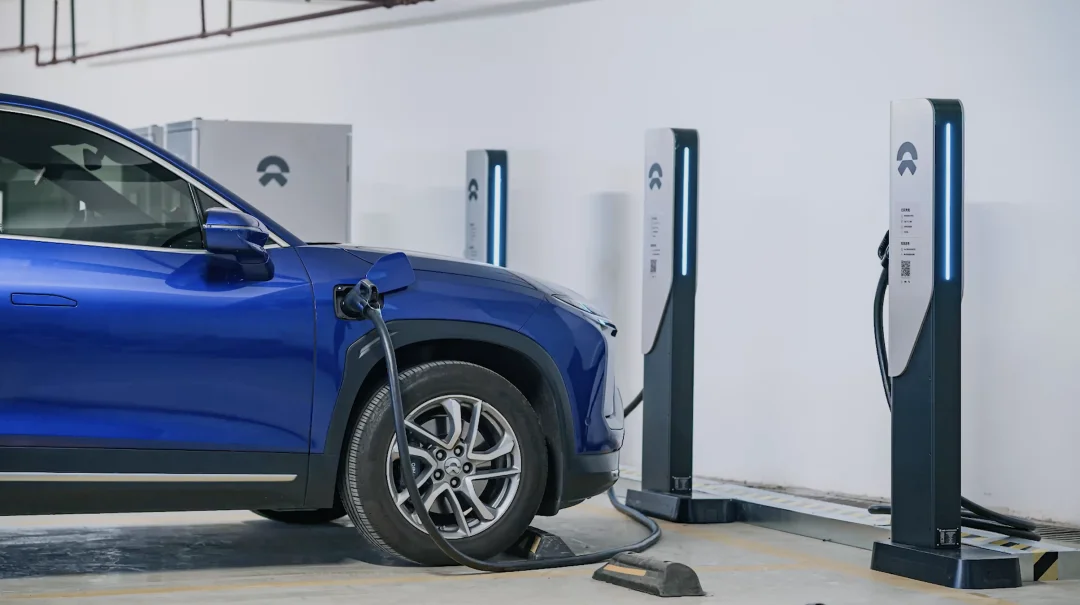
This batch of new charging piles will be deployed in both the domestic and European markets by the end of this year.
Shen Fei also noted that it is relatively easy for NIO to deploy ultra-high-power charging stations compared to other brands. This is because 500 kW super-fast chargers can be deployed alongside battery swap stations; the current transformer capacity at swap stations is either 630 kW or 1,250 kW, allowing for the installation of one or two additional super-fast chargers next to a swap station. However, further details regarding which vehicle models support 500 kW charging were not provided during this Power Day event.
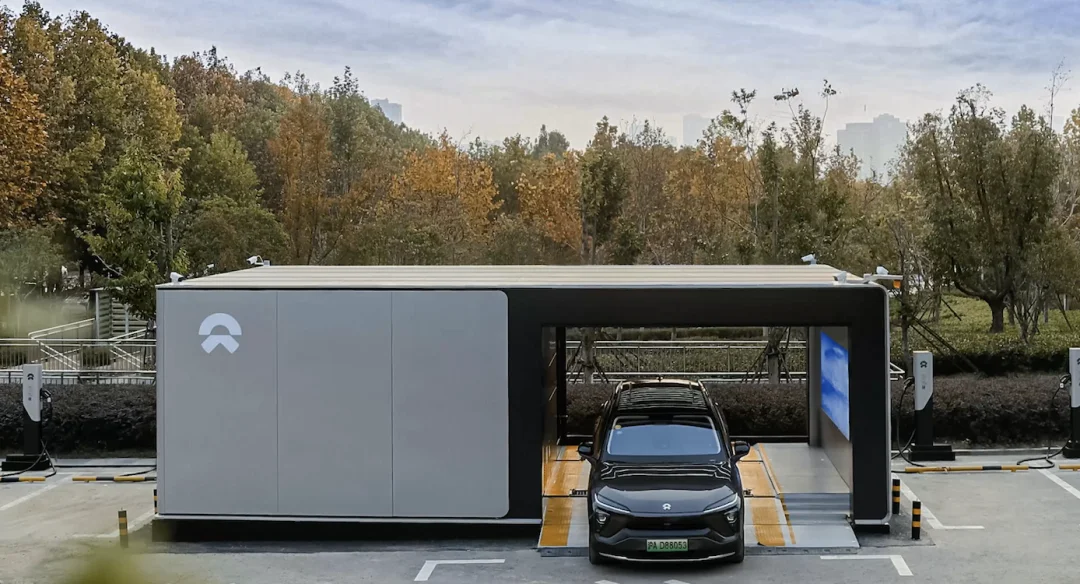
Third-generation battery swap station
In addition to the 500 kW ultra-fast charging, NIO also teased its third-generation battery swap stations and 800 V battery technology. Around the end of this year, NIO will launch its third-generation swap station, which can be deployed immediately upon release. It is reported that R&D for the third-generation station has reached its final stages, with prototype testing currently underway.
Qin Lihong stated that the third-generation stations will feature significant improvements, including greater capacity, higher efficiency, more flexible layouts, and compatibility with a wider range of vehicle models and battery types.

The broader battery types mentioned here refer to the fact that battery packs for 800 V high-voltage platforms will also be compatible with third-generation stations. Additionally, Qin Lihong noted that subsequent battery packs for 800 V high-voltage platforms and their supporting battery-swap systems will be open to the entire industry.
During this Power Day, Qin Lihong mentioned more than once: "Battery swap cooperation depends on the willingness of other brands. NIO has always been open; NIO's battery-swap chassis technology, detachable battery pack technology, and the more than 1,000 patents it holds are all open to the entire industry, because technological cooperation can help me share costs."
However, for other automakers, such cooperation does more harm than good. From the current perspective, partnering with NIO's battery swap stations allows other brands to save a significant amount of capital required for infrastructure construction, including the deployment of swap stations and charging piles. Moreover, it enables users to quickly experience a highly mature battery-swap refueling service, which would undoubtedly be very beneficial for brand sales.
But in the long run, such cooperation would leave participating automakers in a very passive position. First, the vehicle chassis and battery packs would be constrained by NIO's battery swap technology. No matter how good the technology is, it cannot be adopted without caution unless the automaker abandons battery swapping and the cooperative charging resources. Second, given shared battery swap resources and ecosystem, products must have sufficient differentiation to generate profit. Therefore, not all automakers are willing to take on this kind of risk.
Regarding other brands' use of battery swap stations, it is currently confirmed that NIO's new brand, codenamed "Aerbeisi," will have its own swap stations. These will be available for the "swap-version Model 3 and Model Y" priced at around RMB 200,000, as well as for higher-positioned NIO vehicles. However, Qin Lihong revealed that the new brand may not necessarily be able to use NIO's swap stations, which effectively creates a distinction in service experience based on brand positioning.
2025 Vision
On July 9 last year, at NIO's first NIO Power Day, the company unveiled its NIO Power 2025 battery swap station layout plan. By the end of 2025, the global total number of battery swap stations will exceed four thousand. This plan has been brought up again a year later; the target remains unchanged at four thousand globally, but this time the figure of four thousand has been further broken down.
In China, the number of battery swap stations must exceed 3,000, while overseas construction targets 1,000. Regarding current European deployment, only Norway is operating; starting this month, it will pilot unmanned operations, and two additional swap stations are undergoing basic calibration in two other European countries.
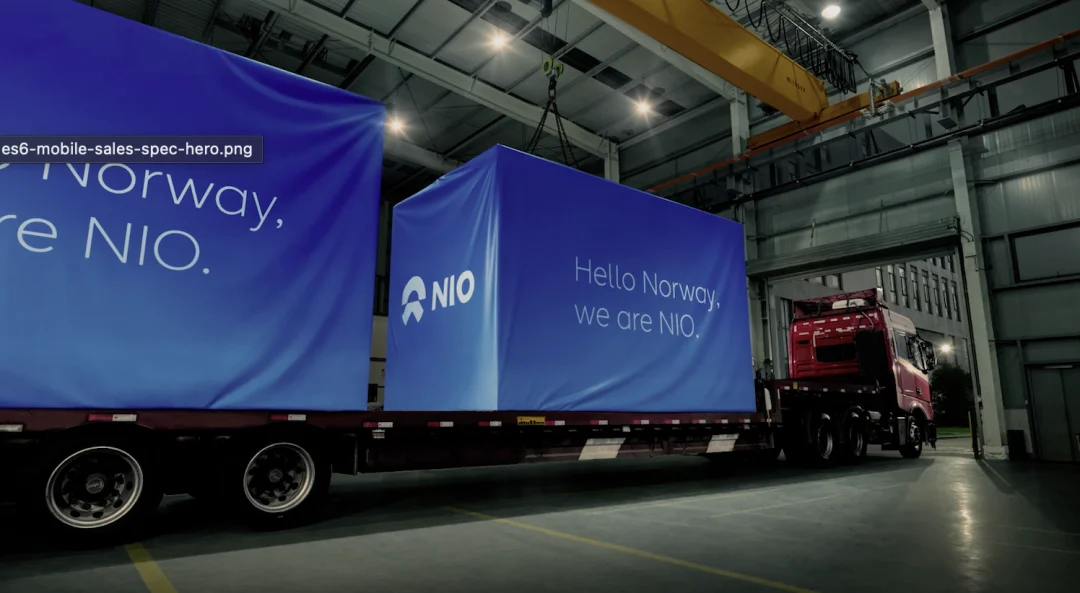
Shen Fei stated that the company will intensify its deployment efforts in Europe during the second half of this year. In October, a special press conference will be held to announce expansion into additional European countries. The event will provide a detailed overview of NIO's entire service ecosystem and strategic arrangements in the region; we will follow up with coverage.
Back to the domestic market, in its 2025 swap station layout plan, NIO has further divided its strategy into two driving environments: urban and intercity. Urban swap stations still aim for a "power zone" coverage rate of 90 percent. Qin Lihong also noted that because user distribution is dynamic, the specific details of this 90 percent target will require some time to refine; thus, barring any unexpected developments, we should see a more precise set of targets announced at next year's NIO Power Day.
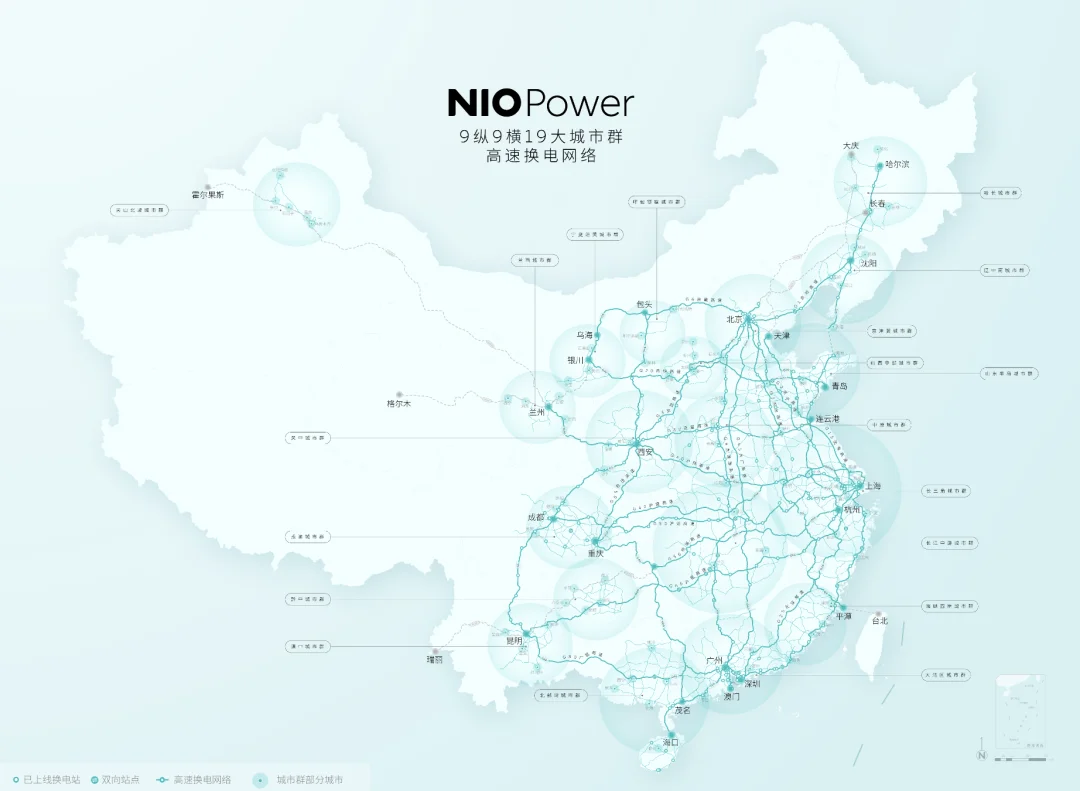
By 2025, intercity highway coverage will expand directly from the current five vertical and three horizontal routes serving four major city clusters to nine vertical and nine horizontal routes covering nineteen major city clusters. The nineteen major city clusters are based on a plan by the National Development and Reform Commission, which even includes the Tianshan North Slope city cluster in Xinjiang. Regarding the deployment of battery swap stations, Qin Lihong stated: "On the premise of maximizing marginal benefits, as long as NIO exists for X years, it will not stop at X years; it will continue until users no longer have requests." NIO Power is indeed at the forefront of addressing user pain points.
04Final Thoughts
As time has passed, the capabilities of NIO Power have continuously expanded. Starting in 2019, electric vehicle range capabilities successively exceeded 500 km. Against this backdrop, consumer anxiety has shifted more toward the "recharging" phase.
At this stage, the constraints on electric vehicles and refueling speeds make it difficult for third-party charging station brands to achieve profitability through "selling electricity." Since a commercial closed loop cannot be realized, this business model is naturally hard to sustain. If automakers take over, they will inevitably need to invest similar amounts of capital. However, if this effort helps automakers sell more cars, it becomes a worthwhile endeavor.
Within the foreseeable future, battery technology and charging speeds are unlikely to undergo disruptive changes. In an environment where all manufacturers are transitioning to electrification, NIO Power's advantages will only continue to grow.
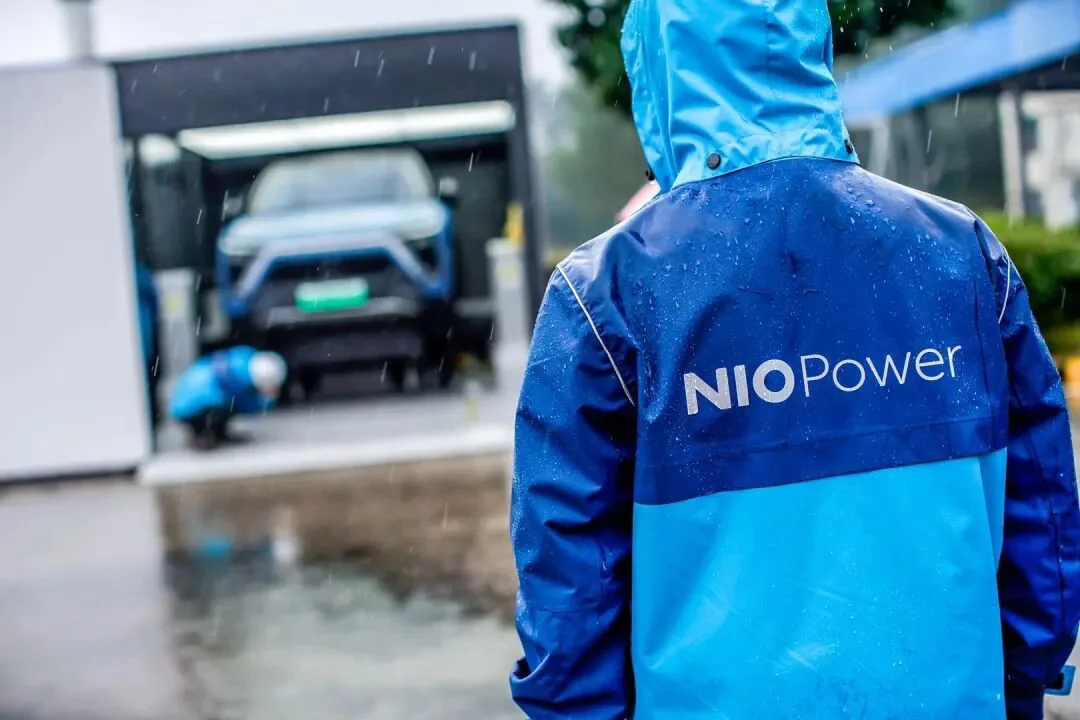
This reflects a clarity NIO established from its inception: systemic competitiveness.
From a user perspective, looking at the landscape in 2022, there are very few brands that allow users to comfortably drive electric vehicles wherever they wish—so few you could count them on one hand.
Written by Jiang Xiaohei Edited by Liu San