


L4 Autonomous Driving Leader Enters L2 Market
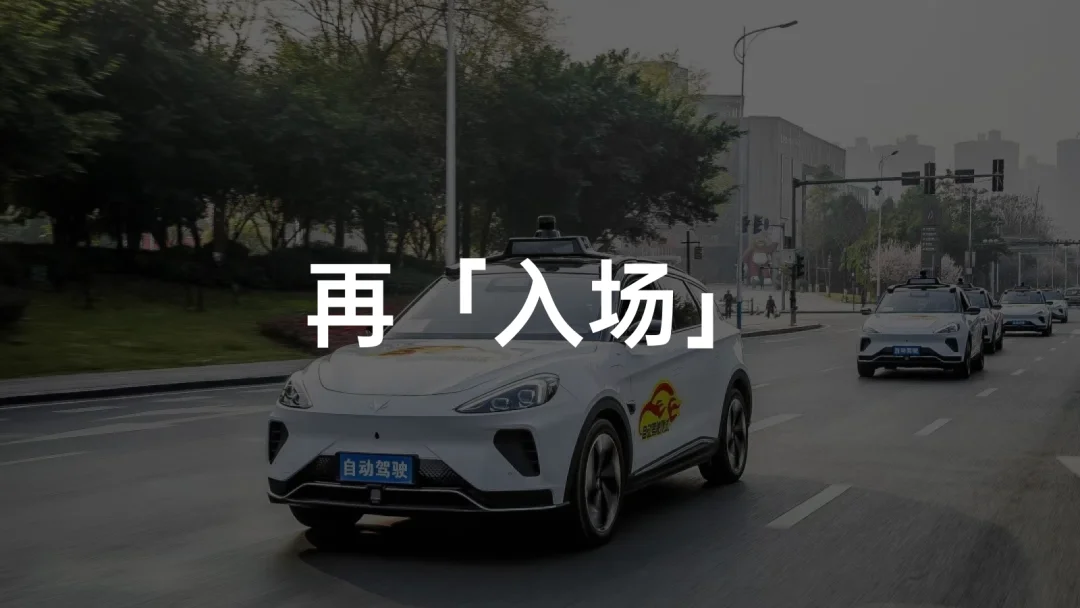
The increasingly competitive "smart driving" sector is entering a conflict without smoke.
According to the latest data from Gaogongzhinengqiche, new vehicle registrations in China equipped with front-installed driver assistance systems totaled 2.1336 million units from January to March this year, representing a year-on-year increase of 18.66%.
We have identified two distinct trends in driver assistance features in 2022: penetration rates are set to continue growing, meaning more vehicles will support these systems; and capabilities are steadily improving, expanding the range of scenarios in which driver assistance can be used.
With these trends established, a new question arises: who will provide these functions?
Not all automakers currently possess the resources or expertise for in-house development. The surge in demand for both quantity and capability presents significant opportunities for the supplier market.
01The Opportunity Arrives
Autonomous and driver assistance system suppliers can be categorized as follows.
One category consists of traditional Tier-1 suppliers, whose strength lies in resource integration and hardware capabilities. Examples include Bosch, Dalu, and Desaixiwei.
Another category consists of companies that have long specialized in software algorithms. Automakers can seek cooperation at the software level through a 'reverse outsourcing' model. Examples include Heduokeji and Momenta.
There are also suppliers like Huawei ADS and Haomozhixing that can directly provide complete assisted/autonomous driving systems to automakers.
Now, this track is seeing an influx of new players: autonomous driving companies that previously focused on L4-level robotaxi operations.
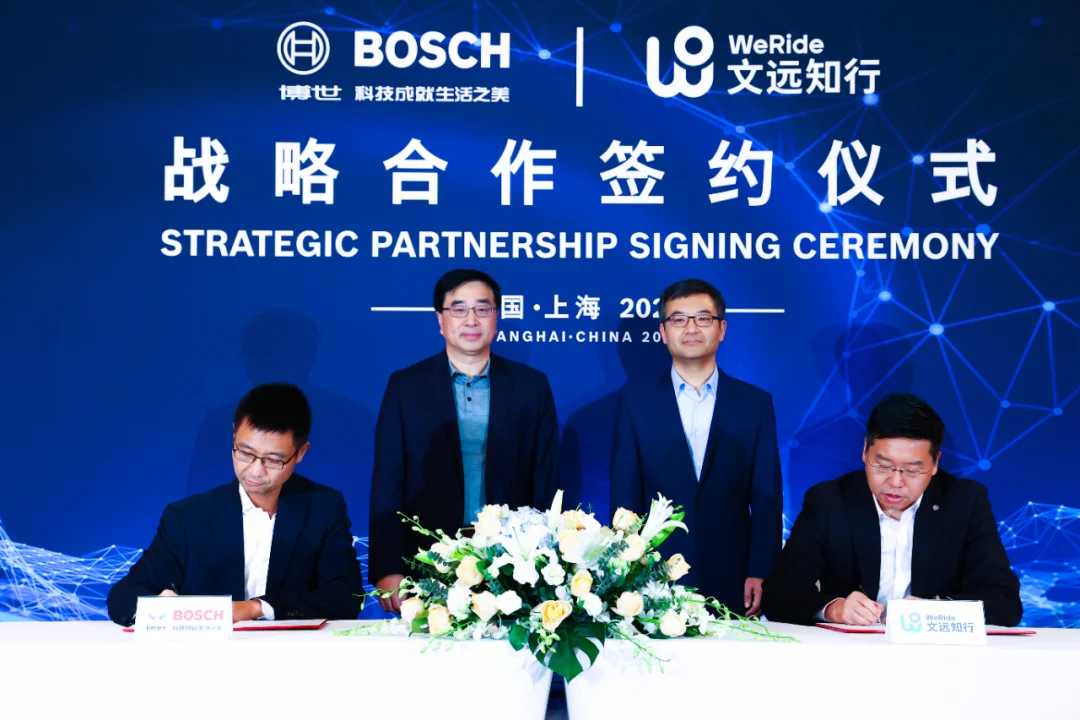
On May 25, Wenyuanzhixing (WeRide) partnered with Bosch to jointly promote the large-scale pre-installation mass production and market application of L2–L3 autonomous driving systems for passenger vehicles.
Wenyuanzhixing is an L4 player, while Bosch is a traditional major Tier-1 supplier; both face distinct challenges. The former possesses data closed-loop capabilities and R&D capacity for high-level autonomous driving but lacks engineering execution capabilities and cannot deploy solutions in the short term. The latter holds strong advantages in sensors, domain controllers, and integration. Through this partnership, Bosch aims to leverage Wenyuanzhixing’s intelligent driving solution, WeRide ONE, to build a data-driven intelligent driving software platform.
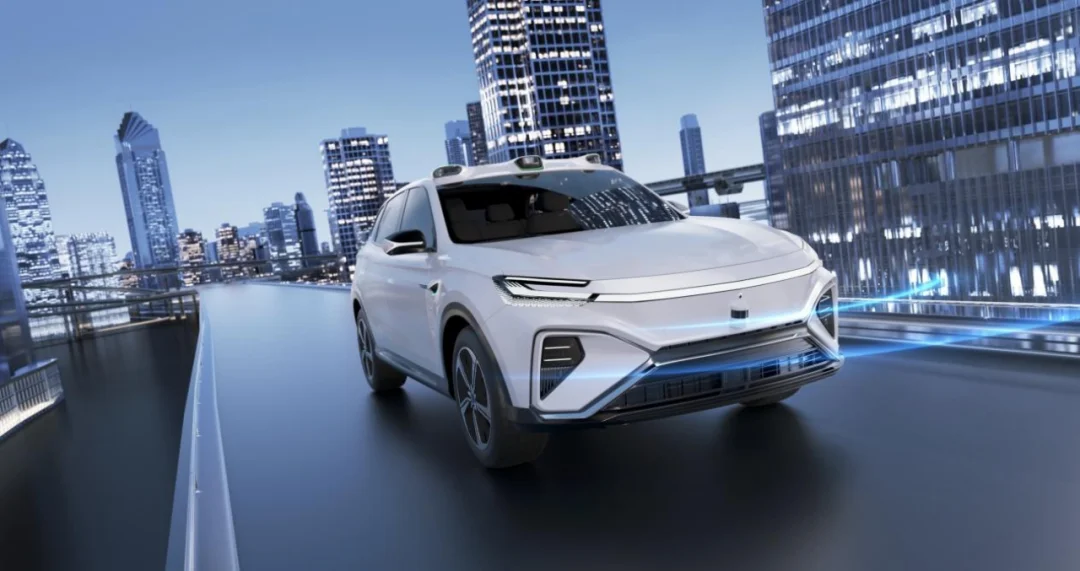
On May 18, Qingzhouzhihang, a company specializing in autonomous minibuses, released its automotive-grade autonomous driving solution, DBQ V4. The intent is clear: to get into vehicles and achieve commercialization.
Looking back further along this path, another player emerges: Momenta. From the start, Momenta has been an autonomous driving company insisting on "walking on two legs." From a capital perspective, Momenta has also become one of the most popular autonomous driving companies in the market.
In 2021, Momenta completed two rounds of financing, with cumulative amounts exceeding USD 1 billion. Its investor lineup included top automakers such as Shangqi, Tongyong, Mercedes-Benz, and Toyota.
Baidu, China's earliest entrant in the L4-level Robotaxi sector, actually entered the L2 driver assistance field before Momenta did. As early as 2016, Baidu began R&D on high-level driver assistance features. In 2020, Baidu publicly announced ANP.
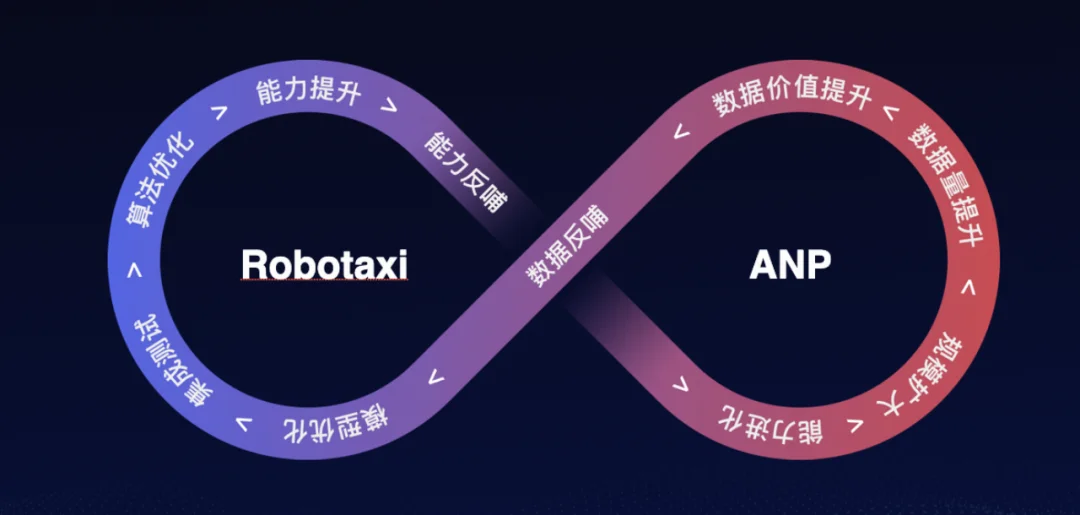
Many may not be familiar with what ANP is. The system's original name was Apollo Navigation Pilot. It is a vision-based navigation pilot assistance system, similar to Tesla's NoA. Baidu's ANP was "downgraded" from its Robotaxi technology. While the perception hardware in autonomous vehicles is rich, it is costly and difficult to replicate in consumer cars. Therefore, Baidu adjusted the relevant hardware and software algorithms to implement basic driver assistance functions at a relatively lower cost.
The first vehicle to try this approach was the Weima W6.
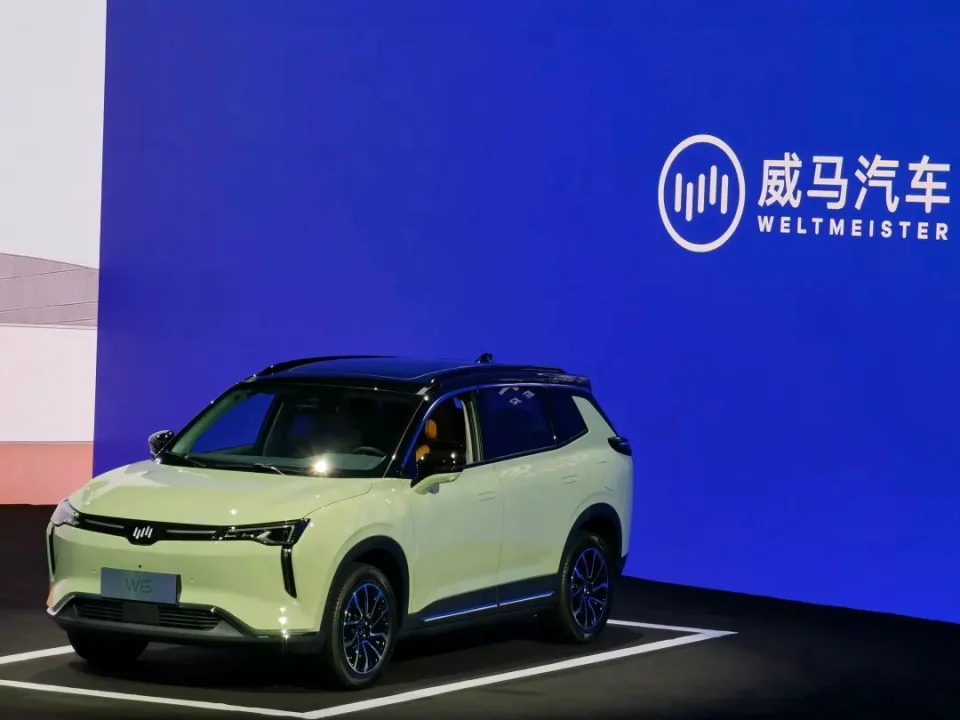
Reviewing Baidu’s product and delivery timeline reveals that the company has already delivered its Automated Valet Parking (AVP) system to several automakers. In 2021, Baidu Apollo AVP achieved mass production in the Weima W6, across the full lineup of Guangqiaian models, and on the Great Wall HAVAL Shenshou.
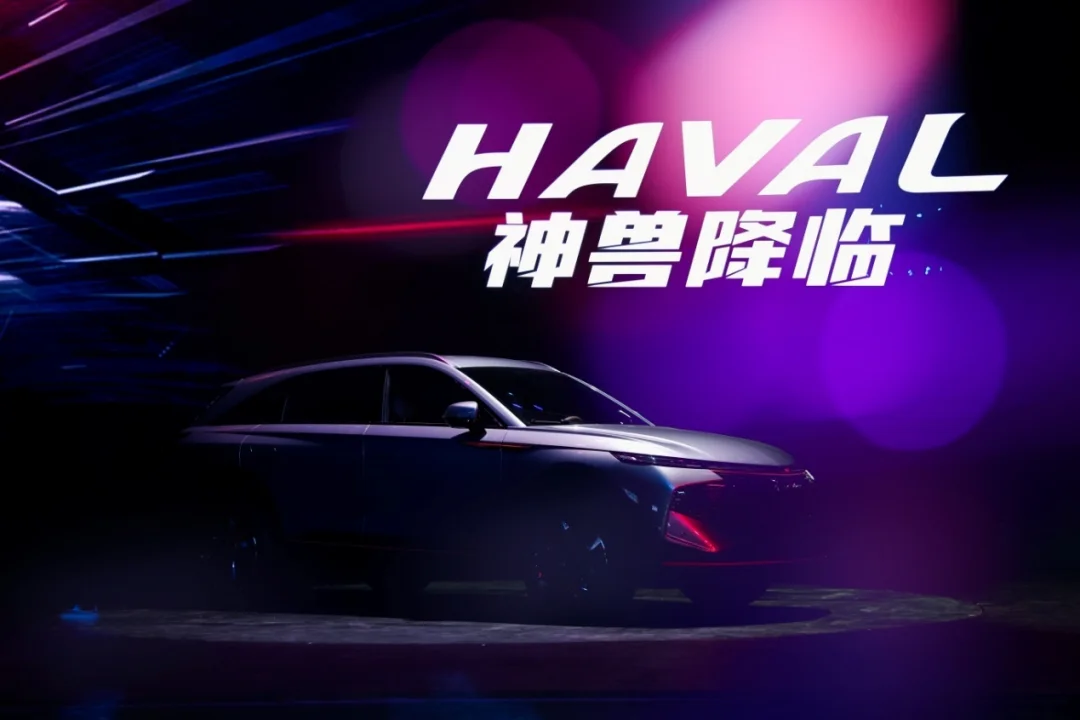
It is evident that Baidu invested significant effort into parking solutions. Beyond automatic parking assist, they delivered features such as remote parking and memory parking. However, high-level driver assistance systems generate stronger demand than parking aids when considering usage scenarios, user needs, and even marketing appeal.
Data from the third quarter of 2021 by Yicheyanjiuyuan further underscores users’ expectations for driver assistance: 32% of Chinese users explicitly stated they are willing to buy vehicles with these features, 52% remain on the sidelines waiting for more mature technology and industry standards, and only 16% are unwilling to purchase.
Baidu’s launch of ANP at this moment was well-timed.
Against the backdrop of continuously expanding user demand, Baidu has taken its second step: mass production and delivery of ANP. It is understood that ANP will make its debut on the Weima W6 this year; for Baidu, this year also marks the inaugural year for deliveries of its driver assistance systems.
Thus, L4 autonomous driving companies are aggressively entering the L2 passenger vehicle market primarily to achieve product commercialization. Compared to other L4 entrants, Baidu has already landed AVP products and brought ANP to the forefront. This track record likely explains why BYD and VOYAH chose Baidu.
02How Baidu Secured OEM Partnerships
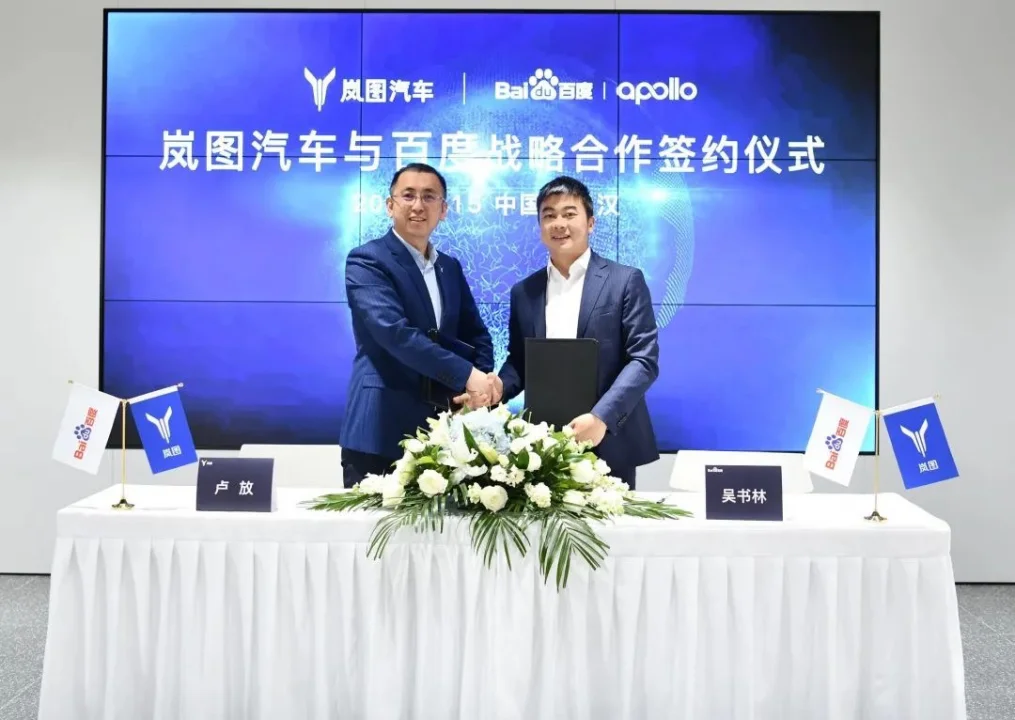
If you consider Baidu’s collaboration with Weima W6 to implement ANP insufficiently representative, the company has two additional completed partnerships.
According to Baidu’s Q1 earnings report, Baidu has officially partnered with VOYAH. Baidu will provide services including intelligent driving, smart cockpit solutions, driving simulation cloud platforms, automotive security, and intelligent mapping. BYD’s partnership focuses primarily on integrated city-and-highway autonomous navigation (ANP) products and human-machine co-driving maps.
Both collaborations target a single business segment: intelligent driving.
Although Baidu entered the intelligent driving sector early, it has maintained a low public profile in terms of marketing. So, beyond possessing mass-production-ready products mentioned earlier, what else attracted BYD and VOYAH to partner with them?
To answer this question, we must return to the fundamental needs of automakers.
Faced with the "smart technology arms race" driven by new EV makers, traditional automakers urgently need suppliers with strong technical capabilities and mass-production experience to help them gain a competitive edge in vehicle intelligence.
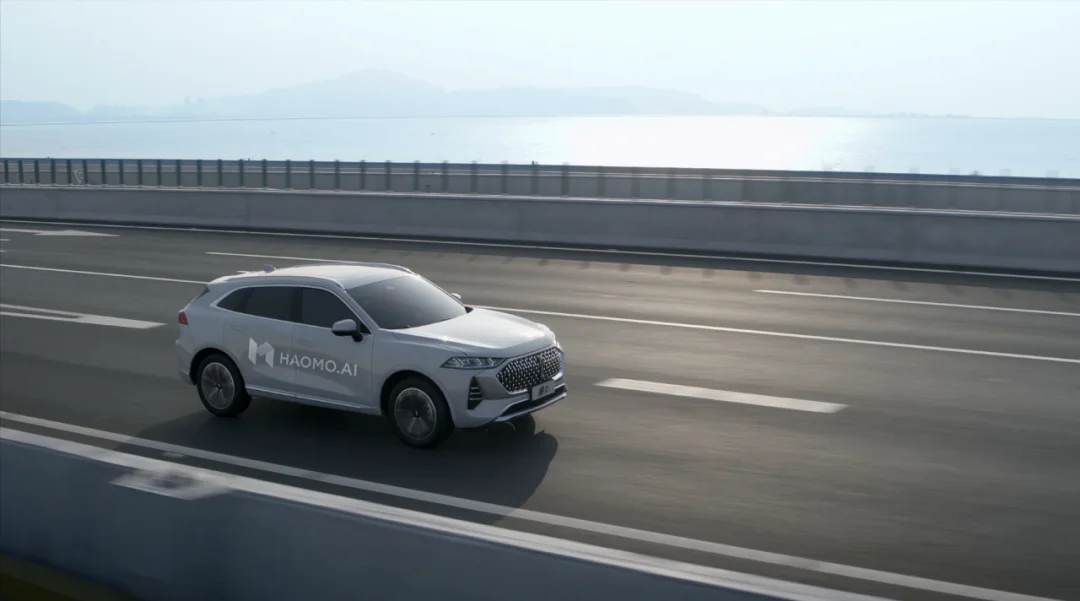
Of the suppliers mentioned above, Haomo has not yet delivered mass-produced products to automakers other than Great Wall. Although Huawei’s ADS system was released last year and shocked the industry, it has failed to provide users with a clear delivery timeline. According to our understanding, Huawei ADS will be delivered as early as Q4 this year. Meanwhile, many L4 companies lack the engineering capabilities required for production, even those like Momenta that identified early on their intent to enter the L2 market. As for Mobileye, through its collaboration with Zeekr, we have learned to some extent that launching a chip in the intelligent driving field is difficult, and the real-world performance of the EyeQ5 in China has never been verified.
Thus, Baidu seems to be the company that can both control costs and leverage its mass-production experience. This is precisely what BYD values most: with a wide range of models covering diverse consumer groups, BYD urgently needs to accelerate its vehicle intelligence capabilities.
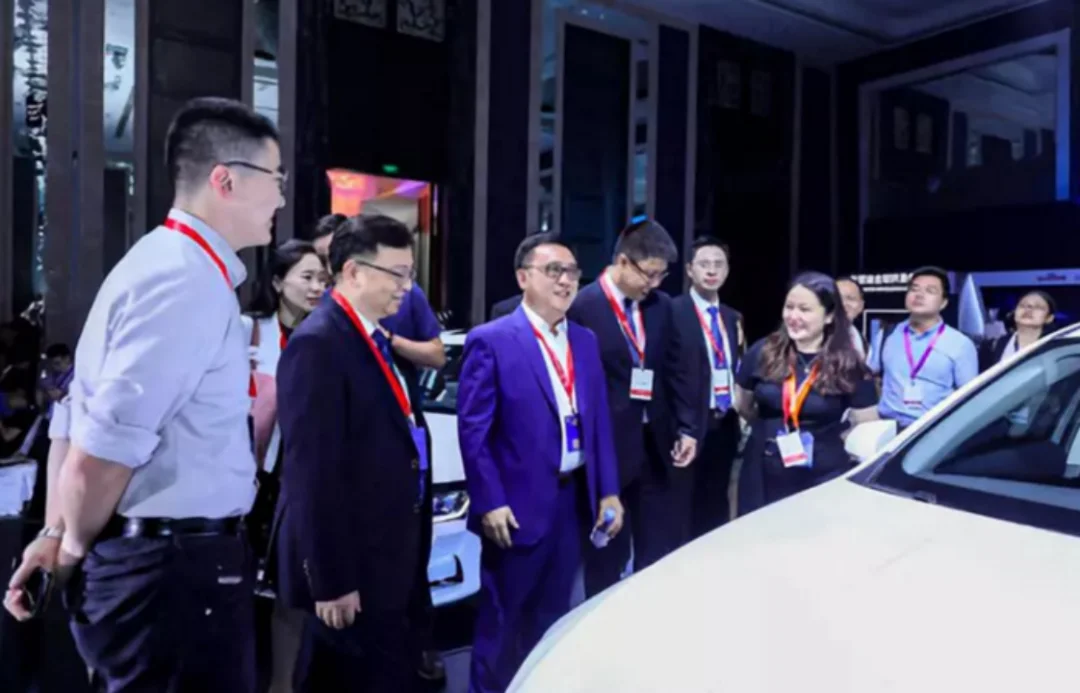
Another reason lies in delivery execution. While Baidu’s ANP has not yet been deployed, the delivery pace of its AVP is traceable. Currently, three OEMs have equipped their vehicles with AVP, and Baidu has not experienced any delays in deliveries.
OEMs have high demands for on-time feature launches; Zeekr serves as the best current example. The delay in Zeekr’s ZAD launch was at least half attributable to the supplier. Since users interact solely with the automaker, a supplier’s delivery capability directly impacts the OEM’s reputation among consumers.
Baidu has not faced delays in its autonomous driving projects for two reasons. First, it offers integrated hardware-and-software solutions, enabling parallel development of software and hardware to significantly compress time-to-market. Second, years of industry experience have given Baidu expertise in supply chain management, including the ability to bypass contract manufacturers and establish direct relationships with original component suppliers. Additionally, to respond more rapidly to OEM needs, Baidu established a "jujube-pit" inventory structure—essentially stockpiling semi-finished components.
Another critical factor is Baidu’s high-definition (HD) maps. Advanced driver assistance systems cannot currently operate without HD maps. Among intelligent driving suppliers, only Baidu and Huawei hold mapping qualifications. Compared to competitors, Baidu’s HD map coverage and accuracy are leading, and it has already secured customers. This may also be one of the reasons why BYD and VOYAH ultimately chose Baidu.
03Conclusion
Driver assistance systems have always been judged by their real-world performance. L4 companies project an image of strong R&D capabilities and technological leadership, but users find it difficult to perceive this directly. In contrast, suppliers focused on L2 driver assistance tend to be more pragmatic, achieving faster deployment speeds.
Among the various L2 supplier landscape, particularly those delivering products this year, Baidu has yet to demonstrate its true capabilities publicly. This has heightened expectations from both us and our readers regarding this company's cross-sector entry.
On one hand, many L4 companies are waiting for Baidu to set a precedent. On the other, users and automakers eagerly anticipate the results of Baidu’s years of dedicated research. However, opportunity comes with challenges: if ANP fails to meet expectations, external anticipation could quickly turn into skepticism.
Therefore, we are particularly eager to review the 'answer sheet' submitted by Baidu Apollo.
Written by Bobo Edited by Liusan