


"0 Spontaneous Combustion Is a False Premise: Nezha S Media Briefing"
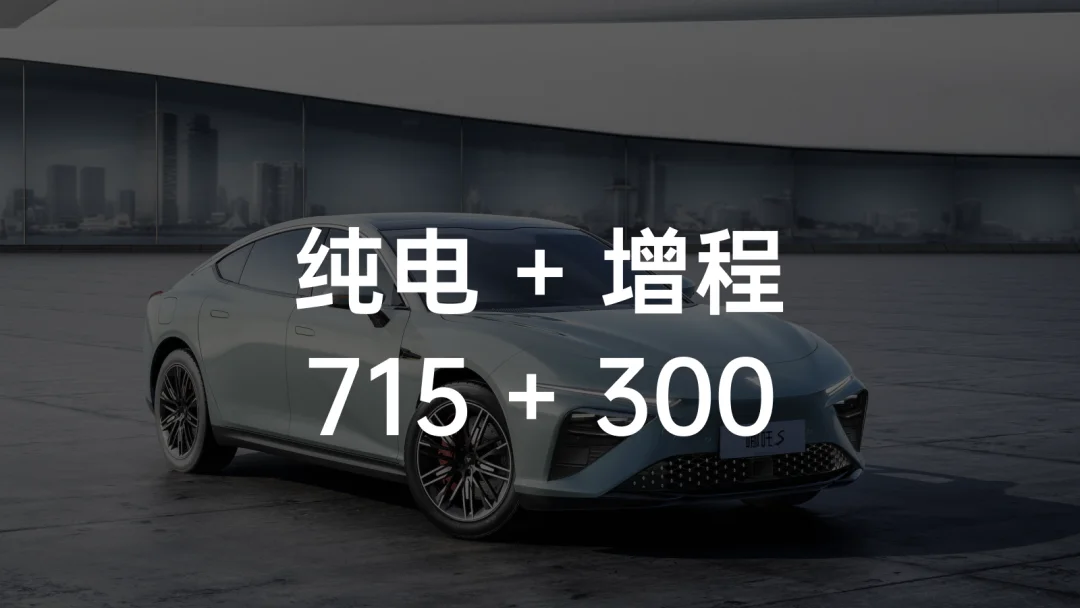
I attended the Nezha S "Tiangongdianchi" technology briefing today, and immediately afterward joined a smaller media session hosted by Nezha. I gathered quite a bit of information. The content was dense, covering details about the Nezha S's "Tiangongdianchi" as well as some previously undisclosed information about the Nezha S.
On the two-wheel-drive rear-wheel-drive version of the Nezha S, the CLTC range is 715 km, though this figure may undergo slight adjustments and re-measurement. Meanwhile, the extended-range electric vehicle (EREV) variant boasts a NEDC pure-electric range of 300 km, likely making it the current market leader in terms of EREV pure-electric range.
During the Q&A session on battery safety, Zhang Honglei, Executive Vice President (Manager) of Nezhaqiche, made the following statement:
Products will inevitably have PPM values (defect rate statistics). If the volume reaches the million-unit level, completely avoiding spontaneous combustion is basically impossible from a product perspective. Therefore, what automakers must do is prevent thermal propagation in the event of cell or battery failure.
Rather than evading the core issues with empty talk about technology, it directly addresses them. That is not all; through discussions with Nezha's official technical staff, my expectations for the Nezha S, a product aiming at the high-end market, have deepened.
A condensed summary of the Q&A is available at the end of the article for those who wish to delve deeper.
01Hot Topic Q&A
I place the interesting, mostly first-disclosed content at the beginning. The second half of the article explains power battery safety and Nezha's 'Tiangongdianchi'.
Extended-Range Version with 300 km Pure-Electric Range?
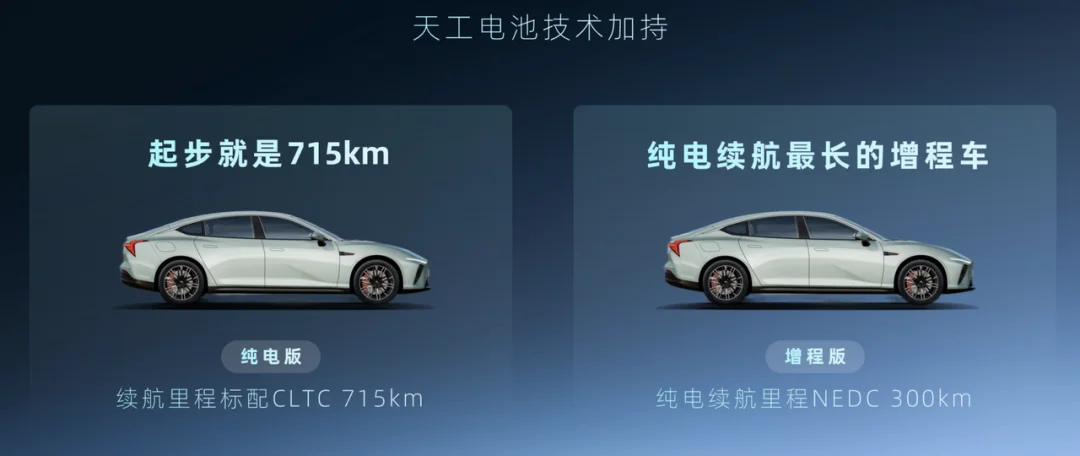
Regarding why the Nezha S extended-range version chooses a 300 km pure-electric range, the official explanation is quite interesting. Essentially, the engine can be viewed entirely as a 'long-distance backup battery.' In Nezha's words, this provides a user experience of 'not losing charging piles.'
First, Nezha analyzed internal sales data for its pure-electric models and market research on pure-electric vehicle sales. They found that most pure-electric ranges are around 400 km. These users typically drive no more than 60 km per day and charge when the battery SOC approaches 30%. Therefore, the actual mileage covered in one 'full charge' cycle per week is approximately 300 km.
For extended-range vehicles, since there is no need to consider extreme battery SOC limits, they can directly use large batteries supporting 300 km of range. This means most commuting needs can be met by pure electricity. The engine is only used during long-distance extreme travel.
Additionally, many believe the extended-range version is a manufacturer's choice to reduce battery costs, based on industry predictions that battery technology will lower costs year by year. However, recent battery price increases have eliminated this cost advantage. Thus, Nezha's approach is not to blindly pile up batteries aiming for a '1,000 km' pure-electric range. Instead, through reasonable range configurations, they offer both pure-electric and extended-range versions, with the core focus remaining on 'pure-electric mobility,' ensuring users 'do not lose charging piles.'
Nezha also shared its views on battery technology routes.
First, Nezha’s pure electric models with a range exceeding 600 km use ternary lithium-ion batteries, while those under 500 km use lithium iron phosphate (LFP) batteries. Once cobalt-free LFP solutions become available, Nezha plans to break current boundaries and apply them to long-range models of 600 km or more. This strategy is driven not solely by cost differences between the two chemistries, but by the need for diversified battery material supply; such an approach offers greater flexibility.
For extended-range electric vehicles (EREVs), higher-energy-density ternary lithium-ion batteries are required due to space constraints and range demands. As for the exact capacity, readers can guess in the comments section.
CTP/CTC: Both Are Prioritized
After partnering with CATL, Nezha has adopted Cell-to-Pack (CTP) technology in its battery packaging. By eliminating the module stage in the traditional "cell-module-pack" structure and using large-format modules, Nezha maximizes space to pack more cells, achieving a system energy density of 182 Wh/kg.
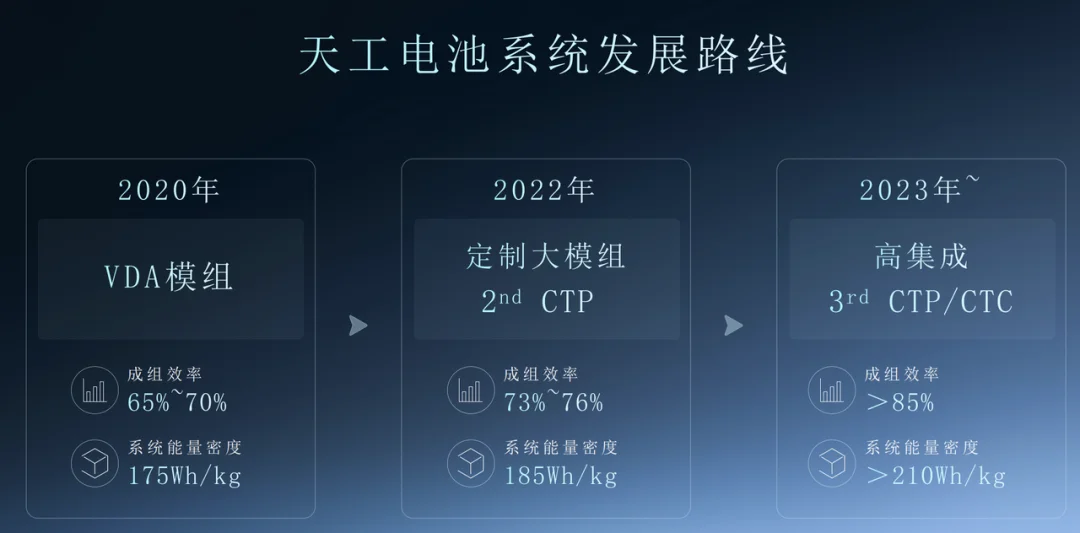
What is mysterious about CTC is that last year CATL and Nezha secured a national project under the Fourteenth Five-Year Plan! Dozens of prototype vehicles have already been built. Information regarding CTP and CTC batteries will be released, with the earliest visibility as early as next year.
Nezha believes that CTP and CTC differ little in cell structure; the primary distinction lies in packaging processes. CTC requires significant changes to production line craftsmanship. If the Nezha S enjoys a sufficiently long product lifecycle, this technology may eventually be applied.
Is Shanhaipingtai a Skateboard Platform?
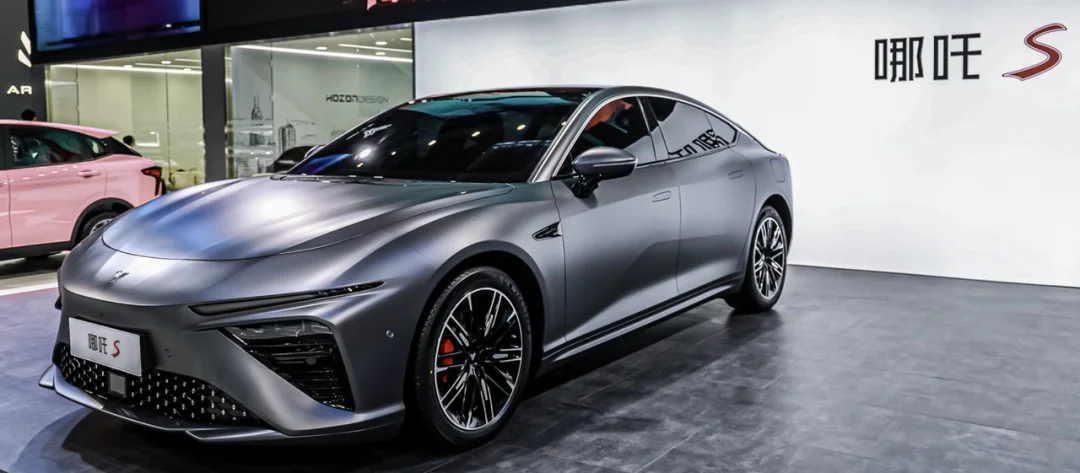
Based on Nezha's statement, the answer is both yes and no. Nezha's goal for its platform is a skateboard chassis. Therefore, the current Shanhaipingtai can be understood as not being a skateboard chassis, or rather as 'Nezha Skateboard 1.0.' Shanhaipingtai will continue to advance and evolve; for instance, the CTP-CTC mentioned earlier is one manifestation of this progression.
So why has Nezha set its sights on a skateboard chassis?
First, we need to understand what a skateboard chassis is. In my interview with Li Peng, CEO of Youpaokeji, he defined it as follows: 'Body separation, combined load-bearing.'
This view aligns closely with Zhang Honglei’s perspective at Nezha. Nezha believes that from a vehicle-integration standpoint, separating the upper and lower sections allows the skateboard chassis to offer better scalability and a wider range for adjusting wheelbase and track width.
Shanhaipingtai will approach this definition through standardization and modularity. Meanwhile, Zhang Honglei believes that current smartphones suffer from severe homogenization. Future cars may follow a similar trend, with functional configurations becoming increasingly uniform. However, differentiation will lie in design and culture, with the key focus on software.
The Original Intent Behind the 'REAR' Button
The other day, I took a close look at the interior renderings of the Nezha S and noticed that the window controls use a 'REAR' button similar to those found in the Volkswagen ID. series. To adjust the rear windows from the driver’s seat, you must first press the 'REAR' button to switch control to the rear passengers.
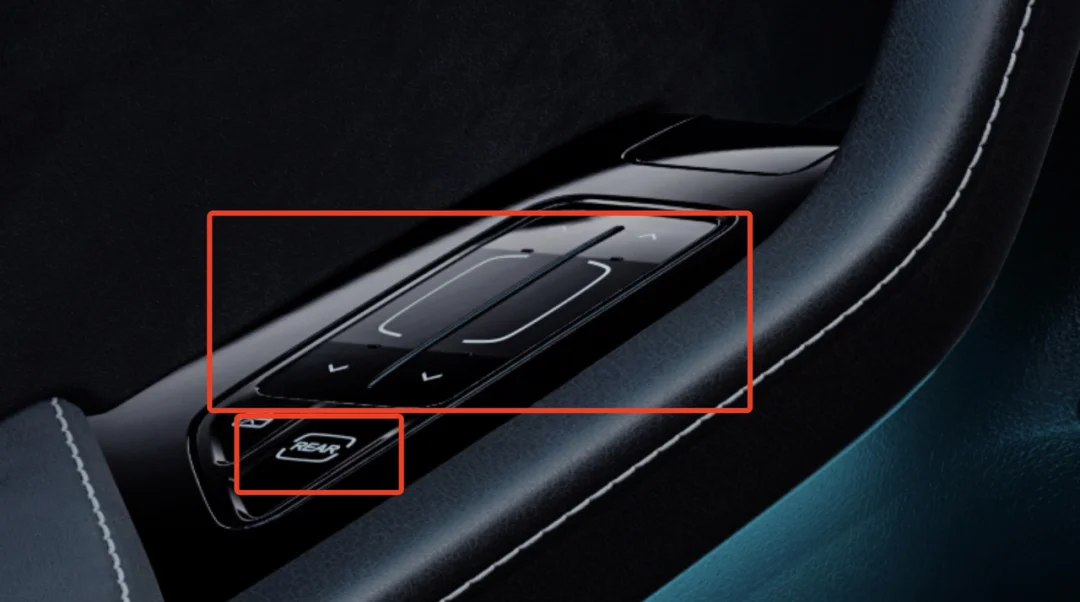
Users and followers on social media and Weibo have shared many views on this design, with most considering it impractical. I also verified this with Neta's official team. Neta expressed that they welcome users' diverse perspectives on their products. From a visual standpoint, the design aims to ensure interior simplicity and a high-tech feel, following a concept similar to hidden door handles. They encouraged people to look forward to experiencing the actual vehicle.
02How Critical Battery Safety Is
The Repeated Topic of Battery Safety
The safety of automotive power batteries is a well-worn topic. In fact, the core of battery safety lies in "thermal runaway."
Thermal runaway refers to abnormal increases in battery temperature and voltage. When the heat generation rate from exothermic side reactions exceeds the battery pack's heat dissipation rate, the cell's internal pressure and temperature rise rapidly, entering an uncontrollable self-heating state. If not controlled, this can lead to thermal runaway propagation, potentially igniting the entire battery pack.
In fact, during the normal charging and discharging process of lithium-ion batteries, there are also many potential exothermic side reactions. Professor Ai Xinping from Wuhandaxue pointed out that when the battery's own temperature is too high or the voltage during charging is excessively high, these exothermic side reactions are easily triggered.
The main parasitic side reactions include:
The SEI (solid electrolyte interphase) film decomposes at temperatures above 130 °C, causing the electrolyte to undergo extensive reduction and decomposition on the exposed, highly active carbon anode surface. This exothermic reaction raises the battery temperature and is the fundamental cause of thermal runaway.
Thermal decomposition of the charged-state cathode releases heat, while further electrolyte decomposition triggered by active oxygen exacerbates internal heat accumulation, promoting thermal runaway.
Thermal decomposition of the electrolyte causes the electrolyte to decompose and release heat, accelerating the rise in battery temperature.
Reactions between binders and highly active anodes. The reaction between LixC6 (lithium-based anode material) and PVDF (polyvinylidene fluoride) begins at approximately 240 °C, peaks at 290 °C, and has a reaction heat of 1,500 J/g.
With the generation of organic small-molecule gases, cell thermal runaway is formally established. To reduce the risk of thermal runaway and control its spread when it occurs, manufacturers have conducted in-depth research into battery integration and management based on actual needs, launching their respective solutions: BYD's Blade Battery, Changcheng's Dayu Battery, Aian's Trap Battery, VOYAH's Amber and Mica technologies, among others.
What makes Tiangongdianchi different?
The term 'Tiangong' first appeared in the pre-Qin classic Book of Documents (Shangshu), signifying naturally formed superior craftsmanship. This reflects Nezha's confidence in its battery technology.
Professor Ai Xinping emphasized, 'To fundamentally solve the problem, we must research new technologies for preventing short circuits, overcharging, thermal runaway, and combustion, as well as non-flammable electrolytes, and establish a self-ignition safety protection mechanism for batteries.'
On a granular level, overall battery thermal stability can be improved through cell design and manufacturing, PTC current-limiting devices, pressure relief valves, and thermally closed separators. However, in the industry context where 'bigger is better,' pursuing longer range requires packing more cells into the pack, which inevitably makes safety designs against thermal runaway more complex.
Neta's approach involves building its own proprietary system covering cell selection, module protection, thermal management, and the Battery Management System (BMS).
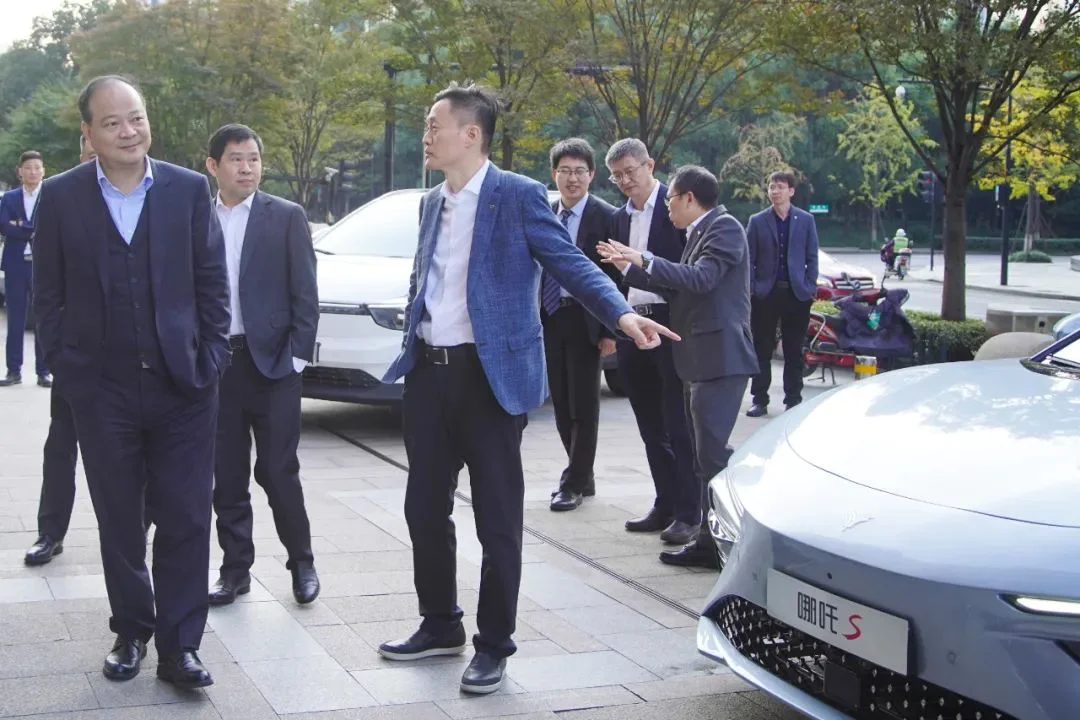
In November 2021, CATL participated in Neta's second round of financing as a strategic investor and launched comprehensive strategic cooperation with Neta in technology R&D and supply chain assurance.
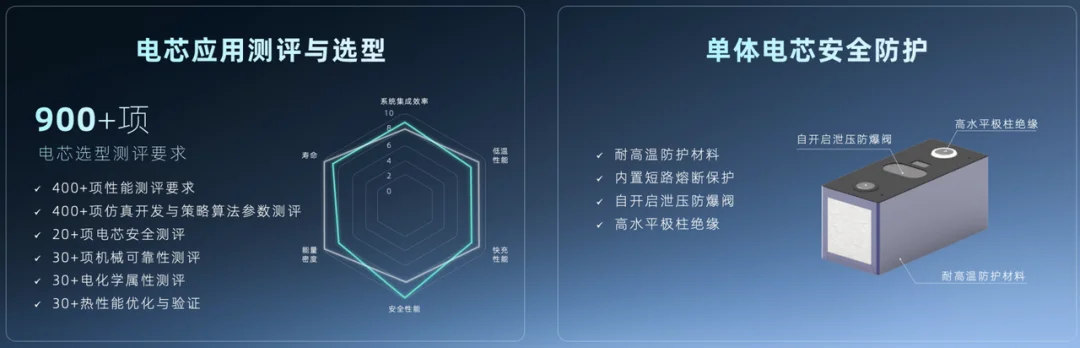
Consequently, Tiangongdianchi imposes over 900 evaluation criteria on supplier cell acceptance.
Neta believes the fundamental distinction between first-tier and second-tier battery suppliers lies not in cell form factors (such as cylindrical or prismatic shapes), but in manufacturing consistency and process quality. From this perspective, large manufacturers maintain higher standards, which constitutes the core difference. This naturally entails cost increases driven by these processes, costs that Neta has chosen to absorb.
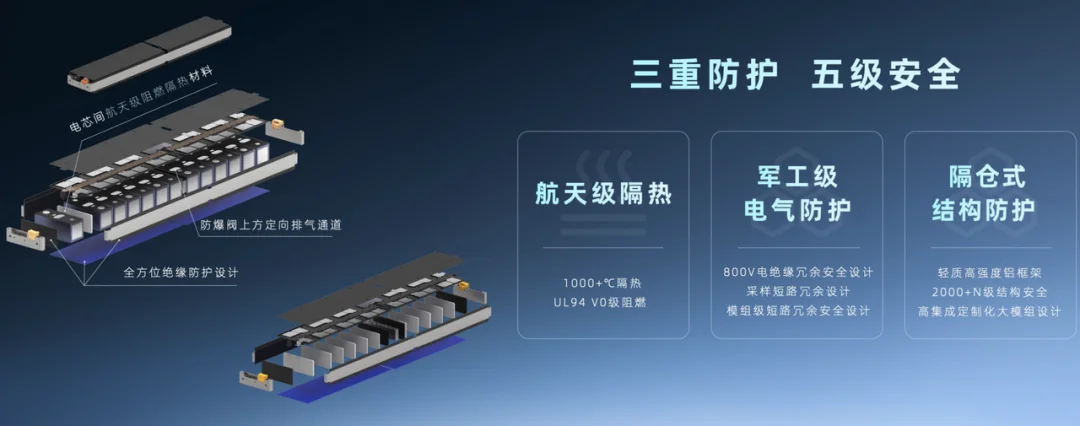
To prevent thermal runaway from spreading, Neta places flame-retardant and heat-insulating nylon material between each battery cell. This achieves insulation up to 1,000°C and meets the UL94 V-0 flammability rating.
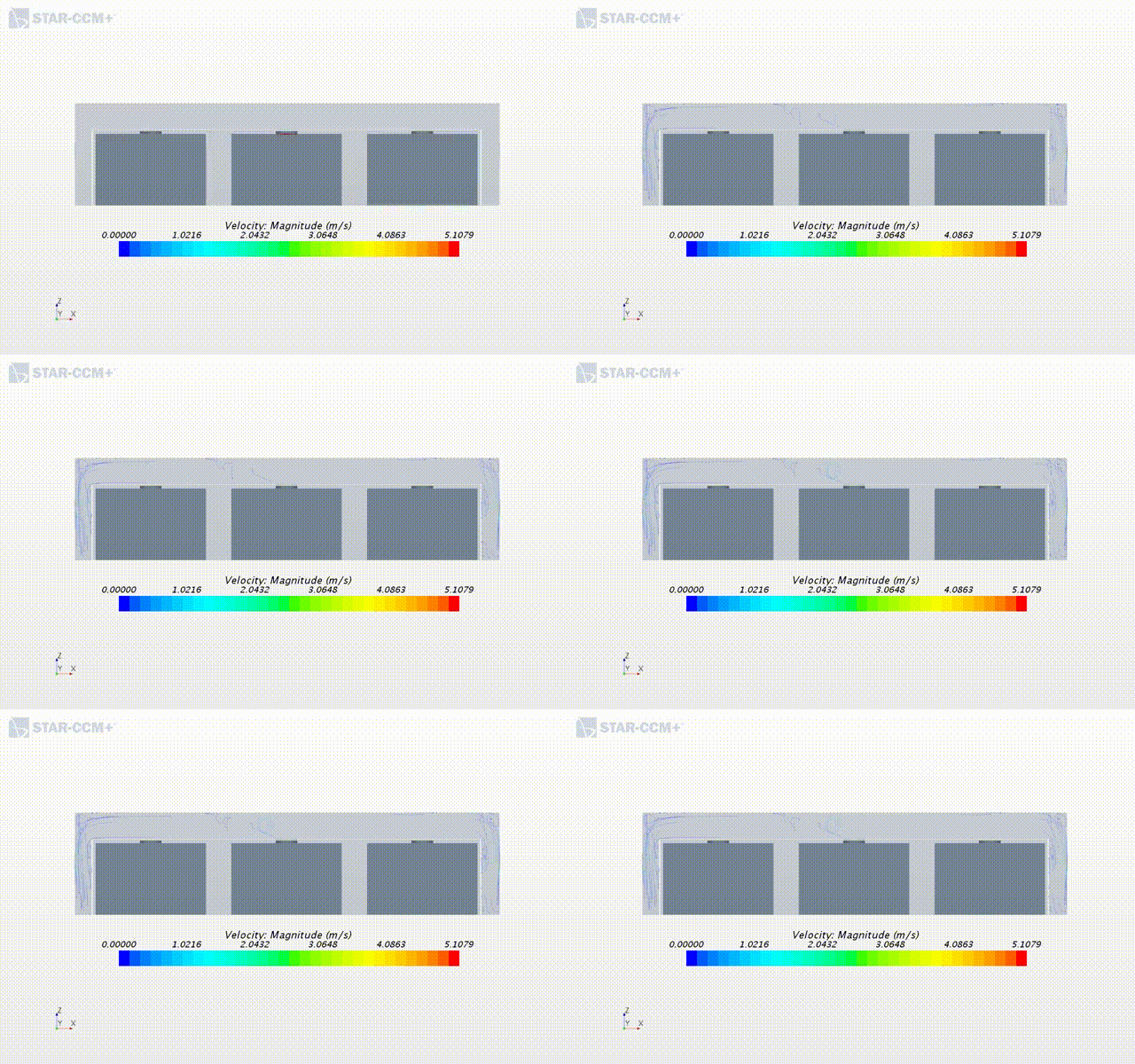
After these measures are in place, cross-sectional analysis shows that when a central cell undergoes thermal runaway, gas is rapidly released by pressure-relief explosion-proof valves. The gas then disperses outward through exhaust channels, where the airflow is cooled and depressurized.
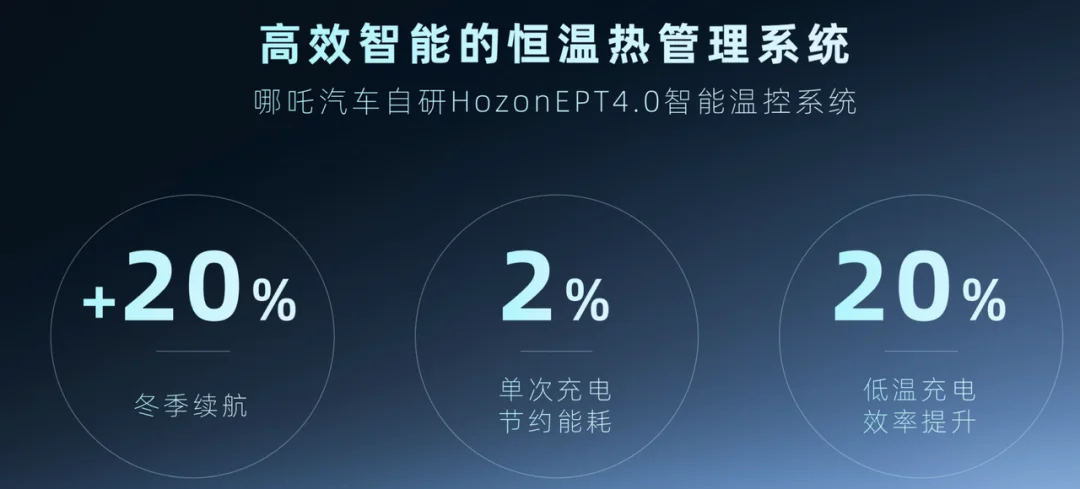
Neta’s constant-temperature thermal management system is quite interesting: it features feedforward thermal management control, intelligent driving heating, and scheduled heat preservation, achieving smart and efficient battery cooling and heating. Ultimately, it can improve winter range and low-temperature efficiency by 20 percent, while reducing energy consumption per charge by 2 percent.
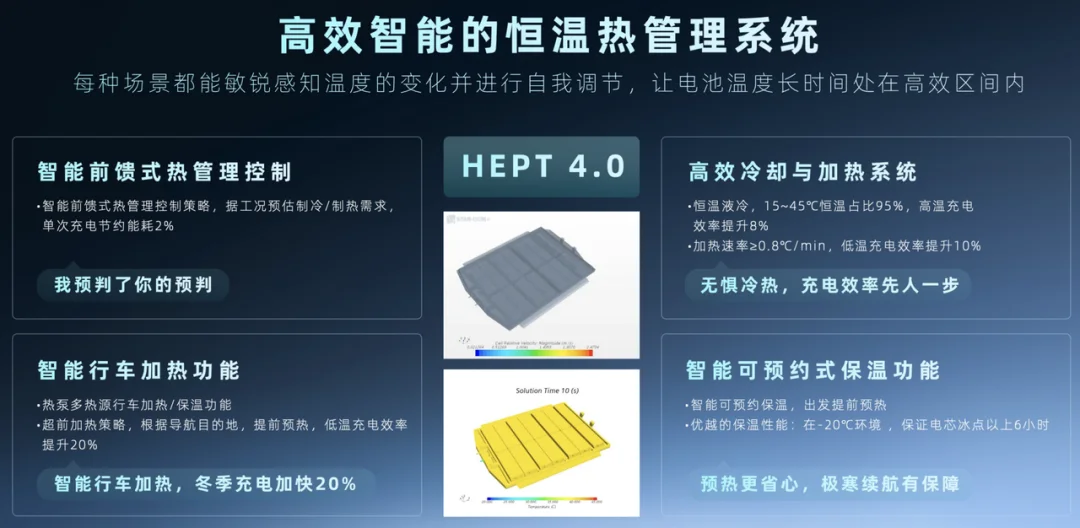
The specific claim of 2% energy savings per charge was particularly surprising. Not because the effect is mediocre, but because such precise and detailed performance metrics are difficult to isolate and measure. This highlights Neta’s stated advantage for its constant-temperature management system: high-precision interpretation of temperature sensor signals allows for precise control at the level of 1 watt and 1°C.
Since Neta offers both pure electric and extended-range versions, the pure electric model prioritizes the use of a heat pump air conditioner. However, both variants achieve heat source switching via a "nine-way valve."
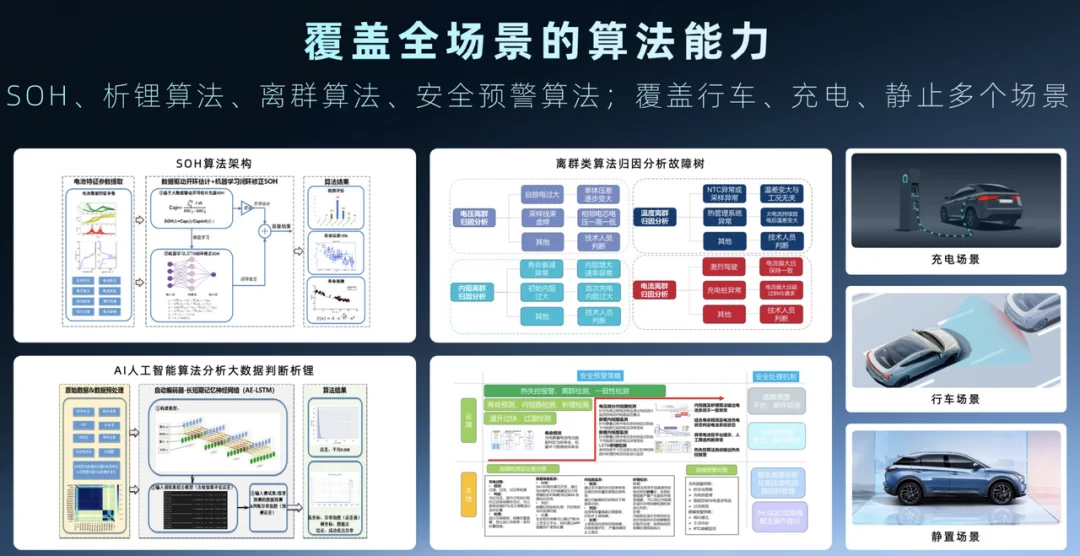
The thermal management system also uses navigation data to adjust battery temperature, striking a balance between performance and energy efficiency. Nezha’s goal is to achieve "personalized strategies for every user" through active, full-lifecycle management that covers various driving scenarios.
This section features the presence of 360. 360 is responsible for providing the big data computing platform and offering security technology support across the vehicle, network, and cloud layers, while Nezha's role is to leverage its own algorithmic capabilities.
We are already familiar with these approaches to managing battery thermal runaway, so I posed a direct question to Nezha officials: Is there any concrete demonstration that allows us to intuitively gauge the level of this battery technology? Nezha responded that we should not rush; they plan to conduct targeted, focused publicity on this later.
04Conclusion
I had an extended online exchange with Nezha officials. A strong signal was subtly but consistently conveyed to me: Nezha aims to elevate its brand positioning based on the foundation of the Nezha S. This reminded me of XPENG’s past success, where the P7—initially met with skepticism—became a breakout hit and propelled the brand into the top tier.
I do not wish to see a car market dominated by a single player or a fixed "one superpower plus several strong contenders" structure. Nezha possesses many interesting characteristics, from its origins in micro cars and children's vehicles, to the investment by 360, its slogan of technological equity, and even its cute mascot, Na Tie.
Regarding frequent comparisons made by the public between the Nezha S and the BYD Seal, Changan DEEPAL SL03, and Leapmotor C01, Nezha officials expressed confidence: "Look at the actual vehicles. They are not in the same class and do not compete directly."
For more information on the Nezha S, search for the article "Nezha S Information Summary: Sporty Coupe with Pure Electric and Extended-Range Options" in our app. You can also join a group chat to communicate with potential Nezha S owners.
05QA Quick Notes Summary:
Zhang Honglei, Executive Vice President (Manager) of Nezhaqiche Engineering Research Institute
Zhang Honghan, General Manager of Brand Center, Nezhaqiche
Ma Jiansheng, Director of Power Battery Development Department
Q1: How does feedforward thermal management control pre-cool or pre-heat based on vehicle operating conditions?
Lei: First, it comes from the battery. When designing thermal management, we need to understand battery performance, as there are slight differences between batteries from different suppliers. For example, a battery's discharge capability varies at different temperatures. Therefore, you must clearly know the discharge power and energy values at various temperatures to determine the optimal amount of thermal intervention. This is why it is called "feedforward." The battery itself needs to account for the impact of heating; for instance, in certain operating conditions, heating for 20 minutes might result in very little additional discharge capacity, making heating unnecessary. Such relationships are mapped out.
Another aspect of feedforward lies in the thermal management system's algorithms. For example, when heating the battery, we measure everything in watts. If the battery is being heated, the water pump must run. We calculate whether the power consumption of running the water pump outweighs the extra discharge capacity gained from heating the battery. This is an extreme example focusing only on a single water pump level, measured in watts.
Another example involves the heat pump. Its thermal efficiency differs between -18°C and 0°C. The principle of a heat pump air conditioner is its ability to move heat; generally, this capacity is stronger at higher temperatures and weaker at lower ones. However, it remains significantly more efficient in terms of power and energy conversion than PTC electric heaters. Therefore, we must calculate whether the energy moved by the heat pump outweighs the impact of excess electricity generated by battery discharge heating under different temperature conditions. This involves two sides: supply and demand. Additionally, from the perspective of power algorithms, this requires processing thousands of data points continuously through big data, algorithmic modeling, and calibration. This constitutes a form of feedforward control for algorithms and strategies.
Regarding the driving conditions you mentioned earlier, knowing the specific operating conditions and duration helps us optimize our algorithms. We have integrated high-precision map data from Amap into our system. Our intelligent driving features also utilize these maps, adding our own informational requirements on top of them. Based on this data, we implement strategies considering factors such as uphill or downhill gradients, optimizing for both energy consumption and mileage.
As you noted, determining whether to charge or planning a morning trip allows us to apply thermal management strategies based on these conditions. Thermal management does not simply mean applying heat; it requires precise calculations down to the watt to determine which heating conditions are most cost-effective for each scenario. This ensures optimal battery efficiency and maximizes the usable energy from battery discharge. Are there any other details the team would like to add?
Ma: Regarding the first point about predicting cooling needs based on driving conditions, this primarily applies to fast charging. During fast charging at high temperatures, we determine the current cooling demand based on several values: the magnitude of the charging current, the current State of Charge (SOC), the target battery cooling temperature, and the difference between this target and the actual battery temperature. We do not blindly rely solely on a low inlet water temperature regardless of current or SOC. Instead, we assess the battery's state during the charging process to estimate the required cooling power. This approach reduces cooling power consumption, thereby saving energy.
There are two aspects to predictive heating. First, using navigation data, we determine the estimated time of arrival at the destination. Second, based on previously calibrated data regarding the battery’s temperature rise rate during heating, we estimate how long it will take to reach the desired temperature. By comparing the current battery temperature with the target temperature required for fast charging, we calculate the necessary heating duration. For instance, if the drive takes half an hour but heating only requires ten minutes, we delay turning on the heating until approximately ten minutes before arrival, rather than activating it immediately upon starting navigation. This timing ensures the battery reaches the optimal temperature for fast charging exactly when we arrive, improving charging efficiency.
Q2: Will both the range-extended and pure electric versions be equipped with the nine-way valve heat pump?
Lei: Yes. While our heat pump implementation prioritizes the pure electric version, the thermal management strategy for the range-extended model is identical. Since the engine’s heat source and the heat pump’s heat source function similarly, the overall control strategy and flow channel design remain the same.
Q3: What is the layout plan for CTC technology?
Lei: We may have an announcement soon. Last year, we secured a national science and technology project under the Fourteenth Five-Year Plan in collaboration with CATL. Our vehicle engineering is now fully frozen, and we have built dozens of prototype vehicles.
The shift from C-to-C manufacturing to our original mainline process represents a significant change. Therefore, by the end of next year, we will introduce a completely new architecture. We plan to upgrade this on the Shanhaipingtai platform and select one of our own facilities to implement these process upgrades. The company will release further updates subsequently.
Q4: Will Tiangongdianchi completely eliminate spontaneous combustion or thermal runaway?
Lei: From a battery pack design perspective, naturally, we would prefer it never spontaneously combusts. However, our design approach focuses on three areas: intrinsic safety, passive safety, and active safety. As mentioned earlier regarding intrinsic safety, this involves strict selection criteria for cells. Issues such as internal short circuits and pressure relief within the cell itself fall under this category of cell-level safety.
Another aspect is passive safety, which ensures maximum protection in scenarios involving crushing. You can observe from big data that newly established automakers tend to produce wider vehicles, while traditional OEMs often make narrower ones. This difference exists because a wider body provides ample crush space to absorb impact energy away from the battery pack. Our goal is to prevent the battery from being crushed. Even if impacted, our structural mesh and crush-strength requirements are designed to minimize force transmission to individual cells. Given the complexity of real-world conditions, collisions are inevitable; thus, passive safety measures are critical.
Active safety involves using big data from systems like the Battery Management System (BMS) to detect issues proactively. Whether the threat originates from the cell itself or external factors like water ingress due to driving impacts, we aim to identify potential risks in advance.
While I understand the expectation that batteries should not spontaneously combust, the reality is that all products have a Parts Per Million (PPM) defect rate. Even with rigorous screening and manufacturing by top-tier suppliers, defects cannot be entirely eliminated. We strive to reduce them to a minimum, but achieving zero defects at a million-unit scale is impossible.
Therefore, our strategy focuses on containment: even if a battery experiences thermal runaway, we ensure it does not ignite, thereby protecting customers from safety hazards. Additionally, through active safety testing and big data analysis, we can filter out operating conditions that might lead to spontaneous combustion. Preventing spontaneous combustion requires a multi-layered approach combining intrinsic, active, and passive measures.
Q5: How does Neta select battery suppliers?
Lei: From the design perspective, we have over 900 cell selection options. As mentioned earlier, regarding the structural design of the cells, from a technical evaluation standpoint, both first-tier and second-tier suppliers must meet our standards. Those that do not are excluded from our supply chain.
From a technical standpoint, while cell technology iterates—with new products giving an advantage to first-tier suppliers who are ahead in development—there is no fundamental difference in R&D capabilities among major players for widely used systems like ternary lithium and lithium iron phosphate (LFP). This is because the material systems, sources, suppliers, and formulations are largely similar across the industry.
Of course, in areas such as future cobalt-free designs or other novel material architectures, first-tier suppliers may initially hold an edge due to their advanced technology. However, for currently common ternary and LFP chemistries, there is essentially no significant difference between first- and second-tier suppliers from an R&D perspective, as their supply chains, materials, systems, and methods are comparable.
The second key factor is manufacturing consistency, which truly distinguishes the capabilities of first- and second-tier suppliers. While battery production involves complex processes, the raw materials and suppliers are often shared among major industry players. The divergence in product quality stems from differences in manufacturing process capabilities and consistency. Achieving this consistency incurs costs that are part of the overall battery cost. Therefore, this area reflects the true competitive advantage of tier-one suppliers. All suppliers selected by Hozon must meet our requirements, and these two aspects guide our selection.
Q6: Why is the extended-range electric vehicle (EREV) configured with a pure-electric range of 300 km?
Lei: Hozon has always advocated for a pure-electric driving philosophy, augmented by range extension. We hope customers will use the vehicle in scenarios that maximize its electric capabilities. Many competitors’ EREV models are purchased but used primarily as hybrids, with little to no charging. Even Hozon previously bought a company vehicle that was treated as a hybrid; at the time, only hybrid vehicles qualified for certain license plate quotas, making them necessary for corporate use. In Shanghai, however, charging infrastructure limitations led many buyers to treat hybrids as non-plug-in vehicles to secure quotas. Despite this, Hozon’s philosophy encourages customers to charge and operate the vehicle as a pure EV.
We chose the 300 km figure based on big data analysis. Reviewing sales data for Neta models and those of competitors, the 400 km pure-electric range variant is currently the best-selling configuration. Our V and U series, along with competitor models, show that 400 km is the mainstream choice. The question remains: why 400 km?
From a big-data perspective, the range is sufficient for nearly a week of use for most customers. The average daily driving radius is about 60 kilometers, with slightly higher figures when accounting for energy consumption from air conditioning. Therefore, most people opt for models with around 400 kilometers of range.
Why did we choose 300 kilometers for the pure electric version? Big data shows that drivers typically charge when the state of charge (SOC) drops to 30 percent; very few let the battery run completely empty. Our pure electric version can handle full discharge because it has an extended-range option, so there is no risk of depleting the battery entirely. The extended-range powertrain delivers the same mileage and user experience as a 400-kilometer pure electric vehicle. Since it has an extended-range system, it does not fear running out of charge; if the battery is depleted, the range extender kicks in.
Why choose extended-range now?
The company had previously discussed and debated extended-range products. Now, as battery costs gradually decline, the cost trend of extended-range vehicles is actually not very obvious. It only solves the range anxiety problem for customers in first-tier cities who find charging inconvenient, but this point is insufficient. However, we recently discovered something: battery costs have gone up. Previously, industry predictions were that, for example, battery system costs could reach 5 mao, but it turns out extended-range vehicles do not have much of a cost advantage. Currently, because of national energy storage development and hybrid vehicle development, battery materials are far from being sufficient, so we do not see the predicted large-scale downward trend in battery material prices.
With the rise of energy storage, which benefits from battery usage—including BYD’s recent strong sales of hybrid vehicles and its aggressive push into the hybrid market—our technological and industrial analysis indicates no downward trend in battery costs. Consequently, the cost profile of extended-range vehicles has become favorable. A 700-kilometer battery pack costs more than double that of a 300-kilometer pack. From a cost perspective, extended-range remains a viable product, which explains why our company is pursuing this path. In summary, we aim to provide the user experience of a pure electric vehicle while using extended-range technology to alleviate customer anxiety and improve overall ownership costs.
Q7: About Neta's skateboard chassis.
Lei: Our Shanhaipingtai is evolving. We consider the skateboard chassis form to be the ultimate shape of the Shanhaipingtai platform.
From a whole-vehicle perspective, the primary advantage of a skateboard chassis is its future platform architecture scalability, which offers better flexibility than current unibody designs. It allows for greater adjustment ranges in wheelbase and track width. The industry hopes to standardize skateboard chassis as a modular product, allowing manufacturers to simply attach different body shells. While this is an optimistic scenario, it is feasible. First, from a whole-vehicle standpoint, we are developing the skateboard chassis to be standardized and platformized, enhancing its bandwidth and adaptability.
For instance, in the future, our primary focus on skateboard chassis architectures will encompass integrated systems for the three-electric components (battery, electric motor, and electronic control), driving dynamics, and the cockpit. We will subsequently make corresponding adjustments to vehicle styling and market strategies aligned with customer needs and industry development.
We can observe that smartphones have become increasingly homogenized, making it difficult to identify significant new distinctions. While cars differ from phones by offering more room for cultural expression, styling, and design philosophy, they are becoming similar in terms of configuration and performance. In the future, automotive configurations and functions will also standardize, with differentiation driven primarily by software experience, much like in the smartphone industry. Although cars retain unique aspects related to styling and cultural concepts, our development of a skateboard chassis is fundamentally rooted in platform-based standardization.
Secondly, regarding battery protection, skateboard chassis architectures offer superior space utilization and protective advantages compared to existing structures. As previously mentioned, the proliferation of traditional automakers' new energy brands has been constrained by their legacy chassis systems and production lines. Consider this: splitting a traditional car along its wheelbase axis allows for minimal component modification due to structural limitations. Conversely, splitting a skateboard-chassis vehicle along its central axis requires modifying nearly all components, imposing high costs on existing platform systems and process adjustments. However, while both architectures face spatial limitations for batteries, the skateboard chassis provides more favorable space utilization and stronger protection capabilities. Hozon's consideration of skateboard chassis stems from these two factors; we do not pursue technology merely for its own sake.
Written by: Liu Guangding Edited by: Lai Yinhate