


The Strategic Dilemma of Direct Auto Sales: A New Energy Guide
Editor's Note: The "New Energy Vehicle Pitfall Avoidance Guide" is a spring-limited column launched by 42HOW Auto. This series reviews the development history of new energy vehicles, primarily focusing on new-force brands, from marketing and operational perspectives. It analyzes and discusses the underlying logic of various strategies and models, aiming to present the profound changes brought by new-force brands and new energy vehicles to the automotive industry, beyond just products and technology. The column updates every Wednesday.
Special Contributor Bluehyper has over ten years of experience in automotive industry marketing and was deeply involved in building the operational systems of new-force brands.
"We are direct sales; there are no discounts." This is the most common response from new-force salespeople when users attempt to negotiate prices. Consequently, consumers have equated "direct sales" with "fixed pricing." But is this fixed price actually higher or lower? Beyond price, what other benefits are there to purchasing a vehicle through a direct channel? Most users may not be entirely clear on the answers to these questions.
Before the rise of new-force brands, the dealership model was considered the only viable solution for the Chinese automotive market. However, against the backdrop of Tesla's high-speed growth in both sales volume and profits, both old and new automotive enterprises seem to have seen another possibility. Yet, can direct sales truly boost product sales and profits? How exactly should direct sales be implemented? What are the key points? These questions continue to haunt these automakers.
01The Historical Background of Dealership Model Development as an Accelerator
When you walk into a supermarket downstairs, you realize you are buying goods from a distributor. However, when you enter a 4S store adorned with a large brand logo, you often feel as though you are buying a car directly from the brand itself. In reality, however, this is rarely the case in the vast majority of scenarios within the Chinese automotive market. These lavishly decorated, bright, and tidy 4S stores are usually merely authorized dealers.
The dealership system has long been the dominant model in the Chinese automotive market. Automotive manufacturers wholesale vehicles to dealers, who then sell them to end users. This is why, when we review monthly sales rankings, we are often bewildered by the different metrics used, such as order volume, wholesale volume, retail volume, delivery volume, insurance registration volume, and license plate registration volume.
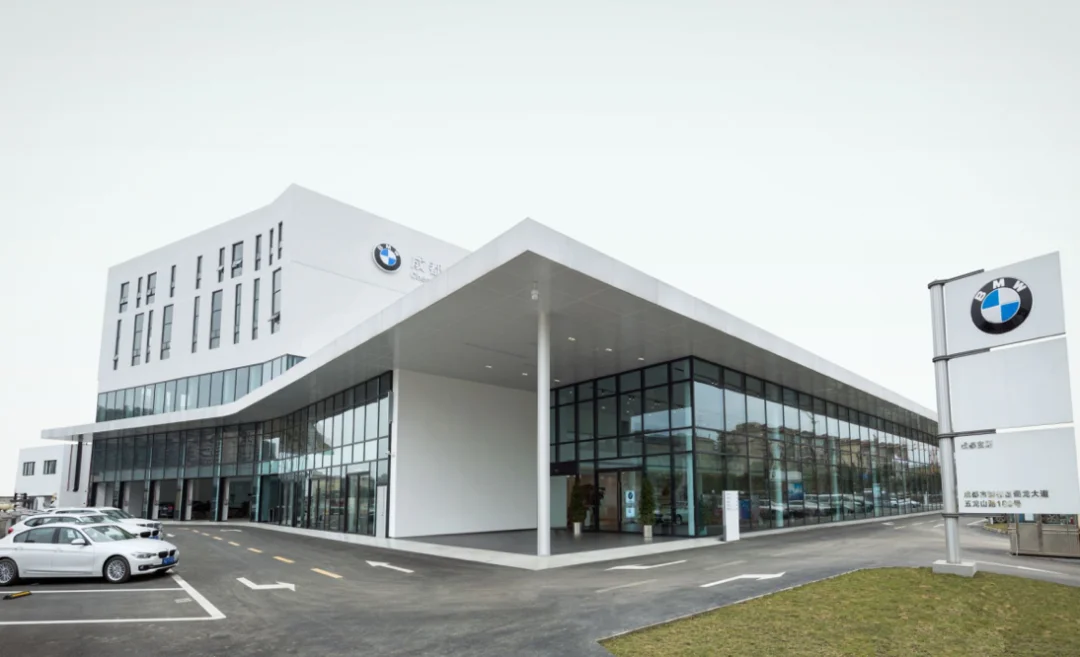
The investment cost for a single 4S store of luxury brands has risen from the tens of millions level to the hundreds of millions level. In today's highly mature e-commerce platform environment, an increasing number of consumer goods have opened self-operated stores on Tmall and JD.com, selling products directly to users. The reason why the dealership model has developed to this day and remains mainstream lies in both historical and industry factors.
First, manufacturers cannot reach end users directly. In the early days, poor information flow meant sales relied mainly on offline stores and salespeople. However, cars are highly specialized products and cannot be sold part-time like insurance. Manufacturers simply could not afford the cost of so many exclusive stores and full-time staff. Therefore, they had to find dealers with local resources who were willing to make their own investments to sell the vehicles.
Second, there is a contradiction between constant production capacity and fluctuating sales volumes. As an industrial product with extremely high supply chain requirements, the manufacturing complexity of complete vehicles demands strong stability from planned logistics to production takt times. However, automotive consumer demand is not stable, exhibiting distinct peak and off-peak seasons. This inevitably leads to significant inventory levels, which become an unbearable burden for automakers when rich financial instruments are unavailable.
The final point is the direction of financialization in the manufacturing industry. As the saying goes, "everything can be financialized under capitalism." With the maturation of the automotive industry, many companies actually leverage "financial leverage" to drive their development. Automobile production often relies on vast and complex supply chains. Due to their heavy-asset nature, automakers typically enjoy good credit ratings. This allows them to offer payment terms ranging from a few months to over ten months. However, dealers must pay for vehicles shortly before or after production using cash or financial loans. As production volume increases, the difference in these payment terms, combined with vehicle profits, generates significant cash flow, thereby supporting corporate growth and expansion.
02Encountering Bottlenecks: The Dealer Model Faces the Era of Stock Competition
The dealership model allows automakers to share profits with dealers while offloading significant risk. However, as the model has evolved over the years, its drawbacks have become increasingly apparent. The rise of new automotive forces and new energy vehicles is set to severely disrupt the traditional dealership system. Beyond merely adding layers to vehicle distribution and increasing sales costs financially, the dealership model's most critical flaws lie in the inconsistency of pricing and service.
The Chinese automotive market is gradually transitioning from an era of high annual sales growth to one characterized by stock-based competition. The increasing volume of inventory has led many dealerships to sell vehicles through various discount strategies, and cases of liquidating inventory at ultra-low prices have become commonplace as some are pressured by the risk of cash flow rupture. If a single dealership experiences a collapse in pricing, it triggers a chain reaction that makes profitability difficult for all dealerships. Meanwhile, automakers find it hard to intervene in this situation because ownership of the vehicles transfers during the wholesale process; attempting to control selling prices and regions could instead trigger anti-monopoly laws.
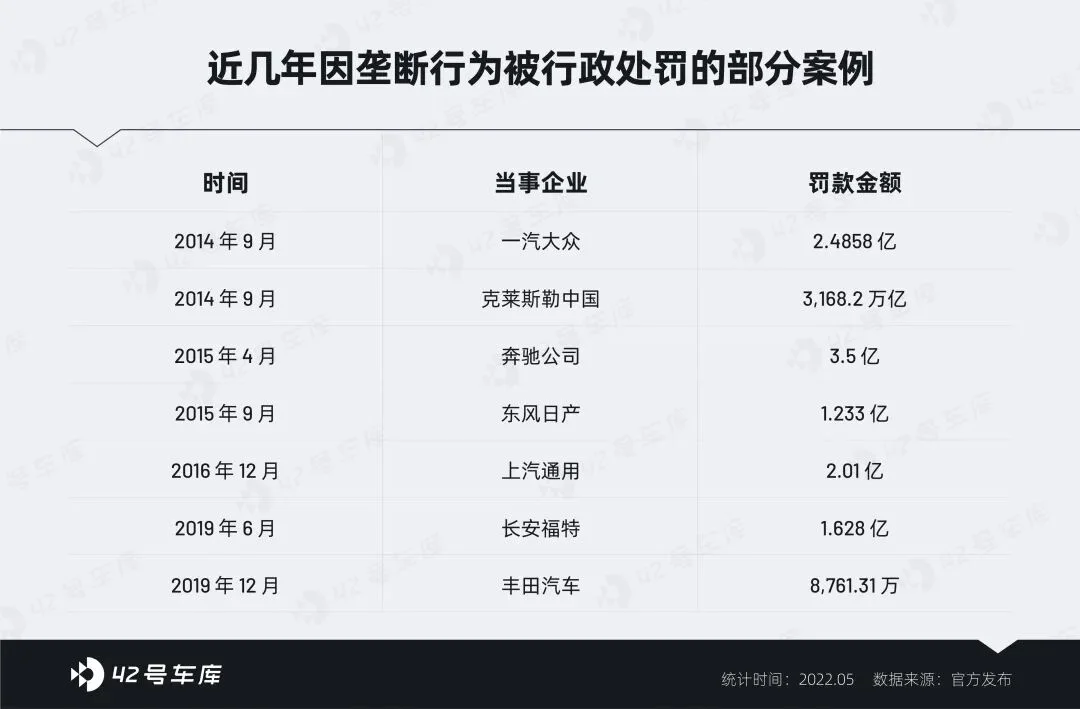
The collapse in prices has directly led to consumers comparing options across multiple channels, extending their decision-making cycles. Meanwhile, automakers face high external customer acquisition costs alongside vicious internal competition among dealerships, driving up sales expenses. The lack of profitability has also caused service quality to deteriorate, damaging brand reputation. Thus, the saying that "inventory is the root of all evil" applies equally to the automotive industry.
03Choosing Direct Sales Amidst Intensified Competition and Market Involution
Tesla brought the direct-sales model back to the automotive market.
Direct sales and direct operation are two different concepts. Direct sales refers to automakers selling vehicles directly to users, while direct operation means the stores are managed and operated directly by the automaker. Applying the concept that "gold and silver are not inherently money, but money is inherently gold and silver," we can say that "direct sales do not necessarily imply direct operation, but direct operation always implies direct sales" (the topic of direct operation will be discussed in subsequent episodes).
The return of direct sales has a certain social and industry foundation. First, the development and advancement of communication media such as the internet have given automakers the ability to communicate directly with potential users; the inherent connectivity of new energy vehicles further facilitates this communication. Second, more mature supply chains and flexible production lines make order-based manufacturing possible. Finally, the development of financial models allows companies to secure sufficient cash flow support.
From Tesla to early new-energy startups like NIO, Weima, and XPENG, and now to traditional automakers, an increasing number of new-energy enterprises have chosen the direct-sales model.
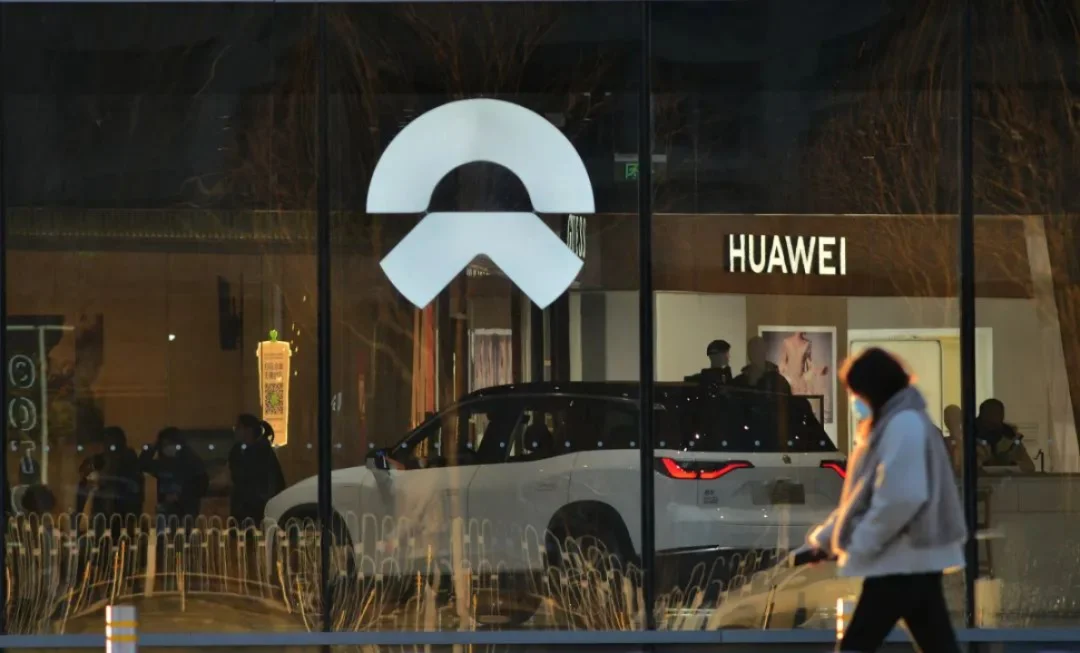
NIO further binds its direct-sales model with high-quality service So, what is the real appeal of the direct-sales model?
For users, direct sales make the car-buying process exceptionally simple. Previously, beyond deciding on a brand and model, the most critical task was price comparison. The variability in quoted prices made relying on personal connections for better deals a daily routine, which undoubtedly extended the decision-making cycle. Direct sales eliminate concerns about the final transaction price, allowing users to focus entirely on the automaker's products and services. As buyers transacting directly with the manufacturer, product information flows more smoothly, and corresponding guarantees are enhanced.
For enterprises, unified pricing power reduces vicious price competition and avoids domino-style chain reactions. By reducing sales channels and the malicious bidding within them, financial sales costs can be significantly lowered. In recent years, beyond the profit margin between wholesale and retail prices, substantial rebates and subsidy policies have also been major components of sales costs. Unified pricing has also become the foundation for the e-commerce transformation of automotive retail. Previously, because they lacked ownership of inventory and control over pricing, automotive e-commerce remained a pseudo-concept. The e-commerce transformation of automotive retail is what truly drives cost reduction and efficiency gains in automotive retail. Meanwhile, direct sales allow automotive companies to clearly know how much their cars sold for and who bought them, thereby precisely grasping user needs. Previously, many automotive companies had to rely on insurance data to partially understand the true sales performance of their products.
No mode is absolute. While direct sales bring numerous advantages, they also come with certain issues.
For consumers, direct sales mean transparent pricing, but not necessarily lower prices. When production capacity is sufficient, automakers wholesale products to dealers by "building up inventory." Dealers, facing cash flow pressures, often sell at retail prices below the wholesale cost and make up for it through new-car value-added services. In fact, in 2020, for many brands, these value-added services failed to generate a profit, with operations entirely supported by after-sales profits. Conversely, in 2021, due to rising chip and raw material costs, many automakers cut production. This reduced inventory and cash flow pressures, leading to improved profits from new-car sales for dealers.
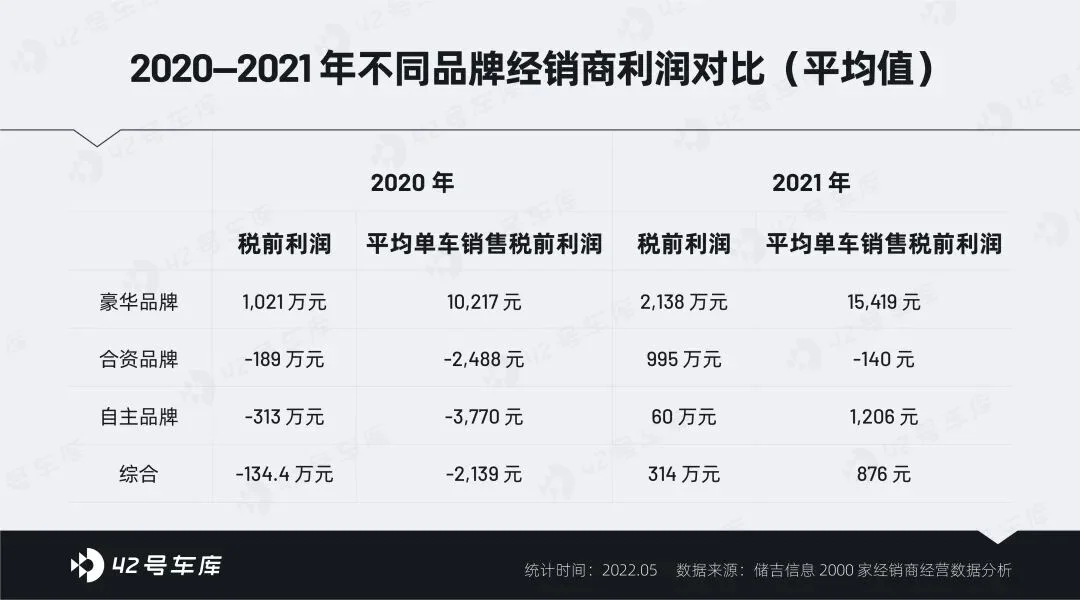
With ample production capacity, selling cars at a loss is commonplace. For automotive enterprises, direct sales are not a panacea. Compared to new forces born with the "direct sales" gene, traditional automakers that were among the first to adopt direct sales did so out of "necessity." Due to poor sales of their new energy vehicle (NEV) models, dealerships were unwilling to wholesale these vehicles and would not recommend them to customers even if displayed in showrooms. Consequently, many automakers designated NEVs as direct-sales models, integrating them into the same sales channels as fuel vehicles wholesaled by dealerships. Following the rise of new forces, numerous traditional automakers have also adopted direct sales as the distribution model for their NEV lines.
04Direct sales are essentially a disruptive innovation to the existing system
However, constrained by internal systems and capabilities, some automakers have adopted "pseudo-direct sales" models. The primary methods include the following.
E-commerce platforms: collecting phone numbers
In response to the rise of e-commerce, many brands attempted to sell vehicles on platforms such as Tmall, JD.com, Qichezhijia, and Yiche. However, they quickly discovered that this approach was unworkable because they did not control pricing or inventory. Consequently, automakers ended up selling discount packages for as little as a few dozen yuan or even 1 yuan. After confirming a purchase with a dealer, the manufacturer would gift the package to collect contact information from interested buyers. Eventually, dealers exploited these discounts by placing orders on behalf of customers in advance, using them as leverage during price negotiations.
Developing apps: following procedures
Some automakers were unwilling to limit themselves to e-commerce stores and instead developed their own apps to gather users. Due to the same underlying issues, these apps often served only to guide customers through an ordering process after prices had already been negotiated in person with a sales consultant.
Customized models: guaranteed sales agreements
To address the inability to control terminal selling prices, many automakers developed customized configurations based on existing models, exclusively for e-commerce or other online channels. However, the differences between these configurations were minimal; many merely featured different names or lower prices. These models still required backing from other platforms before mass production could proceed. As a result, these e-commerce platforms effectively functioned merely as online dealers.
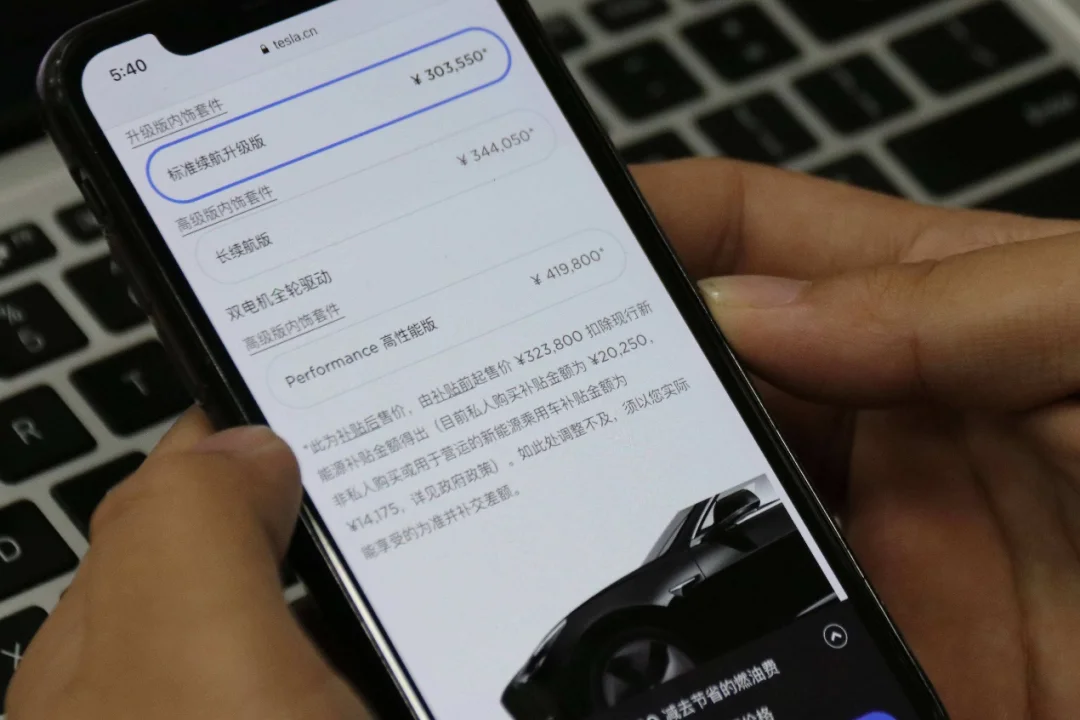
If one believes that direct sales mean only building an app, Tesla, which relies primarily on its official website and mini-programs for orders, might be the first to disagree. As for the results over the years, apart from continuously increasing sales costs, there has been little gain. The stark reality tells them that direct sales is not as simple as creating an app or opening a few online stores; the biggest drawback of the direct sales model is "it's really too difficult," because a true direct sales model must confront a series of challenges.
Veteran auto salespeople with keen user insights often say, 'There's no car that can't be sold, only a price that can't be met,' while we all know that 'prices are determined by supply and demand.'
Under the dealership model, OEMs only hold pricing authority over suggested retail prices, while the actual transaction prices are controlled by dealers. In contrast, under the direct-sales model, pricing is solely in the hands of the automaker, resulting in a loss of flexible market adjustment capabilities. Consequently, product definition and pricing capabilities based on precise user insights have become core competencies. Products and prices are presented directly to users, and the "cost-based pricing" method, which previously relied on dealers as a buffer, will be completely replaced by "market-based pricing." After all, actual retail sales figures will strip away all pretenses. Of course, price adjustments are more convenient under the direct-sales model; however, the uniform pricing is transparent to existing owners, which is why every Tesla price cut generates a wave of disgruntled early adopters. Just when everyone assumed that Tesla's frequent price adjustments had fully educated the market, rights-protection actions involving the 2020 XPENG G3 and the 2021 Li ONE demonstrated that users had only preliminarily adapted to Tesla's price cuts.
From enterprises that operate B2B wholesale to companies that conduct B2C retail, all require systemic evolution and organizational restructuring. In traditional automakers, departments are structured around dealerships and dealer networks; under a direct-sales model, every department's work must be oriented toward end users. For instance, advertisements placed by the former marketing department were primarily designed to ensure visibility for dealerships. The former sales department's objective was not to sell vehicles directly to consumers but to "call" on dealerships. Furthermore, most modules of the legacy order system were built to manage wholesale operations, with only a small fraction dedicated to supporting retail.
For example, a new-energy vehicle brand and a traditional automaker both use telephone customer service. Despite an annual sales volume ratio of 1:50 between the two companies, their number of call center agents stands at a ratio of 1:10. This is because, under the direct-sales model, users are more inclined to contact the automaker directly to resolve issues.
The concept of a "middle office" has also been widely adopted by automotive companies. In traditional enterprises, wholesale and retail operations are often managed as separate business units, with disconnected workflows and information flows that create gaps. A key function of the middle office is to transform backend resources into capabilities and deliver them to the user side. This concept encompasses both business middle offices and system middle offices, rather than referring merely to isolated systems or departments.
Integrated management of production, sales, and inventory presents significant challenges for direct-to-consumer models. First, the traditional production planning approach is no longer suitable; previously, manufacturers could schedule production based on their own supply chains or on wholesale orders from dealers. However, a model where user retail orders go directly to the factory requires extremely strong management capabilities over the supply of tens of thousands of components for each vehicle. Meanwhile, through product configuration planning and data analysis, efficiency can be improved through forecasting.
Inventory management remains a significant challenge. High inventory turnover days imply the need for substantial cash reserves, making the ability to leverage financial instruments to ensure liquidity particularly critical. In their early stages, new EV makers introduced numerous customization and option packages to attract customers. Through various combinations, a single model could offer anywhere from one or two thousand to tens of thousands of configurations, undoubtedly exacerbating pressure on production, sales, and inventory. To avoid this issue, Li ONE directly launched with only a single configuration. Subsequently, it became evident that reducing configuration options, along with adopting strategies of pre-installed hardware and software monetization, has gradually become mainstream.
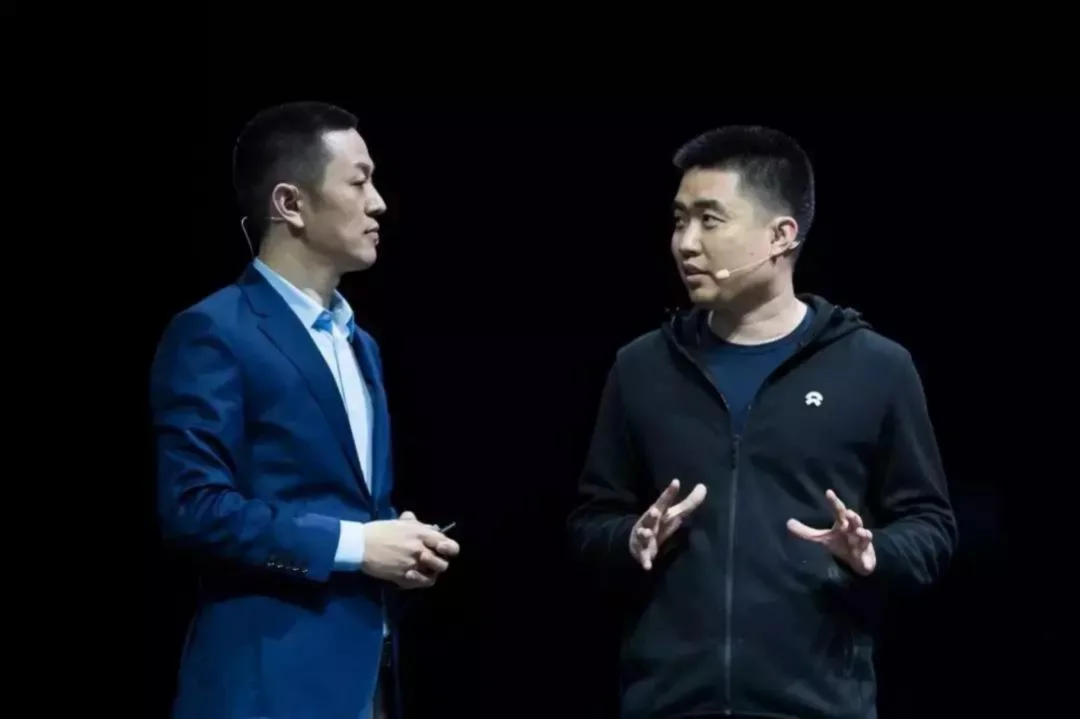
If the boss doesn't step onto the stage, new energy vehicle companies today might not even know how to hold press conferences. The final and most crucial point: the courage to face users directly. The true core of direct sales has always been genuinely engaging with users. "User-centric enterprises" have gradually become a slogan for many new energy companies, but it often remains just that—a slogan and user meetings that are merely "planned." In recent years, the most common scenario has been executives personally getting involved in live-streaming sales, only to hastily retreat after being turned into several WeChat emojis by users, or alternatively, attempting to follow the "Steve Jobs" route. However, the essence of Steve Jobs was also his profound insight into users. Facing users directly means neither adopting an attitude of "I'll do my thing regardless of what you say," nor blindly following every word users say. The former loses touch with understanding user needs, while the latter causes the company's strategy to waver indecisively. How to analyze the underlying real reasons and demands from among the multitude of voices has become key. After all, users with higher purchase intent hope for more product configurations and lower prices.
The biggest challenge automakers often face is the inability to help deeply engaged users understand the complexity of vehicle manufacturing and distribution. In fact, users do not need to fully grasp these complexities; sincere communication can resolve issues because automakers and users share a common goal: creating better products at lower costs and sharing the results.
The choice between direct sales and dealership models is not a matter of subjective decision-making, but rather an outcome of objective development; there are no inherent right or wrong options. The true challenge lies in the comprehensive reshaping that the direct-sales model has imposed on automakers' organizations, systems, production, IT infrastructure, logistics, and marketing over more than two decades.
Written by: Bluehyper Edited by: Daji