


Hongmengzhixing, Jiyue, and Volkswagen Unveil New Models; NIO Adjusts Battery Swap Fees; XPENG Plans EREV
01Weekly Index
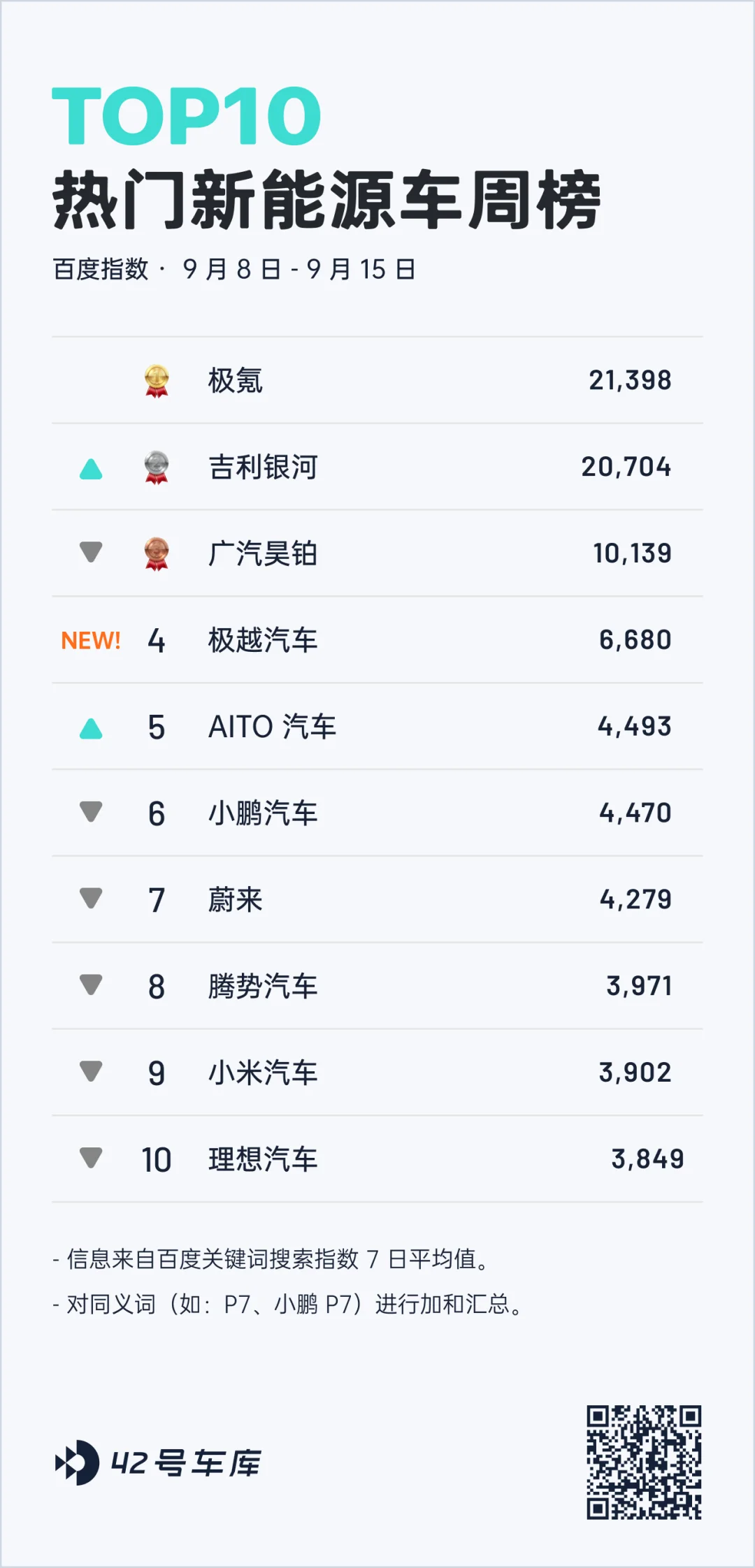
02Weekly Highlights
Hongmengzhixing, Jiyue, Volkswagen and Other Brands Launch New Cars; Which One Is Your Favorite?
Recently, numerous brands unveiled new models. Here is a roundup of the latest releases:
Hongmengzhixing
The AITO M9 five-seat version was released on September 10, bringing a series of new upgrades.
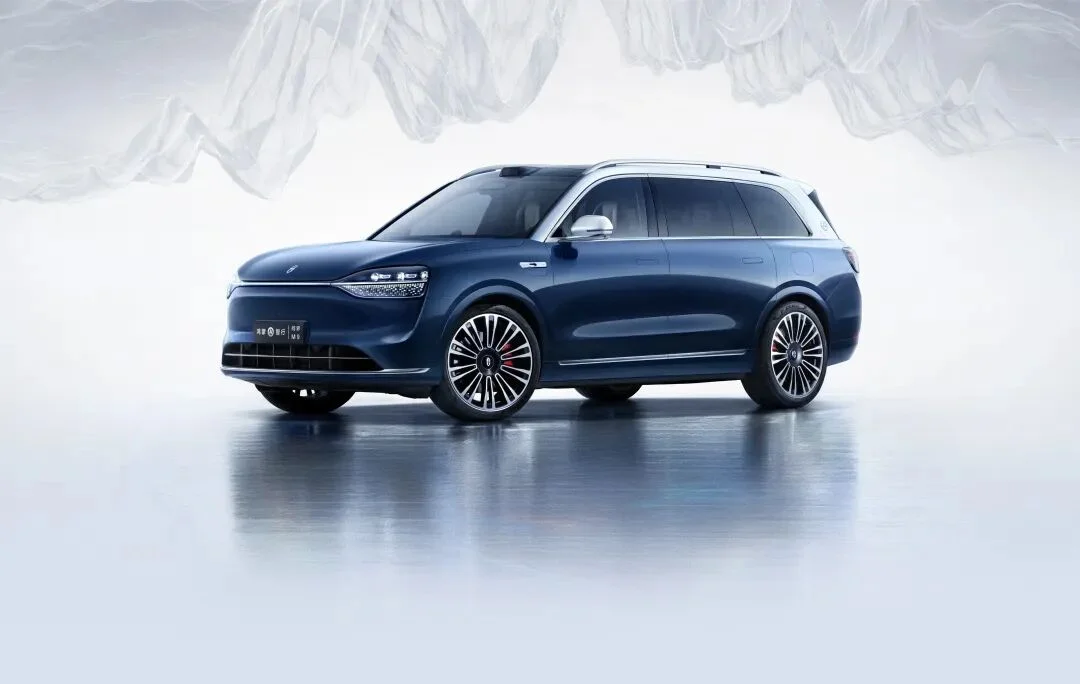
New intelligent welcome light language, "Phoenix Dancing in the Nine Heavens," with continuous upgrades to scene-based light sequences;
The smart crystal knob adds function selections such as suspension height;
The 75-inch AR-HUD can transform into a private cinema, supporting height and brightness adjustments. In parked scenarios, the row of seats automatically adjusts its position, and video content can be rotated across five screens using three fingers in four directions.
The control center has been completely upgraded;
Huawei HiFin in-vehicle communication system, signal strength is 2.8 times higher than the industry average;
Added voice control for functions such as opening and closing doors;
The rear "Shanhai Seats" offer many new possibilities for the trunk.
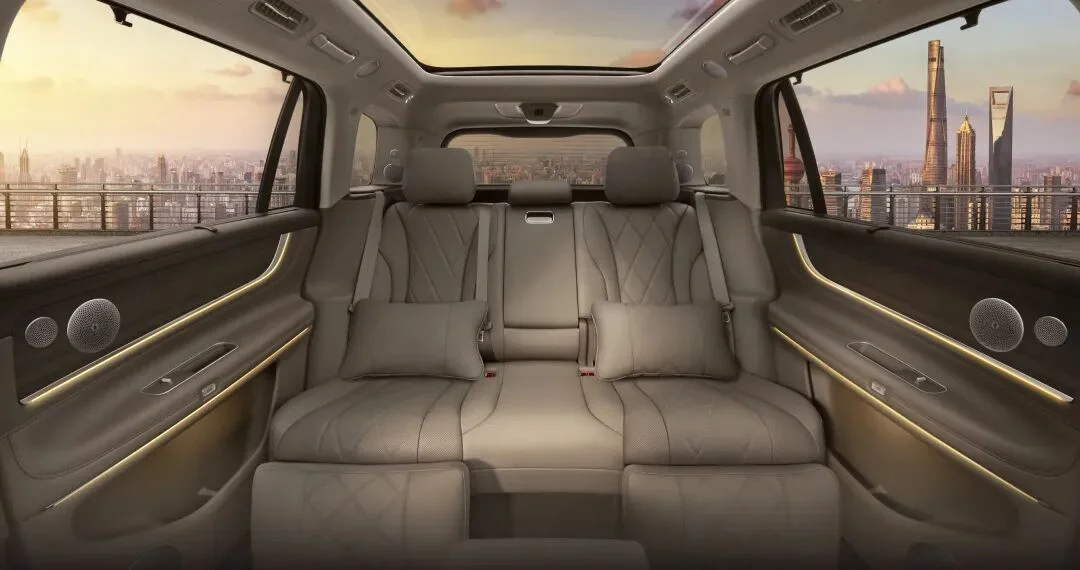
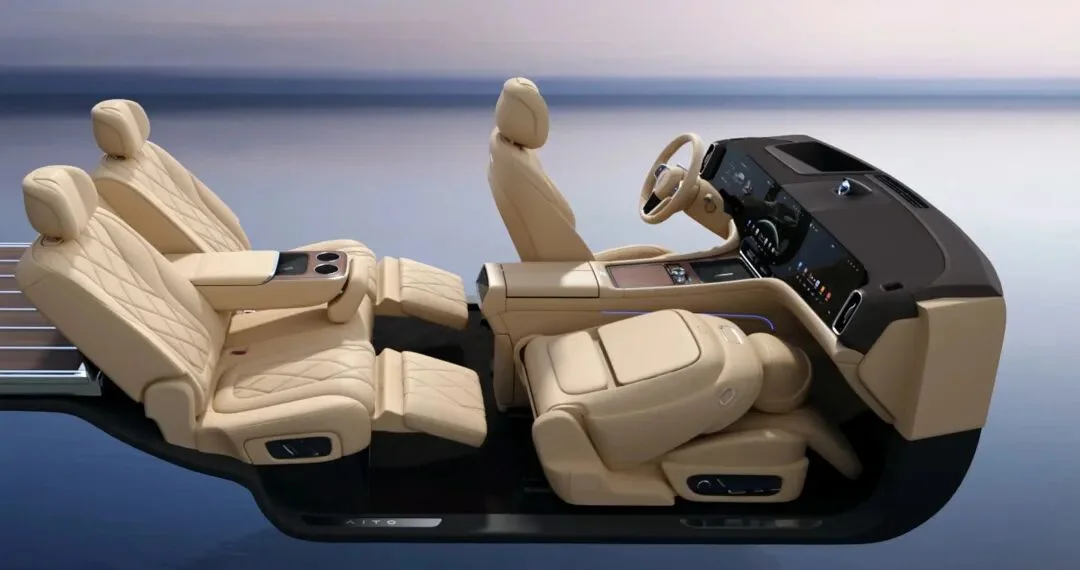

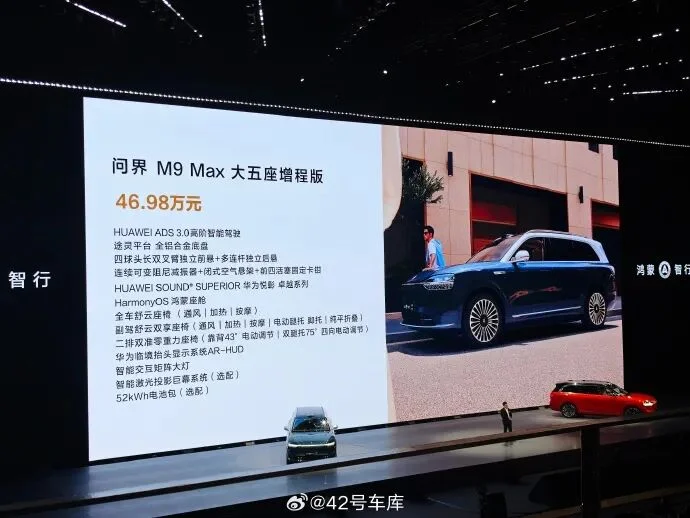
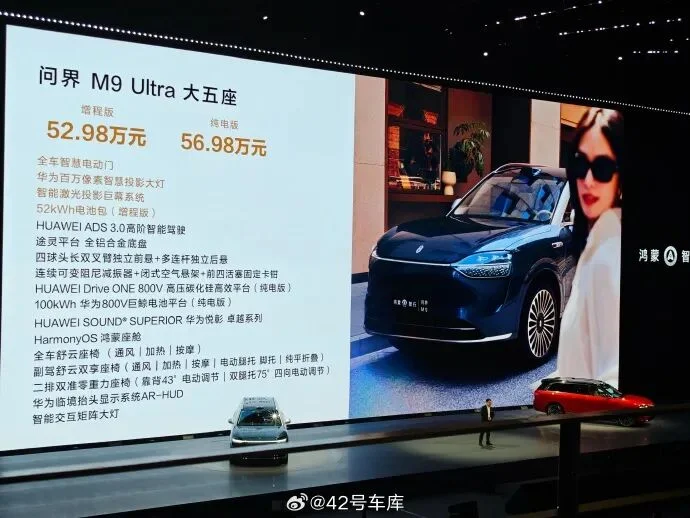
The five-seat AITO M9 offers two extended-range models and one pure-electric model, priced from RMB 469,800 to RMB 569,800. What do you think of this pricing?
Zhijie R7 also opened for reservations on the same day, with a pre-sale price starting at RMB 268,000. Within 24 hours of the pre-sale launch, Zhijie R7 received more than 10,000 small orders. A reservation deposit of RMB 2,000 can now be deducted from the vehicle price as RMB 5,000. What do you think of this order performance?

In addition, Richard Yu announced at the press conference that starting in September 2024, all Hongmengzhixing models will be upgraded to the HUAWEI ADS 3.0 system.
Jiyue
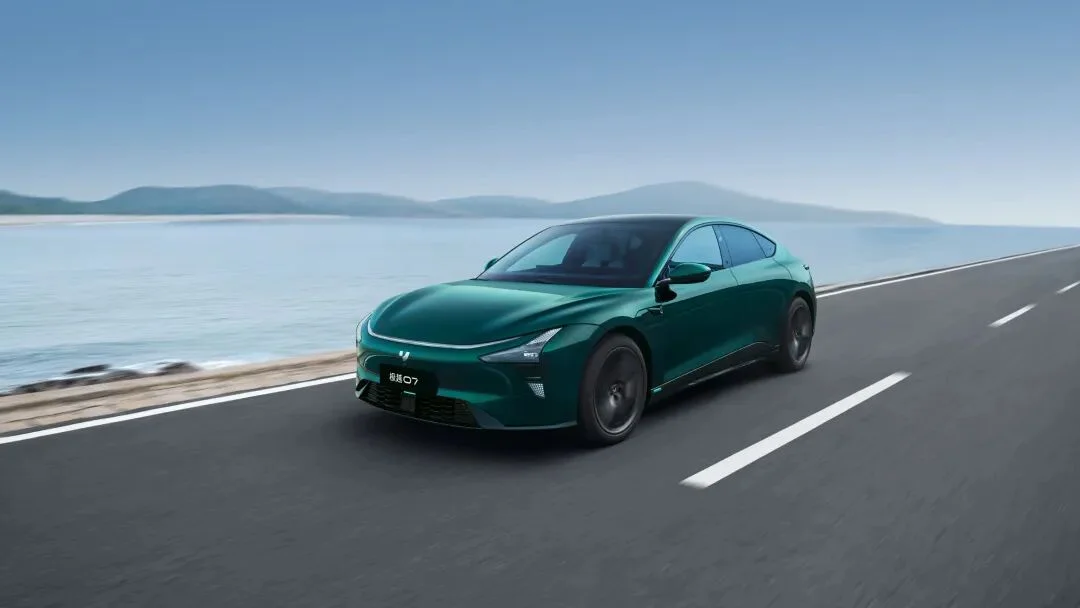
The new Jiyue 07 features an official maximum power output of 530 kW, a 0-100 km/h acceleration time of 3.5 seconds, an energy consumption of 12.4 kWh per 100 km, and a maximum range of 880 km. It supports adding up to 600 km of range within 10 minutes. The vehicle is available with both 400 V and 800 V electrical architectures.
For comfort configurations,
Front-row legroom: 1,025 mm;
Rear seat cushion depth: 530 mm;
Hatchback trunk opening width: 967 mm;
Both front and rear seats feature ventilation and heating, with the ventilation system employing a suction-style design.
Regarding the safety of the door-handle-free design on the Jiyue 07, Xia Yiping stated that in the event of a collision, the Jiyue 07 can provide an unlocking force of 5,000 N and a door-opening force of 1,000 N, along with redundant power supply. The 5,000 N unlocking force is equivalent to the strength of 10 adults.
The cabin is equipped with the 8295P chip, featuring two NPUs, 60 TOPS of computing power, and up to 32 GB of memory.
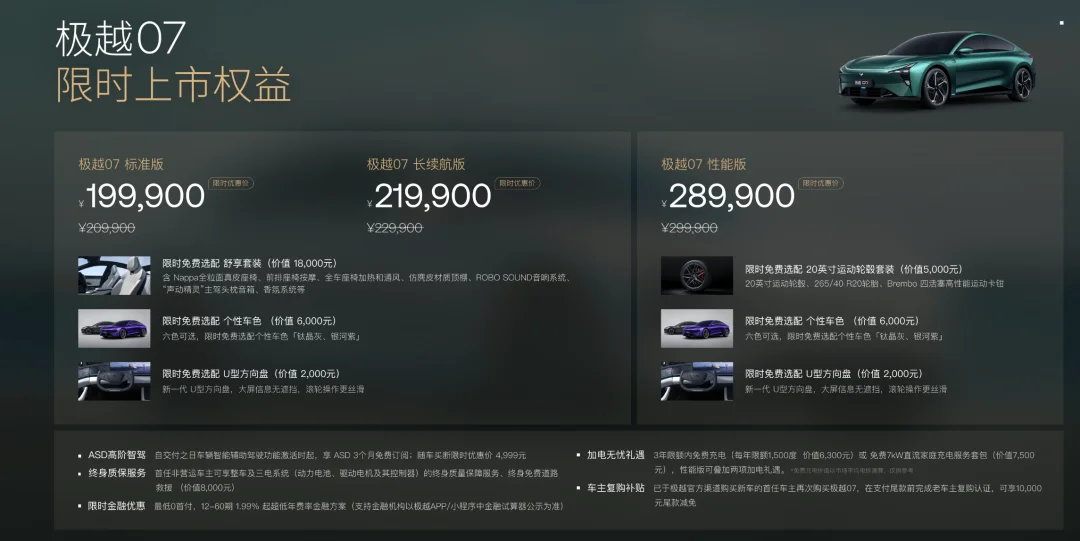
The Jiyue 07 Standard Edition starts at RMB 209,900, with launch promotional prices ranging from RMB 199,900 to RMB 289,900. Pre-sales exceeded 5,000 units within 48 hours of opening; the long-range version accounted for 75% of sales, and the autonomous driving option had a selection rate of 76%.
ShangqiVolkswagen
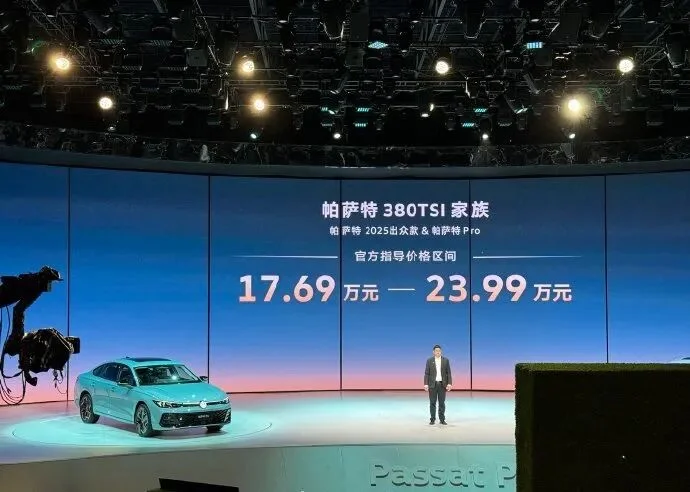
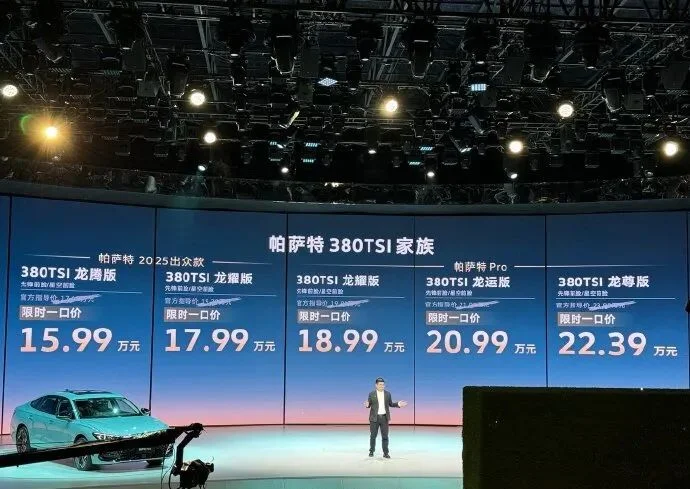
On September 10, Shangqi Volkswagen released two models: the Pasate and the Pasate Pro. The Pasate Pro is the version of the latest overseas generation Passat B9 introduced to China.
The limited-time price for the 2025 Pasate is RMB 159,900 to RMB 179,900. The three trims of the Pasate Pro have fixed limited-time prices of RMB 189,900, RMB 209,900, and RMB 223,900 respectively.
Lutesi
On September 17, Lotus unveiled its latest all-electric concept car, Theory 1.
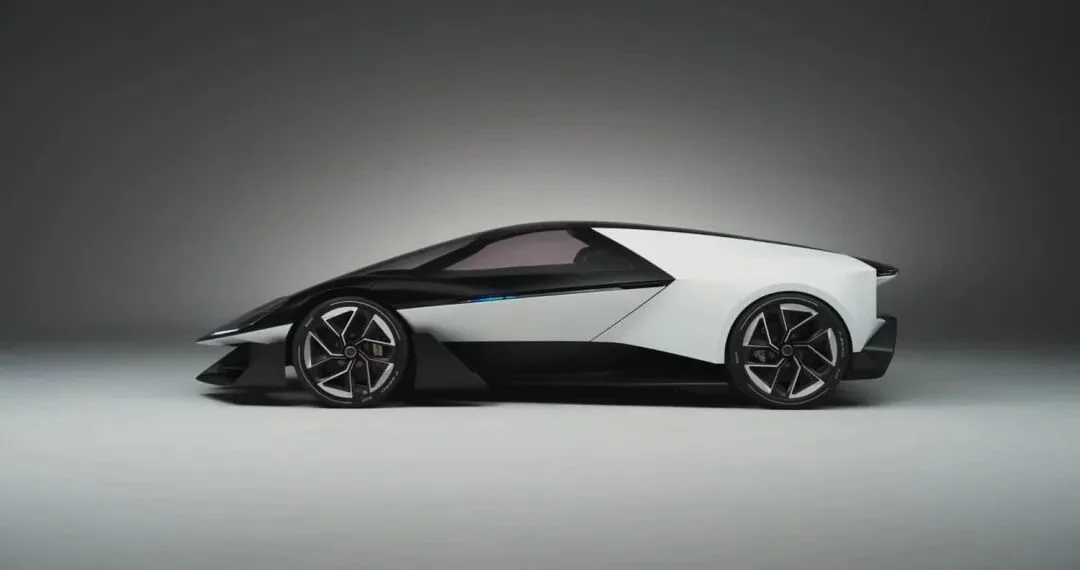
Visually, it differs somewhat from the previous Evija. Most exterior lines use straight designs, and edges incorporate many angular lines. Consequently, the low-slung profile, combined with these lines and color distribution, gives the car a very sharp appearance. It bears a slight resemblance to the Jixing Synergy.
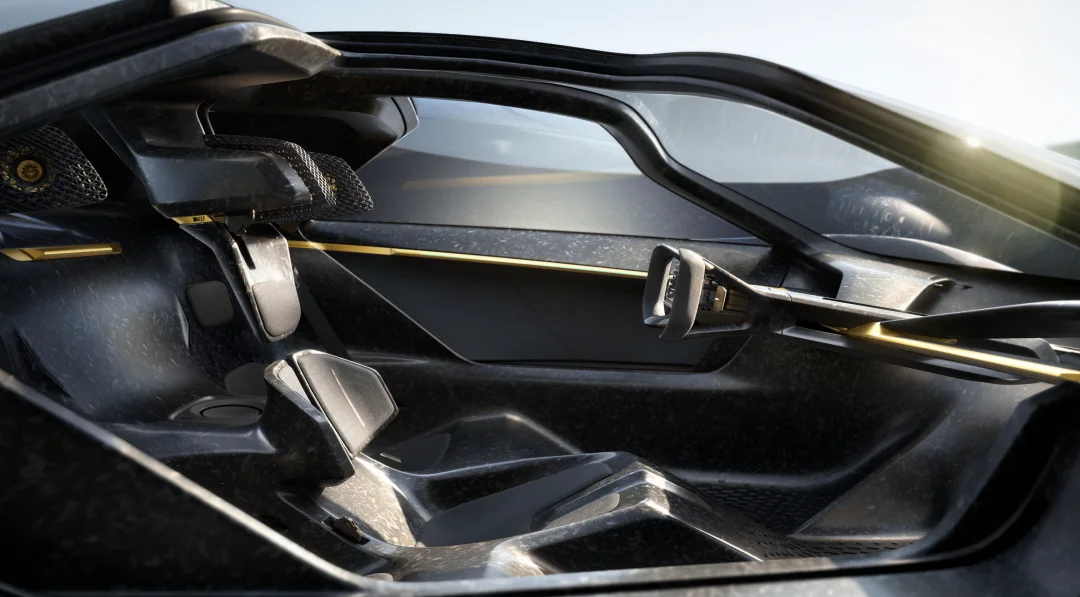
In fact, this Theory 1 is also a tribute to Lutesi's own Esprit; it is expected that the Type 135's styling will be based on the Theory 1.
Some parameters:
0-100 km/h acceleration in under 2.5 seconds;
Maximum speed: 320 kph;
Dimensions (L × W × H): 4,490 mm × 2,000 mm × 1,140 mm;
The total vehicle weight is less than 1,600 kg.
Stay tuned to see if this electric sports car has a mass-production plan.
Lynk & Co
On September 13, Lynk & Co unveiled its all-new pure-electric model Z20 at the Ministry of Industry and Information Technology (MIIT).
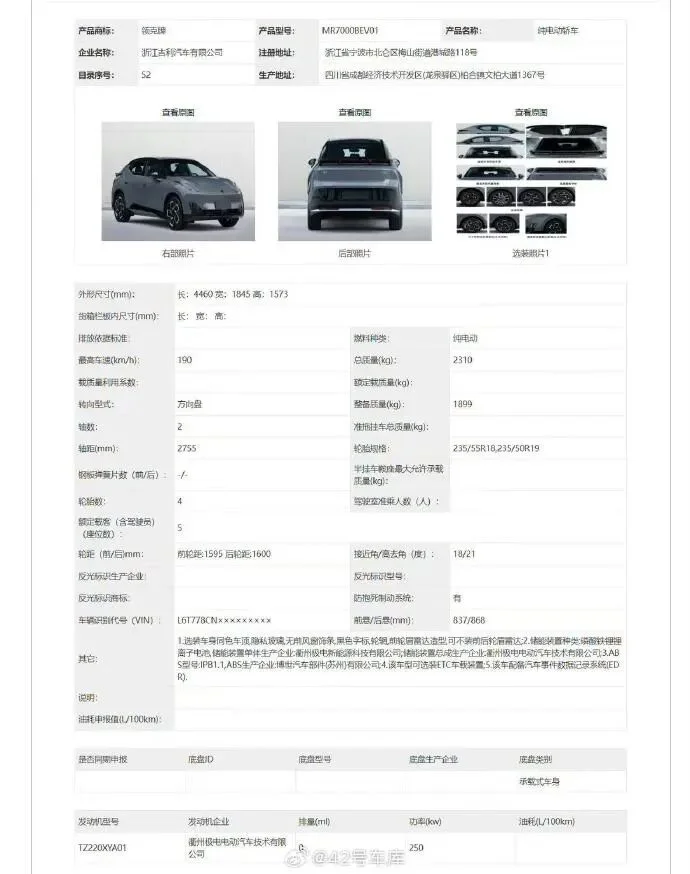
According to MIIT information, the Lynk & Co Z20 measures 4,460 × 1,845 × 1,573 mm in body dimensions, with a wheelbase of 2,755 mm.
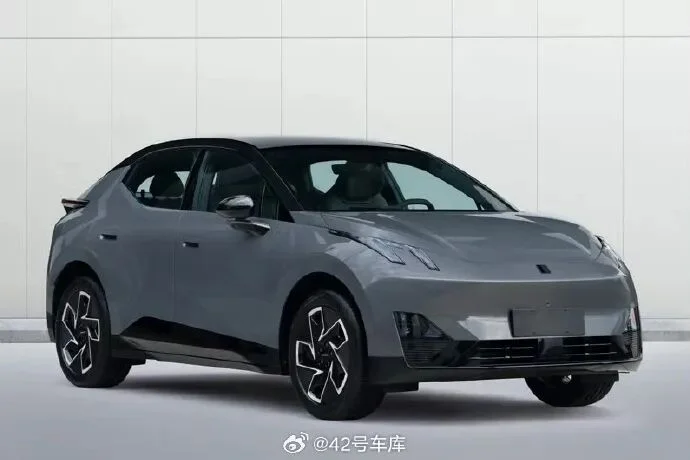
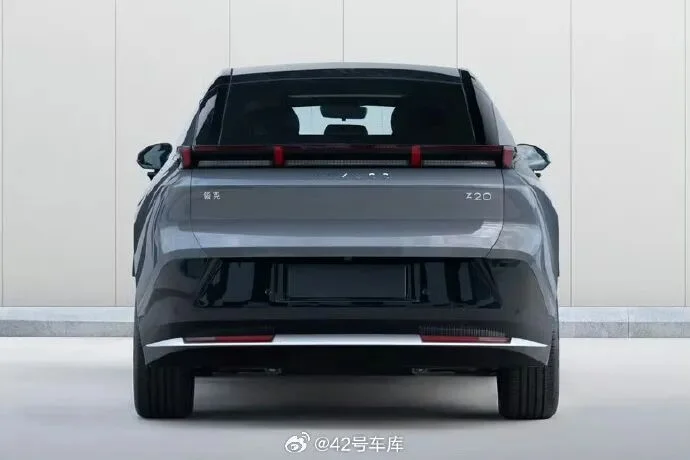
So far, only a single-motor version has been spotted, equipped with a 250 kW motor and a lithium iron phosphate battery. Wheel options include two sizes—18-inch and 19-inch—in five styles.
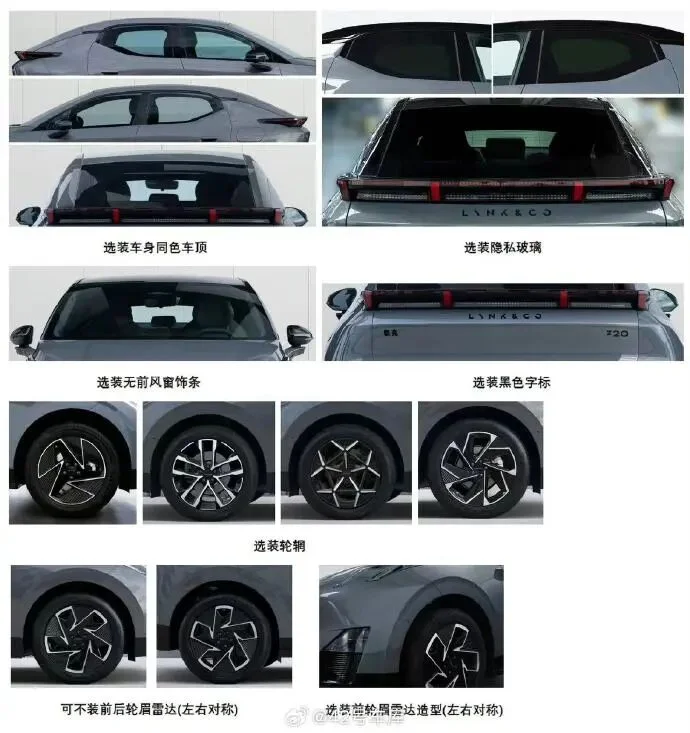
Lynk & Co’s second all-electric model, the Z20, is scheduled to debut in Europe first in October, where it will be marketed as the Z02. The vehicle is expected to make its domestic premiere at the 2024 Guangzhou Auto Show. What do you think the selling price of the Lynk & Co Z20 will be?
Commentary:
With a flurry of new car launches in recent weeks, which one is your favorite? Share your thoughts in the comments.
NIO Adjusts Battery Swap Fees
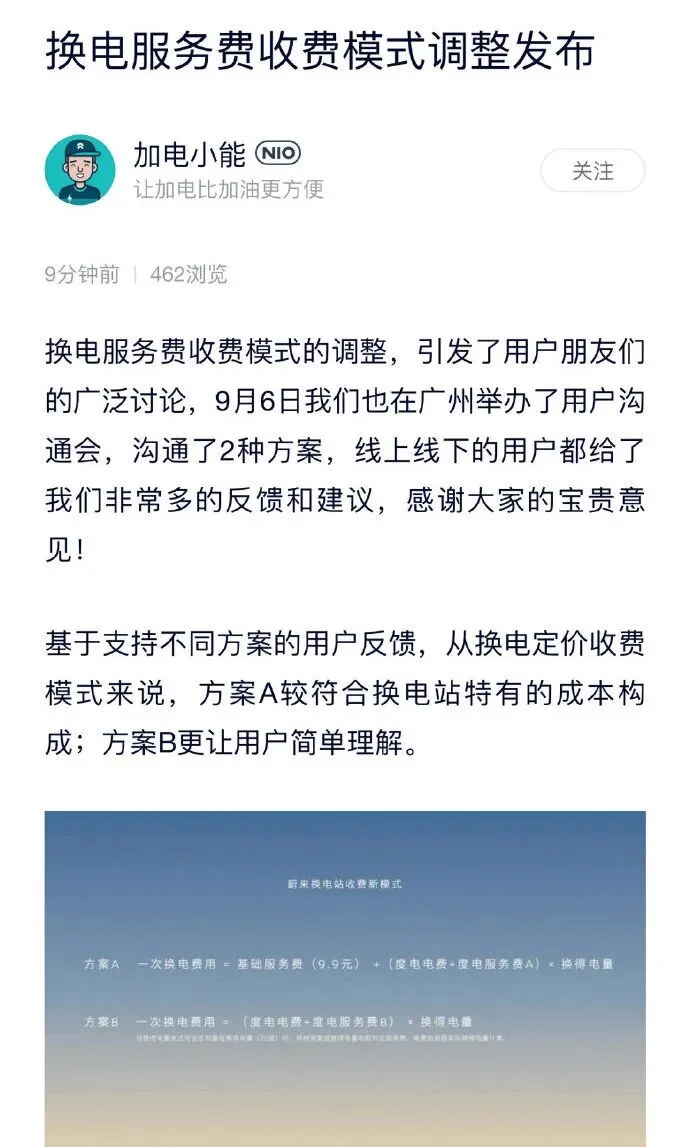
On September 15, NIO finalized its plan for adjusting battery swap fees.
After releasing two adjustment proposals for user discussion and feedback collection in previous weeks, NIO has now confirmed that the battery swap fee model will revert to a structure similar to the previous one, charging service fees based on kilowatt-hours (kWh).
The specific details are as follows,
Current model: Single swap fee = (electricity cost + service fee) × energy obtained
When the energy obtained is less than the set minimum threshold of 20 kWh, the service fee is charged based on this minimum amount, while the electricity cost is calculated based on the actual energy obtained.

Commentary:
Compared to the previous per-swap service fee model, this change is more practical in real-world scenarios. Many users simply swap a battery when they happen to pass by a station, but charging a flat service fee per swap incentivizes users to drain the battery as much as possible before swapping, which can be detrimental to battery health. With the updated model, NIO and ONVO owners can swap batteries more flexibly, as fees are no longer tied to specific charge levels. As long as the added energy exceeds 20 kWh, the charge is based on the actual energy swapped. What do you think of this adjustment?
XPENG to Launch Extended-Range Vehicle
According to 36 Keqiche, XPENG’s extended-range electric vehicle (EREV) project has taken shape. The company finalized core component suppliers in the first half of the year, and its first EREV is currently in full development, with mass production expected in the second half of 2025.
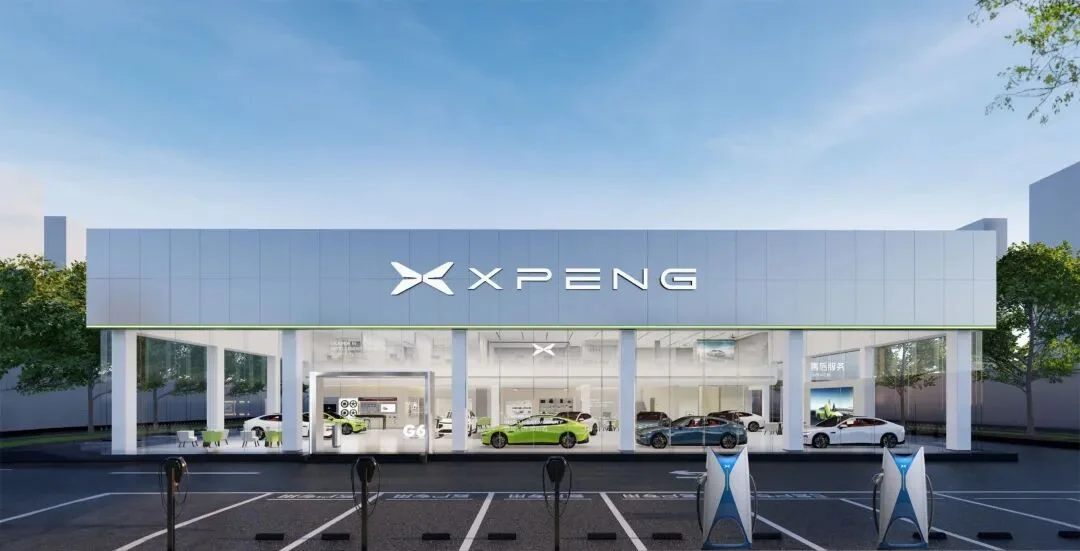
According to industry sources, XPENG’s first extended-range electric vehicle (EREV) will be a large SUV, internally designated as project G01. Based on the G9 platform, it targets the price segment above RMB 200,000.
XPENG has currently selected Dongandongli as its supplier for the range extender. Dongandongli previously supplied range-extender components to Lixiang.
Commentary:
This year, as more brands announce plans to launch EREV models, new entrants to this market are generating significant anticipation. How much of an impact do you think XPENG’s entry into the EREV segment will have on its monthly sales volume?
Mobileye Halts Development of Next-Generation FMCW LiDAR
On September 9, Mobileye announced that it is stopping research and development of its next-generation frequency-modulated continuous-wave (FMCW) LiDAR.

Mobileye believes that because it has adopted a vision-based approach, next-generation FMCW LiDAR will have limited utility. Meanwhile, visual perception capabilities on the EyeQ6 chip have made substantial progress, and removing LiDAR allows for further cost reductions.
Consequently, Mobileye will dissolve its LiDAR division by the end of 2024, affecting approximately 100 employees.
Mobileye estimates that the operating expenses for its LiDAR R&D department in 2024 total USD 60 million, including USD 5 million in stock-based compensation. The cancellation of the LiDAR division is not expected to have a significant impact on the company’s 2024 financial performance but will avoid future development expenditures.
Commentary:
This move can be interpreted in two ways: First, Mobileye is fully embracing the vision-based route, joining Tesla and Jiyue as another manufacturer pursuing vision-only solutions for mass-produced driver assistance systems. Second, Mobileye’s market share in China continues to shrink, and its stock price has fallen since its independent listing. Last week, reports emerged that Intel plans to further reduce its stake in Mobileye, necessitating cost-cutting measures to compete. Which interpretation do you favor?
U.S. Suddenly Raises Tariffs on Chinese Products, Hitting Electric Vehicles at 100%
According to Yangshixinwen, on September 13 local time, the Biden administration in the United States announced that it has finalized decisions to increase tariffs on certain products manufactured in China.
The U.S. Office of the Trade Representative announced that, starting September 27, tariffs on electric vehicles manufactured in China will rise to 100%, while solar cell tariffs will increase to 50%. Tariffs on EV batteries, critical minerals, steel, aluminum, face masks, and ship-to-shore container cranes will be raised to 25%. Additionally, tariff increases on other products, including semiconductor chips, are scheduled to take effect over the next two years.
Mercedes-Benz to Launch Solid-State Batteries by 2030
Mercedes-Benz is collaborating with Factorial on solid-state batteries expected to enter production before 2030.
According to Lutoushe, on September 10, automaker Mercedes-Benz and U.S. battery startup Factorial announced that the two parties are collaborating on a solid-state battery, which is expected to significantly increase the driving range of electric vehicles and reach production before 2030.

In a press release, Mercedes-Benz and Factorial stated that their joint solid-state battery, named Solstice, can increase range by approximately 80%—reaching about 1,000 kilometers—while reducing battery weight by 40%.
In 2022, Factorial successfully raised USD 200 million, with investments from Mercedes-Benz, Stellantis, and Xiandaiqiche. In July this year, Mercedes-Benz received B-sample units of the Solstice solid-state battery for testing. Factorial stated these were the first B-sample solid-state batteries shipped to any global OEM.
Commentary:
Solid-state batteries are the next key focus for technological breakthroughs, with many manufacturers having plans in place. Shangqi and Guangqi have both set their targets for 2026, while CATL believes that small-batch production is expected to be seen by 2027, and Toyota aims to launch products between 2027 and 2028. If these plans proceed smoothly, it is estimated that true solid-state batteries could appear on mass-produced vehicles in as little as two or three years. At that point, an all-electric range of 1,000 kilometers may become standard, significantly improving both safety and range capabilities, which should alleviate many of the current concerns people have about electric vehicles. When solid-state batteries become available, would you consider trading up or adding a vehicle equipped with this technology?
Written by: Jiaming Edited by: Jiaming